
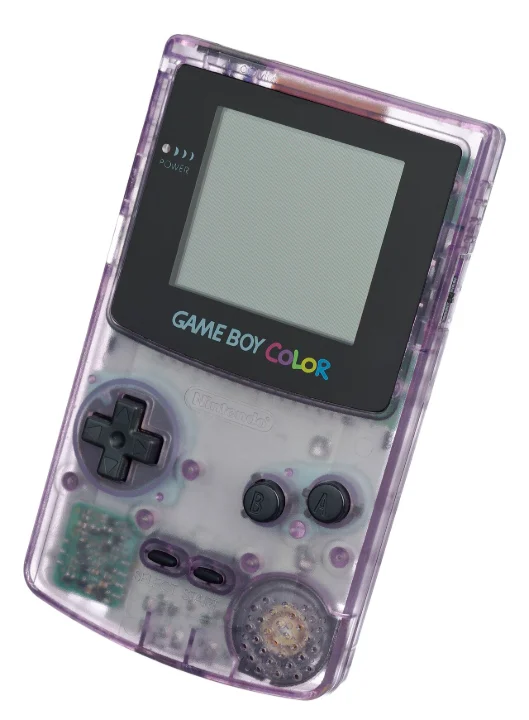
Super Mario Games on the Game Boy Colour
The Game Boy Color finally gave Nintendo’s handheld a colour screen, and Mario mostly used it to look back. Super Mario Bros. Deluxe squeezed the 1985 classic and The Lost Levels on to one cartridge, two Game & Watch Gallery sequels gave the old LCD games a Mario makeover, and Camelot’s Mario Golf and Mario Tennis turned sport into role-playing adventures that could talk to the Nintendo 64. Nintendo counts the Game Boy Color together with the original Game Boy: 118.69 million units between them.
Overview
By 1998 the Game Boy was nearly ten years old, and Nintendo’s answer was not a new machine so much as a better one: the Game Boy Color, built by Satoru Okada’s team on a faster version of the same 8-bit chip, so that every old cartridge still worked. Nintendo itself treated it as a hardware revision, and it reports its sales together with the Game Boy’s. For Mario that meant something unusual: a whole console generation without a brand-new platformer. Instead he spent the colour years remastering, remixing and playing sport.
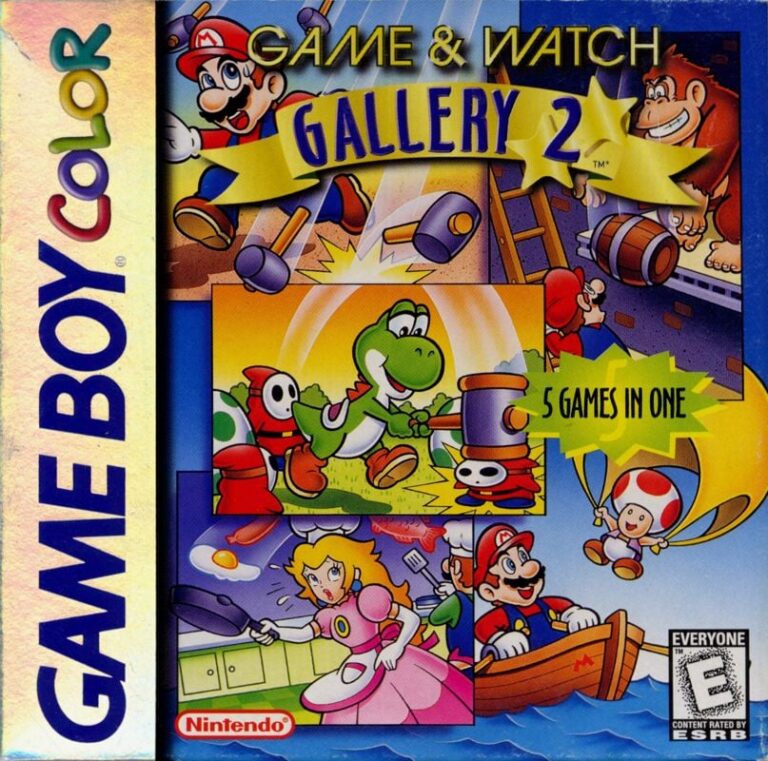
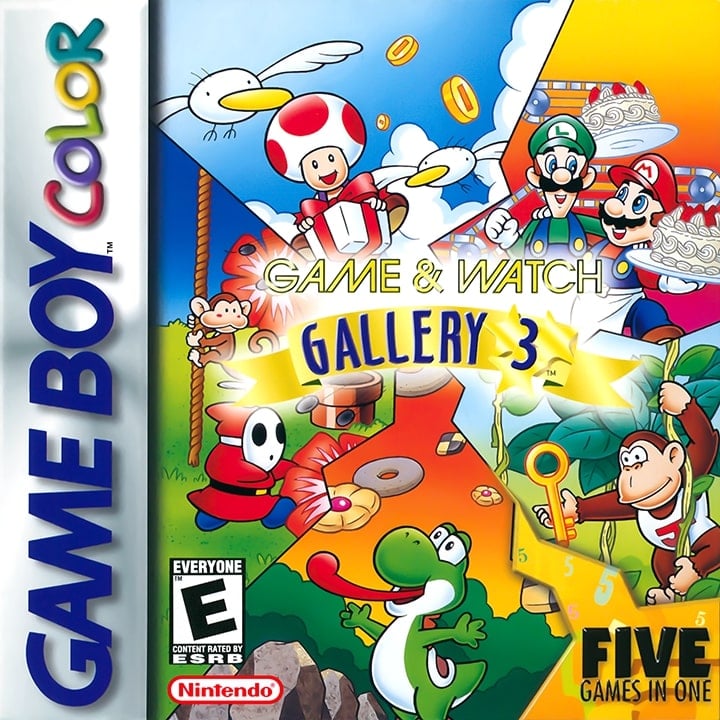
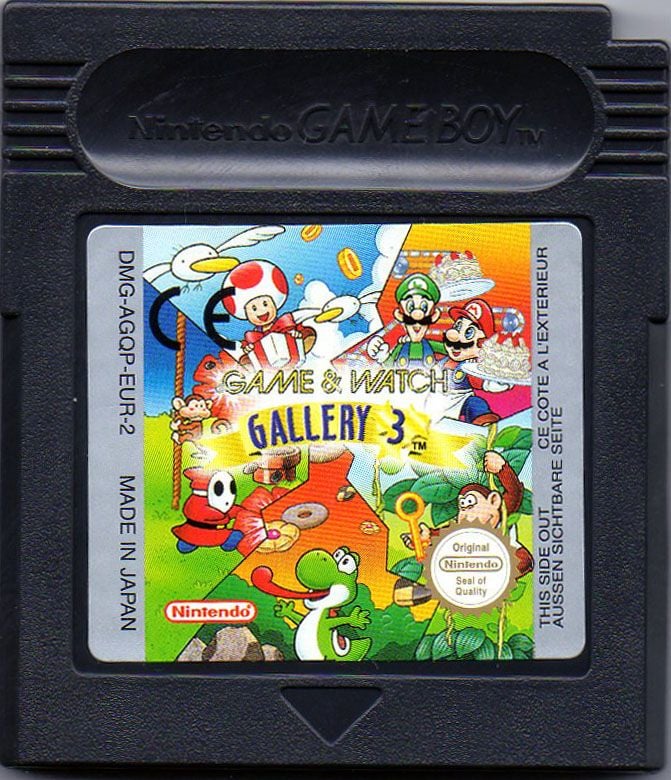
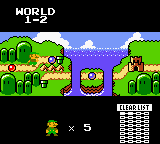
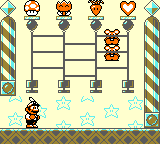
Wario got there first, with Wario Land II at the Japanese launch, but Mario’s first colour cartridge was Game & Watch Gallery 2, which reached the West in November 1998, the same month as the hardware; Japan had already had it in black and white. Game & Watch Gallery 3 followed in April 1999, putting Mario, Luigi, Yoshi and Donkey Kong Jr. into Modern versions of LCD games such as Egg, Green House and Mario Bros. In May 1999 Nintendo R&D2 released Super Mario Bros. Deluxe, a colour-only cartridge that packed the 1985 original with a Challenge mode, races against Boo, link-cable duels with Luigi, a Toy Box, a photo album for the Game Boy Printer and a cut-down version of The Lost Levels.
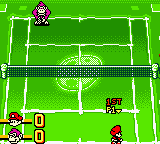
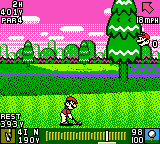
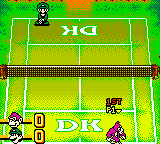
The other two came from Camelot Software Planning. Mario Golf (1999) and Mario Tennis (2000) built role-playing stories around a cast of new human players, then let you carry them into the Nintendo 64 versions through the Transfer Pak. Wario, meanwhile, kept busy with Wario Land II and Wario Land 3, which you will find in the More Mario list below.
Three of the five games below are on Nintendo Switch today through Game Boy – Nintendo Classics: Game & Watch Gallery 3, Mario Golf and Mario Tennis.
- Super Mario Bros. Deluxe: the NES classic in colour, with enough extras to keep you busy for weeks.
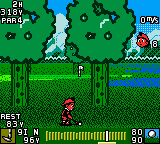
- Mario Golf: a proper golf game and a little role-playing adventure in one.
- Game & Watch Gallery 3: five LCD classics and six unlockables, with Mario-cast Modern remakes.
Quick Answers
Quick answers to the questions most often asked about Mario on the Game Boy Color.
How many Mario games are on the Game Boy Color?
Super Luigi Bros. has full pages for five: Game & Watch Gallery 2, Game & Watch Gallery 3, Super Mario Bros. Deluxe, Mario Golf and Mario Tennis. Wario Land II, Wario Land 3, Donkey Kong Country and the Japan-only Mobile Golf and Mario Family are in the More Mario list. More →
Was there a new Mario platformer on the Game Boy Color?
No. Super Mario Bros. Deluxe (1999) is a remake of the 1985 original with The Lost Levels as a bonus. The all-new platformers of the colour years starred Wario: Wario Land II and Wario Land 3. More →
What was the first Mario game on the Game Boy Color?
Game & Watch Gallery 2, released in North America in November 1998 and in Europe on 23 November 1998, the day the console launched there. Japan had sold it a year earlier as a black-and-white Game Boy game. More →
Which is the best-selling Mario game on the Game Boy Color?
Almost certainly Super Mario Bros. Deluxe, though Nintendo has never published a figure. NPD ranked it the 12th best-selling game of 1999 in the US on any system; the 5.07 million often quoted comes from an unofficial fan compilation. More →
How many Game Boy Colors were sold?
Nintendo does not count it separately. Its figure of 118.69 million units covers the original Game Boy and the Game Boy Color together, with 501.11 million games sold for the two. More →
Do Game Boy Color games work on an original Game Boy?
It depends on the cartridge. Black “dual mode” cartridges, such as the Western Game & Watch Gallery 2 and Game & Watch Gallery 3, play on any Game Boy. Clear colour-only cartridges, such as Super Mario Bros. Deluxe, Mario Golf and Mario Tennis, just show a notice on older hardware. More →
What did the Transfer Pak do?
It let the Nintendo 64 versions of Mario Golf and Mario Tennis read the Game Boy Color save, so the characters you trained on the handheld became playable on the console. No re-release supports it. More →
Was there a Mario Game Boy Color?
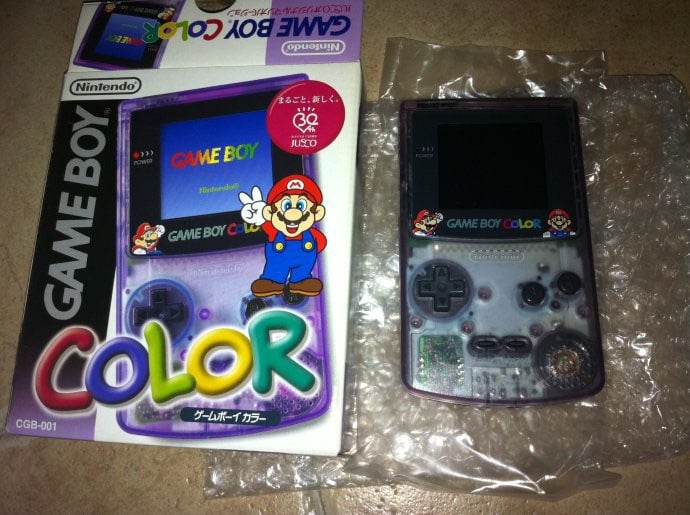
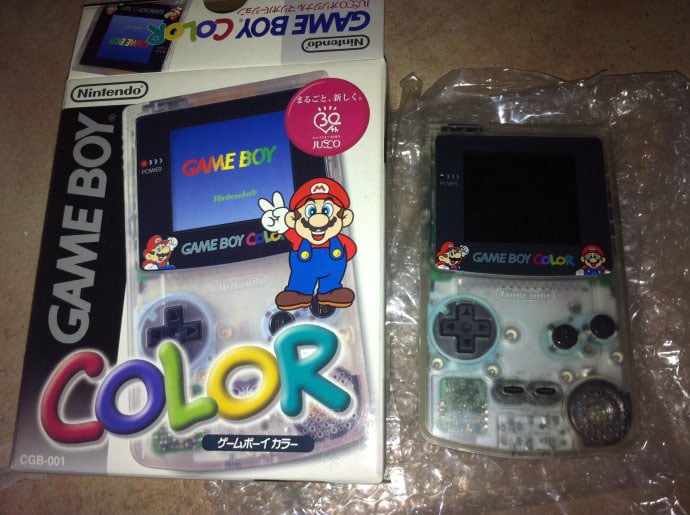
Yes, in Japan: there was a Mario-themed version of the translucent Atomic Purple model, and a Mario-themed clear one. More →
Can you still play them today?
Game & Watch Gallery 3, Mario Golf and Mario Tennis are in Game Boy – Nintendo Classics for Nintendo Switch Online members. Super Mario Bros. Deluxe and Game & Watch Gallery 2 were last sold on the 3DS Virtual Console, which closed with the 3DS eShop on 27 March 2023. More →
All Game Boy Colour Mario Games
Every game below has its own page on Super Luigi Bros. and was released for the Game Boy Color, with Mario or his friends in the cast. They are listed in order of their first Game Boy Color release. Game & Watch Gallery 2 also appears on our Game Boy hub, because Japan had it first as a monochrome game. Click a tile for the full guide; each shows what kind of Mario appearance it is:
- Spin-off – a game that features Mario throughout but is not a mainstream adventure – karting, party, sports and puzzle games.
- Remake – an updated version of an earlier Mario game.
Game & Watch Gallery 2
Game & Watch Gallery 3
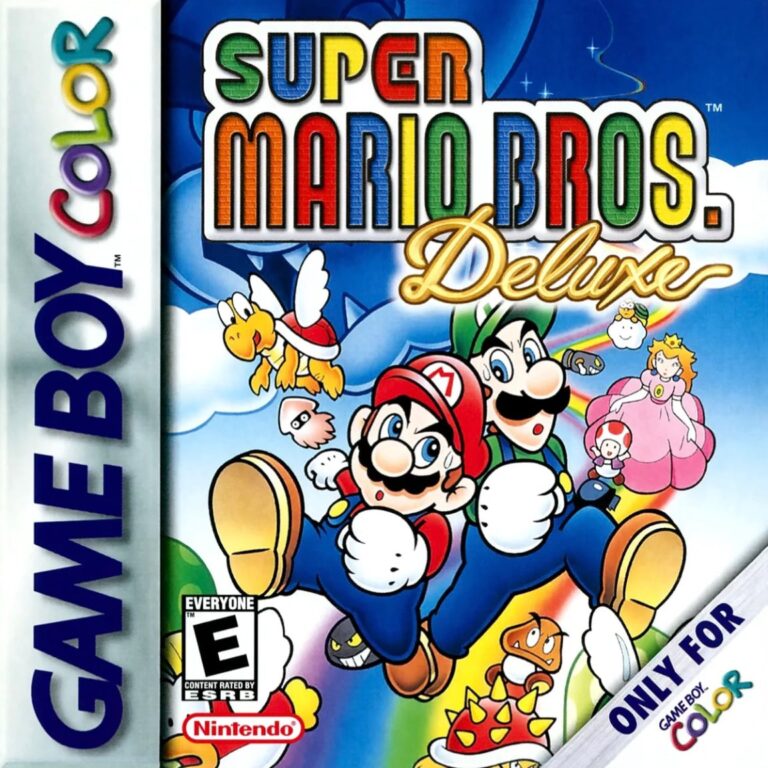
Super Mario Bros. Deluxe
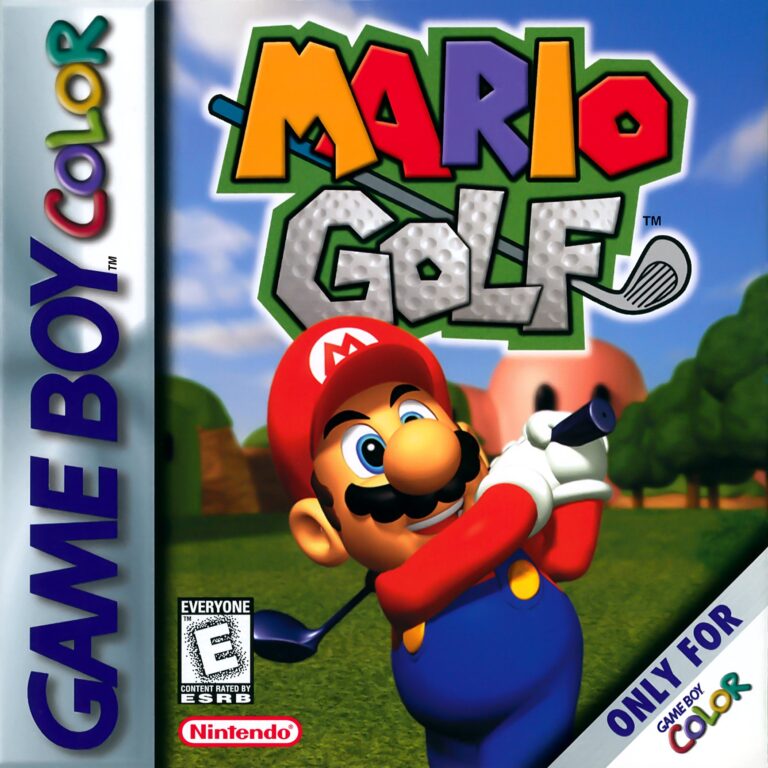
Mario Golf
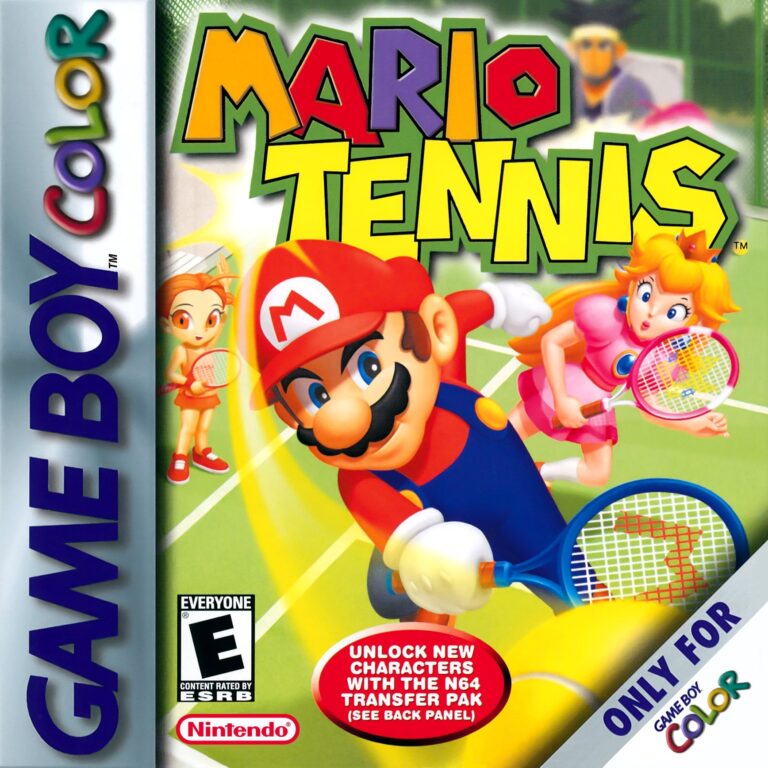
Mario Tennis
The Game Boy Color Hardware
A colour Game Boy that could still play every grey cartridge: how Nintendo built it, launched it and connected it to the Nintendo 64.
A colour Game Boy at last
Satoru Okada, one of the engineers behind the original Game Boy, had experimented with colour screens before: an early-1990s prototype called Project Atlantis used a 32-bit Sharp processor and was shelved. By 1997 the pressure was building. The Game Boy library was ageing, Bandai’s WonderSwan was on the way and Gunpei Yokoi had left Nintendo in 1996. To launch quickly and keep every old game working, Okada’s team dropped the 32-bit chip for a faster version of the Game Boy’s own 8-bit processor. The internal name was Colored Game Boy, CGB for short, and Nintendo classed it as a hardware revision rather than a new system.
The Sharp SM83 runs at 8.39 MHz in its double-speed mode and at the old 4.19 MHz for Game Boy games. There is four times the work RAM (32 KB) and twice the video RAM (16 KB), and the 160 × 144 reflective TFT screen can show 56 colours at once from 32,768, though there is still no backlight. An infrared port on the top could swap data wirelessly; few games used it, and Super Mario Bros. Deluxe was one of them. Two AA batteries power it.
Launch in five colours (and a purple)
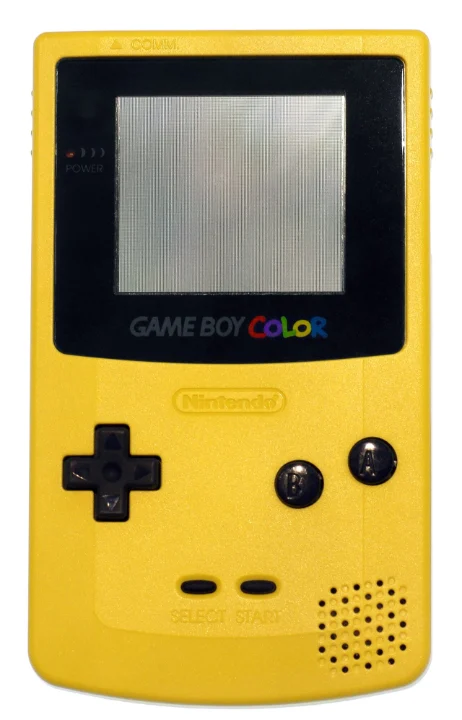
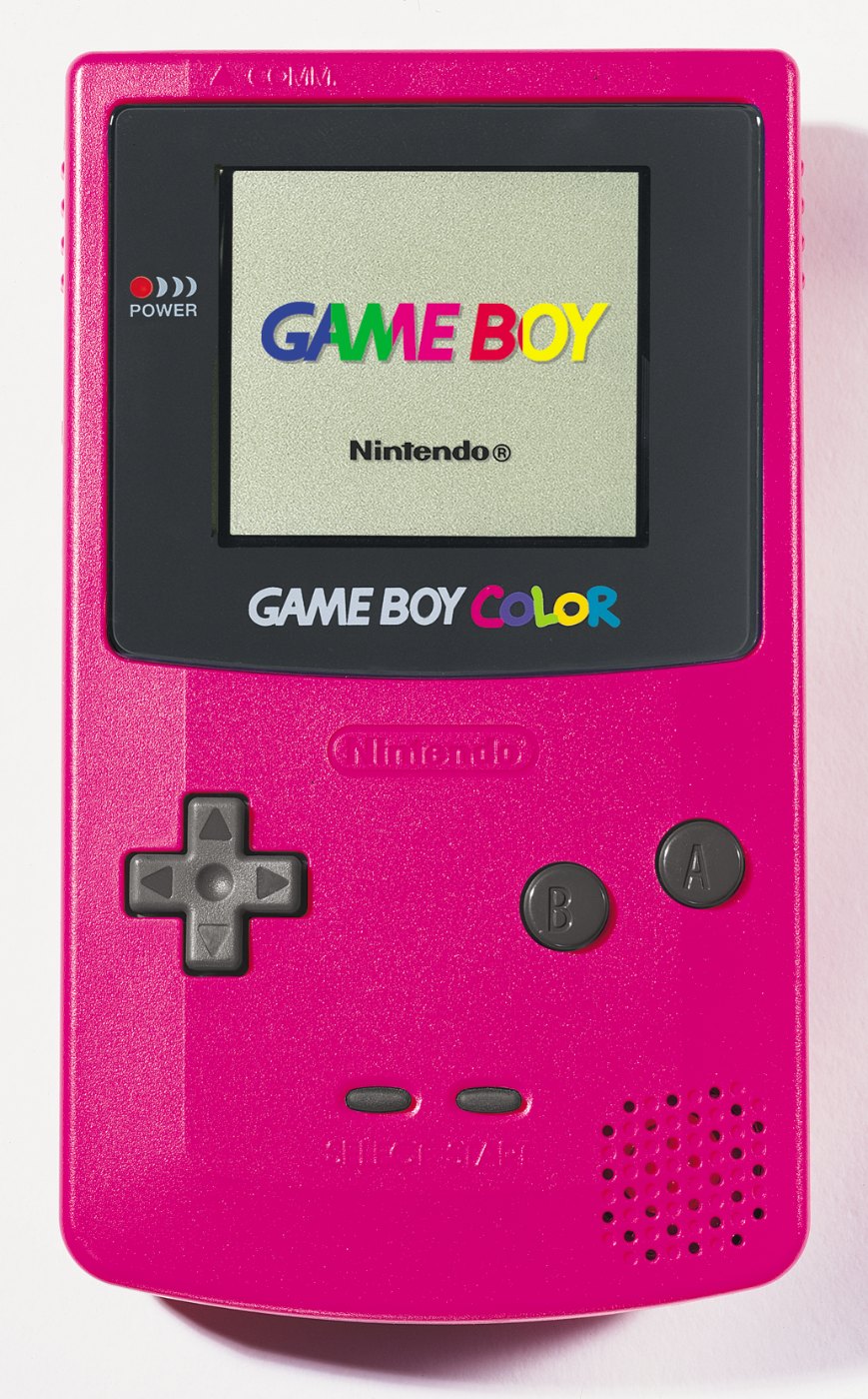
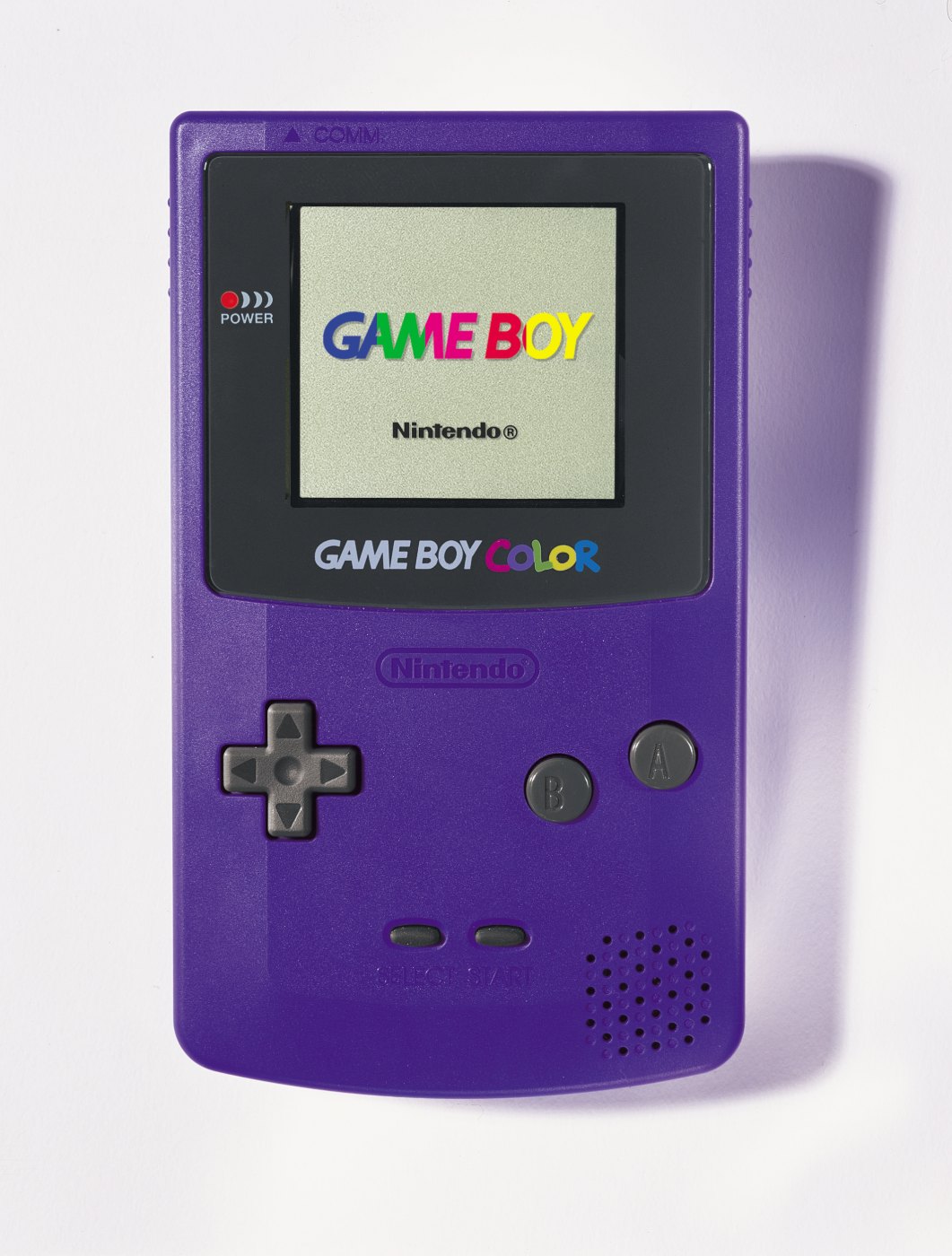
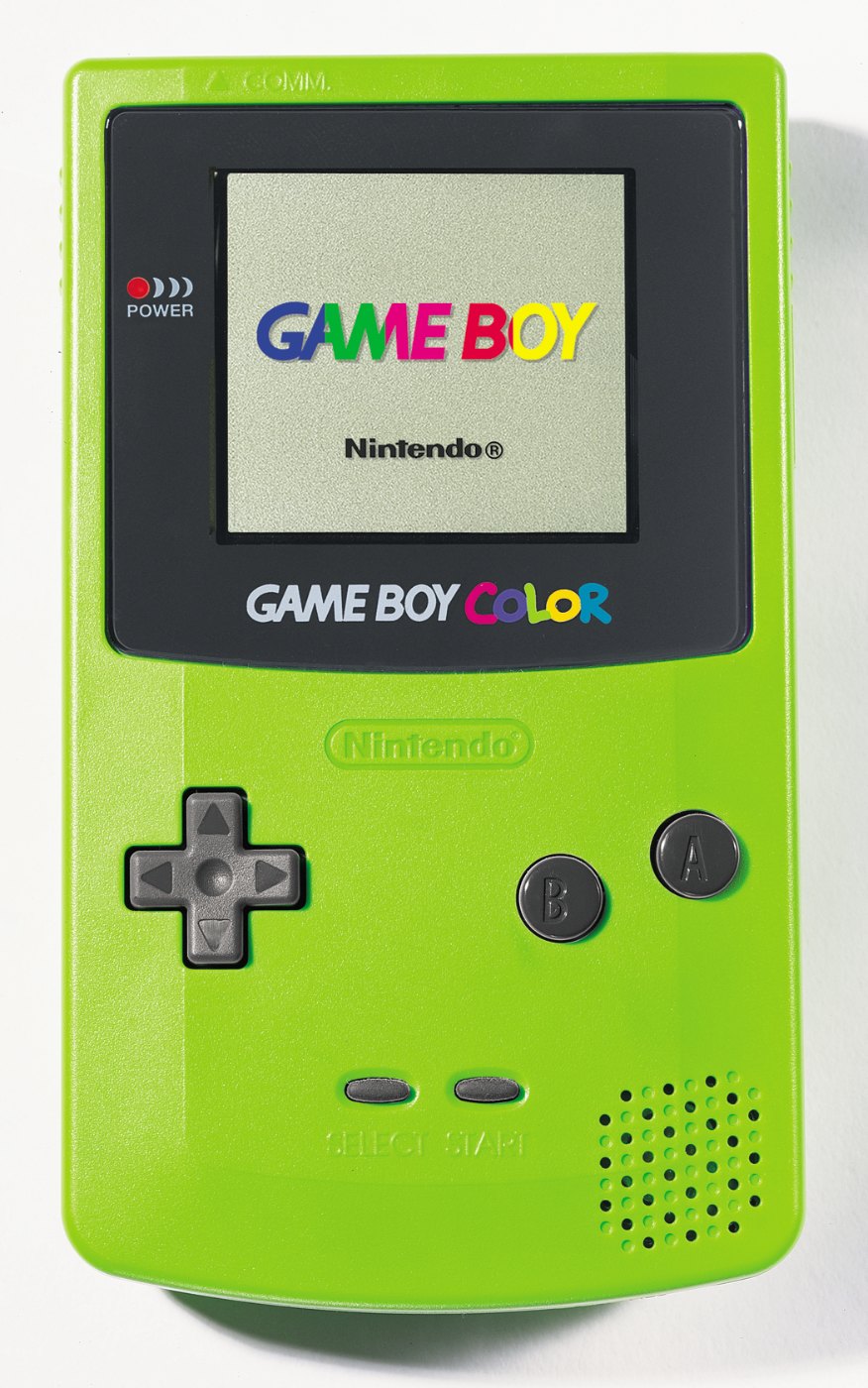
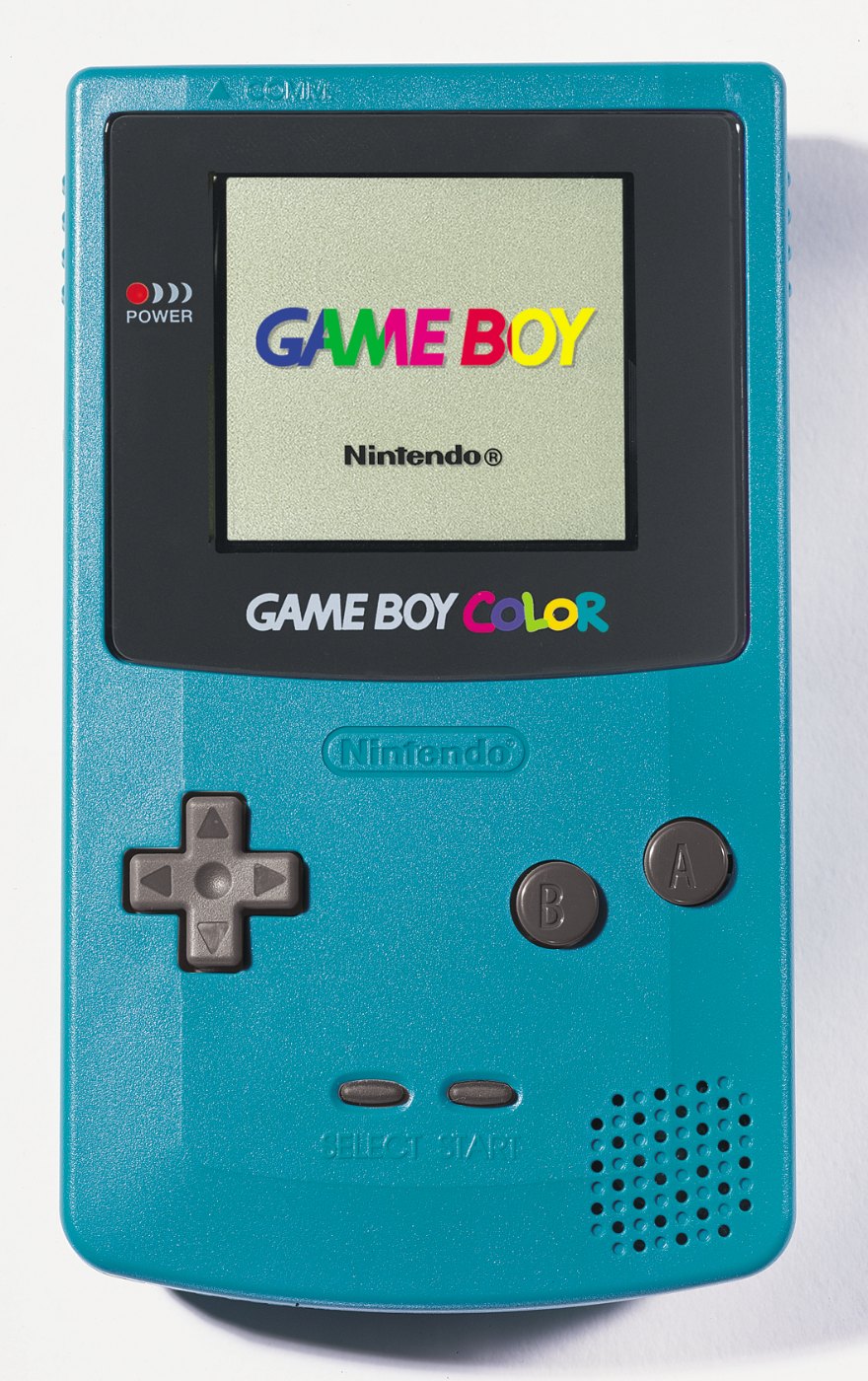
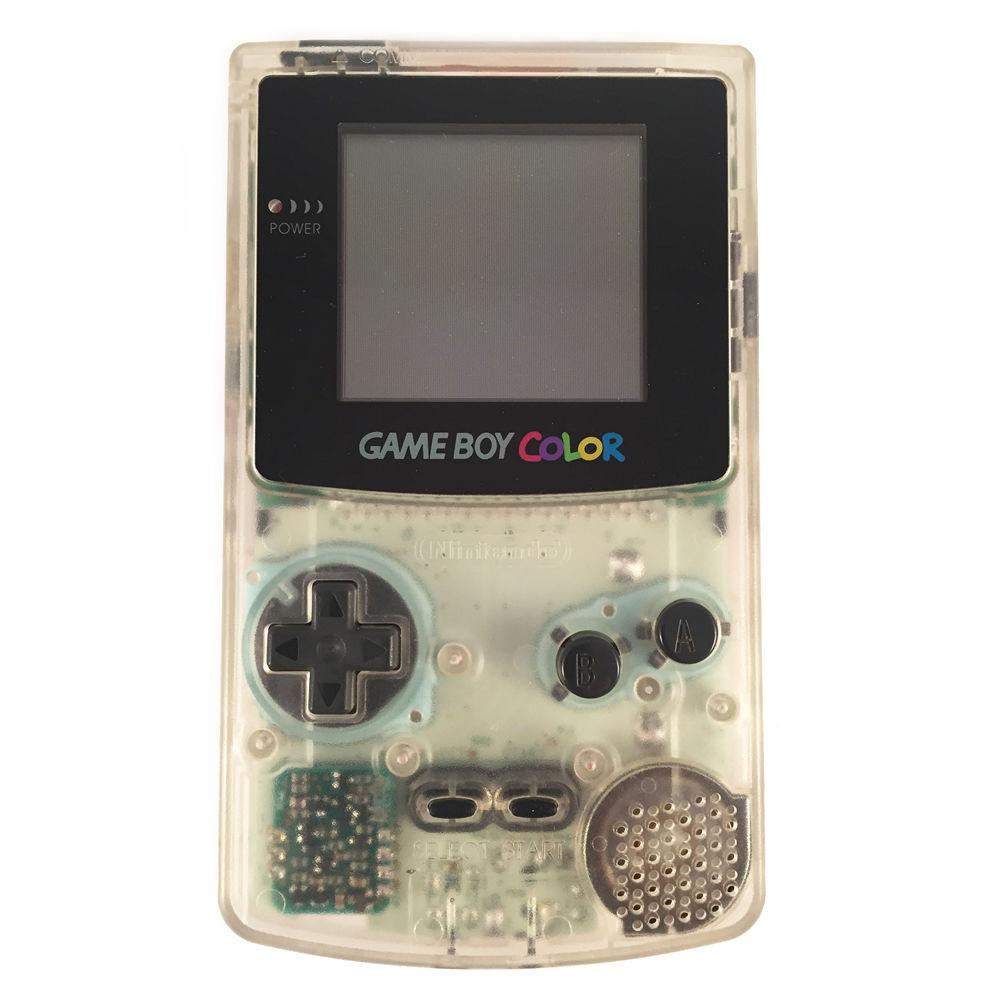
The Game Boy Color went on sale in Japan on 21 October 1998, in North America on 18 November at US$79.95, in Europe on 23 November and in Australia on 27 November. The five standard shells, Berry, Grape, Kiwi, Dandelion and Teal, match the five coloured letters of COLOR in the logo, and a translucent Atomic Purple arrived alongside them. A long run of limited editions followed, including a Mario-themed Atomic Purple in Japan.
Its launch exclusives were Pocket Bomberman, Tetris DX and Wario Land II, so Wario got there before Mario did. Mario’s first colour cartridge in the West, Game & Watch Gallery 2, appeared in North America in November and in Europe on the launch day itself.
Grey, black and clear cartridges
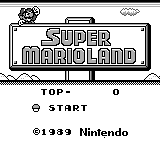
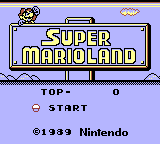
Backward compatibility was the clever part. Old grey cartridges play with a tint: the start-up program has its own palettes for more than 90 games, Super Mario Land and Super Mario Land 2 among them, and for the rest you can choose one of 12 palettes with a button combination at start-up, including one that recreates the original grey.
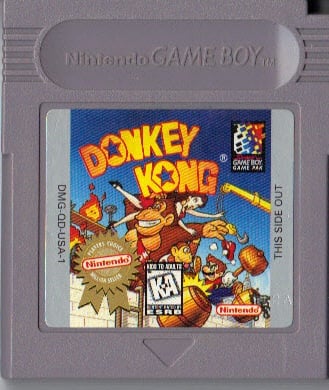
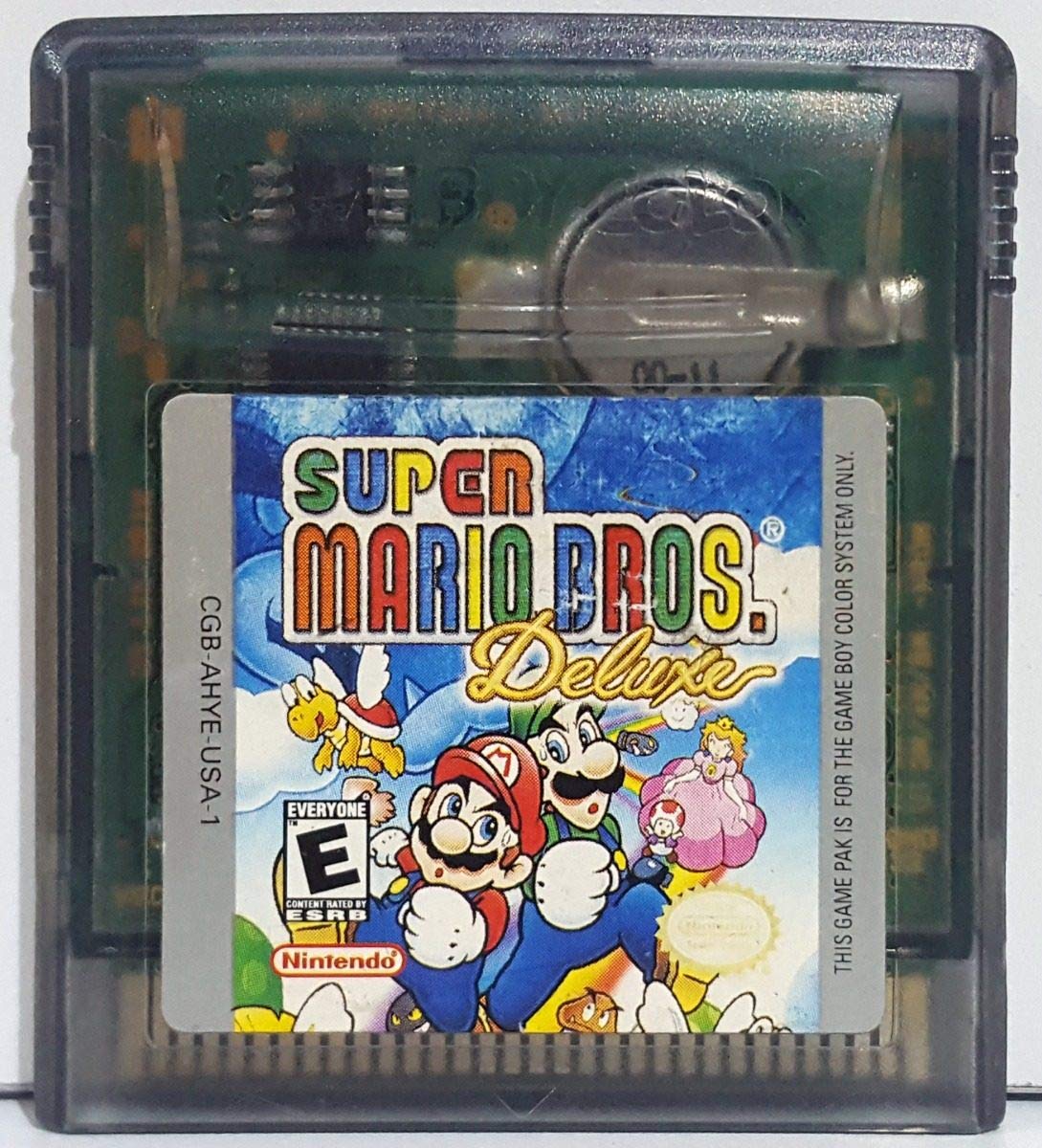
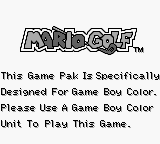
New games came on two kinds of cartridge. Black “dual mode” Game Paks carry both a colour and a monochrome version and play on any Game Boy; the Western Game & Watch Gallery 2 and Game & Watch Gallery 3 are examples. Clear Game Paks use the full palette and work only on a Game Boy Color: put Super Mario Bros. Deluxe, Mario Golf or Mario Tennis into an older machine and you get a polite notice instead of a game.
Rivals, Pokémon and sales
SNK’s Neo Geo Pocket Color and Bandai’s WonderSwan, which went on sale in Japan in March 1999, were the main challengers, and the Game Boy Color outsold the WonderSwan. Its biggest weapon was not Mario but Pokémon: Gold and Silver sold about 23 million copies and the colour-only Crystal another 6.39 million, according to the figures Wikipedia gives.
Nintendo never gave the Game Boy Color its own sales line. From 1998 the company reported it together with the original, and the combined family stands at 118.69 million consoles. It was discontinued in March 2003, after less than four and a half years on sale.
Transfer Pak, printer, infrared and phones
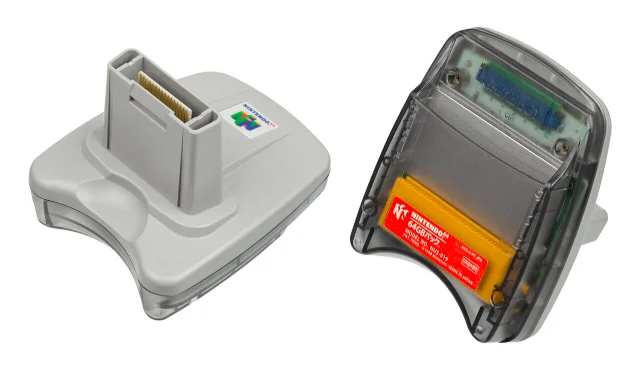
The accessory that mattered most to Mario plugged into a different console. The Nintendo 64 Transfer Pak let the N64 Mario Golf read a Mario Golf save from the Game Boy Color, so Kid, Sherry, Azalea and Joe could be trained on the bus and played on the television; Mario Tennis did the same with Mario Tennis on N64 in 2000.
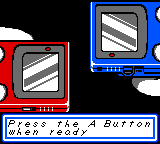
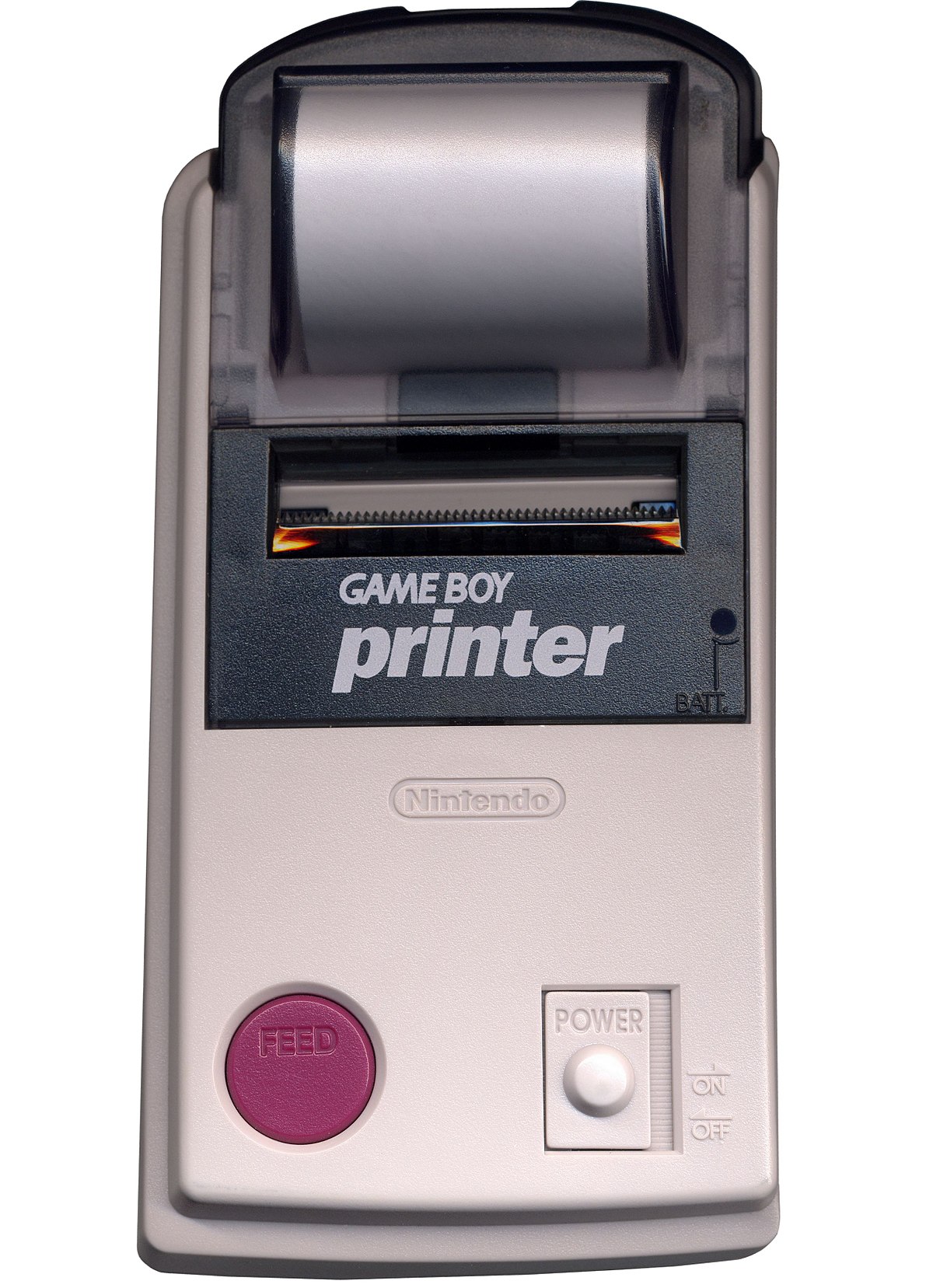
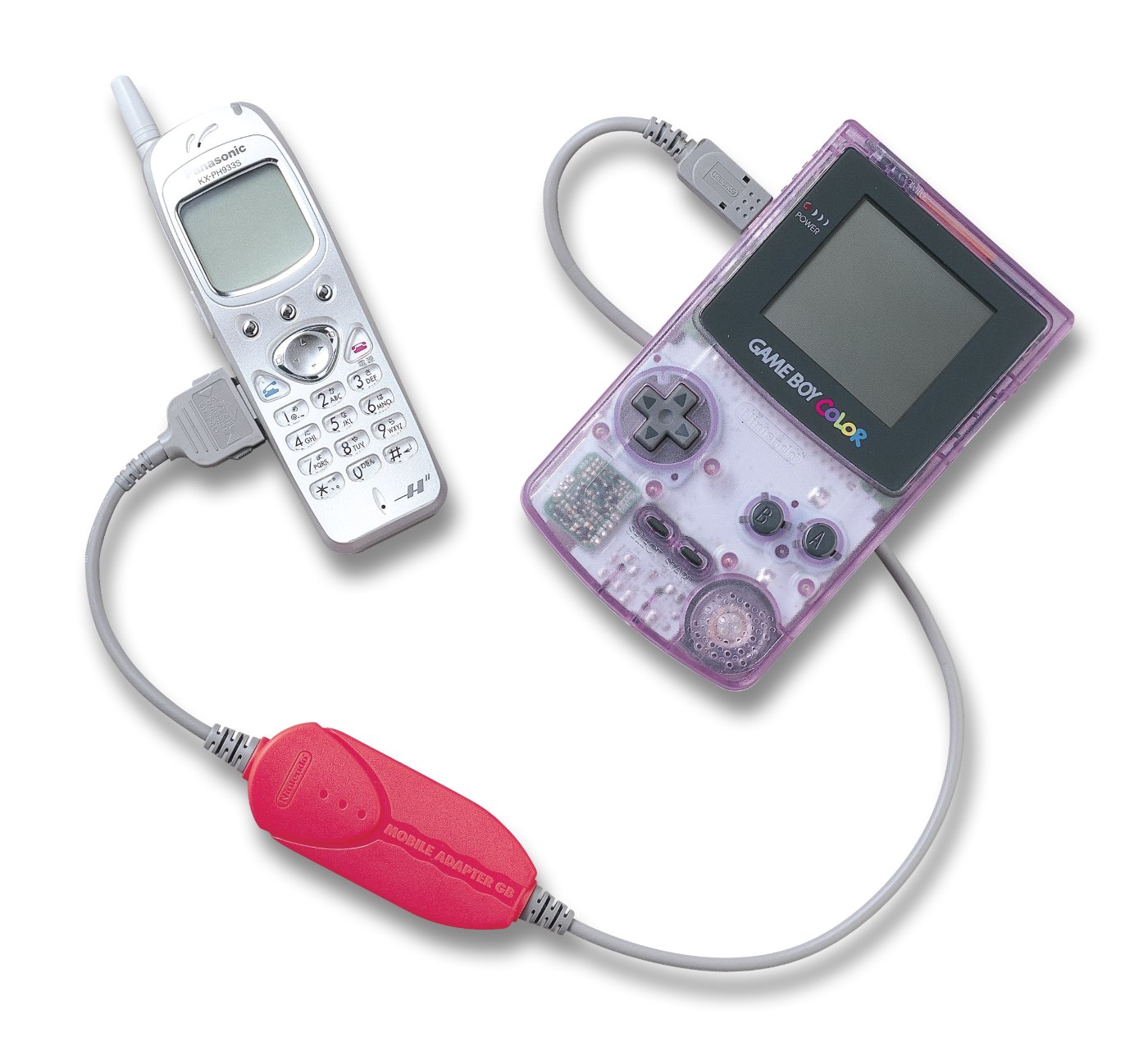
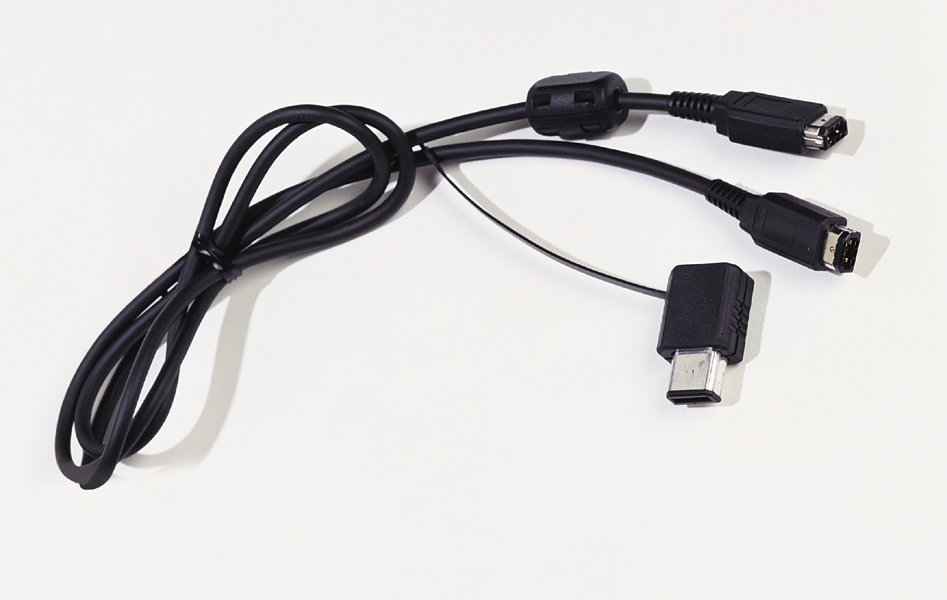
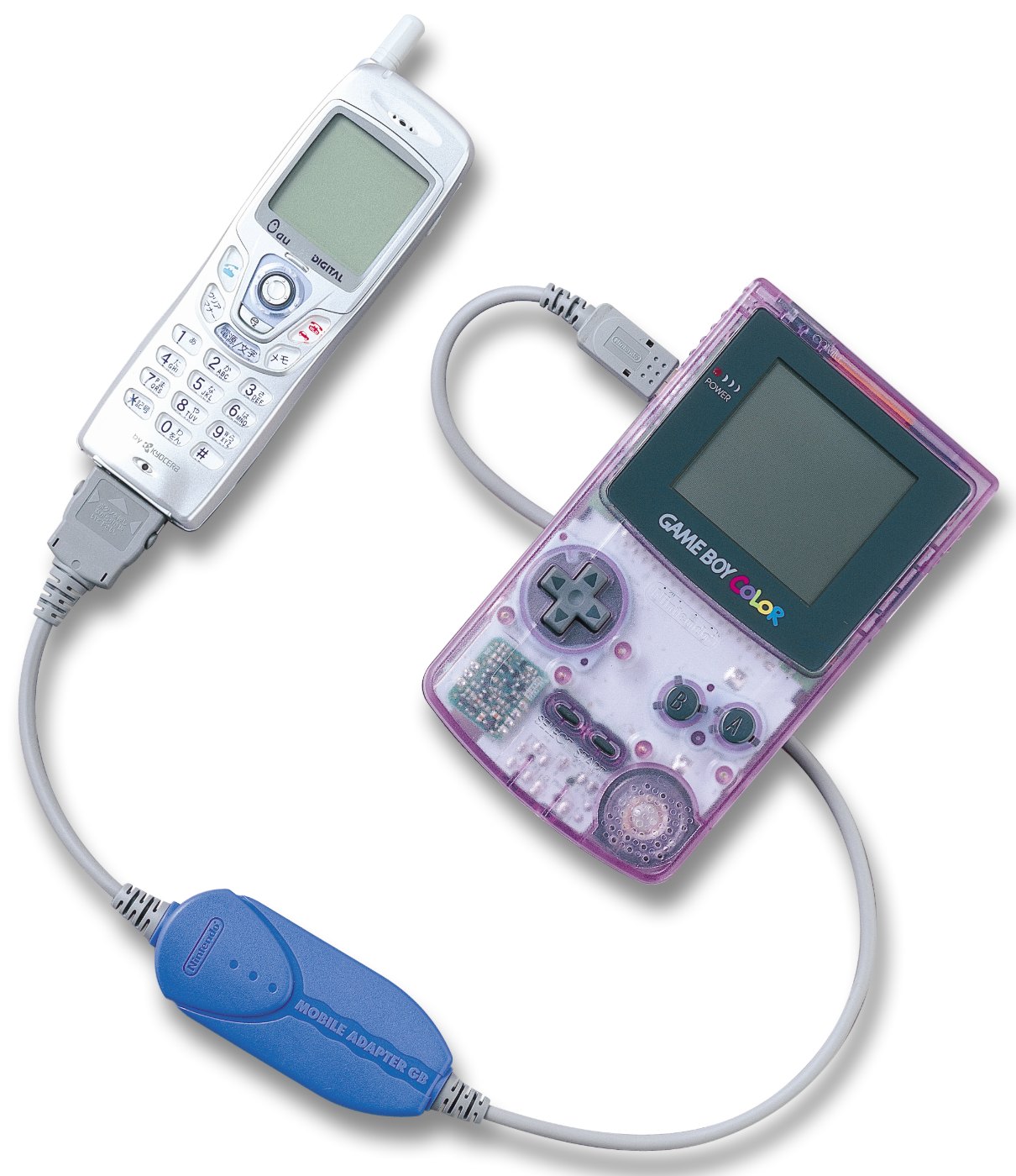
Every Game Boy accessory works with the Game Boy Color. Super Mario Bros. Deluxe uses the Game Boy Printer for its Toy Box album pages and records tables, and the infrared port to swap high scores. In Japan the Mobile Adapter GB of 27 January 2001 connected the handheld to a mobile phone; Mobile Golf, a follow-up to Mario Golf, used it, but the service closed on 14 December 2002.
Sales & Best-Sellers
How the Game Boy Color and its Mario games sold
Nintendo’s investor-relations figures list a single “Game Boy” line: 118.69 million consoles and 501.11 million games as of 30 September 2026, and that line includes the Game Boy Color. There is no separate count for the colour model.
Nintendo has not published sales for any of the Game Boy Color Mario games either. Super Mario Bros. Deluxe was the biggest of them: NPD figures cited by Wikipedia rank it the 12th best-selling game of 1999 in the United States on any system, and 14th in 2000. The 5.07 million worldwide that is often quoted, and 2.8 million in the US, come from unofficial compilations. Famitsu counted 357,987 copies of Mario Tennis in Japan (2018), eighth among Game Boy Color-only games there.
Because there are no Nintendo or CESA figures for these games, we have not drawn a best-seller chart. The console’s real hits were Pokémon Gold, Silver and Crystal.
- 118.69mGame Boy and Game Boy Color consoles (Nintendo IR, 30 Sep 2026)
- 501.11mgames sold for both (Nintendo IR)
- 12thSuper Mario Bros. Deluxe among all US games of 1999 (NPD, via Wikipedia)
- 5Game Boy Color Mario games with pages on SLB
Mario Firsts on the Game Boy Colour
Six Mario firsts from the Game Boy Color years, most of them from Camelot’s two sports role-playing games.
Mario on the Game Boy Colour in Pictures
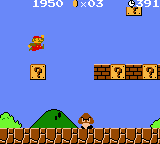
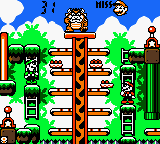
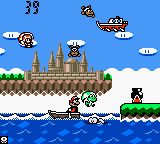
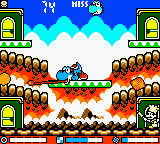
A picture from each Game Boy Color Mario game, plus four older Game Boy games as the Game Boy Color tints them.
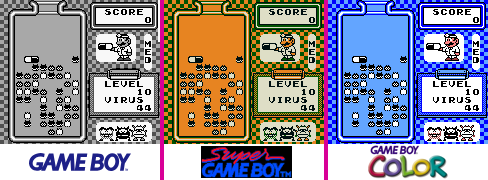
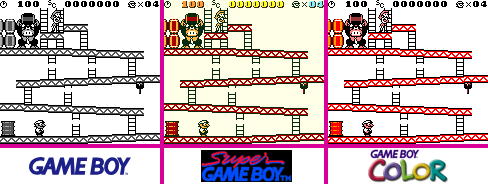
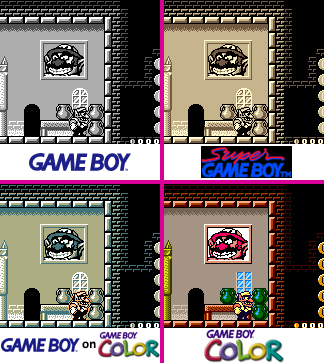
Game Boy Color Models
Four of the five launch shells (Dandelion is pictured above), the Japan-only Clear model and its Mario-themed version.
Game Boy Colour Videos
Two official Nintendo trailers: the 2024 update that brought Mario Golf and Mario Tennis to Switch, and Nintendo UK’s trailer for Super Mario Bros. Deluxe on 3DS.
Game Boy Colour Trivia
- The Game Boy Color, the GameCube and the Wii U all launched in the Americas on 18 November of their respective years.
- Outside America the name was never changed to “Colour”, which is why our pages use the British spelling and the box does not.
- The Game Boy Horror that Luigi carries in Luigi’s Mansion is modelled on the Game Boy Color.
- Super Mario Bros. Deluxe’s calendar has three dates already marked: the Japanese launches of Super Mario Bros., the Family Computer and the Game Boy.
- In the Japanese Super Mario Bros. Deluxe the default ranking names are Japanese enemy names, such as KOOPA, TERESA and KURIBO, in place of BOWSER, BOO and GOOMBA.
- The link-up VS Game is the one Super Mario Bros. Deluxe mode missing from the Nintendo 3DS release.
- In Japan, Super Mario Bros. Deluxe was never sold in a box: from 1 March 2000 it could only be written to a rewritable cartridge through the Nintendo Power service.
- The holes of Mario Golf’s Peach’s Castle course form pictures when seen from above, among them a Shy Guy, a Thwomp, a Yoshi and Baby Mario.
- In Mario Golf, Mario and Luigi play in polo shirts and white trousers rather than their overalls.
- In Mario Tennis, Mario has to be beaten at the close of the Mario Tour before you can play as him. Daisy stands beside Peach but is never playable.
- Peach was planned as a fifth juggler in Game & Watch Gallery 2’s Modern Ball; her sprite and menu icon survive in the game data.
- Wario only shows up in Game & Watch Gallery 2’s Modern Helmet if you play badly: replay straight after scoring under 100.
- Game & Watch Gallery 3 has two Yoshis: a light blue one eating cookies in Egg and an orange gardener in Green House.
- Australia counted the Galleries differently: Game & Watch Gallery 2 and 3 were sold there as Game Boy Gallery 3 and Game Boy Gallery 4.
Hardware & Merchandise Gallery
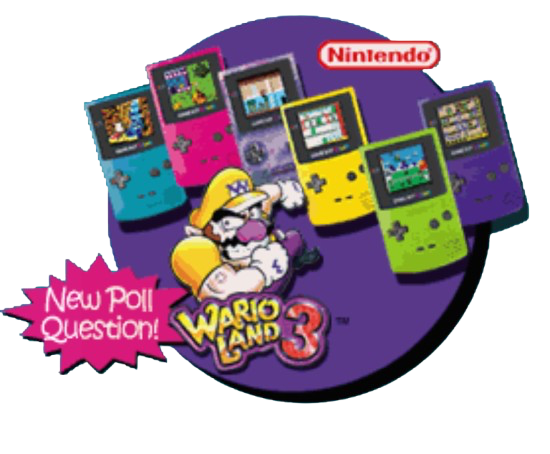
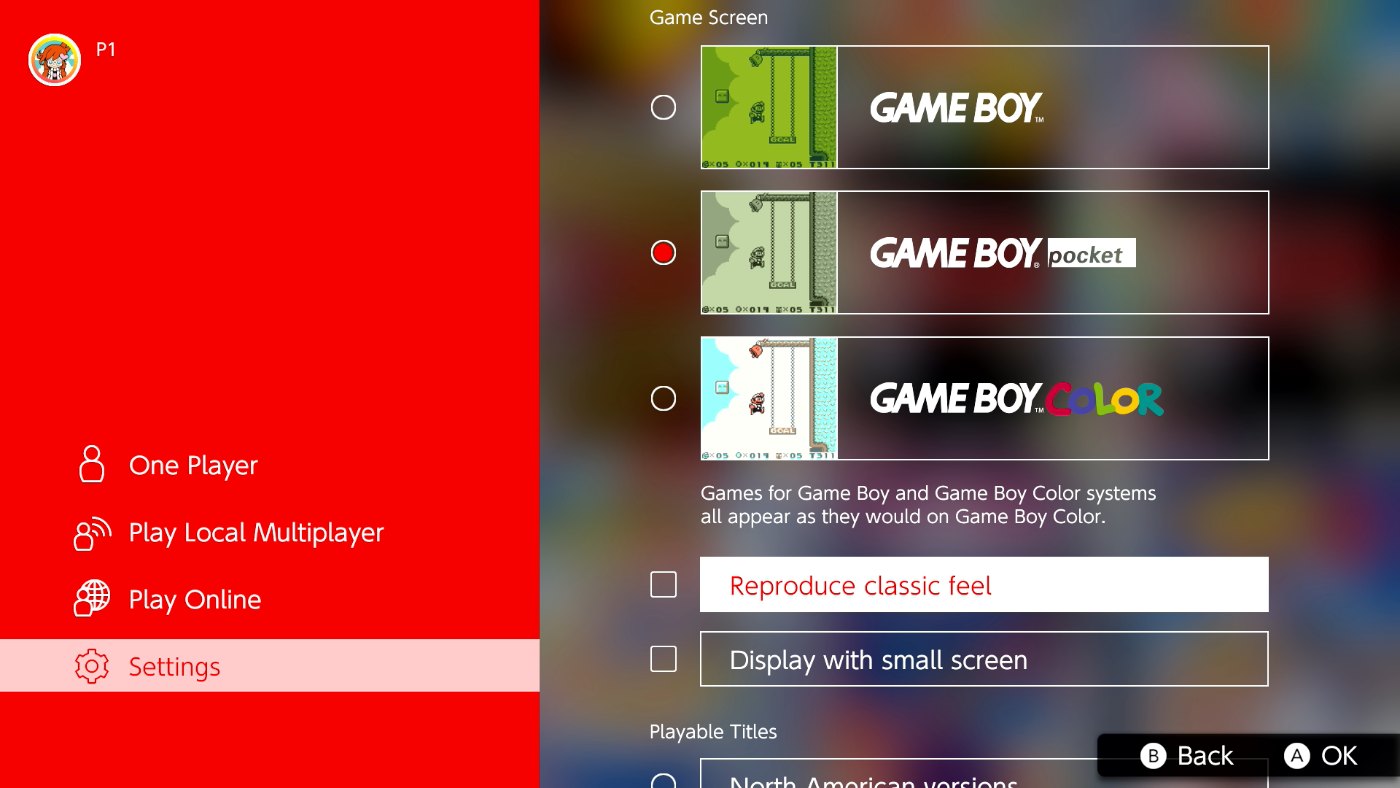
Logos, accessories and a little promotional art from the Game Boy Color years.

Timeline & Legacy
From the 1998 launch to the Switch Online library, Mario on the Game Boy Color in dates.
Mario on the Game Boy Colour: key dates
- Launch in Japan 21 October 1998Wario Land II is one of three launch exclusives.
- Launch in North America 18 November 1998US$79.95; Game & Watch Gallery 2 arrives in colour the same month.
- Launch in Europe 23 November 1998Game & Watch Gallery 2 is released the same day.
- Launch in Australia 27 November 1998The last of the four main regions.
- Game Boy Gallery 3 8 April 1999Game & Watch Gallery 3 opens in Japan; North America gets it that December.
- Super Mario Bros. Deluxe 10 May 1999Released in North America on a colour-only cartridge.
- Mario Golf GB 10 August 1999Camelot’s golf RPG reaches Japan, two months after the N64 game.
- Deluxe in Japan 1 March 2000Available only through the Nintendo Power rewritable-cartridge service.
- Mario Tennis GB 1 November 2000The last Game Boy Color Mario game with a page here; the West gets it in early 2001.
- Mobile Adapter GB 27 January 2001Japan’s phone link, later used by Mobile Golf.
- End of the line March 2003The Game Boy Color and the original Game Boy are discontinued.
- Nintendo 3DS Virtual Console 2012–2015All five games return as downloads; sales end with the 3DS eShop on 27 March 2023.
- Game Boy on Nintendo Switch Online 8 February 2023Game & Watch Gallery 3 is among the first games in the library.
- MAR10 Day update 11–12 March 2024Mario Golf and Mario Tennis join, without their Transfer Pak links.
Playing them today
Game Boy – Nintendo Classics, included with a Nintendo Switch Online membership on Switch and Switch 2, has Game & Watch Gallery 3 (since February 2023) and Mario Golf and Mario Tennis (since March 2024). Neither sports game can reach its Nintendo 64 partner any more. Wario Land 3 and Tetris DX are in the same library.
Super Mario Bros. Deluxe and Game & Watch Gallery 2 were last sold on the Nintendo 3DS Virtual Console, which closed with the 3DS eShop on 27 March 2023, and the 3DS version of Deluxe had already lost its VS Game. The original cartridges play on a Game Boy Advance or Advance SP, and on a television through the GameCube’s Game Boy Player.
Legacy
The Game Boy Color is easy to overlook: no new Mario platformer, a short life and a successor that arrived quickly. But Camelot’s two games set up a formula that came back on the Game Boy Advance, where Mario Golf: Advance Tour brought back the golfers and Mario Tennis: Power Tour returned to the Royal Tennis Academy. The Galleries carried on with Game & Watch Gallery 4.
For the monochrome years, see our Game Boy hub; for what came next, the Game Boy Advance hub.
More Mario on the Game Boy Colour
Other notable Mario-related releases on the Game Boy Colour that don’t have their own page here yet:
- Oct 1998Wario Land IISpin-offColour reissue, out in Japan alongside the hardware
- Dec 1998The Legend of Zelda: Link’s Awakening DXCameoGoombas, Chain Chomp-like BowWow, a Yoshi doll and Peach photo
- Jan 2000Donkey Kong GB: Dinky Kong & Dixie KongSpin-offJapan-only colour version of Donkey Kong Land III
- Mar 2000Wario Land 3Spin-offWario’s colour adventure
- Nov 2000Donkey Kong CountrySpin-offColour-only conversion of the Super NES hit
- May 2001Mobile GolfSpin-offJapan-only Mario Golf follow-up for the Mobile Adapter GB
- Aug 2001Mario FamilySpin-offJapan-only Jaguar sewing-machine software with Mario designs
Sources
Every fact on this page was checked against the 13 sources listed here.
Show sources
Wikipedia, Game Boy Color · Nintendo UK, Game Boy – Nintendo Classics · Nintendo IR, Dedicated Video Game Sales Units · Wikipedia, Super Mario Bros. Deluxe · Nintendo of America (YouTube), Game Boy – March 2024 Game Updates · Nintendo UK (YouTube), Super Mario Bros. Deluxe – Trailer · Nintendo Life, Nintendo Switch Online games list · Super Mario Wiki (6 articles)
Images: Mario and all related characters, artwork and screenshots are © Nintendo; other artwork, covers and scans are © their respective owners. Images are used here for commentary and reference.