Virtual Boy1995ActionNintendo R&D1Mario Bros. on two planes99 levelsBegan as Mario Bros. VBNintendo Classics, March 2026
Mario Clash
The Virtual Boy’s answer to Mario Bros., in red and black and genuine depth. Mario Clash came out in Japan on 28 September 1995 and in North America on 1 October 1995. A skull-marked blimp drops a gang of enemies on the Clash Tower, and Mario goes in to clear them out, floor by floor, for 99 levels. Every stage has a foreground and a background joined by pipes, and Mario’s only weapon is the shell of a Koopa he has stomped. Since most enemies can only be knocked out from the side, the trick is to throw shells from one plane into the other. It began life as Mario Bros. VB, a straight remake shown at Shoshinkai in November 1994, and was made by Nintendo R&D1 under producer Gunpei Yokoi. Never sold in Europe or Australia, it finally arrived there on 10 March 2026, when Virtual Boy – Nintendo Classics added it to Nintendo Switch Online alongside Mario’s Tennis.
Developer:Nintendo R&D1
Publisher:Nintendo
Platform:Virtual Boy
Genre:Action / platformer
Japan:28 September 1995
N. America:1 October 1995
Europe / Australia:Not released until Virtual Boy – Nintendo Classics (10 March 2026)
Levels:99 (start from any of the first 40), then the game loops
Saving:None: no save and no stored high scores
Working title:Mario Bros. VB (Shoshinkai, November 1994)
Rating:ESRB K-A
Re-releases:Virtual Boy – Nintendo Classics (9 March 2026 in the Americas, 10 March elsewhere); soundtrack on Nintendo Music (July 2026)
Advertisement
Overview
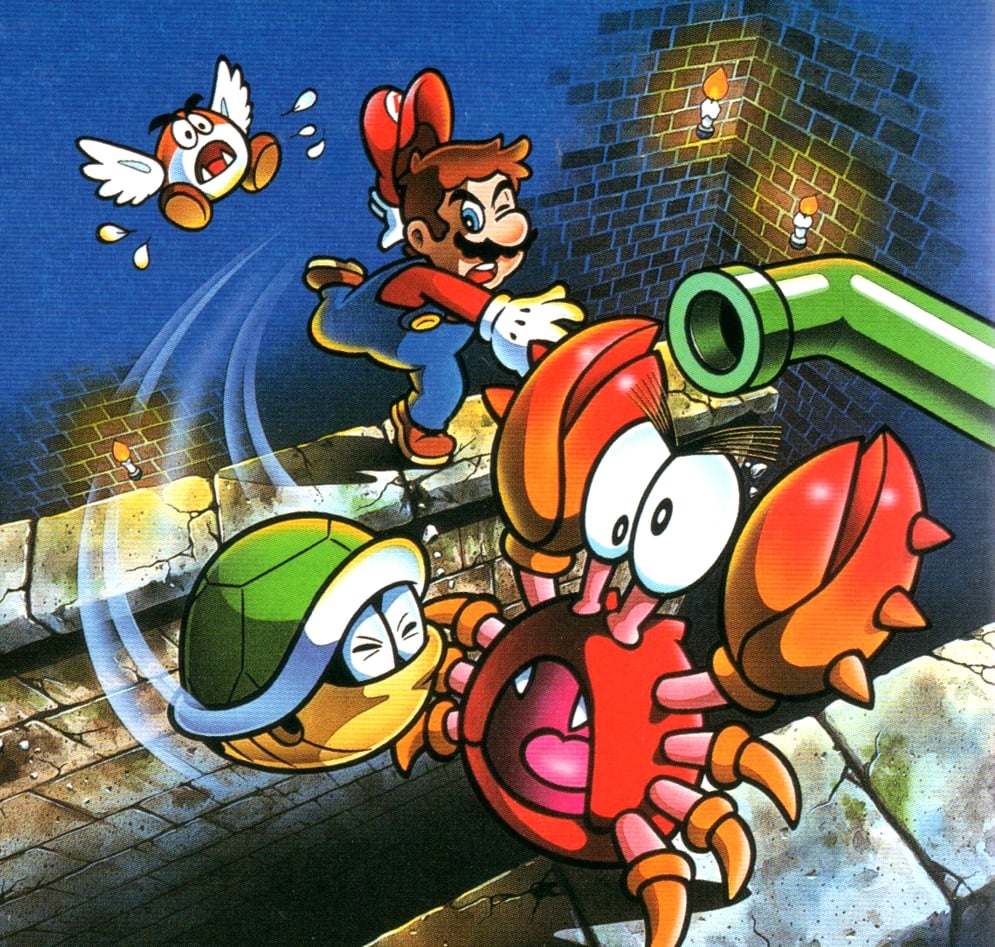
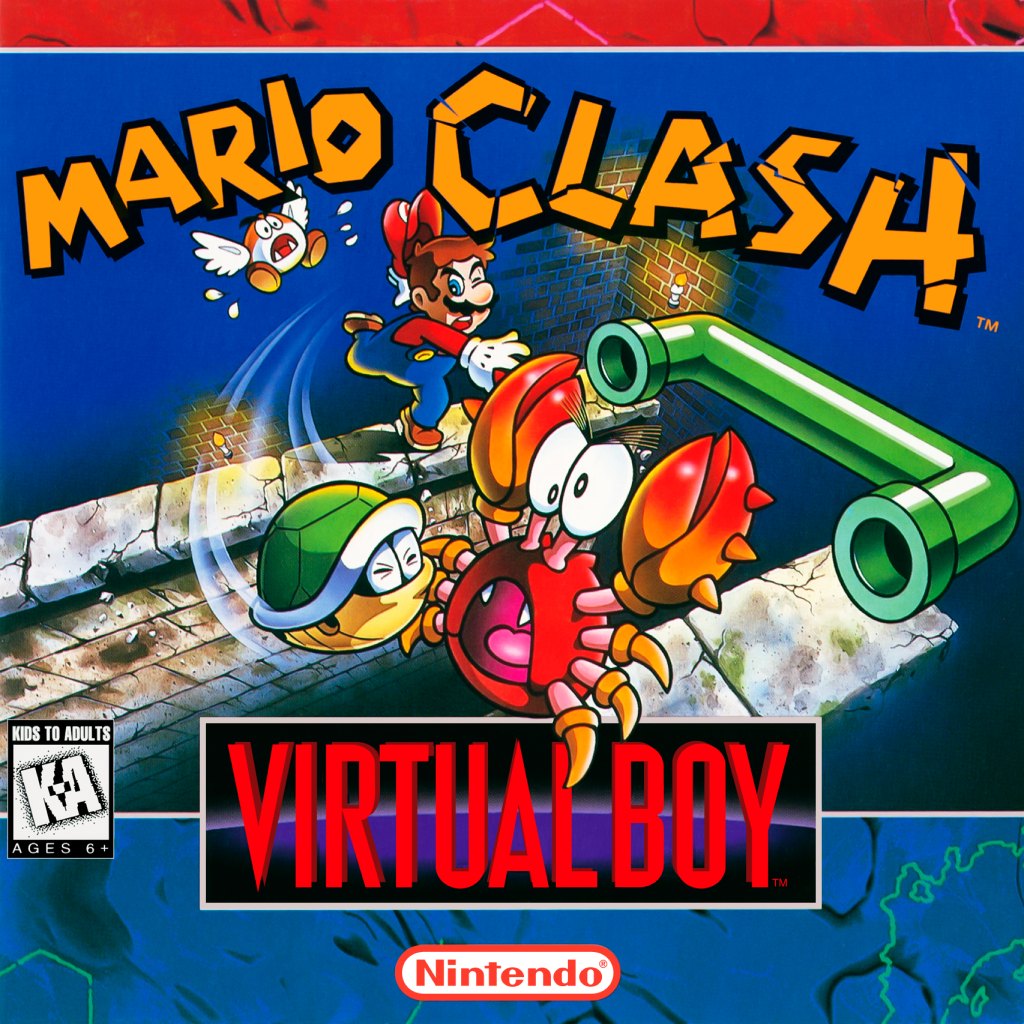
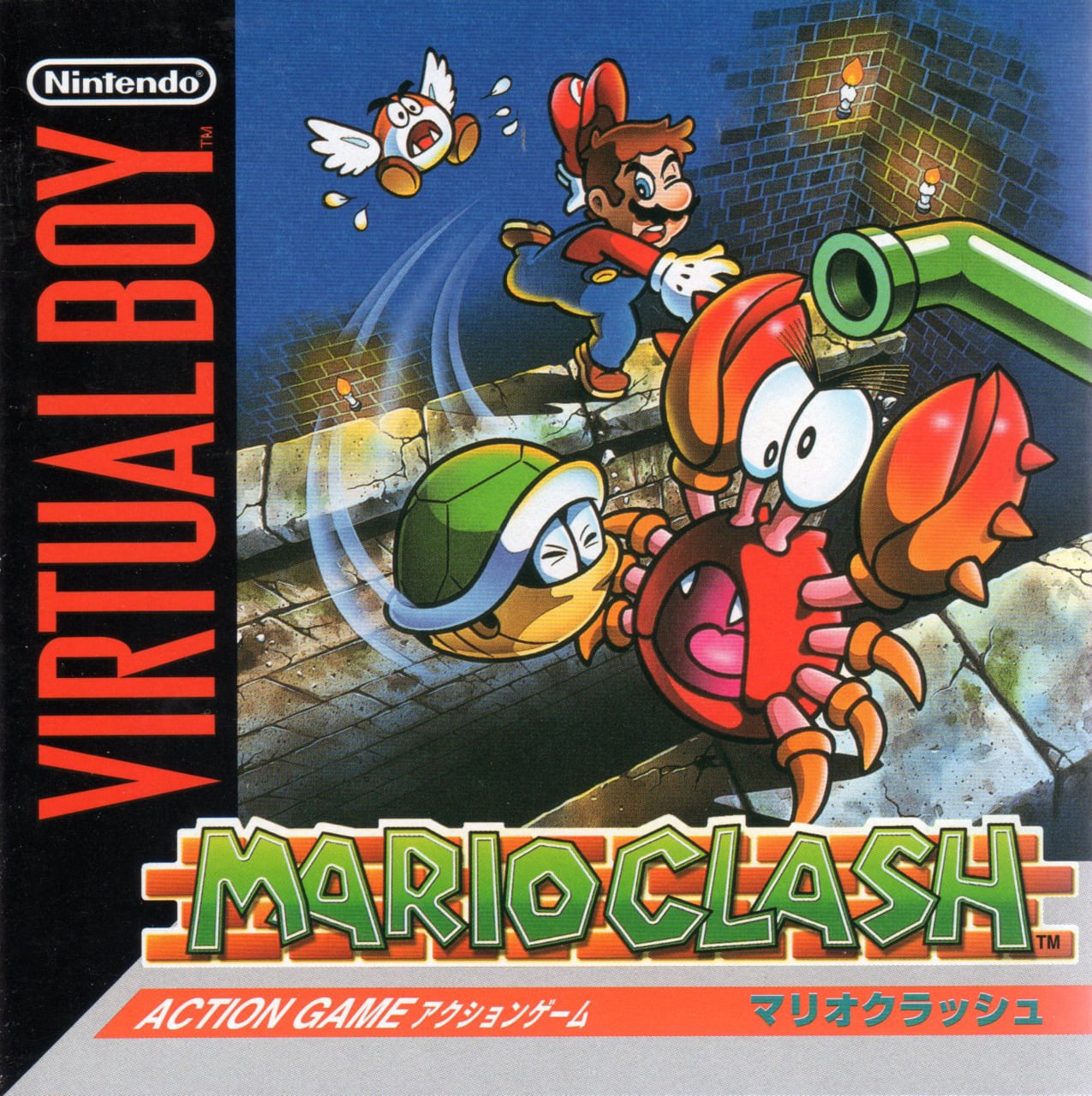
The cover artwork.
Mario Clash takes the single-screen sewer of Mario Bros. and pulls it apart into two layers. Every level has a near plane and a far plane, each with its ledges and floors, and pipes that carry Mario, his enemies and his ammunition from one to the other. On the Virtual Boy’s twin screens the far plane really is further away, which is the whole point.
The other big change is the weapon. Instead of bumping floors from below, Mario stomps a Koopa and picks up its shell, and that shell is all he has. Spikes go down to a single hit, but Thornies, Para-Goombas, Lobbs, Snakes, Big Boos and the rest can only be stunned from the side, so the shell has to be thrown out of the screen or into it, through the depth that the hardware was built to show. Knock every target off the tower before the clock runs out and you move up a level; there are 99 of them, and then it all starts again, faster.
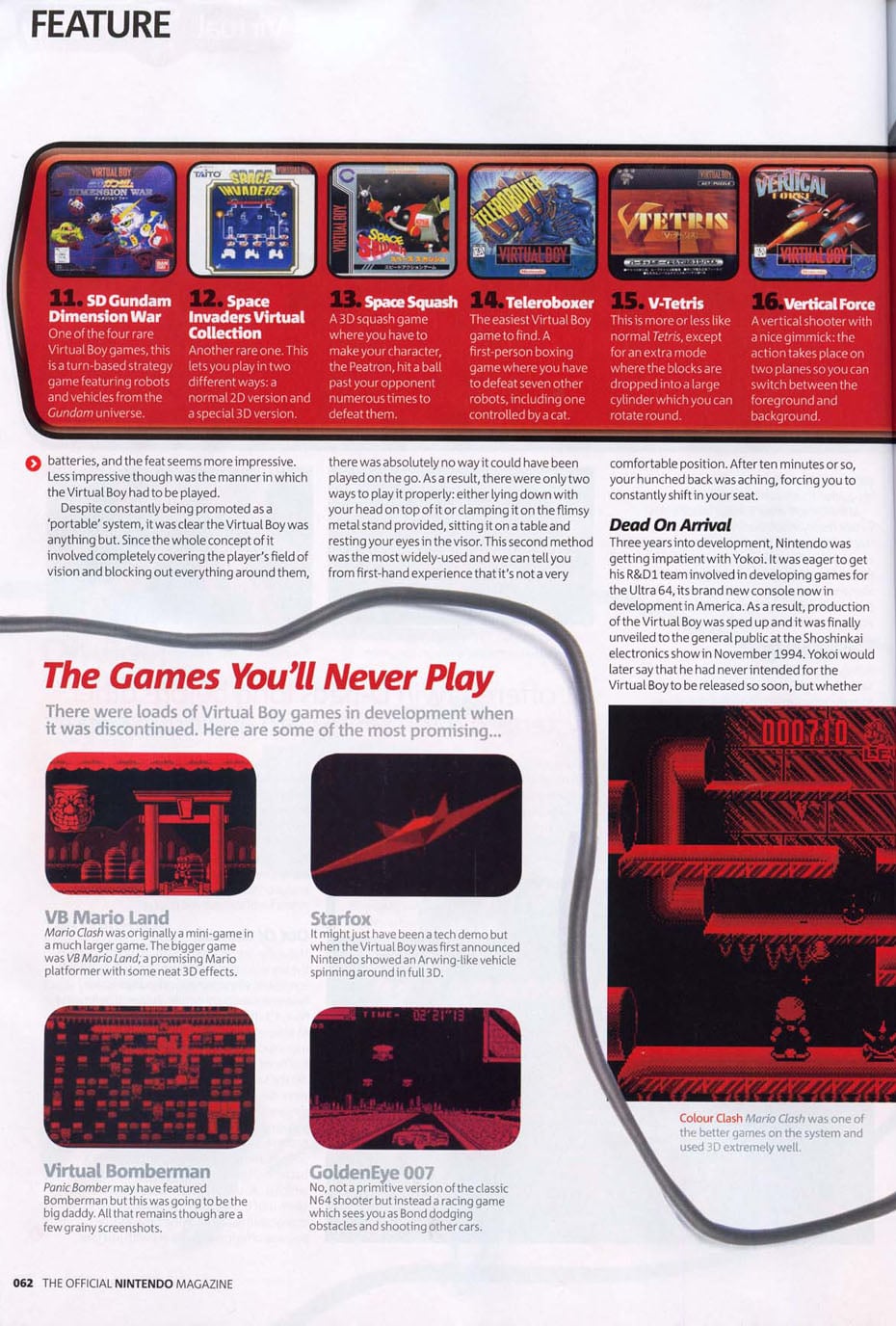
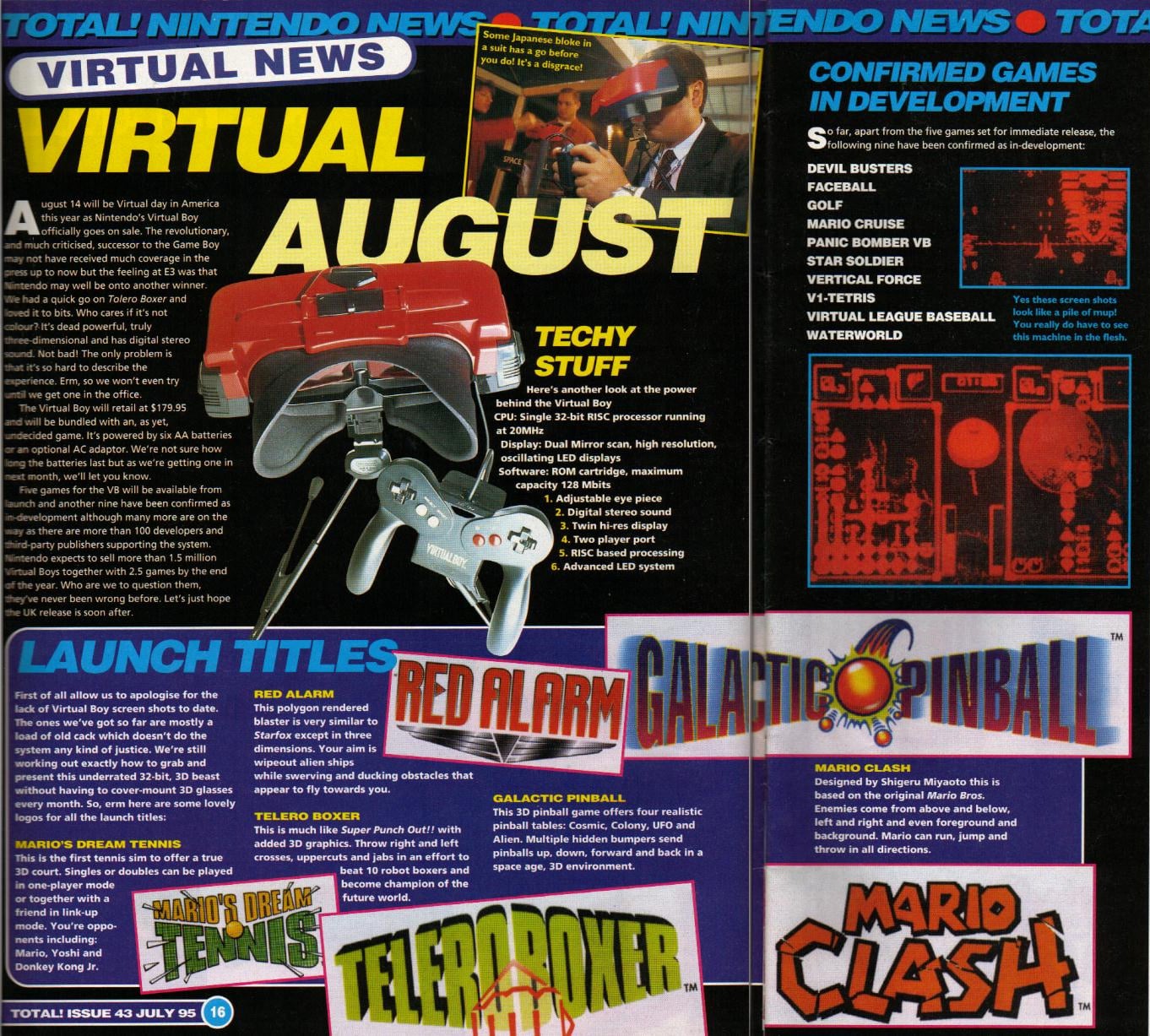
It was made by Nintendo R&D1, the team behind the Virtual Boy itself, with Gunpei Yokoi as producer and Toru Osawa and Hiroyuki Kimura directing; Next Generation reported that Shigeru Miyamoto contributed to the design. It started as Mario Bros. VB, a plain remake of the 1983 arcade game shown at Nintendo’s Shoshinkai show in November 1994, and had become Mario Clash by E3 in May 1995.
Reviews were mixed then and have stayed mixed since, ranging from cheerful recommendations to lists of the worst Mario games. It was sold only in Japan and the Americas, so Europe and Australia had to wait until 10 March 2026, when it joined Virtual Boy – Nintendo Classics on Nintendo Switch and Switch 2. Its soundtrack followed onto Nintendo Music that July.
Why Mario Clash matters to Mario fans
This is Mario Bros. reimagined rather than remade: same pipes, same Sidestepper crabs, new rules. Alongside Mario’s Tennis it was Mario’s starring role on the Virtual Boy, and its score cameos make it a small museum of 1995 Mario: Toad, Yoshi, Luigi, Wario, Princess Toadstool, Bowser and the Donkey Kongs all drop in to cheer. Since March 2026 anyone with Nintendo Switch Online + Expansion Pack and a Virtual Boy accessory can finally play it.
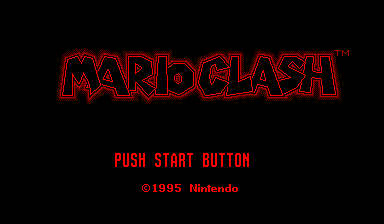
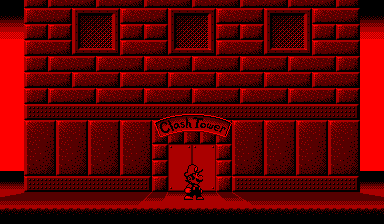
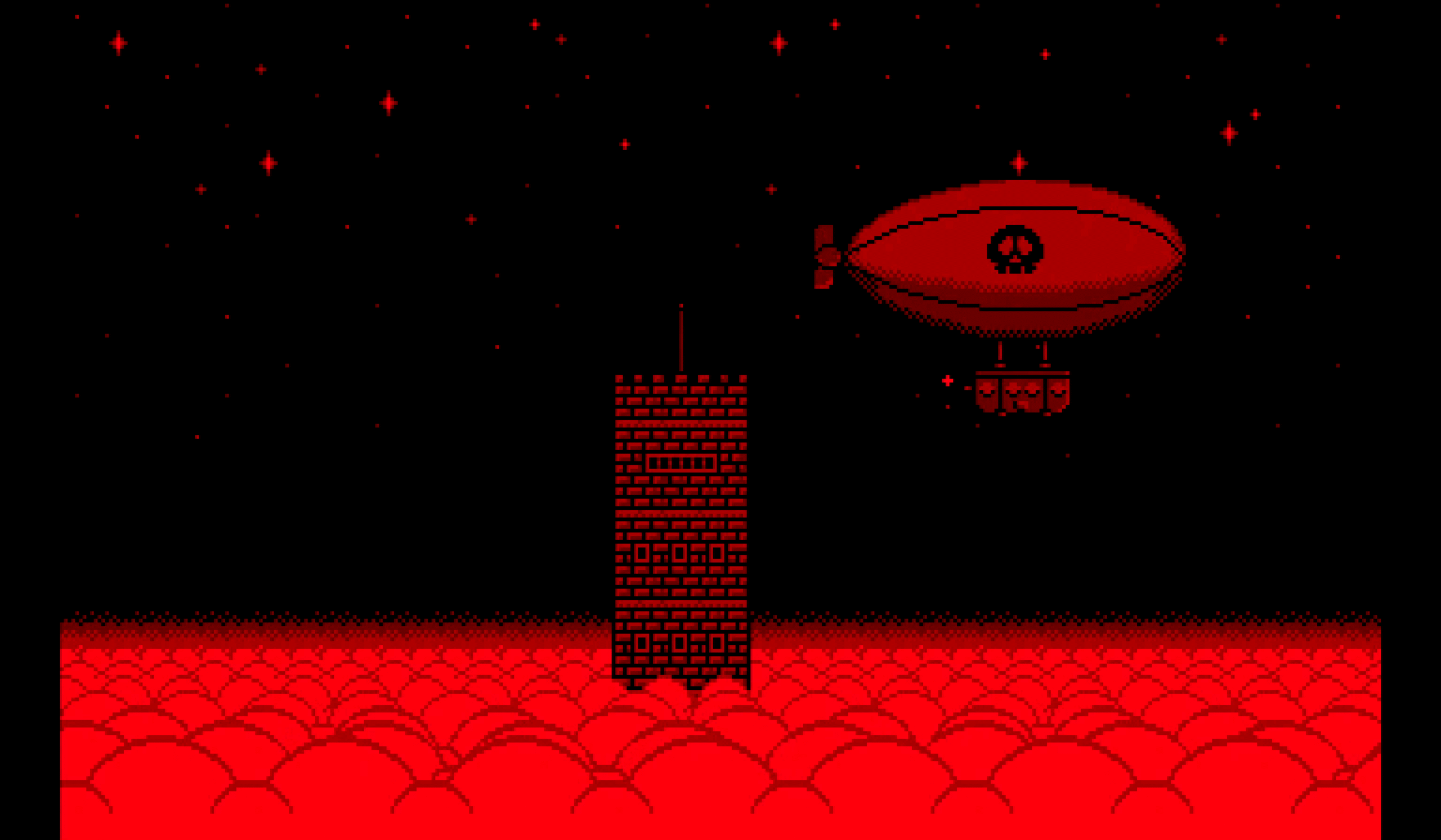
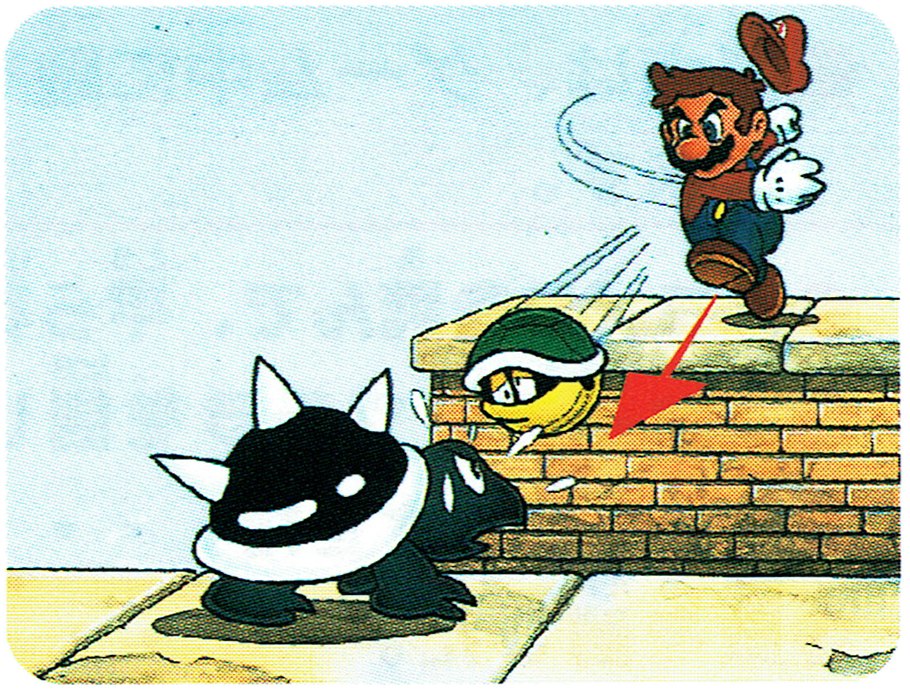
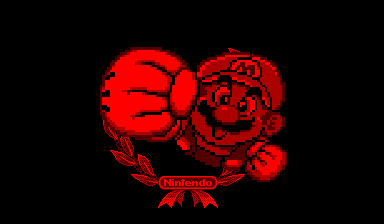
The title screen.Mario throws a shell from the foreground at Thornies in the background.The opening: the Clash Tower.
Quick Answers
Quick answers to the most common questions about Mario Clash. The detail is further down the page.
When did Mario Clash come out?
Japan: 28 September 1995. North America: 1 October 1995. It was not released in Europe or Australia until Virtual Boy – Nintendo Classics in 2026. More →
Can I play Mario Clash on Nintendo Switch?
Yes. It joined Virtual Boy – Nintendo Classics on 10 March 2026 (9 March in the Americas). You need Nintendo Switch Online + Expansion Pack and either the Virtual Boy accessory for Switch 2/Switch or its cardboard model. More →
How many levels does Mario Clash have?
Ninety-nine. You can start from any of the first 40; after level 99 the game loops back to level 1 with faster enemies. More →
How do you defeat enemies?
Stomp a Koopa, pick up its shell and throw it. Only Spikes fall to a hit from any angle; the rest must be struck on the side, which usually means throwing from one plane to the other. A stunned enemy is finished off with a kick or a second shell. More →
Is Mario Clash a remake of Mario Bros.?
It started as one: Mario Bros. VB, shown at Shoshinkai in November 1994, was a straight 2D remake. The finished game keeps the pipes, the Koopas and the Sidesteppers but adds two planes, shell-throwing and new enemies. More →
Does Mario Clash have an ending?
Not a real one. Reach 999,999 points and the enemies line up waving white flags to tell Mario he has won. More →
Can you save in Mario Clash?
No. There is no save, and high scores are lost when the system is switched off. More →
Who made Mario Clash?
Nintendo R&D1. Gunpei Yokoi produced it, Toru Osawa and Hiroyuki Kimura directed it and Ryoji Yoshitomi wrote the music. More →
Is it two-player?
No, it is a one-player game. An unused animation of Mario being squashed may have been meant for a second player. More →
Story & Levels
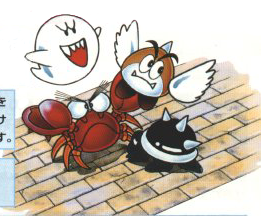
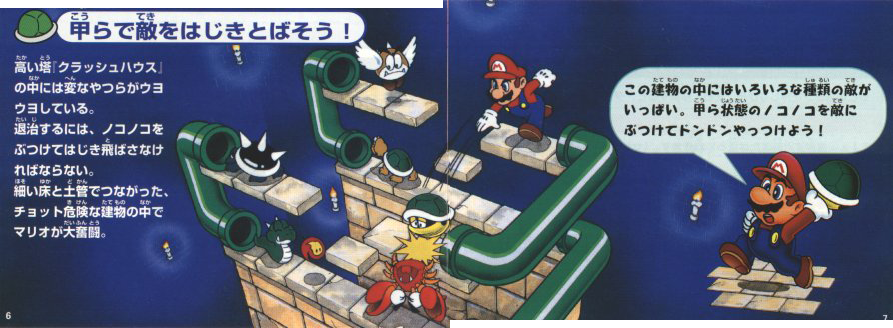
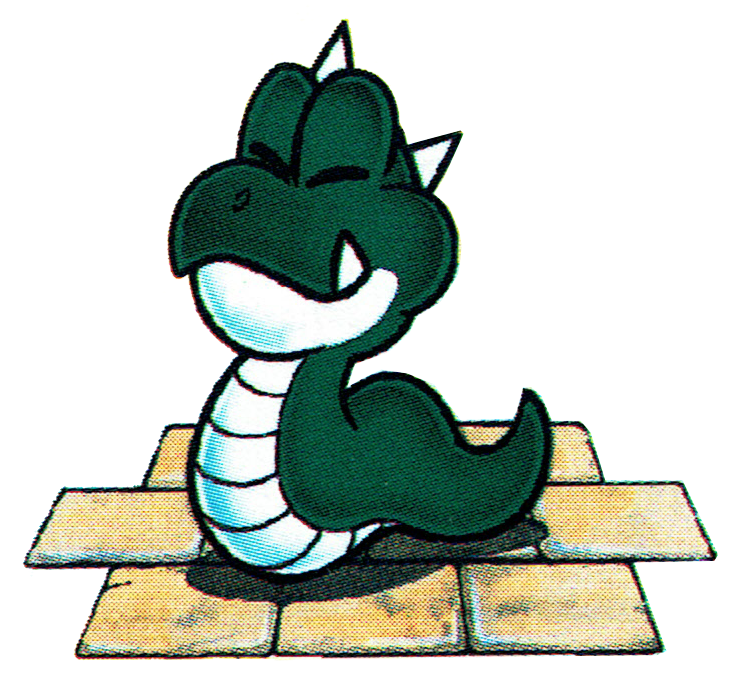
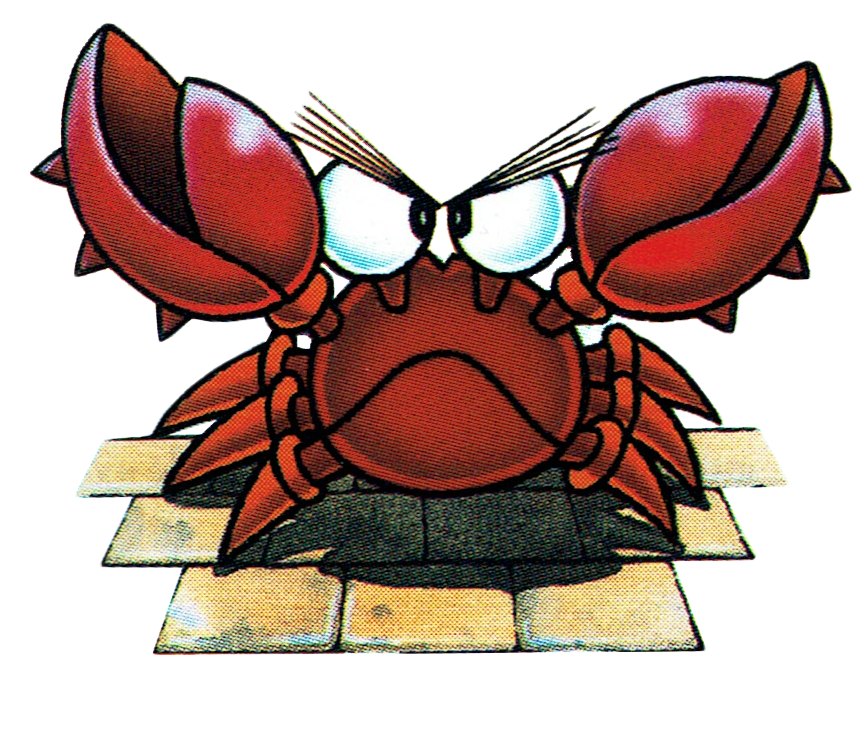
Big Boo, a Para-Goomba, a Thorny and a Sidestepper.
The instruction booklet says bad guys have seized the Clash House Tower, and Mario has to clear them out with Koopa shells, picking his way across narrow ledges joined by pipes.
There is no princess and no Bowser to rescue her from. The opening shows a blimp with a skull on it dropping its passengers on top of an enormously tall tower; a skull flag goes up on the roof, and the camera pans down to Mario walking through a door marked Clash Tower.
Into the Clash Tower
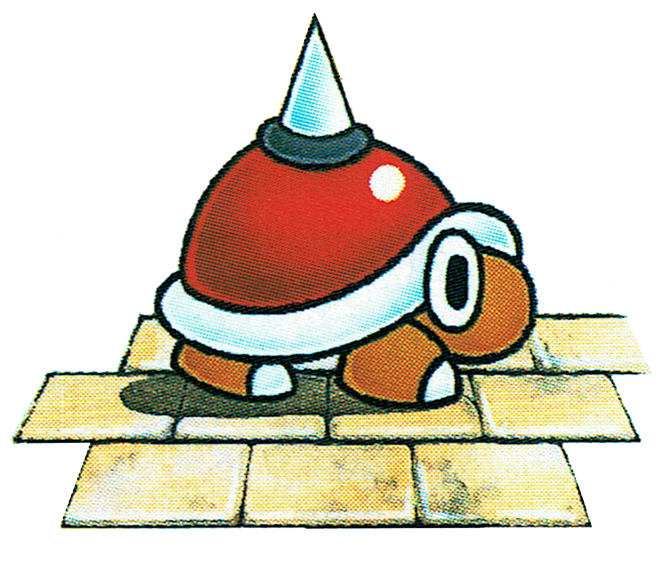
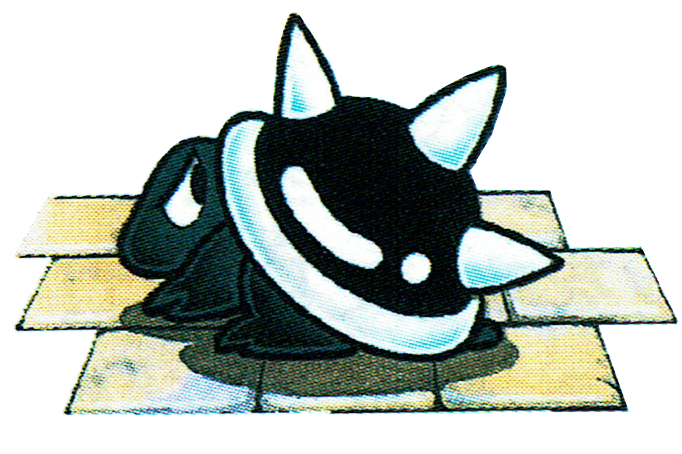
The first levels are a gentle introduction. Spikes, the single-spiked turtles, go down to a shell from any direction, so you can learn the pipes and the planes without worrying about angles. The Thornies that follow from level 3 have three spikes and can only be stunned from the side, and that is where Mario Clash really starts.
The opening, as pictured in Nintendo Music.A Spike.A Thorny.
Climbing higher
New enemies arrive every couple of levels. Hopping Para-Goombas turn up at level 6, Lobbs at level 9, rolling about and lobbing Iron Balls that can stop a shell dead. Level 11 brings back Mario Bros.’ Sidesteppers, which need a hit from the front or back to make them angry and then one from the side. From level 12 some floors are icy, with icicles falling from the ceiling.
Snakes come in at level 13, swelling up and spitting eggs that hatch into more Snakes. Big Boos from level 15 float in waves and fade out of sight, and can only be stunned while you can see them. Pokeys complete the cast at level 17; they grow back their lower sections, and a lone Pokey head left as the last target on a level is the fastest thing in the game.
A Lobb.A Snake spitting an egg.A Pokey.
Bonus Chance
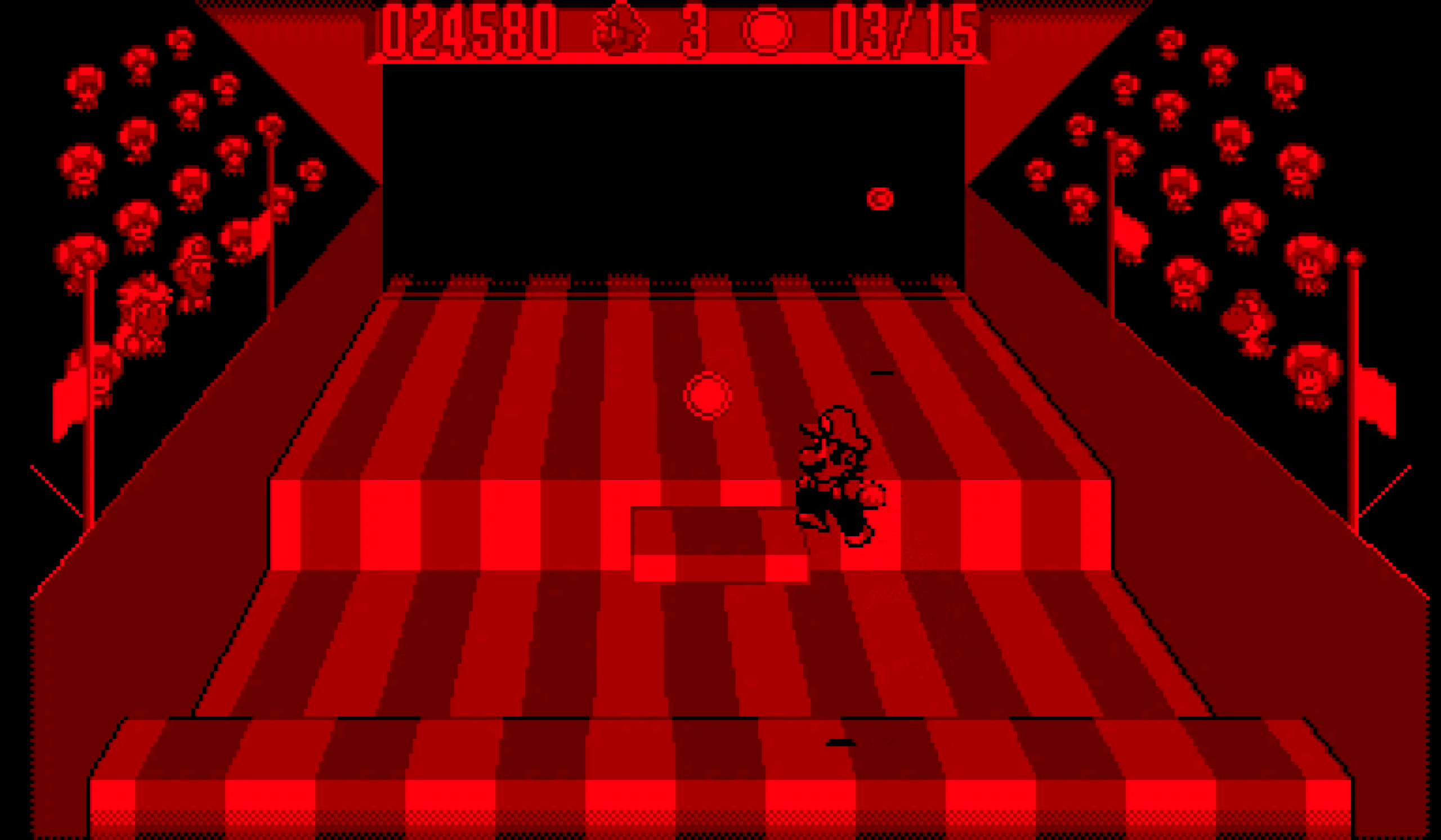
Every so often a Bonus Chance round interrupts the climb: a screen of coins to collect, worth 300 points each, while Luigi, Princess Toadstool, Yoshi and a crowd of Toads watch from the stands.
Bonus Chance, as pictured in Nintendo Music.
Level 99 and the 999,999 finale
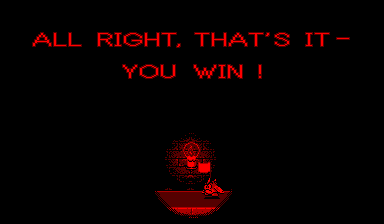
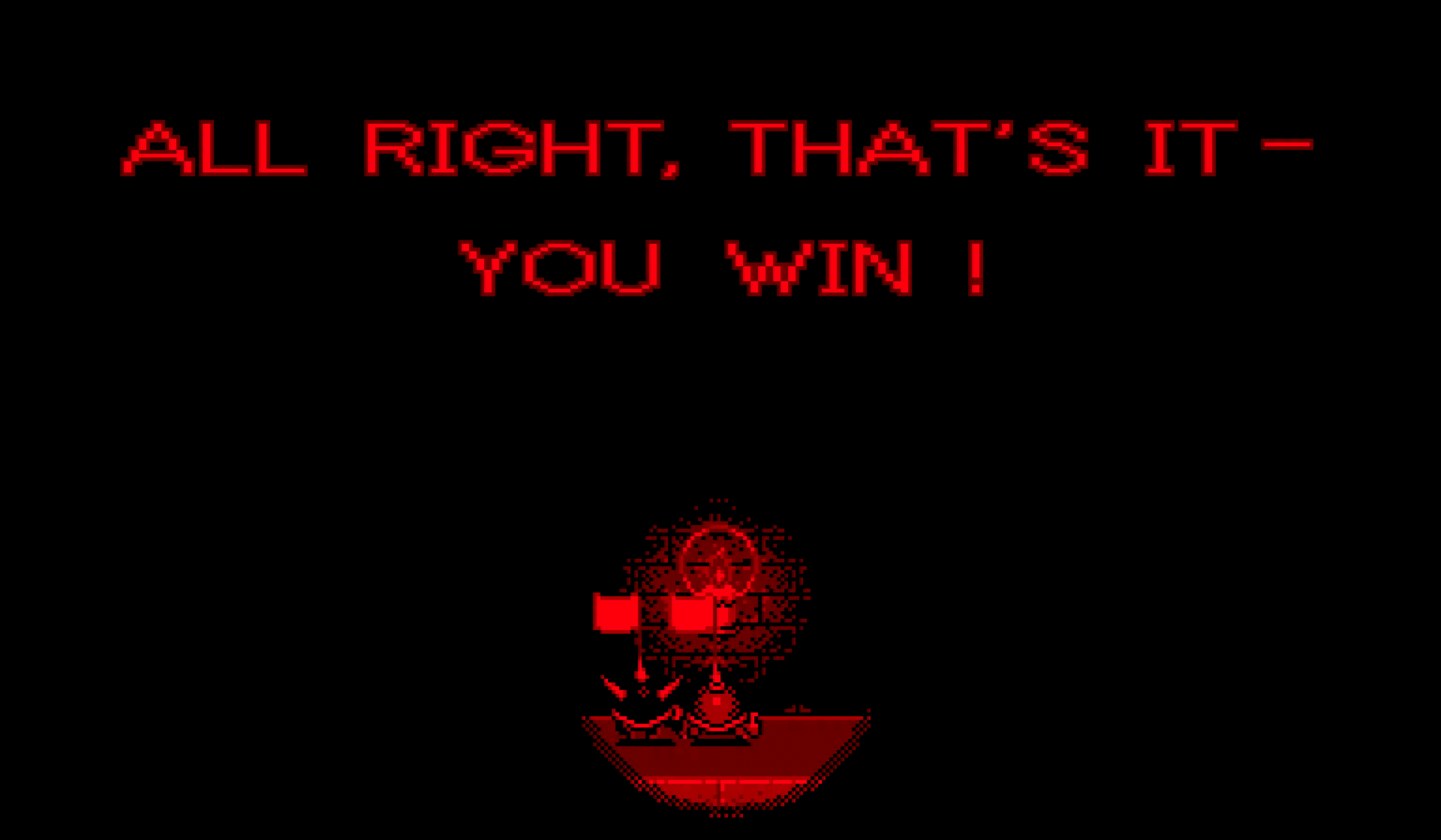
Clear level 99 and there is no princess and no ending as such: the tower simply starts again at level 1, with faster enemies. The only send-off the game offers is for score. Reach 999,999 points and the whole cast of enemies appears waving white flags of surrender, with the message “All right, that’s it—you win!”
The enemies give up at 999,999 points.You Win!, as pictured in Nintendo Music.
The 99 levels: where everything arrives
The levels are numbered, not named. These are the landmarks, with the level in which each enemy and hazard first appears.
Level 1Spike · Koopa · FireSpikes fall to a shell from any side; Fire appears if you dawdle.
Level 3ThornyThe first enemy that must be hit from the side.
Level 6Para-GoombaSlow, hopping and side-hit only.
Level 9LobbA little tank whose Iron Balls stop shells.
Level 11SidestepperMario Bros.’ crab: anger it head-on, then hit it from the side.
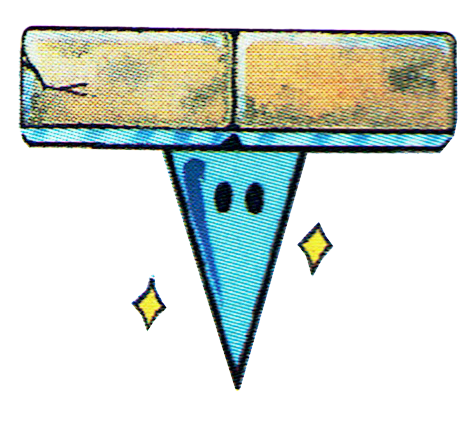
Level 12IceIcy floors and falling icicles.
Level 13SnakeSpits eggs that hatch into more Snakes.
Level 15Big BooTurns see-through; hit it while visible.
Level 17PokeyRegrows its body; a lone head is lightning fast.
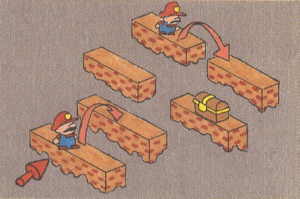
Level 40Last level you can start onThe level select covers levels 1 to 40.
Level 99The topClear it and the game loops back to level 1 with faster enemies.
Advertisement
Gameplay & Controls
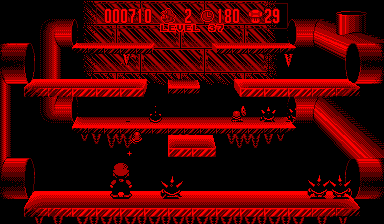
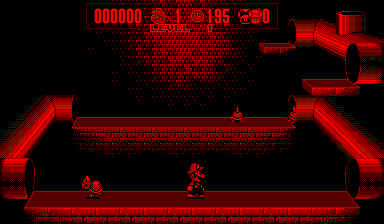
Each level is one floor of the Clash Tower, seen from the side like Mario Bros. but split into a foreground and a background. Your job is to clear every target enemy off the stage before time is up.
Two planes and the pipes
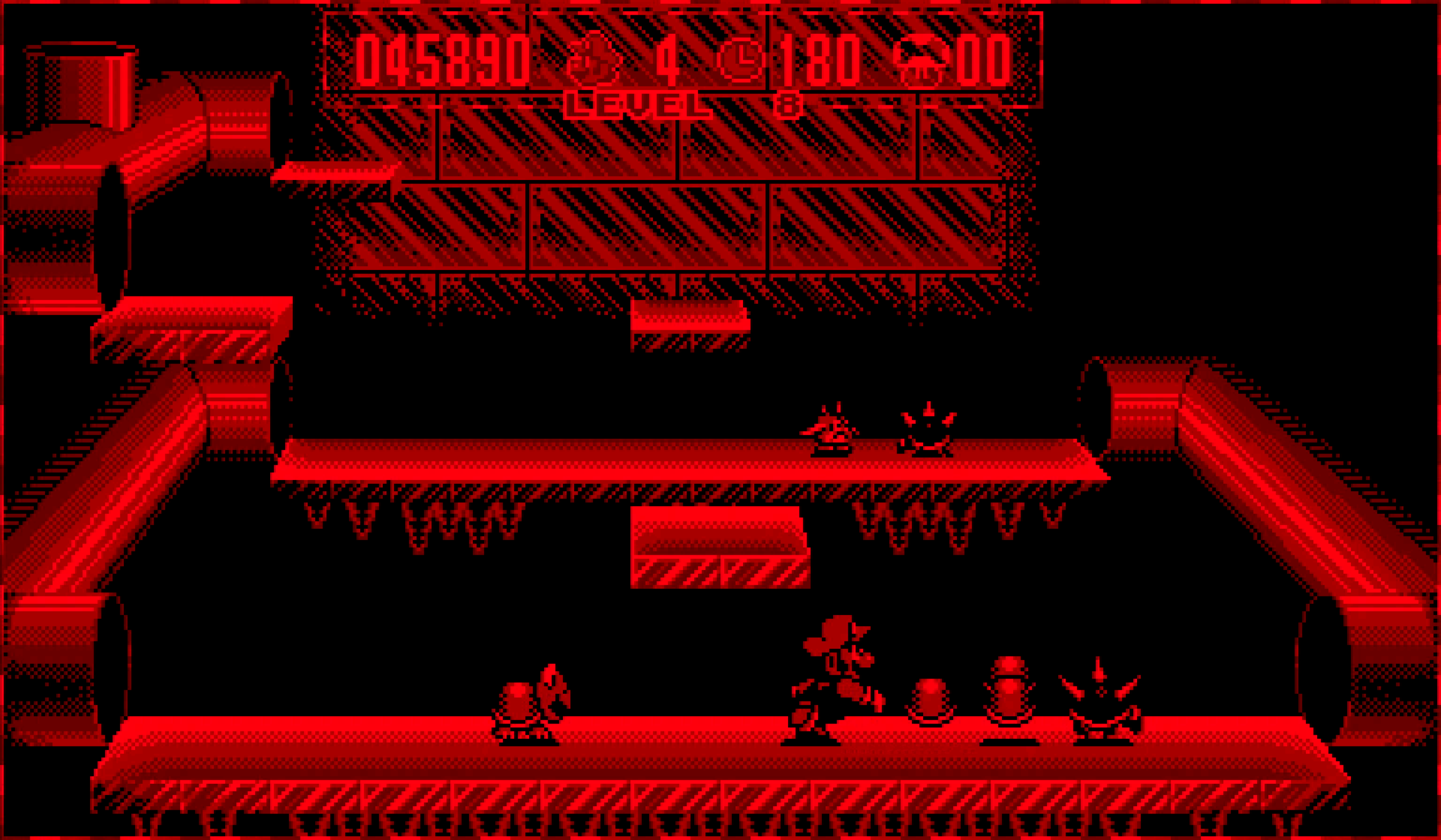
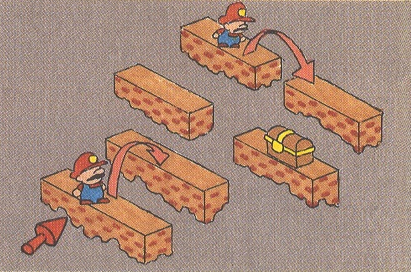
Mario lowers himself in on a rope and chooses which plane to start on. Each plane has two floors, sometimes with floating platforms between them, and later levels add slippery ice. Warp pipes link the two planes, and anything can use them: Mario, the enemies and the shells he throws.
Hang about too long on a level and a spinning Fire appears, weaving its way across the screen until a shell puts it out.
The first level.Official artwork of a game scene.
Koopa shells and the side-hit rule
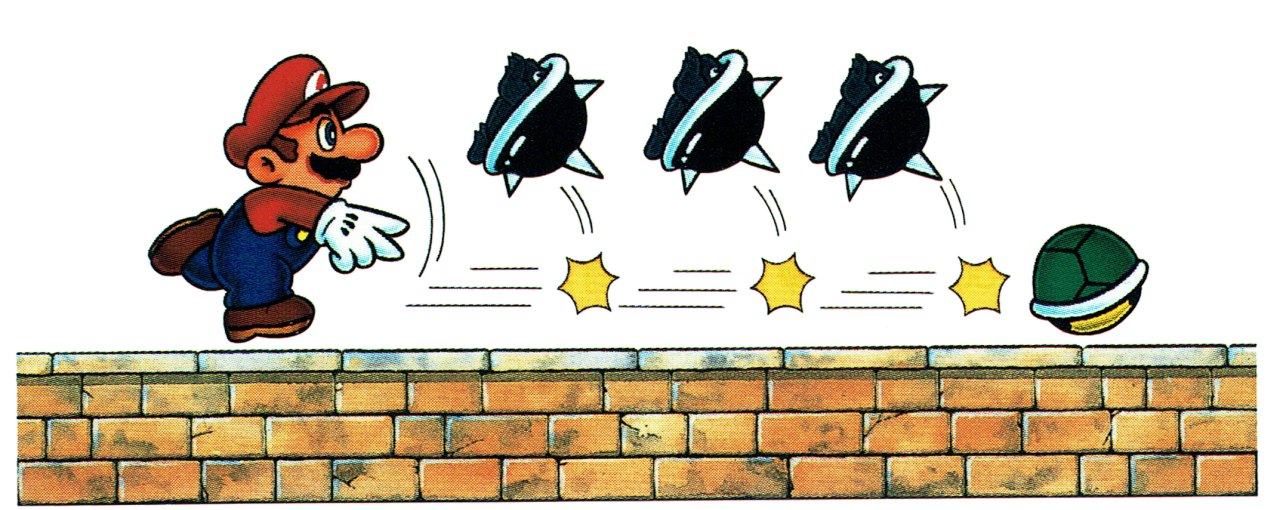
There are always two Koopas wandering about. Unlike everything else, they can be jumped on, and a stomped Koopa gives Mario its shell to carry and throw. Lose a Koopa and another takes its place. A shell that misses is gone, but a good throw can bounce off several enemies in one go.
Most targets can only be stunned by a hit on the side, so the real skill is throwing out of the screen or into it, across the planes, or sending shells through the pipes. A stunned enemy has to be finished with a kick or another shell before it recovers, and even the Koopa Mario is carrying can recover.
Mario hits a Thorny with a shell.Mario bowls a shell at three Thornies.An angry Koopa.
Points, Fever Time and extra lives
Stunning an enemy is worth 100 points and knocking it out 500, with bonuses for taking out several with one throw. After 30 targets a Mushroom comes out of a pipe: grab it and Fever Time begins, during which a thrown shell knocks out anything it touches and every score is doubled. Losing your shell or a life ends it.
Extra lives come three ways. Passing certain scores sends a 1UP sign flying across the screen, and hitting it with a shell earns a second life on top. Bonus Chance rounds between some levels pay 300 points a coin and a life for collecting the lot. And every 100,000 points a character pops up in the frame around the playfield to congratulate you.
Fever Time, as pictured in Nintendo Music.Mario says Good! at 100,000 points.
Levels, time limits and no saves
There are 99 levels. You can begin from any of the first 40, and after level 99 the game loops back to level 1 with faster enemies. The last target on every level speeds up, so the final enemy is always the hardest to catch.
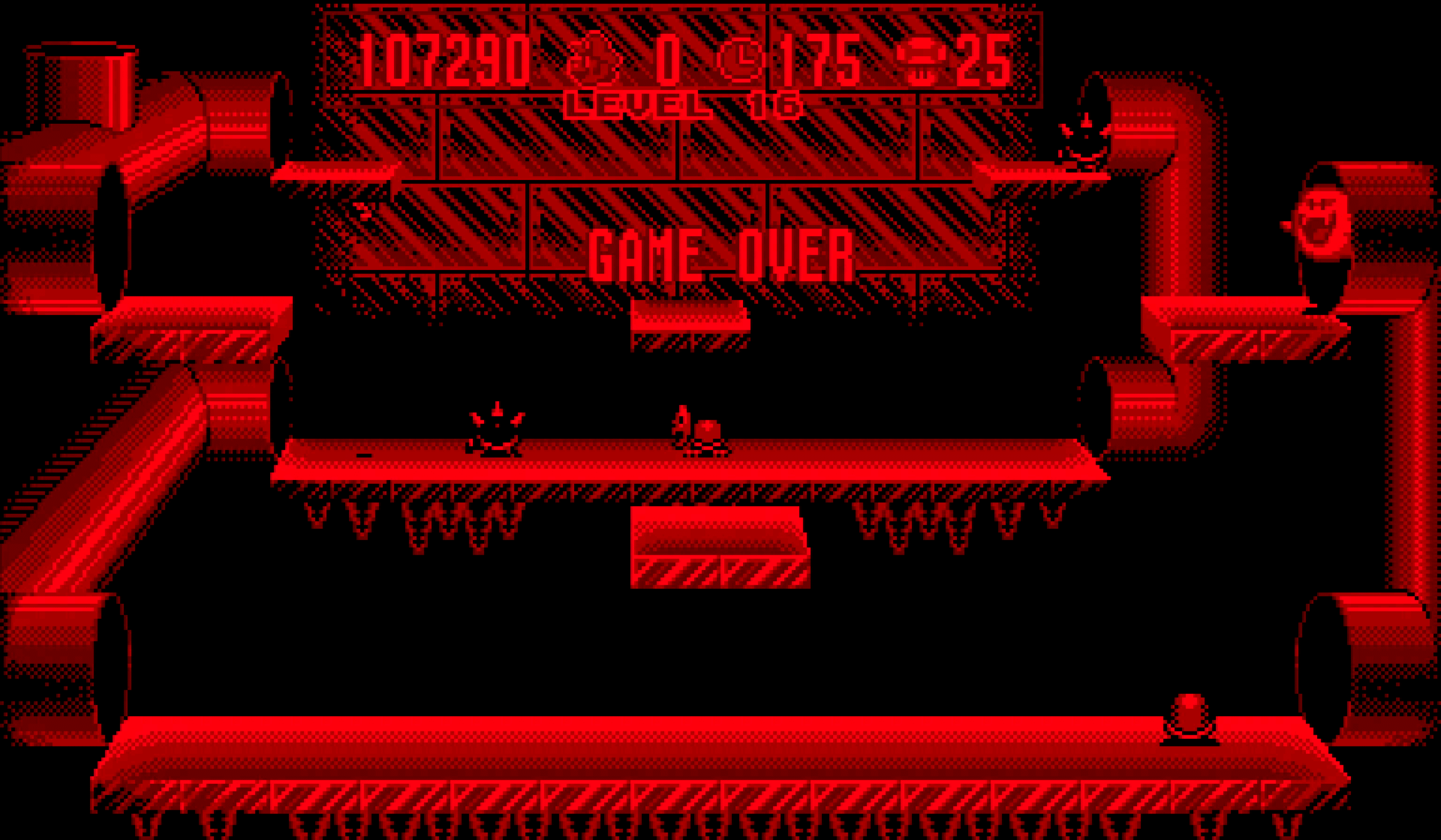
There is no save at all, and high scores are not kept when the Virtual Boy is switched off; Nintendo Life’s 2009 review counted that against it.
Game Over, as pictured in Nintendo Music.
Items and pick-ups
Mario Clash keeps its toolbox small.
Koopa shellMario’s only weapon. Stomp one of the two Koopas to get it.
MushroomComes out of a pipe after 30 targets. Starts Fever Time: one-touch knockouts and double points until you lose the shell or a life.
CoinFound only in Bonus Chance: 300 points each, and a life if you collect them all.
1UP signFlies across the screen at certain scores. Hit it with a shell for an extra life.
Cartoons, Comics & Other Media
Mario Clash was a short-lived release on a short-lived console, but it was covered in the magazines of the day, advertised in Japan, and quoted later in WarioWare and on Nintendo Music.
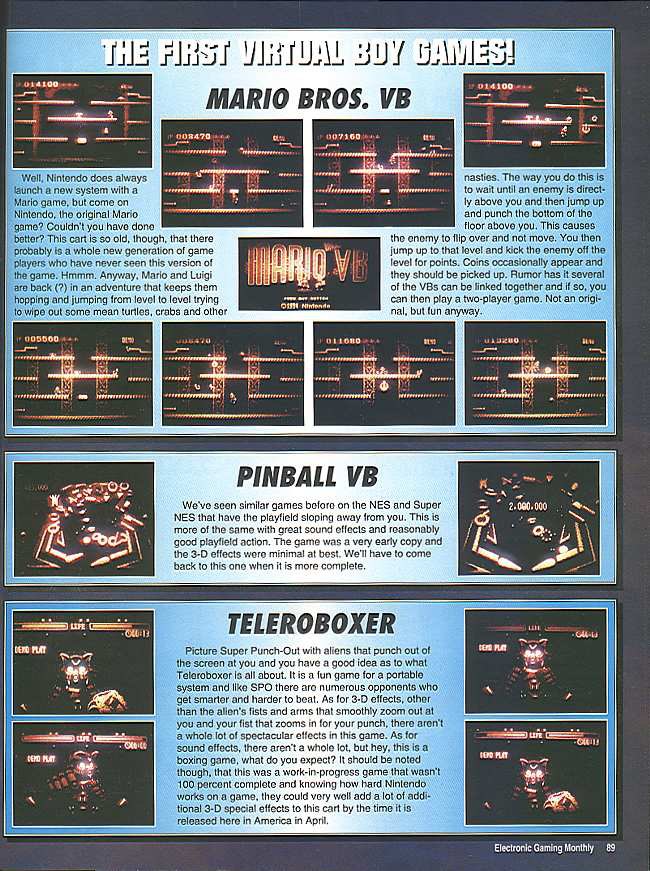
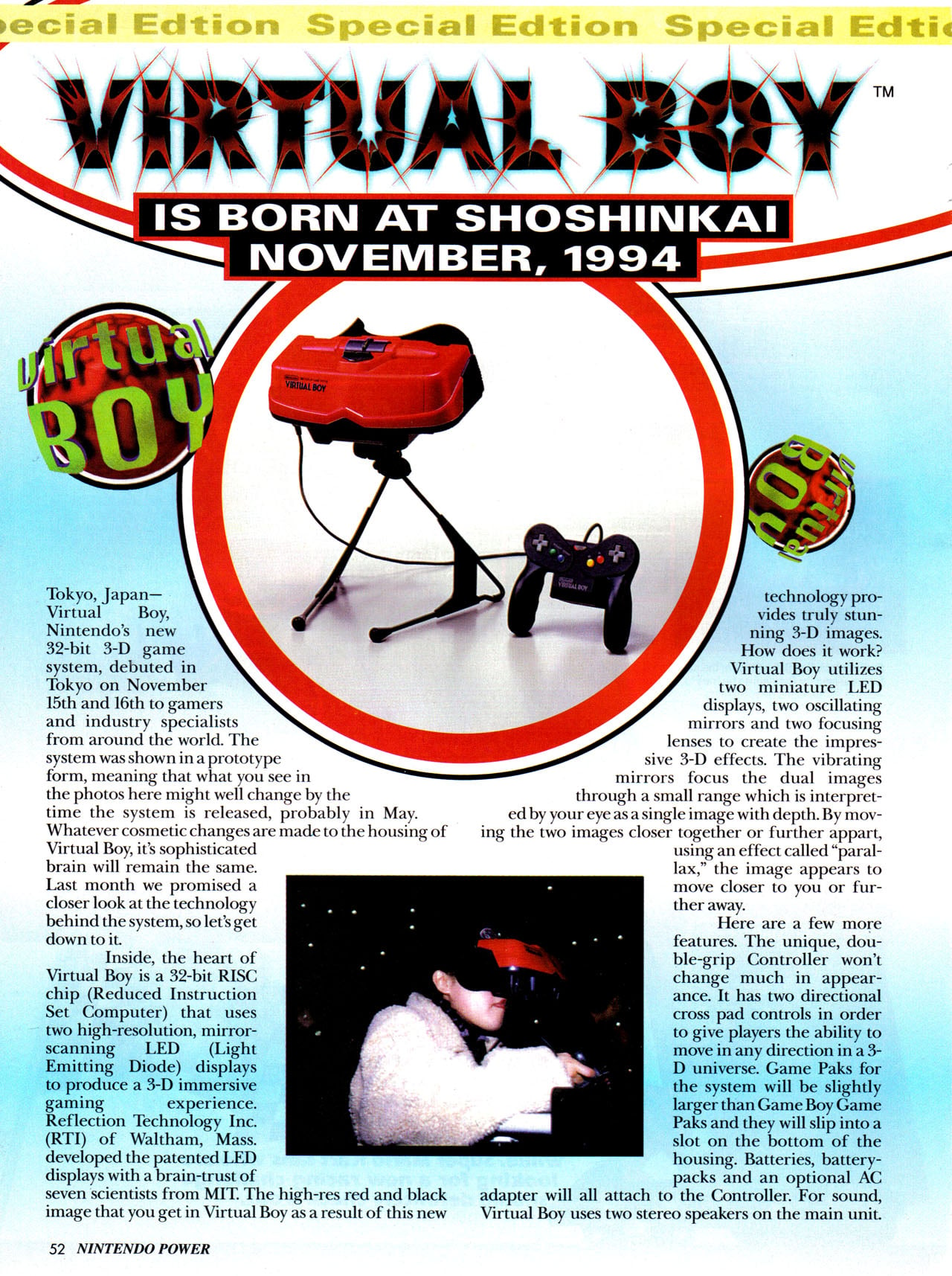
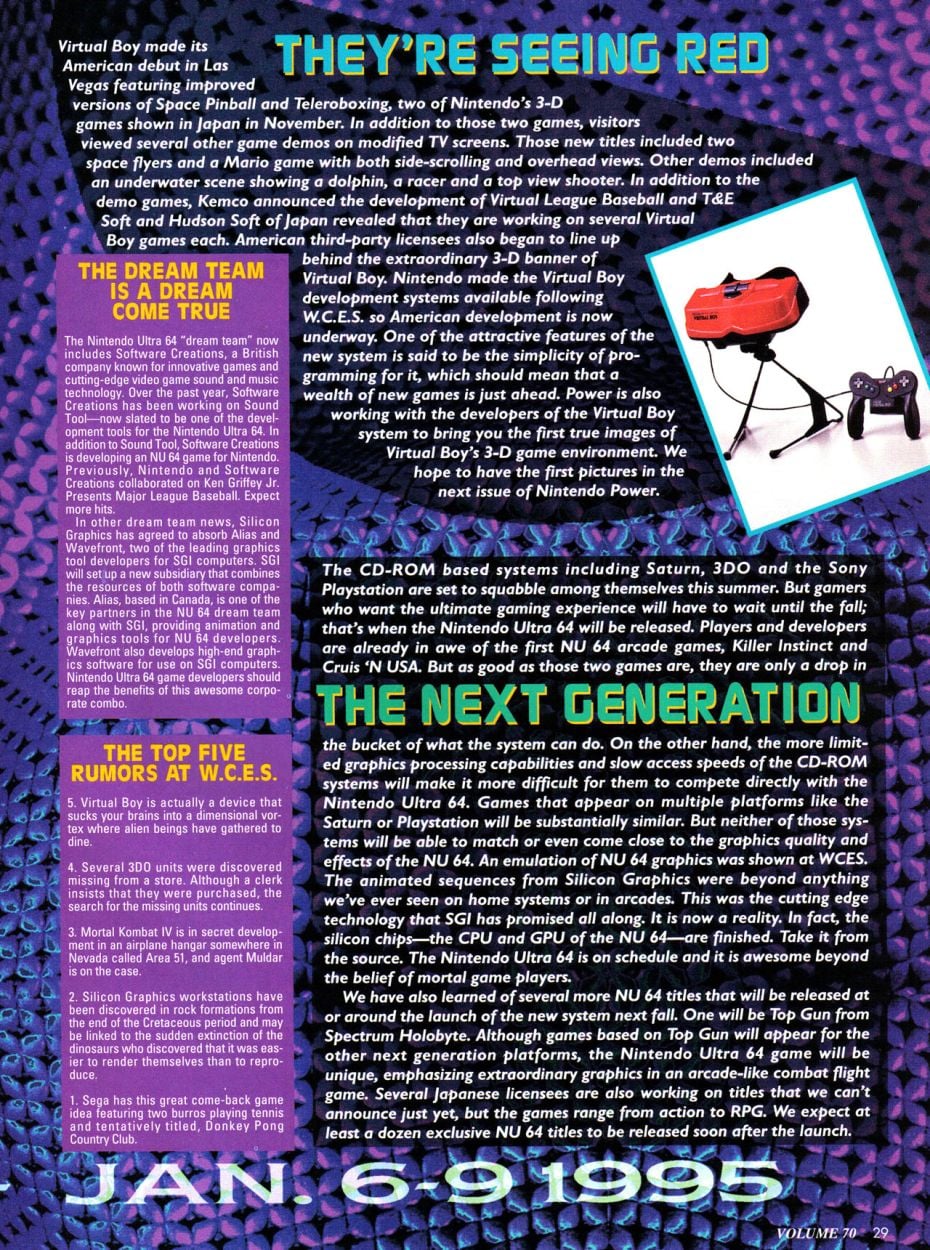
Pre-release coverageEGM and Nintendo Power, January 1995; Total!, July 1995Electronic Gaming Monthly and Nintendo Power reported on Mario Bros. VB after Shoshinkai; Nintendo Power showed the Mario Bros. minigame inside VB Mario Land in March 1995; Total! reported the switch to Mario Clash from E3.
Nintendo Power Vol. 75August 1995Nintendo Power’s feature on the game explained Fever Time among other things. Super Luigi Bros has its own page on the article.
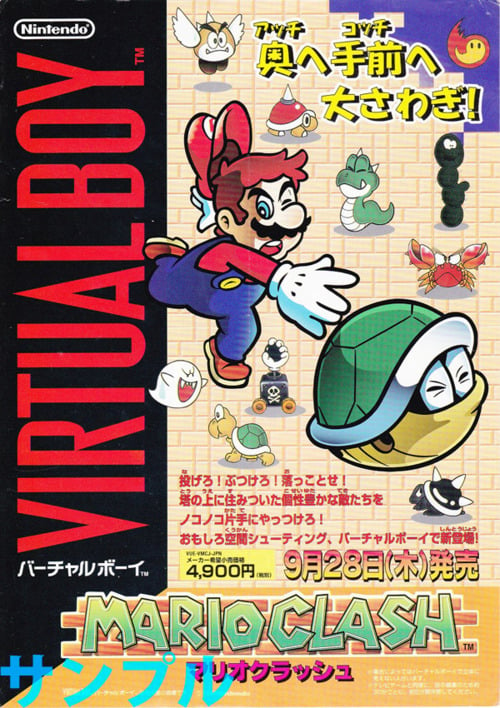
Japanese advertJapan, 1995A Japanese print advertisement for the game.
WarioWare GoldNintendo 3DS, 2018The Mario Clash microgame returns in 5-Volt’s set.
Nintendo MusicJuly 2026The 22-track soundtrack, 25 minutes in all, joined the Nintendo Music app with four other Virtual Boy soundtracks. The track list runs from Game Startup and Opening to Fever Time, Break Time, You Win! and Top Score (999,999 Points).
Characters
Mario does all the work, but much of the 1995 Mario cast drops in: watching from the stands in Bonus Chance, or popping up in the frame every 100,000 points with a word of praise.
Character
Who they are
In this game
Abilities & notes
MarioTower cleaner
Back in the plumber’s role of Mario Bros., this time with a tower to clear.
The only playable character. He climbs in on a rope, stomps Koopas, throws their shells and uses the pipes to switch planes.
Reappears at 100,000 points (Good!) and in the 900,000 group photo.
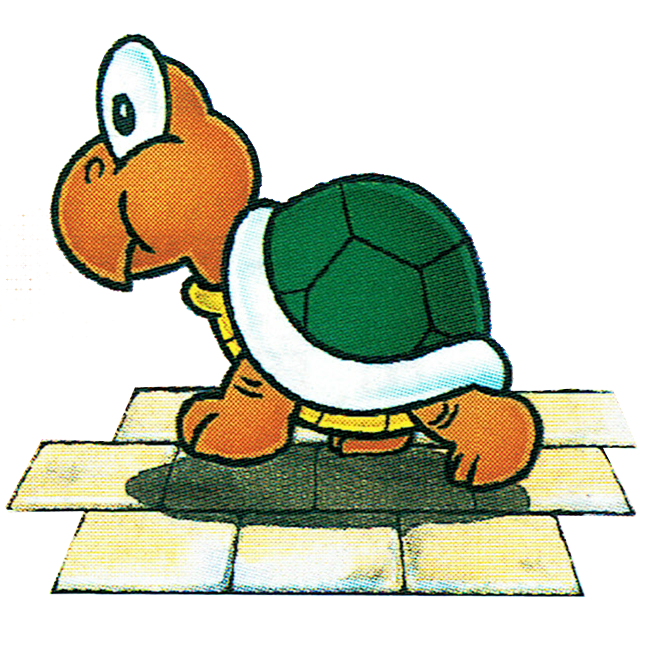
KoopaAmmunition
Koopa Troopas, two of them on every level.
The only enemies Mario can stomp. Their shells are his weapon, and a lost Koopa is always replaced.
Not a target: the level ends without them.
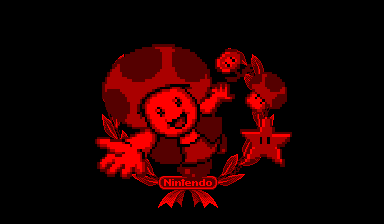
ToadCheerleader
The Mushroom retainer.
Toads fill the stands in Bonus Chance; one appears in the frame at 200,000 points.
Message: Great!
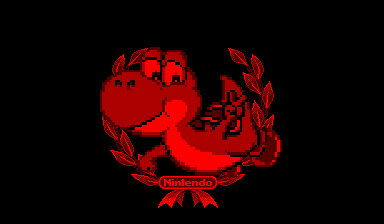
YoshiCameo
Mario’s dinosaur friend.
Watches Bonus Chance from the stands and appears at 300,000 points.
Message: Wonderful!
LuigiCameo
Mario’s brother, here only a spectator.
In the Bonus Chance crowd, and in the frame at 400,000 points.
Message: Marvelous!
WarioCameo
Mario’s greedy rival.
Appears in the frame at 500,000 points.
Message: Superb!
Princess ToadstoolCameo
The princess, for once not in need of rescue.
Watches Bonus Chance and appears at 600,000 points.
Message: Fantastic!
BowserCameo
The Koopa King, for once not the villain.
Appears in the frame at 700,000 points.
Message: Astonishing!
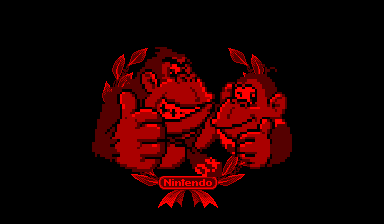
Donkey Kong and Donkey Kong Jr.Cameo
The Kongs from Mario’s arcade days, together.
Appear in the frame at 800,000 points.
Message: Amazing!
Enemies & hazards
All eight target enemies and the three non-targets, with the level each first appears in.
SpikeFrom level 1 · targetA turtle with one spike. A shell from any direction knocks it out.
ThornyFrom level 3 · targetThree spikes; can only be stunned from the side.
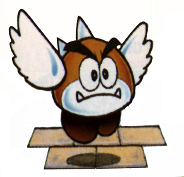
Para-GoombaFrom level 6 · targetHops slowly; side hits only.
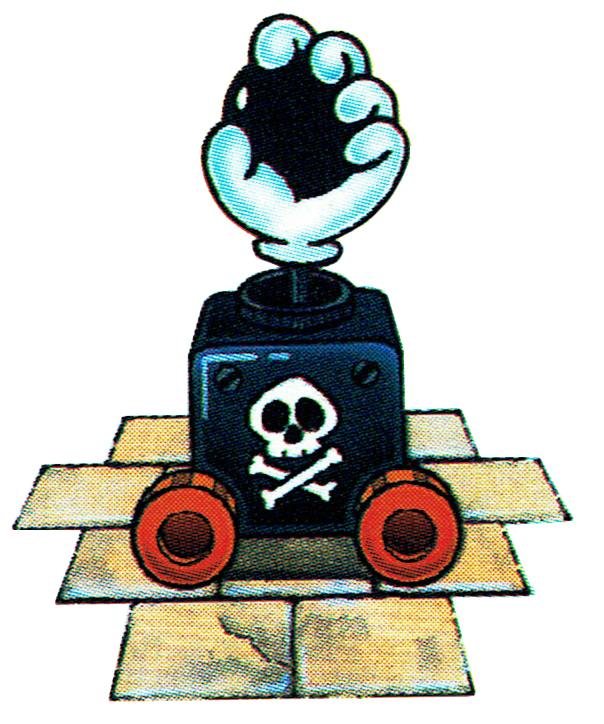
LobbFrom level 9 · targetA wheeled contraption that throws Iron Balls heavy enough to stop a shell. Side hits only.
SidestepperFrom level 11 · targetFaces sideways until hit from the front or back, then turns to face you; now hit it from the side.
SnakeFrom level 13 · targetSwells and spits an egg that hatches into another Snake. Side hits only; any touch breaks an egg.
Big BooFrom level 15 · targetFloats in waves and turns transparent; side hits only, and only while visible.
PokeyFrom level 17 · targetThree sections that grow back. A lone head is side-hit only, and very fast as the last enemy.
KoopaFrom level 1 · not a targetAlways two; the only enemy you can jump on. Its shell is your weapon.
FireFrom level 1 · not a targetAppears if you take too long, moving in a wave. A shell destroys it.
IceFrom level 12 · not a targetIcicles that drop in icy levels and shatter on the ground; a shell breaks them too.
Key staff
From the game’s credits.
Gunpei YokoiProducerCredited as producer. R&D1 also built the Virtual Boy itself.
Toru Osawa, Hiroyuki KimuraDirectorsCredited as directors.
Tsutomu Kaneshige, Yoshinori Katsuki, Katsuya YamanoProgramThe programming team.
Ryoji YoshitomiSoundComposed the music, now on Nintendo Music.
Hiroshi YamauchiExecutive producerNintendo’s president.
Shigeru MiyamotoDesign input (not credited)Next Generation reported in 1995 that he contributed to the design.
Advertisement
How It Was Made
Mario Clash took about a year to go from a faithful remake to something new. The trail runs through Japanese trade shows and Western magazines of 1994 and 1995.
Mario Bros. VB at Shoshinkai
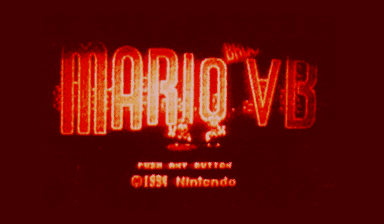
The title screen of Mario Bros. VB.
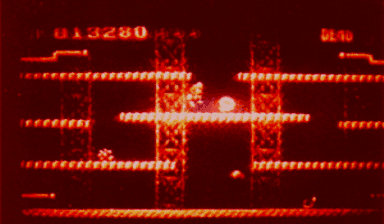
At Nintendo’s Shoshinkai exhibition in Japan on 15 and 16 November 1994, one of the Virtual Boy demos was called Mario Bros. VB. As Electronic Gaming Monthly reported in January 1995, it was a straight remake of the 1983 arcade game, flat and two-dimensional, with its own title screen. Nintendo Power covered it the same month.
Inside VB Mario Land
Mario Bros. VB gameplay from Shoshinkai 1994.
Mario Bros. also turned up as a minigame inside another demo, VB Mario Land, according to Nintendo Power in March 1995 and a look back by Official Nintendo Magazine in 2010. VB Mario Land was never heard of again, and no reason has ever been given.
By E3 in May 1995 the minigame had been spun off into a full game of its own. Total! magazine reported in July that it was now called Mario Clash and was meant to be a Virtual Boy launch title. In the end it arrived about two months after the console in Japan, on 28 September, and on 1 October in North America.
The Virtual Boy team
Concept artwork.
The game was built by Nintendo R&D1, the department that designed the Virtual Boy, with Gunpei Yokoi as producer, Toru Osawa and Hiroyuki Kimura as directors and Ryoji Yoshitomi on music. Next Generation reported in August 1995 that Shigeru Miyamoto had contributed to the design.
The cartridge holds a couple of animations that never appear: Mario being squashed, and Mario slipping onto his backside with a sigh, like a similar animation in the original Mario Bros. The Cutting Room Floor suggests the squash was meant either for an enemy or for a second player, who would have needed the Virtual Boy link cable that was never released.
Cheats & Secrets
There are no button codes in Mario Clash, but there are ways to score more and live longer. Super Luigi Bros has a separate page of Mario Clash cheats and unlockables.
Start higher up
Before you start, you can pick any level from 1 to 40. Nothing beyond 40 can be chosen.
Double up on the 1UP sign
When your score passes a threshold, the 1UP sign gives you a life and flies across the screen: hit it with a shell for a second. It does not appear if you cross the threshold during a Bonus Chance, and it cannot be hit once the last target is gone.
Clear every coin in Bonus Chance
Each coin is worth 300 points, and picking up all of them earns an extra life.
Save the Mushroom
Fever Time ends the moment you lose your shell or a life, so play it safe once the Mushroom is collected: every knockout is worth double.
Deal with the last enemy
The last target on a level always speeds up, and a lone Pokey head is the fastest of all. Leave the Pokey for last at your peril.
Break the eggs
A Snake’s egg breaks at any touch from Mario or a shell, so smash it before it hatches into another target.
Glitches & Oddities
The Cutting Room Floor lists no real glitches for Mario Clash, but it has two oddities.
Two unused Mario animations
Mario being squashed and Mario slipping over with a sigh are both in the cartridge but never shown. The squash may have been planned for a two-player mode that the missing link cable ruled out.
Squashed face
Mario as he looks in a tile viewer.
Mario’s face looks squeezed in the game itself, but normal when the same graphics are viewed in a tile viewer.
Videos
Nintendo of America’s round-up of the March 2026 Nintendo Classics additions, which brought Mario Clash to Switch, and Jeremy Parish’s retrospective from his Virtual Boy Works series.
Official video from Nintendo of America for the March 2026 Nintendo Classics additions, embedded in Gematsu’s report on Mario Clash’s release.
Third-party retrospective by Jeremy Parish, 13 February 2019.
Trivia & Interesting Facts
The working title was simply Mario Bros. VB, and the first demo was the 1983 arcade game with almost nothing changed.
Wario at 500,000 points: Superb!The score cameos run Mario, Toad, Yoshi, Luigi, Wario, Princess Toadstool, Bowser, then Donkey Kong with Donkey Kong Jr., each with a word of praise that grows grander every 100,000 points, from Good! to Incredible!!
The calm music of the opening, before the blimp turns up, is usually called Peaceful Night.
Next Generation’s review ran under the wrong name, Mario Smash.
Snake artwork.The Snake enemy reproduces: leave one alone and it spits an egg that hatches into another target.
Big Boo artwork.Big Boo is the only target that can make itself impossible to hit, by fading out of view.
Mario Clash and Mario’s Tennis reached Virtual Boy – Nintendo Classics on the same day, MAR10 Day 2026; because the release was simultaneous worldwide, it landed on 9 March in the Americas.
Since the 1.3.0 update of August 2026, Virtual Boy – Nintendo Classics lets you swap the red for other palettes, Game Boy green among them.
The Nintendo Music soundtrack has separate tracks for the 100,000-point fanfare, the ranked top score and the 999,999-point finale.
In 2010 IGN listed it among five 3D Nintendo games that deserved a Nintendo 3DS re-release, and IGN’s Craig Harris said he was surprised there was no Mario Clash demo at the 3DS reveal.
Fire artwork.The game’s artwork gives every enemy its own illustration, down to the Fire and the Ice.
The WarioWare microgame based on Mario Clash belongs to 9-Volt in Mega Microgame$! and to 5-Volt in WarioWare Gold.
Regional Box Art
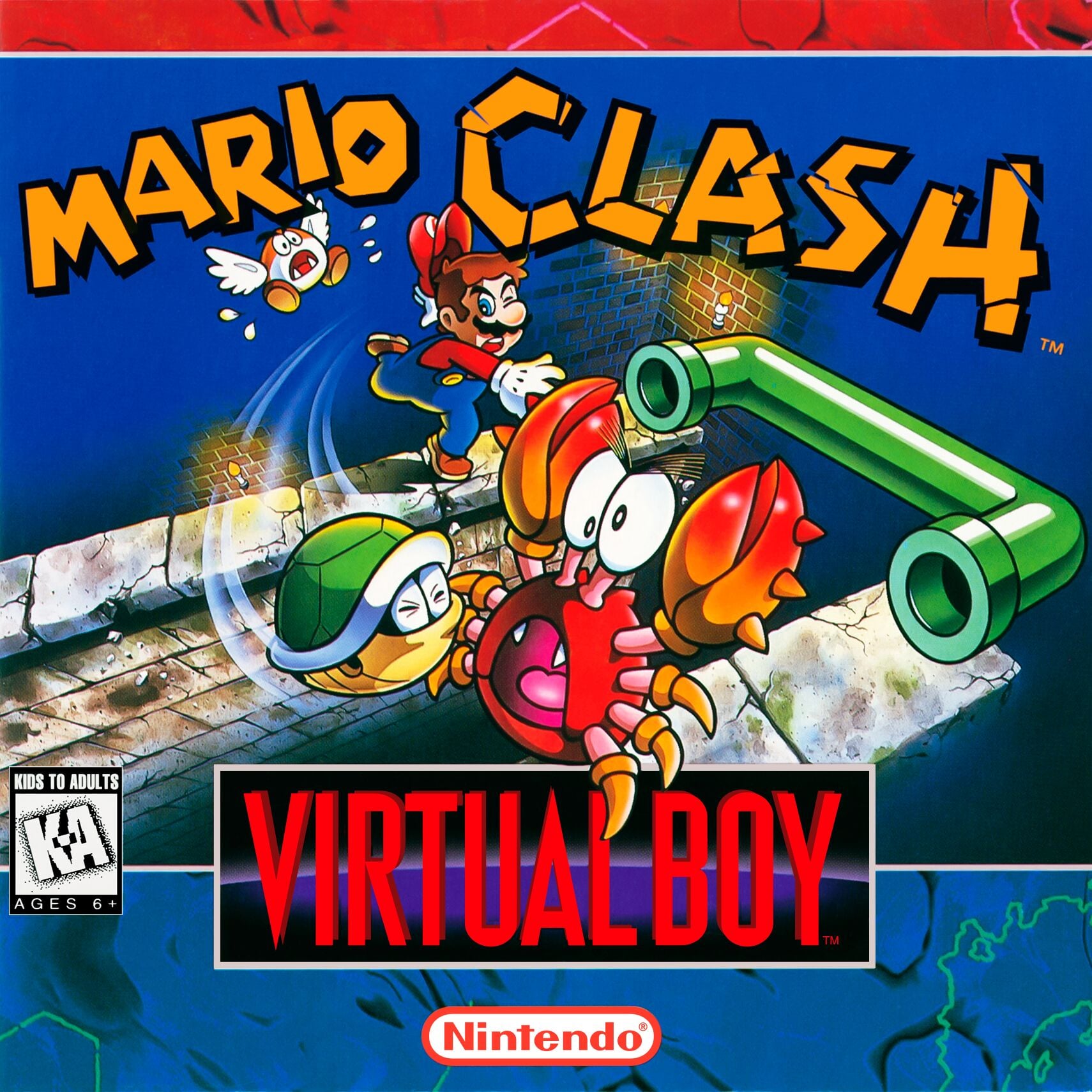
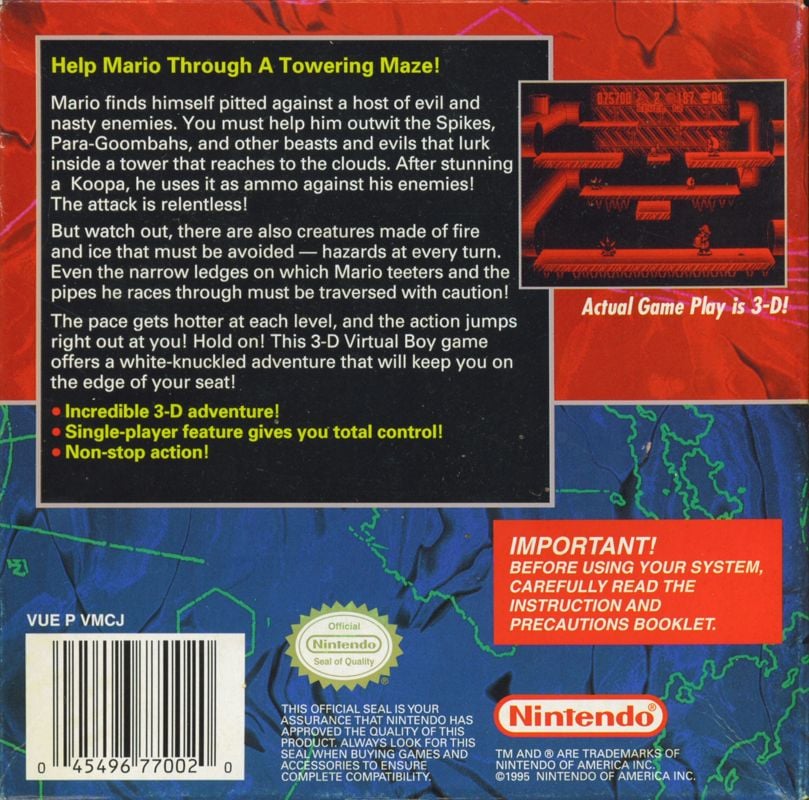
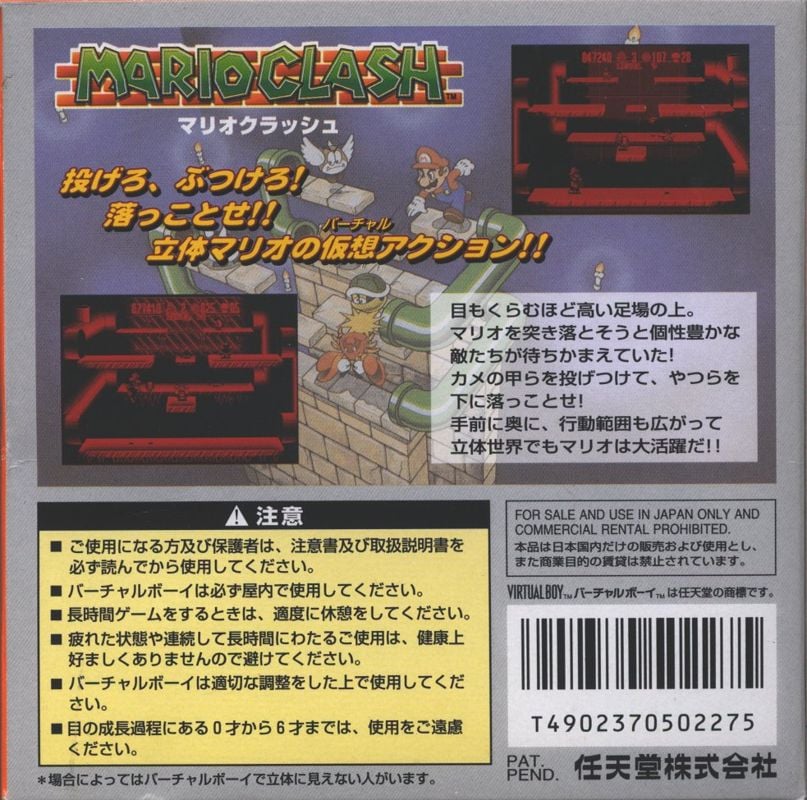
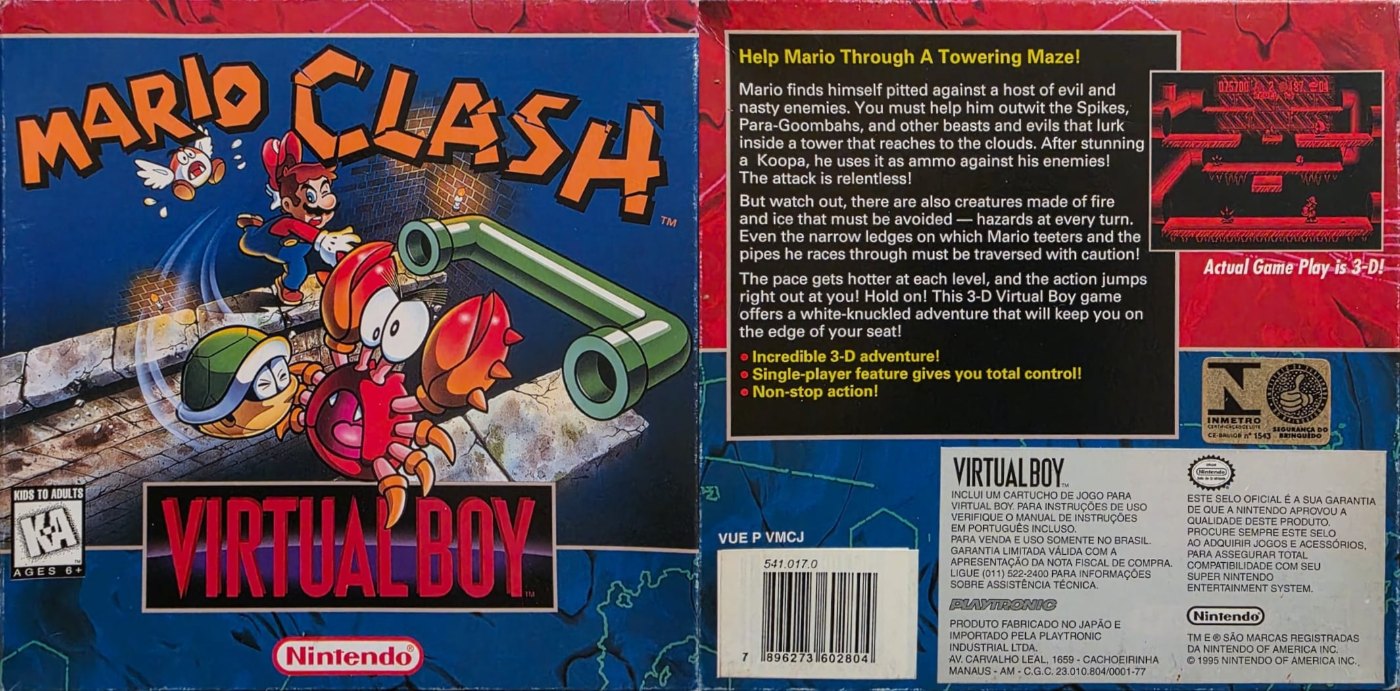
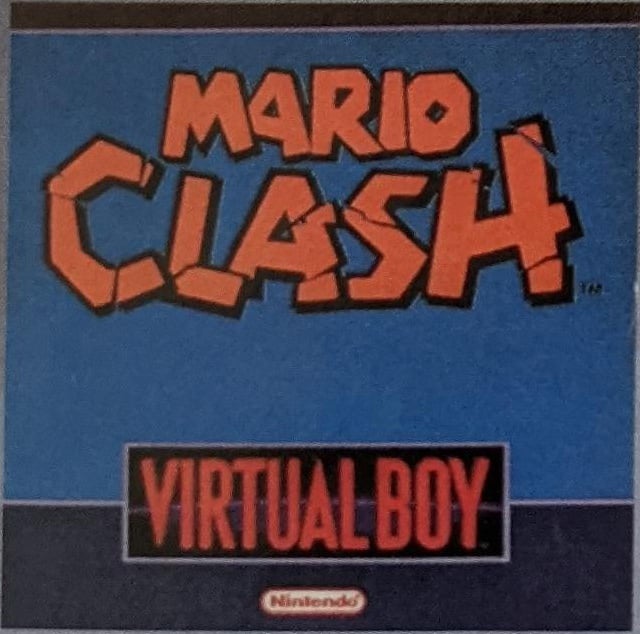
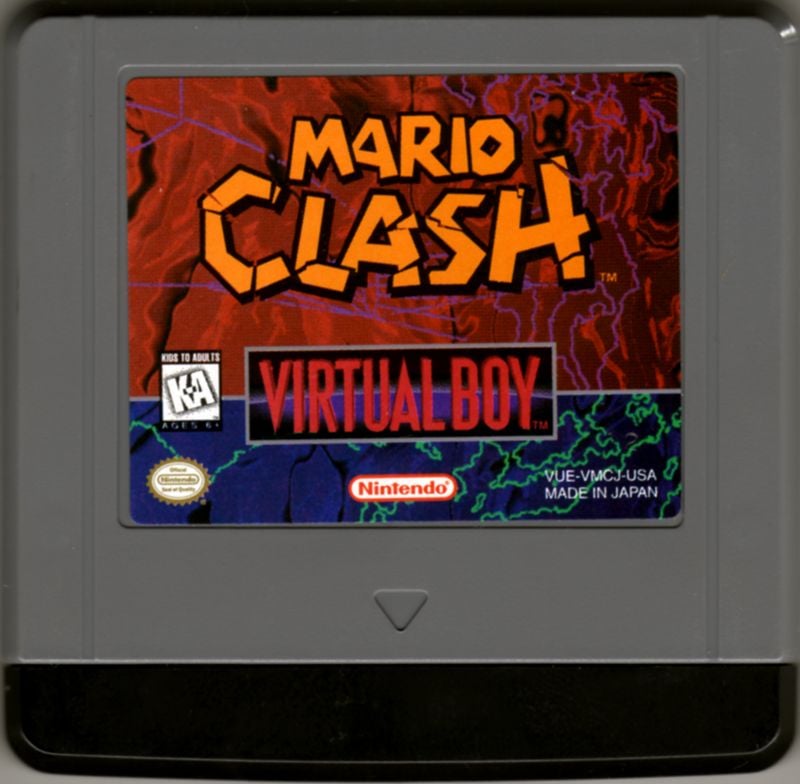
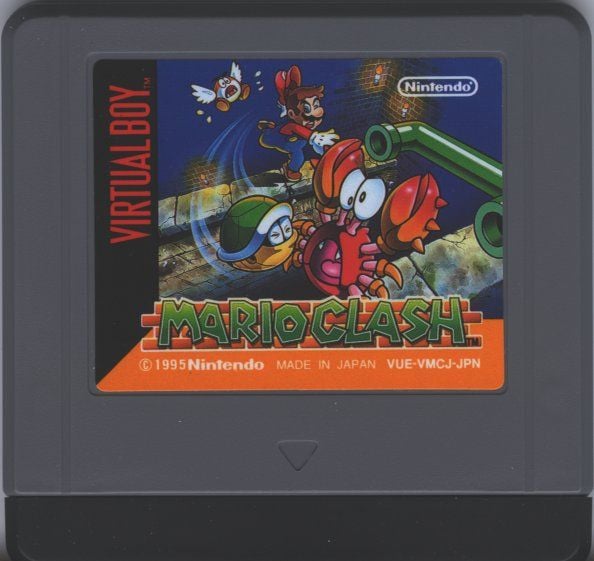
The North American box puts Mario and his shell against the black and red of the Virtual Boy; Japan had its own box, and there is also a Brazilian box and a pre-release design.
North AmericaFrontNorth AmericaBackJapanFrontJapanBackBrazilPre-releasePreliminary box designNorth AmericaCartridge labelJapanCartridge labelLogoNorth AmericaLogoAlternative North American logoLogoJapan
Screenshots
The score cameos that frame the playfield every 100,000 points, and more of the cast in sprite form.
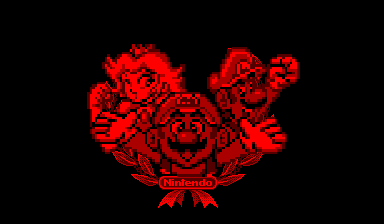
900,000 points: Mario, Luigi and Toadstool in a group photo. Incredible!!A Sidestepper after its first hit.A Snake in the background plane.Mario in the game.Another of Mario’s sprites.
Artwork & Media Gallery
Official artwork of every enemy, pre-release magazine pages and odds and ends.
Spike.Thorny.Para-Goomba.Lobb.Sidestepper.Pokey.Ice.Nintendo Power, January 1995: Mario Bros. VB.Nintendo Power, March 1995: VB Mario Land.Official Nintendo Magazine, 2010, on VB Mario Land.
Legacy & Re-releases
Mario Clash went thirty years without a re-release, then came back in 2026 together with its soundtrack.
Re-releases
Virtual Boy28 September 1995 (Japan)Released as Mario Clash.
Virtual Boy1 October 1995 (North America)Rated K-A by the ESRB.
Virtual Boy – Nintendo Classics10 March 2026 (9 March in the Americas)Nintendo Switch Online + Expansion Pack, on Switch and Switch 2, with the Virtual Boy accessory or its cardboard model. The first official release in Europe and Australia.
Nintendo Music30–31 July 2026The 22-track soundtrack is added, with four other Virtual Boy soundtracks.
Microgames
Its shell-throwing became a microgame in WarioWare, Inc.: Mega Microgame$! (2003), in 9-Volt’s set of Nintendo classics, and the same microgame returned for 5-Volt in WarioWare Gold (2018).
The Mario Bros. line
Mario Clash reworks Mario Bros. from the ground up: the pipes, Koopas and Sidesteppers survive, but the second plane and the shell-throwing make it a different game. On the Virtual Boy it sits beside Mario’s Tennis, which shared its 2026 return.
Reviews & Sales
Sales
No sales figure for Mario Clash has been published by Nintendo, and none of the sources consulted for this page gives one.
99levels
8target enemy types
22tracks on Nintendo Music
2026first release in Europe
Reviews
Total! magazine, July 1995, on the game’s E3 reveal.
Scores from Wikipedia’s review table, with issue and reviewer where given.
Nintendojoarchive review
8/10
GameFanVol. 3 No. 11, two reviewers
75, 72
Electronic Gaming MonthlyJanuary 1996, four reviewers
7, 8, 6, 7.5
Famitsu13 October 1995, Cross Review
24/40
Next GenerationNo. 9, September 1995
3/5
AllGameScott Alan Marriott
3/5
Nintendo Liferetro review, 11 May 2009
6/10
Before release, Mario Clash was the Virtual Boy game everyone wanted to see: Next Generation singled it out as possibly the system’s most promising game, and nearly all of GameFan’s staff named it their favourite of the pre-release games. The reviews were cooler. Next Generation felt it did not live up to the name of its magazine but was a good distraction in an interesting format; GameFan’s reviewers found it grew tedious; EGM’s panel split down the middle, two finding the controls loose and the game dull and two finding it addictive and a good use of the hardware; GamePro liked the 3D but felt the hardware let it down.
Later verdicts are just as divided. IGN’s Levi Buchanan called it underrated and mildly clever in 2008, GamesRadar praised its use of 3D, PALGN rated it among the hardest Mario games ever made and The Video Game Critic gave it an A, calling it a must for Virtual Boy owners. On the other side, Nintendo Life found the sprites flat, UGO called it the low point of the Mario series and ScrewAttack’s 2007 countdown placed it second among the worst Mario games of all time.
SLB User Reviews
Mario Clash has yet to receive a community review on Super Luigi Bros.
If you’ve played Mario Clash and would like to submit a review, please get in touch.
To provide the best experiences, we use technologies like cookies to store and/or access device information. Consenting to these technologies will allow us to process data such as browsing behavior or unique IDs on this site. Not consenting or withdrawing consent, may adversely affect certain features and functions.
Functional
Always active
The technical storage or access is strictly necessary for the legitimate purpose of enabling the use of a specific service explicitly requested by the subscriber or user, or for the sole purpose of carrying out the transmission of a communication over an electronic communications network.
Preferences
The technical storage or access is necessary for the legitimate purpose of storing preferences that are not requested by the subscriber or user.
Statistics
The technical storage or access that is used exclusively for statistical purposes.The technical storage or access that is used exclusively for anonymous statistical purposes. Without a subpoena, voluntary compliance on the part of your Internet Service Provider, or additional records from a third party, information stored or retrieved for this purpose alone cannot usually be used to identify you.
Marketing
The technical storage or access is required to create user profiles to send advertising, or to track the user on a website or across several websites for similar marketing purposes.



 Level 6Para-GoombaSlow, hopping and side-hit only.
 Level 9LobbA little tank whose Iron Balls stop shells.
 Level 11SidestepperMario Bros.’ crab: anger it head-on, then hit it from the side.
 Level 12IceIcy floors and falling icicles.
 Level 13SnakeSpits eggs that hatch into more Snakes.
 Level 15Big BooTurns see-through; hit it while visible.
 Level 40Last level you can start onThe level select covers levels 1 to 40.
 Level 99The topClear it and the game loops back to level 1 with faster enemies.

 Koopa shellMario’s only weapon. Stomp one of the two Koopas to get it.
 MushroomComes out of a pipe after 30 targets. Starts Fever Time: one-touch knockouts and double points until you lose the shell or a life.
 Pre-release coverageEGM and Nintendo Power, January 1995; Total!, July 1995Electronic Gaming Monthly and Nintendo Power reported on Mario Bros. VB after Shoshinkai; Nintendo Power showed the Mario Bros. minigame inside VB Mario Land in March 1995; Total! reported the switch to Mario Clash from E3.
 Japanese advertJapan, 1995A Japanese print advertisement for the game.
 Nintendo MusicJuly 2026The 22-track soundtrack, 25 minutes in all, joined the Nintendo Music app with four other Virtual Boy soundtracks. The track list runs from Game Startup and Opening to Fever Time, Break Time, You Win! and Top Score (999,999 Points).
 MarioTower cleaner
 KoopaAmmunition
 ToadCheerleader
 YoshiCameo
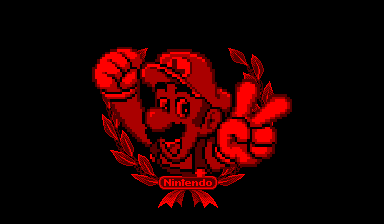 LuigiCameo
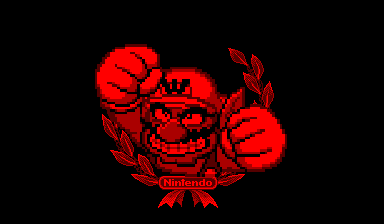 WarioCameo
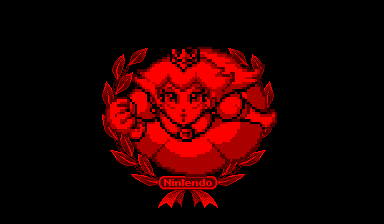 Princess ToadstoolCameo
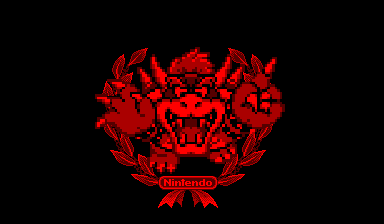 BowserCameo
 Donkey Kong and Donkey Kong Jr.Cameo
 FireFrom level 1 · not a targetAppears if you take too long, moving in a wave. A shell destroys it.










 Official enemy group artwork — Big Boo, Para-Goomba, Thorny and Sidestepper