
Super Mario Games on the Nintendo Wii
With motion controls and Wii Sports in the box, the Wii reached more than 100 million homes, and Mario was everywhere on it. Super Mario Galaxy and its sequel sent him into orbit, New Super Mario Bros. Wii brought four-player chaos to side-scrolling and Mario Kart Wii became the console’s best-selling Mario game.
All Wii Mario Games Covered
Click any tile to jump to that game’s full page on Super Luigi Bros. Games are ordered by their first release on the Wii, and each tile shows the kind of Mario appearance it is:
- Main role – the classic platform-style Mario adventures, such as Super Mario Bros. and Super Mario Land, plus the RPGs and other games built around Mario himself.
- Spin-off – a game that features Mario throughout but is not a mainstream adventure – karting, party, sports and puzzle games.
- Compilation – several Mario games collected on one cartridge or disc.
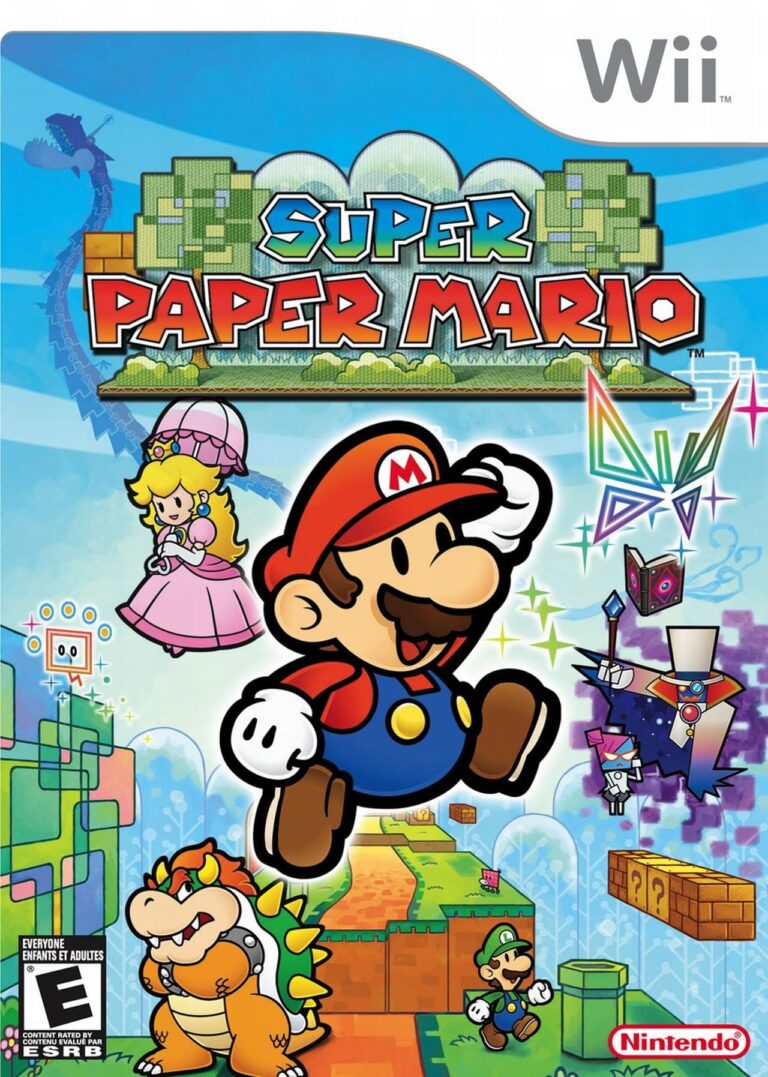
Super Paper Mario
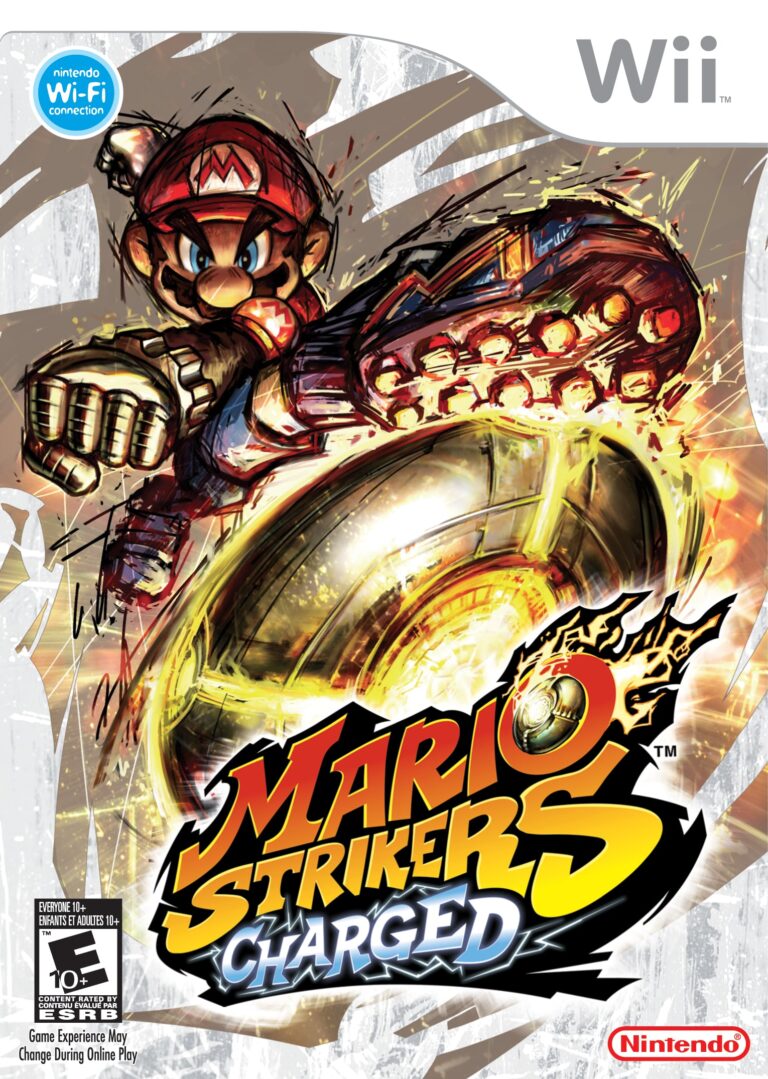
Mario Strikers Charged

Mario Party 8
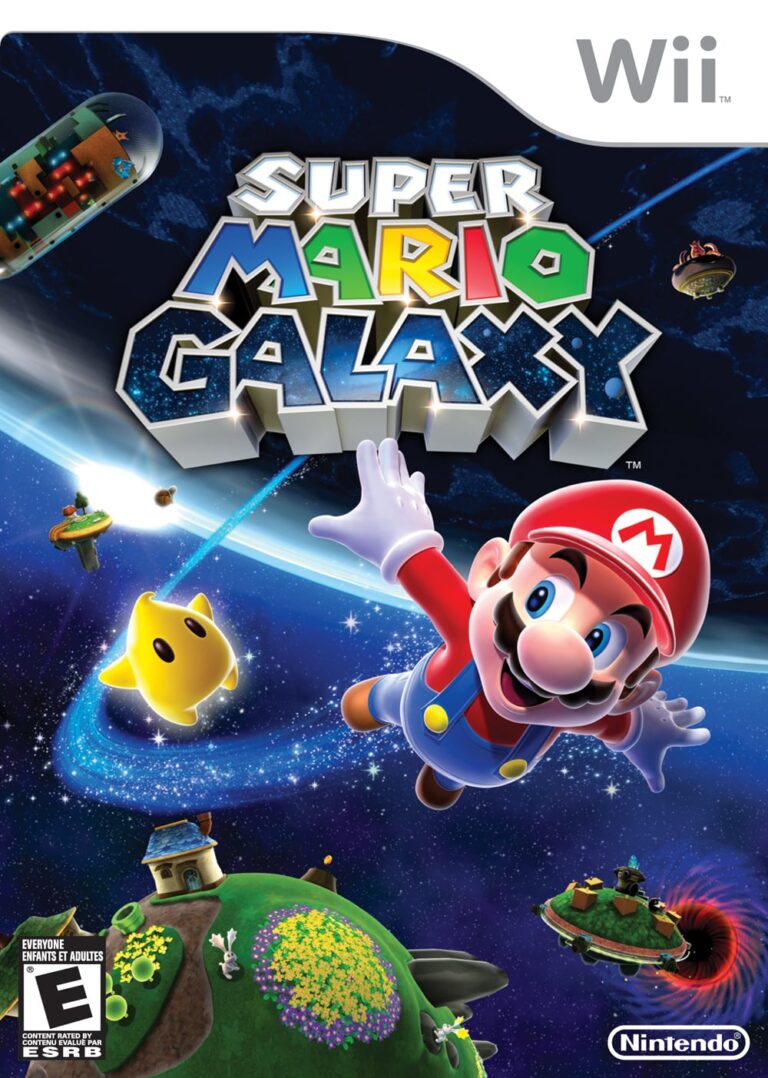
Super Mario Galaxy
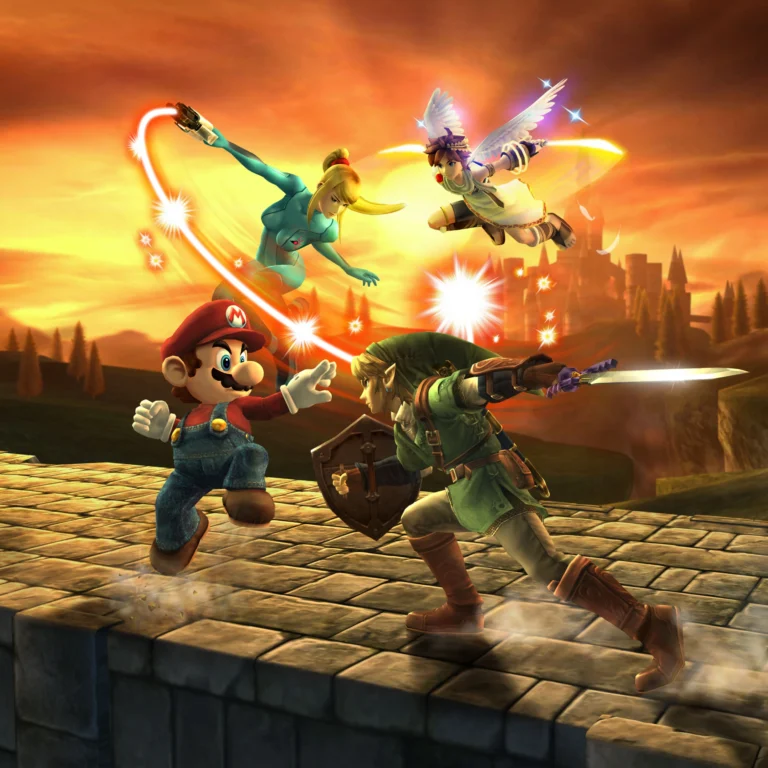
Super Smash Bros. Brawl
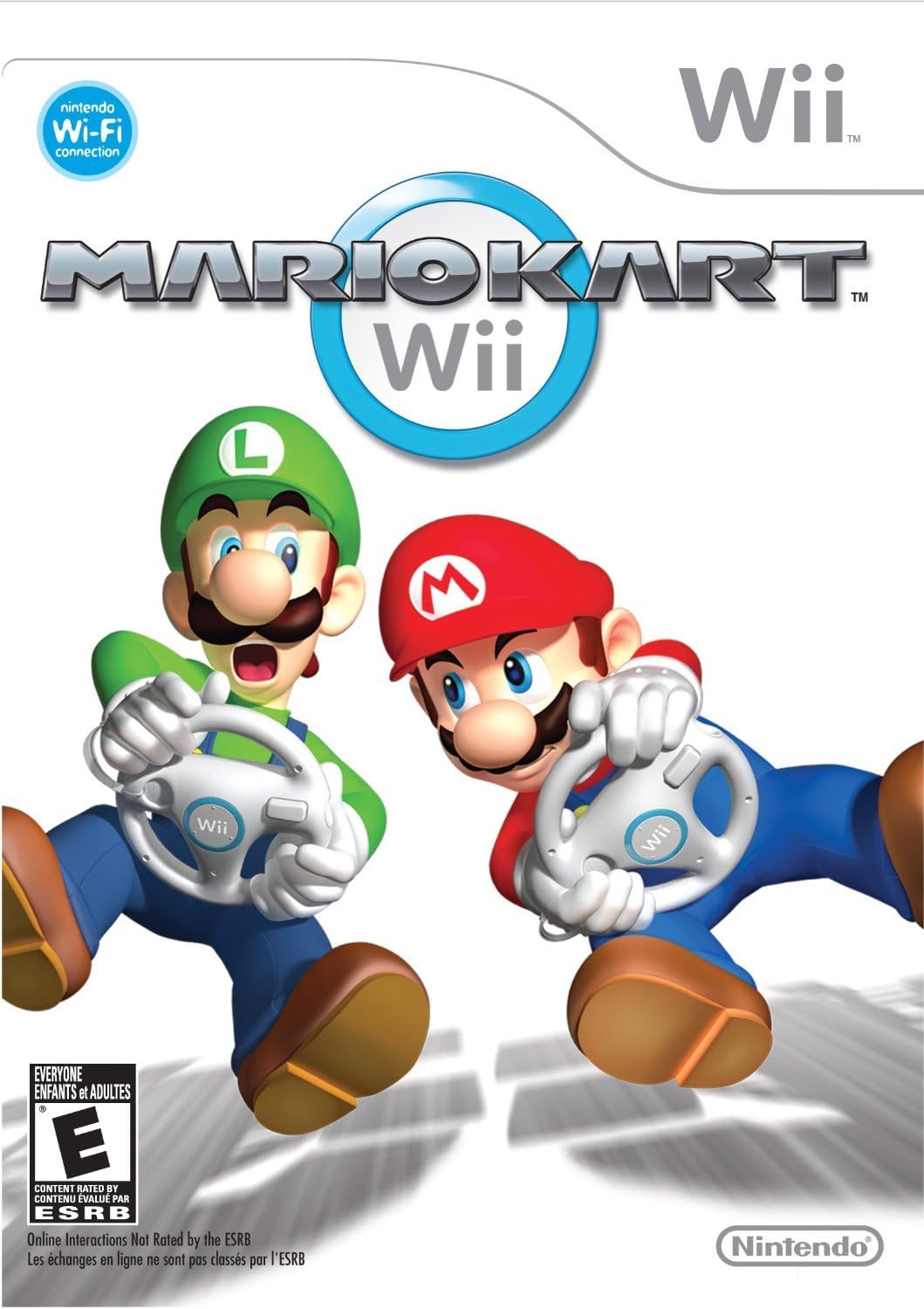
Mario Kart Wii
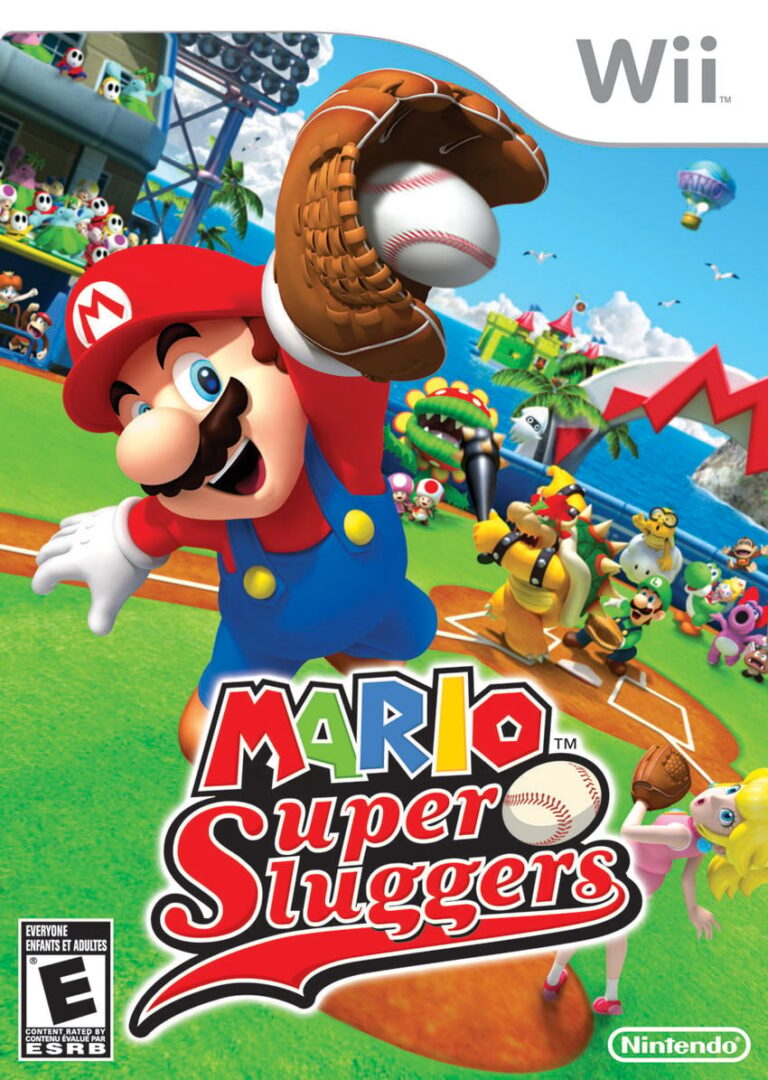
Mario Super Sluggers
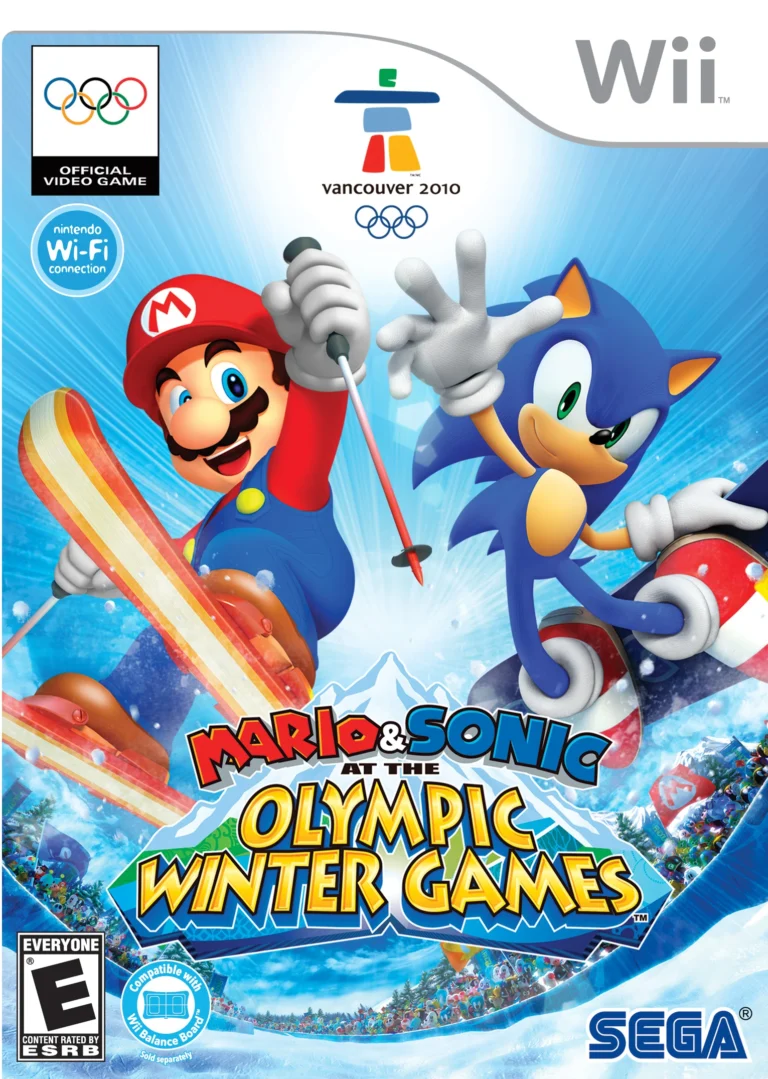
Mario & Sonic at the Olympic Winter Games (Wii)
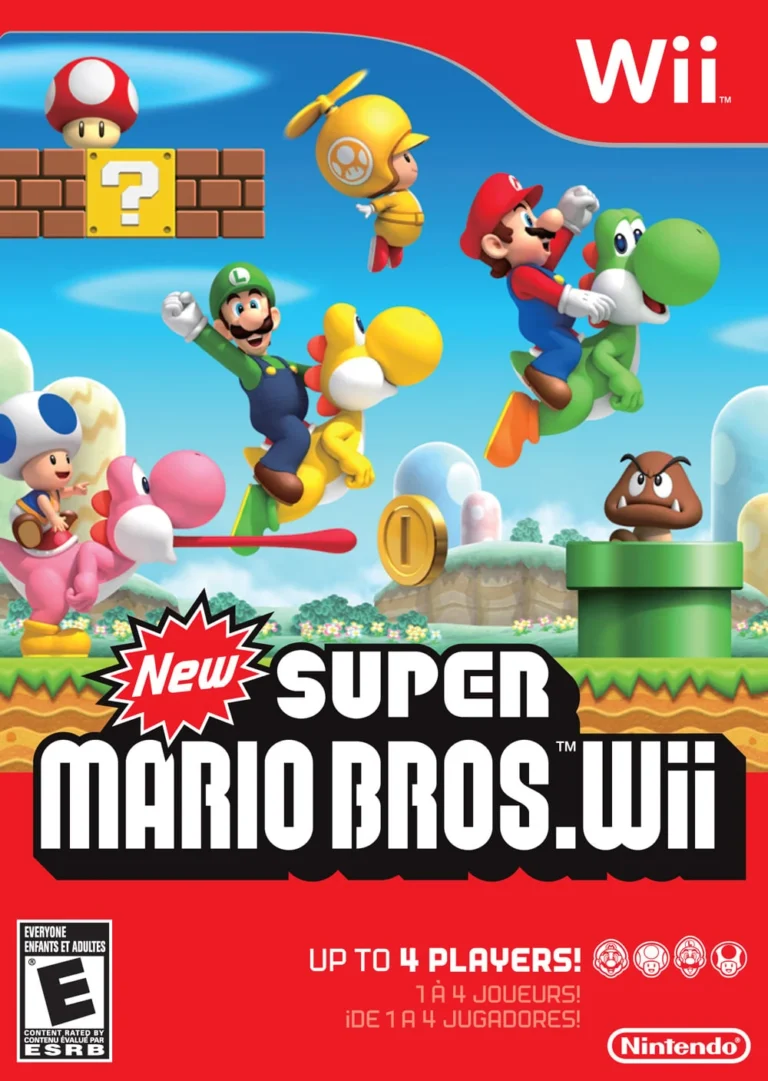
New Super Mario Bros. Wii
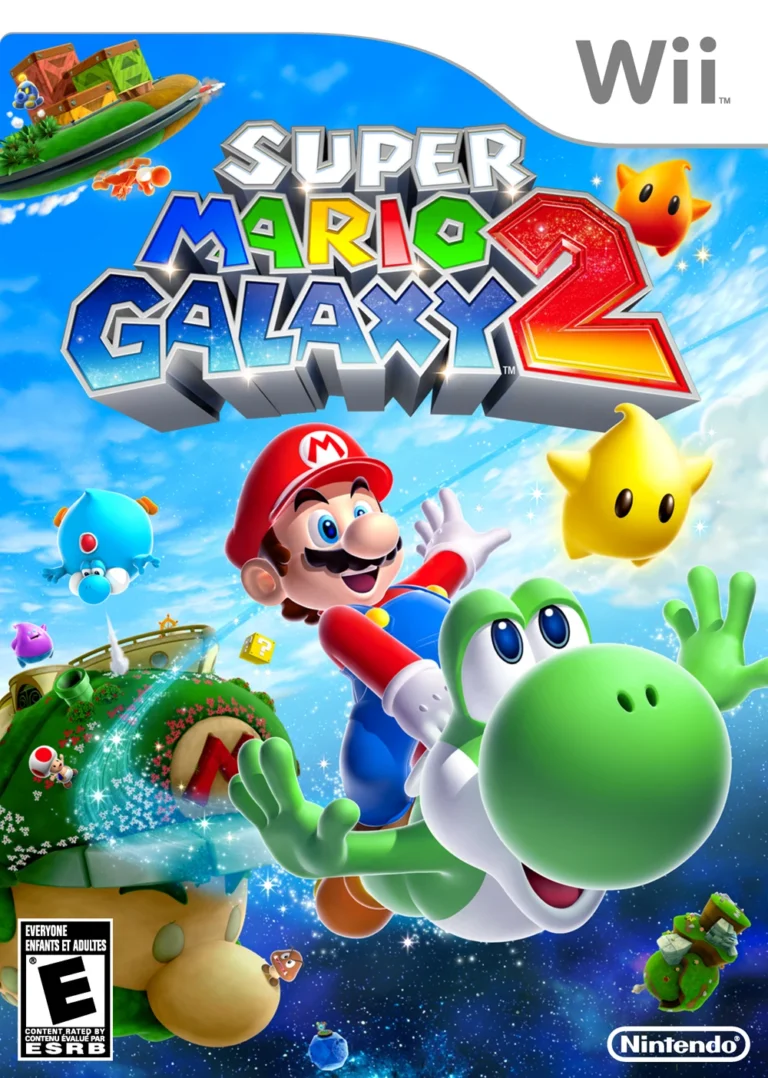
Super Mario Galaxy 2
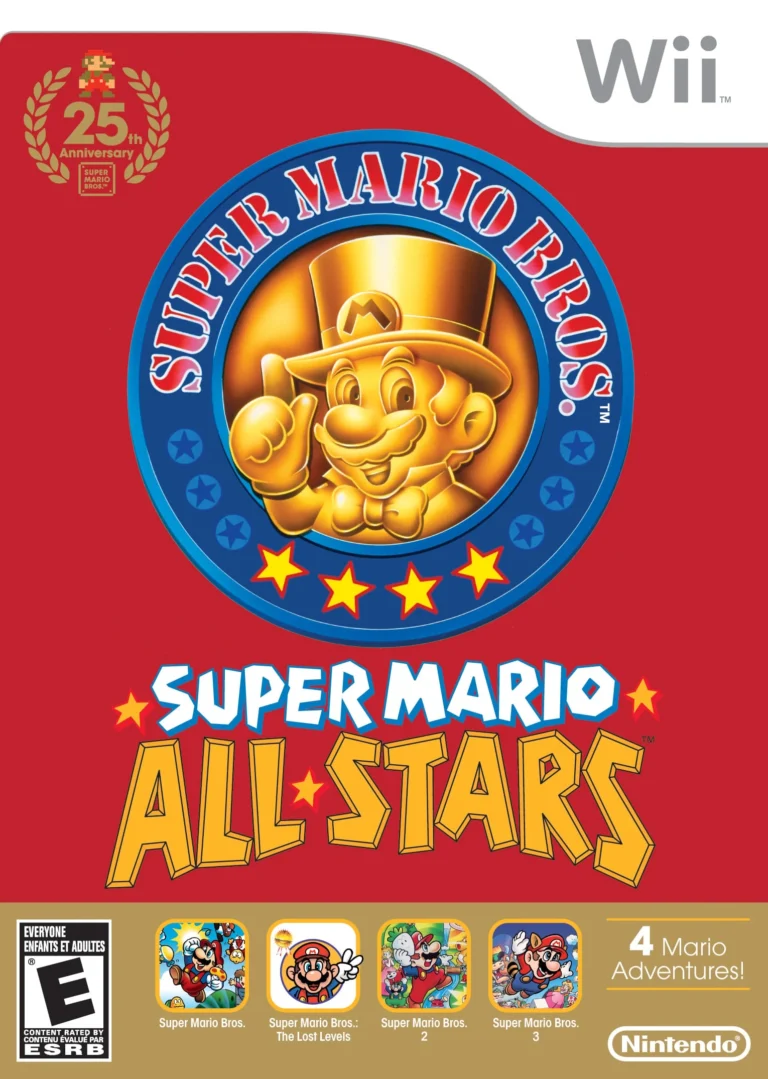
Super Mario All-Stars 25th Anniversary Edition
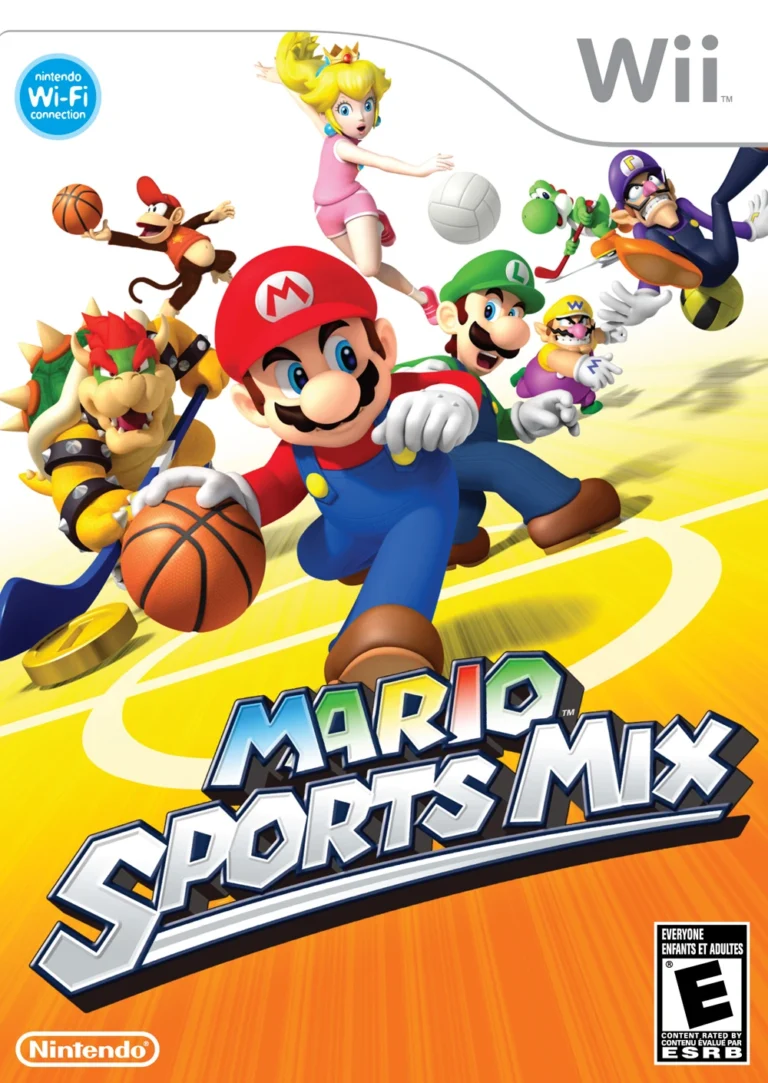
Mario Sports Mix
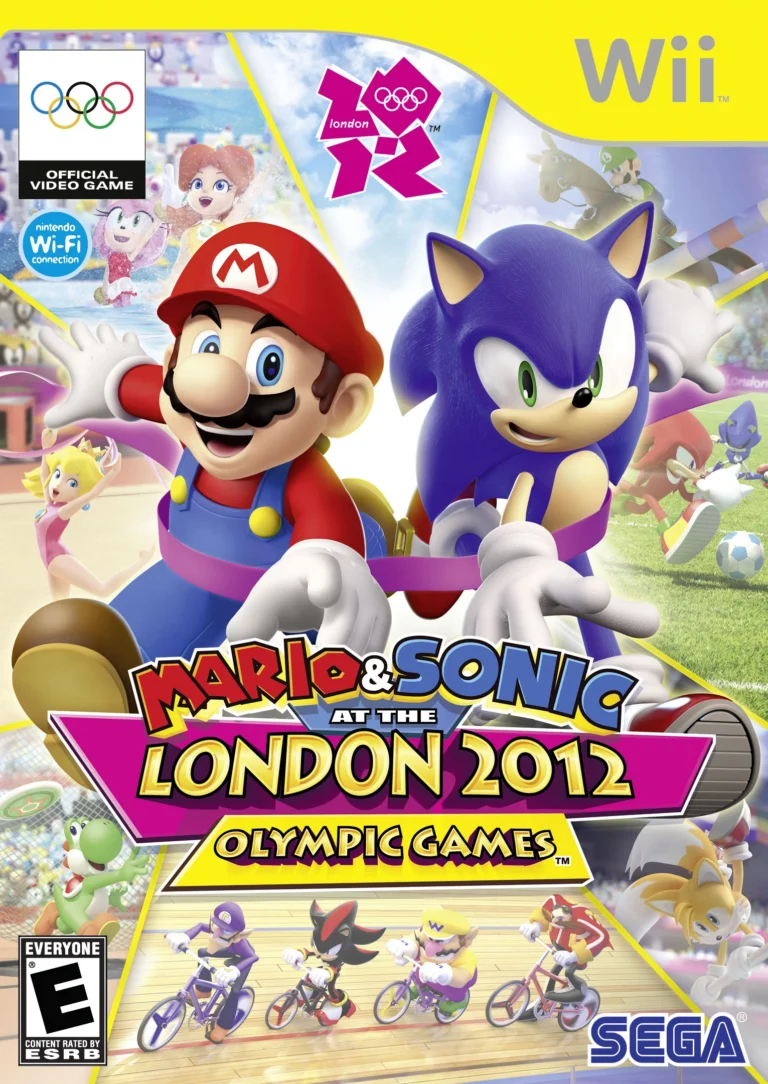
Mario & Sonic at the London 2012 Olympic Games (Wii)
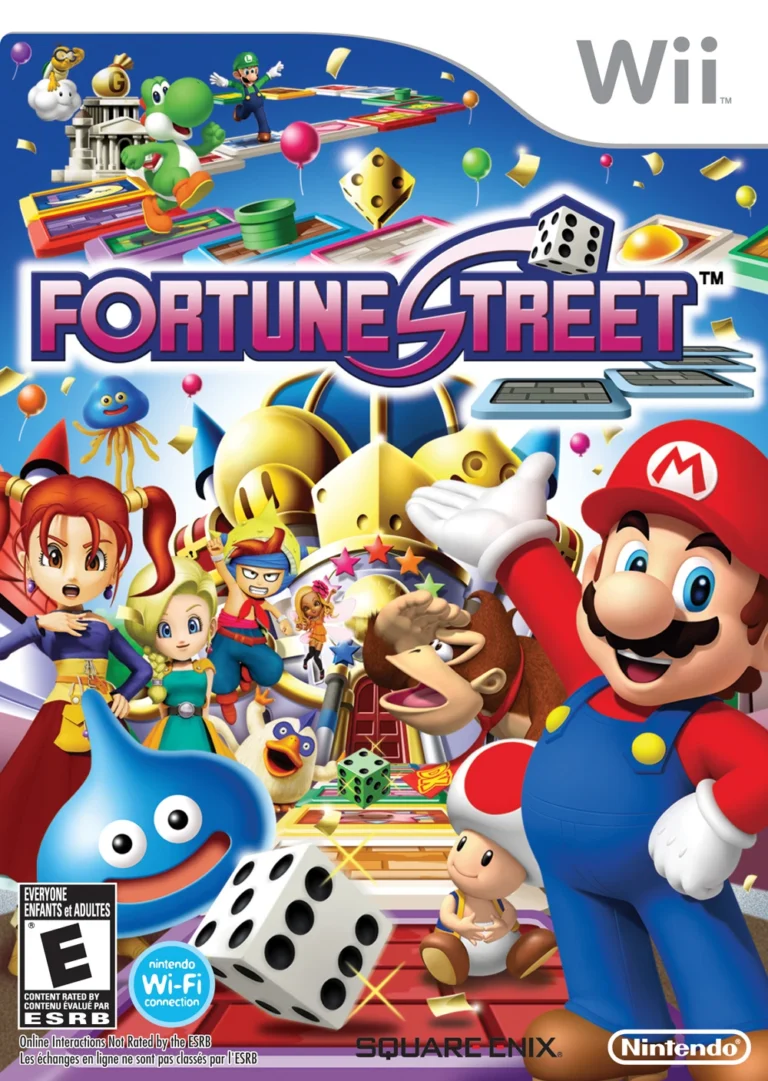
Fortune Street (Boom Street in Europe)
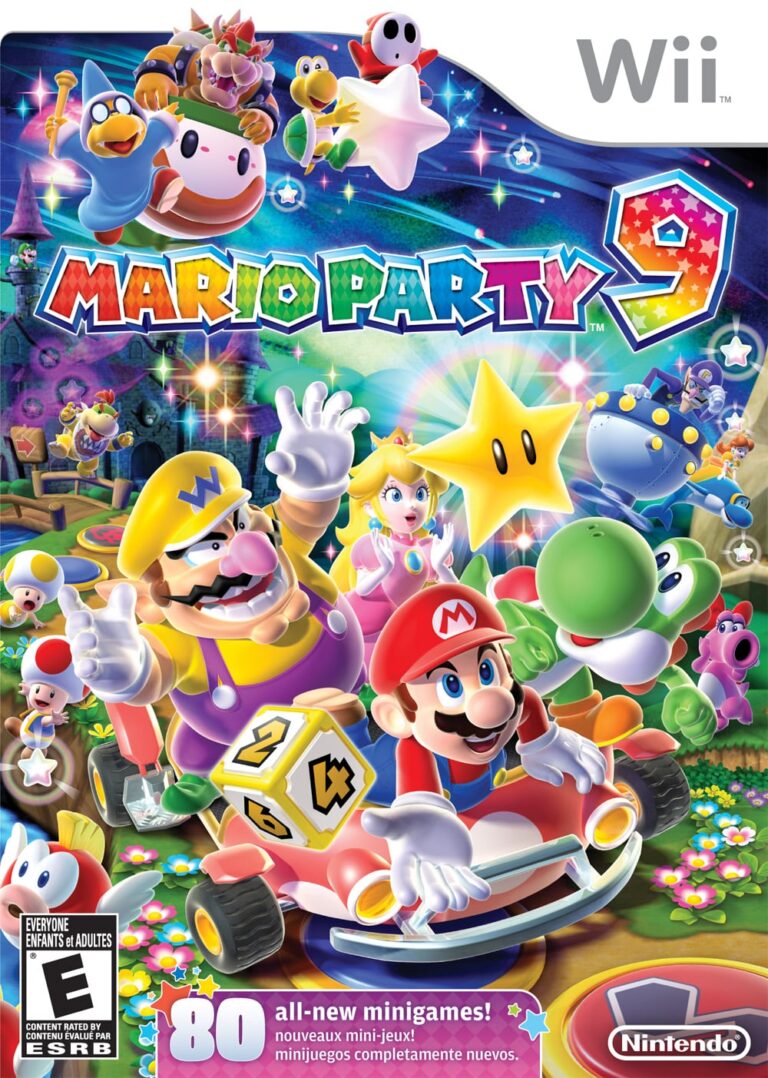
Mario Party 9
About the Wii
| Manufacturer | Nintendo |
|---|---|
| Generation | Seventh generation (home console) |
| Released | 19 November 2006 (North America) · 2 December 2006 (Japan) · 8 December 2006 (Europe) |
| Launch price | ¥25,000 · US$249.99 · £179.99 · €249.99 |
| Units sold | 101.63 million (Nintendo IR) |
| Media | 12 cm Wii Optical Disc · 8 cm GameCube Game Disc · downloads (WiiWare, Virtual Console) |
| Controller | Wii Remote (pointer and motion sensing) with Nunchuk |
| Best-selling Mario game | Mario Kart Wii – 37.38 million (Nintendo IR) |
| Predecessor | Nintendo GameCube |
| Successor | Wii U |
| Discontinued | 20 October 2013 (Japan) · 24 October 2013 (Europe) |
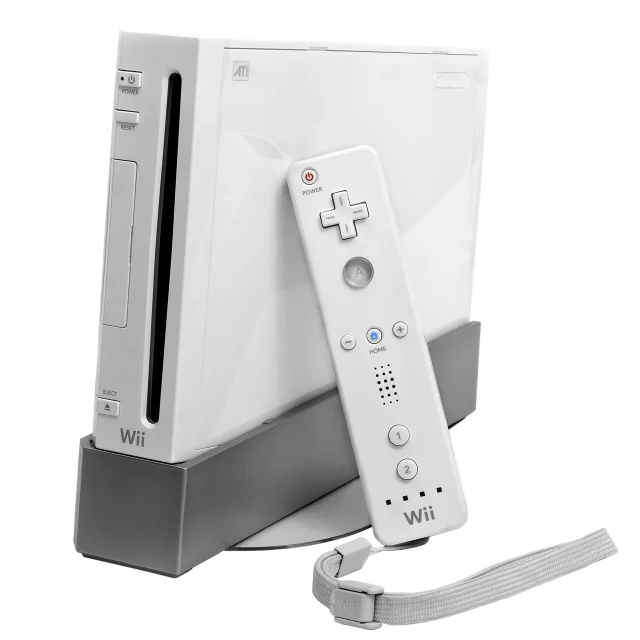
Codenamed Revolution, the Wii was Nintendo’s way out of the race for raw power. Under president Satoru Iwata, a team led by Shigeru Miyamoto and Genyo Takeda built a slim console around modest hardware, an IBM Broadway processor at 729 MHz and an ATI Hollywood graphics chip at 243 MHz with 88 MB of memory, and put the real invention into the controller. The Wii Remote combined a pointer with motion sensing and plugged into a Nunchuk for analogue movement, while 512 MB of flash storage, an SD card slot and the WiiConnect24 service handled downloads and messages. Launch models also played GameCube discs and accepted GameCube controllers and memory cards.
North America got the Wii first, on 19 November 2006, at US$249.99, followed by Japan on 2 December (¥25,000), Australia on 7 December and Europe on 8 December, where it cost £179.99 or €249.99. With Wii Sports as the pack-in, it outsold the PlayStation 3 and Xbox 360 combined in several markets at launch and had overtaken the Xbox 360’s total by September 2007. Nintendo’s final figures are 101.63 million consoles and 921.85 million games, which made it the company’s best-selling home console until the Switch.
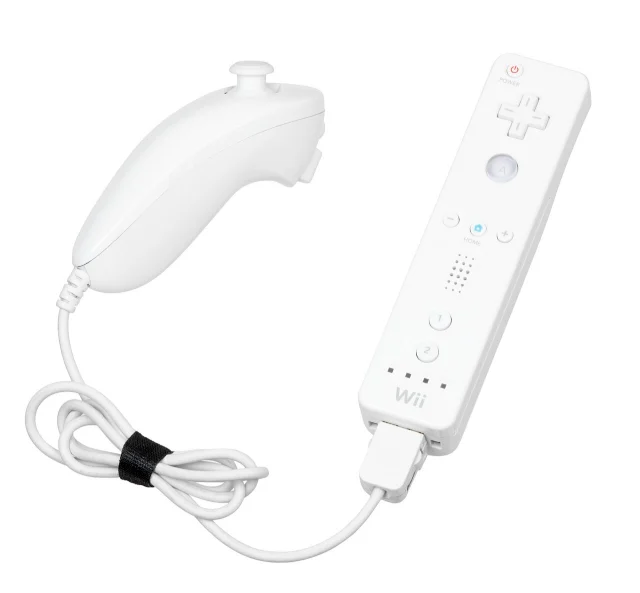
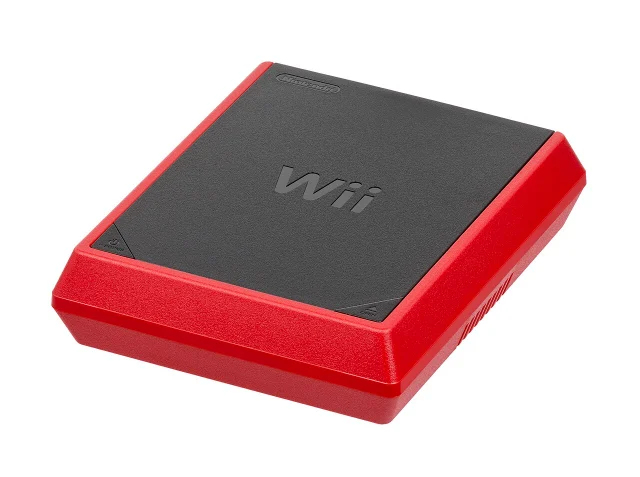
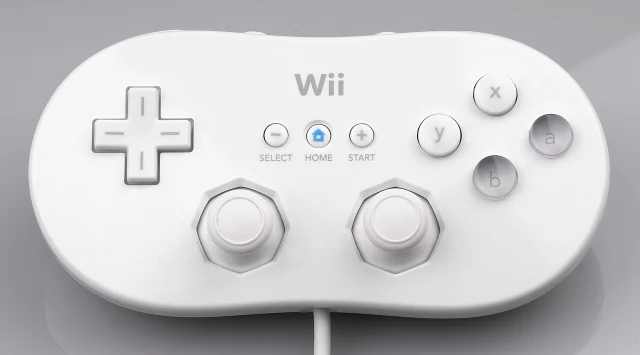
The original white console was the only option for its first two and a half years. Black models arrived in Japan in August 2009 and reached Europe and North America by May 2010, and red consoles marked the 25th anniversary of Super Mario Bros. in late 2010, with the European and North American bundles including New Super Mario Bros. Wii. The cheaper RVL-101 of 2011 removed GameCube support, and the Wii Mini (RVL-201), launched in Canada in December 2012, also lost online play and the SD card slot. Accessories kept the hardware fresh: the Classic Controller from launch, the Wii Balance Board in December 2007, the Wii Wheel shell for Mario Kart Wii and Wii MotionPlus in June 2009, later built into the Wii Remote Plus.
Mario’s first Wii outing was Super Paper Mario in April 2007, an RPG-platformer that let him flip between 2D and 3D. The real statement came that November with Super Mario Galaxy, Nintendo EAD Tokyo’s gravity-bending space adventure, which used the pointer to gather Star Bits, scored 97 on Metacritic and sold 12.80 million copies; Super Mario Galaxy 2 followed in 2010. New Super Mario Bros. Wii let four players crowd the screen at once and introduced the Super Guide, selling 30.32 million, while Mario Kart Wii paired motion steering with online racing and became the console’s best-selling Mario game at 37.38 million. Super Smash Bros. Brawl added another 13.32 million.
The party and sports games were just as busy. Mario Party 8 sold 8.85 million, and Mario Party 9 marked the series’ move from Hudson Soft to NDcube. Sega’s Olympic licence brought Mario and Sonic together in Mario & Sonic at the Olympic Winter Games and Mario & Sonic at the London 2012 Olympic Games, Next Level Games returned with the online-enabled Mario Strikers Charged, and Mario Super Sluggers became the only Mario Wii game never released in Europe or Australia at all. Square Enix made Mario Sports Mix, its Itadaki Street series supplied the Mario and Dragon Quest board game Fortune Street, and Super Mario All-Stars 25th Anniversary Edition put the SNES collection on a Wii disc with a history booklet and a soundtrack CD.
Production wound down in October 2013, and the online services went next. Nintendo Wi-Fi Connection closed on 20 May 2014, ending online races in Mario Kart Wii, and the Wii Shop Channel, home of WiiWare and the Virtual Console’s NES, SNES and Nintendo 64 Mario classics, shut in January 2019. The games themselves have proved durable. The Wii U plays Wii discs, Super Mario Galaxy was included in Super Mario 3D All-Stars in 2020, and on 2 October 2025 Super Mario Galaxy and Super Mario Galaxy 2 arrived on Nintendo Switch with upgrades for Switch 2. For many players, though, the Wii’s Mario legacy is simpler: four Wii Remotes, one sofa and New Super Mario Bros. Wii.
More Mario on the Wii
Other notable Mario-related releases on the Wii that don’t have their own page here yet:
- Dec 2006WarioWare: Smooth MovesMain roleWario's Wii Remote microgames, out on Japan's launch day
- Nov 2007Mario & Sonic at the Olympic Games (Wii)Spin-offFirst Mario and Sonic crossover; 7.09 million sold
- Mar 2008Dr. Mario Online RxSpin-offWiiWare download; Dr. Mario & Germ Buster in Europe
- Jul 2008Wario Land: Shake It!Main roleWario Land: The Shake Dimension in Europe and Australia
- Jan 2009New Play Control! Mario Power TennisSpin-offGameCube tennis game reworked for Wii motion controls
- Nov 2010Donkey Kong Country ReturnsMain roleRetro Studios revived Donkey Kong Country