
Super Mario Game Reviews
Mario games reviewed by the people who play them. Super Luigi Bros readers have written 186 reviews of 74 Mario games, from the NES to the Wii U, and they are all gathered here by console with the reviewer’s score beside each name. Read a few, see where the readers part company with the professional critics, and then add your own verdict.
Overview
We aim to feature multiple opinions on every game in the Mario series going all the way back to 1983 and all the way up to the very newest titles. We feature reviews for Super Mario Bros. and related titles from all systems old and new here at Super Luigi Bros — just select a console below for a full list of reviews of games that featured on that platform.
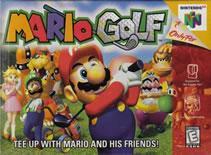
Each console has its own shelf, oldest first, and every card lists the readers who have reviewed that game, with their score beside the name when they gave one. Click the box art for the game’s full SLB page, or a reviewer’s name to read the review itself. The GameCube shelf is the busiest, with 34 reviews of just seven games, followed by the Game Boy Advance on 30; the Game Boy Color (three) and Wii U (four) are the quietest, so if you own one, there is plenty of room for your verdict.
Reader reviews are not the same thing as the critic scores collected on our game pages, and the differences are half the fun. SLB readers rate most of the Mario Party games far more highly than the critics did and are tougher on a few handheld games, yet averaged across the 51 games that have both kinds of score they finish almost exactly level with the professionals. The section below the reviews has the numbers.
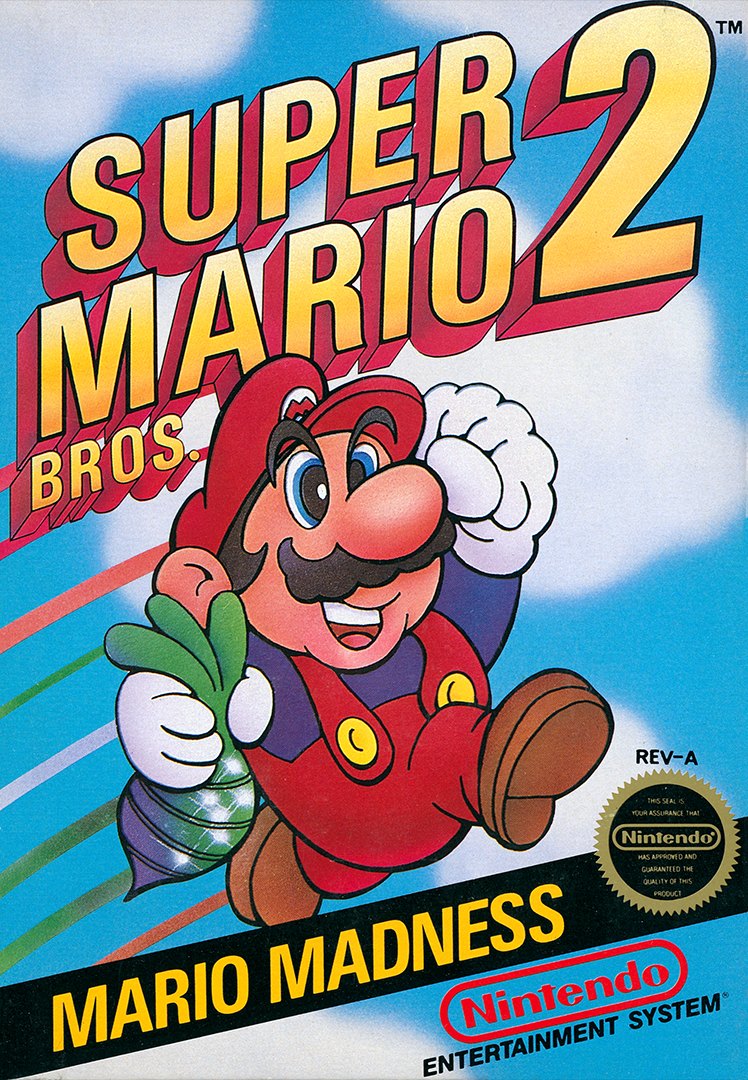
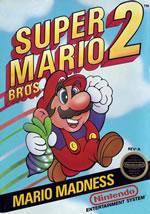
- Super Mario Bros. 2 – joint most-reviewed game in the archive: eight readers, with scores from 7 to 10.
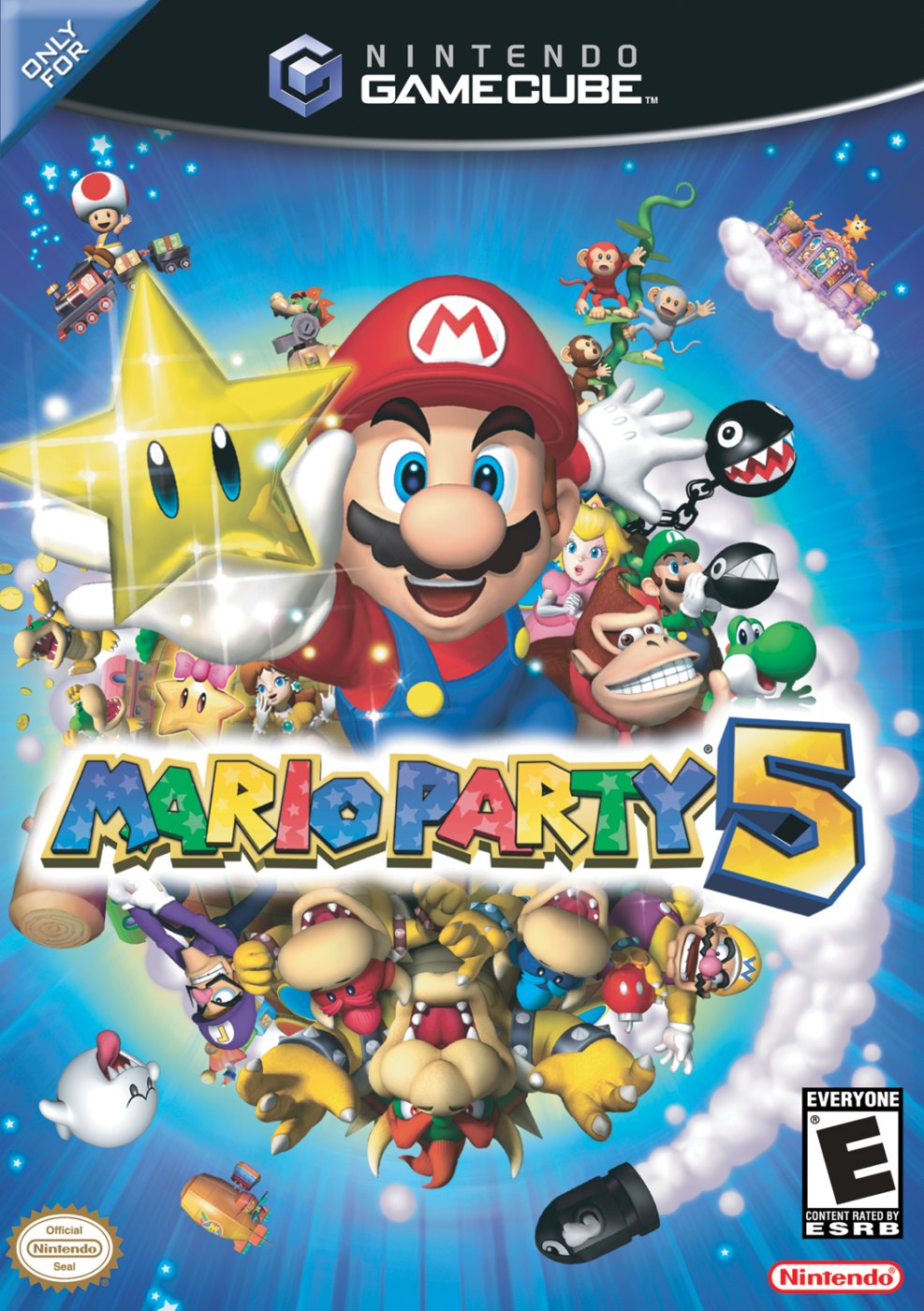
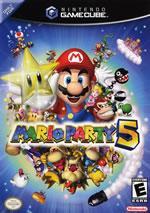
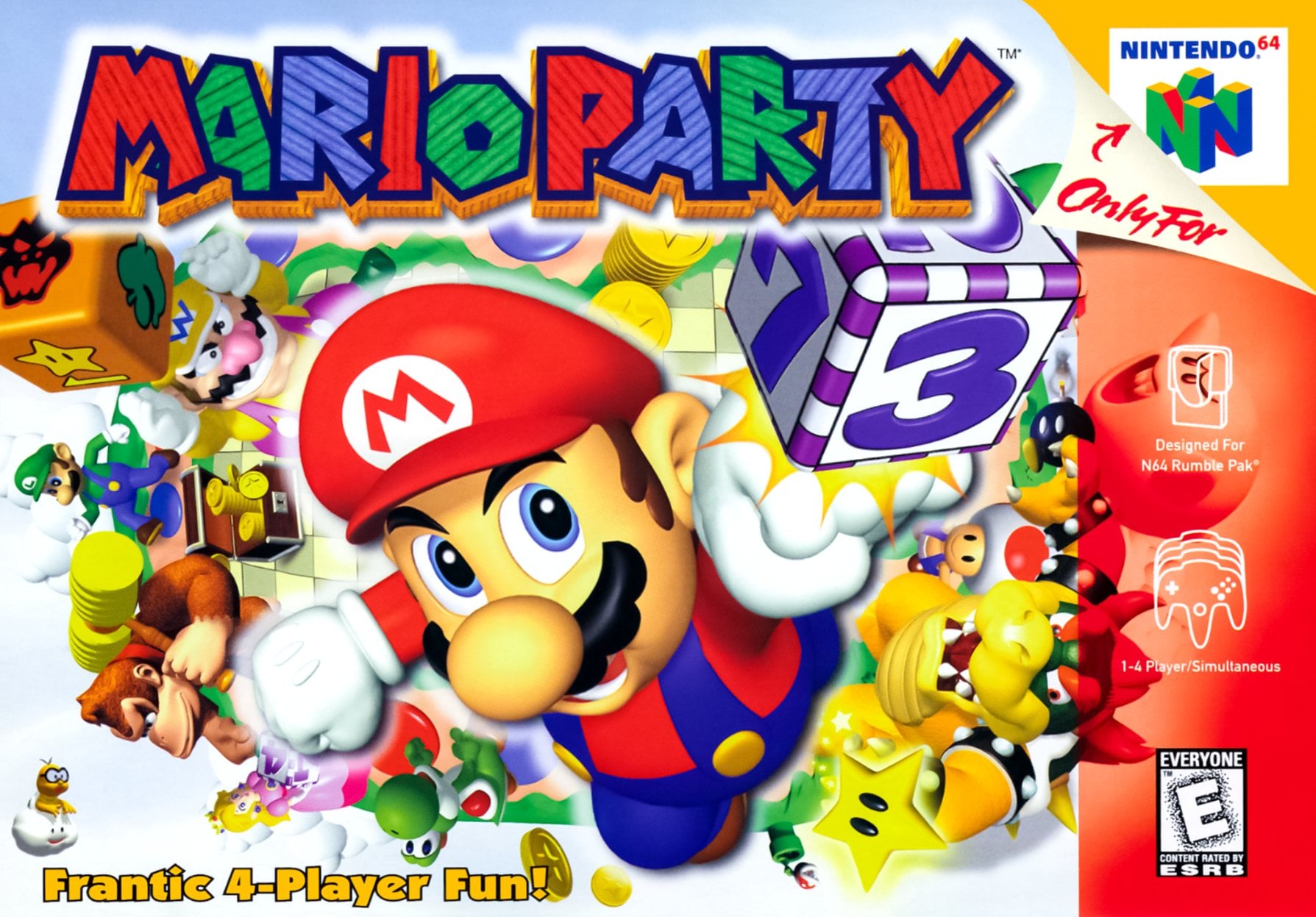
- Mario Party 5 – also eight reviews, and every score 8 or higher.
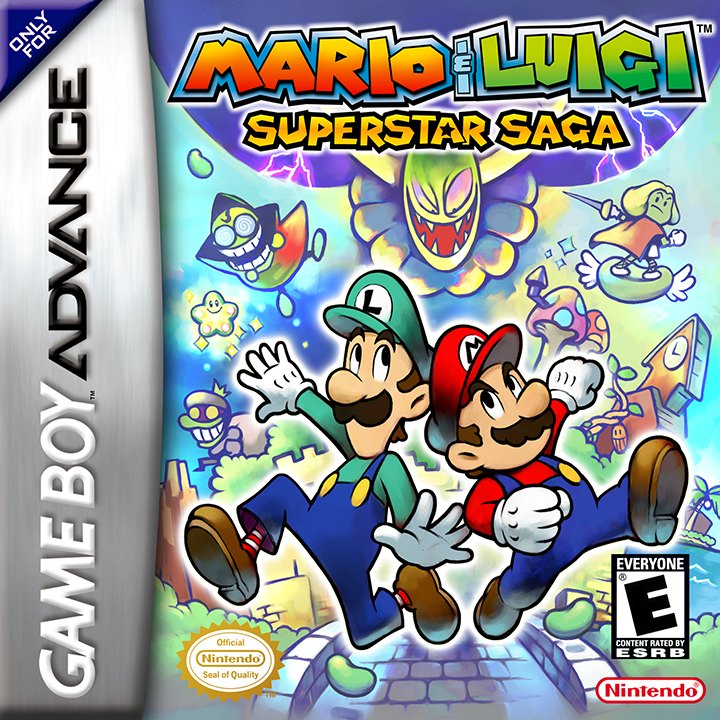
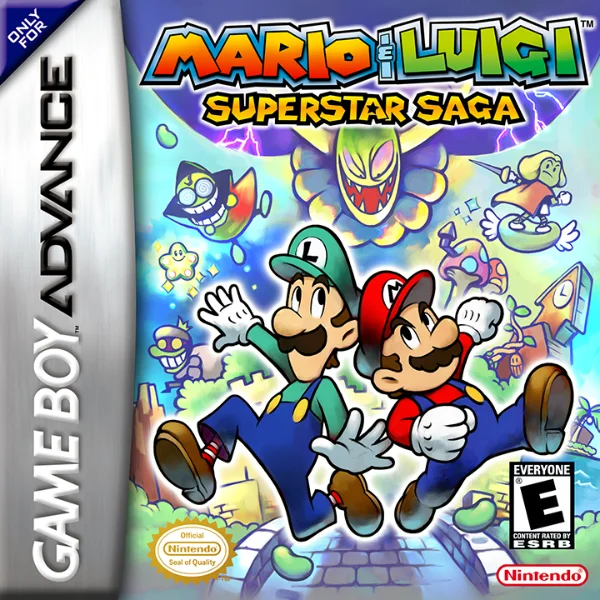
- Mario & Luigi: Superstar Saga – six reviews, five of them scored, averaging just under 9.5.
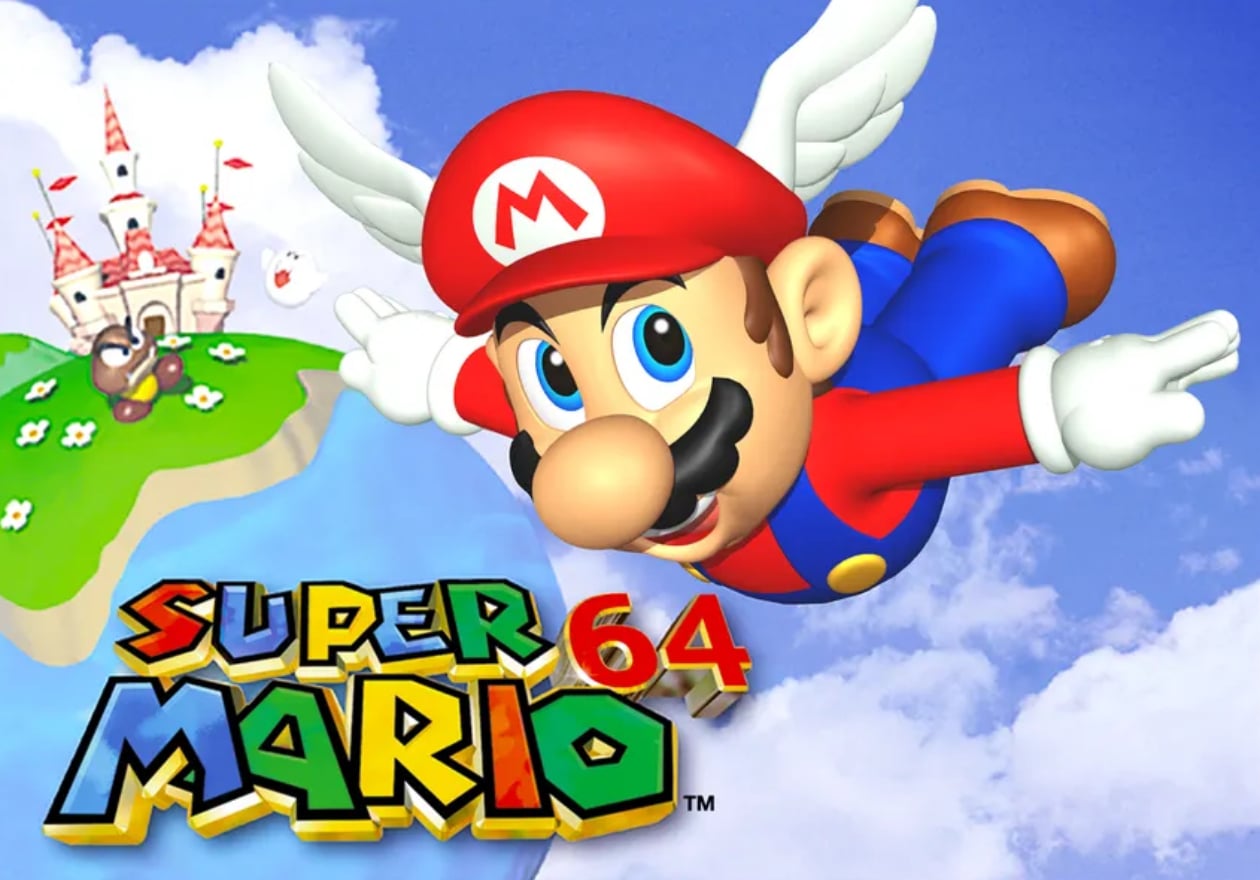
- Super Mario 64 – two perfect 10s and an 8.
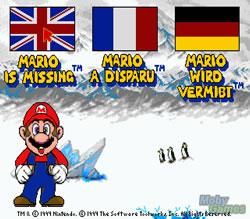
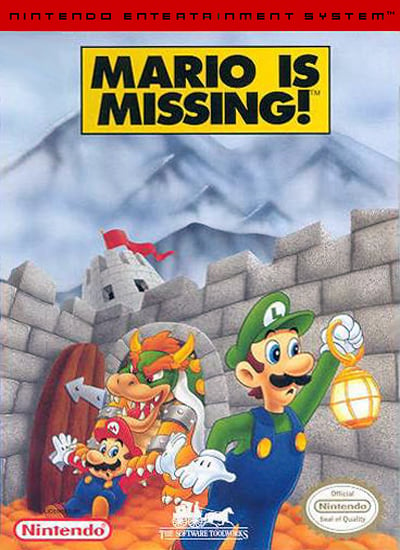
- Mario is Missing! – home of the lowest score in the archive, a 1/10.
Quick Answers
Quick answers about SLB’s reader reviews, worked out from the reviews themselves.
How do I write a reader review for Super Luigi Bros?
Create a free SLB account, then pick Reader review on the Submit page to give your verdict on any Mario game on the site. A moderator reads every submission before it is published, and each review that goes live earns 15 XP and a Critic stamp. More →
How does SLB score games?
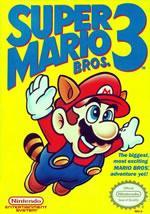
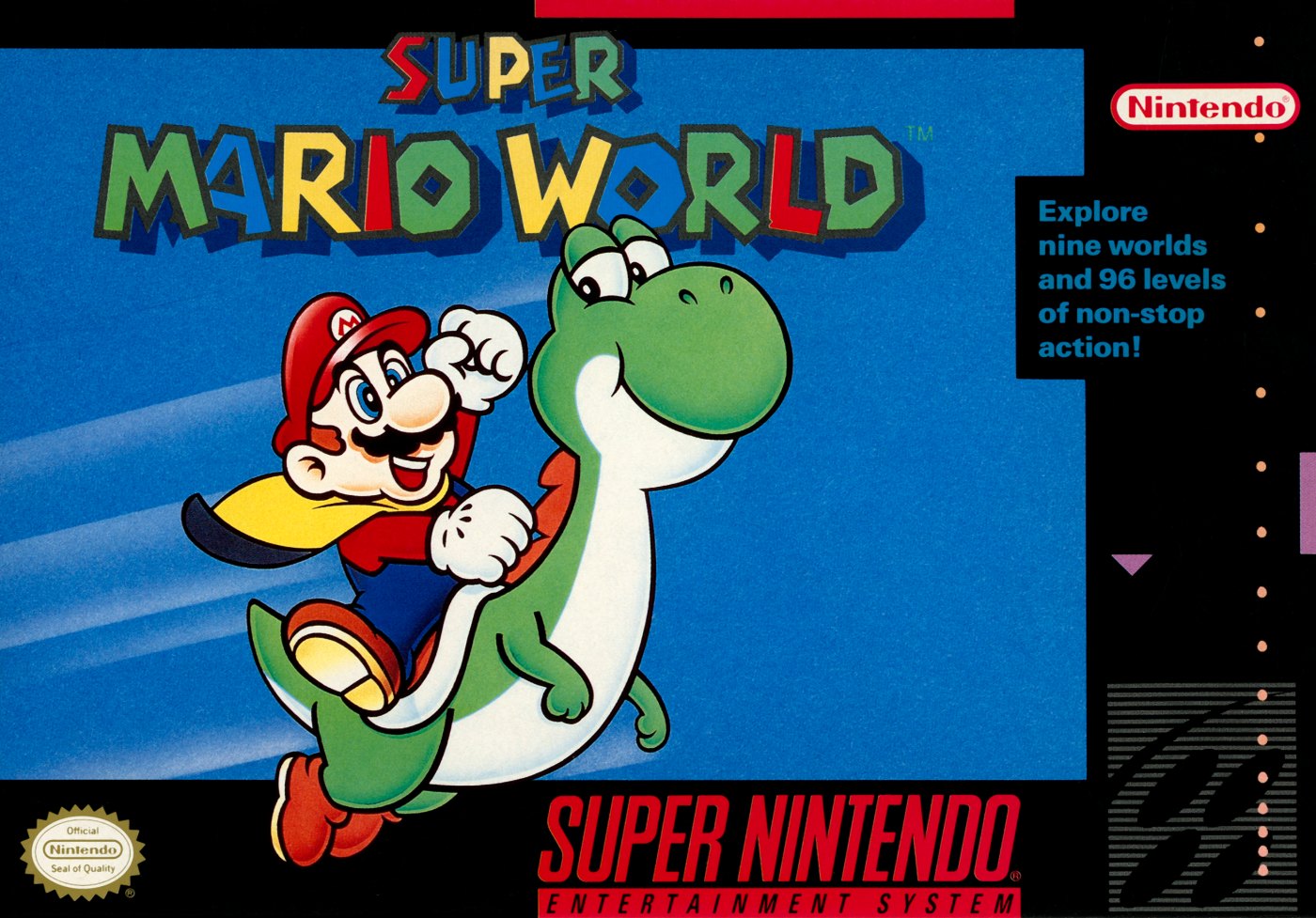
Out of ten. The scale runs from 1 (“Pure, unrelenting horror”) to 10 (“The Ultimate Mario title”), with Super Mario Bros. 3 and Super Mario World given as examples of a 10; the full guide, How we score games, sits at the foot of the reviews. A score is optional, and some readers use decimals. More →
Which Mario games have the most reader reviews?
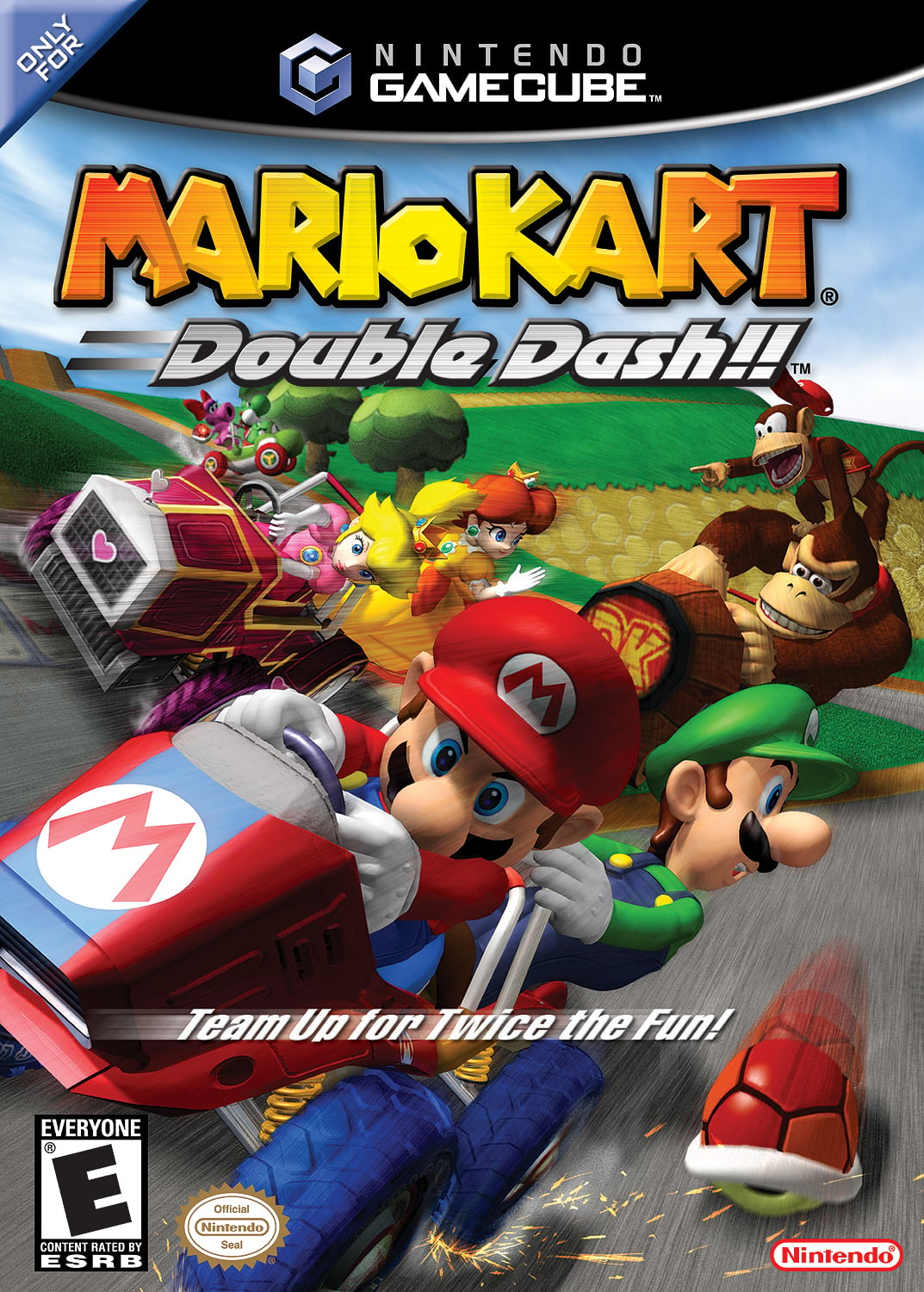
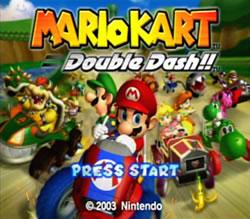
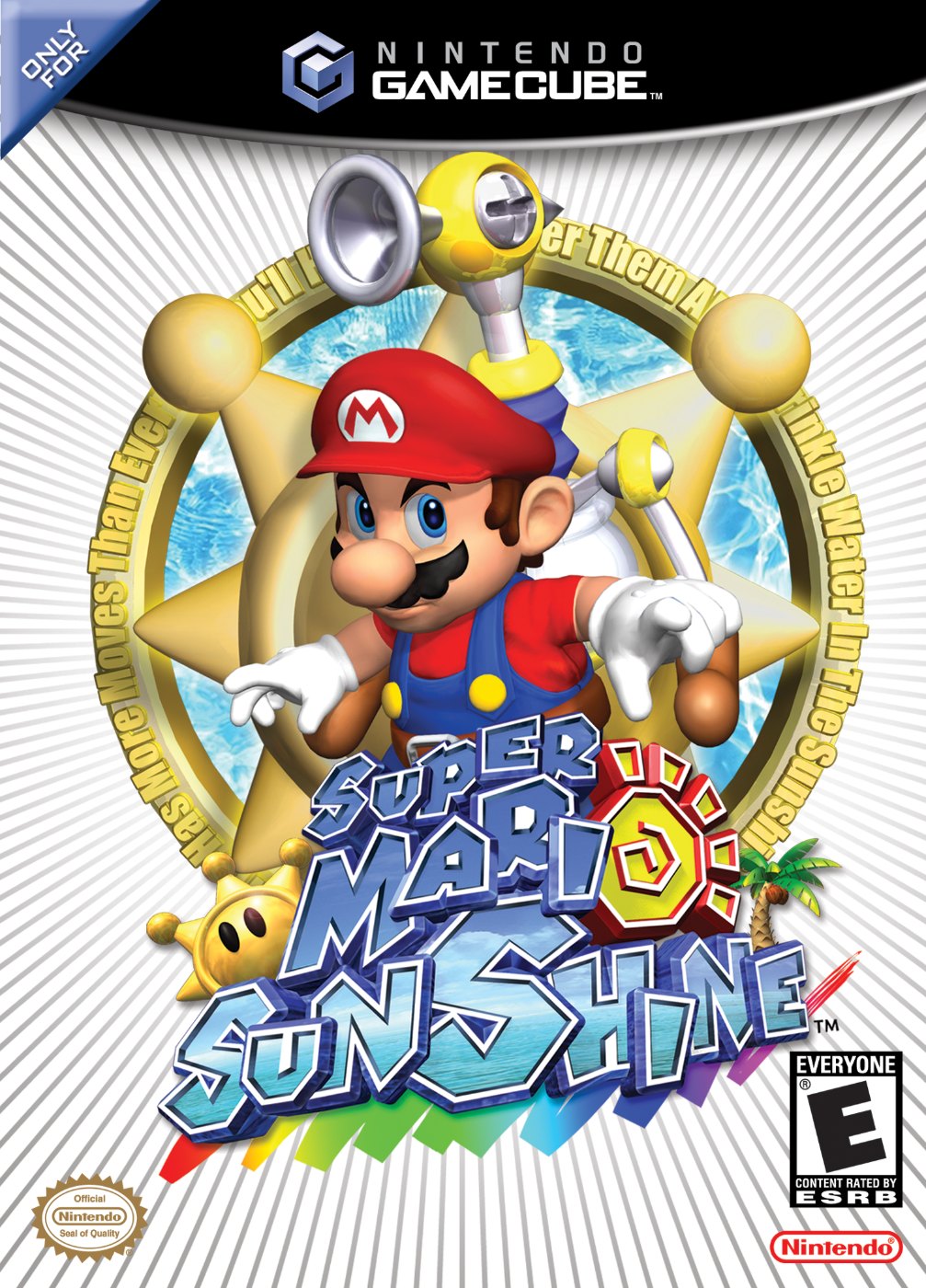
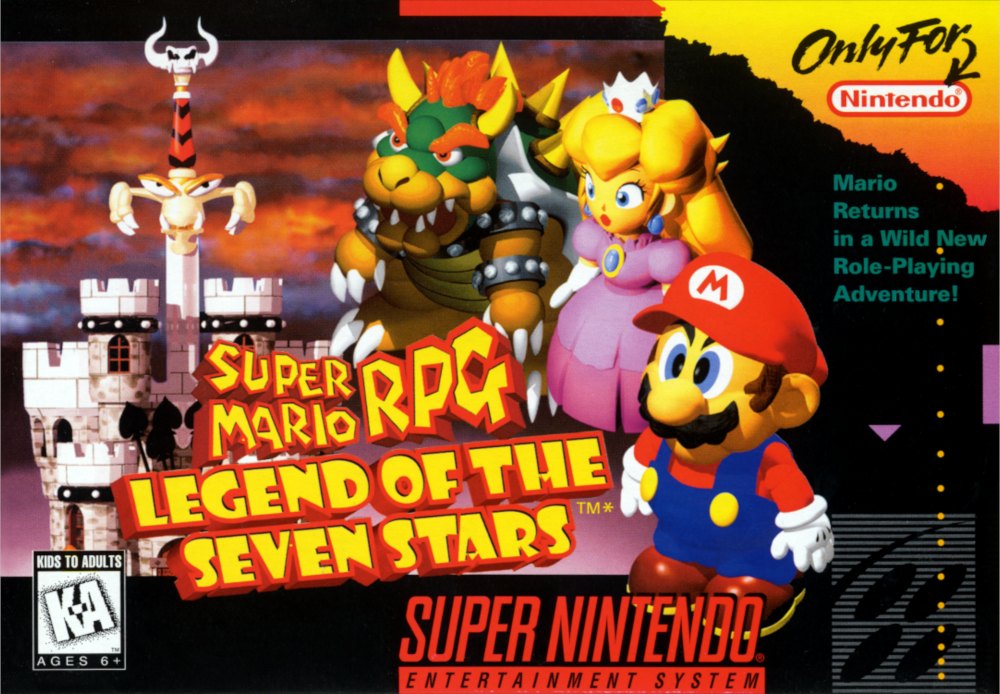
Super Mario Bros. 2 (NES) and Mario Party 5 (GameCube) share top spot with eight each, ahead of Mario Kart: Double Dash!! on seven. Super Mario Bros. 3, Super Mario RPG, Superstar Saga and Super Mario Sunshine have six apiece. More →
Which console has the most reader reviews?
The GameCube, with 34 reviews of seven games. The Game Boy Advance has 30, the NES and Super NES 24 each and the Nintendo 64 22; the Game Boy Color has the fewest, with three. More →
Which Mario game do SLB readers rate lowest?
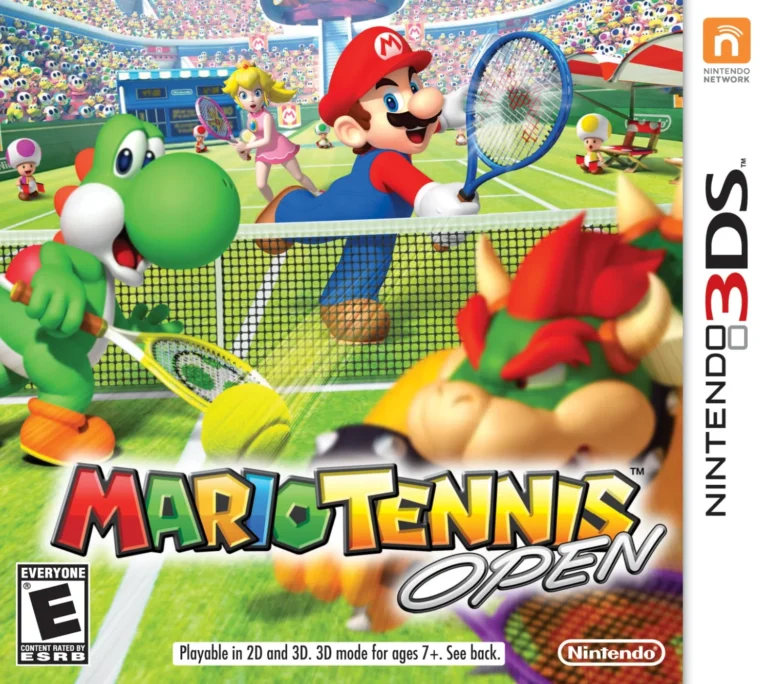
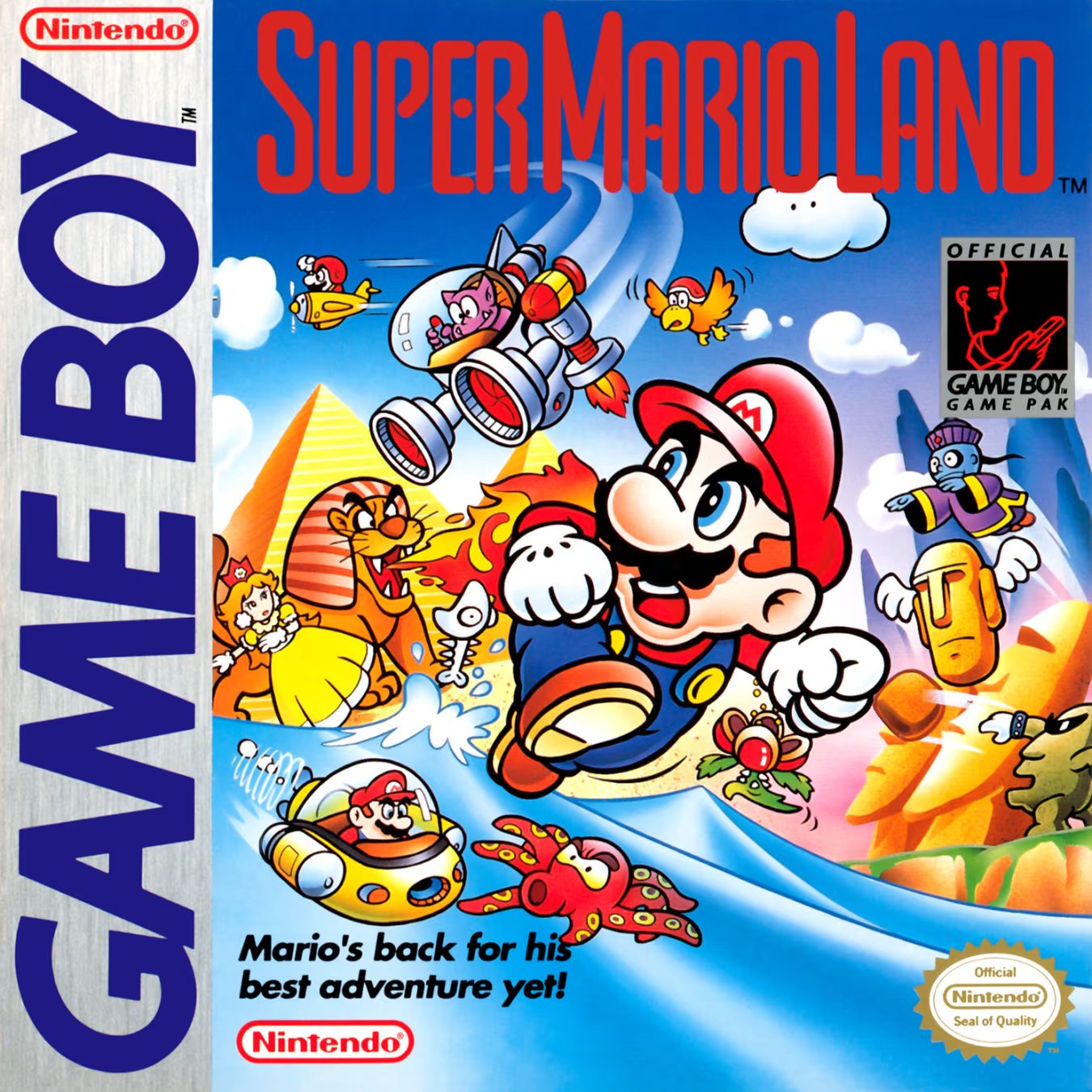
Mario is Missing!: its NES version has the archive’s only 1/10, and its other scored review is a 4. Super Mario Land (4/10), Super Mario Advance (4.5/10) and one 3/10 for Mario Tennis Open are the other low points. More →
Do SLB readers agree with professional critics?
On average, almost exactly. Across the 51 games with both reader scores and critic scores on their SLB pages, readers come out higher on 28 and lower on 23, and the ups and downs cancel out: overall the two averages finish less than a tenth of a mark apart, though a typical single game differs by more than a mark. The big exceptions are Mario Party, which readers love far more than the critics did, and a few handheld games readers marked down. More →
Do all reader reviews have a score?
No: 87 of the 186 show no score on their cards. That includes every reader review of Super Mario Bros. 3 and Super Mario World, the very two games the scoring guide names as examples of a perfect 10. More →
Which games have a perfect 10 from a reader?
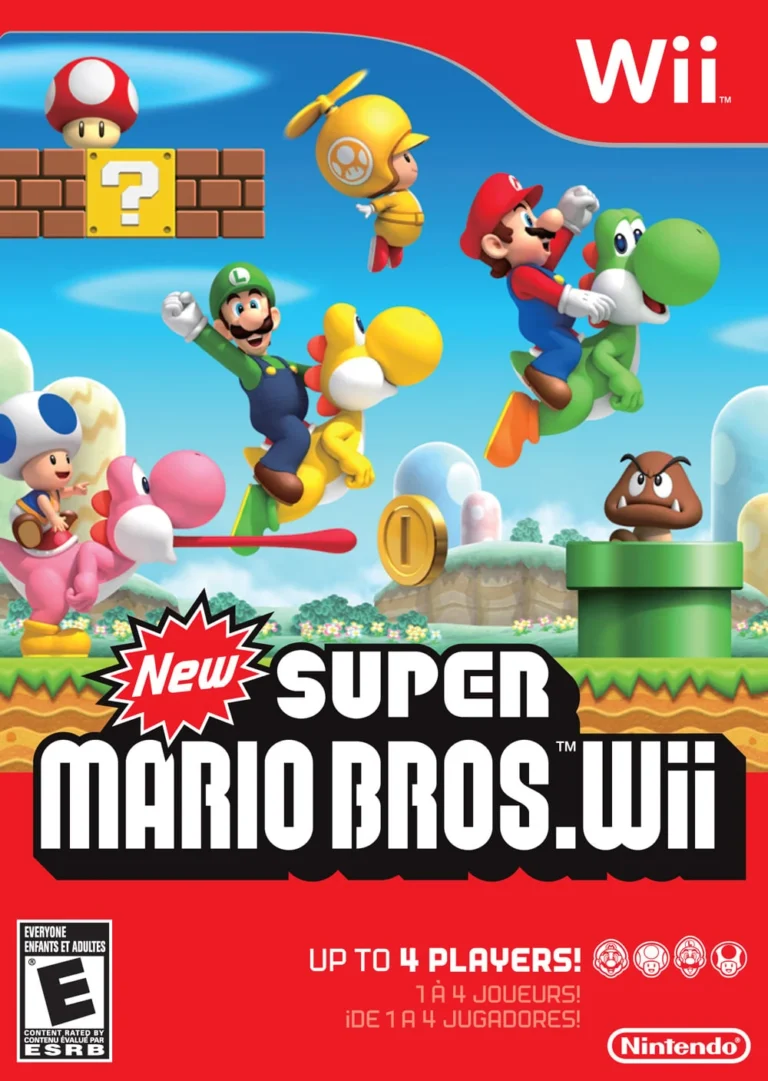
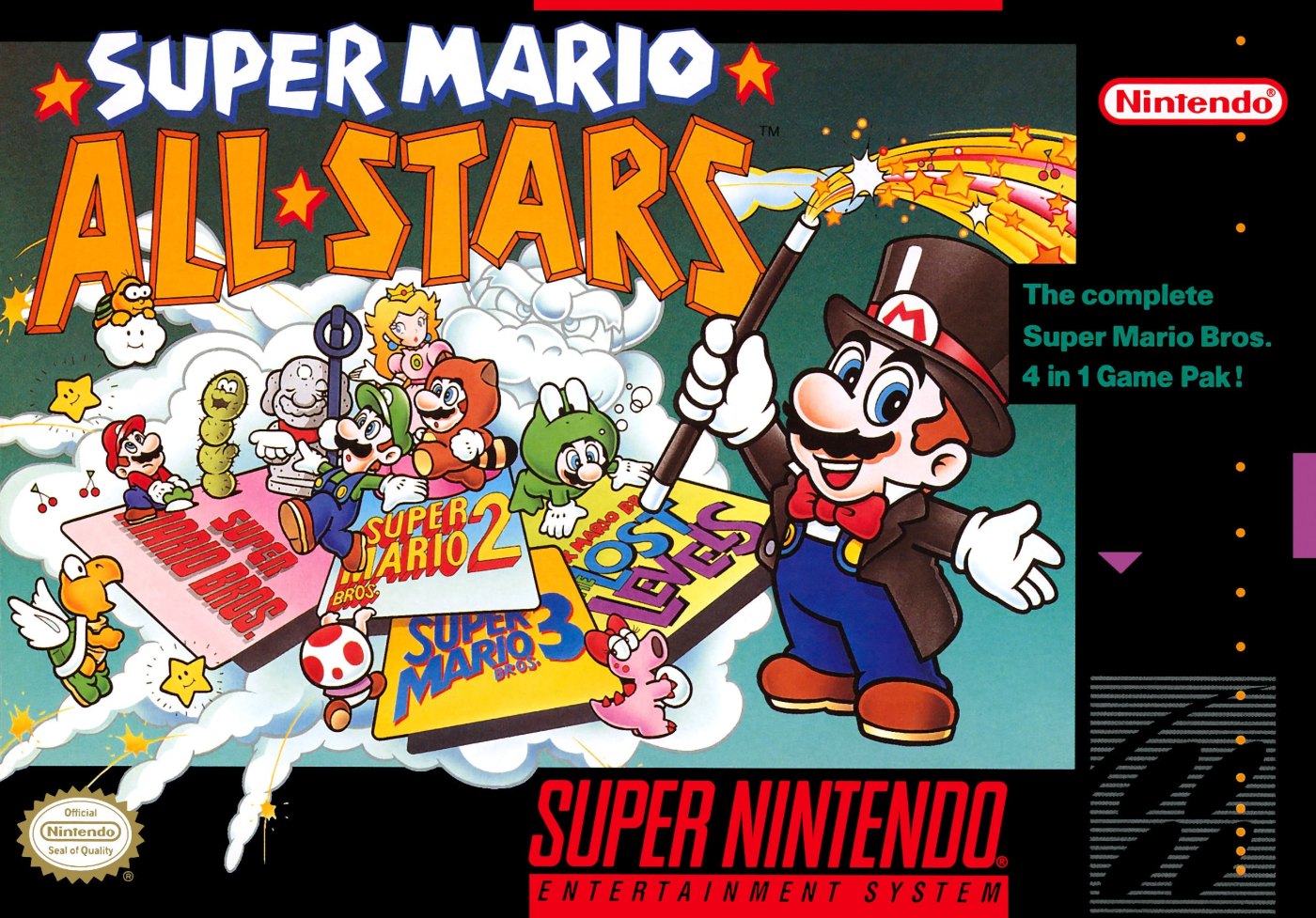
Twenty games share 25 perfect scores, from Super Mario Bros. and Super Mario Kart to Super Mario 64, Mario Kart DS, New Super Mario Bros. Wii and Super Mario Galaxy 2. Super Mario Bros., Super Mario All-Stars, Super Mario 64, Superstar Saga and Super Mario Advance 3 each have two. More →
Reader Reviews by Console
NES reviews
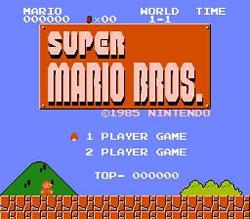
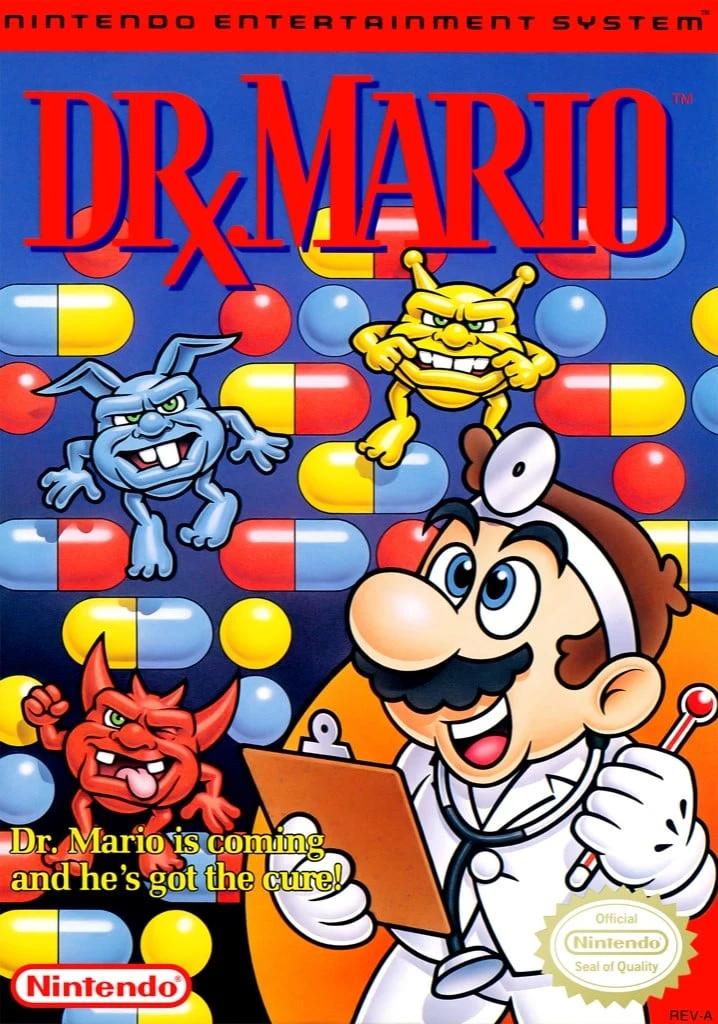
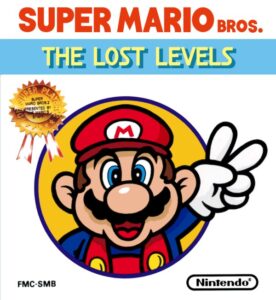
24 reader reviews of 8 Mario games on the NES. All Mario games on the NES.

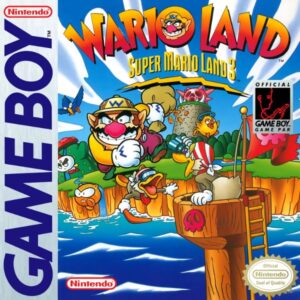
Game Boy reviews
7 reader reviews of 4 Mario games on the Game Boy. All Mario games on the Game Boy.


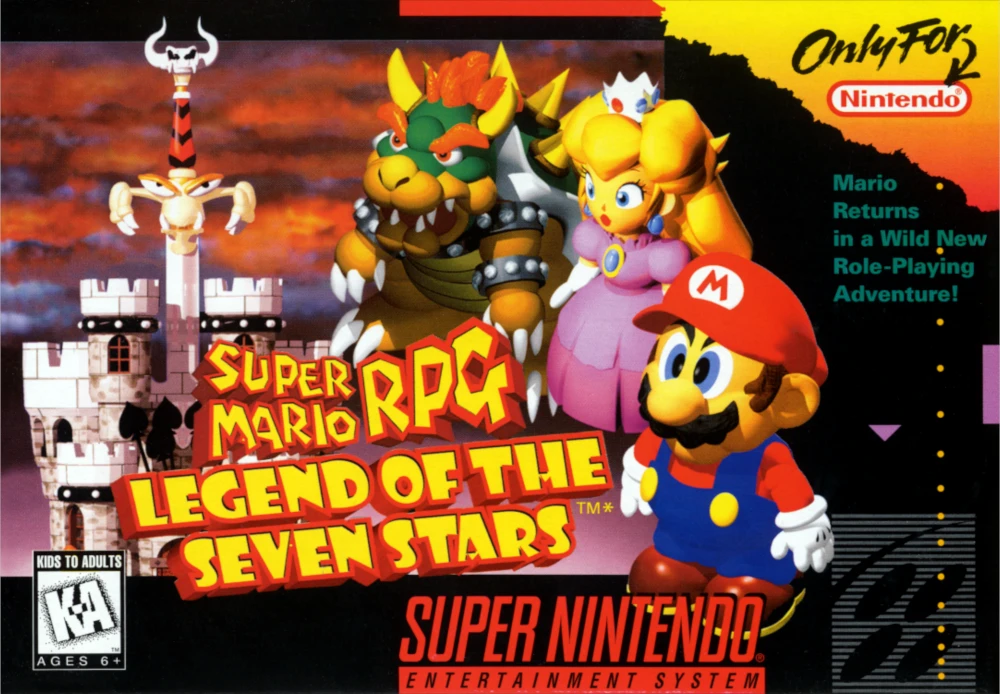
SNES reviews
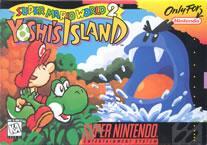
24 reader reviews of 8 Mario games on the SNES. All Mario games on the SNES.

Nintendo 64 reviews
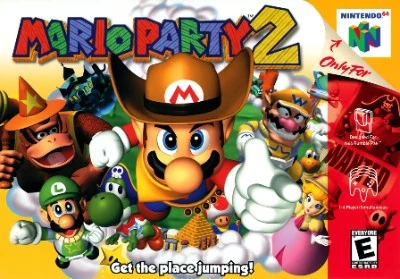
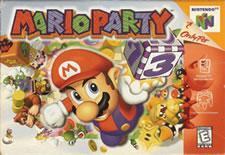
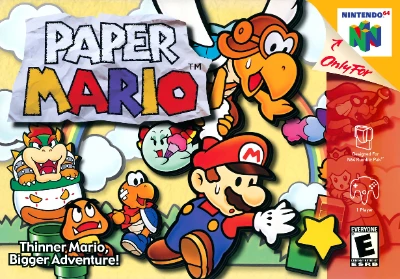
22 reader reviews of 9 Mario games on the Nintendo 64. All Mario games on the Nintendo 64.




Game Boy Color reviews
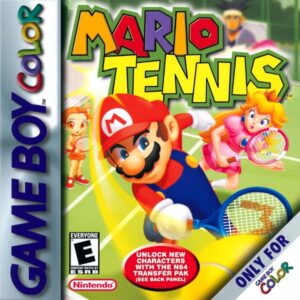
3 reader reviews of 2 Mario games on the Game Boy Color. All Mario games on the Game Boy Color.
Game Boy Advance reviews
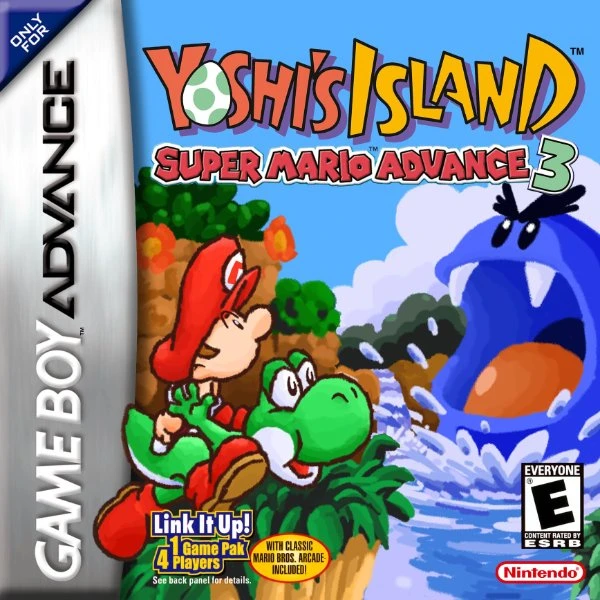
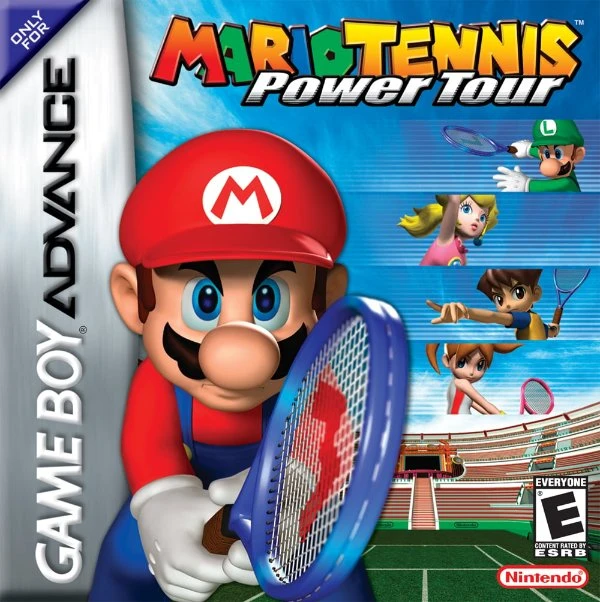
30 reader reviews of 10 Mario games on the Game Boy Advance. All Mario games on the Game Boy Advance.




GameCube reviews
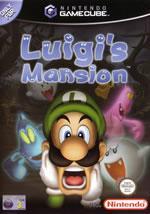
34 reader reviews of 7 Mario games on the GameCube. All Mario games on the GameCube.

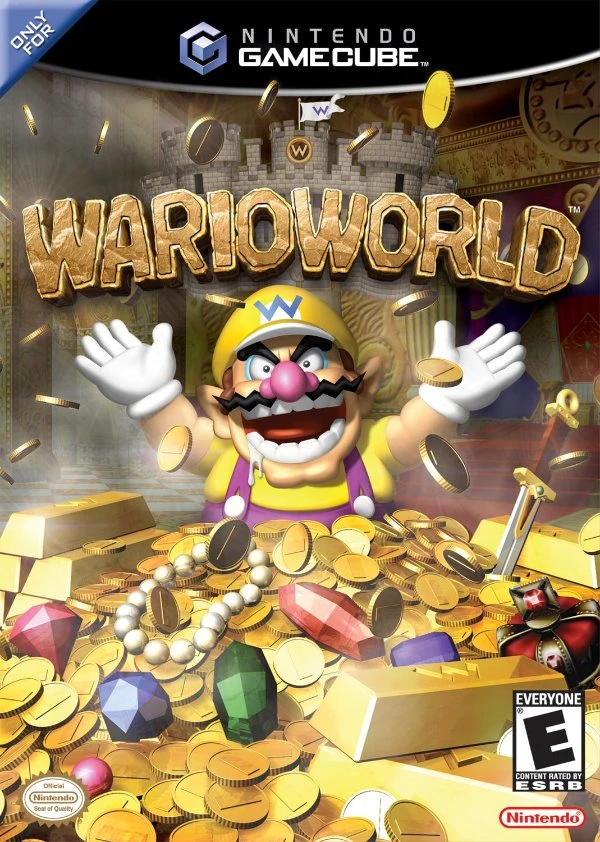
Nintendo DS reviews
7 reader reviews of 5 Mario games on the Nintendo DS. All Mario games on the Nintendo DS.
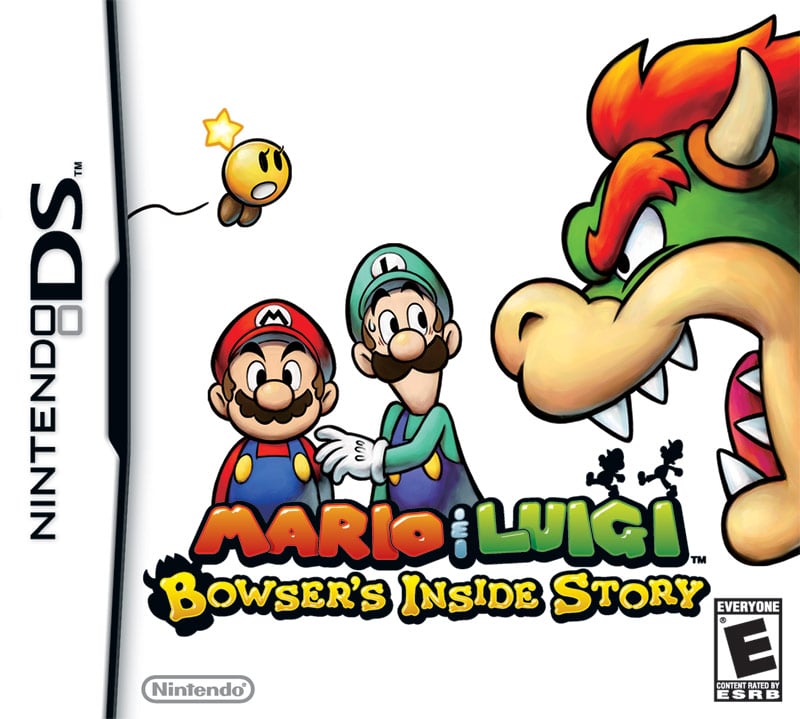



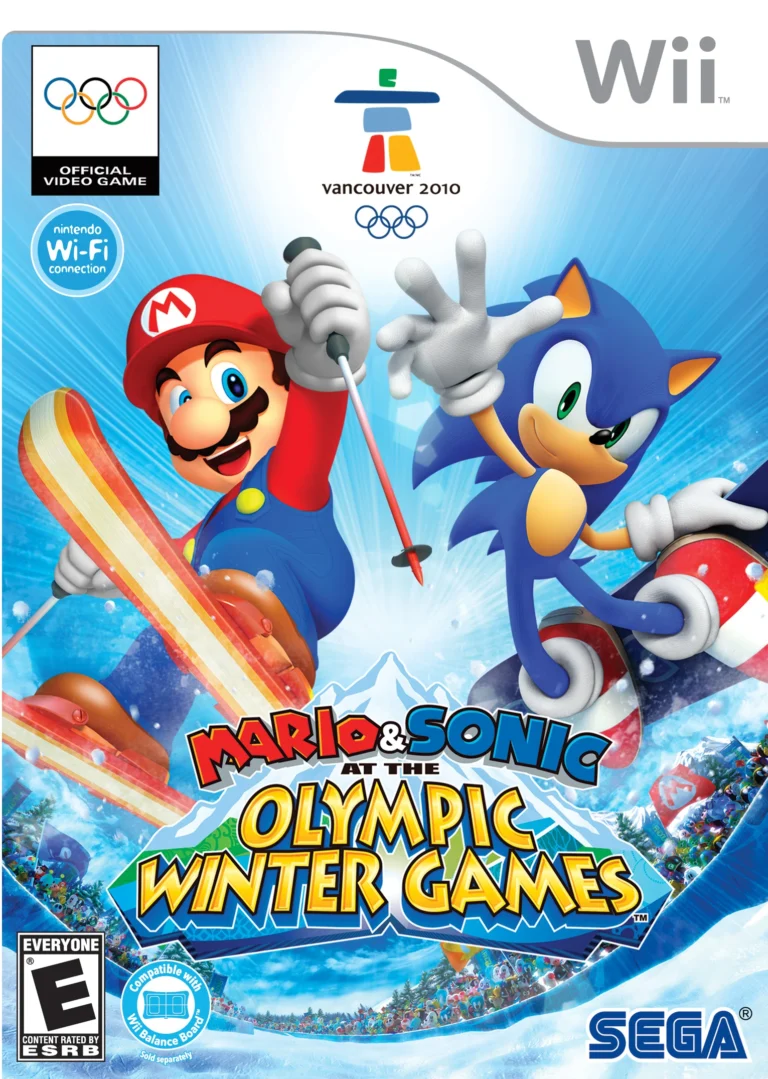
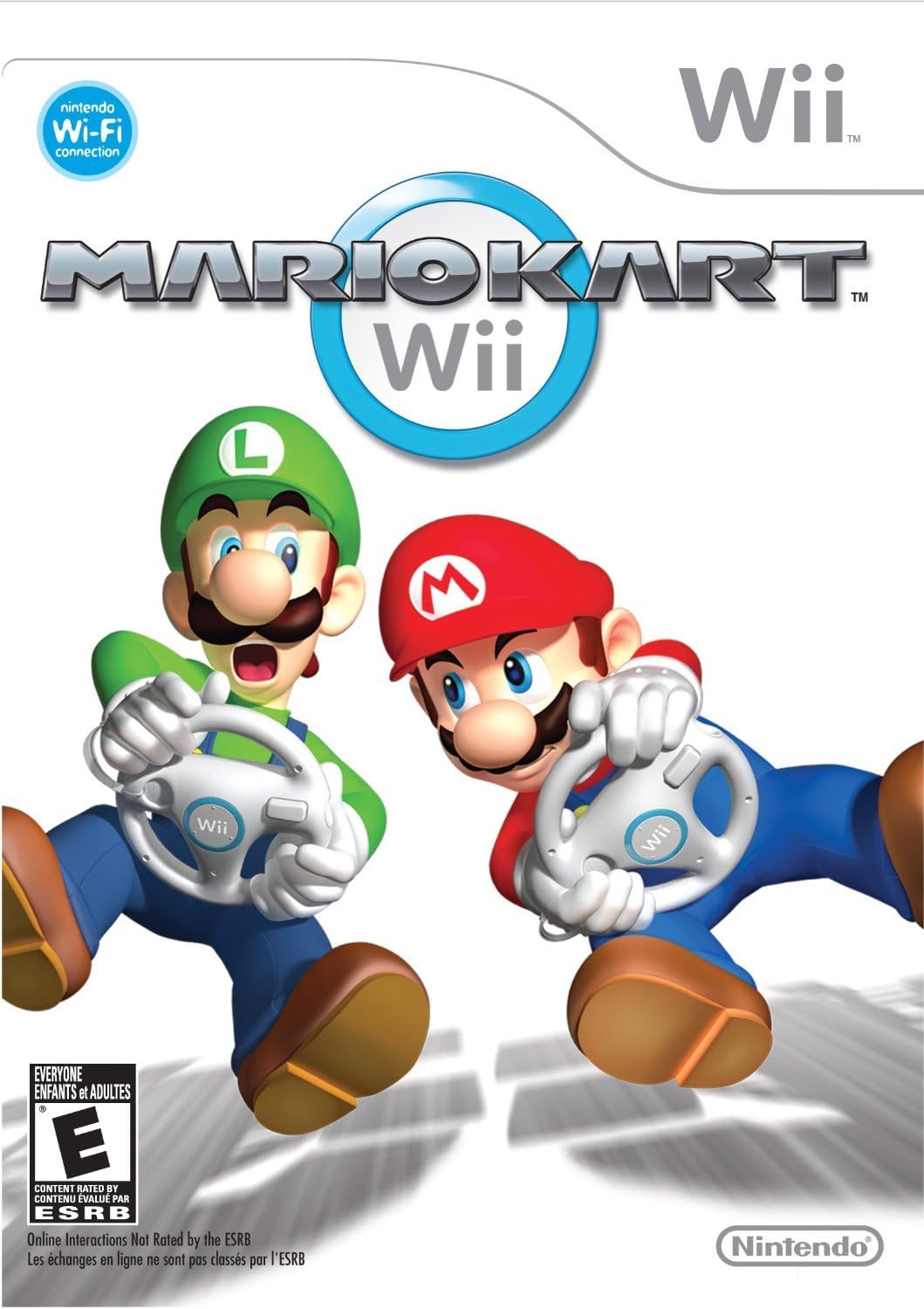
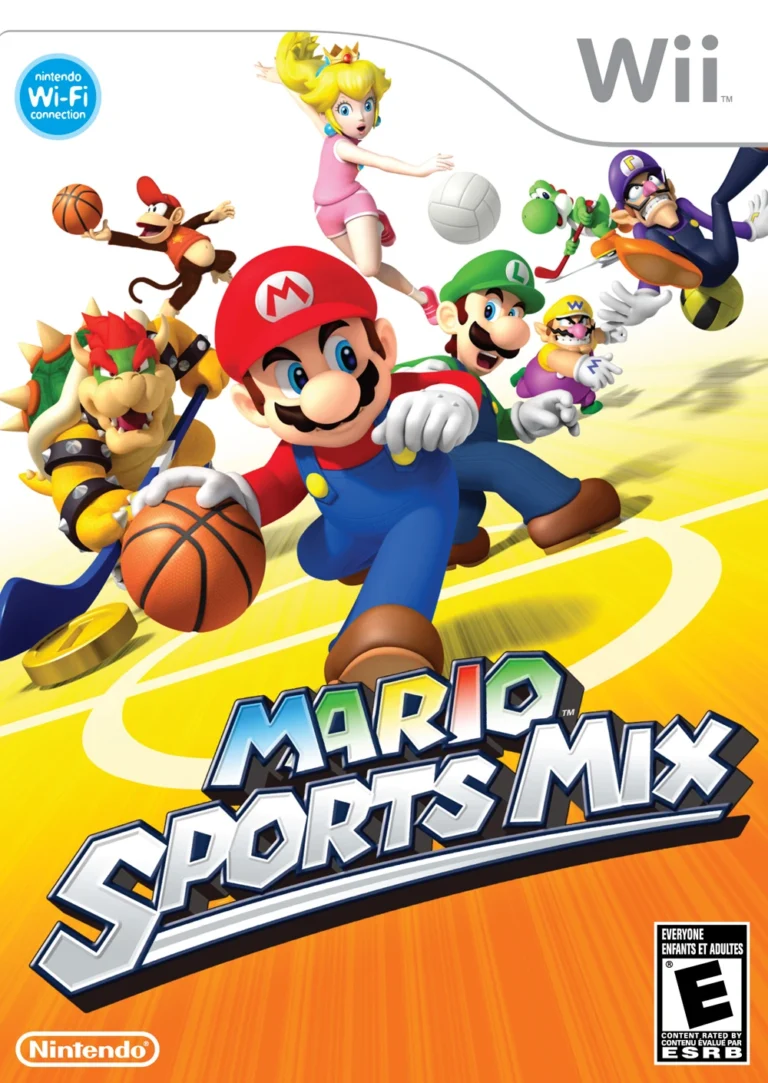
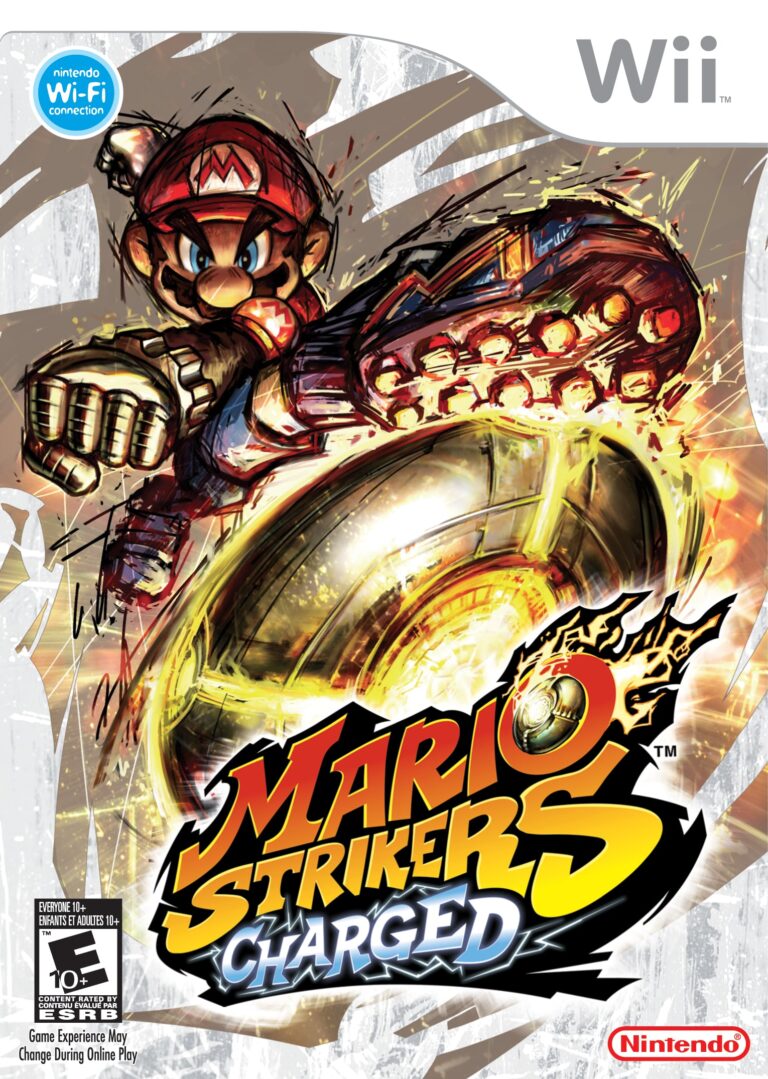
Wii reviews
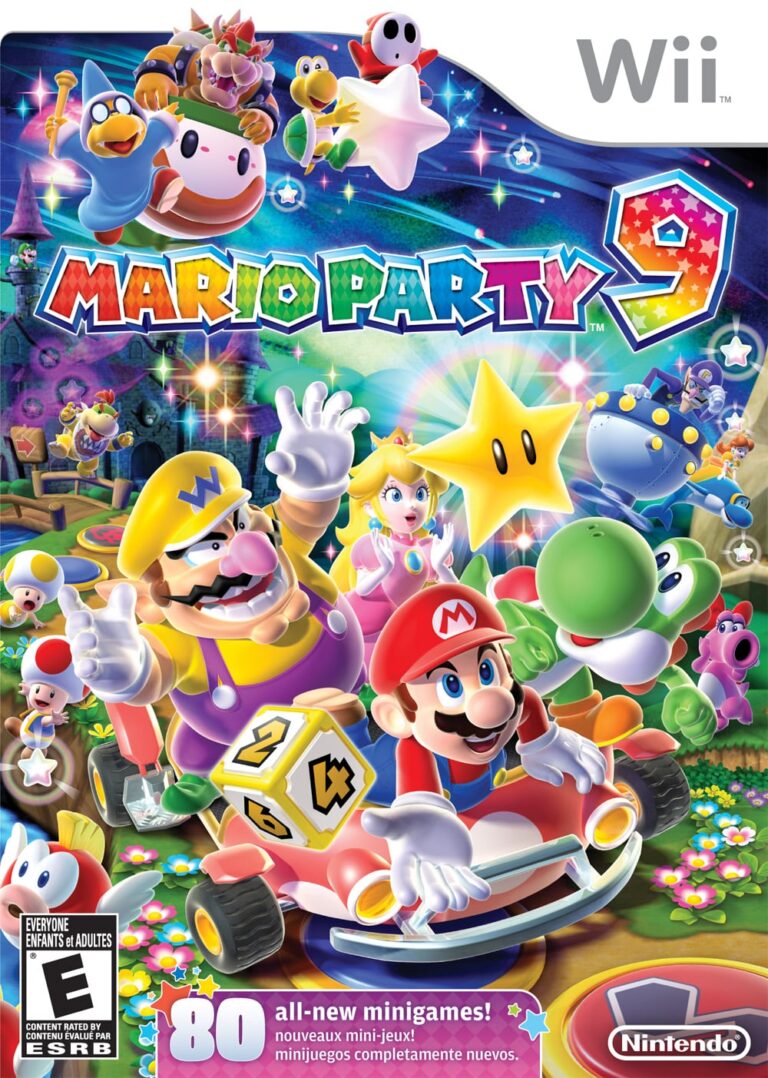
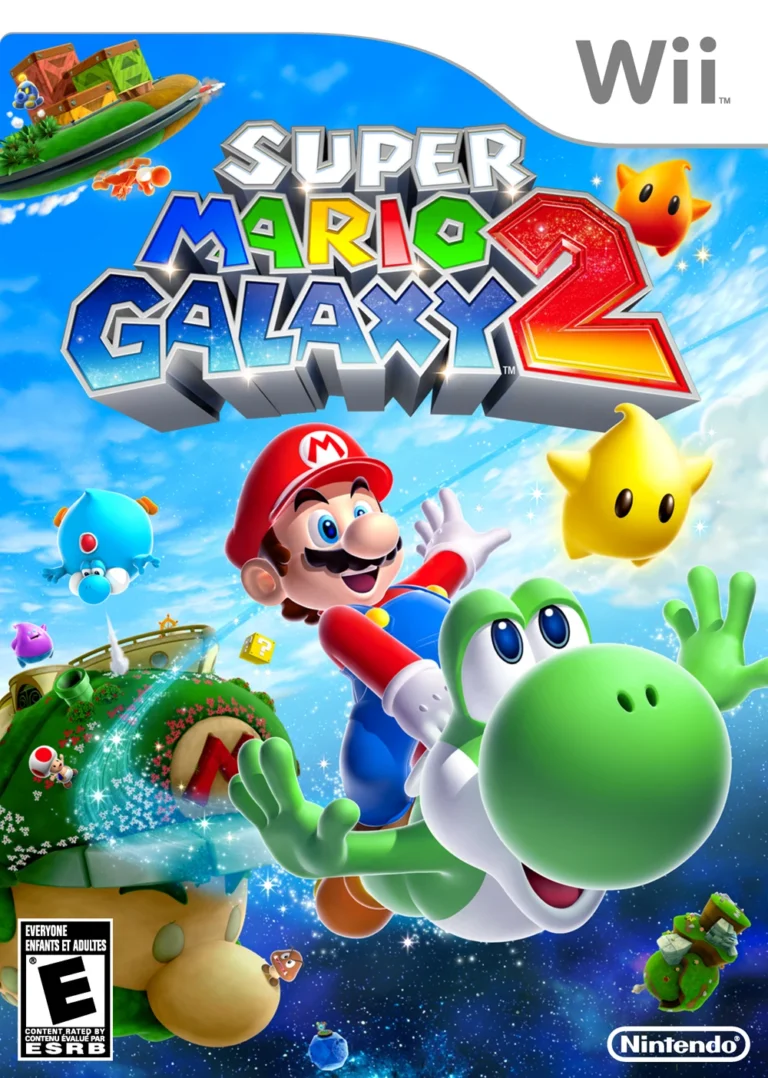
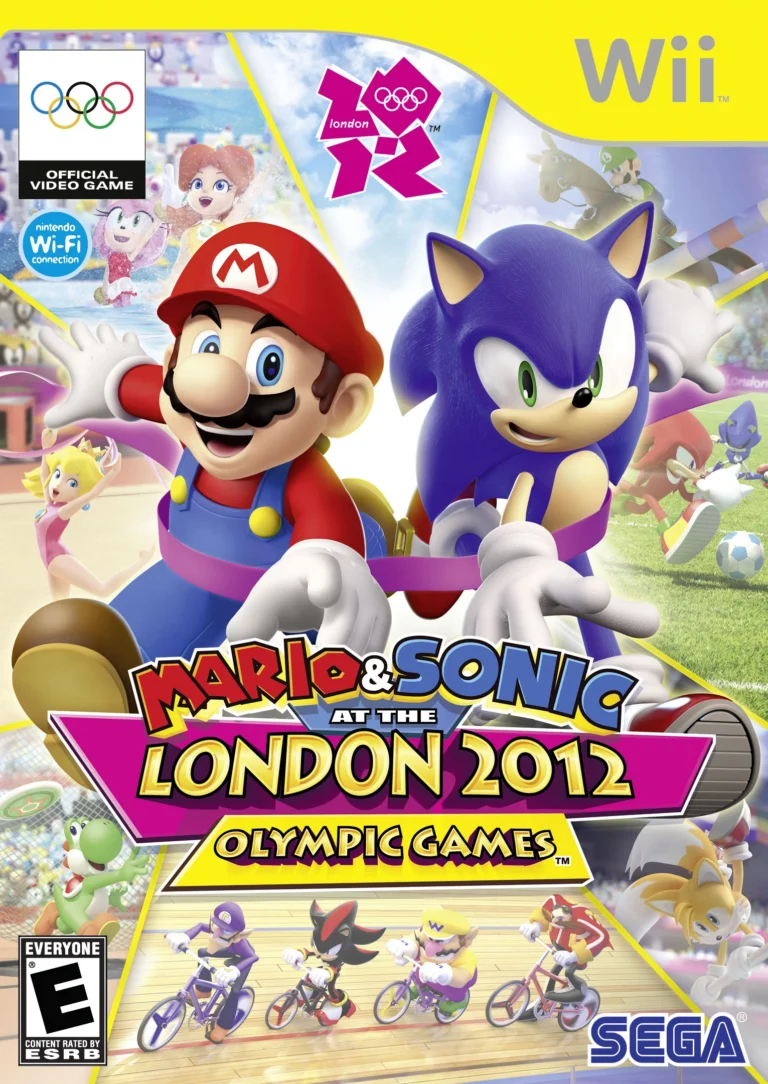
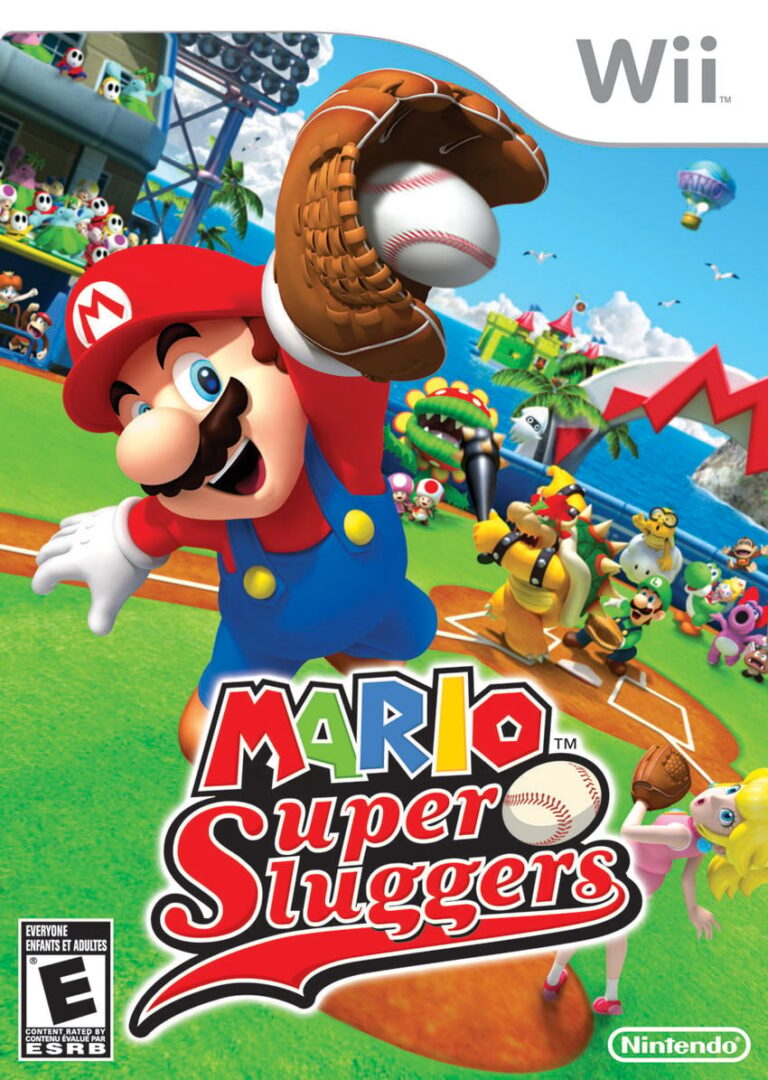
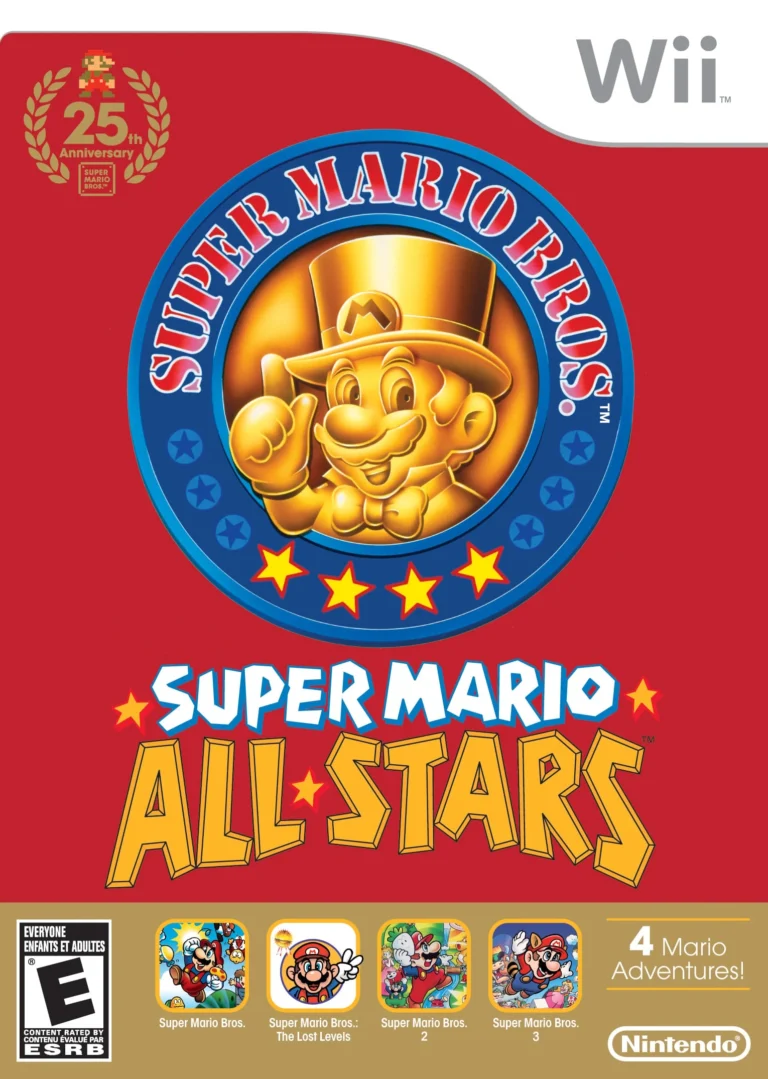
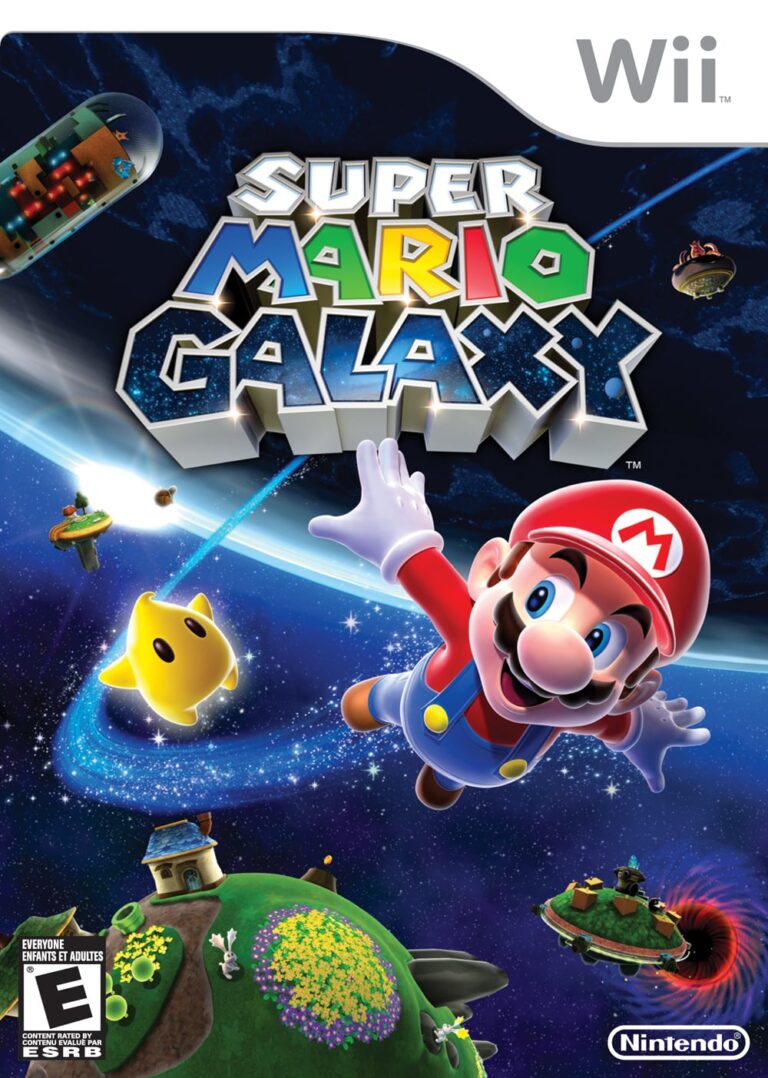
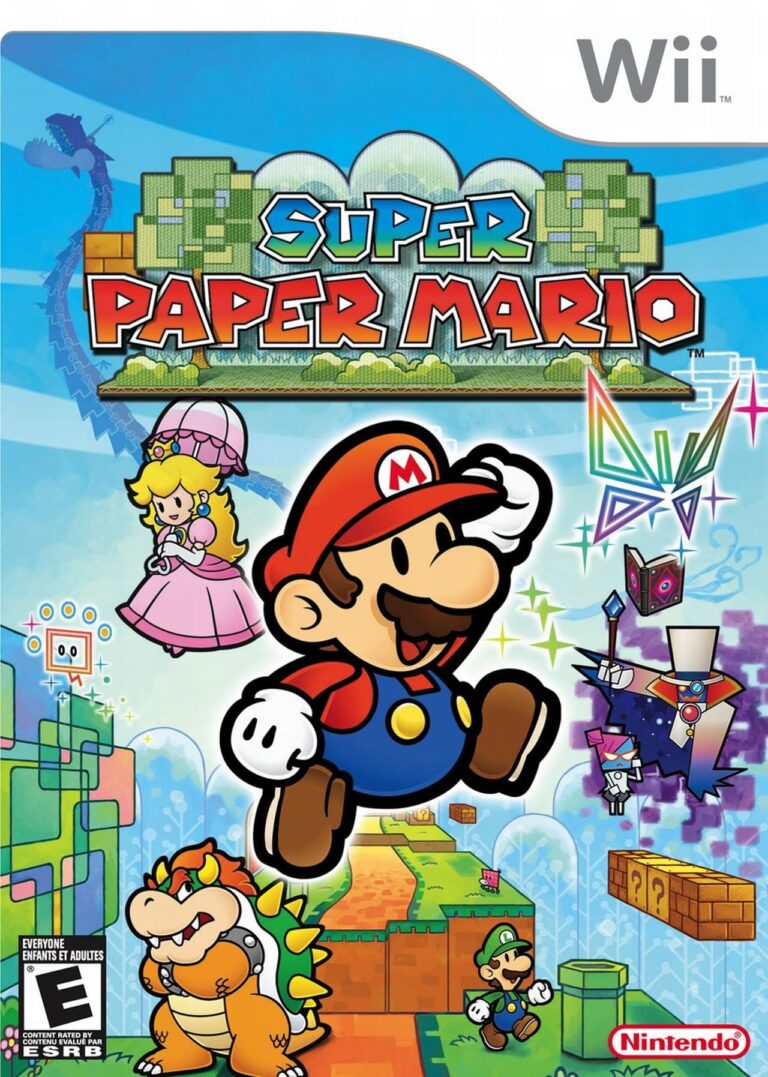
18 reader reviews of 14 Mario games on the Wii. All Mario games on the Wii.

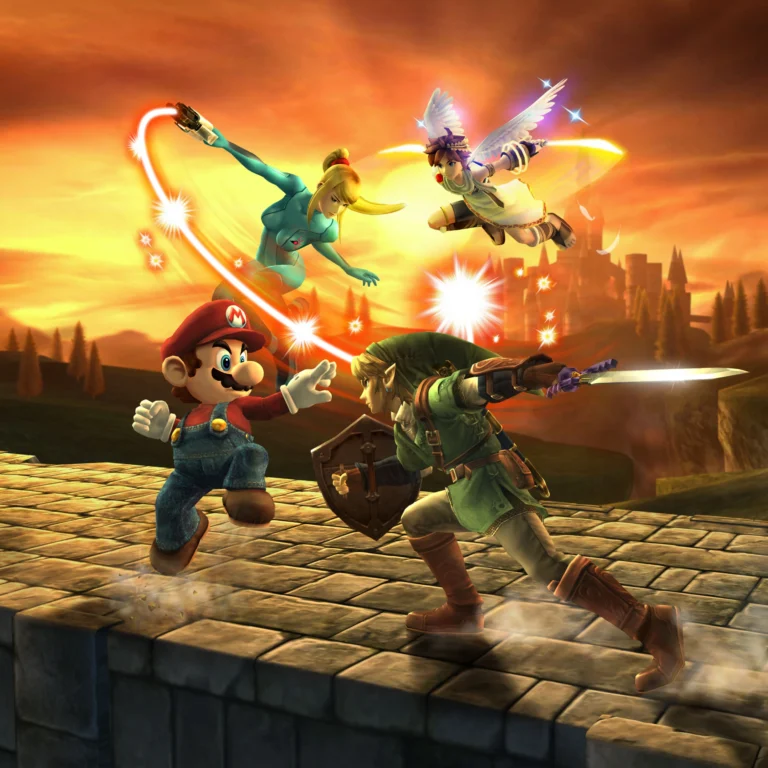
Nintendo 3DS reviews
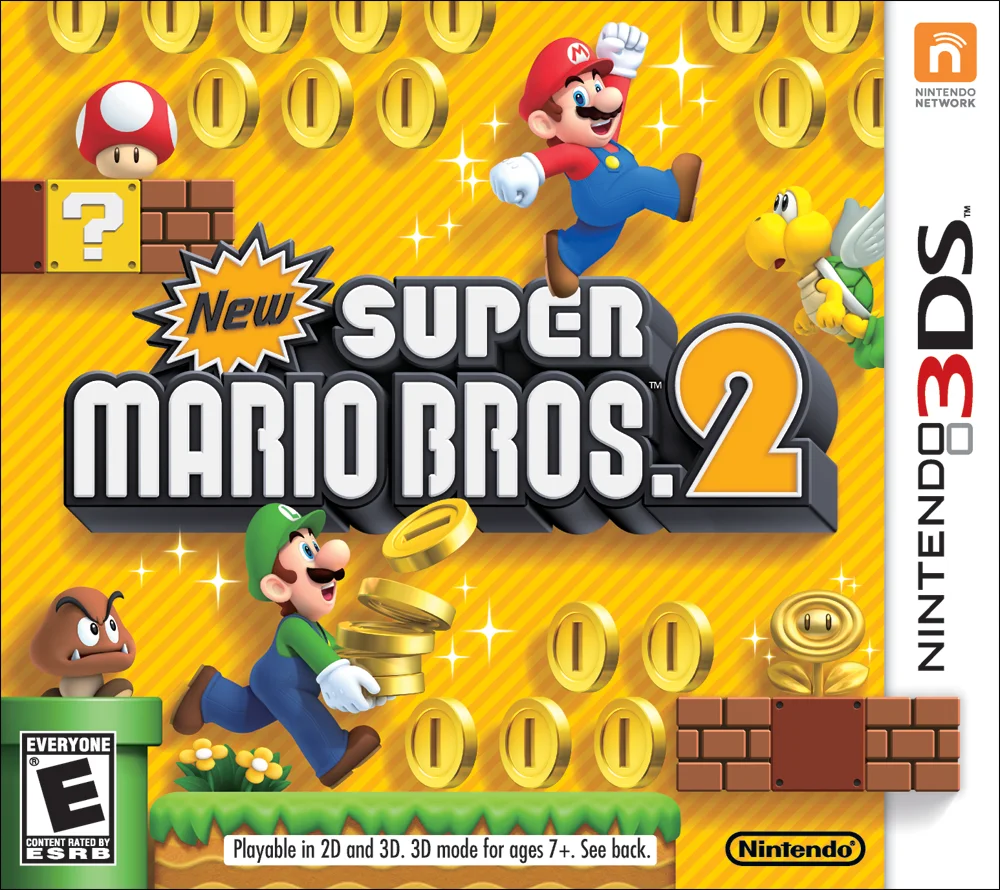
13 reader reviews of 7 Mario games on the Nintendo 3DS. All Mario games on the Nintendo 3DS.

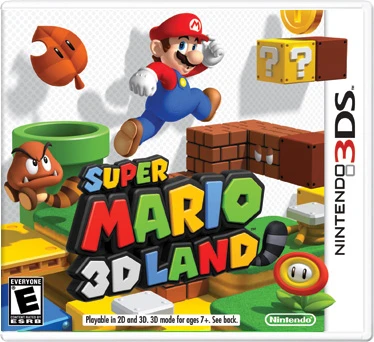
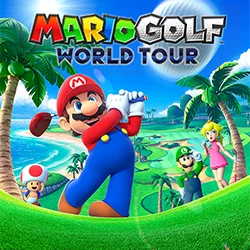

Wii U reviews
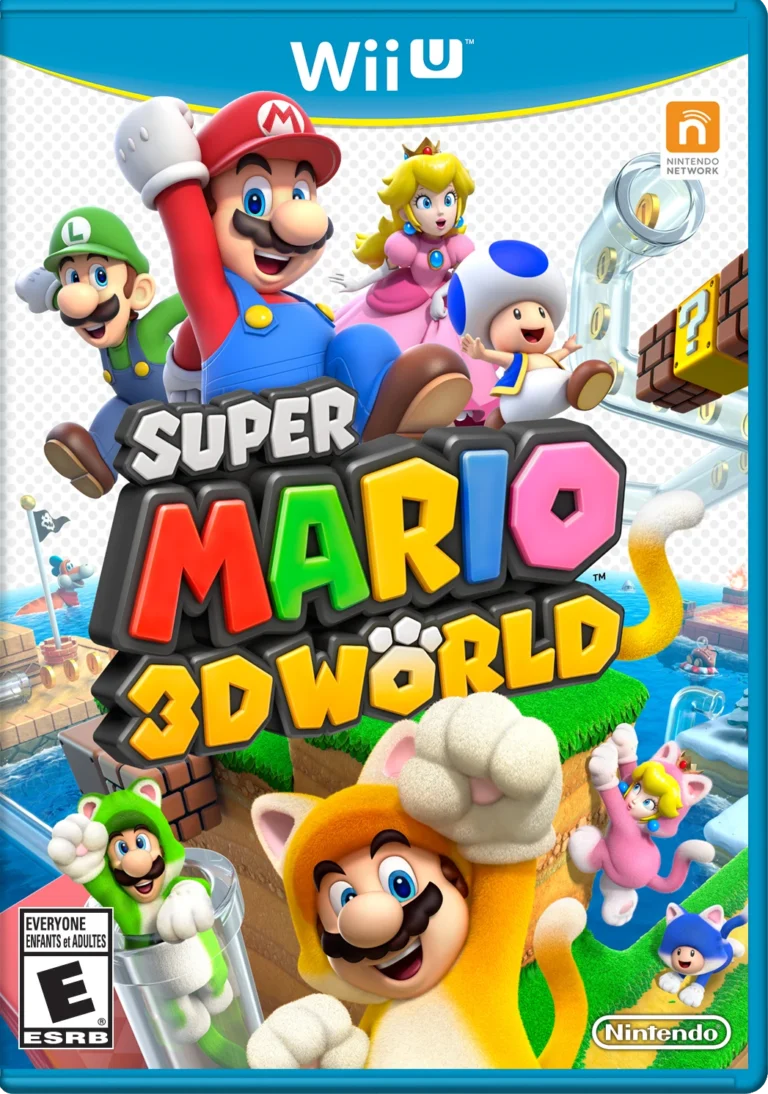
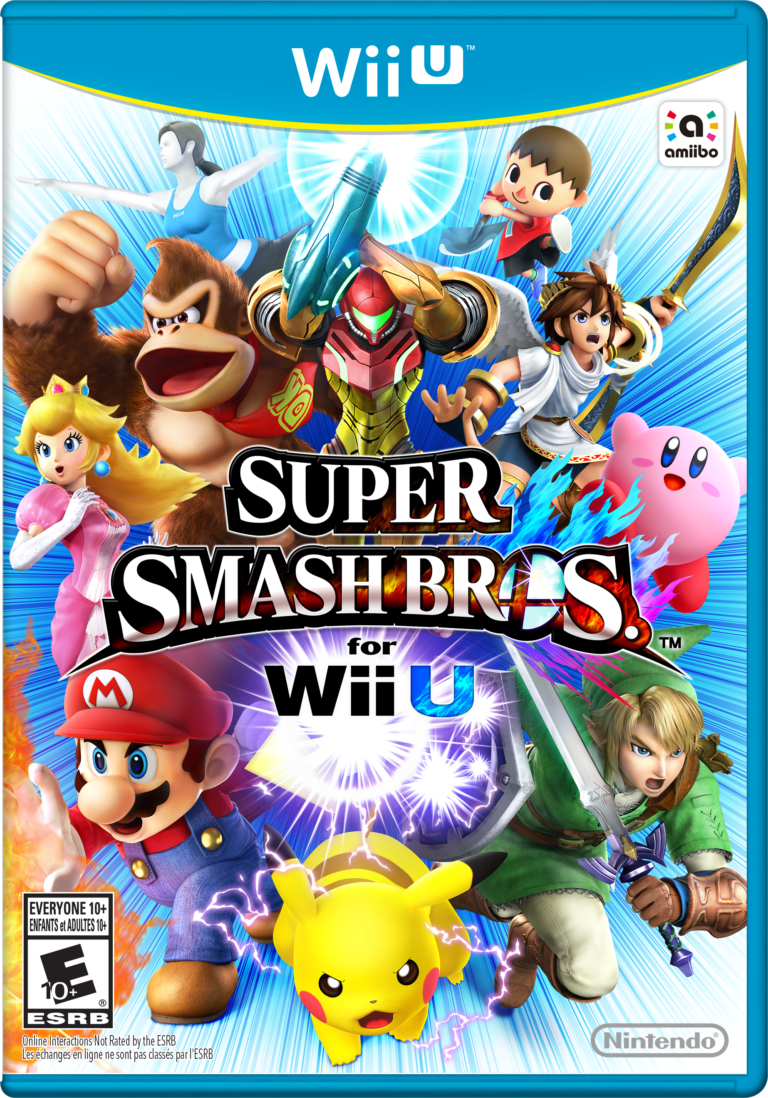
4 reader reviews of 4 Mario games on the Wii U. All Mario games on the Wii U.
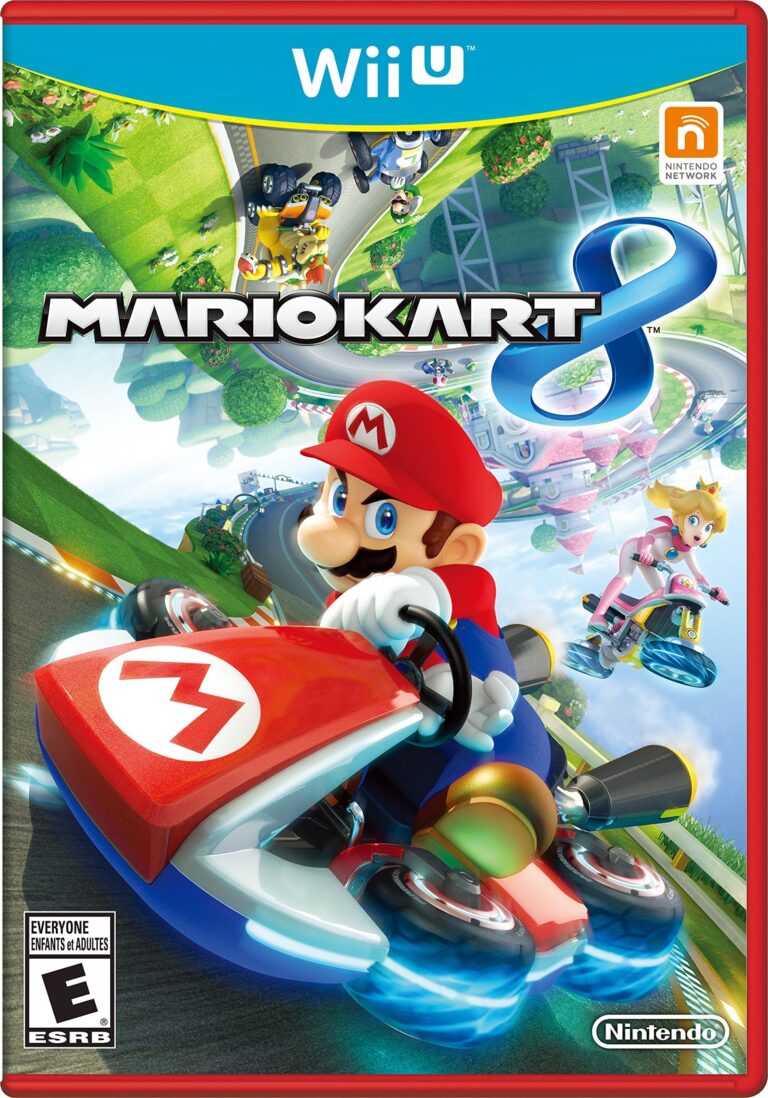
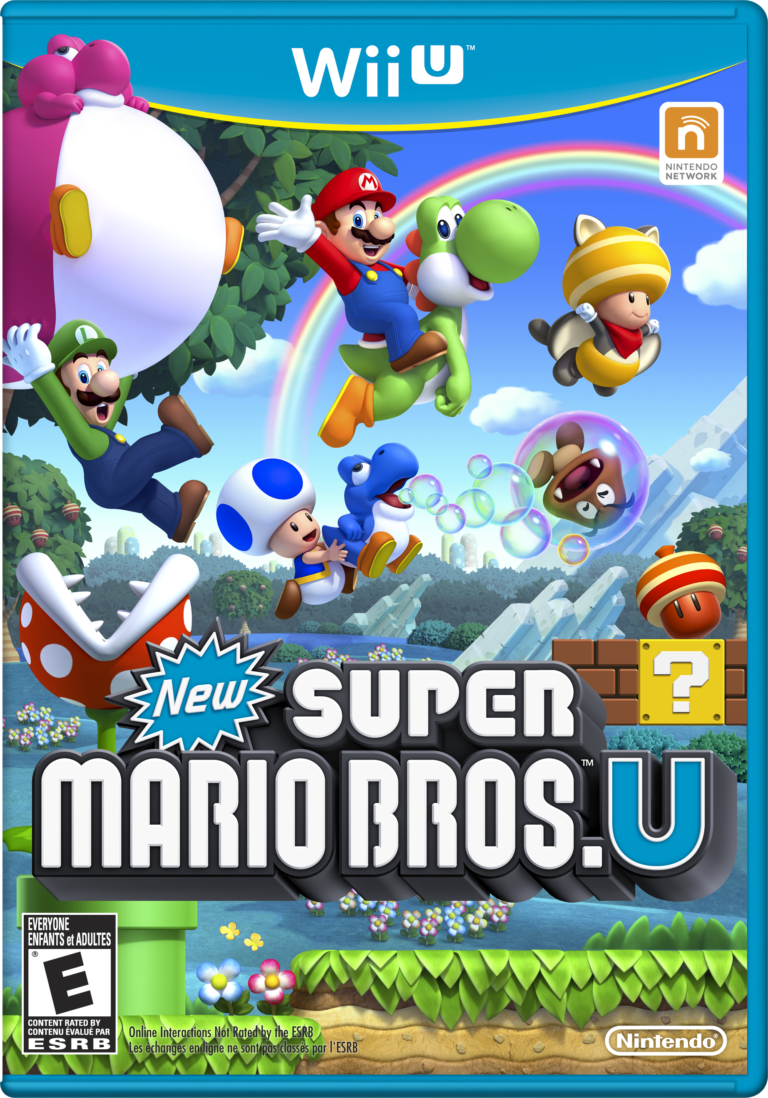
How we score games
We use the following scoring system to rate games.
| Score | Verdict | What it means |
|---|---|---|
| 1 | Pure, unrelenting horror | I don’t believe any current Mario titles fall worthy of this. No, not even the Edutainment ones. |
| 2 | Grim | An apt description of how I felt after I did a playthrough of Mario teaches sums. Although speaking objectively, I don’t think this title was intended for a 27 year old man. |
| 3 | Awful | A game you would actively speak out against if it was brought up in conversation with your gaming peers. Example: Mario is Missing |
| 4 | Bad | A game you start to play and within the first half an hour, you find yourself relatively disgruntled. Perhaps a game which was built up to be a lot better than it actually was. Not something you would play again or recommend others to buy. |
| 5 | Average | A game you can happily play for the new game novelty period before putting it into your game shelf, unlikely to ever play it again or remember it. But also unlikely you will badmouth the title to friends. A bit of a neutral case. |
| 6 | Pretty good | You will be content playing this game, but you’ll be thinking a lot of “if only they’d done this” and “maybe if this was a little different”, but on the whole you’ll be quite happy. |
| 7 | Very good | Playing a 7 rated game is time well spent. Could it be better? Of course, it could be an 8, 9 or even a 10… maybe it lacks a little ambition, or the plot/gameplay is a little linear and inside the box? But we’re still pleased to play it and recommend it. |
| 8 | Great | A game you enjoy playing enough to mention to your friends after. Perhaps because of amazing graphics, or the game’s physics, the characters, the story or simply the way it made you feel. |
| 9 | Amazing | We whole-heartedly recommend adding this game to your collection. Better than being in a field of pasta when it starts raining tomato and oregano sauce. |
| 10 | The Ultimate Mario title | As close to perfect as a game can be. Examples might include: Super Mario Bros 3, Super Mario World |
About SLB’s Reader Reviews
How the reader reviews work, what SLB readers have reviewed most, the scores that stand out and how the readers’ verdicts compare with the professional critics on our game pages.
How SLB reader reviews work
Anyone can review a Mario game on Super Luigi Bros. You need a free SLB account; the Submit page then has a Reader review option for giving your verdict on any Mario game on the site. A moderator reads every submission before it is published, and each review that goes live earns its writer 15 XP and a Critic stamp.
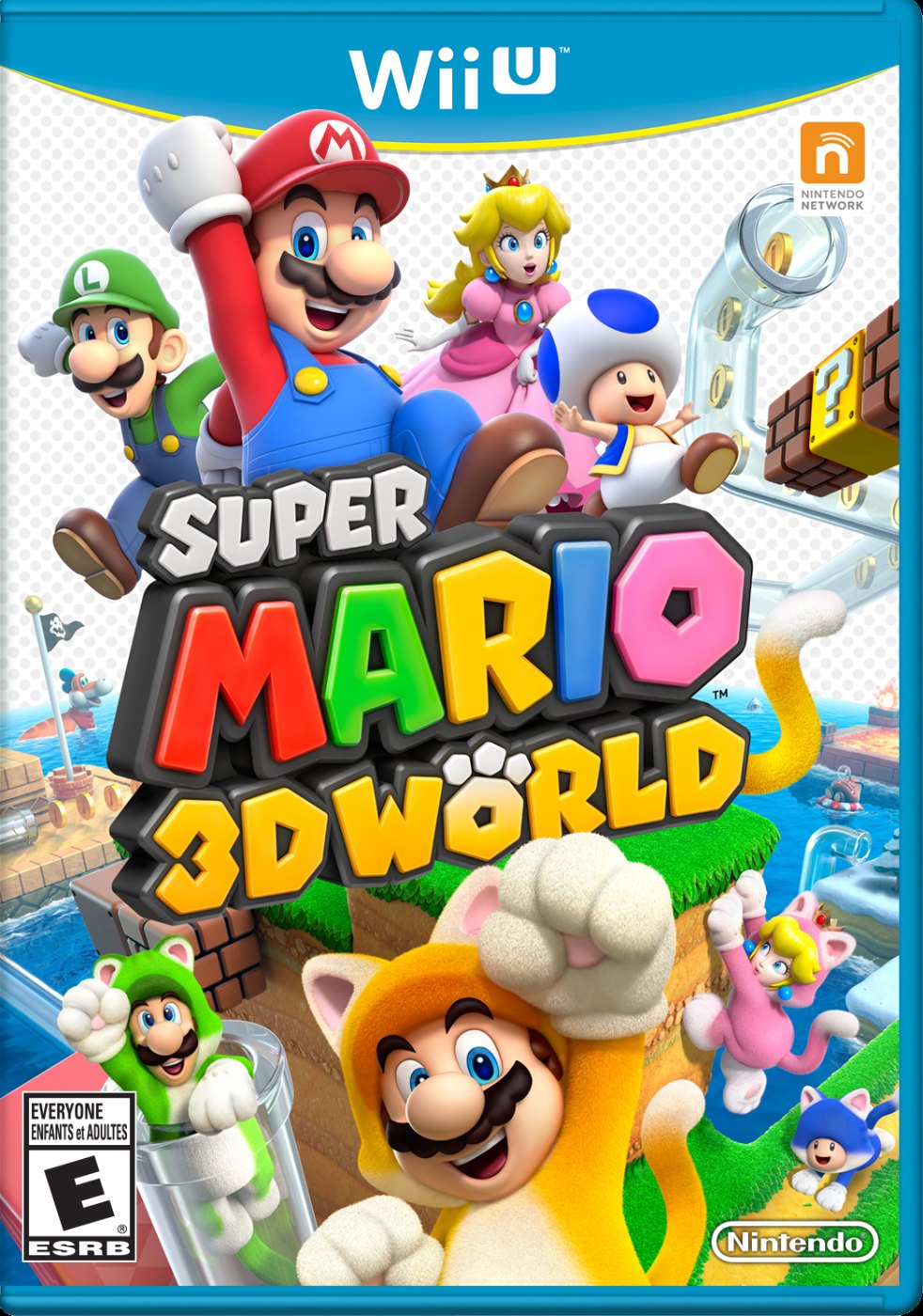
Every review has a page of its own, named after the game and the reviewer, with links to the other reviews of the same game. Reviewers shape them however they like. StephenYap’s 10/10 for Super Mario 64 runs to well over a thousand words and ends with a conclusion, while Luke’s own 8.5/10 for Super Mario 3D World marks story, gameplay, music and local multiplayer separately, and gives online co-op a zero because the Wii U game had none. Both reviews carry April 2017 dates on the site.
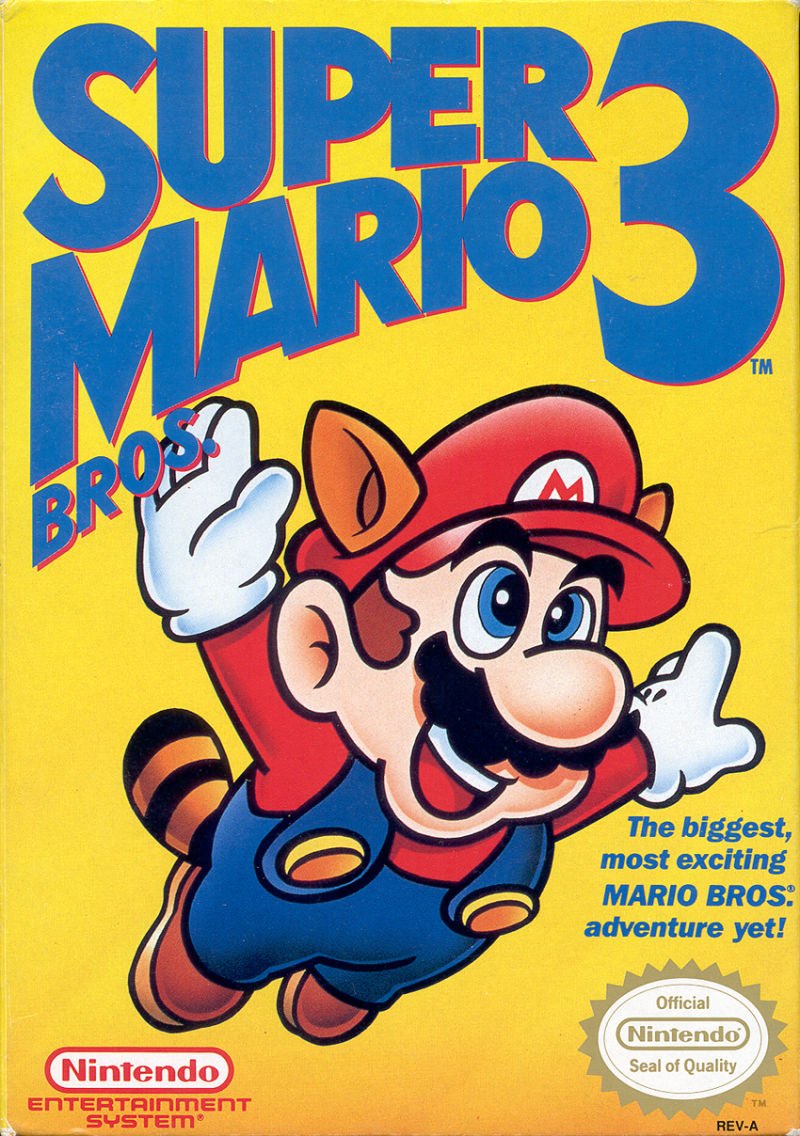
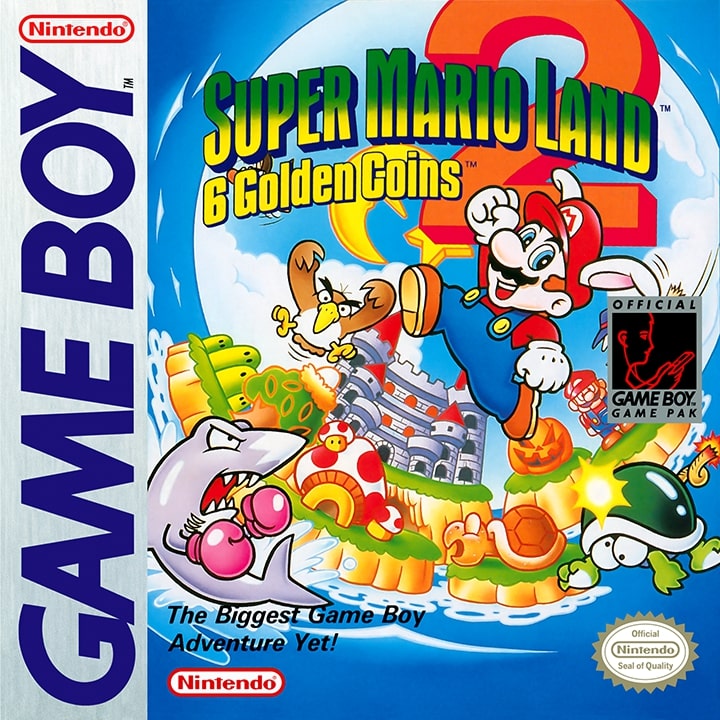
Scores are out of ten, on the scale set out in How we score games at the foot of the reviews. It climbs from 1 (“Pure, unrelenting horror”) through 5 (“Average”) and 7 (“Very good”) to 10 (“The Ultimate Mario title”), with Super Mario Bros. 3 and Super Mario World as its examples of a perfect game. A score is optional, and several readers use decimals: Super Mario Land 2 has a 9.9, Super Mario RPG a 9.2.
What readers review most
The archive holds 186 reader reviews of 74 different games across 11 Nintendo systems. The GameCube shelf is the busiest with 34 reviews, even though it lists only seven games, ahead of the Game Boy Advance (30 reviews of ten games), the NES and Super NES (24 each), the Nintendo 64 (22) and the Wii (18, spread over 14 games). The 3DS has 13, and the Game Boy, DS, Wii U and Game Boy Color bring up the rear with seven, seven, four and three.
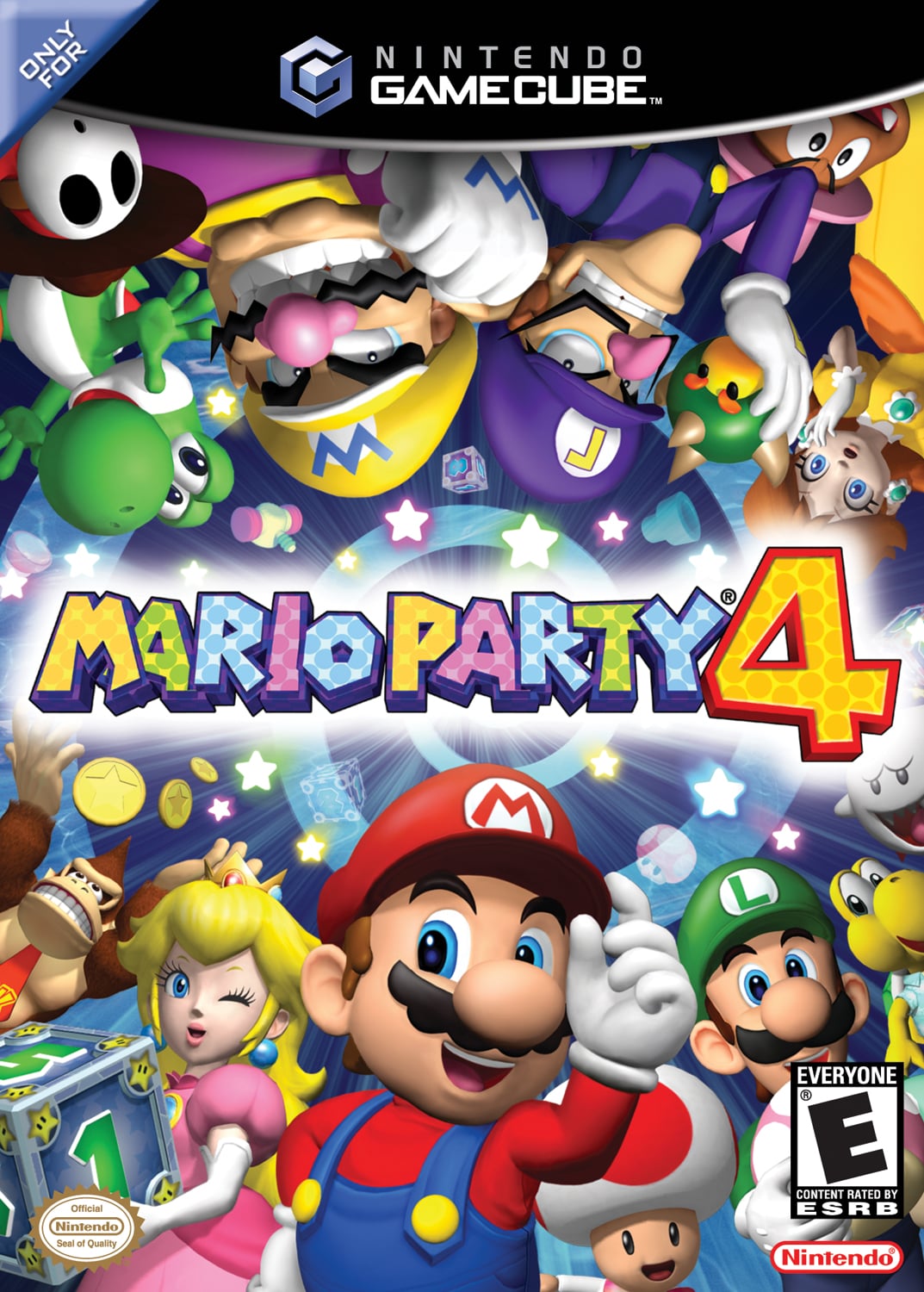
Two games share top spot with eight reviews each: Super Mario Bros. 2 on the NES and Mario Party 5 on the GameCube. Mario Kart: Double Dash!! has seven, and Super Mario Bros. 3, Super Mario RPG, Superstar Saga and Super Mario Sunshine six apiece. As a series, Mario Party is the readers’ favourite subject: its seven games here have drawn 25 reviews between them, against 19 for the seven Mario Karts.
A handful of regulars have written a good share of the archive. SuperPhillip has ten reviews on the Wii and 3DS shelves, DetroitDJ six, and StephenYap and Luke five each.
Standout scores
Of the 186 reviews, 99 carry a score, and they are a generous lot. The average is 8.3 out of 10, more than half the scores (57) are 9 or higher, and 25 are perfect 10s, spread across 20 games. Super Mario Bros., Super Mario All-Stars, Super Mario 64, Superstar Saga and Super Mario Advance 3 have two each.
The lowest mark is a 1/10 for the NES version of Mario is Missing!, which is a little awkward, because the scoring guide reckons no Mario game deserves a 1, edutainment titles included; the game’s other scored review gives it a 4. Super Mario Land also has a 4/10, Super Mario Advance a 4.5, and Mario Tennis Open a 3/10 from one of its three reviewers.
Some games split the room. Mario Kart 64 has both a 5 and a 10, Mario Tennis Open runs from 8 down to 3, and Super Mario 3D Land got a 5 and a 9. By console, the Super NES has the happiest reviewers (an average of 9.3 from ten scores) and the 3DS the toughest (6.9 from twelve).
Readers vs the critics
SLB’s rebuilt game pages carry a table of professional review scores, so the readers’ verdicts can be set beside them. For each of the 51 games that have both, we averaged the reader scores and every critic score on the game’s page given as a single mark, converted to marks out of ten (aggregate sites left out). The result is close to a dead heat: readers come out ahead on 28 games and behind on 23, 30 games land within a point, and across all 51 the highs and lows cancel out, leaving the two overall averages less than a tenth of a mark apart (the typical single game differs by about 1.2 marks). The table shows the most telling cases.
| Game | SLB readers | Critics (from the game’s SLB page) |
|---|---|---|
| Mario Party 5 | 9.0 (4 scores) | Metacritic 69 |
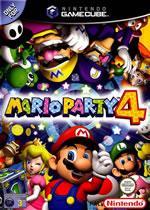
| Mario Party 4 | 9.0 (4 scores) | Metacritic 70 |
| Mario Party (N64) | 10 (1 score) | Metacritic 79 |
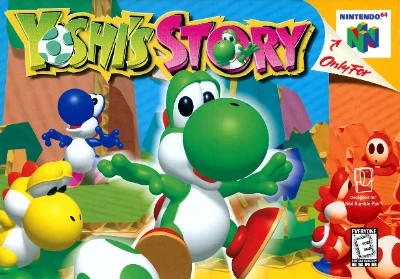
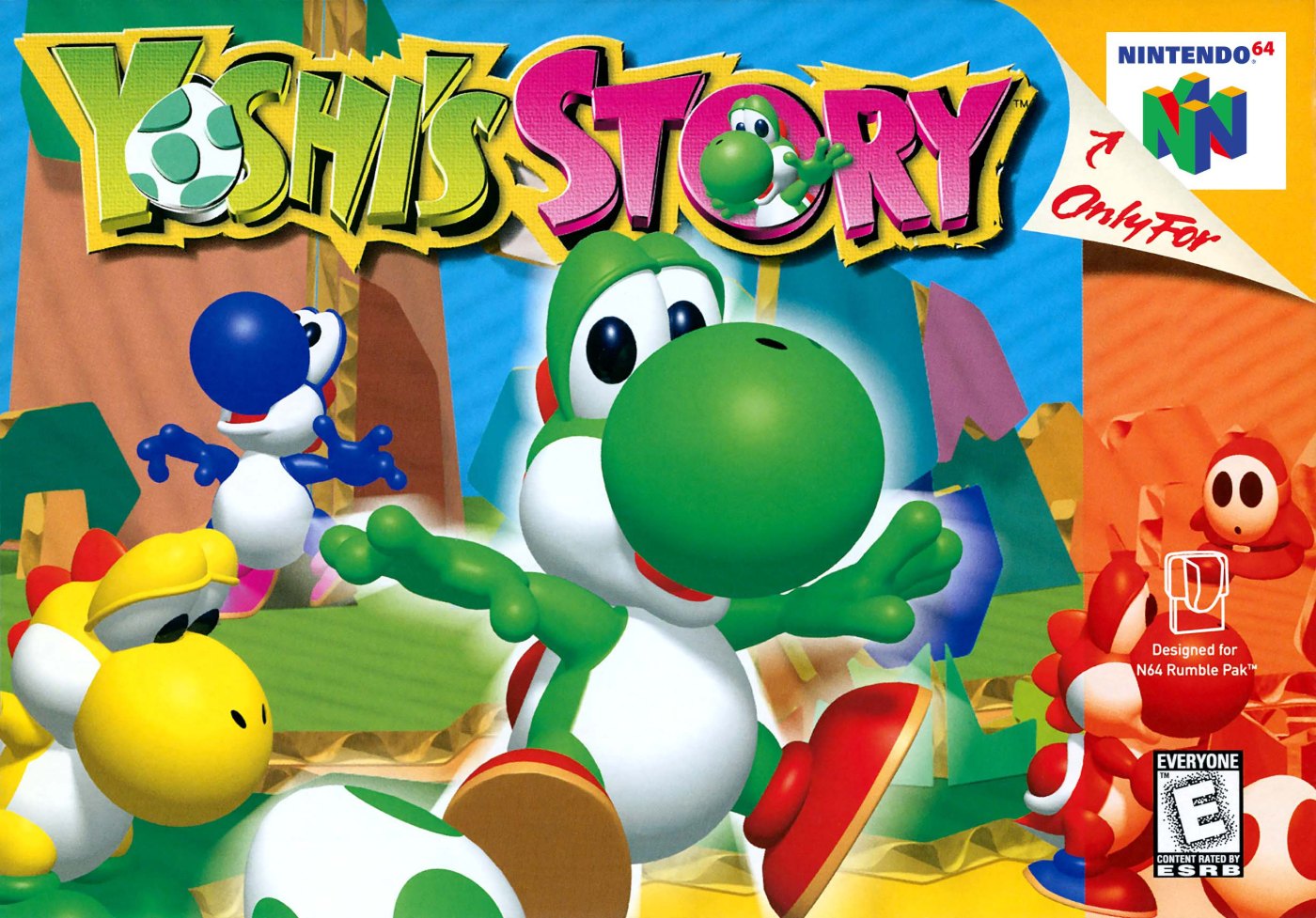
| Yoshi’s Story | 9 (1 score) | Metacritic 65 |
| Super Mario All-Stars | 9.7 (3 scores) | GameRankings 90% |
| Super Mario Galaxy 2 | 9.5 (2 scores) | 10/10 from Edge, IGN, GameSpot and Eurogamer |
| Super Mario 64 | 9.3 (3 scores) | N64 Magazine 96%, Famitsu 39/40 |
| Super Mario RPG | 9.1 (3 scores) | About 8.9 on average from 15 reviews |
| Mario Kart: Double Dash!! | 8.5 (2 scores) | Metacritic 87 |
| Mario Kart 64 | 7.5 (2 scores) | Metacritic 83 |
| Super Mario 3D Land | 7.0 (2 scores) | Famitsu 38/40, Official Nintendo Magazine 94% |
| Mario Party 9 | 5 (1 score) | Metacritic 73 |
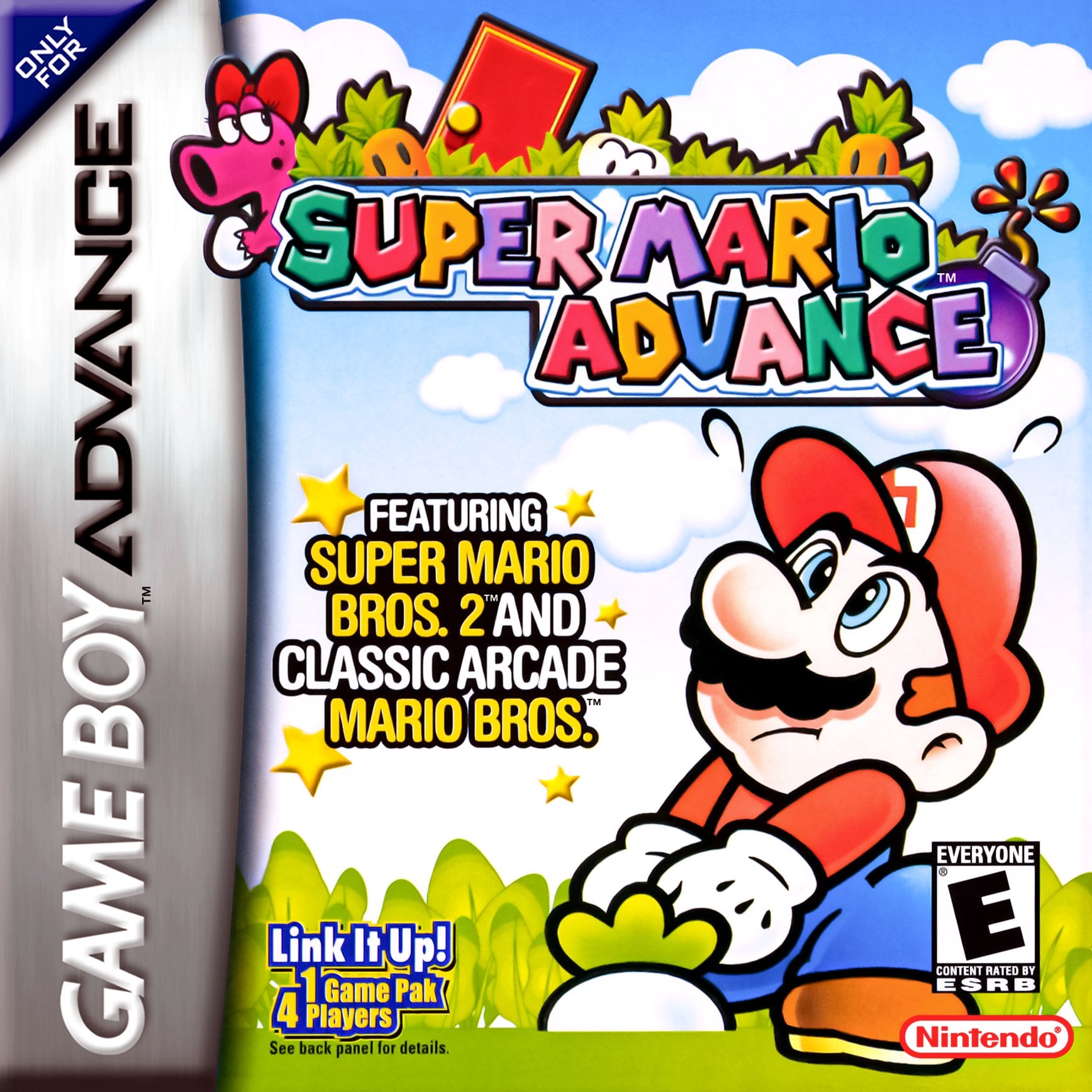
| Super Mario Advance | 4.5 (1 score) | Metacritic 84 |
| Super Mario Land | 4 (1 score) | GameRankings 77.94% |
| Mario is Missing! | 2.5 (2 scores) | From 42/100 (SNES Force) to 83/100 (Total!) |
The clearest pattern is Mario Party. SLB readers gave Mario Party 4 and Mario Party 5 an average of 9 each, where Metacritic has them at 70 and 69, and the N64 original’s one scored review is a 10 against a Metacritic 79. Only Mario Party 9, with a single 5/10 against 73, bucks the trend. Yoshi’s Story (9 from its reader, 65 on Metacritic) and Wario’s Woods (a 9 against a critics’ average below 7) are other reader favourites the professionals were cooler on.
Readers are harder on a few handheld games. Super Mario Land’s 4/10 sits well below its 77.94% GameRankings average, and Super Mario Advance’s 4.5 a long way under its Metacritic 84. Mario is Missing! averages 2.5 from readers, though the critics never agreed about it either. At the top end the two camps meet: Super Mario Galaxy 2 averages 9.5 from readers and collected 10/10 from Edge, IGN, GameSpot and Eurogamer, while Super Mario RPG scores 9.1 from readers against about 8.9 from fifteen critics.
Trivia & Interesting Facts
- The scoring guide reckons no Mario game has ever deserved a 1, not even the edutainment ones; one reader disagreed and gave the NES Mario is Missing! exactly that.
- The guide’s two examples of a perfect 10 are Super Mario Bros. 3 and Super Mario World, yet none of the ten reader reviews of those two games shows a score on its card.
- Two readers marked out of five instead of ten: a 4/5 for Yoshi’s Island and a 4.5/5 for Mario & Luigi: Superstar Saga.
- The highest score short of a perfect 10 is a 9.9/10 for Super Mario Land 2: 6 Golden Coins.
- Luke’s own review of Super Mario 3D World gives local multiplayer 9 and online co-op 0, because there was no online co-op to play.
- Mario Party’s seven games have 25 reader reviews between them, six more than the seven Mario Kart games.
- The GameCube shelf averages almost five reviews per game (34 for seven games); the Wii shelf manages 18 for 14.
- Mario Kart 64 and Mario Tennis Open share the widest split on a single game: five points, from 10 down to 5 and from 8 down to 3.
- SuperPhillip is the archive’s most prolific reviewer, with ten reviews of Wii and 3DS games.
- Averaged over 51 games, readers’ and critics’ scores finish less than a tenth of a mark apart, even though individual games are often miles apart.
Reader Favourites in Pictures
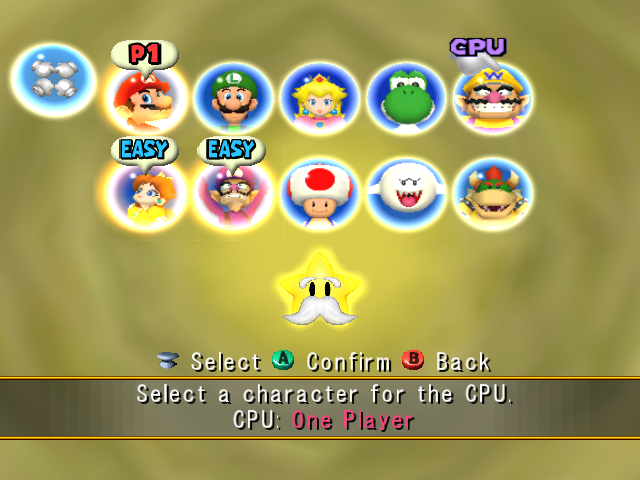
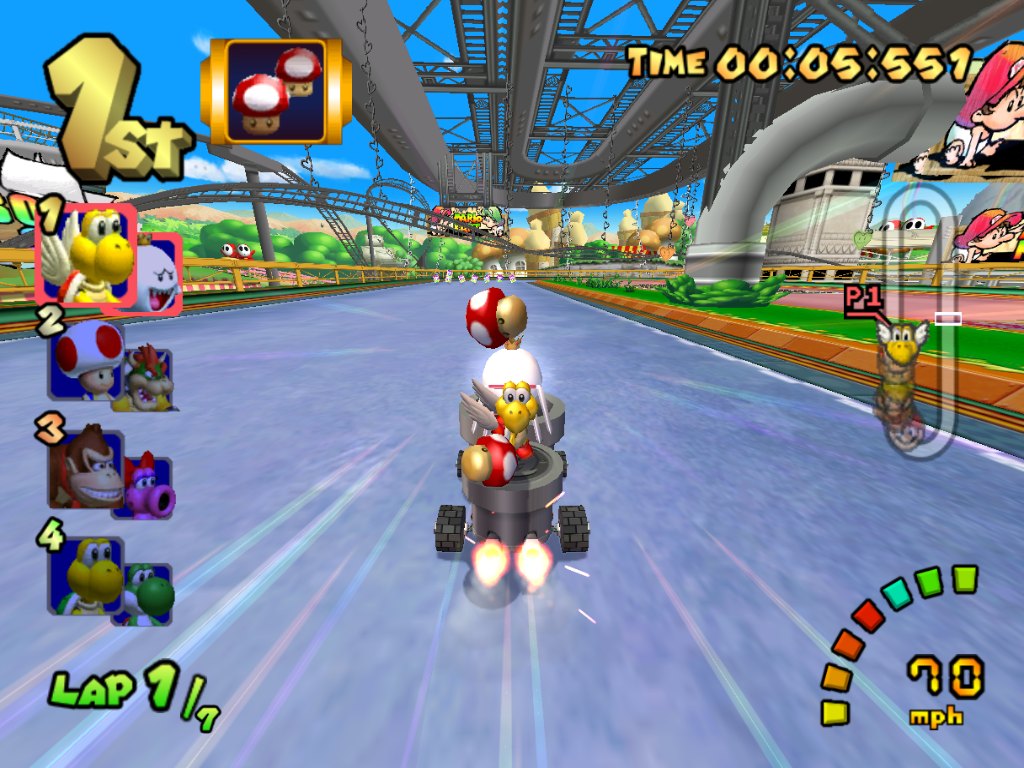
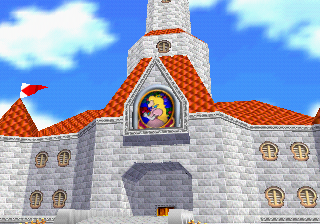
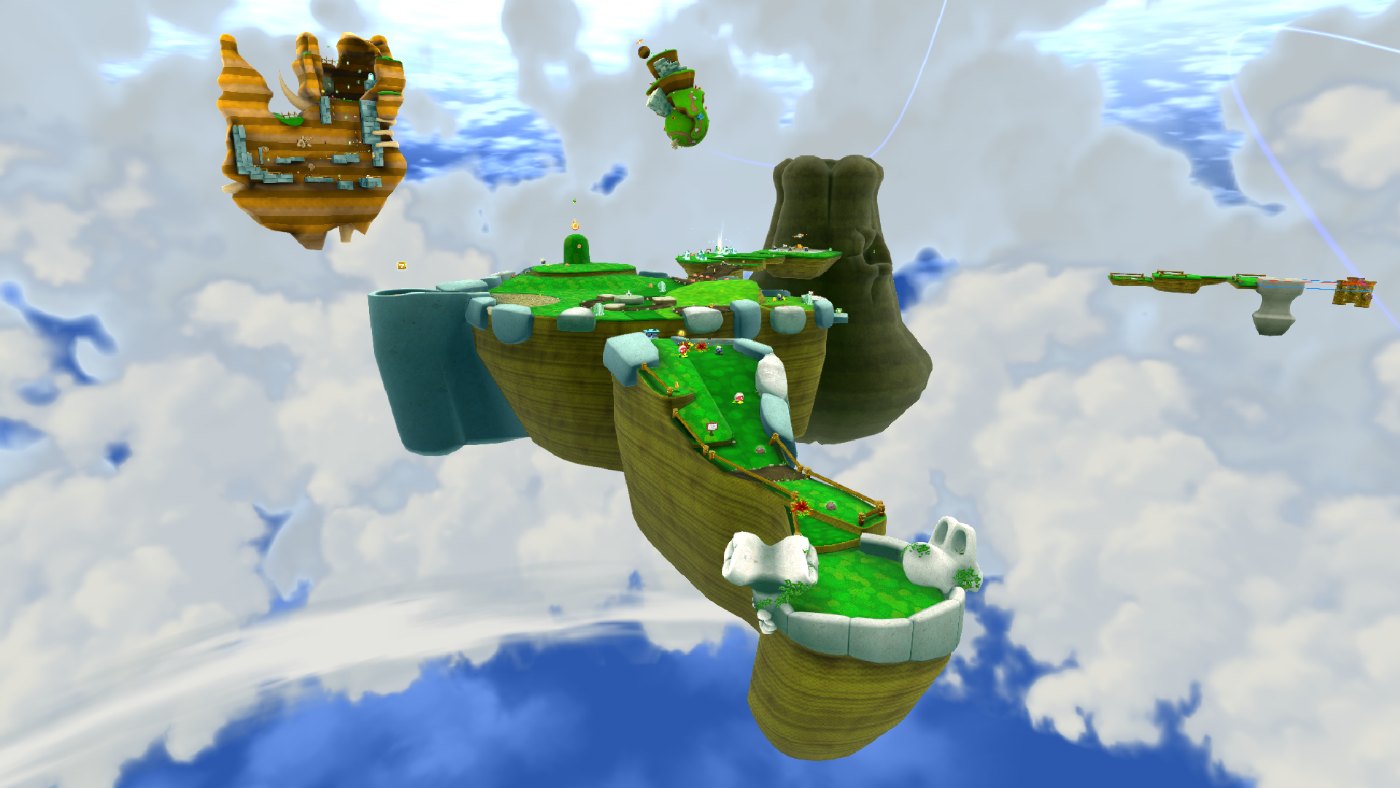
A look at some of the games SLB readers have reviewed most, and rated highest.
Sources
Every fact on this page was checked against the 20 sources listed here.
Show sources
Super Luigi Bros, Super Mario Game Reviews · Super Luigi Bros, Submit page · Super Luigi Bros, Super Mario 64 review by StephenYap · Super Luigi Bros, Super Mario 3D World review by Luke · Super Luigi Bros, Mario Party 5 · Super Luigi Bros, Mario Party 4 · Super Luigi Bros, Mario Party · Super Luigi Bros, Mario Party 9 · Super Luigi Bros, Yoshi’s Story · Super Luigi Bros, Wario’s Woods · Super Luigi Bros, Super Mario All-Stars · Super Luigi Bros, Super Mario Galaxy 2 · Super Luigi Bros, Super Mario 64 · Super Luigi Bros, Super Mario RPG · Super Luigi Bros, Mario Kart: Double Dash!! · Super Luigi Bros, Mario Kart 64 · Super Luigi Bros, Super Mario 3D Land · Super Luigi Bros, Super Mario Advance · Super Luigi Bros, Super Mario Land · Super Luigi Bros, Mario is Missing!
Images: Mario and all related characters, artwork and screenshots are © Nintendo; other artwork, covers and scans are © their respective owners. Images are used here for commentary and reference.