
Mario on Other Consoles, Computers & Arcades
Mario has turned up far beyond Nintendo’s main consoles. Coleco, Atari and Ocean ported Donkey Kong and Mario Bros. to rival machines, Hudson Soft remixed him for Japanese computers, PC publishers built Mario is Missing! and its edutainment friends, Philips made Hotel Mario, and the Virtual Boy, e-Reader and Namco’s arcade karts did the rest.
All Mario Games on Other Systems Covered
Mario has turned up on a surprising amount of hardware that Nintendo did not make: early arcade conversions for Atari, Coleco and Mattel machines, home computer versions, PC edutainment, the infamous Philips CD-i games and Namco’s arcade karts – plus the Virtual Boy and e-Reader, two Nintendo oddities that sit best here. Click any tile to open its page; each tile shows the year of release and the kind of Mario appearance.
- Main role – the classic platform-style Mario adventures, such as Super Mario Bros. and Super Mario Land, plus the RPGs and other games built around Mario himself.
- Spin-off – a game that features Mario throughout but is not a mainstream adventure – karting, party, sports and puzzle games.
- Edutainment – games designed to teach as well as entertain, starring characters from the Mario universe.
- Compilation – several Mario games collected on one cartridge or disc.
- Port – a conversion of a Nintendo arcade game made for someone else’s hardware.
Arcade ports on Atari, Coleco and Mattel systems

Donkey Kong (Atari 2600)

Donkey Kong (Intellivision)

Donkey Kong (Atari 8-bit)

Mario Bros. (Atari 2600)

Mario Bros. (Atari 5200)

Donkey Kong (Atari 7800)

Mario Bros. (Atari 7800)
Home computer conversions: Atarisoft and Ocean

Donkey Kong (Apple II)

Donkey Kong (Amstrad CPC)

Mario Bros. (Amstrad CPC)

Mario Bros. (Commodore 64)
Hudson Soft's Japanese computer games
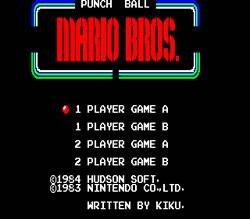
Punch Ball Mario Bros.
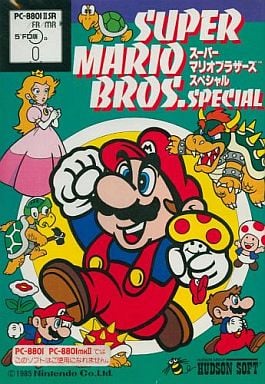
Super Mario Bros. Special
PC edutainment and games

Mario Teaches Typing
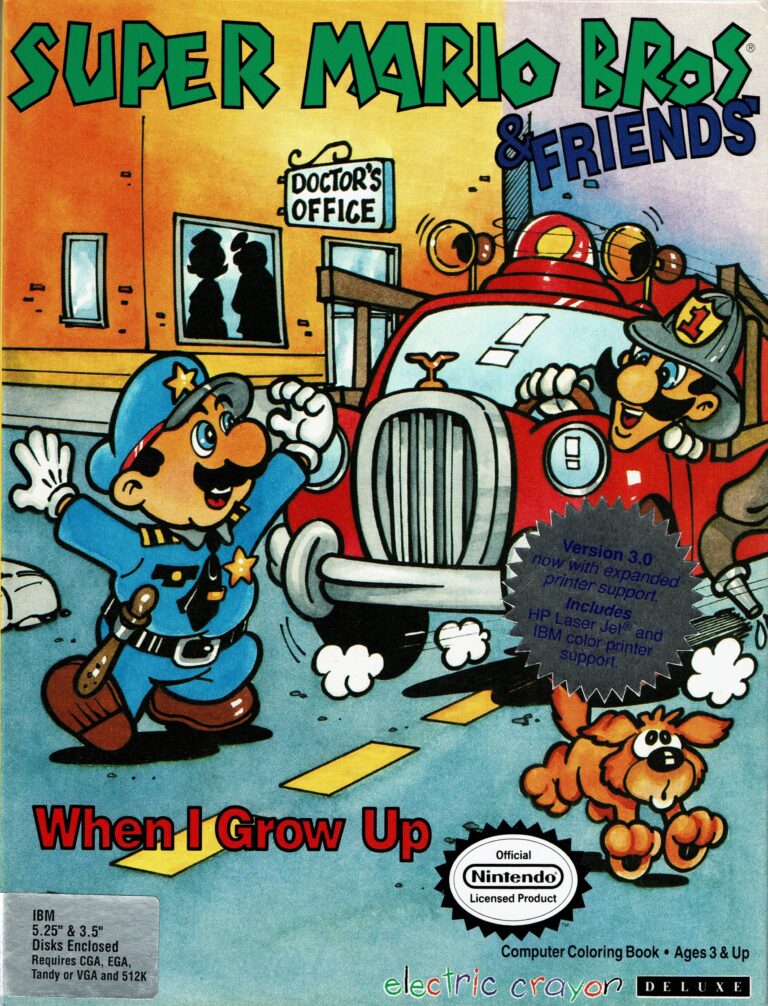
Super Mario Bros. & Friends: When I Grow Up
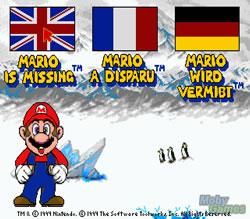
Mario is Missing! (MS-DOS)

Mario's Time Machine (MS-DOS)
Mario's Game Gallery

Mario Teaches Typing 2
Philips CD-i
Virtual Boy and e-Reader

Mario Beyond Nintendo’s Consoles
| Atari 2600 | Donkey Kong (Coleco, 1982) · Donkey Kong Jr. (Coleco, 1983) · Mario Bros. (Atari, 1983) |
|---|---|
| Atari 5200 | Mario Bros. (Atari, 1984) |
| Atari 7800 | Donkey Kong · Donkey Kong Jr. · Mario Bros. (all Atari Corporation, 1988) |
| Atari 8-bit computers | Donkey Kong (Atari, 1983) · Donkey Kong Jr. (Atari, 1984) · Mario Bros. (Atari Corporation, 1989) |
| Intellivision | Donkey Kong (Coleco, 1982) · Donkey Kong Jr. (Coleco, 1983) |
| Amstrad CPC | Donkey Kong (Ocean, 1986) · Mario Bros. (Ocean, 1987) |
| Apple II | Donkey Kong (Atarisoft, 1983–84) |
| Commodore 64 | Donkey Kong (Atarisoft, 1983–84; Ocean, 1986) · Mario Bros. (Ocean, 1987) |
| NEC PC-8801 / FM-7 / Sharp X1 (Hudson Soft) | Mario Bros. Special and Punch Ball Mario Bros. (1984) · Super Mario Bros. Special (1986) |
| MS-DOS / Windows PC | Mario Teaches Typing · Mario is Missing! · Mario’s Time Machine · Mario’s Game Gallery (1992–97) |
| Philips CD-i | Hotel Mario (Philips, 1994) |
| Virtual Boy | Mario’s Tennis · Mario Clash · Virtual Boy Wario Land (all 1995) |
| Game Boy Advance e-Reader | Donkey Kong-e, Donkey Kong Jr.-e and Mario Bros.-e card games (2002) |
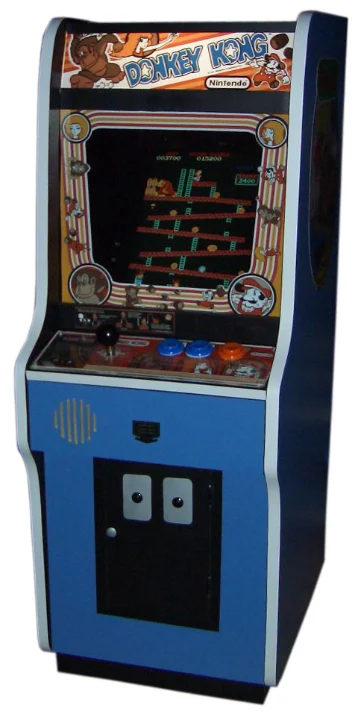
| Arcade | Donkey Kong (1981) · Mario Bros. (1983) · Vs. Super Mario Bros. (1986) · Mario Kart Arcade GP (2005–2017) |
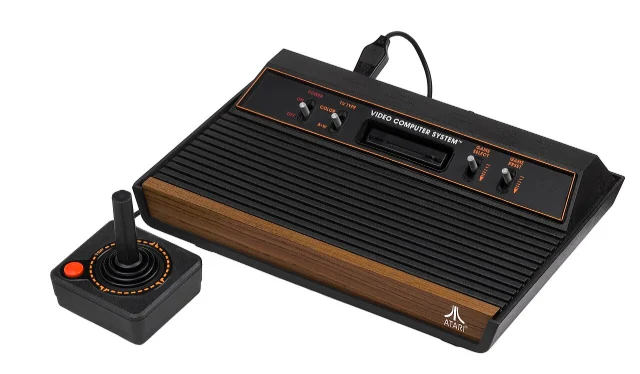
In 1982 Nintendo was an arcade company with no home console in the West, so it rented Mario out. Coleco won exclusive console and tabletop rights to Donkey Kong: Hiroshi Yamauchi reportedly saw it as “the hungriest company”, and Nintendo took a lump sum plus US$1.40 a cartridge. Coleco’s version came in the box with every ColecoVision, and the company also sold it to owners of rival hardware, with an Atari 2600 port in July 1982 and an Intellivision one that autumn. Garry Kitchen had only a few months to squeeze the 2600 game into a tiny cartridge, so two of the four arcade stages were cut. Even so, Coleco sold around six million Donkey Kong cartridges.
Atari held the home computer rights. It released Donkey Kong on its own 8-bit computers in 1983 and, under the Atarisoft label, on the Apple II, IBM PC, Commodore 64 and others in 1983–84, and it licensed Mario Bros. for the 2600 (December 1983) and 5200 (February 1984). The arrangement had a sting in the tail: when Coleco showed Donkey Kong on its Adam computer at the June 1983 CES, Atari objected, and the row helped derail plans for Atari to distribute the Famicom in North America. Years later Atari Corporation returned with 7800 versions of Donkey Kong, Donkey Kong Jr. and Mario Bros. in 1988, plus a Mario Bros. for Atari’s 8-bit computers.
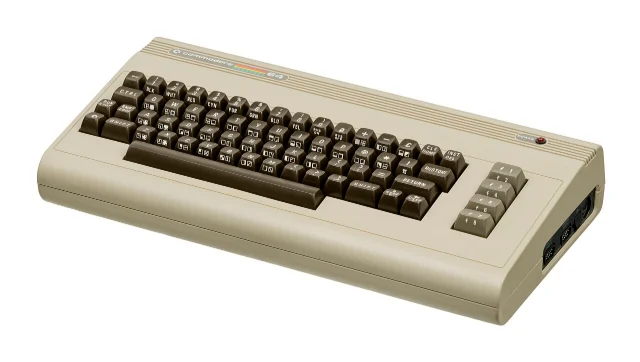
In Europe, Ocean Software converted Donkey Kong in December 1986 and Mario Bros. in 1987 for the Amstrad CPC, ZX Spectrum and Commodore 64; Ocean’s is the only C64 Mario Bros. ever sold, because Atarisoft’s version was never released. Japan took a different route. Hudson Soft produced new takes on Nintendo’s games for home computers, starting in 1984 with Mario Bros. Special and Punch Ball Mario Bros., which lets the brothers stun enemies with thrown balls. In 1986 it followed with Super Mario Bros. Special for the NEC PC-8801 and Sharp X1, an officially licensed remix with fresh layouts that flips from screen to screen rather than scrolling continuously.
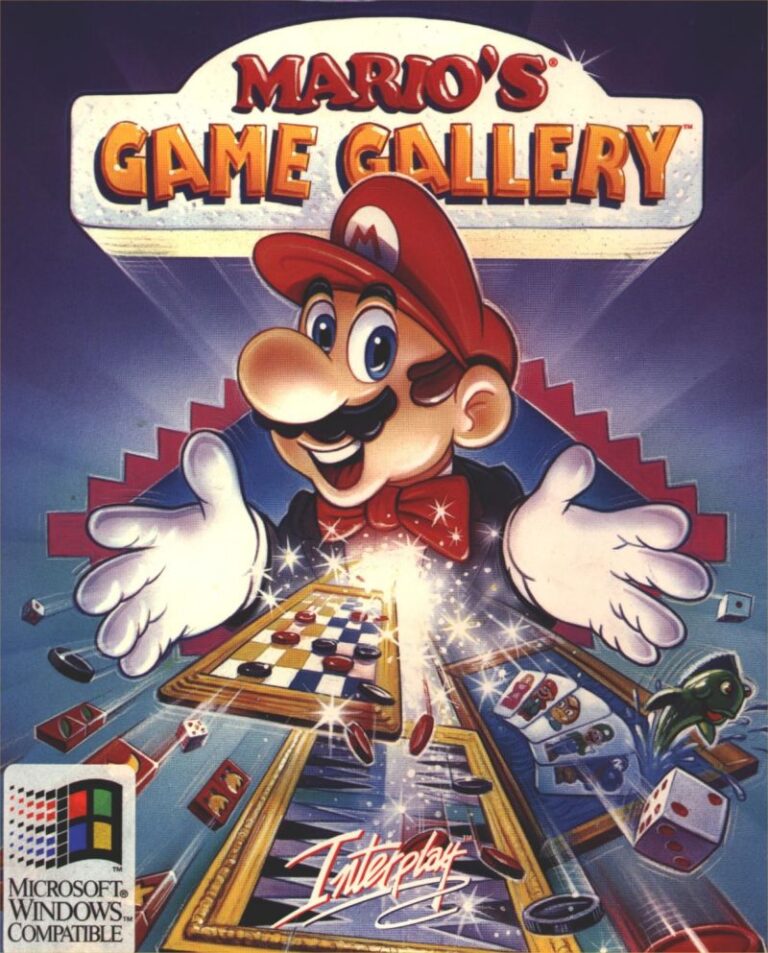
The early 1990s brought a wave of licensed PC edutainment. Interplay’s Mario Teaches Typing (1992) gained an enhanced CD-ROM edition voiced by Charles Martinet, and its 1996 sequel Mario Teaches Typing 2 added a slightly unsettling talking 3D head. The Software Toolworks released Mario is Missing! in January 1993, giving Luigi the lead, and followed it with Mario’s Time Machine and the preschool Mario’s Early Years! series, all later ported to Nintendo’s consoles. Merit Software’s careers-themed colouring book Super Mario Bros. & Friends: When I Grow Up (1992) and Presage’s board-game collection Mario’s Game Gallery (1995) rounded out the shelf. Nintendo licensed the characters, but on titles such as Mario’s Time Machine it had no hand in development.
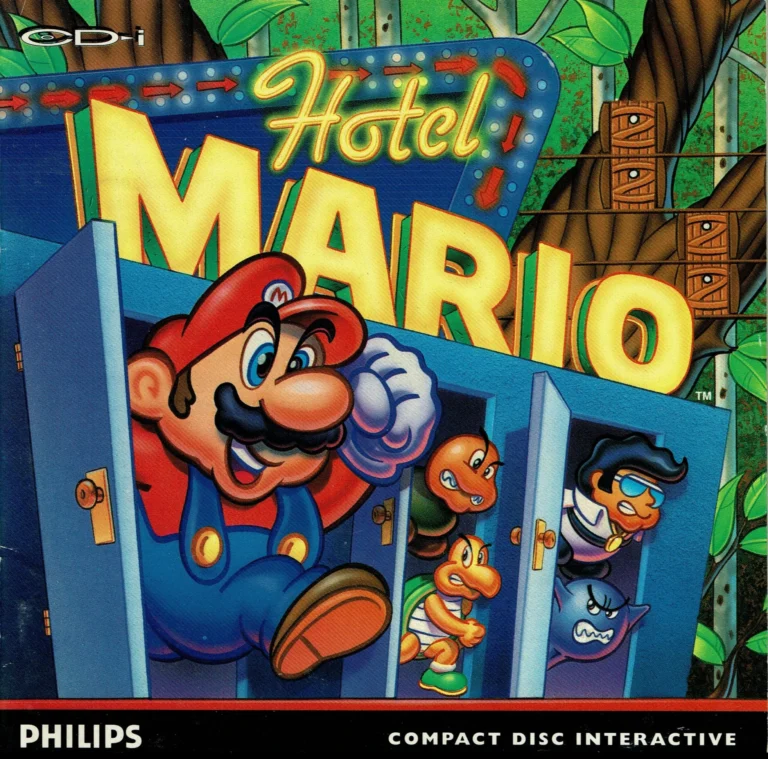
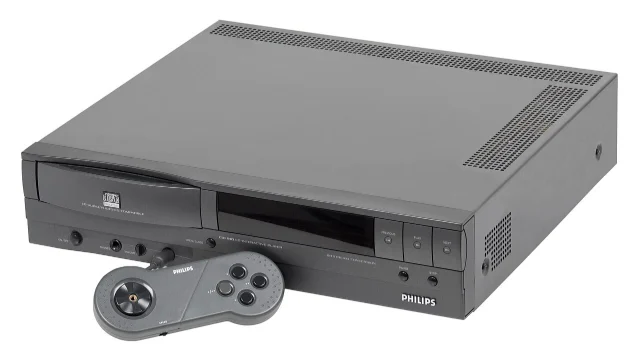
The strangest chapter came from Philips. Nintendo had first worked with Sony on a CD-ROM add-on for the Super NES, then switched to Philips, and when the add-on was abandoned Philips kept the right to use some Nintendo characters on its own CD-i player, launched in late 1991 at around US$1,000. The result was three Zelda games and Hotel Mario (1994), a Fantasy Factory puzzle game in which Mario shuts doors across 75 stages in seven hotels run by the Koopalings and Bowser, linked by cartoon cutscenes. Mixed reviews at the time have since hardened into a reputation as one of the weakest Mario games.
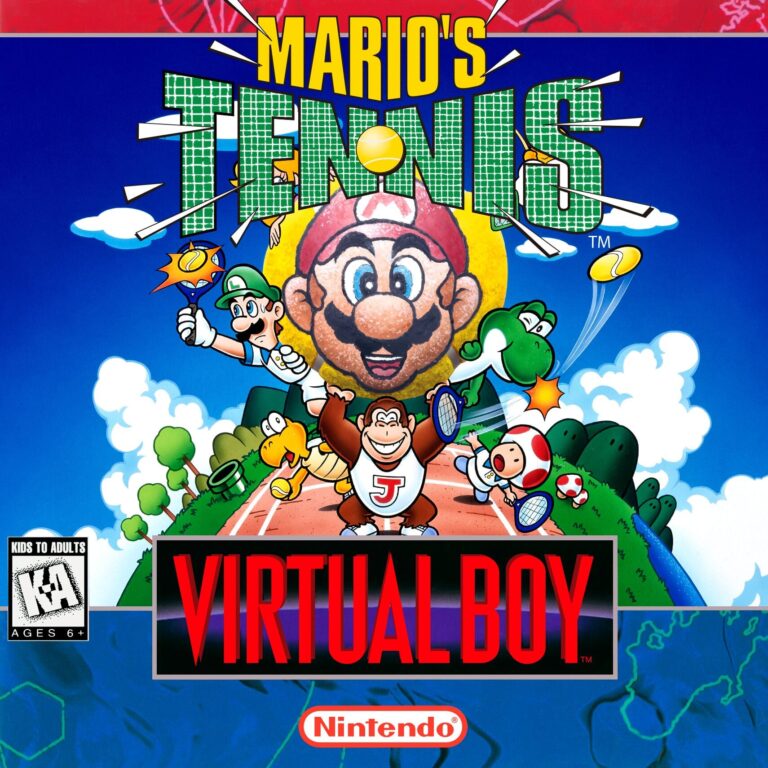
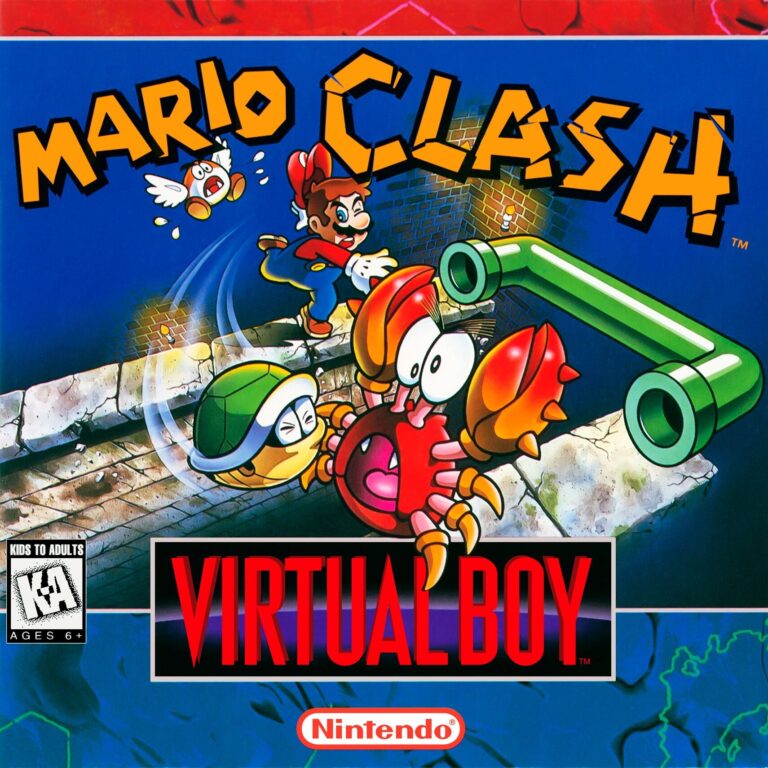
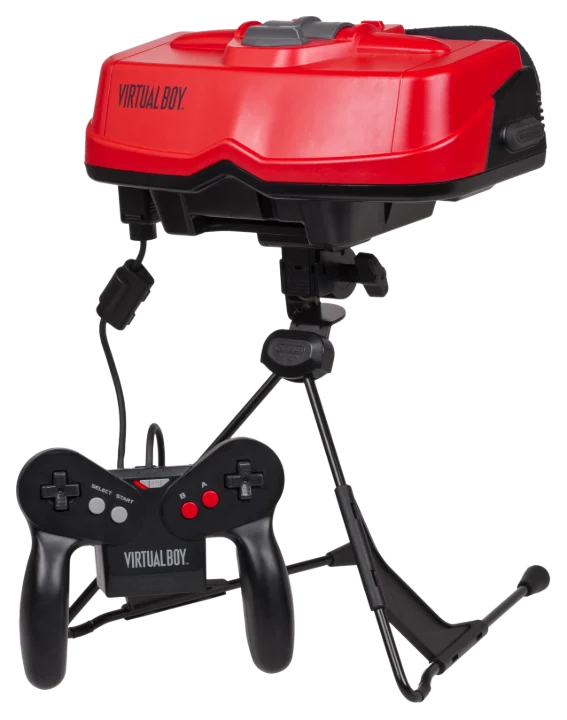
The Virtual Boy is Nintendo’s own hardware, but it sits apart from the main line. Gunpei Yokoi’s R&D1 built it around red LED displays licensed from Reflection Technology and a 32-bit NEC V810 processor, and it launched on 21 July 1995 in Japan and 14 August in North America, never reaching Europe. Mario’s Tennis was a launch title and the North American pack-in, and Mario Clash (September 1995) was the first stereoscopic 3D Mario game. Only 770,000 units sold and Japan dropped it that December, yet in 2026 the system returned as Virtual Boy – Nintendo Classics on Switch Online, with both Mario games added on 10 March 2026.
Two final routes kept Mario on unusual hardware. The Game Boy Advance e-Reader, launched in North America on 16 September 2002, scanned dot-code cards, and from 11 November 2002 players could swipe the complete NES Donkey Kong into their handheld, alongside Mario Bros. and Donkey Kong Jr. cards. In arcades, Namco’s Mario Kart Arcade GP (October 2005) ran on the Triforce board it developed with Sega, added Pac-Man, Ms. Pac-Man and Blinky to the grid and photographed each driver’s face. Mario Kart Arcade GP 2 followed in 2007, Bandai Namco’s Mario Kart Arcade GP DX in July 2013 and a VR edition in 2017. For Mario’s main home, start at our NES hub.
More Mario on other systems
Other notable Mario-related releases on other systems that don’t have their own page here yet:
- Aug 1982Donkey Kong (ColecoVision)PortPacked with every ColecoVision; about two million sold
- Feb 1983Donkey Kong Jr. (ColecoVision, Atari 2600, Intellivision)PortColeco's follow-up ports, with Mario as the villain
- Aug 1984Mario Bros. SpecialSpin-offHudson Soft's reworked Mario Bros. for Japanese computers
- Mar 1986Vs. Super Mario Bros.Main roleArcade edition of Super Mario Bros. for Nintendo's Vs. System
- 1989Mario Bros. (Atari 8-bit)PortAtari Corporation port; the only home version with icicles
- 1993Mario's Early Years! series (MS-DOS)EdutainmentSoftware Toolworks preschool trio, later ported to the SNES
- Nov 1995Virtual Boy Wario LandMain roleWario's Virtual Boy platformer; North America before Japan
- Oct 2005Mario Kart Arcade GPSpin-offNamco's Triforce racer; North America before Japan; month only
- Mar 2007Mario Kart Arcade GP 2Spin-offNamco Bandai sequel on the same Triforce hardware
- Jul 2013Mario Kart Arcade GP DXSpin-offBandai Namco sequel; adds Taiko no Tatsujin's Don-chan
- Jul 2017Mario Kart Arcade GP VRSpin-offVR kart ride, almost only at Bandai Namco's VR Zone Tokyo