
Super Mario Games on the Nintendo 3DS
Glasses-free 3D sold the idea, but it took Mario to sell the machine. The Nintendo 3DS went on sale in Japan on 26 February 2011 with no Mario game at all, sold more slowly than Nintendo had hoped and had its price slashed within five months. Then came Super Mario 3D Land in November and Mario Kart 7 in December, and from then on Mario was hardly ever off the release list: Mario Kart 7 became the best-selling 3DS game of all at 18.99 million, and four of Nintendo’s ten biggest 3DS sellers feature Mario.
This hub gathers all 20 3DS Mario games with their own pages on Super Luigi Bros., from 3D Land to the Bowser’s Inside Story remake of December 2018, along with the six models of the hardware, the sales, the series firsts and how to play them now that the eShop has closed.
Overview
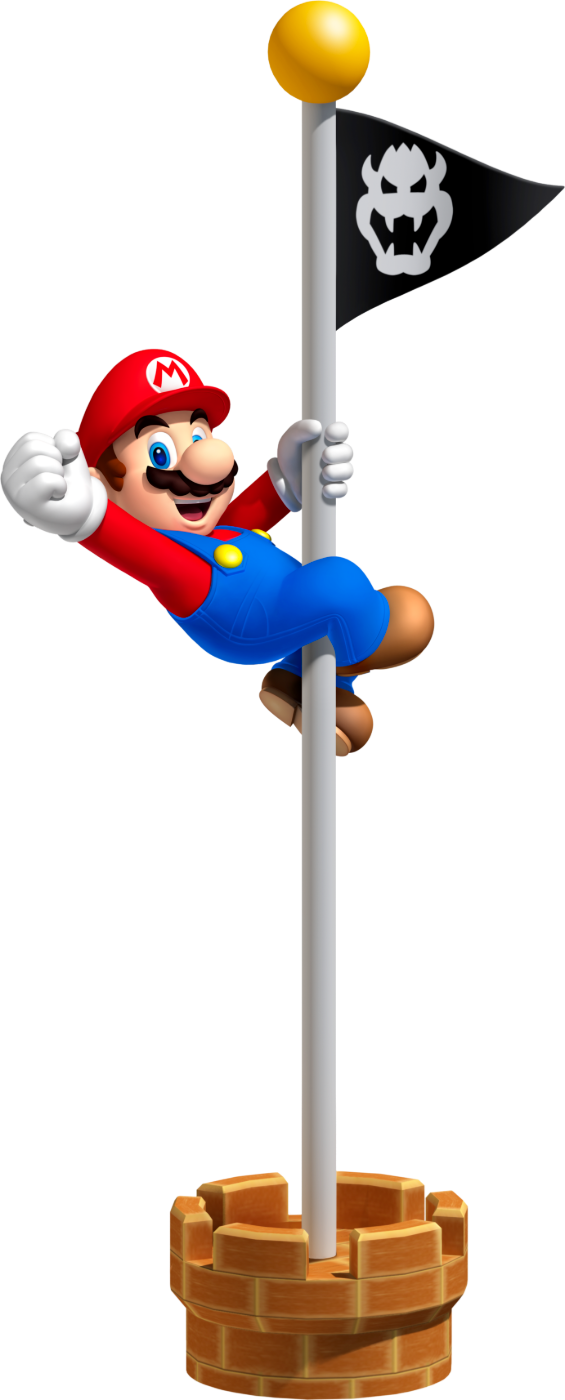
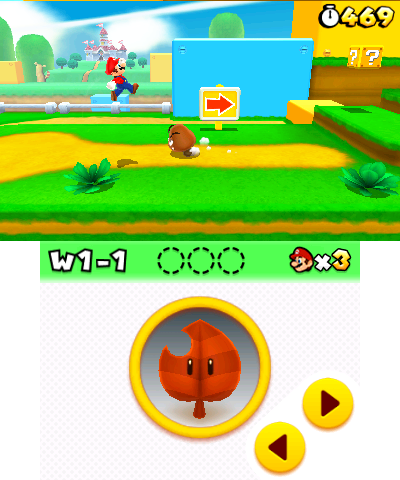
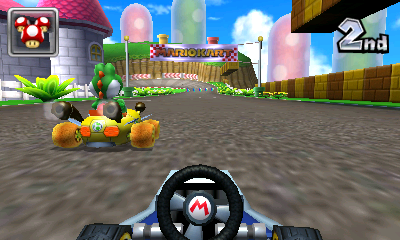
Nintendo launched the 3DS without its mascot. The Japanese line-up of eight games and the bigger Western ones included Nintendogs + Cats, Pilotwings Resort and Steel Diver, sales fell short of expectations, and on 28 July 2011 Nintendo announced a price cut of almost a third. The first Mario game arrived more than eight months after the Japanese launch: Super Mario 3D Land, out in Japan on 3 November 2011, was built around the stereoscopic screen and mixed the free movement of a 3D Mario with the short, timed courses and flagpoles of the 2D ones. Mario Kart 7 followed on 1 December with hang-gliders, underwater driving and karts built from parts. By January 2012 3D Land had become the first 3DS game reported past five million, and the system closed its first year on about 15 million consoles.
From then on Mario barely left. 2012 brought Mario & Sonic at the London 2012 Olympic Games, Mario Tennis Open, New Super Mario Bros. 2 (the first boxed Nintendo game you could also download on launch day) and Paper Mario: Sticker Star, the first Paper Mario on a handheld. 2013 was Nintendo’s Year of Luigi, opened by Luigi’s Mansion 2 and carried on by Mario & Luigi: Dream Team, with Mario Party: Island Tour in time for Christmas. 2014 added Yoshi’s New Island, Mario Golf: World Tour, Super Smash Bros. for Nintendo 3DS and the bite-sized Ultimate NES Remix.
The games came from all over Nintendo’s family of studios. Nintendo EAD Tokyo made 3D Land; Mario Kart 7 was a joint effort with Retro Studios; Vancouver’s Next Level Games took over Luigi’s Mansion; Intelligent Systems made Sticker Star; AlphaDream made Dream Team and both of the later Mario & Luigi remakes; Camelot handled tennis and golf; NDcube did Island Tour and Arzest did Yoshi. Nintendo Software Technology in Redmond built Mario vs. Donkey Kong: Tipping Stars and the 3DS Super Mario Maker, and SEGA made the Olympic games.
The 3DS kept getting Mario long after the Switch had taken over. The Superstar Saga remake arrived in October 2017, Captain Toad: Treasure Tracker came out on the same day as its Switch twin in July 2018, Grezzo remade Luigi’s Mansion that October, and AlphaDream signed off with the Bowser’s Inside Story remake in Japan on 27 December 2018. Production stopped in September 2020, and the family has now sold 75.94 million consoles and 392.31 million games, about half the DS’s 154.02 million consoles but still a huge audience for Mario.
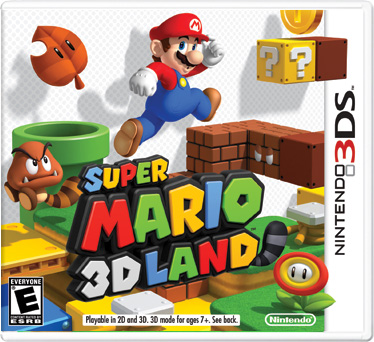
- Super Mario 3D Land: the 3DS’s own 3D Mario, and the reason to turn the 3D slider up.
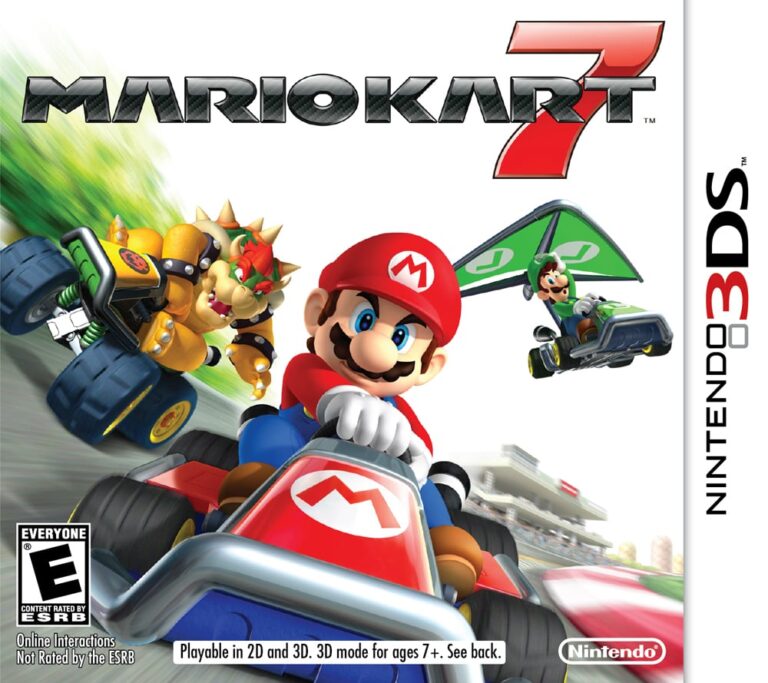
- Mario Kart 7: gliders, propellers and the system’s best-seller.
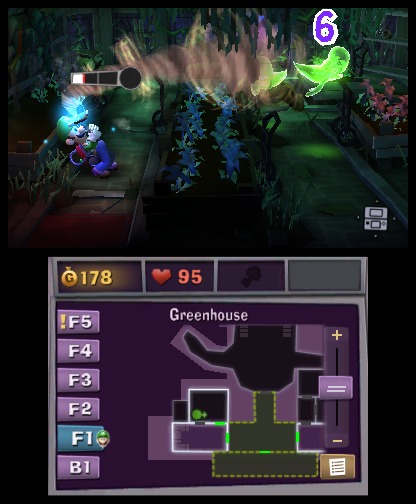
- Luigi’s Mansion 2: five haunted houses, a Poltergust 5000 and Luigi at his most lovable.
Quick Answers
Short answers to the questions people ask most about Mario on the Nintendo 3DS.
How many Mario games are on the Nintendo 3DS?
Super Luigi Bros. has 20 Nintendo 3DS Mario games with their own pages, counting the remakes of Superstar Saga, Luigi’s Mansion and Bowser’s Inside Story and the 3DS versions of Super Mario Maker and Captain Toad. More, such as Mario Party: Star Rush, are listed under More Mario further down. More →
What was the first Mario game on the 3DS?
Super Mario 3D Land, released in Japan on 3 November 2011, in North America on 13 November and in Europe on 18 November. Mario Kart 7 followed a month later. More →
Was there a Mario game at the 3DS launch?
No. The launch games in Japan (26 February 2011) and the West (March 2011) included Nintendogs + Cats, Pilotwings Resort and Steel Diver, but Mario’s first 3DS game came more than eight months later. More →
What is the best-selling Mario game on the 3DS?
Mario Kart 7, with 18.99 million copies according to Nintendo (31 March 2026). It is also the best-selling 3DS game of all, ahead of every Pokémon game on the system. More →
What was the last Mario game for the 3DS?
Mario & Luigi: Bowser’s Inside Story + Bowser Jr.’s Journey, released in Japan on 27 December 2018, in North America on 11 January 2019 and in Europe on 25 January 2019. More →
Can you still buy 3DS Mario games?
Only on Game Card. Nintendo eShop purchases on 3DS ended on 27 March 2023, though anything already bought can still be downloaded again. Online play ended on 8 April 2024; local wireless and Download Play still work. More →
Are the 3DS Mario games on Nintendo Switch?
A few. Luigi’s Mansion 2 HD came to Switch on 27 June 2024 and Captain Toad: Treasure Tracker launched on Switch the same day as on 3DS, but Super Mario 3D Land and New Super Mario Bros. 2 have never been released on another system, and Nintendo Classics has no DS or 3DS library. More →
Can a 3DS play DS Mario games?
Yes. Every 3DS and 2DS model runs Nintendo DS and DSi software (only games that need the Game Boy Advance slot are out), so New Super Mario Bros. and Mario Kart DS work fine, in 2D. More →
Which 3DS Mario games came out in the West first?
Plenty: Mario & Sonic at London 2012, Mario Tennis Open, Paper Mario: Sticker Star, Dream Team, Island Tour, Yoshi’s New Island, Ultimate NES Remix, Tipping Stars and the Luigi’s Mansion remake all reached Japan later. Island Tour and Yoshi’s New Island waited four months. More →
Do any 3DS Mario games need a New Nintendo 3DS?
Not on Game Card, though the Super NES Virtual Console downloads, Mario ones included, needed a New model. The only boxed games limited to the New 3DS family were Xenoblade Chronicles 3D, Minecraft, Fire Emblem Warriors and Runbow Pocket. The New models do read amiibo without an add-on, which helps with the many Mario games that support the figures. More →
All Nintendo 3DS Mario Games
Every Nintendo 3DS game with Mario or his family that has its own page on Super Luigi Bros., in order of first release on the 3DS anywhere in the world. Remakes and ports made for the 3DS are included; Virtual Console downloads of older games are not (they are covered under the hardware). Click a tile for the full page.
Each tile says what kind of Mario game it is. Main role means a Mario adventure or RPG built around Mario, Luigi, Yoshi or the Mario vs. Donkey Kong Minis; Spin-off covers karting, party, sports, crossover and fighting games; Compilation is a collection of older games; Port is an existing game rebuilt for the 3DS; and Remake is an older Mario game redone from the ground up.
- Main role – the classic platform-style Mario adventures, such as Super Mario Bros. and Super Mario Land, plus the RPGs and other games built around Mario himself.
- Spin-off – a game that features Mario throughout but is not a mainstream adventure – karting, party, sports and puzzle games.
Super Mario 3D Land
Mario Kart 7
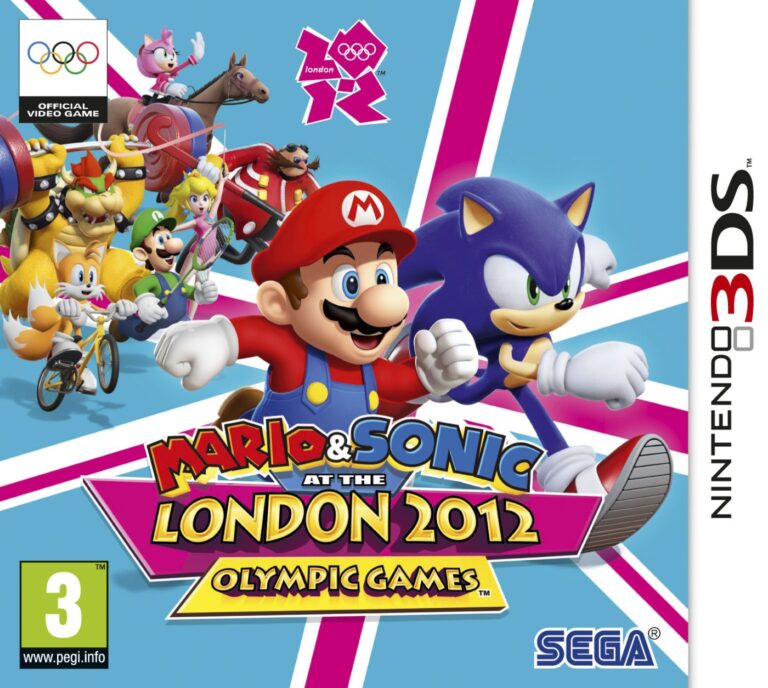
Mario & Sonic at the London 2012 Olympic Games
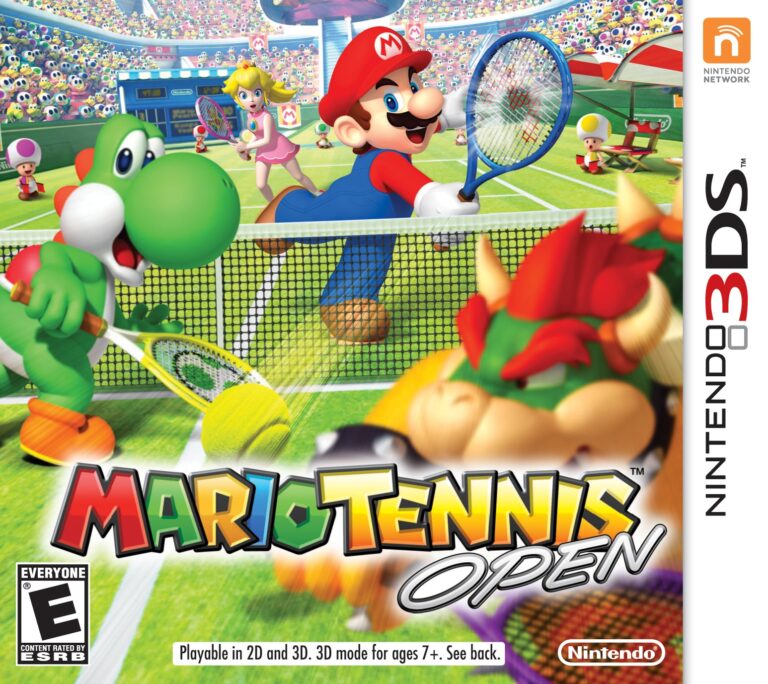
Mario Tennis Open
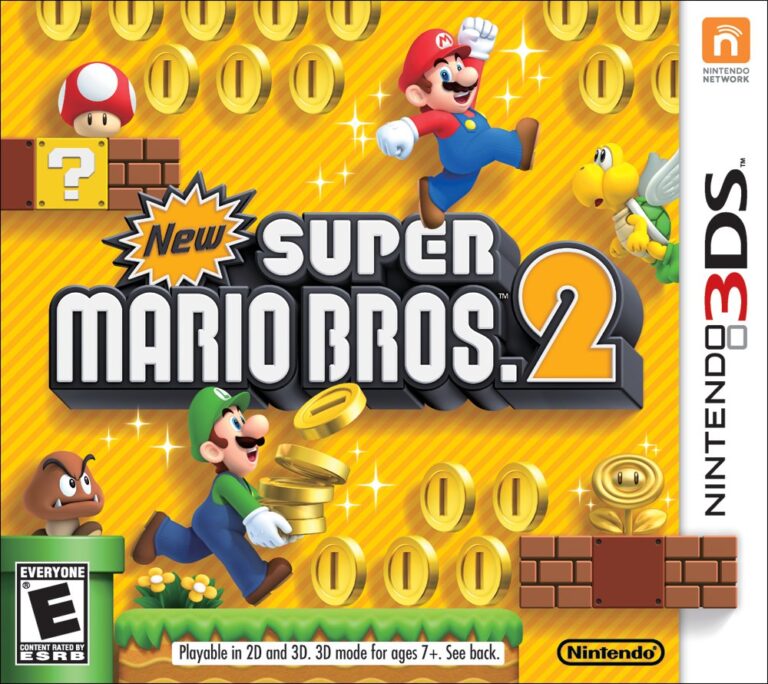
New Super Mario Bros. 2
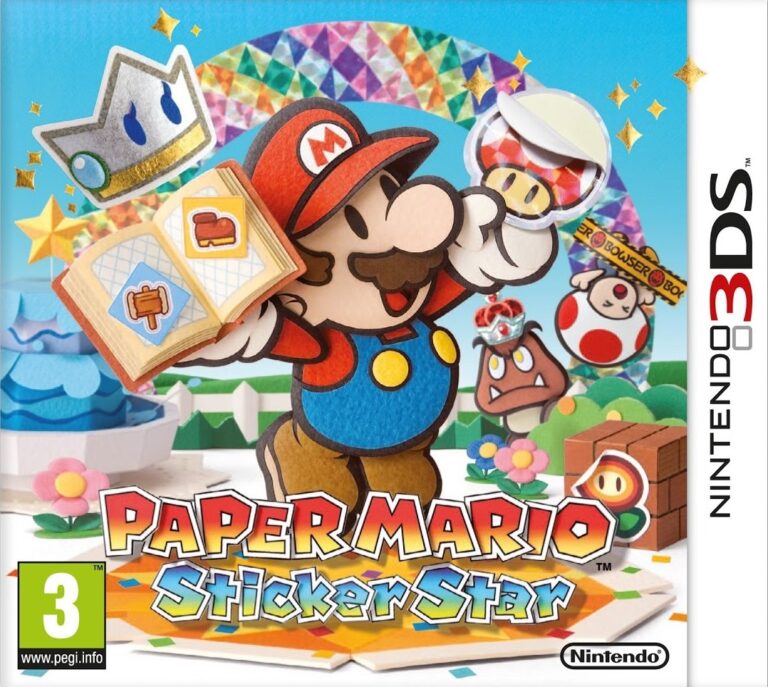
Paper Mario: Sticker Star
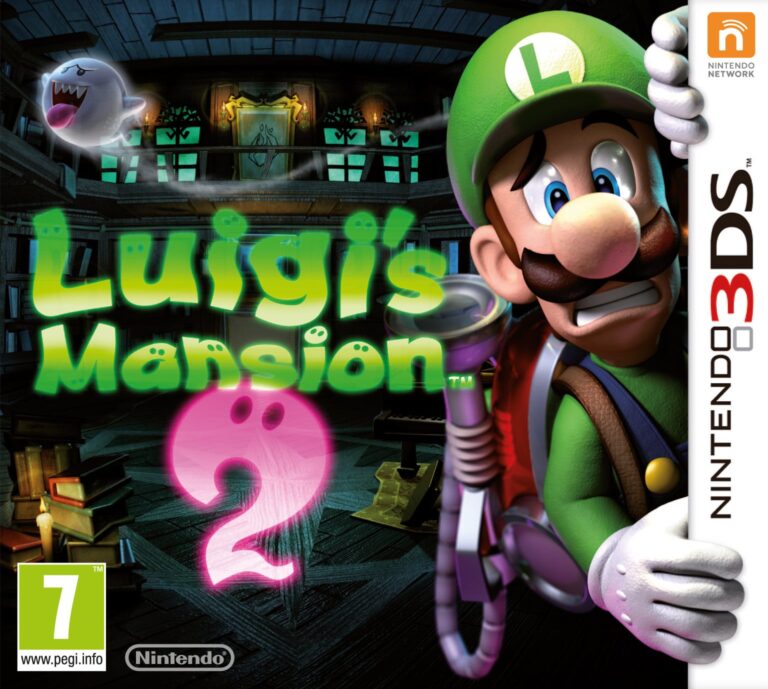
Luigi’s Mansion 2
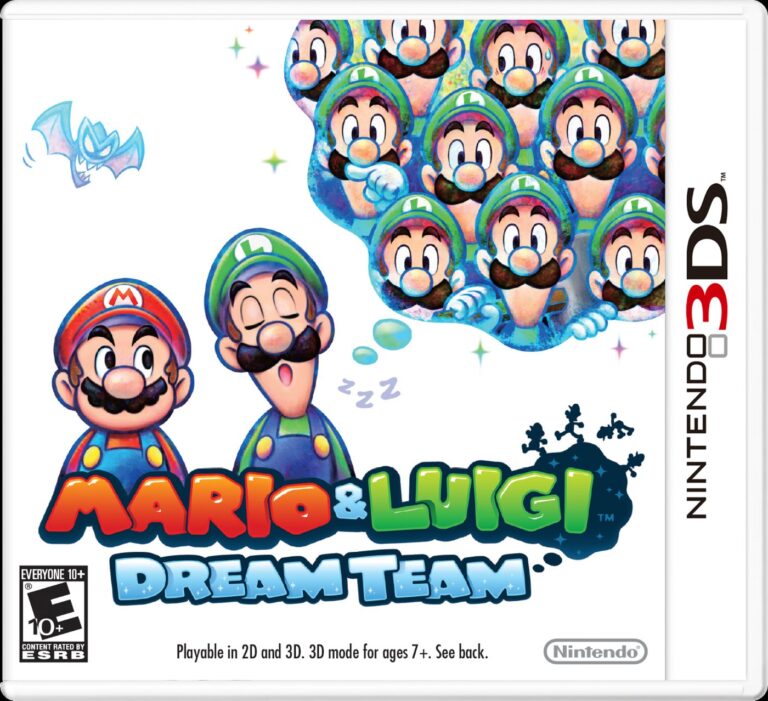
Mario & Luigi: Dream Team
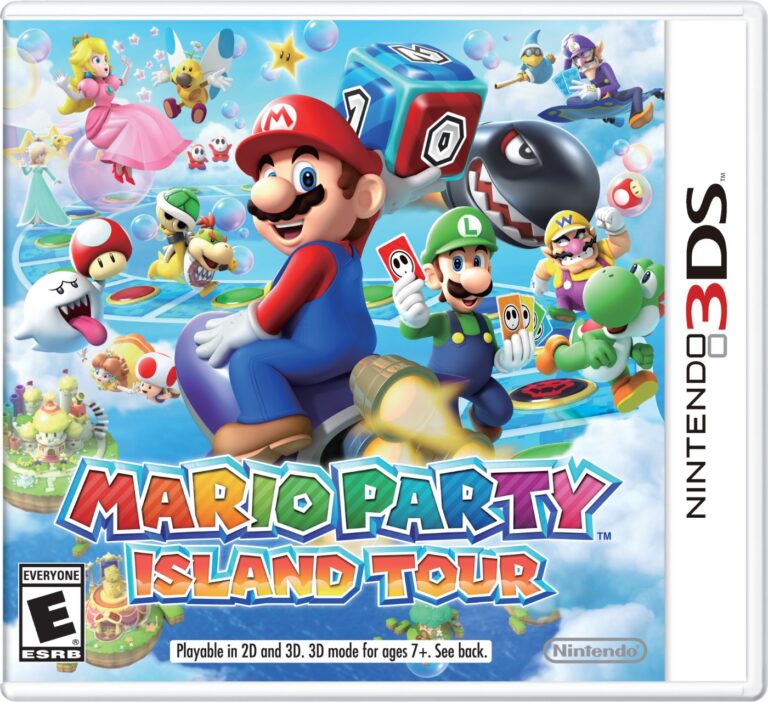
Mario Party: Island Tour
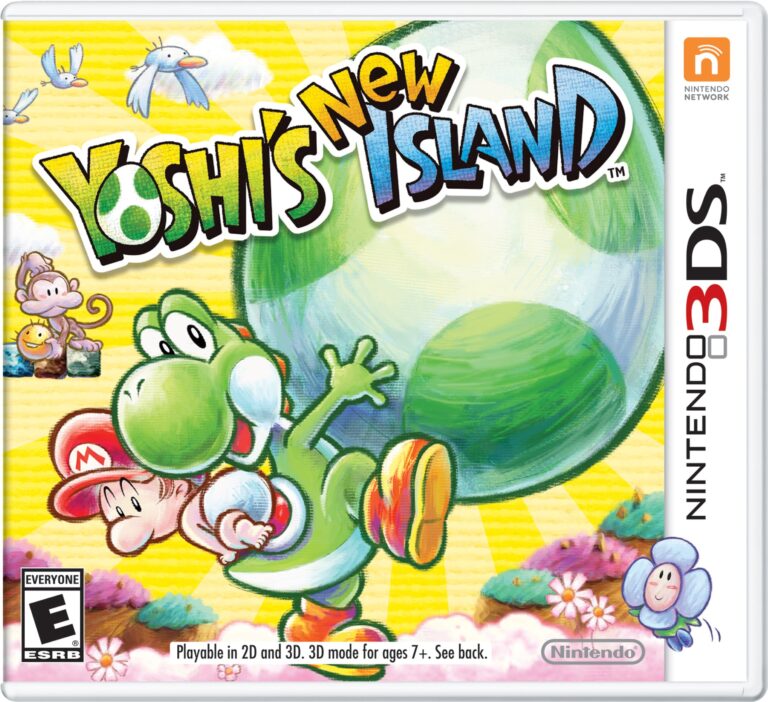
Yoshi’s New Island
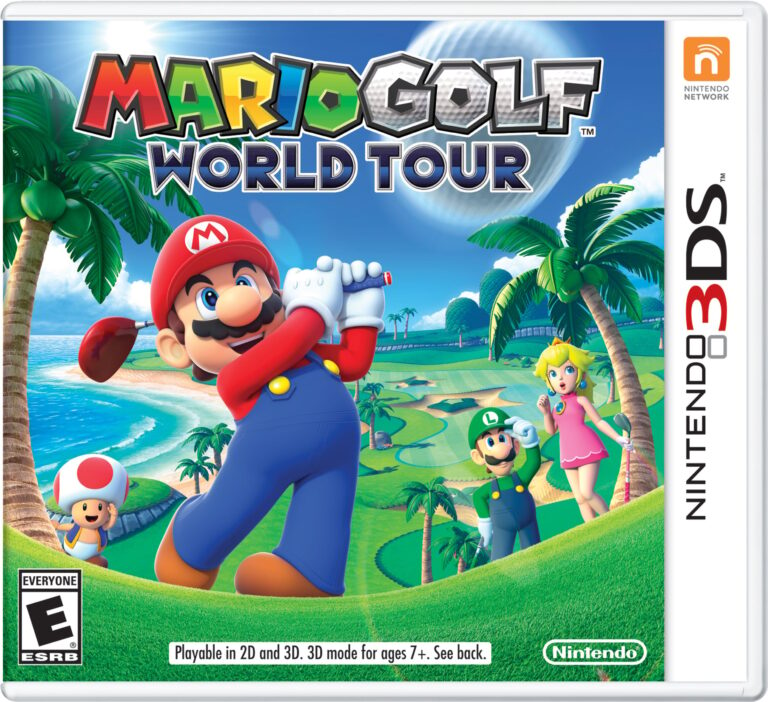
Mario Golf: World Tour
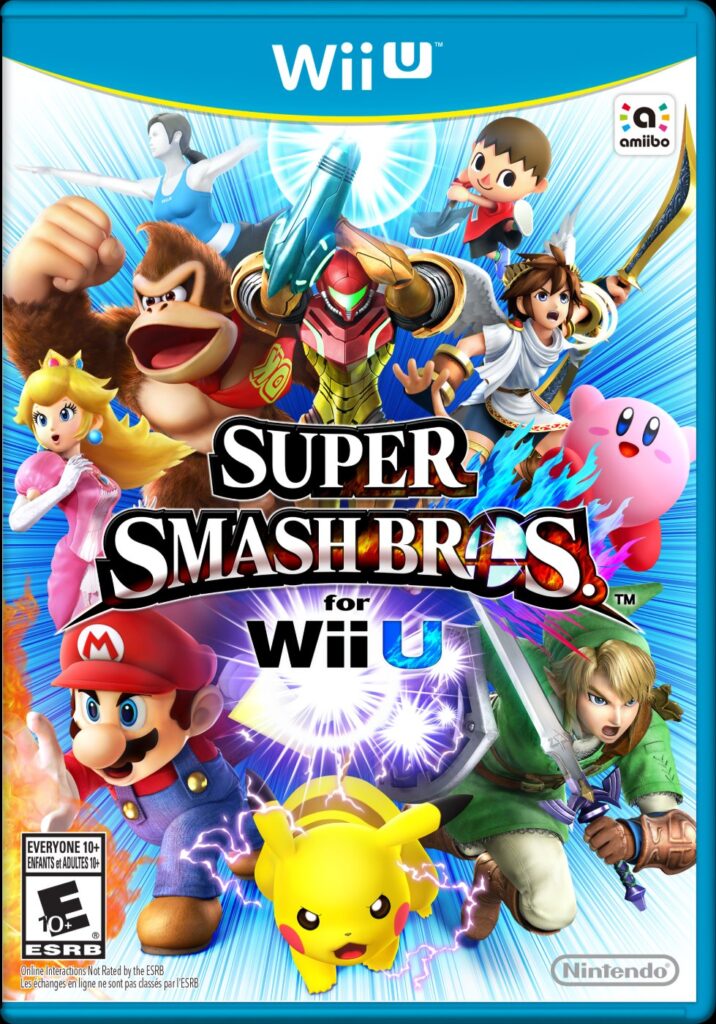
Super Smash Bros. for Nintendo 3DS
Ultimate NES Remix
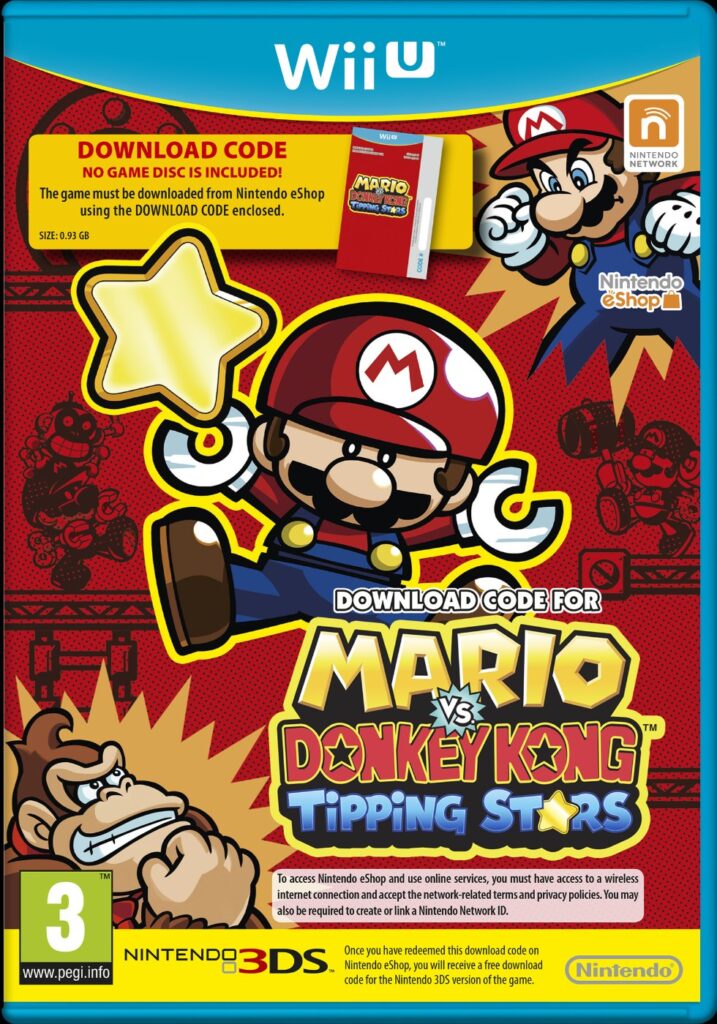
Mario vs. Donkey Kong: Tipping Stars
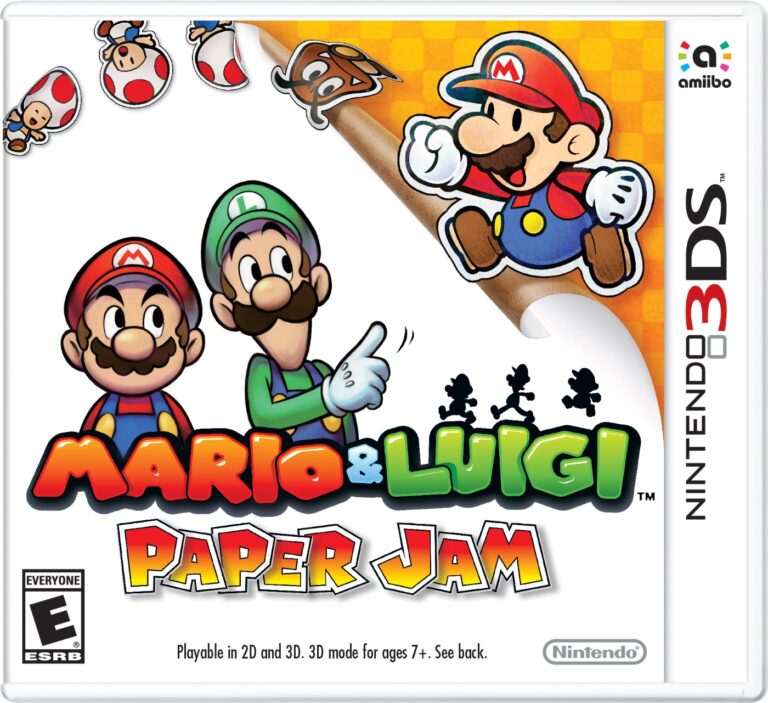
Mario & Luigi: Paper Jam
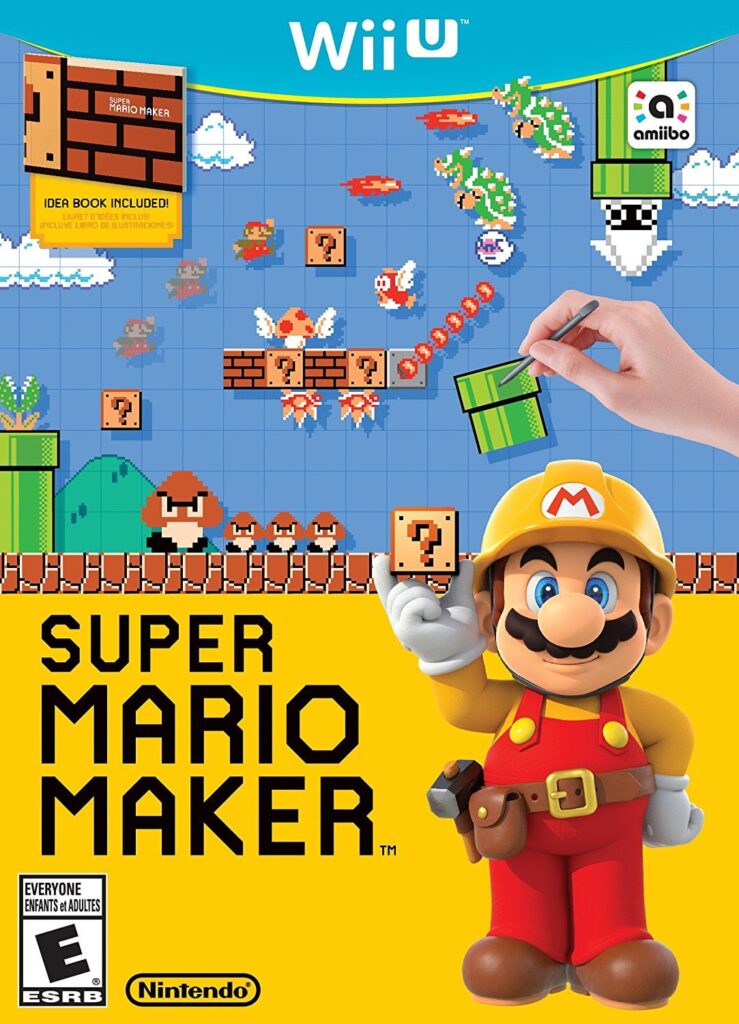
Super Mario Maker for Nintendo 3DS
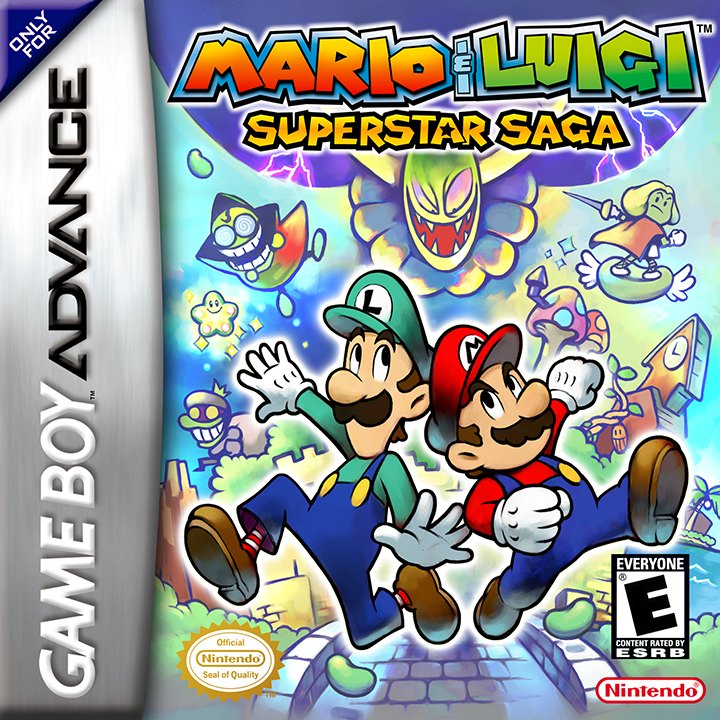
Mario & Luigi: Superstar Saga + Bowser’s Minions
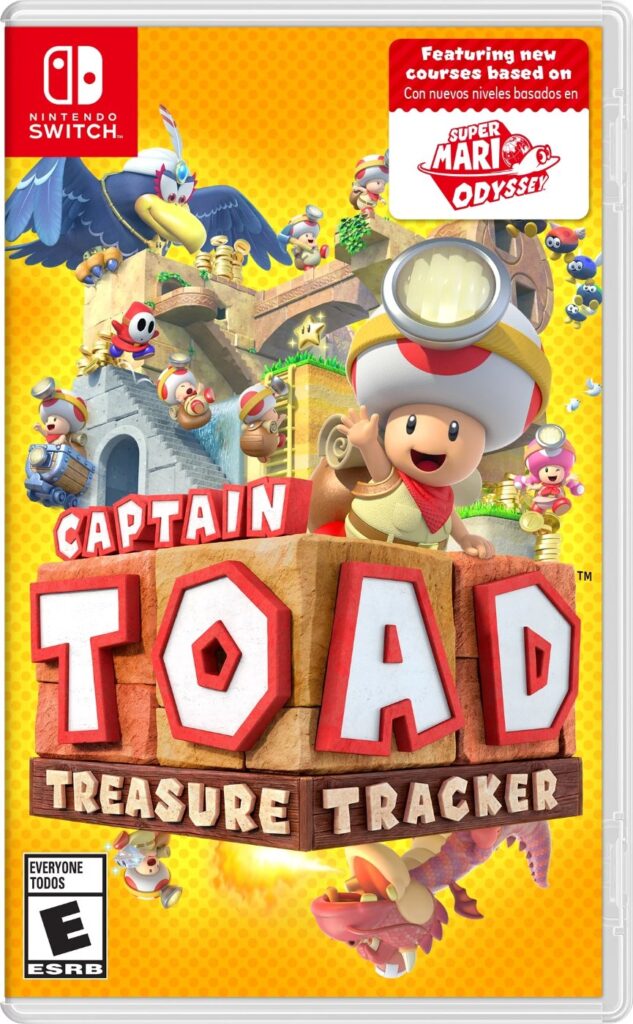
Captain Toad: Treasure Tracker (3DS)
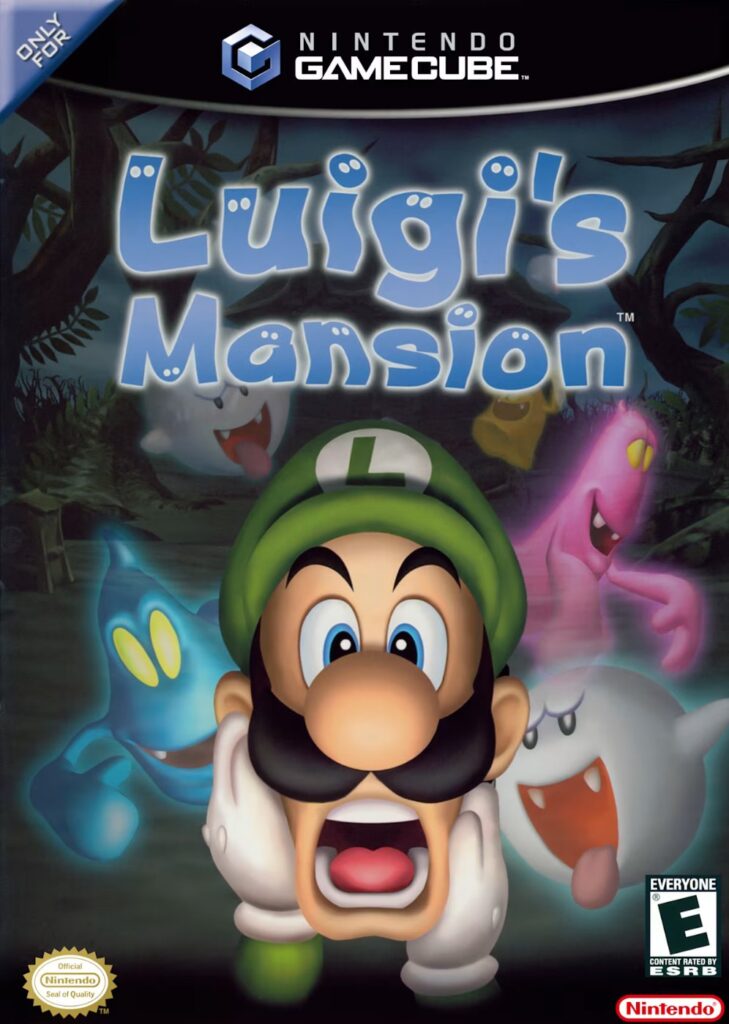
Luigi’s Mansion (3DS)
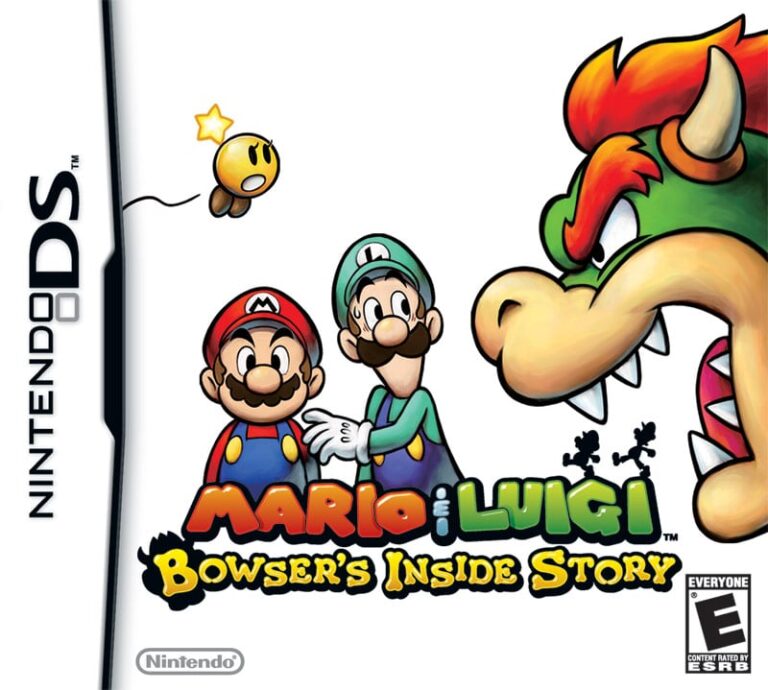
Mario & Luigi: Bowser’s Inside Story + Bowser Jr.’s Journey
The Nintendo 3DS Hardware
Six models in nine years, one cartridge format and a screen that could pop out at you without glasses. Here is the machine behind the games, and where Mario fits into its story.
Glasses-free 3D, with a little help from Luigi
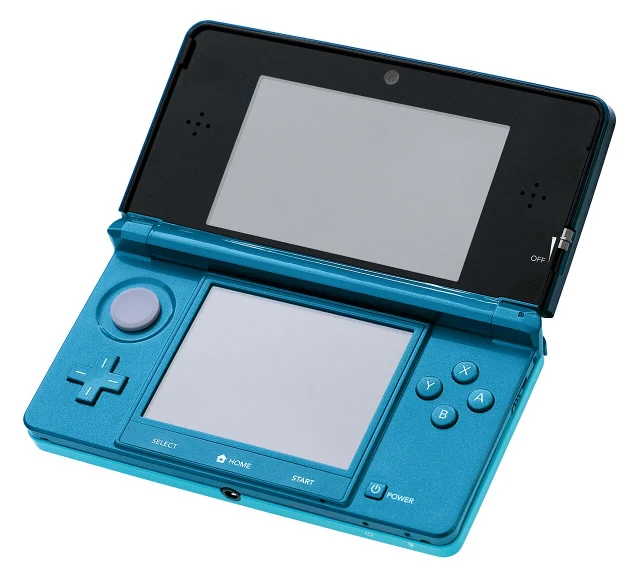
Codenamed CTR and designed by Nintendo Research & Engineering, the 3DS was announced on 23 March 2010 and shown properly at E3 on 15 June. Its party trick was the 3.53-inch top screen: a parallax barrier sends a different 400 × 240 picture to each eye, so the 800 × 240 panel shows depth with no glasses, and a slider sets how strong the effect is. Below it sit a 3-inch resistive touchscreen and an analogue Circle Pad, and there are three 0.3-megapixel cameras, two of them facing outwards to take 3D photos. Inside are a dual-core ARM11 MPCore at 268 MHz, a PICA200 graphics chip and 128 MB of FCRAM, with an ARM9 on hand for DS games: the 3DS plays all DS and DSi software except titles that need the Game Boy Advance slot, though never in 3D. Games come on Game Cards of 1, 2 or 4 GB, and StreetPass and SpotPass swap data with passing players or download it in the background.
Mario had a hand in the idea long before the hardware existed. The GameCube had stereoscopic 3D circuitry built in, and Luigi’s Mansion was the game Nintendo got running on it, only for the plan to die because the special screen would have cost more than the console. Satoru Iwata told the story in his Iwata Asks interview on the making of the 3DS, and Shigeru Miyamoto later tried the old game on a 3DS development kit, the test that led to Luigi’s Mansion 2.
A rocky first year
The 3DS reached Japan on 26 February 2011 at ¥25,000, Europe on 25 March (where retailers set the price, mostly £219.99 to £229.99 in the UK), North America on 27 March at US$249.99 and Australia on 31 March at A$349.99. Japan had eight launch games, North America twelve and Europe fourteen, and not one of them starred Mario. Sales were slower than Nintendo expected, Sony’s PlayStation Vita was on the way, and on 28 July 2011 Nintendo announced a cut of nearly a third, to US$169.99 and ¥15,000.
To say sorry, early owners who had connected to the Nintendo eShop before the price cut took effect on 12 August 2011 joined the Ambassador Program and got 20 free games: ten NES games from 1 September 2011 (31 August in Japan) and ten Game Boy Advance games from 16 December. Mario was everywhere in the list, from Super Mario Bros. and Wrecking Crew to Mario Kart: Super Circuit and WarioWare, Inc. With the price down and 3D Land and Mario Kart 7 in the shops for Christmas, the 3DS ended its first year at around 15 million consoles.
Six shapes of 3DS
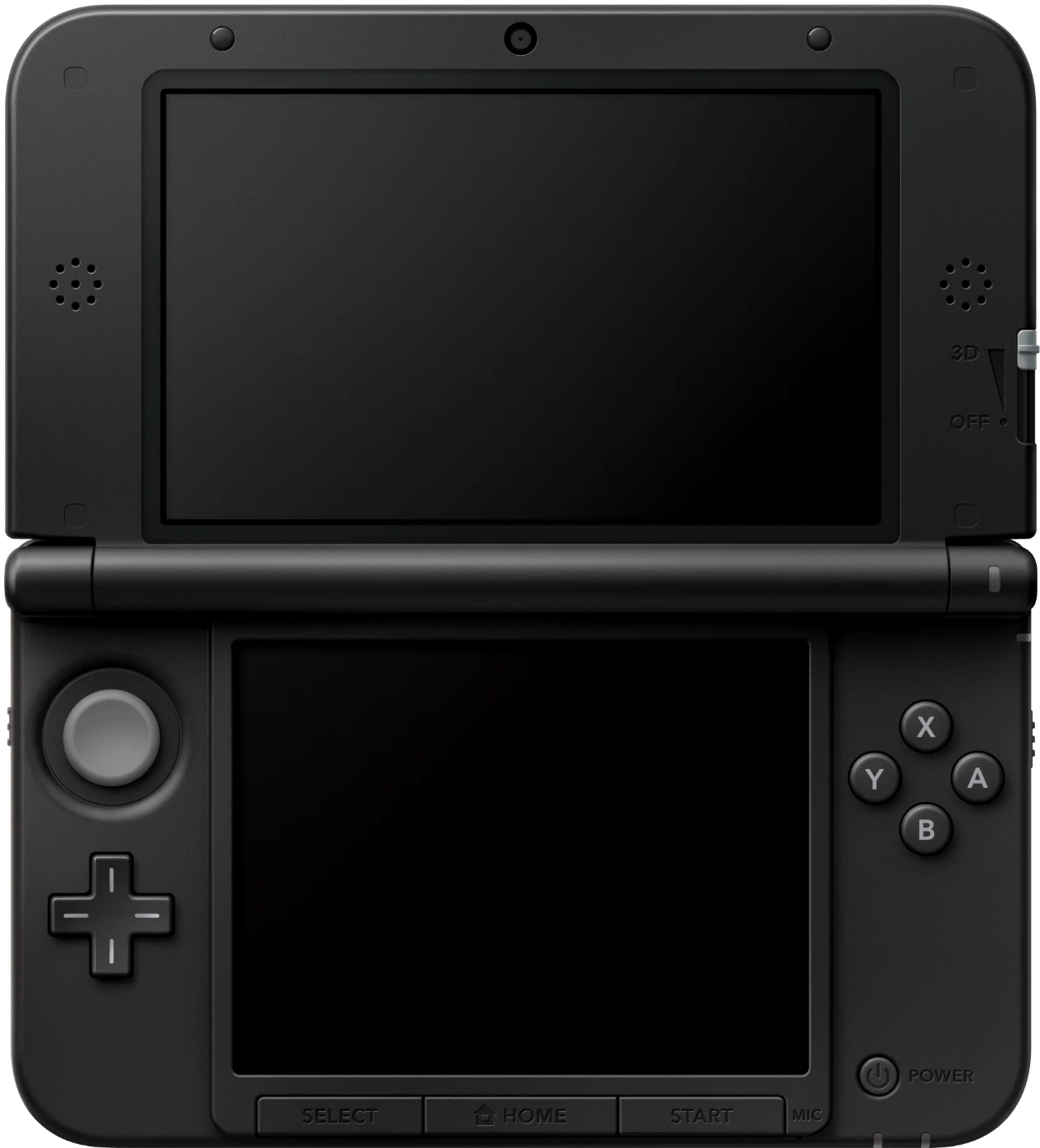
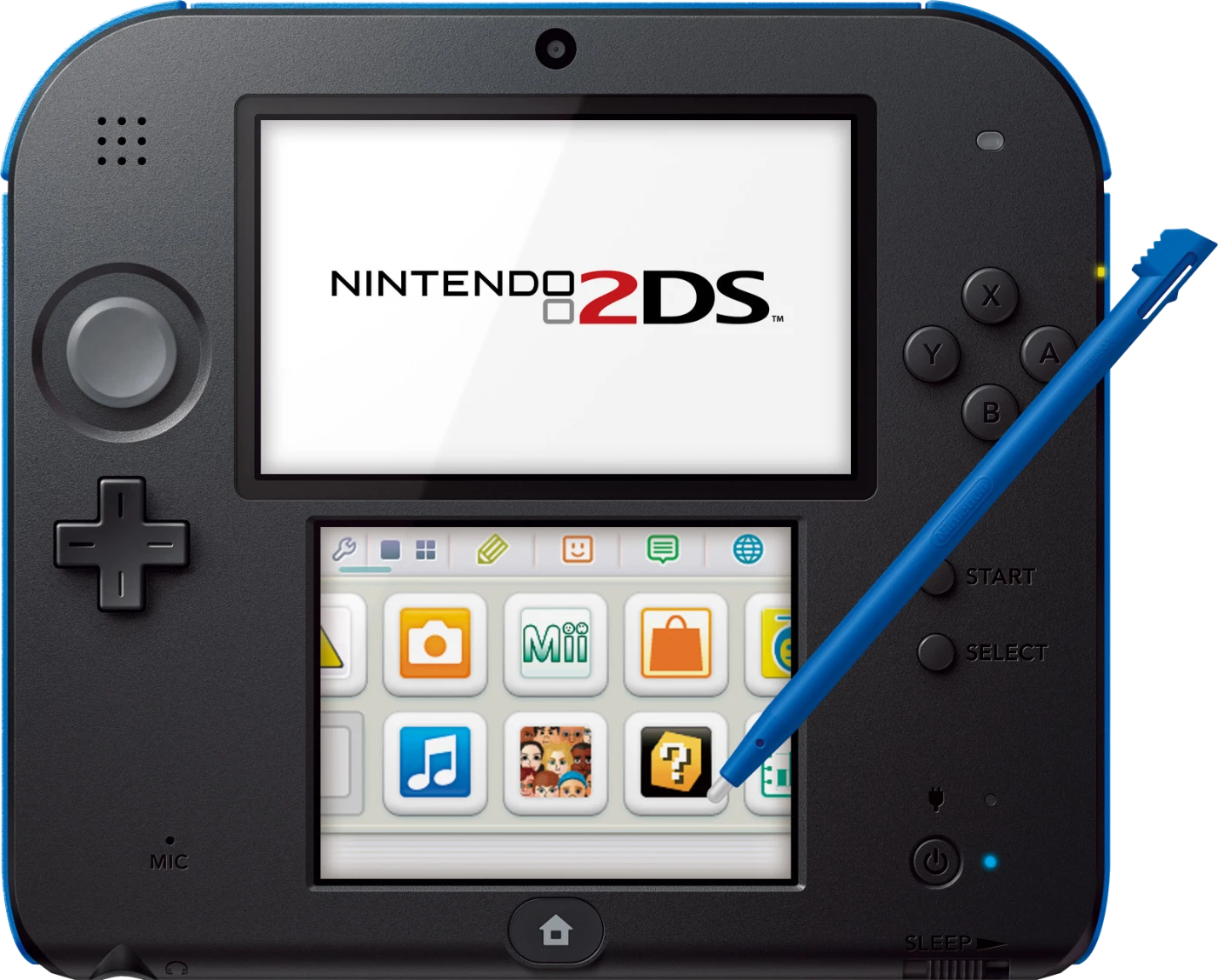
The Nintendo 3DS XL (3DS LL in Japan) stretched the screens to 4.88 and 4.18 inches. It launched in Japan and Europe on 28 July 2012, the same day as New Super Mario Bros. 2 in Japan, and in North America on 19 August at US$199.99, again alongside New Super Mario Bros. 2. The Nintendo 2DS of 12 October 2013 was a cheaper, non-folding slate with no 3D at US$129.99; it did not reach Japan until 27 February 2016.
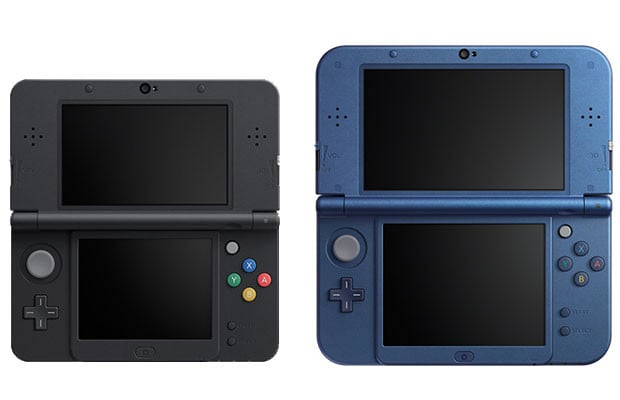
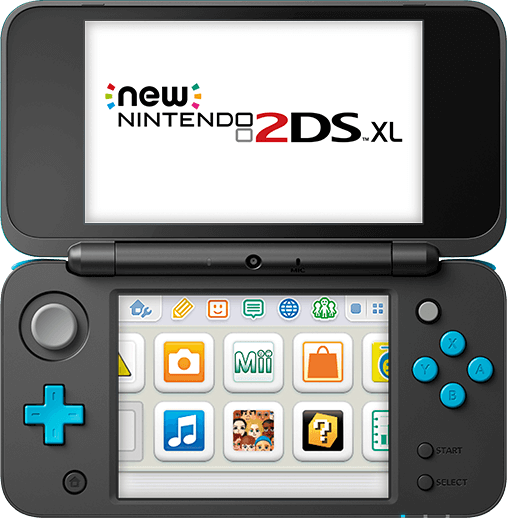
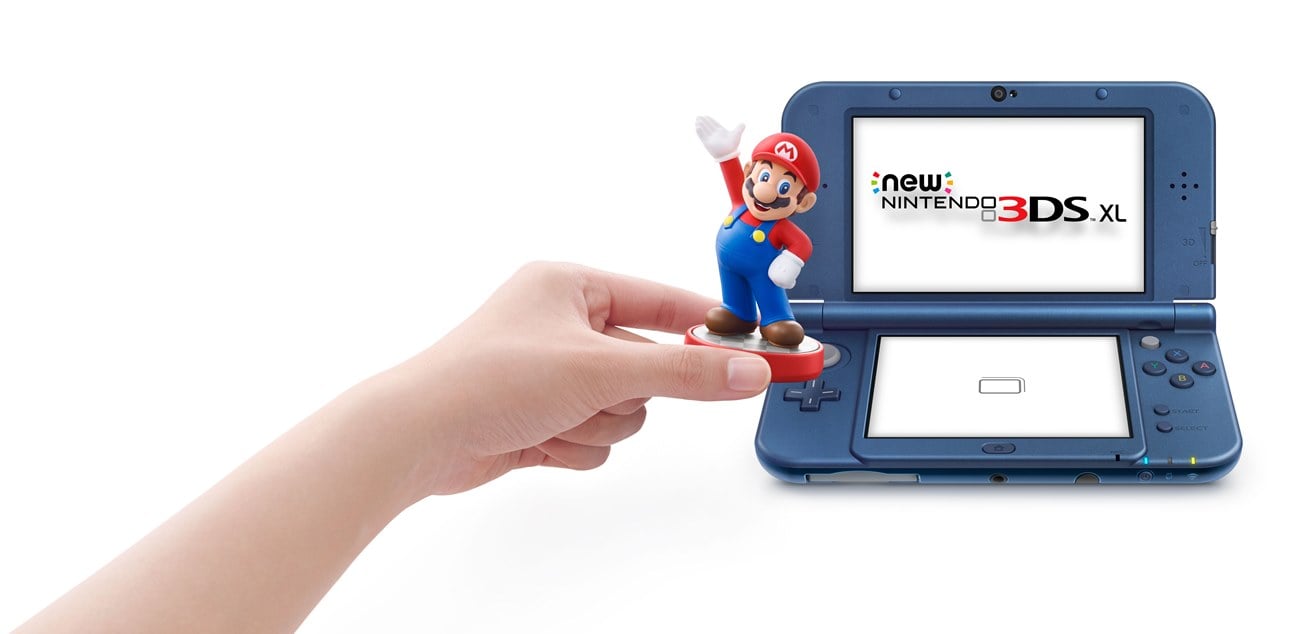
The New Nintendo 3DS and New Nintendo 3DS XL (Japan 11 October 2014; the XL in Europe and North America on 13 February 2015) were a real upgrade: a quad-core 804 MHz processor, 256 MB of RAM, a C-Stick nub and ZL and ZR buttons, built-in NFC for amiibo, face tracking that keeps the 3D image steady as you move, and microSD storage. They also got Super NES games on the Virtual Console from March 2016. The last model, the New Nintendo 2DS XL, folded again but dropped the 3D; it came out in Australia and New Zealand on 15 June 2017, Japan on 13 July and Europe and North America on 28 July at US$149.99. Production of the whole family ended in September 2020.
Mario consoles and bundles
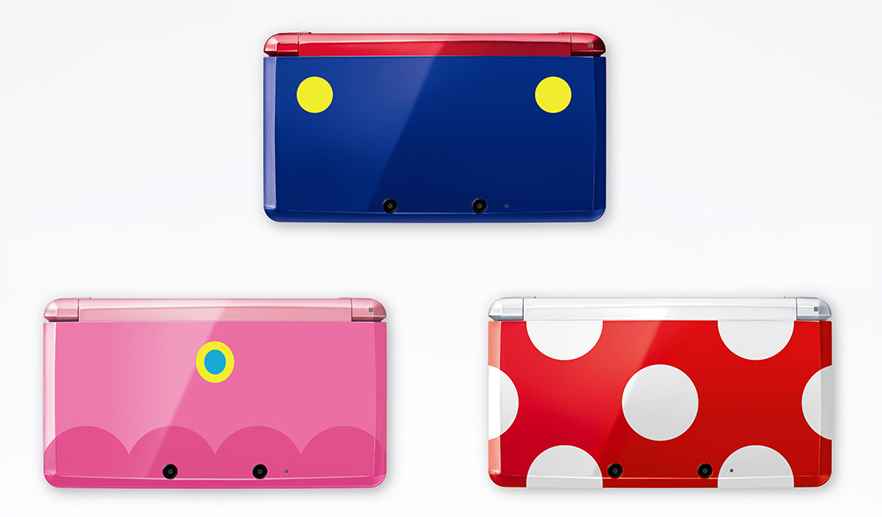
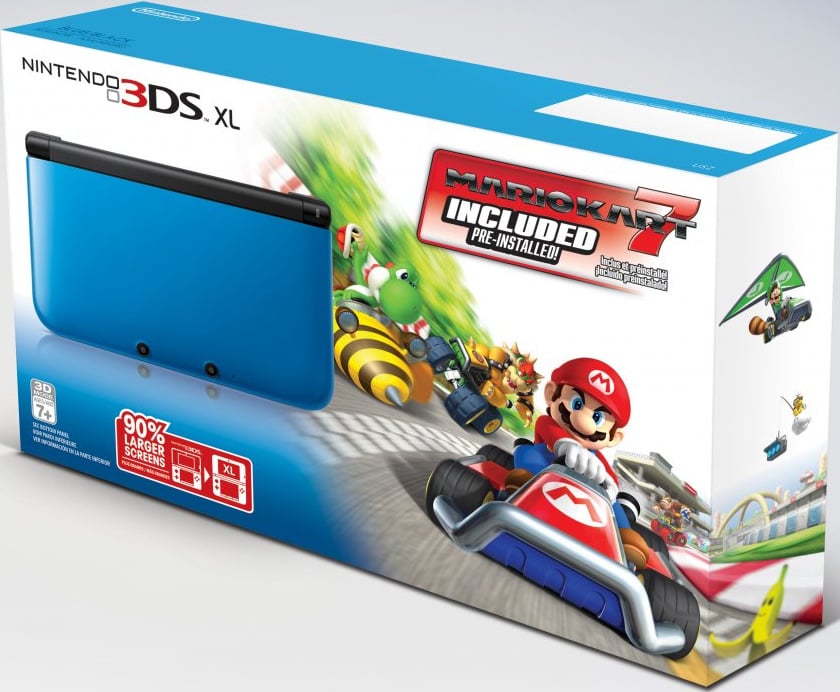
Mario sold a lot of 3DS hardware in a box. Super Mario 3D Land came packed with a Flame Red 3DS in North America and an Ice White one in Europe, and Japan had Ice White and Pearl Pink consoles with 3D Land and the original Super Mario Bros. already installed. Mario Kart 7 had its own bundles (Canada got a blue console), and in the United States Luigi’s Mansion: Dark Moon came with a Cobalt Blue 3DS while Canada had a black one. Club Nintendo members in Japan, Europe and Australia could get exclusive 3DS consoles decorated for Mario, Princess Peach and Toad.
The 3DS XL had its turn too. Japan had a Year of Luigi model, North America sold a special-edition 3DS XL with Mario & Luigi: Dream Team, and a green Yoshi Edition 3DS XL with eggs on the back launched with Yoshi’s New Island on 14 March 2014 (US$199.99). New Super Mario Bros. 2 Gold Edition, with all the Coin Rush packs, came pre-installed on 3DS XL bundles in North America and 2DS bundles in Europe, and China’s iQue 3DS XL launched in December 2012 in Mario and Mario-and-Luigi decal editions.
Add-ons that mattered to Mario
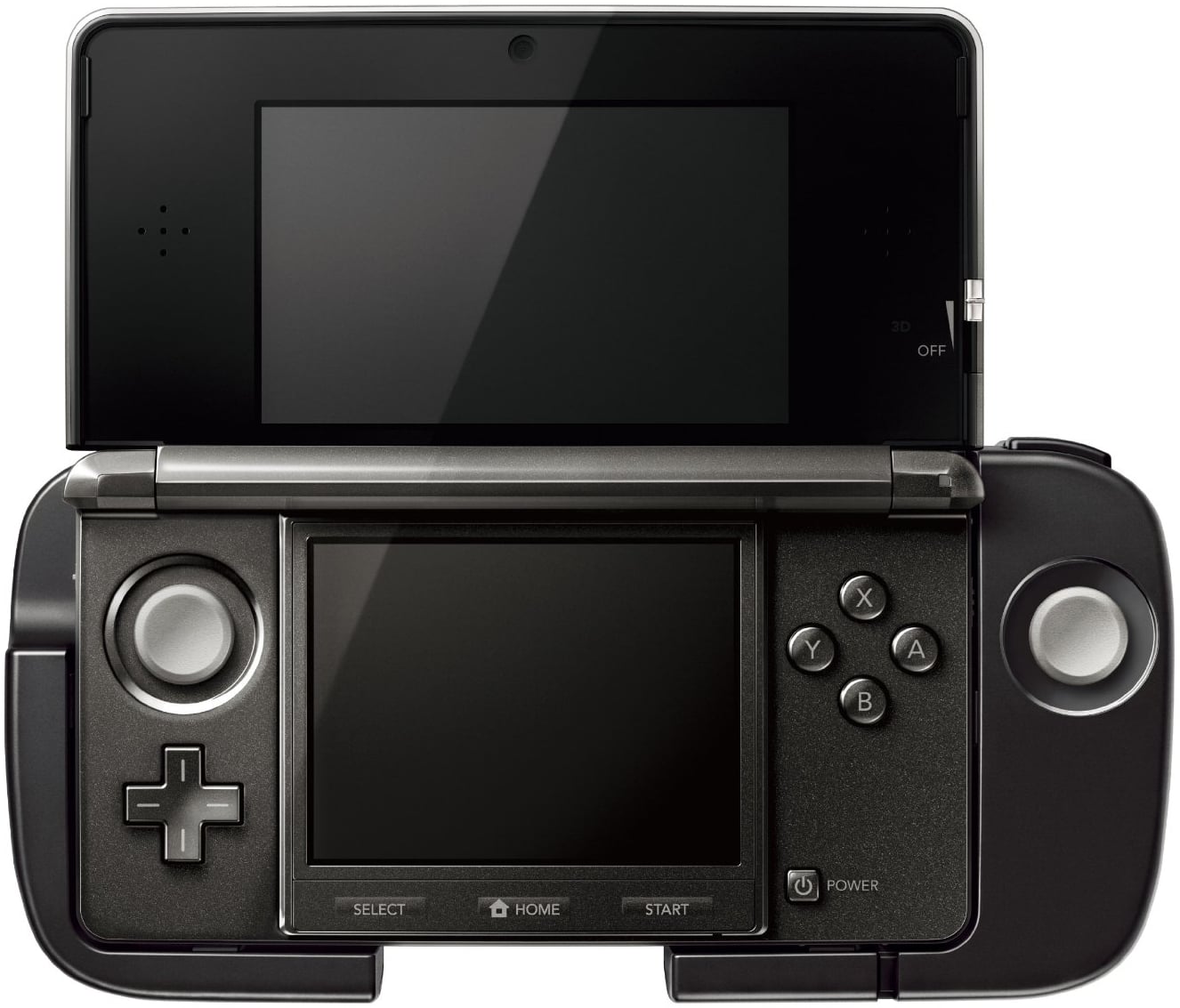
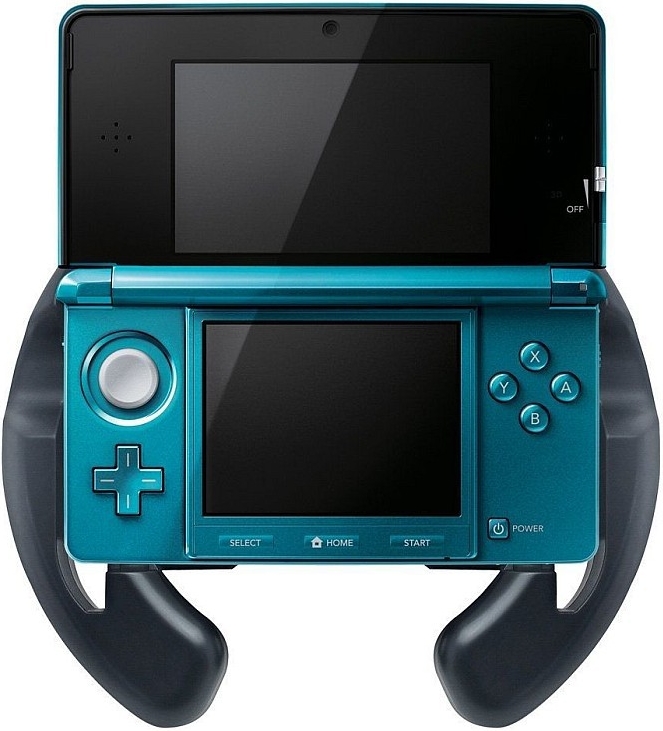
The Circle Pad Pro clipped round the console to add a second Circle Pad and ZL and ZR triggers, talking to it by infrared; the XL had its own version, sold only in Cosmos Black, and the 2DS had none. By most counts just one Super Mario game works with it: the 2018 remake of Luigi’s Mansion. For Mario Kart 7 there was a plastic steering wheel, also in Cosmos Black only.
Then came amiibo. The New 3DS models have NFC built in, while older systems needed a separate NFC Reader/Writer. By most counts, thirteen Super Mario games on the 3DS have amiibo support.
eShop, Virtual Console and the switch-off
The Nintendo eShop opened on the 3DS in June 2011 and became the home of Mario downloads: New Super Mario Bros. 2 was the first Nintendo-published game sold there on the day it hit shops, Tipping Stars was download-only outside Japan, and the Virtual Console carried NES, Game Boy, Game Boy Color and Game Gear games, with Super NES titles for New 3DS owners only. Miiverse, which Tipping Stars had used to share player-made levels, closed on 7 November 2017.
The shop wound down in stages: Latin America and the Caribbean lost it in July 2020, adding credit cards stopped on 23 May 2022 and adding funds on 29 August 2022, and purchases ended everywhere else on 27 March 2023. Redownloads still work. Online services for 3DS games, Mario Kart 7 races included, were switched off on 8 April 2024.
Sales & Best-Sellers
How the 3DS sold
Nintendo’s figures put the 3DS family at 75.94 million consoles and 392.31 million games (as of 30 September 2026). That is just under half of the Nintendo DS (154.02 million), and Mario did a lot of the heavy lifting: Mario Kart 7 is its best-selling game, and four of the ten titles on Nintendo’s 3DS best-seller list are Mario games. The other six are Pokémon, Animal Crossing: New Leaf and Tomodachi Life.
Nintendo’s current list stops at Tomodachi Life on 6.73 million, so it no longer shows the rest of the Mario line-up. Its results briefing of May 2014 does give totals for three more Mario games as they stood then, and those are used in the chart below.
- 75.94m3DS family consoles sold (Nintendo IR, 30 Sep 2026)
- 392.31m3DS games sold (Nintendo IR, 30 Sep 2026)
- 18.99mMario Kart 7, the best-selling 3DS game
- 4 of 10Mario games in Nintendo’s 3DS top ten
- 203DS Mario games with their own SLB page
Best-selling Mario games on the Nintendo 3DS
Worldwide sales from Nintendo, with the date of each figure. The top four come from Nintendo’s current 3DS best-seller list; the last three from its May 2014 results briefing.
The 2014 figures are snapshots taken within a year or so of release, so the games kept selling after them, and Nintendo’s current top-ten list does not show their totals. Mario Kart 7 was already on 9.62 million at that point, and has almost doubled since.
Mario Firsts on the 3DS
Series firsts that happened on the 3DS, each checked against the earlier games on every system.
Mario on the 3DS in Pictures
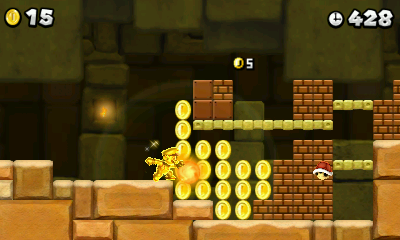
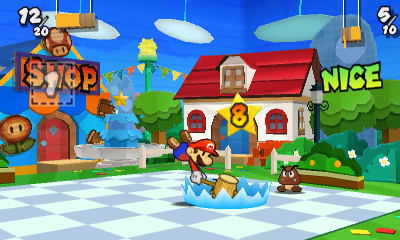
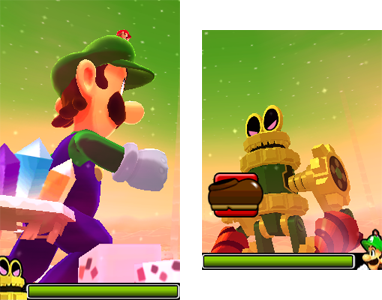
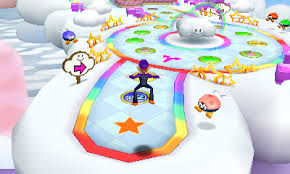
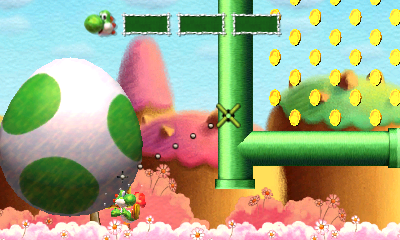
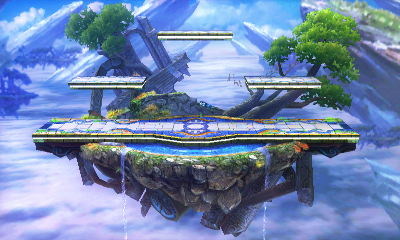
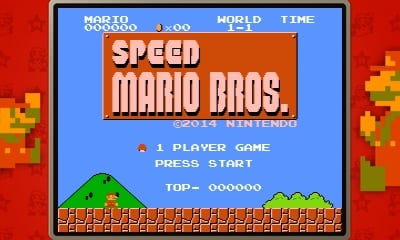
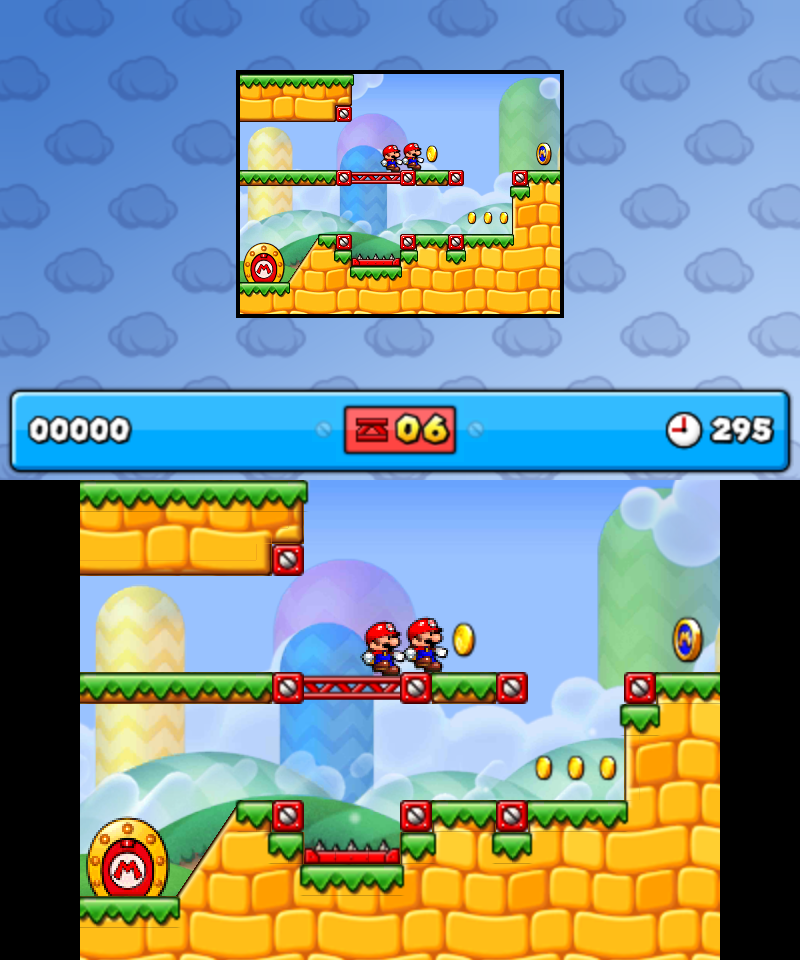
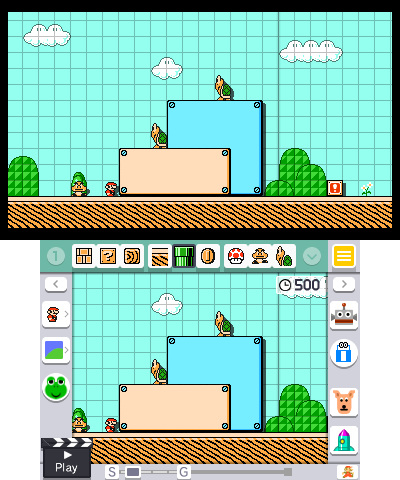
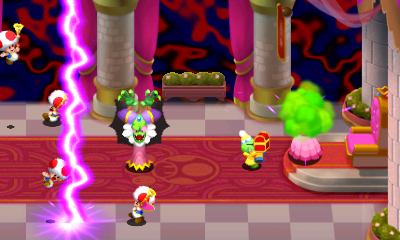
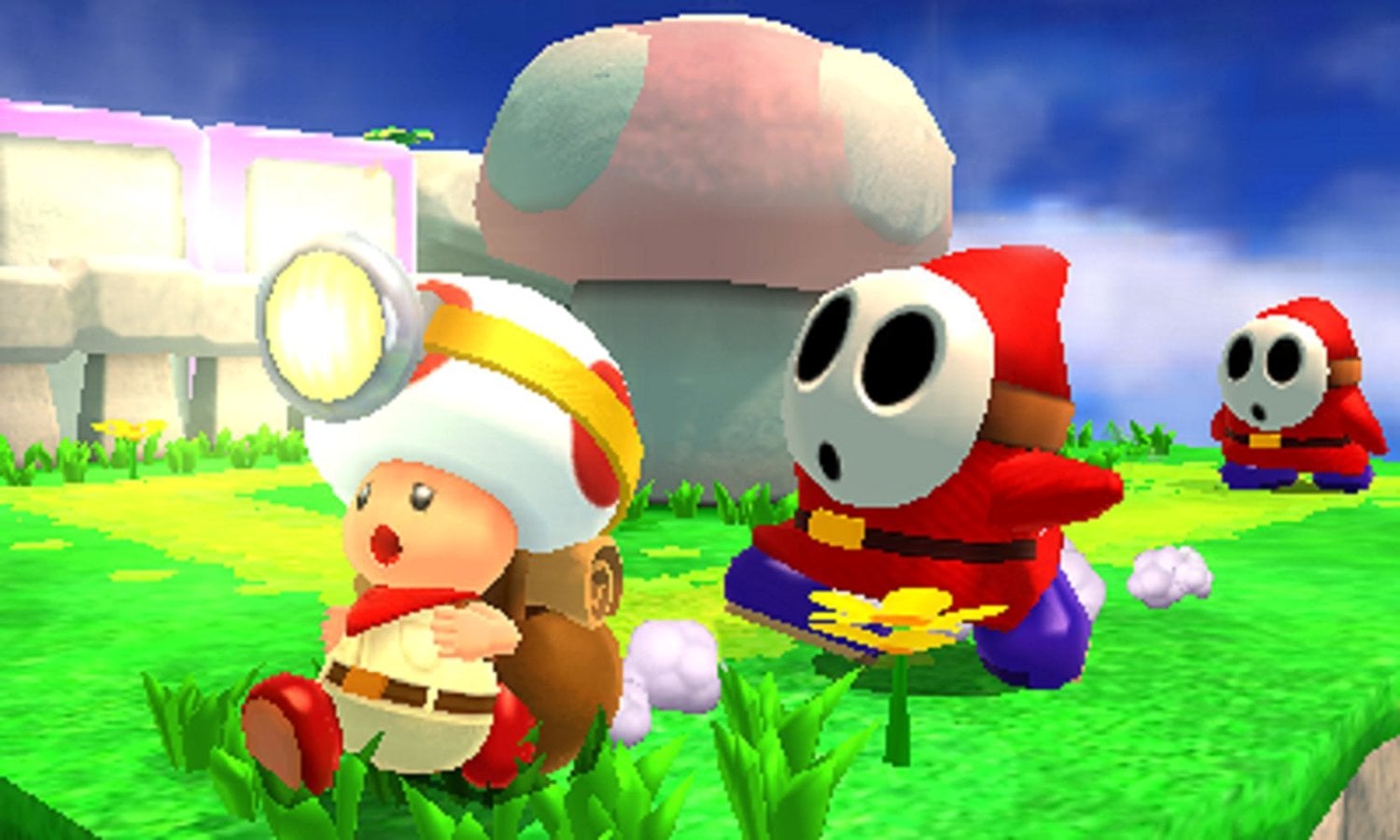
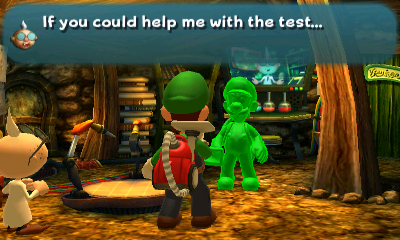
One picture from each of a dozen more 3DS Mario games, from the 2012 RPGs to the late remakes.
Videos
Two official Nintendo uploads from the winter Mario finally arrived on the 3DS.
Trivia & Interesting Facts
- The day before Super Mario 3D Land reached North America, on 12 November 2011, Nintendo turned a corner of Times Square into a walk-through course with trampolines, a Warp Pipe slide and a Bullet Bill statue, and handed out Tanooki ears and tails.
- In January 2012 Super Mario 3D Land became the first 3DS game reported to have sold more than five million copies.
- Mario Kart 7 was the first 3DS game to receive a patch: version 1.1 of 15 May 2012 shut off three course shortcuts in online races.
- New Super Mario Bros. 2 launched on the same day as the bigger 3DS LL in Japan and the 3DS XL in North America.
- Half of the twenty free Ambassador Program games have their own Super Luigi Bros. pages: Super Mario Bros., Donkey Kong Jr., Wrecking Crew, NES Open Tournament Golf and Yoshi from the NES, and Mario Kart: Super Circuit, WarioWare, Inc., Yoshi’s Island: Super Mario Advance 3, Mario vs. Donkey Kong and Wario Land 4 from the Game Boy Advance.
- Nintendo’s Year of Luigi, marking thirty years since Mario Bros., ran from 14 February 2013 to 18 March 2014, and its two 3DS games were Luigi’s Mansion 2 and Mario & Luigi: Dream Team.
- Shigeru Miyamoto tested the GameCube Luigi’s Mansion on a 3DS development kit, the experiment that led to Luigi’s Mansion 2. When the original was remade for 3DS in 2018 it finally got the stereoscopic 3D it had been prototyped with.
- The 2018 Luigi’s Mansion remake is usually counted as the only Super Mario game that works with the Circle Pad Pro.
- Mario & Sonic at the London 2012 Olympic Games on 3DS has 57 events, more than any other Mario & Sonic game.
- Super Smash Bros. for Nintendo 3DS sold more than a million copies in Japan in its first weekend.
- The 3DS version of Captain Toad: Treasure Tracker runs at 30 frames per second against 60 on Switch and Wii U, and gives the Captain noticeably bigger eyes.
- Super Mario Maker for Nintendo 3DS could not upload courses to the internet; its 100 Nintendo-made courses form the Super Mario Challenge instead.
- Ultimate NES Remix came with a download code for a Famicom HOME Menu theme for the 3DS.
- The 3DS’s built-in Nintendo 3DS Sound app has a Super Mario Bros. sound-effect set you can play on the shoulder buttons.
Hardware & Extras Gallery
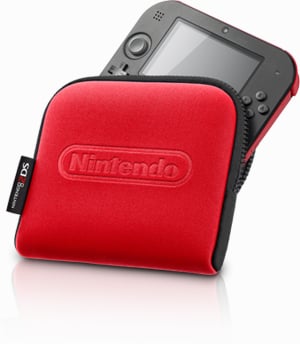
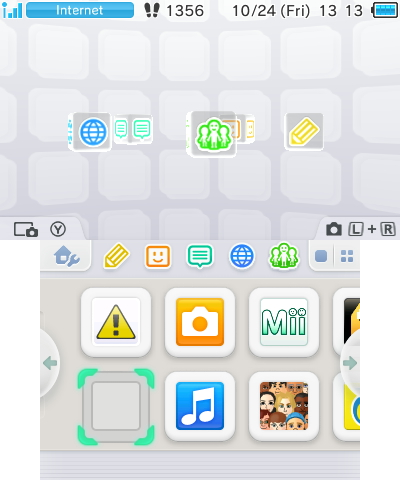
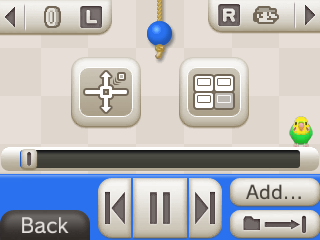
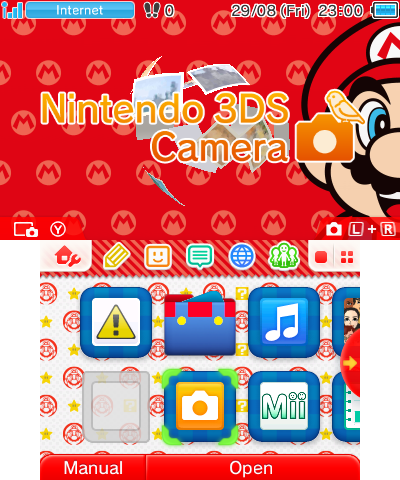
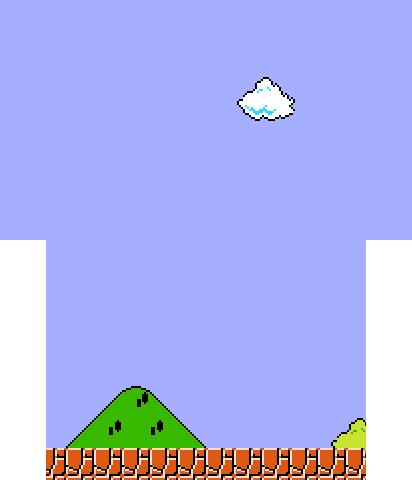
More from the 3DS world: a carrying case, the HOME Menu and a couple of the Mario themes Nintendo sold for it.
Timeline & Legacy
From a stumbling launch to nearly 76 million consoles: the dates that shaped Mario’s time on the 3DS, and what it left behind.
Mario on the Nintendo 3DS: key dates
- Announced 23 March 2010Nintendo confirms a 3D handheld; the full reveal follows at E3 on 15 June.
- Launch 26 February 2011Japan first, then Europe on 25 March, North America on 27 March and Australia on 31 March, with no Mario game.
- Price cut 28 July 2011Nintendo announces a cut to US$169.99 and ¥15,000, effective in August, and promises early buyers 20 free Ambassador games.
- Ambassador NES games 1 September 2011Ten free NES games, Super Mario Bros. among them (31 August in Japan).
- Super Mario 3D Land 3 November 2011The first Mario game on the 3DS arrives in Japan.
- Mario Kart 7 1 December 2011Out in Japan, then across the West by 4 December; it becomes the system’s best-seller.
- Ambassador GBA games 16 December 2011Ten Game Boy Advance games, including Mario Kart: Super Circuit and Yoshi’s Island.
- 3DS XL and New Super Mario Bros. 2 28 July 2012The bigger model and the coin-chasing sequel launch together in Japan.
- Nintendo 2DS 12 October 2013The budget slate without 3D launches in North America and Europe.
- New Nintendo 3DS 11 October 2014Faster hardware with a C-Stick and built-in amiibo support launches in Japan.
- New Nintendo 2DS XL 15 June 2017The last model, first in Australia and New Zealand.
- Bowser’s Inside Story + Bowser Jr.’s Journey 27 December 2018AlphaDream’s remake, the last Mario game on this list, arrives in Japan.
- Production ends September 2020Nintendo stops making every 3DS and 2DS model.
- eShop closes 27 March 2023No more purchases; redownloads still allowed.
- Online ends 8 April 2024Online play for 3DS games, Mario Kart 7 included, is switched off.
- Luigi’s Mansion 2 HD 27 June 2024Dark Moon returns on Nintendo Switch, remastered by Tantalus Media.
Playing them today
A 3DS or 2DS of any model is still the only way to play most of these games. The eShop stopped selling games on 27 March 2023, so the download-only releases are gone for new buyers, but anything already bought can be downloaded again and every boxed game still works. Online features ended on 8 April 2024, which closed Mario Kart 7’s online races and Super Mario Maker’s downloads of Wii U courses; local wireless and Download Play are unaffected. Any 3DS also plays the DS Mario library.
On Switch the picture is patchy. Luigi’s Mansion 2 HD arrived on 27 June 2024 and Captain Toad was always on both systems, but Super Mario 3D Land and New Super Mario Bros. 2 have never left the 3DS. Nintendo Classics, the retro library of Nintendo Switch Online, covers the NES, Super NES, Game Boy, Game Boy Advance, Nintendo 64, GameCube and Virtual Boy, but no DS or 3DS games.
Legacy
The 3DS years shaped Mario well beyond the handheld. 3D Land’s short obstacle courses, clock and flagpole were carried straight into Super Mario 3D World on Wii U; Mario Kart 7’s gliders and underwater driving have been in every Mario Kart since; and New Super Mario Bros. 2’s launch-day download became Nintendo’s standard practice. Next Level Games, brought in for Dark Moon, went on to make Luigi’s Mansion 3.
There were endings too. The Bowser’s Inside Story remake was AlphaDream’s last game: the studio filed for bankruptcy on 1 October 2019, and the series only returned in November 2024 with Mario & Luigi: Brothership on Switch, made by Acquire with former AlphaDream staff. Its successor as Nintendo’s handheld home for Mario was the Nintendo Switch.
More Mario on the Nintendo 3DS
Other notable Mario-related releases on the Nintendo 3DS that don’t have their own page here yet:
- May 2013Mario and Donkey Kong: Minis on the MoveMain roleeShop download; same day in Europe
- Apr 2015Puzzle & Dragons: Super Mario Bros. EditionMain roleGungHo’s match-three RPG rebuilt around the Mushroom Kingdom
- Feb 2016Mario & Sonic at the Rio 2016 Olympic Games (3DS)Spin-offHandheld edition of the Rio 2016 crossover
- Oct 2016Mario Party: Star RushSpin-offBoard-game reinvention with amiibo support; Europe first
- Jan 2017Poochy & Yoshi’s Woolly WorldMain roleExpanded 3DS version of Yoshi’s Woolly World
- Mar 2017Mario Sports SuperstarsSpin-offFive sports in one, with collectable amiibo cards
- Nov 2017Mario Party: The Top 100Spin-offBest-of collection of minigames from the home series
- Jul 2018WarioWare GoldSpin-offFully voiced WarioWare greatest-hits package; Europe first
Sources
Every fact on this page was checked against the 40 sources listed here.
Show sources
Wikipedia, “Nintendo 3DS” · Wikipedia, “Super Mario 3D Land” · Nintendo IR, Financial Results Briefing, 27 April 2012, page 4 · Nintendo IR, “Dedicated Video Game Sales Units” · Nintendo IR, “Top Selling Title Sales Units: Nintendo 3DS Software” · Wikipedia, “New Nintendo 3DS” · Nintendo UK, “Nintendo Classics – Nintendo Switch Online Overview & FAQ” · Nintendo UK, “London’s calling Mario & Sonic!” · Wikipedia, “Yoshi’s New Island” · Wikipedia, “Super Smash Bros. for Nintendo 3DS and Wii U” · Nintendo Life, “Mario vs. Donkey Kong: Tipping Stars Due in March and Will be Cross-Buy on Wii U and 3DS” · Nintendo, Iwata Asks: Nintendo 3DS, “And That’s How the Nintendo 3DS Was Made” · Nintendo of America press release, “An Egg-cellent Yoshi Edition Nintendo 3DS XL System Launches on March 14” · Guinness World Records, “First flying kart videogame” · Nintendo of America press release, 2 October 2012, “Nintendo Offers Downloadable Add-On Content for New Super Mario Bros. 2” · YouTube, Nintendo of America, “Nintendo – Super Mario 3D Land Takes Over Times Square” · YouTube, Nintendo UK, “Mario Kart 7 Trailer” · Nintendo, Iwata Asks: Mario & Luigi: Dream Team · Nintendo Life, “Video: Digital Foundry Praises Captain Toad: Treasure Tracker On Both Switch And 3DS” · Wikipedia, “AlphaDream” · Nintendo, Financial Results Briefing for the fiscal year ended March 2014 (8 May 2014), page 4: million-seller titles · Super Mario Wiki (19 articles)
Images: Mario and all related characters, artwork and screenshots are © Nintendo; other artwork, covers and scans are © their respective owners. Images are used here for commentary and reference.