
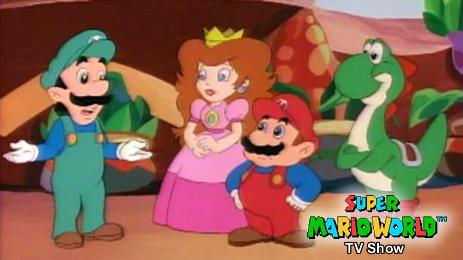

Super Mario World (1991)
About the Show
The Super Mario World cartoon is an animated series that was roughly based on the characters from the Nintendo Game Series. It was the final cartoon based on the series to be aired on regular television on the normal Saturday block. Thirteen episodes were created and aired, where it shared a time slot with “Captain N: The Game Master” throughout the season. It was considered to be the successor of “The Adventures of Super Mario Bros. 3, which was more closely related to the games than the Super Mario World cartoon, featuring several of the in-game power-ups and transformations.
The series is based on the adventures of Mario, Luigi, Princess Toadstool, and Yoshi, who have all settled in to live in the Dinosaur Land, though it is sometimes referred to as Dinosaur World. The interpretation of Yoshi is that he is more innocent and childlike, having many unusual fears and a monstrous appetite for anything edible. It is not long before it becomes apparent that King Koopa, also known as Bowser, and his minions, the Koopalings, have followed the gang to Dinosaur Land.
Sharing the Dinosaur Land with the main cast members are many cave people, one of whom is named Oogtar. He is young and pre-adolescent, taking the place of Toad for the series. There are many occasions where Mario attempts to help the cave people live a better life by introducing them to contemporary inventions, only to find that the Koopas have managed to turn it into a nefarious attempt to harm the instead. One of the plot points that was not completed explained was the location of the Dinosaur Land, which had two conflicting origins brought up throughout the story. One came from King Koopa, who makes a reference to the fact that television has not yet been invented which seems to imply that they are living in the past. Another came from an off-hand comment made by Luigi, who mentions that the group simply came to the island without any mention of their means of travel.
In 1991-1992, when the show was first aired, it was presented on Saturday mornings on the NBC channel; the final year that they had a morning cartoon airing. Typically, the show was lumped into a half-hour time slot with “Captain N”, which was shortened to fit the schedule. This block became known simply as “Captain N & The New Super Mario World”, and was usually syndicated with some variation on the title. Eventually the series was split back into its respective shows, with “Super Mario World” later being featured on the USA Network and the Family Channel. The exception to this was in the UK, where it was still shown as a combination show.
This Mario television program is different than the other two that were aired before for a few reasons. First, this show did not have widespread distribution on VHS as the others had, and second, it was the shortest running Mario show out of all of them.
Many of the episodes also centred around social issues at the time examples of which being; Born to Ride was about gang culture, King Scoopa Koopa was about the obesity epidemic caused by fast food and A Little Learning was about bullying at school.
Main Differences Between The Show And Game
One of the main differences between the Super Mario Bros. Cartoon and the game is the setting. Dinosaur Land is home to all different sorts of Yoshi’s, whereas in the show it is home instead to the cave people. Oogtar belongs to this group, and is present in many of the show’s episodes. Another prominent difference than any discerning fan would notice is that many of the location names were changed. For example, the Forest of Illusion was renamed Enchanted Forest. Other name discrepancies include the names of the characters in the game against those in the show. Bowser became King Koopa and Koopas became “Troopas”. It seems that the show was more influenced by the Japanese game than the English version based on these name changes. The main cast did not undergo any significant changes, keeping their looks and attitude consistent from the games to the television series.
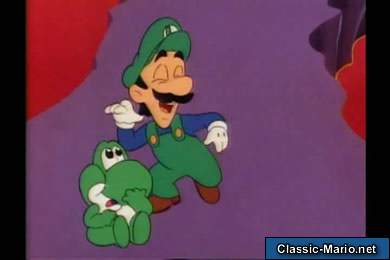
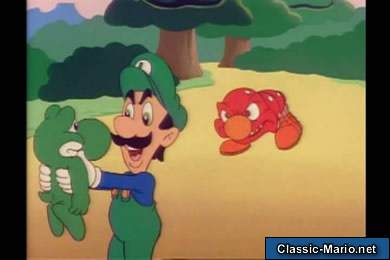
Yoshi’s origin was also slightly different than the game in the sense that Luigi hatched him, and he did not originally have his red shell. Luigi tells him this story in the ultimate episode, where it also shows that he saved Luigi by consuming several enemies, but did not take on any of the traits as he does in the game.
The final series of cartoons based on the Mario Brothers
Super Mario World was based on the popular SNES title, and based in Dinosaur land instead of the Mushroom Kingdom. Toad did not feature in the series as he wasn’t in the game, instead John Stocker who did the voice for Toad in the previous cartoons took on the voiceover for a character called Oogtar. Super Mario World episodes were aired alongside the third season of Captain N: The Game Master. Like its predecessors the Super Mario World series of cartoons was produced by DIC Entertainment.
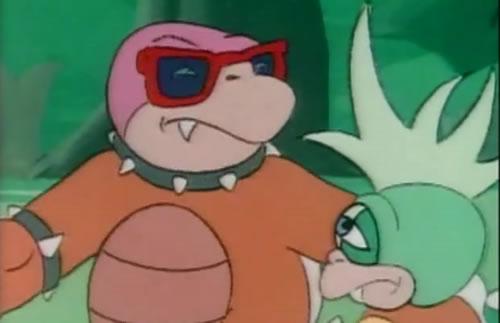
Bully Koopa & Cheatsy Koopa in The Yoshi Shuffle
When the show was first being produced DIC were unsure what the names of the Koopa kids would be so they had to improvise, a table showing the Koopa kids real names as we know them now, and what they were known as in the series is as below:-
| Real name | Name in show |
| Wendy | Kootie Pie |
| Larry | Cheatsy |
| Ludwig | Kooky |
| Morton | Big Mouth |
| Roy | Bully |
| Lemmy | Hip |
| Iggy | Hop |
This was the final Mario Bros. Cartoon series and there are not any plans for a new one in the near future, although groups of Mario fans have been over the years trying to negotiate for one via petitions and other means.
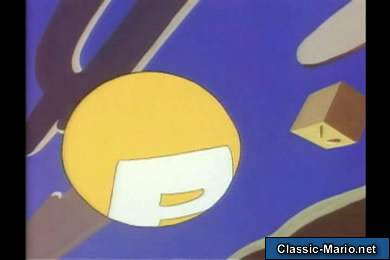
A video featuring the animation & sketches of the Captain N & Super Mario World intro’s.
Cast & Characters
The voice cast of The Adventures of Super Mario Bros. 3 returned almost in full. Walker Boone and Tony Rosato were back as Mario and Luigi, Tracey Moore again voiced Princess Toadstool, Harvey Atkin returned as King Koopa and the seven Koopaling actors reprised their roles. The voices were recorded in Canada.
The main newcomer was Andrew Sabiston as Yoshi. With Toad written out, John Stocker switched to Oogtar and a handful of other parts, including the Gophers and a Koopa wizard, while Catherine Gallant voiced Mama Fireplant and Dan Hennessey added a couple of minor roles to Bully Koopa. Among the returning Koopalings, Tara Strong (credited as Tara Charendoff) again played Hop and Tabitha St. Germain (credited as Paulina Gillis) again played Kootie Pie, with Judy Marshak providing additional voices.
| Voice actor | Character |
|---|---|
| Walker Boone | Mario |
| Tony Rosato | Luigi |
| Tracey Moore | Princess Toadstool |
| Andrew Sabiston | Yoshi |
| Harvey Atkin | King Koopa |
| John Stocker | Oogtar · Gophers · Koopa wizard |
| James Rankin | Cheatsy Koopa (Larry) |
| Dan Hennessey | Bully Koopa (Roy) |
| Tabitha St. Germain (credited as Paulina Gillis) | Kootie Pie Koopa (Wendy) |
| Gordon Masten | Big Mouth Koopa (Morton) |
| Michael Stark | Kooky von Koopa (Ludwig) |
| Stuart Stone | Hip Koopa (Lemmy) |
| Tara Strong (credited as Tara Charendoff) | Hop Koopa (Iggy) |
| Catherine Gallant | Mama Fireplant |
Episode Guide
A full list of episodes of the Super Mario World TV Series is below including the air date, if you click on the title of the episode you will be taken to that episodes guide page including a synopsis and images from the show
| # | Episode | First aired (US) |
|---|---|---|
| 1 | Fire Sale | 14 Sep 1991 |
| 2 | The Wheel Thing | 21 Sep 1991 |
| 3 | Send in the Clown | 28 Sep 1991 |
| 4 | Ghosts ‘R’ Us | 5 Oct 1991 |
| 5 | The Night Before Cave ChristmasA Christmas story that first aired in mid-October; Mario Wiki notes UK and Australian broadcasts showed “King Scoopa Koopa” before it. The only episode released on VHS before the 2007 DVD. | 12 Oct 1991 |
| 6 | King Scoopa Koopa | 19 Oct 1991 |
| 7 | Born to Ride | 26 Oct 1991 |
| 8 | Party Line | 2 Nov 1991 |
| 9 | Gopher Bash | 9 Nov 1991 |
| 10 | Rock TVWikipedia notes its depiction of television addiction, in line with the Children’s Television Act guidelines. | 16 Nov 1991 |
| 11 | The Yoshi Shuffle | 23 Nov 1991 |
| 12 | A Little Learning | 30 Nov 1991 |
| 13 | Mama LuigiReanimated by 227 animators in a 2017 collaborative project. | 7 Dec 1991 |
Watch the Episodes
The shortest of the Mario cartoon series, but by no means the worst: our playlist has every Super Mario World episode (without the Captain N segments), including the notorious “Mama Luigi”, from our YouTube channel.
Production
DIC produced the series with Italy’s Reteitalia and Nintendo of America, and the animation moved from Sei Young to Pacific Rim Productions. John Grusd again produced and directed, Andy Heyward was executive producer and Michael Tavera composed the score. Unlike the two earlier shows, which leaned on covers of pop hits, the songs here were original tracks written for the series, and the opening and closing titles share a single “Super Mario World” theme.
The writing process changed too. Story editor Phil Harnage handed premises straight to the writers, skipping the outline stage that the earlier cartoons had used, which writer Perry Martin later said was never a good idea. The series was also shaped by the newly introduced Children’s Television Act: some episodes were written to meet its guidelines, and Princess Toadstool was recast as more of a role model and parental figure for Mario, Luigi and Yoshi. “Rock TV”, with its story about television addiction, is one episode linked to that shift.
During development the show went by the working title Super Mario Bros. 4, a name NBC also used in some end-credit promotions. A further premise, “Yoshi’s Big Adventure”, was pitched by Perry Martin but never made.
Trivia & Errors by Episode
Know something we don’t? Feel free to contribute by emailing in your trivia. Or posting in the comments at this pages footer.
- The commercial bumpers of the show referred to the show as “Captain N & Super Mario Bros. World” and was never corrected.
- Domino’s Pizza sponsored the show.
- In the mid-1990s, “Koopa Klaus”, along with SMW’s “The Night Before Cave Christmas”, was released on a VHS titled “Super Mario Bros. Super Christmas Adventures!”
- The storyline for Super Mario World is less complicated than The Adventures of Super Mario Bros. 3. This is down to the change in writers as Reed and Bruce Shelly from TAOSMB3 did not continue there role for the third series in Super Mario World.
- Mark Mothersbaugh wrote the theme song to Super Mario World. Mark Mothersbaugh also wrote the Rugrats theme.
- It was the only Mario cartoon to air on Network Ten in Australia. This was on Cheez TV from Monday to Wednesday.
- Cheatsy Koopa’s voice actor James Rankin sang the opening theme song.

Oogtar, on a bad day.
- There was a character named Oogtar who was a caveman and was not in the game.
- Toad is not in the cartoon as he wasn’t in the game. John Stocker who did Toads voice throughout Toads cartoon life went on to voice the character Oogtar instead.
- Oogtar spelt backwards is “ratgoo”.
- Yoshi’s Island was populated with cavemen instead of the Yoshies from the game.
- Various places in the cartoon had different names compared to the original SNES game. The Vanilla Dome was called the Ice Dome, and the Forest of Illusion was called the Enchanted Forest etc.
- Enemies in the carton series never went by there game names. Instead they were named what they resemble i.e. the Rexes are referred to as dinosaurs etc. This may be because children found it hard to remember there original names.
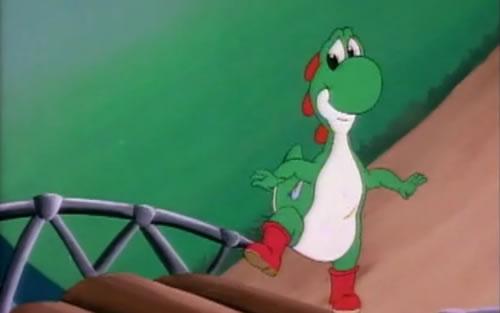
Yoshi reluctantly stepping onto a bridge across a river in Dome City from Episode 1 – Fire Sale.
- The cartoon brought in the aspect that Yoshi feared water and the invention of automobiles from Mario and Luigi. The “Yoshi fear of water” aspect has been seen in the game Super Mario Sunshine (Gamecube) were Yoshi needs to be taken across the sea to an island in order to use his juice to melt away goo from the pipe. If Yoshi falls in he dissolves and you have to collect him again on the mainland. Annoying that was.
- Shown with the third series of Captain N: The Game Master in 1991 and reran on PAX TV until 1999.
- This is the last Mario cartoon series to date and no more have been planned.
- There is not a single episode of the show featuring all the Koopa Kids.
More trivia
- It is the only Mario cartoon in which Toad never appears; the caveboy Oogtar takes his place.
- The working title was Super Mario Bros. 4, and NBC used that name in some end-credit promos.
- “The Night Before Cave Christmas” first aired on 12 October 1991, well before Christmas.
- UK and Australian broadcasts showed “King Scoopa Koopa” before “The Night Before Cave Christmas” because of a production-order mix-up.
- Mario and Luigi’s Cape and Fire forms are based on their game sprites, but the power-ups wear off over time instead of when they are hit.
- The Cave People and Dome City were created for the cartoon and do not appear in the game.
- Unlike the earlier DiC Mario shows, the songs were original compositions rather than covers of pop hits.
- Because of legal ties, the third season of Captain N can only be released together with the Super Mario World episodes.
- The 2017 “Mama Luigi” reanimation involved 227 animators across 255 scenes.
- NBC’s commercial bumpers sometimes billed the show as “Super Mario Bros. World”.
DVD & VHS Releases
VHS
There was only ever one VHS release of the Super Mario World cartoons, a Christmas compilation released in the mid-1990s (Mario Wiki dates it to 1994) called “Super Mario Bros. Super Christmas Adventures”. This was published by Buena Vista Home Video and contained two episodes: The Night Before Cave Christmas & Koopa Klaus.
DVD
There are only four DVD’s out which are solely based on the Super Mario World cartoons:-
- Captain N and the New Super Mario World: The Complete Series which was published by Shout! Factory and contained all the Super Mario World and Captain N episodes. This came out on November 13th, 2007.
- Koopa’s Stone Age Quests – a single DVD which contained six episodes: The Wheel Thing, Send in the Clown, King Scoopa Koopa, Gopher Bash, Party Line and Rock TV. Six episodes is pretty good considering there was only 13 in the series.
- Yoshi the Superstar – Was released on teh same day as Koopa’s Stone Age Quests (Sept 29th, 2009) and again included six episodes: Fire Sale, Mama Luigi, Born to Ride, The Yoshi Shuffle, A Little Learning and The Night Before Cave Christmas.
- Fact: Between the Koopa’s Stone Age Quests DVD and Yoshi the Superstar DVD the only episode of the series you don’t get is Ghosts R Us, which is a shame, because that’s one of the better episodes. “ITS WISENHEIMER!!!”
- Another version of Super Mario World: The Complete series was released on October 8th 2013, this time without the accompanying Captain N episodes.


Legacy & Home Media
NBC ended its Saturday-morning cartoons in 1992, and the show moved into Rysher Entertainment’s Captain N & The Video Game Masters syndication package; it later reran on USA Network and on PAX Kids in 1998–99. For years the only episode on home video was “The Night Before Cave Christmas”, included on the Super Mario Bros. Super Christmas Adventures! VHS alongside the Super Show’s “Koopa Klaus”.
That changed in November 2007, when Shout! Factory released the complete Captain N and the New Super Mario World on DVD with all 13 uncut episodes. NCircle followed with two six-episode volumes on 29 September 2009 and a Complete Series: Collector’s Edition on 8 October 2013, the latter without the Captain N episodes. The series has since streamed on WildBrain’s YouTube channel, Paramount+, Pluto TV and Tubi.
Reruns on the UK channel Pop from 2006 gave the series an unexpected second life online, where it became a favourite source of YouTube Poop remixes. “Mama Luigi” in particular became a meme, and in 2017 a team of 227 animators reanimated its 255 scenes, each in a different style, in a collaborative tribute dedicated to the late Tony Rosato and Harvey Atkin.
Gallery















Sources
- Mario Wiki: Super Mario World (television series)
- Mario Wiki: Super Mario Bros. Super Christmas Adventures! (VHS)
More Mario on Screen
- All Mario cartoons & movieshub
- Super Mario Bros.: The Great Mission to Rescue Princess Peach!1986 anime
- The Wizard1989 film
- The Super Mario Bros. Super Show!1989 TV
- The Adventures of Super Mario Bros. 31990 TV
- Super Mario Bros.1993 film
- Living Legend2013 fan film
- Mario TV Commercialsadverts
- The Super Mario Bros. Movie2023 film
- The Super Mario Galaxy Movie2026 film