
Super Mario Screenshots
In-game screenshots from 181 Mario games – from Game & Watch LCD screens and arcade cabinets to Super Mario Galaxy and the Wii U.
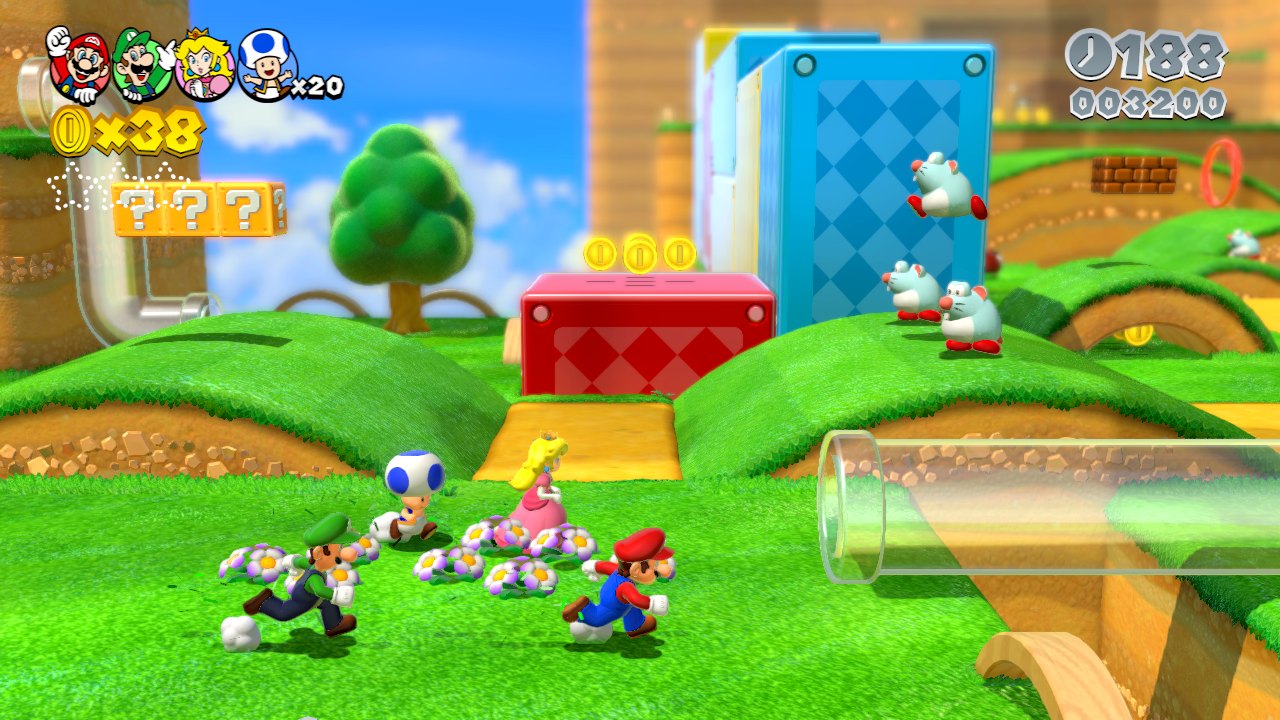
Line them up and you can watch Mario grow: from a few switched-on shapes on a Game & Watch screen and an arcade hero first sketched on a 16-by-16 grid to the Mode 7 tracks of Super Mario Kart, the first 3D Super Mario on the Nintendo 64 and, in 2012, the first Super Mario in high definition.
Overview
Comprising lots of galleries of in-game screenshots and pictures from Super Mario games. People might look for screenshots to see what an old game used to look like, or to help them evaluate whether a new game looks good before they buy it. We feature screenshots from the very earliest Mario titles to the newest modern Mario games.
Every gallery is grouped by console below – search for a game or pick a platform to jump straight to it.
Screenshots are the quickest way to see how far Mario has come. The same hero has been drawn with switched-on segments of an LCD, a 16-by-16 grid of arcade pixels, three colours to a sprite on the NES, 256 colours on the Super NES, polygons on the Nintendo 64, four shades of green on the Game Boy, red light in the Virtual Boy and, from 2012, high definition on the Wii U. Each generation solved old problems and set new ones, and the games show it: a cap so nobody had to draw hair, a scaling floor that faked 3D, a camera held by a Lakitu.
The archive is shelved by system, starting with Game & Watch and the arcade and running through every Nintendo console and handheld to the Wii U, with a final shelf for Atari, Japanese home computers, the PC and the CD-i. The Famicom Disk System has a shelf of its own for the Japanese Super Mario Bros. 2 and friends. For a quick tour, try the highlights below, then read on for a short history of how Mario games have looked on each generation of hardware.
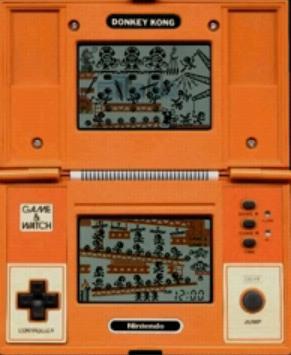
- Donkey Kong (Game & Watch) – Mario on an LCD screen, in Nintendo’s 8-million-selling handheld of 1982.
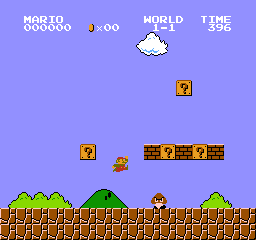
- Super Mario Bros. (NES) – 30 screenshots of the game that set the template.
- Super Mario Kart (SNES) – 36 shots of Mode 7 at full tilt.
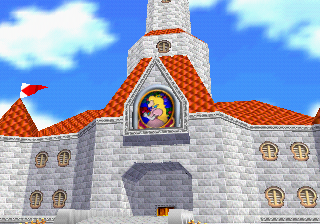
- Super Mario 64 (N64) – 78 shots of Mario’s first steps in 3D.
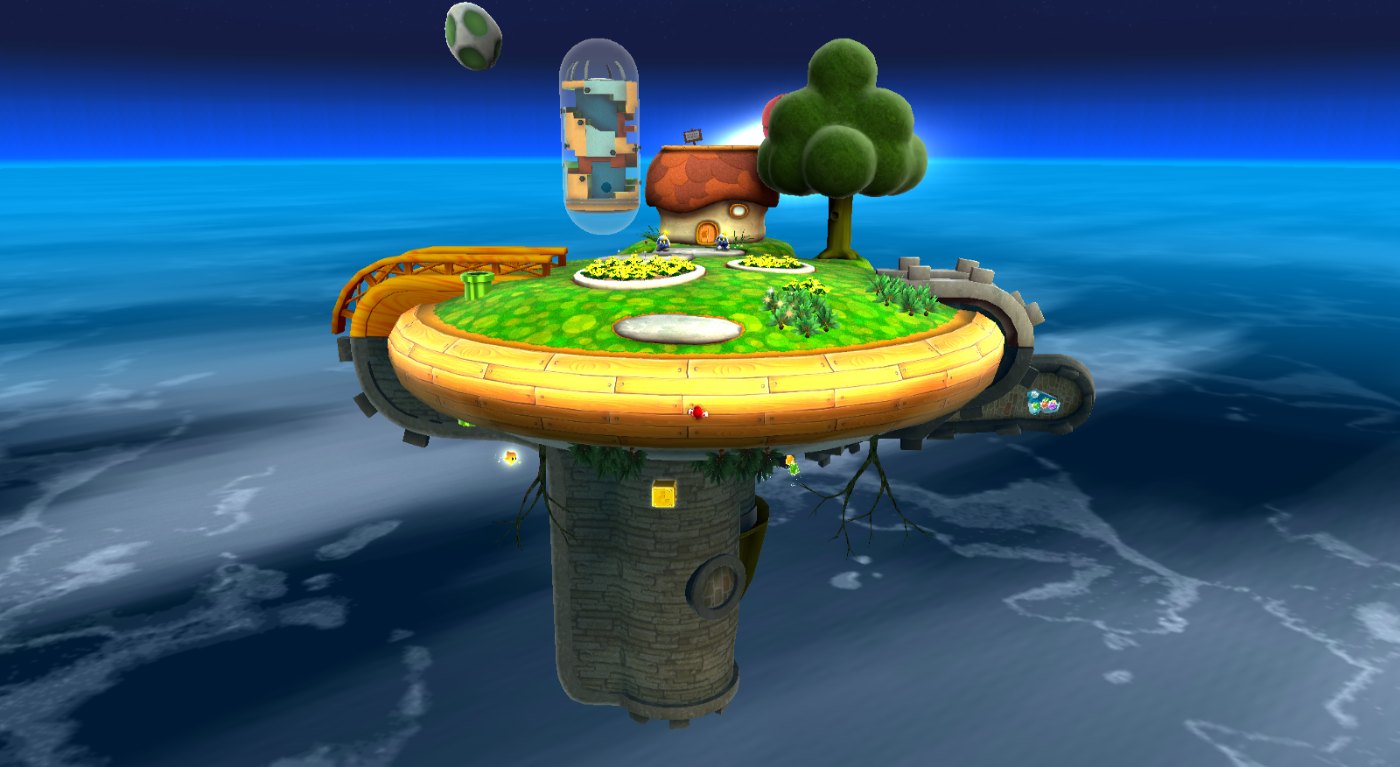
- Super Mario Galaxy (Wii) – the biggest gallery here, at 228.
Quick Answers
Short answers to the questions people ask about how Mario games looked.
Why does Mario have a moustache, a cap and overalls?
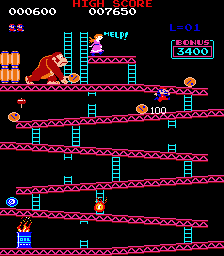
Because of the arcade hardware of 1981. To make him readable in Donkey Kong, Miyamoto gave him red overalls so his arms showed up, a cap so he did not have to draw or animate hair, and a big nose and moustache to suggest a face with very few pixels. More →
What resolution did the NES run at?
256 × 240 pixels, with up to 25 colours on screen at once from 54 usable ones. Each sprite tile could use three colours plus transparency. More →
What is Mode 7?
A Super NES graphics mode that can rotate and scale a whole flat plane, which gives a convincing illusion of 3D. Super Mario Kart drew its tracks with it, helped by a DSP-1 chip in the cartridge. More →
What was the first 3D Mario game?
Super Mario 64 on the Nintendo 64, the first Super Mario game with 3D graphics. It also introduced a camera you could control, operated in the story by a Lakitu filming Mario. More →
What was the first Mario game in HD?
New Super Mario Bros. U, a launch game for the Wii U (18 November 2012 in North America), which was Nintendo’s first HD console. More →
Why do Game Boy screenshots look green?
The original Game Boy had a reflective monochrome LCD of 160 × 144 pixels with no backlight, showing four shades of grey-green. The Game Boy Color later tinted old games with built-in palettes. More →
Which game has the most screenshots in the archive?
Super Mario Galaxy, with 228. Mario & Luigi: Superstar Saga and Super Smash Bros. Brawl follow with 114 each. More →
Can I use these screenshots on my own site?
The games, and so the screenshots, belong to Nintendo and the other publishers named in each gallery; Super Luigi Bros. keeps them as a reference archive for fans. More →
Browse the Screenshot Archive
Browse by platform
Game & Watch
5 games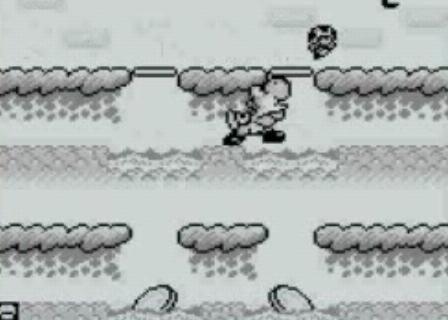


Arcade
5 games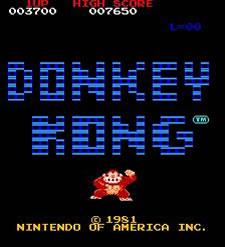
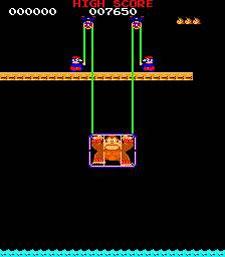


NES / Famicom
20 games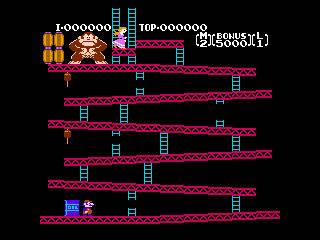 Donkey Kong1983 · 9 screenshots
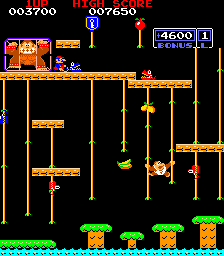
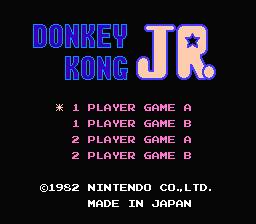 Donkey Kong Jr.1983 · 8 screenshots
 Donkey Kong Jr. Math1983 · 3 screenshots
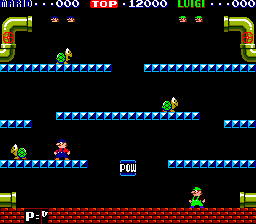
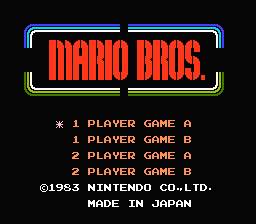 Mario Bros.1983 · 7 screenshots
 Pinball1984 · 4 screenshots
 Super Mario Bros.1985 · 30 screenshots
 Wrecking Crew1985 · 6 screenshots
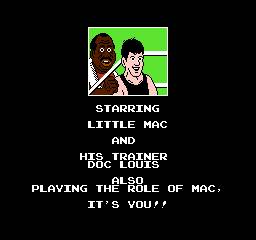 Punch-Out!1987 · 11 screenshots
 Donkey Kong Classics1988 · 5 screenshots
 Super Mario Bros. / Duck Hunt1988 · 2 screenshots
 Super Mario Bros. 21988 · 13 screenshots
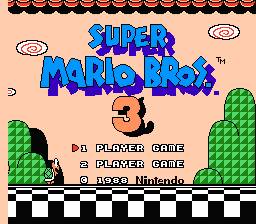 Super Mario Bros. 31988 · 19 screenshots
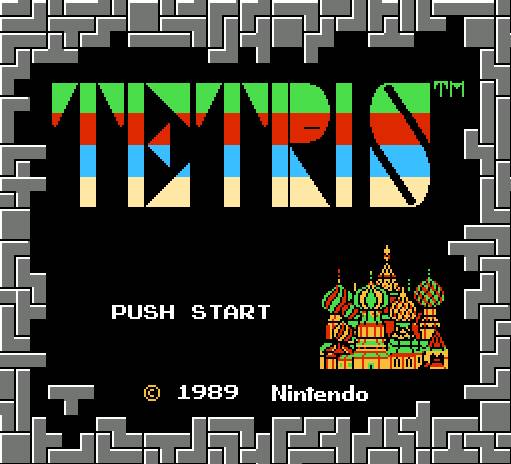 Tetris1989 · 2 screenshots
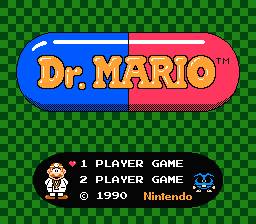 Dr. Mario1990 · 8 screenshots
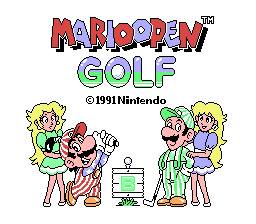 NES Open Tournament Golf1991 · 23 screenshots
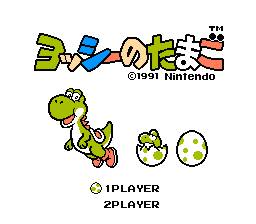 Yoshi1991 · 5 screenshots
 Yoshi’s Cookie1992 · 3 screenshots
 Mario is Missing1993 · 8 screenshots
 Mario’s Time Machine1994 · 6 screenshots
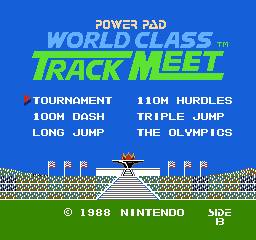 World Class Track Meet3 screenshots
Famicom Disk System
5 games


Game Boy
10 games Alleyway1989 · 2 screenshots
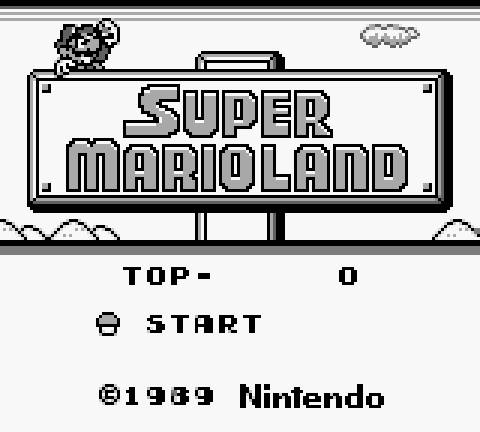 Super Mario Land1989 · 25 screenshots
 Tetris1989 · 2 screenshots
 Dr. Mario1990 · 2 screenshots
 Yoshi1991 · 7 screenshots
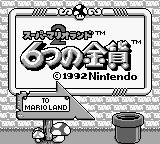 Super Mario Land 21992 · 52 screenshots
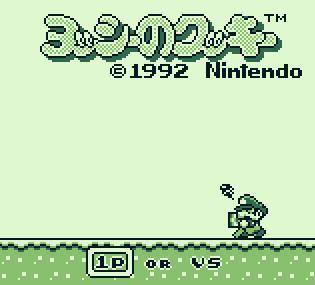 Yoshi’s Cookie1992 · 16 screenshots
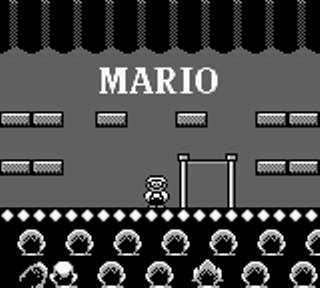 Donkey Kong1994 · 32 screenshots
 Mario’s Picross1995 · 8 screenshots
 Mario’s Picross 26 screenshots
Super Nintendo
16 games Super Mario World1990 · 18 screenshots
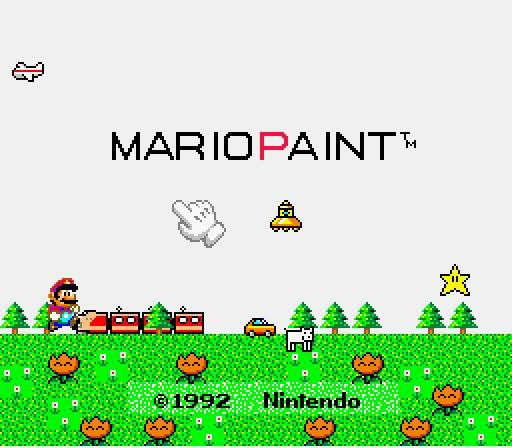 Mario Paint1992 · 18 screenshots
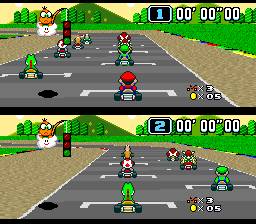 Super Mario Kart1992 · 36 screenshots
 Mario & Wario1993 · 8 screenshots
 Mario is Missing1993 · 12 screenshots
 Mario’s Time Machine1993 · 21 screenshots
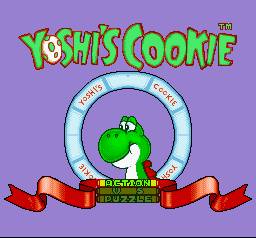 Yoshi’s Cookie1993 · 6 screenshots
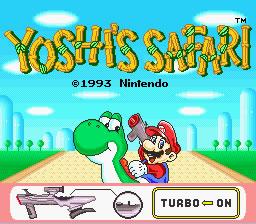 Yoshi’s Safari1993 · 4 screenshots
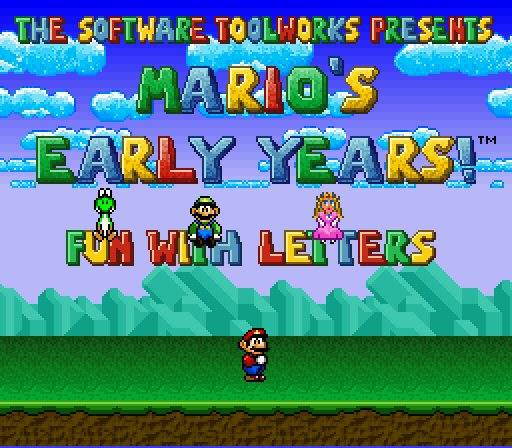 Mario’s Early Years: Fun with Letters1994 · 6 screenshots
 Mario’s Early Years: Fun with Numbers1994 · 5 screenshots
 Mario’s Early Years! Preschool Fun1994 · 15 screenshots
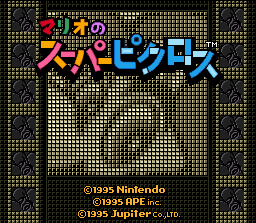 Mario’s Super Picross1995 · 22 screenshots
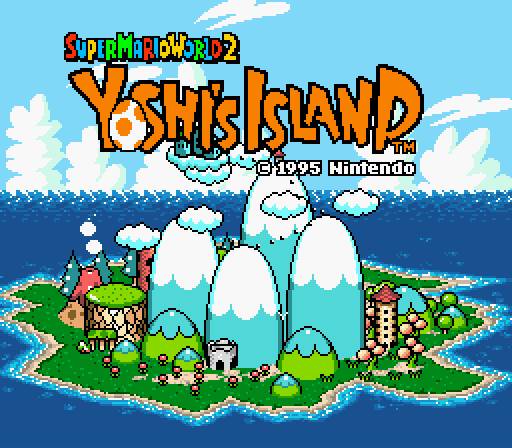 Super Mario World 2: Yoshi’s Island1995 · 24 screenshots
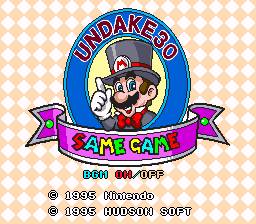 Undake 30: Same Game Daisakusen Mario Version1995 · 2 screenshots
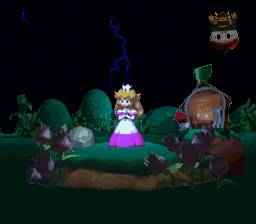 Super Mario RPG1996 · 24 screenshots
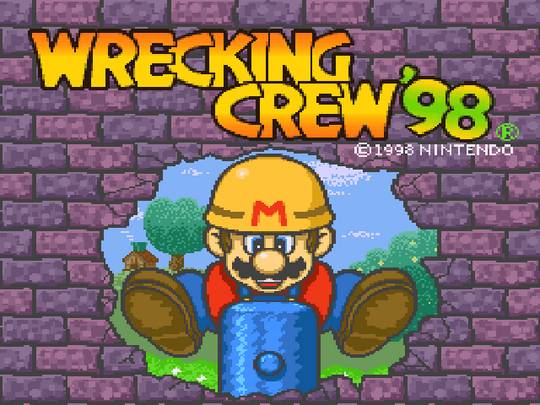 Wrecking Crew ’981998 · 3 screenshots
Virtual Boy
2 games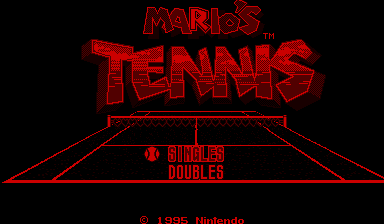
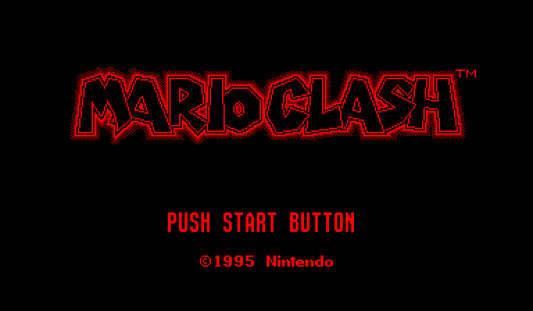
Nintendo 64
13 games Super Mario 641996 · 78 screenshots
 Mario no Photopi1998 · 1 screenshot
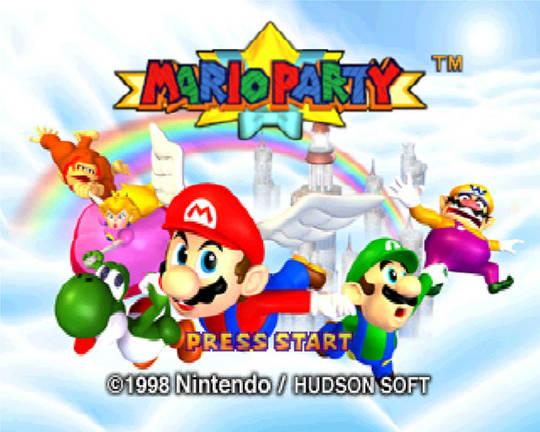 Mario Party1998 · 16 screenshots
 Mario Artist: Paint Studio1999 · 1 screenshot
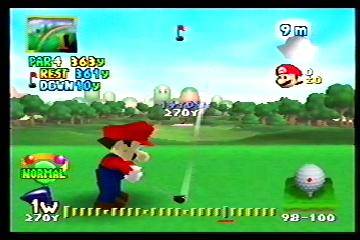 Mario Golf1999 · 22 screenshots
 Mario Party 21999 · 19 screenshots
 Super Smash Bros.1999 · 20 screenshots
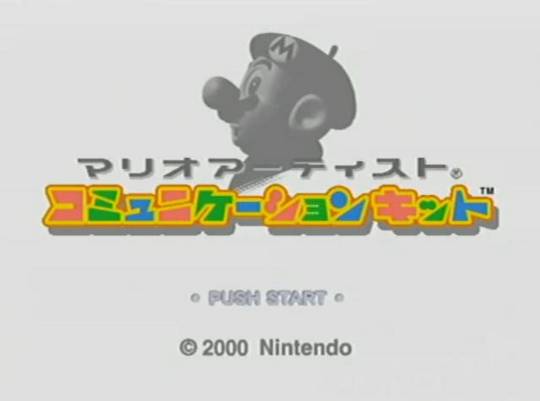 Mario Artist: Communication Kit2000 · 4 screenshots
 Mario Artist: Polygon Studio2000 · 6 screenshots
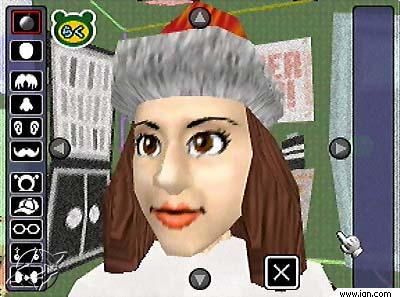 Mario Artist: Talent Studio2000 · 5 screenshots
 Mario Party 32000 · 15 screenshots
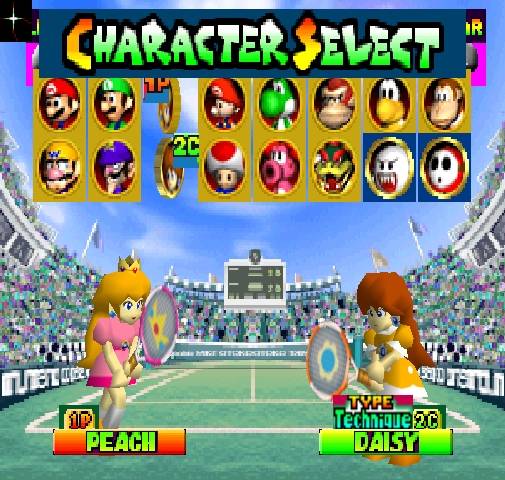 Mario Tennis2000 · 5 screenshots
 Paper Mario2000 · 67 screenshots
Game Boy Colour
4 games


Game Boy Advance
16 games Mario Kart: Super Circuit2001 · 16 screenshots
 Super Mario Advance2001 · 8 screenshots
 Super Mario Advance 22001 · 35 screenshots
 Game & Watch Gallery 42002 · 25 screenshots
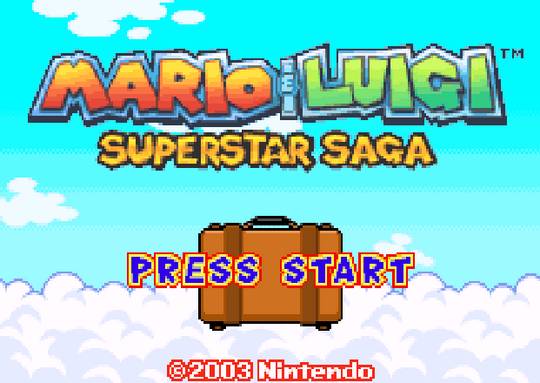 Mario & Luigi: Superstar Saga2003 · 114 screenshots
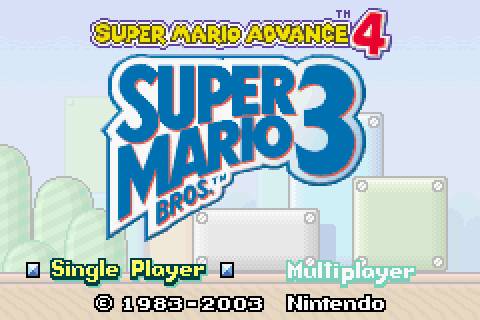 Super Mario Advance 42003 · 58 screenshots
 Classic NES Series: Dr. Mario2004 · 3 screenshots
 Classic NES Series: Super Mario Bros.2004 · 8 screenshots
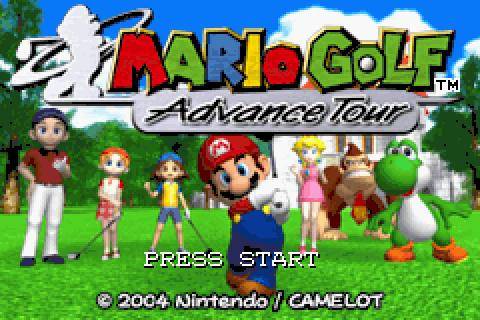 Mario Golf: Advance Tour2004 · 21 screenshots
 Mario Pinball Land2004 · 7 screenshots
 Mario vs. Donkey Kong2004 · 27 screenshots
 Yoshi Topsy-Turvy2004 · 8 screenshots
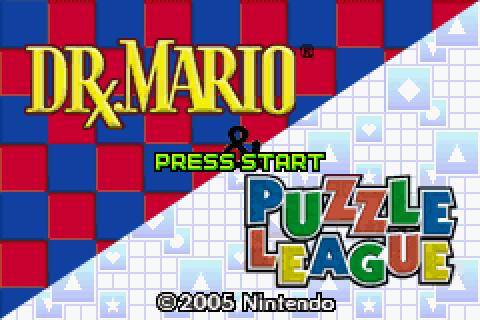 Dr. Mario & Puzzle League2005 · 12 screenshots
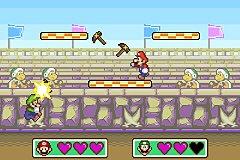 Mario Party Advance2005 · 30 screenshots
 Mario Tennis: Power Tour2005 · 29 screenshots
 Super Mario Advance 354 screenshots
GameCube
14 games Luigi’s Mansion2001 · 13 screenshots
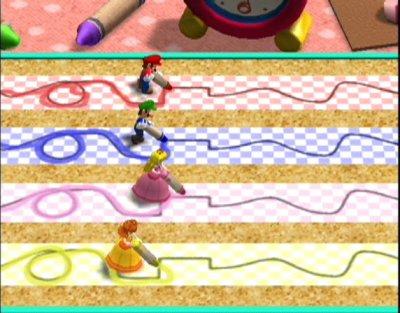 Mario Party 42002 · 13 screenshots
 Super Mario Sunshine2002 · 13 screenshots
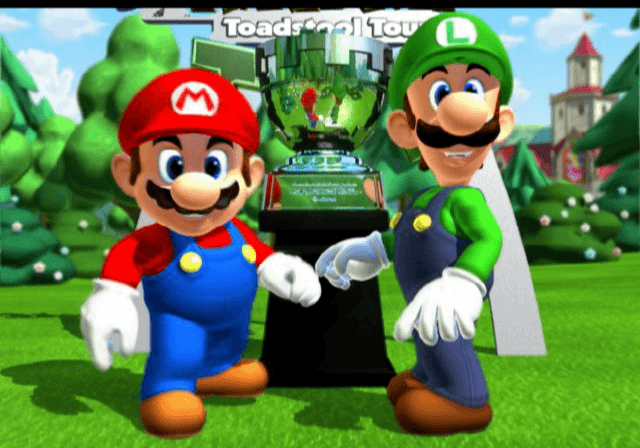 Mario Golf: Toadstool Tour2003 · 30 screenshots
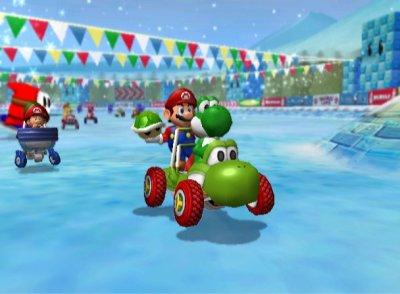 Mario Kart: Double Dash!!2003 · 21 screenshots
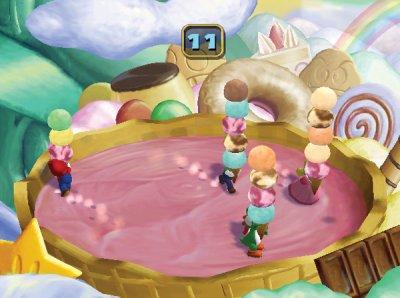 Mario Party 52003 · 12 screenshots
 Mario Party 62004 · 8 screenshots
 Mario Power Tennis2004 · 19 screenshots
 Paper Mario: The Thousand-Year Door2004 · 23 screenshots
 Dance Dance Revolution: Mario Mix2005 · 18 screenshots
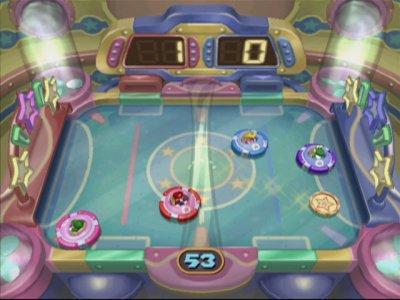 Mario Party 72005 · 24 screenshots
 Mario Superstar Baseball2005 · 10 screenshots
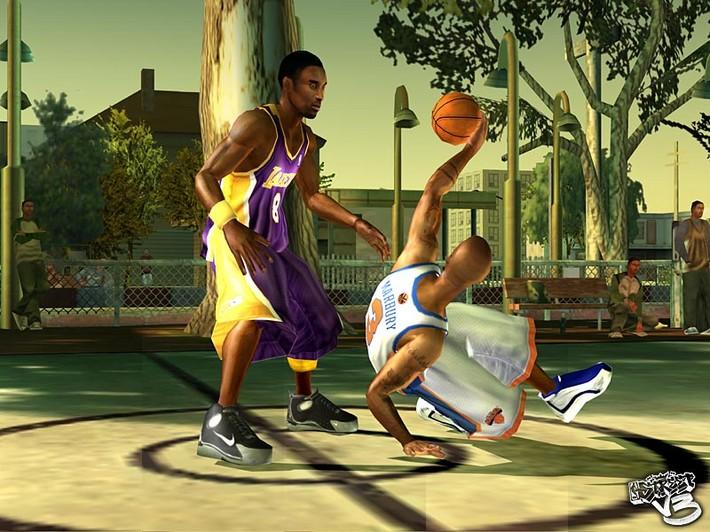 NBA Street V32005 · 30 screenshots
 SSX On Tour2005 · 15 screenshots
Nintendo DS
12 games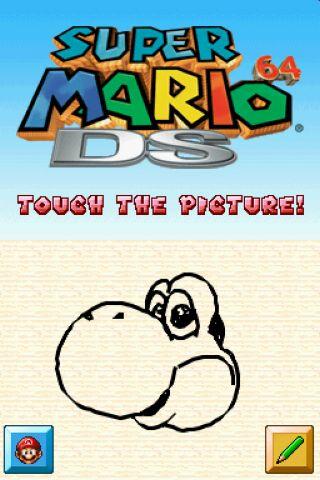 Super Mario 64 DS2004 · 17 screenshots
 Mario & Luigi: Partners in Time2005 · 29 screenshots
 Mario Kart DS2005 · 51 screenshots
 Super Princess Peach2005 · 12 screenshots
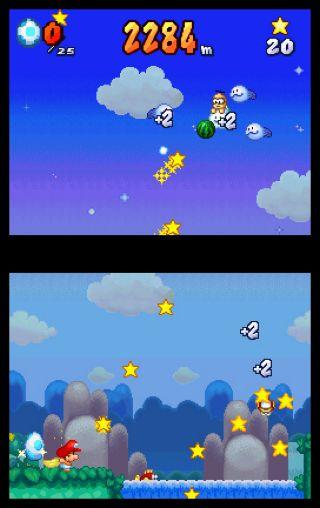 Yoshi Touch & Go2005 · 23 screenshots
 Game & Watch Collection2006 · 8 screenshots
 Mario Hoops 3-on-32006 · 39 screenshots
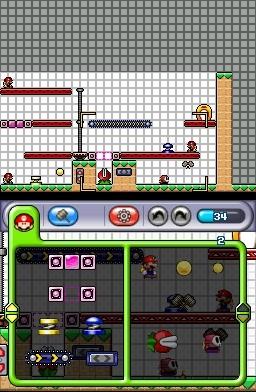 Mario vs. Donkey Kong 2: March of the Minis2006 · 21 screenshots
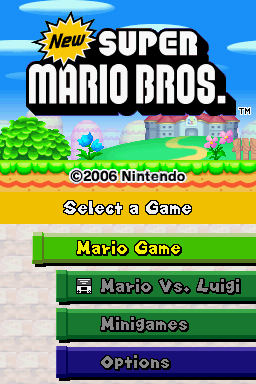 New Super Mario Bros.2006 · 13 screenshots
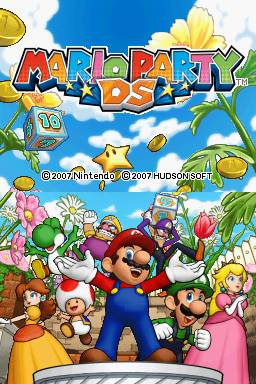 Mario Party DS2007 · 45 screenshots
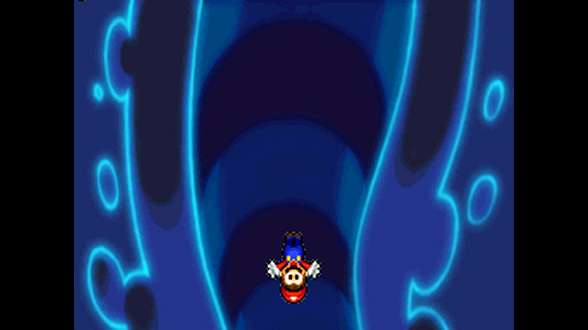 Mario & Luigi: Bowser’s Inside Story2009 · 70 screenshots
 Mario vs. Donkey Kong: Mini-Land Mayhem!2010 · 13 screenshots
Wii
18 games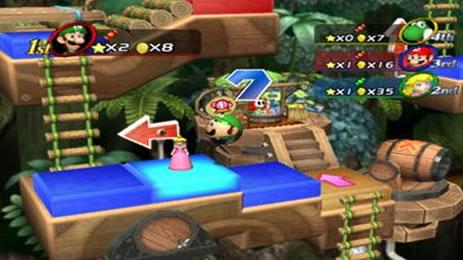 Mario Party 82007 · 21 screenshots
 Mario Strikers Charged2007 · 36 screenshots
 Super Mario Galaxy2007 · 228 screenshots
 Super Paper Mario2007 · 64 screenshots
 Mario Kart Wii2008 · 64 screenshots
 Mario Super Sluggers2008 · 17 screenshots
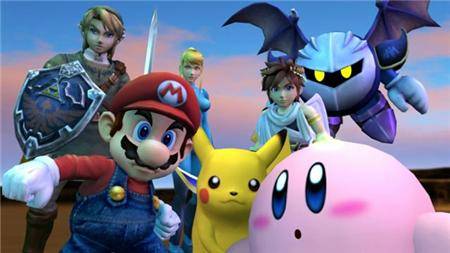 Super Smash Bros. Brawl2008 · 114 screenshots
 Mario & Sonic at the Olympic Winter Games2009 · 109 screenshots
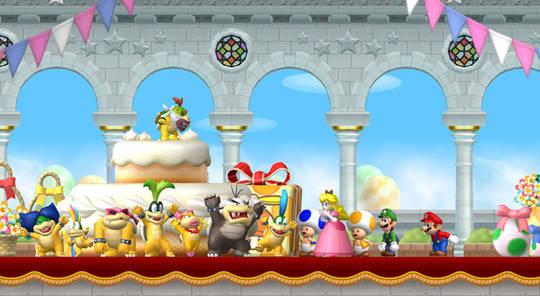 New Super Mario Bros. Wii2009 · 28 screenshots
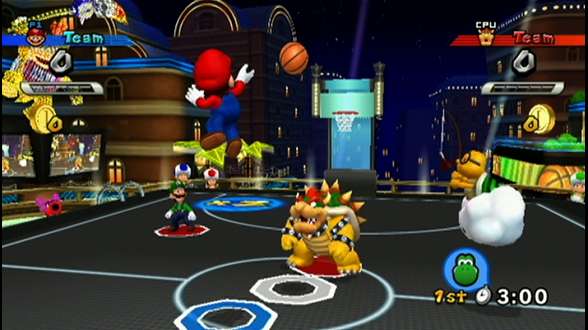 Mario Sports Mix2010 · 13 screenshots
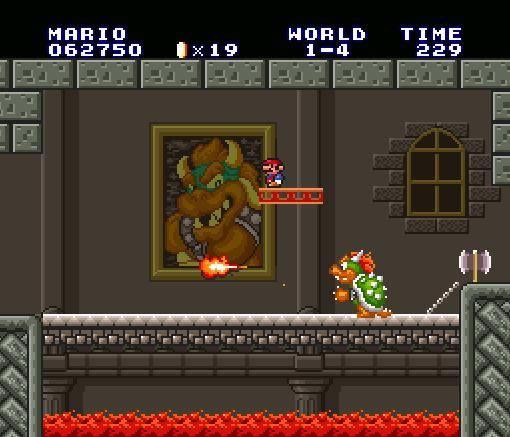 Super Mario All-Stars 25th Anniversary Edition2010 · 16 screenshots
 Super Mario Galaxy 22010 · 84 screenshots
 Fortune Street2011 · 41 screenshots
 Mario & Sonic at London 2012 Olympic Games2011 · 85 screenshots
 Mario Party 92012 · 49 screenshots
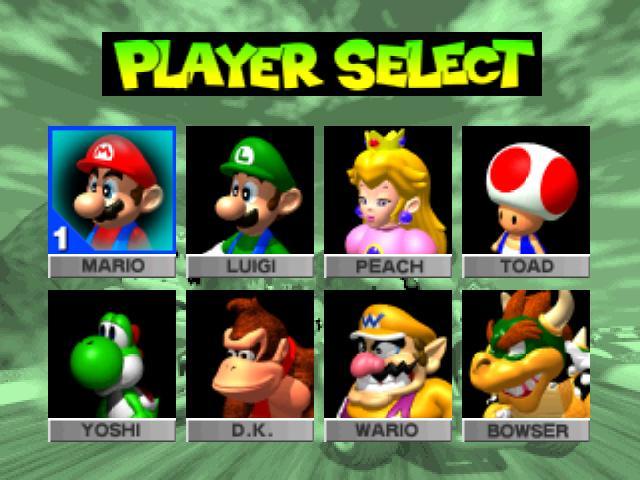 Mario Kart 64 (Virtual Console)5 screenshots
 Super Mario Bros. 3 (Virtual Console)15 screenshots
 Super Smash Bros. (Virtual Console)3 screenshots
Nintendo 3DS
12 games Mario Kart 72011 · 18 screenshots
 Super Mario 3D Land2011 · 75 screenshots
 Super Mario 3D Land (pre-release)2011 · 14 screenshots
 Mario & Sonic at London 2012 Olympic Games2012 · 24 screenshots
 Mario Tennis Open2012 · 19 screenshots
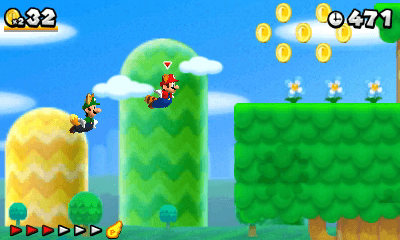 New Super Mario Bros. 22012 · 111 screenshots
 Paper Mario: Sticker Star2012 · 12 screenshots
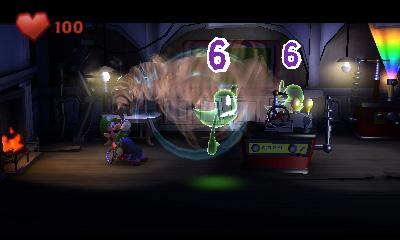 Luigi’s Mansion: Dark Moon2013 · 12 screenshots
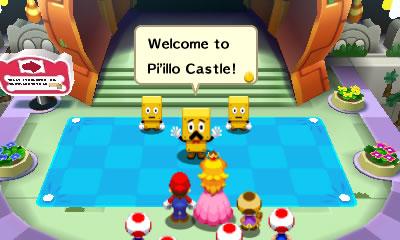 Mario & Luigi: Dream Team2013 · 15 screenshots
 Mario Party: Island Tour2013 · 15 screenshots
 Mario Golf: World Tour2014 · 11 screenshots
 Yoshi’s New Island2014 · 14 screenshots
Wii U
14 games New Super Mario Bros. U2012 · 9 screenshots
 Dr. Luigi2013 · 6 screenshots
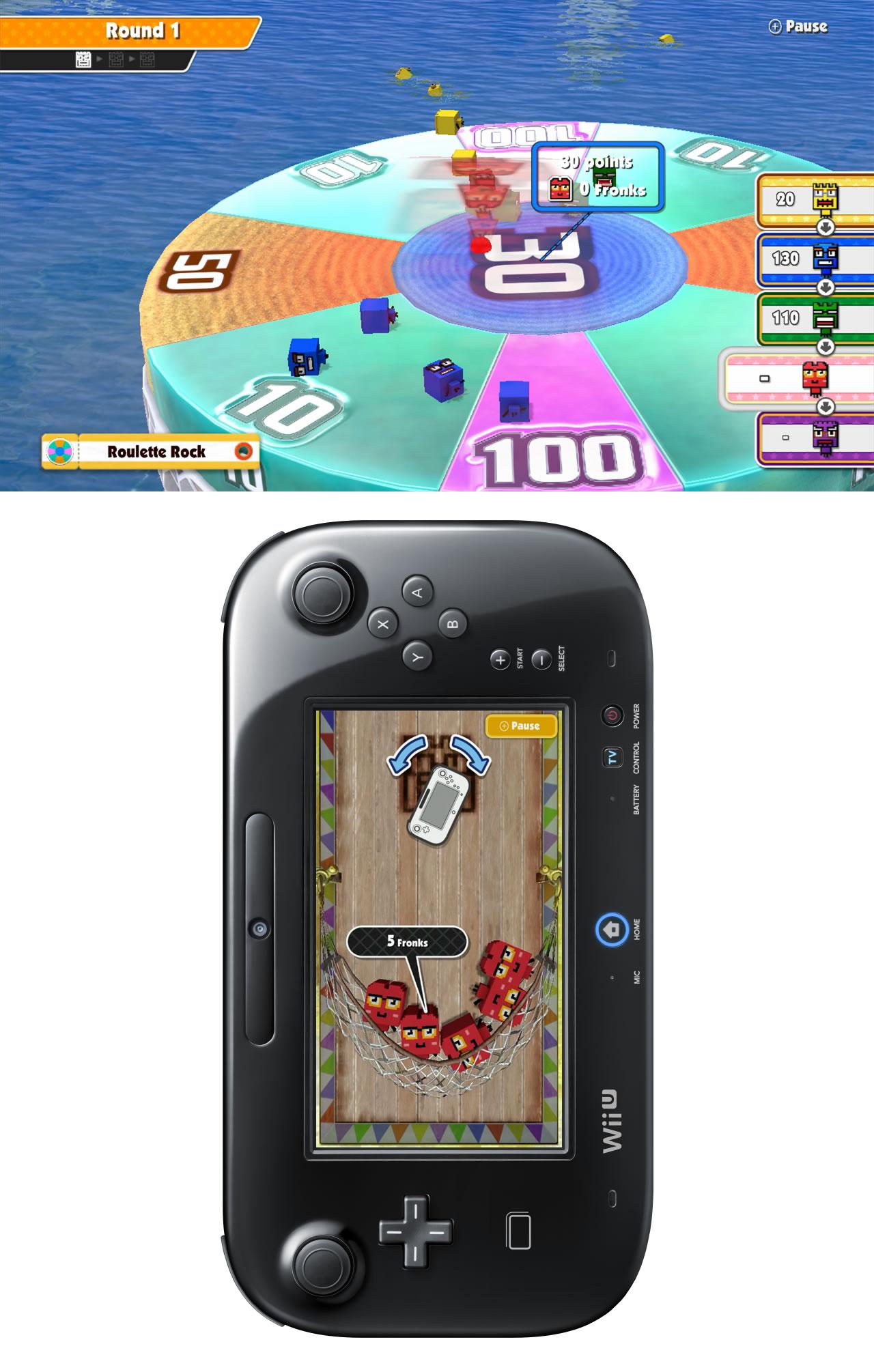 Game & Wario2013 · 6 screenshots
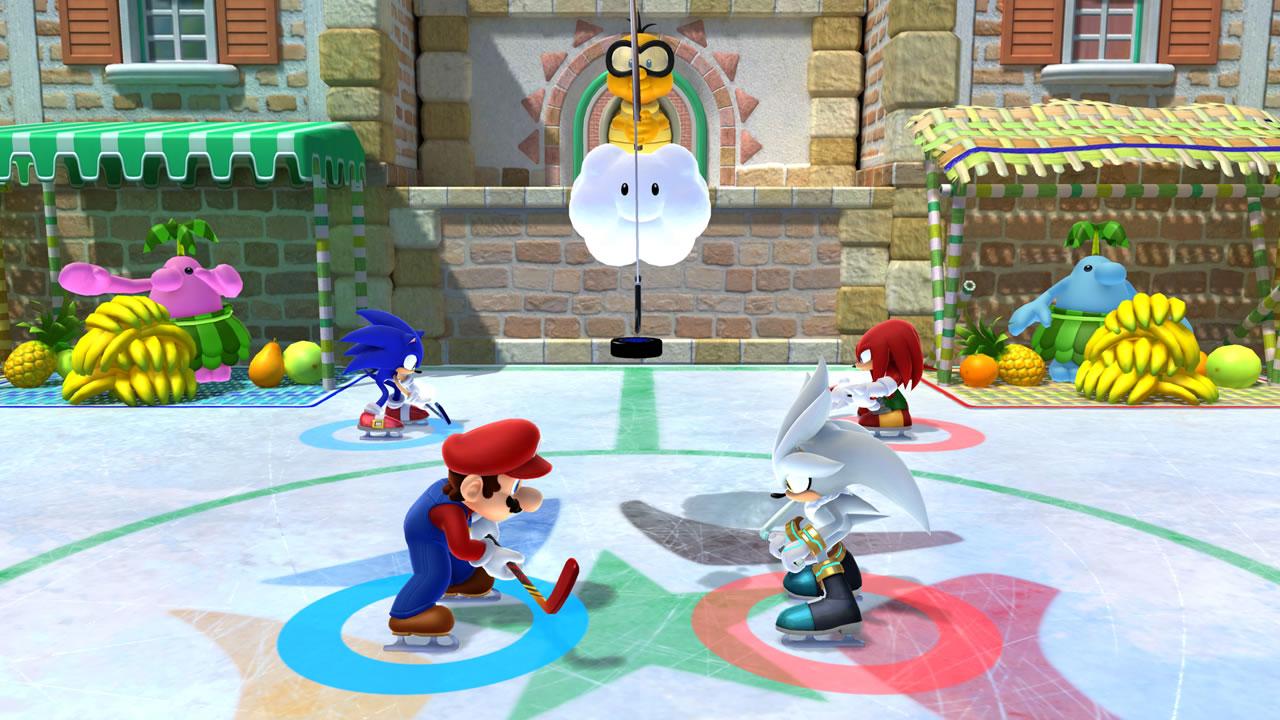 Mario & Sonic at the Sochi 2014 Olympic Winter Games2013 · 9 screenshots
 New Super Luigi U2013 · 11 screenshots
 Super Mario 3D World2013 · 9 screenshots
 Captain Toad: Treasure Tracker2014 · 9 screenshots
 Donkey Kong Country: Tropical Freeze2014 · 11 screenshots
 Mario Kart 82014 · 35 screenshots
 NES Remix 22014 · 10 screenshots
 Super Smash Bros. for Wii U2014 · 101 screenshots
 Mario Party 102015 · 9 screenshots
 Super Mario Maker2015 · 6 screenshots
 Yoshi’s Woolly World2015 · 9 screenshots
Atari, computers & other systems
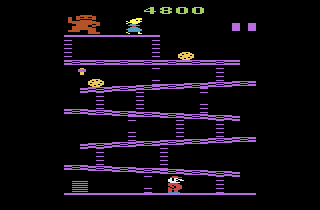
15 games Donkey Kong (Intellivision)1982 · 1 screenshot
 Mario Bros. (Atari 2600)1983 · 2 screenshots
 Mario Bros. (Atari 5200)1984 · 9 screenshots
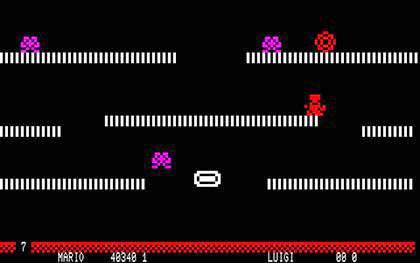
 Punch Ball Mario Bros. (PC-8801)1984 · 7 screenshots
 Super Mario Bros. Special (PC-8801)1986 · 4 screenshots
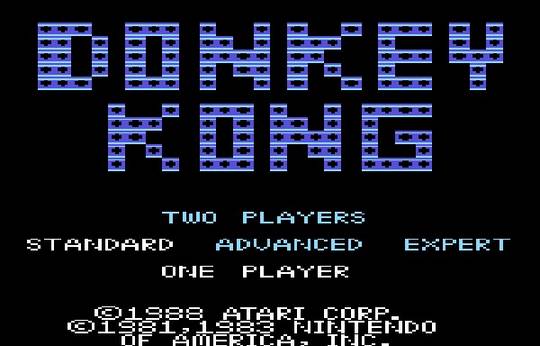 Donkey Kong (Atari 7800)1988 · 6 screenshots
 Donkey Kong Jr. (Atari 7800)1988 · 4 screenshots
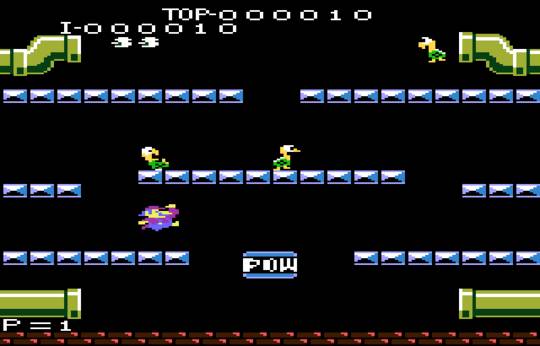 Mario Bros. (Atari 7800)1988 · 6 screenshots
 Mario is Missing (PC)1992 · 3 screenshots
 Hotel Mario (Philips CD-i)1994 · 10 screenshots
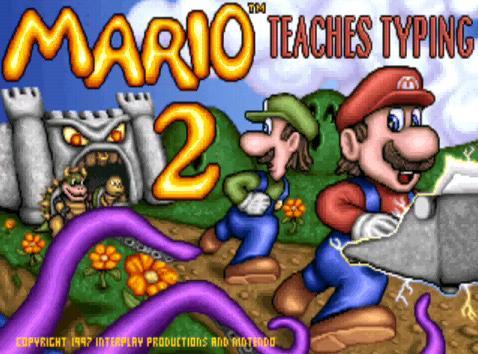 Mario Teaches Typing 2 (PC)1997 · 12 screenshots
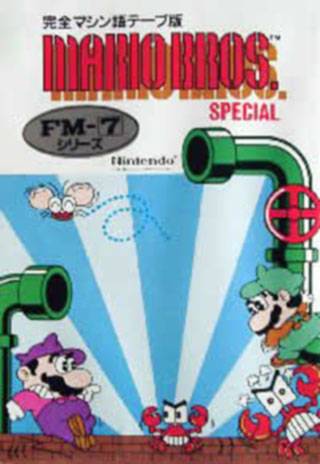 Mario Bros. Special (FM-7)1 screenshot
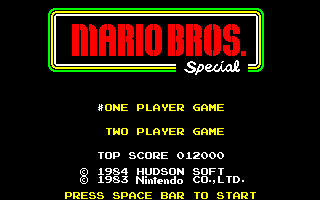 Mario Bros. Special (PC-8801)6 screenshots
 Mario Teaches Typing (PC)5 screenshots
 Mario’s Game Gallery (PC)18 screenshots
Nothing matches that search – try a shorter name.
How Mario Games Have Looked: A Short History
Mario has been redrawn for every new piece of Nintendo hardware since 1981. Here is how each generation shaped what you see in these galleries.
LCD and arcade: Mario in a handful of pixels
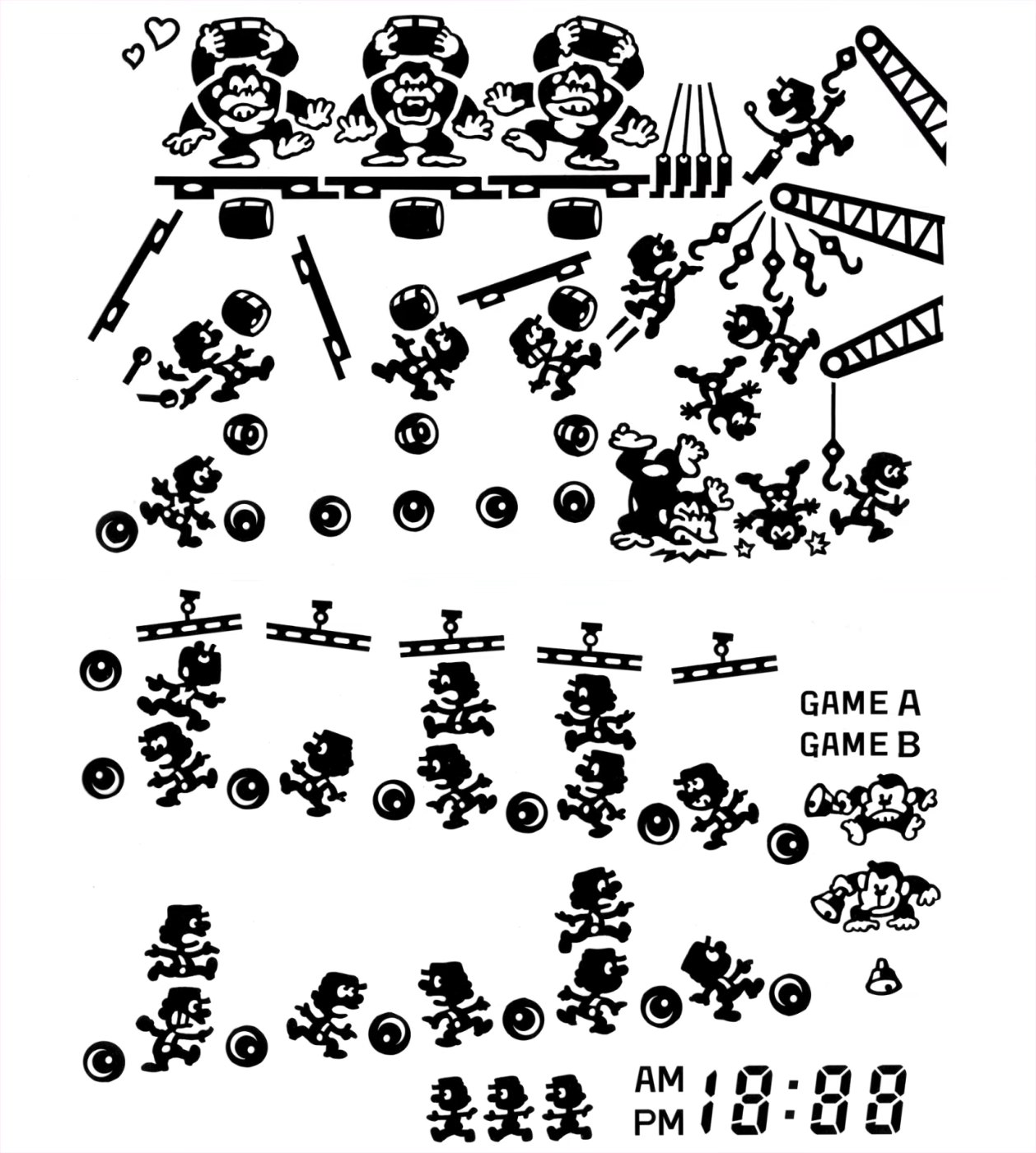
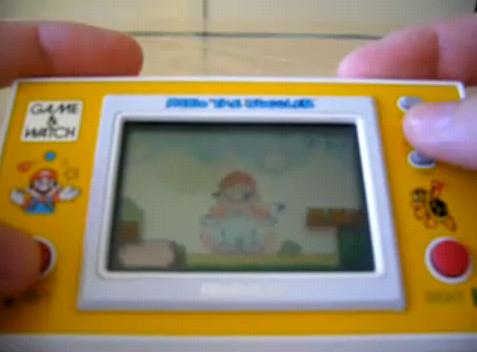
Mario’s first screens were tiny. Gunpei Yokoi’s Game & Watch handhelds, launched with Ball in 1980, used a segmented liquid-crystal display: the figures are fixed shapes that switch on and off, so a Game & Watch screenshot always looks like a cartoon caught mid-step. The line ran for eleven years and 60 games, sold 43.4 million units, and its Donkey Kong of 1982 sold 8 million on its own. The Multi Screen models folded two LCD panels into a clamshell, and Mario the Juggler of 1991, on our Game & Watch shelf, was the last LCD game in the series.
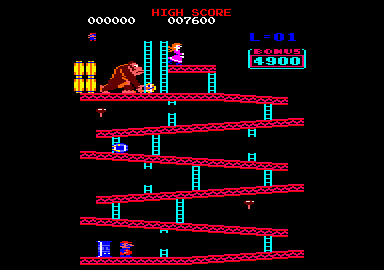
In the arcade the limits were different but just as strict. When Shigeru Miyamoto designed the hero of Donkey Kong in 1981, early versions of him were drawn on a 16-by-16 grid of dots, and almost everything about his look solved a hardware problem: red overalls so you could see his arms move, a cap so there was no hair to draw or animate when he jumped, and a large nose and moustache to make a human face out of very few pixels. The plumber’s famous outfit is, in other words, a screenshot problem solved with clothes.
8-bit: the Famicom and NES
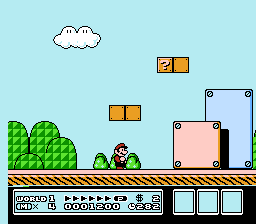
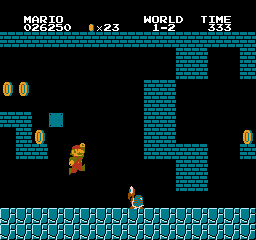
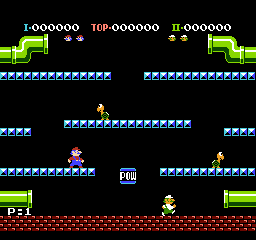
The Famicom, and the NES it became in the West, drew its pictures with a Ricoh graphics chip called the Picture Processing Unit. Its standard picture was 256 × 240 pixels, with up to 25 colours on screen at a time out of 54 it could use, and it tracked up to 64 sprites. Each sprite tile could hold three colours plus a transparent one, which goes a long way to explaining how NES heroes look. Super Mario Bros. began with a 16 × 32 pixel rectangle standing in for Mario and ended up dressing him in a brown shirt and red overalls.
Within those rules Nintendo kept finding more. Compare our 30 Super Mario Bros. screenshots with the 19 from Super Mario Bros. 3 and the difference is obvious, even though both run on the same machine. The NES shelf here has 20 games, and the Famicom Disk System has five more, among them the Japanese Super Mario Bros. 2.
16-bit: more colours, Mode 7 and the Super FX
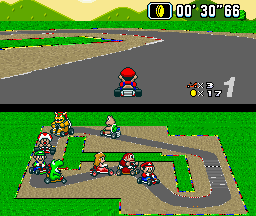
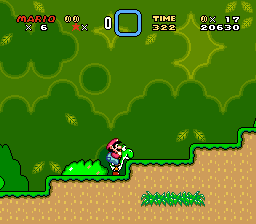
The Super NES raised the ceiling: 256 colours on screen chosen from a palette of 32,768, and a standard picture of 256 × 224. Its party trick was Mode 7, which can rotate and scale an entire flat background to fake a 3D view. Super Mario Kart built its racing on it, with a DSP-1 maths chip inside the cartridge, the most widely used of the Super NES’s DSP chips. Because the team wanted two players on one screen, the lower half shows the second player in a two-player race and a map when you race alone.
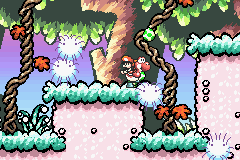
Late in the console’s life, Yoshi’s Island became the first game to use the Super FX2 chip, which powered its rotating and stretching objects and walls that fall away into the background. Its famous crayon look started on paper: hand-drawn pictures were scanned and then approximated pixel by pixel.
The jump to 3D
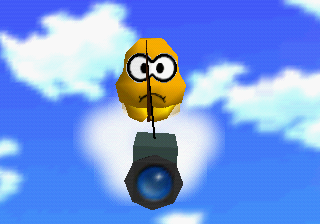
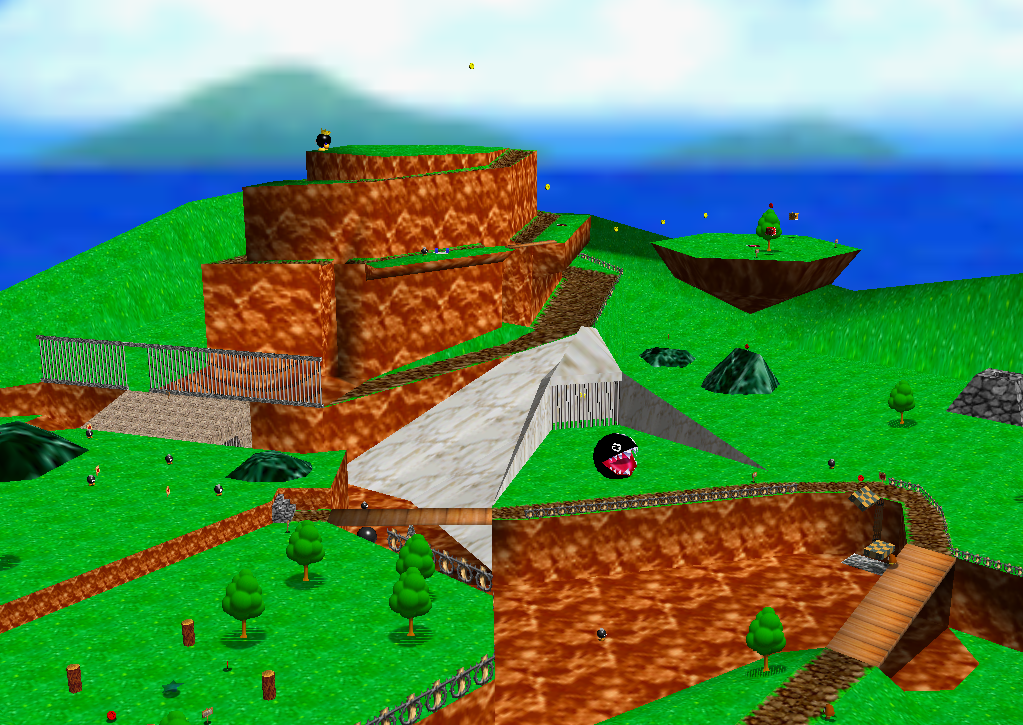
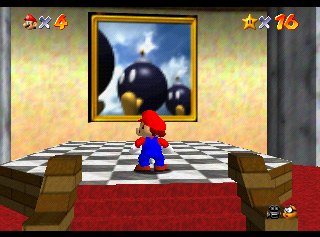
Super Mario 64 was the first Super Mario game with 3D graphics, and nothing about taking a screenshot of Mario was the same again. Mario was now a polygon model, built with the N-World toolkit by Yoshiaki Koizumi, who had no frame of reference and found it a struggle. The analogue stick let you set his running speed precisely, and the camera floated free of him: you could move it yourself, and the game explained it as a Lakitu with a film camera following Mario around.
It was also one of the first games in which Charles Martinet voiced Mario, and its stretchable face on the title screen grew out of a talking-head demonstration. Our Super Mario 64 gallery has 78 screenshots; the N64 shelf runs to 13 games, four of them Mario Artist titles.
Pocket screens: Game Boy to 3DS
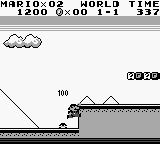
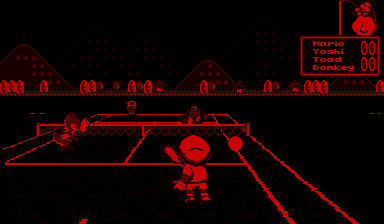
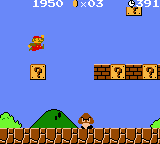
Handheld Mario has always been a separate art. The original Game Boy’s 2.5-inch reflective screen showed 160 × 144 pixels in four shades of grey-green, with no backlight, and Super Mario Land had to fit a whole adventure into it. The Game Boy Color kept the resolution but could show 56 colours at once from 32,768, and gave many older games a tint with its built-in palettes. The Virtual Boy of 1995 went another way entirely: two red, four-shade screens of 384 × 224, each made by sweeping a column of 224 red LEDs with an oscillating mirror, with depth from parallax. Mario’s Tennis and Mario Clash are the only two games on that shelf.
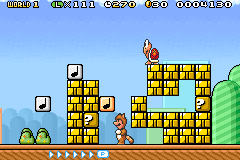
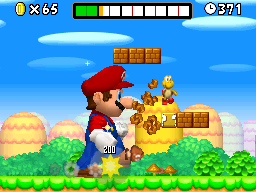
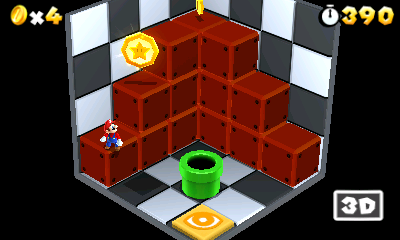
The Game Boy Advance’s 2.9-inch, 240 × 160 screen showed 32,768 colours with performance close to the Super NES, though its unlit screen drew complaints. The Nintendo DS doubled up with two 256 × 192 screens, the lower one a touchscreen, and New Super Mario Bros. put mostly 3D polygonal characters and objects on 2D backgrounds. Then the Nintendo 3DS added depth without glasses: its top screen is 800 × 240, which is 400 × 240 for each eye behind a parallax barrier. Super Mario 3D Land works with the effect off, but some obstacles are easier to judge with it on, which is the one thing a flat screenshot cannot show you.
Into high definition
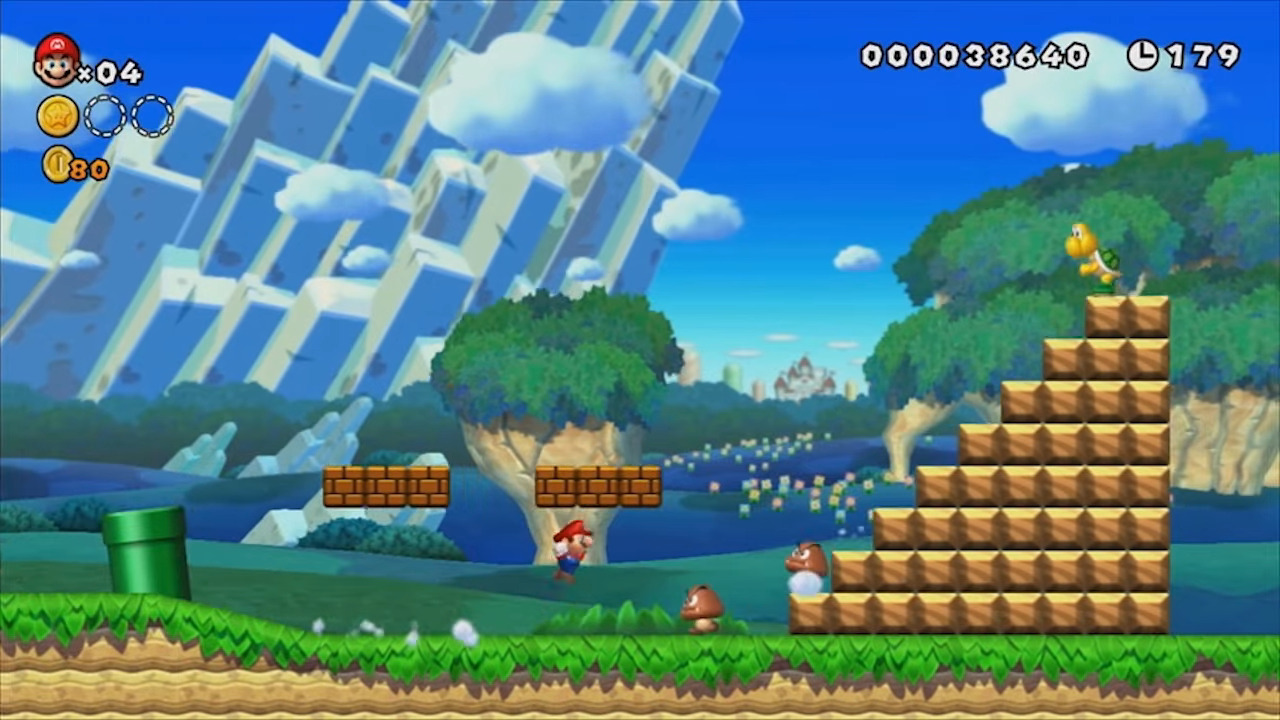
The Wii, home to Super Mario Galaxy and the biggest gallery in this archive, never went high definition, and Miyamoto later said its lack of HD and limited online network had helped put it in a different category from the PlayStation 3 and Xbox 360. Its successor fixed that. No Nintendo console before the Wii U could output HD, and it went all the way to 1080p, and New Super Mario Bros. U, on sale with the console from 18 November 2012 in North America, was the first Super Mario game in high definition.
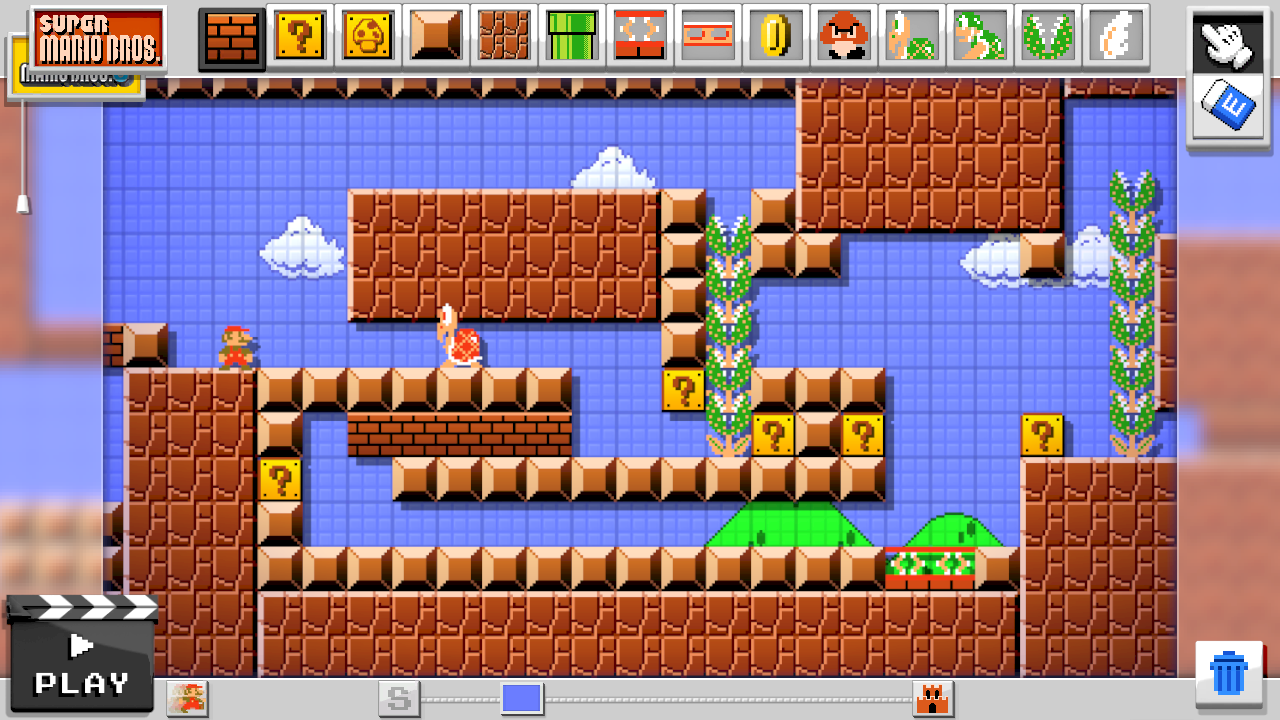
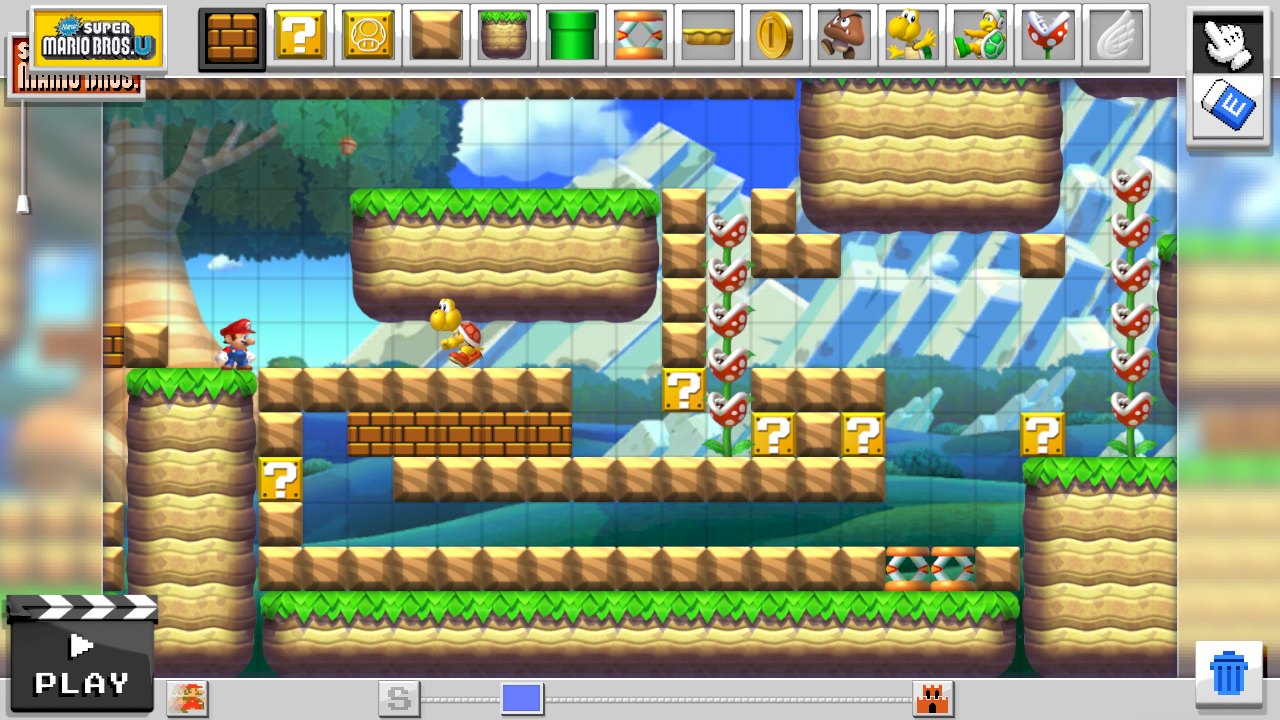
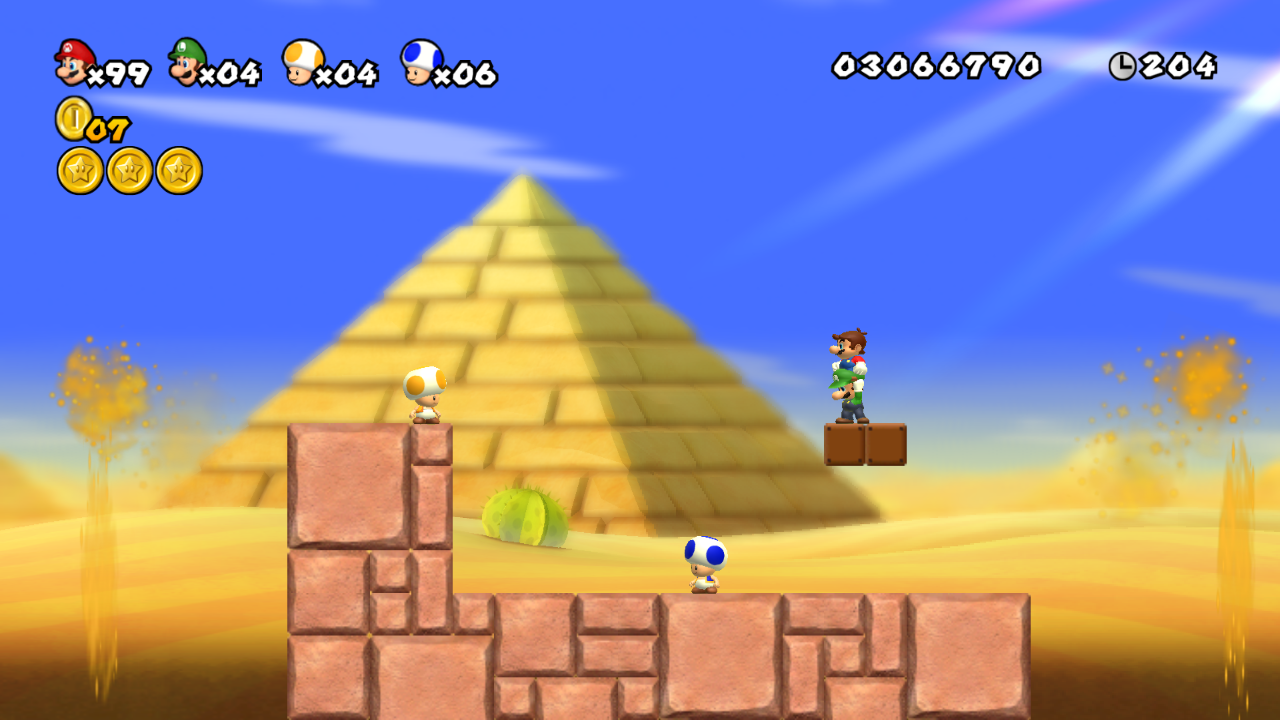
The Wii U also produced the neatest summary of this whole page. Super Mario Maker, released worldwide in September 2015, lets you switch any course between the looks of Super Mario Bros., Super Mario Bros. 3, Super Mario World and New Super Mario Bros. U, thirty years of Mario graphics at the press of a button. It is one of the last games on our Wii U shelf, alongside Mario Party 10 and Yoshi’s Woolly World.
Timeline
Mario’s graphics, one milestone at a time. Years are those of the first release; galleries for every Mario game named here are in the archive above.
Mario on screen, year by year
- Game & Watch 1980Gunpei Yokoi’s LCD handhelds begin with Ball.
- Donkey Kong 1981Mario’s cap, nose, moustache and overalls are designed around the limits of arcade hardware.
- Donkey Kong (Game & Watch) 1982The LCD version sells 8 million units.
- Super Mario Bros. 1985NES: 256 × 240 pixels, 25 colours on screen, three colours per sprite.
- Super Mario Land 1989Game Boy: 160 × 144 in four shades, no backlight.
- Super Mario World 1990Super Famicom: 256 colours on screen from 32,768.
- Mario the Juggler 1991The last LCD Game & Watch.
- Super Mario Kart 1992Mode 7 tracks and a DSP-1 chip in the cartridge.
- Yoshi’s Island 1995The first Super FX2 game; crayon art scanned and rebuilt in pixels.
- Virtual Boy 1995Red LEDs, an oscillating mirror and depth by parallax for Mario’s Tennis.
- Super Mario 64 1996The first Super Mario with 3D graphics and a free camera, and one of the first with Charles Martinet as Mario.
- New Super Mario Bros. 2006DS: polygon characters on 2D backgrounds across two 256 × 192 screens.
- Super Mario 3D Land 20113DS: glasses-free stereoscopic 3D, 400 × 240 per eye.
- New Super Mario Bros. U 18 November 2012The first Super Mario in high definition, on Nintendo’s first HD console.
- Super Mario Maker September 2015Four eras of Mario graphics in one game.
Trivia & Interesting Facts
- Mario began as a pattern of dots on a 16 × 16 grid while Donkey Kong was still in development.
- Super Mario Bros. started life with a plain 16 × 32 pixel rectangle as its hero.
- Yokoi had hoped the first Game & Watch would sell 100,000 units. The line went on to sell 43.4 million.
- In single-player Super Mario Kart the bottom half of the screen is a map; it exists because the game was designed around two players sharing one screen.
- The talking Mario head on the Super Mario 64 title screen grew out of an earlier talking-head demonstration.
- Mario’s first 3D model gave its maker, Yoshiaki Koizumi, a hard time: there was nothing to base it on.
- Each eye’s picture on the Virtual Boy comes from a single column of 224 red LEDs and a mirror swinging back and forth.
- The Game Boy Color has built-in colour palettes for more than 90 original Game Boy games, and lets you pick one of 12 for any other.
- A Nintendo DS has a fixed budget of about 2,048 triangles per frame; New Super Mario Bros. spends its polygons on characters and objects and keeps its backgrounds 2D.
- The 3DS top screen is 800 pixels wide but each eye sees only 400 of them.
- With 228 screenshots, Super Mario Galaxy has more than any other gallery here, and more than six times the 36 in Super Mario Kart.
Mario Beyond Nintendo’s Hardware
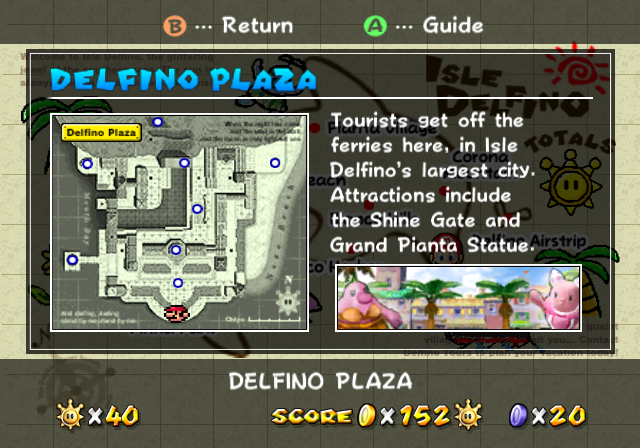
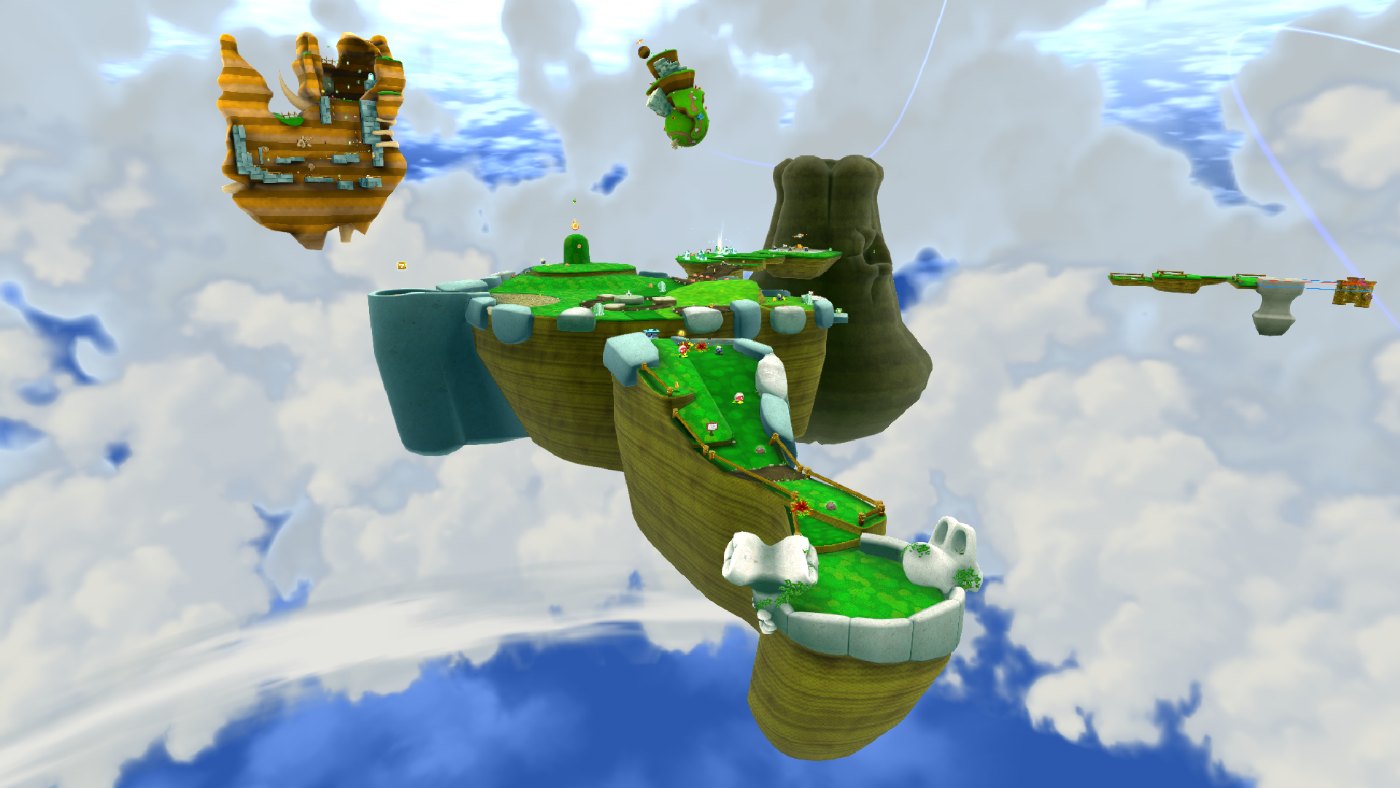
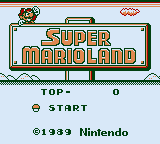
Mario has turned up on plenty of machines Nintendo did not make, and the archive’s last shelf collects them. Here are three more from our game pages that are not on that shelf, alongside two of the best-looking games on Nintendo’s own hardware and a Game Boy game seen through a Super Game Boy.
Sources
Every fact on this page was checked against the 19 sources listed here.
Show sources
Super Luigi Bros., Screenshots archive · Wikipedia, “Game & Watch” · Wikipedia, “Mario” · Wikipedia, “Nintendo Entertainment System” · Wikipedia, “Super Nintendo Entertainment System” · Wikipedia, “Super Mario 64” · Wikipedia, “Game Boy” · Wikipedia, “Virtual Boy” · Wikipedia, “New Super Mario Bros. U” · Wikipedia, “Super Mario Maker” · Wikipedia, “Super Mario Kart” · Wikipedia, “Wii U” · Wikipedia, “Game Boy Color” · Wikipedia, “Super Mario World 2: Yoshi’s Island” · Wikipedia, “Game Boy Advance” · Wikipedia, “Nintendo DS” · Wikipedia, “New Super Mario Bros.” · Wikipedia, “Nintendo 3DS” · Wikipedia, “Super Mario 3D Land”
Images: Mario and all related characters, artwork and screenshots are © Nintendo; other artwork, covers and scans are © their respective owners. Images are used here for commentary and reference.