Handheld1989118.69 million sold (with Game Boy Color)Fourth generationMario on launch day11 Mario games on SLBBirthplace of Wario and Daisy
Super Mario Games on the Game Boy
Nintendo’s chunky grey handheld and Mario arrived together: Super Mario Land and Alleyway were there on launch day in Japan, 21 April 1989. Over the next eight years the Game Boy gave Mario a new princess in Daisy, a new rival in Wario, a doctor’s coat, a chisel for Picross and a 101-stage rematch with Donkey Kong. Nintendo counts the Game Boy and Game Boy Color as one family, and together they sold 118.69 million units. Here is every Game Boy game with a page on Super Luigi Bros., and the story of the machine that put Mario in your pocket.
Manufacturer:Nintendo (R&D1, led by Gunpei Yokoi, with Satoru Okada)
Type:Handheld games console
Generation:Fourth
Japan:21 April 1989
N. America:31 July 1989
Europe:28 September 1990
Australia:1990 (exact day not confirmed)
Launch price:¥12,500 (Japan) · US$89.95 with Tetris (North America)
Units sold:118.69 million, Game Boy and Game Boy Color counted together (Nintendo IR, as of 30 September 2026)
Hardware:Sharp SM83 processor at 4.19 MHz · 8 KB work RAM, 8 KB video RAM · Game Pak cartridges
Screen and power:160 × 144 pixels in four shades · four AA batteries, up to 30 hours
Models:Game Boy (1989), Play It Loud! (1995), Game Boy Pocket (1996), Game Boy Light (1998, Japan); Super Game Boy for the Super NES (1994)
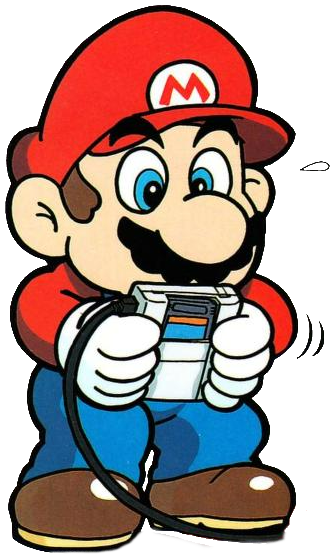
Mario with his Game Boy, as drawn for Germany’s Club Nintendo magazine.
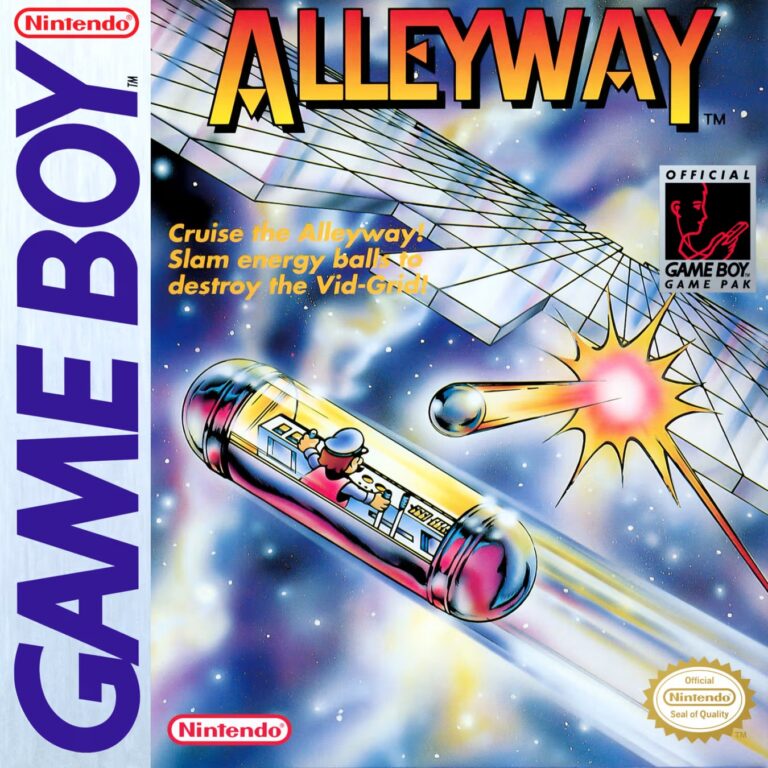
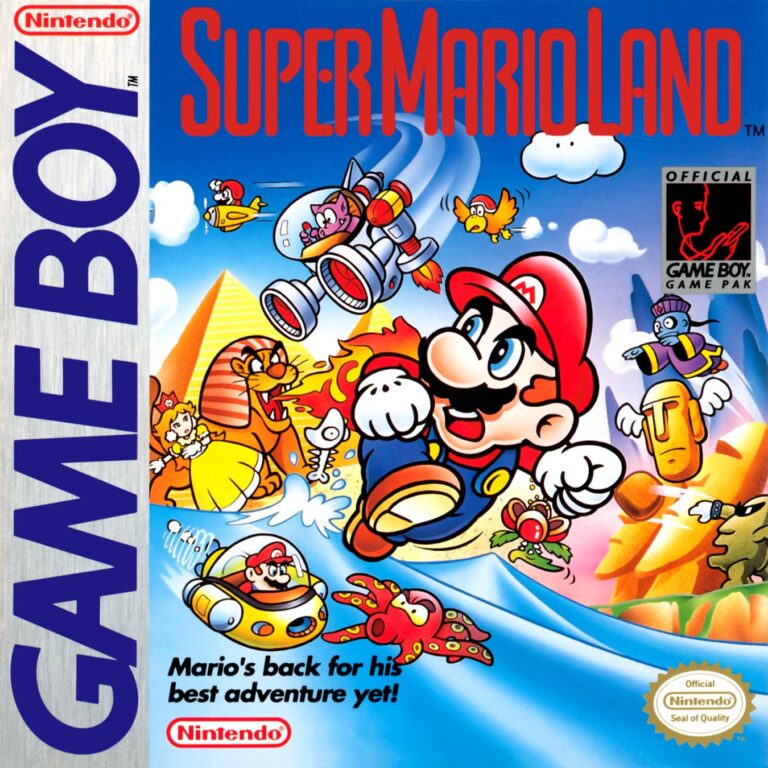
Mario and the Game Boy go back to the very first morning. When the handheld went on sale in Japan on 21 April 1989, two of its four launch games starred him: Super Mario Land, his first platform adventure on a cartridge you could carry in a pocket, and the bat-and-ball Alleyway, where he sits at the controls of the paddle. Both came from Nintendo R&D1, the team of Gunpei Yokoi and Satoru Okada that had designed the console itself, not from Shigeru Miyamoto’s group. That is why the Game Boy’s Mario feels like a cousin of the NES hero: a different princess (Daisy), a different kingdom (Sarasaland), an alien villain called Tatanga and stages where Mario pilots a submarine and an aeroplane.
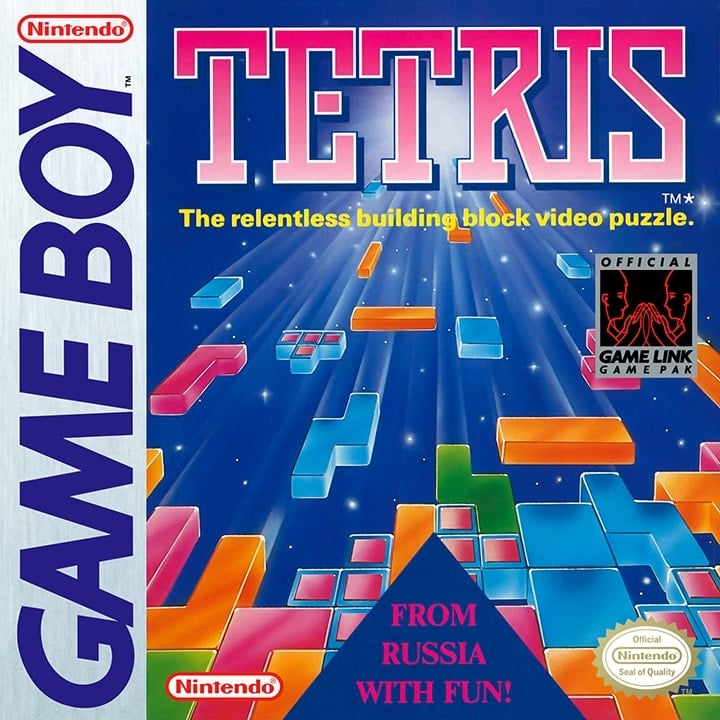
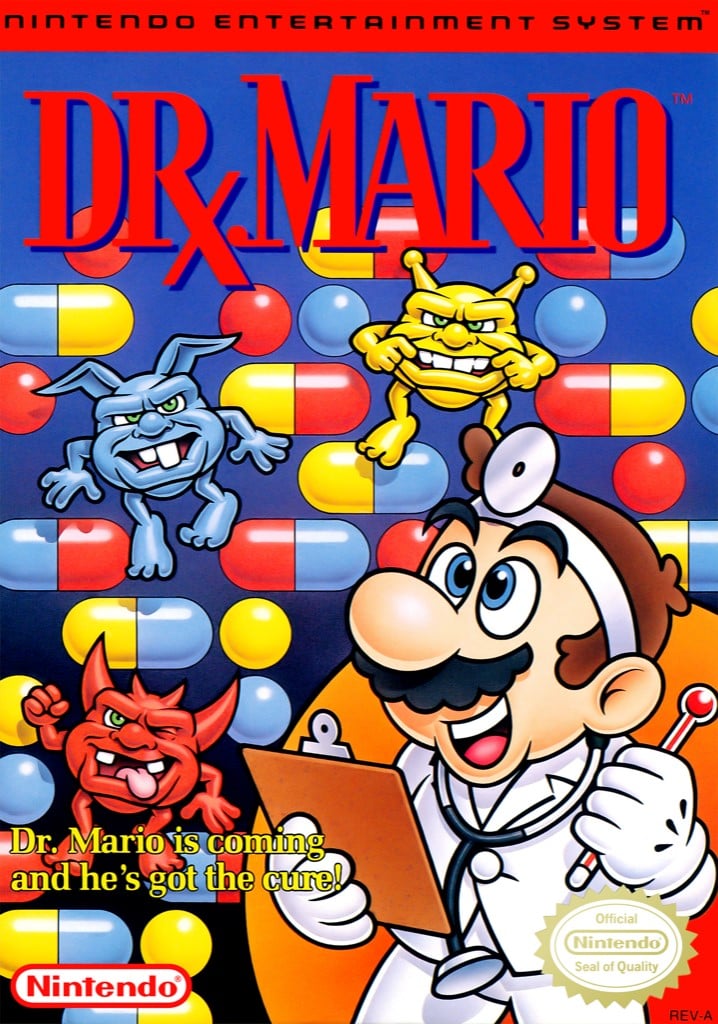
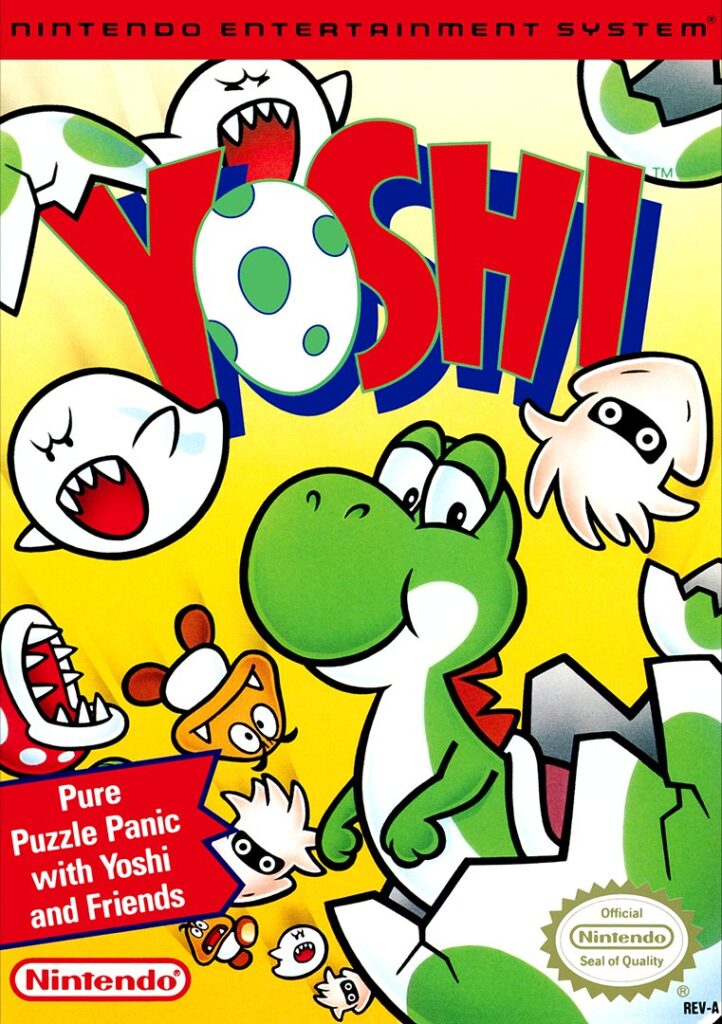
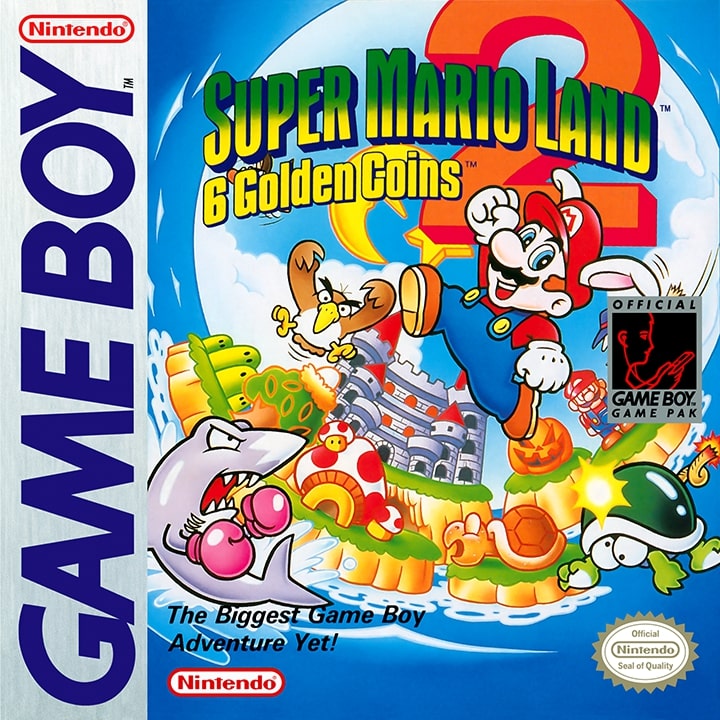
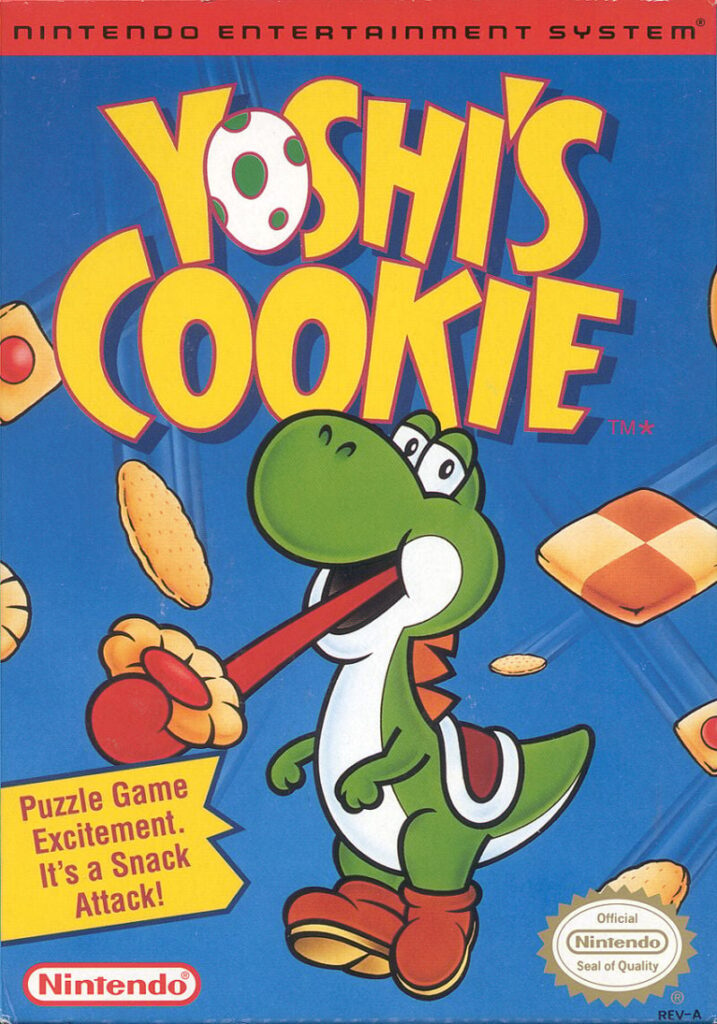
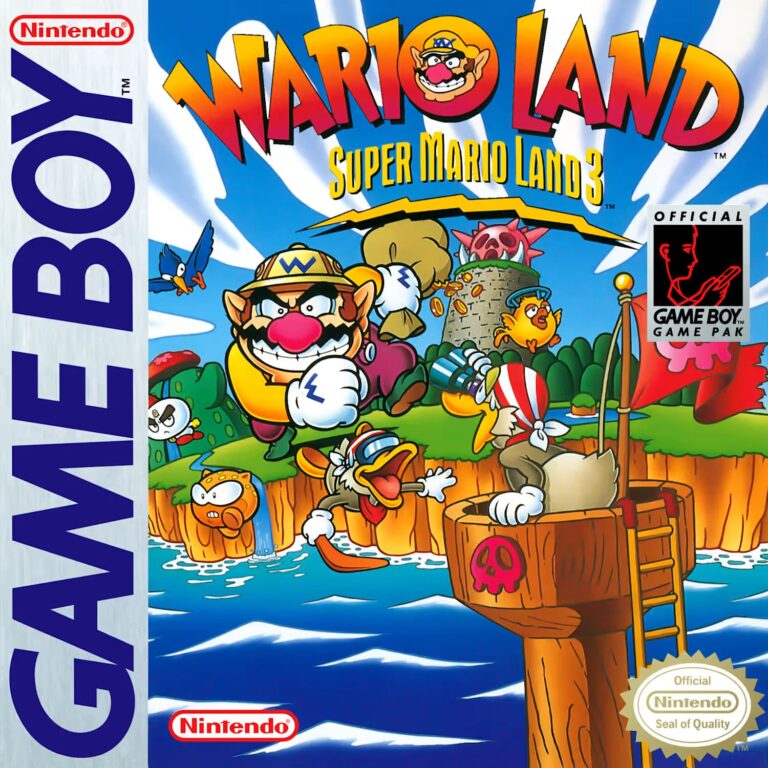
The puzzle games followed. Mario and Luigi fought head-to-head over a link cable in Tetris, the cartridge bundled with the Game Boy outside Japan; Dr. Mario put him in a white coat in 1990; Game Freak, years before Pokémon, made Yoshi in 1991; and Yoshi’s Cookie came in 1992. The last three all launched in Japan on the Game Boy and the Famicom on the same day. Then the platformers grew up. Super Mario Land 2: 6 Golden Coins (1992) brought big sprites, a world map, a save battery and a greedy new rival called Wario, who promptly took over the series in Wario Land: Super Mario Land 3 (1994).
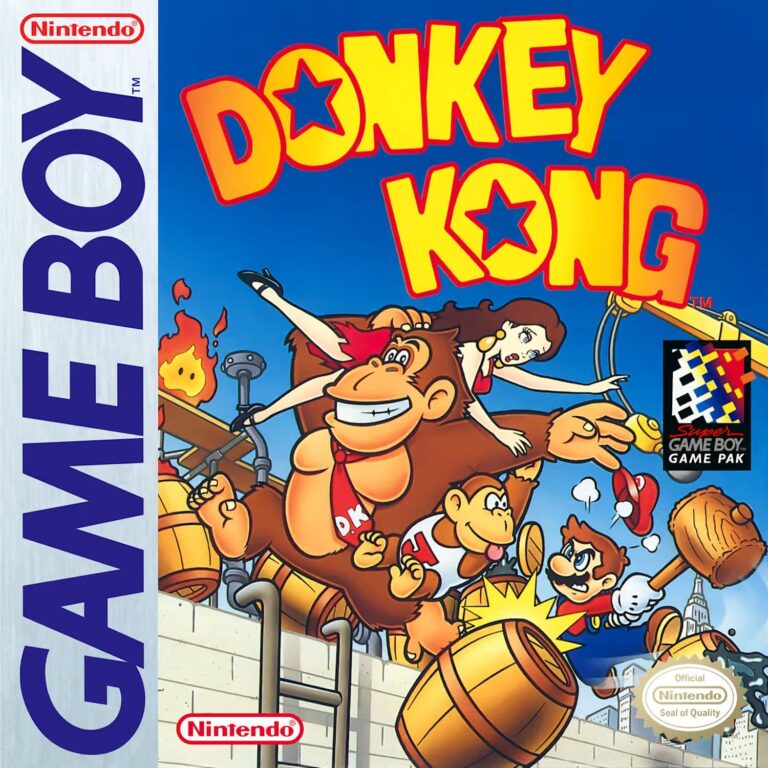
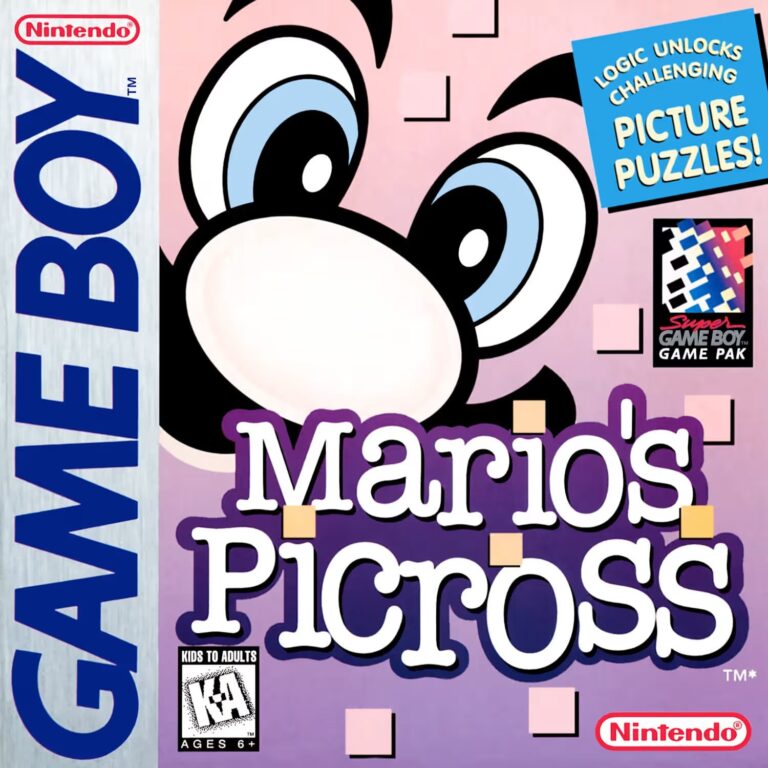
Shigeru Miyamoto’s EAD joined in late. Its Donkey Kong (1994), made with Pax Softnica, opened with the four arcade stages and then revealed 97 more, a puzzle-platformer built to show off the Super Game Boy, and it later grew into the Mario vs. Donkey Kong series. Mario’s Picross (1995) dressed Mario as an archaeologist and started the Picross series, and Game Boy Gallery 2 (1997) closed the monochrome years in Japan before its colour edition reached the West.
Mario never got the Game Boy box to himself: Nintendo of America chose Tetris as the pack-in over Super Mario Land. He did fine anyway. Super Mario Land is usually credited with about 18 million sales, more than any other Mario game on the system, and nine of the eleven games below can be played today on Nintendo Switch through Game Boy – Nintendo Classics.
Donkey Kong: 101 stages of keys, doors and acrobatics; the arcade classic reinvented.
Super Mario Land: short, strange and charming, and the game where Daisy began.
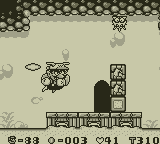
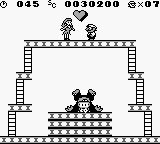
Super Mario Land (1989): World 1-1 in Birabuto, the first steps of Mario’s handheld career.Super Mario Land 2 (1992): bigger sprites and the opening course.Wario Land: Super Mario Land 3 (1994): Jet Wario takes to the air.Donkey Kong (1994): Mario and Pauline meet at the top of 100 m, but the game is only getting started.
Quick Answers
The questions we are asked most about Mario on the Game Boy, answered briefly.
How many Mario games are on the Game Boy?
Super Luigi Bros. has full pages for 11 Game Boy games in which Mario or his world plays a part, from Alleyway and Super Mario Land in April 1989 to the Japan-only Game Boy Gallery 2 in September 1997. Cameos and spin-offs without their own page yet, such as Golf, Donkey Kong Land and Wario Land II, are listed further down. More →
What was the first Mario game on the Game Boy?
Two arrived together on launch day in Japan, 21 April 1989: Super Mario Land and Alleyway. In North America both were again launch titles, on sale by 1 August 1989. More →
Which is the best-selling Mario game on the Game Boy?
Super Mario Land. Nintendo’s investor-relations pages give no per-game figures for Game Boy titles, but the figure usually quoted is 18.14 million, ahead of Super Mario Land 2 at about 11.18 million. Tetris, with Mario and Luigi in its two-player mode, sold far more, helped by being packed in with the console. More →
Did the Game Boy come with Super Mario Land?
No. Super Mario Land was the planned pack-in, but Henk Rogers persuaded Nintendo of America to bundle Tetris instead, arguing that it would reach every kind of player, not just the young boys Mario attracted. Tetris came in the box everywhere except Japan. More →
How many Game Boys were sold?
Nintendo reports 118.69 million units, and that figure includes the Game Boy Color: after 1998 the company stopped giving separate numbers for the two. The monochrome models alone had reached 64.42 million by late 1998. More →
Where did Wario and Princess Daisy come from?
Both were born on the Game Boy. Daisy is the princess Mario rescues in Super Mario Land (1989); Wario is the villain who steals Mario’s castle in Super Mario Land 2 (1992) and the hero of Wario Land: Super Mario Land 3 (1994). More →
Which Game Boy Mario games were Japan-only?
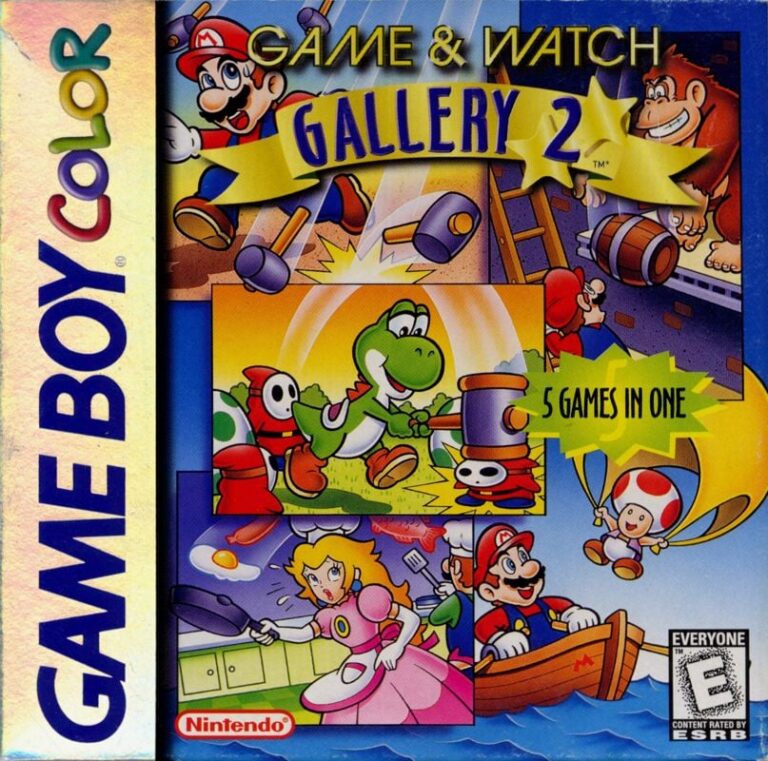
Of the games with pages here, only the monochrome Game Boy Gallery 2 (27 September 1997); the West got it in colour as Game & Watch Gallery 2 a year later. Picross 2, the 1996 follow-up to Mario’s Picross, also stayed in Japan. More →
Can you still play them today?
Yes. With a Nintendo Switch Online membership, Game Boy – Nintendo Classics on Switch and Switch 2 includes Alleyway, Super Mario Land, Tetris, Dr. Mario, Yoshi, Super Mario Land 2, Wario Land: Super Mario Land 3, Donkey Kong and Mario’s Picross. The 3DS Virtual Console versions stopped being sold when the 3DS eShop closed on 27 March 2023. More →
Do Game Boy cartridges work on later systems?
Original grey cartridges also run on the Game Boy Color, which tints them with its own palettes, and on the Game Boy Advance. On a television they play through the Super Game Boy on the Super NES or the Game Boy Player on GameCube. More →
What is the Super Game Boy?
A 1994 Super NES cartridge that plays Game Boy games on a TV with added colours and borders. Donkey Kong (1994) was designed with it in mind, with a border shaped like the 1981 arcade cabinet. More →
Advertisement
All Game Boy Mario Games
Every game below has its own page on Super Luigi Bros. and was released on the original Game Boy, with Mario, his friends or his foes playing a part. They are listed in order of their first Game Boy release; where a page also covers an NES or Super NES version, the tile says “Game Boy”. Click a tile for the full guide. Each tile shows what kind of Mario appearance it is:
Main role – the classic platform-style Mario adventures, such as Super Mario Bros. and Super Mario Land, plus the RPGs and other games built around Mario himself.
Spin-off – a game that features Mario throughout but is not a mainstream adventure – karting, party, sports and puzzle games.
Cameo – a non-Mario game with a reference to, or an appearance by, Mario or one of his friends.
How Nintendo built a pocket console out of cheap, proven parts, why it beat flashier rivals, and the add-ons that mattered to Mario.
Yokoi’s Dot Matrix Game
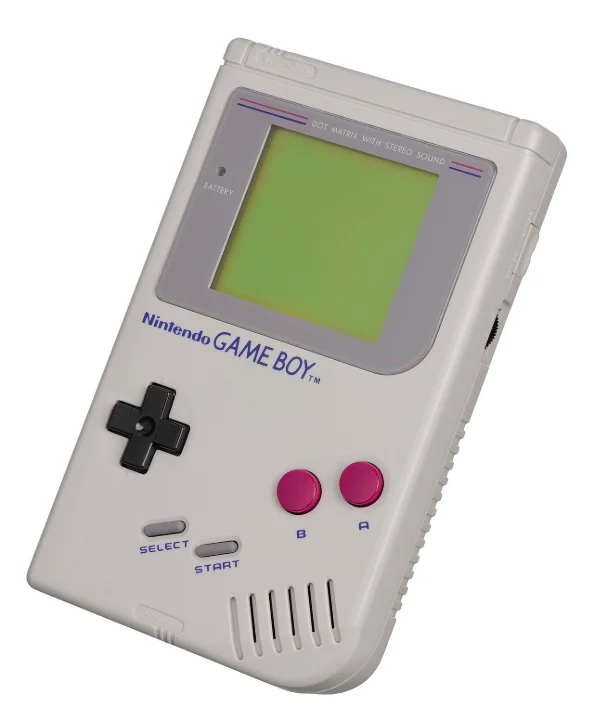
The original Game Boy (DMG-01), 1989.
Gunpei Yokoi’s division, Nintendo Research & Development 1 (R&D1), built the Game Boy, with Satoru Okada doing much of the engineering. Its codename was Dot Matrix Game, which is where the DMG in the model number DMG-01 comes from. The idea was the one that had served Yokoi’s Game & Watch so well: use parts that are cheap and proven, and make the batteries last.
Inside is a Sharp SM83 processor running at 4.19 MHz, with 8 KB of work RAM and 8 KB of video RAM. The reflective screen shows 160 × 144 pixels in four shades of greenish grey, cartridges ranged from 256 kilobits to 16 megabits, and four AA batteries gave up to 30 hours of play.
Launch: Mario in the line-up, Tetris in the box
The Game Boy reached Japan on 21 April 1989 at ¥12,500 with four games: Alleyway, Baseball, Super Mario Land and the mahjong game Yakuman. The first production run of 300,000 sold out inside two weeks. North America followed on 31 July 1989 at US$89.95, adding Tetris and Tennis to the line-up; about 40,000 consoles went on the first day and a million within weeks. Europe waited until 28 September 1990.
Super Mario Land was R&D1’s showpiece and the obvious pack-in. Henk Rogers of Bullet-Proof Software, who had brought Tetris to Nintendo of America, argued otherwise to Nintendo of America president Minoru Arakawa: Mario would win over young boys, he said, but Tetris would win over everybody. Arakawa agreed, and Tetris was bundled everywhere except Japan.
Grey beats colour
On paper the competition looked stronger. Atari’s Lynx, Sega’s Game Gear and NEC’s TurboExpress all had colour screens, but the Game Boy was cheaper and ran for far longer on a set of batteries. The Lynx was squeezed out, and the Game Gear finished a distant second.
Nintendo’s own figures show how far ahead it pulled. The monochrome models had reached 64.42 million by late 1998, when the Game Boy Color arrived; from then on Nintendo reported the two together. The combined family stands at 118.69 million units and 501.11 million games, of which, by a regional split Wikipedia cites to BusinessWeek, 32.47 million consoles were sold in Japan, 44.06 million in the Americas and 42.16 million elsewhere.
Play It Loud!, Pocket and Light
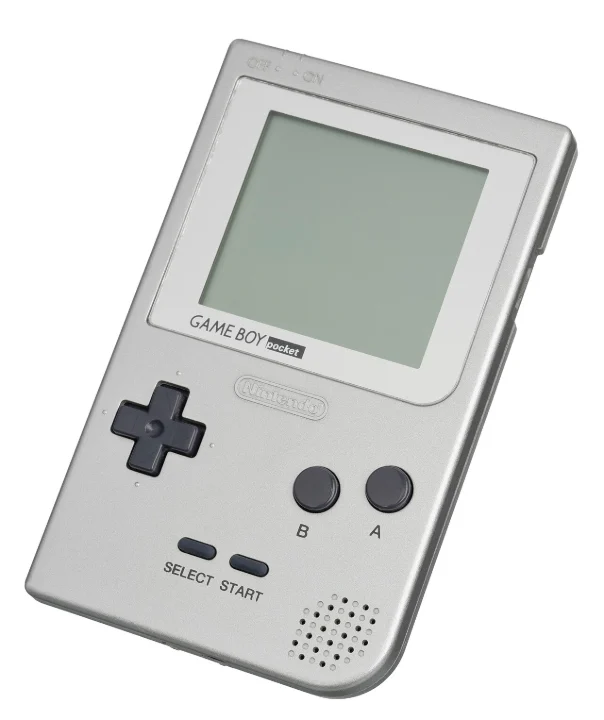
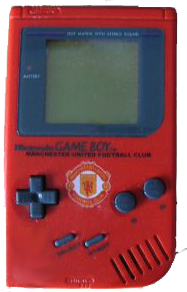
The hardware changed shape several times. The Play It Loud! range of brightly coloured cases appeared in March 1995. The Game Boy Pocket followed in July 1996 in Japan and on 2 September 1996 in North America, at US$69.99: smaller and lighter, with a clearer screen and two AAA batteries in place of four AAs. The first Pockets had no battery light, which Nintendo added after complaints.
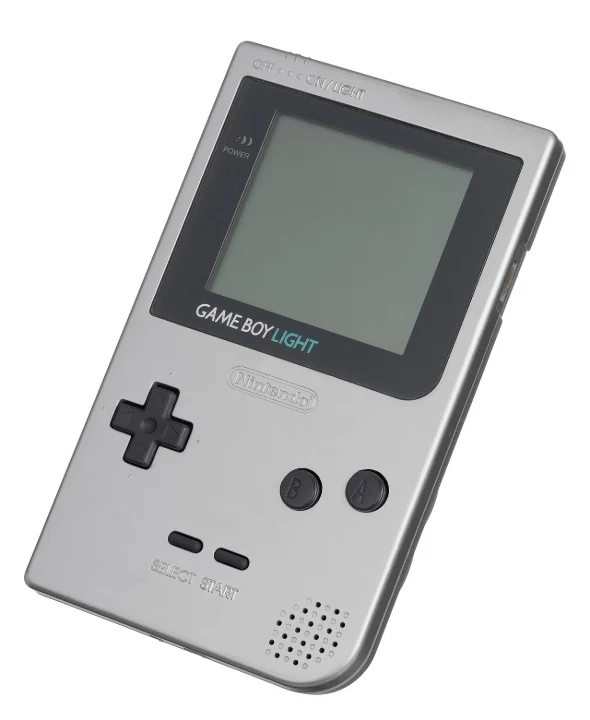
Japan alone got the Game Boy Light on 14 April 1998, at ¥6,800: a slightly larger Pocket in gold or silver with a blue-tinted backlight for playing in the dark. No other Game Boy had a proper backlight until the backlit Game Boy Advance SP of 2005 (the first SP, in 2003, was front-lit). Six months later the Game Boy Color took over, though monochrome cartridges kept coming.
Game Boy Pocket (MGB-001), 1996.Game Boy Light (MGB-101), Japan only, 1998.A red Play It Loud! Game Boy with the Manchester United crest.
Super Game Boy, link cables and printers
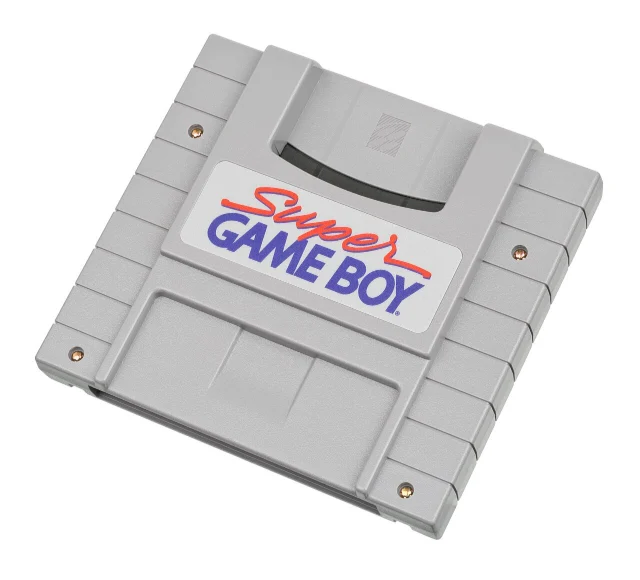
Super Game Boy adapter for the Super NES, 1994.
The Super Game Boy (June 1994 in Japan; US$59.99 in America) is a Super NES cartridge with a slot for Game Boy games. It swaps the four shades for colours and frames the picture with a border. Donkey Kong was built around it, with a palette for every stage, a border drawn like the 1981 cabinet and a sampled cry from Pauline, and Mario’s Picross came with a set of its own borders. Japan later got the Super Game Boy 2 (January 1998), which added a link port.
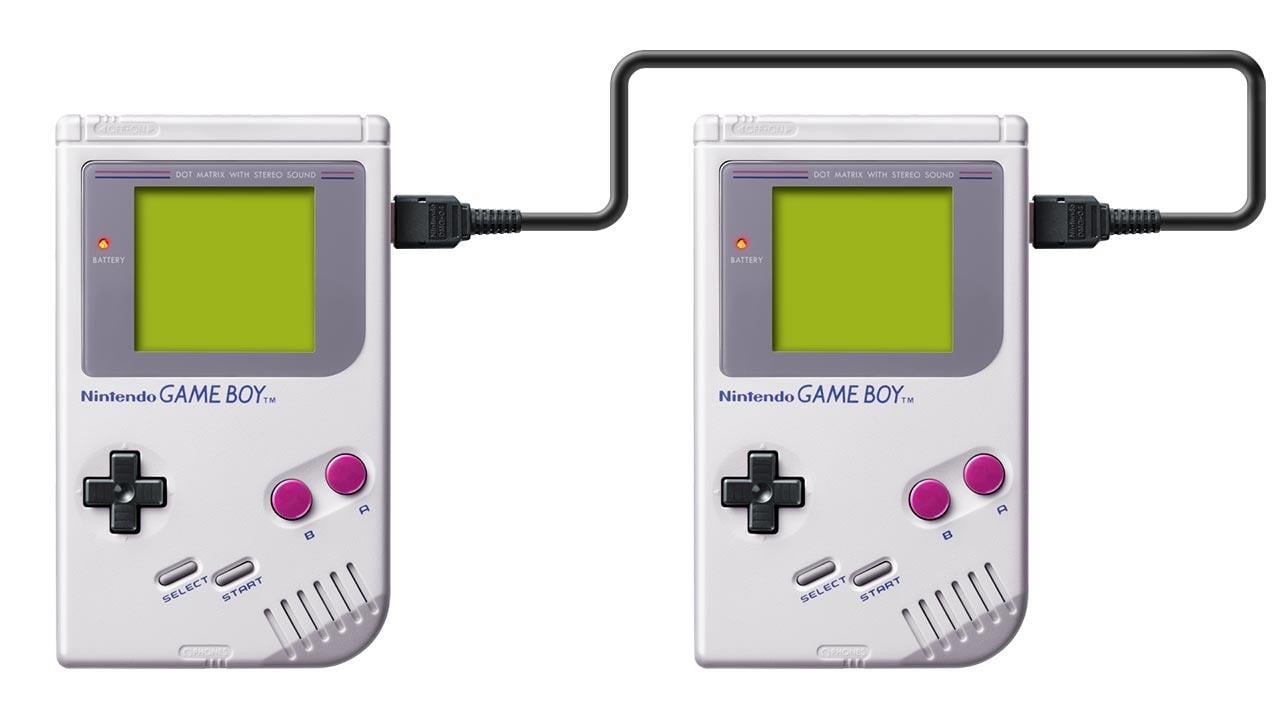
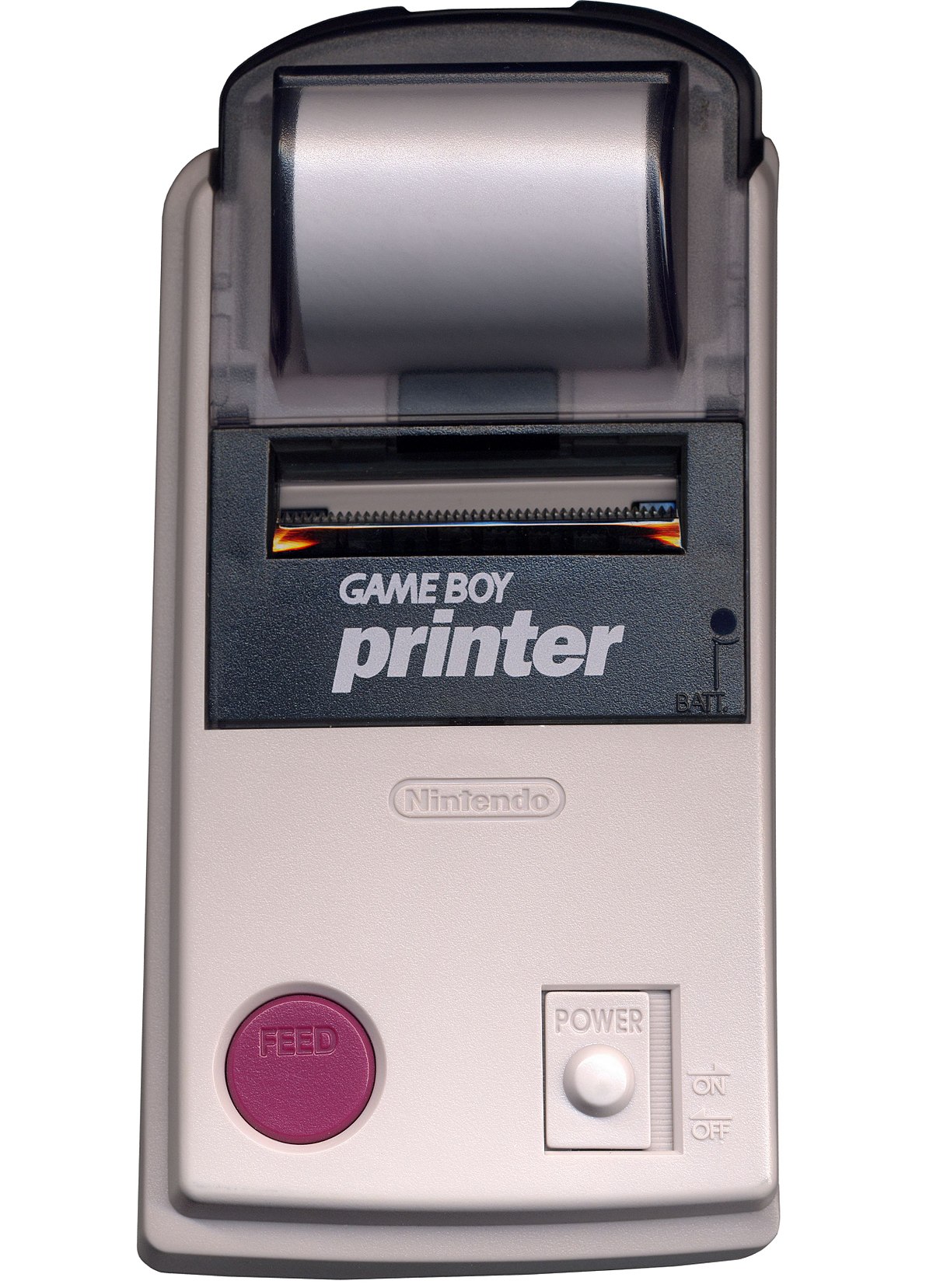
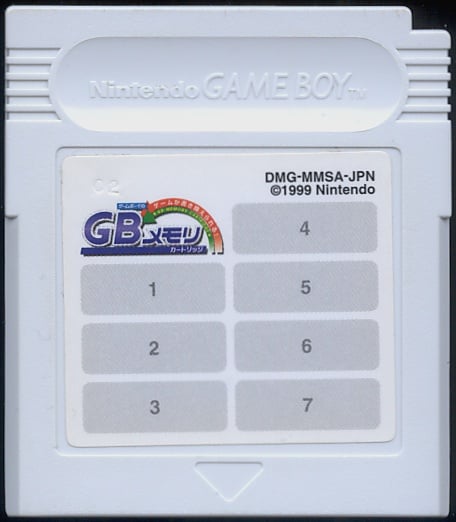
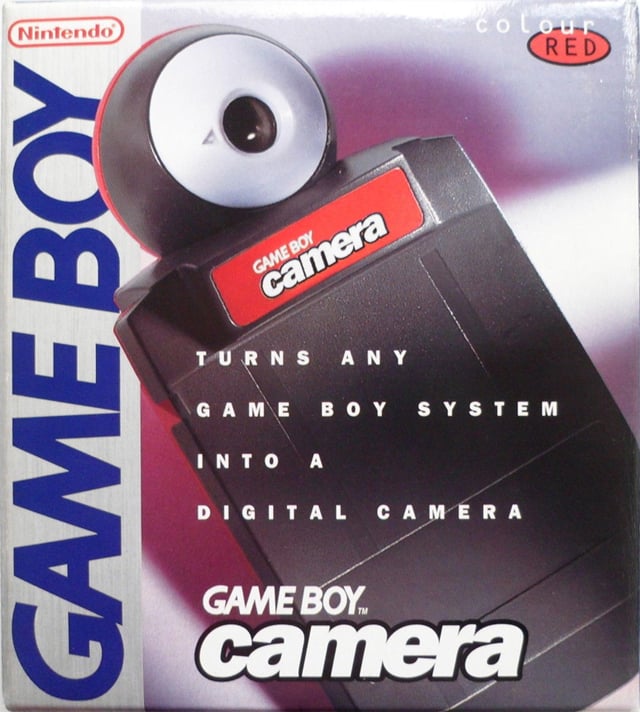
The Game Link Cable mattered just as much: it is how Mario and Luigi faced each other in Tetris, and how two players went virus-hunting in Dr. Mario or matched eggs in Yoshi. The Game Boy Camera and Game Boy Printer came too late for the monochrome Mario games, although Super Mario Bros. Deluxe would print on Game Boy Color. In Japan, the rewritable GB Memory cartridges of the Nintendo Power service offered Dr. Mario and Mario’s Picross from 1 March 2000.
The Game Link Cable: Mario against Luigi in Tetris.The Game Boy Printer.A Nintendo Power GB Memory cartridge (Japan).
Advertisement
Sales & Best-Sellers
How the Game Boy and its Mario games sold
Nintendo’s investor-relations pages list the Game Boy at 118.69 million consoles and 501.11 million games sold worldwide, as of 30 September 2026. Those totals include the Game Boy Color: Nintendo stopped giving separate figures after 1998, and there is no Game Boy Color line in its table. The monochrome models on their own had passed 64.42 million by late 1998.
Nintendo’s investor-relations pages give no per-game figures for Game Boy software, so every Mario total you will see comes from elsewhere. The two most solid are from CESA, the Japanese industry body, as cited by Wikipedia: Wario Land: Super Mario Land 3 at 5.19 million and Donkey Kong at 3.07 million. The bigger numbers are less certain. Super Mario Land’s widely quoted 18.14 million comes from a 2015 Gizmodo list, Super Mario Land 2’s 11.18 million from a 2019 German TECHBOOK article, and the Game Boy Dr. Mario’s 5.34 million from the reference book Top 10 of Everything. Tetris, which came in the box with most Western Game Boys, was reported in 2009 to have shipped more than 35 million copies.
Because none of those Mario figures comes from Nintendo, we have not drawn them as a chart. What is clear is the order: Super Mario Land was Mario’s biggest Game Boy hit and the second best-selling 1989 release in North America, behind the bundled Tetris, according to a 1993 Famitsu chart cited by Wikipedia.
118.69mGame Boy and Game Boy Color consoles (Nintendo IR, 30 Sep 2026)
501.11mgames sold for both (Nintendo IR)
64.42mmonochrome Game Boys alone, by late 1998 (Nintendo, via Wikipedia)
11Game Boy Mario games with pages on SLB
Mario Firsts on the Game Boy
Ten things that happened to Mario and his world for the first time on the Game Boy. Three of the puzzle games launched on the Famicom on the same day, and those firsts are shared.
1Princess Daisy (1989)The ruler of Sarasaland is the princess Mario rescues in Super Mario Land, her first appearance anywhere.
2Tatanga, the first alien villain (1989)The space invader of Super Mario Land is the series’ first extraterrestrial foe, and he returns in Super Mario Land 2.
3Mario the pilot (1989)The Marine Pop submarine and Sky Pop plane turn two Super Mario Land stages into scrolling shoot-’em-ups, the only ones in a mainline Super Mario platformer.
4Dr. Mario (1990)The doctor, his capsules and the three-coloured viruses debuted on Game Boy and Famicom in Japan on 27 July 1990, the start of the Dr. Mario series.
5Yoshi gets top billing (1991)Yoshi was his first starring role, and the game where Game Freak’s partnership with Nintendo began, years before Pokémon.
6Wario (1992)Mario’s greedy double made his first appearance in any medium as the castle-stealing villain of Super Mario Land 2.
7A handheld Mario that saves (1992)Super Mario Land 2 was the first Mario platformer on a portable with a battery save and a world map with hidden exits.
8Wario in the lead, and Captain Syrup (1994)Wario Land: Super Mario Land 3 made the villain the hero and introduced Captain Syrup, by most accounts the first woman to be the main villain of a game in the Mario family.
9Mario’s backflip (1994)The backflip, later part of Mario’s repertoire in Super Mario 64, first appears in Donkey Kong, which also gave Pauline her modern look.
10The first Picross (1995)Mario’s Picross is counted as the first game in Nintendo’s Picross series of picture-logic puzzles.
Mario on the Game Boy in Pictures
One picture from each Game Boy Mario game (four more are in the Overview). Most are shown in the original four shades; a few are as tinted by the Super Game Boy.
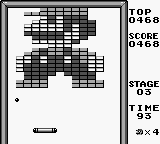
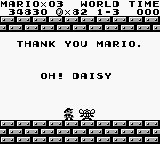
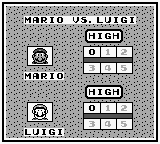
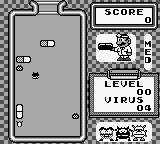
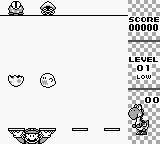
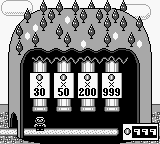
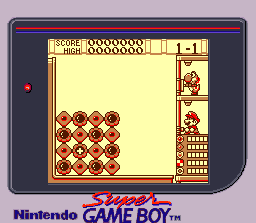
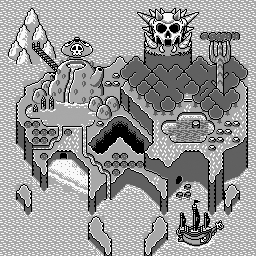
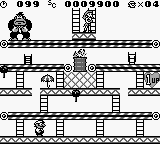
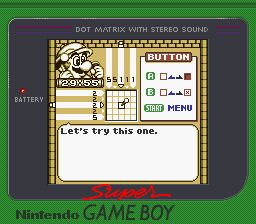
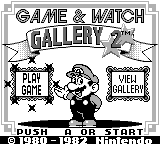
Alleyway: a bonus round in which Mario himself is built out of bricks.Super Mario Land: not Daisy at all, but a Fly in disguise.Tetris: Mario and Luigi line up for the two-player match.Dr. Mario: level 0 on the Game Boy, two viruses down.Yoshi: Mario swaps the trays to stack eggshells.Super Mario Land 2: the casino, where bells pay for bonus games.Yoshi’s Cookie: Action mode in Super Game Boy colours.Wario Land: the map of Kitchen Island.Donkey Kong: the Game Boy’s version of the arcade 50 m.Mario’s Picross: a puzzle in progress, with a Super Game Boy border.Game & Watch Gallery 2: the title screen on an original Game Boy.
Game Boy Videos
Two official Nintendo of America trailers for the Game Boy library on Nintendo Switch Online, which brought most of these games back.
Official upload by Nintendo of America: the February 2023 Nintendo Direct announcement of the Game Boy library, which launched with Tetris and Super Mario Land 2.
Official upload by Nintendo of America: the May 2024 update that added Super Mario Land, Alleyway and Baseball.
Game Boy Trivia
In the two-player mode of Tetris, Mario and Luigi stand for the two players, and at the end of a round one celebrates while the other mopes.
Alleyway’s bonus rounds build Super Mario Bros. characters out of bricks: Mario, a Koopa Troopa, a Blooper, a Piranha Plant, Bullet Bill, a Goomba, a Cheep Cheep and finally Bowser.
Dr. Mario on Game Boy has its own reward films for clearing high levels; the last, at level 20 on Hi, shows a UFO and a coelacanth.
Wario Land: Super Mario Land 3 has six endings, and the home Wario wins depends on how many coins he brings back.
The Game Boy and NES versions of Yoshi’s Cookie hide rounds 11 to 99 beyond the ten normal rounds of Action mode.
Level 1A of the Kinoko Course in Mario’s Picross is a picture of a Game Boy.
The Game Boy-playing Toad of Super Mario RPG.In Super Mario RPG on the Super NES, Mario can buy a game from a young Toad playing a Game Boy at the Mushroom Kingdom inn.
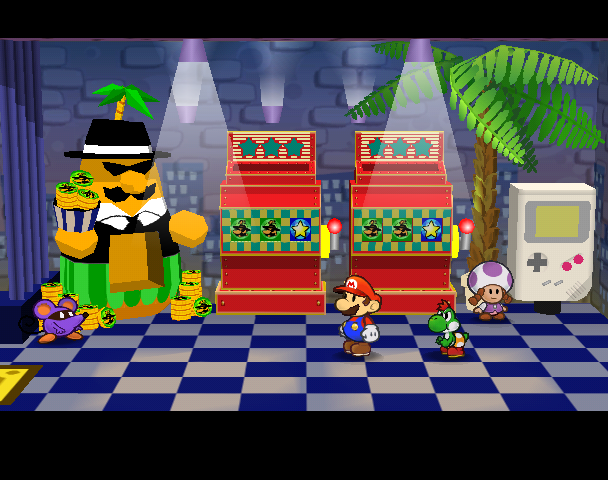
High scores on a giant Game Boy, Paper Mario: The Thousand-Year Door.The scoreboard at the Pianta Parlor in Paper Mario: The Thousand-Year Door is a giant Game Boy.
In the German Club Nintendo comic “Wart steht unter Strom”, Bowser (named Wart) plays a Game Boy until the batteries die, throws them away and gets told off by Mario for not disposing of them properly.
The cartoon Captain N: The Game Master gave the handheld a body and a voice: a robot called Gameboy, voiced by Frank Welker.
In WarioWare, Inc.: Mega Microgame$! one microgame asks you to push a Game Pak into a Game Boy, and a giant Game Boy character called GB turns up in 9-Volt’s story.
In Super Mario Odyssey the Snapshot Mode has a Game Boy filter, and in Mario Kart World the start banner on Mario Circuit is shaped like a Game Boy.
In Super Smash Bros. for Nintendo 3DS and Super Smash Bros. Ultimate, hitting the Nintendo logo in the Classic mode credits plays the Game Boy start-up chime.
An unfinished Japanese Game Boy Color build of Game Boy Gallery 2 leaked in 2020; in Japan the game was only ever sold in black and white.
Hardware, Art & Merchandise Gallery
Mario and friends with their Game Boys in magazine art, period advertising and a few curiosities.
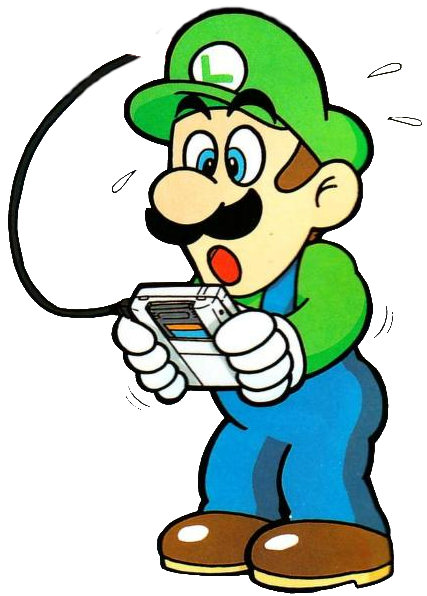
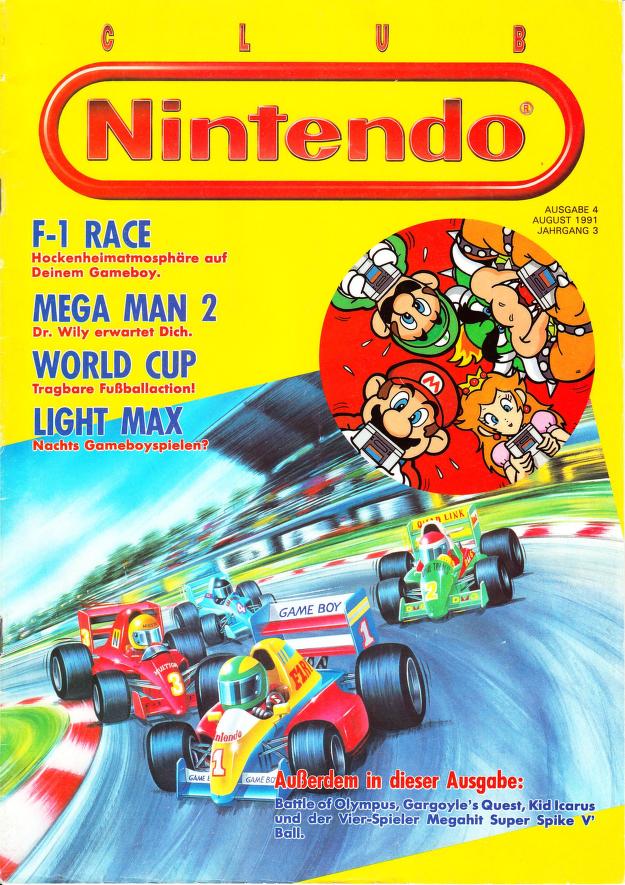
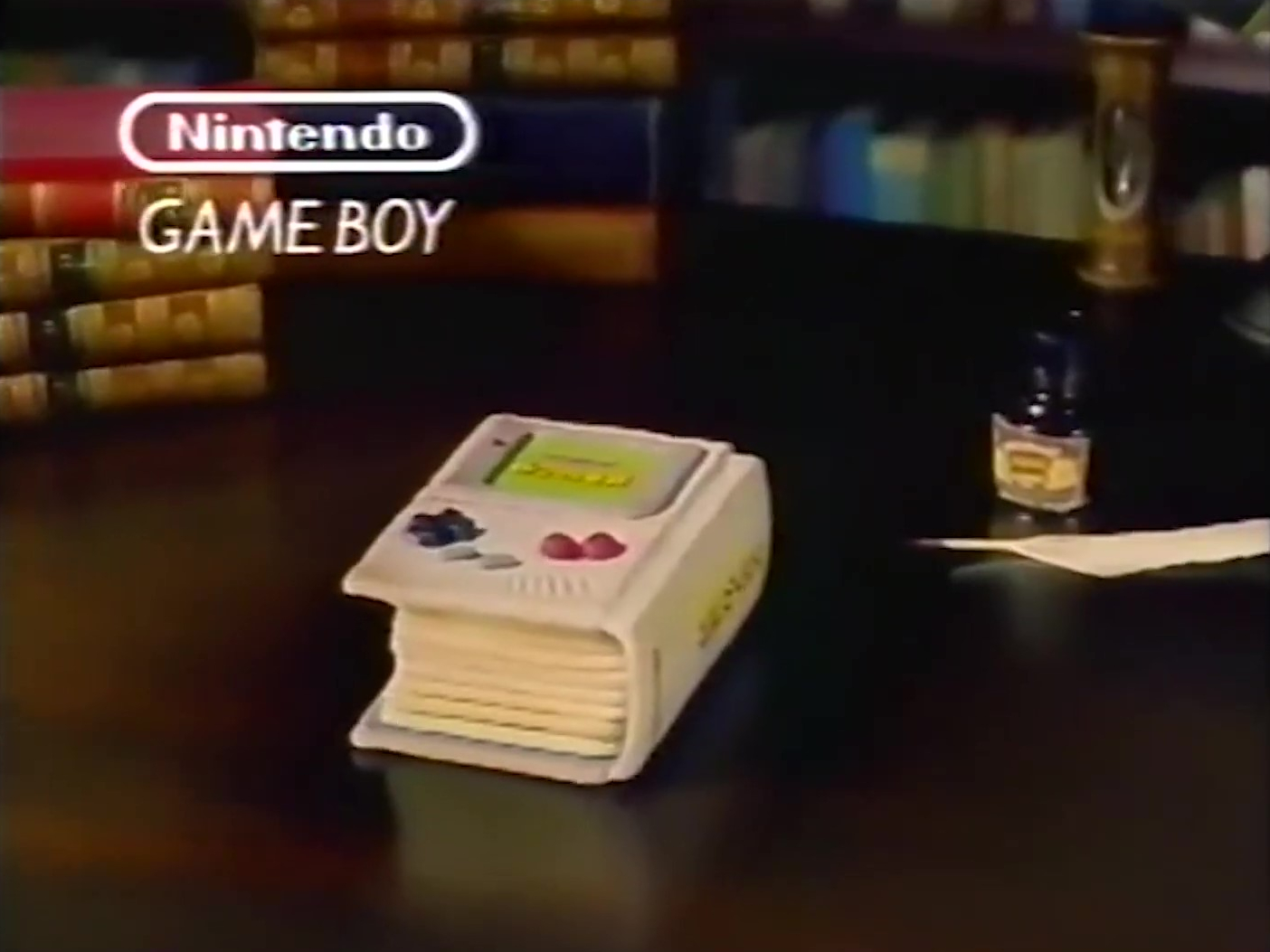
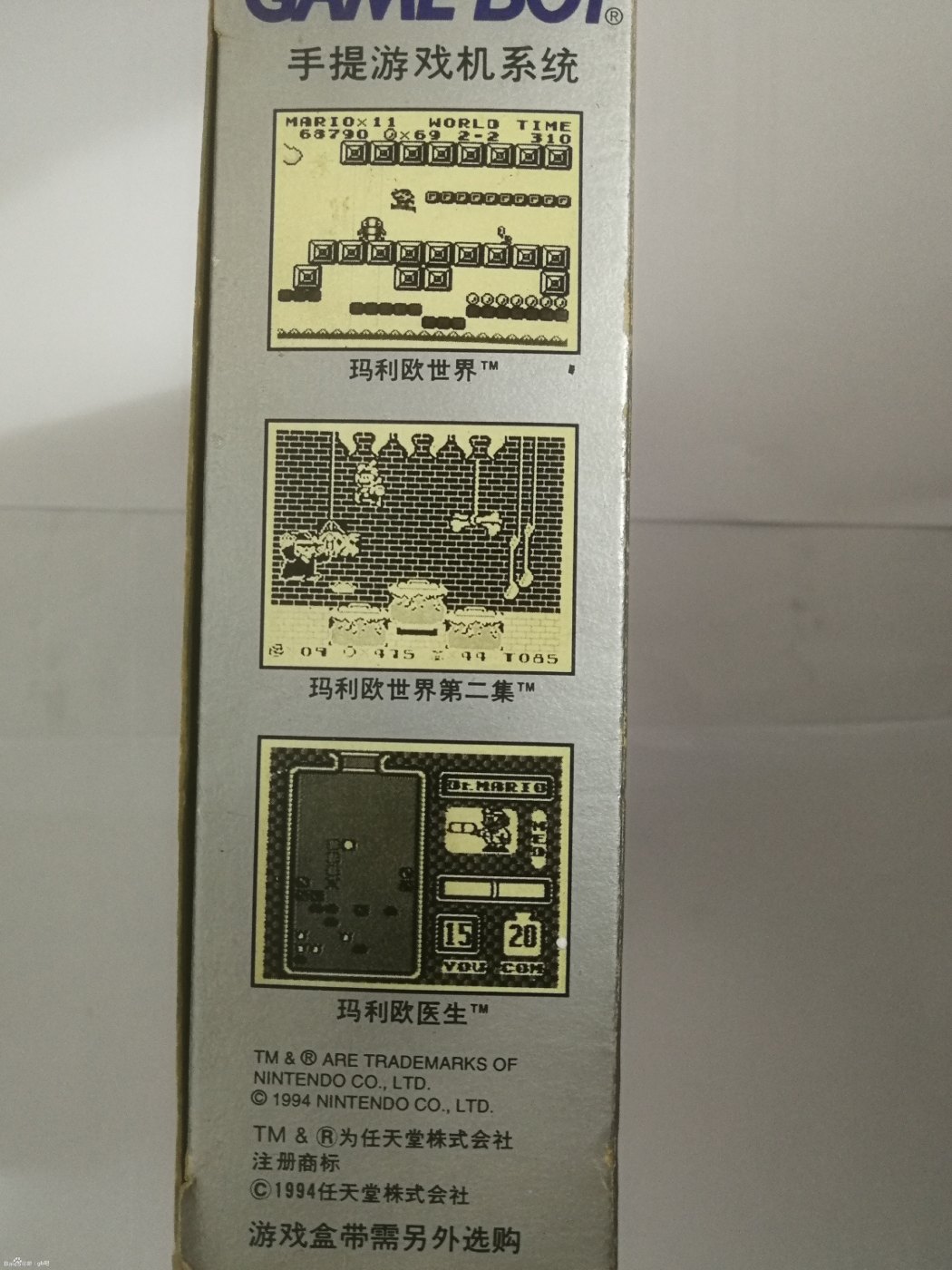
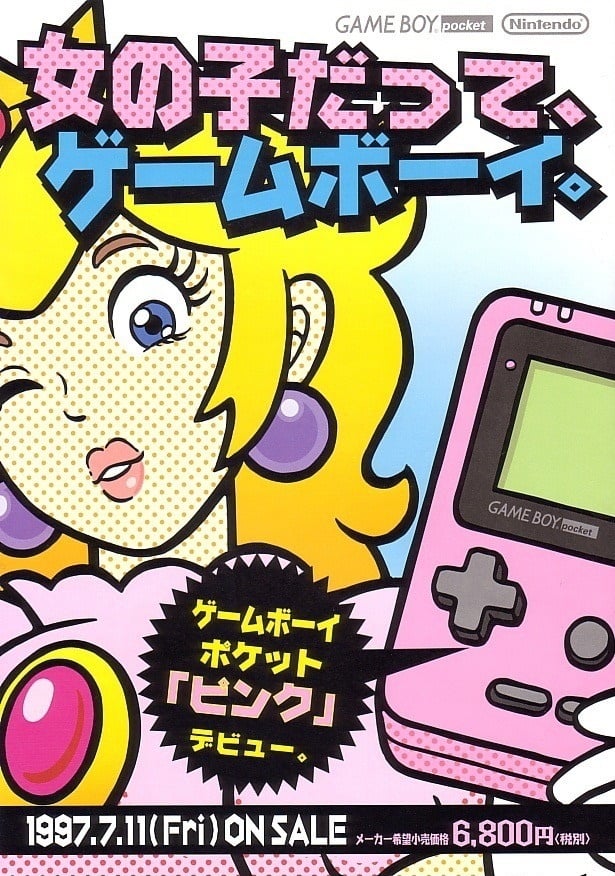
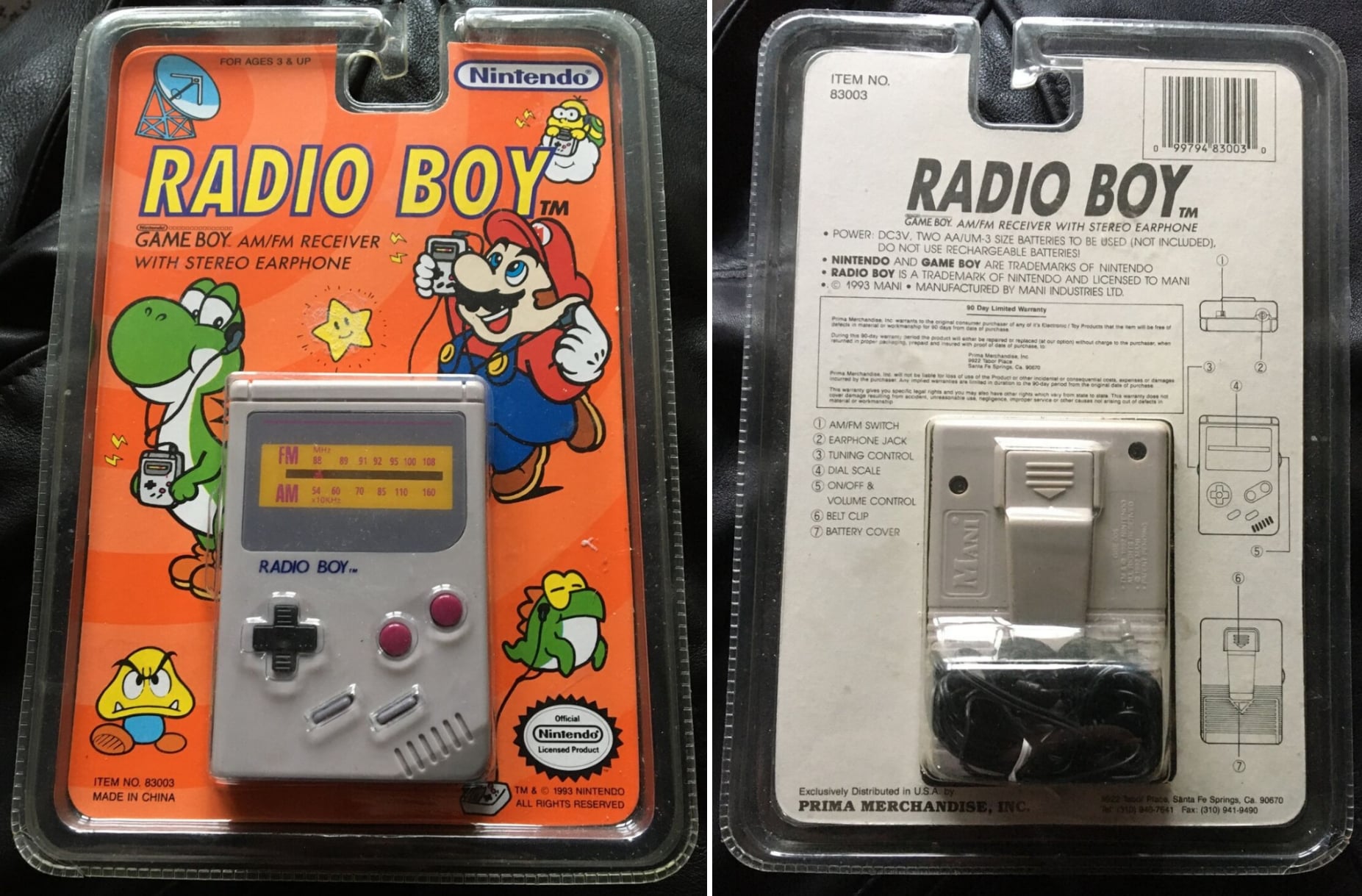
Luigi with a Game Boy, from Club Nintendo.Club Nintendo (Germany), 1991 issue 4.Japanese advertising for Super Mario Land 2.Chinese Game Boy packaging with Super Mario games on the side.Japanese print advert for the pink Game Boy Pocket.The Game Boy Camera, red edition box.The Radio Boy: a portable radio shaped like a Game Boy.The Nintendo logo scrolling down at start-up.
Timeline & Legacy
From launch day in 1989 to the Switch Online library, the Game Boy’s Mario story in dates.
Mario on the Game Boy: key dates
Launch in Japan21 April 1989Super Mario Land and Alleyway are among the four launch games.
Launch in North America31 July 1989US$89.95 with Tetris in the box; Super Mario Land is in the line-up.
Dr. Mario27 July 1990Released in Japan on Game Boy and Famicom on the same day.
Launch in Europe28 September 1990Almost eighteen months after Japan.
Super Mario Land 221 October 1992Wario makes his debut.
Wario Land21 January 1994Super Mario Land 3 hands the series to Wario.
Donkey Kong and Super Game Boy14 June 1994The 101-stage Donkey Kong arrives in Japan with the Super NES adapter it was designed for.
Mario’s Picross14 March 1995The Picross series begins.
Game Boy PocketJuly 1996Smaller, lighter and powered by two AAA batteries.
Game Boy Gallery 227 September 1997The last Game Boy game with a page here, in Japan only.
Game Boy Light14 April 1998The backlit Japan-only model.
Game Boy Color21 October 1998The successor arrives, and plays every grey cartridge.
End of the lineMarch 2003Game Boy and Game Boy Color are discontinued.
Toy Hall of Fame2009The Game Boy is inducted into the US National Toy Hall of Fame.
Nintendo 3DS Virtual ConsoleJune 2011Super Mario Land, Alleyway and Donkey Kong are early downloads; sales end with the 3DS eShop on 27 March 2023.
Game Boy on Nintendo Switch Online8 February 2023The Game Boy library opens with Tetris and Super Mario Land 2; Wario Land joins in July 2026.
Playing them today
The easiest way in is Game Boy – Nintendo Classics, part of a Nintendo Switch Online membership on Switch and Switch 2. Nintendo’s list includes nine of the eleven games here: Tetris and Super Mario Land 2 (since February 2023), Dr. Mario (March 2024), Super Mario Land and Alleyway (May 2024), Donkey Kong and Mario’s Picross (March 2025), Yoshi (February 2026) and Wario Land: Super Mario Land 3 (July 2026). The Super Game Boy colours and borders are not included. Baseball, with its Mario and Luigi cameo, and Rare’s three Donkey Kong Land games are there too.
The Game Boy version of Yoshi’s Cookie has never been re-released, Game Boy Gallery 2 came back only on the Japanese 3DS Virtual Console (21 March 2012), and all the Nintendo 3DS Virtual Console releases stopped being sold when the 3DS eShop closed on 27 March 2023. Original cartridges still play on a Game Boy Color and a Game Boy Advance, and on a television through the Super Game Boy or the GameCube’s Game Boy Player.
Legacy
A surprising amount of the Mario world started in Game Boy cartridges. Daisy, almost forgotten in the 1990s, returned in Mario Tennis in 2000 and has been a regular in the spin-offs ever since; Wario got his own Wario Land and WarioWare series; the Game Boy Donkey Kong became Mario vs. Donkey Kong on Game Boy Advance; and Mario’s Picross started a puzzle line that has run all the way to the Switch. Super Mario Land 2 and Wario Land were made by the same R&D1 team, directed by Hiroji Kiyotake and Takehiko Hosokawa.
The machine itself was inducted into the US National Toy Hall of Fame in 2009, and it still turns up in Mario games: as a Toad’s toy in Super Mario RPG, a scoreboard in Paper Mario: The Thousand-Year Door and a photo filter in Super Mario Odyssey. For the colour years, see our Game Boy Colour hub; for what came after, the Game Boy Advance hub.
More Mario on the Game Boy
Other notable Mario-related releases on the Game Boy that don’t have their own page here yet:
Apr 1989BaseballCameoLaunch title; Mario and Luigi pitch in USA Mode
May 1989TennisCameoMario umpires every match
Nov 1989GolfCameoThe golfer is Mario, or a close lookalike
Dec 1994Wario Blast: Featuring Bomberman!Spin-offWestern reworking of Bomberman GB starring Wario
Jun 1995Donkey Kong LandSpin-offRare’s handheld follow-up to Donkey Kong Country
Aug 1996Tetris AttackSpin-offYoshi-themed panel puzzler; Yoshi no Panepon in Japan
Oct 1996Picross 2Spin-offJapan-only sequel with Mario and Wario puzzle sets
Feb 1997Game & Watch GallerySpin-offClassic LCD games plus Modern remakes with the Mario cast
Mar 1998Wario Land IISpin-offMonochrome original, reissued for Game Boy Color later in 1998
Sources
Every fact on this page was checked against the 26 sources listed here.
To provide the best experiences, we use technologies like cookies to store and/or access device information. Consenting to these technologies will allow us to process data such as browsing behavior or unique IDs on this site. Not consenting or withdrawing consent, may adversely affect certain features and functions.
Functional
Always active
The technical storage or access is strictly necessary for the legitimate purpose of enabling the use of a specific service explicitly requested by the subscriber or user, or for the sole purpose of carrying out the transmission of a communication over an electronic communications network.
Preferences
The technical storage or access is necessary for the legitimate purpose of storing preferences that are not requested by the subscriber or user.
Statistics
The technical storage or access that is used exclusively for statistical purposes.The technical storage or access that is used exclusively for anonymous statistical purposes. Without a subpoena, voluntary compliance on the part of your Internet Service Provider, or additional records from a third party, information stored or retrieved for this purpose alone cannot usually be used to identify you.
Marketing
The technical storage or access is required to create user profiles to send advertising, or to track the user on a website or across several websites for similar marketing purposes.