
Super Mario Games on the Nintendo Wii U
Nintendo’s first high-definition console paired a Wii-style box with the tablet-like GamePad, and although the hardware never caught on, Mario gave it some of his finest outings: New Super Mario Bros. U on day one, the four-player romp Super Mario 3D World, Mario Kart 8 and the level-building hit Super Mario Maker.
All Wii U Mario Games Covered
Click any tile to jump to that game’s full page on Super Luigi Bros. Games are ordered by their first release on the Wii U, and each tile shows the kind of Mario appearance it is:
- Main role – the classic platform-style Mario adventures, such as Super Mario Bros. and Super Mario Land, plus the RPGs and other games built around Mario himself.
- Spin-off – a game that features Mario throughout but is not a mainstream adventure – karting, party, sports and puzzle games.
- Compilation – several Mario games collected on one cartridge or disc.
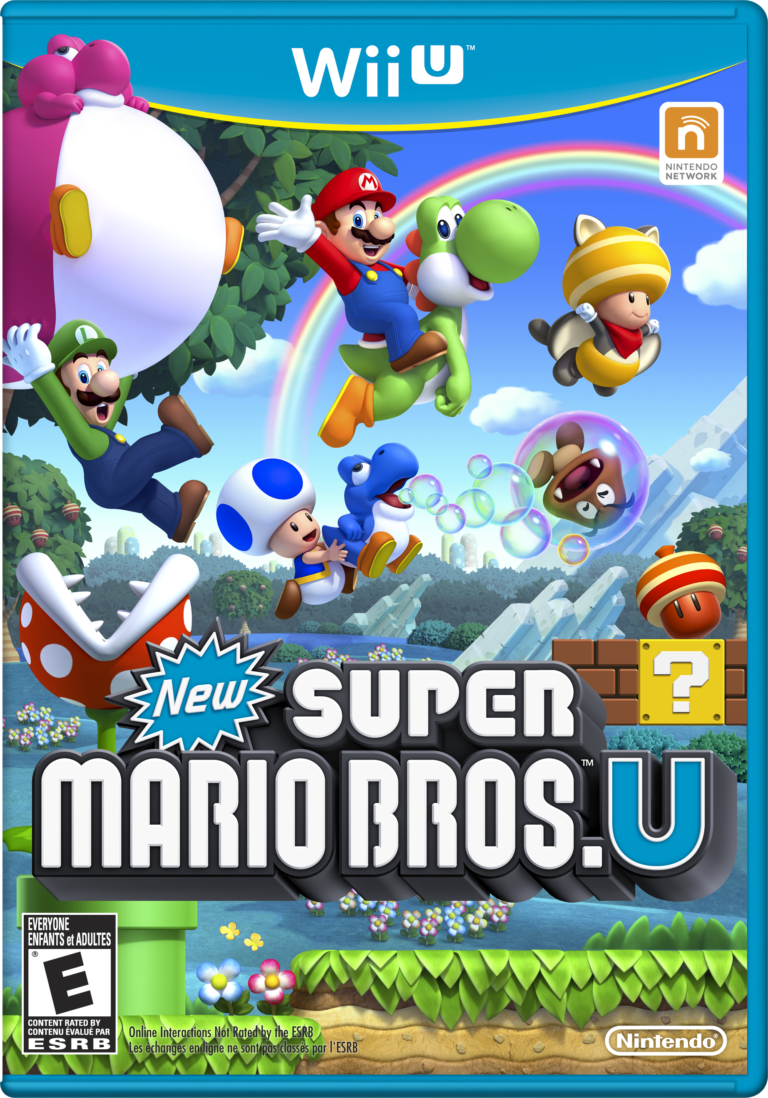
New Super Mario Bros. U
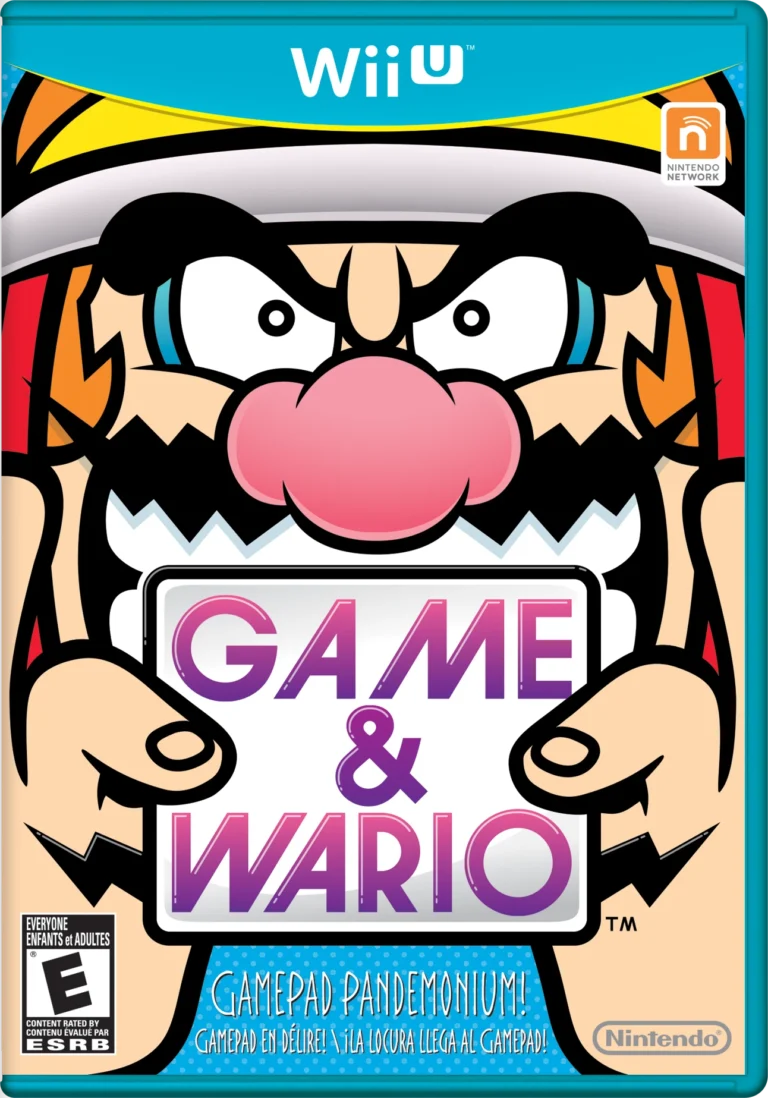
Game & Wario
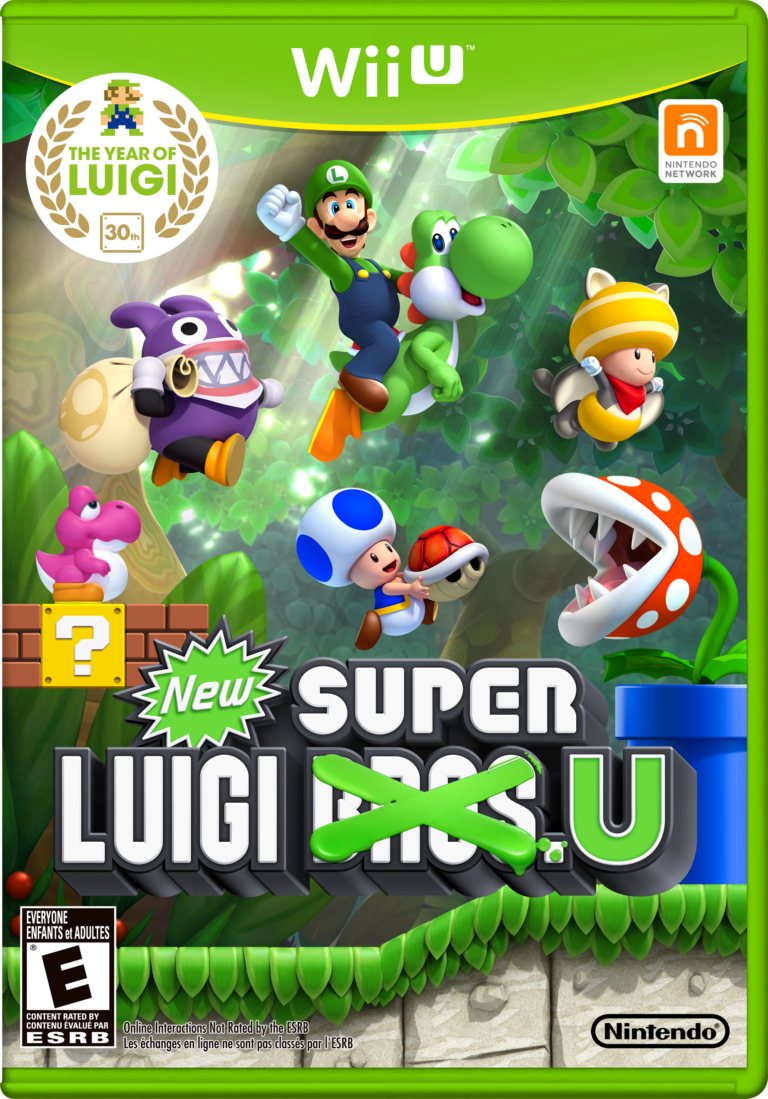
New Super Luigi U
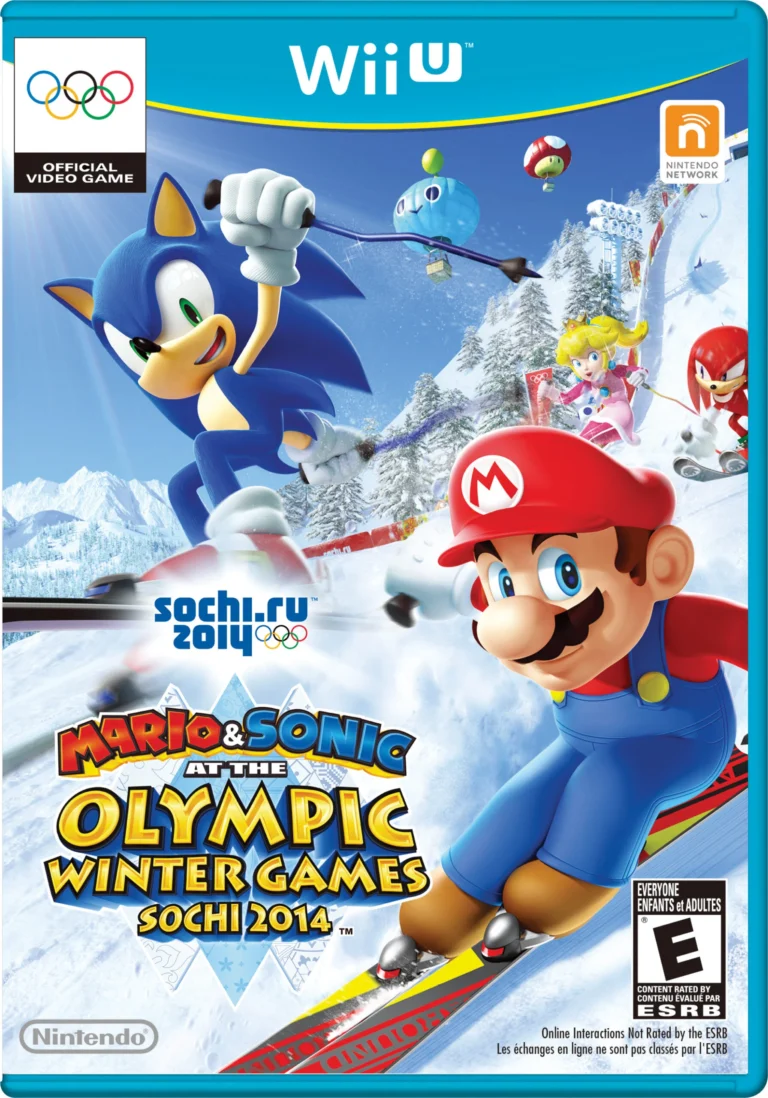
Mario & Sonic at the Sochi 2014 Olympic Winter Games
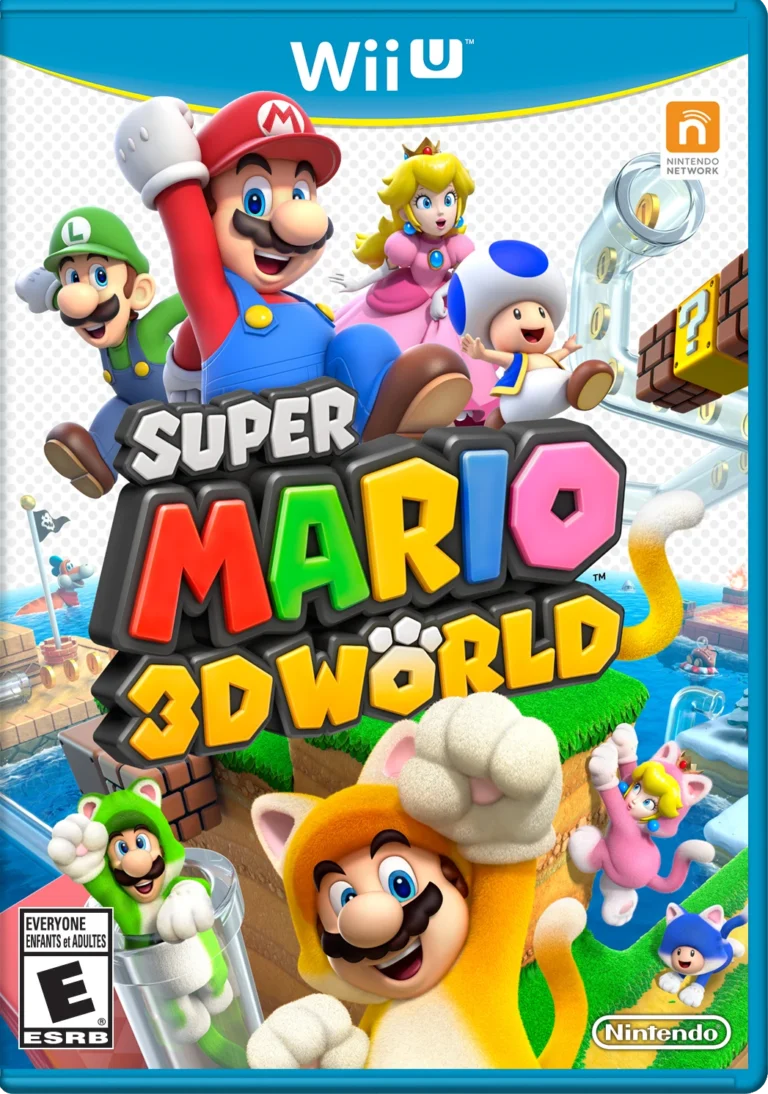
Super Mario 3D World

NES Remix

Dr. Luigi

NES Remix 2
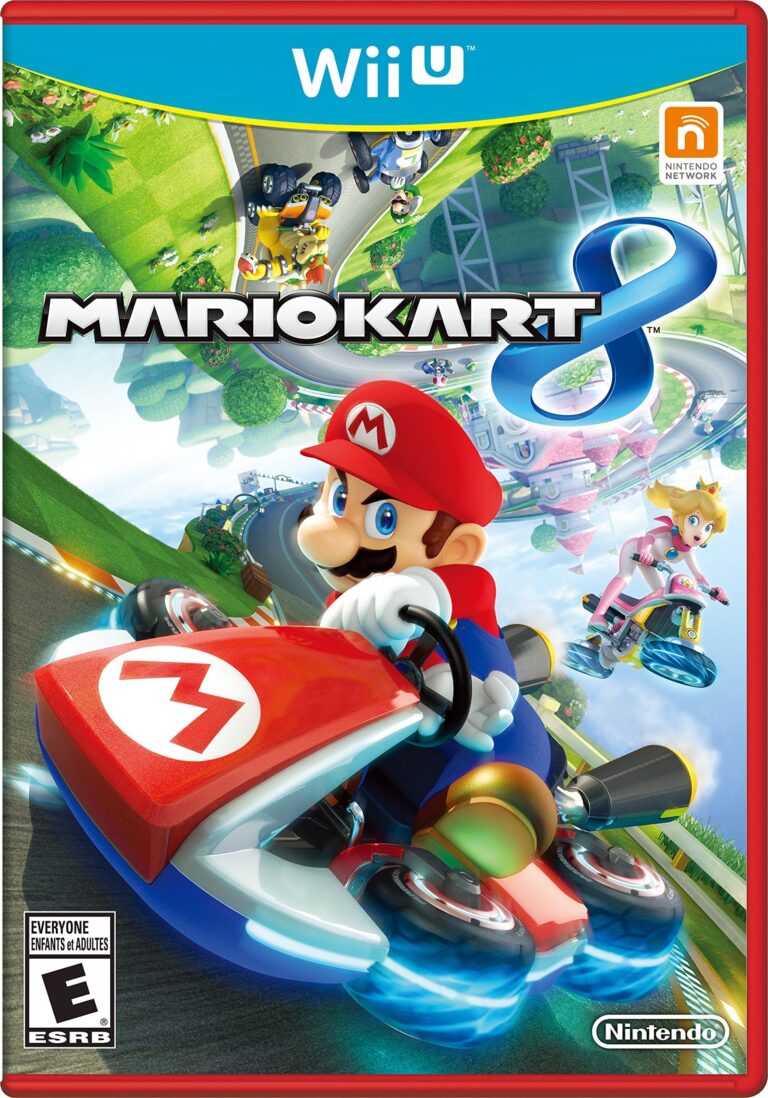
Mario Kart 8

Captain Toad: Treasure Tracker
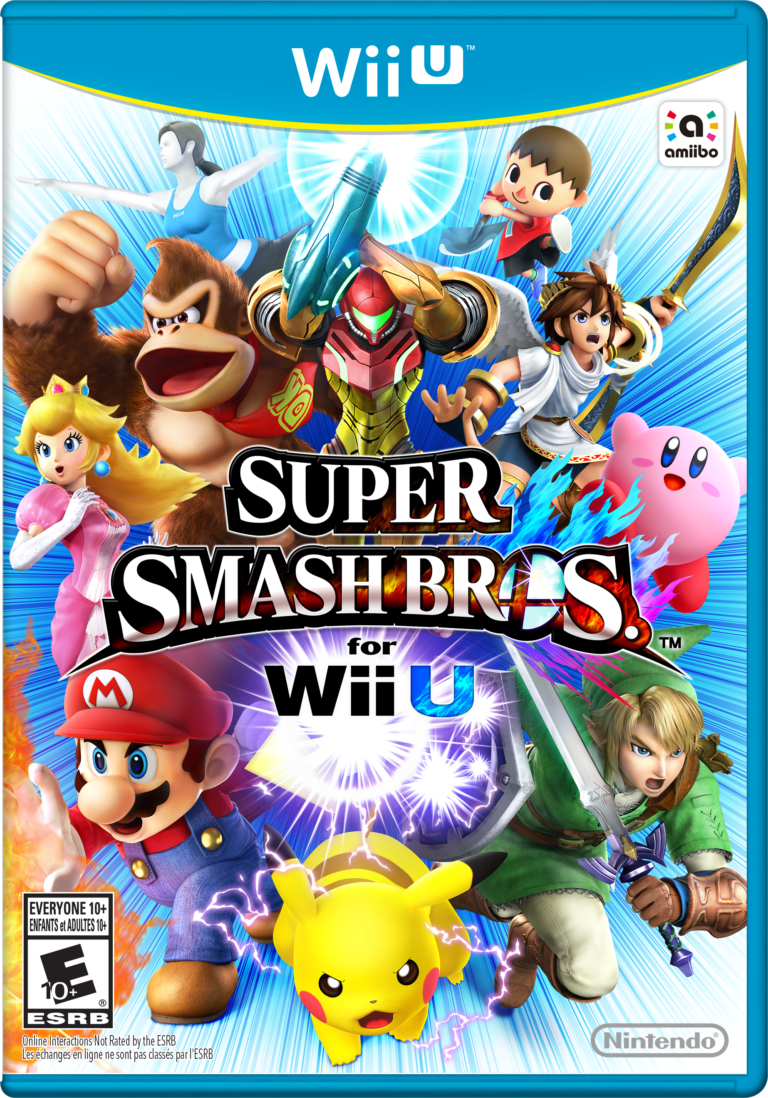
Super Smash Bros. for Wii U

Mario vs. Donkey Kong: Tipping Stars

Mario Party 10
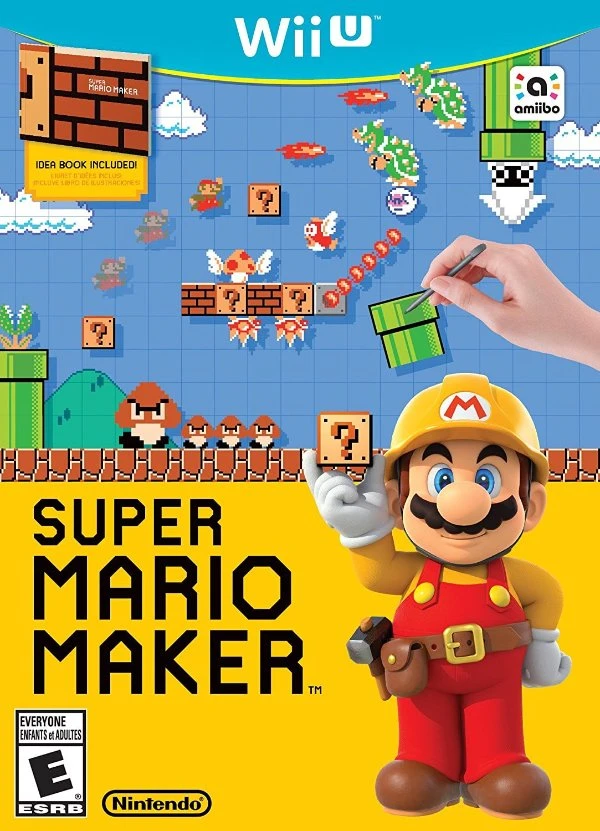
Super Mario Maker

Mario Tennis: Ultra Smash

Paper Mario: Color Splash
About the Wii U
| Manufacturer | Nintendo |
|---|---|
| Generation | Eighth generation (home console) |
| Released | 18 November 2012 (North America) · 30 November 2012 (Europe, Australia) · 8 December 2012 (Japan) |
| Launch price | US$299.99 Basic / US$349.99 Deluxe · ¥26,250 / ¥31,500 (UK prices set by retailers) |
| Units sold | 13.56 million (Nintendo IR) |
| Media | Wii U Optical Disc (25 GB), Wii discs, Nintendo eShop downloads |
| Controller | Wii U GamePad (6.2-inch touchscreen) · Wii U Pro Controller · Wii Remote |
| Best-selling Mario game | Mario Kart 8 – 8.46 million |
| Predecessor | Wii |
| Successor | Nintendo Switch |
| Discontinued | 31 January 2017 (production ended) |
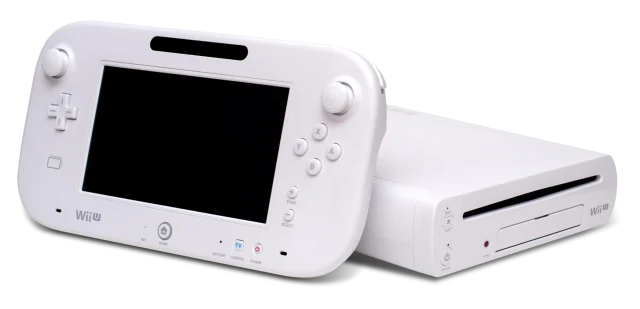
The Wii U was born from an awkward kind of success. By 2011 the Wii had found its way into tens of millions of homes, yet it still drew standard-definition pictures and its casual audience was drifting towards phones and tablets. Nintendo’s answer, developed under the code name Project Café and unveiled at E3 2011, was a console built around a second screen: the Wii U GamePad, a controller with a 6.2-inch resistive touchscreen, twin analogue sticks, motion sensors, a camera and an NFC reader that would later talk to amiibo figures. Nintendo, then led by Satoru Iwata, pitched it as a way to keep playing when someone else wanted the television, or to give one player a private view of the action while everyone else watched the big screen.
Under the bonnet sat an IBM-designed tri-core PowerPC processor nicknamed Espresso, running at roughly 1.24 GHz, alongside an AMD graphics chip called Latte and 2 GB of RAM, half of it set aside for the operating system. Games came on 25 GB Wii U Optical Discs, and the machine played every Wii disc, so Wii Remotes, Nunchuks and the Balance Board all carried over. It was Nintendo’s first HD console, but it arrived only a year before the PlayStation 4 and Xbox One, both considerably more powerful machines.
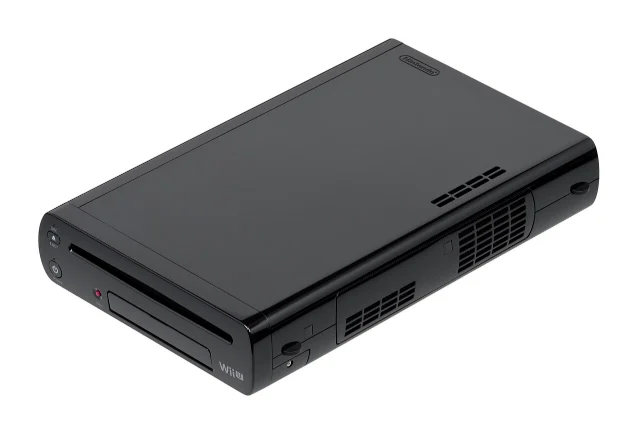
The console launched in North America on 18 November 2012, in Europe and Australia on 30 November and in Japan on 8 December. Americans paid US$299.99 for the white 8 GB Basic set or US$349.99 for the black 32 GB Deluxe set; in Japan the equivalent models cost ¥26,250 and ¥31,500, while British prices were left to retailers. The first week went well, with more than 400,000 consoles sold in the United States, but momentum faded quickly: January 2013 brought just 57,000 US sales, and Nintendo later cut one year’s forecast from nine million consoles to 2.8 million.
Sony and Microsoft each passed ten million PS4 and Xbox One consoles in around a year; the Wii U needed nearly three. A name that left many shoppers unsure whether it was a new machine at all, and long gaps between big releases, did lasting damage. There were no hardware revisions, only bundles: a Mario & Luigi Deluxe Set with both New Super Mario Bros. U and New Super Luigi U in November 2013, a Wind Waker edition with a Triforce-patterned GamePad, and a Mario Kart 8 set in May 2014. Production ended on 31 January 2017, weeks before the Nintendo Switch arrived, and the final tally of 13.56 million is the lowest of any home console in Nintendo’s sales records, well short of the GameCube’s 21.74 million.
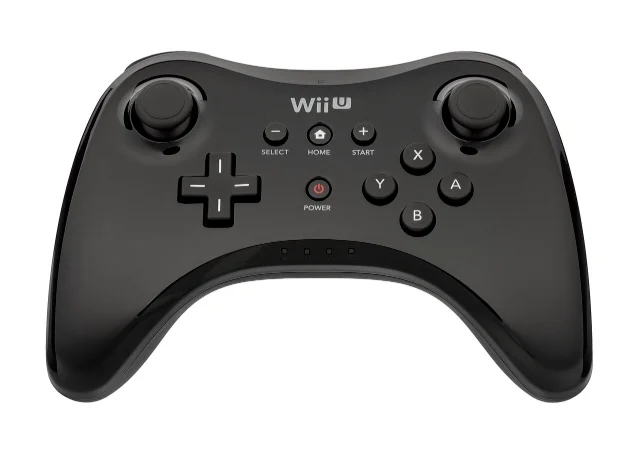
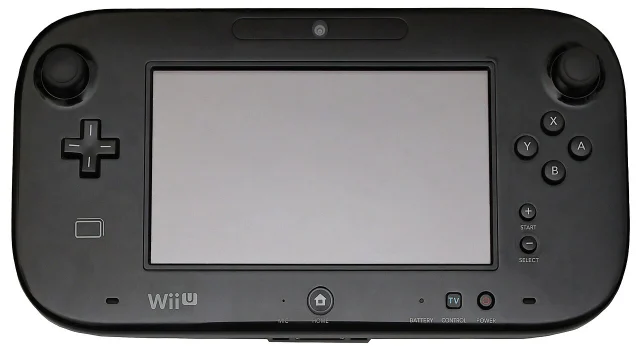
Mario did his best to keep the lights on. New Super Mario Bros. U made the Wii U the first Nintendo home console since the Nintendo 64 to launch with a brand-new Mario platformer, and the tougher, Luigi-led New Super Luigi U followed as downloadable content in June 2013. Super Mario 3D World took the template of the handheld Super Mario 3D Land, added four-player co-op and the Cat Suit, and its Captain Toad bonus stages grew into a game of their own, Captain Toad: Treasure Tracker. Mario Kart 8, with its anti-gravity tracks, became the console’s biggest seller at 8.46 million copies, ahead of Super Mario 3D World (5.89 million) and New Super Mario Bros. U (5.82 million), according to Nintendo.
The later years leaned on creativity. Super Mario Maker turned the GamePad into a level editor and sold 4.02 million copies, while Super Smash Bros. for Wii U, Mario Party 10, Mario Tennis: Ultra Smash and Paper Mario: Color Splash filled out the release list. Smaller downloads such as NES Remix, NES Remix 2 and Mario vs. Donkey Kong: Tipping Stars rewarded anyone who kept the console online, and Game & Wario and Mario & Sonic at the Sochi 2014 Olympic Winter Games found their own uses for the second screen.
Few consoles have enjoyed such a generous afterlife. On the Nintendo Switch, Mario Kart 8 Deluxe launched on 28 April 2017 and has sold 71.53 million copies; Captain Toad followed in July 2018, New Super Mario Bros. U Deluxe in January 2019 and Super Mario 3D World + Bowser’s Fury in February 2021. The Wii U itself lost its eShop on 27 March 2023 and its online services in April 2024, so games that never made the jump still need the original console and a disc or an existing download. Coming after the Wii, it was a commercial misstep, but the Mario games it fostered went on to define the Switch years.
More Mario on the Wii U
Other notable Mario-related releases on the Wii U that don’t have their own page here yet:
- Nov 2012Nintendo LandCameoLaunch title with Mario Chase and Luigi's Ghost Mansion
- Jun 2015Yoshi's Woolly WorldMain roleGood-Feel's yarn-crafted Yoshi platformer; Australia got it first
- Jan 2016Mini Mario & Friends: amiibo ChallengeMain roleamiibo-powered Mini Mario puzzler, also on 3DS
- Jun 2016Mario & Sonic at the Rio 2016 Olympic Games (Wii U)Spin-offFifth Mario & Sonic Olympic outing, home version