Game Boy · Game Boy Color1997 / 1998CompilationNintendo R&D1 · TOSE6 games, Classic and Modern120 stars to collectPeach replaces Pauline in Donkey Kong3DS Virtual Console 2012
Game & Watch Gallery 2
Five LCD favourites from the early 1980s, each served twice: once exactly as it was, beeps and all, and once rebuilt as a busy little Mario game. Game & Watch Gallery 2 is the third entry in Nintendo’s Game & Watch Gallery series (the “2” is misleading) and gathers Parachute, Helmet, Chef, Vermin and the two-screen Donkey Kong, with Ball, the very first Game & Watch, waiting to be unlocked. In the Modern versions Mario rows a boat under falling Toads, Peach flips steaks for a hungry Yoshi and Yoshi guards a nest of eggs from Para Troopas and Boo Buddies. Every 200 points earns a star, and the 120 stars on offer open up a Music Room, a Museum of other Game & Watch games and four Mario-cast versions of Ball. It came out on the Game Boy in Japan on 27 September 1997 as Game Boy Gallery 2, then in full colour on the Game Boy Color in November 1998 in North America and Europe (Australia knew it as Game Boy Gallery 3), and returned on the Nintendo 3DS Virtual Console in 2012.
Developer:Nintendo R&D1 with TOSE
Publisher:Nintendo
Platforms:Game Boy (Japan); Game Boy Color (North America, Europe, Australia); Nintendo 3DS Virtual Console
Genre:Compilation of Game & Watch remakes
Japan:27 September 1997 (Game Boy, as Game Boy Gallery 2)
N. America:November 1998 (Game Boy Color)
Europe:23 November 1998 (Game Boy Color)
Australia:1998 (Game Boy Color, as Game Boy Gallery 3)
Modes:Classic and Modern for every game, each with Easy and Hard; Star mode for Modern games
Stars:120 (five per mode and difficulty)
Ratings:ESRB E · PEGI 3 · USK 0 · ACB G
Re-releases:Nintendo 3DS Virtual Console: Japan 21 March 2012, Europe and Australia 3 May 2012, North America 24 May 2012
Advertisement
Overview
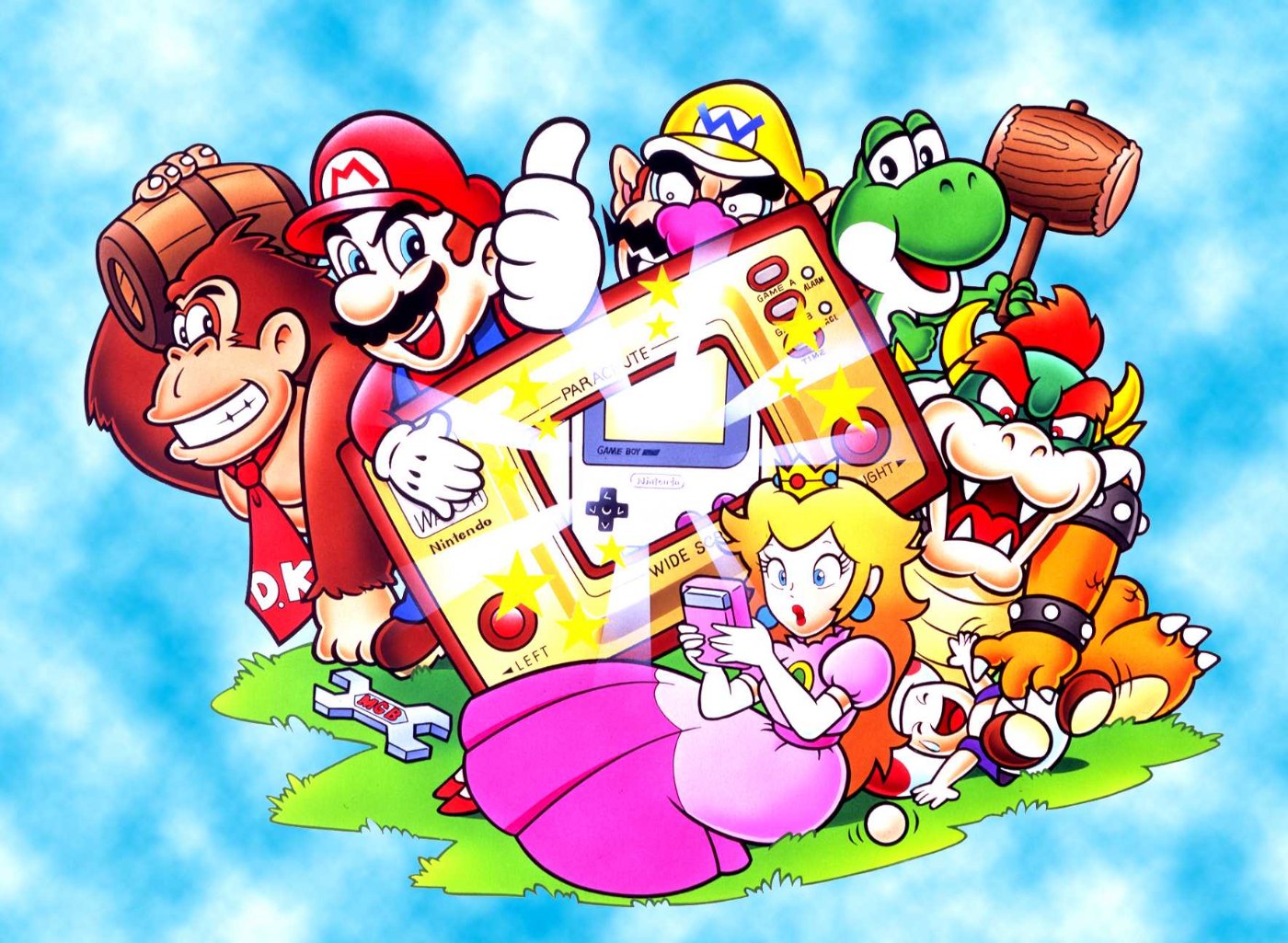
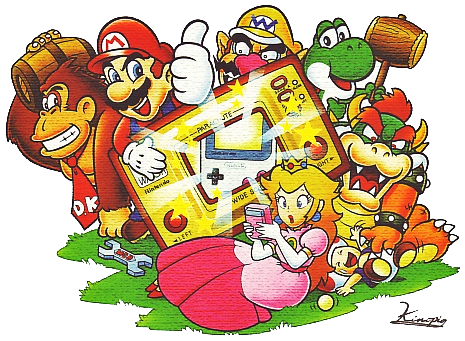
Group artwork: the Mario cast in their Game & Watch roles.
Before the Game Boy there was the Game & Watch, Nintendo’s line of pocket LCD games, one game to a unit. The Game & Watch Gallery games put several of them on one Game Boy cartridge and offer each in two flavours. Classic is the original, with its stiff segment animation and fixed positions; Modern keeps the rules but recasts the game with Mario characters, proper backgrounds, music whose tempo rises with the speed, and new twists.
Game & Watch Gallery 2 is the third game in that line, after Game Boy Gallery and Game & Watch Gallery, and it is the one that made the jump to colour. Its line-up is Parachute, Helmet, Chef, Vermin and the two-screen Donkey Kong, plus Ball once you have earned enough stars. Each game has Easy and Hard settings in both versions, and every 200 points you score is worth a star, up to five per mode.
Those stars are the real hook. They open a Music Room, a Museum stocked with animated recreations of other Game & Watch units, the staff credits and, one character at a time, the Modern version of Ball. Score 1,000 points in a Modern game and a fiercely fast Star mode appears for it too.
Japan received it on the original Game Boy in September 1997 as Game Boy Gallery 2. The West waited for the Game Boy Color and got the colour version in November 1998; Japan never had that one in shops, and Australia sold it as Game Boy Gallery 3. It came back on the Nintendo 3DS Virtual Console in 2012.
Game & Watch Gallery 2 is a collection of five classic handheld games. Each game is playable in its original ’80s version and in a remastered version with enhanced graphics, sound, and new gameplay.
— Official description (Nintendo UK, 2012)
Why Game & Watch Gallery 2 matters to Mario fans
The Game & Watch was Nintendo’s first handheld success, and Donkey Kong on it was Mario’s first pocket appearance. This collection rebuilds that game with Peach in Pauline’s place, turns four other LCD games into Mario stages and adds a juggling Bowser for good measure. It is also a cheap, tidy history lesson: a Museum of Game & Watch units you could not otherwise play.
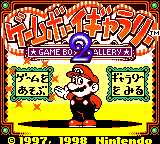
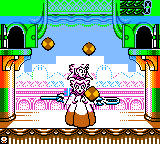
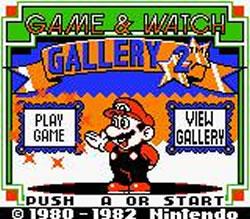
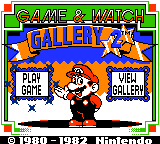
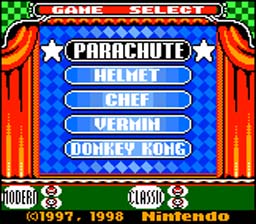
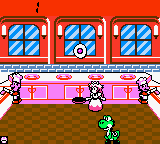
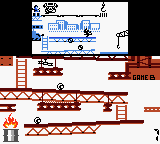
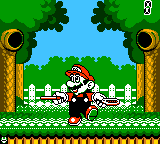
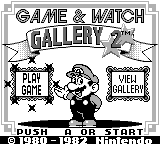
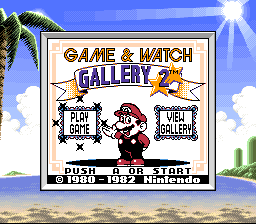
The Game Boy Color title screen.The game select screen.Modern Chef: Peach at the stove, Yoshi waiting to be fed.Classic Donkey Kong, two screens squeezed onto one.
Quick Answers
The questions people ask most about Game & Watch Gallery 2, answered briefly here and in depth below.
Which games are in Game & Watch Gallery 2?
Parachute, Helmet, Chef, Vermin and Donkey Kong from the start, and Ball once unlocked with stars. Each has a Classic and a Modern version. More →
How do you earn stars?
Every 200 points in a game earns one star, up to five per mode and difficulty. With six games, two versions and two difficulties that makes 120 stars in all. More →
How do you unlock Ball?
Classic Ball appears at 15 stars. Modern Ball opens at 25 stars with Yoshi; Mario, Wario and King Koopa follow at 35, 45 and 100 stars. Modern Ball also opens if you earn five stars in both Classic modes of Ball. More →
What is Star mode?
Reach 1,000 points in a Modern game and a much harder Star mode appears for that game on the mode select screen. More →
Is it a Game Boy or a Game Boy Color game?
Both. Japan had it on Game Boy in 1997; North America and Europe got a Game Boy Color version in November 1998, Australia the same year. More →
Why is it called Game Boy Gallery 3 in Australia?
Australia used the Game Boy Gallery name for the series, and counted this as its third entry. Japan called it Game Boy Gallery 2. More →
Who made it?
Nintendo R&D1 with TOSE, directed by Hitoshi Yamagami and produced by Takehiro Izushi. More →
Can you still buy it?
It was on the Nintendo 3DS Virtual Console from 2012, but Nintendo closed eShop purchases for 3DS on 27 March 2023. More →
Games
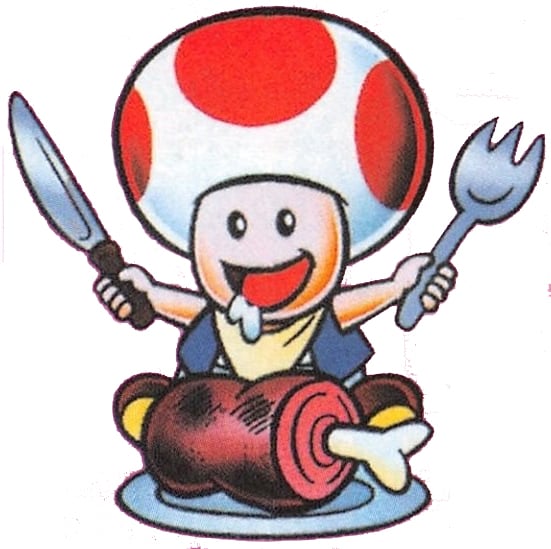
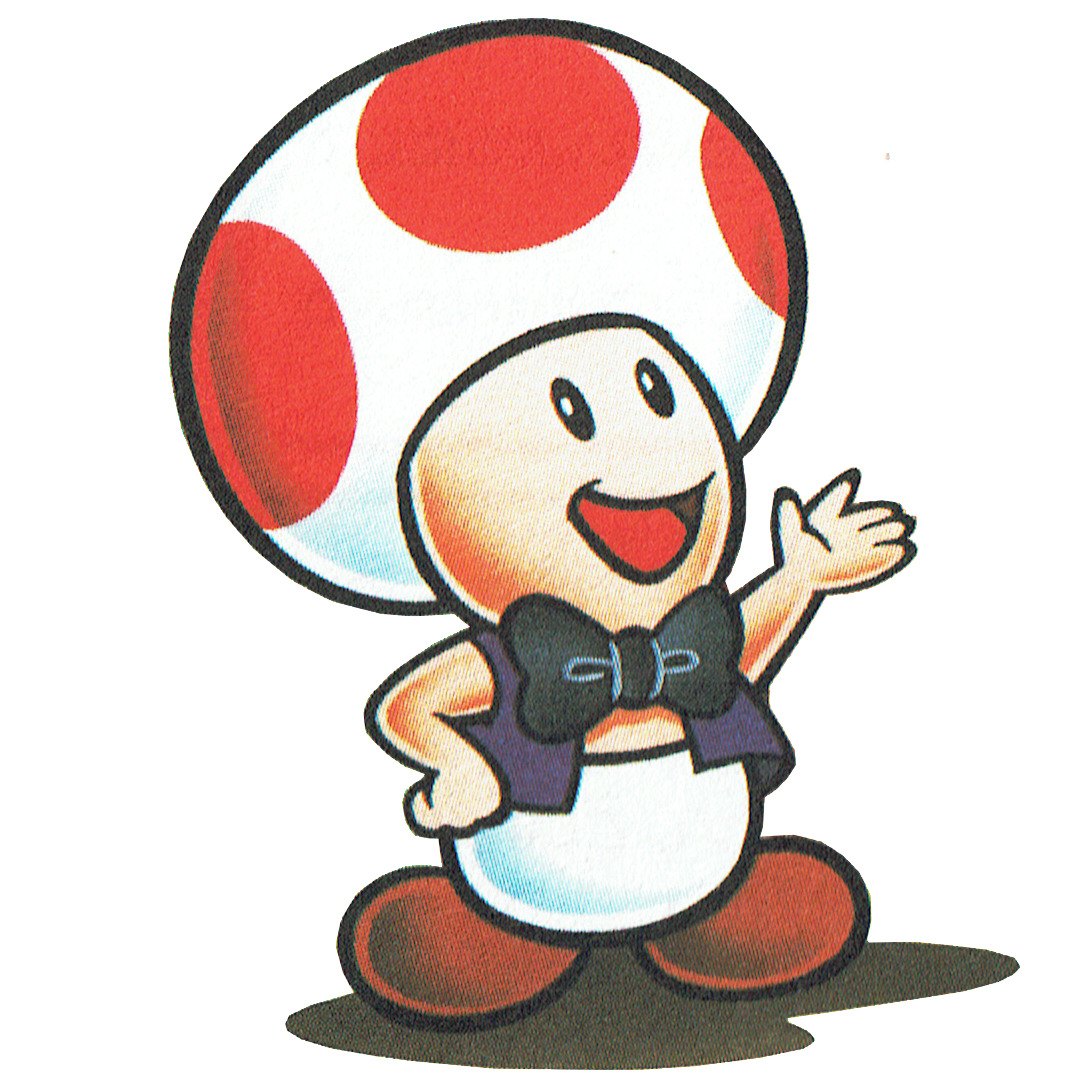
Toad, who hosts the collection and hands out hints.
There is no plot to speak of: Toad hosts, and the six games are the show. Each comes in a Classic and a Modern version, with Easy and Hard in both. Here is what each one is, where it came from, and what the Mario cast does with it.
Parachute
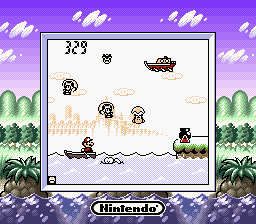
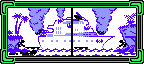
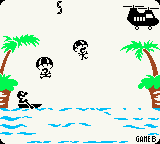
Classic: a 1981 Wide Screen game. Parachutists drop from a helicopter and you row a boat back and forth to catch them before a shark gets them; a point per catch, three misses and you are done, with misses wiped at 200 and 500 points.
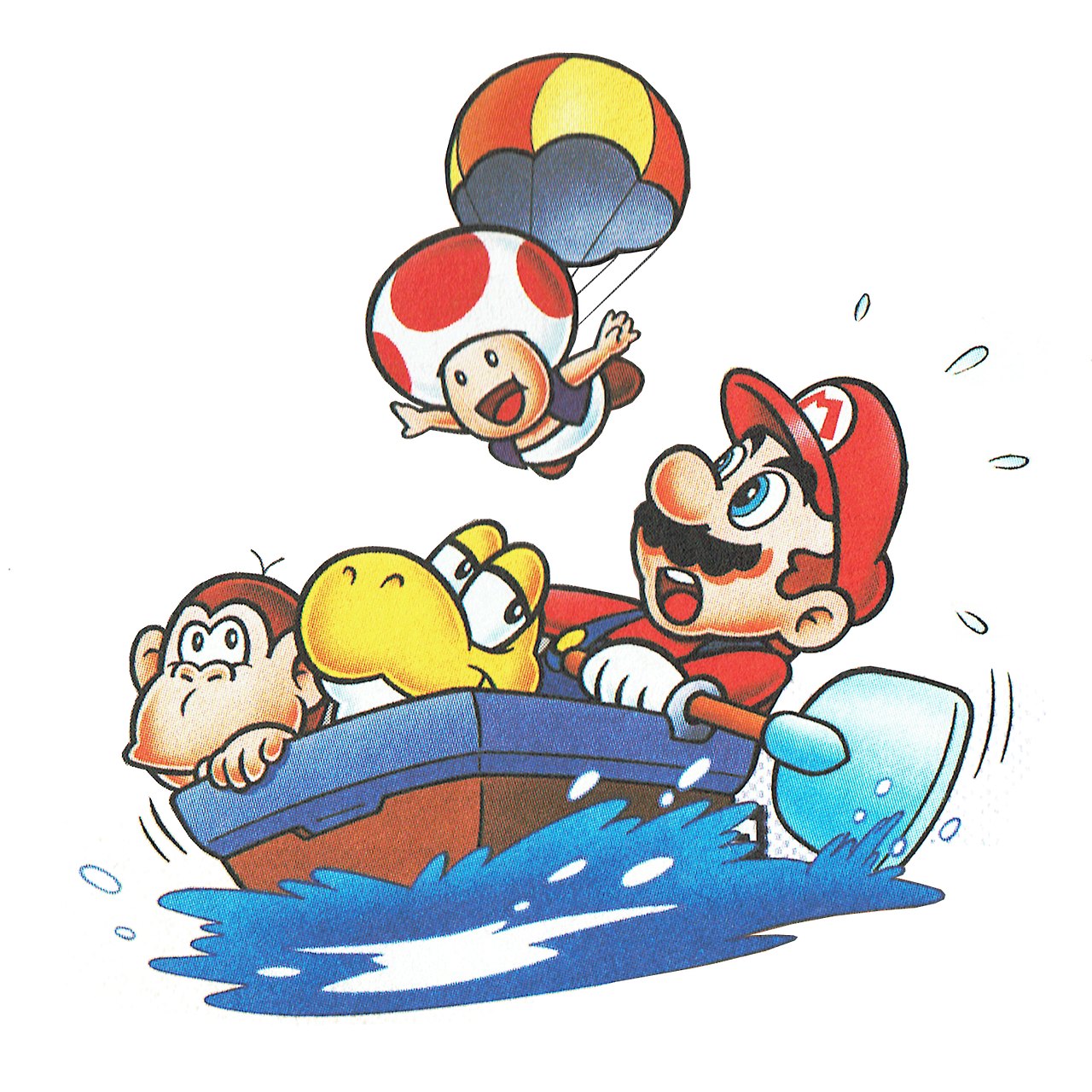
Modern: Mario takes the oars beneath a flying ship that sheds Toads, Yoshis and Donkey Kong Jrs. Each falls differently: Toads open their chutes at once, DK Jr. leaves it to the last second, and a Yoshi’s timing depends on how far he jumped. A cannon fires anyone who lands in it back into the sky, a fish waits for anyone who hits the water until a Lakitu reels them out, and every 100 points three Yoshi Eggs drop, one hiding a Boo Buddy who loads the cannon with Bob-ombs. Catch a Bob-omb and Mario takes a bath.
Classic Parachute.Modern Parachute on Game Boy Color.Artwork: Mario to the rescue.
Helmet
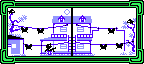
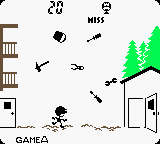
Classic: a 1981 Gold series game. Builders run from a building on the left to a shed on the right while tools rain down; the door opens and shuts, and you cannot turn back once you leave. Three dropped tools earn a point and each safe arrival earns five.
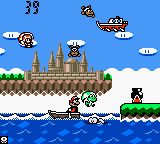
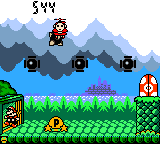
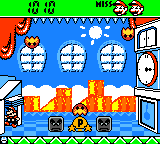
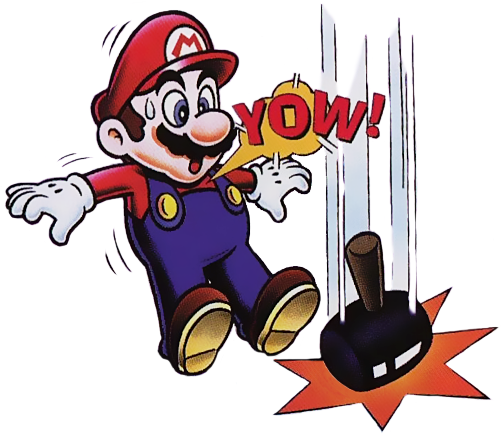
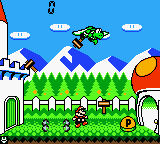
Modern: Mario (or Wario, if you go again straight after a game that ended under 100 points) dashes for a Warp Door while a Para Troopa lobs hammers, Spiked Balls and Podoboos. P Switches bring coins, and 50 coins without a miss summons a Super Star. Toad moves you on to new areas at 500 and 1,000 points: a meadow where a Fly Guy drops Spiked Balls and cannons fire them at an angle, then a castle with bouncing Podoboos and Thwomps that lift you toward a spiked ceiling if you stand still.
Modern Helmet, Area 2: the meadow.Modern Helmet, Area 3: the castle.Artwork: Mario ducks a falling mallet.
Chef
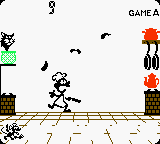
Classic: a 1981 Wide Screen game. A cook keeps food bouncing in his pan; anything that hits the floor is a miss, and a mouse scurries off with it. Game A has three pieces in the air, Game B four.
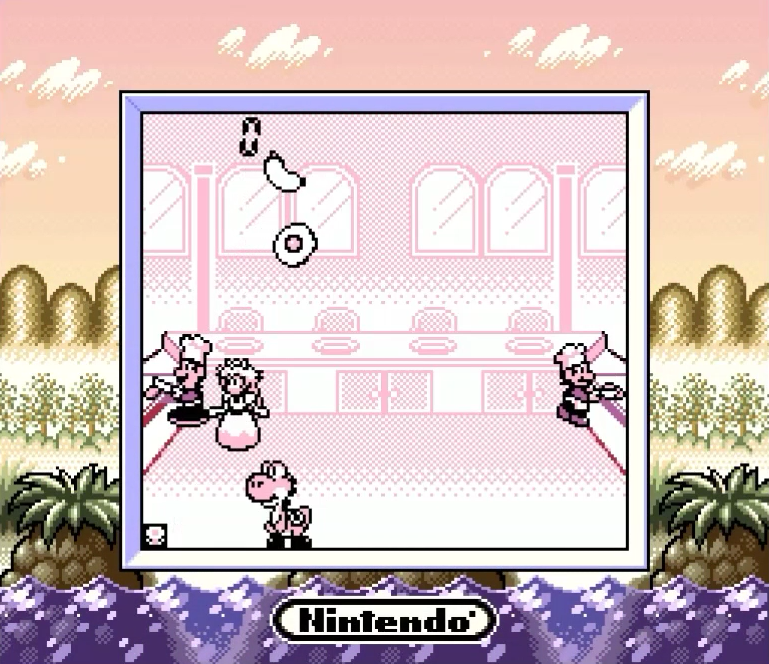
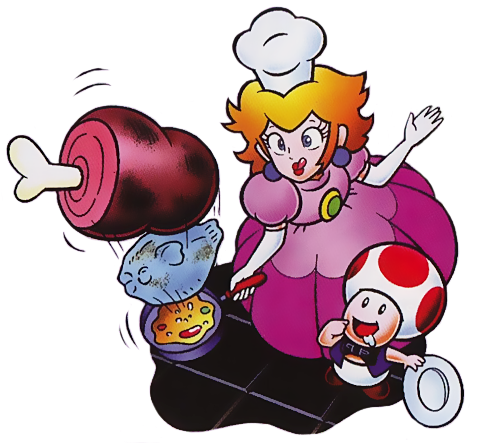
Modern: Peach is the cook, Mario and Luigi throw the food up, and the idea is to cook it and then spin it over to Yoshi with A or B. Feed him well five times running and he lays an egg; five more and it hatches into a Little Yoshi; five more and the baby grows up. Feed him something burnt and he shrinks to a Little Yoshi and any egg vanishes. On Easy only Luigi throws, straight up; on Hard both brothers throw, often at an angle.
Classic Chef.Artwork: Peach at the stove.
Vermin
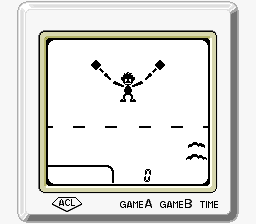
Classic: a 1980 Silver series game, sold in North America as The Exterminator. Moles pop up across a garden and you whack them with two hammers; let one through and it is a miss, and in this one misses are never cleared.
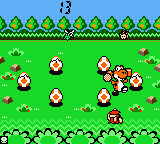
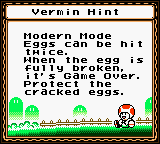
Modern: Yoshi stands in the middle of six Yoshi Eggs, moving up and down to fend off Para Troopas, Fly Guys and Boo Buddies coming from all sides (the Boos freeze when he faces them). Each egg can take three hits; lose one and a gloating enemy ends the game. Every 200 points the surviving eggs hatch prizes, from Yoshi Cookies to fruit, Little Yoshis, coins and finally Super Stars, and a Monty Mole brings a heart that patches up the eggs.
Classic Vermin.Modern Vermin: Yoshi and his eggs.Toad offers a hint for Modern Vermin.
Donkey Kong
Classic: the 1982 Multi Screen Donkey Kong, two LCD screens one above the other. Mario jumps barrels on the lower screen, climbs to the upper one, and swings out on a crane hook to cut the four wires holding up Donkey Kong’s girder. The Game Boy has only one screen, so the B button swaps which half is in view. For the full story of the arcade original, see our Donkey Kong page.
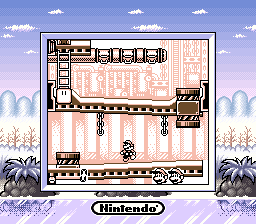
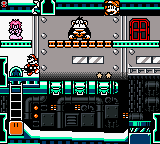
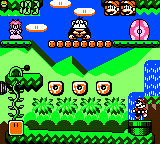
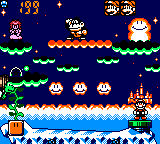
Modern: Peach replaces Pauline, Koopa Troopas and Para Troopas join the barrels, and the crane is gone: Mario hits a switch to make a platform and a door appear, then races for the door before it closes. Stomping Koopas earns extra points, beating Donkey Kong is worth 15, and Mario can dodge danger by hanging from chains, vines or Cloud Blocks. There are three areas: a factory, a jungle and a glacier at night.
Modern Donkey Kong, Area 1: the factory.Area 2: the jungle.Area 3: the glacier at night.
Ball (unlockable)
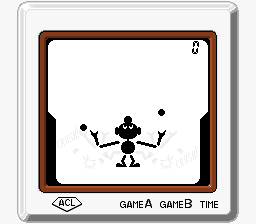
Classic: the very first Game & Watch, from April 1980, called Toss-Up in the United States. Juggle two balls (Game A) or three (Game B) for as long as you can; drop one and it is over, with no second chance.
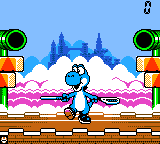
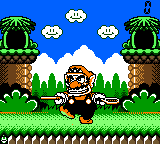
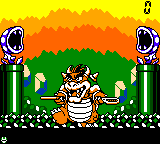
Modern: four juggling acts, each harder than the last. Yoshi keeps eggs in the air while Bob-ombs fall; Mario juggles a Star, a Super Mushroom and a heart while dodging fireballs; Wario handles the heart, the Star and a Wanderin’ Goom with Spiked Balls about; and King Koopa juggles a Koopa Shell, a Boo Buddy and a Goomba under a hail of Bob-ombs. Catch every coin that appears for a 20-point bonus.
Classic Ball.Modern Ball with Yoshi.Modern Ball with Wario.Modern Ball with King Koopa.
Every game in Game & Watch Gallery 2
Six playable games, each in Classic and Modern form, plus eight Museum exhibits.
ParachuteWide Screen, 1981 · available from the startMario rows under a ship full of falling Toads, Yoshis and DK Jrs.
HelmetGold series, 1981 · available from the startA dash for the door under falling hammers, over three areas.
ChefWide Screen, 1981 · available from the startPeach cooks what Mario and Luigi throw and feeds it to Yoshi.
VerminSilver series, 1980 · available from the startYoshi guards six eggs from Para Troopas, Fly Guys and Boos.
Donkey KongMulti Screen, 1982 · available from the startSwitches, doors and Koopas across a factory, a jungle and a glacier.
BallSilver series, 1980 · Classic at 15 stars, Modern from 25Juggling as Yoshi, Mario, Wario and finally King Koopa.
The Museum adds animated, non-playable recreations of Donkey Kong, Oil Panic, Green House, Life Boat, Donkey Kong Jr., Tropical Fish, Rain Shower and Spitball Sparky. Several of them became fully playable in Game & Watch Gallery 3 and Game & Watch Gallery 4.
Advertisement
Gameplay & Controls
From the title screen you pick a game, then Classic or Modern, then Easy or Hard. The rules of every game are simple: survive, score, and avoid three misses. The controls are equally simple: the +Control Pad (or B for left, A for right) moves, and in a couple of games A or B jumps or spins.
Classic and Modern
Classic versions reproduce the original LCD game: the same fixed positions and the same jerky animation, with Easy and Hard settings. Modern versions are rebuilt as Mario games with scrolling backgrounds, new hazards and items, three-hit eggs, coin bonuses and hearts that cancel a miss. In most Modern games a heart turns up at 200, 500 and 700 points, and the music speeds up with the action.
Classic Helmet.Modern Helmet, Area 1.
Stars and Star mode
Every 200 points in a game earns a star, up to five per game, version and difficulty: 6 × 2 × 2 × 5 is 120 stars. Once you pass 1,000 points no more stars are earned. Hit 1,000 in a Modern game and its Star mode appears, a punishing extra difficulty for players who have mastered the normal ones.
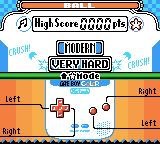
An unused Star mode entry for Ball on the mode select screen, left in the game data.
The Gallery Corner, Music Room and Museum
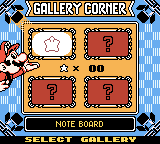
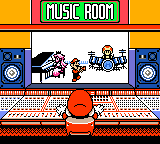
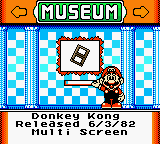
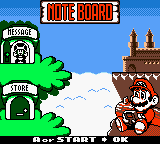
The Gallery Corner is where the stars go to work. At 5 stars the Music Room opens to play the soundtrack, with more tracks at 55. At 10 the Museum opens with an animated Donkey Kong unit, and further visits add Oil Panic (20), Green House (30), Life Boat (40), Donkey Kong Jr. (50), Tropical Fish (60), Rain Shower (70) and Spitball Sparky (80). These are look-but-do-not-play exhibits. At 50 stars you can view the staff credits, and the full 120 brings the cast credits. A Note Board in the same menu passes on messages, and Toad pops up with hints.
The Gallery Corner.The Music Room.The Museum.The Note Board.
Every star reward
5 stars: Music Room · 10: Museum and Donkey Kong · 15: Classic Ball · 20: Oil Panic · 25: Modern Ball with Yoshi · 30: Green House · 35: Modern Ball with Mario · 40: Life Boat · 45: Modern Ball with Wario · 50: staff credits and Donkey Kong Jr. · 55: more Music Room tracks · 60: Tropical Fish · 70: Rain Shower · 80: Spitball Sparky · 100: Modern Ball with King Koopa · 120: cast credits.
The Donkey Kong unit in the Museum.Oil Panic in the Museum.Donkey Kong Jr. in the Museum.Spitball Sparky, the last Museum piece at 80 stars.
Game Boy, Super Game Boy and Game Boy Color
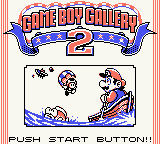
The Japanese original was a Game Boy game; the Western release is for Game Boy Color. The game’s title screen has three versions: plain Game Boy, Super Game Boy and full Game Boy Color.
The title screen on an original Game Boy.The Super Game Boy title screen.
Items and pick-ups in the Modern games
The Modern versions scatter Mario-series items through the old LCD rules. A selection, with the game each belongs to.
1UP HeartAppears around 200, 500 and 700 points in most Modern games; catch it to erase a miss.
P SwitchHelmet: makes coins appear on the path to the door.
CoinHelmet: adds points and raises the door bonus, but a heavy purse slows you down.
Super StarHelmet: appears after 50 coins without a miss, worth at least 25 points. Also hatches from eggs in Vermin.
Yoshi EggVermin: six to guard, each taking three hits. In Parachute, eggs dropped from the ship hold a prize.
Yoshi CookieVermin: the first prize your eggs hatch, at 200 points.
FruitVermin: the 400-point prize.
Magic BallParachute: three drop if you have misses at 200, 500 or 700 points; one holds a heart.
CannonParachute: blasts anyone who lands in it back into the air.
SwitchDonkey Kong: makes a platform and a door appear for a limited time.
Warp DoorDonkey Kong and Helmet: the exit you are racing for.
Cloud BlockDonkey Kong Area 3: something to hang from while enemies pass.
SteakChef: one of five foods, alongside fried egg, sausage, fish and leg of lamb; each needs three to five flips.
Fried eggChef: cook it, then flick it to Yoshi.
Super MushroomBall: one of the three things Mario juggles.
Koopa ShellBall: juggled by King Koopa, worth 2 points and inclined to fly off screen.
Cartoons, Comics & Other Media
The games in this collection have had long afterlives in Nintendo’s other series.
Super Smash Bros.Mr. Game & Watch, from Melee onwardMr. Game & Watch’s moveset borrows from several of these games: his frying-pan special comes from Chef, his two-hammer down smash from Vermin, and a parachute nods to Parachute.
WarioWare, Inc.: Mega Microgame$!Game Boy AdvanceIncludes a Helmet microgame, and the helicopter from Parachute turns up in the microgame Air Supplies.
Game & Watch Gallery 4Game Boy Advance, 2002Remade Modern Chef and Modern Donkey Kong with brighter sprites and new touches, among them an airship in place of the glacier.
Characters
The Modern versions are cast from the Mushroom Kingdom. Here is who does what.
Character
Who they are
In this game
Abilities & notes
MarioParachute, Helmet, Donkey Kong, Ball
The hero of the original Donkey Kong, back in his oldest role.
Rows the boat in Parachute, runs for the door in Helmet, climbs to Donkey Kong, and is the second juggler in Modern Ball (35 stars). In Chef he throws the food.
Juggles a Star, a Super Mushroom and a heart
LuigiChef
Mario’s brother.
Throws food up to Peach in Modern Chef; on Easy he is the only thrower.
Food thrower
Princess PeachChef, Donkey Kong
Ruler of the Mushroom Kingdom.
The cook in Modern Chef, flipping food and spinning it to Yoshi, and the captive at the top of Modern Donkey Kong, replacing Pauline.
Playable in Chef
YoshiVermin, Chef, Parachute, Ball
Mario’s dinosaur friend.
The hero of Modern Vermin, guarding his eggs; the hungry diner in Chef; one of the parachutists; and the first Modern Ball juggler (25 stars).
Juggles Yoshi Eggs
Little YoshiChef, Vermin
A baby Yoshi.
Hatches from Yoshi’s egg in Chef (and appears when he eats burnt food), and is one of the prizes that hatch in Vermin.
Bonus character
WarioHelmet, Ball
Mario’s greedy rival.
Takes Mario’s place in Modern Helmet if you replay straight after a game under 100 points, and is the third Modern Ball juggler (45 stars).
Juggles a heart, a Star and a Wanderin’ Goom
ToadHost, Parachute, Helmet
Peach’s loyal attendant.
Hosts the collection and gives hints, invites Mario to new areas in Helmet, and parachutes from the ship in Parachute.
Host
Donkey KongDonkey Kong
The original ape.
Throws barrels from the top of both versions of Donkey Kong; defeating him in the Modern game is worth 15 points.
Villain
Donkey Kong Jr.Parachute
DK’s son, star of his own arcade game.
One of the parachutists in Modern Parachute, who waits until the last moment to open his chute. His Game & Watch is in the Museum.
Parachutist
King Koopa (Bowser)Ball
King of the Koopas.
The final and hardest Modern Ball juggler, unlocked at 100 stars.
Juggles a Koopa Shell, a Boo Buddy and a Goomba
PaulineClassic Donkey Kong
The lady from the arcade Donkey Kong.
Appears in the Classic Donkey Kong; the Modern version gives her place to Peach.
Classic only
Enemies and hazards
The Mario-series troublemakers added to the Modern games.
Para TroopaHelmet, Vermin, Donkey KongThrows hammers and worse in Helmet; flies at the eggs in Vermin.
Koopa TroopaDonkey KongWalks the girders; stomp it for bonus points.
Fly GuyHelmet, VerminDrops Spiked Balls in Area 2 of Helmet; raids the nest in Vermin.
Boo BuddyVermin, Parachute, BallFreezes when Yoshi looks at it; in Parachute it loads the cannon with Bob-ombs.
Monty MoleVerminA friendly visitor for once: it brings a heart that repairs the eggs.
Bob-ombParachute, BallCatch one and it explodes, costing a miss.
Cheep CheepParachuteThe fish waiting below for anyone who misses the boat.
ThwompHelmetIn the castle it rises toward the spiked ceiling if you linger on it.
PodobooHelmetThrown in Area 1 and bouncing about the castle in Area 3.
Spiked BallHelmet, BallFalls in Helmet; Wario’s hazard in Ball.
GoombaBallOne of the three things King Koopa juggles.
Wanderin’ GoomBallWario’s awkward third object, which sometimes sails off screen.
Key staff
Credits as listed by Wikipedia from the game’s staff roll.
Hitoshi YamagamiDirectorDirected the game for Nintendo R&D1.
Takehiro IzushiProducerProduced the game.
Isao ShiroyamaDesignerCredited as designer.
Sakae Takase, Toshifumi Hiroo, Toru Fushimi, Taro NagaokaProgrammersThe programming team.
Noriko Nishizaka, Saburo Sasaki, Yoko MizutaMusicWrote the Modern versions’ music.
Advertisement
How It Was Made
Nintendo R&D1 and TOSE
Wikipedia and Nintendo Life both credit Game & Watch Gallery 2 to Nintendo R&D1 working with TOSE. The staff roll names Hitoshi Yamagami as director and Takehiro Izushi as producer.
From Game Boy to Game Boy Color
The unreleased Japanese Game Boy Color title screen.
The game first appeared in Japan on 27 September 1997 on the black-and-white Game Boy, as Game Boy Gallery 2. A little over a year later it was released in the West in colour, for the Game Boy Color, in November 1998 (Europe on 23 November, according to Wikipedia). Japan never got the colour version in shops; an unreleased Japanese Game Boy Color build reportedly leaked in 2020.
Left on the cutting-room floor
The unused Peach version of Modern Ball.
The cartridge holds leftovers: an unused Peach variant of Modern Ball with her own menu icon, Yoshi Cookies, a Birdo egg and a conch shell as unused juggling objects, and unused Bob-omb, Boo and Peach sprites for Modern Helmet. An early title screen also survives.
Cheats & Secrets
There are no button codes in Game & Watch Gallery 2; its secrets are earned with stars and high scores.
Unlock Star mode
Score 1,000 points in any Modern game to add a Star mode for that game: the same rules at a much higher speed.
Play Helmet as Wario
Finish a Modern Helmet game with under 100 points and play again straight away: Wario takes Mario’s place.
A quicker route to Modern Ball
Modern Ball normally needs 25 stars, but collecting five stars in both Classic modes of Ball also opens it.
Summon a Super Star in Helmet
Collect 50 coins without a miss and a Super Star appears near the right-hand door, worth at least 25 points.
Grow Yoshi’s family in Chef
Feed Yoshi five well-cooked meals in a row for an egg (5 points), five more to hatch it (20 points), and five more for the Little Yoshi to grow up (5 points). One burnt meal undoes the egg.
Clear misses
In the Modern games, catch the heart that appears at 200, 500 and 700 points. In Classic Parachute, Helmet and Chef, misses are wiped at 200 and 500 points; Classic Vermin never forgives.
Our separate cheats page covers the unlockables too.
Videos
A trailer for the Game Boy Color release, and Jeremy Parish’s long-form look at the game.
Third-party upload of a trailer for the Game Boy Color version.
Third-party retrospective from Jeremy Parish’s Game Boy Works Color series.
Trivia & Interesting Facts
Despite the number, this is the third game in the series: it follows Game & Watch Gallery, which itself followed Game Boy Gallery.
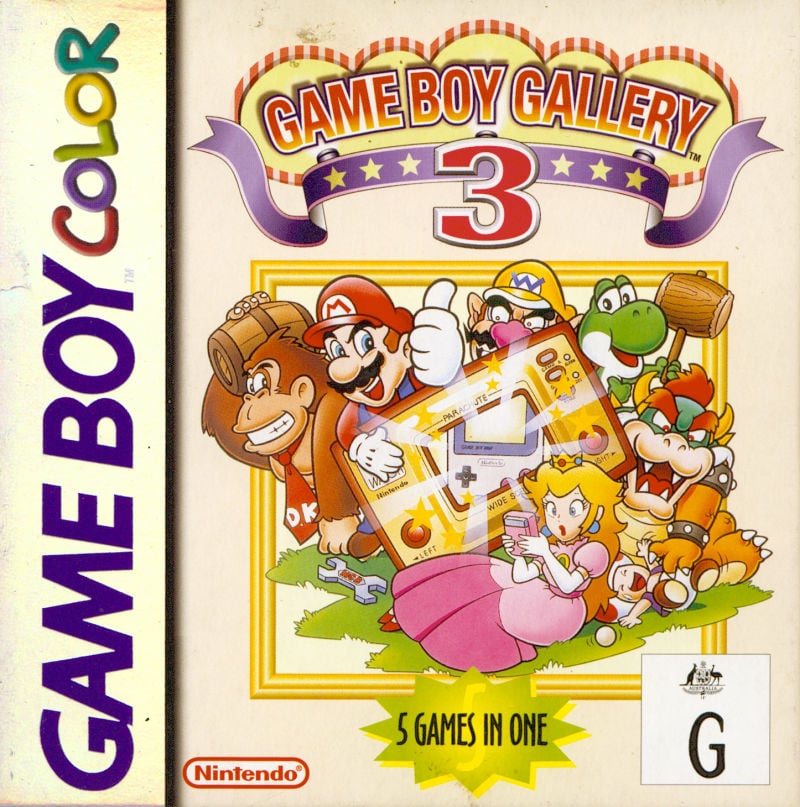
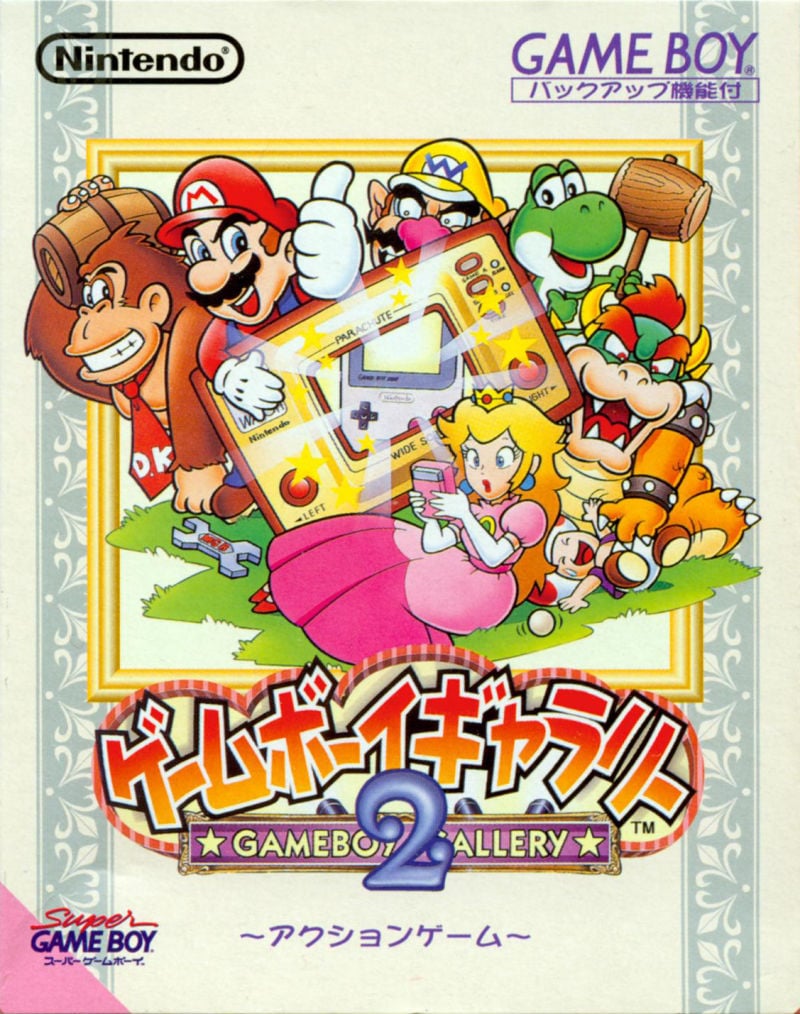
In Japan it is Game Boy Gallery 2; in Australia it is Game Boy Gallery 3.
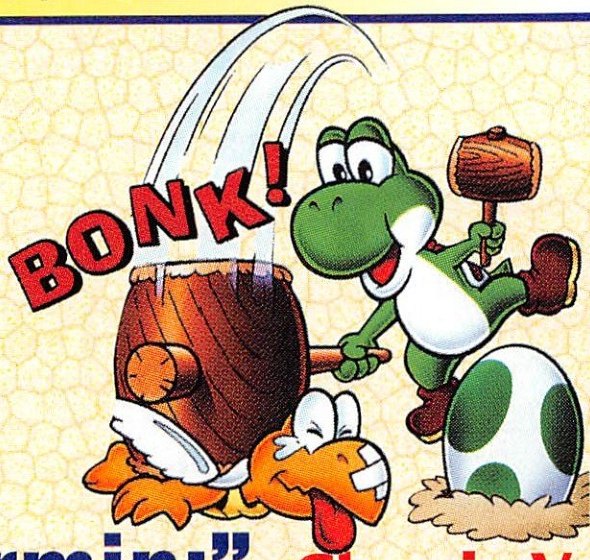
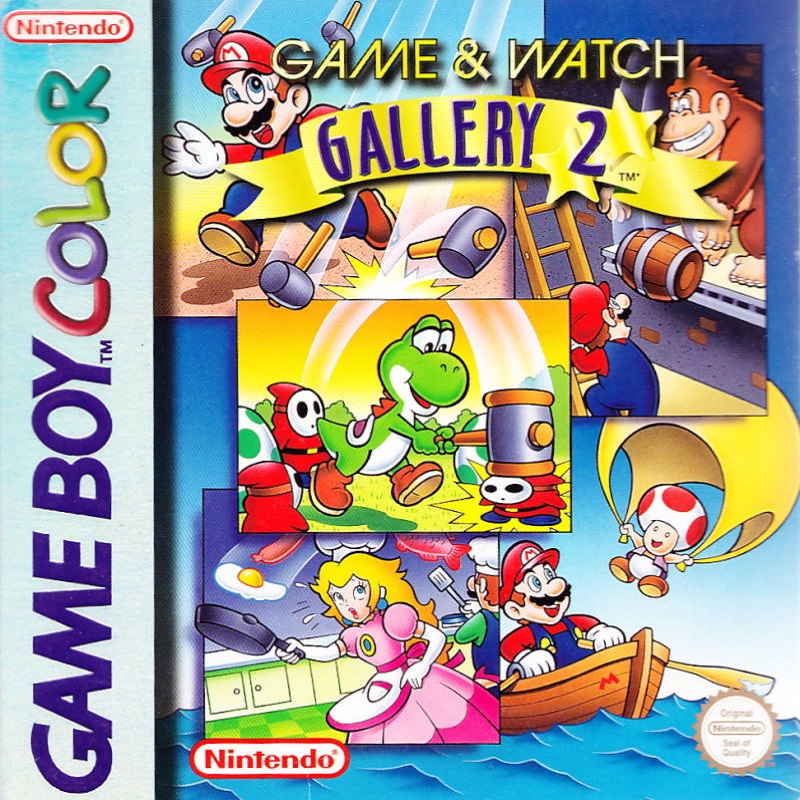
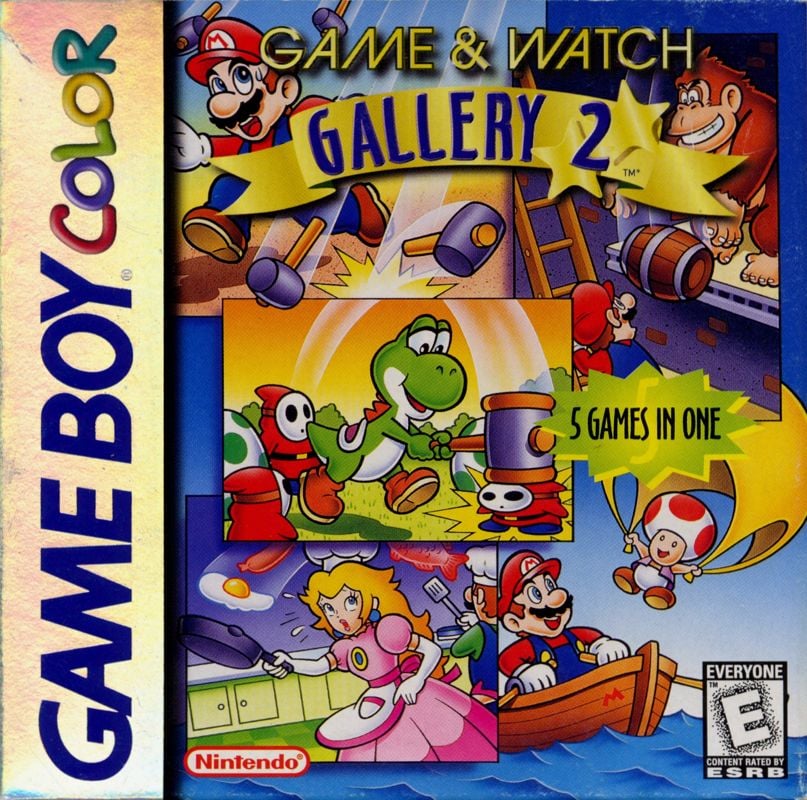
The box-art Yoshi, green as usual, hammering a Para Troopa.On Game Boy Color, Yoshi in Vermin is orange, though the box art shows him green; in Modern Ball he is light blue.
The artwork for Chef shows Toad dressed as a waiter, his mouth watering over a cut of meat, though Toad does not appear in the game, and puts Peach in a chef’s hat in place of her crown.
The manual’s art for Parachute shows a yellow Little Yoshi.
The Museum menu misspells Turtle Bridge, a Game & Watch that is not otherwise in this collection.
Ball, the unlockable bonus game, was the first Game & Watch of all, released on 28 April 1980; Americans knew it as Toss-Up.
Vermin was sold in North America as The Exterminator, and in Germany as Maulwurfsjagd (mole hunt). Helmet was Vorsicht, Werkzeug! in German.
The unused Peach icon for Modern Ball.Peach was planned as a fifth Modern Ball juggler: her sprite and menu icon are still on the cartridge.
Mr. Game & Watch’s Smash Bros. moveset draws on three games here: the frying pan from Chef, the hammers from Vermin and a parachute from Parachute.
Wario only gets into Modern Helmet if you do badly: replay straight after scoring under 100.
The Modern Donkey Kong has no crane at all; switches and doors replace the original’s chain-cutting finale.
Regional Box Art
The North American cover went through a couple of prints, and the Australian box carries a different name altogether.
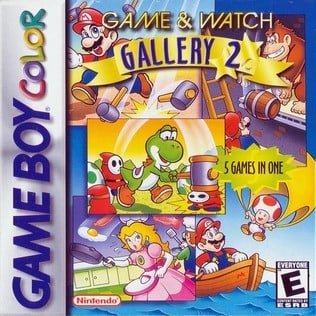
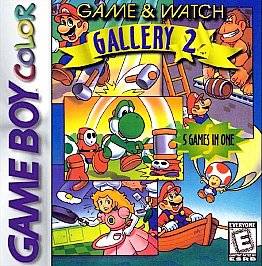
North AmericaGame Boy ColorNorth America (1999 ESRB rating)North America (early print)Yoshi, Peach and Donkey Kong are drawn differentlyEuropeAustraliaAs Game Boy Gallery 3JapanGame Boy, as Game Boy Gallery 2
Screenshots
More of the collection, including the Super Game Boy look of the Japanese release.
Modern Parachute on the Super Game Boy.Modern Chef on the Super Game Boy.Modern Donkey Kong on the Super Game Boy.Modern Ball with Mario, unlocked at 35 stars.An early version of the title screen, found in the game data.Green House in the Museum.Life Boat in the Museum.Rain Shower in the Museum.
Artwork & Media Gallery
Official artwork, emblems, logos and the Game & Watch units drawn for the Museum.
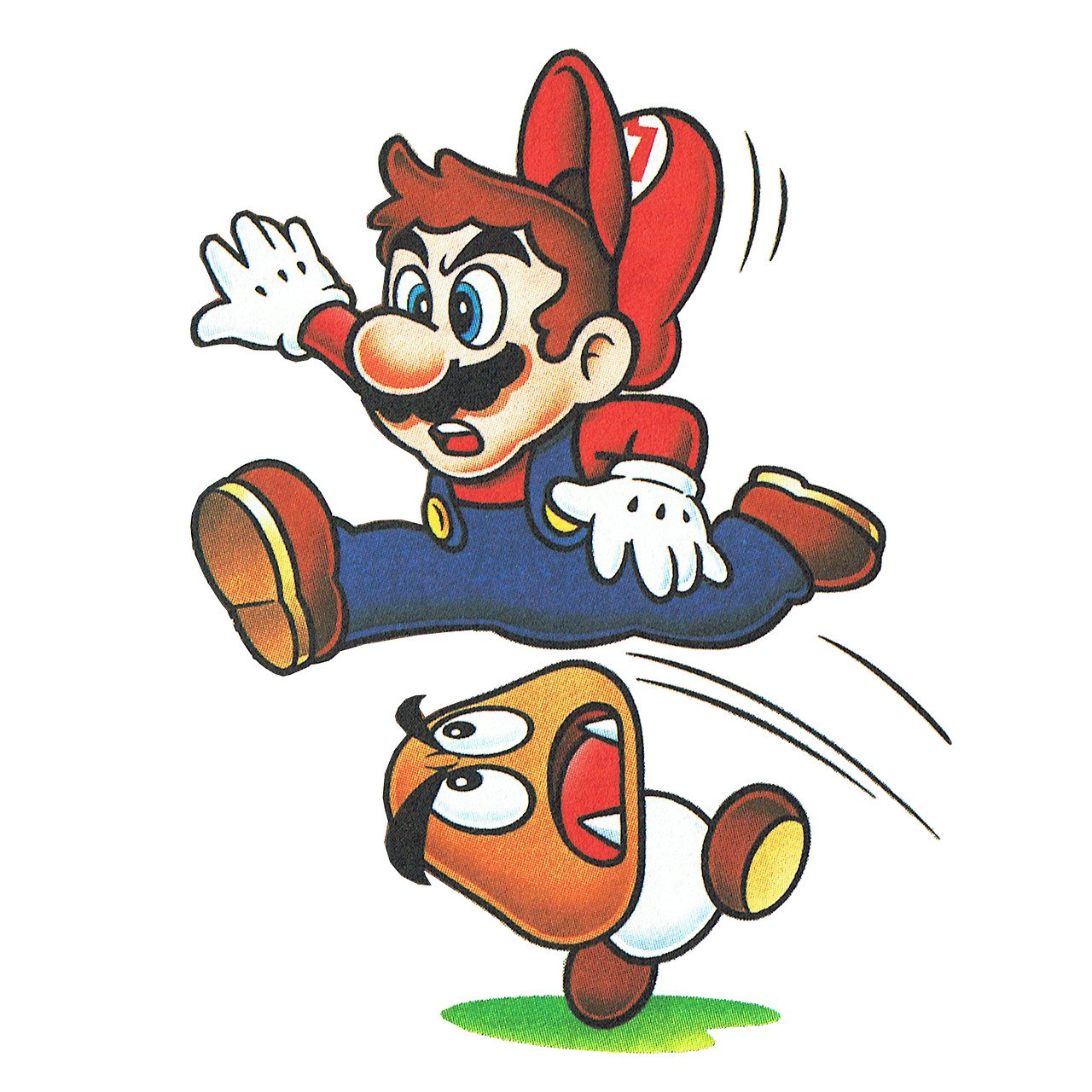
Group artwork.Mario jumps a Goomba in Donkey Kong.Toad about to tuck in, from the Chef artwork.The Parachute emblem.The Donkey Kong emblem.The North American and European logo.The Japanese Game Boy Gallery 2 logo.The Australian Game Boy Gallery 3 logo.The Multi Screen unit as drawn for the game.The Wide Screen unit.The Silver and Gold series unit.Mario on the title screen.
Legacy & Re-releases
The collection has had one re-release, and its ideas carried straight into two sequels.
Releases and re-releases
Game Boy27 September 1997Japan, as Game Boy Gallery 2.
Game Boy ColorNovember 1998North America.
Game Boy Color23 November 1998Europe; Australia the same year as Game Boy Gallery 3.
Nintendo 3DS Virtual Console21 March 2012Japan.
Nintendo 3DS Virtual Console3 May 2012Europe and Australia.
Nintendo 3DS Virtual Console24 May 2012North America, at $3.99.
What came next
Game & Watch Gallery 3 followed on Game Boy Color in 1999 with a new set of five, and Game & Watch Gallery 4 on Game Boy Advance in 2002 brought back remade versions of Chef and Donkey Kong. On Nintendo DS, the Club Nintendo exclusives Game & Watch Collection and Game & Watch Collection 2 returned to straight, Classic-only reproductions, the first of them including the two-screen Donkey Kong on two real screens. For more Mario games, see our games list.
Reviews & Sales
Sales
Nintendo has not published a sales figure for Game & Watch Gallery 2, so none is given here.
Reviews and scores
Reviewers liked the presentation and how long the stars kept them playing; the dissenters found the games too simple. GameRankings, now closed, averaged its reviews at 74.64%.
Total Game BoyIssue 2, 1999
92%
NintendojoTy Kris
9.0/10
Game Boy XtremeJuly 2001
88%
IGNDexter Sy, 24 November 1999
8/10
Nintendo LifeMarcel van Duyn, 10 May 2012 (3DS Virtual Console)
Electronic Gaming MonthlyFebruary 1999, four reviewers
8, 5, 6.5, 5.5 /10
Planet Game BoyAdam Waring, issue 1, 1999
3/5
IGN singled out the colour graphics and the twists in the Modern versions, and Total Game Boy called it an essential purchase for the new handheld. Planet Game Boy was the grump of the pack, finding the games too simplistic and samey to hold attention. Reviewing the 2012 Virtual Console release, Nintendo Life’s Marcel van Duyn found the faithful Classic games and the remade Modern ones very addictive, with the Star modes as a tough extra for completists.
SLB User Reviews
Game & Watch Gallery 2 has yet to receive a community review on Super Luigi Bros.
If you’ve played Game & Watch Gallery 2 and would like to submit a review, please get in touch.
To provide the best experiences, we use technologies like cookies to store and/or access device information. Consenting to these technologies will allow us to process data such as browsing behavior or unique IDs on this site. Not consenting or withdrawing consent, may adversely affect certain features and functions.
Functional
Always active
The technical storage or access is strictly necessary for the legitimate purpose of enabling the use of a specific service explicitly requested by the subscriber or user, or for the sole purpose of carrying out the transmission of a communication over an electronic communications network.
Preferences
The technical storage or access is necessary for the legitimate purpose of storing preferences that are not requested by the subscriber or user.
Statistics
The technical storage or access that is used exclusively for statistical purposes.The technical storage or access that is used exclusively for anonymous statistical purposes. Without a subpoena, voluntary compliance on the part of your Internet Service Provider, or additional records from a third party, information stored or retrieved for this purpose alone cannot usually be used to identify you.
Marketing
The technical storage or access is required to create user profiles to send advertising, or to track the user on a website or across several websites for similar marketing purposes.

 HelmetGold series, 1981 · available from the startA dash for the door under falling hammers, over three areas.
 BallSilver series, 1980 · Classic at 15 stars, Modern from 25Juggling as Yoshi, Mario, Wario and finally King Koopa.



 1UP HeartAppears around 200, 500 and 700 points in most Modern games; catch it to erase a miss.
 P SwitchHelmet: makes coins appear on the path to the door.
 CoinHelmet: adds points and raises the door bonus, but a heavy purse slows you down.
 Super StarHelmet: appears after 50 coins without a miss, worth at least 25 points. Also hatches from eggs in Vermin.
 Yoshi EggVermin: six to guard, each taking three hits. In Parachute, eggs dropped from the ship hold a prize.
 Yoshi CookieVermin: the first prize your eggs hatch, at 200 points.
 FruitVermin: the 400-point prize.
 Magic BallParachute: three drop if you have misses at 200, 500 or 700 points; one holds a heart.
 CannonParachute: blasts anyone who lands in it back into the air.
 SwitchDonkey Kong: makes a platform and a door appear for a limited time.
 Warp DoorDonkey Kong and Helmet: the exit you are racing for.
 Cloud BlockDonkey Kong Area 3: something to hang from while enemies pass.
 SteakChef: one of five foods, alongside fried egg, sausage, fish and leg of lamb; each needs three to five flips.
 Fried eggChef: cook it, then flick it to Yoshi.
 Super MushroomBall: one of the three things Mario juggles.
 Koopa ShellBall: juggled by King Koopa, worth 2 points and inclined to fly off screen.
 MarioParachute, Helmet, Donkey Kong, Ball
 LuigiChef
 Princess PeachChef, Donkey Kong
 YoshiVermin, Chef, Parachute, Ball
 Little YoshiChef, Vermin
 WarioHelmet, Ball
 ToadHost, Parachute, Helmet
 Donkey KongDonkey Kong
 Donkey Kong Jr.Parachute
 King Koopa (Bowser)Ball
 PaulineClassic Donkey Kong
 Para TroopaHelmet, Vermin, Donkey KongThrows hammers and worse in Helmet; flies at the eggs in Vermin.
 Koopa TroopaDonkey KongWalks the girders; stomp it for bonus points.
 Fly GuyHelmet, VerminDrops Spiked Balls in Area 2 of Helmet; raids the nest in Vermin.
 Boo BuddyVermin, Parachute, BallFreezes when Yoshi looks at it; in Parachute it loads the cannon with Bob-ombs.
 Monty MoleVerminA friendly visitor for once: it brings a heart that repairs the eggs.
 Bob-ombParachute, BallCatch one and it explodes, costing a miss.
 Cheep CheepParachuteThe fish waiting below for anyone who misses the boat.
 ThwompHelmetIn the castle it rises toward the spiked ceiling if you linger on it.
 PodobooHelmetThrown in Area 1 and bouncing about the castle in Area 3.
 Spiked BallHelmet, BallFalls in Helmet; Wario’s hazard in Ball.
 GoombaBallOne of the three things King Koopa juggles.
 Wanderin’ GoomBallWario’s awkward third object, which sometimes sails off screen.