
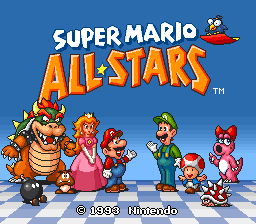
Super Mario All-Stars
Four classic Mario games, rebuilt from the ground up for SNES
Overview
Super Mario All-Stars is one of those rare releases that absolutely delivered on its promise. Four of the greatest platform games ever made — Super Mario Bros., Super Mario Bros. 2, Super Mario Bros.: The Lost Levels, and Super Mario Bros. 3 — all rebuilt from scratch for the Super Nintendo with 16-bit graphics, enhanced audio, and a brand new save system.
Released in Japan as Super Mario Collection, it arrived in North America in August 1993 and became one of the best-selling SNES titles of all time. This wasn’t just a port job — Nintendo EAD genuinely remade all four games with new sprite work, richer backgrounds, updated sound and tweaked gameplay. For many Western players, All-Stars was their first encounter with The Lost Levels — the infamous original Japanese Super Mario Bros. 2 that Nintendo had previously deemed too difficult for Western release.
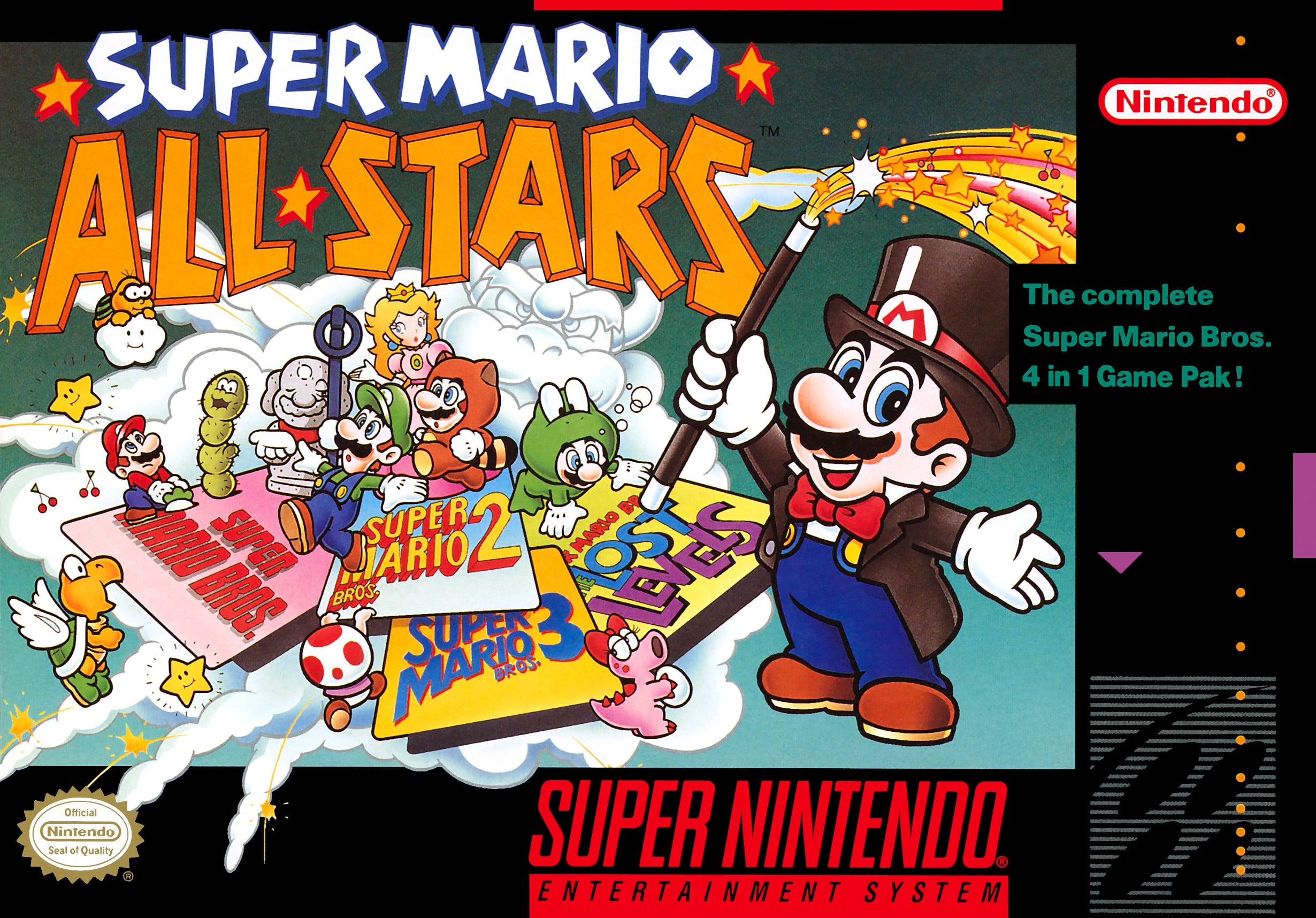
Western box art

Japanese box art (Super Mario Collection)

Super Mario Collection logo
The four games
All-Stars contains four complete games on a single cartridge. Each one is a full 16-bit remake — not a ROM dump. Here’s what’s in the box:
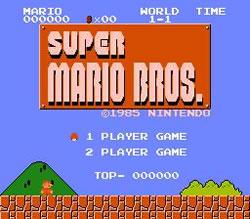 Super Mario Bros.
The original 1985 classic that started it all — Mario and Luigi on a mission to rescue Princess Peach from Bowser across eight worlds. Rebuilt with SNES-quality graphics, backgrounds and sound, but every single level and enemy is faithful to the original.
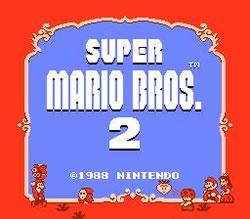 Super Mario Bros. 2
The Western SMB2 — pulled from the Japanese Doki Doki Panic and reskinned with Mario characters. Four playable characters (Mario, Luigi, Toad, Peach) each with different abilities. Sprite and palette overhaul for All-Stars.
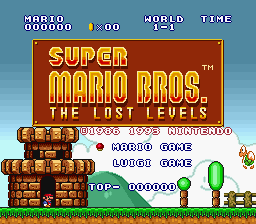 Super Mario Bros.: The Lost Levels
The real Japanese SMB2 — never released in the West before All-Stars. Brutally difficult, designed explicitly for expert players. New mechanics like poison mushrooms and wind. For many this was their first time playing it.
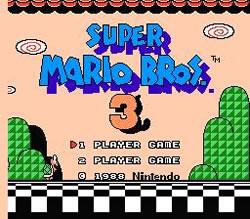 Super Mario Bros. 3
Widely considered one of the greatest games ever made. All-Stars gives it a complete graphical overhaul with richer colours, animated map sprites and updated character designs that more closely match official artwork.
A later edition — Super Mario All-Stars + Super Mario World — added the SNES launch title to the collection, bundled with certain SNES console packs. All-Stars was also re-released on Wii in 2010 as a 25th anniversary edition with a soundtrack CD and booklet.
What’s new — the upgrades
The headline feature of All-Stars is the visual and audio overhaul, but there are several practical improvements too that make a real difference to how the games feel and play:
Save anywhere
Perhaps the biggest quality-of-life improvement — All-Stars lets you save your progress at any point in any of the four games. In the originals there was no saving at all.
16-bit graphics
All four games have completely redrawn sprites and backgrounds. Levels that were previously black voids now have detailed scenery, clouds, mountains and animated elements.
Enhanced audio
The SNES sound chip gives each game a richer, more layered soundtrack. The Ground Theme from SMB1, for example, now has instrumentation closer to the Super Mario World Special Zone arrangement.
SNES controls
All games mapped to SNES controller. SMB3 in particular benefits significantly — the trigger buttons give more comfortable access to the full range of suit abilities.
Battle Game (SMB3)
An extra two-player competitive mode added exclusively to the SMB3 remake — players compete to collect the most cards in a head-to-head match.
The Lost Levels (West)
First Western release of the original Japanese Super Mario Bros. 2 — a game so difficult Nintendo had previously refused to export it. Eight worlds plus secret worlds A, B, C and D.
SMB & The Lost Levels — what changed
Both Super Mario Bros. and The Lost Levels received identical graphical and audio treatment. The changes are extensive — this is a genuine remake, not a palette swap:
Graphics
Grassland levels now have actual grass on the ground — the ground in the original was just plain brown blocks. Every level gains a detailed background: night levels get a twinkling star sky, athletic levels get waterfalls or stone pillar backdrops, and Worlds 3, 5 and 7 have snow on the ground to make their winter setting explicit. Redesigned Bowser is a notable change — his new sprite looks far more menacing and is closer to the artwork of the era.
Super Mario Bros. — NES vs SNES comparison
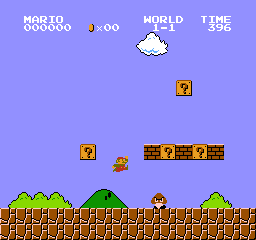
NES original
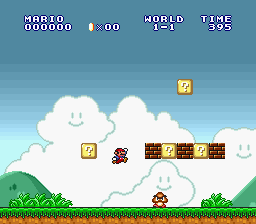
SNES All-Stars
Gameplay tweaks
Fireballs can now defeat Hammer Bros directly — this wasn’t possible in the NES original. In The Lost Levels, Luigi has noticeably different jump physics from Mario, making him feel genuinely distinct to control. When a game ends in The Lost Levels, the final World you reached is displayed on screen.
Sound
The Ground Theme’s instrumentation is close to the Special Zone remix from Super Mario World. The Underground Theme draws on the Super Mario Bros. 2 version of the music. Each track benefits from the SNES’s additional audio channels, giving more depth and presence to the familiar melodies.
Super Mario Bros. 2 — what changed
SMB2 gets a near-total palette overhaul. Nintendo went through every enemy sprite and brought them closer to their official artwork — many long-standing colour associations that players had from the NES version simply don’t exist in All-Stars:
- Pink Shy Guys, Snifits and Pansers are now blue
- Red Beezos (the homing ones) are now yellow; green/grey Beezos are now red
- Both Mousers are now grey
- Tryclydes are now green
- Birdo’s design is updated — the bow is now permanently on her head rather than sometimes appearing on her snout
- The POW Block now correctly shows the letters POW on each visible face
- Subcon’s background is redesigned from a black sky to a proper blue sky
Gameplay tweaks include: the Power Squat Jump now shows a star indicator, making it clearer when you’ve charged long enough. Various sound effects were updated, and the Bonus Chance slot machine now shows on-screen hints.
Super Mario Bros. 2 — boss battle NES vs SNES
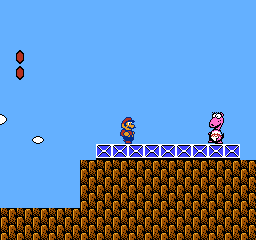
NES original
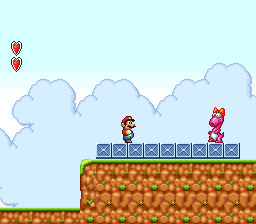
SNES All-Stars

The Lost Levels — the original Japanese SMB2 logo as shown in All-Stars
Super Mario Bros. 3 — what changed
SMB3 arguably benefits the most from the All-Stars treatment. The original NES game had some colour limitations that the SNES version resolves completely — and the animated world map is a genuine upgrade:
Graphics
Most sprites are recoloured to match official artwork more closely. Mario and Luigi’s overalls are now the correct blue in all sprites — in the NES original, the overalls appeared black in smaller sprites due to palette limitations. The sides of the screen are now drawn properly rather than only appearing when elements scroll into view. The fire bar flame sprite is more round and detailed.
Super Mario Bros. 3 — cave level NES vs SNES
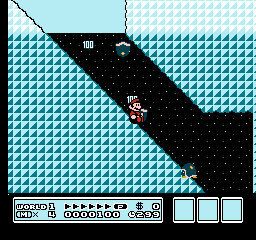
NES original
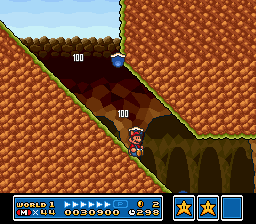
SNES All-Stars
Animated world map
This is one of the most immediately striking improvements. The world map in the NES version was largely static — in All-Stars, it comes alive with animated sprites. Piranha Plants bob in and out of pipes on the map, Fortresses and Airships are animated sprites rather than static icons, and the overall map presentation is much richer.

Map Piranha Plant

Map Fortress

Map Airship
Bowser’s Castle & the Bowser’s Brother easter egg
The Dark Land castle background and Bowser fight have been given a dramatic makeover with a proper castle backdrop and a much more imposing atmosphere. Speaking of Bowser — All-Stars contains a fun easter egg in the SMB3 VS Mode: a hidden blue palette-swap of Bowser appears as an opponent, dubbed “Bowser’s Brother” by fans. He was never officially named but appeared prominently in Nintendo Power’s coverage of the game.
 Bowser’s Castle map icon — as it appears on the World 8 overworld map
Bowser’s Brother easter egg sprite
Battle Game
An entirely new mode added to SMB3 in All-Stars — a two-player competitive Battle Game where both players simultaneously play through levels trying to collect the most matching cards. This mode doesn’t exist in the original NES SMB3.
The World 9 challenge
When All-Stars launched, Nintendo Power ran one of its most memorable reader challenges — the “Certified Mario Maniac” World 9 patch promotion. Tied to their Vol. 52 coverage of the game, Nintendo Power offered a free iron-on patch to anyone who could reach World 9 of The Lost Levels.
“We’re giving you a chance to show us what you’re made of. We’ll award anyone who can reach World 9 of this poisonous pack with a badge of honour. Here’s the catch — you can only reach World 9 of the Lost Levels if you play every single tortuous level. Absolutely no warping!” — Nintendo Power Vol. 52
To claim the patch, players had to reach World 9 without using any warp zones (warping skips ahead to World A rather than World 9), pause the game at the World 9 title screen and send Nintendo Power a photo of the paused screen. The promotion was a clever way to get players to fully engage with one of the hardest Mario games ever made.

The coveted World 9 iron-on patch offered by Nintendo Power Vol. 52

The Certified Mario Maniac badge awarded to those who completed the challenge
Nintendo Power coverage
Nintendo Power gave All-Stars serious coverage across multiple issues — this was one of the biggest SNES releases of 1993 and NP treated it accordingly:
Additional All-Stars coverage appeared in Vol. 58 (Unlimited Hammer Bros. Suits cheat + tips), Vol. 59 (further cheats and tips), and the Lost Levels maps and strategy guide also featured across issues. Nintendo Power’s coverage of this collection was extensive and spread across most of 1993–94.
Videos
Gameplay walkthrough
Full longplay
Reception & legacy
Super Mario All-Stars was a massive critical and commercial success. Electronic Gaming Monthly awarded it their Platinum Editors’ Choice Award — all four reviewers praised the game enthusiastically, with Ed Semrad giving it a perfect 10/10. The near-unanimous praise focused on the quality of the 16-bit remakes and the extraordinary value of four landmark games on one cartridge.
Commercially, All-Stars sold over 10.55 million copies worldwide — making it the second best-selling SNES game of all time and the second best-selling SNES Super Mario title. In North America it sold over one million copies and was re-printed under the Player’s Choice budget label — a mark of its sustained popularity.
The legacy of All-Stars is significant. For a generation of players it was the definitive way to experience the classic Mario trilogy, and the first encounter with The Lost Levels for virtually everyone in the West. The collection was re-released on Wii in 2010 to celebrate Mario’s 25th anniversary — a limited physical edition with a soundtrack CD and 32-page booklet. The NES originals weren’t widely available on modern platforms for many years, meaning All-Stars remained the go-to version of these games well into the 2000s and beyond.
Trivia & interesting facts
- Known in Japan as Super Mario Collection — the “All-Stars” name was created for Western markets
- This was the first Western release of Super Mario Bros.: The Lost Levels — Nintendo had previously refused to export it, believing it too difficult for non-Japanese players
- All-Stars sold over 10.55 million copies worldwide — the second best-selling SNES game of all time
- The save-anywhere feature was a landmark addition — none of the original four games had any save capability
- SMB3 in All-Stars has a hidden “Bowser’s Brother” easter egg — a blue palette-swap Bowser accessible in the Battle Game VS mode
- Nintendo Power Vol. 52 offered a free iron-on World 9 patch to anyone who reached World 9 of The Lost Levels without warping
- The SMB3 world map gains animated sprites in All-Stars — Piranha Plants bob, Fortresses animate and Airships move on the overworld
- SMB1 fireballs can now destroy Hammer Bros — this was not possible in the original NES version
- Luigi has different jump physics from Mario in The Lost Levels remake — making him a genuinely distinct character to use
- A later edition, Super Mario All-Stars + Super Mario World, added the SNES launch title to the collection for certain console bundles
- The Wii re-release in 2010 was a limited 25th anniversary edition — it came with a physical soundtrack CD and booklet and sold out quickly
- The SMB1 Ground Theme in All-Stars uses instrumentation close to the Super Mario World Special Zone remix
- Several home ports of Yoshi’s Cookie (which was also a Bullet-Proof Software product) contain copyright references linking back to this same era of Nintendo/third-party SNES releases
Reference & downloads
Guides & reference
Nintendo Power coverage
Individual games
Media