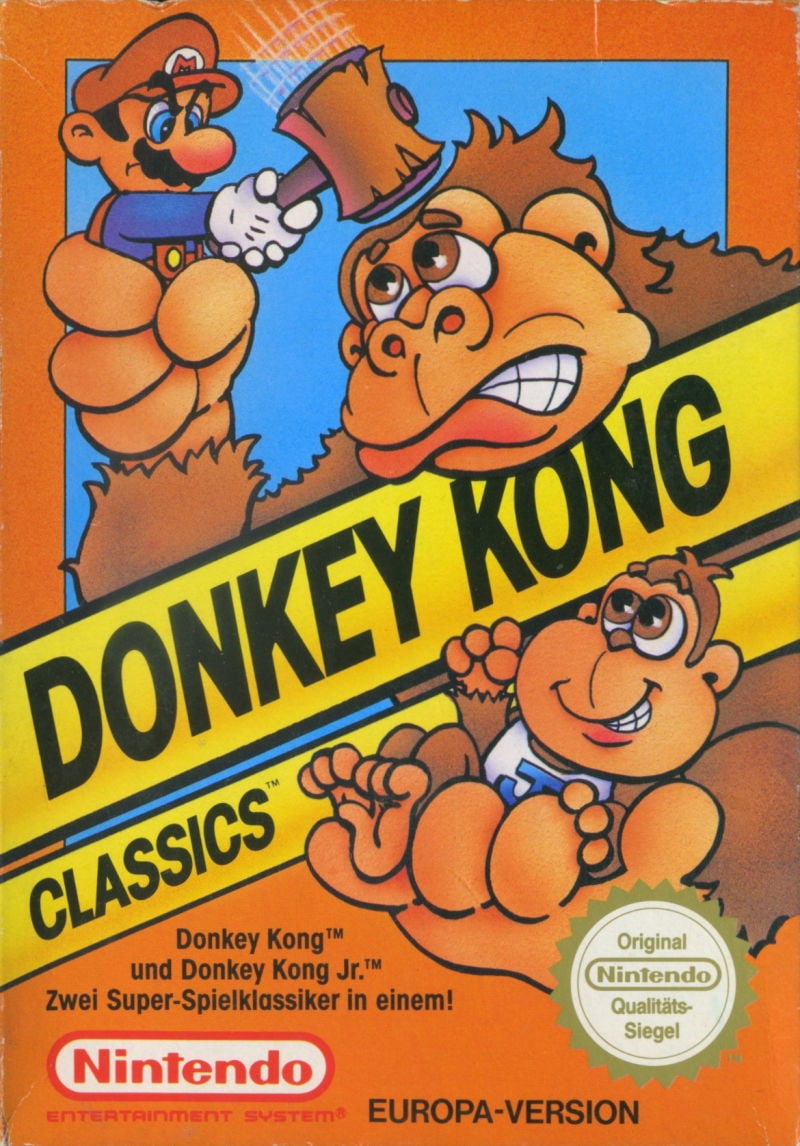
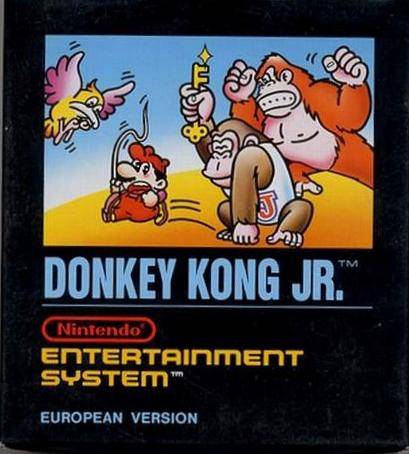
NES1988CompilationNintendoTwo games, one Game PakNever released in JapanClassic Series box in Europe1–2 players
Donkey Kong Classics
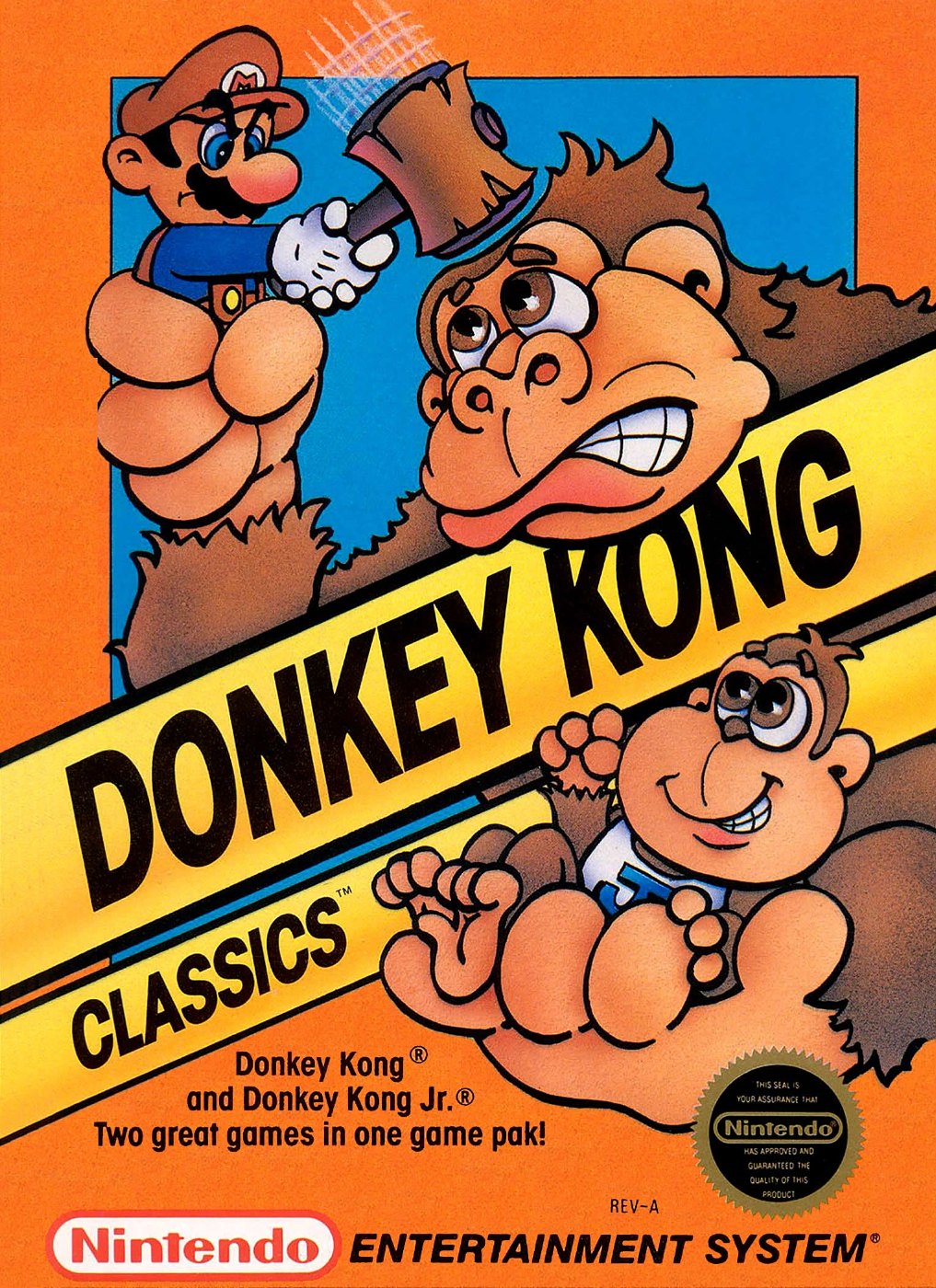
Two arcade legends for the price of one cartridge. Donkey Kong Classics puts Nintendo’s NES conversions of Donkey Kong and Donkey Kong Jr. on a single Game Pak, so you can rescue the Lady from the big ape and then, from the same menu, play his son rescuing him from Mario. Nothing in either game has been touched: the only new thing is a blue title screen that lets you pick the game and the number of players. It came out in North America in September 1988, a little over two years after the two games’ own NES releases, and in Europe in 1989, where a later edition wore Nintendo’s Classic Series branding. It was never released in Japan, and it has not been reissued since: today both games are available separately, on Nintendo Switch Online and through Arcade Archives.
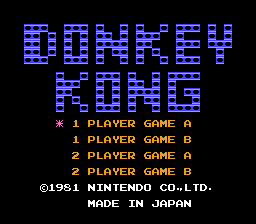
New material:A combined title and selection screen
Serial:NES-DJ
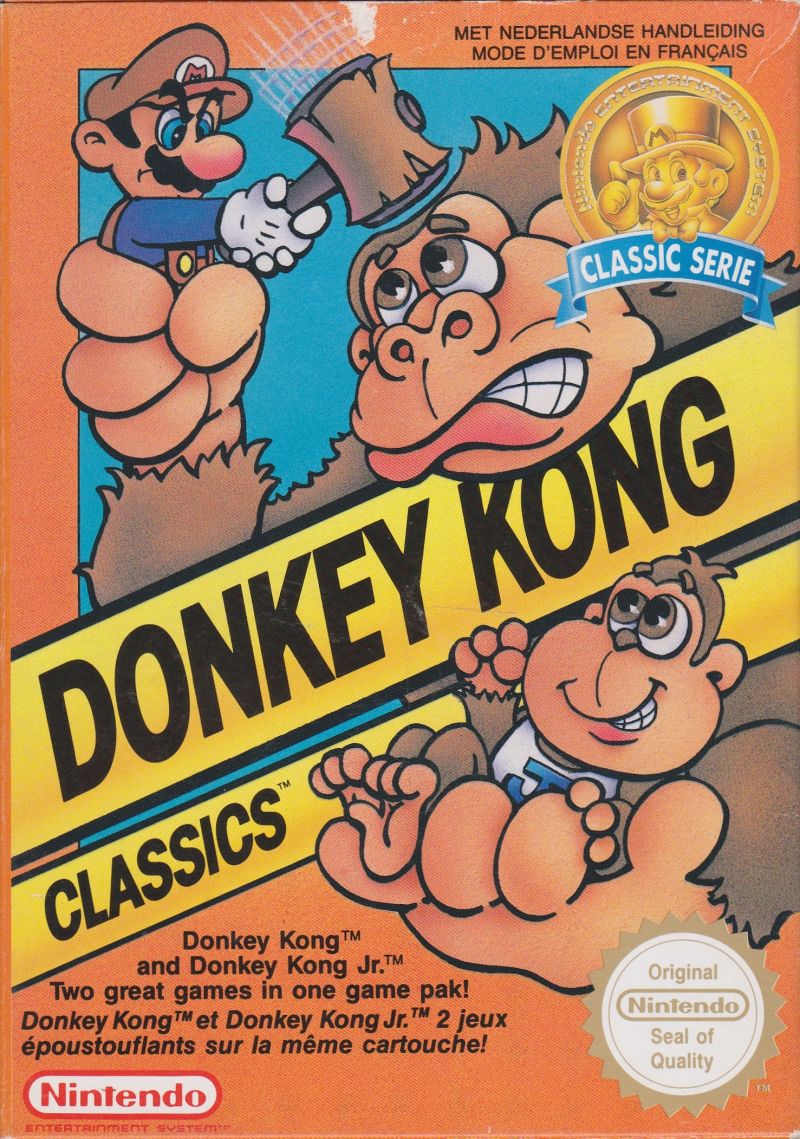
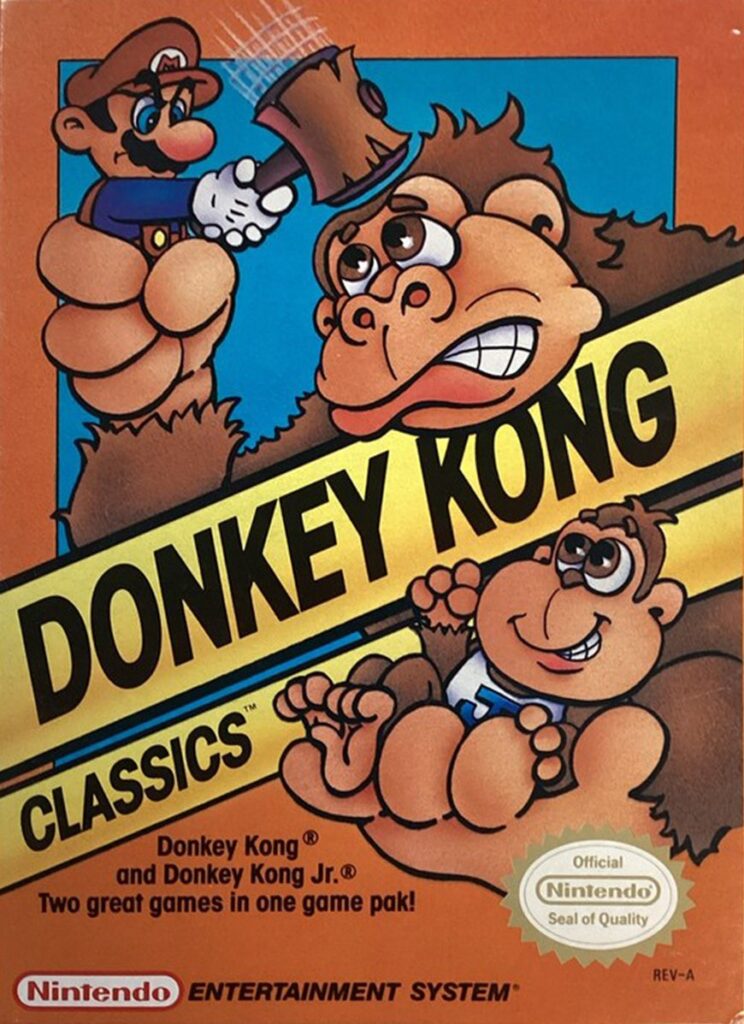
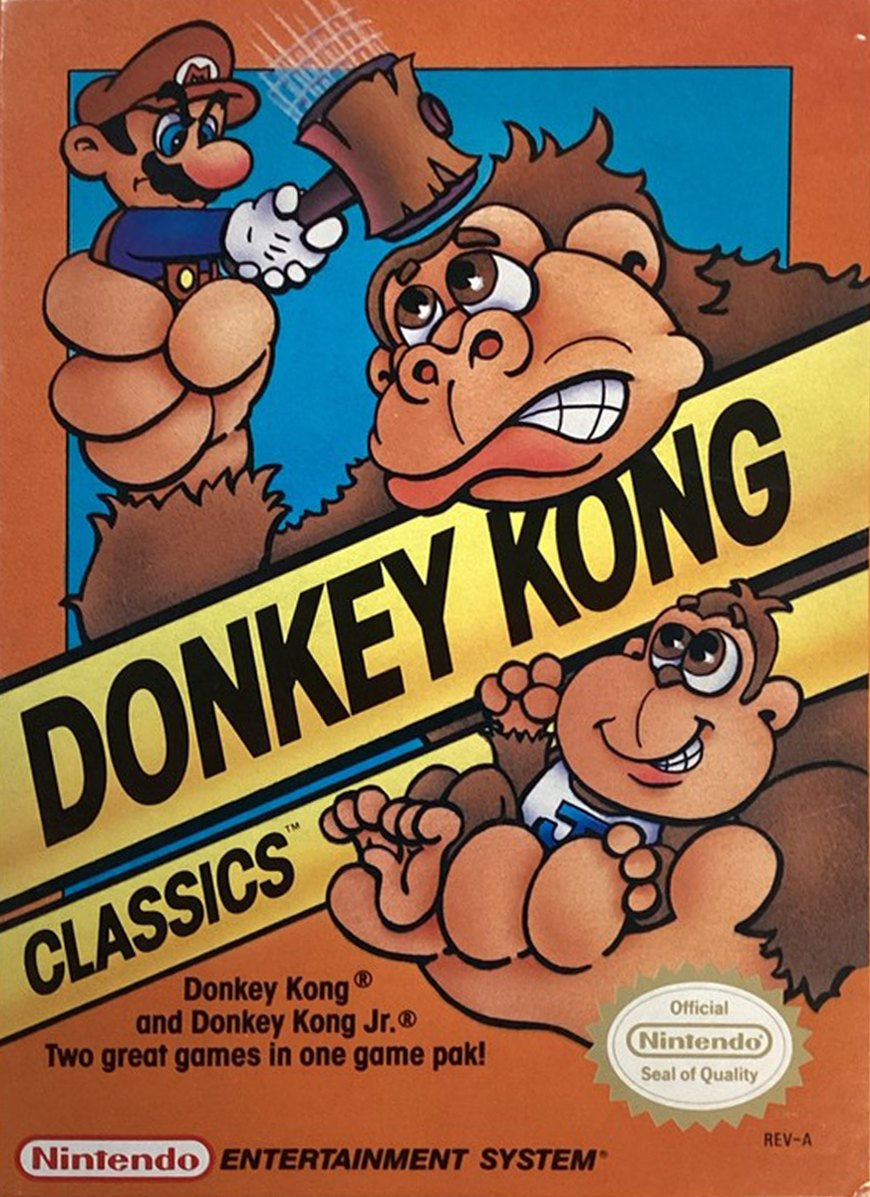
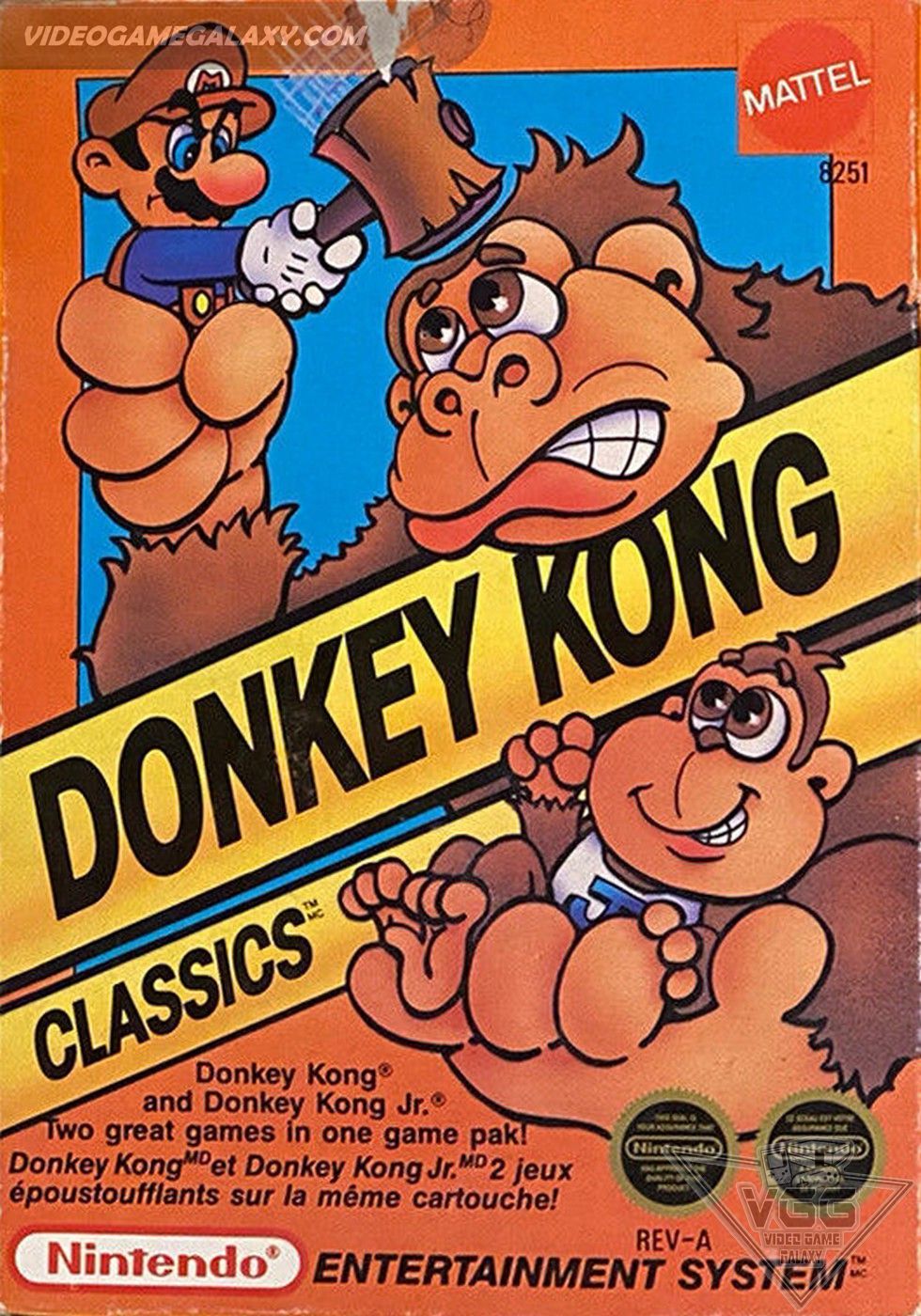
Box variants:North America (two prints), Canada, Scandinavia, Spain, the Netherlands (including a Classic Series edition), Italy, Germany
Re-releases:None as a compilation; both games re-released separately
Advertisement
Overview
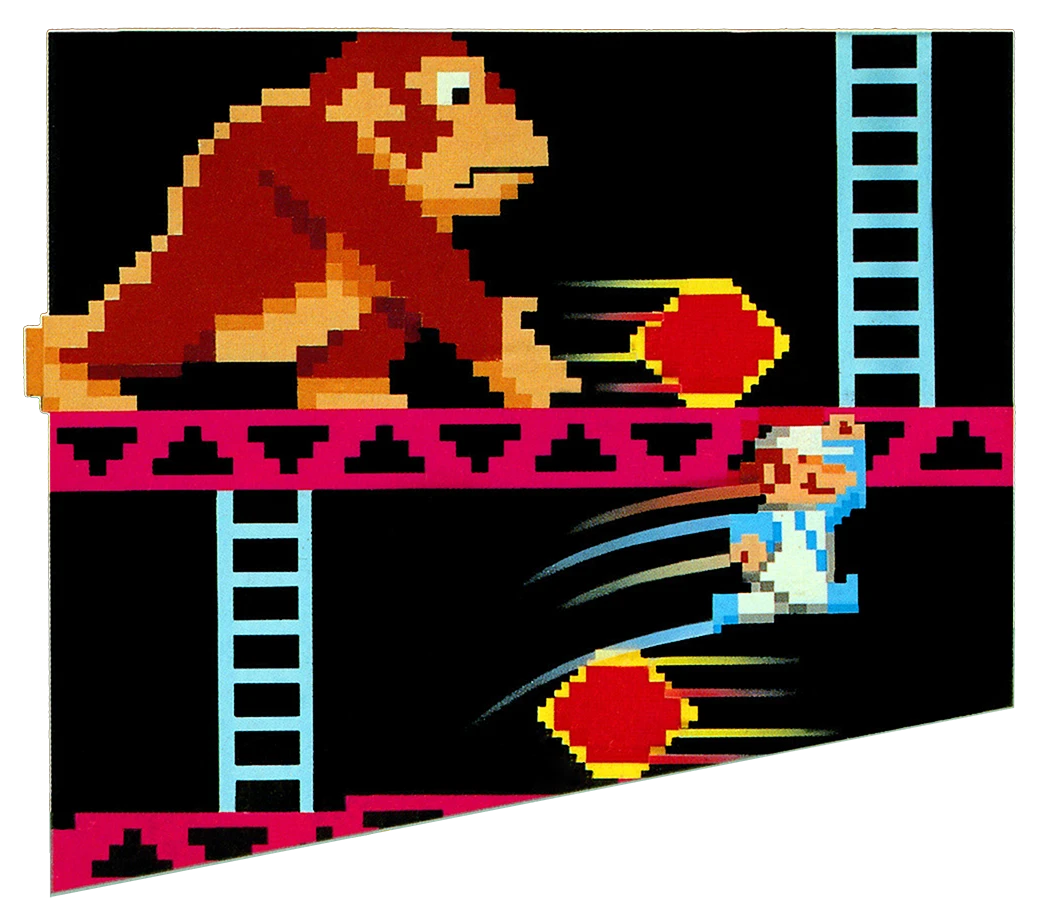
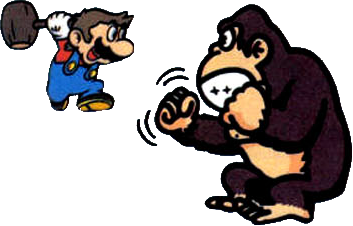
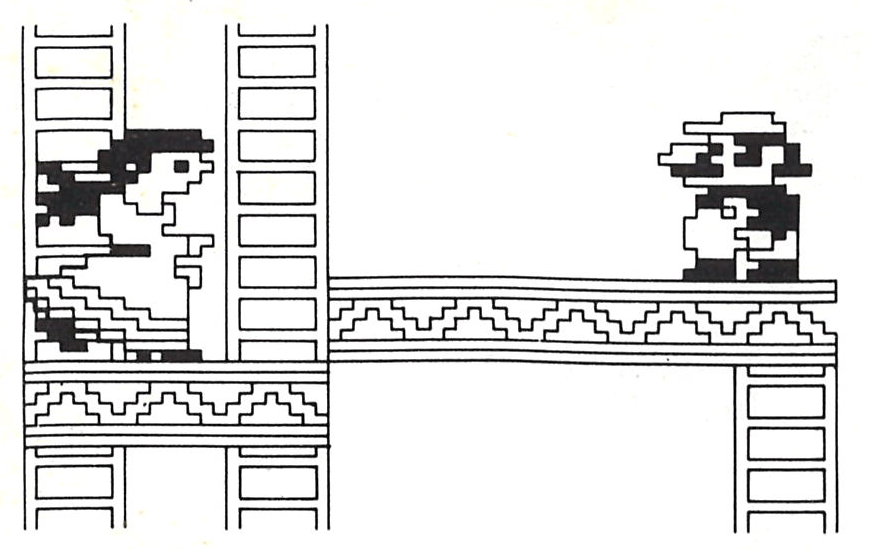
Mario fighting Donkey Kong, the artwork associated with the compilation.
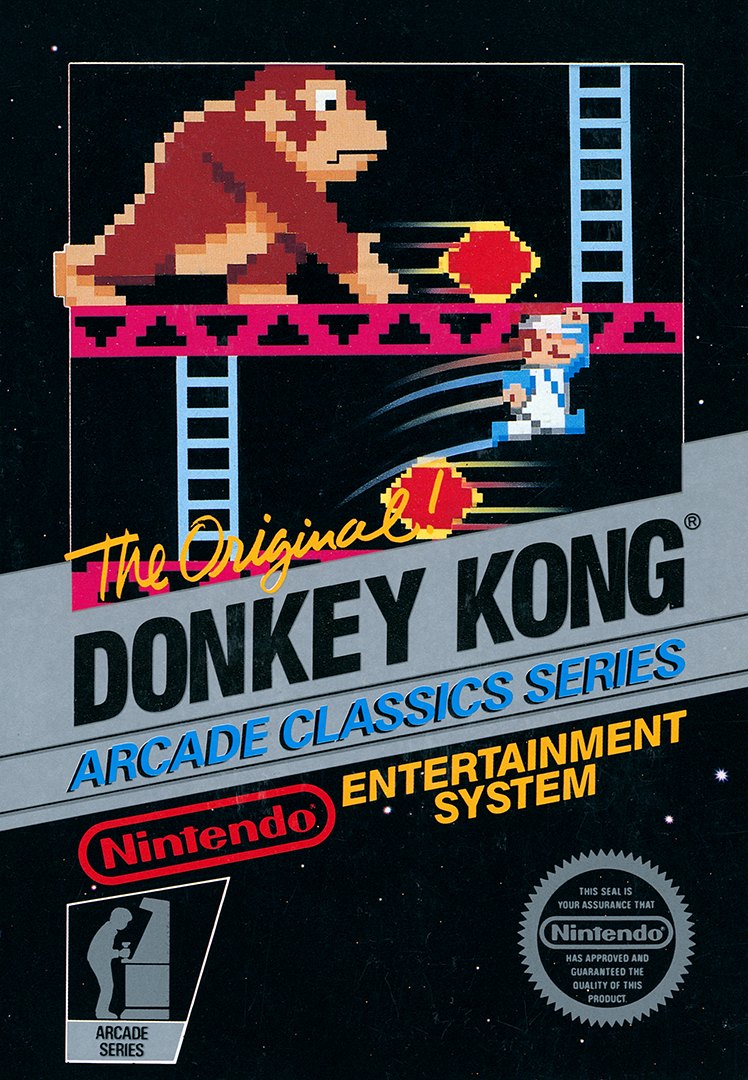
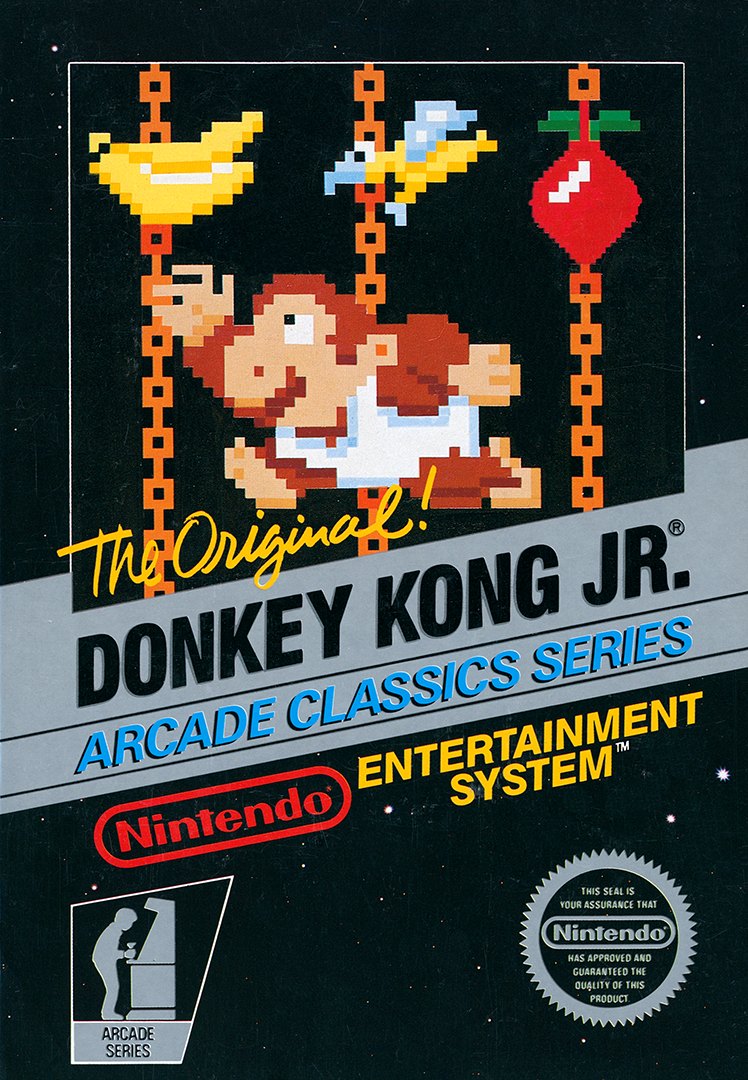
Donkey Kong Classics repackaged two of the NES’s earliest games, Nintendo’s own conversions of its arcade hits, as a pair: the NES Donkey Kong and Donkey Kong Jr., both first sold in North America in June 1986 in the Arcade Classics Series.
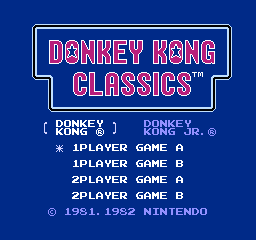
It is exactly what it says. Neither game’s gameplay or modes has changed, and both are identical to the Arcade Classics Series cartridges. What is new is the front end: a single blue title screen from which you choose which game to play and whether one or two players will take turns. So everything in the stand-alone cartridges is here too, including what they lack: the NES Donkey Kong still has no cement factory, while Donkey Kong Jr. keeps all four of its stages.
The cartridge, numbered NES-DJ, was released in North America in September 1988 according to Nintendo of America’s own Pak Source guide, and in Europe in 1989, with boxes printed for several markets. Japan never had it: there, both games had been on sale on Famicom since 1983, and both had just been reissued on the Famicom Disk System earlier in 1988. The compilation itself has not been re-released, but the two games inside it have been re-released many times on their own, which is how almost everyone plays them now.
Why Donkey Kong Classics matters to Mario fans
It keeps Mario’s first two arcade adventures side by side on one cartridge, the hero of one and the villain of the other, which makes it a neat one-cartridge history lesson in how the character began. For collectors it is also a puzzle: a North American cartridge with two box prints, and a European release with six different boxes, one of them in the Classic Series livery. For the full story of each game, see Donkey Kong and Donkey Kong Jr.
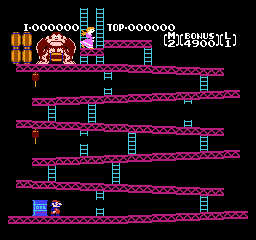
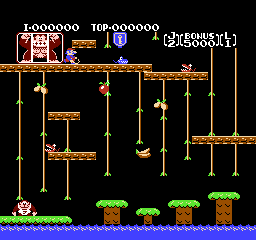
The blue title screen: pick a game, pick one or two players.Donkey Kong: the 25 m girders on the NES.Donkey Kong Jr.: the Vine Scene on the NES.
Quick Answers
Quick answers about the two-in-one cartridge.
What is Donkey Kong Classics?
An NES cartridge from 1988 containing the NES versions of Donkey Kong and Donkey Kong Jr., chosen from a shared title screen. More →
Is anything different from the separate cartridges?
Only the title screen, which is blue and lets you choose the game and the number of players. Gameplay and modes are unchanged from the Arcade Classics Series releases. More →
When did Donkey Kong Classics come out?
In North America in September 1988 and in Europe in 1989. It was never released in Japan. More →
Does the Donkey Kong on this cartridge have the cement factory?
No. It is the NES version, which has only three of the arcade game’s four stages: 25 m, 75 m and 100 m. Donkey Kong Jr. has all four of its stages. More →
Is Donkey Kong Jr. Math included?
No. The cartridge contains only Donkey Kong and Donkey Kong Jr.; Donkey Kong Jr. Math was always a separate game. More →
Can I play Donkey Kong Classics on Nintendo Switch?
Not as a compilation. Both games are in the NES library of Nintendo Switch Online (Donkey Kong since September 2018, Donkey Kong Jr. since May 2019), and both arcade originals are sold as Arcade Archives titles. More →
The Two Games
Two games, two stories, and between them the whole of Mario’s arcade beginning. Here is each in brief; the full retellings, stage by stage, are on the Donkey Kong and Donkey Kong Jr. pages.
Donkey Kong: the climb
A giant ape has carried the Lady to the top of a building site, and Mario, still a carpenter here, climbs after him. On the NES it takes three screens: the sloping girders and rolling barrels of 25 m, the elevators of 75 m and the rivets of 100 m, where pulling out the last rivet brings Donkey Kong crashing down. Then it starts again, faster.
25 m on the NES.Mario and the Lady, from the NES manual.
Donkey Kong Jr.: the rescue
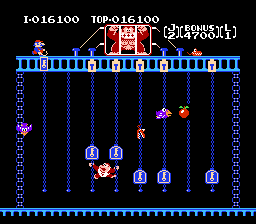
The tables turned. Mario has caged the ape, and Donkey Kong’s son climbs vines and chains through the jungle and up to Mario’s hideout to win his father back, dodging Snapjaws, Nitpickers and Sparks and dropping fruit on them. In the Chain Scene he pushes six keys into six locks, the cage gives way and Mario takes the fall.
The Vine Scene.The Chain Scene.
Every stage on the cartridge
Three screens of Donkey Kong and four of Donkey Kong Jr.
25 mDonkey Kong · girders · barrels and fireballsSloping girders, broken ladders and an endless supply of barrels.
75 mDonkey Kong · elevators · bouncing jacksRide the lifts and slip past the springs. The cement factory that comes before it in the arcade is not on the NES.
100 mDonkey Kong · rivets · fires · Donkey Kong fallsPull out every rivet to bring the ape down; on the NES no more than four fires appear at once.
Vine SceneDonkey Kong Jr. · jungle · SnapjawsVines, water and the two-vine climb.
Jump Board SceneDonkey Kong Jr. · jungle · NitpickersA springboard start and birds that drop eggs.
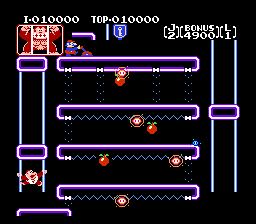
Mario’s HideoutDonkey Kong Jr. · the city · SparksPoles and live wiring.
Chain SceneDonkey Kong Jr. · rooftop · six keysSix keys, six locks, one falling cage.
Advertisement
Gameplay & Controls
Switch on and you get a menu rather than a game. Everything after that is the 1986 NES Donkey Kong or Donkey Kong Jr., unchanged.
The title screen
The Donkey Kong Classics title screen.
The one piece of new work on the cartridge is its title screen, coloured blue, from which you choose Donkey Kong or Donkey Kong Jr. and one player or two. Two-player games are played in turns, as in both arcade originals.
Donkey Kong on the cartridge
The stand-alone Donkey Kong title screen, replaced here by the menu.
This is the R&D2 conversion that launched with the Famicom in 1983. It has three screens, not four: Wikipedia records that the cement factory and most of the cut-scenes were left out because of the cartridge’s limits, and the rivet stage allows only four fires at once instead of five. The Lady’s hat, one of her three lost belongings in the arcade, is missing too. The NES game does have one thing the arcade lacks, a title tune by Yukio Kaneoka. Its own timer bug does not strike until level 133.
Donkey Kong Jr. on the cartridge
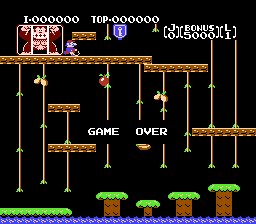
Game over in the NES Donkey Kong Jr.
The NES Donkey Kong Jr. has all four stages of the arcade game, but loses the helicopter cut-scene before Mario’s Hideout, and its ending simply drops Mario to the ground. Its own timer overflow comes at level 135. The games here match the Arcade Classics Series releases; The Cutting Room Floor documents two revisions of the stand-alone Donkey Kong Jr. cartridge, and the sources do not say which one the compilation uses.
Items in the two games
The pick-ups in each game, as NES sprites.
Hammer (Donkey Kong)Lets Mario smash barrels and fires for a few seconds, at the cost of not being able to climb or jump.
Parasol (Donkey Kong)One of the Lady’s lost belongings, worth bonus points.
Bag (Donkey Kong)Another of the Lady’s belongings, also for points.
Banana (Donkey Kong Jr.)Drop it on the enemies below.
Apple (Donkey Kong Jr.)The same idea, a different fruit.
Jump Board (Donkey Kong Jr.)The springboard that opens the second stage.
Key (Donkey Kong Jr.)The goal of every stage, and in the last one, six of them open the cage.
Characters
Four characters across the two games, and every enemy, as they appear on the NES.
Character
Who they are
In this game
Abilities & notes
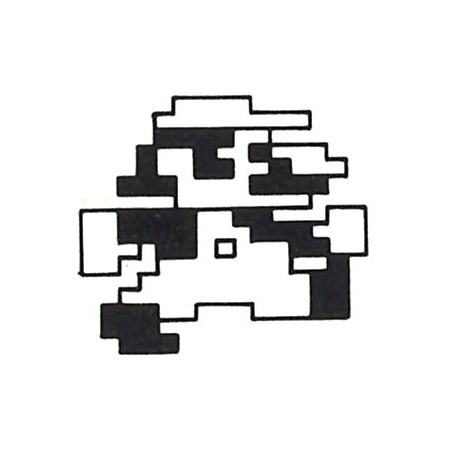
MarioHero, then villain
A carpenter in a cap and overalls, years before he was a plumber.
The player in Donkey Kong, climbing to rescue the Lady; the captor in Donkey Kong Jr., releasing enemies from beside the cage.
Dies from a fall greater than his own height in Donkey Kong.
Donkey KongKidnapper, then captive
The giant ape of the first game.
Throws barrels from the top of each screen in Donkey Kong; sits caged at the top of each stage in Donkey Kong Jr.
Not playable in either game.
The Lady (Pauline)Donkey Kong only
The woman Donkey Kong carries off, called Lady in the original and later Pauline.
Waits at the top of each screen; her parasol and bag are bonus items.
Not playable.
Donkey Kong Jr.Donkey Kong Jr. only
Donkey Kong’s son, in his first game.
The player in the second game, climbing vines and chains and dropping fruit to free his father.
Climbs faster on two vines, slides faster on one.
Enemies in both games
NES sprites for every enemy on the cartridge.
BarrelDonkey Kong · 25 mRolled down the girders by Donkey Kong; jump it or hammer it.
FireballDonkey Kong · 25 m, 75 mA small living flame, born in the oil drum, that follows Mario and climbs ladders.
FireDonkey Kong · 100 mThe rivet stage’s flames; no more than four at a time on the NES.
JackDonkey Kong · 75 mA bouncing spring that crosses the top girder and drops off the end. There is no hammer on this screen.
Oil drumDonkey Kong · 25 mWhere the barrels end up, and where fireballs come from.
Red SnapjawDonkey Kong Jr. · Vine and Chain ScenesPatrols its vines and turns back to chase.
Blue SnapjawDonkey Kong Jr. · Vine SceneHeads down a vine and off the screen.
NitpickerDonkey Kong Jr. · Jump Board SceneFlies across at set heights, sometimes dropping eggs.
BirdDonkey Kong Jr. · Chain SceneSwoops across in wide zigzags.
SparkDonkey Kong Jr. · Mario’s HideoutRuns along the wiring; touch it and Junior is done for.
Advertisement
How It Was Made
Nintendo said very little about the cartridge at the time, and nothing about why it made it. This is what the record shows.
Two games, one Game Pak
Nintendo Power’s mini-article on the compilation, volume 2.
The compilation is usually credited to Nintendo R&D4 (later Nintendo EAD), while the games themselves are Nintendo’s 1983 Famicom conversions, generally credited to R&D2 (The Cutting Room Floor gives R&D1 for Donkey Kong Jr.). The cartridge adds a single new screen, the blue menu, and otherwise carries both programs unchanged.
The release date comes from Nintendo of America’s retailer catalogue, the Nintendo Power Pak Source, which gives September 1988. Nintendo Power gave the new cartridge a short write-up in its second issue, a scan of which is in SLB’s archive.
Where it went, and where it did not
The Dutch Classic Series edition.
North America had it first, in September 1988, in a box that was later reprinted, plus a Canadian edition. Europe followed in 1989 with boxes for Scandinavia, Spain, the Netherlands, Italy and Germany, and later a Classic Series edition for France and the Benelux countries (sometimes described as Dutch), issued under a label Nintendo only used from late 1992.
Japan never got it, and the sources give no reason. For context, both games had been on Famicom since 1983, and Nintendo reissued them separately on the Famicom Disk System in 1988, Donkey Kong on 8 April and Donkey Kong Jr. on 19 July.
Trivia & Interesting Facts
The only new screen on the cartridge is the blue title menu.
The later North American print.North American shops sold two prints of the box; the second is simply a later print.
The cartridge’s product code is NES-DJ.
Two months after the compilation, in November 1988, both games turned up on another console: Atari Corporation released Donkey Kong and Donkey Kong Jr. for the Atari 7800.
Donkey Kong Jr. Math, which was built from the NES Donkey Kong Jr., is not on the cartridge.
Because both games are the NES versions, the timer bugs are the NES ones: level 133 in Donkey Kong and level 135 in Donkey Kong Jr., much later than the arcade kill screens at level 22.
Regional Box Art
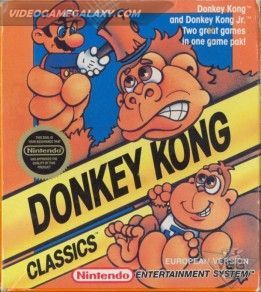
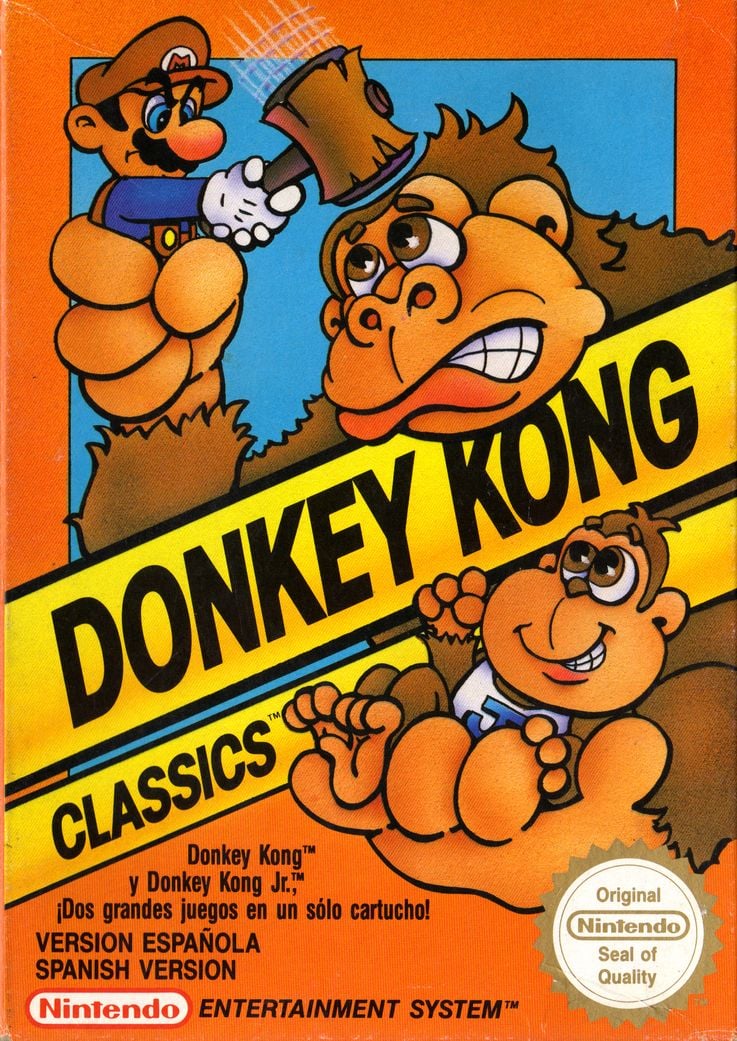
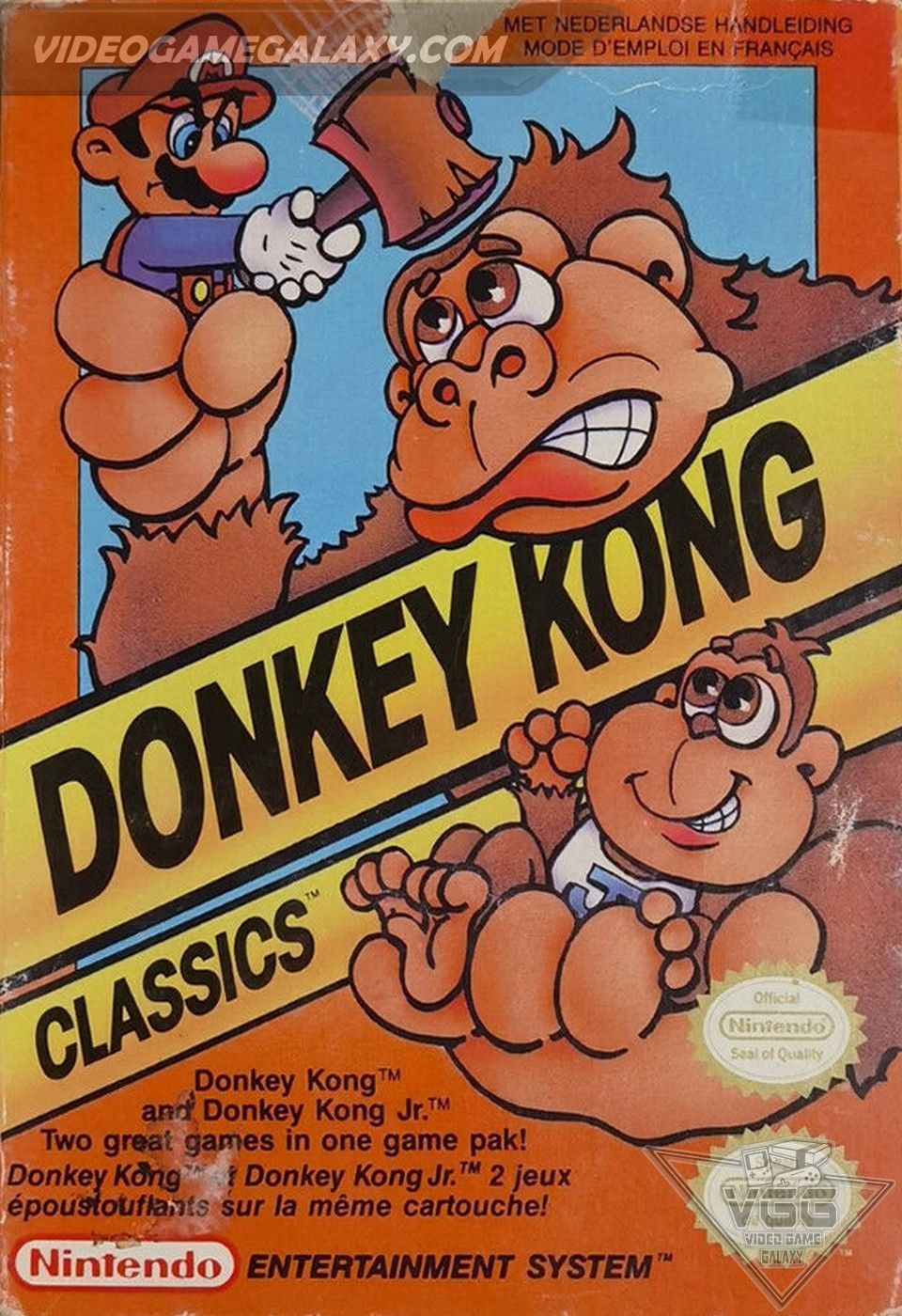
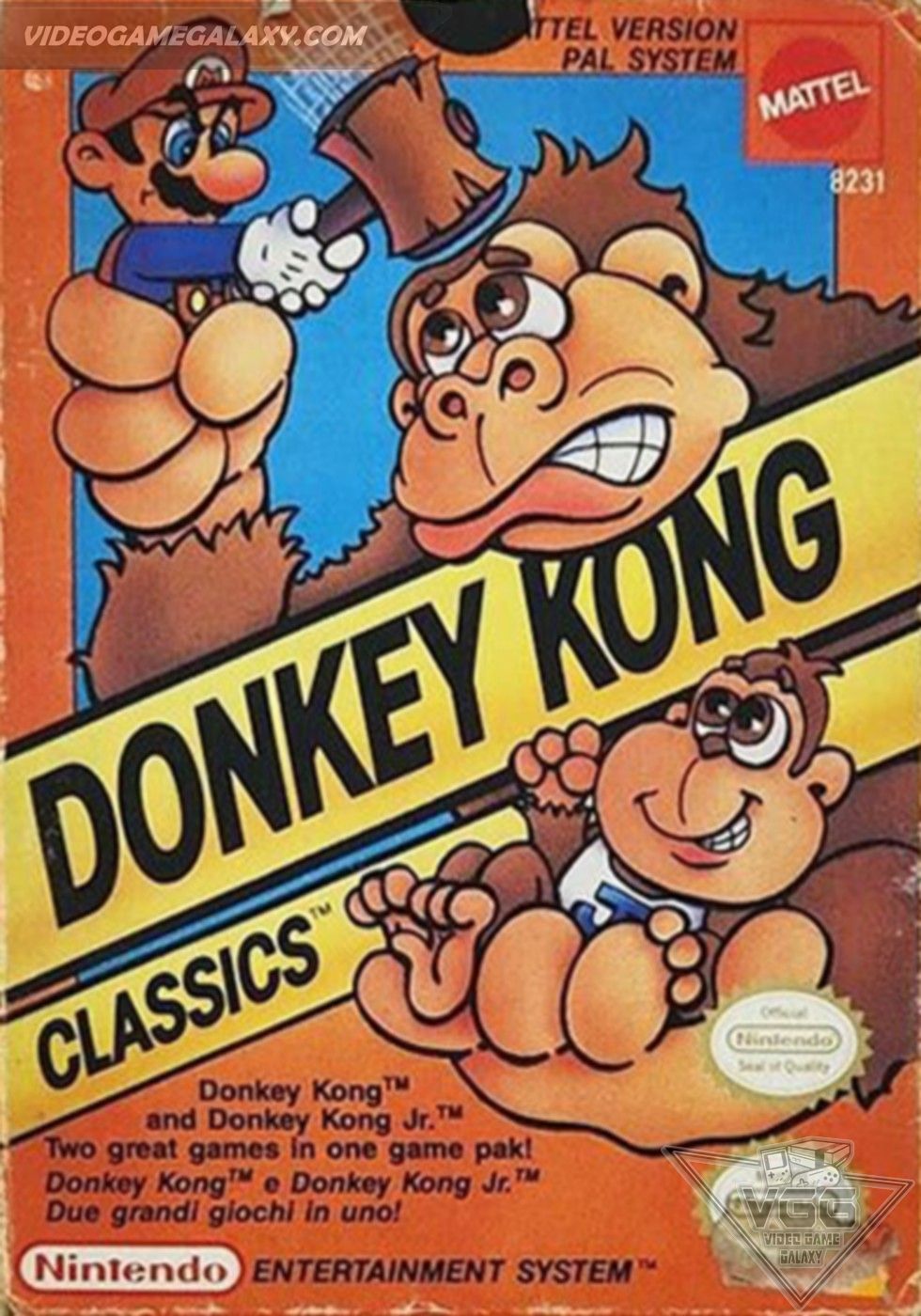
Nine boxes for one cartridge, followed by the stand-alone NES boxes the compilation replaced.
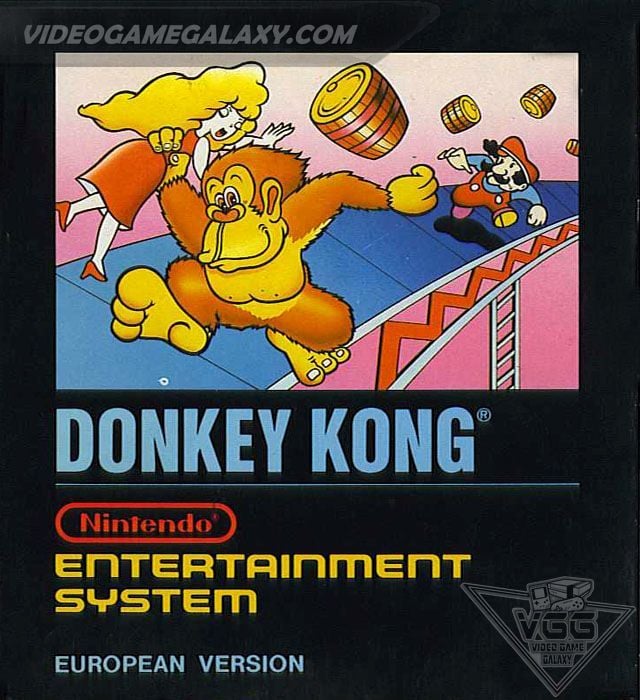
North America (1988)North America (later print)CanadaScandinavia (1989)SpainNetherlandsNetherlands (Classic Series)ItalyGermanyDonkey Kong, NES, North America (1986)The stand-alone Arcade Classics Series cartridge.Donkey Kong, NES, Europe (1986)Donkey Kong Jr., NES, North America (1986)Donkey Kong Jr., NES, Europe (1987)
Screenshots
The NES versions as they appear on the cartridge.
Donkey Kong Jr.: the Jump Board Scene.Donkey Kong Jr.: Mario’s Hideout.Donkey Kong Jr.: game over.The Donkey Kong title screen of the stand-alone cartridge.Donkey Kong: 25 m.Donkey Kong Jr.: the Chain Scene.
Artwork & Media Gallery
The NES-era artwork for both games, from the boxes and manuals, and their logos and sprites.
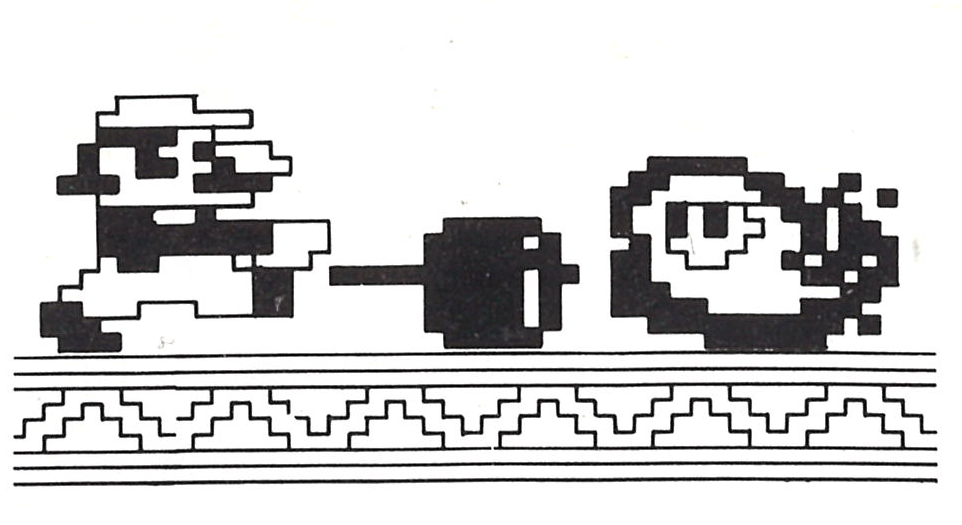
The Donkey Kong NES logo.The Donkey Kong NES in-game logo.The Donkey Kong Jr. NES in-game logo.The pixel artwork from the Donkey Kong NES box.Mario with the hammer, Donkey Kong NES manual.A barrel, Donkey Kong NES manual.Mario, Donkey Kong NES sprite.Mario jumping.The Lady, NES sprite.Donkey Kong, NES sprite.Mario, Donkey Kong Jr. NES sprite.Donkey Kong caged, Donkey Kong Jr. NES sprite.
Legacy & Re-releases
The compilation itself was a one-off. The two games on it have barely been out of print.
The cartridge, and where its games went next
Donkey Kong (NES)June 1986North America, in the Arcade Classics Series; Europe 15 October 1986.
Donkey Kong Jr. (NES)June 1986North America, in the Arcade Classics Series; Europe 15 June 1987.
Donkey Kong ClassicsSeptember 1988North America, on one cartridge (NES-DJ).
Donkey Kong Classics1989Europe, with boxes for several countries; a Classic Series edition for France and the Benelux followed under the label Nintendo introduced in late 1992.
e-Reader2002Both NES games on e-Reader cards for Game Boy Advance in North America: Donkey Kong Jr.-e in September, Donkey Kong-e in November.
Wii Virtual ConsoleNovember–December 2006Both NES games sold separately: in North America, Donkey Kong on 19 November and Donkey Kong Jr. on 4 December 2006.
NES Classic EditionNovember 2016Both games among the 30 built into the miniature NES.
Arcade Archives2018The arcade originals on Nintendo Switch: Donkey Kong in June, Donkey Kong Jr. on 21 December.
Nintendo Switch Online2018–2019The NES Donkey Kong at the service’s start in September 2018, Donkey Kong Jr. on 15 May 2019.
A one-off
Nintendo has never put the compilation back on sale, on cartridge or download, and the sources record no reissue of it. What has lasted is the pairing: both games have kept turning up side by side, on the Wii, 3DS and Wii U Virtual Consoles, the NES Classic Edition and Nintendo Switch Online, and both arcade originals have been reissued by HAMSTER on Switch.
To provide the best experiences, we use technologies like cookies to store and/or access device information. Consenting to these technologies will allow us to process data such as browsing behavior or unique IDs on this site. Not consenting or withdrawing consent, may adversely affect certain features and functions.
Functional
Always active
The technical storage or access is strictly necessary for the legitimate purpose of enabling the use of a specific service explicitly requested by the subscriber or user, or for the sole purpose of carrying out the transmission of a communication over an electronic communications network.
Preferences
The technical storage or access is necessary for the legitimate purpose of storing preferences that are not requested by the subscriber or user.
Statistics
The technical storage or access that is used exclusively for statistical purposes.The technical storage or access that is used exclusively for anonymous statistical purposes. Without a subpoena, voluntary compliance on the part of your Internet Service Provider, or additional records from a third party, information stored or retrieved for this purpose alone cannot usually be used to identify you.
Marketing
The technical storage or access is required to create user profiles to send advertising, or to track the user on a website or across several websites for similar marketing purposes.

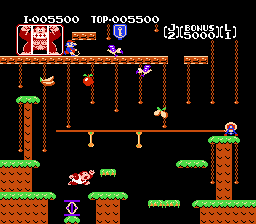 Jump Board SceneDonkey Kong Jr. · jungle · NitpickersA springboard start and birds that drop eggs.
 Mario’s HideoutDonkey Kong Jr. · the city · SparksPoles and live wiring.
 Hammer (Donkey Kong)Lets Mario smash barrels and fires for a few seconds, at the cost of not being able to climb or jump.
 Parasol (Donkey Kong)One of the Lady’s lost belongings, worth bonus points.
 Bag (Donkey Kong)Another of the Lady’s belongings, also for points.
 Banana (Donkey Kong Jr.)Drop it on the enemies below.
 Apple (Donkey Kong Jr.)The same idea, a different fruit.
 Jump Board (Donkey Kong Jr.)The springboard that opens the second stage.
 Key (Donkey Kong Jr.)The goal of every stage, and in the last one, six of them open the cage.
 MarioHero, then villain
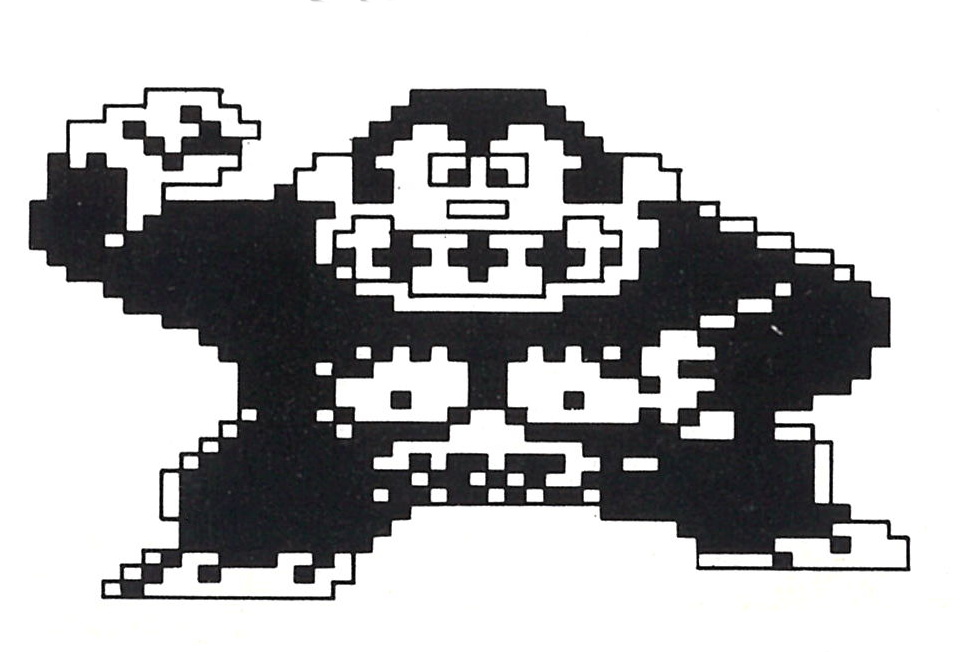 Donkey KongKidnapper, then captive
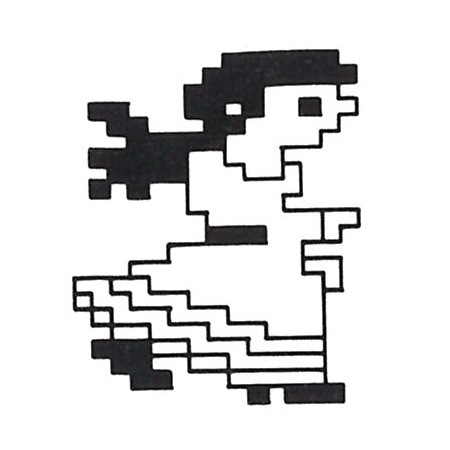 The Lady (Pauline)Donkey Kong only
 Donkey Kong Jr.Donkey Kong Jr. only
 BarrelDonkey Kong · 25 mRolled down the girders by Donkey Kong; jump it or hammer it.
 FireballDonkey Kong · 25 m, 75 mA small living flame, born in the oil drum, that follows Mario and climbs ladders.
 FireDonkey Kong · 100 mThe rivet stage’s flames; no more than four at a time on the NES.
 JackDonkey Kong · 75 mA bouncing spring that crosses the top girder and drops off the end. There is no hammer on this screen.
 Oil drumDonkey Kong · 25 mWhere the barrels end up, and where fireballs come from.
 Red SnapjawDonkey Kong Jr. · Vine and Chain ScenesPatrols its vines and turns back to chase.
 Blue SnapjawDonkey Kong Jr. · Vine SceneHeads down a vine and off the screen.
 NitpickerDonkey Kong Jr. · Jump Board SceneFlies across at set heights, sometimes dropping eggs.
 BirdDonkey Kong Jr. · Chain SceneSwoops across in wide zigzags.
 SparkDonkey Kong Jr. · Mario’s HideoutRuns along the wiring; touch it and Junior is done for.