Wii U2013Party / minigamesNintendo SPD & Intelligent Systems16 games1–5 players, one GamePadBegan as pre-installed Wii U software240 Cluck-A-Pop prizesGamer stage in Smash
Game & Wario
Not a WarioWare, exactly, but made by the same people and starring the same crew. Game & Wario is a collection of 16 games for the Wii U, each one supposedly designed by a Diamond City resident to cash in on a new console whose controller has a screen of its own. Released in Japan on 28 March 2013, North America on 23 June, Europe on 28 June and Australia on 29 June, it was born as a showcase for the hardware: Nintendo first planned it as software pre-installed on every Wii U, and only when the ideas outgrew that did it become a boxed game wearing Wario’s name. Twelve games are for one player – Wario’s Arrow, Mona’s Shutter, 9-Volt’s Gamer and the rest – and four are multiplayer games, three of them for up to five people sharing a single GamePad, from the thief-spotting Fruit to the drawing game Sketch. Tokens earned in play feed the Cluck-A-Pop, a chicken-shaped capsule machine with 240 prizes. Directed by Goro Abe with Intelligent Systems, it divided critics (Metacritic 61), but Gamer went on to become a Super Smash Bros. stage.
Developers:Nintendo SPD Group No. 1 and Intelligent Systems
Publisher:Nintendo
Platform:Wii U
Genre:Party / minigame collection
Japan:28 March 2013
N. America:23 June 2013
Europe:28 June 2013
Australia:29 June 2013
Brazil:26 November 2013
Players:1–5, with a single Wii U GamePad
Directors:Goro Abe (Nintendo SPD), Naoko Mori (Intelligent Systems)
Games:16: 12 single-player, 4 multiplayer, plus Miiverse Sketch
Prizes:240 capsules in the Cluck-A-Pop (Chick-N-Win in Europe)
Japan sales:22,491 in launch week (Media Create)
Ratings:PEGI 7, ESRB E, CERO A, USK 6, ACB G
Advertisement
Overview
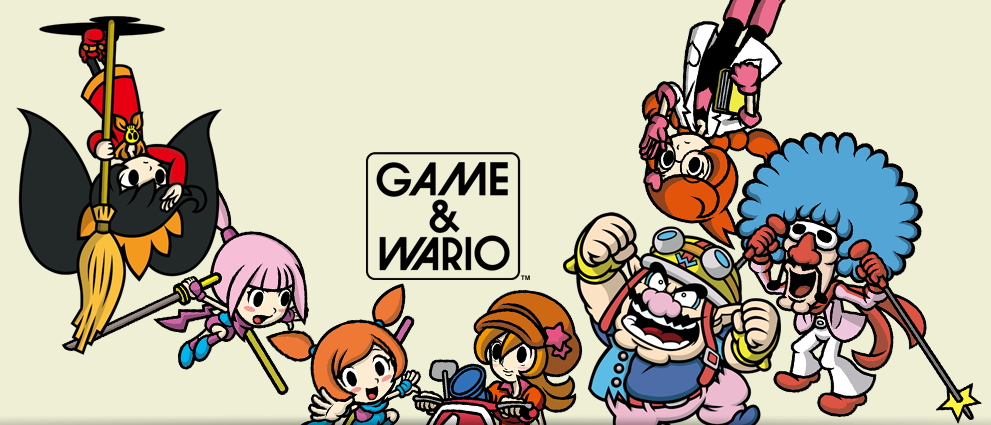
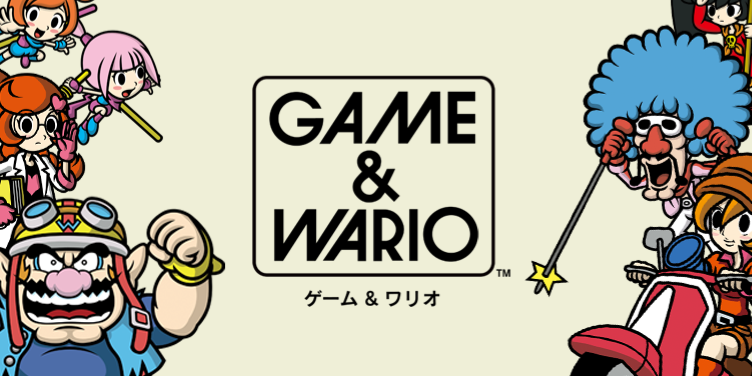
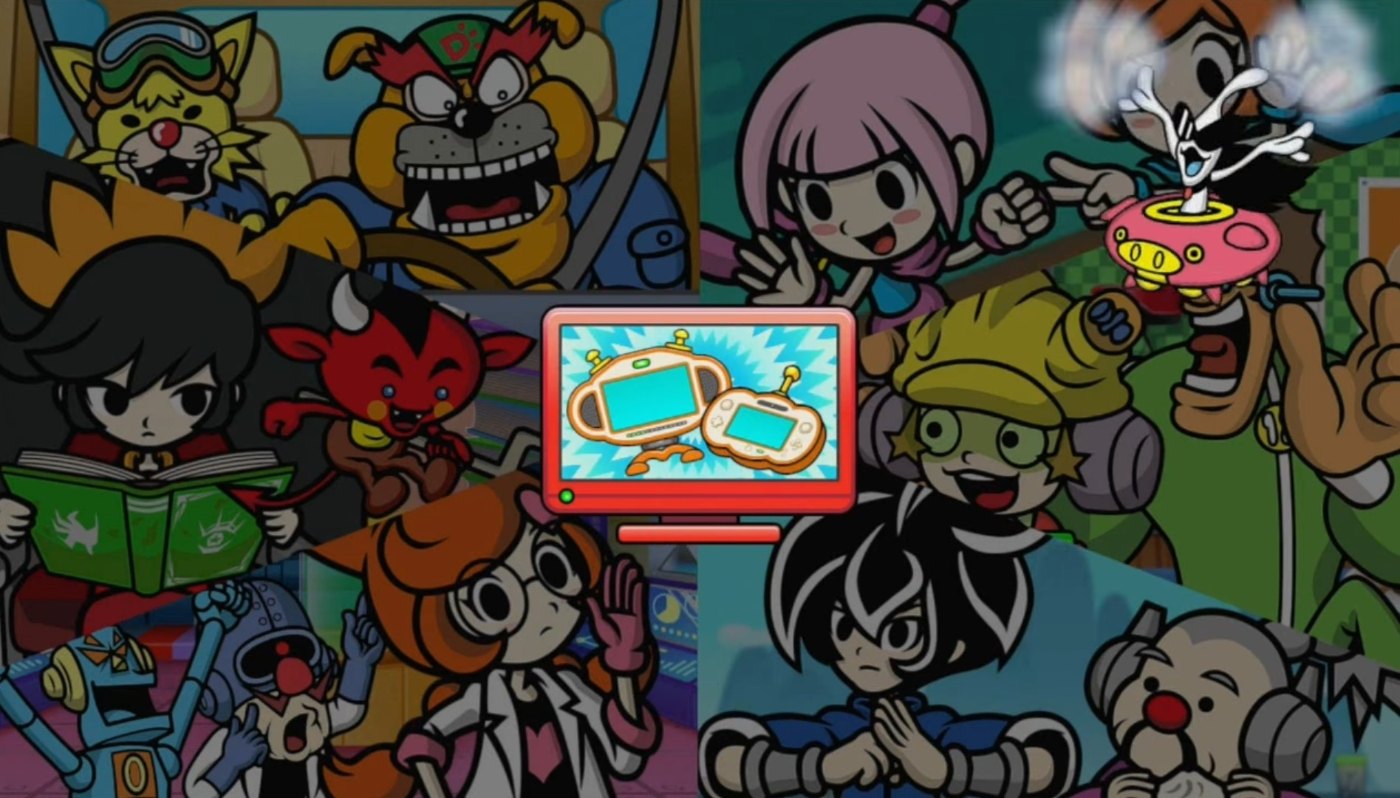
The principal cast around the Game & Wario logo.
Game & Wario is the odd one out in Wario’s back catalogue. The WarioWare cast are all here, the jokes and the art are unmistakably theirs, and the title nods to Nintendo’s Game & Watch handhelds the way the series always has. But there are no five-second microgames, or rather, there is just one game that has them. Instead there are sixteen self-contained games, each a few minutes long and each built around one idea of what the Wii U GamePad could do.
That is no accident. The project began in January 2011 as software meant to come built into every Wii U, a showcase for the new controller. In Iwata Asks, Goro Abe and Intelligent Systems’ Naoko Mori describe holding back the series’ usual weirdness to appeal to everyone, until producer Yoshio Sakamoto played their prototype of Pirates and told them to shake things up. By the summer of 2011 the ideas had outgrown a pre-installed title, and once the team failed to write a story to link sixteen games, they made it a WarioWare spin-off in which each game is the work of a different member of the crew.
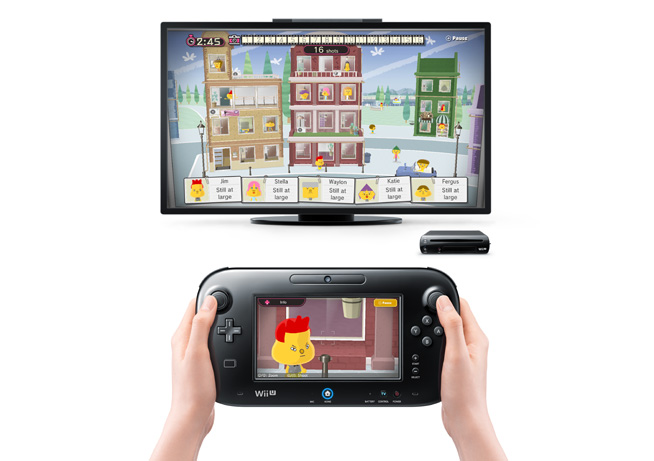
So you hold the GamePad up to the television to aim a bow in Arrow and look through it like a camera lens in Shutter; you tilt it to ski or to steer a kung-fu student through the air; you scribble on it in Design and Sketch; and in Gamer you play microgames on it while keeping a nervous eye on the TV, where 9-Volt’s mum may walk in at any moment. Three of the four multiplayer games pass a single GamePad around up to five people, with the TV as everybody else’s view.
It was a quiet release, months after the Wii U’s launch, and critics were split: it scores 61 on Metacritic, with Game Informer at 8/10 and IGN at 5.1. But its best ideas lasted. Gamer became a stage in two Super Smash Bros. games, Fruit returned in WarioWare Gold, and its capsule machine was reborn as the Cluckade in WarioWare: Get It Together!. For the series it spun off from, see WarioWare, Inc.: Mega Microgame$!
Wario and the Diamond City gang are back in a collection of 16 all-new games that show off the versatility and unique capabilities of the Wii U console. Using only the Wii U GamePad, up to five players can take turns competing in games filled with the eccentric spirit of the WarioWare series.
In Single Player, there are twelve games to enjoy that turn your GamePad into a variety of different objects for different gameplay challenges: use it as a camera, a bow that looses arrows into the TV image, or as a method to steer a skier to the disco, amongst others!
— Official description (Nintendo UK, 2013)
Why Game & Wario matters to Mario fans
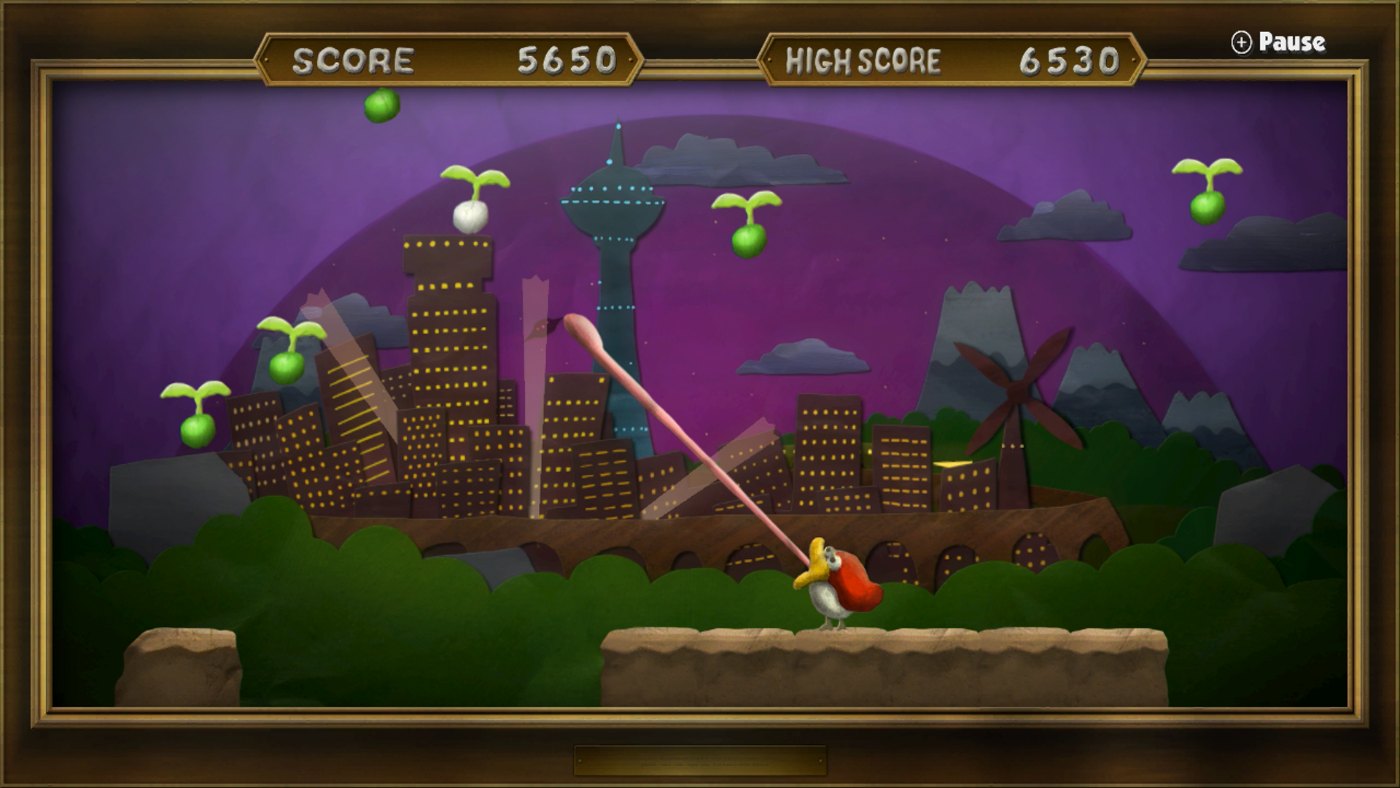
Its Pirates host, Captain Wario, later turned up as a costume in Mario Kart World. Its Gamer minigame became a stage in Super Smash Bros. for Wii U and Super Smash Bros. Ultimate, and its Pyoro game, Bird, is a Game & Watch-style revival of the bean-catching bird from the first WarioWare. It is also one of the few places to see the whole Diamond City cast in Wii U high definition.
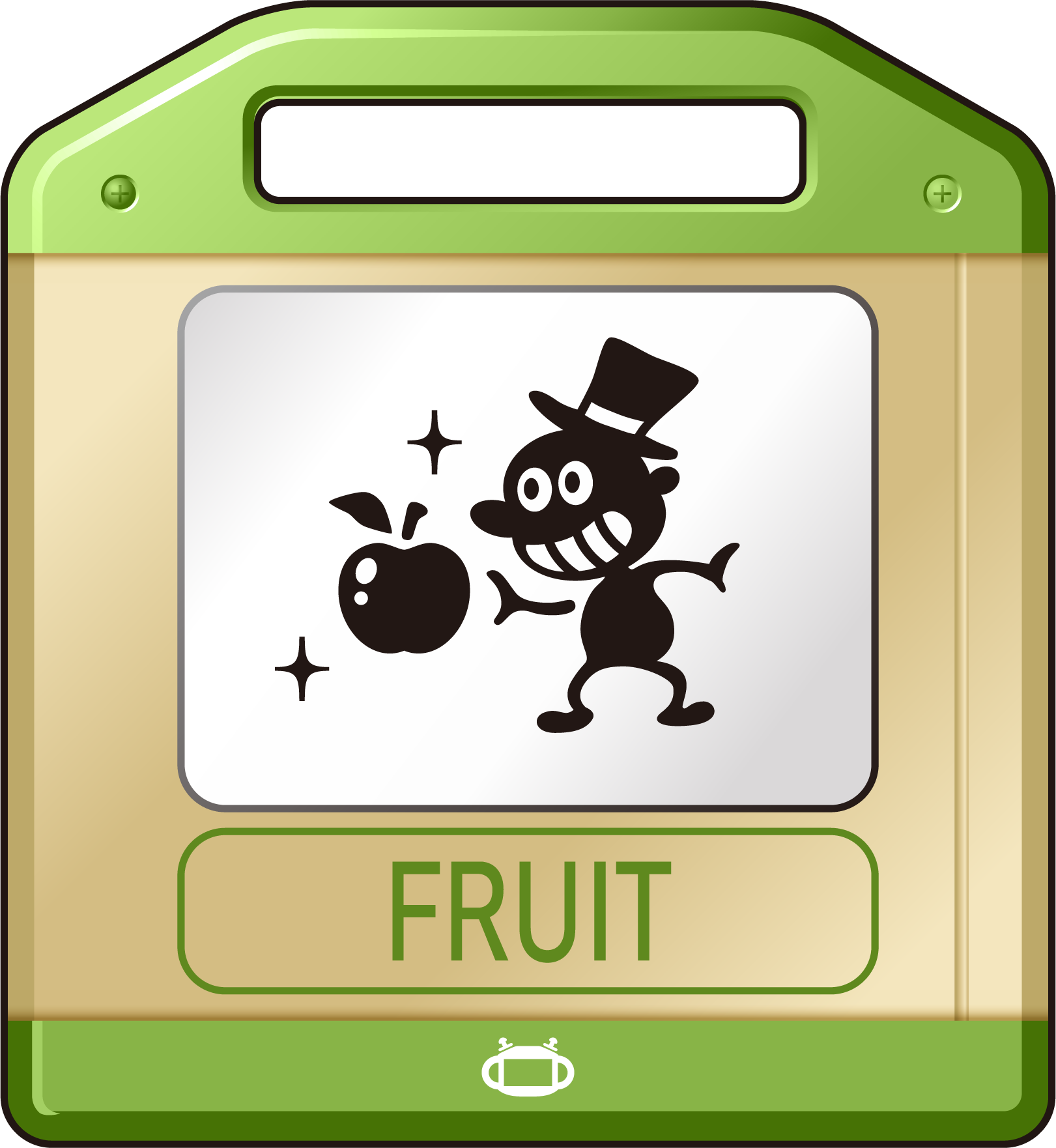
Arrow: the GamePad is held up to the TV and becomes a bow.Shutter: the GamePad as a camera lens.Fruit: who is the thief?
“Now we can cut loose and have some fun!”
Naoko Mori, director at Intelligent Systems, in Iwata Asks: Game & Wario (Nintendo, 2013)
Her reaction when Yoshio Sakamoto, having played the Pirates prototype, told the team to stop playing safe.
Quick Answers
The questions people ask most about Game & Wario, answered briefly here and in depth further down.
When did Game & Wario come out?
Japan: 28 March 2013. North America: 23 June 2013. Europe: 28 June 2013. Australia: 29 June 2013. Brazil: 26 November 2013. More →
Is Game & Wario a WarioWare game?
It is a spin-off. It has the WarioWare cast and team but sixteen longer games instead of hundreds of microgames; only Gamer uses microgames. It started life as built-in Wii U software and became a WarioWare title when the team needed a story to tie its games together. More →
How many games are in it?
Sixteen: twelve single-player (Arrow, Shutter, Ski, Patchwork, Kung Fu, Gamer, Design, Ashley, Taxi, Pirates, Bowling and Bird) and four multiplayer (Sketch, Fruit, Islands and Disco), plus the online-only Miiverse Sketch. More →
Are the names different in Europe?
A few are. Shutter is called Camera, Sketch is called Artwork (and Miiverse Sketch is Miiverse Artwork), and the Cluck-A-Pop prize machine is the Chick-N-Win. More →
What is the Cluck-A-Pop?
A chicken-shaped capsule machine. Tokens earned in the games buy capsules, each containing one of 240 prizes: toys, mini-games, hint and character cards, music performances and more. More →
How many people can play?
One to five, with only the Wii U GamePad: the multiplayer games pass it from player to player while the others watch the television. More →
Who made it?
Nintendo SPD Group No. 1 and Intelligent Systems, directed by Goro Abe and Naoko Mori, with Yoshio Sakamoto producing and Ko Takeuchi drawing the characters. More →
Is Gamer in Super Smash Bros.?
Yes. A stage based on Gamer appears in Super Smash Bros. for Wii U and returns in Super Smash Bros. Ultimate. More →
How well did it sell?
It entered the Japanese chart at number ten with 22,491 copies in its first week, according to Media Create. We found no worldwide figure from Nintendo. More →
The 16 Games
The news that starts it all: a console with a screen in its controller.
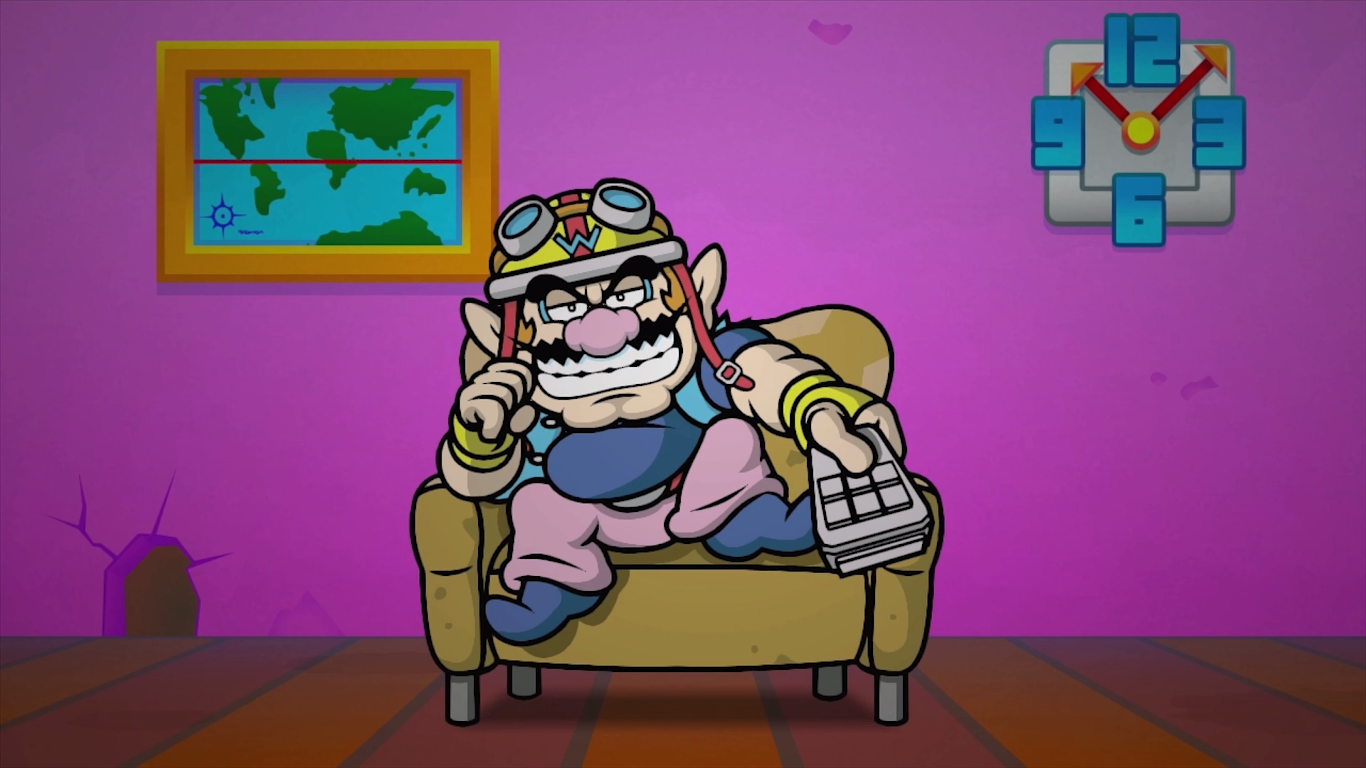
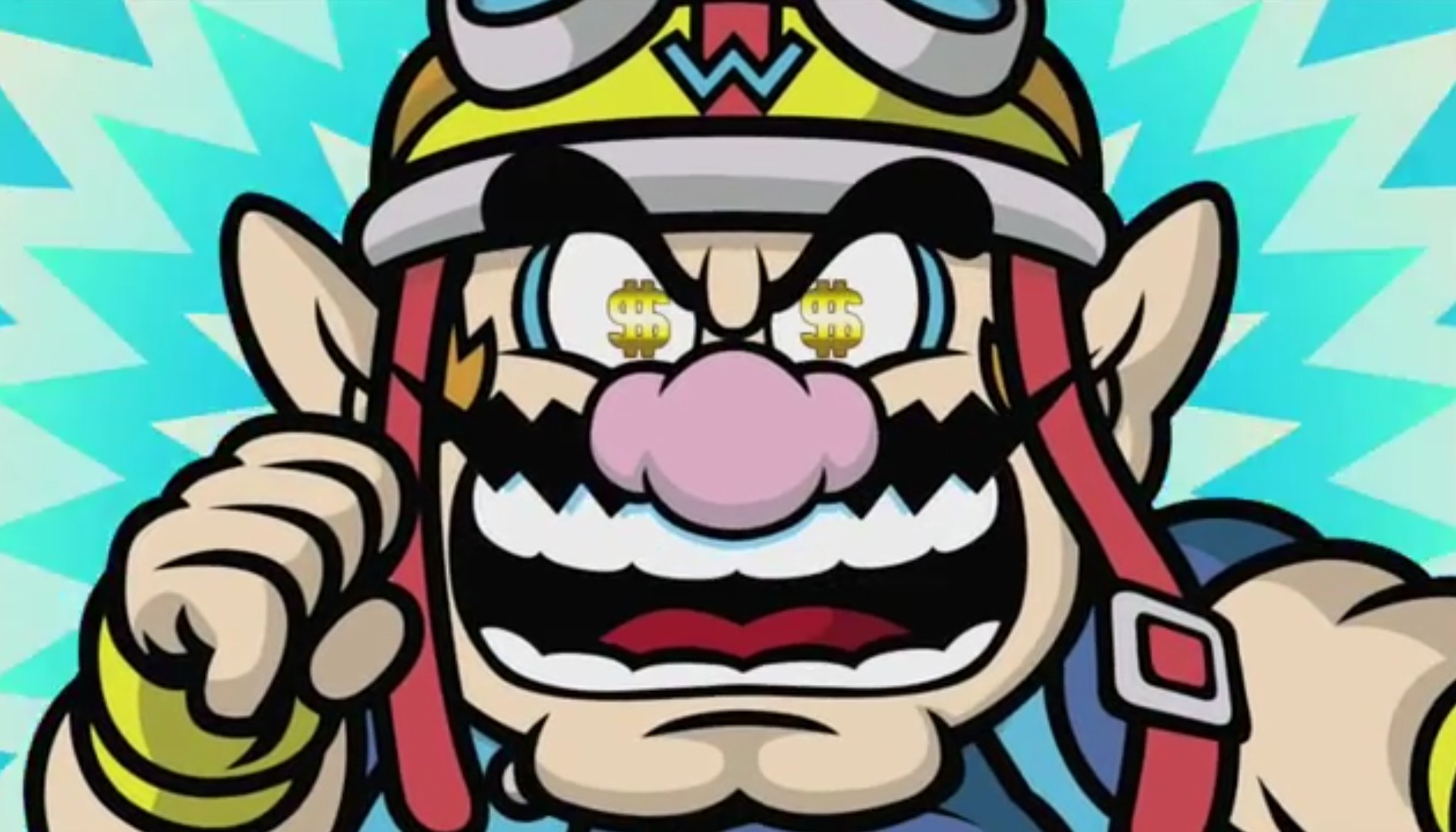
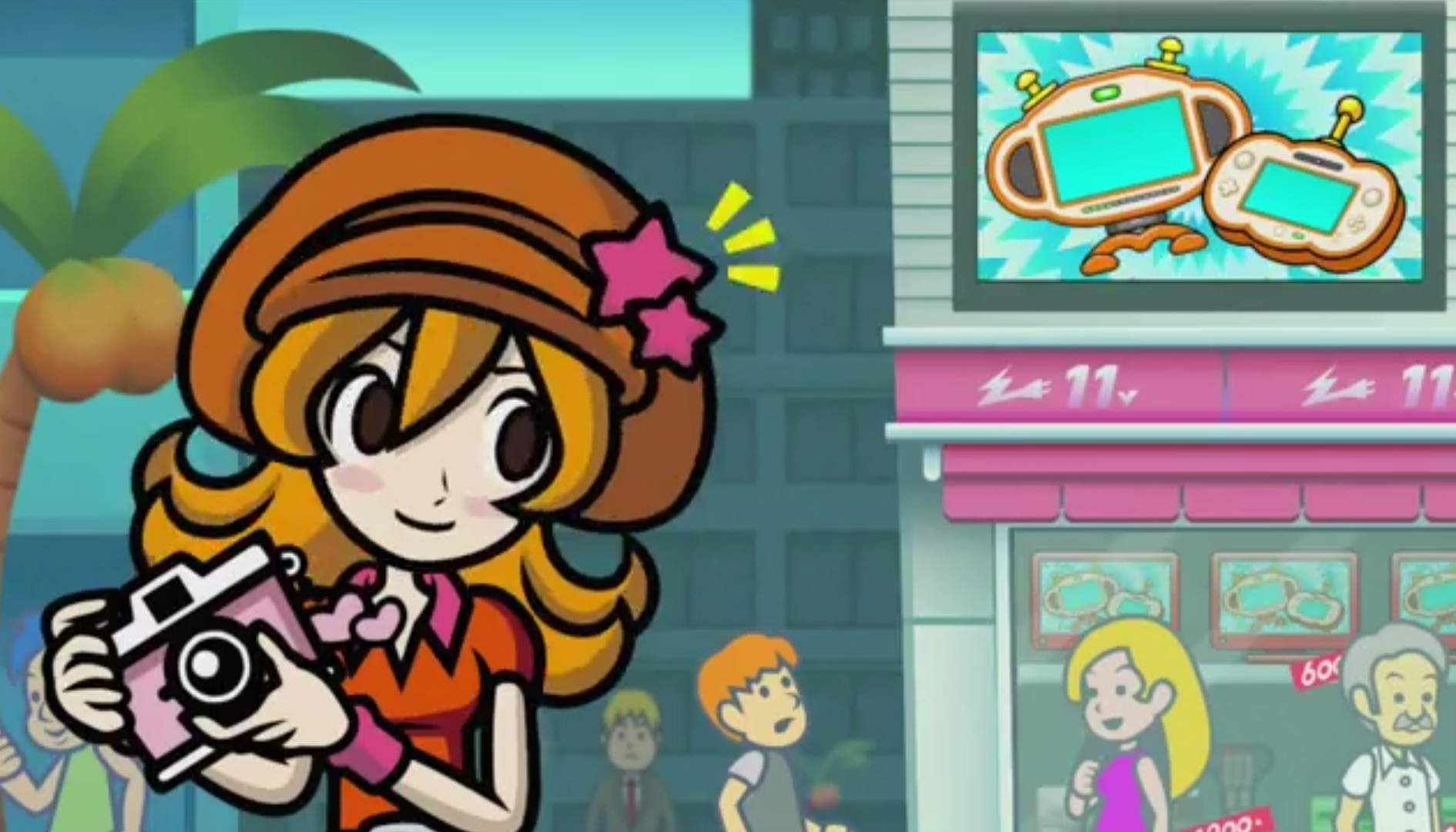
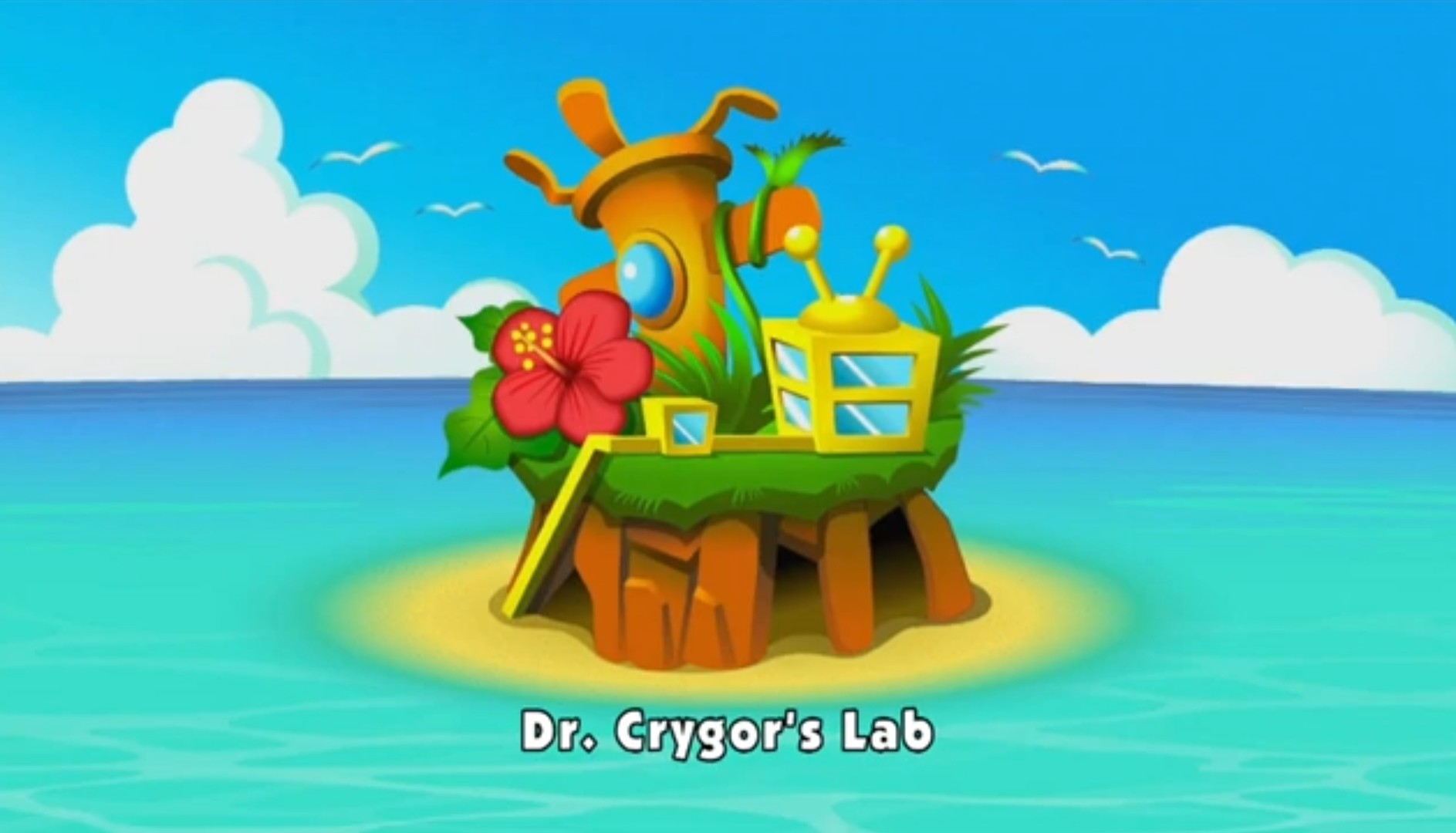
Wario is at home in front of the television when Reporter John announces a new games console with a controller that has its own screen. Wario’s eyes turn to money, and that night he is hunched over his computer making games. Across Diamond City the same news reaches Jimmy T on his phone, Mona on an outdoor screen, Kat & Ana in the middle of a game of rock-paper-scissors, Dr. Crygor’s lab, 9-Volt and 18-Volt, Ashley and Red, Young Cricket and Master Mantis, and Dribble & Spitz in their cab; Orbulon and the Oinker crash straight into it.
Each single-player game opens with a short cartoon about its maker, and the story closes with the craze for Pirates. What follows retells those cartoons game by game.
Prologue: a controller with a screen
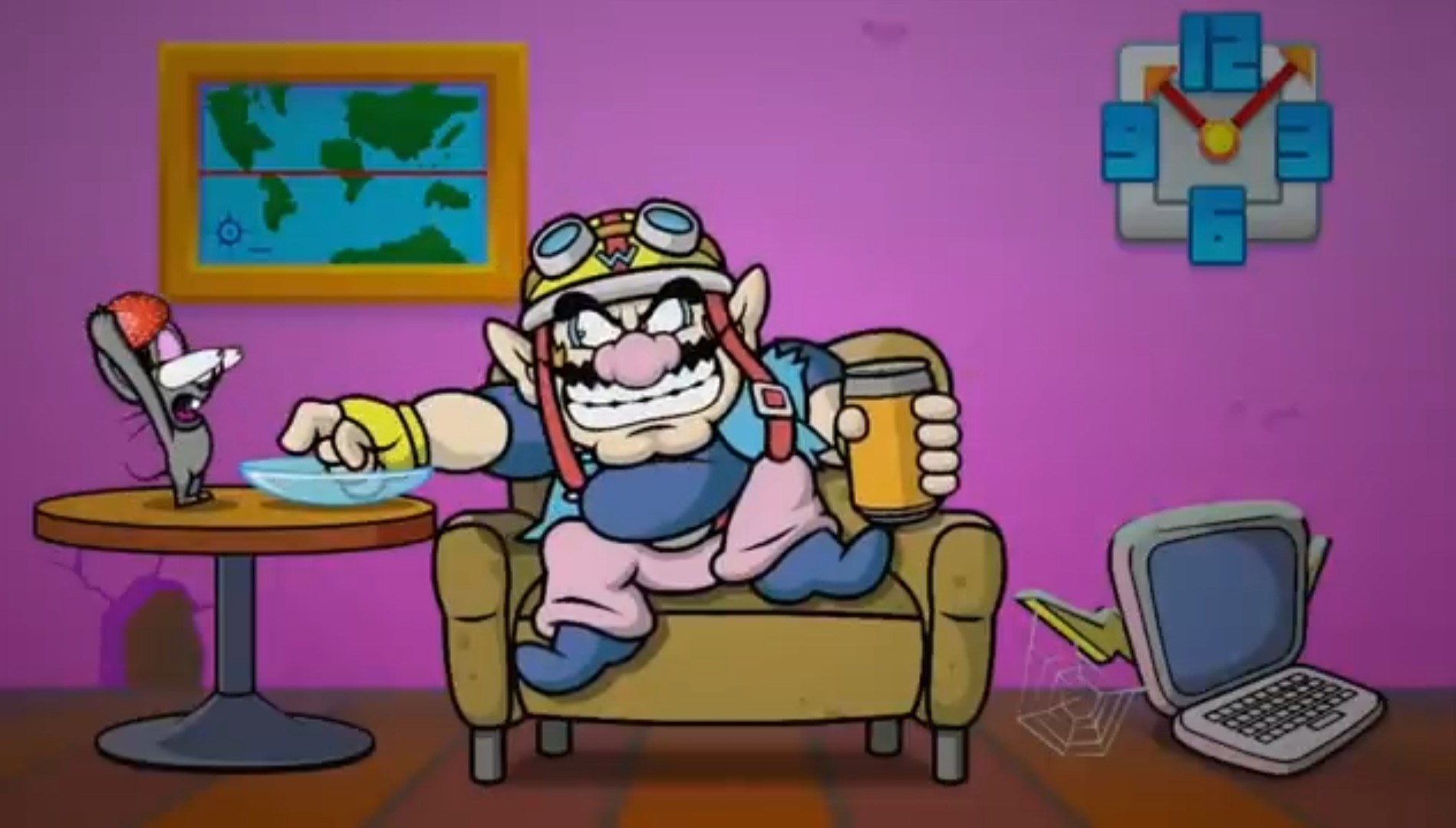
Wario is slumped in front of the TV at home when the news comes on. The moment he understands what the new console can do, his eyes turn into money and he dreams of millions. All over Diamond City his friends catch the same report and start having ideas of their own, and by nightfall Wario is at his computer, thinking hard.
Wario watching TV at home.Wario has a money idea.Mona sees the news on an outdoor screen.Watch out, Orbulon!
Wario: Arrow
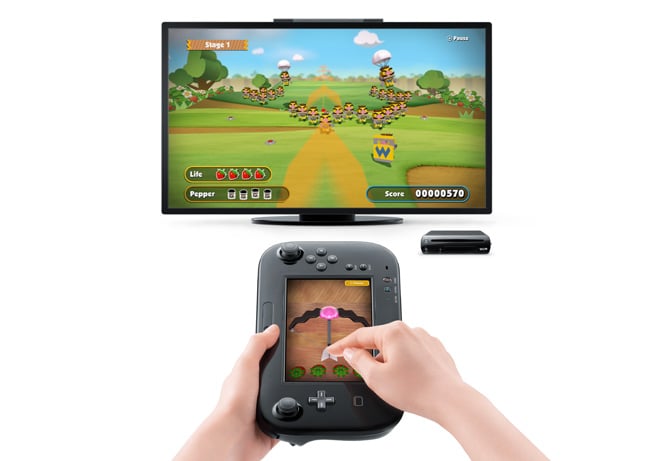
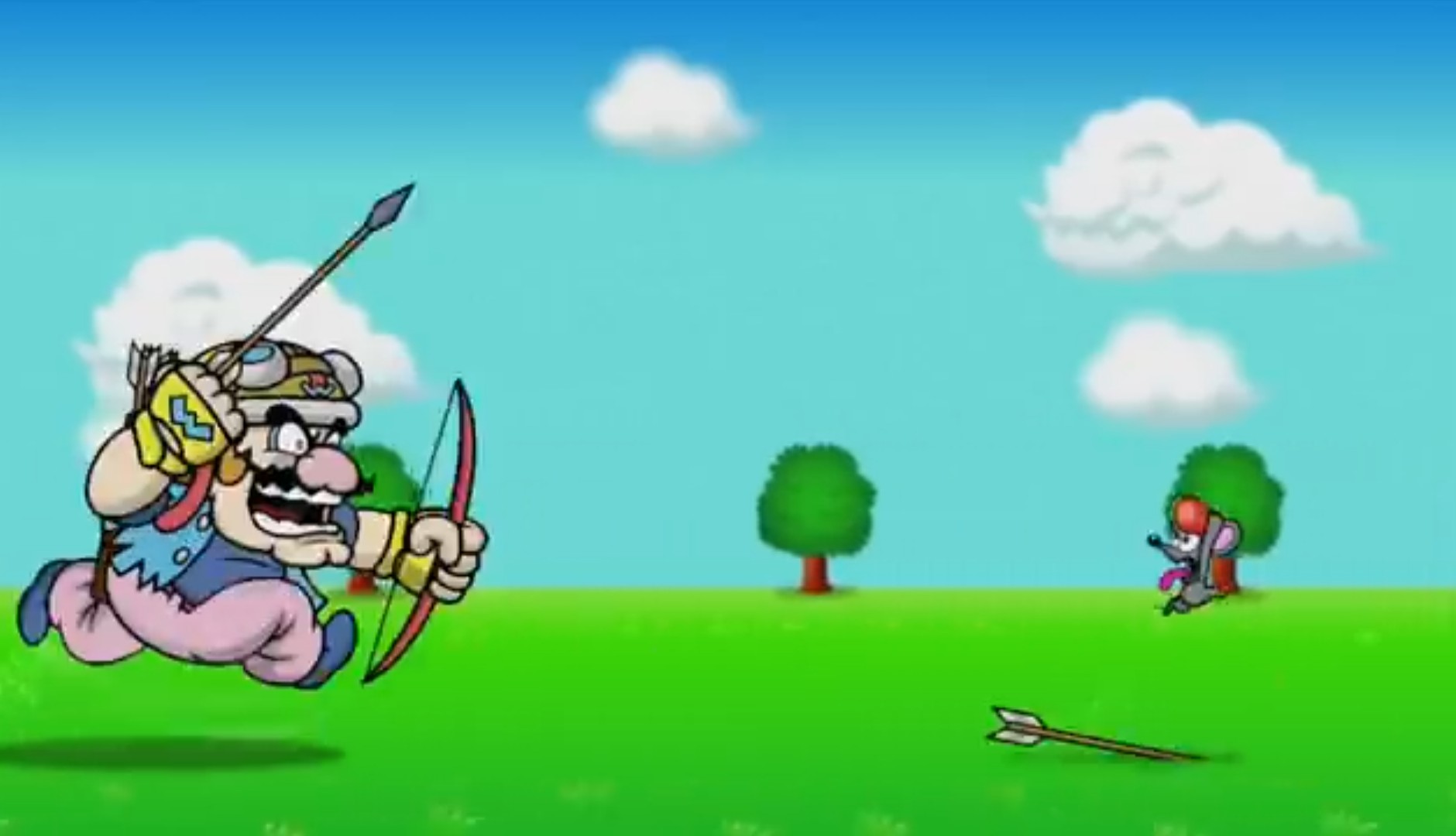
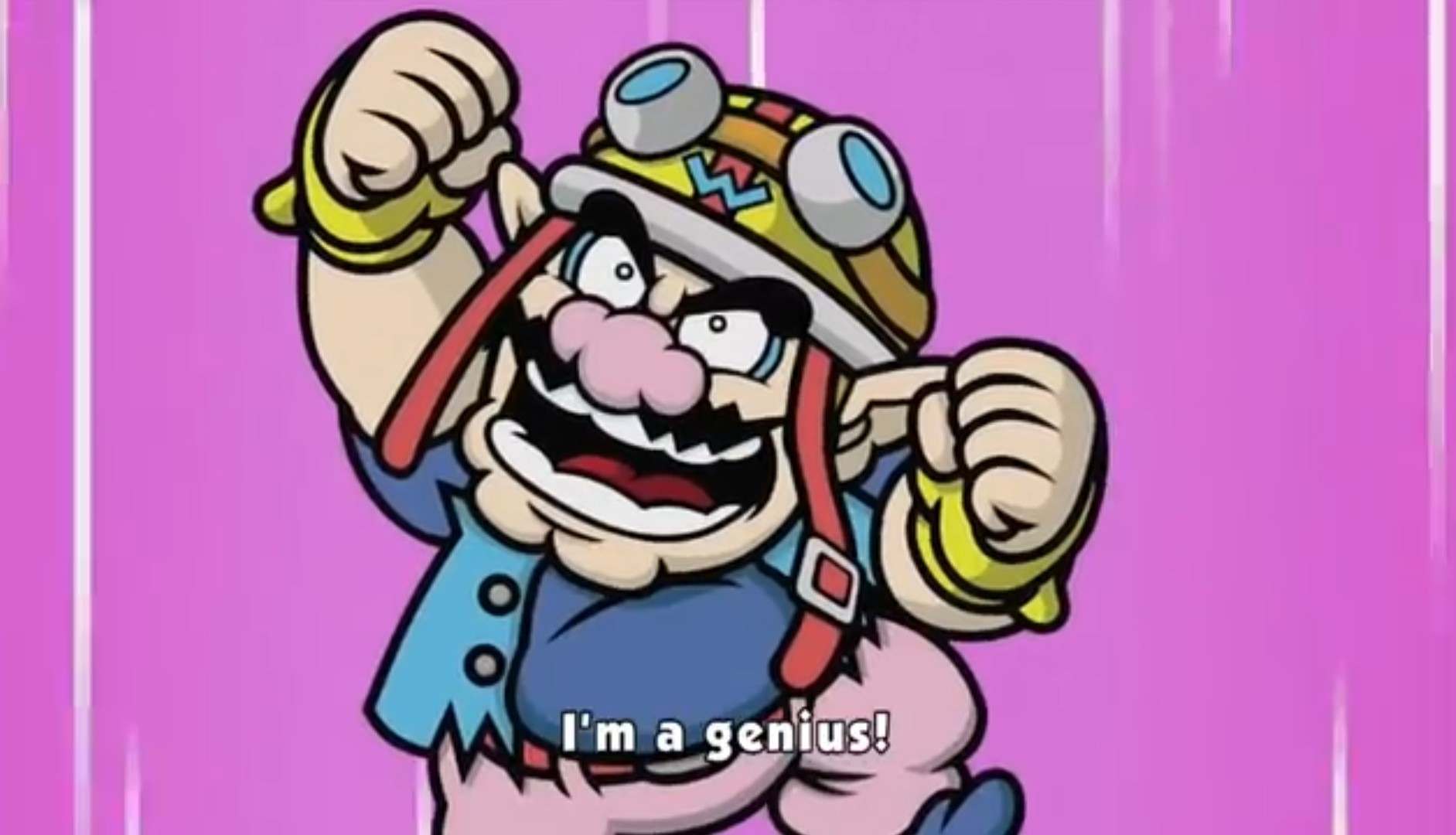
With his computer gathering dust, Wario settles down to a film and a bowl of strawberries, until a mouse makes off with the last one. He chases it straight through a wall, mugs a passing archer for his bow, and gets his strawberry back with his last arrow. The mouse takes revenge with a pepper pot while Wario naps; the sneeze sends mouse and pepper flying into the computer, and Wario wakes up with a game idea and declares himself a genius. In Arrow you hold the GamePad up to the TV and draw back on the touch screen to fire nose-tipped arrows at robot Warios trying to reach the strawberries, swatting any that get through on the GamePad itself.
Wario versus the mouse.Wario with the archer’s bow.“I’m a genius!”
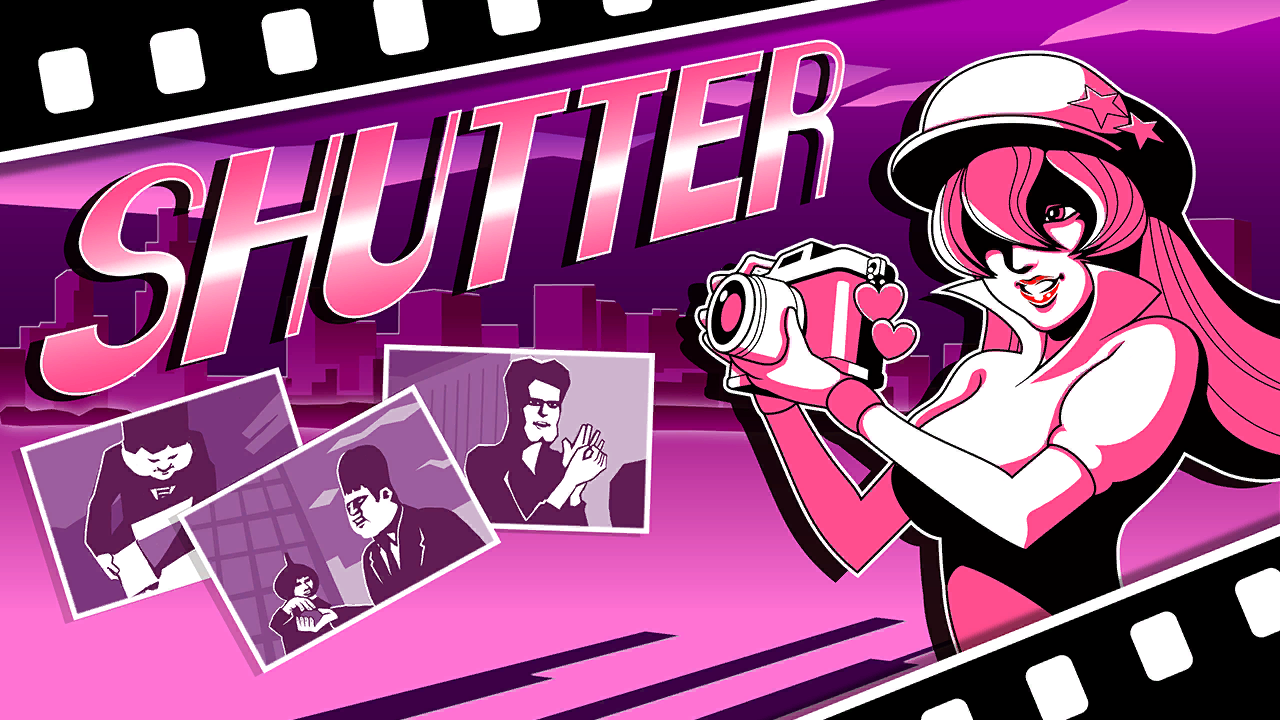
Mona: Shutter (Camera in Europe)
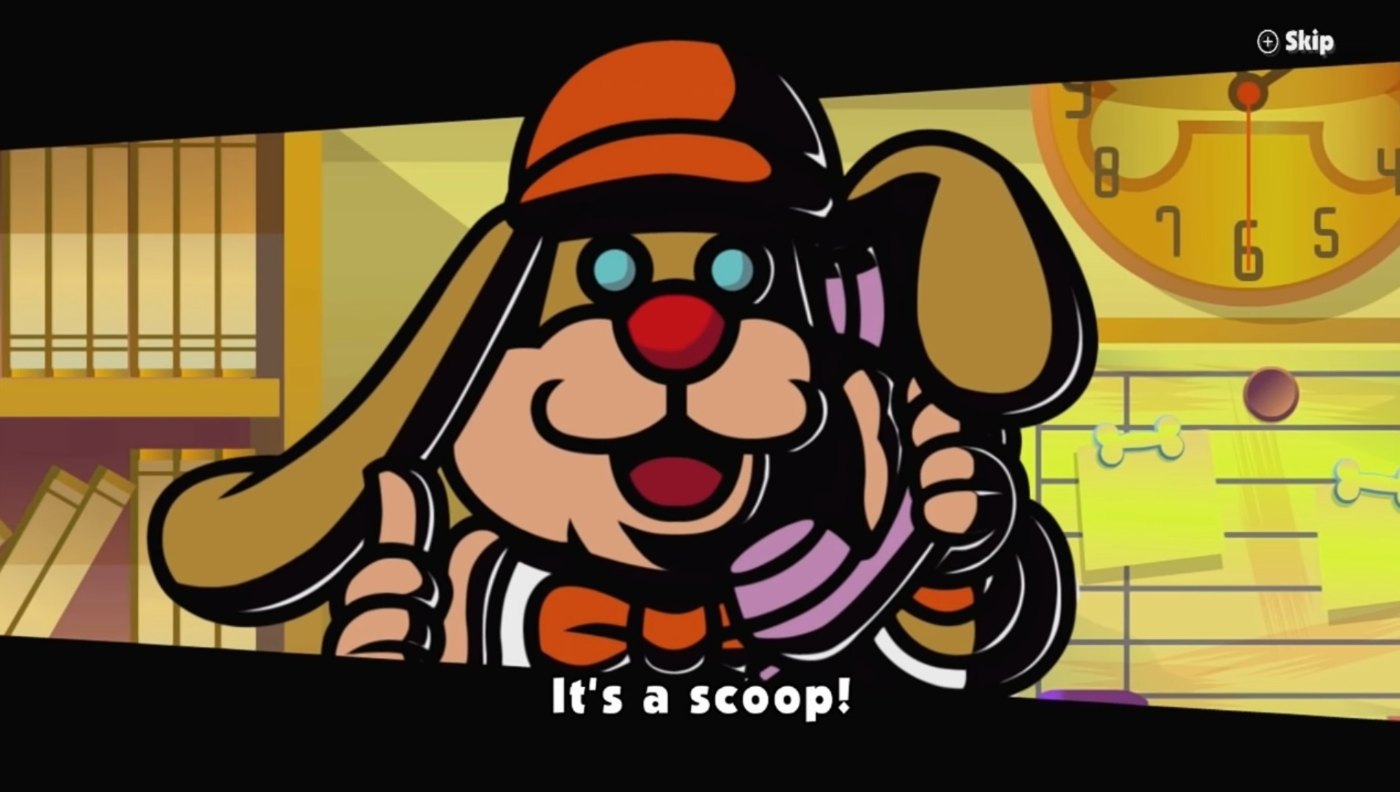
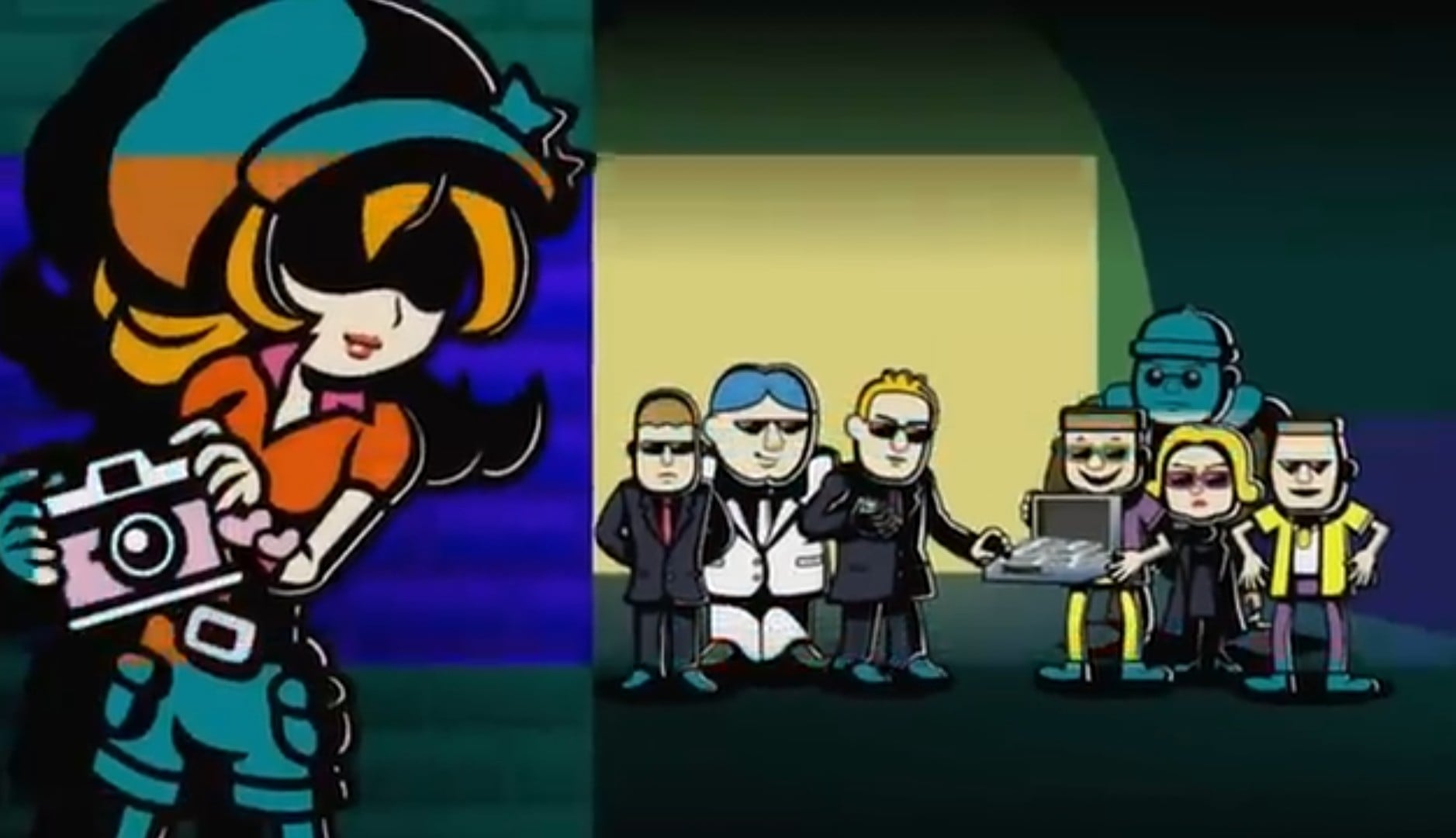
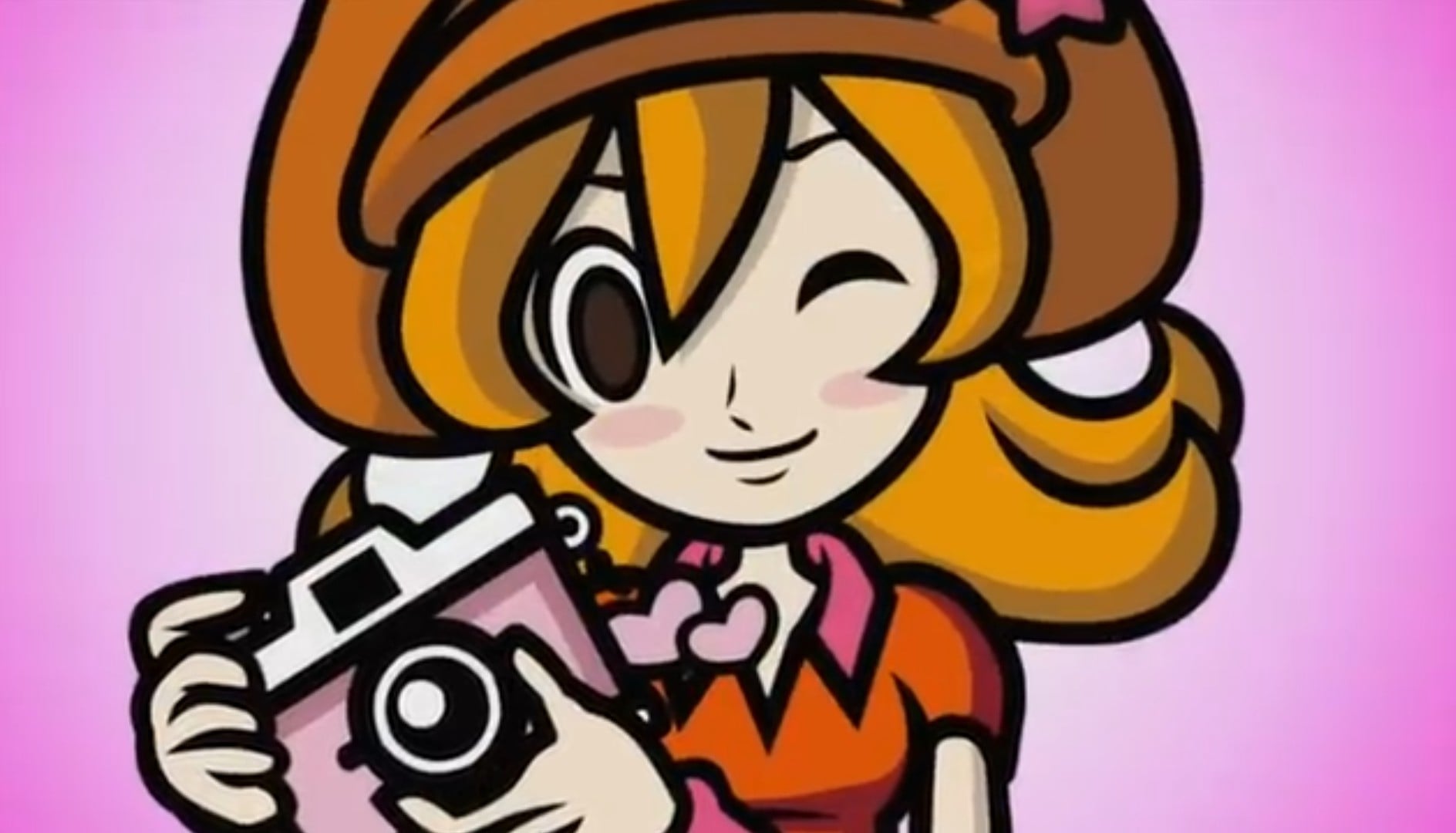
At the Diamond City Times, Editor Joe has a scoop for his photographer: Mona scoots off with her camera and catches two gangs of thugs mid-deal, then winks for the front page. The GamePad becomes a telephoto lens: hold it up to the TV, find the people on your list hidden in the scene and snap them before you run out of shots. Joe judges every picture, and photographing a Fronk, a rare creature, earns a bonus.
Editor Joe has a scoop.Two gangs caught making a deal.Mona gets the shot.
Jimmy T: Ski
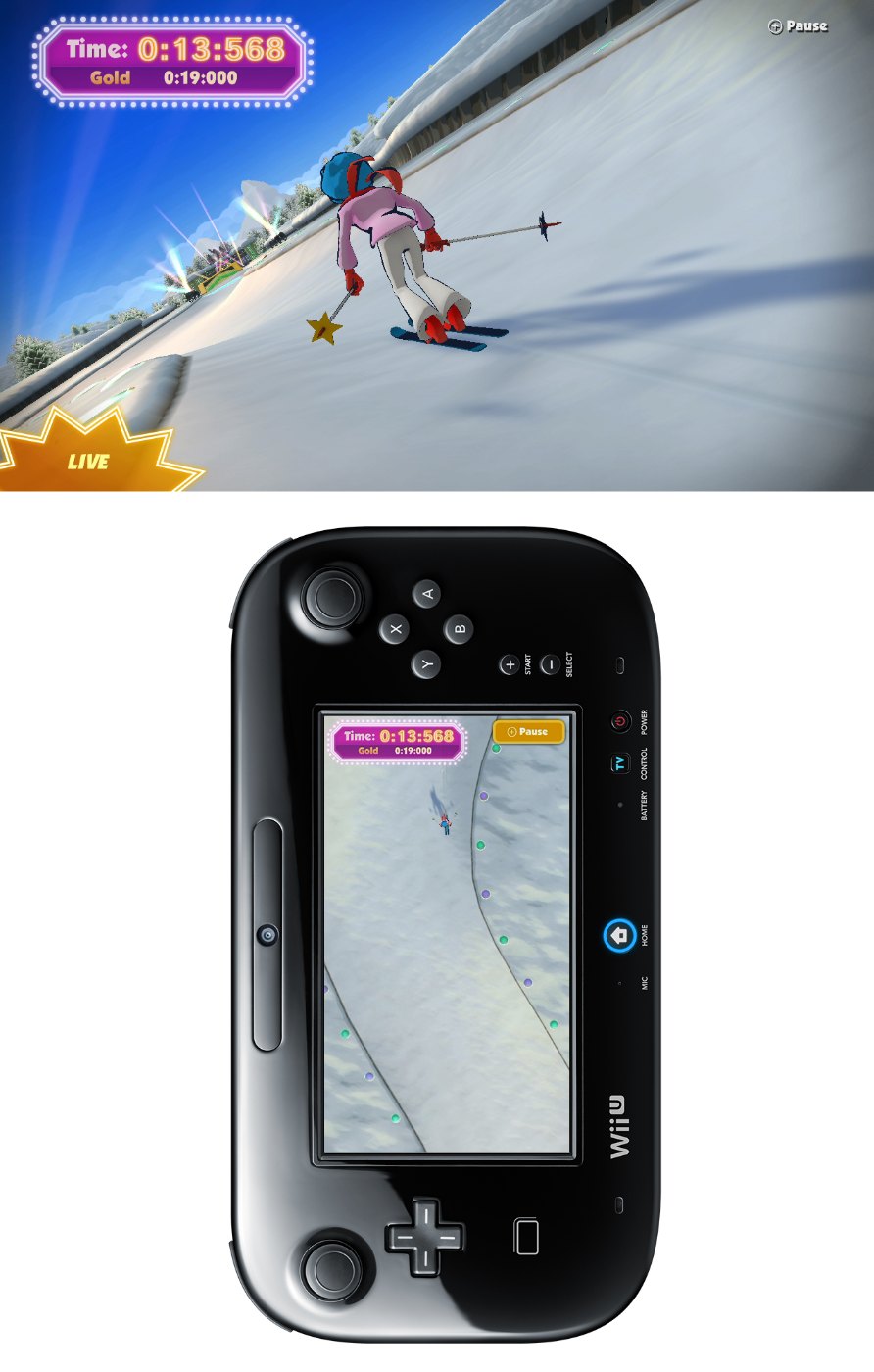
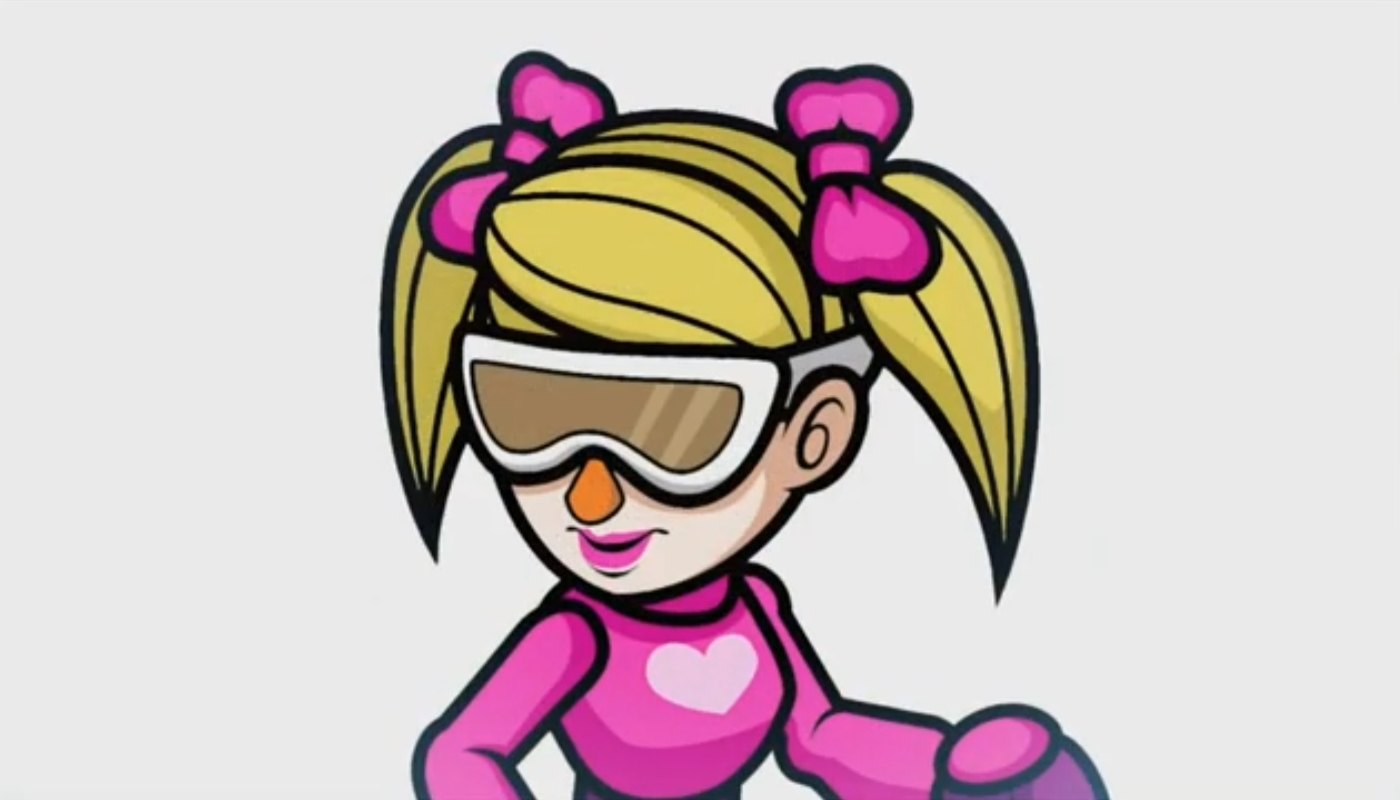
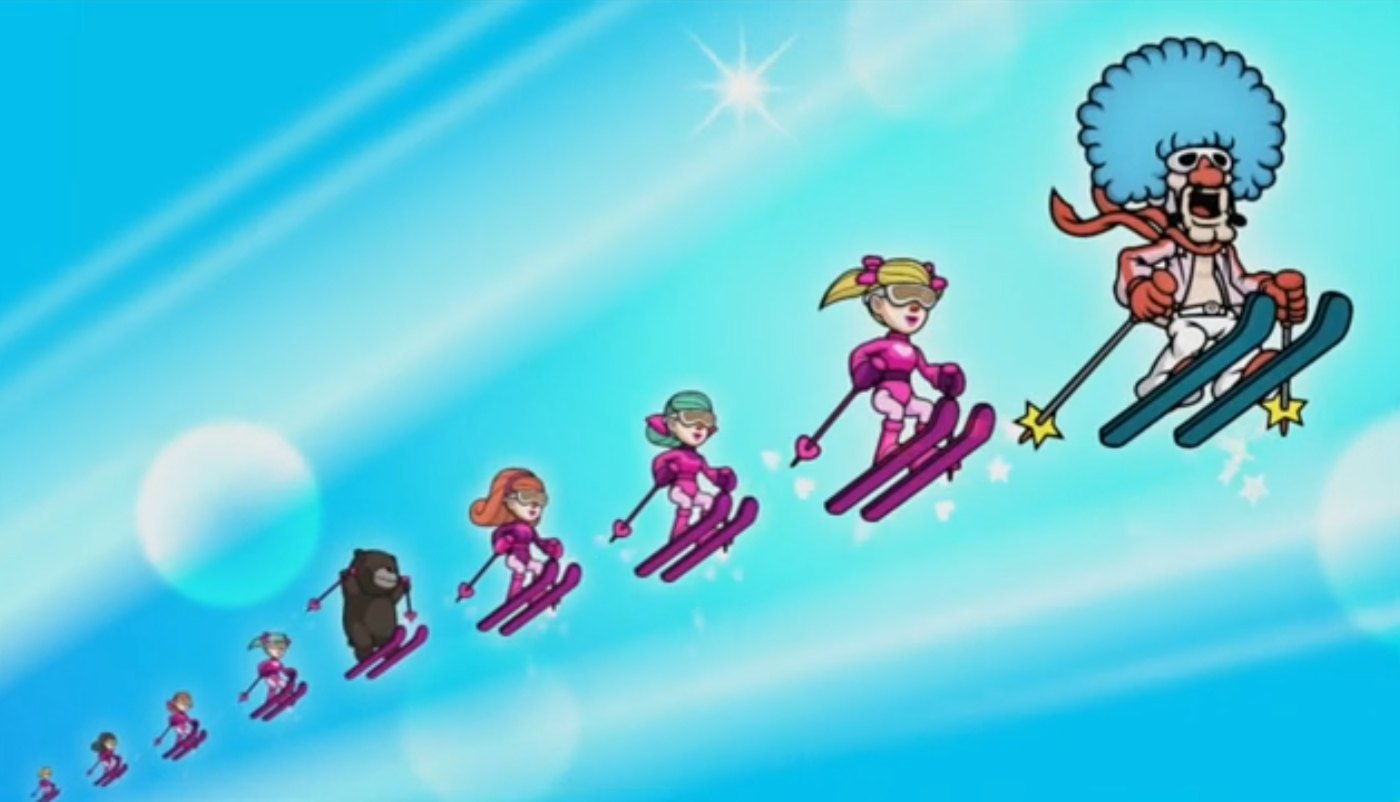
Jimmy T skis straight through a bear, catches the eye of Cathy and her fellow ski bunnies, strikes a run of poses and ends up leading a whole party, bear included, off a ski jump. In the game you hold the GamePad upright and tilt it to steer him downhill to the finish; the European manual lists a time attack and a Ski Bunny Slopes mode.
Jimmy T on the slopes.Cathy the ski bunny notices Jimmy.Everyone, bear included, takes the jump.
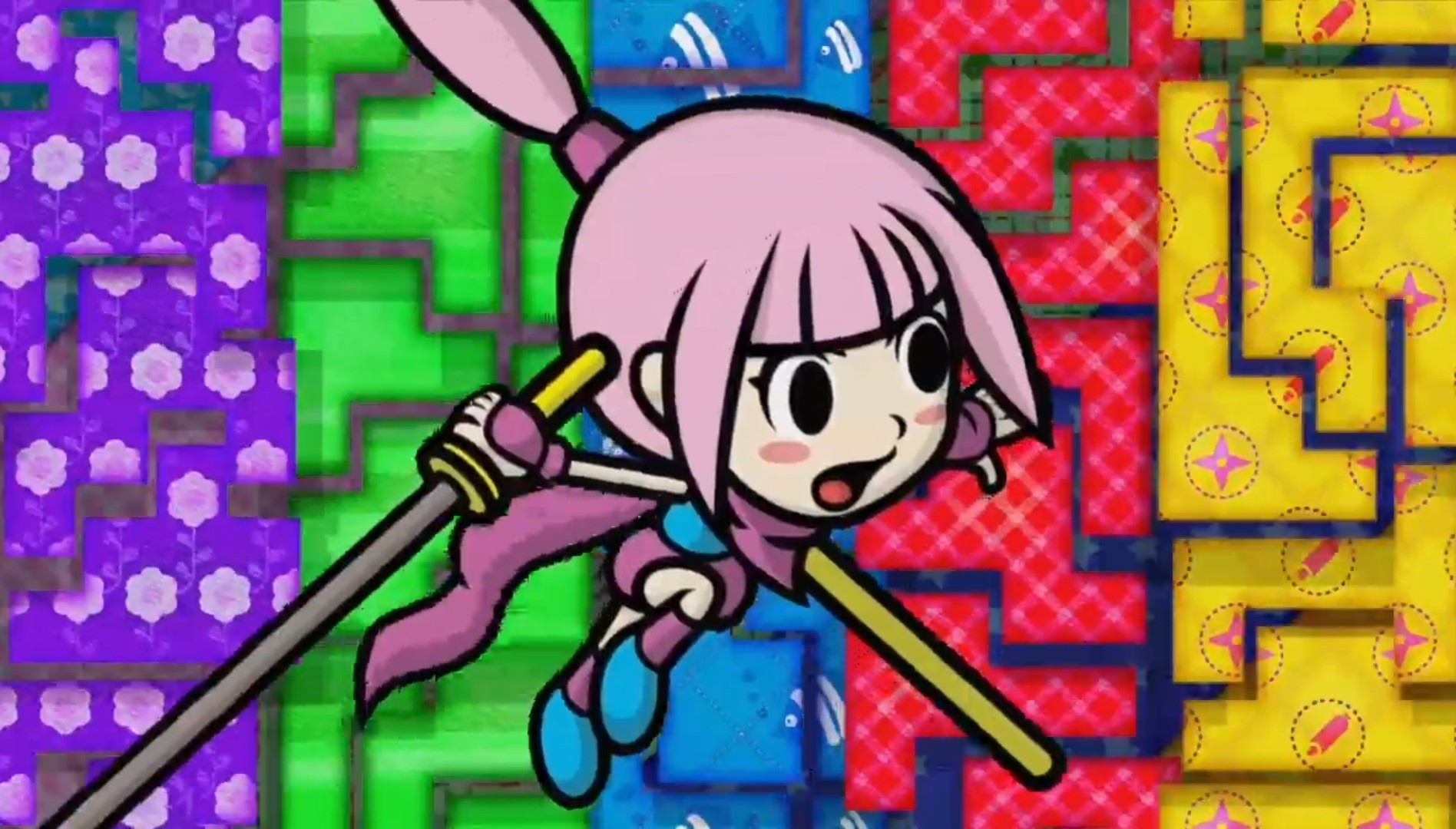
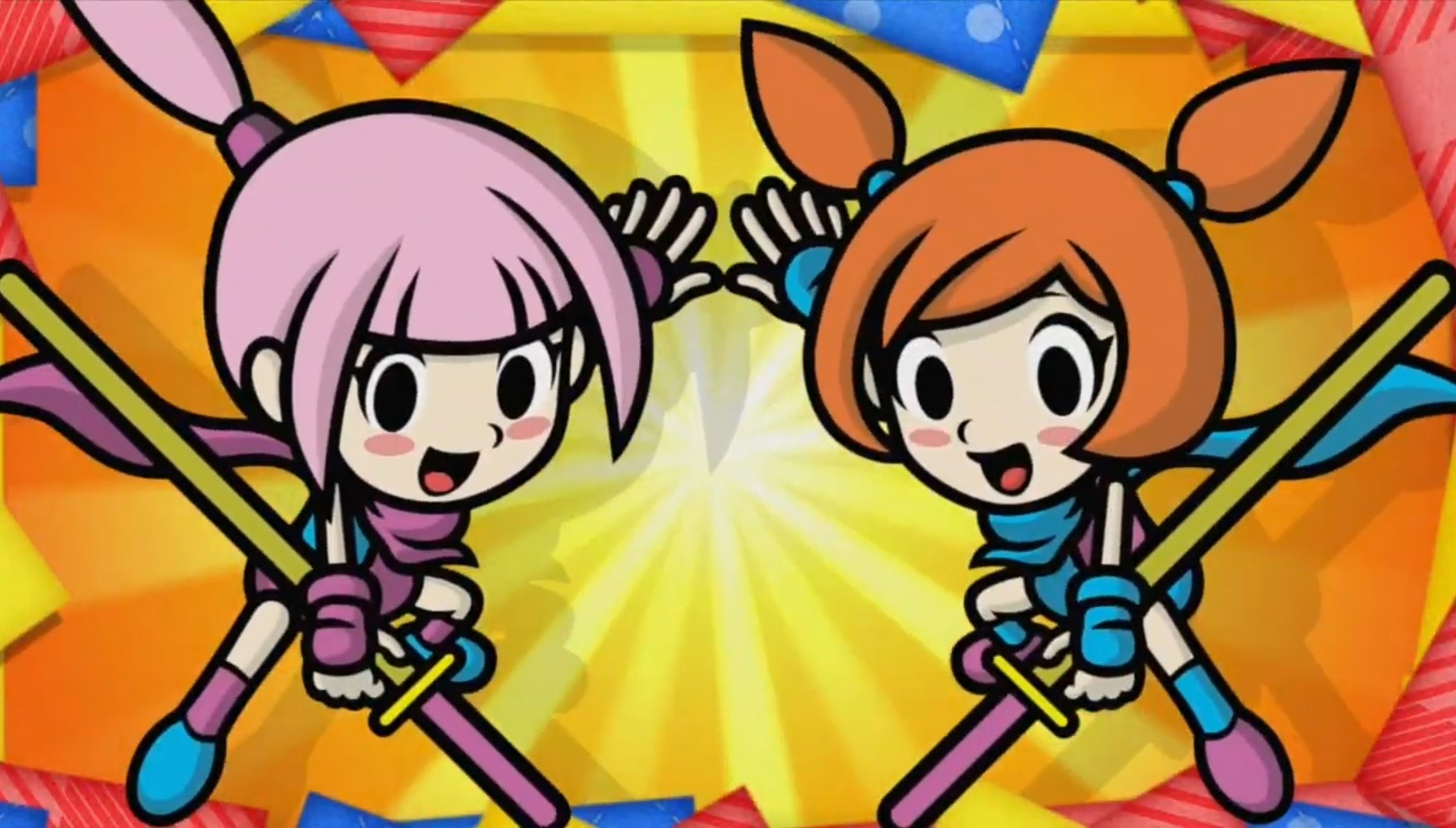
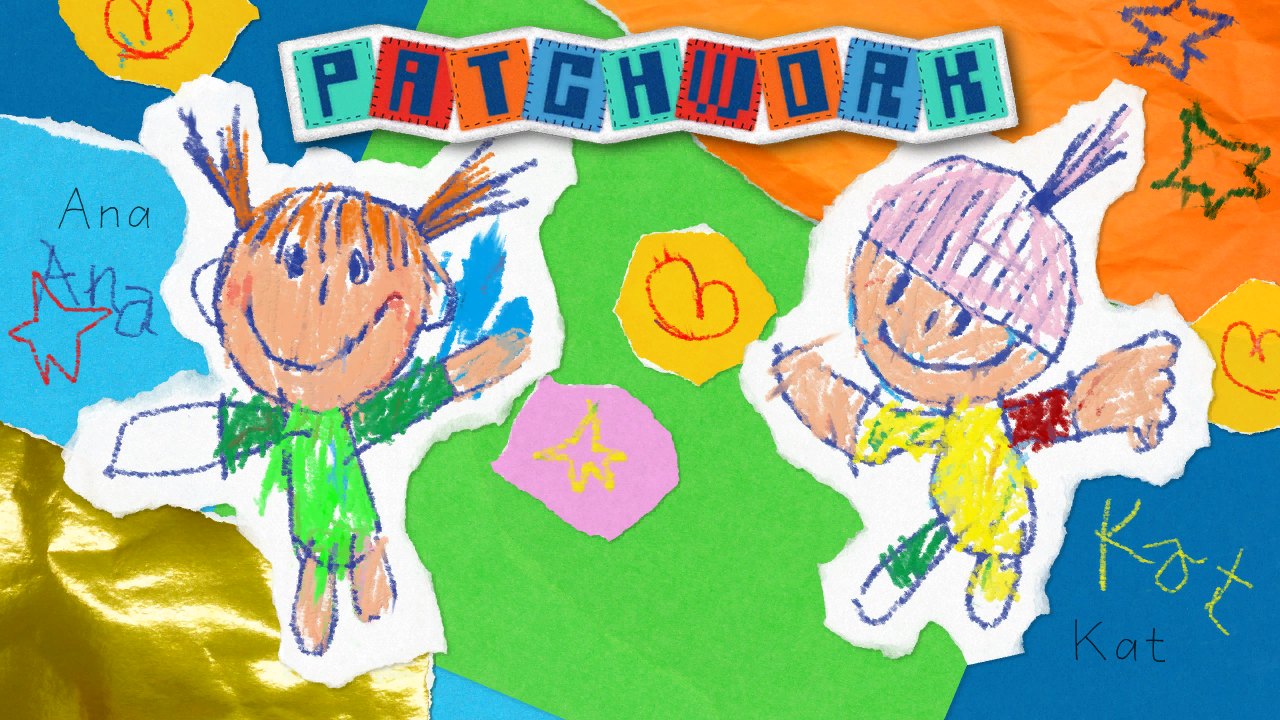
Kat & Ana: Patchwork
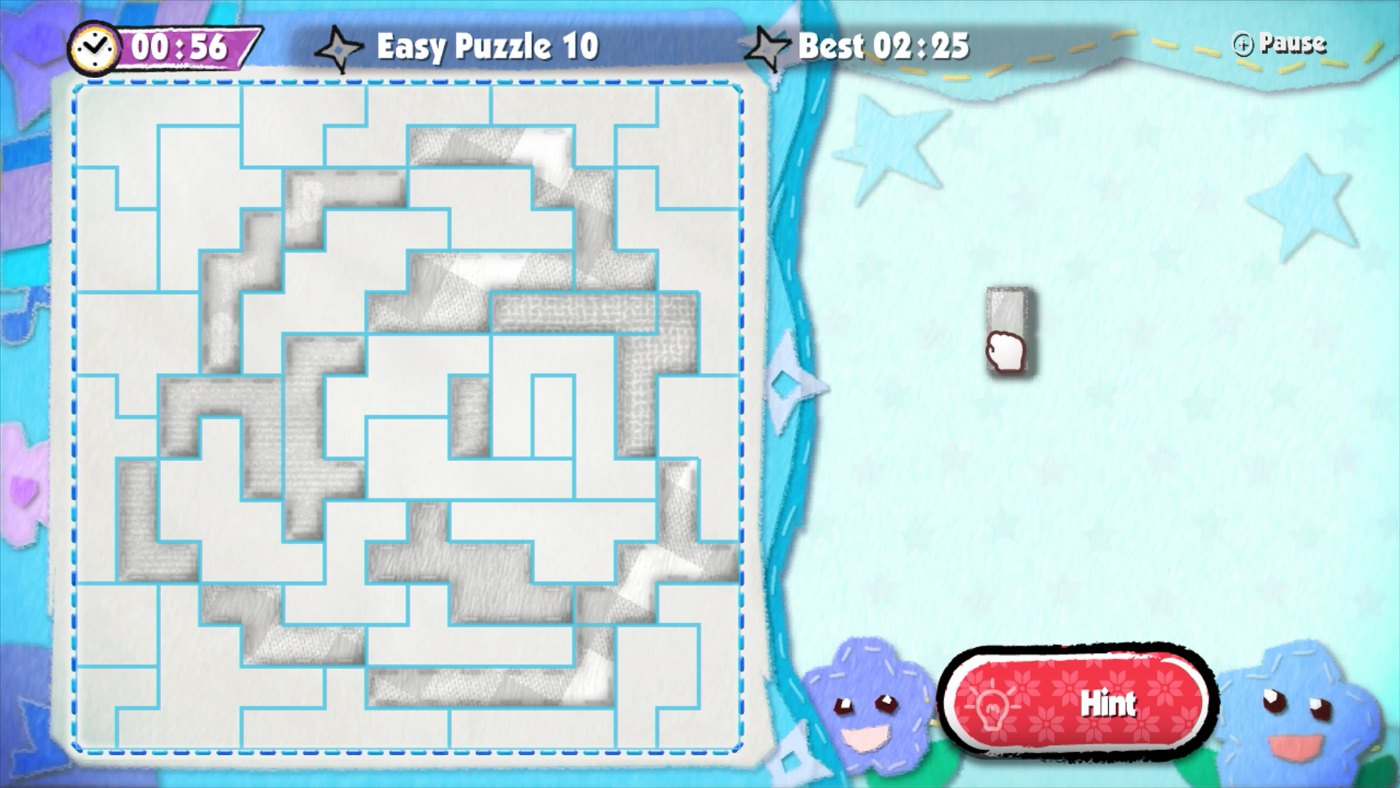
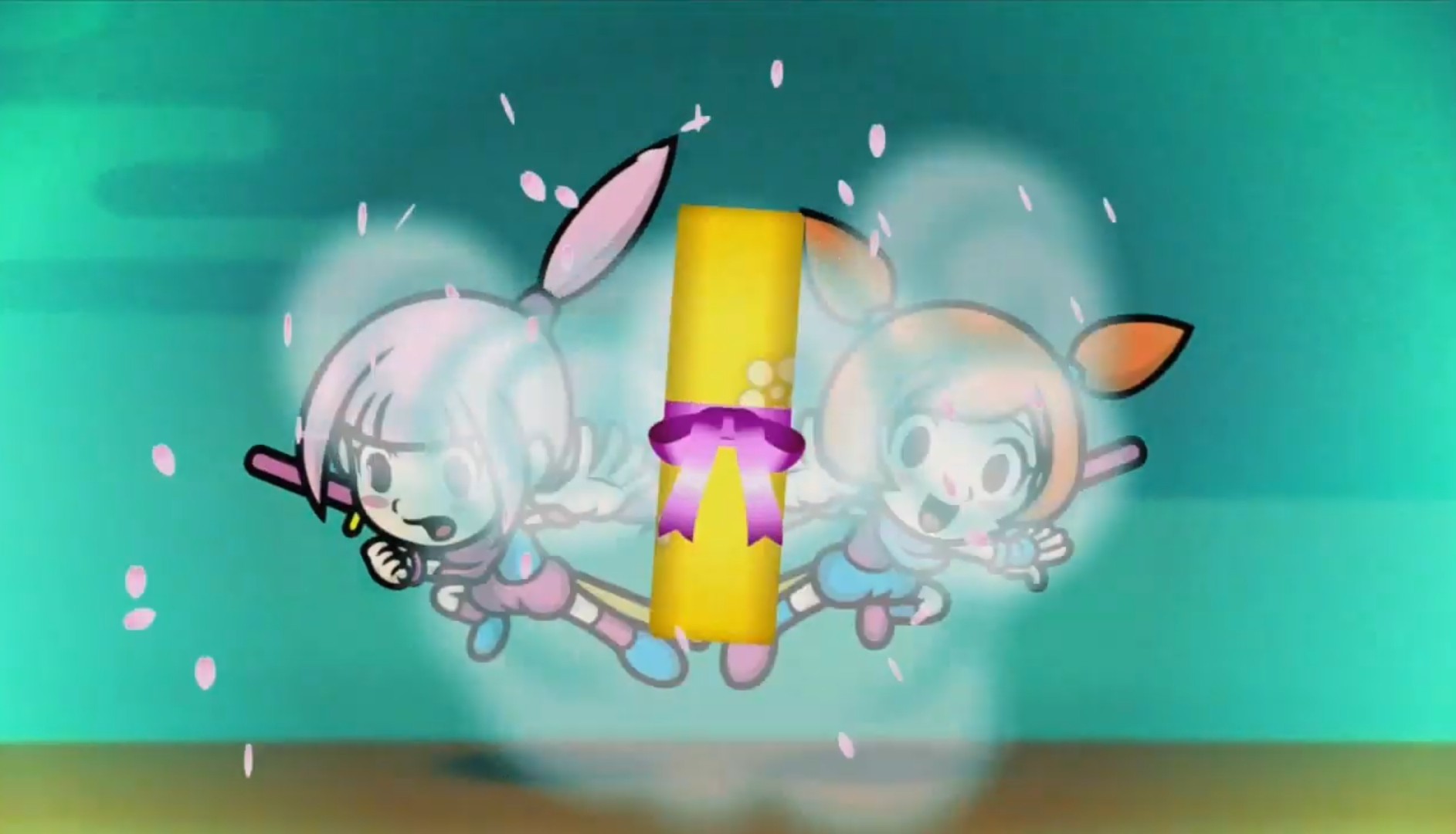
The twins roll out bolts of patterned fabric, draw their swords and cut it into shapes at ninja speed, then pose with their finished patchwork. The game is a touch-screen puzzle: lay the pieces of cloth to make the shape of an object, with hints and a clock for the harder puzzles.
Kat & Ana roll out the fabric.Kat cuts the cloth with her sword.The finished patchwork.
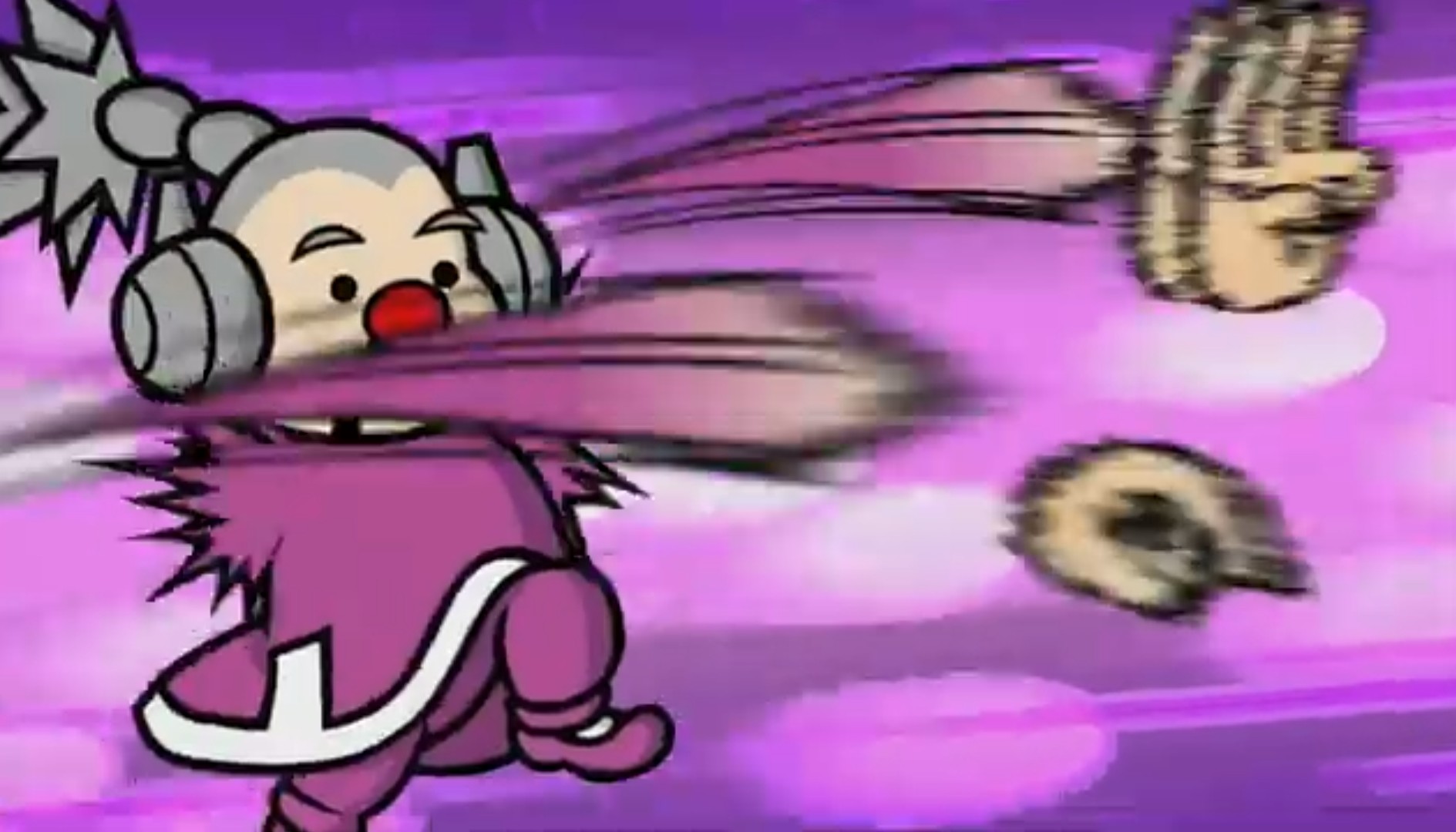
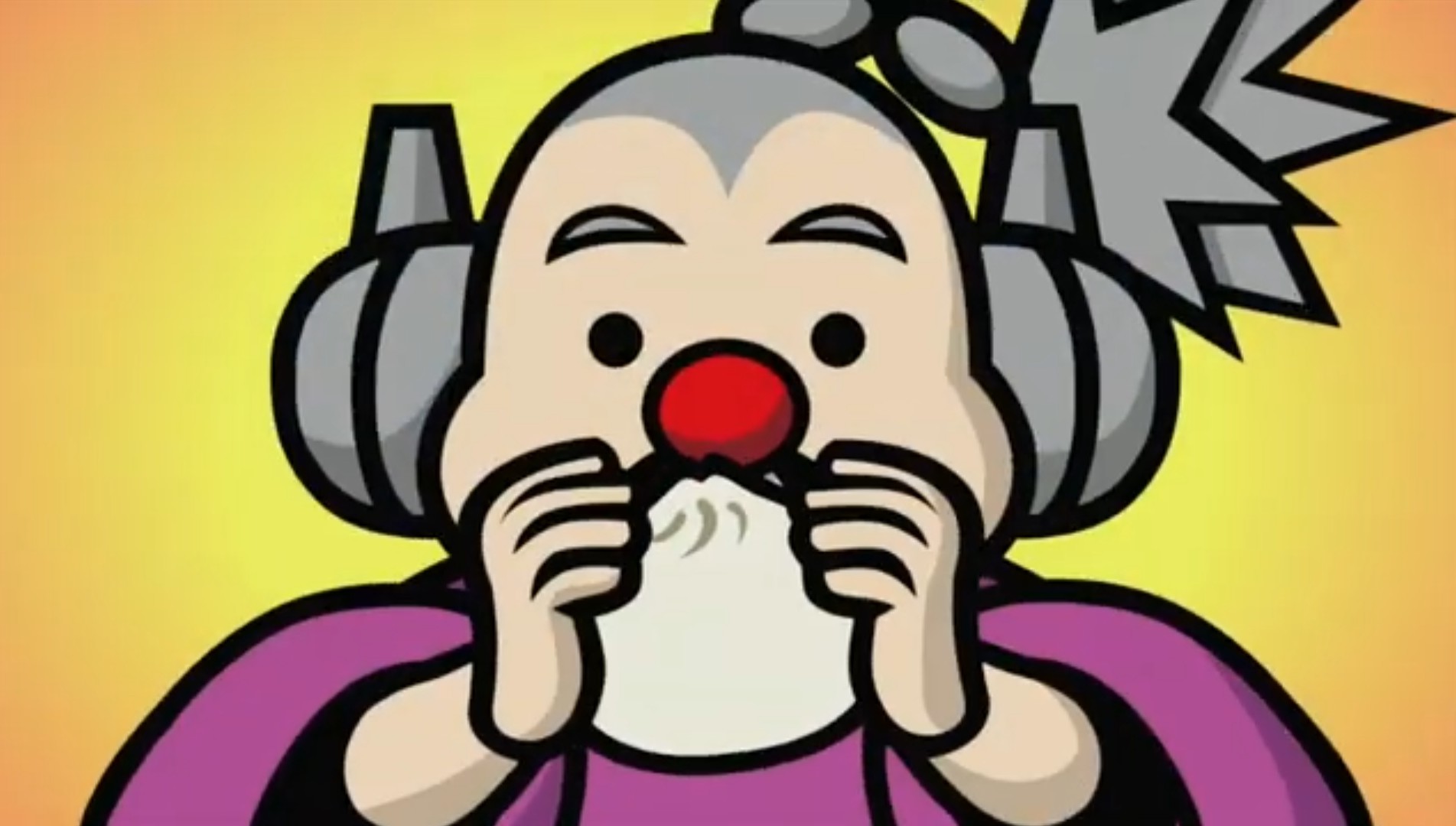
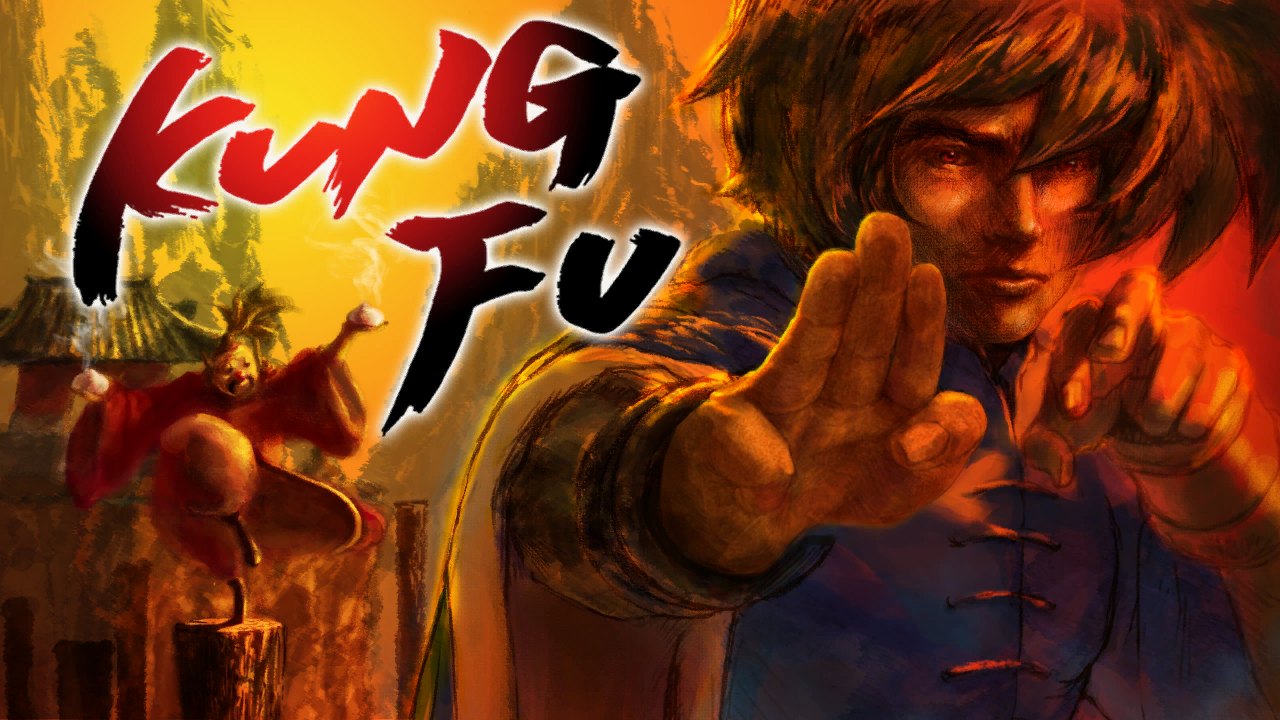
Young Cricket & Master Mantis: Kung Fu
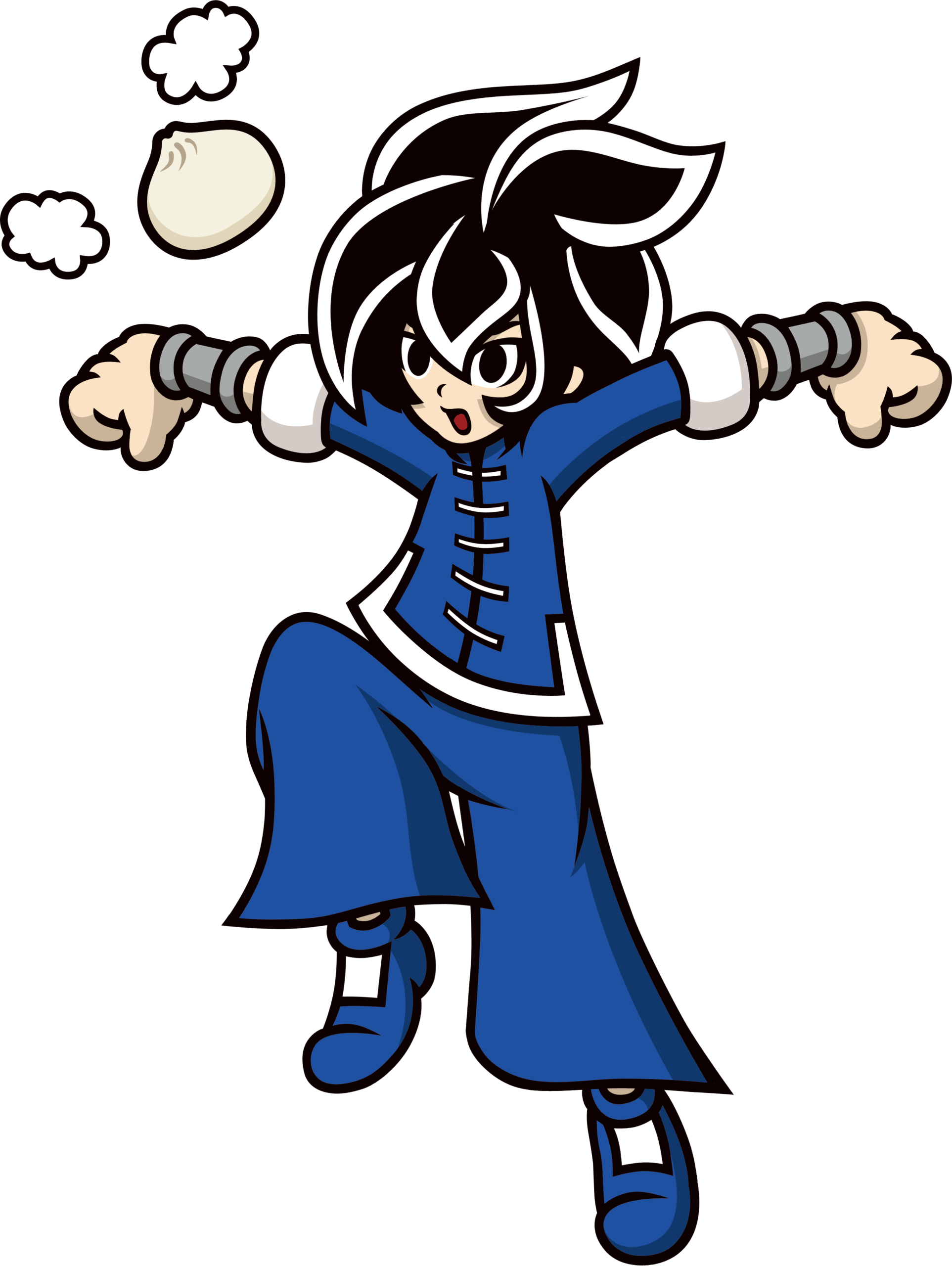
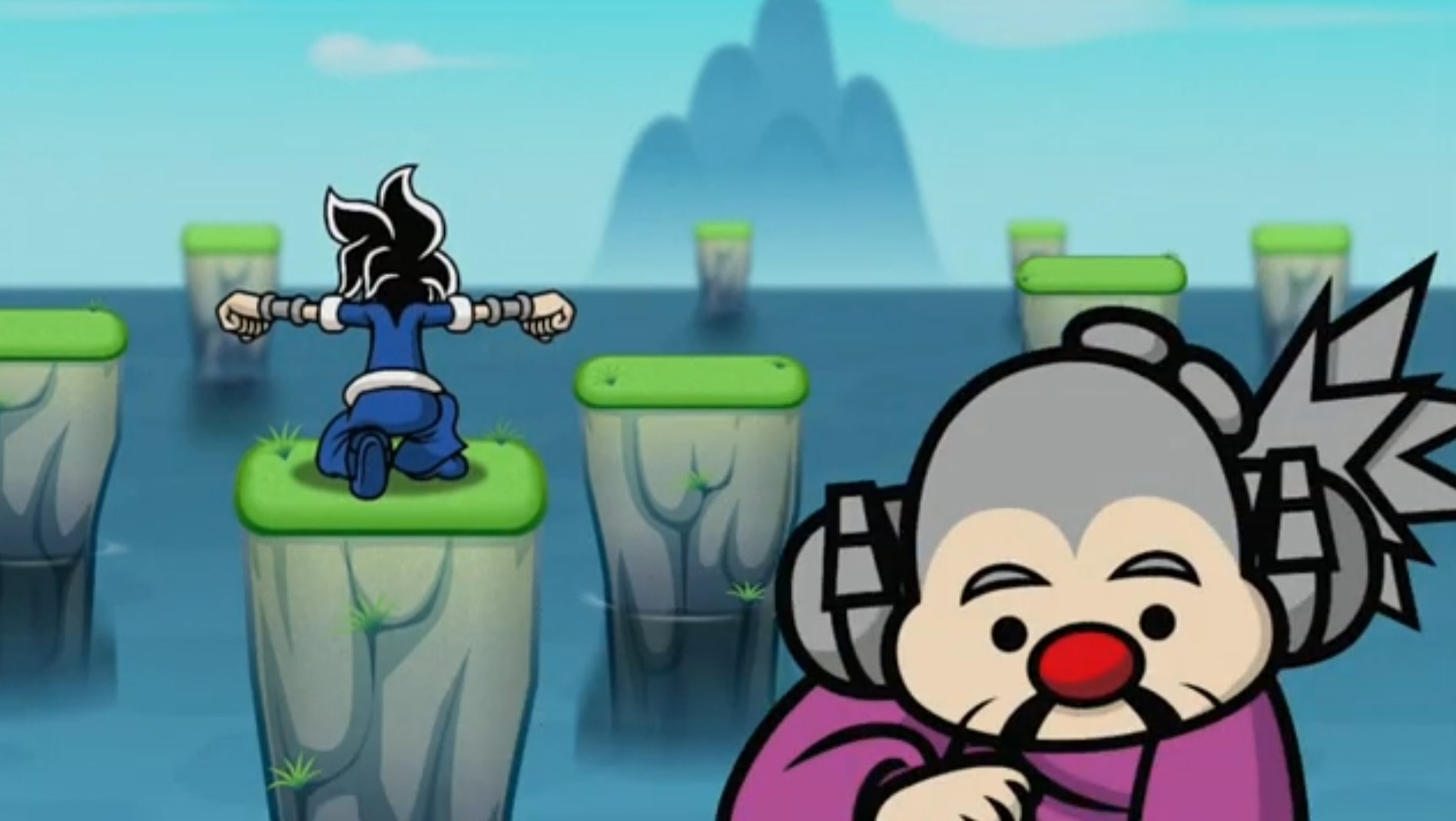
A sparring session between master and pupil ends with Mantis making a dumpling out of thin air and eating it himself, before hopping off over the obstacles for more training with a hungry Cricket behind him. Cricket bounces on his own; you tilt the GamePad to steer him in mid-air onto the next platform and press ZL or ZR to ground-pound, eating dumplings to keep his energy up as he climbs after Master Mantis.
Master Mantis lets fly.One dumpling, one master.Master Mantis after the sparring.
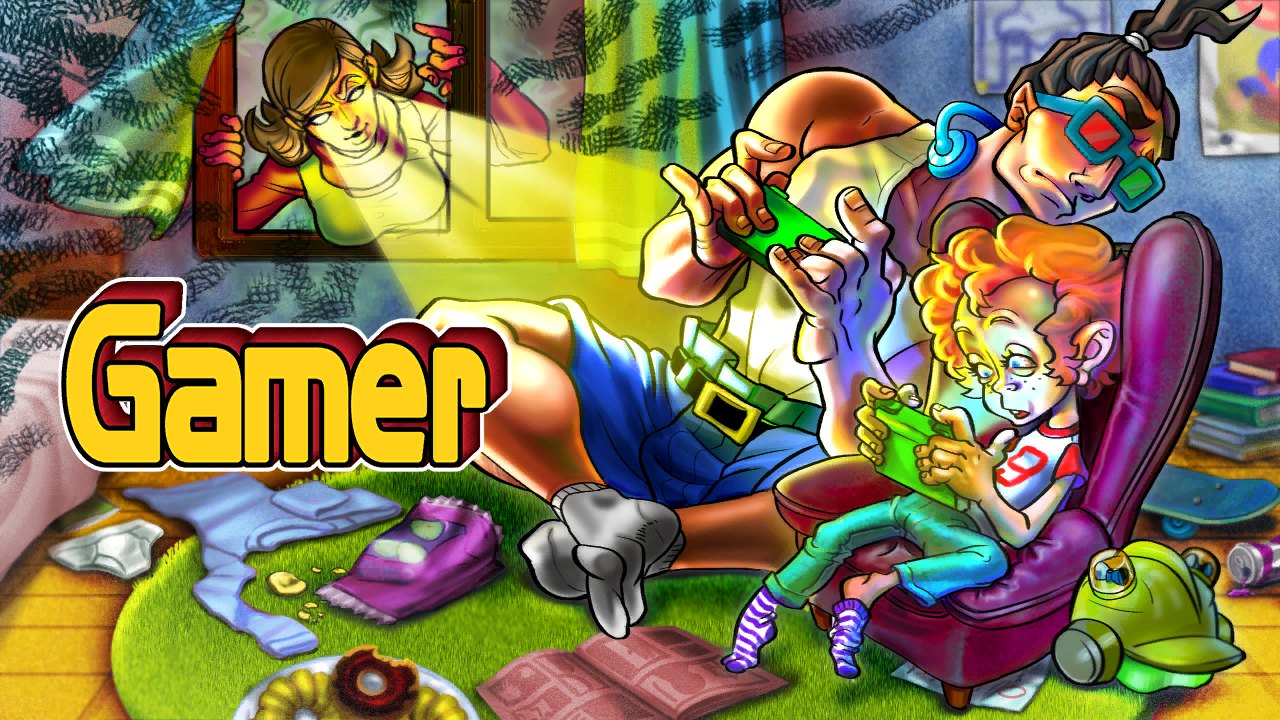
9-Volt & 18-Volt: Gamer
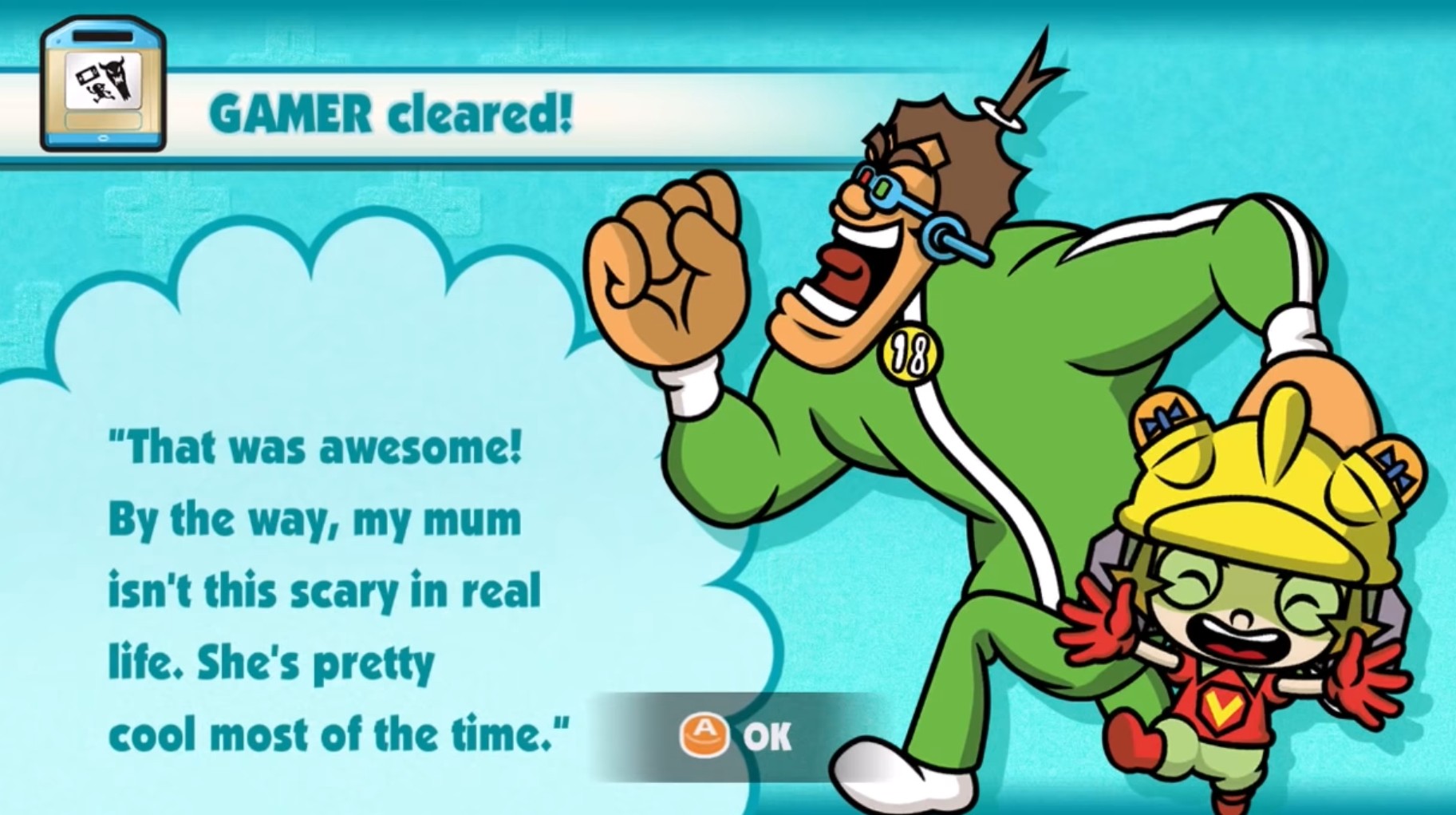
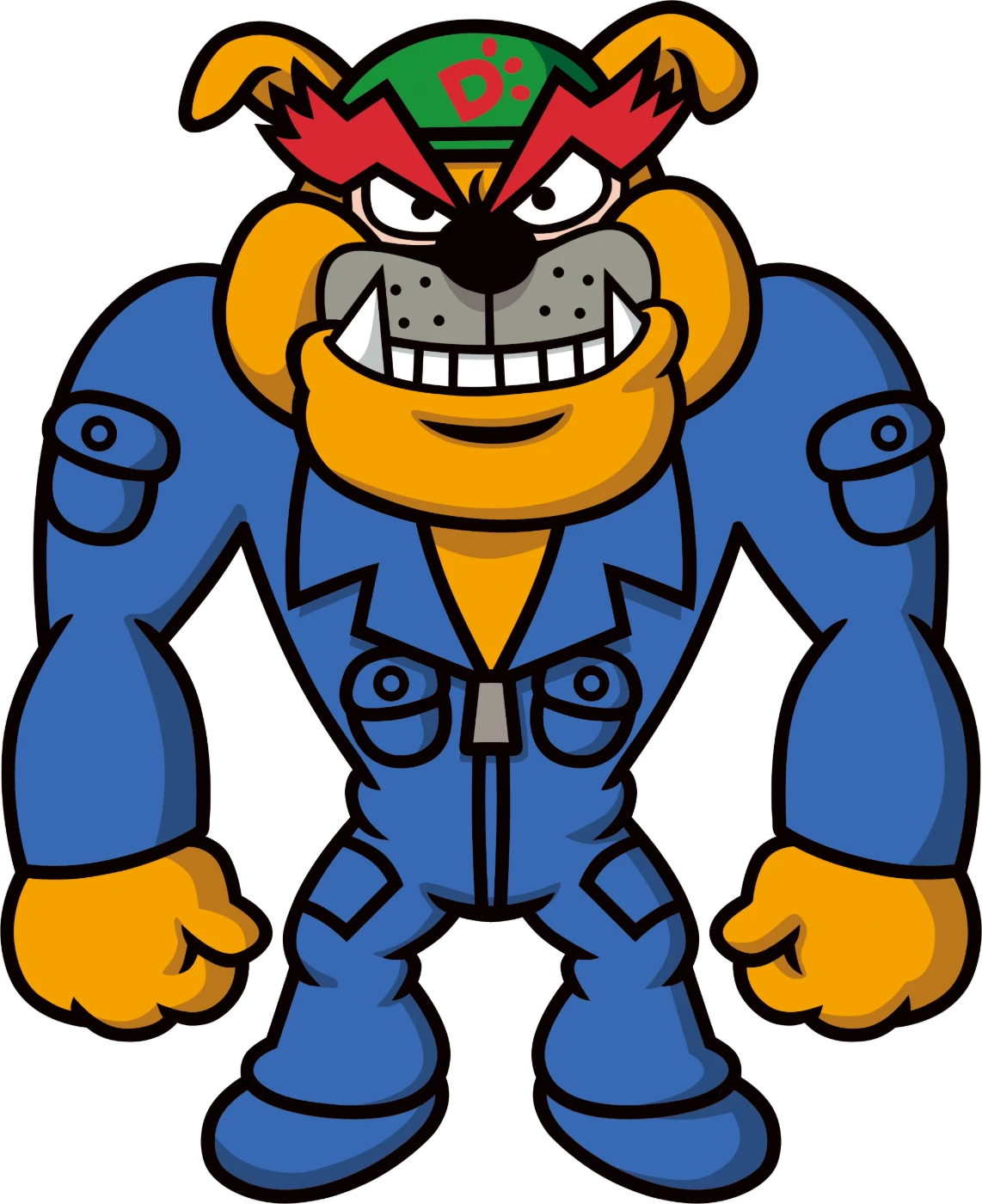
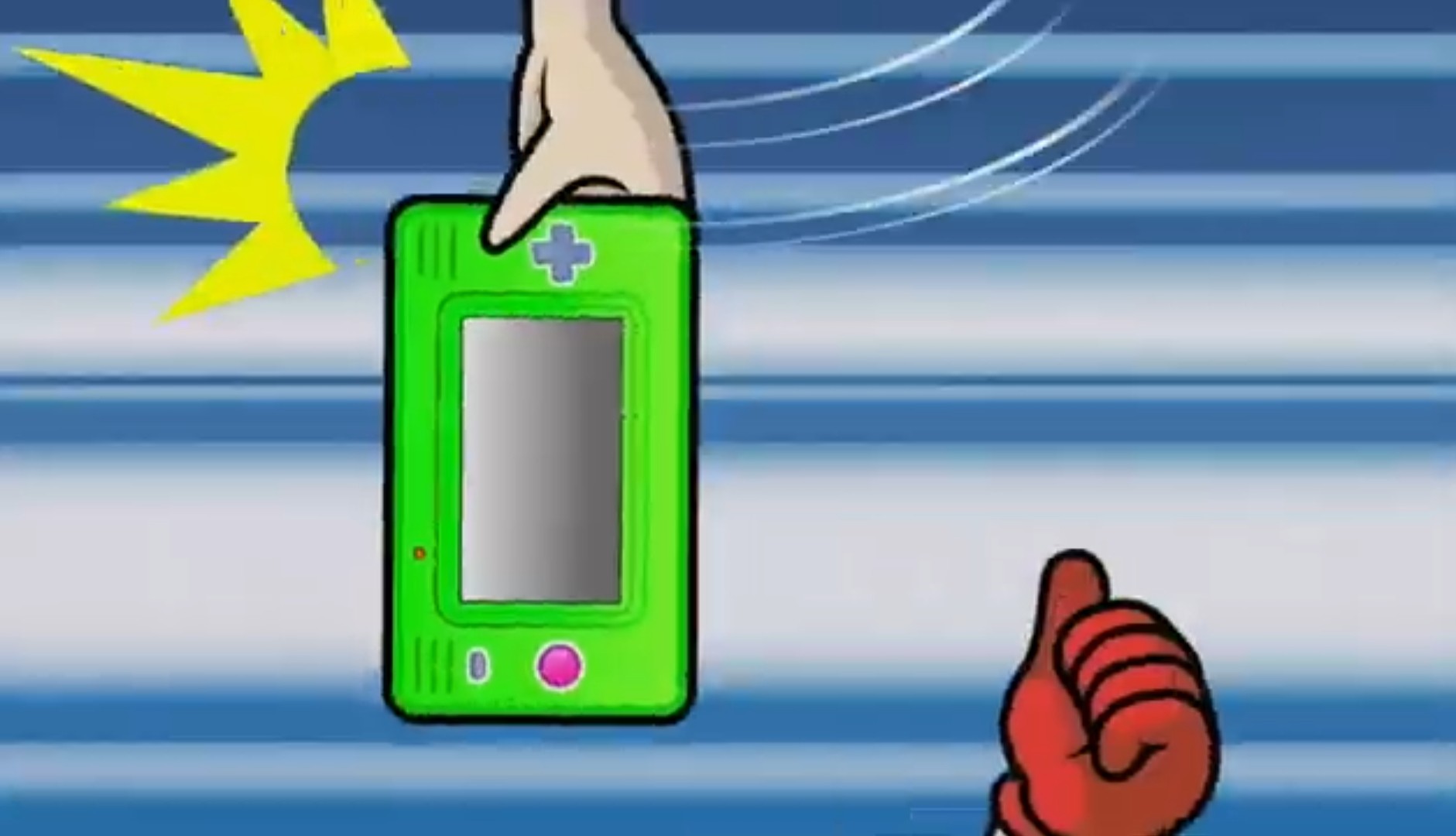
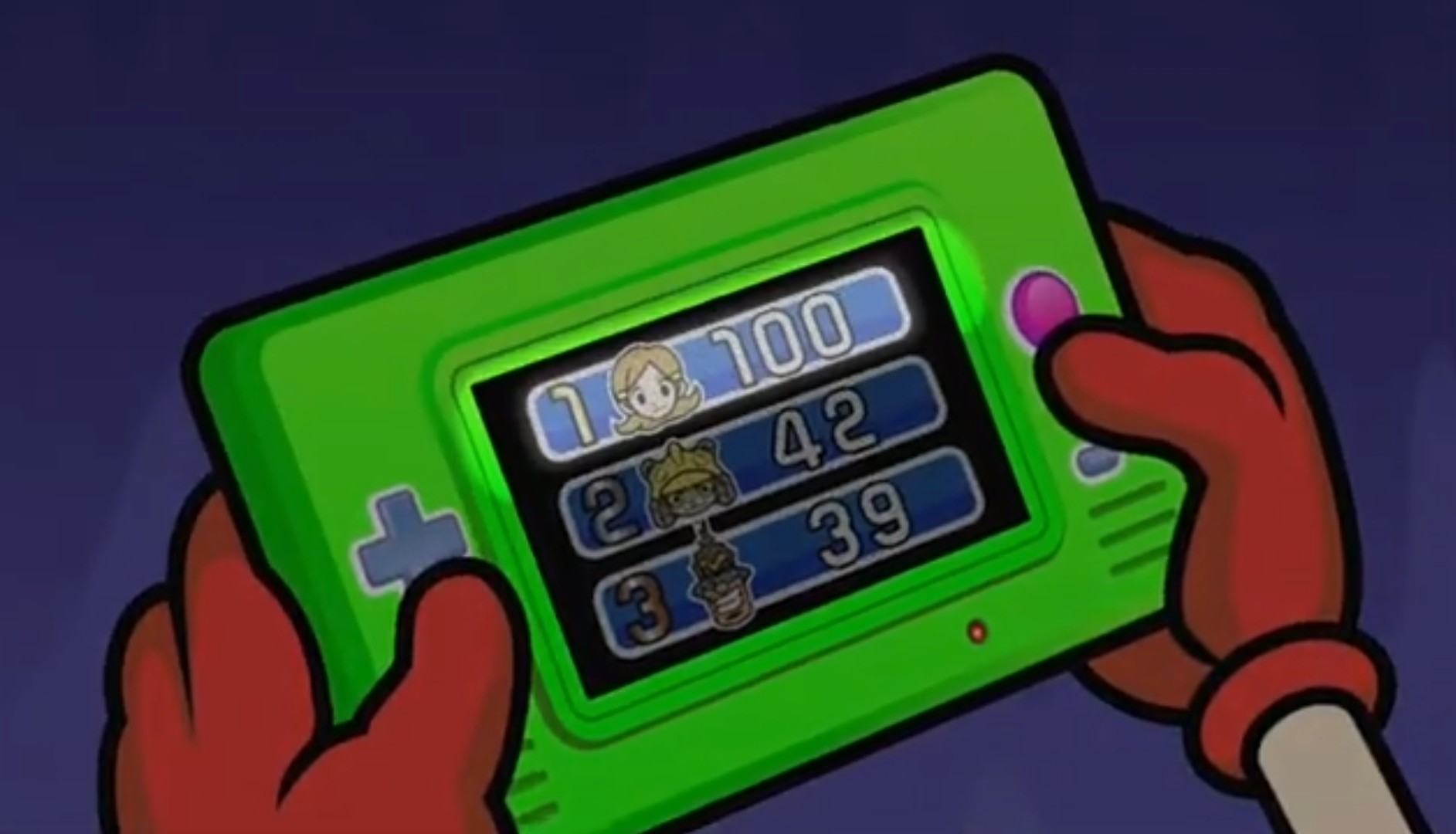
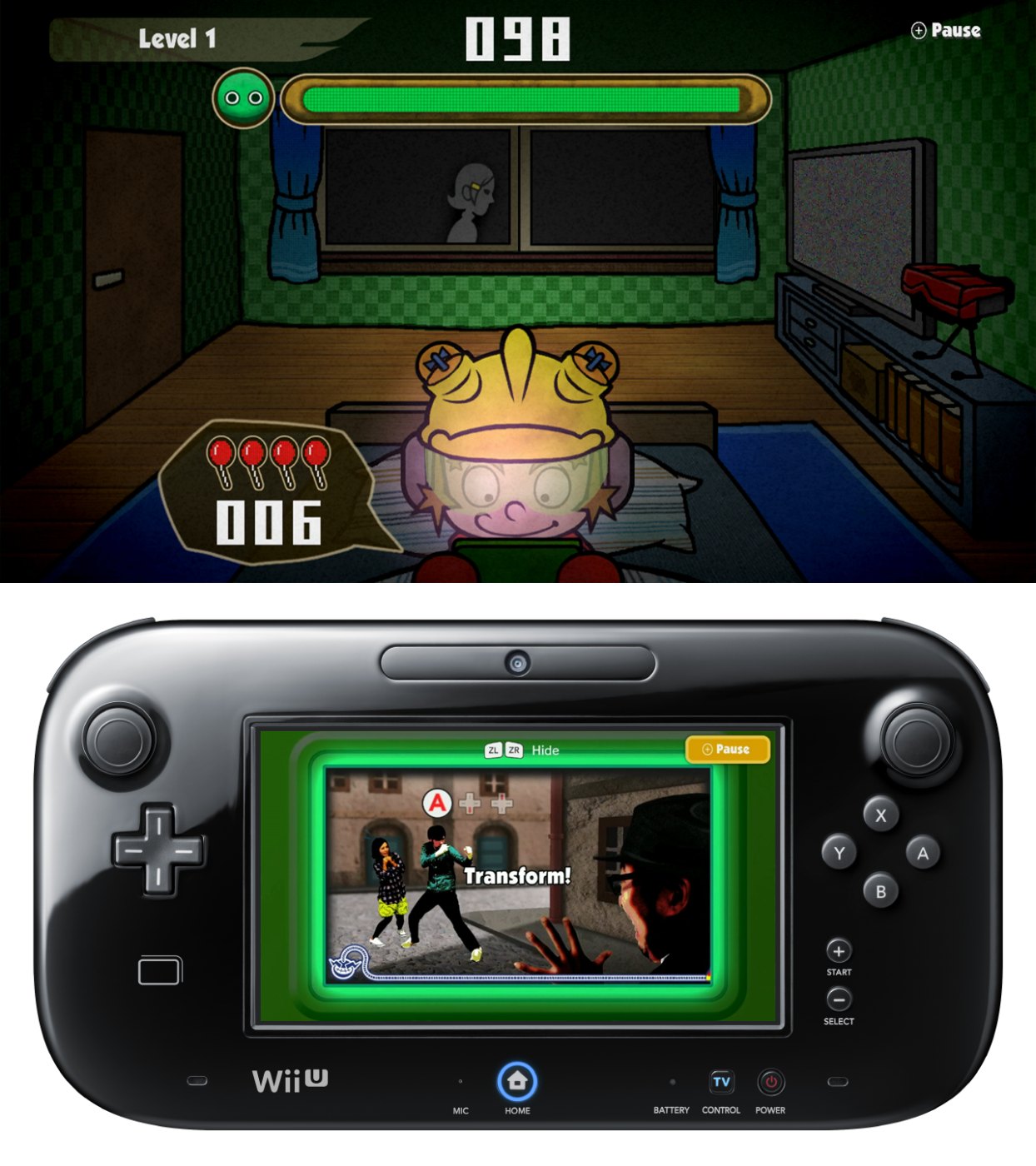
9-Volt beats 18-Volt’s high score, 5-Volt confiscates the console and sends them to do their homework, and when she hands it back the boys find that she has beaten both their scores. Gamer is the one game here built on microgames: 9-Volt plays them on the GamePad while on the TV you watch the door for his mum. Press ZL or ZR to pause and hide the game when she is about to come in, but do not let 9-Volt nod off or fail too many games. It has 22 microgames, according to Iwata Asks; Super Mario Wiki notes that two of them, Gold Digger and Sole Man, are remade from the first WarioWare.
5-Volt confiscates the console.Mum’s high score.Gamer on the TV and the GamePad.
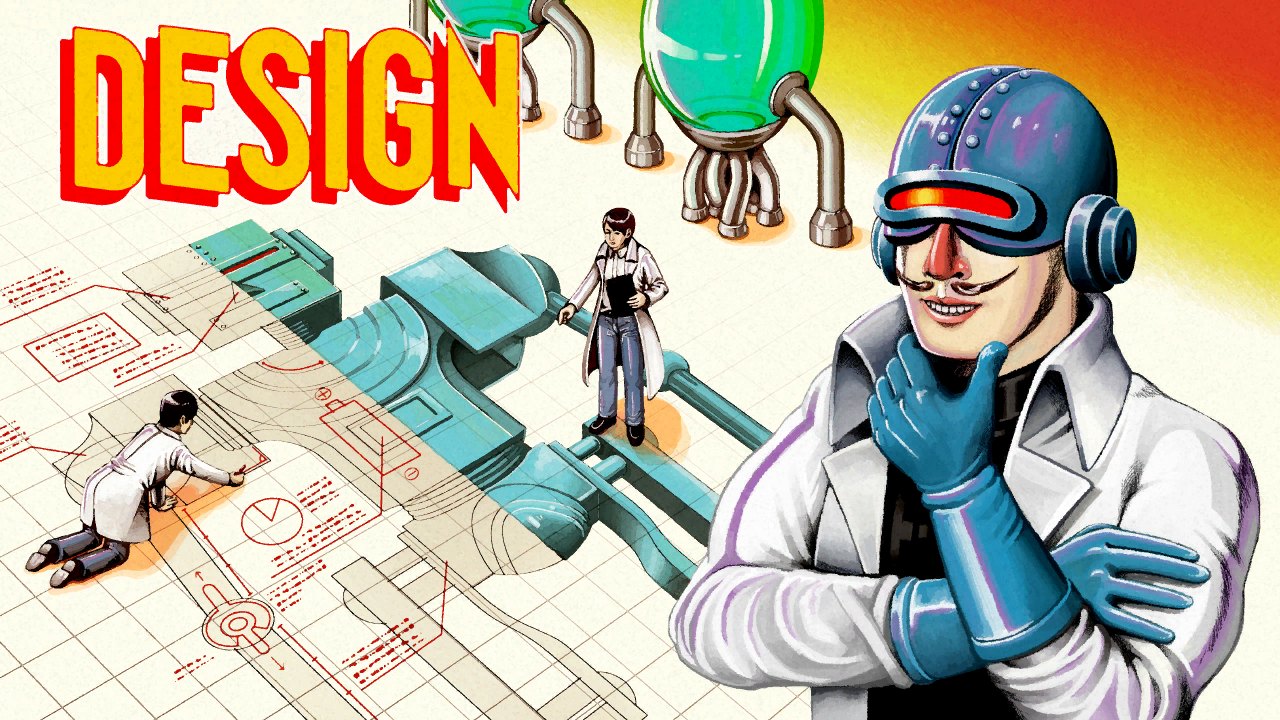
Dr. Crygor: Design
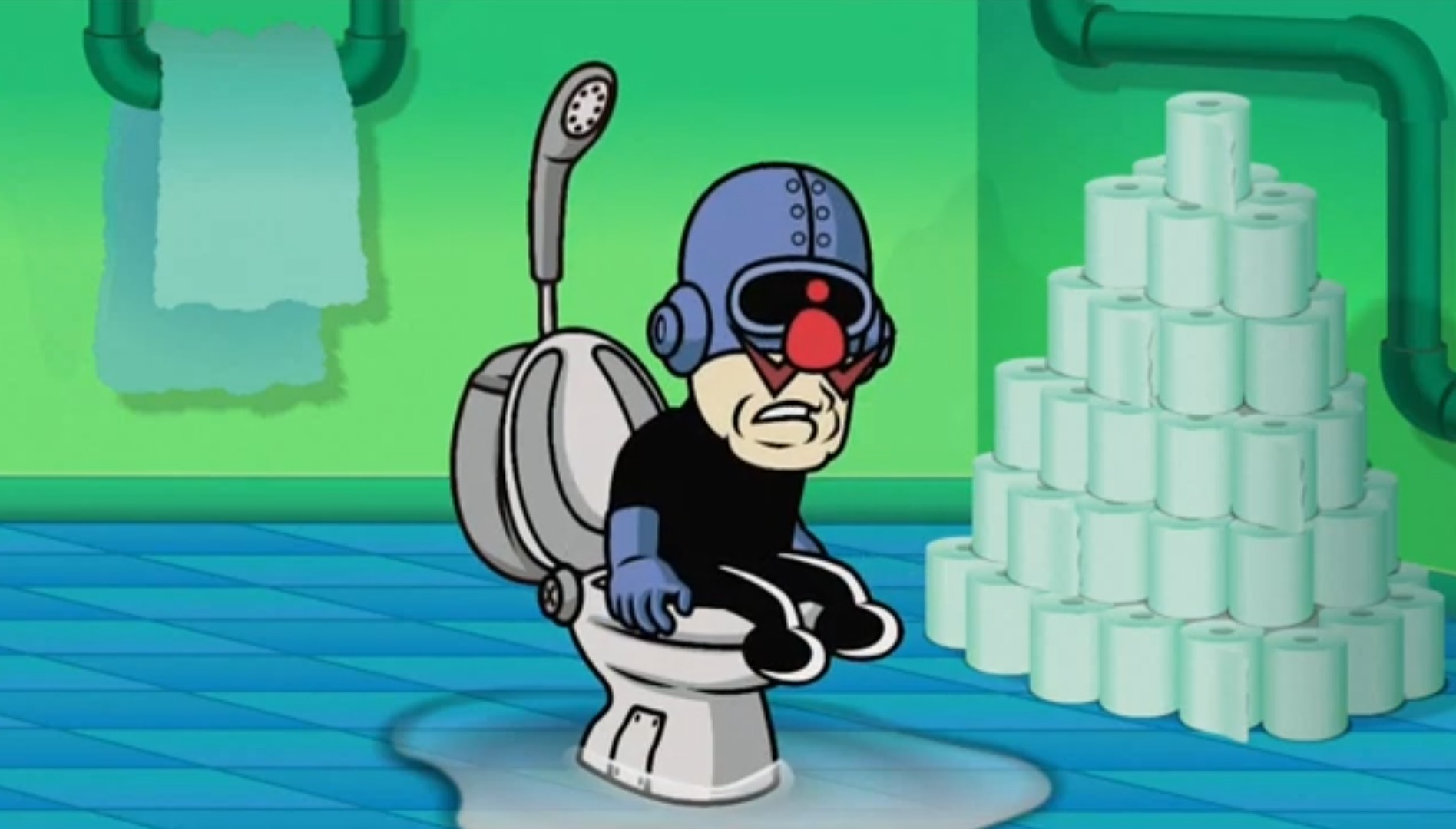
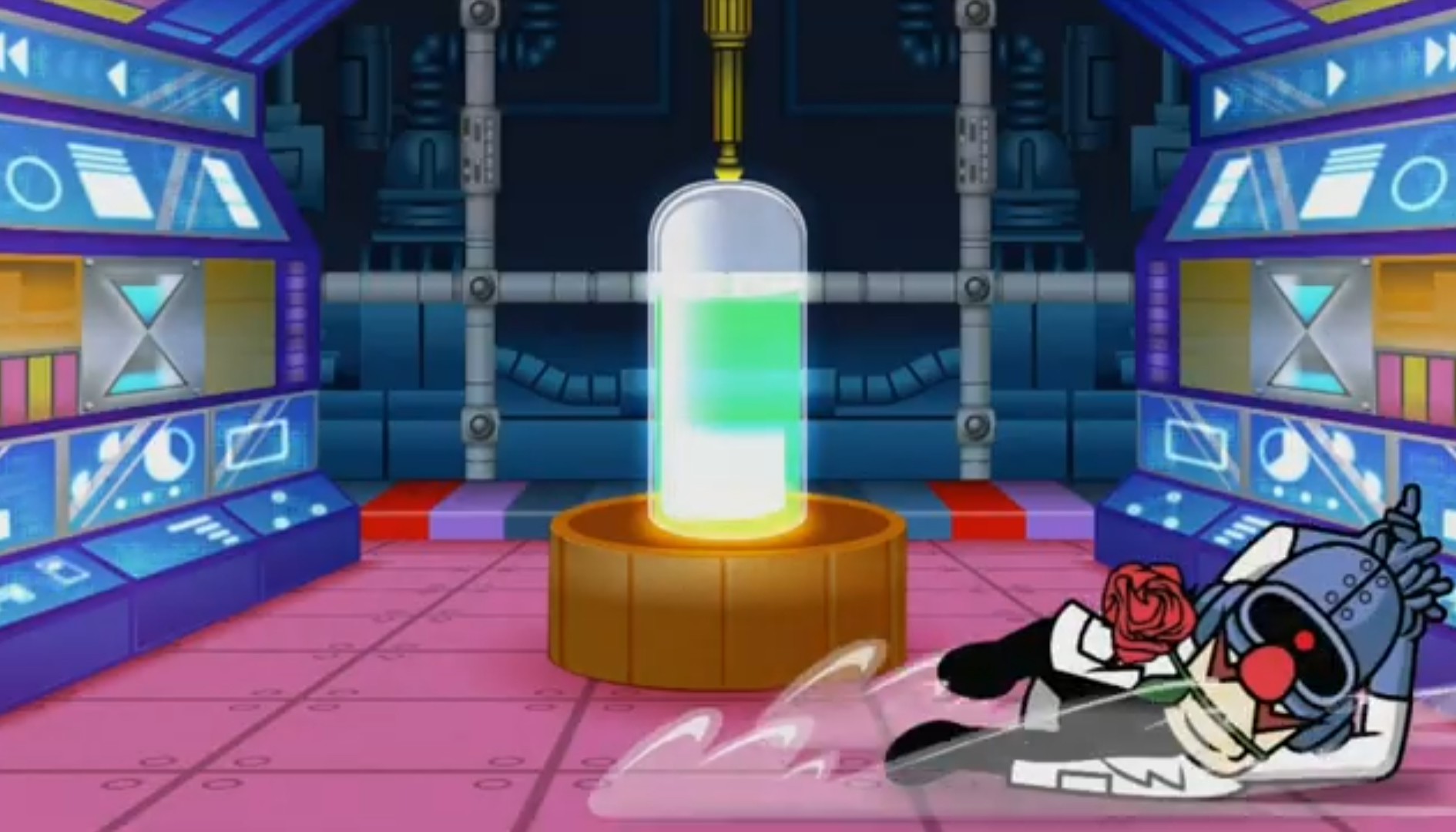
Crygor wakes up with stomach ache, gets stuck in his own toilet, flushes himself out with the automatic setting and slides through his lab’s pipes to arrive, rose in hand, in his laboratory. Design is a drawing test: look at the shape and length you are asked for, then draw it on the GamePad as accurately as you can to help build a robot, in a normal mode or a one-stroke mode, alone or with a second player.
Dr. Crygor’s lab.Stuck in the toilet.Welcome to Dr. Crygor’s lab.
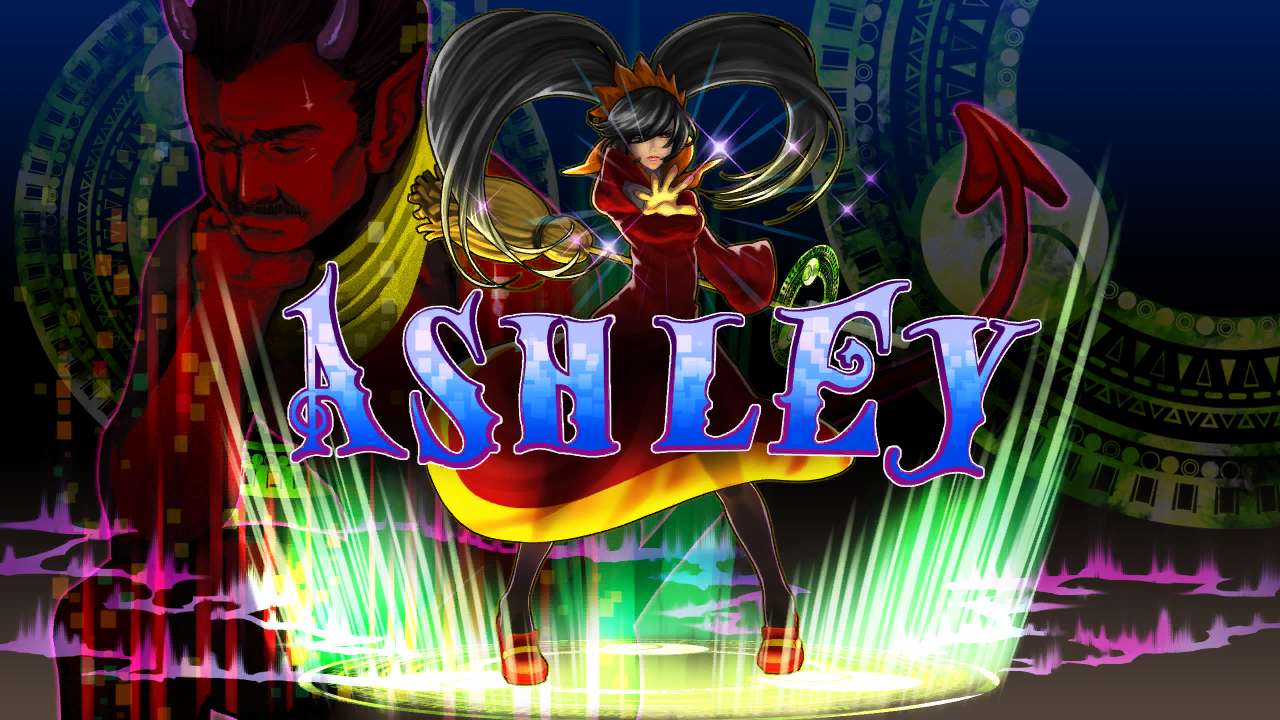
Ashley & Red: Ashley
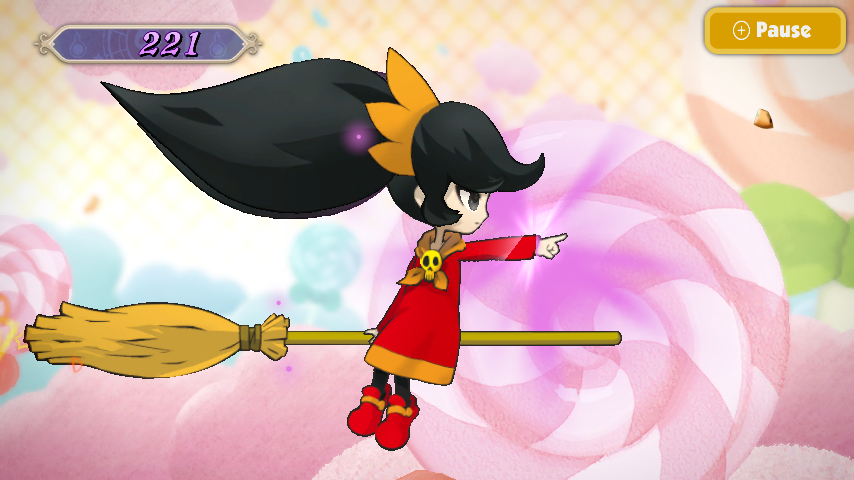
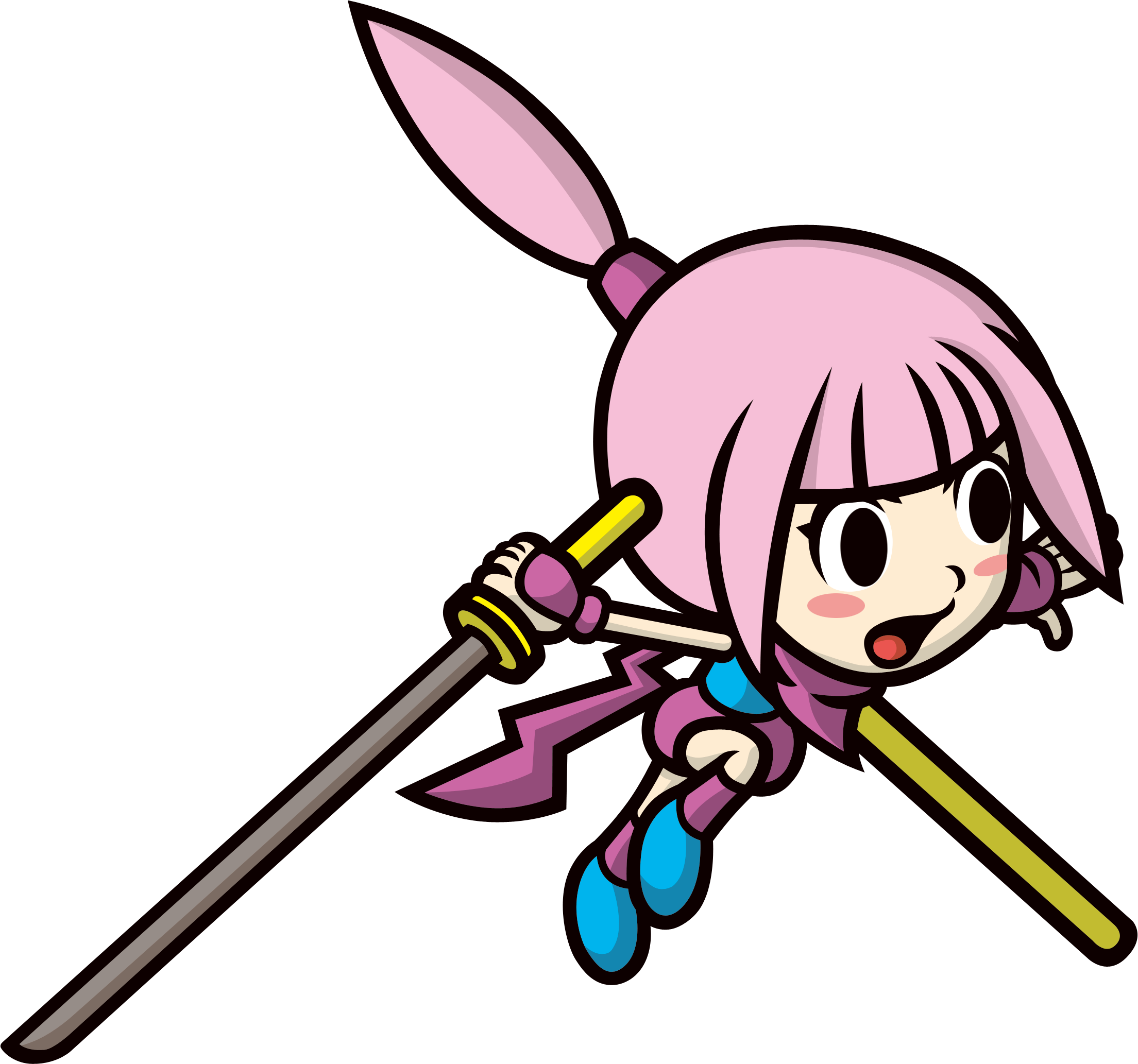
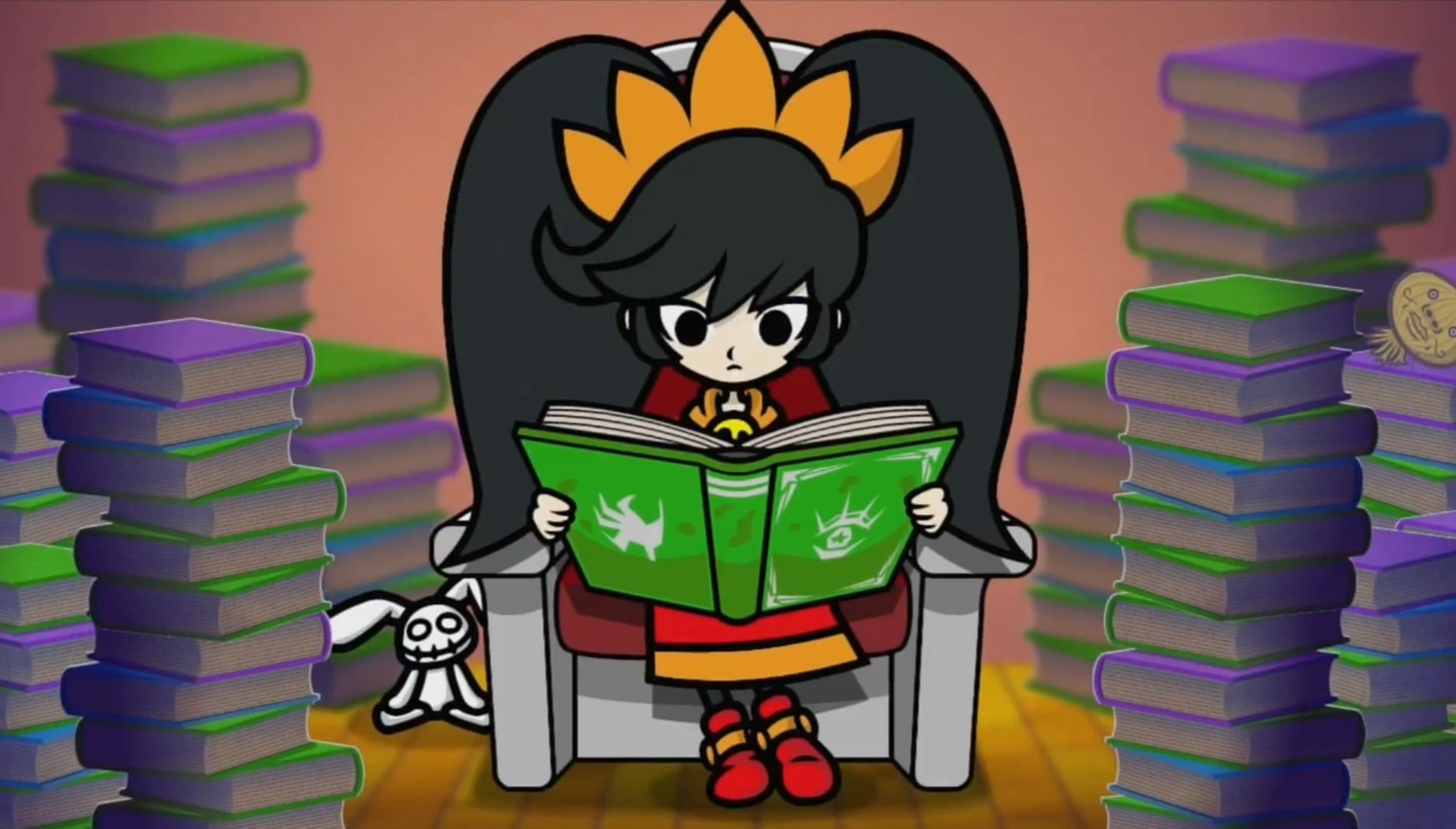
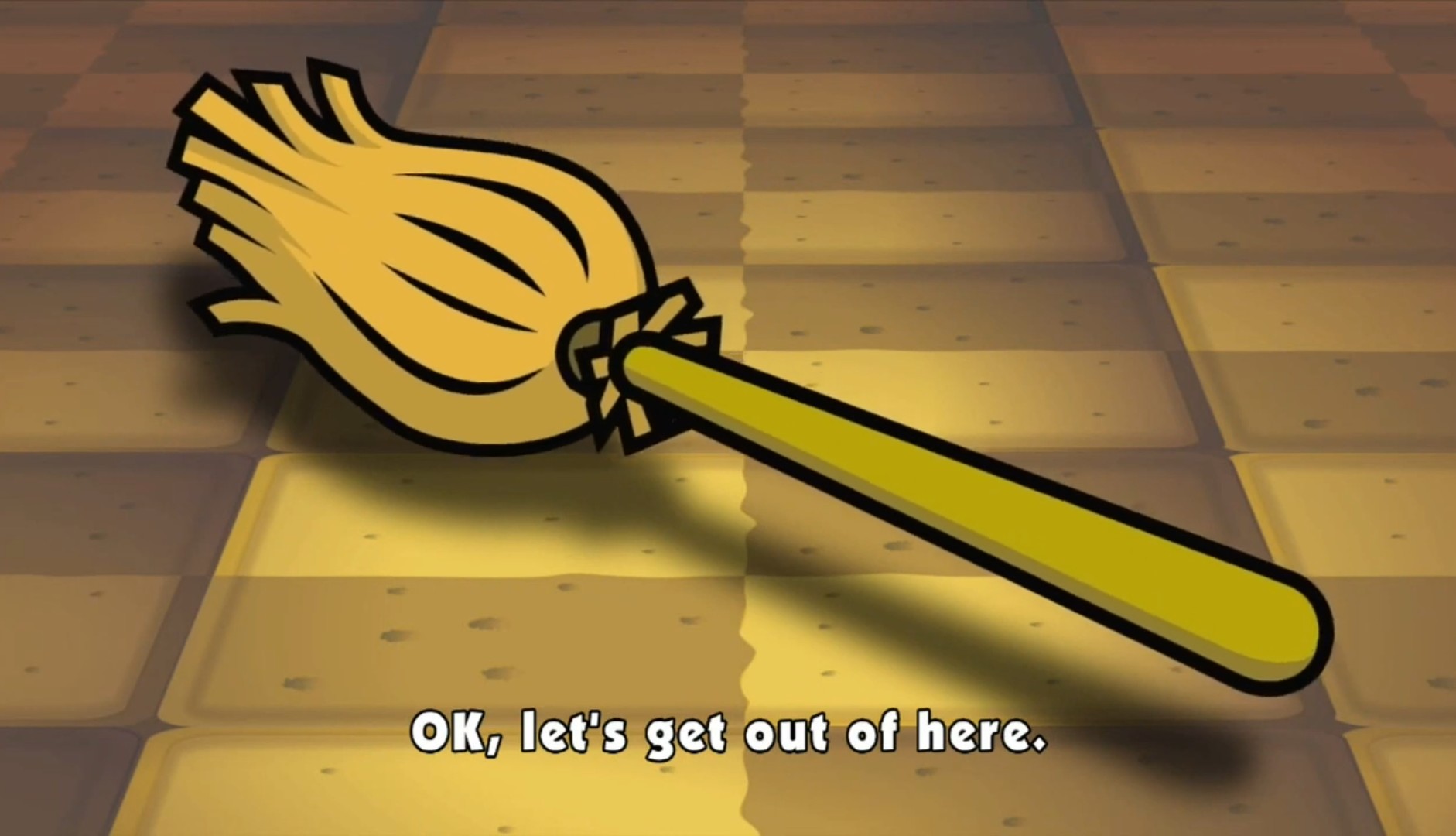
Ashley wants to visit the dark world in her spell book, but a gust of wind turns the page and her spell drops her and Red into a world made of desserts instead. Red, who has been a wand and an umbrella already, becomes a broom and they fly off. In the game Ashley rides Red through the sweet world, shooting at targets and collecting sweets with the GamePad.
Ashley and her book.Welcome to the dessert world.Red becomes a broom.
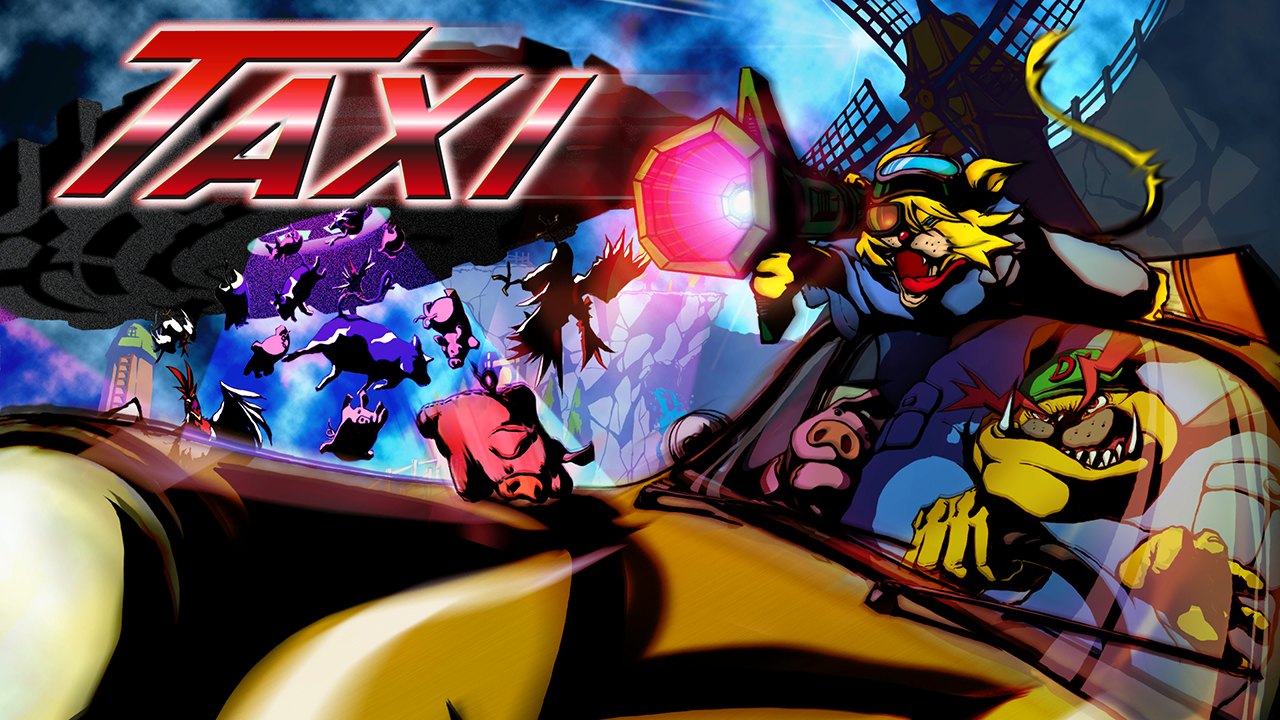
Dribble & Spitz: Taxi
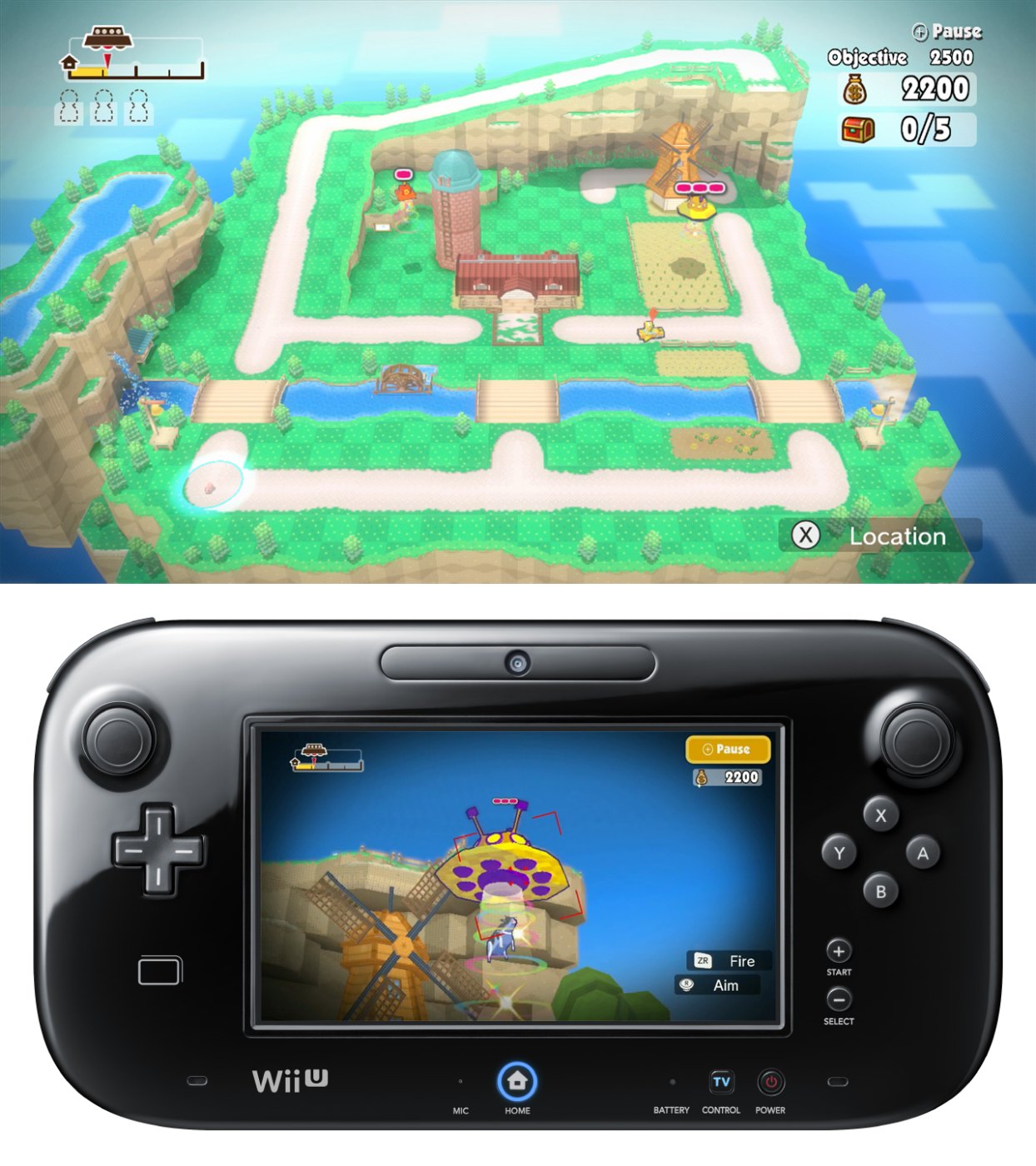
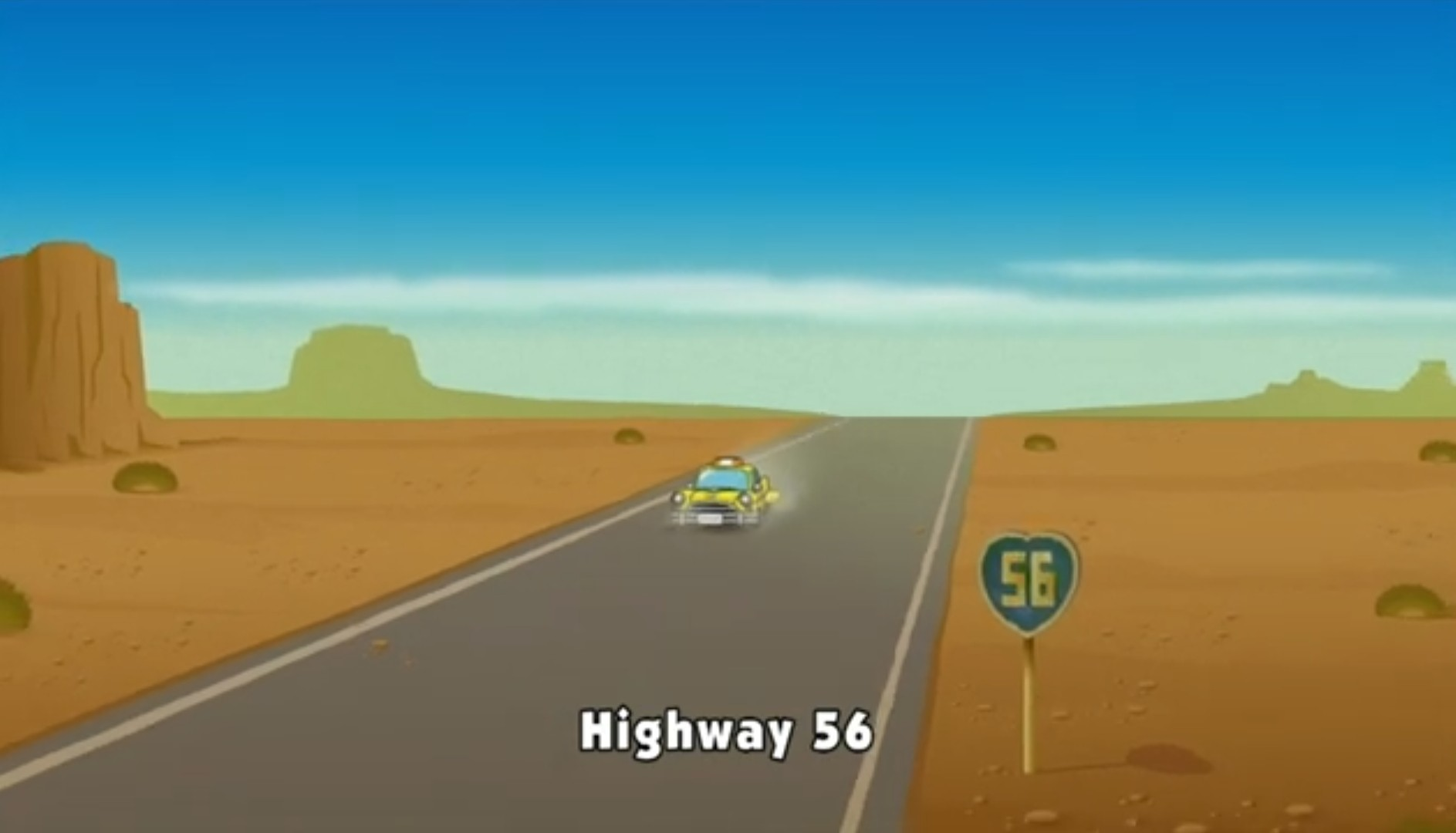
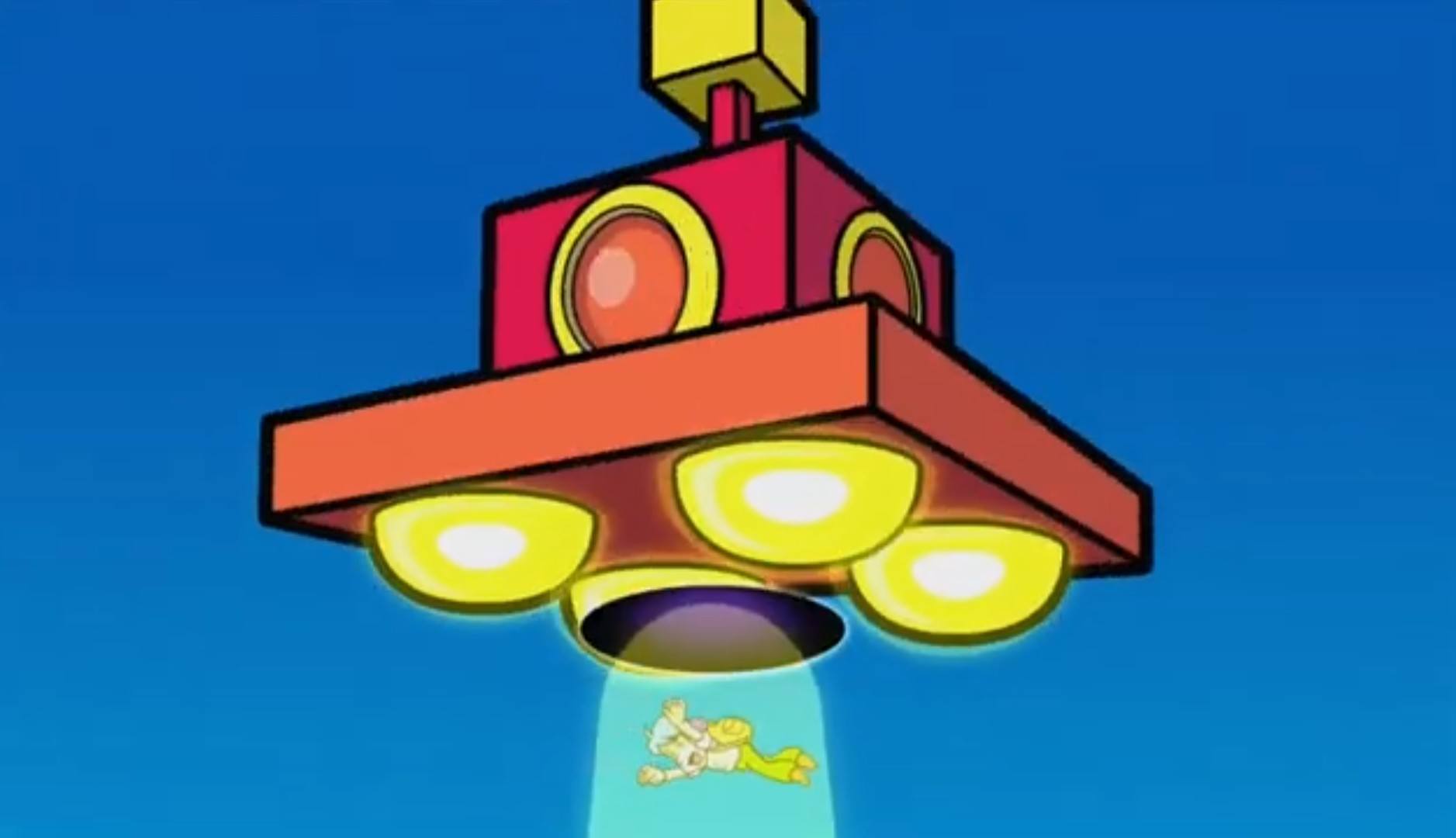
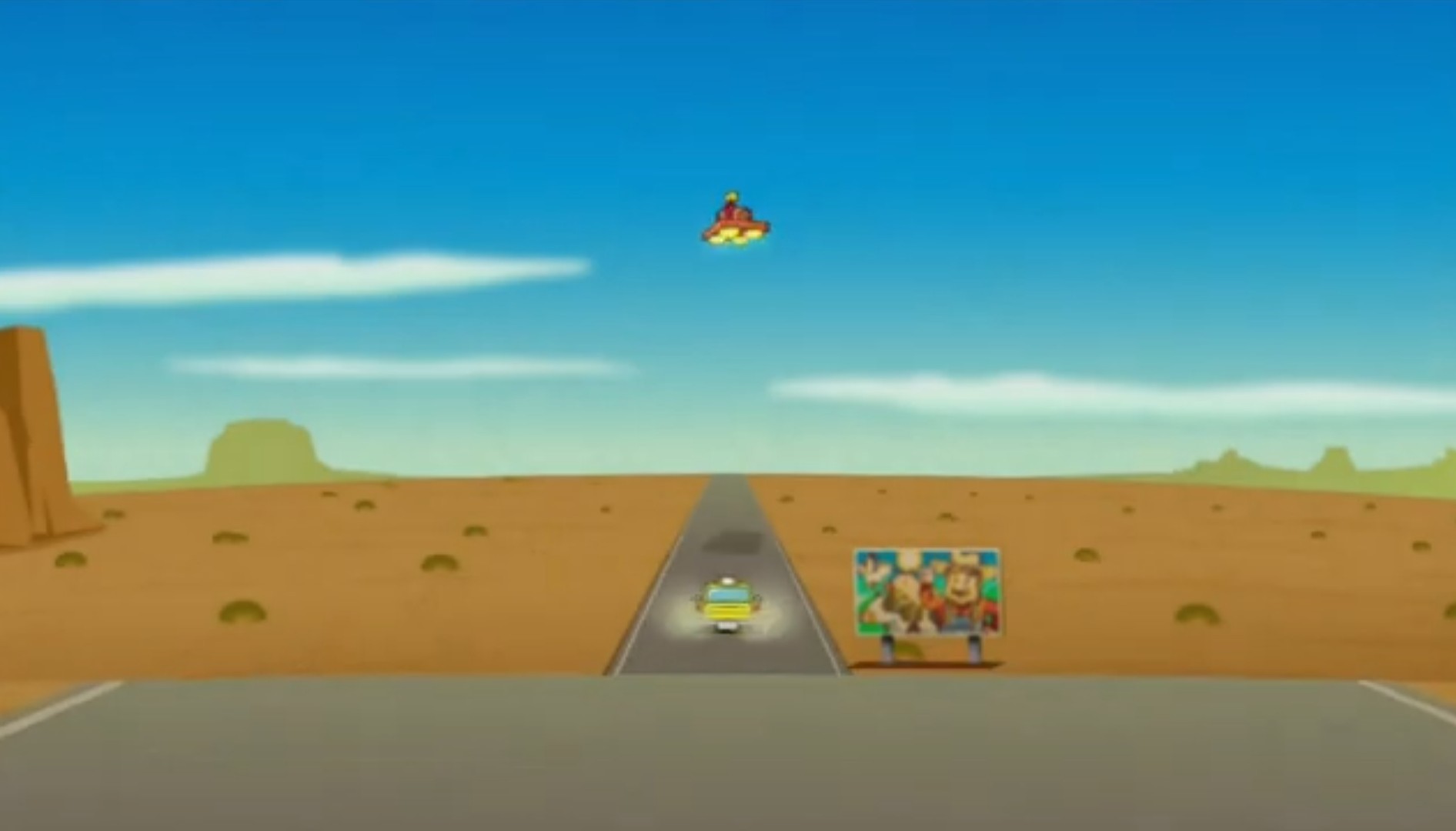
On Highway 56 a UFO beams up the hitch-hiker Dribble and Spitz were about to pick up. Spitz pops through the roof with a laser gun, the UFO giggles at him, and the cab gives chase. You drive with the GamePad and aim its bazooka at the UFOs, with the TV showing an overhead map, rescuing passengers and getting them to their destinations.
Highway 56.The UFO takes the hitch-hiker.Taxi versus UFO.
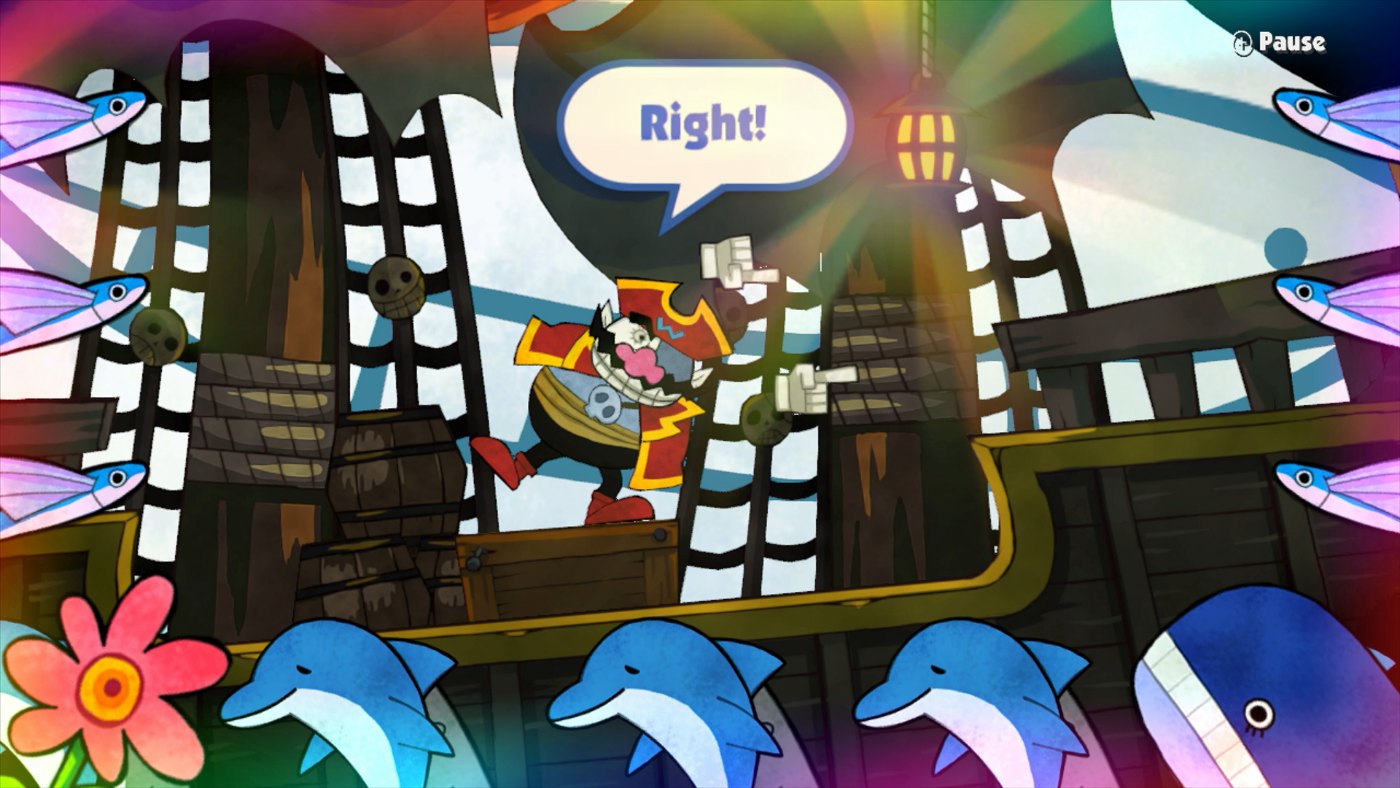
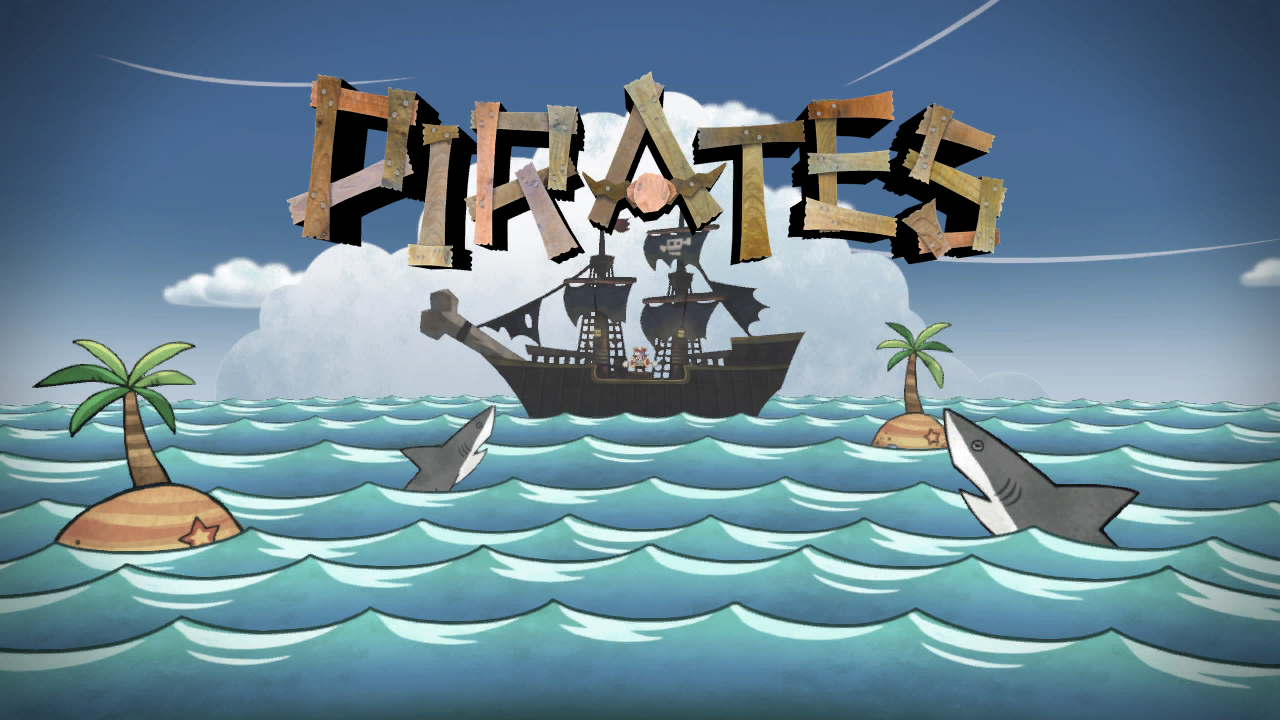
Captain Wario: Pirates
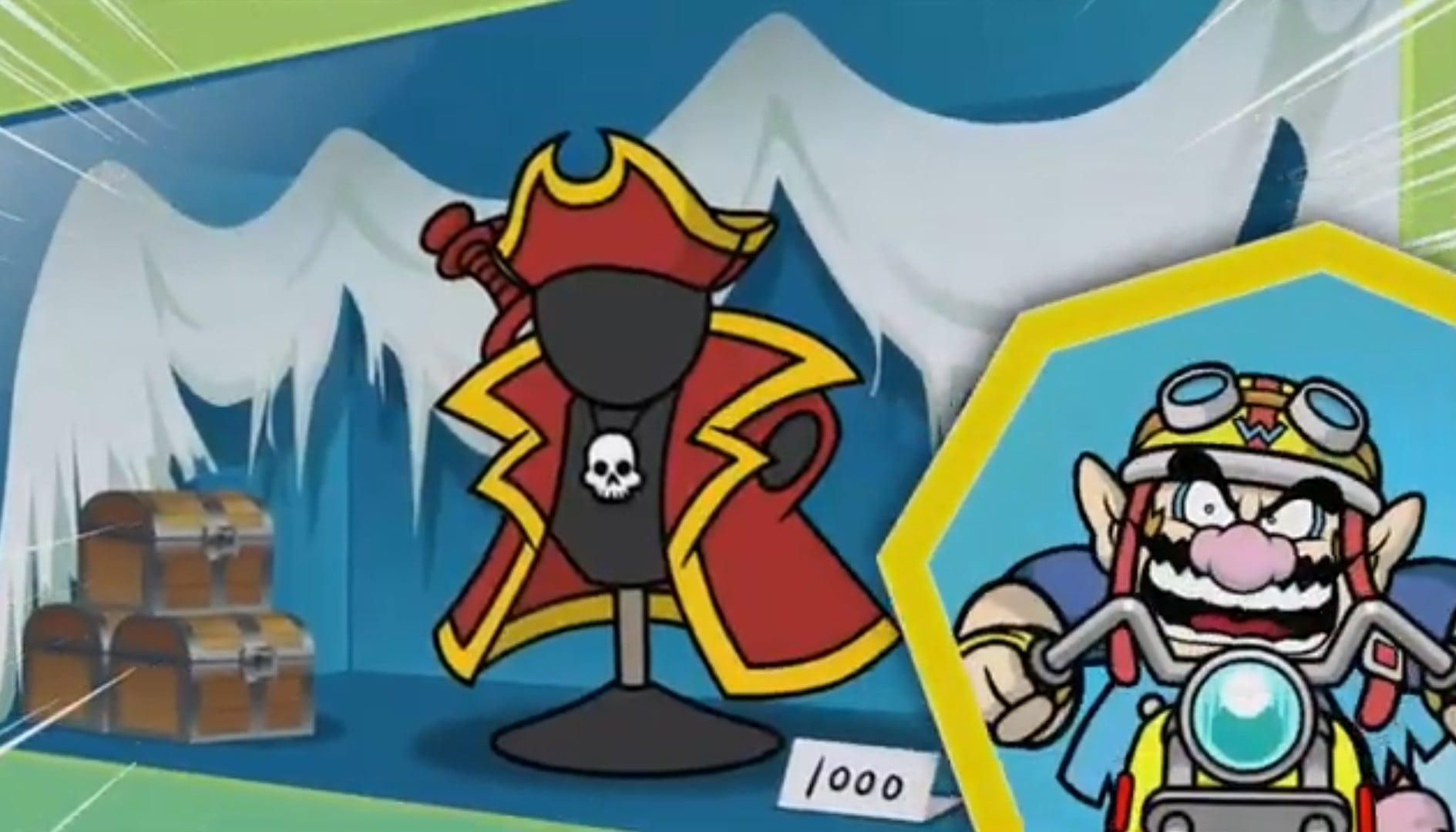
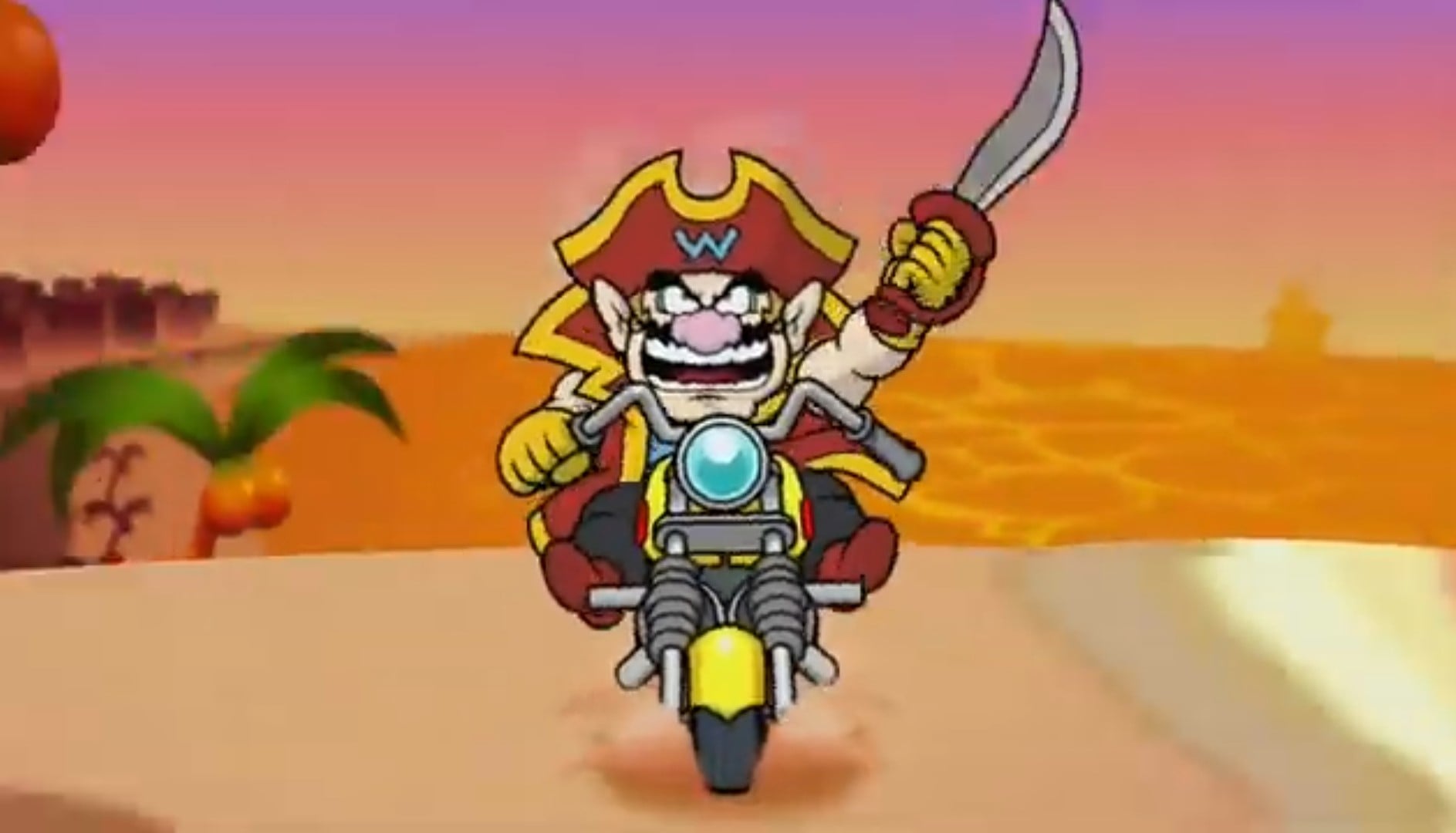
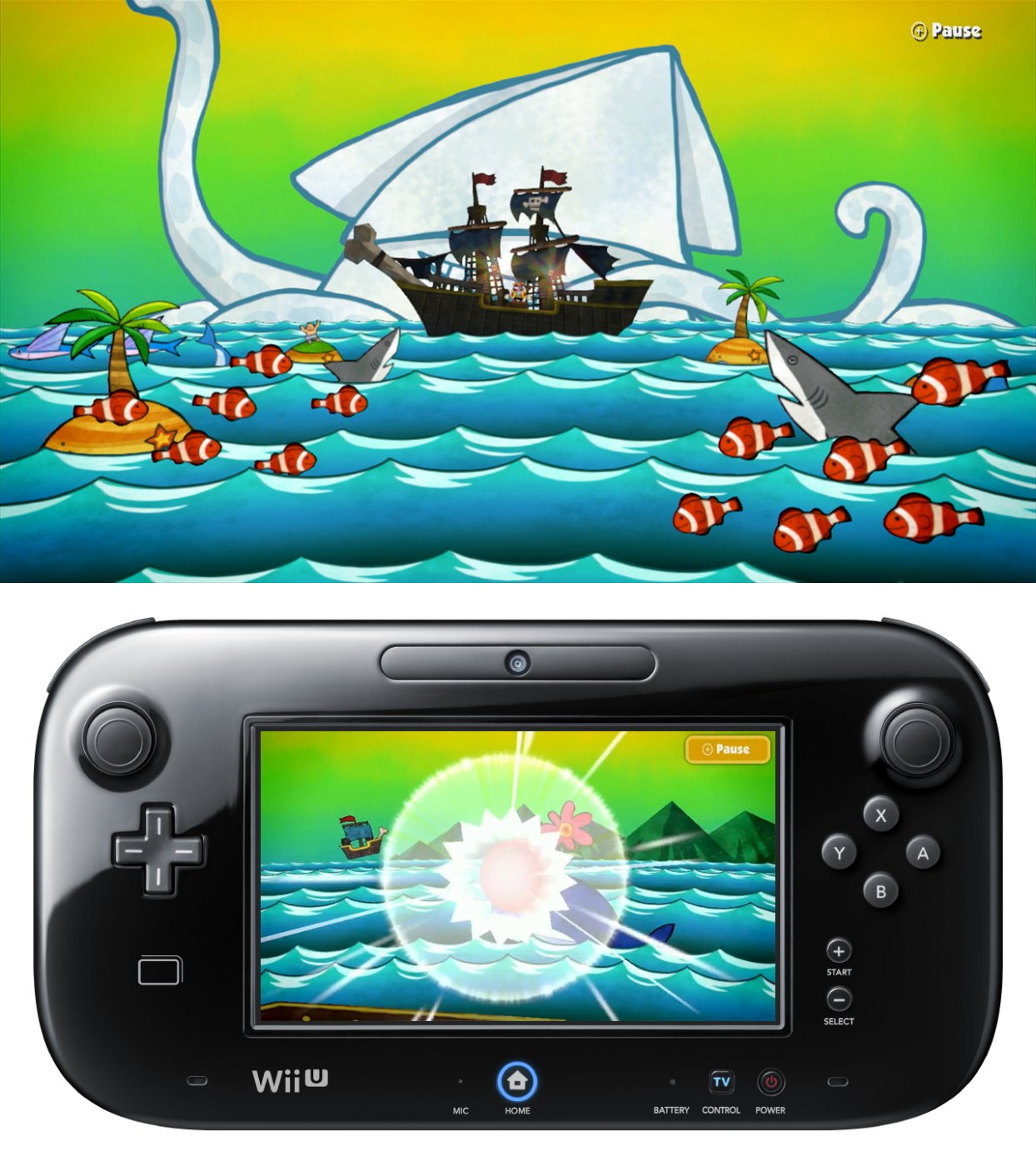
Bored, Wario takes the Wario Bike for a spin round Diamond City, spots a pirate costume and becomes Captain Wario. Pirates is the game that convinced Sakamoto: a rhythm game in which Captain Wario calls out directions and you move the GamePad the way he calls, in time to the music, to block his crew’s arrows, then dance along. It grew out of an E3 2011 prototype called Shield Pose.
Wario finds a pirate costume.Captain Wario is born.Pirates on the TV and GamePad.
The ending: Toy Express and Club Sugar
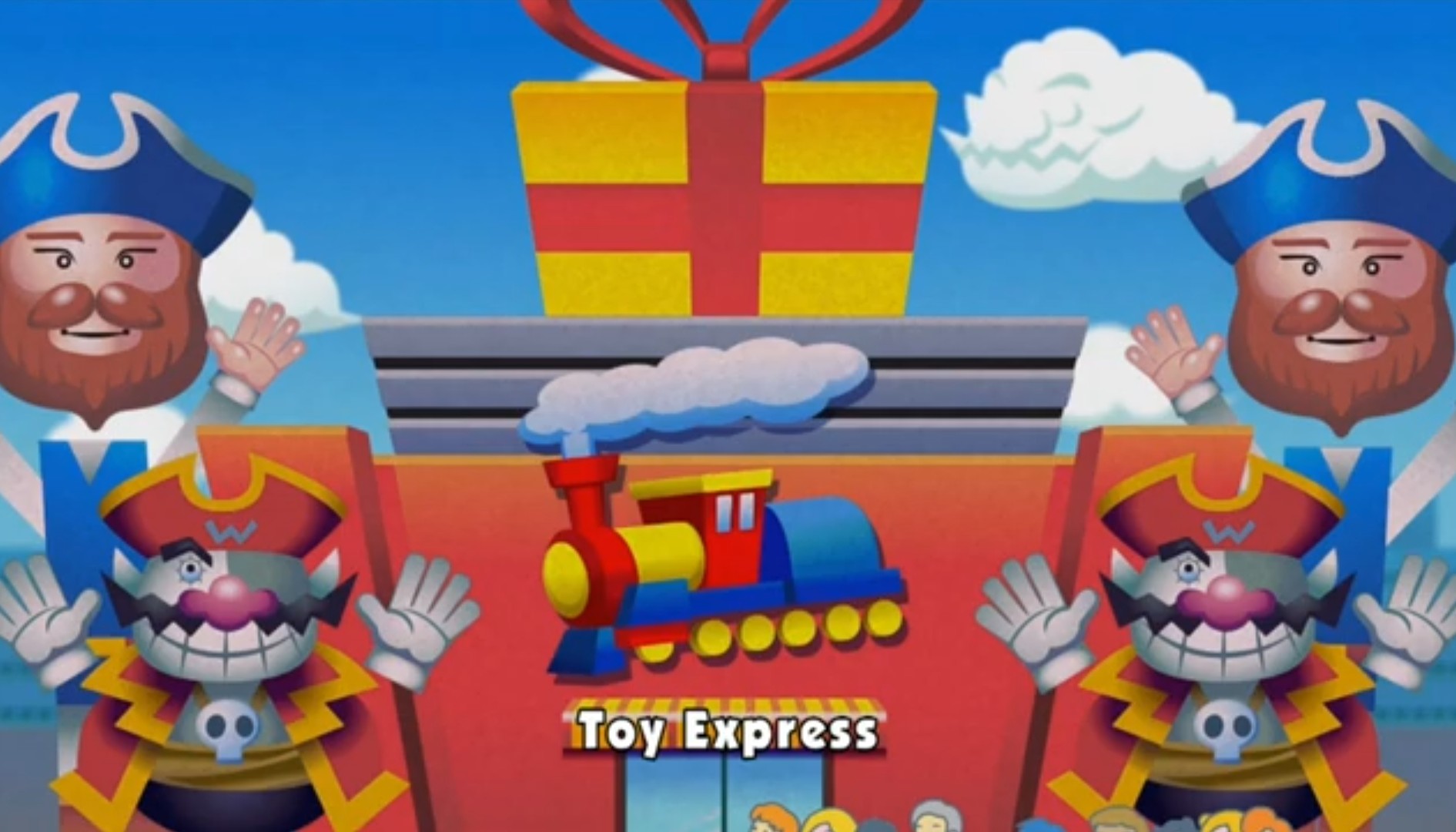
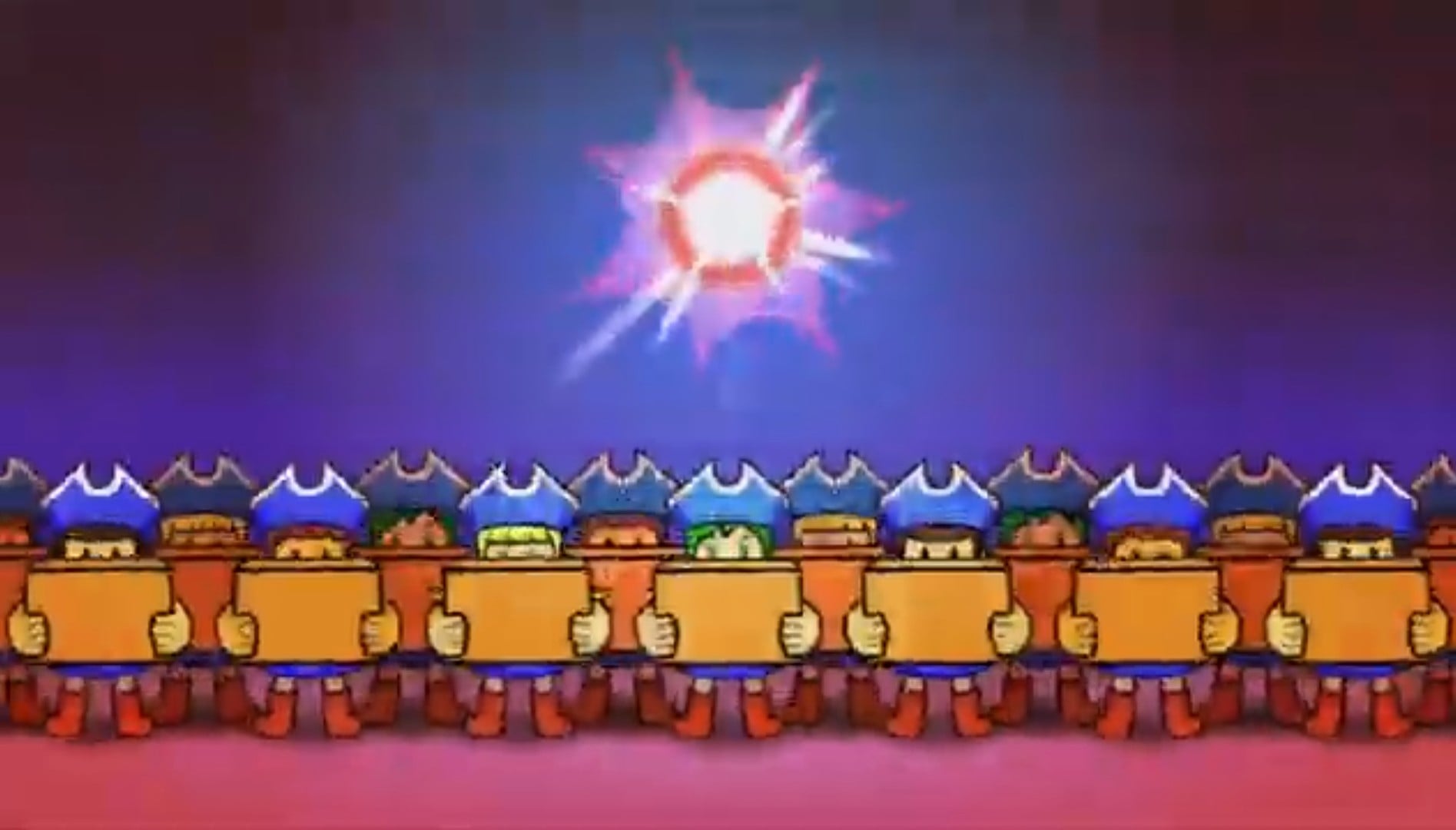
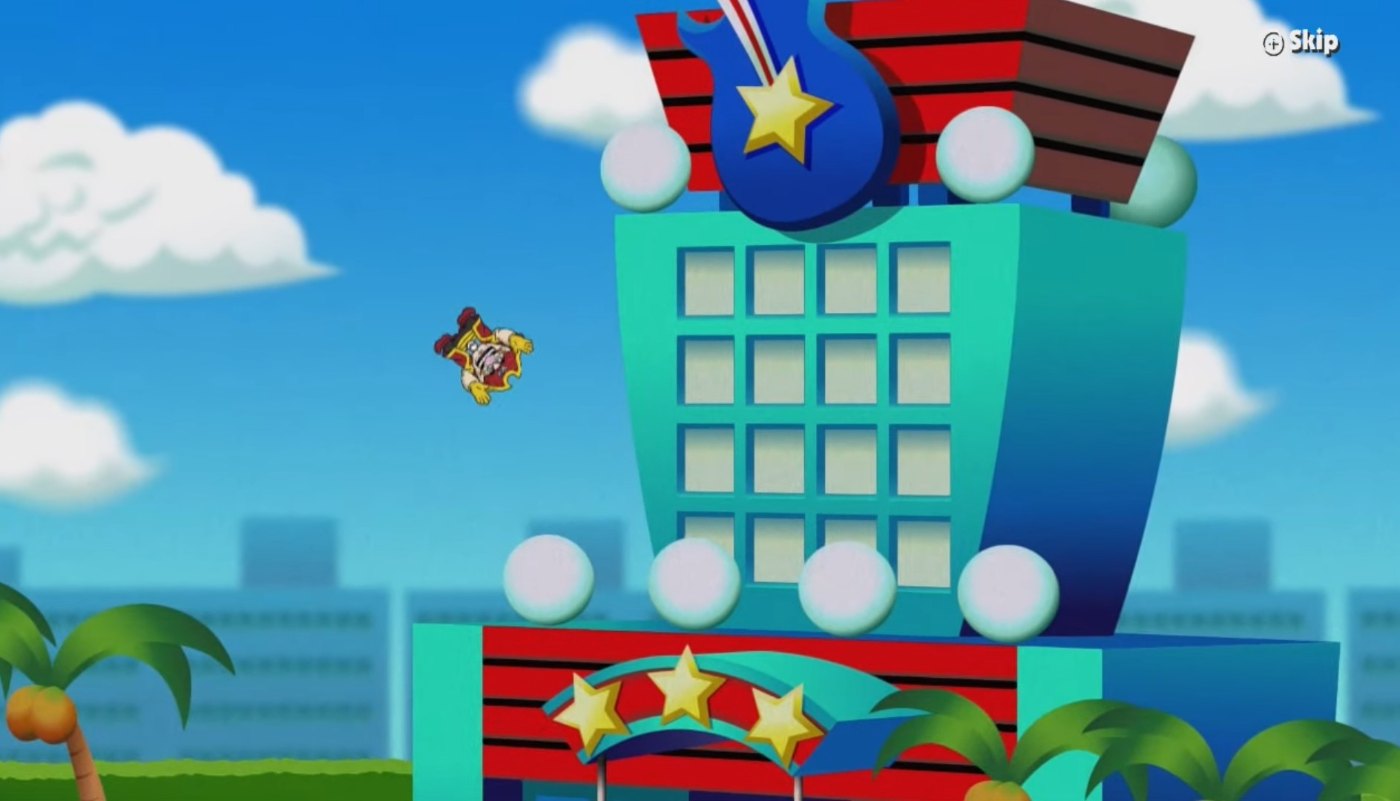
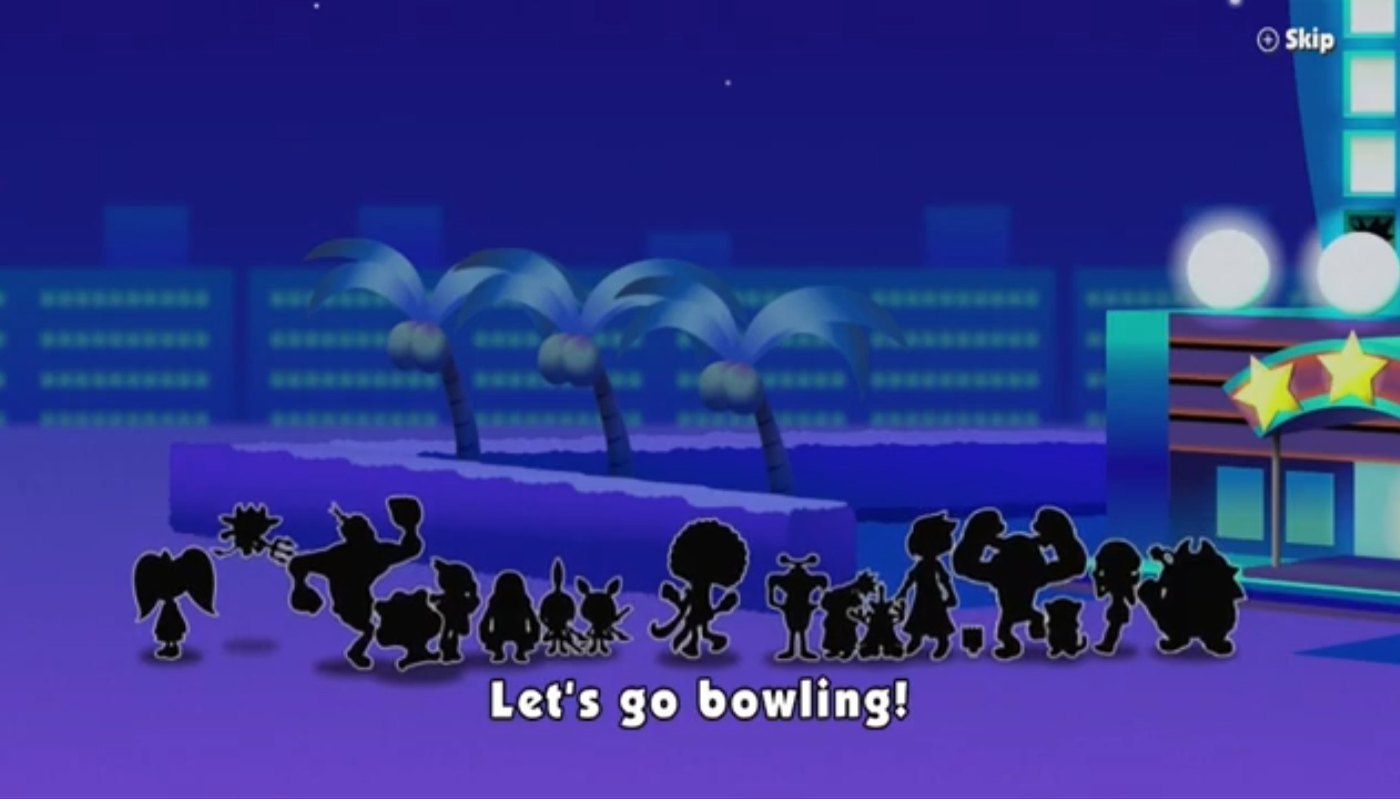
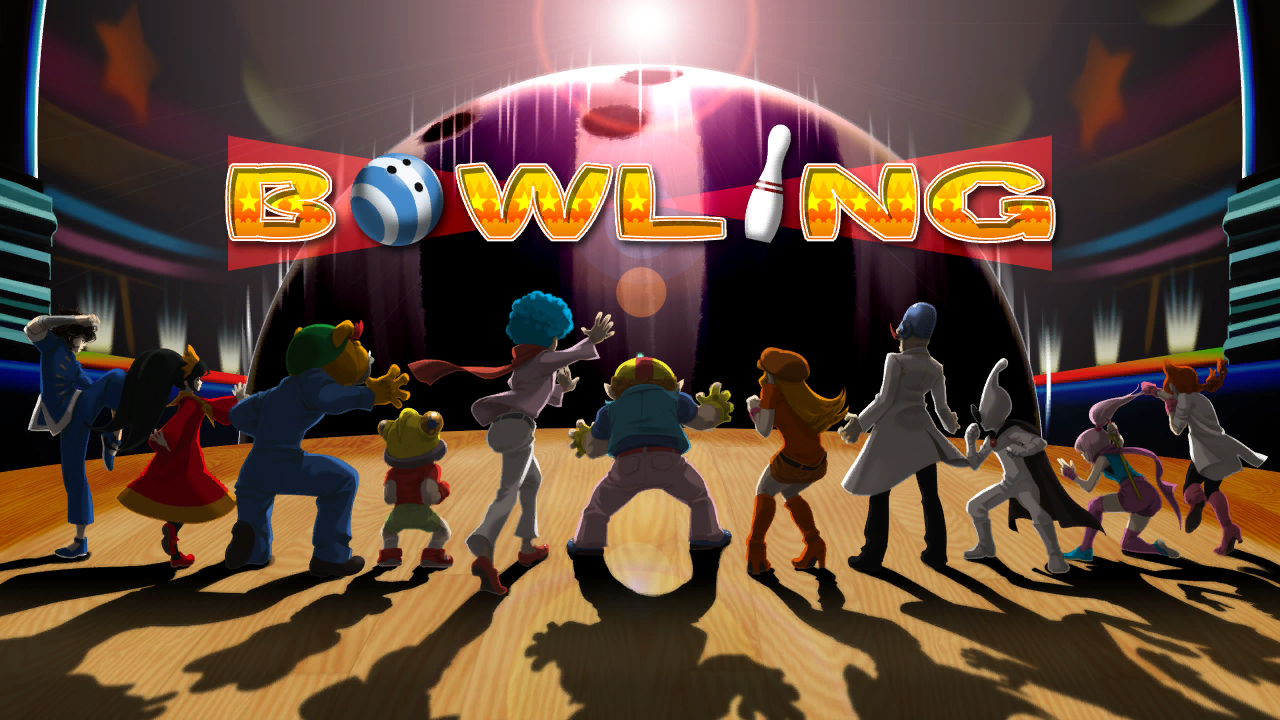
Pirates becomes a hit, and at Toy Express Reporter John covers the crowds. Captain Wario barges into the broadcast to take the credit, but the fans mistake him for the game’s villain and dance up a giant energy ball with their game pads that blasts him across the city and through the window of Club Sugar, where his staff are dancing. Jimmy T sums it up – crashing the party is typical Wario – and suggests they all go bowling. Bowling, hosted by the whole cast, is the twelfth single-player game.
Toy Express.The fans strike back.Captain Wario crashes into Club Sugar.Let’s go bowling!
All 16 games in Game & Wario
Each card gives the host, the European name where it differs, and the number of players. Single-player games first, then the four multiplayer games, then Miiverse Sketch.
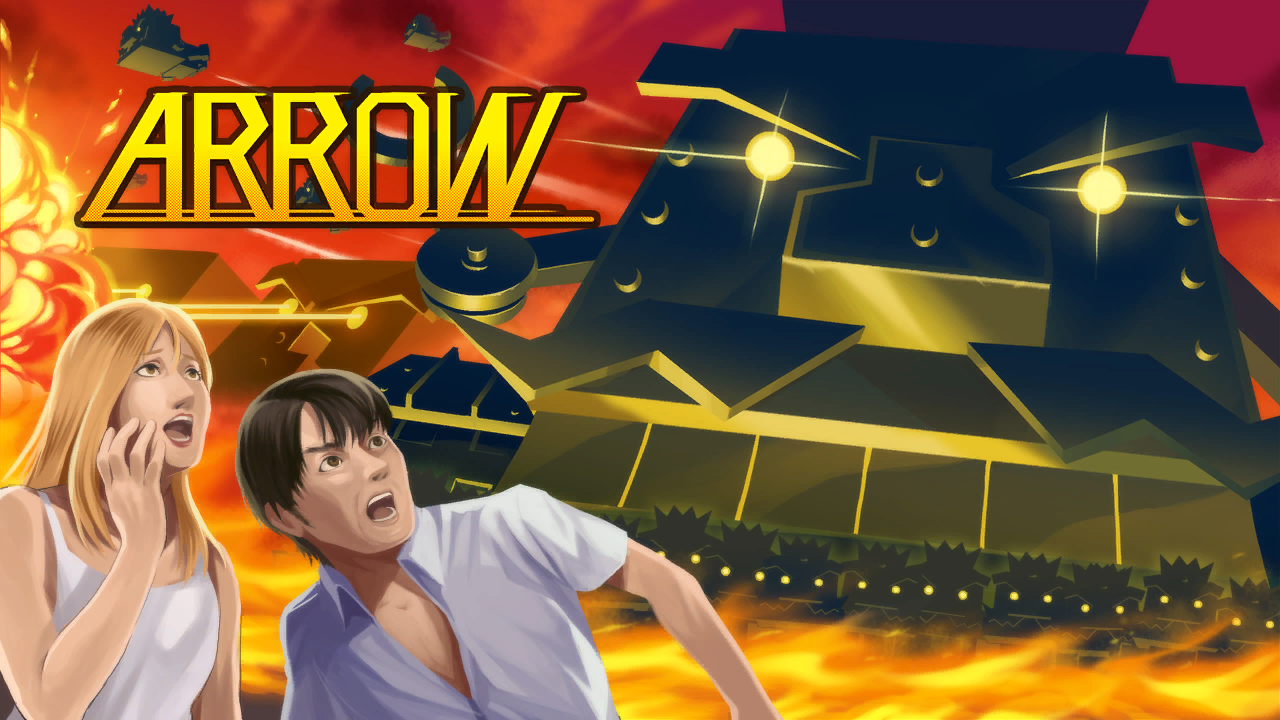
ArrowWario · 1 playerHold the GamePad up as a bow and shoot down robot Warios, with a MechaWario boss to face.
ShutterMona · 1 player · Camera in EuropeUse the GamePad as a camera lens to find and photograph targets.
SkiJimmy T · 1 playerTilt the upright GamePad to steer downhill.
PatchworkKat & Ana · 1 playerFit pieces of cloth together to make a picture.
Kung FuYoung Cricket & Master Mantis · 1 playerTilt to steer a bouncing Cricket from platform to platform.
Gamer9-Volt & 18-Volt · 1 playerMicrogames under the covers, with one eye on 5-Volt.
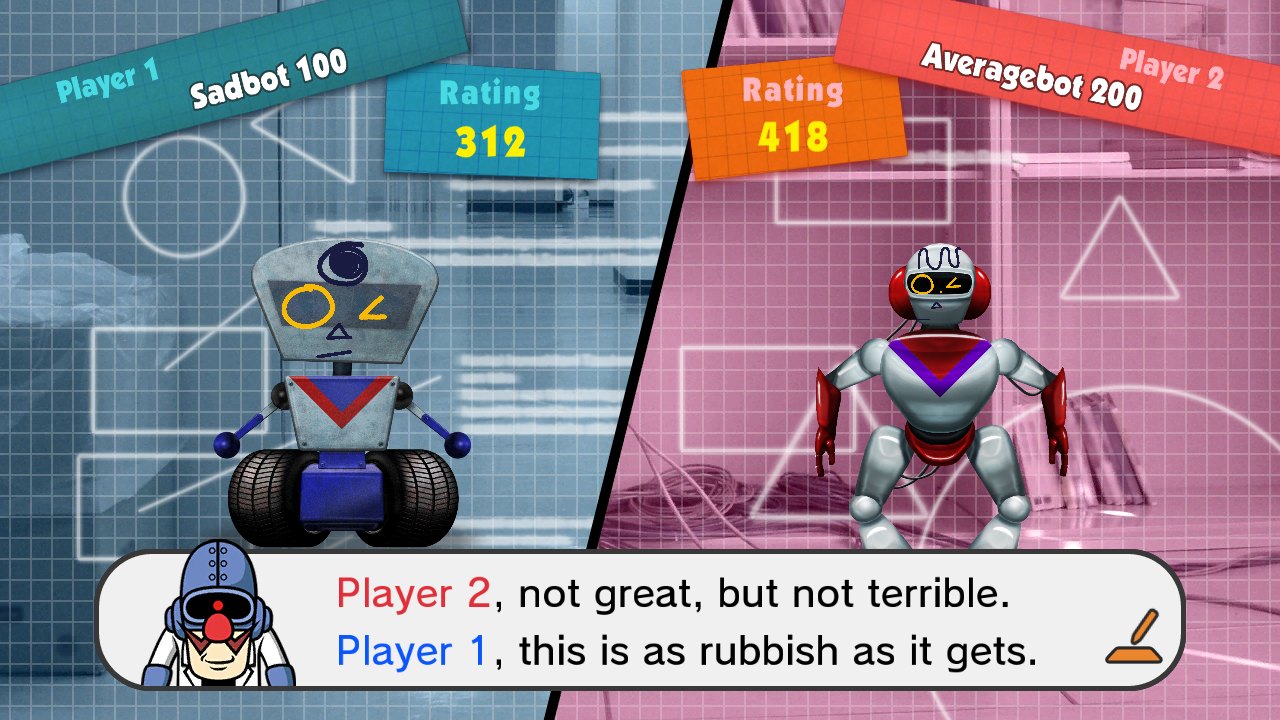
DesignDr. Crygor · 1–2 playersDraw shapes and lines to exact measurements.
AshleyAshley & Red · 1 playerA broomstick shooter through a world of sweets.
TaxiDribble & Spitz · 1 playerDrive, shoot UFOs with a bazooka and deliver passengers.
PiratesCaptain Wario · 1 playerBlock arrows in time to the music; its completion unlocks the epilogue.
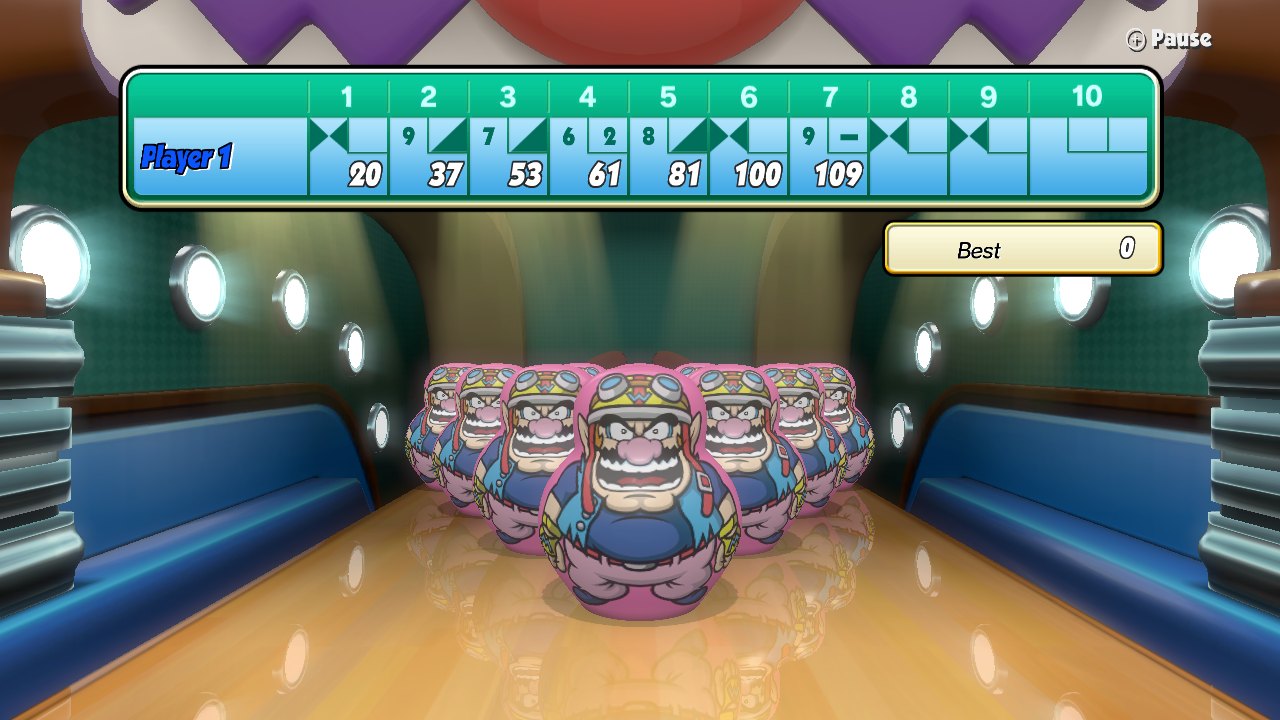
BowlingThe whole cast · 1–2 playersTurn the GamePad to aim; Challenge or Standard ten-frame games.
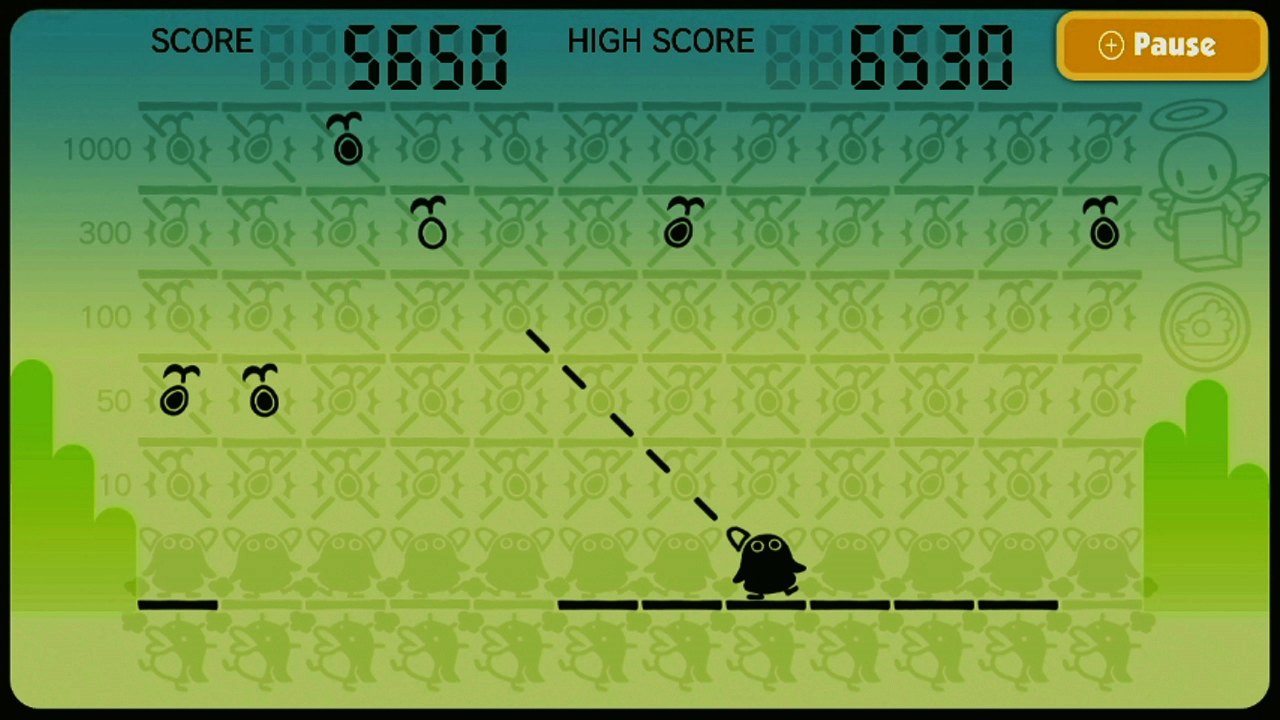
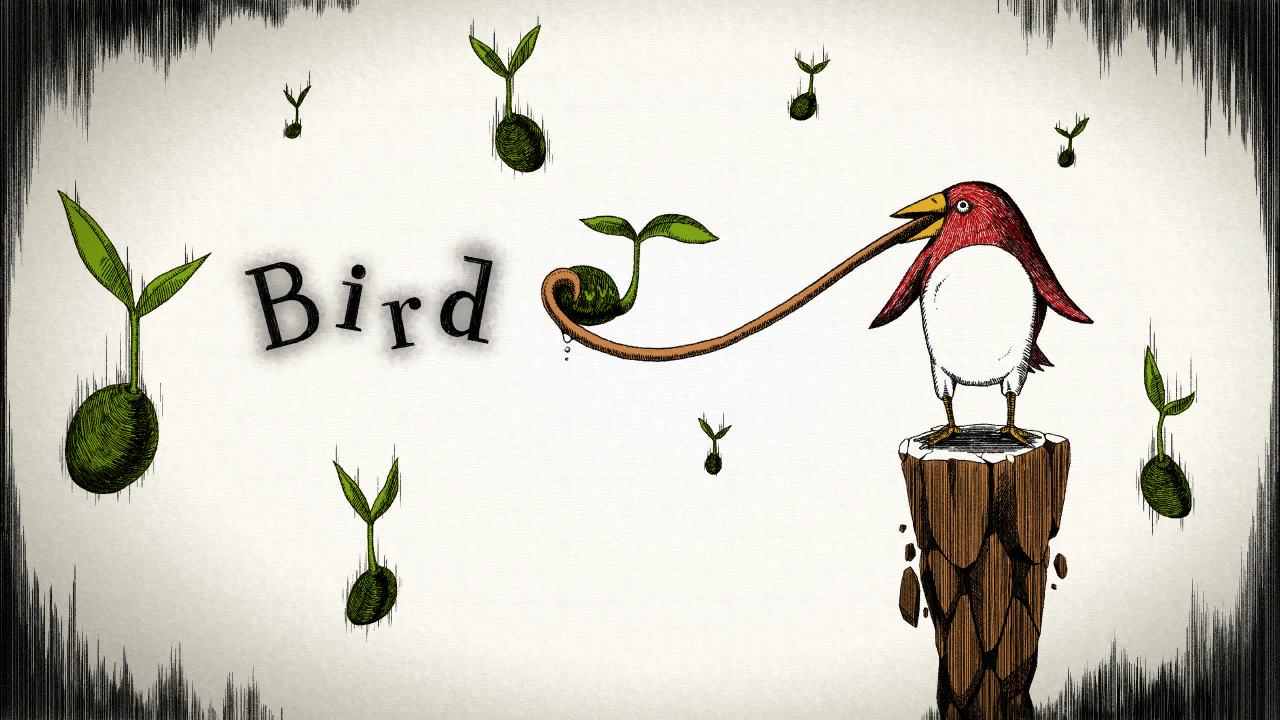
BirdPyoro · 1 playerThe first WarioWare’s Pyoro, redone as a Game & Watch.
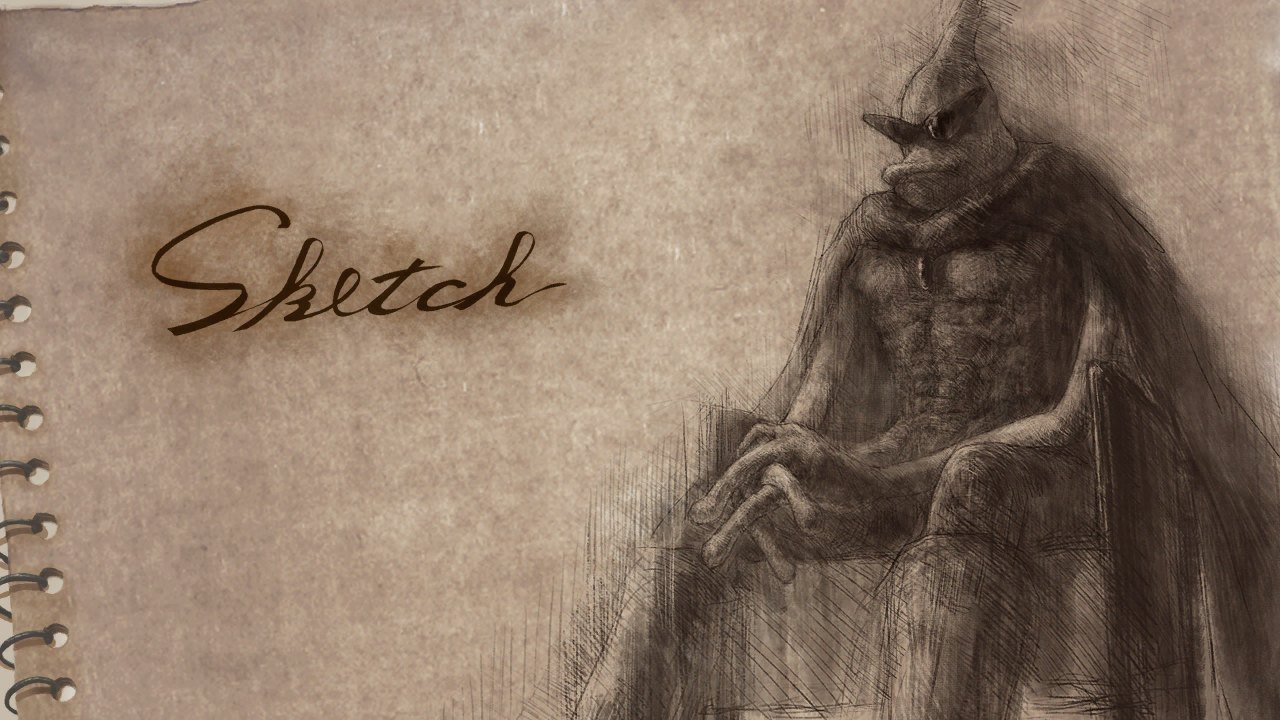
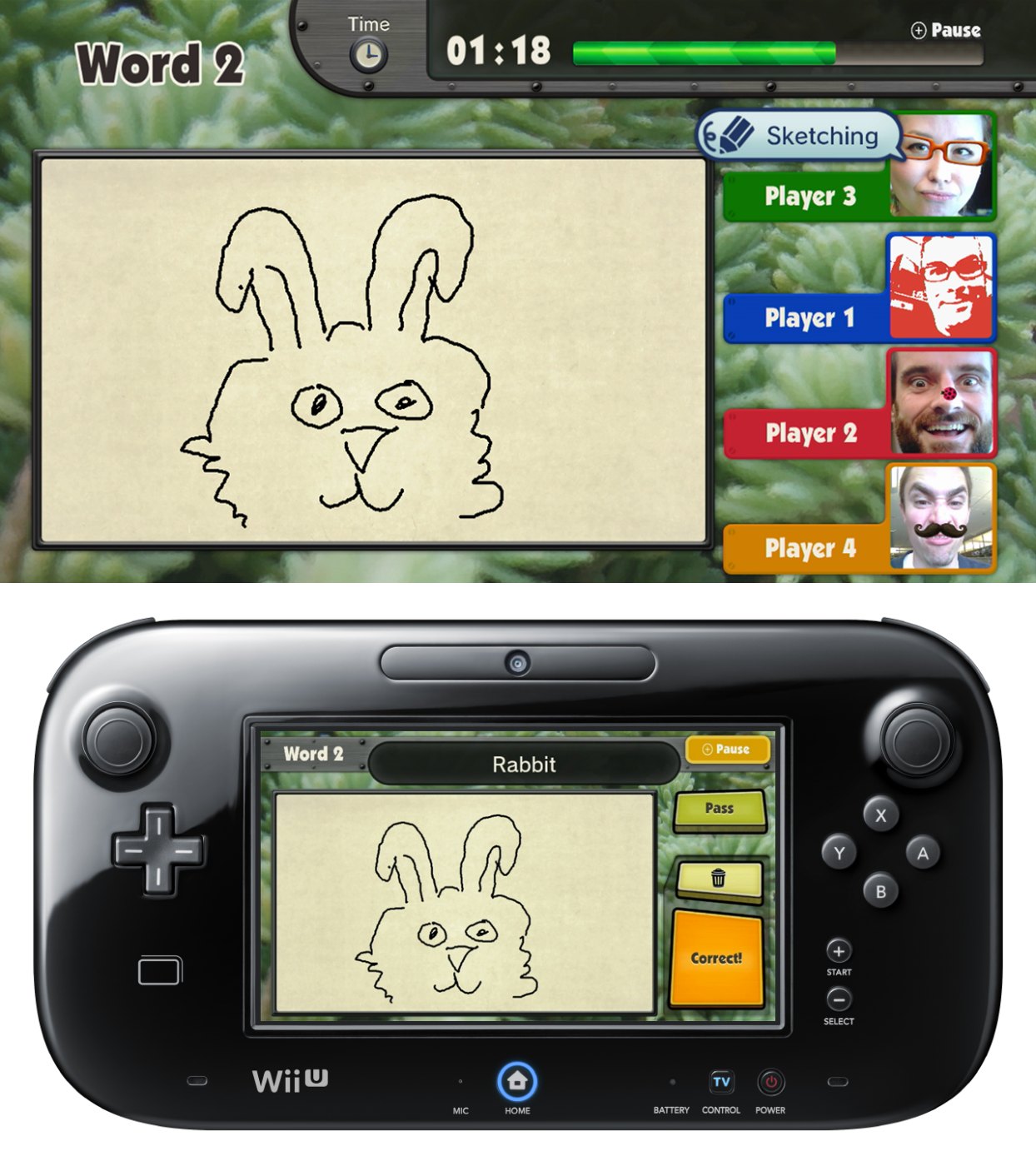
SketchOrbulon · 2–5 players · Artwork in EuropeOne draws on the GamePad, the rest guess.
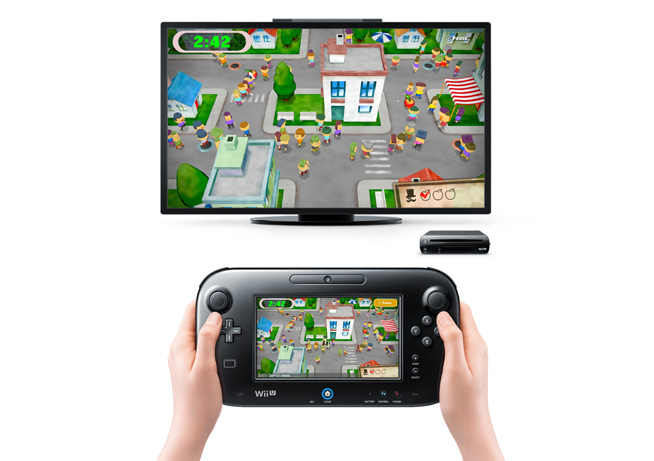
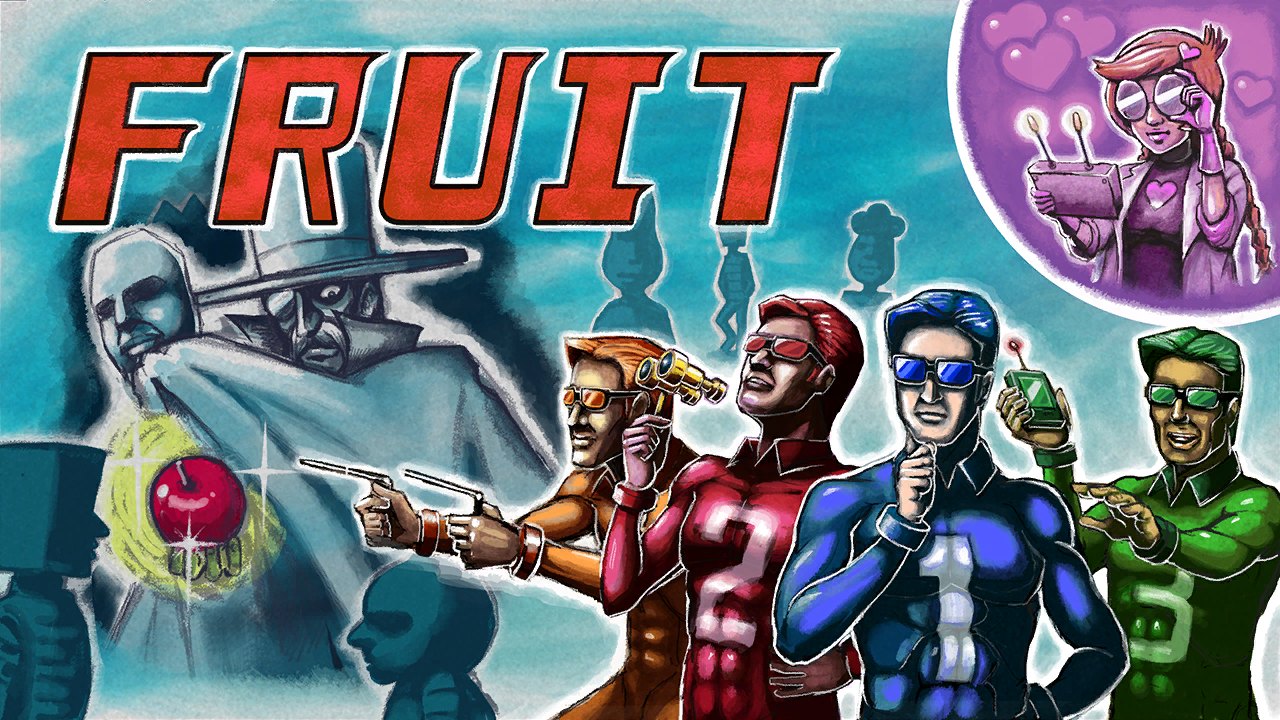
FruitPenny · 2–5 playersOne player is a thief in the crowd; the others must spot them.
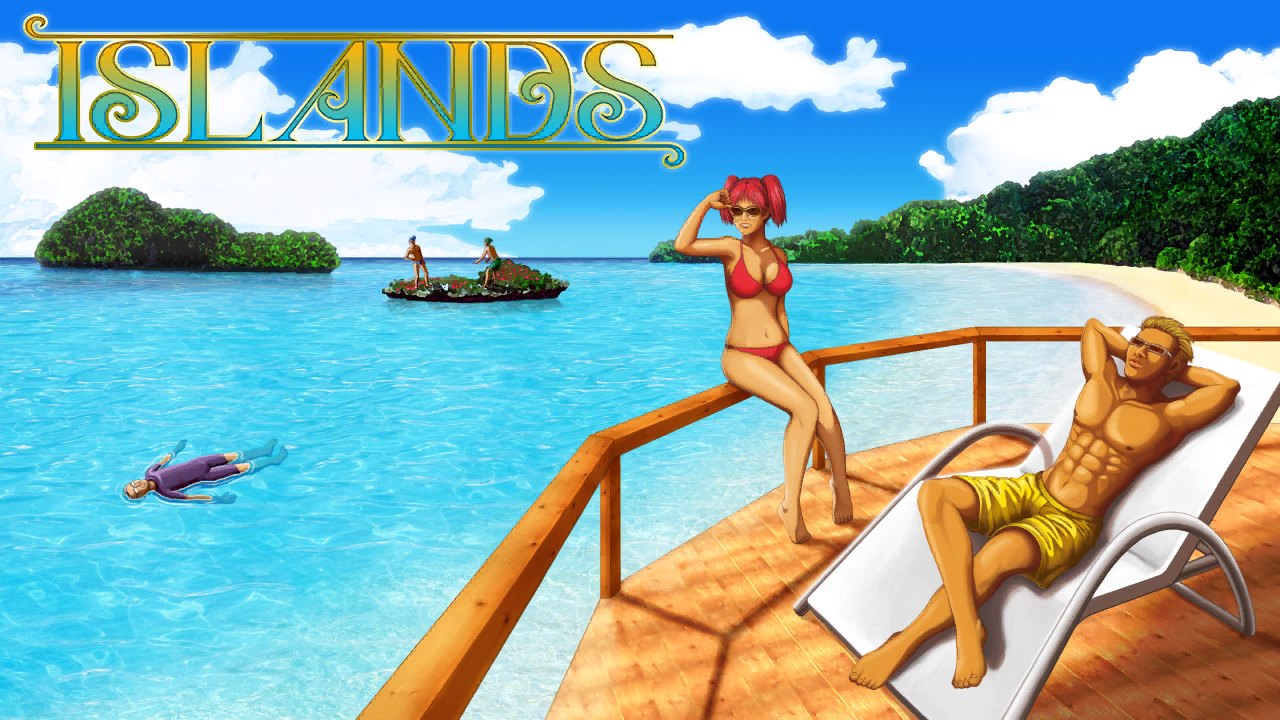
IslandsThe Fronks · 2–5 playersFling Fronks onto an island and knock off your rivals’.
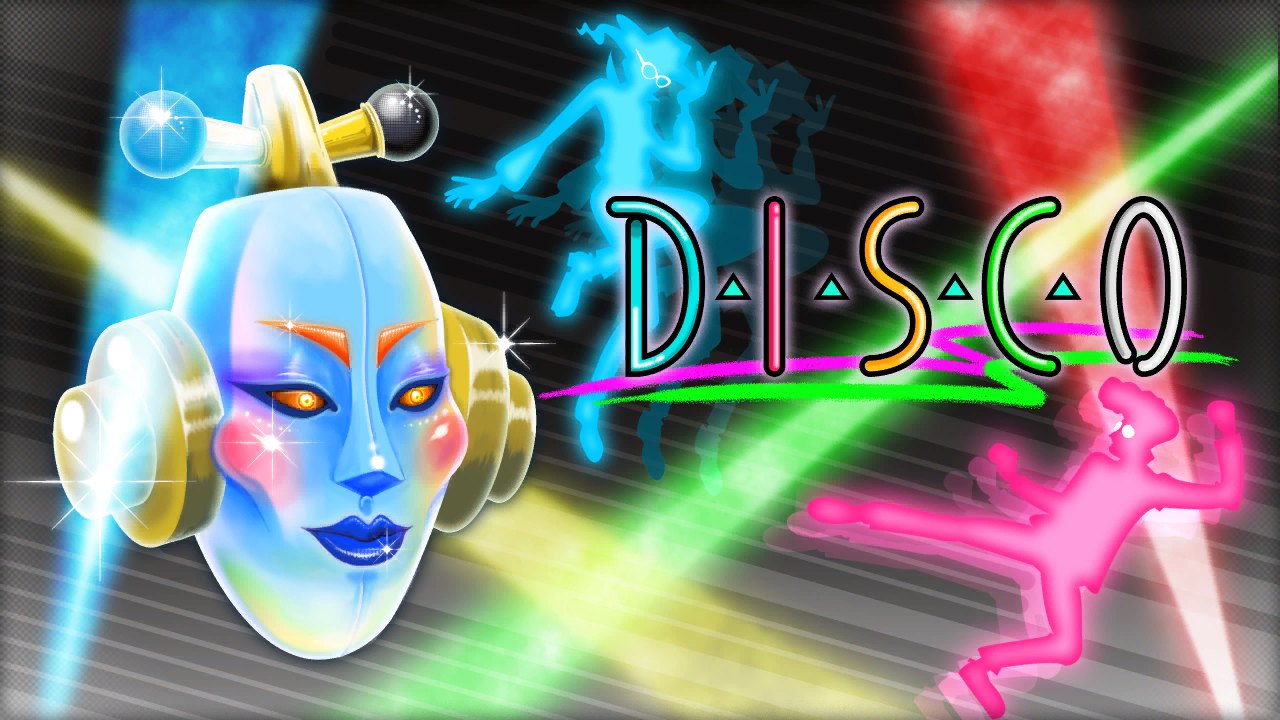
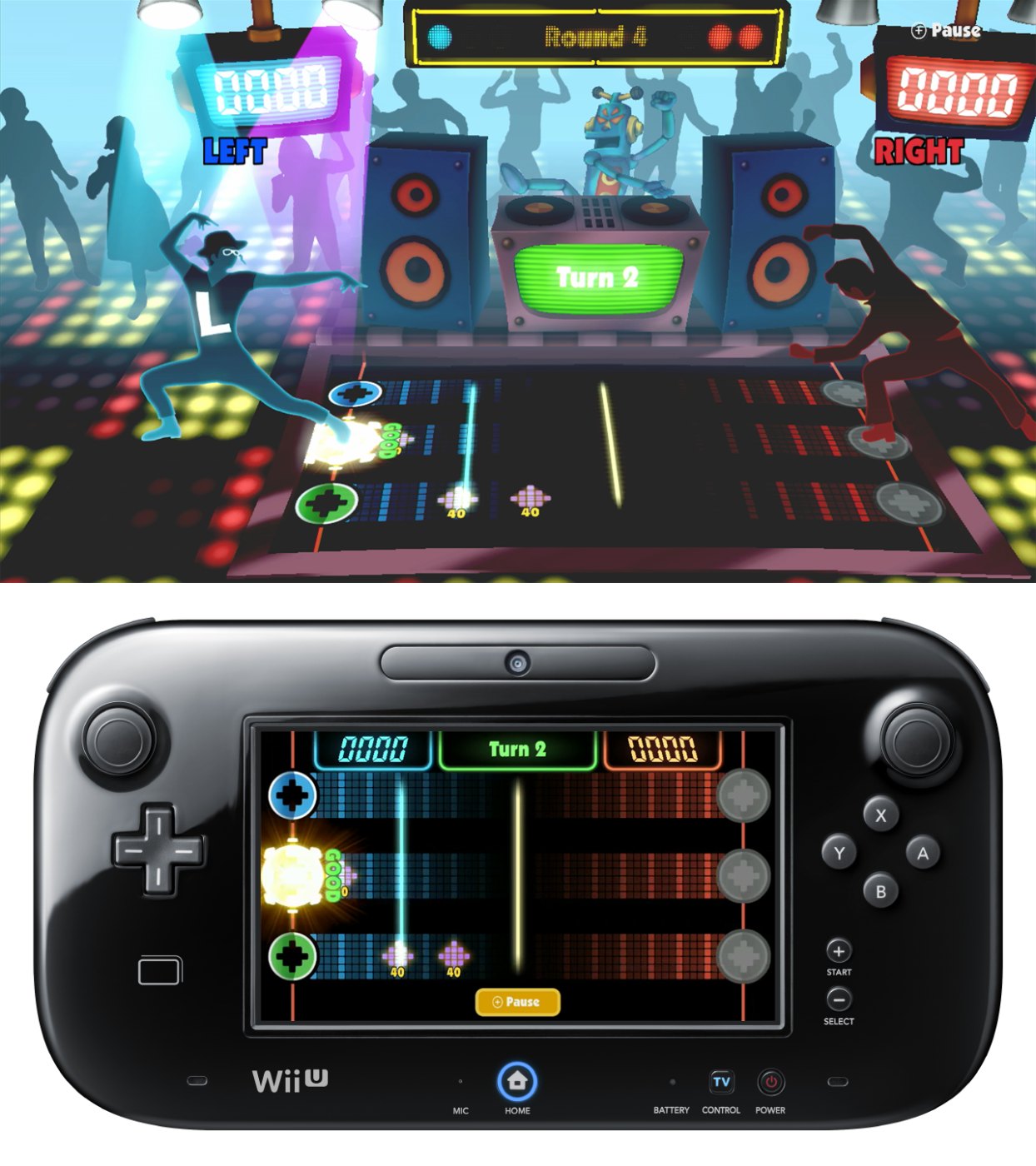
DiscoMike · 2 playersA rhythm duel on a shared touch screen.
Miiverse SketchOnline · Miiverse Artwork in EuropeDraw words suggested by Miiverse users. No longer available.
Advertisement
Gameplay & Controls
Everything is played on the Wii U GamePad; no other controller is needed. Each of the sixteen games is a complete little package with its own title screen, menus and difficulty levels, designed, as the team told Satoru Iwata, as if each could be sold on its own.
One controller, sixteen ideas
The games were built to show off what the GamePad could do, and each uses it differently. Some treat it as an object in your hands: a bow held up to the TV in Arrow, a camera lens in Shutter, a pair of skis tilted left and right in Ski, a bazooka in Taxi, a shield in Pirates. Others are about its screen: drawing in Design and Sketch, fitting fabric in Patchwork, tapping out rhythms in Disco. Gamer and Fruit play the two screens off against each other, so that what you see on the GamePad and what is happening on the TV tell different stories.
Before a game starts, a picture shows how to hold the controller: shake it, raise it, turn it, lay it flat, draw on it, touch it.
The four multiplayer games need nothing but the GamePad, which makes them easy to set up at a party. In Fruit, one player secretly controls a thief in a crowded town while the others watch the TV and then try to pick out who was stealing; in Sketch one draws and the rest guess; Islands has players taking turns to fling Fronks onto a target island and knock their rivals’ off; Disco is a two-player rhythm duel on the touch screen. Design and Bowling can also be played by two.
Sketch, with the drawing on the GamePad and the guessers watching the TV.Disco.
Miiverse Sketch
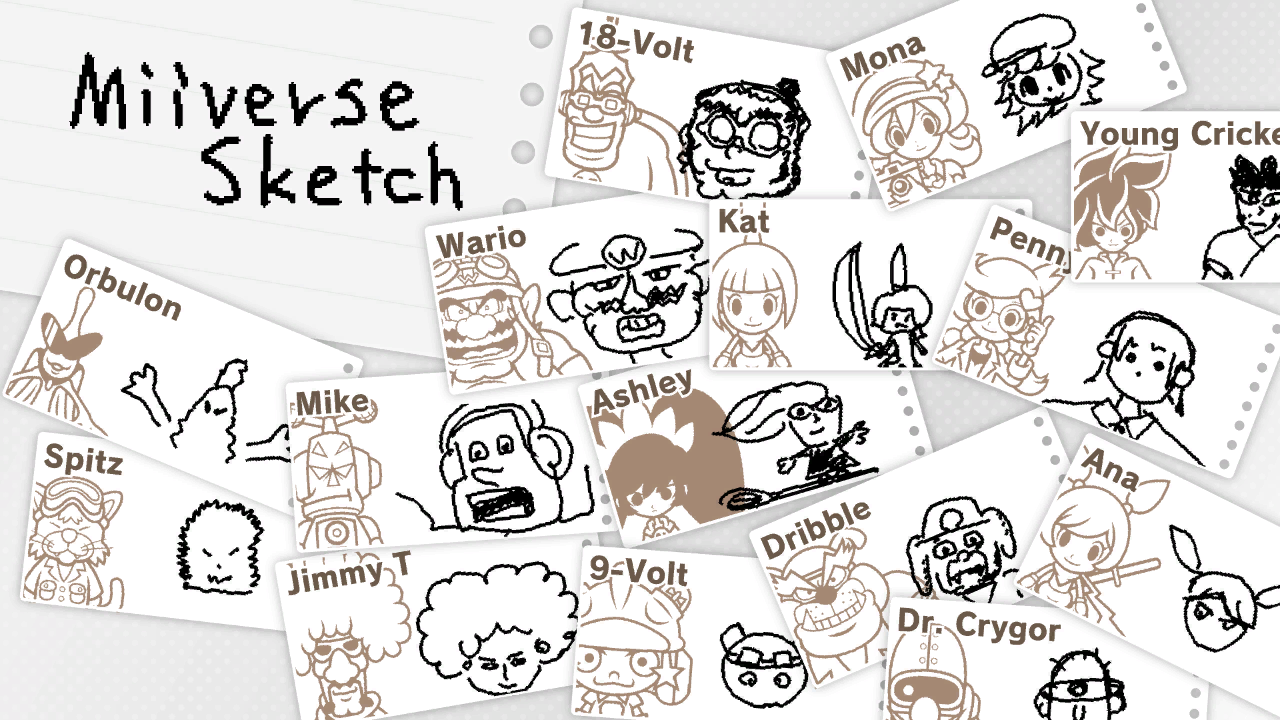
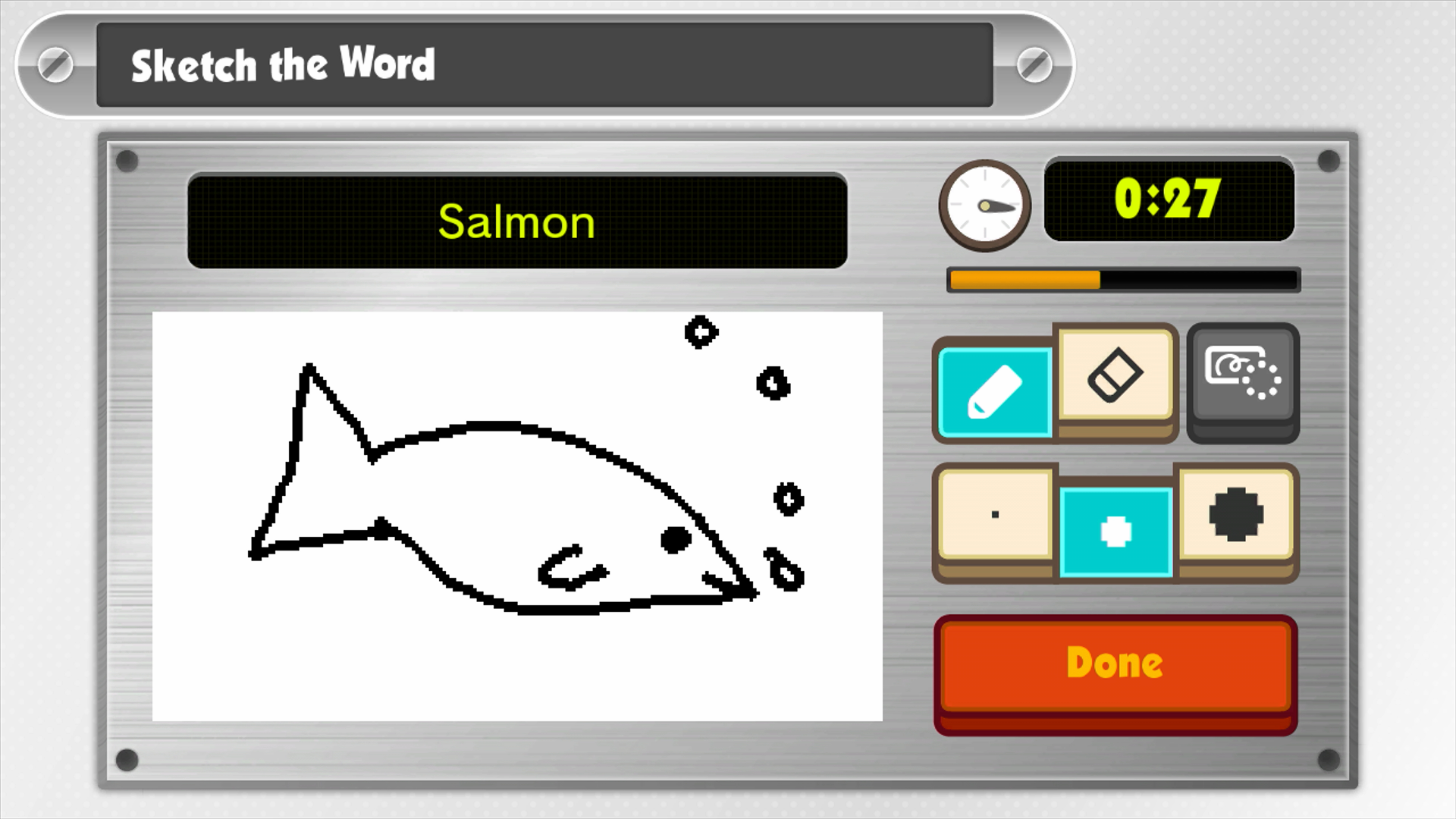
An online version of Sketch, Miiverse Sketch (Miiverse Artwork in Europe), replaced friends with the Wii U’s social network. You picked one of four words suggested by Miiverse users, drew it against the clock and posted the result; you could also suggest words and browse and rate other people’s drawings. Nintendo’s product page now notes that the Miiverse service has ended, so the mode no longer works. In Japan, Nintendo ran a weekly video series, the Miiverse Sketch Masterpiece Collection, showing off the best drawings.
Miiverse Sketch.
Tokens and the Cluck-A-Pop
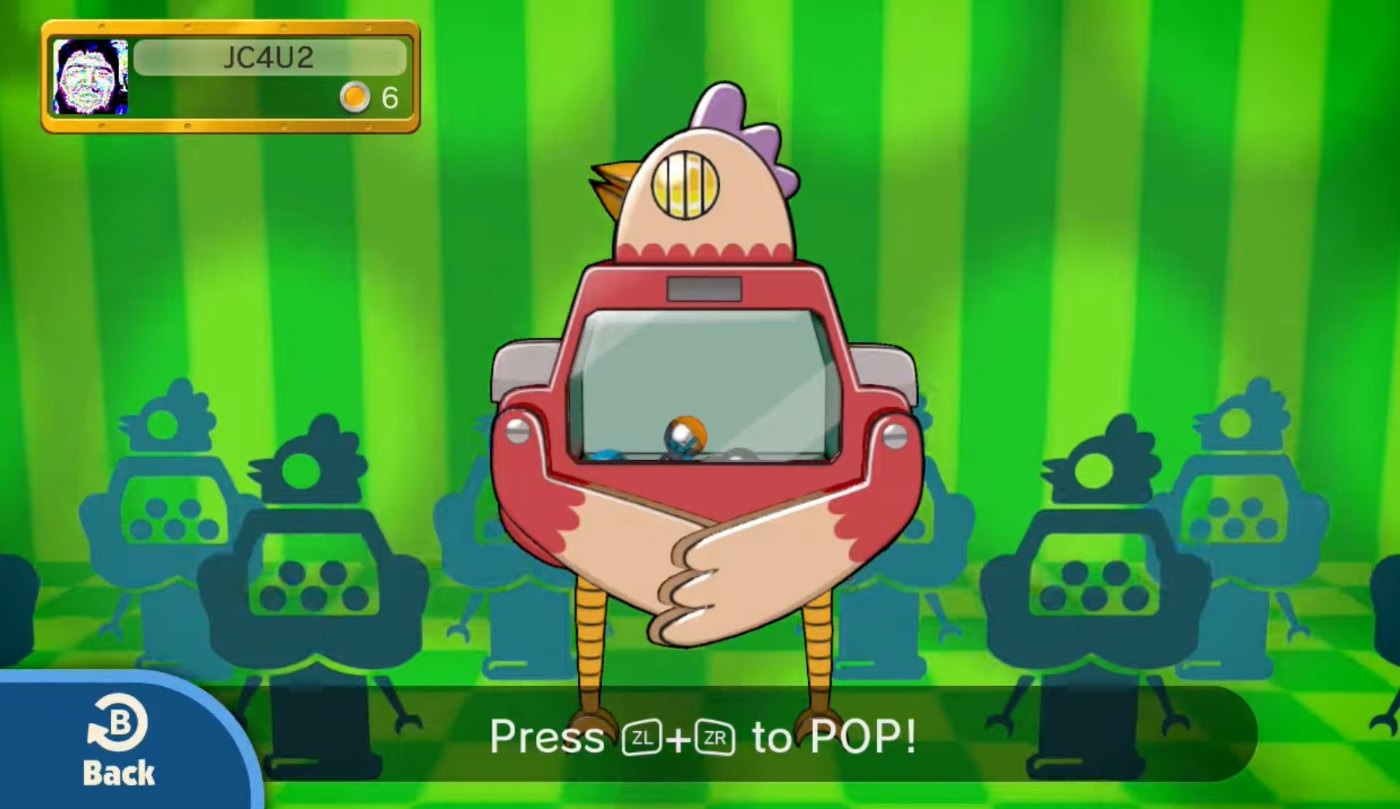
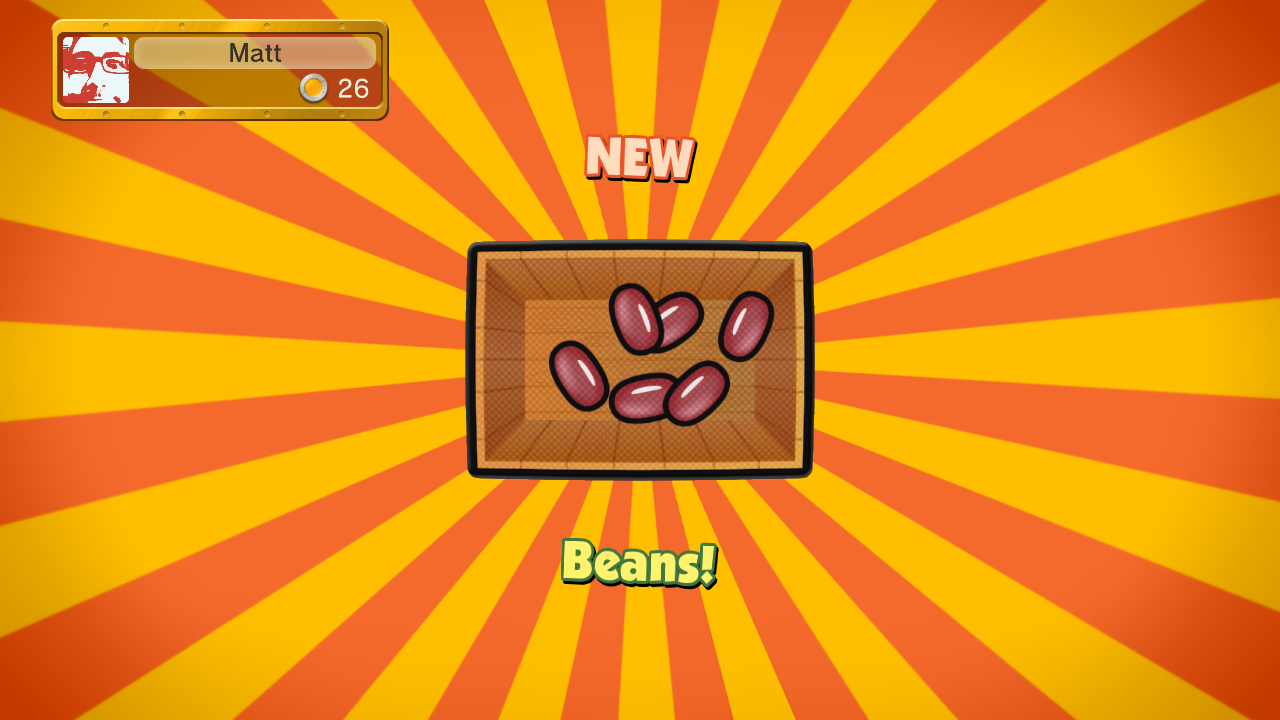
Playing well earns tokens: you get them for meeting conditions in the games, for finding hidden ones, and one free token a day just for visiting the game selection screen. Each token buys a go on the Cluck-A-Pop, called the Chick-N-Win in Europe, a chicken-shaped machine that lays capsules. The colour of the capsule tells you what kind of prize is inside, and there are 240 to collect. A Collection screen lets you play with your prizes, and a Mega Collection combines the haul of two or more save files.
According to Iwata Asks, the team brainstormed about 300 prizes and cut them to 240 so they would fit the menu, and more than 100 of them are interactive. Some are leftovers from the project’s days as built-in Wii U software.
The Cluck-A-Pop.A prize pops out.Playing with a prize.
Cluck-A-Pop capsules by colour
The eight capsule colours and what they hold, from Super Mario Wiki.
YellowCall Codes.
GreenBugband performances.
OrangeBalloon Fighter microgames.
PurpleMona Superscoops and Orbulon’s Prized Masterpieces.
BlueHint cards (69 of them, according to Iwata Asks) and character cards.
RedEverything else: toys, gadgets and oddities.
GoldenTwo secret prizes: the Game & Wario Epilogue, for completing Pirates, and the Illustrated Schnozzipedia, for completing Bowling.
WhiteA replica Cluck-A-Pop, awarded once every other prize is collected; the machine then becomes a token dispenser.
Cartoons, Comics & Other Media
Game & Wario has outlived the Wii U in other games. These are the appearances Super Mario Wiki records.
Super Smash Bros. for Wii U and UltimateWii U and Nintendo SwitchA stage based on Gamer appears in Super Smash Bros. for Wii U and returns in Ultimate.
WarioWare GoldNintendo 3DSGamer returns as the Sneaky Gamer mode, one of its microgames joins Mona’s set, and Fruit becomes Orbulon’s boss microgame, Sneaky Snatcher.
WarioWare: Get It Together!Switch, 2021Its Cluckade prize machines are modelled on the Cluck-A-Pop, Mona’s hat and camera from Shutter appear in her bedroom, and 5-Volt checks on a sleeping 9-Volt.
WarioWare: Move It!Switch, 2023The calico cat from Gamer pops up in Polario’s shop during 9-Volt’s stage.
Super Mario MakerWii UThe Ashley costume uses sounds from the Ashley game.
Rhythm Heaven MegamixNintendo 3DSArtwork of Penny and Dr. Crygor appears in Wario…Where?
Mario Kart WorldNintendo Switch 2Captain Wario, Wario’s alter ego from Pirates, is available as a costume.
CrowdfarterNintendo of America, May 2013A spoof crowdfunding site for the North American launch: fans “donated” tweets and Facebook likes to unlock a badge, a wallpaper, Wario ringtones and a trailer.
Characters
Every game has a maker. These are the hosts and the supporting players, as Super Mario Wiki lists them; “first game” is from Super Mario Wiki’s WarioWare series article.
Character
Who they are
In this game
Abilities & notes
WarioGames mogul
Mario’s greedy rival and president of WarioWare, Inc.
Sees the new console on TV and smells money; makes Arrow after a feud with a mouse.
Host of Arrow.
Captain WarioWario’s pirate alter ego
Wario in a pirate costume he finds on a bike ride.
Claims credit for the hit game Pirates and gets blasted across Diamond City for it.
Host of Pirates. Later a costume in Mario Kart World.
MonaPhotographer
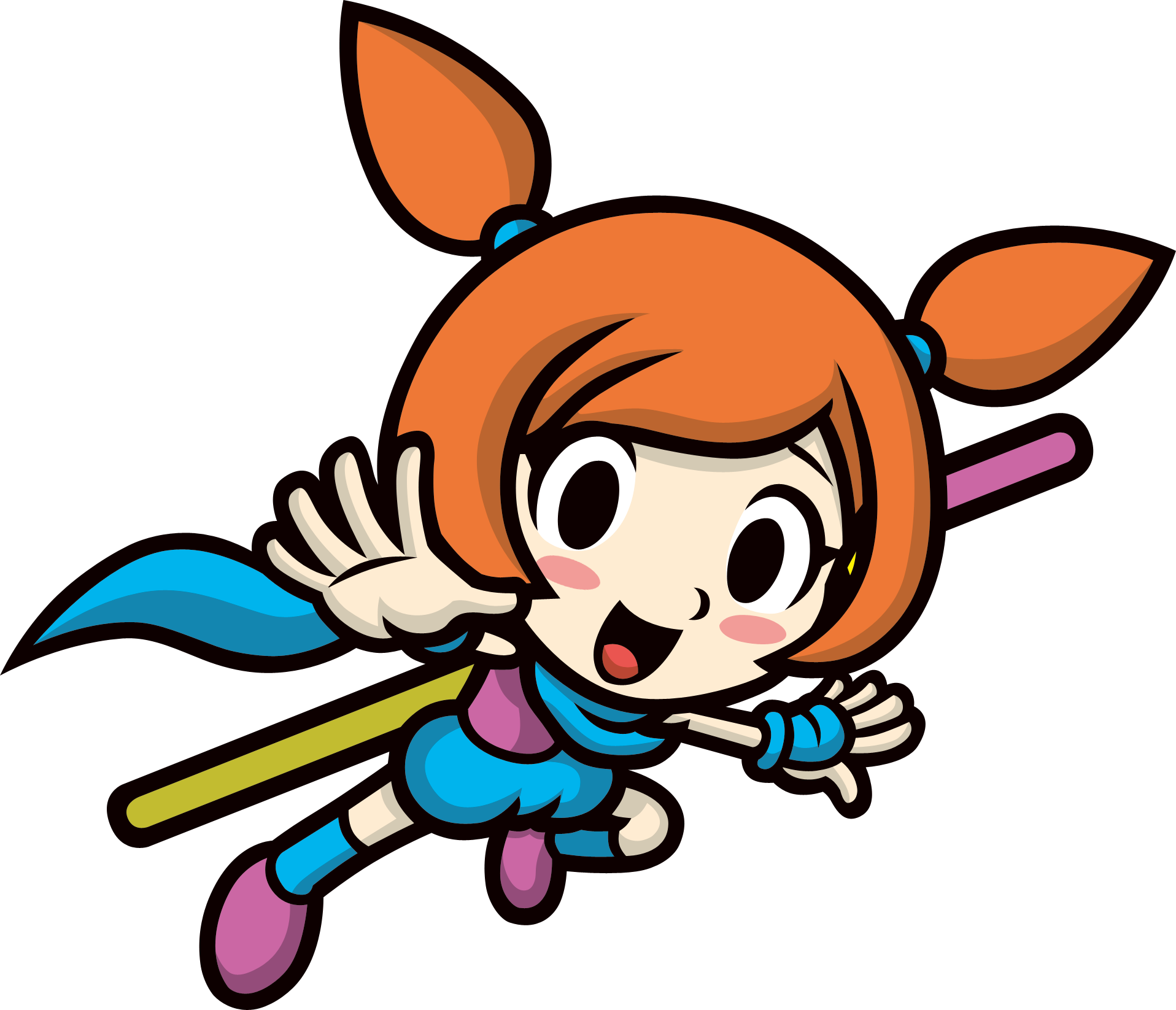
Diamond City’s busiest girl, here working for the Diamond City Times. First game: Mega Microgame$!
Snaps a gang deal for Editor Joe.
Host of Shutter (Camera in Europe).
Editor JoeNewspaper editor
Mona’s boss at the Diamond City Times.
Hands out the assignments in Shutter and judges every photo.
Supporting character in Shutter.
Jimmy TDisco dancer
Diamond City’s king of the dance floor. First game: Mega Microgame$!
Charms the ski bunnies on the slopes; in the ending he suggests bowling.
Host of Ski.
Kat & AnaNinja twins
Diamond City’s nursery-age ninjas. First game: Mega Microgame$!
Cut cloth with their swords in record time.
Hosts of Patchwork.
Young CricketKung-fu student
Master Mantis’s eager pupil. First game: Smooth Moves.
Spars with his master and follows him on to more training.
Star of Kung Fu.
Master MantisKung-fu master
Cricket’s elderly teacher. First game: Smooth Moves.
Conjures a dumpling and eats it himself.
Co-host of Kung Fu.
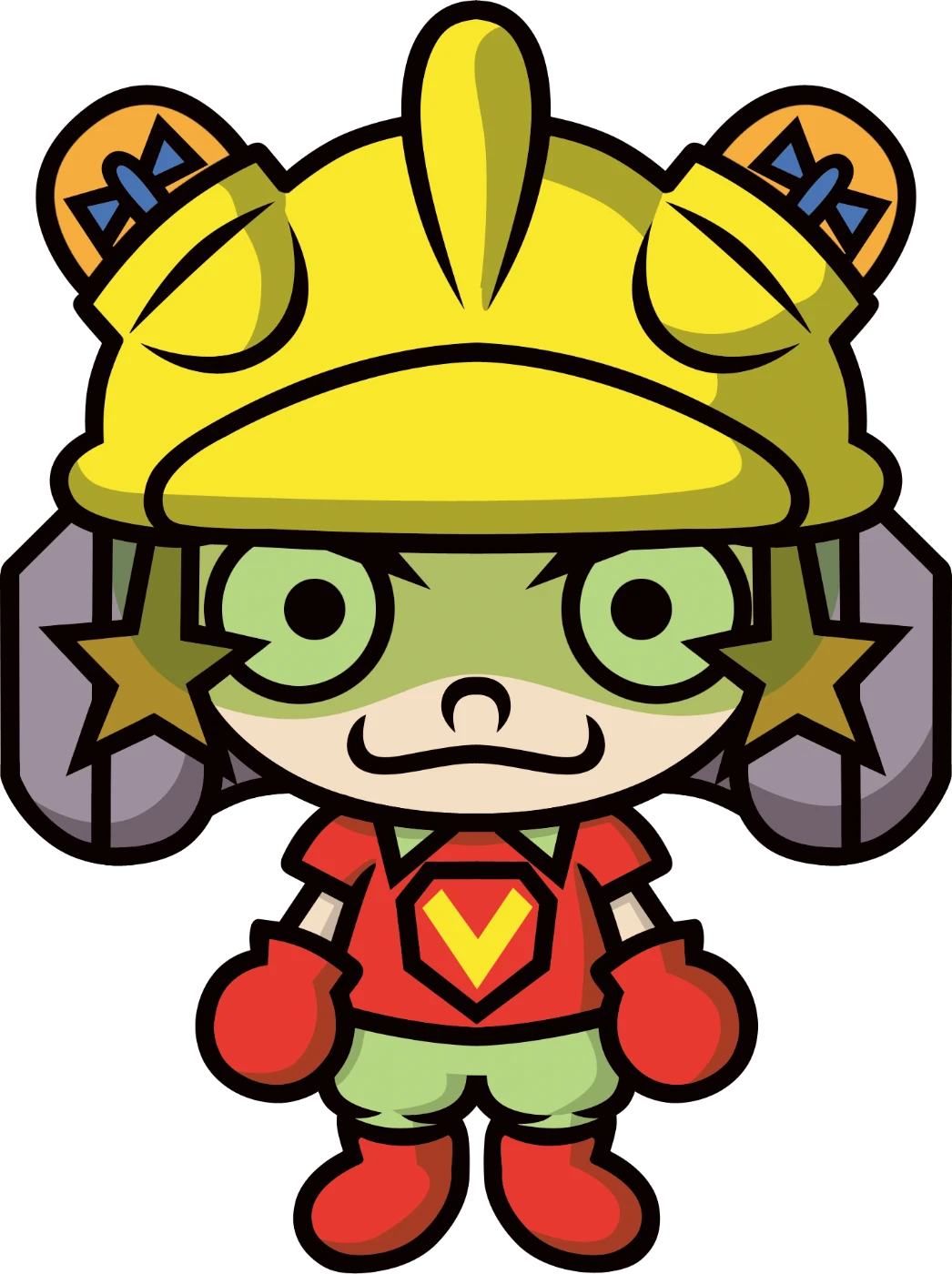
9-VoltSchoolboy gamer
Diamond City’s keenest young gamer. First game: Mega Microgame$!
Plays games under the covers after bedtime.
Co-host of Gamer.
18-VoltRapper and gamer
9-Volt’s older friend. First game: Twisted!
Loses his high score to 9-Volt, and then to 9-Volt’s mum.
Co-host of Gamer.
5-Volt9-Volt’s mum
9-Volt’s mother, mentioned since Twisted! but seen in full for the first time here.
The hazard in Gamer: if she catches 9-Volt playing, it is game over.
Supporting character in Gamer.
Dr. CrygorScientist
Diamond City’s inventor. First game: Mega Microgame$!
Gets stuck in his own toilet before work.
Host of Design.
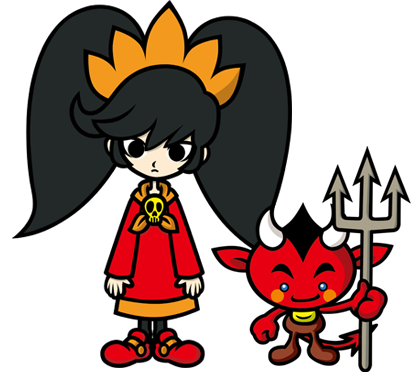
Ashley & RedWitch and sidekick
A young witch and her red companion, who can turn into a wand, an umbrella and a broom. First game: Touched!
Fall into the dessert world of Ashley’s spell book.
Hosts of Ashley.
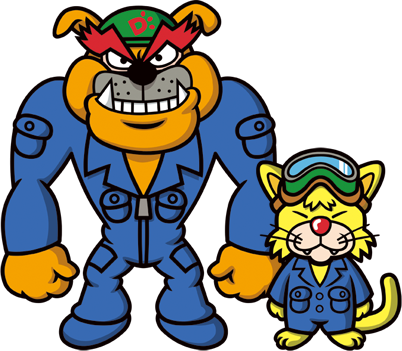
Dribble & SpitzTaxi drivers
Diamond City’s cab-driving double act. First game: Mega Microgame$!
Chase a UFO that steals their fare.
Hosts of Taxi.
PyoroBean-catching bird
The bird from the game-within-a-game of the first WarioWare. First game: Mega Microgame$!
Catches beans again, this time in Game & Watch style.
Host of Bird.
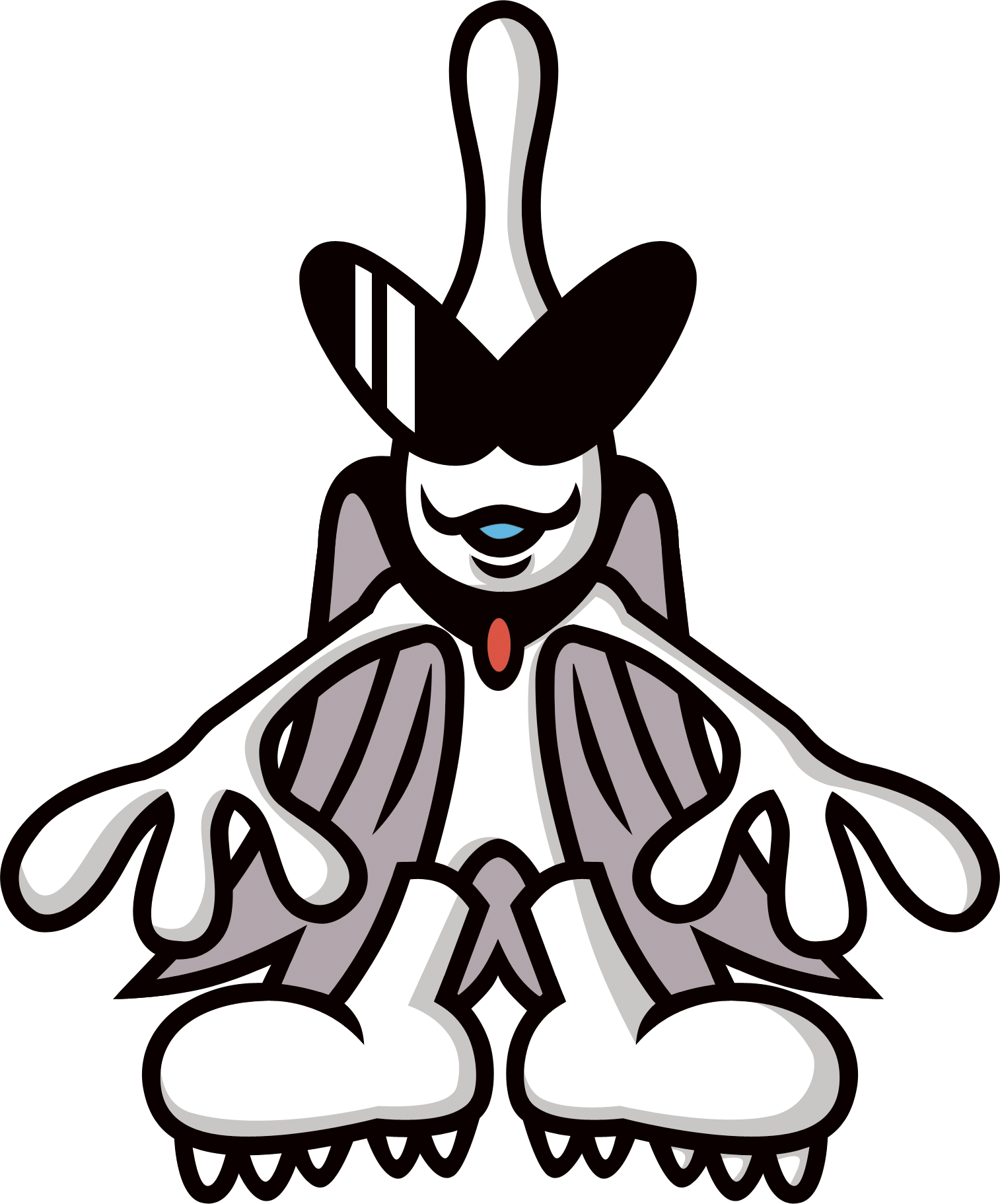
OrbulonAlien
A UFO-flying alien, here with the Oinker. First game: Mega Microgame$!
Crashes into the news of the new console.
Host of Sketch (Artwork in Europe).
PennyInventor
Dr. Crygor’s granddaughter, who tells him and Mike off in the intro. First game: Smooth Moves.
Makes the thief-spotting party game.
Host of Fruit.
The FronksLittle creatures
Little creatures that also hide in Shutter as rare photo targets.
Get catapulted onto islands.
Hosts of Islands.
MikeKaraoke robot
Crygor’s singing robot. First game: Touched!
Makes the rhythm duel.
Host of Disco.
Reporter JohnTV reporter
The Diamond City newsreader of this game.
Announces the new console in the prologue and covers the Pirates craze in the ending.
Appears in the prologue and the ending.
Key staff
From Wikipedia’s infobox and Iwata Asks.
Goro AbeDirector (Nintendo SPD)Decided the game’s overall features. He joined the pre-installed project already under way and asked what the GamePad made possible.
Naoko MoriDirector (Intelligent Systems)Built the features Abe wanted; briefed on the Wii U in January 2011.
Yoshio SakamotoProducer and designerConsultant on the WarioWare series, who told the team to shake things up after playing Pirates.
Toshio Sengoku and Naoki NakanoProducersCredited as producers.
Daisuke YasumatsuDesignerCredited as designer alongside Sakamoto.
Yasuhito FujisawaProgrammerCredited as programmer.
Ko TakeuchiArtistDesigner of the Diamond City cast.
The Nintendo All-StarsFinishing helpDirectors and producers from across Nintendo’s Software Planning & Development department who helped finish the game; Iwata said it was the first time all of SPD’s teams had backed a single title.
Advertisement
How It Was Made
Game & Wario is unusually well documented, thanks to a three-part Iwata Asks with Goro Abe, Naoko Mori and Yoshio Sakamoto.
Meant to be built into every Wii U
Pirates, the game that grew out of the Shield Pose prototype.
Work began in January 2011, when Mori was briefed on the Wii U. Abe explained that the original plan was for the software to come pre-installed on the console, which meant it was never conceived as a WarioWare game; the aim was to demonstrate the GamePad as clearly as possible to the widest possible audience, so the team toned down their usual eccentricity. Their target was to have something to show at E3 in June 2011, where the Wii U was unveiled, and one early prototype, Shield Pose, had players hold the GamePad like a shield against arrows fired from the TV.
Sakamoto was not convinced by the safe approach. After playing the Pirates prototype that grew out of Shield Pose, he told the team to shake things up – which Mori took as permission to cut loose.
From demo disc to Wario game
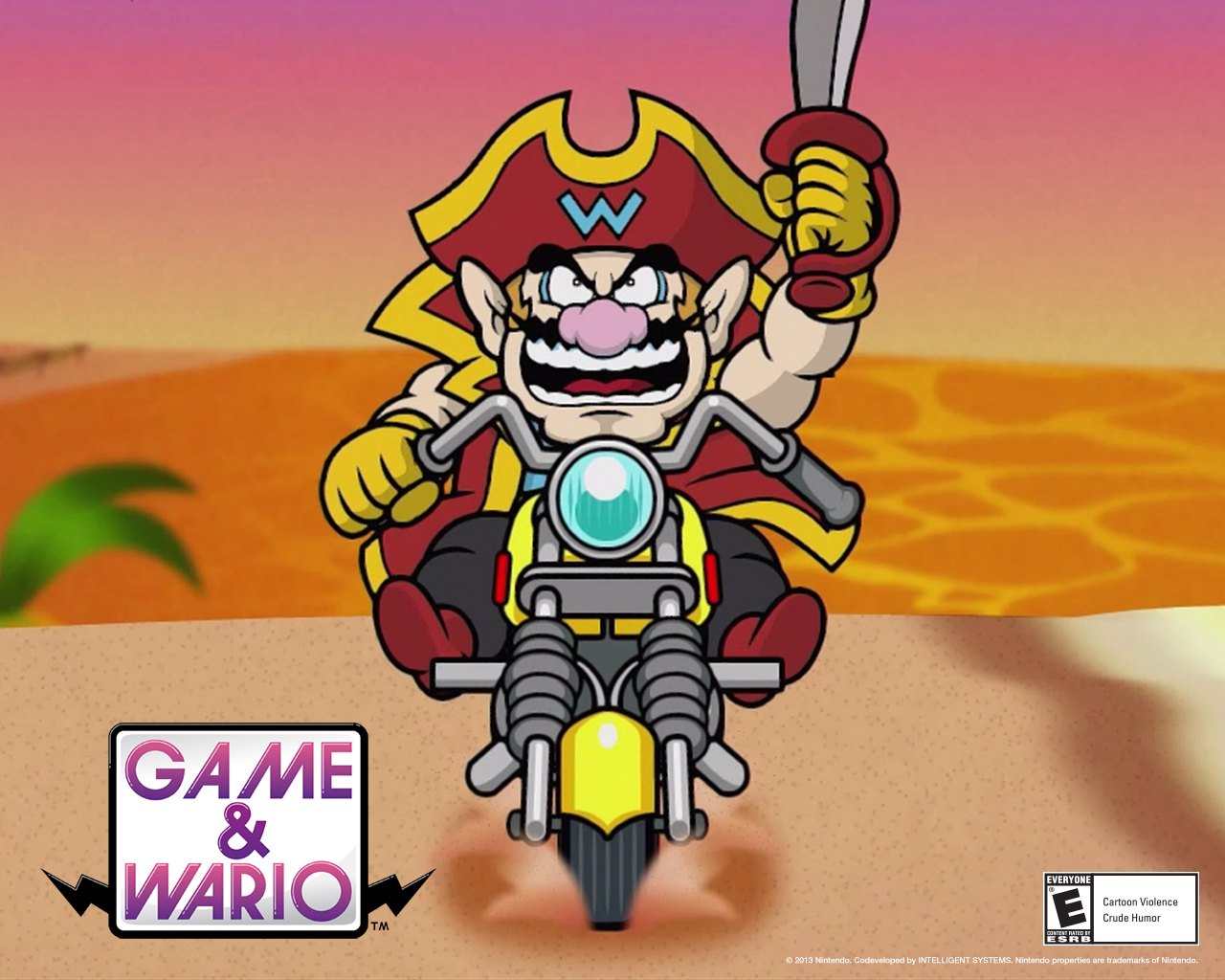
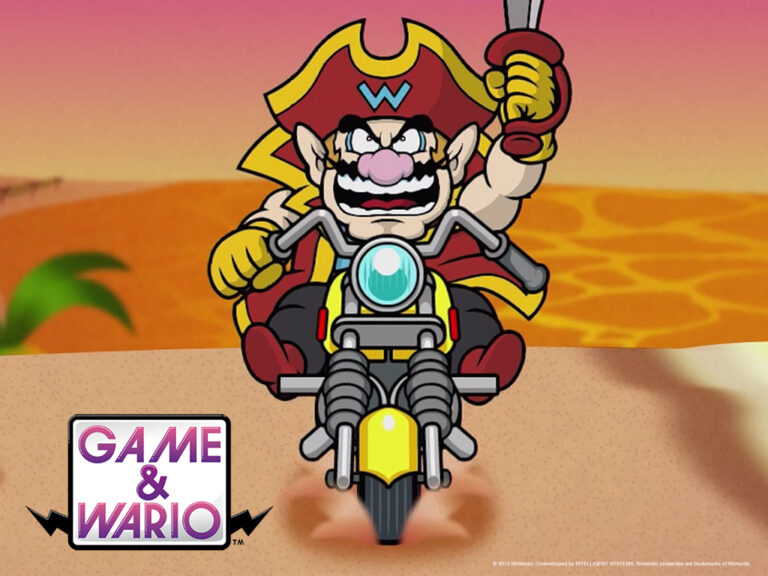
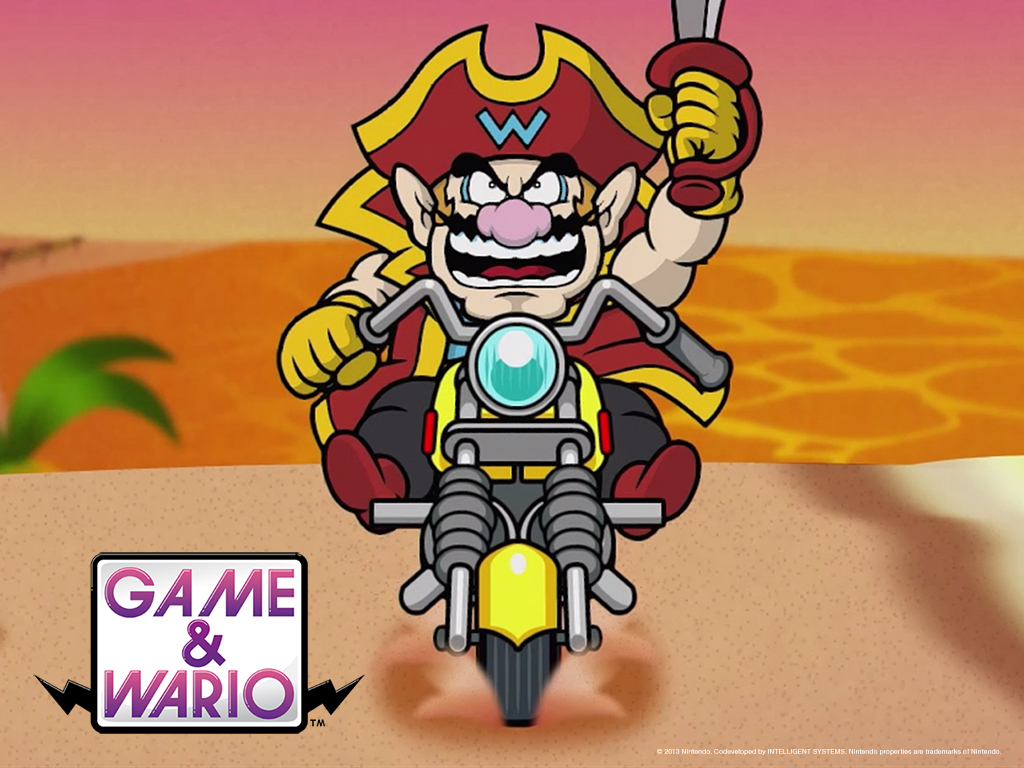
Captain Wario, from an official wallpaper.
Around the summer of 2011 the team decided that Pirates and the other ideas were too big for a pre-installed title and turned the project into a retail game. They then struggled to find a story that would link sixteen unrelated games, and set themselves a December deadline that came and went. About a year into development the answer arrived: make it WarioWare, and let each game be the work of a different member of the crew. The team wanted it to be clear that a particular character had created each game, which is why every one has its own title screen and menus.
Hitoshi Kobayashi’s advice to concentrate on visuals the team did well led to the paper-thin, moving look of Captain Wario. The title is wordplay on Nintendo’s Game & Watch handhelds.
The Nintendo All-Stars
Alternate group artwork.
Near the end, directors and producers from across Nintendo’s Software Planning & Development department pitched in, a group the interview nicknames the Nintendo All-Stars. Iwata noted that it was the first time all of SPD’s teams had supported one game. The Cluck-A-Pop got similar treatment: around 300 prize ideas were whittled to 240.
Announcement, delay and release
The early Japanese logo.
Nintendo showed the game at E3 2012 among the Wii U’s upcoming titles with so little fanfare that Game Informer called it a stealth reveal. It was meant for the console’s launch window, but in January 2013 Nintendo pushed it back to the first half of the year, and an April 2013 Nintendo Direct gave the release dates. Japan got it on 28 March 2013, the West in late June. In North America Nintendo promoted it with Crowdfarter, a spoof crowdfunding site; in Europe it ran a Miiverse drawing contest from 28 June to 12 July 2013, with Nintendo eShop credit for the ten best entries.
Series Firsts
What Game & Wario brought to Wario’s world.
1Wario on Wii UThe only Wii U entry in Super Mario Wiki’s list of WarioWare games.
25-Volt in fullSuper Mario Wiki notes that 9-Volt’s mother, mentioned since Twisted!, is seen in full for the first time here.
3All of SPD on one gameSatoru Iwata said it was the first time every team in Nintendo’s Software Planning & Development department had supported a single title.
Cheats & Secrets
There are no codes, but the token economy rewards a little know-how.
A free token every day
Visit the game selection screen once a day for a free token. Others come from meeting conditions in the games and from tokens hidden inside them.
The two golden capsules
Complete Pirates for the Game & Wario Epilogue, and complete Bowling for the Illustrated Schnozzipedia. Both come in golden capsules.
Finishing the collection
Collect all 240 prizes and the Cluck-A-Pop lays a white capsule holding a replica of itself, after which the machine pays out tokens instead.
Gamer survival
Hit ZL or ZR to pause the moment 5-Volt is about to come in. Being caught, losing all your lives or letting 9-Volt fall asleep all end the game.
Shutter bonus
Photographing a Fronk, the rare creature hidden in some scenes, scores bonus points.
Videos
Two of Nintendo’s own trailers from the Western launch.
Official trailer, uploaded by Nintendo UK in May 2013.
Official launch trailer, uploaded by Nintendo of America.
Trivia & Interesting Facts
The name is a play on Game & Watch, Nintendo’s 1980s handhelds, and Bird recreates Pyoro in that style on the GamePad.
Several games have different names in Europe: Shutter is Camera, Sketch is Artwork, Miiverse Sketch is Miiverse Artwork, and the Cluck-A-Pop is the Chick-N-Win.
In the Japanese version each game’s logo has a Japanese subtitle underneath, dropped elsewhere. In Shutter’s tutorial the Japanese version marks the wrong way to hold the GamePad with NG; other versions use a cross.
Decision Boy, who appears in the game, lost most of his lines in English: only “Yes!” and “No!” survive, and other languages reuse those English clips.
Gamer has 22 microgames, according to Iwata Asks, and two of them, Gold Digger and Sole Man, are remakes of microgames from the first WarioWare.
In the Shutter cutscene Mona works for the Diamond City Times; her hat and camera from it later turn up in her bedroom in Get It Together!
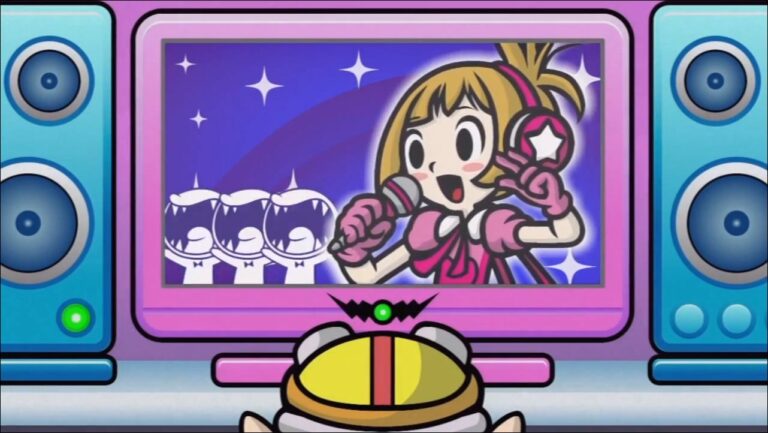
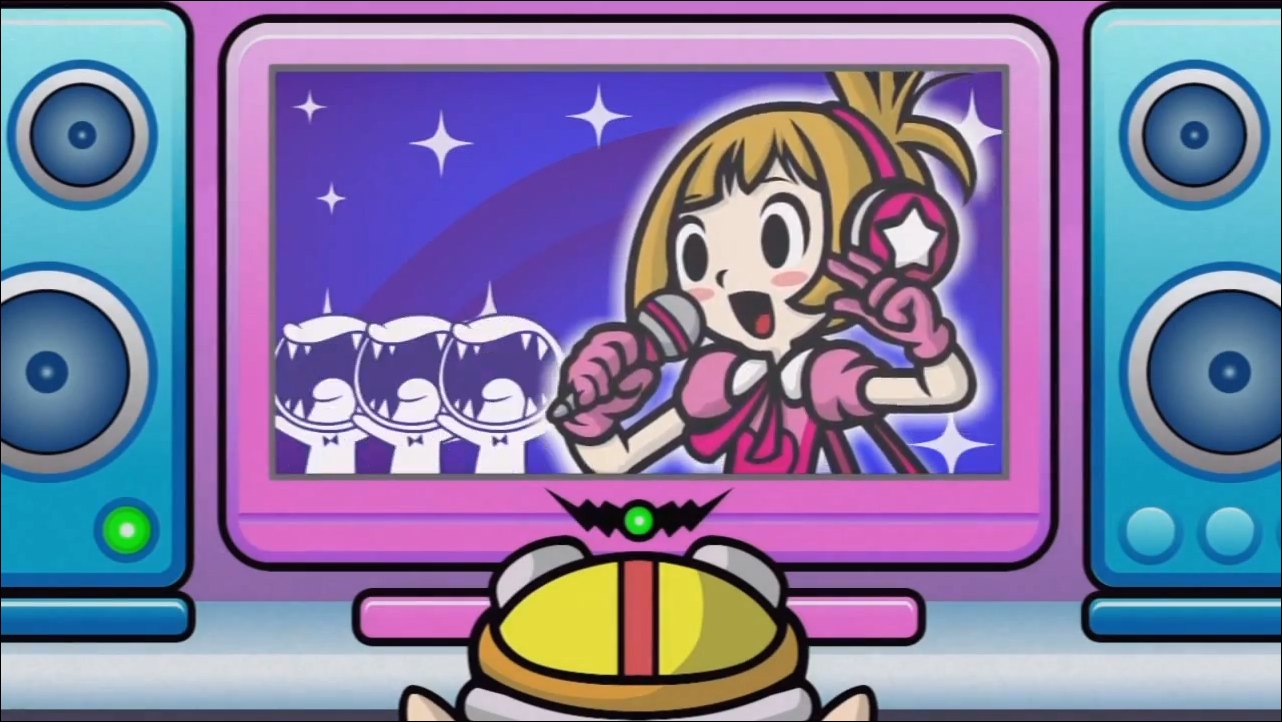
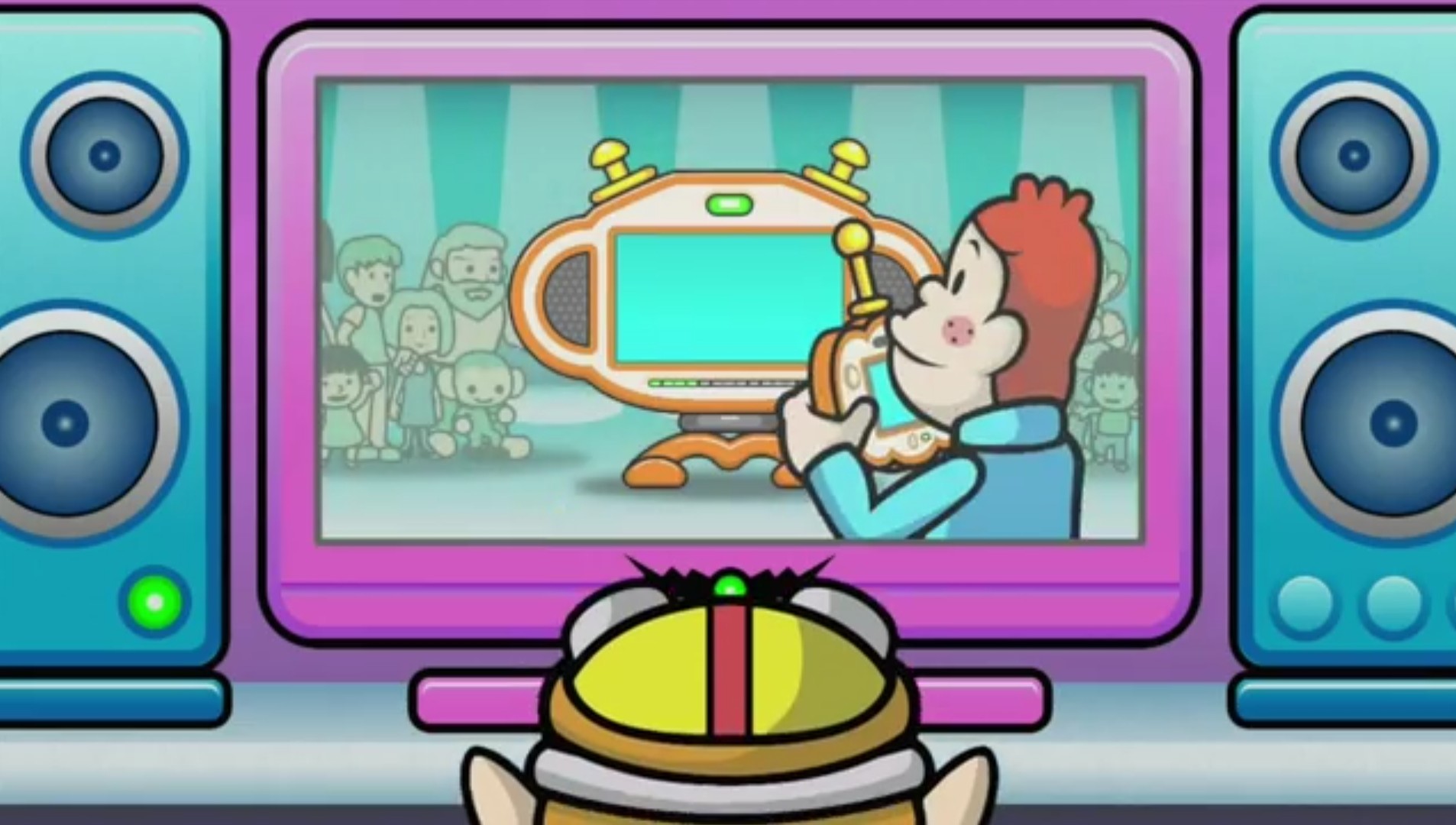
Sal Out and the Chorus Kids on Wario’s TV.The prologue’s television briefly shows Sal Out and the Chorus Kids, a nod to Rhythm Heaven.
The prize machine is a chicken that lays capsules, and its last prize is a replica of itself.
Some Cluck-A-Pop capsules date back to the game’s life as pre-installed software, according to Super Mario Wiki’s account of Iwata Asks.
Nintendo of America’s Crowdfarter promotion measured its “donations” in bajillions, kajillions and katrillions of coins.
Nintendo’s Japanese YouTube channel ran 20 episodes of the Miiverse Sketch Masterpiece Collection between June and November 2013, each narrated by a WarioWare character.
Captain Wario.Captain Wario’s cut-out, paper-thin look came from advice to concentrate on what the team did well visually.
Fruit was reworked as Orbulon’s boss microgame, Sneaky Snatcher, in WarioWare Gold.
Purchases for Wii U on the Nintendo eShop ended on 27 March 2023, so the download version can no longer be bought.
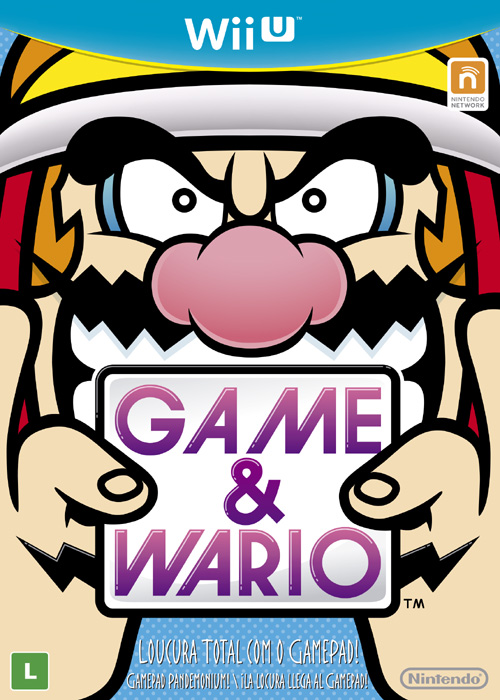
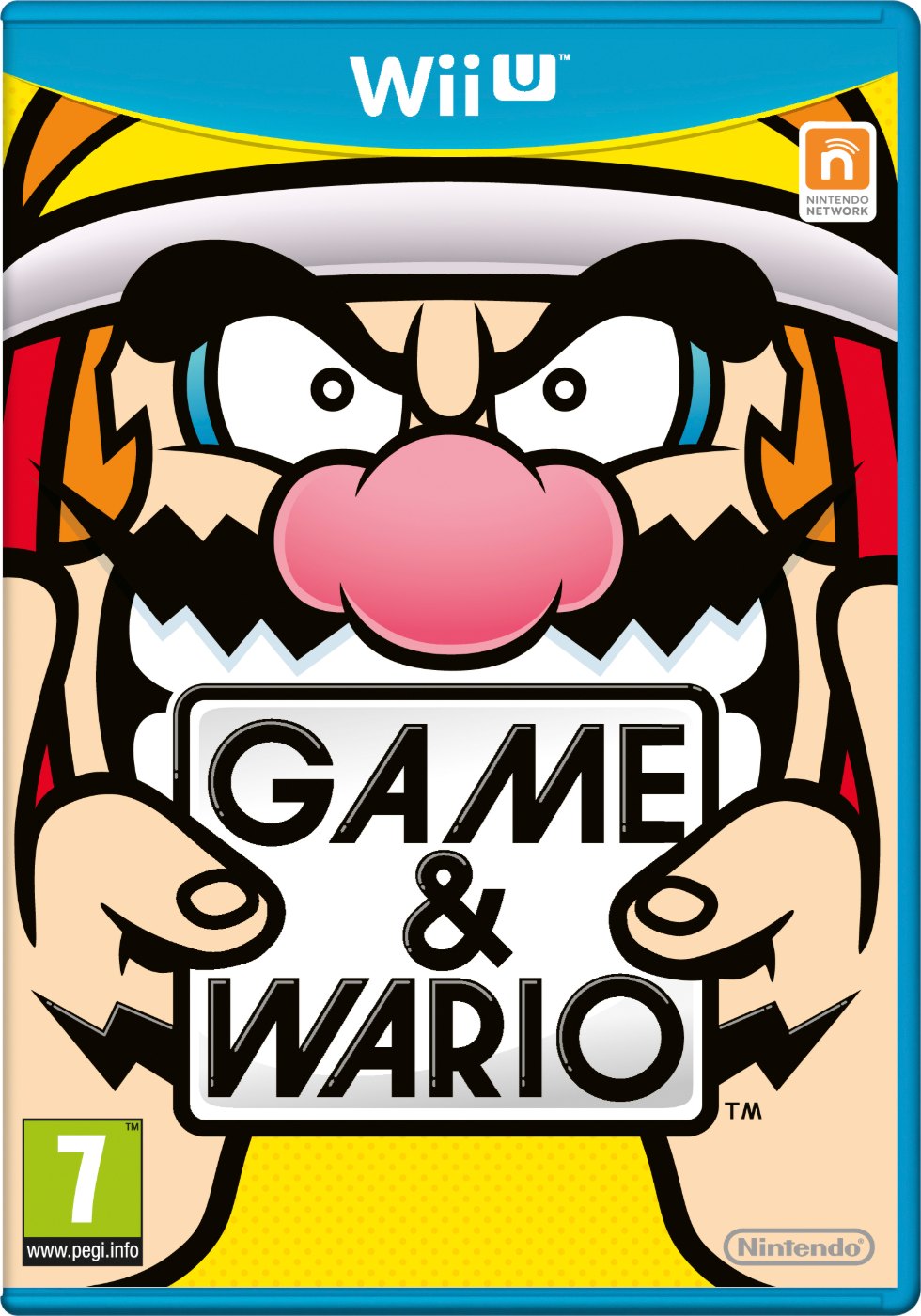
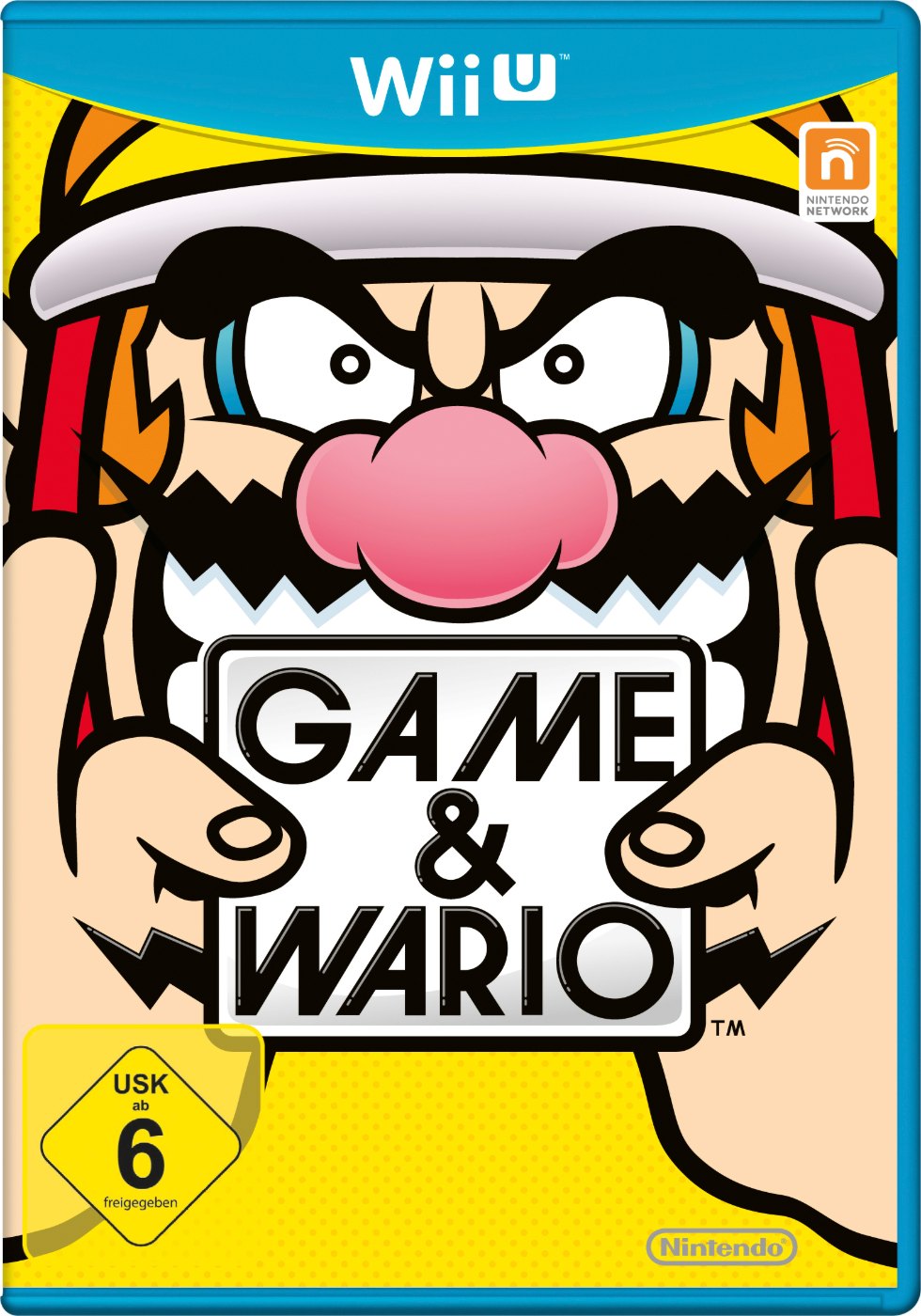
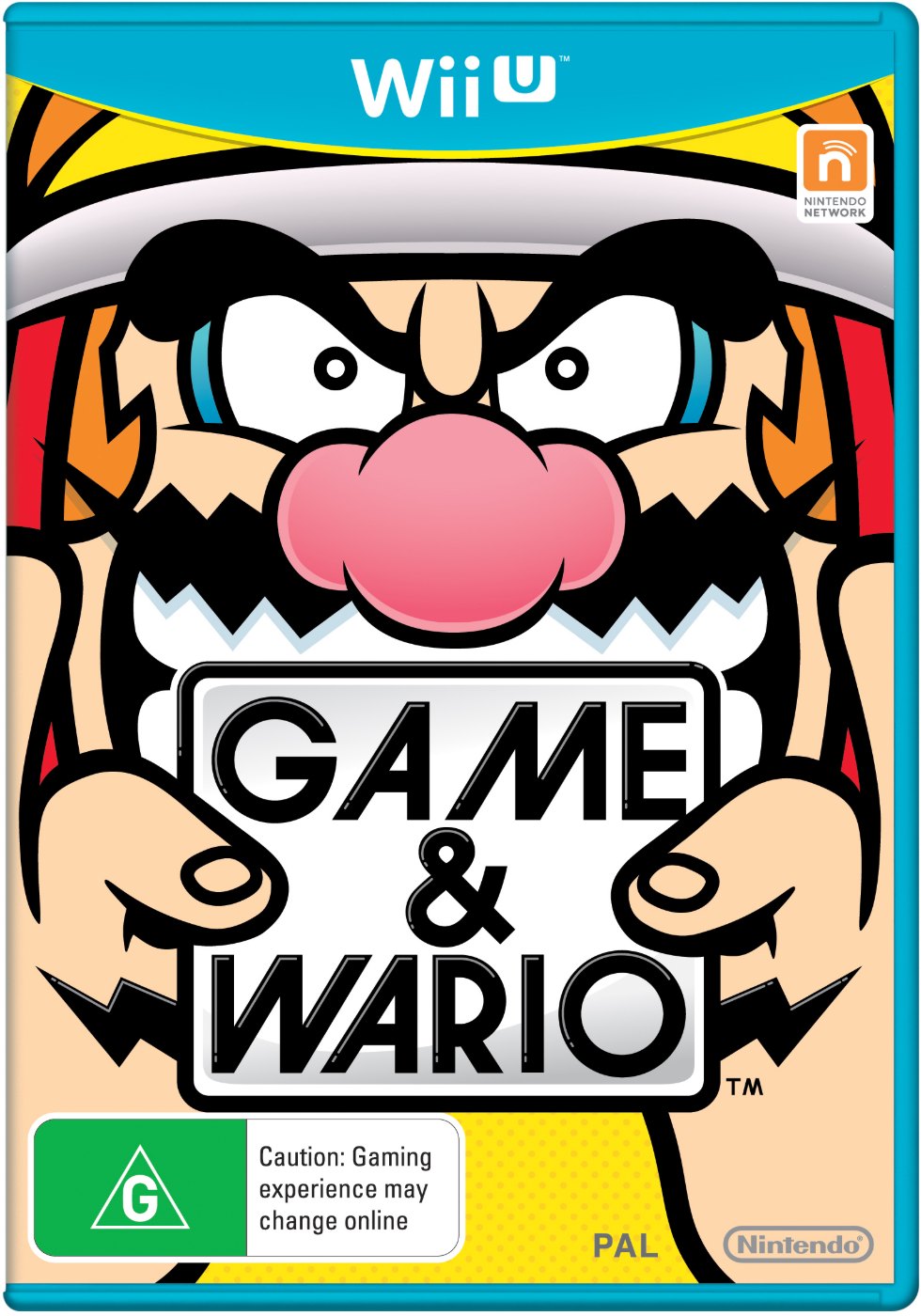
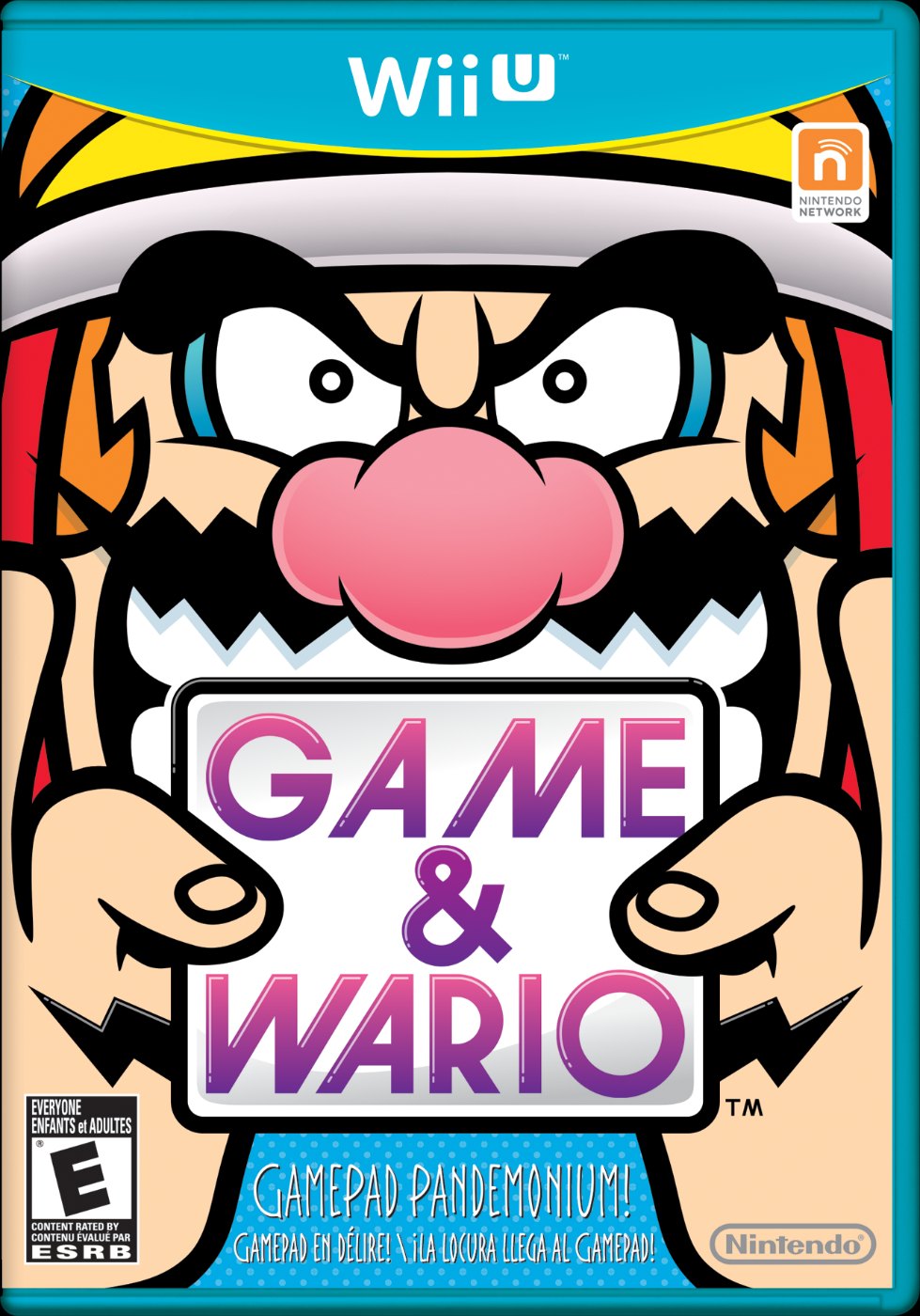
Regional Box Art
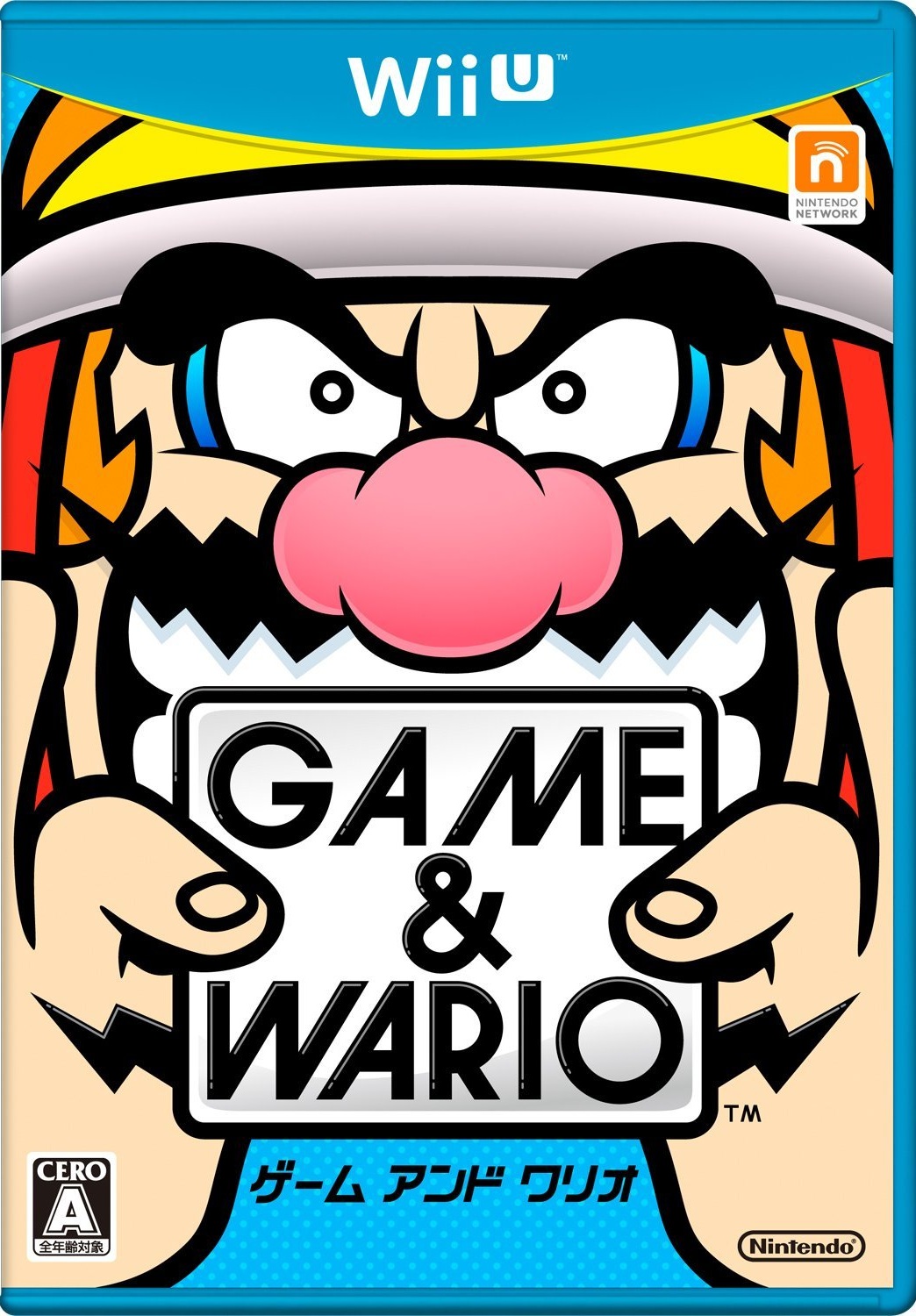
Japan, Europe and Australia share a cover built around a figure of Wario, according to Super Mario Wiki; North America has its own design.
North AmericaBrazilEuropeGermanyAustraliaJapanLogoNorth AmericaLogoEurope and AustraliaLogoJapan
Screenshots
Gameplay shots of the games not pictured above, and a few clear screens.
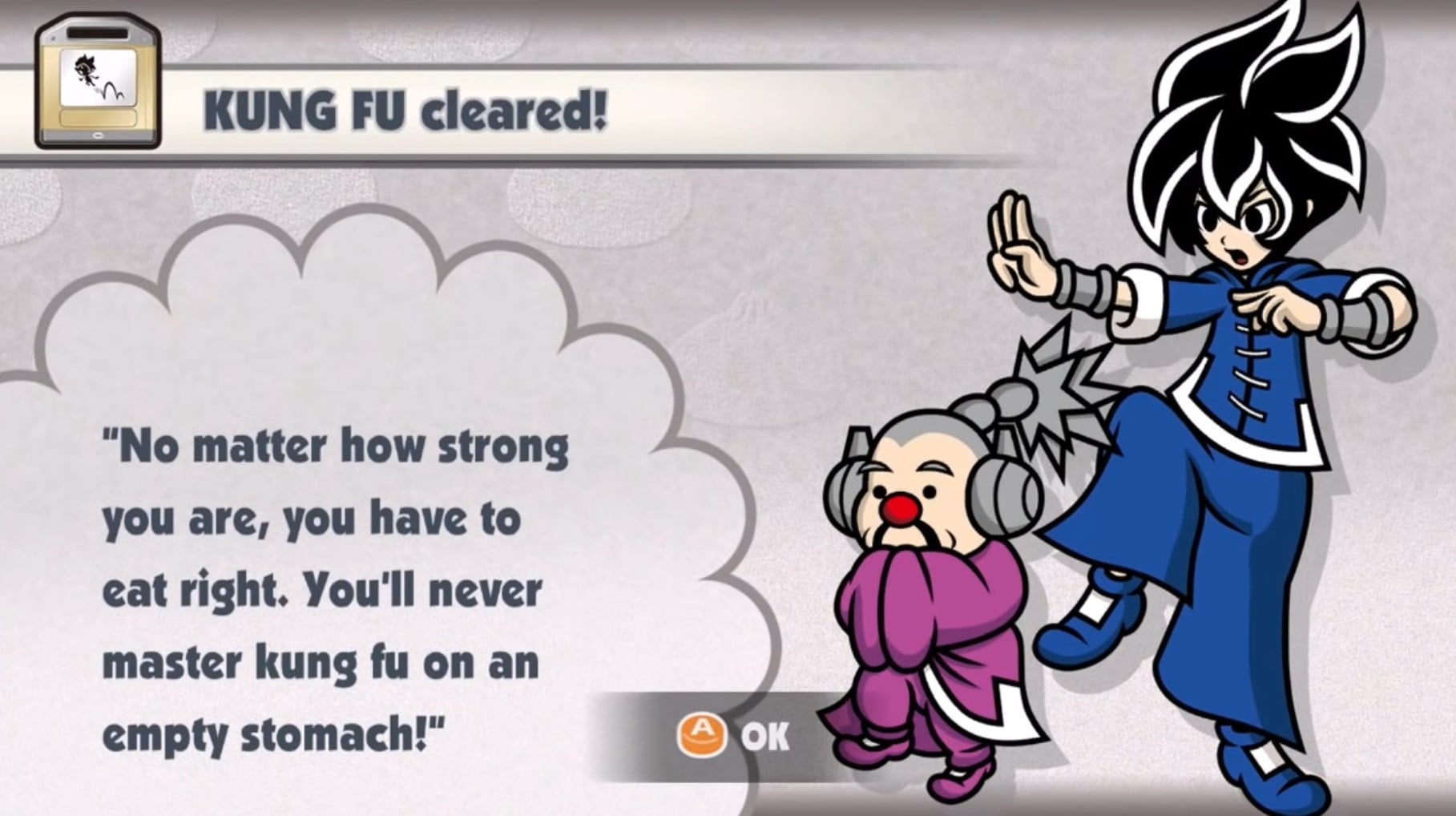
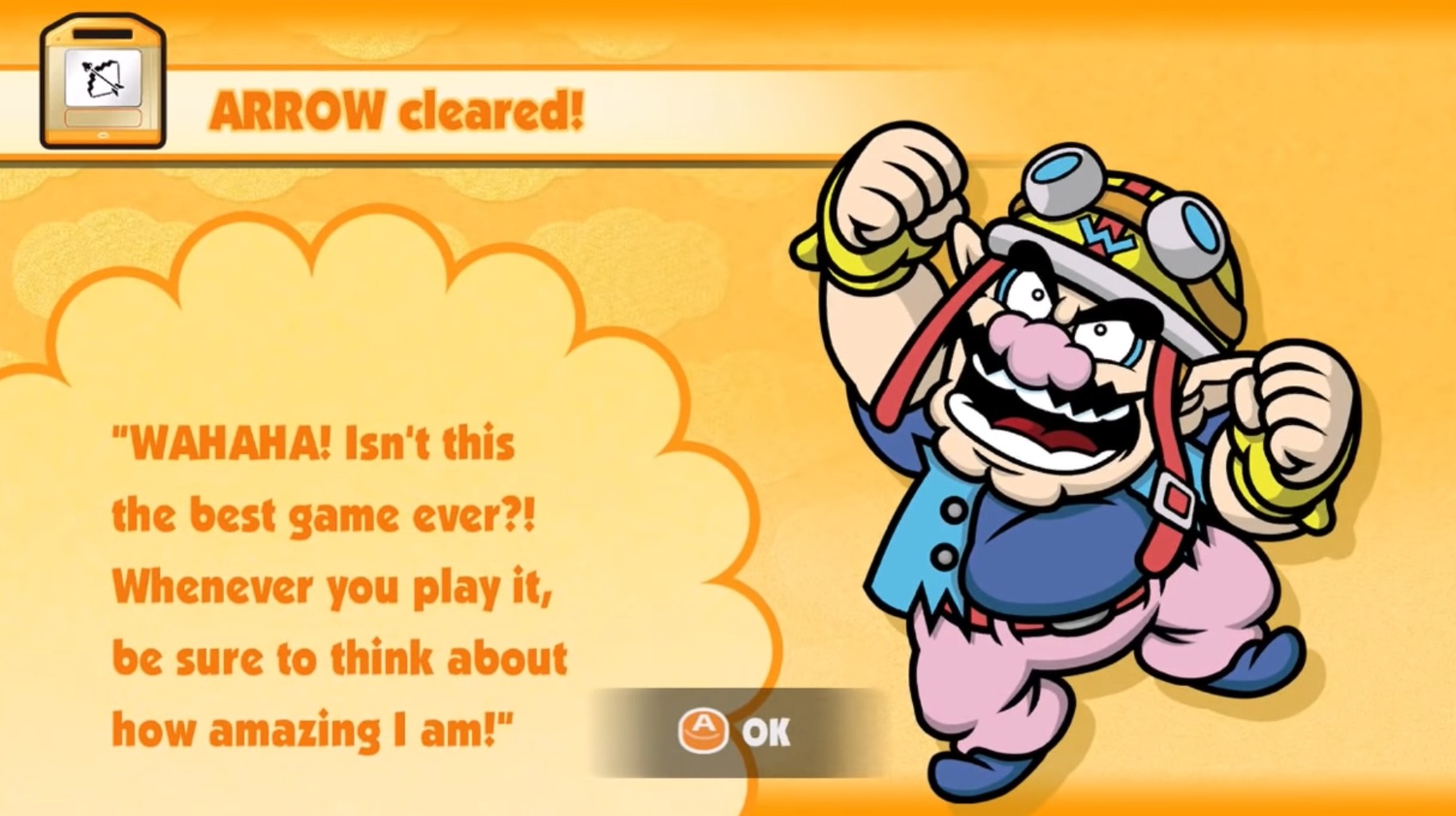
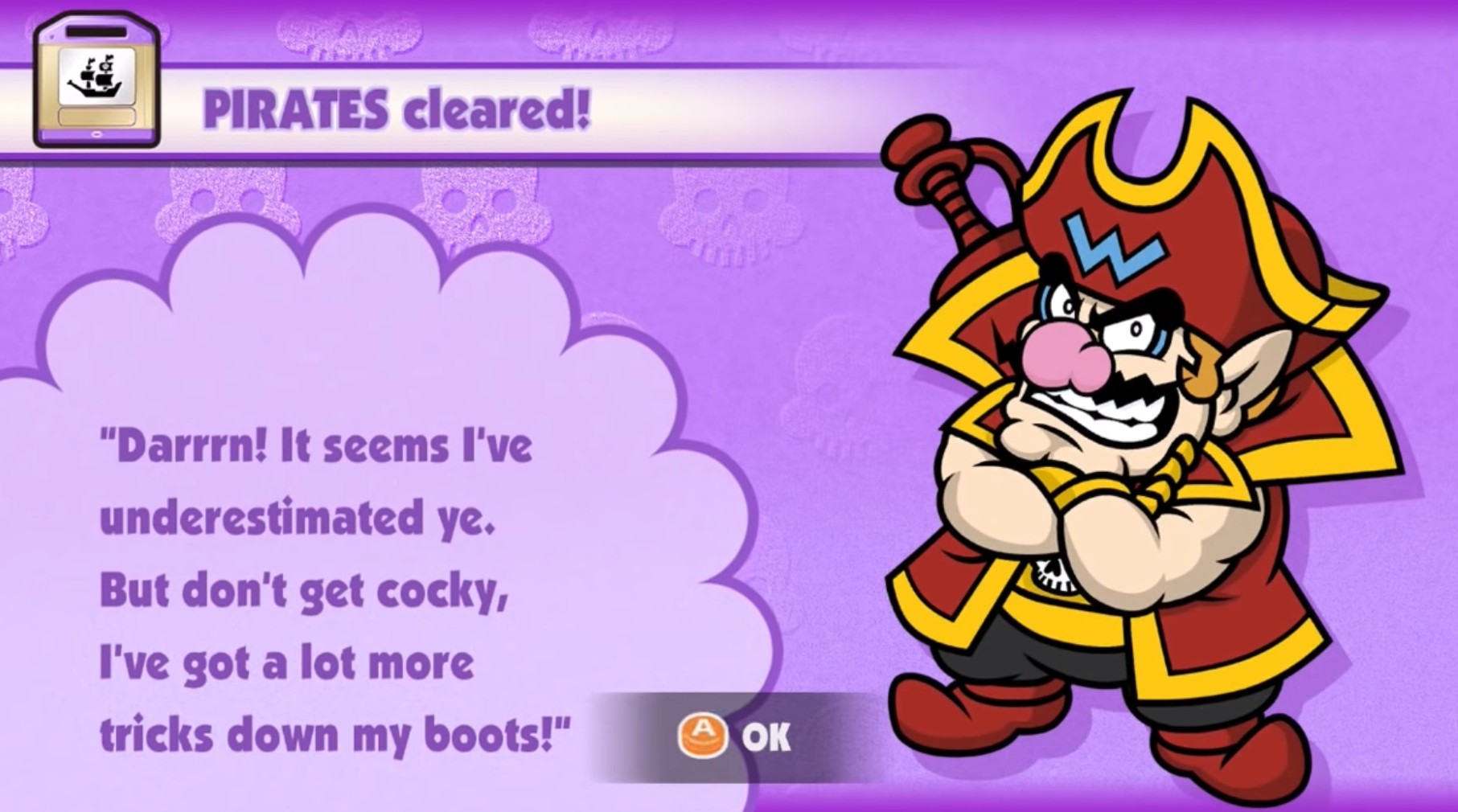
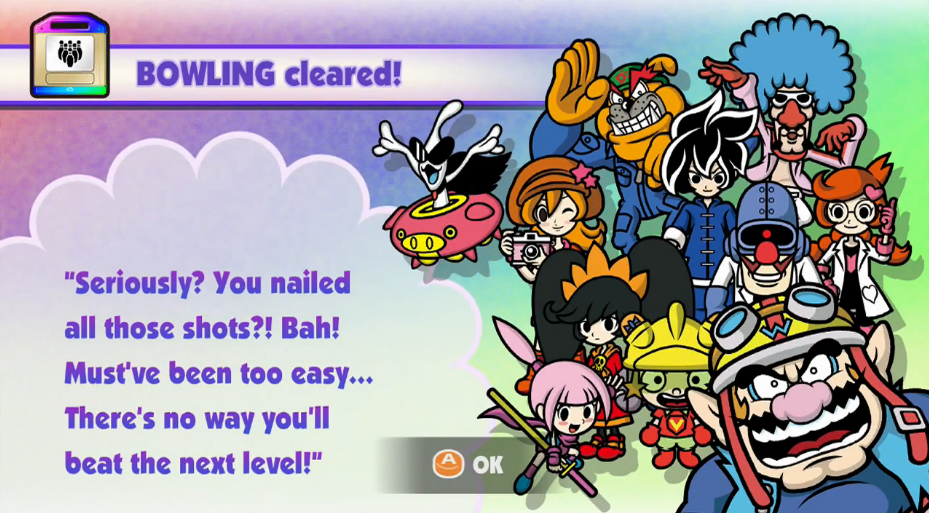
Ski on the TV and the GamePad.Patchwork.Ashley in her game.Taxi: the TV shows the map, the GamePad the bazooka.Bowling.Design.Bird on the GamePad.Gamer cleared.Kung Fu cleared.Arrow cleared.Pirates cleared.Bowling cleared.Bird on the TV.
Artwork & Media Gallery
Official artwork and promotional images, from Super Mario Wiki’s gallery.
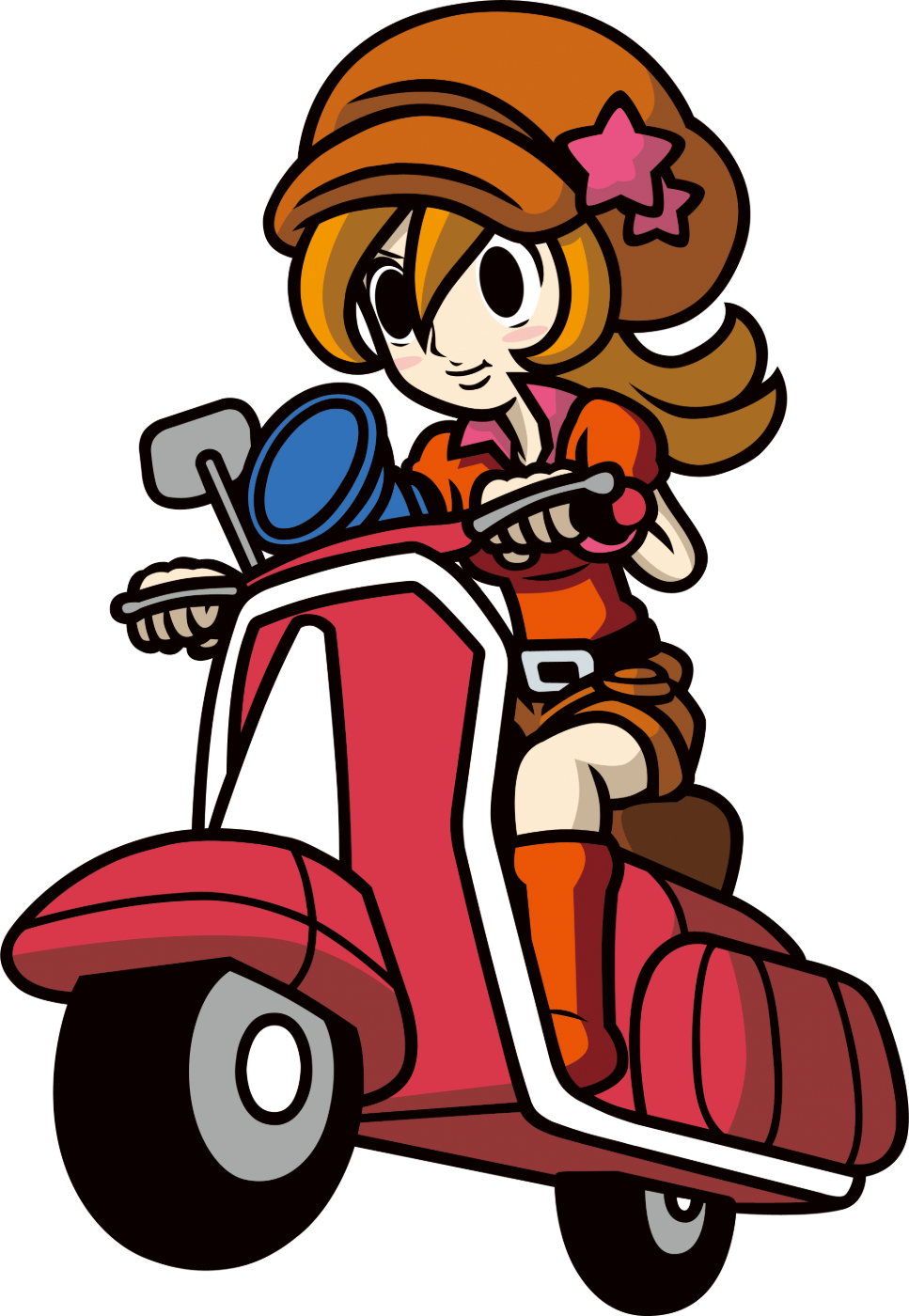
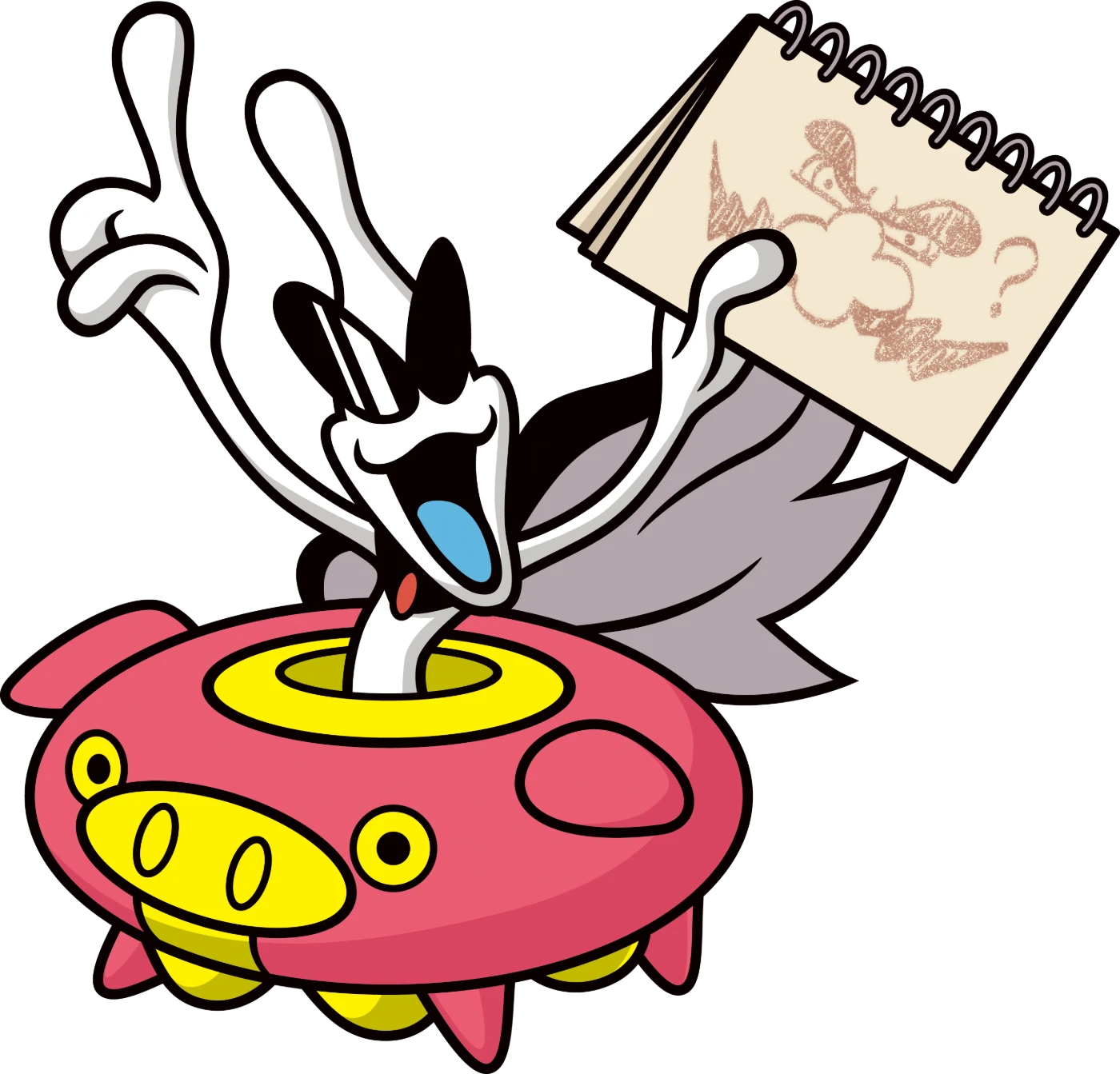
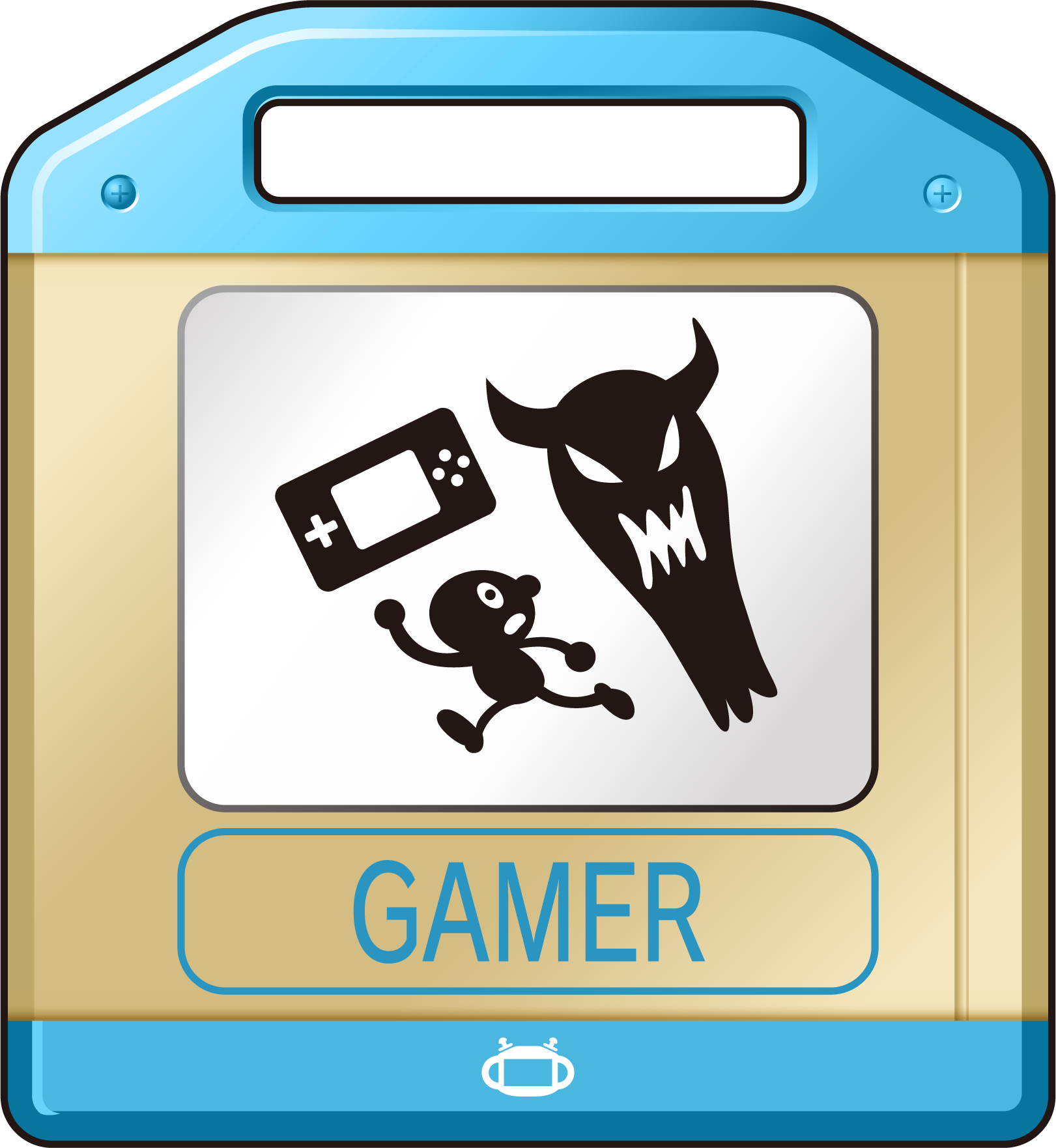
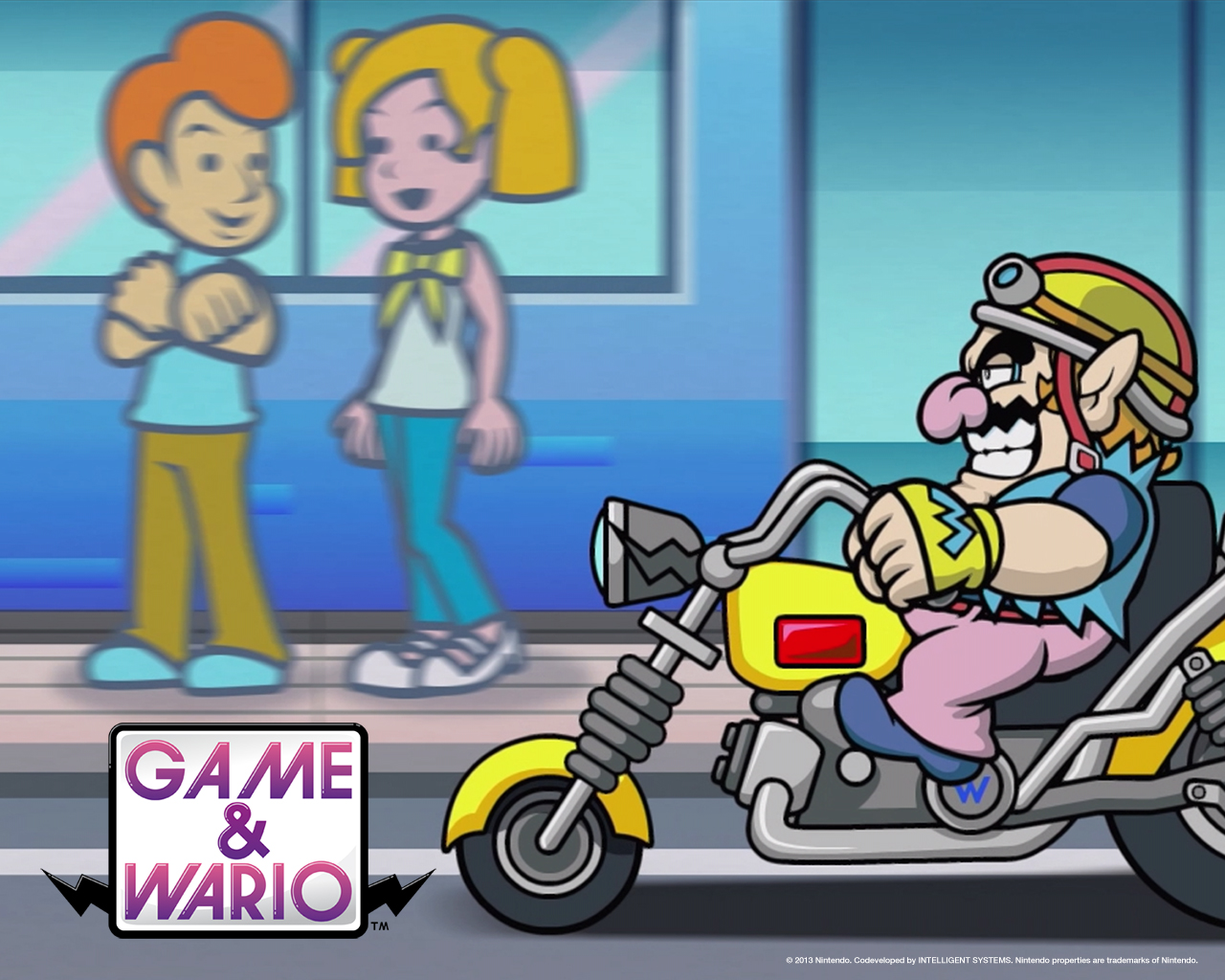
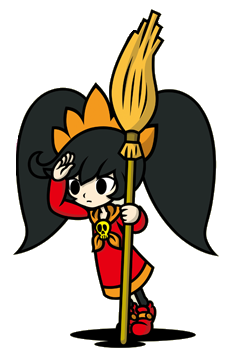
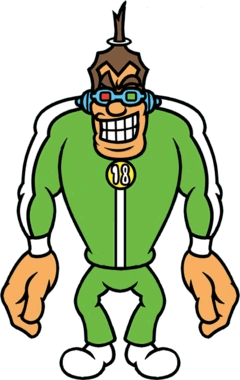
Wario, as on the Japanese, European and Australian covers.Mona on her scooter.Jimmy T skiing.Orbulon with a sketch pad.Kat.Ana.Dribble.Spitz.The Gamer case.The Fruit case.Wario on his motorbike, an official wallpaper.Ashley.18-Volt.Penny.Mike.Young Cricket.
Legacy & Re-releases
Game & Wario was never re-released, and with the Wii U eShop closed it survives on disc and in the games that borrowed from it.
Re-releases
AnnouncedJune 2012Shown at E3 2012 among upcoming Wii U games.
DelayedJanuary 2013Moved from the Wii U launch window to the first half of 2013.
Japan28 March 2013First release.
North America23 June 2013Launched with the Crowdfarter promotion.
Europe and Australia28 and 29 June 2013With a Miiverse drawing contest in Europe.
Brazil26 November 2013Last regional release.
Wii U eShop27 March 2023Purchases end; the download version is no longer sold.
What it left behind
Its ideas kept resurfacing. WarioWare Gold brought back Gamer as Sneaky Gamer and turned Fruit into a boss microgame; Get It Together! rebuilt the Cluck-A-Pop as the Cluckade; Move It! hid Gamer’s cat in a shop; and Captain Wario sailed all the way into Mario Kart World. For the series proper, start with WarioWare, Inc.: Mega Microgame$!; for Wario’s platformers, see Wario Land 4 and Wario World, or browse the games hub.
Reviews & Sales
Sales
We found no worldwide figure from Nintendo. In Japan, Media Create’s chart had it at number ten with 22,491 copies in its first week (25–31 March 2013), followed by 11,064 and 4,719 copies in the next two weeks, according to Gematsu’s reports as cited by Wikipedia. GamesRadar reported that the game and Dragon Quest X between them helped the Wii U’s sales to double that month.
22,491Japan, week one (Media Create)
61Metacritic
16games
240Cluck-A-Pop prizes
Reviews
Scores as listed by Wikipedia and Super Mario Wiki.
Metacriticaggregate, 60 reviews
61/100
GameRankingsaggregate
61.30%
Game Informer
8/10
Famitsu
31/40
DestructoidJonathan Holmes
7.5/10
Nintendo Life
7/10
PCMag
3.5/5
EurogamerChristian Donlan, June 2013
6/10
GameSpot
5/10
IGNKeza MacDonald, June 2013
5.1/10
GamesRadar+
2.5/5
Joystiq
2/5
Critics liked many of the parts more than the whole. Destructoid’s Jonathan Holmes found the games polished and good value at a budget price, while noting that the set was uneven and lacked the frantic energy of WarioWare proper. Eurogamer’s Christian Donlan felt it fell short of its potential and at times seemed defeated by the Wii U itself. IGN’s Keza MacDonald was hardest on it, finding only a few of the games worth returning to and lamenting that the Wii U still lacked its own Wii Sports. GameXplain scored the multiplayer a point higher than the single-player.
SLB User Reviews
Game & Wario has yet to receive a community review on Super Luigi Bros.
If you’ve played Game & Wario and would like to submit a review, please get in touch.
More from the Super Luigi Bros Guide
These picture lists come from the earlier Super Luigi Bros guide to Game & Wario and are kept here in full.
Solo minigames
Twelve single-player minigames, each built around a different GamePad mechanic and hosted by a different WarioWare character.
Arrow
Hosted by Wario
Tilt and aim the GamePad like a bow, then tap to fire arrows at Wario robots on the TV screen. Features a giant robot boss at the end. Exactly as silly as it sounds, exactly as fun.
Shutter
Hosted by Mona
Use the GamePad as a camera to search buildings in Diamond City for hidden criminals. Photograph them and send the evidence to the newspaper. Clever use of the GamePad as a viewfinder.
Ski
Hosted by Jimmy T
Tilt the GamePad to steer Jimmy T down a ski slope, avoiding obstacles to the finish. Straightforward gyroscope use but satisfying to master at higher difficulties.
Patchwork
Hosted by Kat & Ana
Place differently shaped patches onto a cloth to fill a silhouette. A relaxed puzzler — figure out what the completed object is as you go. Satisfying when it clicks.
Kung Fu
Hosted by Young Cricket
Young Cricket bounces off every platform he lands on — tilt the GamePad to steer him over the next one while he’s in midair. Gets frantic fast.
Gamer
Hosted by 9-Volt & 18-Volt
You’re playing microgames on the GamePad when 9-Volt’s mum keeps barging into the room. Fake being asleep before she catches you. A brilliant concept and arguably the game’s standout mode.
Design
Hosted by Dr. Crygor
Dr. Crygor shows you a shape outline — redraw it as accurately as possible with the touchscreen. Can be played with two players comparing drawings. A genuine test of steady hands.
Ashley
Hosted by Ashley
Red has been turned into a broom. Fly Ashley around on him, collecting sweets and blasting others with magic. Wonderfully weird — and the Ashley character moments are great.
Taxi
Hosted by Dribble & Spitz
Dribble and Spitz are running a taxi service when aliens start abducting customers. Aim a bazooka using the GamePad to shoot down alien ships while your passengers wave from the TV.
Pirates
Hosted by Captain Wario
Captain Wario orders his pirates to fire arrows at you — move the GamePad in time with the music to block them. A rhythm-action game with Wario in a pirate hat. Brilliant fun.
Bowling
All characters
Rotate the GamePad to aim, then roll. It feels like a victory lap for the whole game. A nice send-off for completing the solo content.
Bird
Hosted by Pyoro
Beans fall from the sky — Pyoro has to catch them with his tongue before they land on him. Based on the classic Game & Watch-inspired Pyoro game. Gets hectic at speed.
Multiplayer minigames
The four multiplayer modes are where Game & Wario really shines. One player holds the GamePad with a fundamentally different role to everyone watching the TV — brilliantly designed for groups and genuinely funny to play.
Fruit MP
Hosted by Penny
One player secretly steals fruit across a town using the GamePad. TV players try to spot the thief. The GamePad player has to act casual while doing suspicious things — hilarious with friends.
Sketch MP
Hosted by Orbulon
The GamePad player draws something while everyone else guesses what it is. Twists include drawing upside down or mirrored. A Pictionary-style hit that always draws a crowd.
Islands MP
Hosted by Fronk
Use the GamePad to catapult Fronks onto island sections for points. Players can knock each other’s Fronks off. Competitive, chaotic and surprisingly strategic.
Disco MP
Hosted by Mike
One player creates a beat; the next must replicate it. Gets progressively longer and harder. Simple concept, genuinely tense — especially in longer chains.
To provide the best experiences, we use technologies like cookies to store and/or access device information. Consenting to these technologies will allow us to process data such as browsing behavior or unique IDs on this site. Not consenting or withdrawing consent, may adversely affect certain features and functions.
Functional
Always active
The technical storage or access is strictly necessary for the legitimate purpose of enabling the use of a specific service explicitly requested by the subscriber or user, or for the sole purpose of carrying out the transmission of a communication over an electronic communications network.
Preferences
The technical storage or access is necessary for the legitimate purpose of storing preferences that are not requested by the subscriber or user.
Statistics
The technical storage or access that is used exclusively for statistical purposes.The technical storage or access that is used exclusively for anonymous statistical purposes. Without a subpoena, voluntary compliance on the part of your Internet Service Provider, or additional records from a third party, information stored or retrieved for this purpose alone cannot usually be used to identify you.
Marketing
The technical storage or access is required to create user profiles to send advertising, or to track the user on a website or across several websites for similar marketing purposes.




 ArrowWario · 1 playerHold the GamePad up as a bow and shoot down robot Warios, with a MechaWario boss to face.
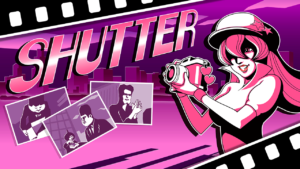 ShutterMona · 1 player · Camera in EuropeUse the GamePad as a camera lens to find and photograph targets.
 SkiJimmy T · 1 playerTilt the upright GamePad to steer downhill.
 PatchworkKat & Ana · 1 playerFit pieces of cloth together to make a picture.
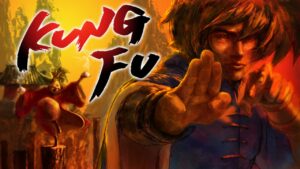 Kung FuYoung Cricket & Master Mantis · 1 playerTilt to steer a bouncing Cricket from platform to platform.
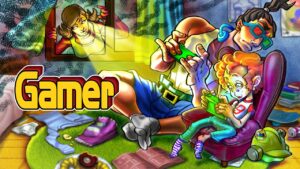 Gamer9-Volt & 18-Volt · 1 playerMicrogames under the covers, with one eye on 5-Volt.
 DesignDr. Crygor · 1–2 playersDraw shapes and lines to exact measurements.
 AshleyAshley & Red · 1 playerA broomstick shooter through a world of sweets.
 TaxiDribble & Spitz · 1 playerDrive, shoot UFOs with a bazooka and deliver passengers.
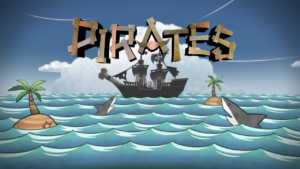 PiratesCaptain Wario · 1 playerBlock arrows in time to the music; its completion unlocks the epilogue.
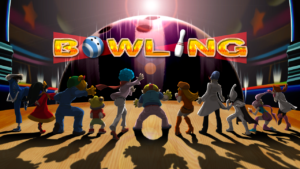 BowlingThe whole cast · 1–2 playersTurn the GamePad to aim; Challenge or Standard ten-frame games.
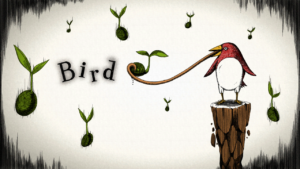 BirdPyoro · 1 playerThe first WarioWare’s Pyoro, redone as a Game & Watch.
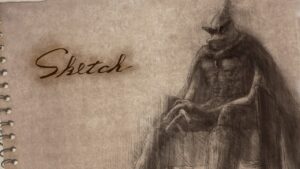 SketchOrbulon · 2–5 players · Artwork in EuropeOne draws on the GamePad, the rest guess.
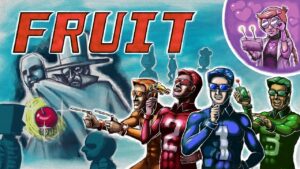 FruitPenny · 2–5 playersOne player is a thief in the crowd; the others must spot them.
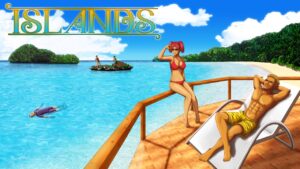 IslandsThe Fronks · 2–5 playersFling Fronks onto an island and knock off your rivals’.
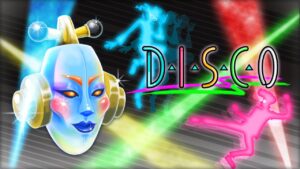 DiscoMike · 2 playersA rhythm duel on a shared touch screen.
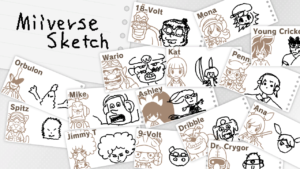 Miiverse SketchOnline · Miiverse Artwork in EuropeDraw words suggested by Miiverse users. No longer available.


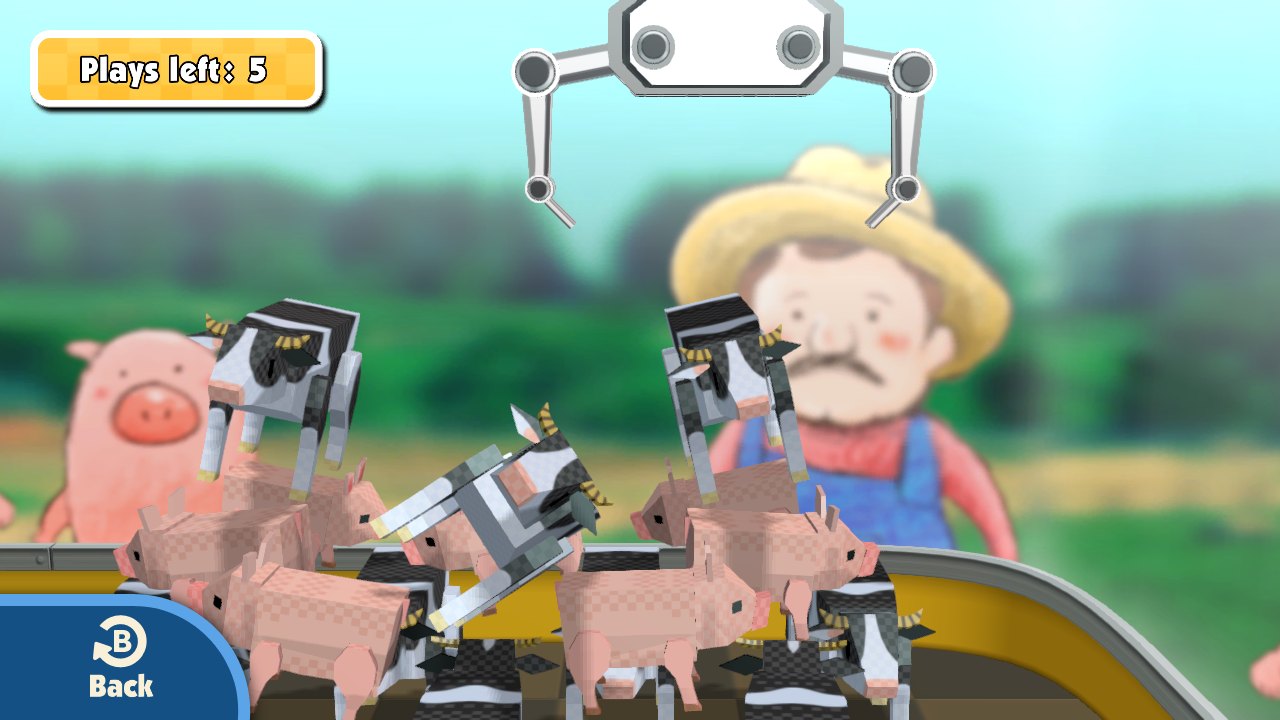
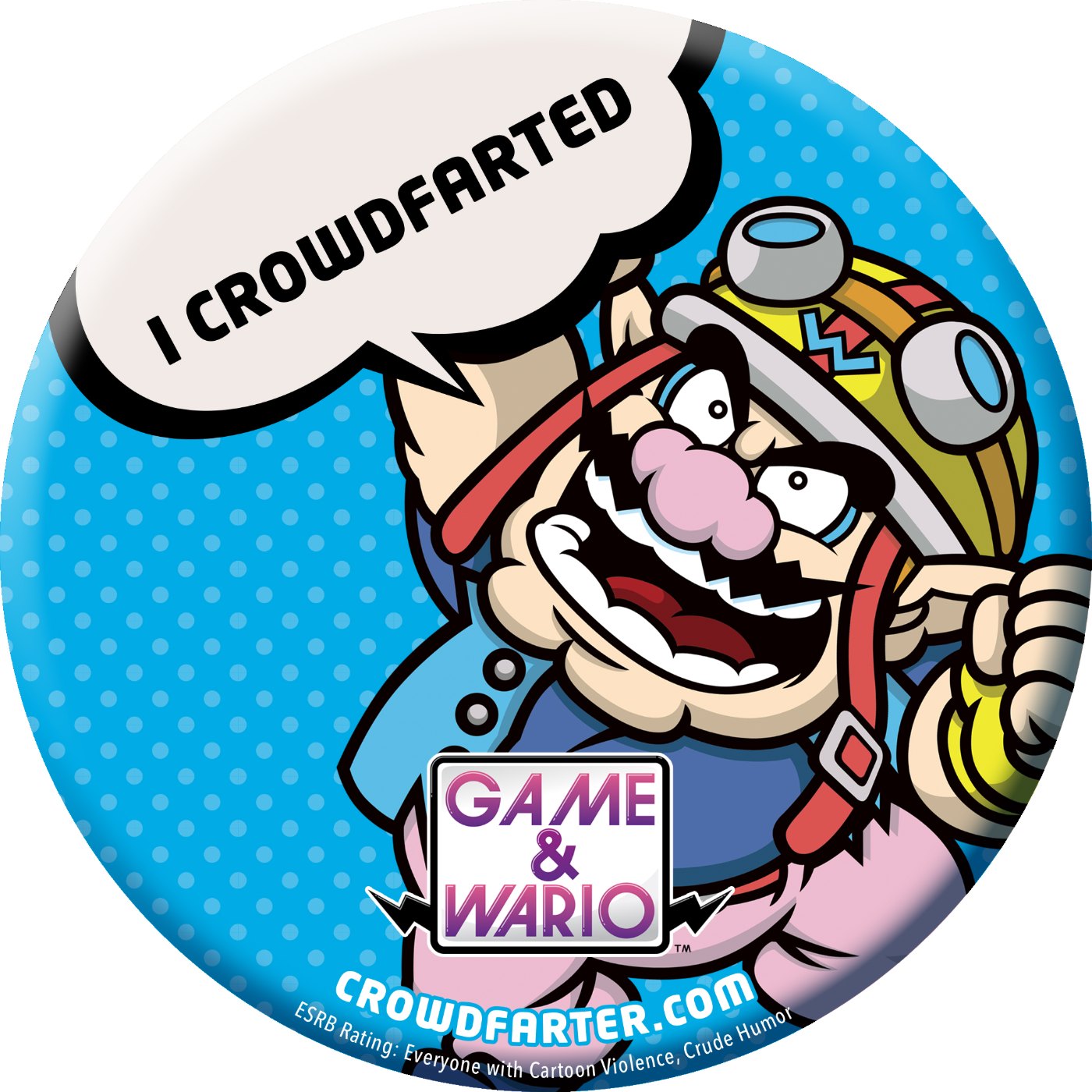 CrowdfarterNintendo of America, May 2013A spoof crowdfunding site for the North American launch: fans “donated” tweets and Facebook likes to unlock a badge, a wallpaper, Wario ringtones and a trailer.
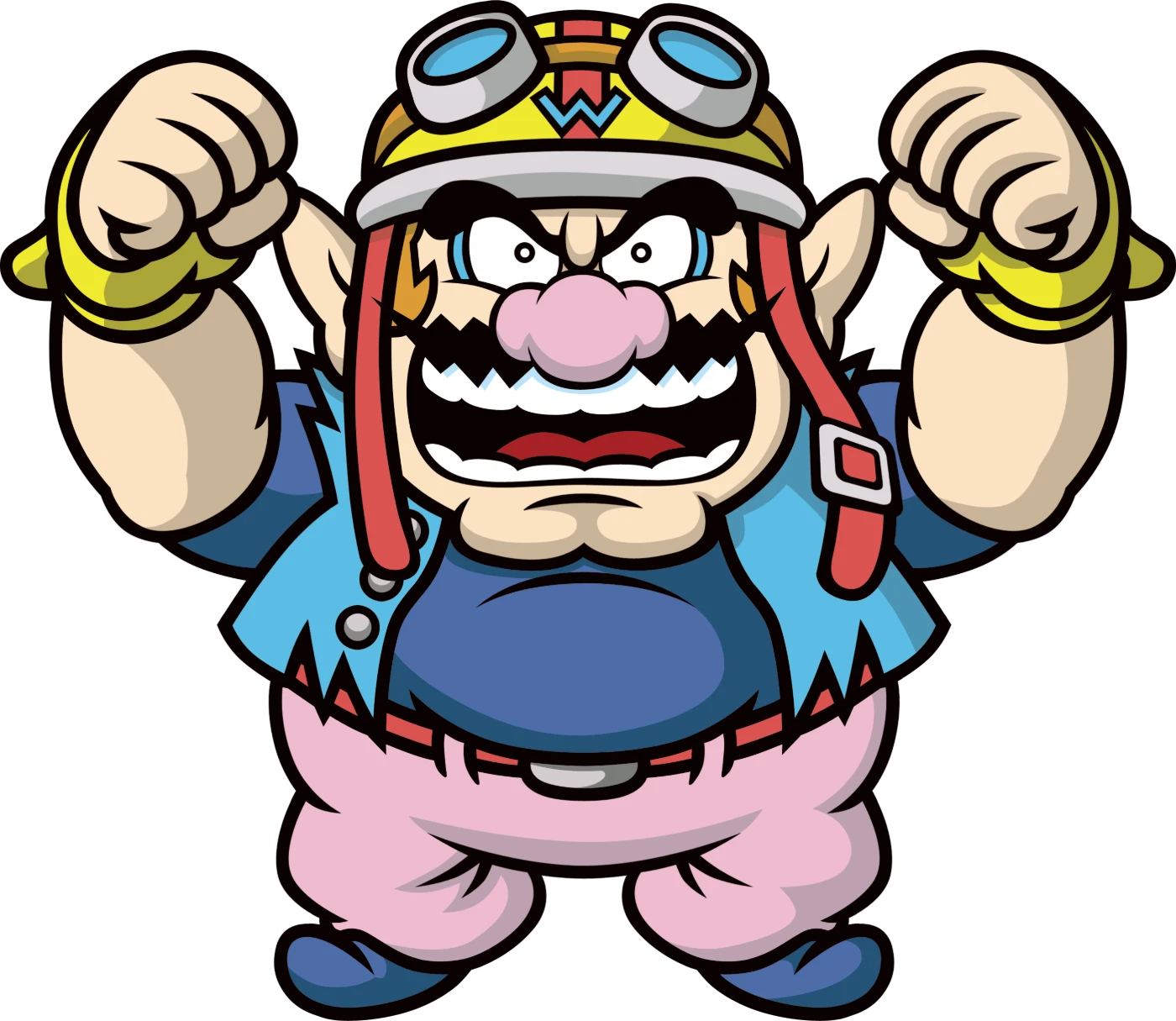 WarioGames mogul
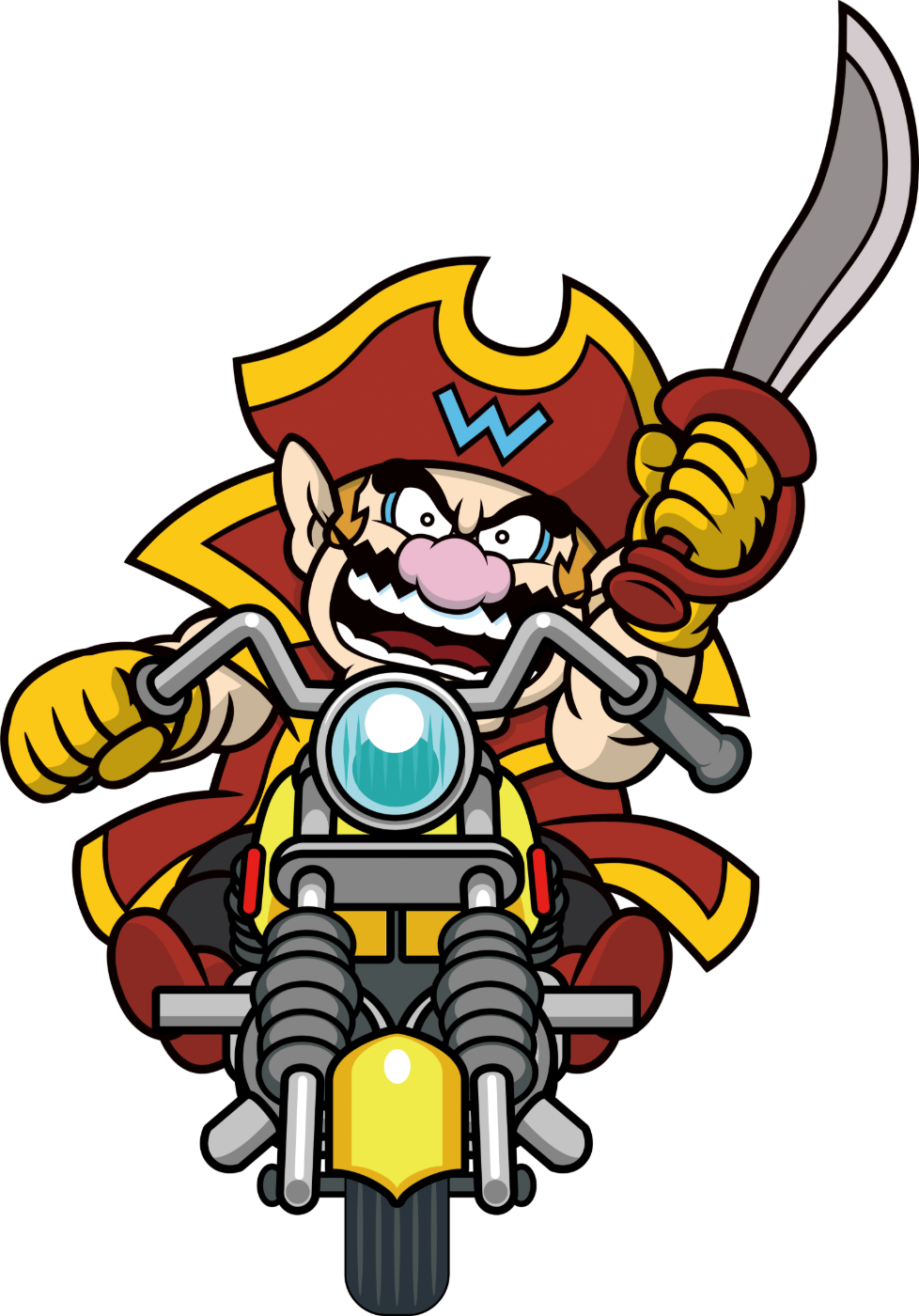 Captain WarioWario’s pirate alter ego
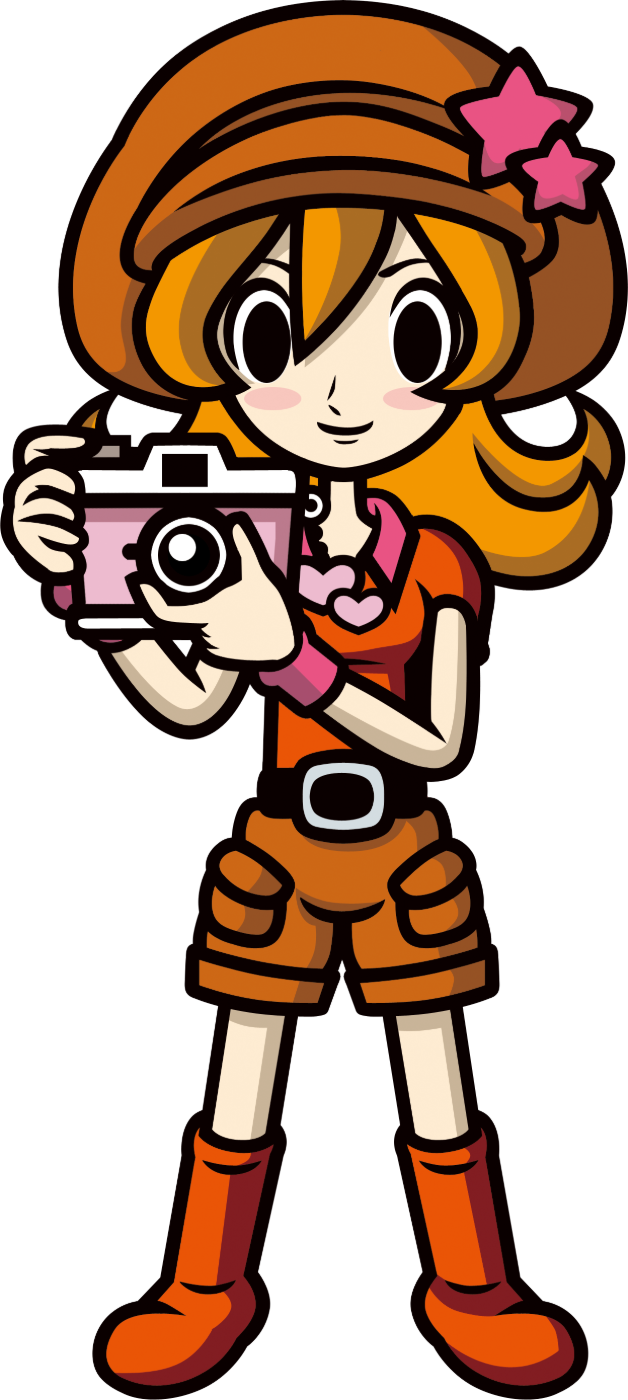 MonaPhotographer
 Editor JoeNewspaper editor
 Jimmy TDisco dancer
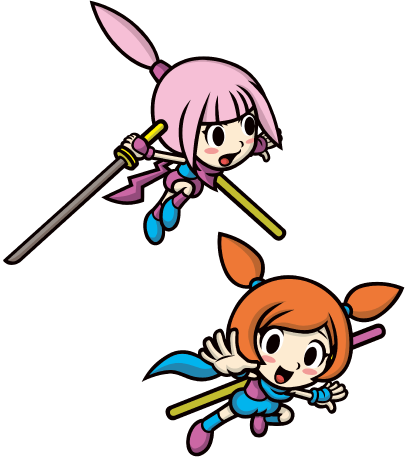 Kat & AnaNinja twins
 Young CricketKung-fu student
 Master MantisKung-fu master
 9-VoltSchoolboy gamer
 18-VoltRapper and gamer
 5-Volt9-Volt’s mum
 Dr. CrygorScientist
 Ashley & RedWitch and sidekick
 Dribble & SpitzTaxi drivers
 PyoroBean-catching bird
 OrbulonAlien
 PennyInventor
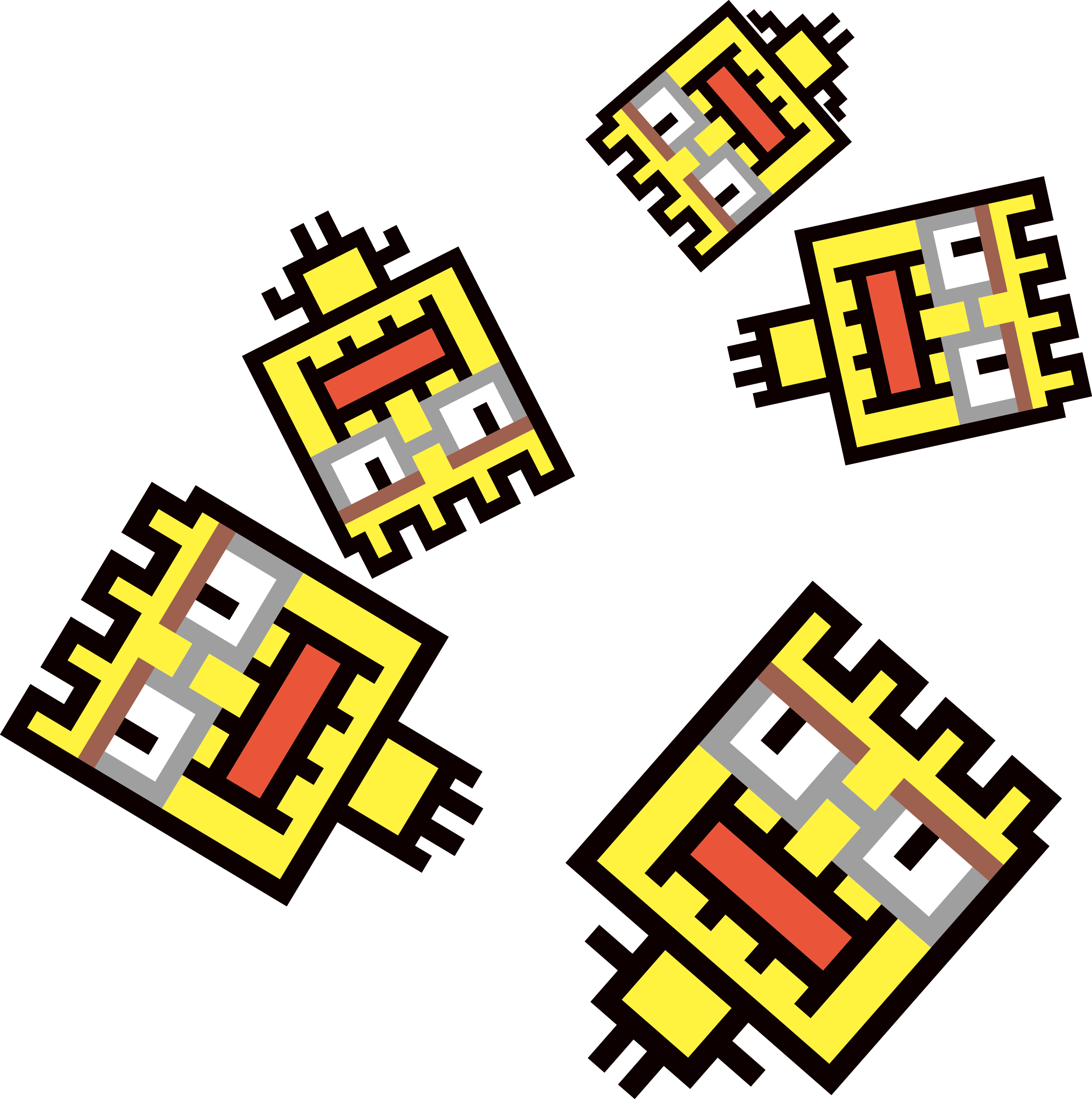 The FronksLittle creatures
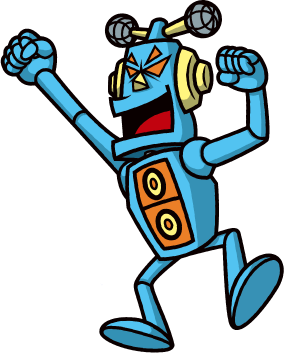 MikeKaraoke robot
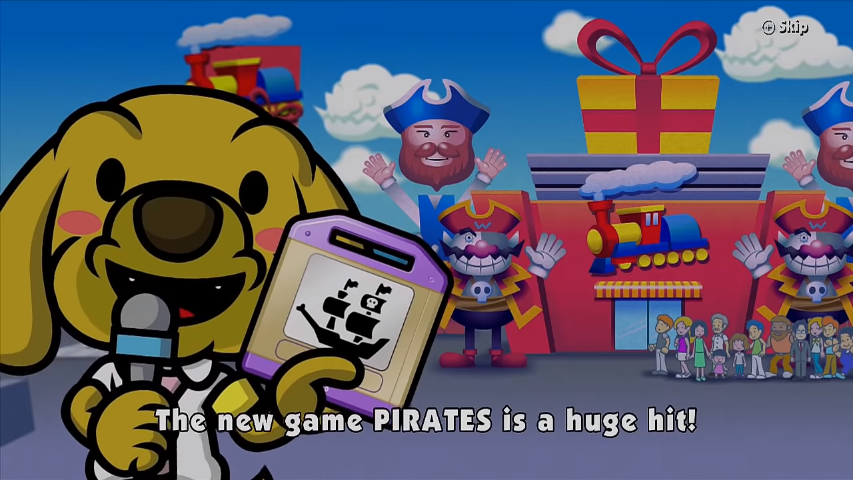 Reporter JohnTV reporter