
Super Mario Box Art & Covers
Front and back covers from every era of Mario – Atari cartridges, NES boxes, N64 cases and Wii U sleeves – with regional variants wherever we have them.
The box was the first picture of Mario most of us ever saw. Here are 149 galleries of them and, further down, the story behind the covers: Shigeru Miyamoto’s own Famicom illustration, the pixel-art NES black boxes, the budget reprints and the sealed copies that now sell for millions.
Overview
Box art from Super Mario series games. Lost the cover to one of your games? Wondered what a cover for another game looked like, or collect box art? This is the place. If you have a game we don’t have the box art for, please mail it to submissions@superluigibros.com and we will put it up, crediting you.
Where we can we try to include box art from as many regions as possible. The galleries are grouped by console below – search for a game or jump straight to a platform.
Before trailers, before screenshots online, the box in the shop window had one job: to make you want the game inside. Mario’s covers show how Nintendo went about it over three decades. The Famicom had illustrated boxes; the NES arrived in America in uniform black boxes decorated with pixel art; Super Mario 64 brought in CG illustrators; budget reissues added gold wordmarks and yellow banners; and regional editions gave the same game a different picture, or a different name, from one country to the next. Along the way a single drawing by Shigeru Miyamoto, made in a hurry for the Super Mario Bros. package, became the starting point for the official Mario artwork that followed.
The archive runs from 1982 to 2014 and is shelved by console, from the NES to the Wii U, with a last shelf for Atari, home computers, the PC and the Philips CD-i. Each card opens a gallery of covers. If you only have a minute, start with the highlights below, then read the short history further down the page to see why the same game can look so different in Kyoto, Seattle and Frankfurt.
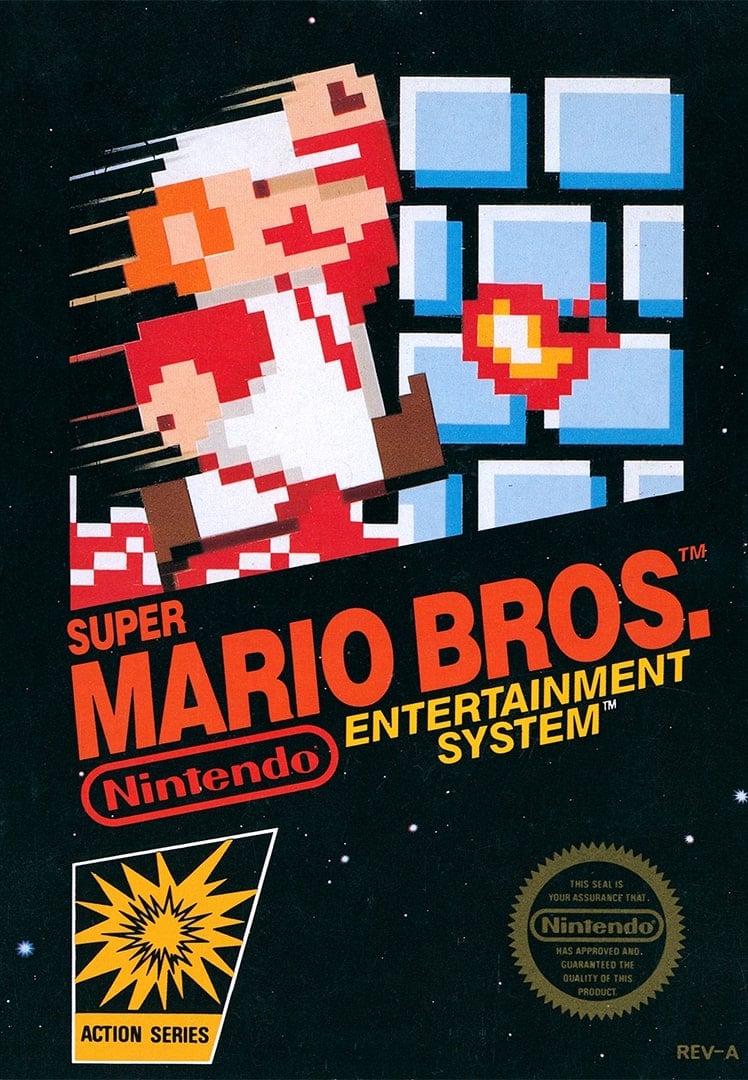
- Super Mario Bros. (NES) – three covers of the game that made Mario a star.
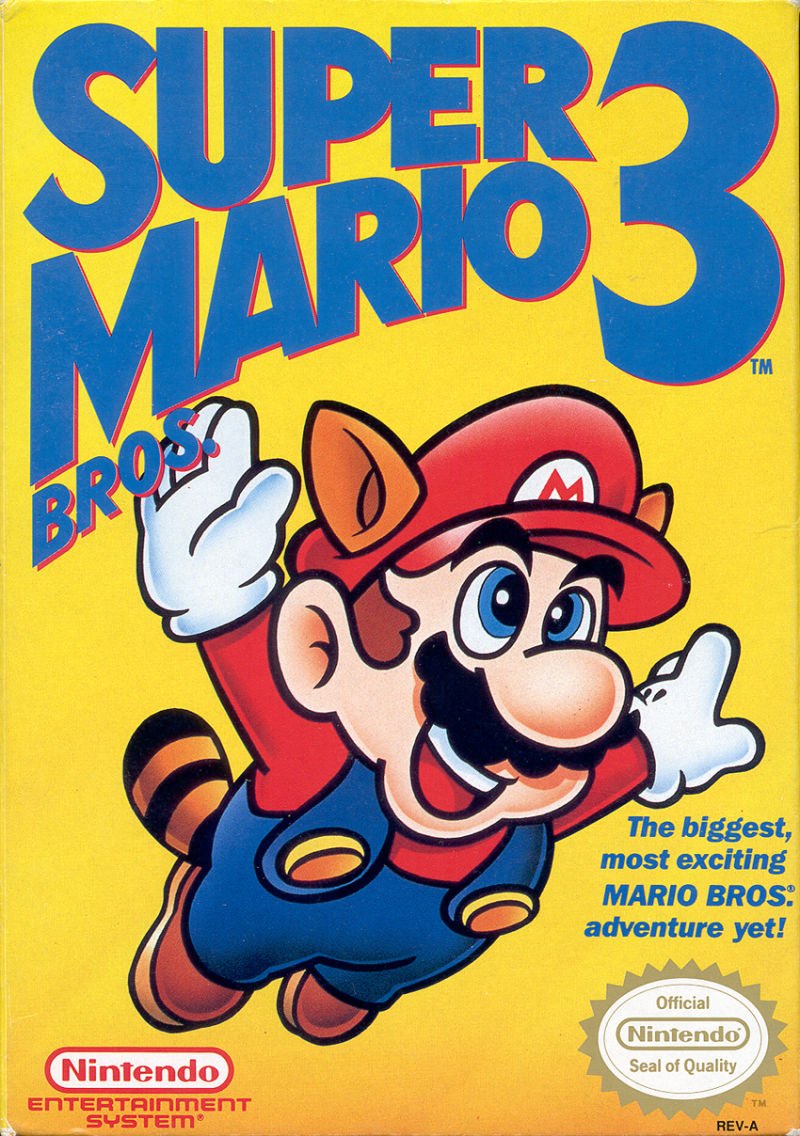
- Super Mario Bros. 3 (NES) – Raccoon Mario, and the Bros. that moved.
- Super Mario Kart (SNES) – four covers of the 16-bit original; Japan and the West used different paintings.
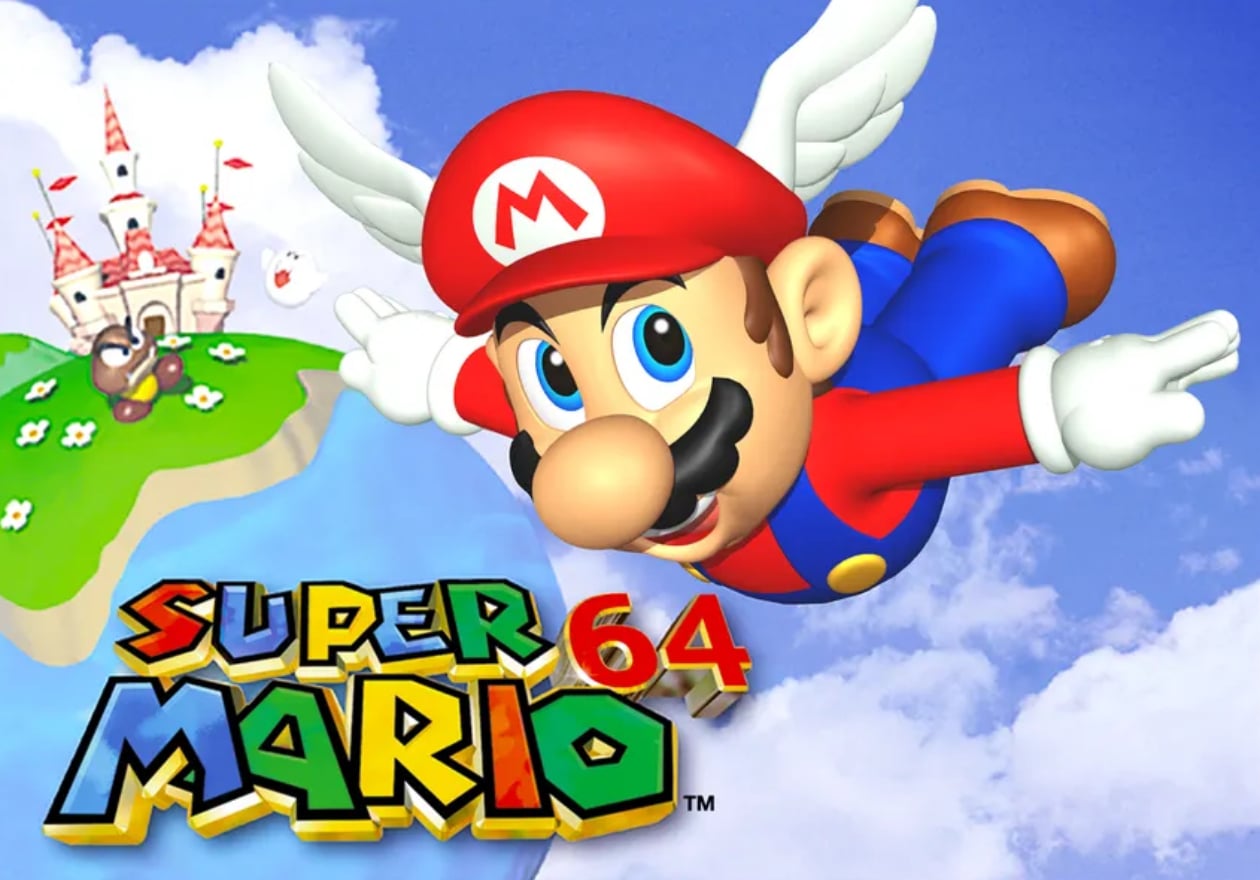
- Super Mario 64 (N64) – the 3D launch game whose credits list five CG illustrators.
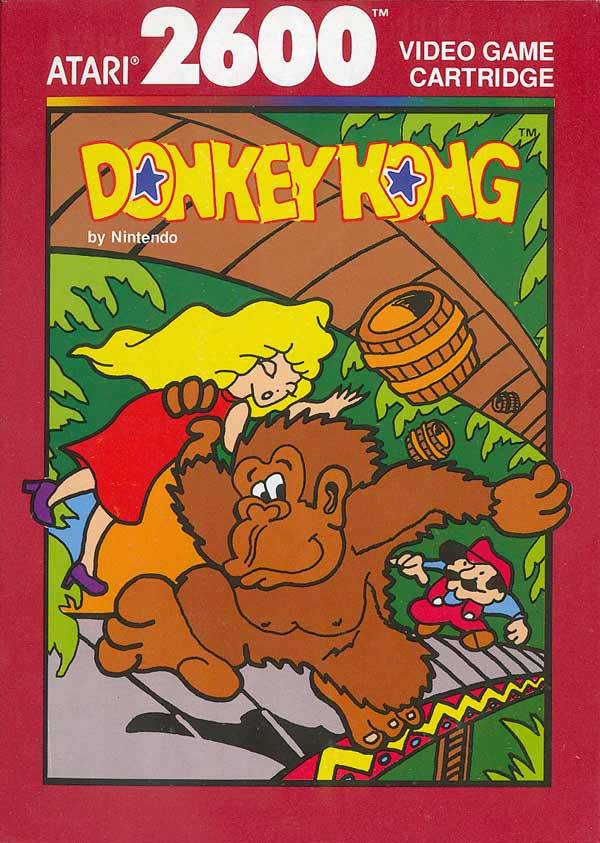
- Donkey Kong (Atari 2600) – one of the oldest covers here, from 1982.
“…so I drew the original art for the package myself.”
Shigeru Miyamoto on the Super Mario Bros. box, Iwata Asks (Volume 8: Yoichi Kotabe)
Quick Answers
The questions people ask most about Mario box art, answered briefly.
Who drew the Super Mario Bros. box art?
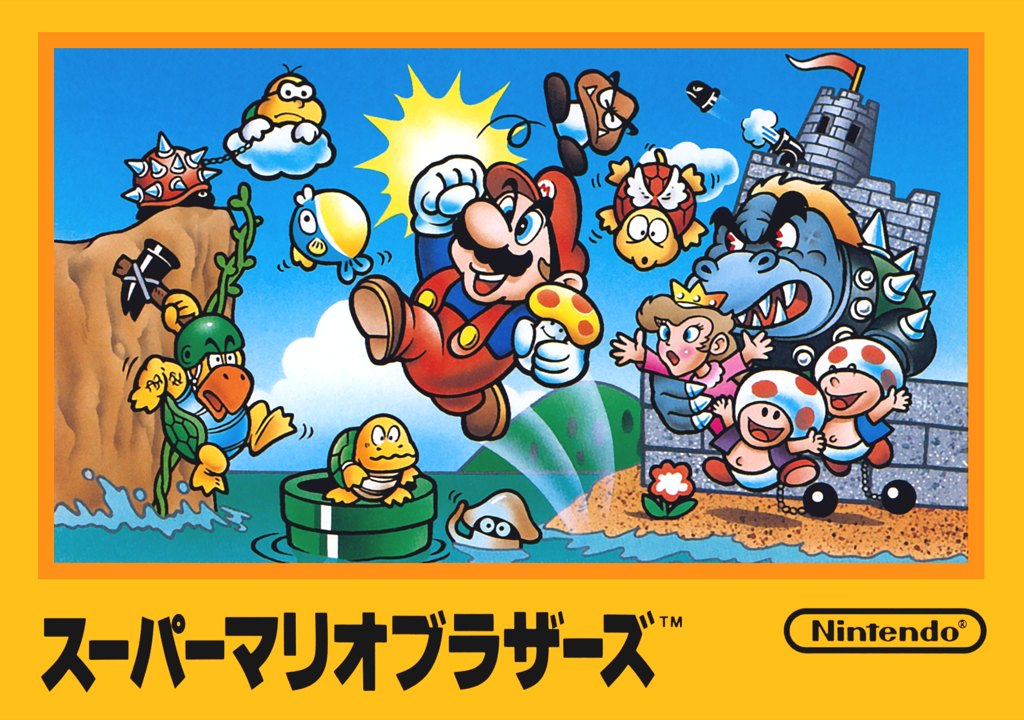
Shigeru Miyamoto, the game’s director. He had hoped to hand the job to a professional manga artist or illustrator, but the deadline was too close, so he drew the package art himself. That illustration was the reference Yoichi Kotabe worked from when he joined Nintendo in 1985 and began drawing Mario for the company. More →
What is an NES black box game?
One of Nintendo’s first-party NES releases from 1985 to 1987, all packaged the same way: a black box, a drawing of the in-game sprites across the top, the title in angled block letters and a series label (Action, Sports, Arcade and so on) in the corner. Super Mario Bros. was an Action Series black box. More →
Why are there two versions of the Super Mario Bros. 3 box?
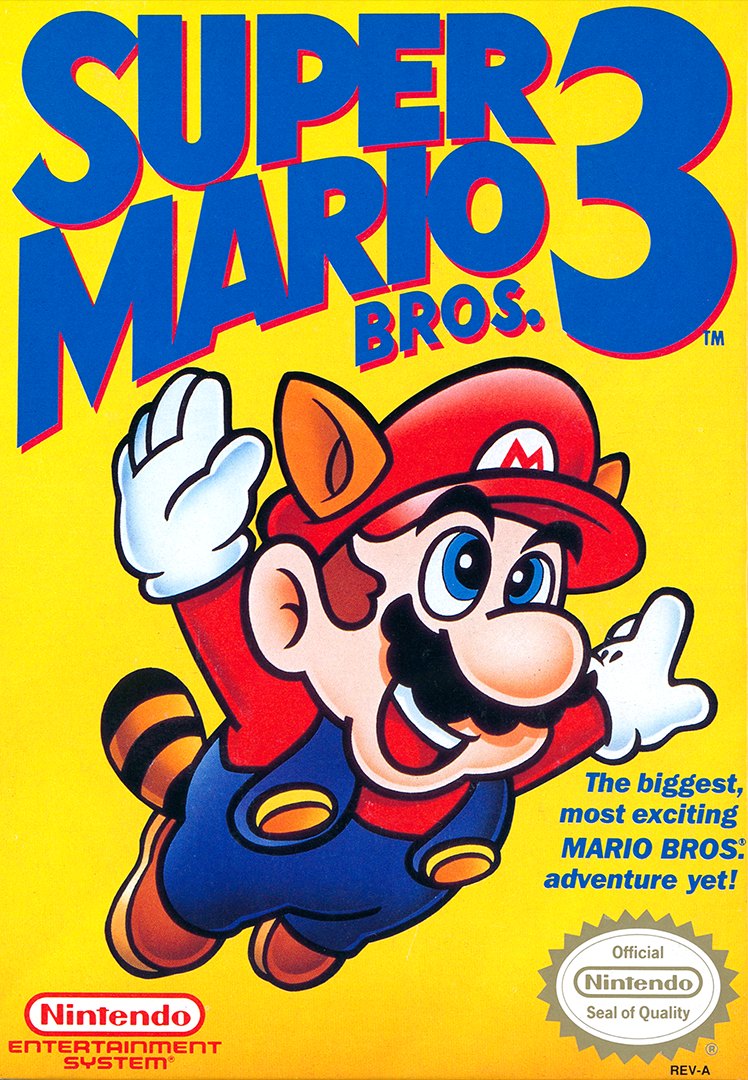
On the rare early North American printing the word “Bros.” in the logo sits on the left; later printings moved it. A sealed copy of that early version sold for $156,000 on 20 November 2020, the highest price paid for any video game at the time. More →
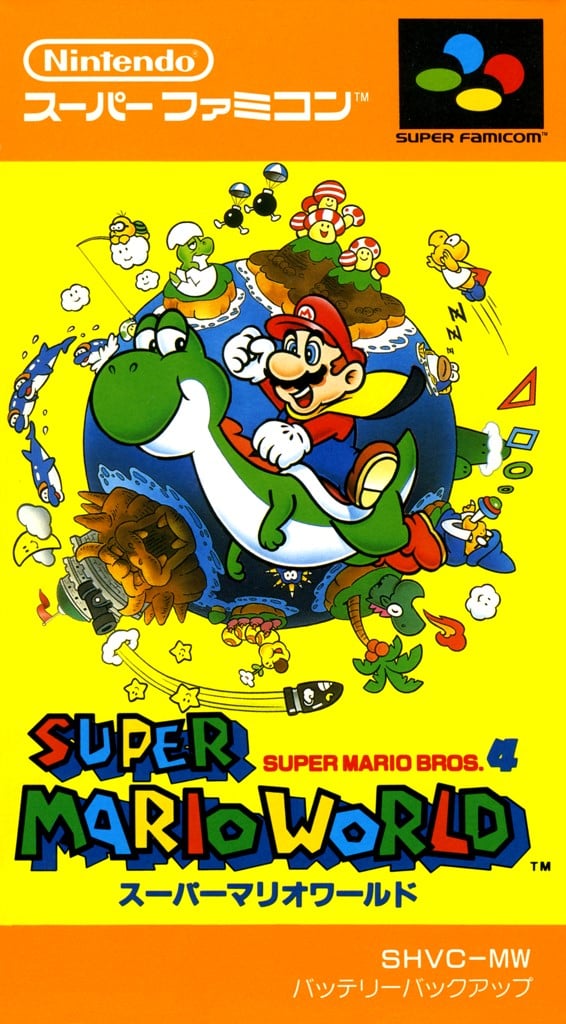
Why does the Japanese Super Mario World box say Super Mario Bros. 4?
Because that was its full name in Japan: Super Mario World: Super Mario Bros. 4, released on the Super Famicom on 21 November 1990. In the West it was simply Super Mario World. More →
What do Player’s Choice and Nintendo Selects mean on a box?
They are Nintendo’s budget labels for proven sellers. Player’s Choice began on 20 May 1996 for Super NES and Game Boy games that had sold over a million; it was renamed Nintendo Selects in May 2011. In Europe the Super NES and Game Boy reissues went out as Nintendo Classics or Classic Series instead. More →
What is the most expensive Mario game ever sold?
A sealed 1985 Super Mario Bros. graded PSA 9.6 A++, which sold for $3 million at Heritage’s video game auction of 12–13 June 2026. It beat the $2 million paid privately for another sealed copy in 2021. More →
Who is Yoichi Kotabe?
A former Toei Animation artist who joined Nintendo in 1985 and spent more than twenty years drawing its characters. Working from Miyamoto’s box illustration, he settled the look of Mario, Princess Peach and Bowser that later artwork built on. He left the company in 2007. More →
Can I send in a cover that is missing from the archive?
Yes, please. Mail it to submissions@superluigibros.com and it will go up with a credit to you. More →
Can I use these box scans on my own site?
The artwork belongs to Nintendo and the other publishers whose names are on the boxes; Super Luigi Bros. keeps these scans as a reference archive for fans and collectors. More →
Browse the Box Art Archive
Browse by platform
NES / Famicom
19 games Donkey Kong1983 · 2 covers
 Donkey Kong Jr.1983 · 2 covers
 Donkey Kong Jr. Math1983 · 2 covers
 Mario Bros. (Arcade Classics Series)1983 · 2 covers
 Pinball1984 · 2 covers
 Super Mario Bros.1985 · 3 covers
 Wrecking Crew1985 · 2 covers
 Punch-Out1987 · 1 cover
 Donkey Kong Classics1988 · 2 covers
 Super Mario Bros. 21988 · 2 covers
 Super Mario Bros. 31988 · 2 covers
 Tetris1989 · 2 covers
 Dr. Mario1990 · 2 covers
 Super Mario Bros. / Duck Hunt / World Class Track Meet1990 · 2 covers
 NES Open Tournament Golf1991 · 2 covers
 Yoshi1991 · 2 covers
 Yoshi’s Cookie1992 · 2 covers
 Mario is Missing1993 · 2 covers
 Mario’s Time Machine1994 · 2 covers
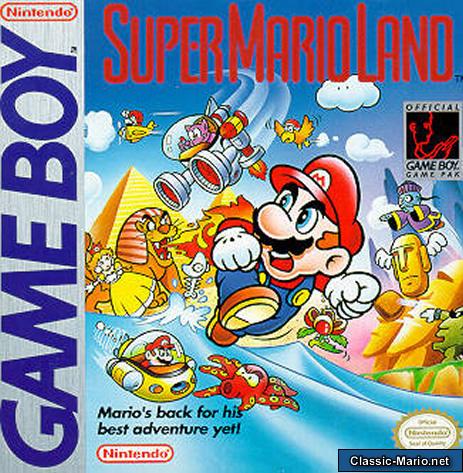
Game Boy
9 games


Super Nintendo
16 games Super Mario World1990 · 4 covers
 Mario Paint1992 · 4 covers
 Super Mario Kart1992 · 4 covers
 Mario & Wario1993 · 1 cover
 Mario is Missing1993 · 2 covers
 Mario’s Time Machine1993 · 2 covers
 Super Mario All-Stars1993 · 2 covers
 Yoshi’s Cookie1993 · 2 covers
 Yoshi’s Safari1993 · 3 covers
 Mario’s Early Years: Fun with Letters1994 · 1 cover
 Mario’s Early Years: Fun with Numbers1994 · 1 cover
 Mario’s Early Years: Preschool Fun1994 · 1 cover
 Mario’s Super Picross1995 · 2 covers
 Super Mario World 2: Yoshi’s Island1995 · 2 covers
 Super Mario RPG1996 · 4 covers
 Wrecking Crew ’981998 · 1 cover
Virtual Boy
2 games

Nintendo 64
13 games Super Mario 641996 · 2 covers
 Mario no Photopi1998 · 1 cover
 Mario Party1998 · 2 covers
 Mario Artist: Paint Studio1999 · 1 cover
 Mario Golf1999 · 2 covers
 Mario Party 21999 · 2 covers
 Super Smash Bros.1999 · 2 covers
 Mario Artist: Communication Kit2000 · 1 cover
 Mario Artist: Polygon Studio2000 · 1 cover
 Mario Artist: Talent Studio2000 · 3 covers
 Mario Party 32000 · 2 covers
 Mario Tennis2000 · 2 covers
 Paper Mario2000 · 2 covers
Game Boy Colour
4 games


Game Boy Advance
16 games Mario Kart: Super Circuit2001 · 2 covers
 Super Mario Advance2001 · 2 covers
 Super Mario Advance 22001 · 2 covers
 Donkey Kong-e (e-Reader)2002 · 2 covers
 Game & Watch Gallery 42002 · 2 covers
 Mario & Luigi: Superstar Saga2003 · 2 covers
 Super Mario Advance 42003 · 2 covers
 Classic NES Series: Dr. Mario2004 · 2 covers
 Classic NES Series: Super Mario Bros.2004 · 2 covers
 Mario Golf: Advance Tour2004 · 2 covers
 Mario vs. Donkey Kong2004 · 2 covers
 Yoshi Topsy-Turvy2004 · 2 covers
 Dr. Mario & Puzzle League2005 · 2 covers
 Mario Party Advance2005 · 2 covers
 Mario Tennis: Power Tour2005 · 2 covers
 Super Mario Advance 32 covers
GameCube
14 games Luigi’s Mansion2001 · 2 covers
 Mario Party 42002 · 2 covers
 Super Mario Sunshine2002 · 2 covers
 Mario Golf: Toadstool Tour2003 · 2 covers
 Mario Kart: Double Dash!!2003 · 2 covers
 Mario Party 52003 · 2 covers
 Mario Party 62004 · 2 covers
 Mario Power Tennis2004 · 2 covers
 Paper Mario: The Thousand-Year Door2004 · 2 covers
 Dance Dance Revolution: Mario Mix2005 · 2 covers
 Mario Party 72005 · 2 covers
 Mario Superstar Baseball2005 · 2 covers
 NBA Street V32005 · 2 covers
 SSX on Tour2005 · 2 covers
Nintendo DS
11 games Super Mario 64 DS2004 · 2 covers
 Mario & Luigi: Partners in Time2005 · 2 covers
 Mario Kart DS2005 · 2 covers
 Super Princess Peach2005 · 2 covers
 Yoshi Touch & Go2005 · 2 covers
 Game & Watch Collection2006 · 2 covers
 Mario Hoops 3-on-32006 · 2 covers
 Mario vs. Donkey Kong 2: March of the Minis2006 · 2 covers
 New Super Mario Bros.2006 · 2 covers
 Mario Party DS2007 · 3 covers
 Mario & Luigi: Bowser’s Inside Story2009 · 2 covers
Wii
15 games Mario Party 82007 · 4 covers
 Mario Strikers Charged2007 · 2 covers
 Super Mario Galaxy2007 · 2 covers
 Super Paper Mario2007 · 2 covers
 Mario Kart Wii2008 · 2 covers
 Mario Super Sluggers2008 · 2 covers
 Super Smash Bros. Brawl2008 · 2 covers
 Mario & Sonic at the Olympic Winter Games2009 · 2 covers
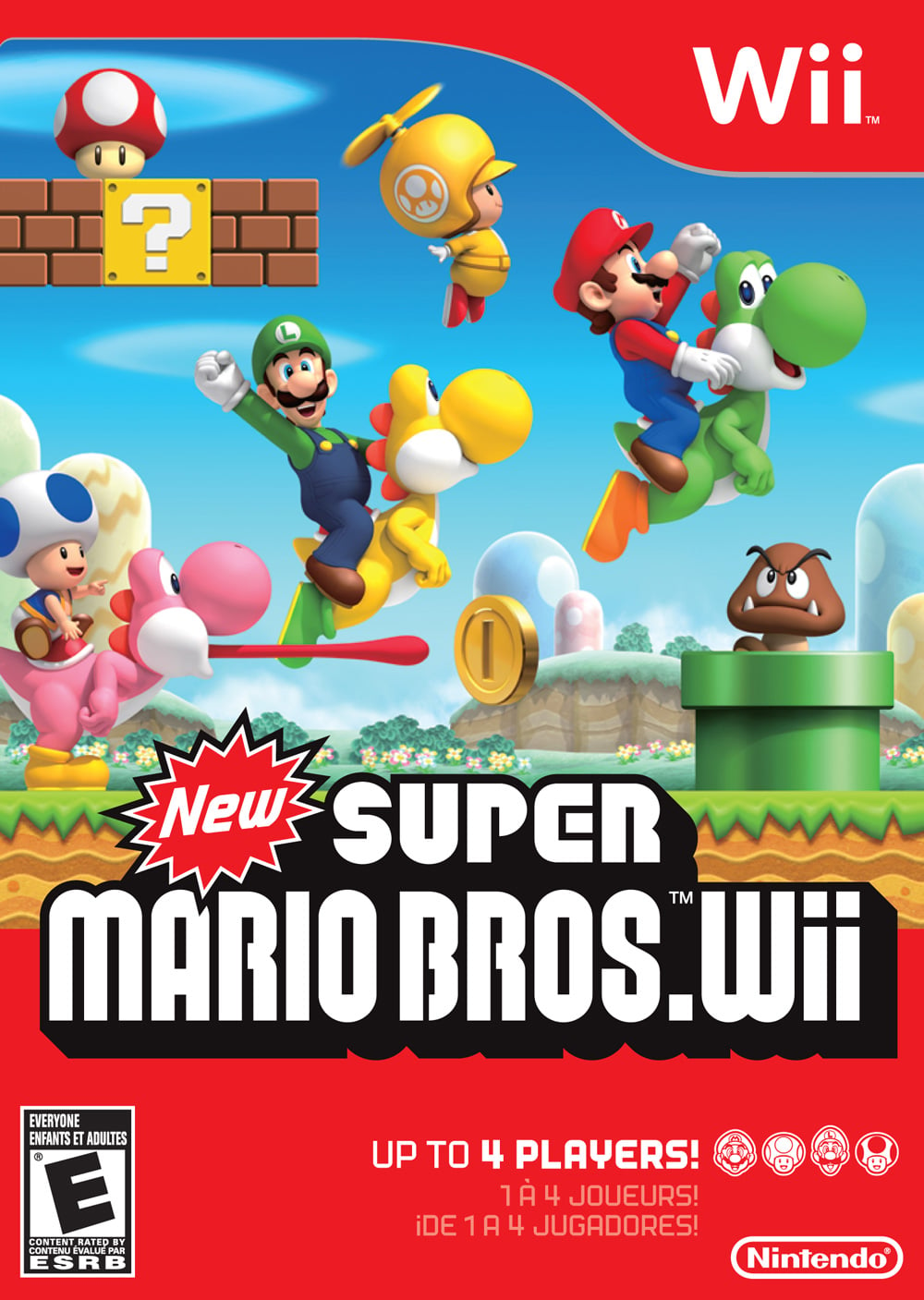
 New Super Mario Bros. Wii2009 · 2 covers
 Mario Sports Mix2010 · 4 covers
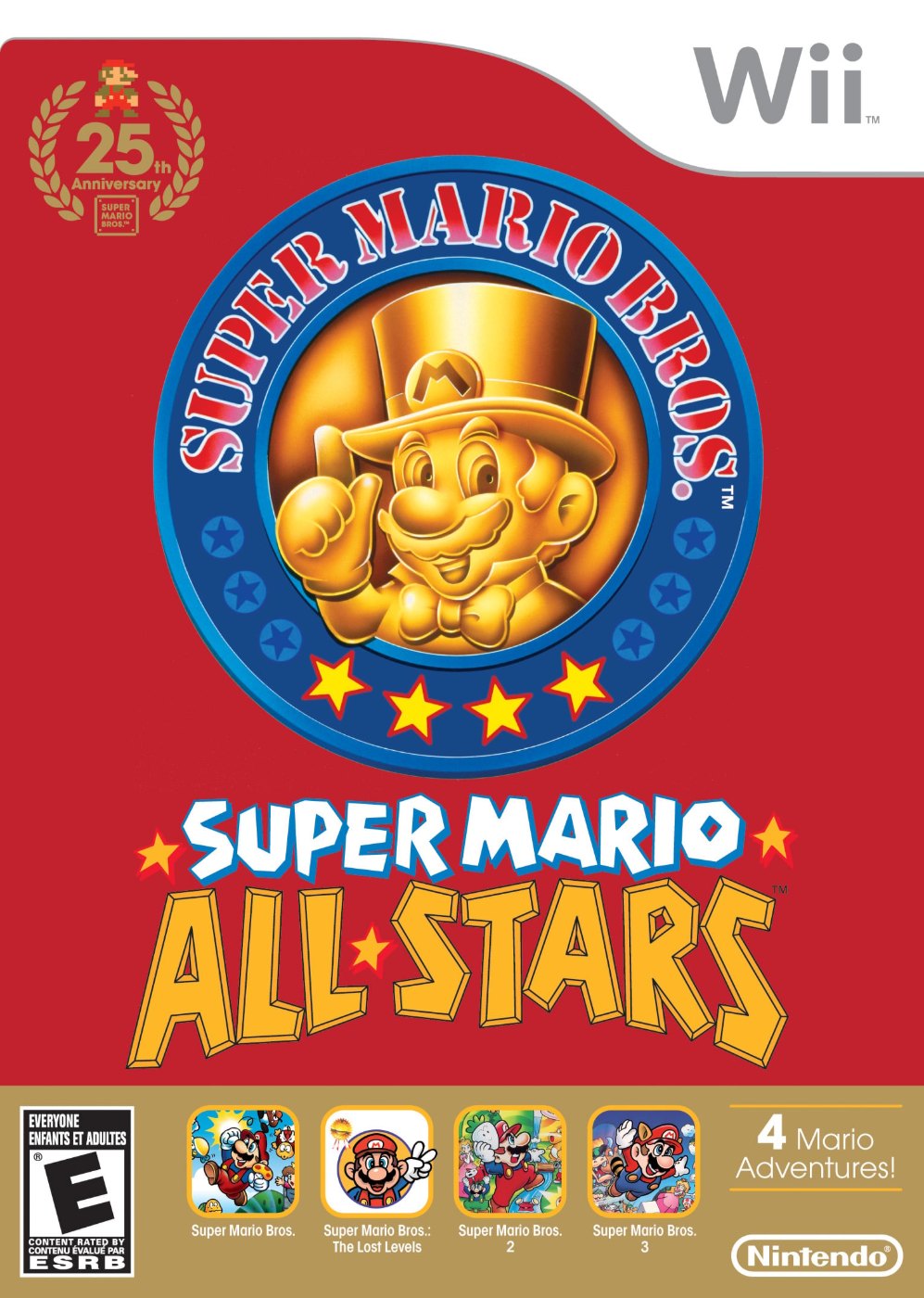
 Super Mario All-Stars 25th Anniversary Edition2010 · 6 covers
 Super Mario Galaxy 22010 · 4 covers
 Fortune Street2011 · 4 covers
 Mario & Sonic at the London 2012 Olympic Games2011 · 6 covers
 Mario Party 92012 · 4 covers
Nintendo 3DS
11 games Mario Kart 72011 · 1 cover
 Super Mario 3D Land2011 · 1 cover
 Mario & Sonic at London 2012 Olympic Games2012 · 7 covers
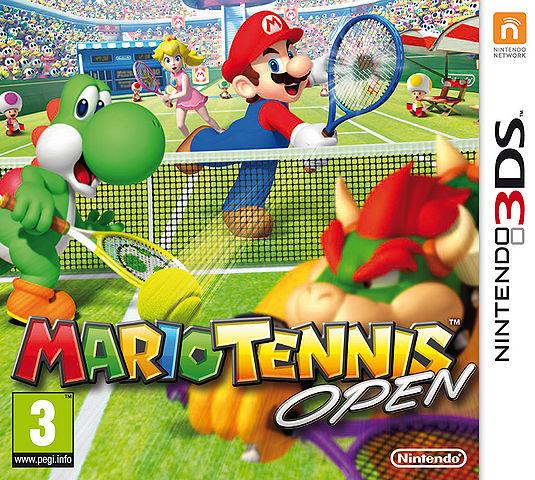 Mario Tennis Open2012 · 2 covers
 New Super Mario Bros. 22012 · 5 covers
 Paper Mario: Sticker Star2012 · 4 covers
 Luigi’s Mansion: Dark Moon2013 · 4 covers
 Mario & Luigi: Dream Team2013 · 4 covers
 Mario Party: Island Tour2013 · 3 covers
 Mario Golf: World Tour2014 · 2 covers
 Yoshi’s New Island2014 · 2 covers
Wii U
5 games


Atari, computers & other systems
14 games Donkey Kong (Atari 2600)1982 · 2 covers
 Donkey Kong (Intellivision)1982 · 1 cover
 Donkey Kong (Apple II)1983 · 3 covers
 Mario Bros. (Atari 2600)1983 · 2 covers
 Mario Bros. (Atari 5200)1984 · 2 covers
 Donkey Kong (Amstrad CPC)1986 · 1 cover
 Mario Bros. (Amstrad CPC)1987 · 1 cover
 Donkey Kong (Atari 7800)1988 · 2 covers
 Mario Bros. (Atari 7800)1988 · 2 covers
 Mario is Missing (PC)1992 · 3 covers
 Hotel Mario (Philips CD-i)1994 · 1 cover
 Mario Teaches Typing 2 (PC)1997 · 1 cover
 Mario Teaches Typing (PC)2 covers
 Mario’s Game Gallery (PC)2 covers
Nothing matches that search – try a shorter name.
A Short History of Mario Box Art
Mario has worn every kind of cover since 1982, from Atari cartridge boxes to Wii U cases. Five turning points explain most of what you will find in the archive.
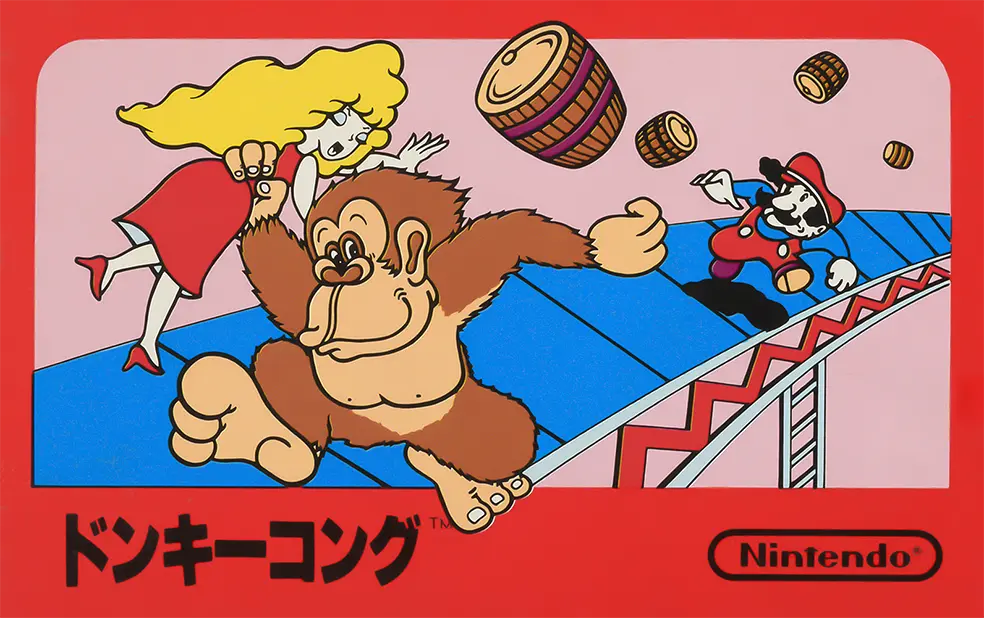
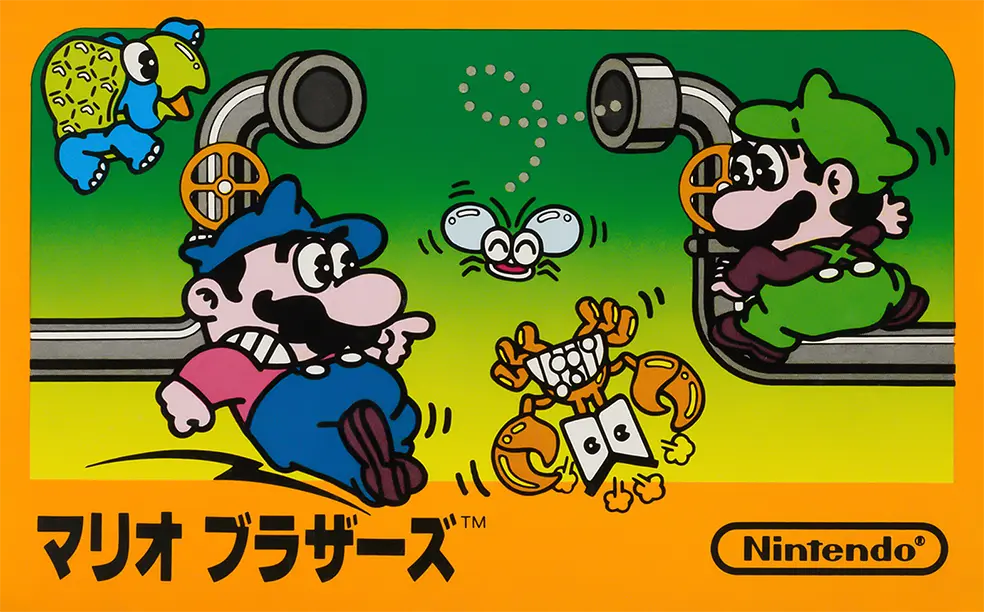
Drawn by hand: Miyamoto, Kotabe and the Famicom covers
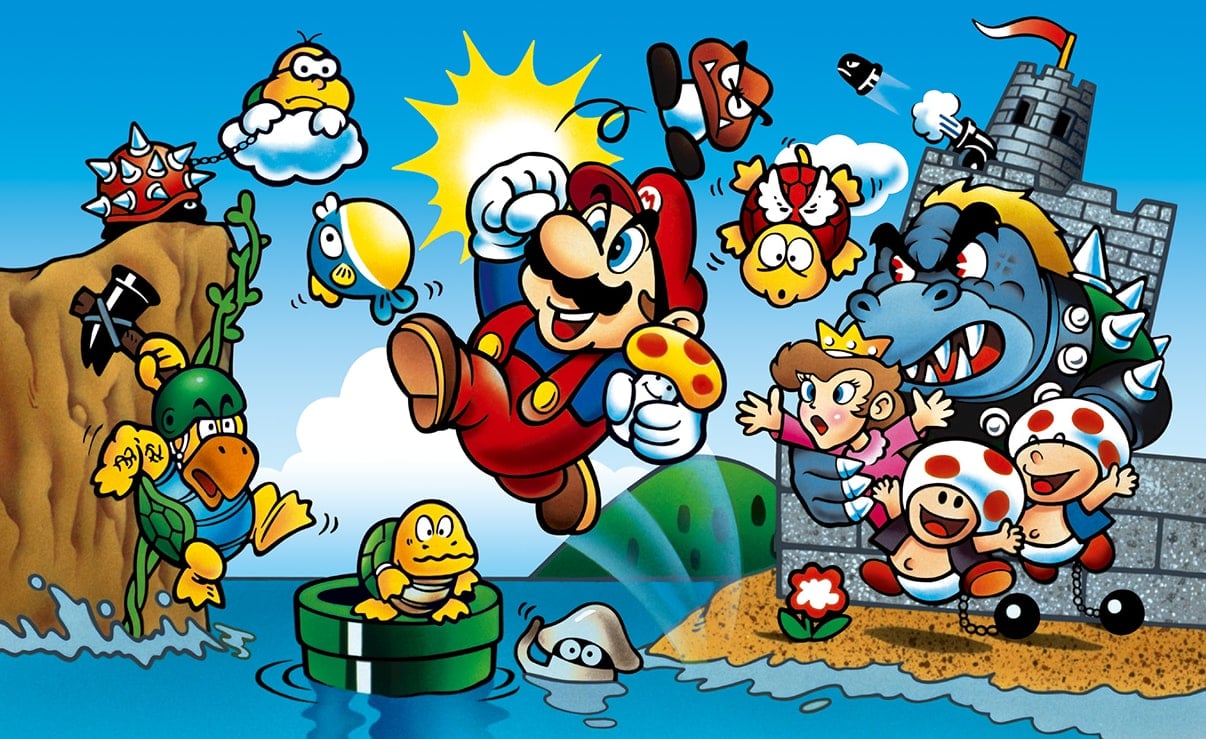
Nintendo’s early Mario artwork followed a routine Miyamoto described years later in Iwata Asks: after Donkey Kong he would rough out Mario in pencil and pass the sketch to an outside illustrator, who produced the finished piece. Super Mario Bros. broke the routine. Miyamoto wanted a well-known manga artist or illustrator for the Famicom package, but time ran out, and he drew the art himself.
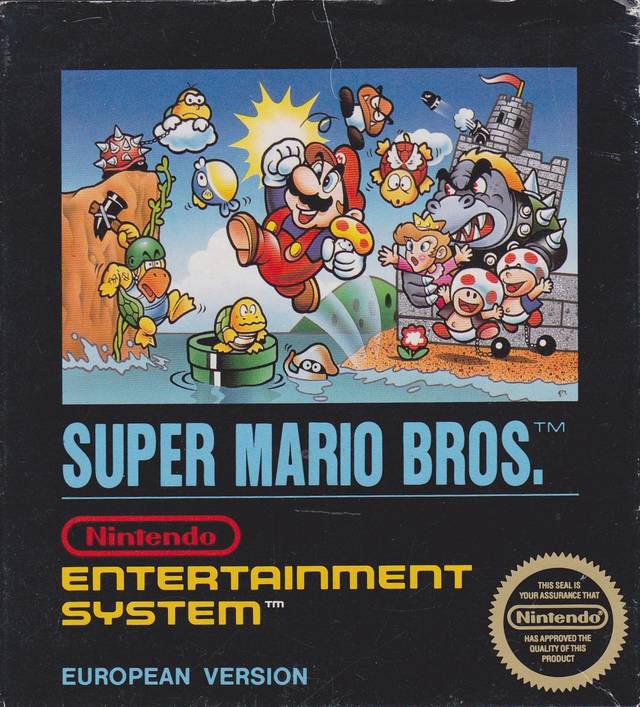
That rushed drawing turned out to matter more than anyone expected. Yoichi Kotabe, an animator from Toei Animation, was invited to Nintendo in 1985 as an adviser, and when he was asked to draw Mario he found that the in-game Mario, being pixel art, gave him nothing to work with. The package illustration, he told Satoru Iwata, “was all I had to go by”, so he checked his drawings of the face with Miyamoto and built his Mario from there; Miyamoto credits Kotabe with turning it into the Mario we know today. Peach was redrawn taller with slightly cat-like eyes. Bowser, Kotabe admitted, does look a bit like an ox on the original box: Miyamoto had been thinking of the ox in Toei’s Alakazam the Great, until Takashi Tezuka told him the character was a turtle, and Miyamoto laughed that he had been drawing an ox’s head on a turtle’s body.
Kotabe stayed at Nintendo until 2007, drawing illustrations, designing characters and supervising how they looked for more than twenty years. His Mario became the base that Nintendo’s later artwork of the character grew from, so the hurried drawing on the 1985 box has a claim to being the parent of them all.
The NES black box
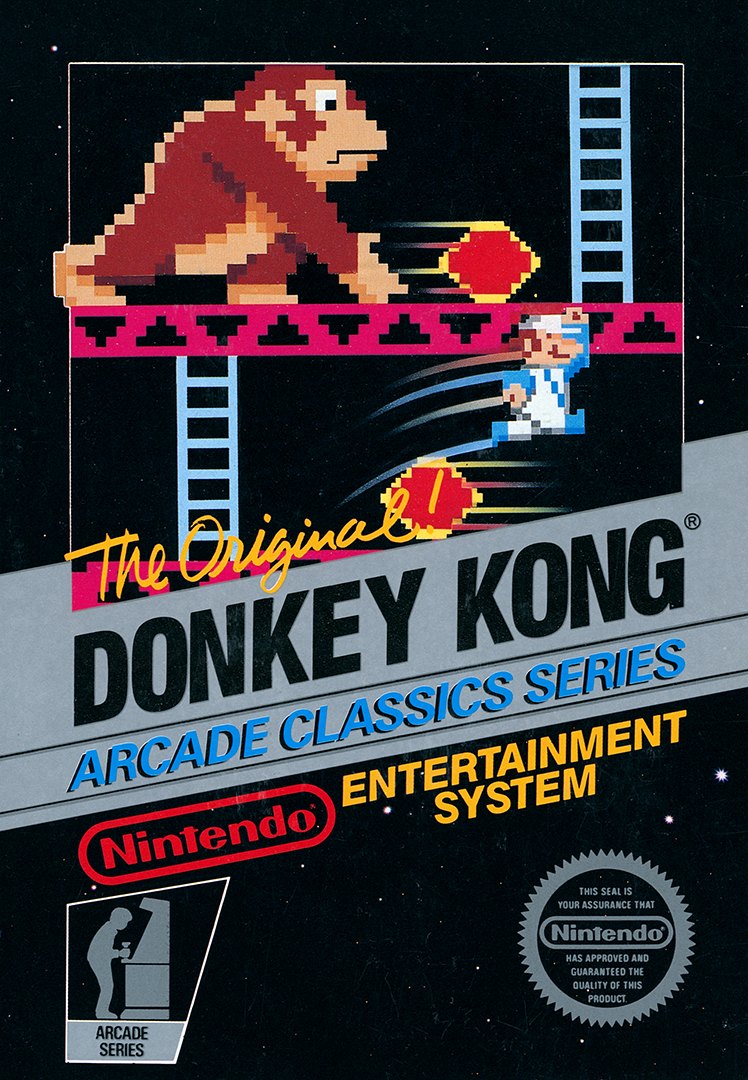
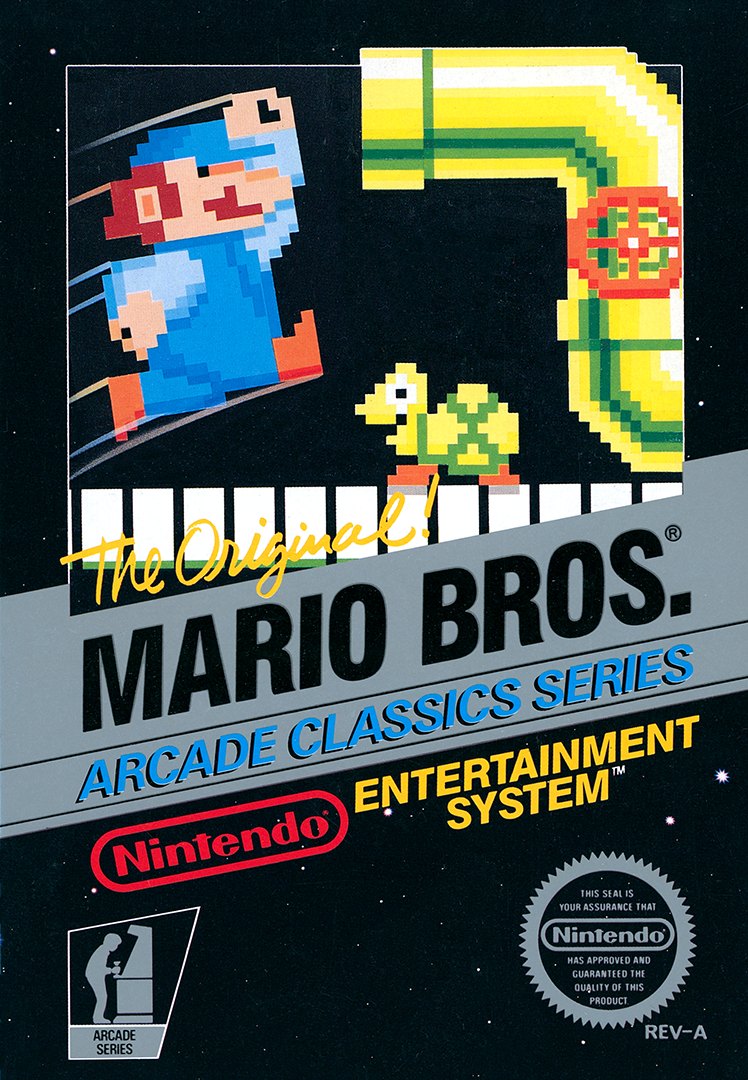
When the NES came to America in 1985, Nintendo set strict rules for how its games looked on the shelf: consistent branding, genre icons, the Official Nintendo Seal of Quality and box art that reflected what you would see on screen. Its own releases from 1985 to 1987 became known as the black boxes, after the black packaging they all shared. Each had a black background, a drawing of the game’s sprites across the top half, the title in bright block capitals slanting up to the right, “Nintendo Entertainment System” underneath and a one- or two-word series label in the bottom corner: Action, Sports, Programmable, Arcade, Light Gun, Robot or Education.
Super Mario Bros. was an Action Series game, and its box shows Mario in the white cap and overalls of his fireball form rather than his usual colours. The back asks whether you have what it takes to save the Mushroom Princess and calls Bowser the Koopa King. Mario Bros. went out in the Arcade Classics Series, as its card on our NES shelf still says. In 1987 Nintendo added a new colour, silver, for its Adventure Series, and the next big Mario games, Super Mario Bros. 2 in 1988 and Super Mario Bros. 3 in 1990, came in boxes built around large character artwork.
Today the black boxes are the holy grail for collectors of sealed games. Sealed copies of Super Mario Bros. sold for just over $100,000 in 2019 and $114,000 in July 2020, then $2 million in a private sale in August 2021. In June 2026 a copy graded PSA 9.6 A++ fetched $3 million at Heritage Auctions. Its box carried the gloss sticker adopted early in 1986, and it had turned up only months before inside a brand-new NES Control Deck bundle.
One game, many covers: regional differences
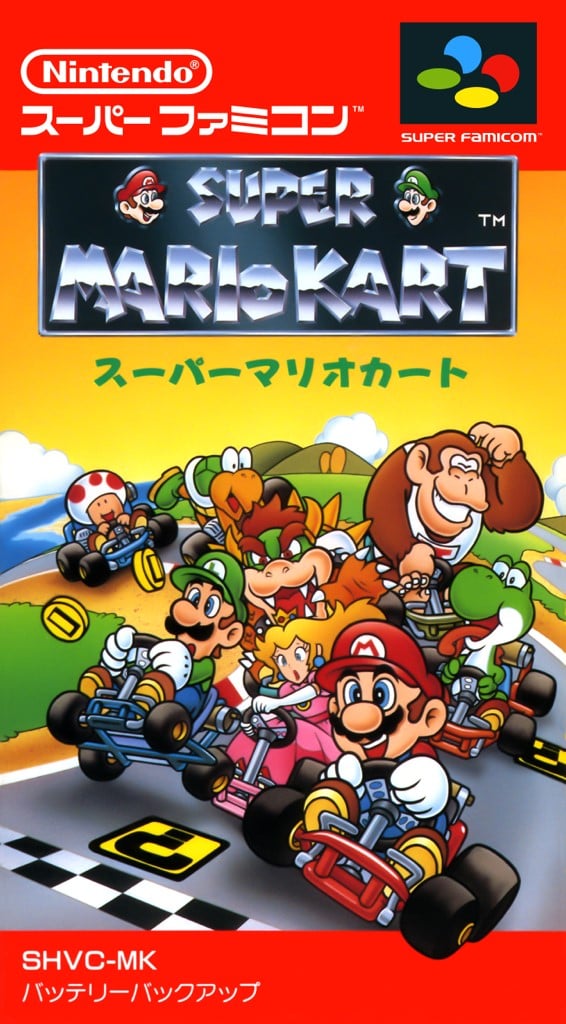
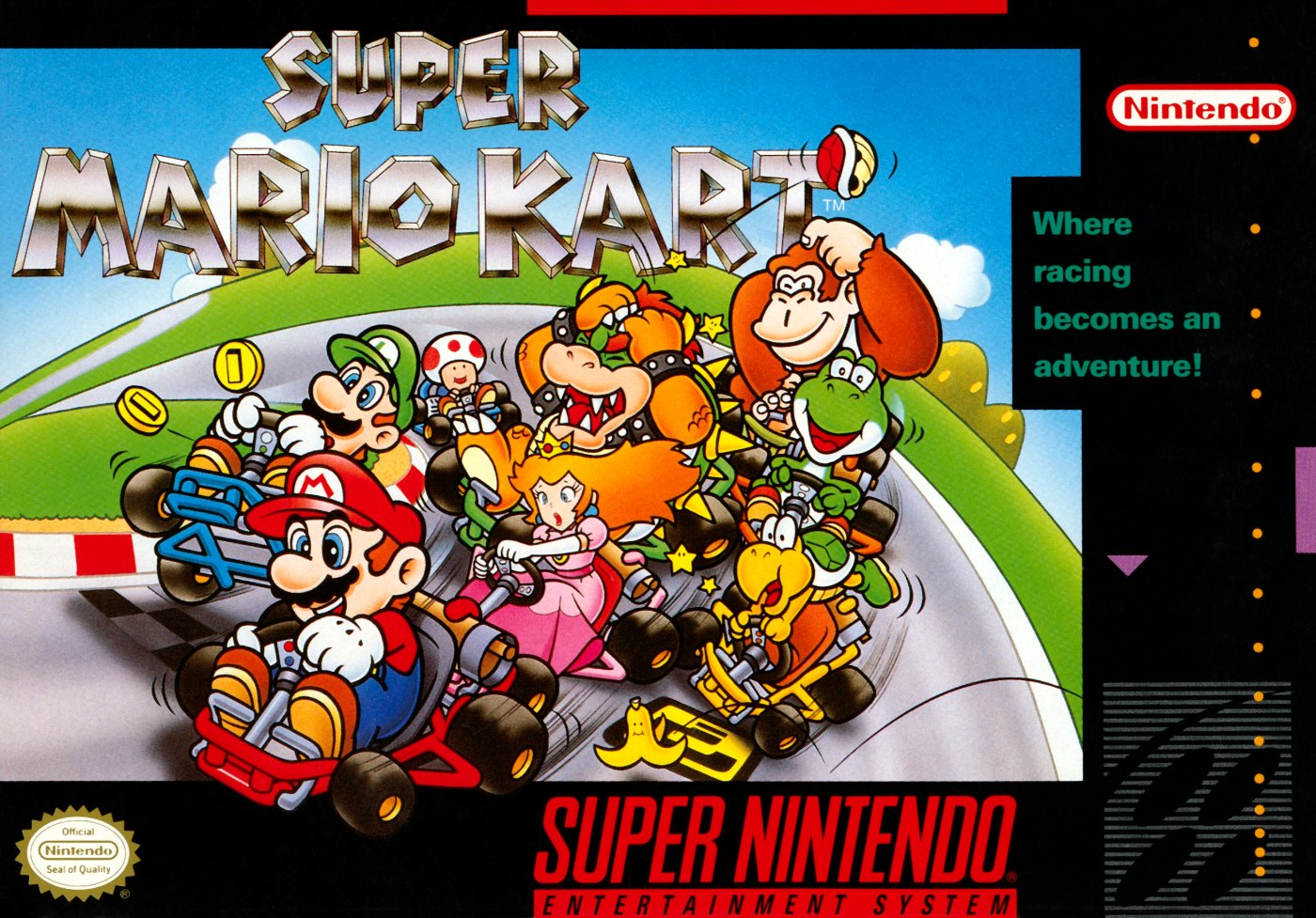
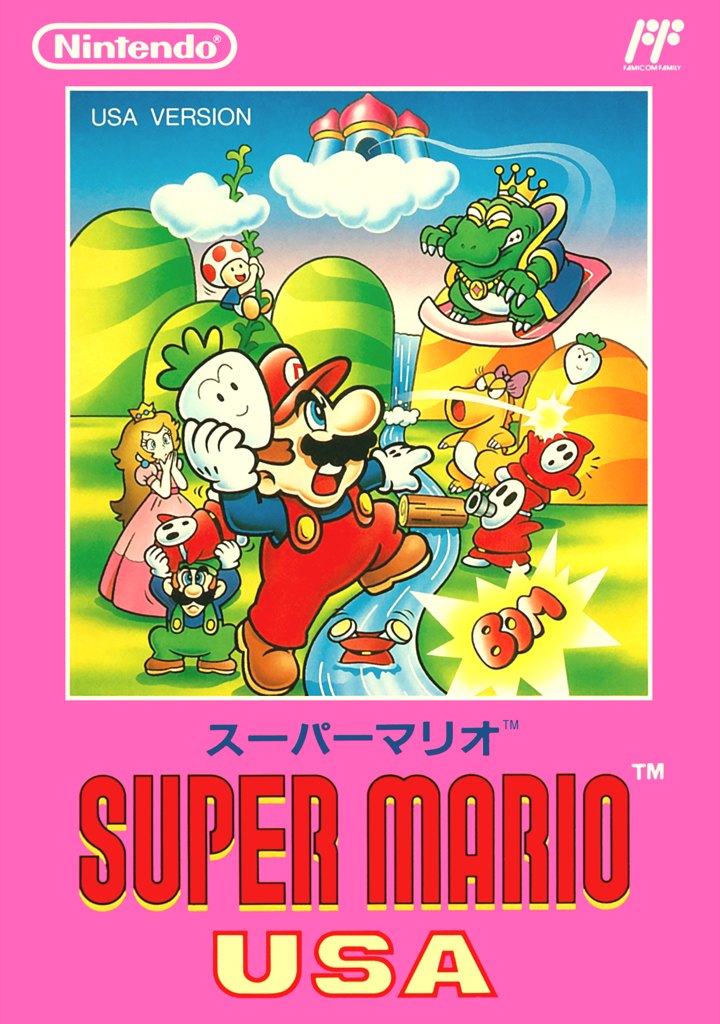
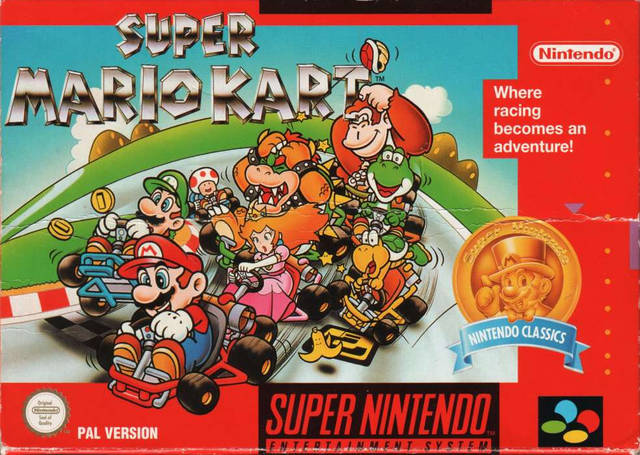
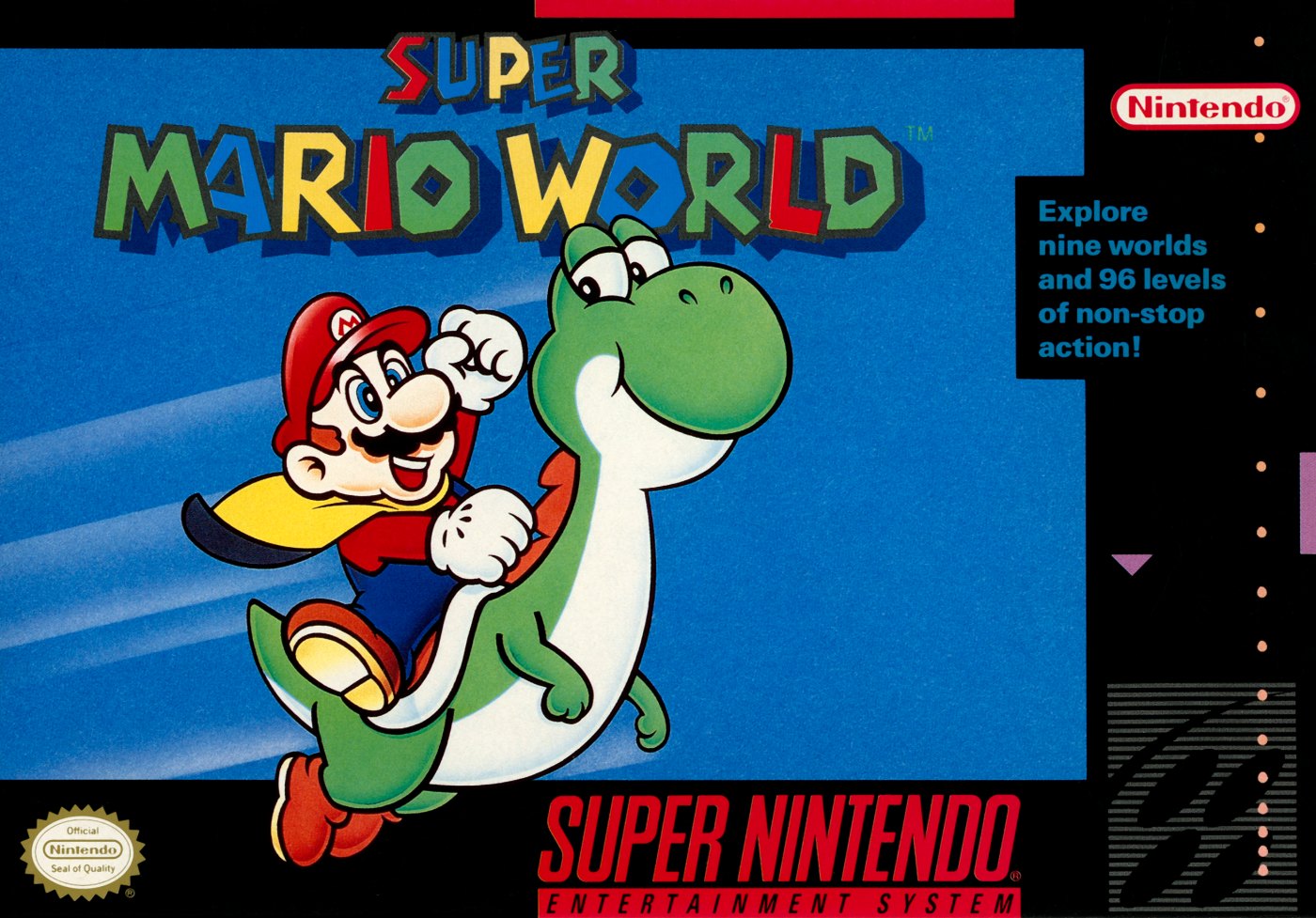
The same game could look quite different depending on where you bought it. Super Mario Kart is the clearest case: it had two paintings, the main one on the Japanese Super Famicom box and an alternative group picture on the covers for the rest of the world. Super Mario World went on sale in Japan on 21 November 1990 as Super Mario World: Super Mario Bros. 4; in the West it was plain Super Mario World. And Super Mario Bros. 2, on sale in North America from 9 October 1988, did not reach Japan until 14 September 1992, when it came out on the Famicom as Super Mario USA in a box of its own.
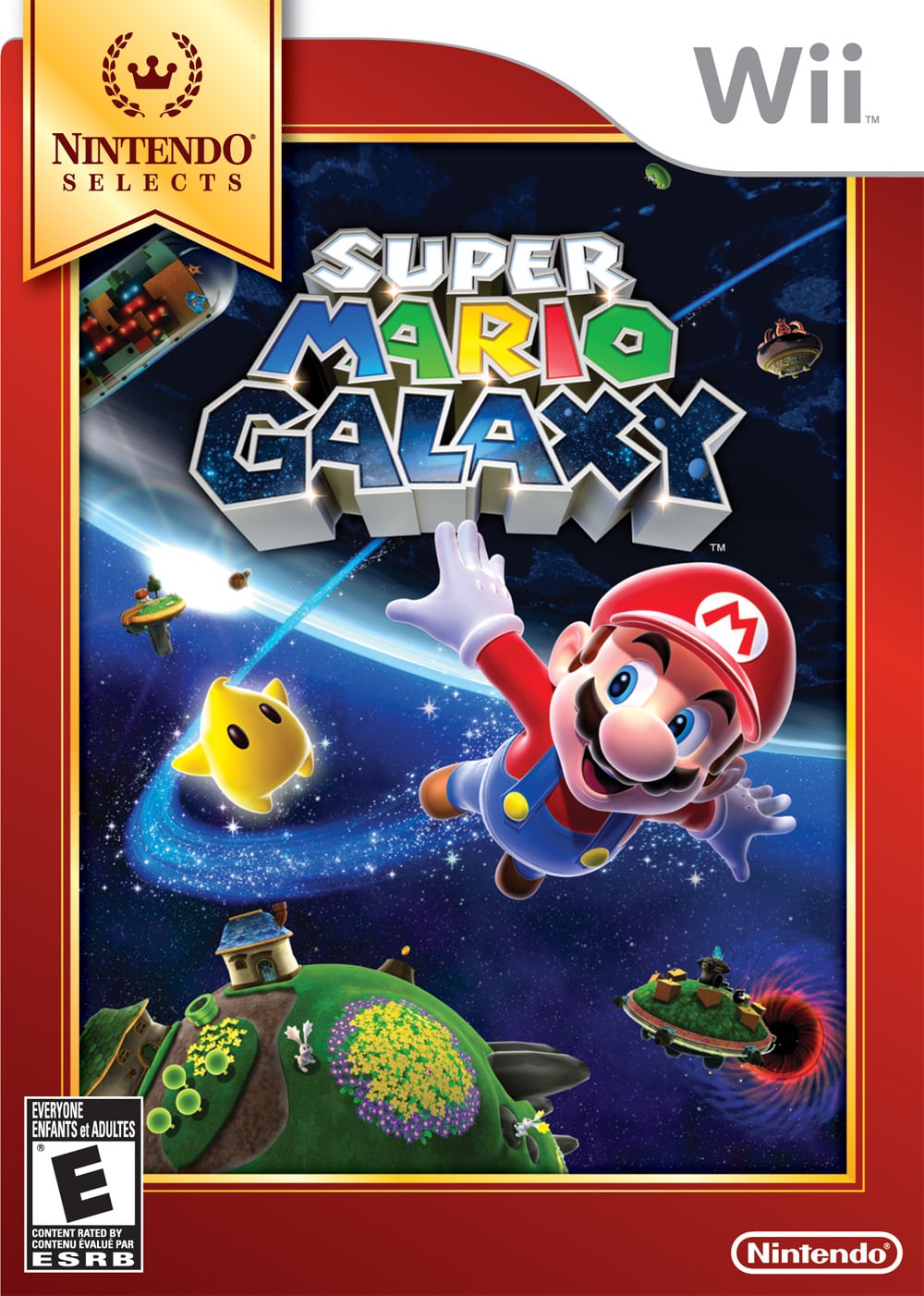
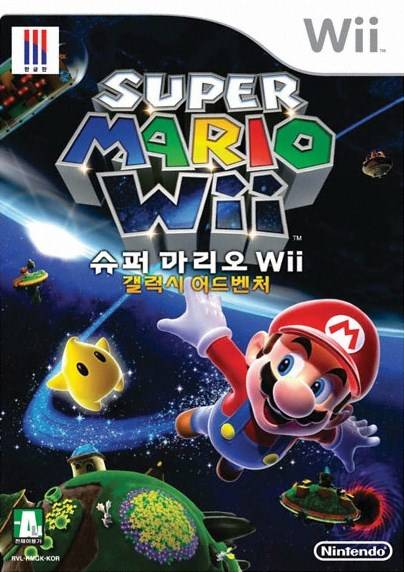
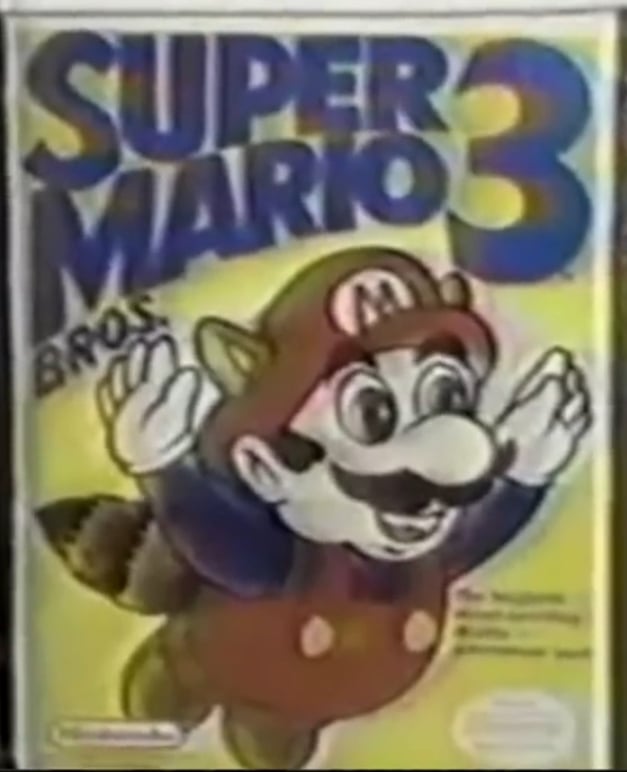
Small changes matter too. On the rare early North American printing of Super Mario Bros. 3, “Bros.” sits on the left of the logo; later printings moved it, and on 20 November 2020 a sealed copy of the early version made $156,000, a record for any game at that point. Pre-release versions of that North American cover survive too, in colour and in black and white. Europe added another layer: Super Mario Kart alone had separate UK, Scandinavian, French and Dutch, German, Spanish and Italian boxes, while Brazil’s came from Playtronic. South Korea sometimes changed the name altogether, selling Super Mario Galaxy as Super Mario Wii: Galaxy Adventure.
Budget labels: Player’s Choice, Classics and Selects
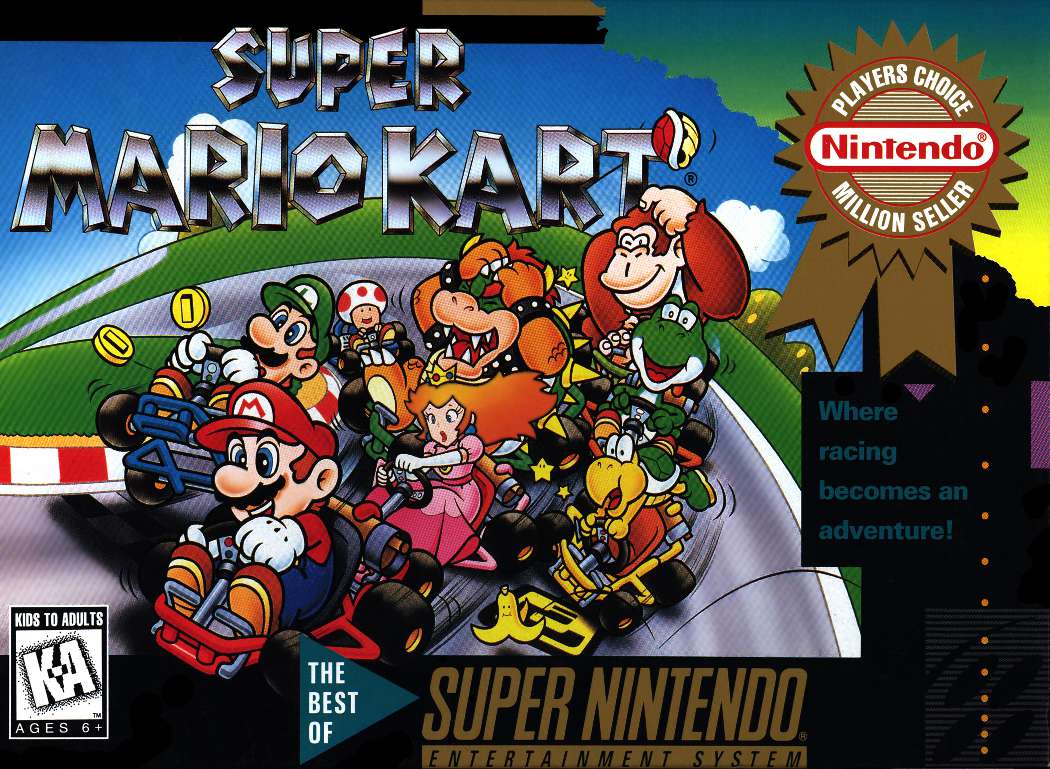
Nintendo’s budget labels gave its best-sellers a second life, and a second cover. It launched Player’s Choice on 20 May 1996 in North America and Europe for Super NES and Game Boy games that had passed a million copies, later adding Nintendo 64 hits. On the Super NES the label swapped the console’s red wordmark for a gold one and added a Player’s Choice seal; North American N64 reissues put a yellow panel behind the N64 logo, GameCube and Game Boy Advance ones a yellow band across the top, and PAL N64 and GameCube versions came in silver or platinum. By June 2003 a GameCube game qualified at 450,000 sales.
Europe’s Super NES and Game Boy reissues had local names instead: Nintendo Classics in the UK and the Netherlands, Classic Series in Germany and France and Mario Classics in Spain. In May 2011 Player’s Choice became Nintendo Selects, starting on Wii with Mario Super Sluggers among the first four games, then spreading to the 3DS in 2015 and the Wii U in 2016. The Mario games on these lists run from Super Mario Kart and Super Mario World to Super Mario Galaxy and Super Mario 3D World.
From CG renders to one cover for the world
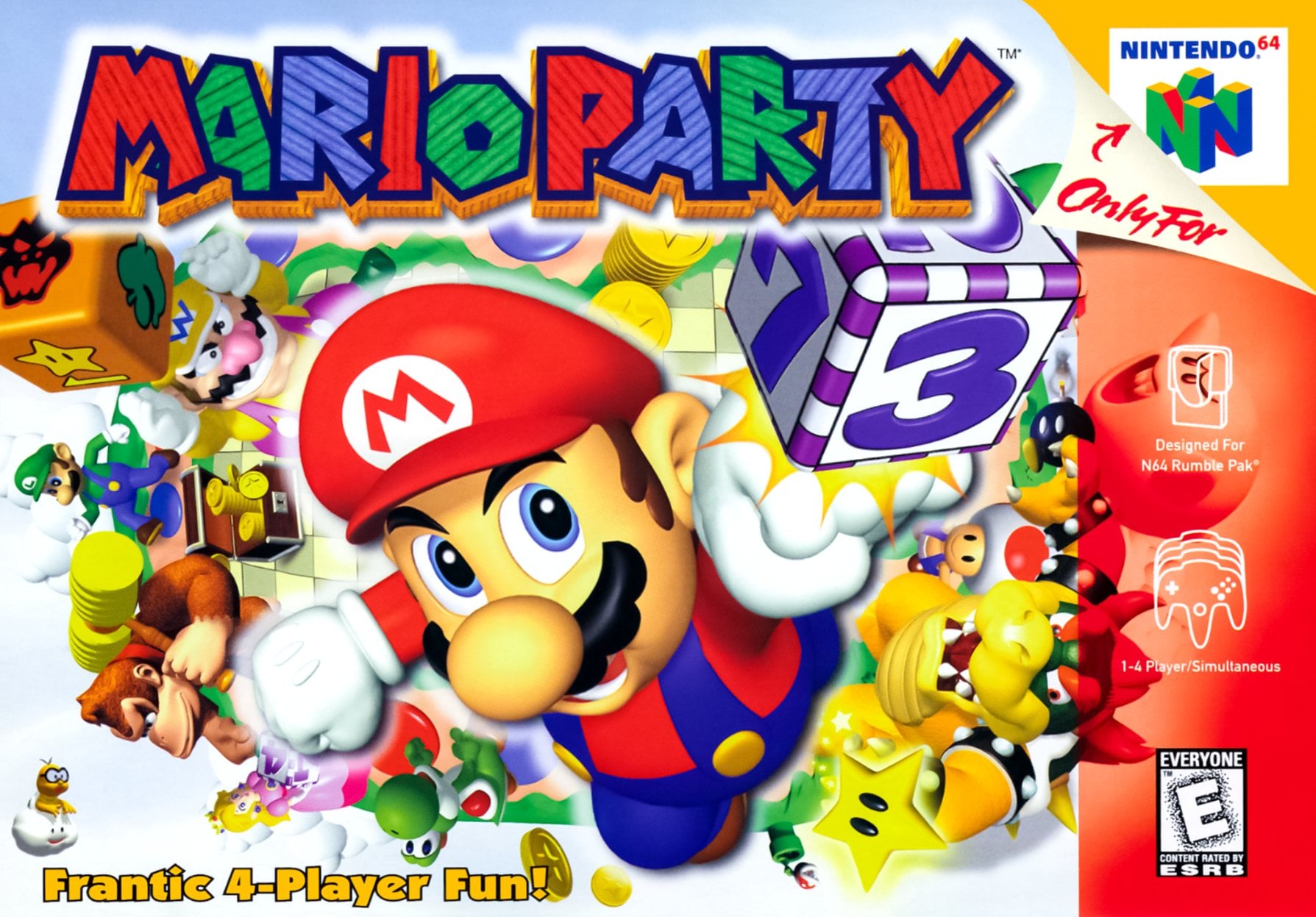
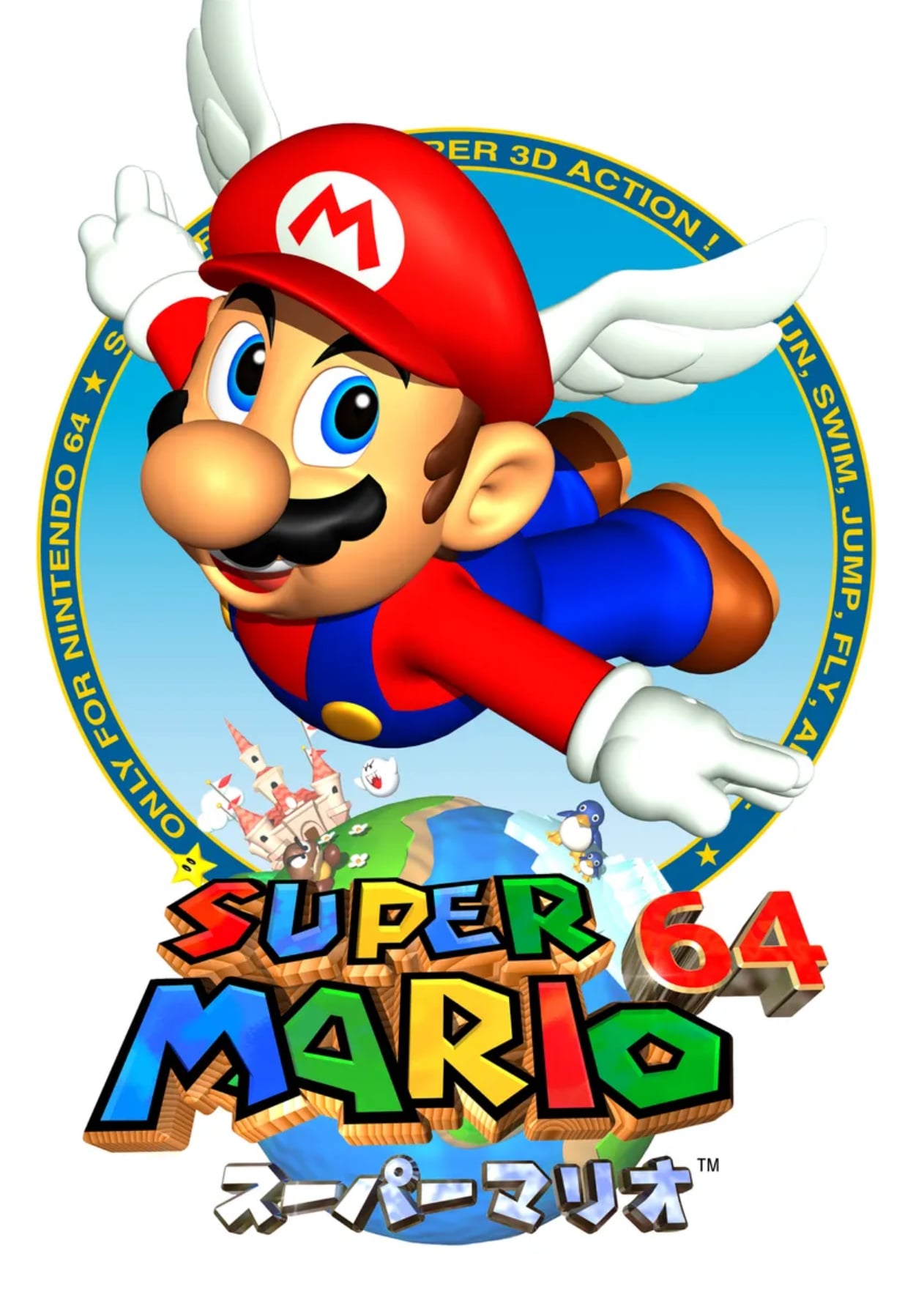
Super Mario 64 changed the tools. Its credits list five CG illustrators, among them Shigefumi Hino, Hisashi Nogami and Yusuke Nakano, and name Wataru Yamaguchi as package designer: Mario’s official pictures were now being built in 3D, like the game itself. The same names keep turning up on boxes. Yamaguchi is the credited package illustrator of Mario Party, and Nakano holds the same credit on Mario Party 3.
By the Wii years the surprises were often in the packaging itself. New Super Mario Bros. Wii shipped in a red case instead of the usual white one and was also packed in with a red Wii, and the Super Mario All-Stars 25th Anniversary Edition repackaged the 1993 compilation, adding a 32-page art book, for Mario’s 25th birthday.
Timeline
The dates that shaped the covers in this archive, from the first licensed Donkey Kong cartridges to the record sales of the 2020s.
Mario box art, year by year
- Earliest covers here 1982Donkey Kong for the Atari 2600 and Intellivision, the oldest boxes in the archive.
- Famicom 1983Donkey Kong and Mario Bros. get illustrated Famicom boxes.
- Super Mario Bros. 1985Miyamoto draws the package art himself when time runs out. Yoichi Kotabe joins Nintendo the same year.
- NES black boxes 1985–1987Nintendo’s uniform black packaging with pixel-art fronts and series labels; Super Mario Bros. is in the Action Series.
- Gloss sticker Early 1986Nintendo adopts the gloss sticker seal later prized by collectors of sealed Super Mario Bros.
- Silver boxes 1987Nintendo adds a silver colour scheme for its Adventure Series.
- Super Mario Bros. 4 21 November 1990Super Mario World launches in Japan with the subtitle on its box.
- Super Mario USA 14 September 1992The Western Super Mario Bros. 2 reaches the Famicom under a new name.
- Player’s Choice 20 May 1996Nintendo’s million-seller label begins on Super NES and Game Boy in North America and Europe.
- CG covers 1996Super Mario 64 credits five CG illustrators and a package designer, Wataru Yamaguchi.
- Kotabe leaves 2007Nintendo’s long-serving illustrator goes freelance after more than twenty years.
- Red case 2009New Super Mario Bros. Wii ships in red instead of Wii white.
- Nintendo Selects May 2011Player’s Choice is renamed; the first Wii wave includes Mario Super Sluggers.
- $156,000 20 November 2020A sealed early Super Mario Bros. 3 with “Bros.” on the left sets a record.
- $2 million August 2021A sealed Super Mario Bros. changes hands privately.
- $3 million 12–13 June 2026A PSA 9.6 A++ Super Mario Bros. sells at Heritage, the most ever paid for a video game.
Trivia & Interesting Facts
- Yoichi Kotabe’s first job on a Nintendo game was to draw a rug. Miyamoto wanted the rug in Yume Kōjō: Doki Doki Panic to move smoothly; Kotabe’s first animation had more than ten frames, and the team cut it to about three, played forwards and then in reverse.
- Miyamoto’s first Bowser owed something to the ox in Toei’s Alakazam the Great, which is why the Koopa on the original Super Mario Bros. package looks faintly bovine.
- The back of the American Super Mario Bros. black box calls Bowser the Koopa King and challenges you to save the Mushroom Princess.
- One version of the Japanese Super Mario Bros. box carries the Famicom Family logo.
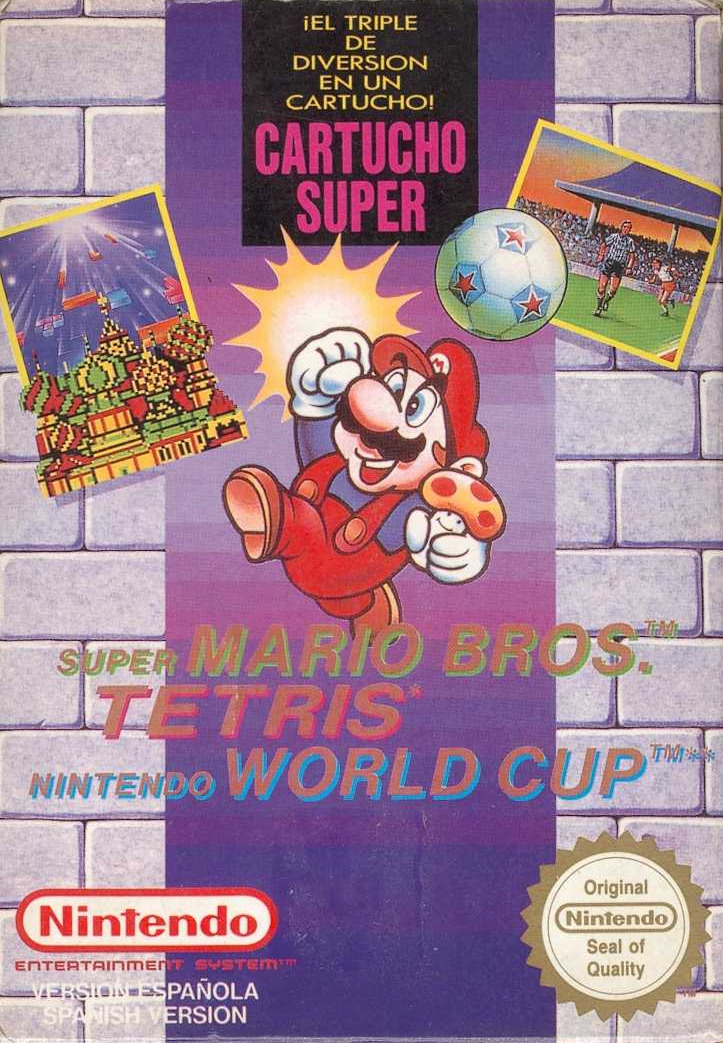
- Europe had a cartridge nobody else got: Super Mario Bros., Tetris and Nintendo World Cup on one cart, in a box of its own.
- The $3 million Super Mario Bros. of June 2026 is one of only three sealed copies known from its second production run, and it was the finest of the three.
- Wataru Yamaguchi’s name is on both Super Mario 64 (package designer) and Mario Party (package illustrator).
- North America’s Super Mario Kart Player’s Choice box was reprinted with an E rating, and South Korea’s box exists in two variants.
- On a Super NES Player’s Choice box, look at the console name: the wordmark is gold instead of the usual red.
- Kotabe had only planned to stay at Nintendo for a year or two. He stayed for more than twenty.
Rarities & Odd Covers
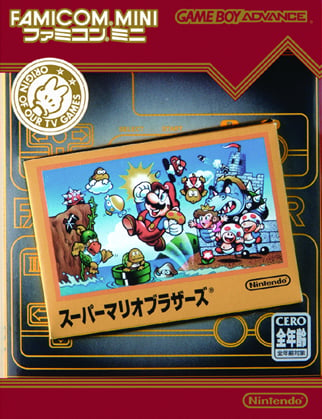
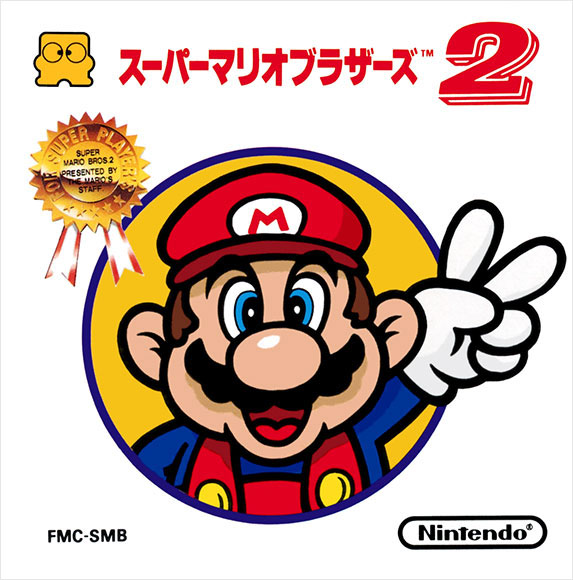
A few of the odder covers in the archive: a pre-release design, a one-region compilation, a disk sleeve, a miniature reissue and one of the oldest boxes here, plus the Western Super Mario World to set beside its Japanese box.
Sources
Every fact on this page was checked against the 22 sources listed here.
Show sources
Super Luigi Bros., Box Art archive · Iwata Asks: Nintendo DSi, Volume 8: Yoichi Kotabe, “My First Project: Draw a Rug” · Jason Breininger, “Early NES (Nintendo) Box Art Pt 1 · Wikipedia, “Nintendo Selects” · Wikipedia, “Super Mario Bros. 2” · Wikipedia, “New Super Mario Bros. Wii” · Wikipedia, “Super Mario Bros. 3” · Wikipedia, “Super Mario World” · Jesse Hughey, “Sealed Copy of Super Mario Bros. Sells for Record $3 Million at Heritage Auctions”, Intelligent Collector, 16 June 2026 · Wikipedia, “Super Mario Bros.” · Iwata Asks: Nintendo DSi, Volume 8: Yoichi Kotabe, “What My Mother Taught Me” · Wikipedia, “Yoichi Kotabe” · Wikipedia, “Nintendo Entertainment System” · Super Mario Wiki (9 articles)
Images: Mario and all related characters, artwork and screenshots are © Nintendo; other artwork, covers and scans are © their respective owners. Images are used here for commentary and reference.