Wii2008Platform fighterSora Ltd. & Game Arts13.32 million soldFinal SmashesSnake & Sonic joinThe Subspace EmissaryFamitsu 40/40
Super Smash Bros. Brawl
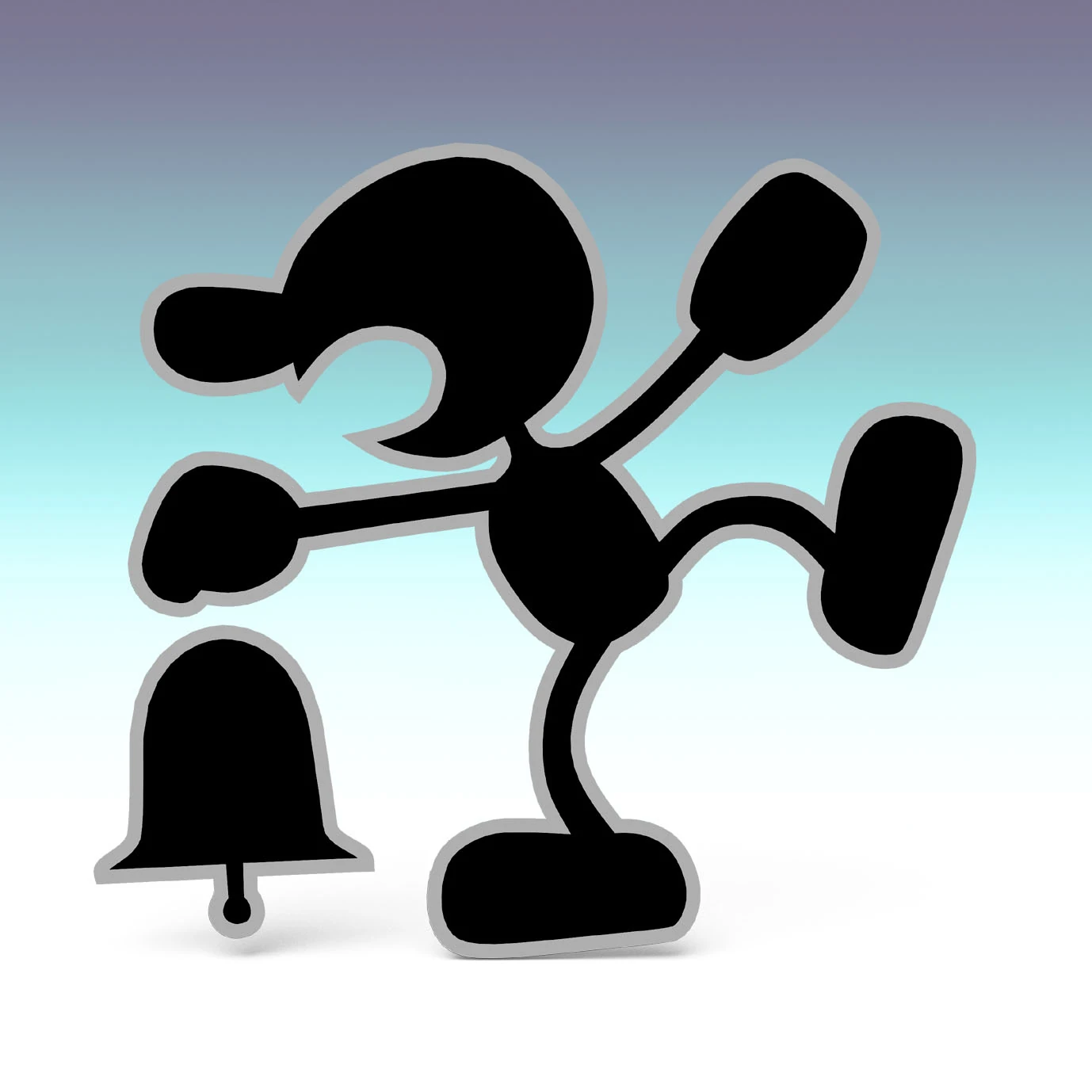
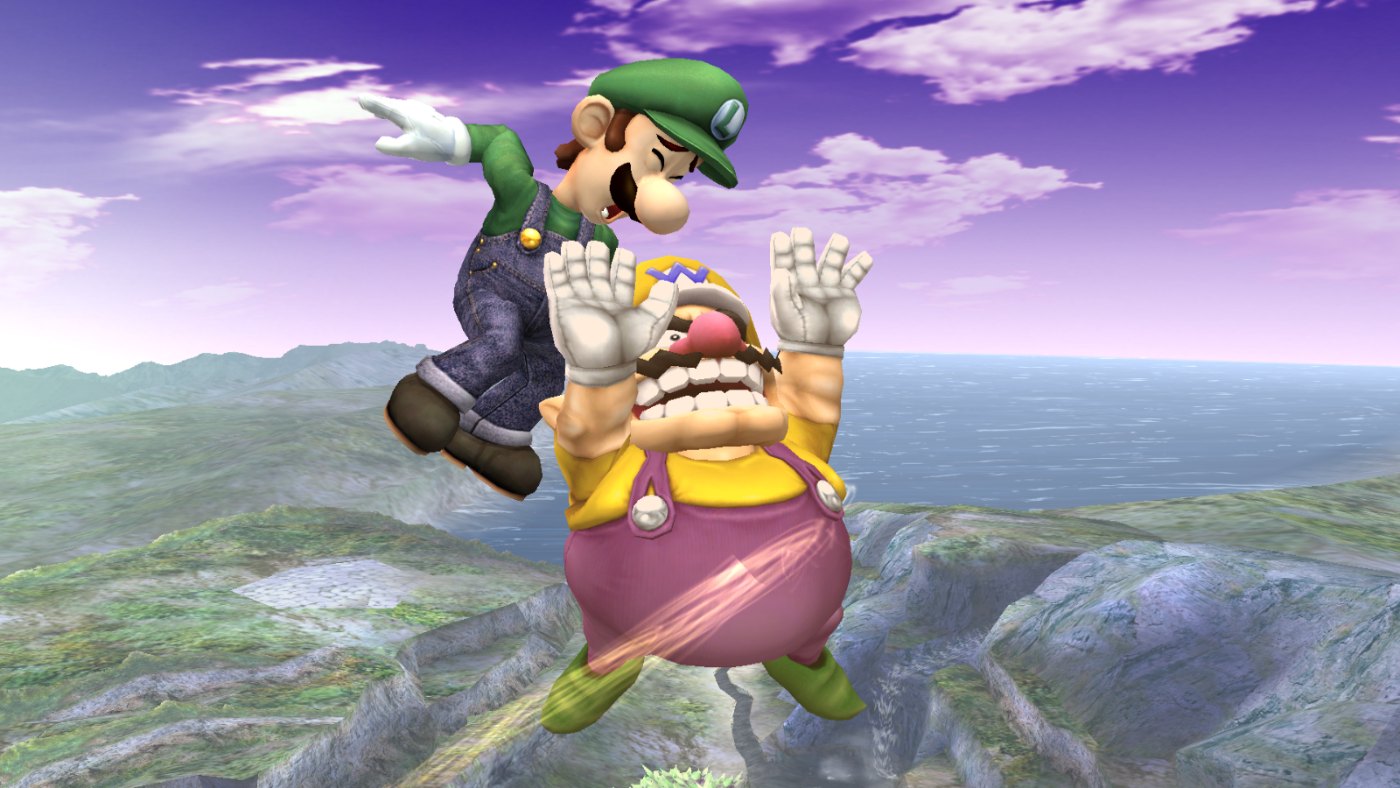
The Smash Bros. that tried to do everything. Super Smash Bros. Brawl arrived on the Wii in Japan on 31 January 2008, in North America on 9 March and in Europe on 27 June, after Satoru Iwata talked Masahiro Sakurai into directing it the day after announcing it at E3 2005. It was made by Sora Ltd. with a team drawn largely from Game Arts, and they gave the series its glowing Smash Ball and the Final Smashes it unlocks, a cinematic adventure called The Subspace Emissary written with Final Fantasy’s Kazushige Nojima, a Stage Builder, online play and 35 fighters, among them Wario, Diddy Kong, Pit, Meta Knight and, for the first time, guests from other publishers: Solid Snake and Sonic the Hedgehog. Famitsu gave it a perfect 40, America bought 1.4 million copies in its first week, and Nintendo’s figures put lifetime sales at 13.32 million.
Developer:Sora Ltd., with Game Arts and other studios
Publisher:Nintendo
Platform:Wii (dual-layer optical disc)
Genre:Platform fighter
Japan:31 January 2008
North America:9 March 2008
Australia:26 June 2008
Europe:27 June 2008
South Korea:29 April 2010
Players:1–4 on one Wii; 2–4 online (Nintendo Wi-Fi Connection, closed 20 May 2014)
Fighters:35 (39 counting Sheik, Zero Suit Samus and the Pokémon Trainer’s three Pokémon separately); 21 at the start
Stages:41 (29 at the start, 12 to unlock); 31 new and 10 from Melee
Sales:13.32 million (Nintendo IR data as of 31 March 2024)
Metacritic:93
Advertisement
Overview
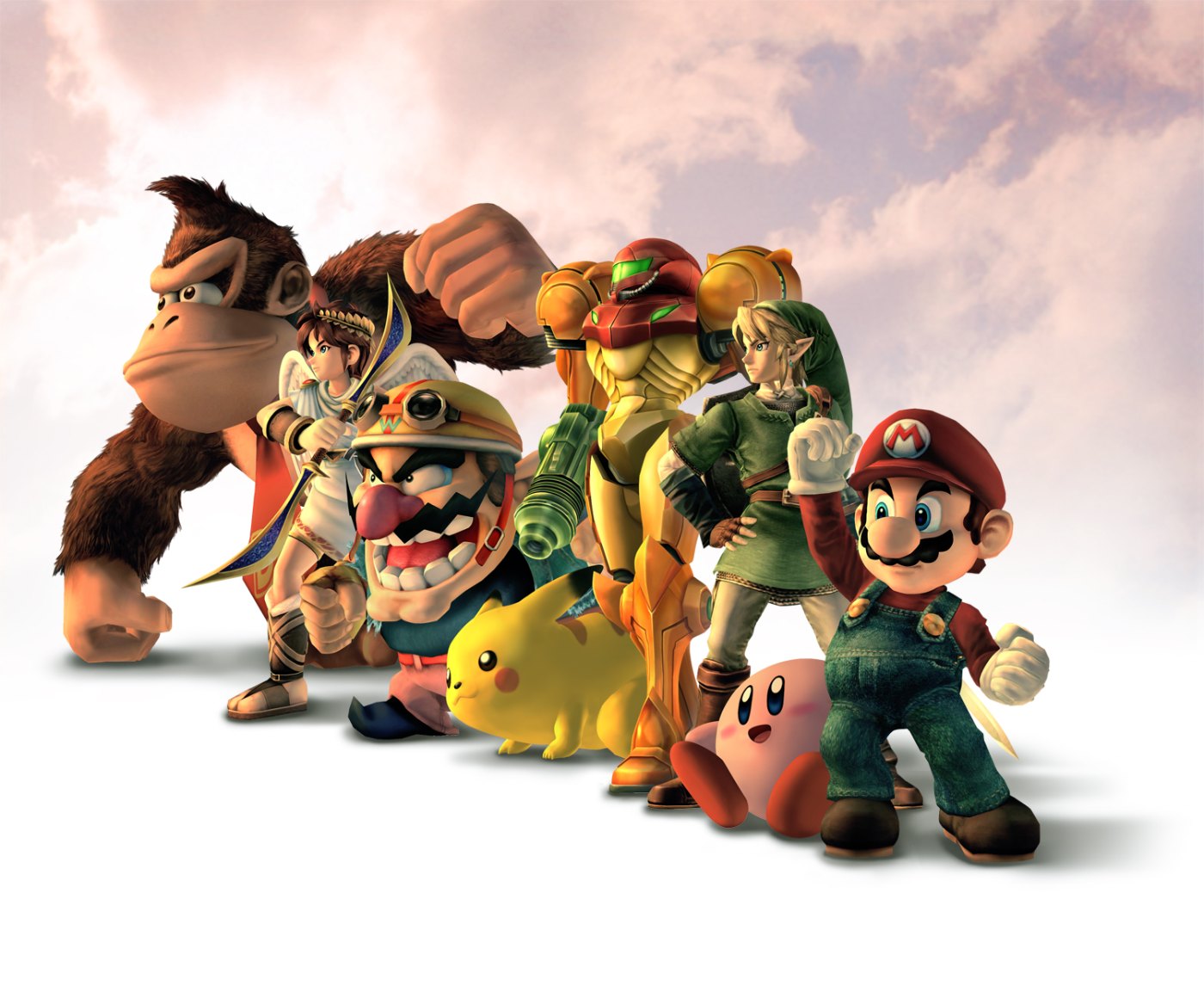
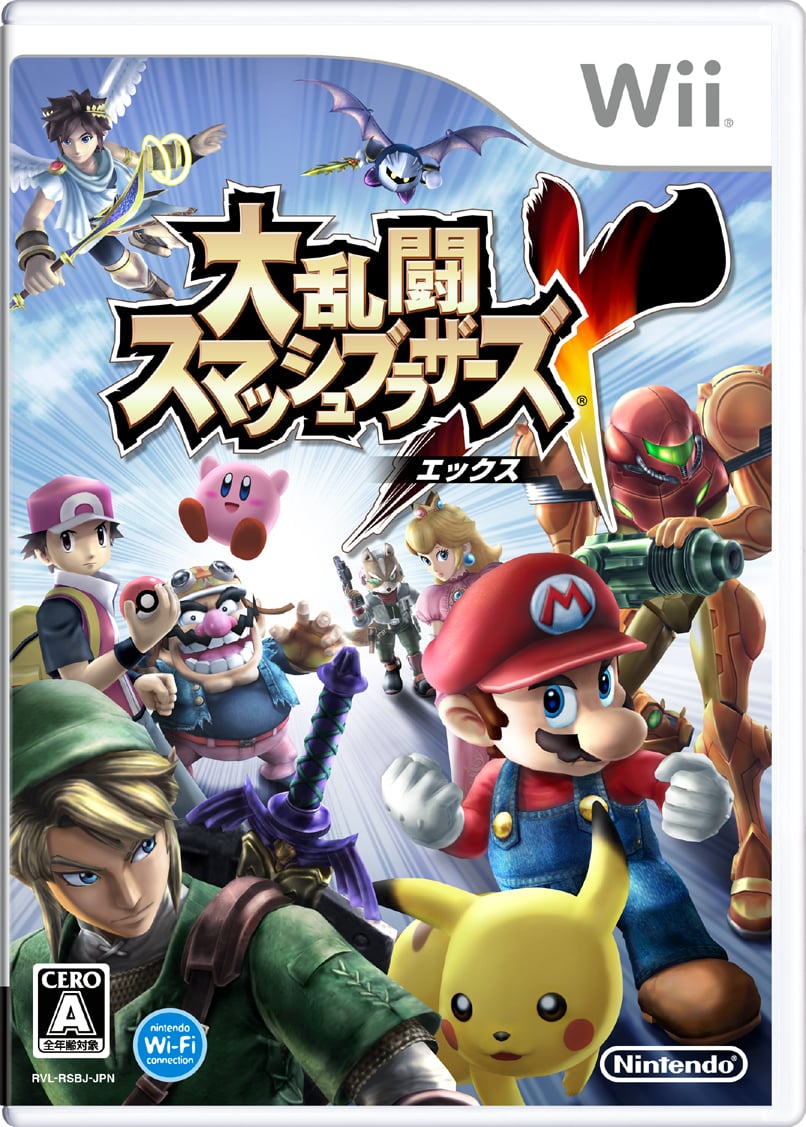
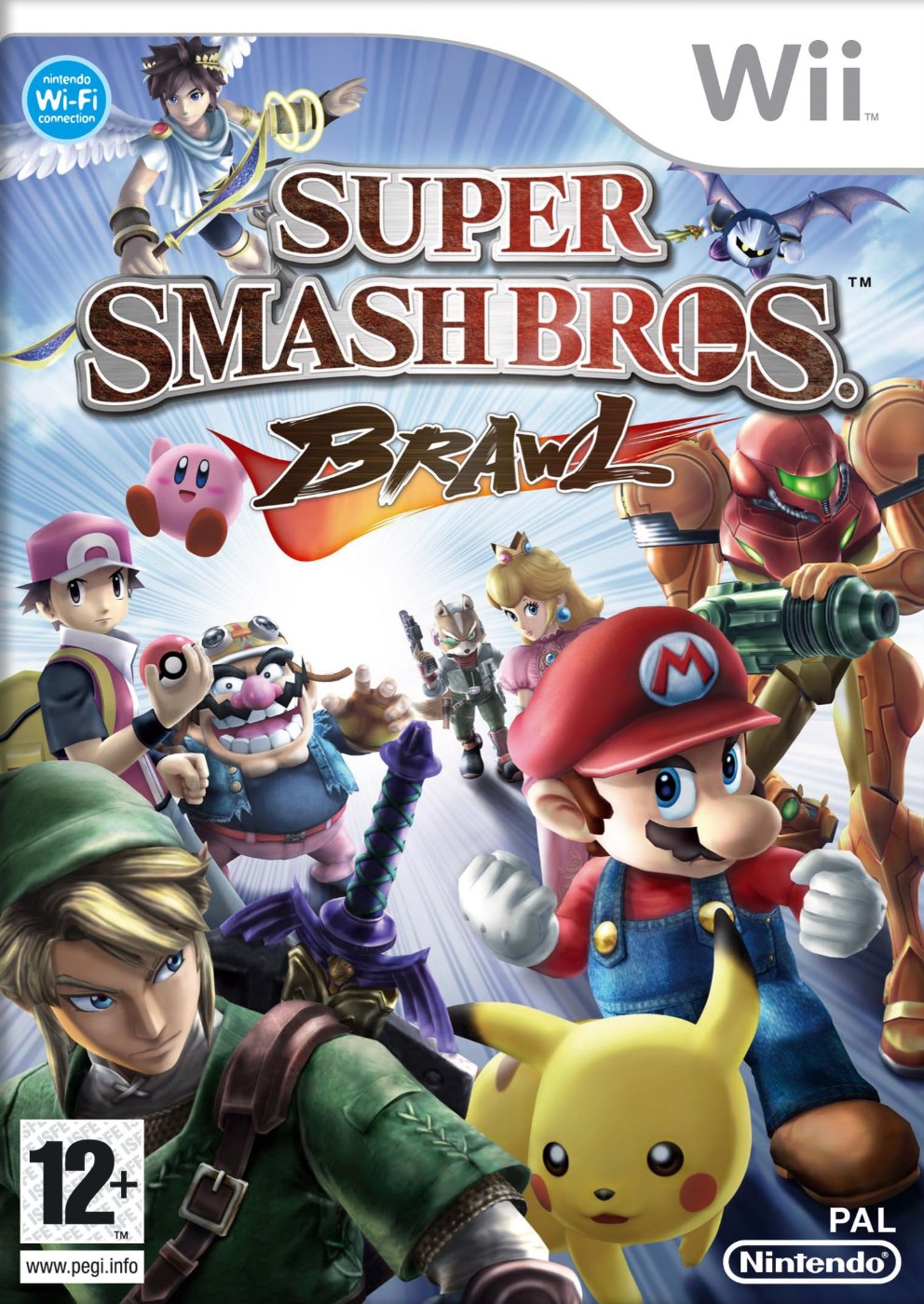
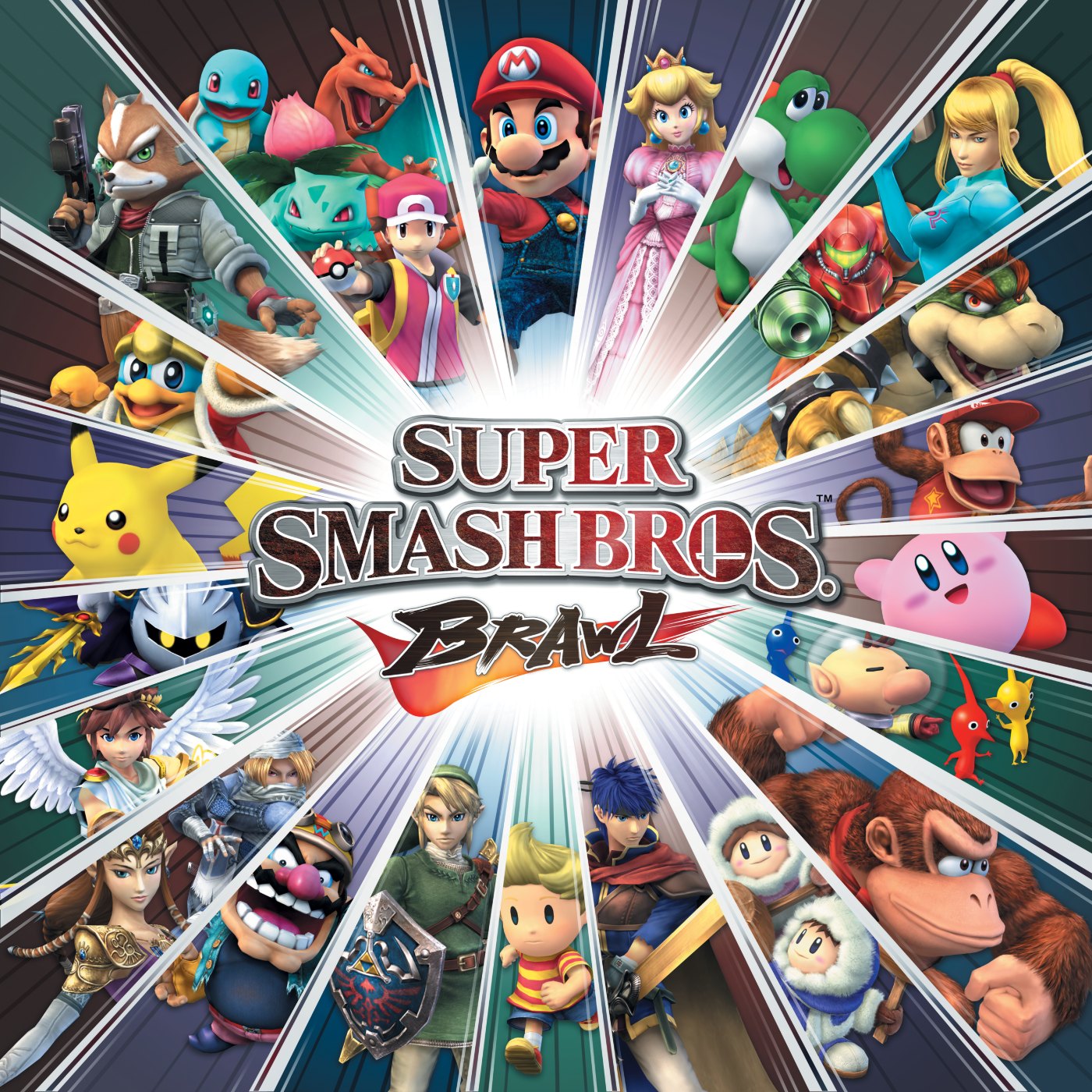
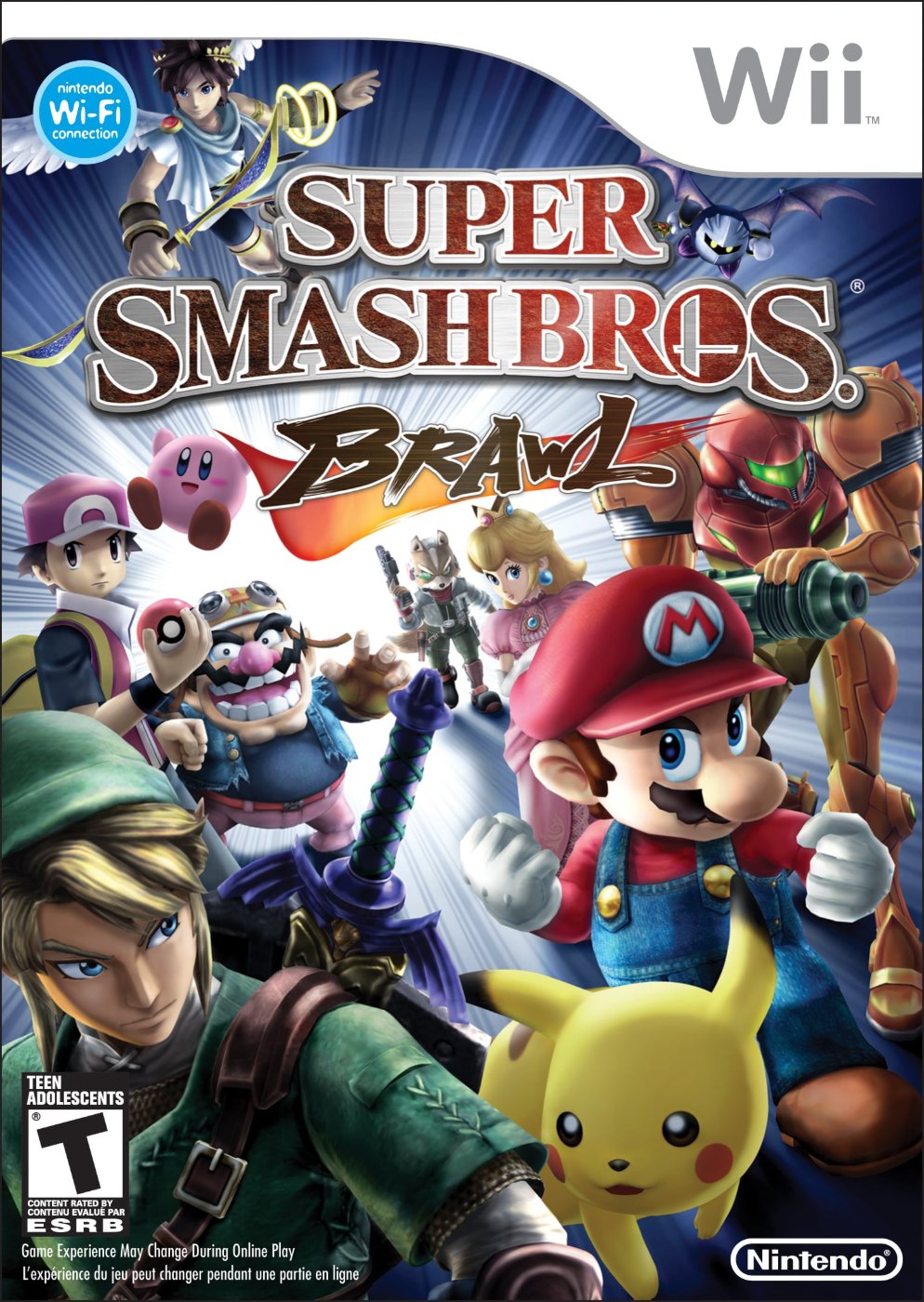
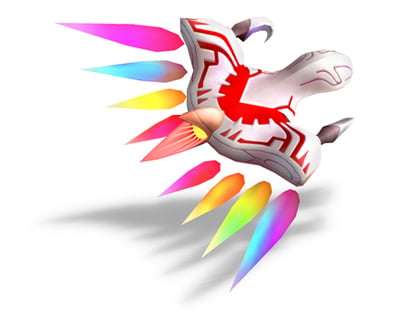
Key artwork for Super Smash Bros. Brawl.
Super Smash Bros. Brawl is the third game in the series and the first on the Wii, and it is the biggest leap the series has taken. The rules are the ones the Nintendo 64 original set out: up to four fighters, no health bars, a damage percentage that climbs with every hit and a knock-out only when somebody leaves the screen. Around those rules, Masahiro Sakurai’s new team piled on more than anyone expected.
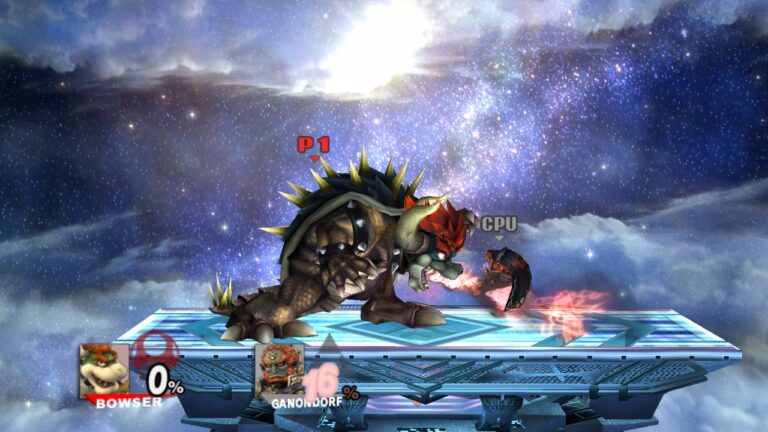
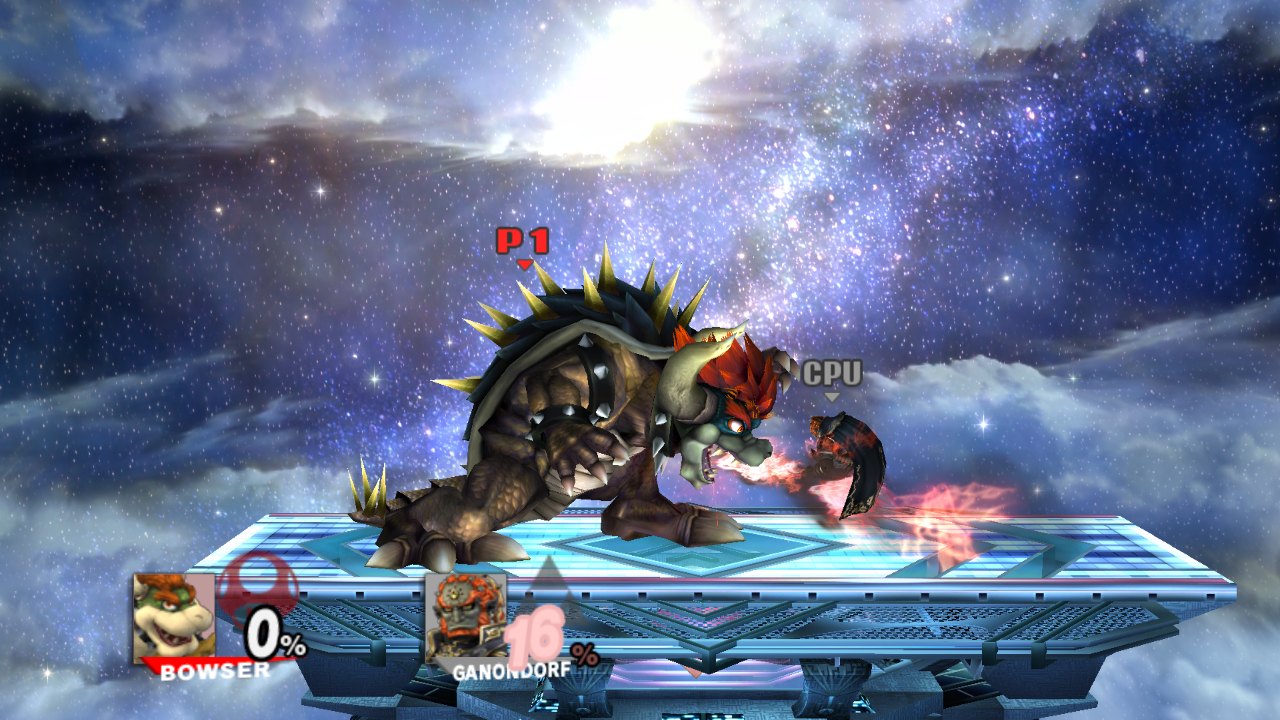
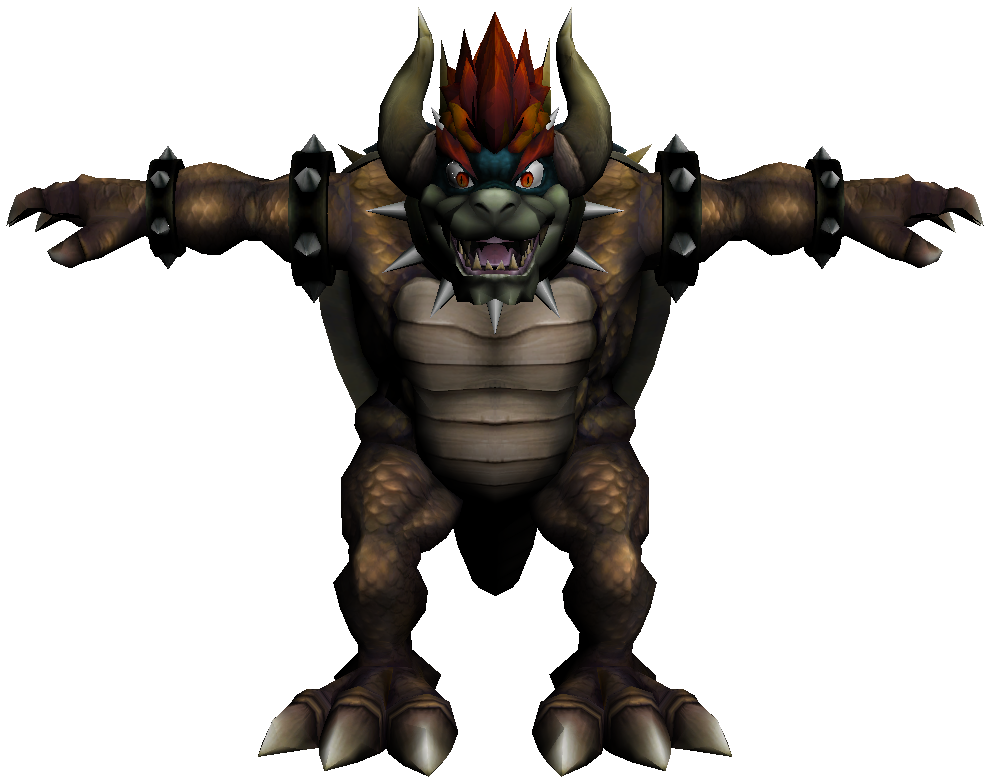
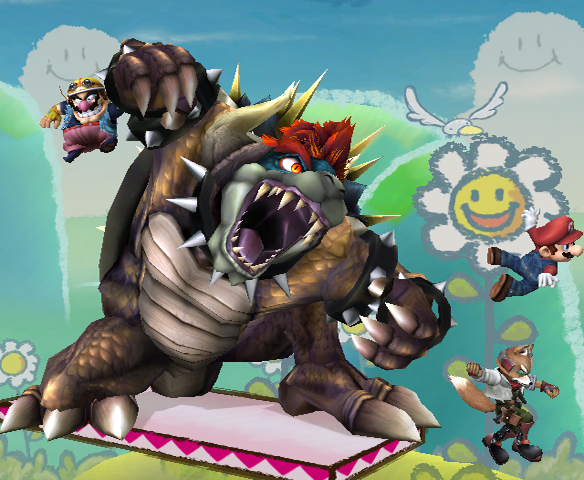
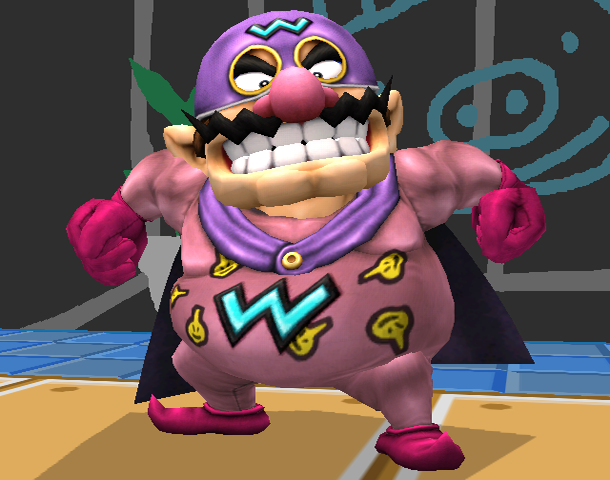
The headline was the Smash Ball, a rainbow orb that floats about the stage until someone breaks it and earns a Final Smash. Some are giant attacks, some are transformations (Bowser becomes the monstrous Giga Bowser, Wario turns into Wario-Man) and some change the stage itself. Sakurai had wanted something like it as far back as 1999; on the Wii it finally happened.
Then there is The Subspace Emissary, a side-scrolling adventure that stitches the whole cast into one story told in cutscenes, written with Kazushige Nojima of Final Fantasy fame. There are 41 stages, from the Super Mario Sunshine resort of Delfino Plaza to a Luigi’s Mansion that falls apart, 544 trophies, collectable stickers, a Stage Builder, a library of music arrangements by 38 composers, playable demos of classic games called Masterpieces and matches over the internet through Nintendo Wi-Fi Connection.
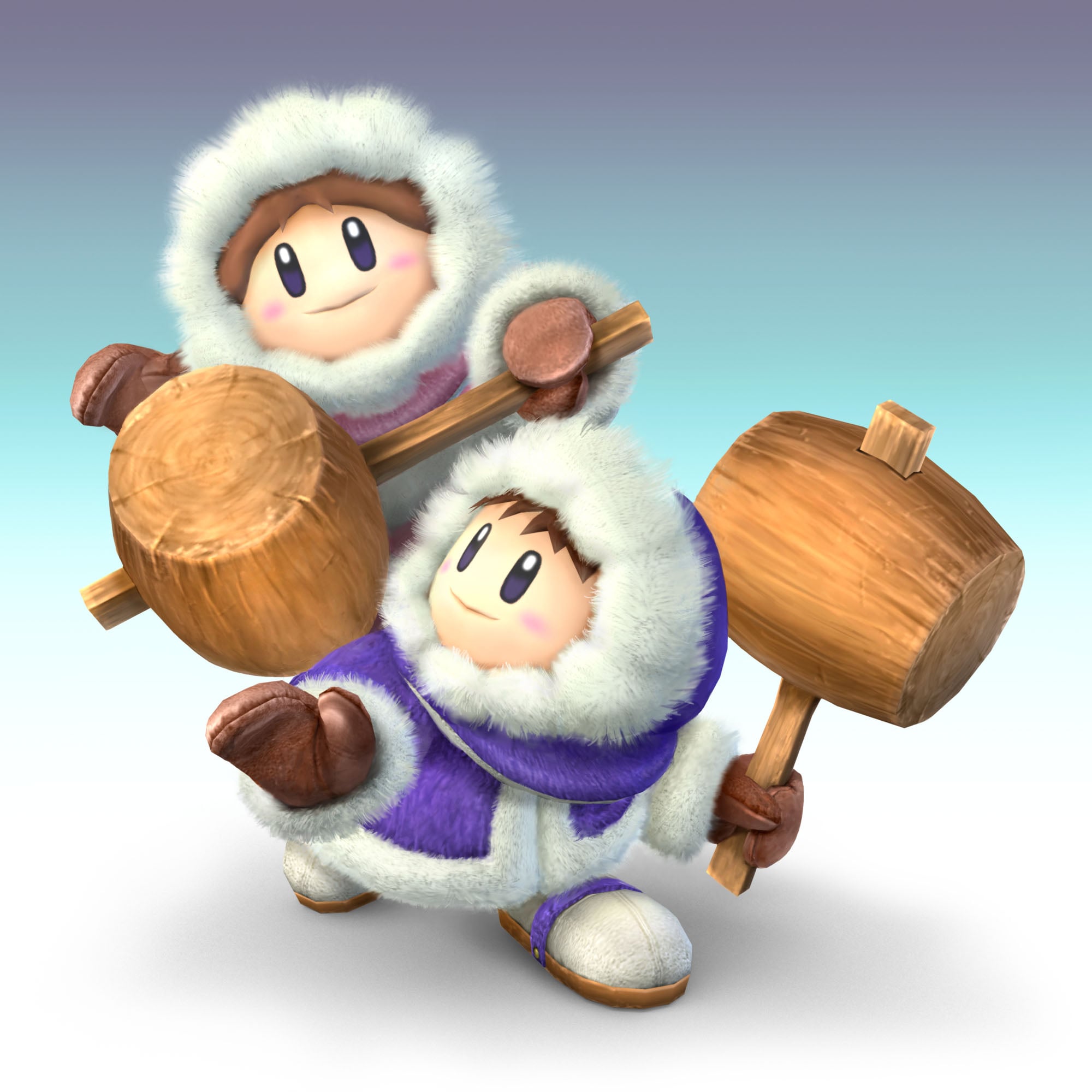
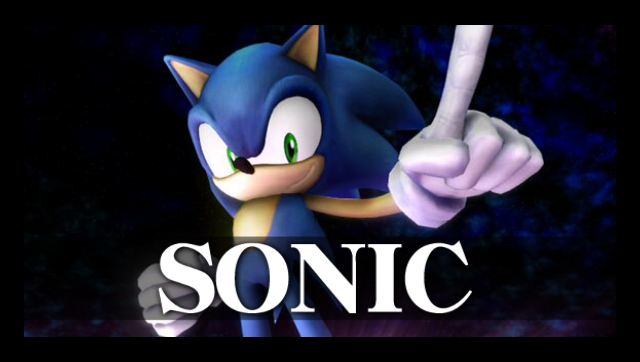
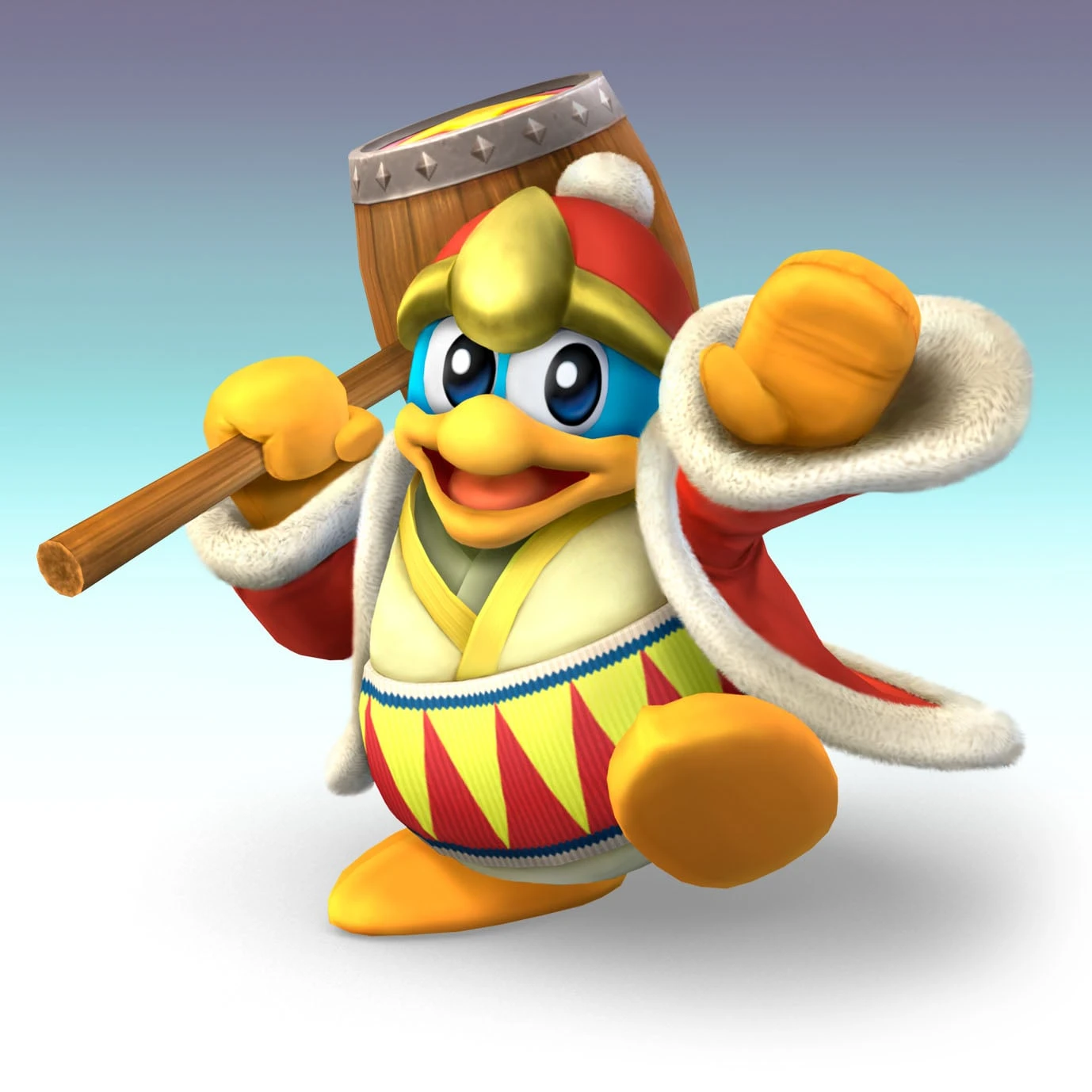
Above all there are the newcomers. Wario and Diddy Kong come from the Mario family, Pit returns from Kid Icarus after more than fifteen years away, Meta Knight, King Dedede, Ike and Lucas join their series’ veterans, Olimar brings the Pikmin, and two guests arrive from other companies: Konami’s Solid Snake and Sega’s Sonic, Mario’s old rival. Fifteen of the 35 fighters are new (eighteen if Zero Suit Samus and the Trainer’s three Pokémon are counted separately).
It sold enormously, and it divided players more than any Smash game before it. Its slower, floatier pace and its random tripping put off the tournament crowd who had made Melee their own, and a group of them later built a famous modification, Project M, to make it play more like its predecessor. For everyone else it was, and for many still is, the Smash Bros. with everything in it.
The superlative, smash hit beat ’em up Super Smash Bros. comes to Wii in the shape of Super Smash Bros. Brawl!
Featuring all your favourite Nintendo characters; from Mario and Link to Donkey Kong and Pikachu, Super Smash Bros. Brawl invites you to be part of an epic royal rumble that is always guaranteed to end in chaos!
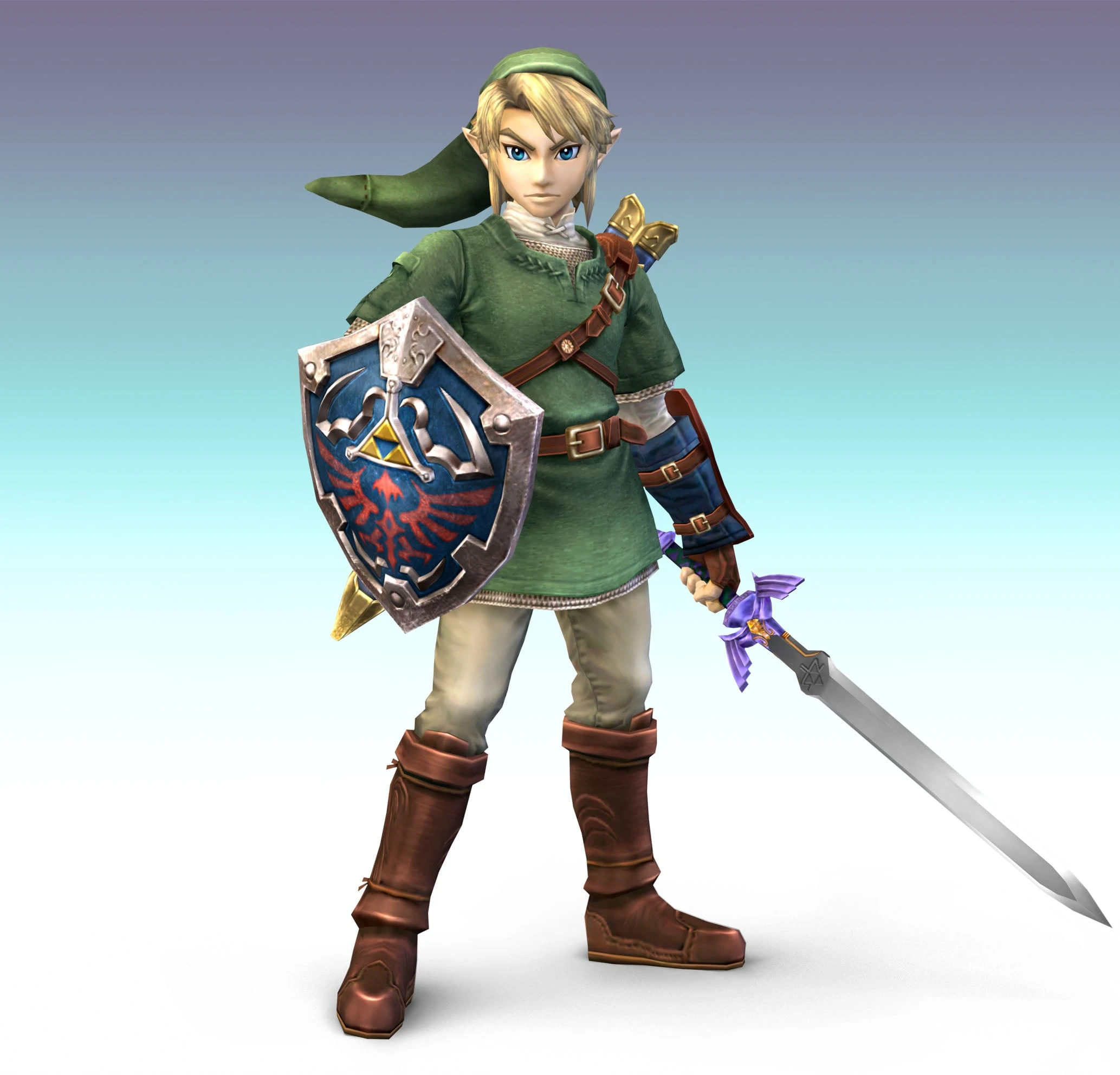
Added to the roster of famous faces this time around are Meta Knight, the sword-wielding nemesis of Kirby; Pit the angelic archer from Kid Icarus; Zero Suit Samus, the Metroid heroine minus her versatile armour; and Wario; who boasts a noxious attack of truly gastronomic proportions! Also sneaking into the line-up are small screen legends Snake from the Metal Gear series and a certain blue hedgehog with an old score to settle!
— Official description (Nintendo UK, 2008)
Why Brawl matters to Mario fans
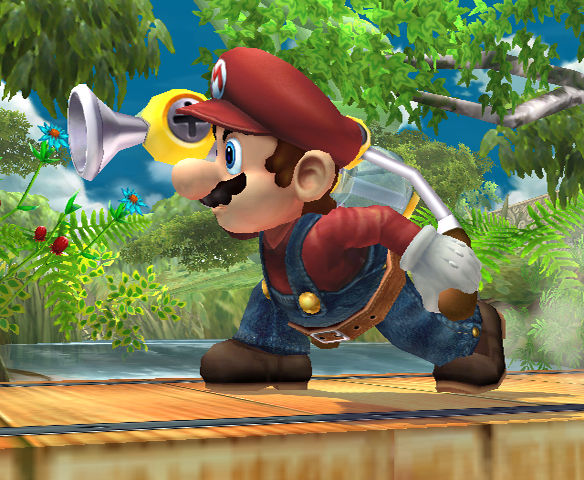
No earlier Smash Bros. gave the Mario family this much. Eight of its 35 fighters come from Mario, Donkey Kong, Yoshi and Wario games, including newcomers Wario and Diddy Kong; Mario uses F.L.U.D.D. from Super Mario Sunshine and Luigi’s Final Smash is the eerie Negative Zone. Delfino Plaza, Mushroomy Kingdom, Mario Circuit, Luigi’s Mansion, the arcade stages Mario Bros. and 75 m, Rumble Falls and Yoshi’s Island are all here, along with returning Rainbow Ride, Jungle Japes and Melee’s Yoshi’s Island. Petey Piranha is the very first boss of The Subspace Emissary, Bowser is one of its villains, Waluigi and a Hammer Bro turn up as Assist Trophies, and Sonic, Mario’s old rival, joins him on the roster a few months after their first meeting in Mario & Sonic at the Olympic Games. See also Luigi’s Mansion, Donkey Kong and Super Mario World 2: Yoshi’s Island.
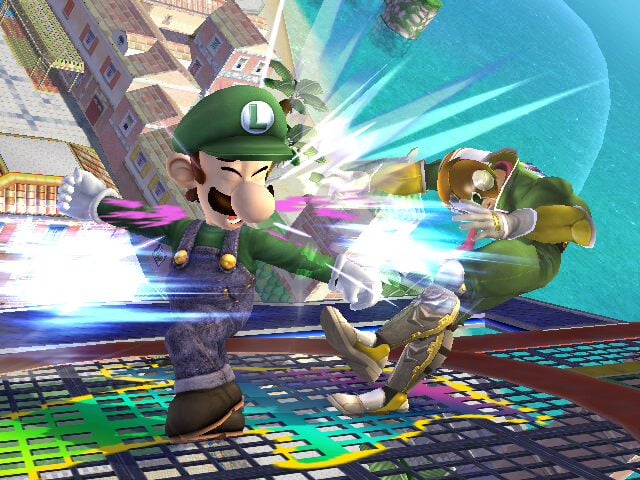
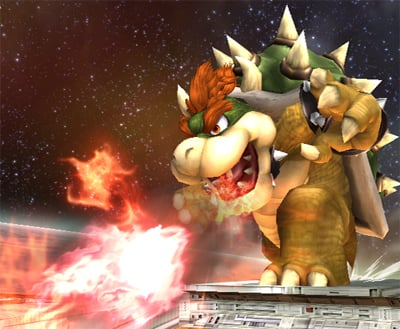
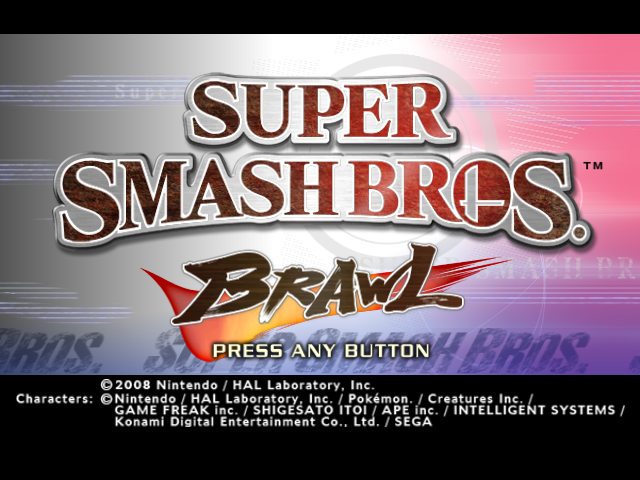
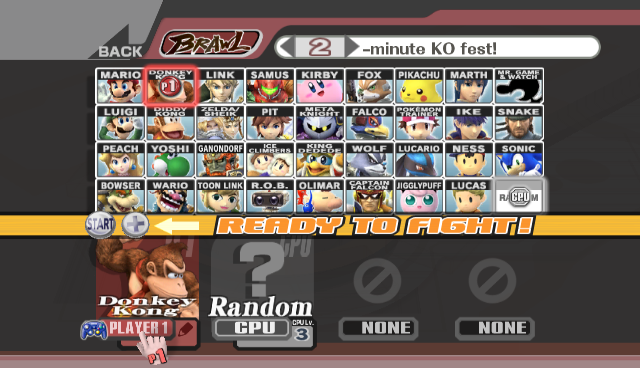
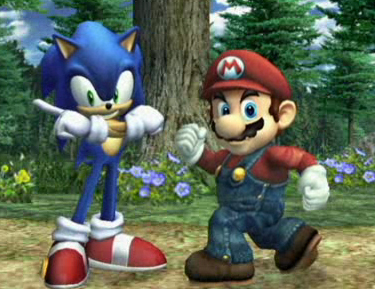
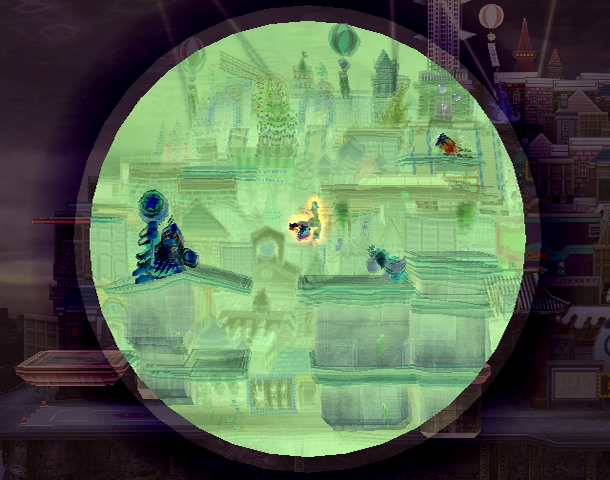
The North American title screen.The character select screen with every fighter unlocked.Giga Bowser, Bowser’s Final Smash, on the Yoshi’s Island stage.Mario and Sonic side by side in The Subspace Emissary.
“one of the very best games that Nintendo has ever produced”
Chris Slate, Nintendo Power review (10/10), 2008, as quoted by Wikipedia
Nintendo Power gave Brawl a perfect score.
Quick Answers
The questions people ask most about Super Smash Bros. Brawl, answered briefly here and in depth further down the page.
When did Super Smash Bros. Brawl come out?
31 January 2008 in Japan, 9 March 2008 in North America, 26 June 2008 in Australia and 27 June 2008 in Europe, on Wii. South Korea followed on 29 April 2010. More →
How many characters are in Brawl?
35 fighters, or 39 if Sheik, Zero Suit Samus and the Pokémon Trainer’s Squirtle, Ivysaur and Charizard are counted separately. 21 are available from the start; 14 have to be unlocked. More →
How do you unlock Luigi in Brawl?
Play 22 Brawls, or clear Classic mode without using a continue, or reach the point where he is revived in The Subspace Emissary. Then beat him on Luigi’s Mansion when he challenges you. More →
How do you unlock Sonic?
Finish The Great Maze in The Subspace Emissary, or clear Classic mode with ten different fighters, or play 300 Brawls (or ten hours of them), then beat him on Green Hill Zone. More →
What is a Final Smash?
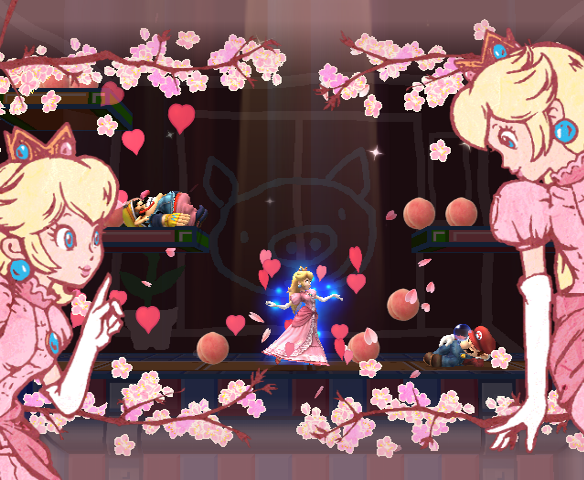
A super move earned by breaking the floating Smash Ball. Every fighter has one: Mario Finale, Giga Bowser, Peach Blossom, Negative Zone, Wario-Man and so on. More →
Who is the villain of The Subspace Emissary?
Tabuu, a being from Subspace who controls Master Hand. The Ancient Minister, Ganondorf, Bowser and Wario all work for the Subspace Army before the truth comes out. More →
Can you still play Brawl online?
No. Nintendo Wi-Fi Connection, which ran Brawl’s online modes, closed on 20 May 2014. More →
Why will my Wii not read the Brawl disc?
Brawl came on a dual-layer disc, and Nintendo of America said some consoles struggled to read it because of a contaminated laser lens. It offered to repair affected consoles free of charge. More →
How many copies did Brawl sell?
13.32 million worldwide according to Nintendo’s investor-relations data as of 31 March 2024. In the United States it sold 1.4 million in its first week. More →
What is Project M?
A fan-made modification of Brawl, begun in 2011 by competitive players, that made it play more like Melee and brought back Mewtwo and Roy. Its team stopped work on 1 December 2015. More →
Modes & Stages
The logo of The Subspace Emissary.
A Brawl match works as it always has: two to four fighters, human or computer, on any stage, with Time, Stock or Coin rules and a Sudden Death to settle a draw. Special Brawl adds options such as Stamina battles and bunny ears, Rotation lets up to sixteen people take turns, and Tourney runs a bracket for up to 32.
For one player, Brawl is enormous. The Subspace Emissary is a full adventure with its own story, retold in detail below. Classic, All-Star, Events and the Stadium games are all here, and the Vault holds the trophies, stickers, Stage Builder, Masterpieces and more. The 41 stages are listed at the end of this section.
The Subspace Emissary: a match interrupted
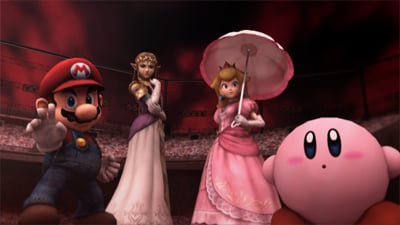
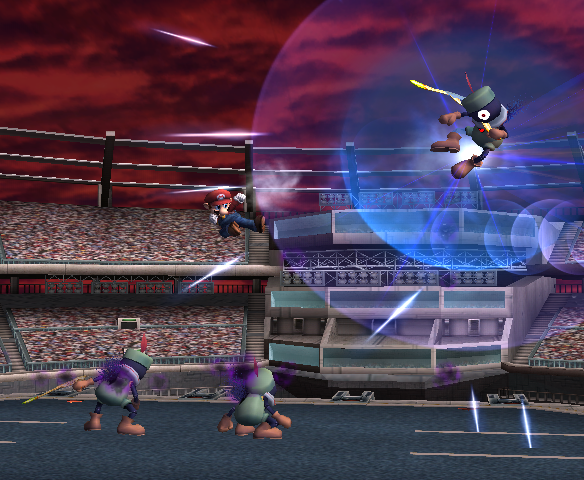
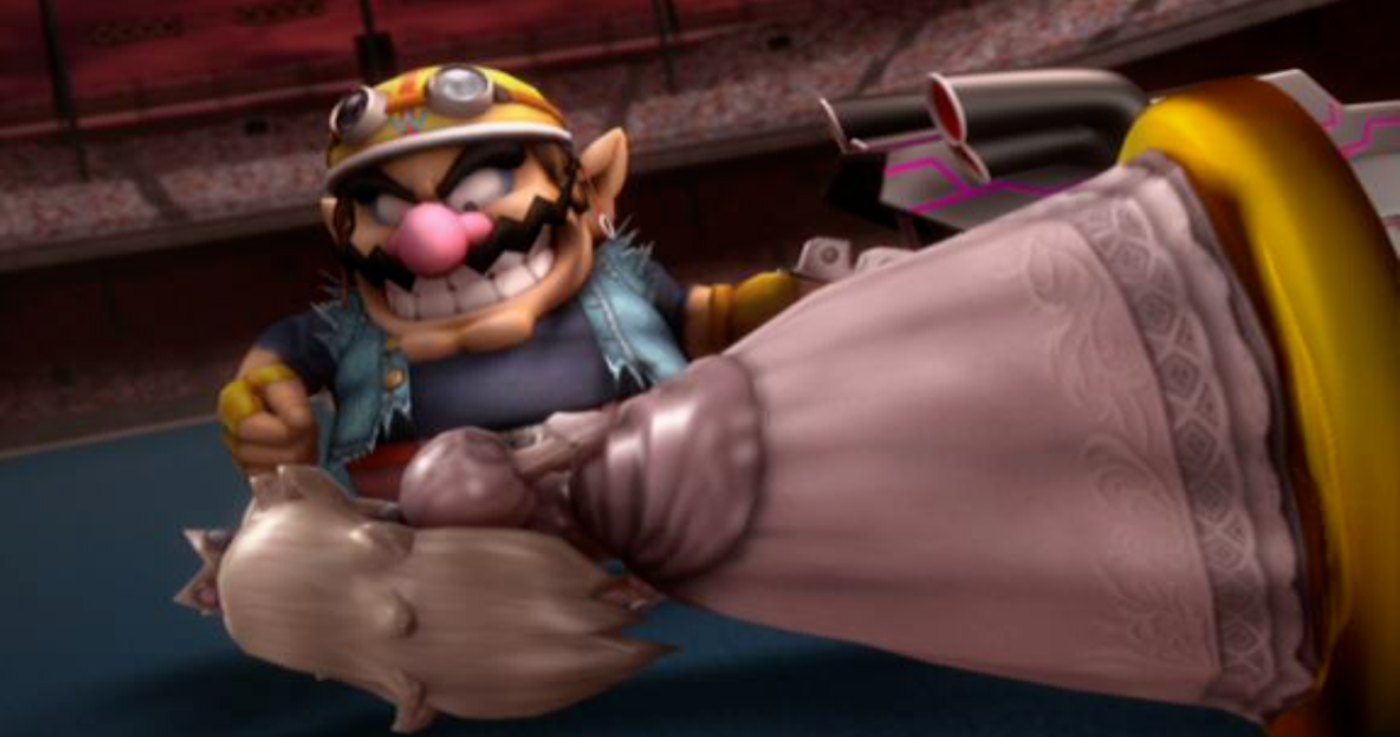
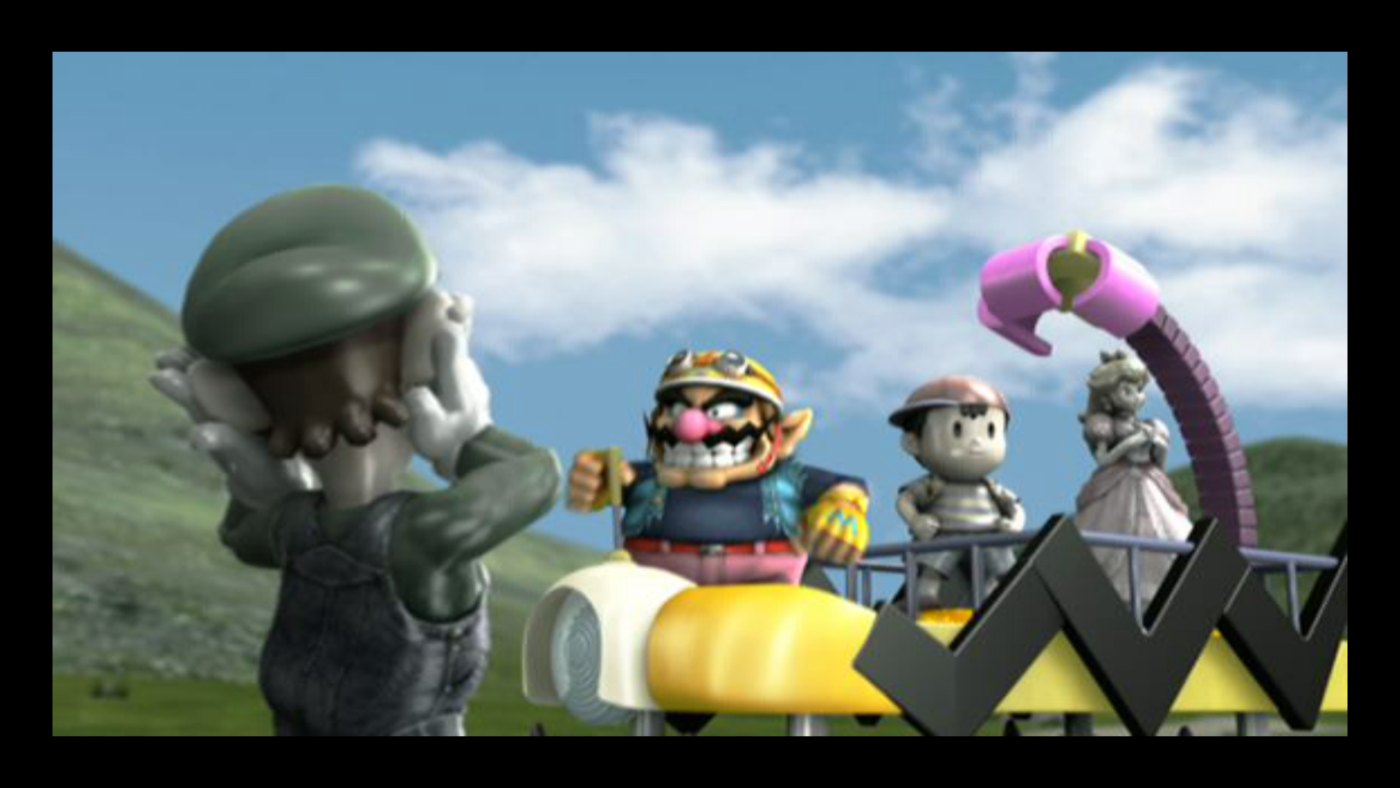
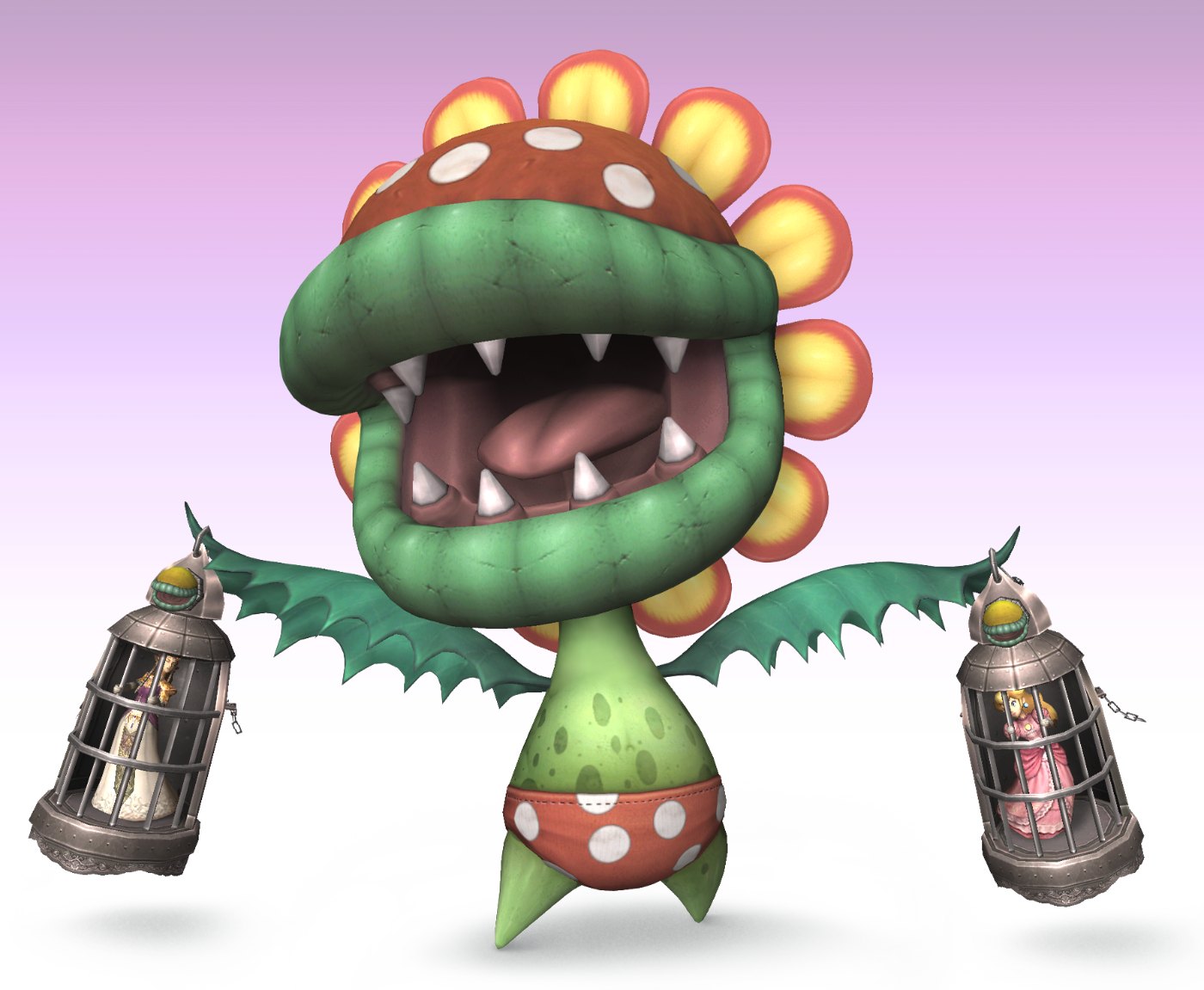
The adventure opens in a stadium floating in the sky, where a crowd has gathered to watch Mario and Kirby fight, Princess Peach and Princess Zelda among them. Halfway through, the show is gatecrashed: a mysterious figure called the Ancient Minister arrives with the Primids and other troops of the Subspace Army, and a giant Petey Piranha snatches up both princesses in cages. Kirby beats Petey, but only one princess can be saved; Wario blasts the other into trophy form and carries her off. Then the Minister sets off a Subspace Bomb, and the whole stadium is swallowed by a sphere of purple darkness.
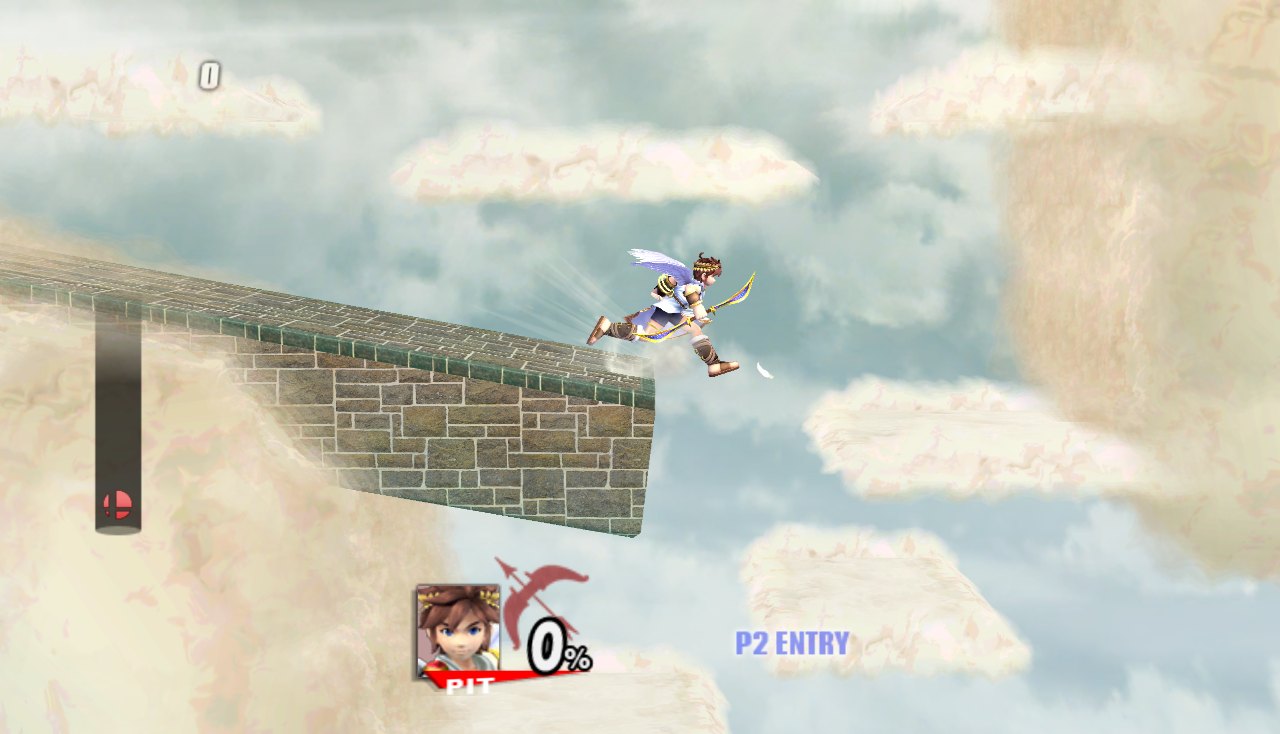
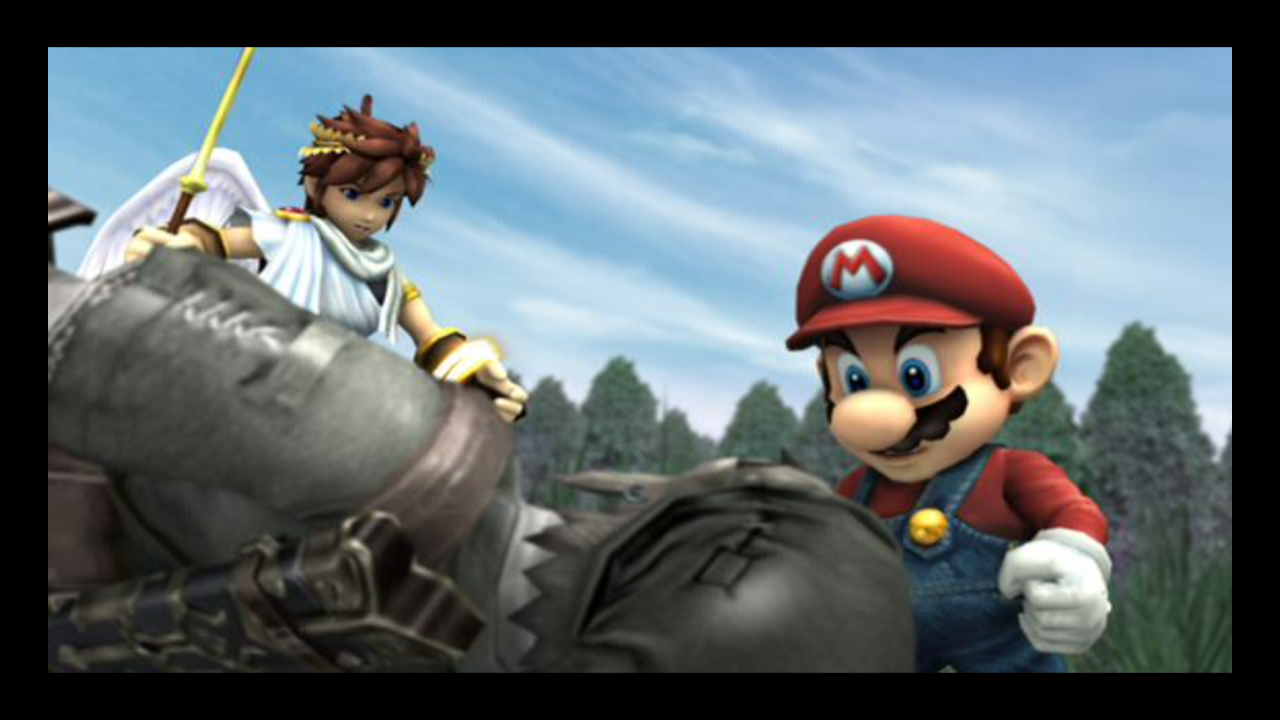
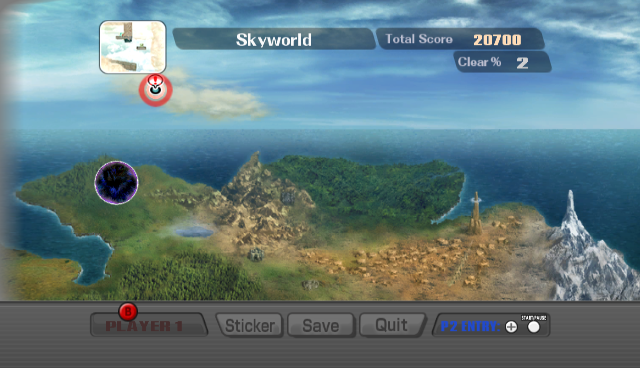
In Skyworld, Pit takes off to help Mario, and the two set off together, first after the Halberd and then after the Minister. Kirby and his princess, meanwhile, hitch a ride on the outside of Meta Knight’s stolen battleship, the Halberd, until the ship shoots down an Arwing and everybody tumbles into the Sea of Clouds.
Mario, Zelda, Peach and Kirby at the Midair Stadium.The Subspace Army arrives at the Midair Stadium.Peach, turned into a trophy.Pit and Mario in Skyworld.
From the jungle to the Battlefield Fortress
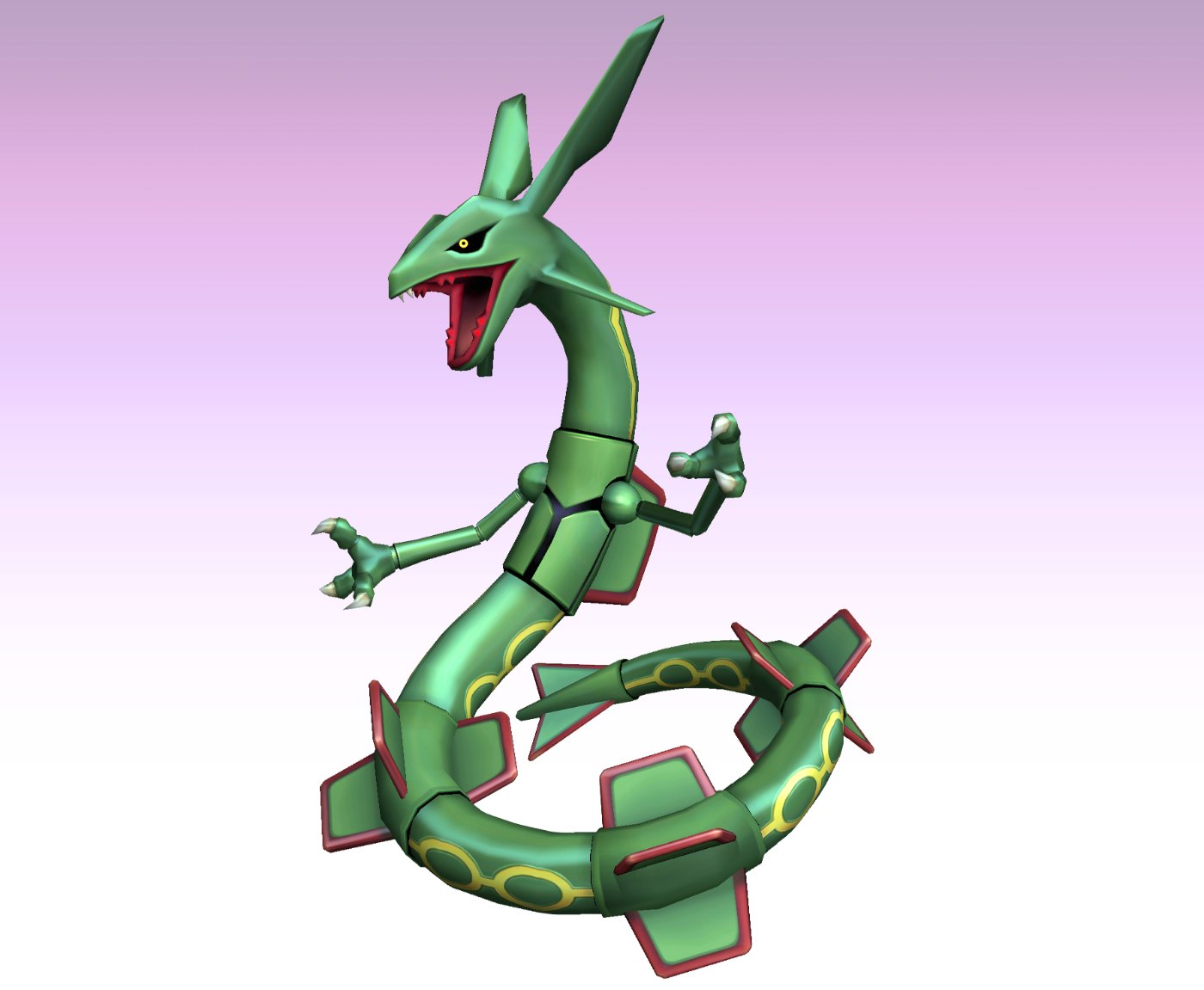
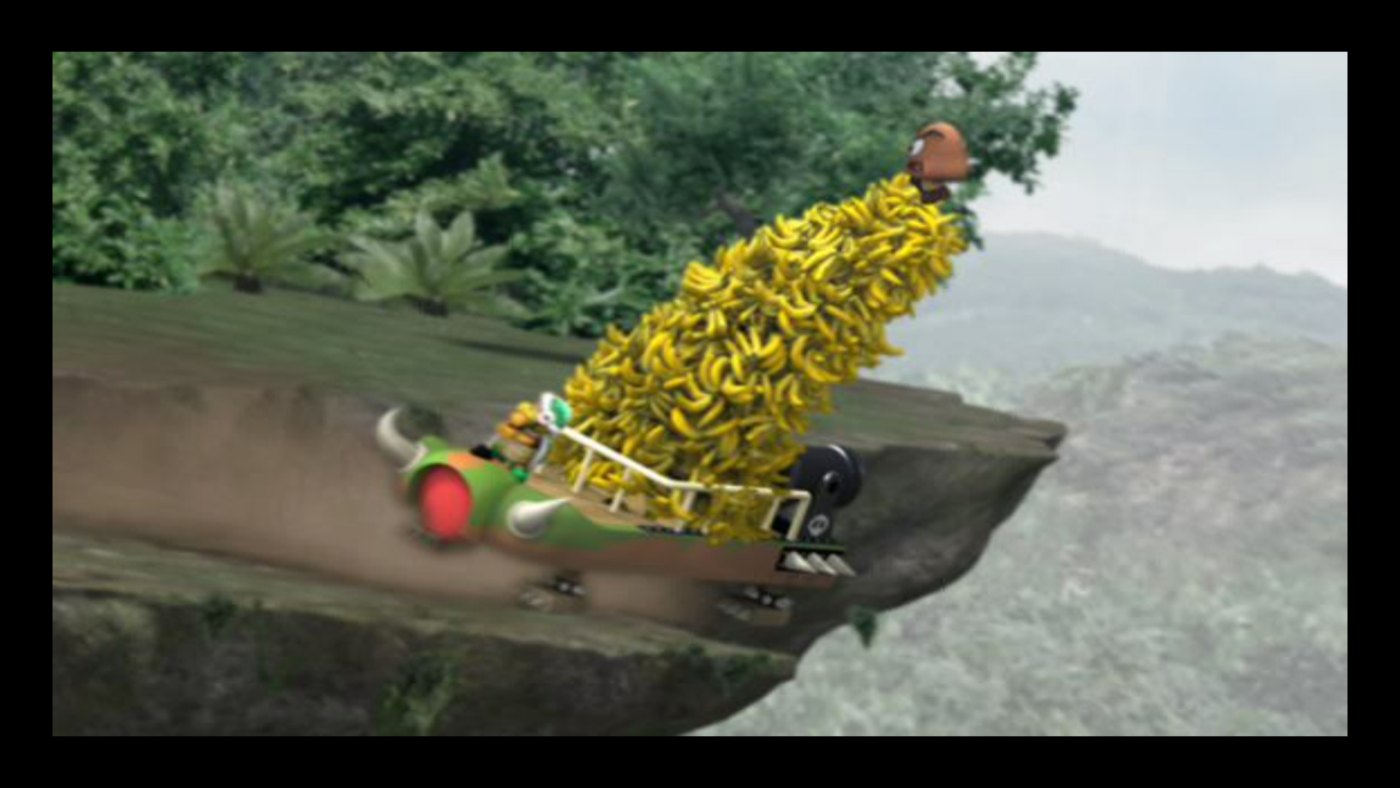
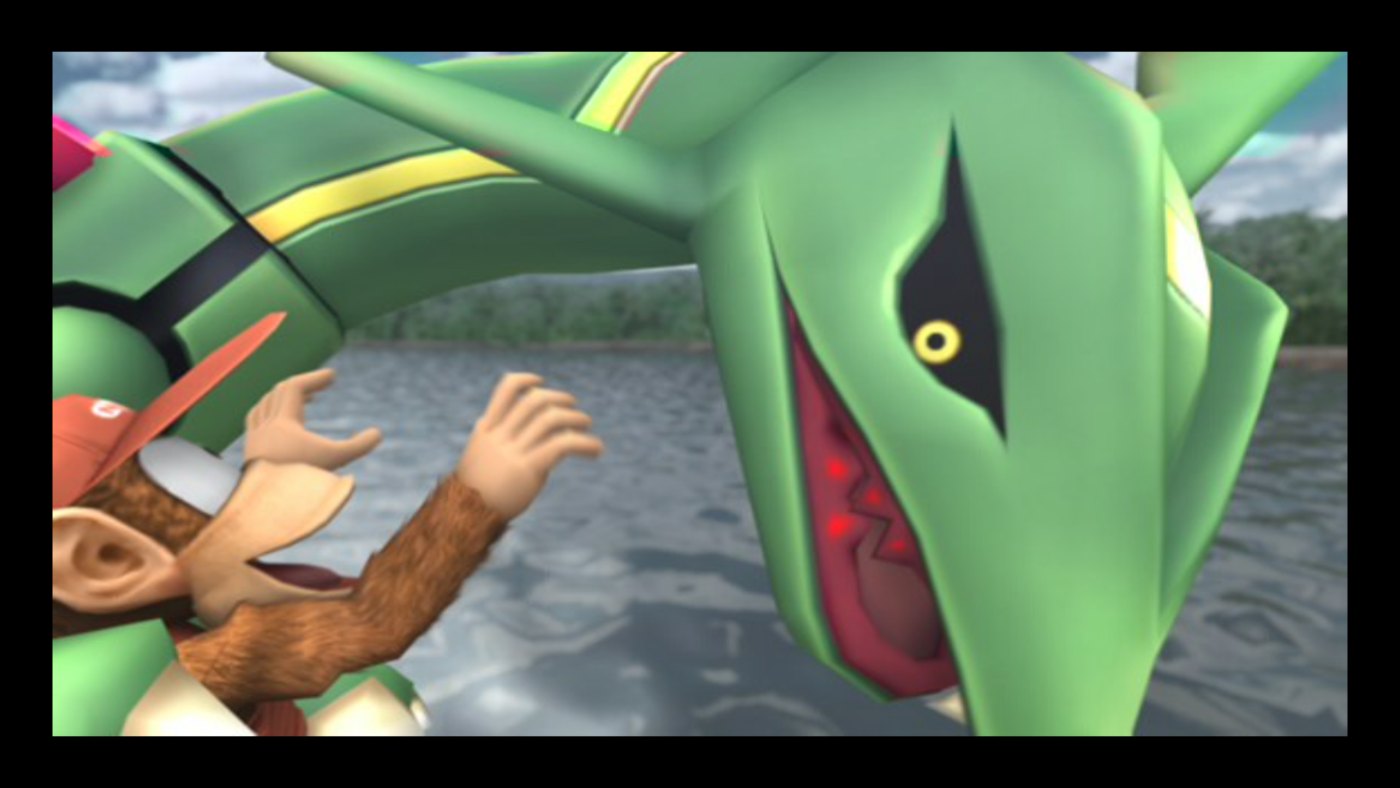
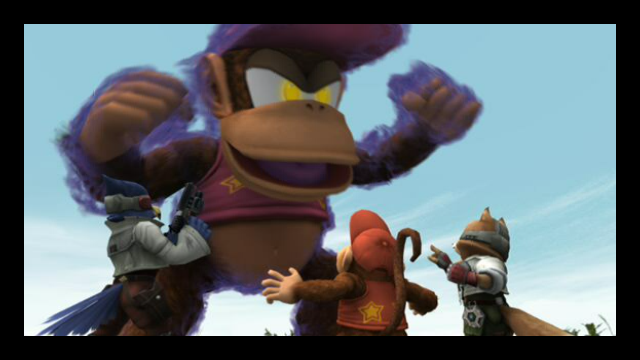
In the jungle, Donkey Kong and Diddy Kong chase Bowser’s Minions to get their banana hoard back, only for Bowser himself to turn Donkey Kong into a trophy. Diddy escapes, finds Fox after a run-in with the giant Pokémon Rayquaza, and the pair go after Bowser, beating a shadowy copy of him, a False Bowser, along the way.
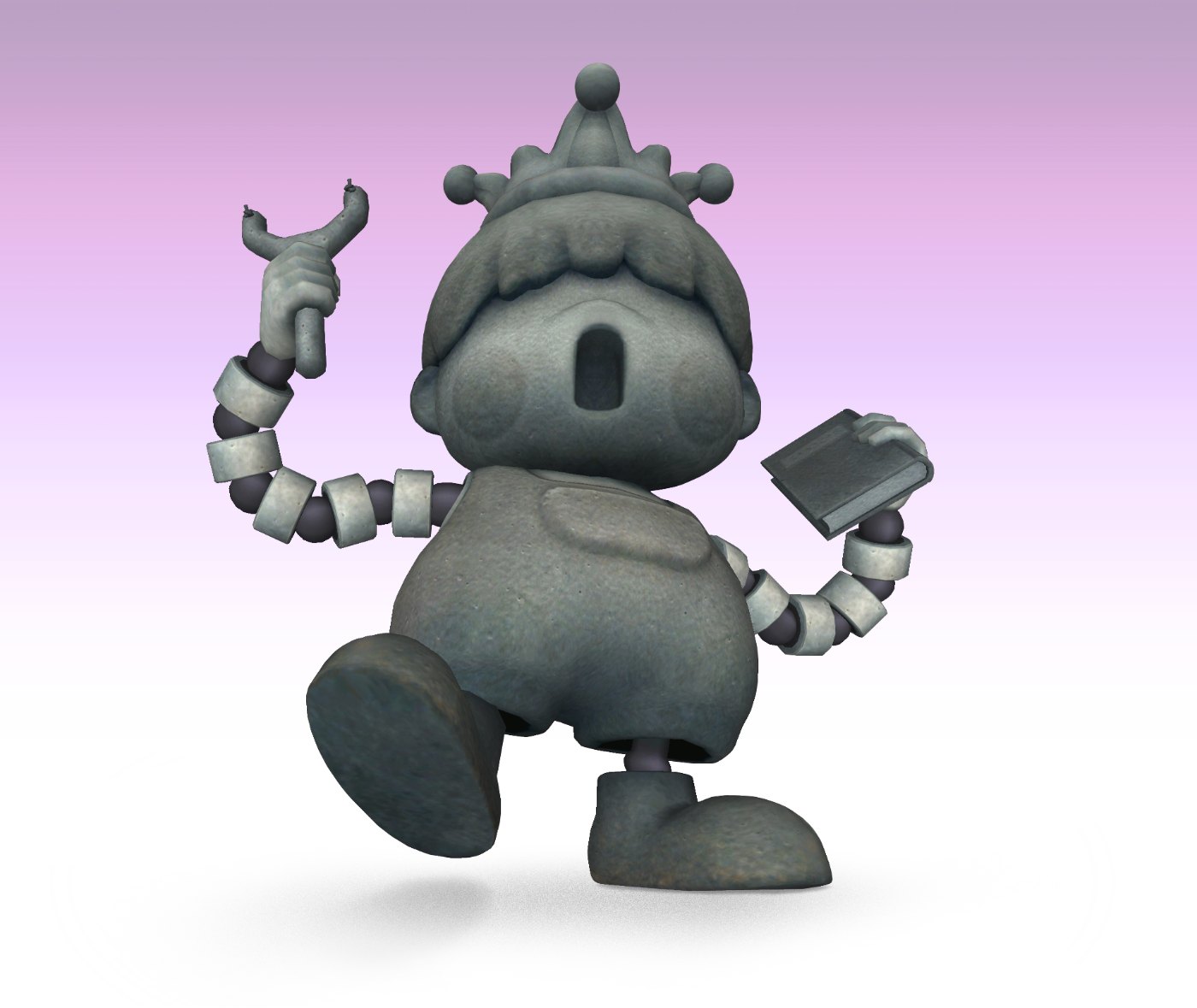
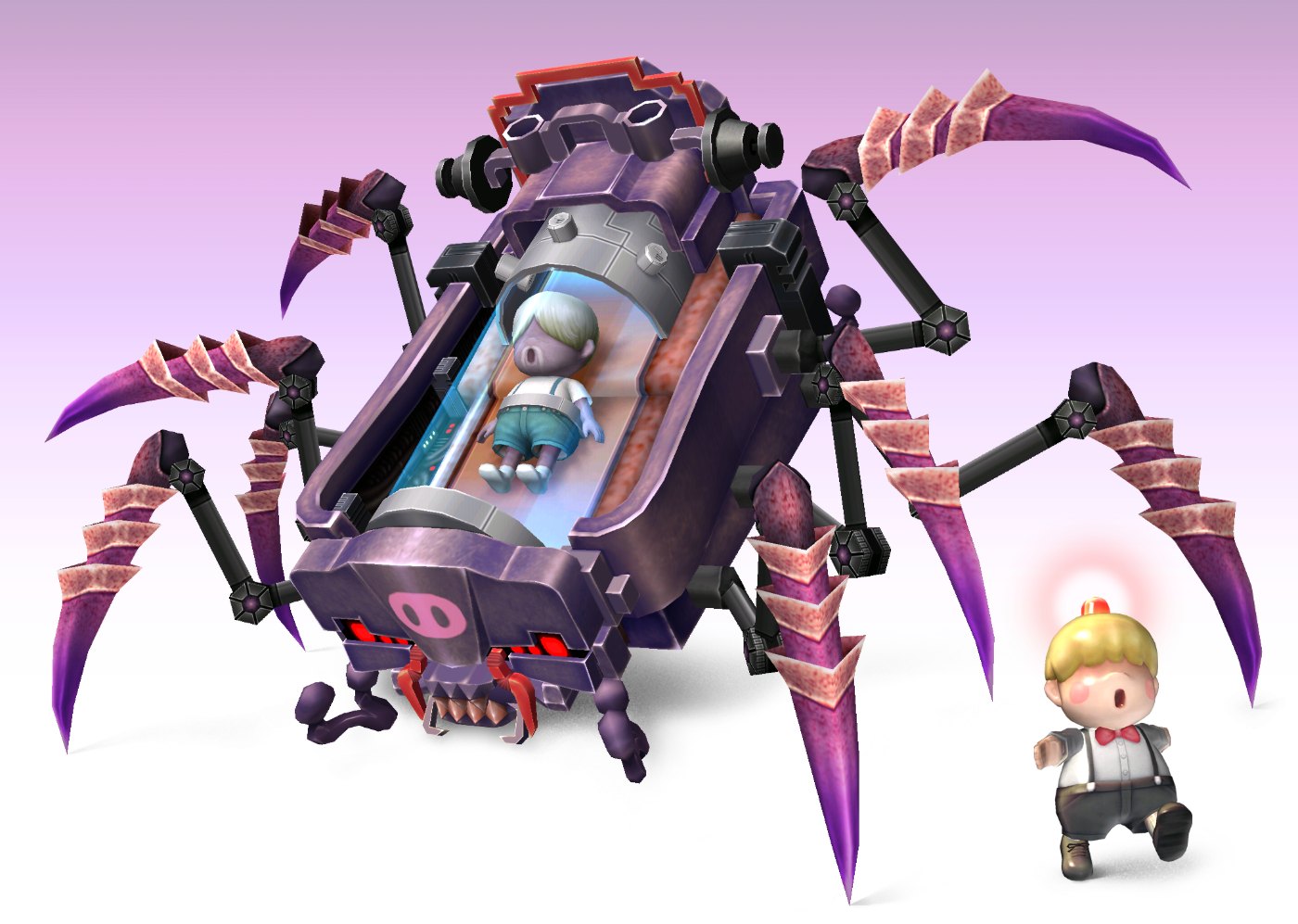
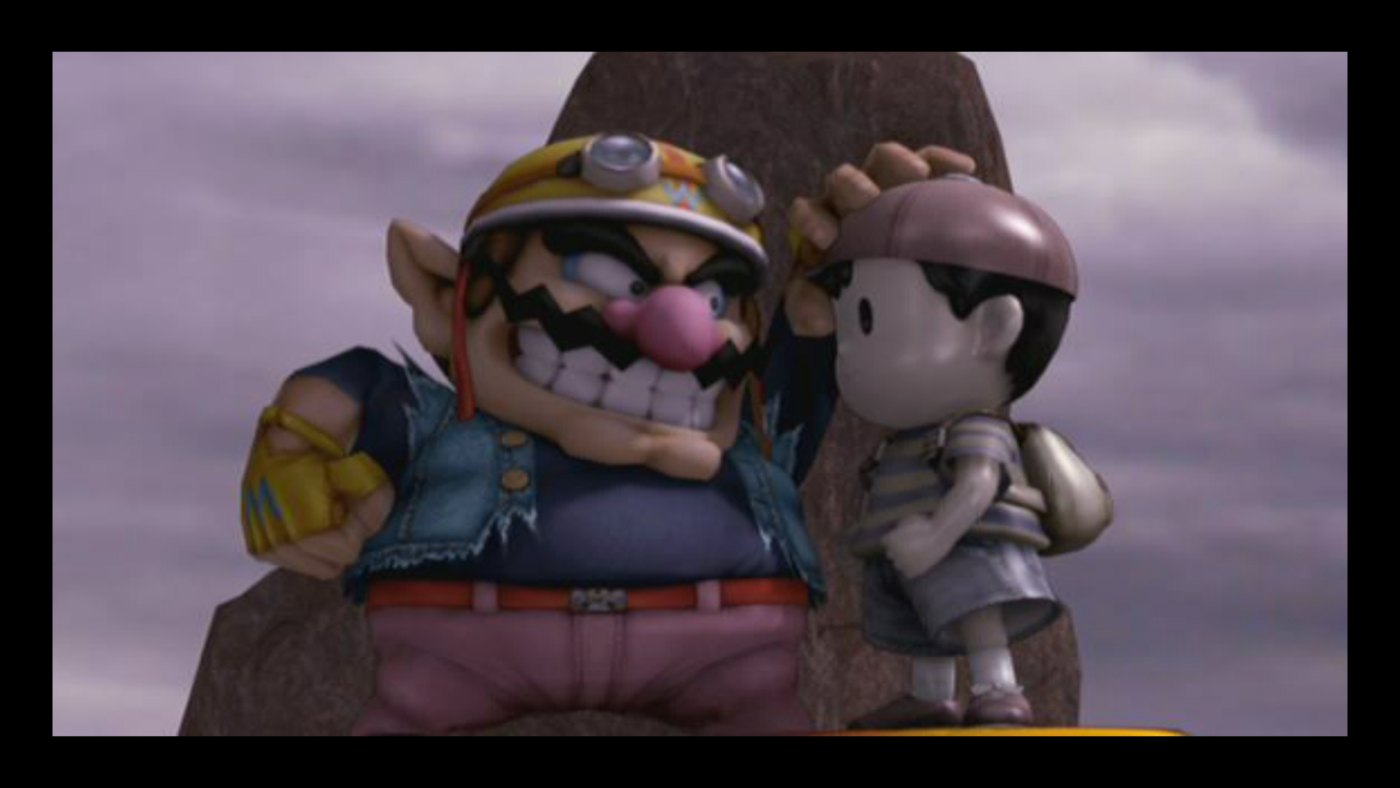
Elsewhere the cast keeps growing. Lucas is chased through a ruined zoo by Porky’s giant statue and rescued by Ness, before Wario shoots Ness into a trophy; Lucas joins forces with the Pokémon Trainer instead. Marth cuts his way through the Battlefield Fortress and joins forces with Meta Knight and Ike. And King Dedede and his Waddle Dees go round collecting trophies of their own, Luigi among them, and help themselves to the ones Wario had gathered.
Bowser’s Minions make off with Donkey Kong’s bananas.Diddy Kong meets Rayquaza at the lake.Wario with the trophy of Ness.Luigi’s trophy changes hands.
The forest, the lake shore and Castle Dedede
Link draws the Master Sword in the forest and is joined by Yoshi; in the hold of the Halberd, a cardboard box begins to stir. On a research base, Zero Suit Samus sneaks in to find her Power Suit and frees Pikachu, who was being used to power a generator.
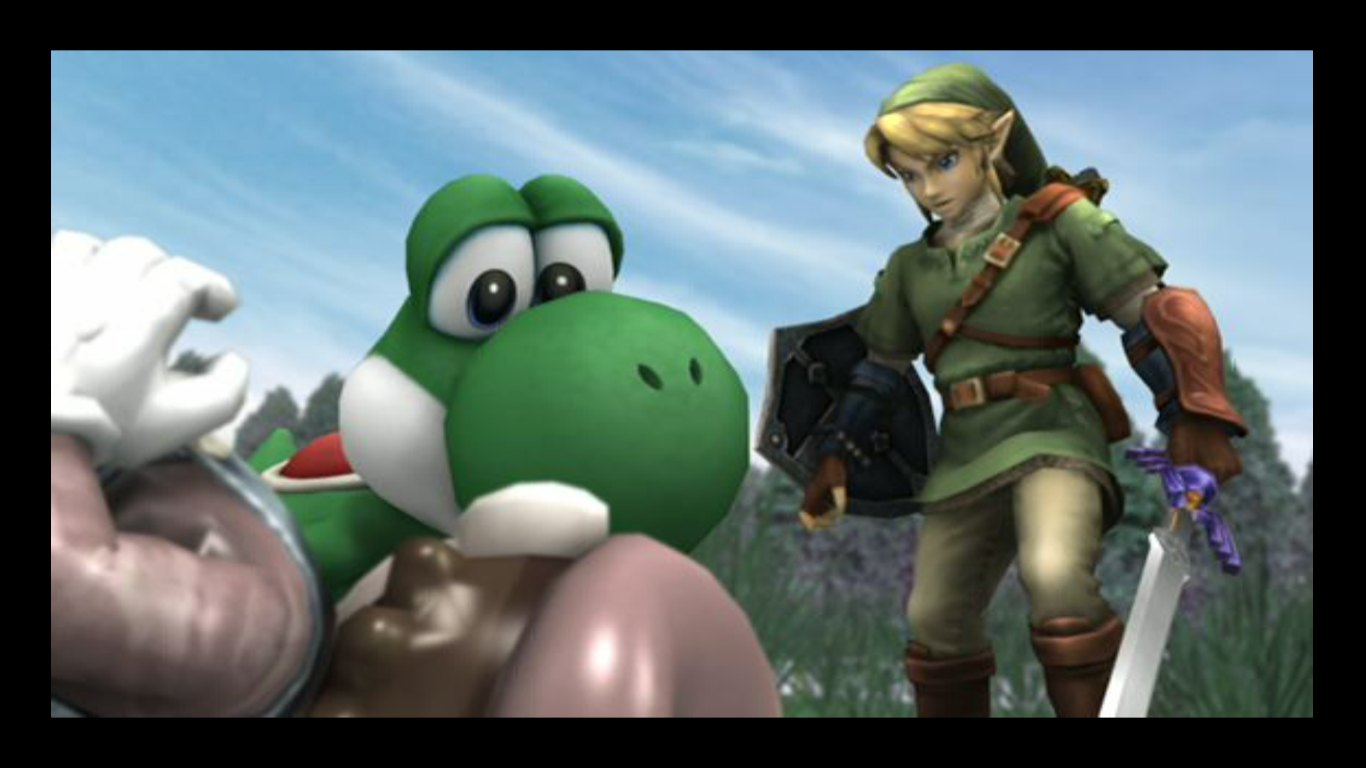
At the lake shore, a False Bowser makes a dark copy of the princess Kirby rescued. Mario’s party and Link’s party run into each other, each thinks the other is the enemy, and they fight until King Dedede blunders in and grabs the princess’s trophy. Kirby falls in with the heroes to chase him. Bowser, working for Ganondorf, raids Castle Dedede and takes the princess, but not before Dedede has pinned a badge on several of his trophies. A Subspace Bomb then drags the castle away.
Mario and Pit square up to Link and Yoshi.Link and Yoshi.The Halberd over King Dedede’s castle.
The ruins, the swamp and the research facility
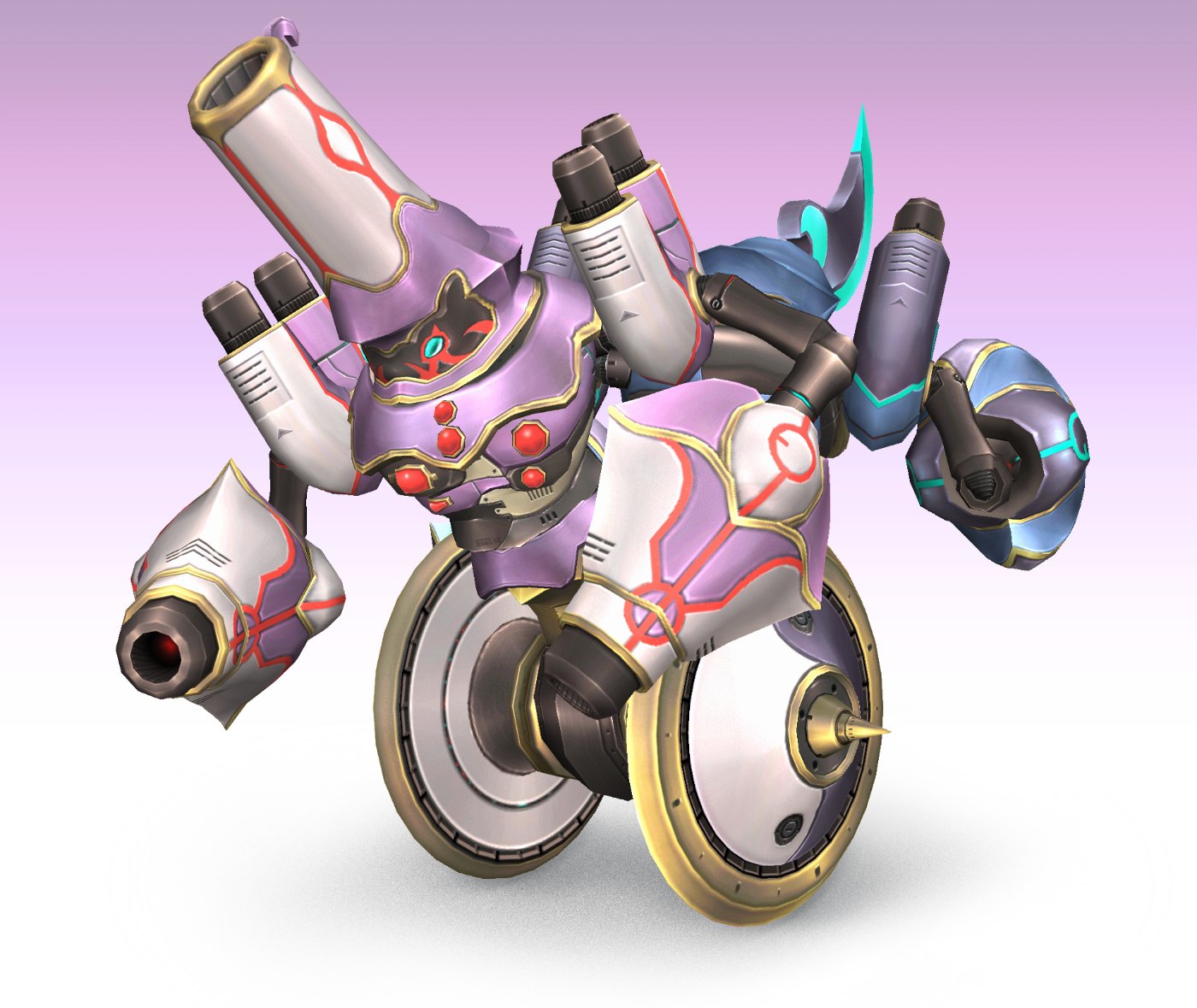
The Pokémon Trainer catches Ivysaur and then Charizard in an ancient temple. Marth’s party chases the Minister across the wilds and comes up against Galleom, a robot that disguises itself as a tank; Lucas and the Trainer have to beat it a second time, and it turns out to be carrying a Subspace Bomb of its own, which brings the ruins down. Each time the heroes get close to the Minister, another Subspace Bomb goes off and another piece of the world vanishes.
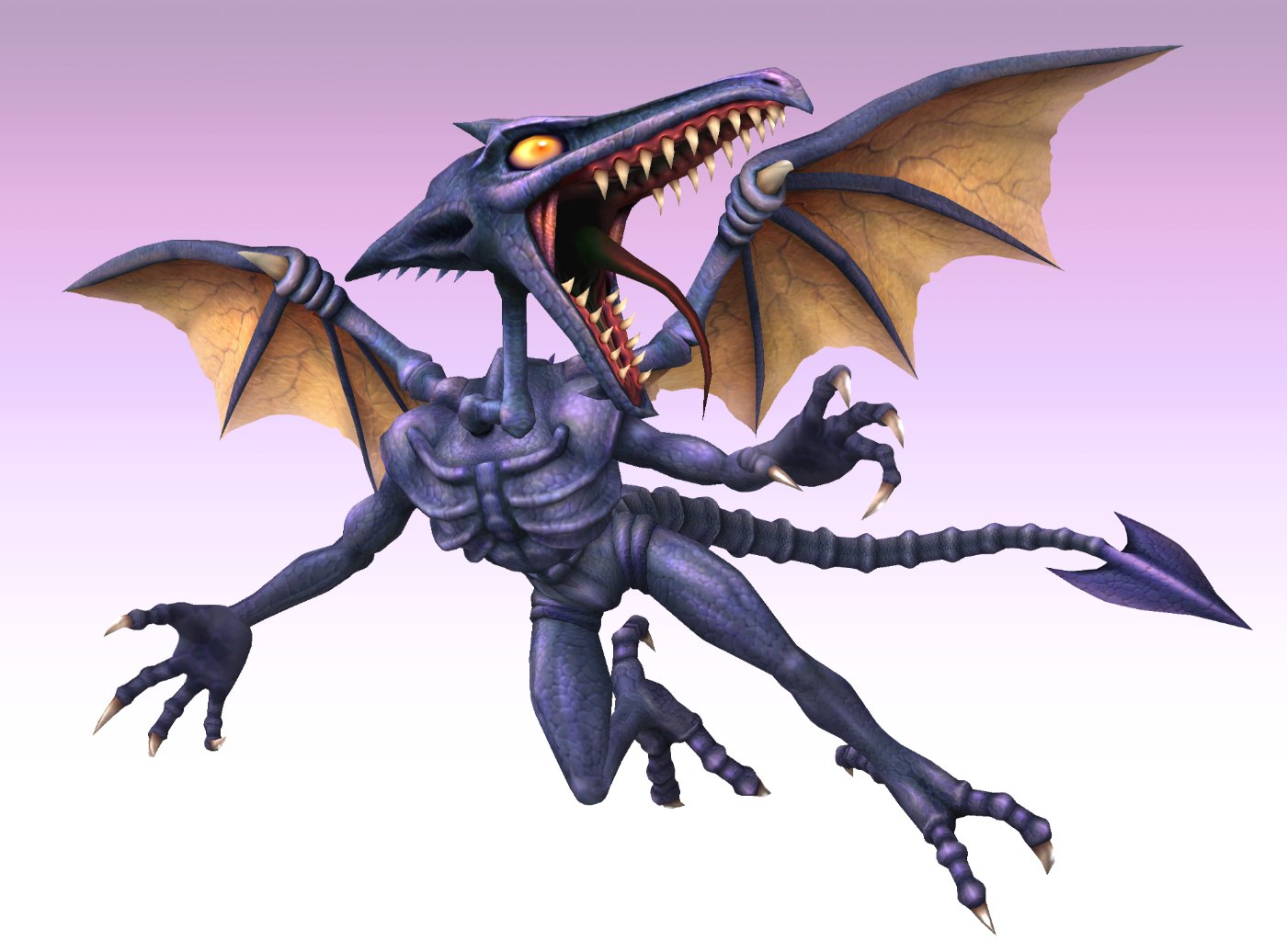
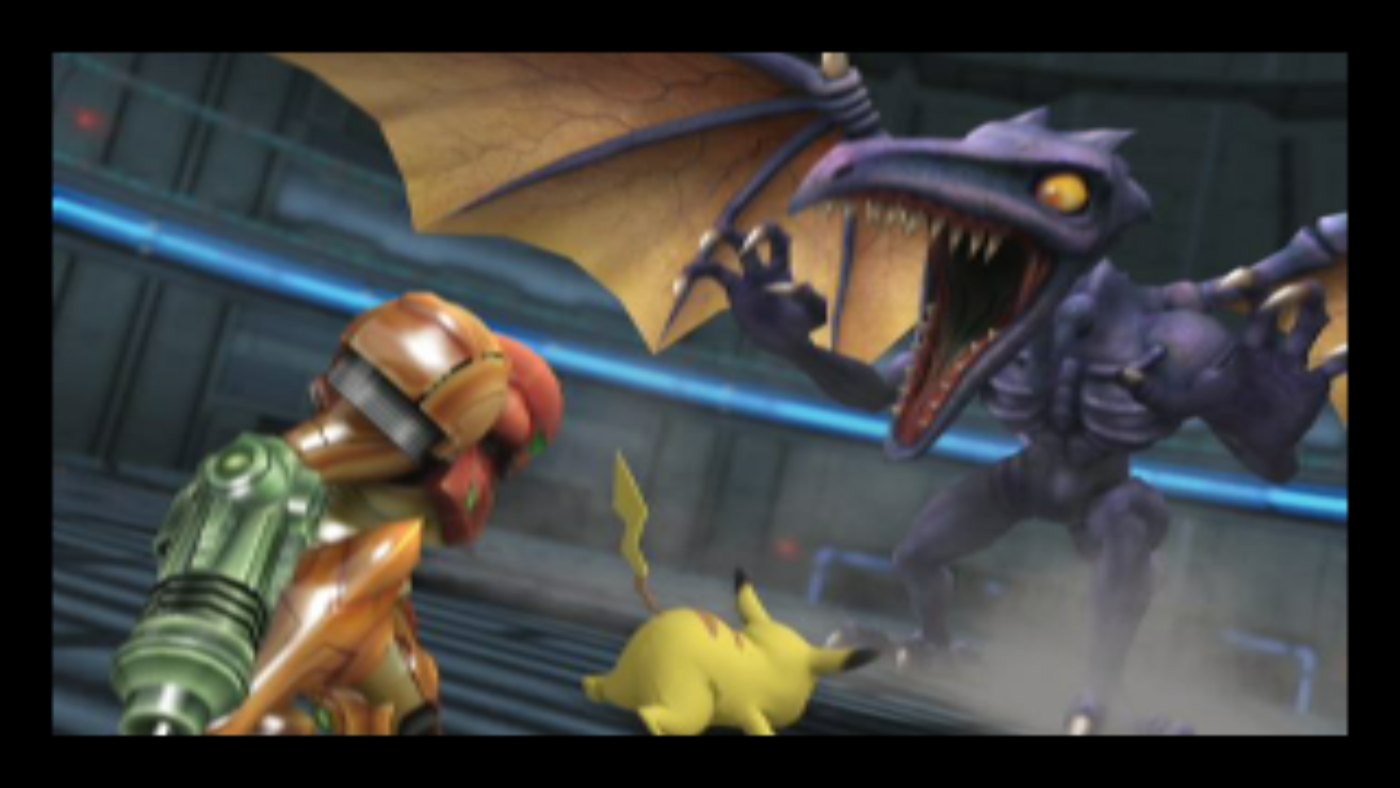
In the swamp, Diddy Kong is trophied again and Bowser creates a giant False Diddy Kong, but Falco drops in to save him. At the research facility Samus recovers her Power Suit and defeats her old enemy Ridley, then spots the Subspace Bomb factory. Outside the ruins, Olimar teams up with Captain Falcon, and Donkey Kong is rescued at last.
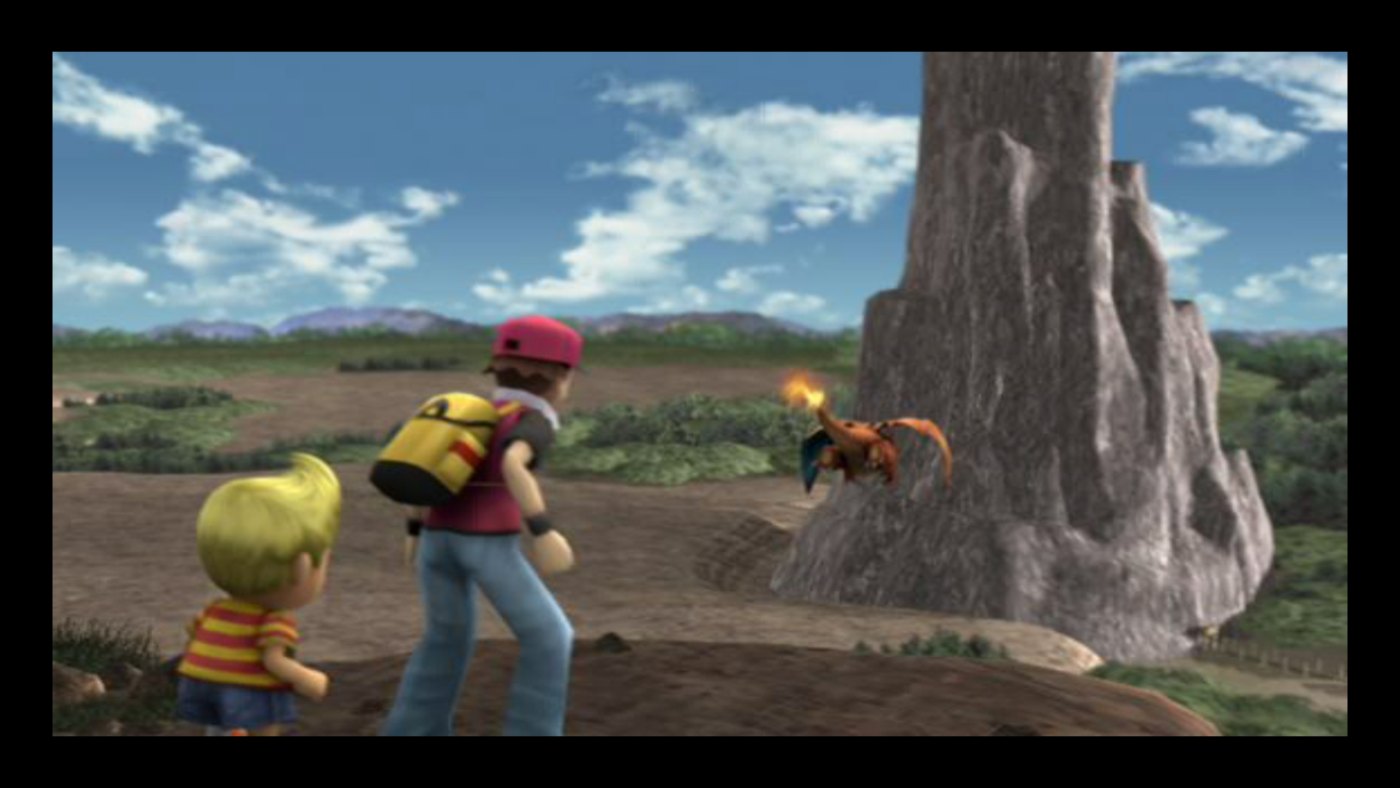
Lucas and the Pokémon Trainer find Charizard.The False Diddy Kong.Samus and Pikachu find Ridley.
The Glacial Peak and the Halberd
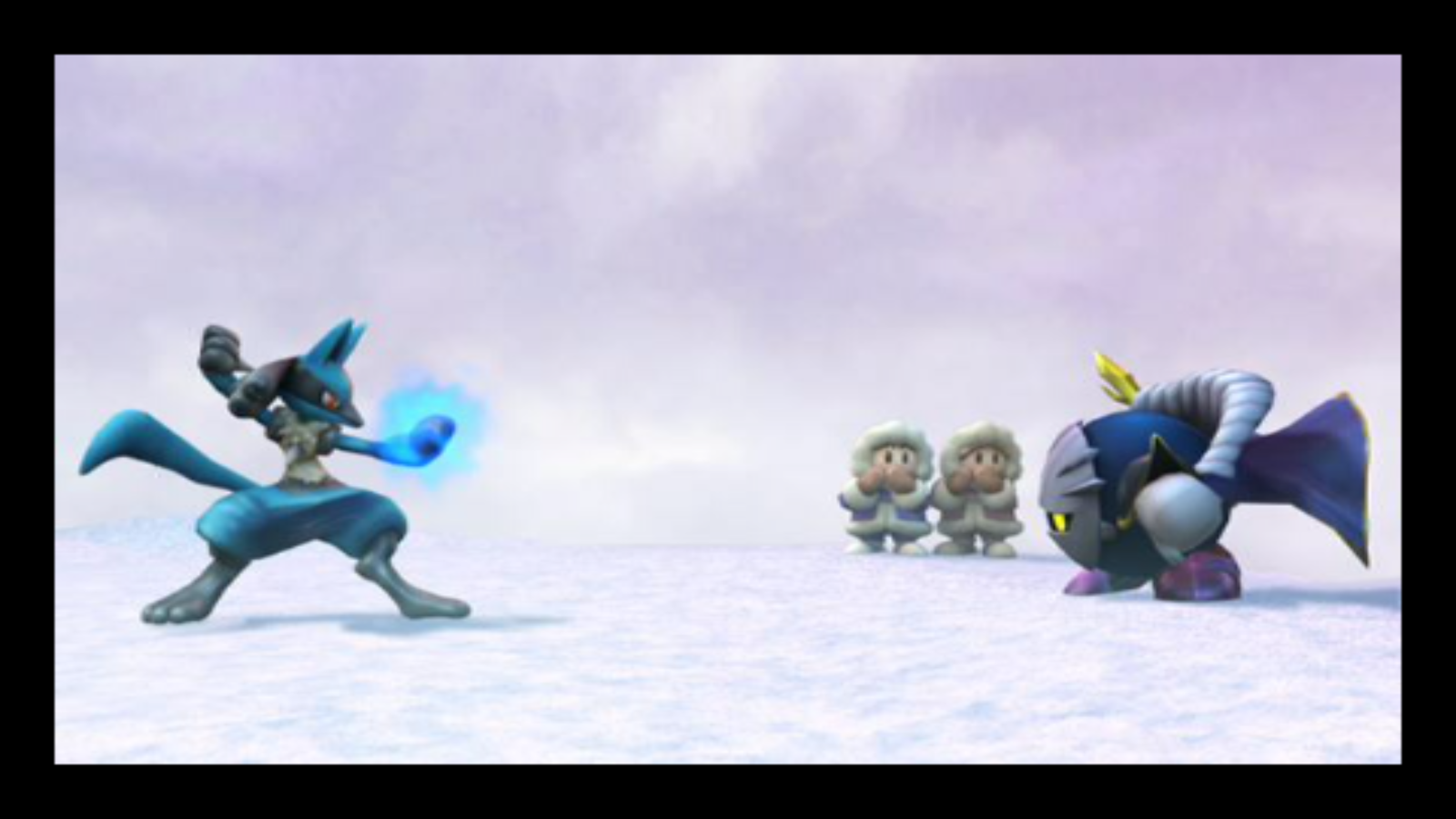
Meta Knight climbs the Glacial Peak to take back his ship, racing the Ice Climbers, and is challenged at the summit by Lucario. When the Great Fox is knocked into the cliff they climb aboard the Halberd together and meet the owner of that cardboard box, Solid Snake, who has been on board all along.
They free Peach and Zelda, who has been fighting as Sheik, and defeat their dark doubles. On deck, Fox mistakes Sheik for an enemy until Peach calms everyone down with a cup of tea. On the bridge, a crowd of Mr. Game & Watch copies fuses into the two-headed robot Duon; once it falls, the real Mr. Game & Watch joins Peach, and Meta Knight has his ship back.
Lucario and Meta Knight fight while the Ice Climbers watch.Battleship Halberd Interior.Battleship Halberd Exterior.
The Subspace Bomb factory and the Minister’s secret
Samus and Pikachu fight their way into the factory on the Isle of the Ancients, where the Minister now seems more sorry than sinister. Captain Falcon’s party catches up with him there, and the truth comes out: the Ancient Minister is a R.O.B., leader of a race of robots who have been forced to build the bombs. Ganondorf seizes control of the other R.O.B.s by remote and sets off every bomb at once.
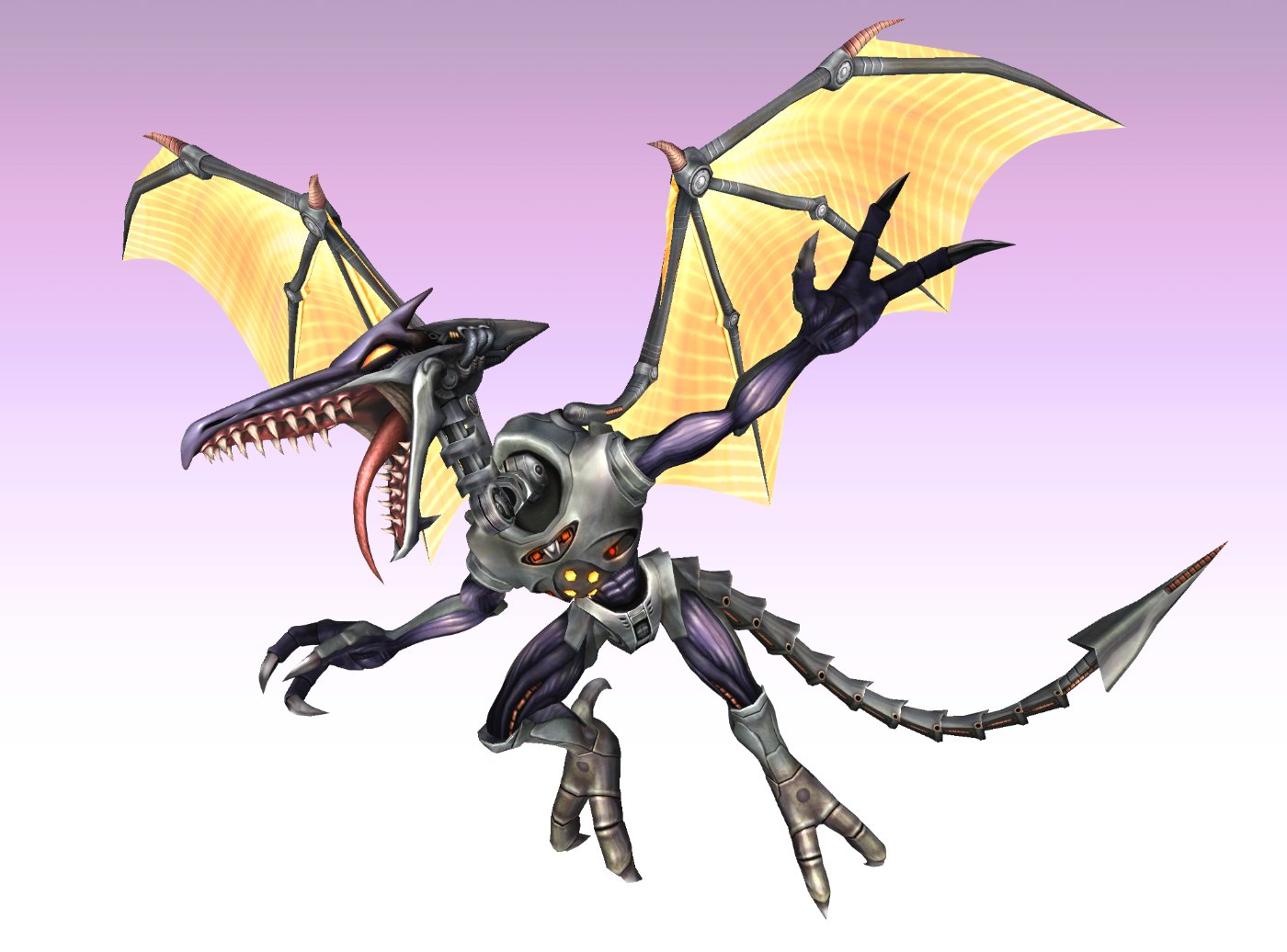
The heroes escape on the Falcon Flyer, fight off Meta Ridley and watch the island disappear into Subspace. For the first time, all three parties meet and join forces.
Inside the Subspace Bomb Factory.Racing away from a Subspace Bomb.
Into Subspace: Tabuu and the Great Maze
The heroes chase the Subspace Gunship into Subspace itself, where Ganondorf turns on Bowser and makes him a trophy. Then Ganondorf learns that he has been used too: the being really in charge is Tabuu, who has been controlling Master Hand. With one burst of his Off Waves, Tabuu turns every hero into a trophy.
Only Dedede’s badges were ready for this. They bring Luigi and Ness back to life, King Dedede revives Bowser, and Kirby is soon back on his feet too. They search Subspace, reviving everyone they find, and enter The Great Maze, a vast labyrinth stitched together from places they have already been, full of shadow copies of the fighters and rematches with every boss.
At its heart Tabuu is waiting. Before he can fire his Off Waves again, Sonic streaks in and cripples the attack, and the reunited cast beats him. The lost lands come back from Subspace, and the Isle of the Ancients is gone for good. Ganondorf can be saved too, depending on which trophies the player rescued.
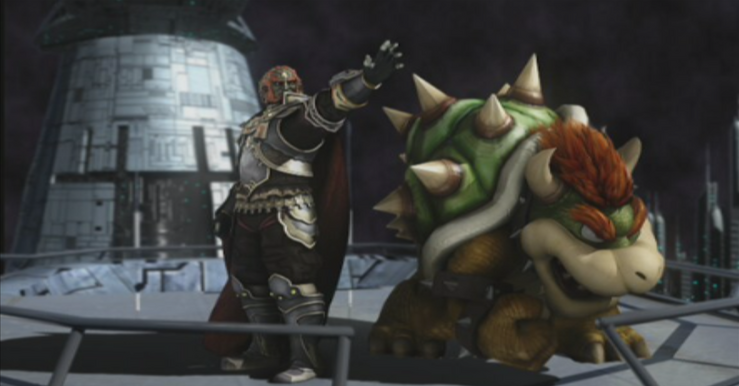
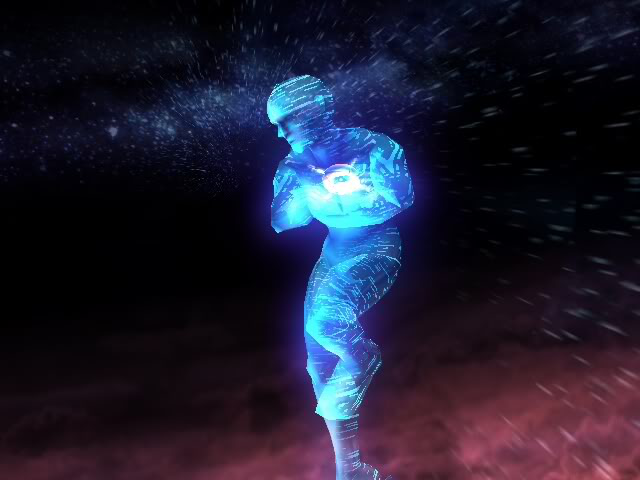
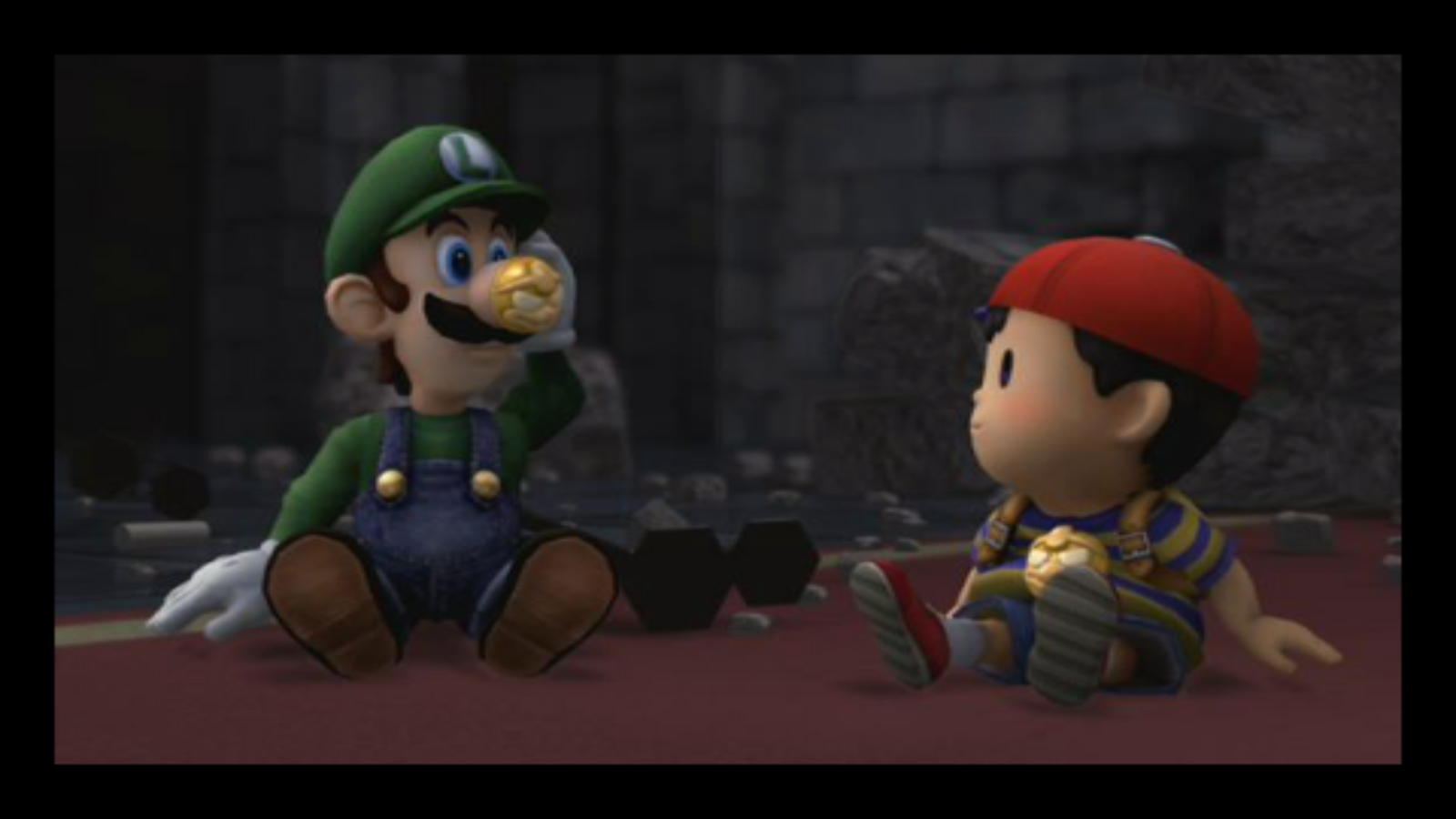
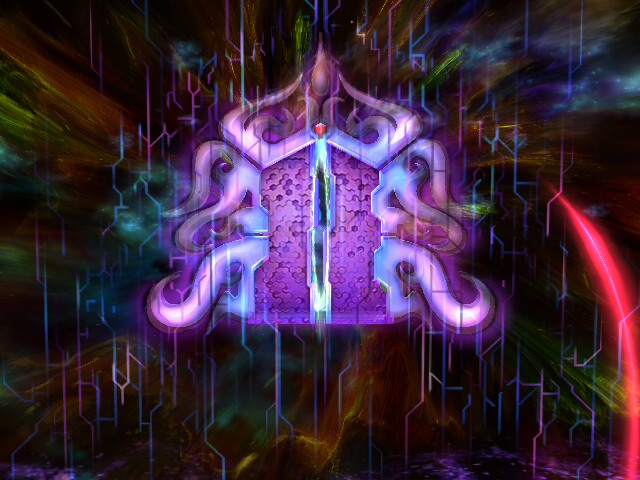
Ganondorf and Bowser at the entrance to Subspace.Tabuu.Luigi and Ness, brought back by Dedede’s badges.A door in The Great Maze.
How The Subspace Emissary plays
It plays as a side-scrolling action game in 31 chapters, from the Midair Stadium to The Great Maze, using the fighters’ normal moves. Each chapter has its own party to choose from, enemies from the Subspace Army, and trophy stands, doors and boxes to find. Stickers can be stacked on a fighter as power-ups. Most of the story is told in cutscenes, which IGN’s reviewer liked less for the long loading times between them.
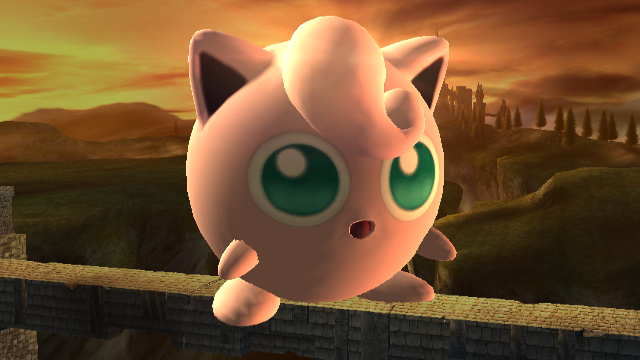
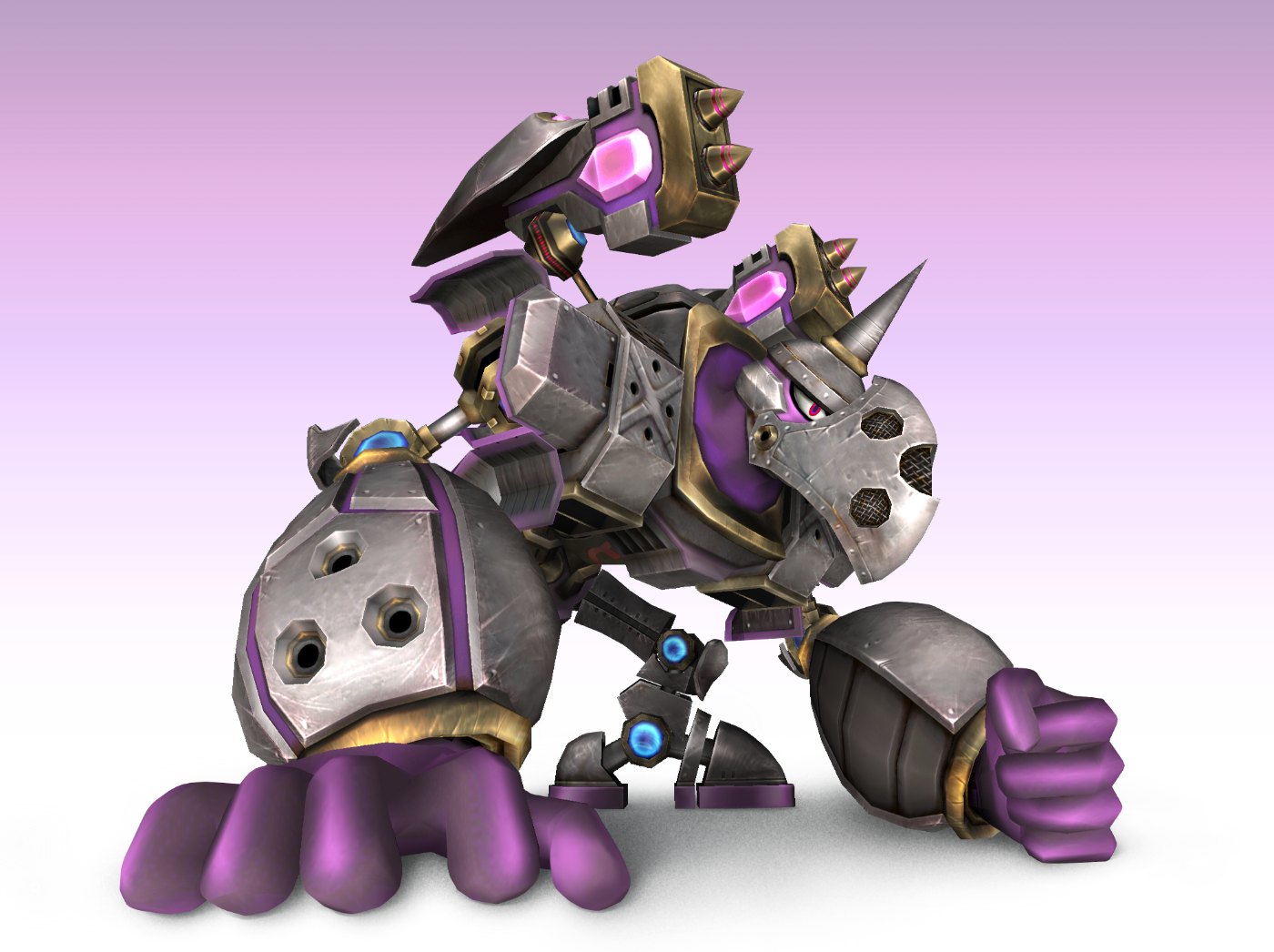
The bosses are Petey Piranha, Rayquaza, Porky, Galleom, Ridley, Duon, Meta Ridley and Tabuu, along with the False Bowser, False Diddy Kong and the false princesses, and, at the top of the Glacial Peak, Meta Knight or Lucario, whichever one the player is not controlling. After the story is finished, hidden doors in The Forest, The Ruins and The Swamp lead to Toon Link, Wolf and Jigglypuff.
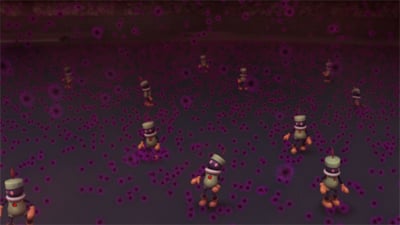
The Subspace Emissary’s world map.Petey Piranha, the first boss.Duon.The Subspace Army.
Classic mode
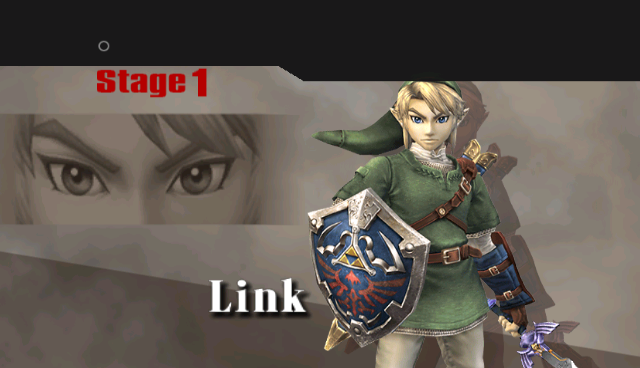
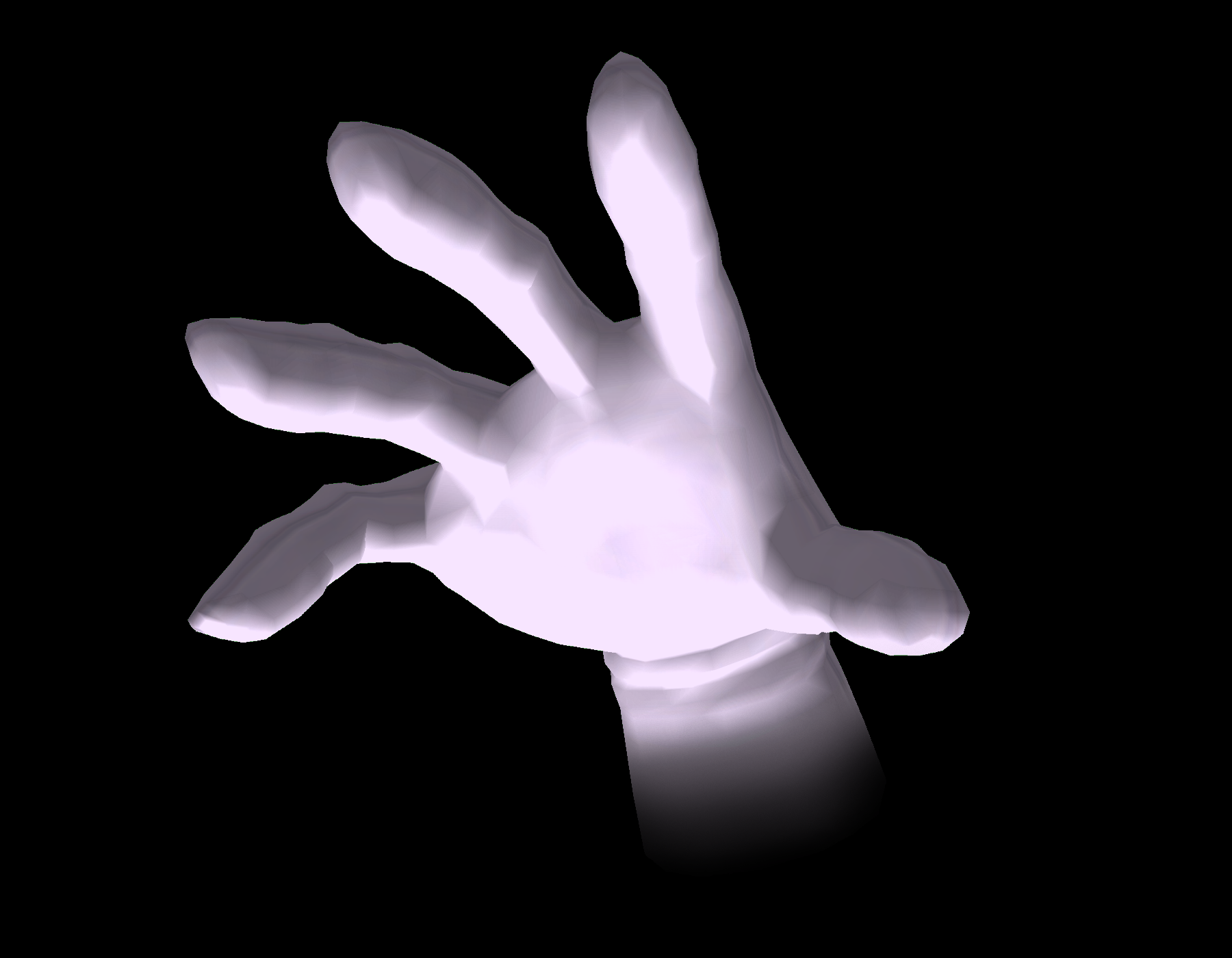
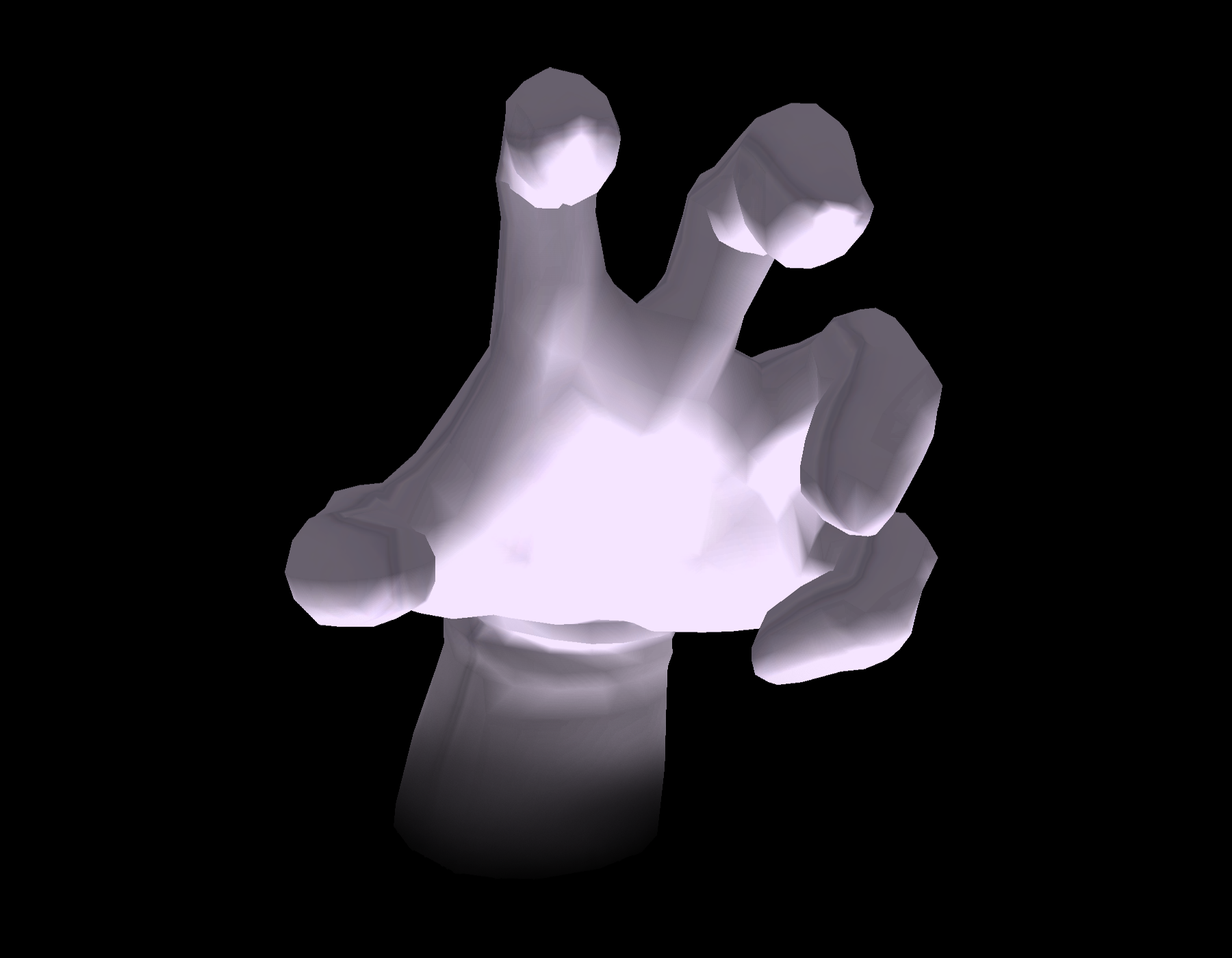
Classic is a run of eleven stages and two bonus rounds before the final battle; Stage 8 is always a Super Mario stage. Some rounds pit you against a giant or metal opponent, or give you allies. The final opponent is Master Hand, and on Hard or above, if you have not used a continue and reach him in under nine minutes, Crazy Hand joins in. Clearing it earns the fighter’s trophy.
Classic mode.Master Hand.Crazy Hand.
All-Star, Events and the Stadium
All-Star opens once every fighter is unlocked: 19 matches against the whole roster, grouped by series and ordered by when each series began. Events are 41 set challenges for one player, each with three difficulty settings, plus 21 co-op events for two.
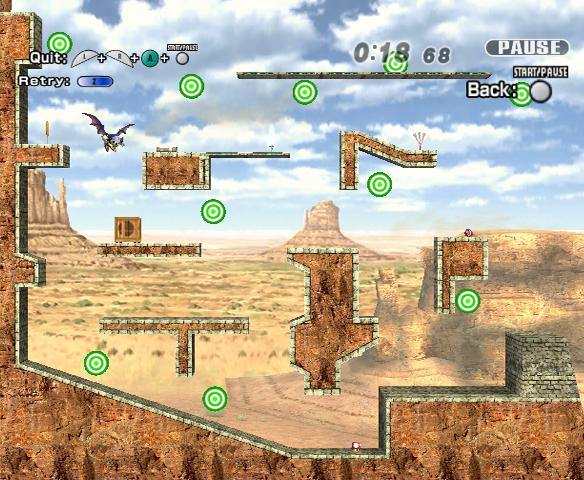
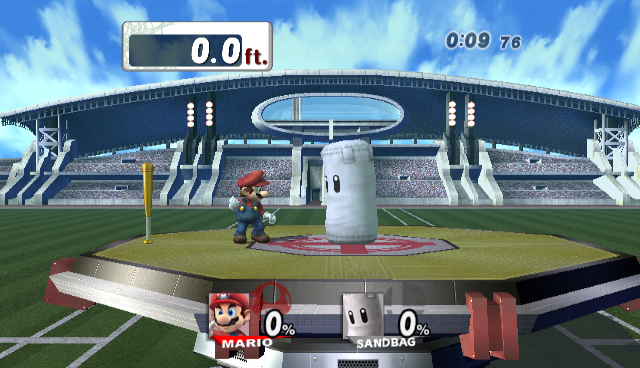
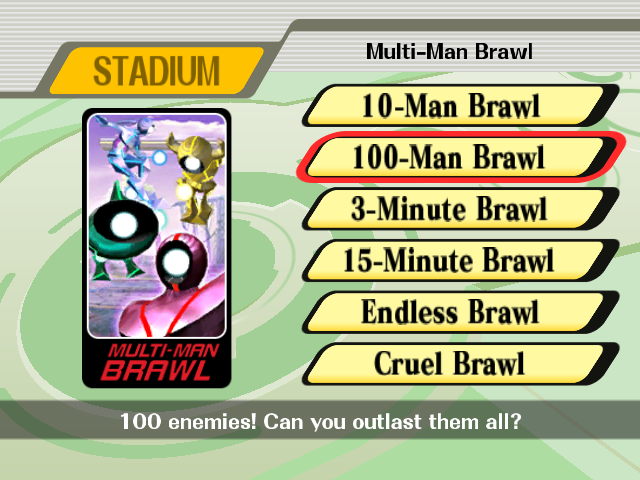
The Stadium holds Target Smash!! (five difficulty levels), the Home-Run Contest against Sandbag, six Multi-Man Brawls from 10-Man to Cruel, and Boss Battles, which pits you against every boss in the game with one life and three Heart Containers to spare.
Target Smash!!Mario in the Home-Run Contest.Multi-Man Brawl.
The Vault: trophies, stickers, Stage Builder and Masterpieces
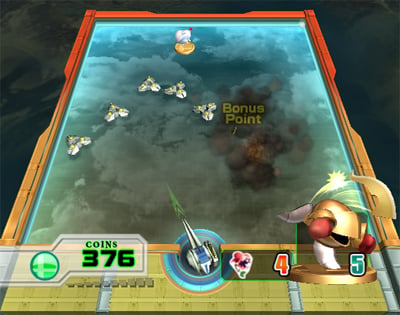
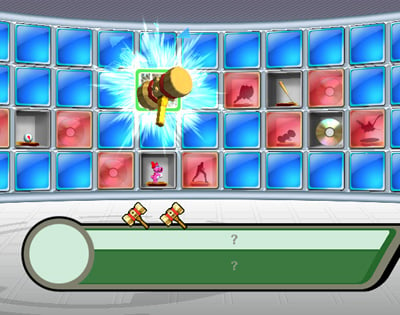
There are 544 trophies to collect, from playable fighters to obscure enemies, and a Coin Launcher, a shooting gallery that turns coins into trophies. Stickers, pictures drawn from games across Nintendo’s history, double as power-ups in The Subspace Emissary. The Chronicle lists Nintendo’s games and fills up as you collect.
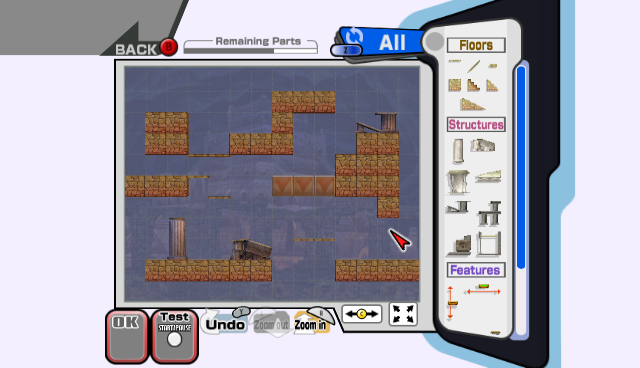
The Stage Builder lets you pick a size, a backdrop and music and lay out platforms, ladders, spikes and other parts, test the result and save it with a name and a comment. A board of 128 Challenges tracks your unlockables, and the Album and Replays save snapshots and matches.
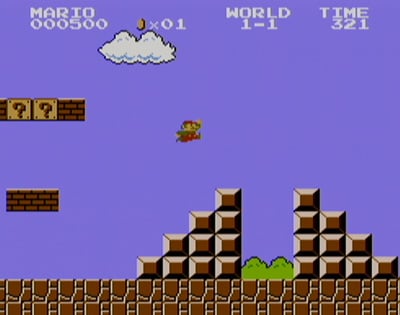
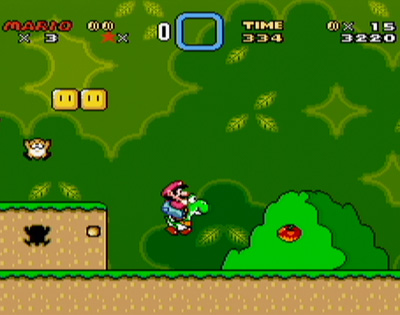
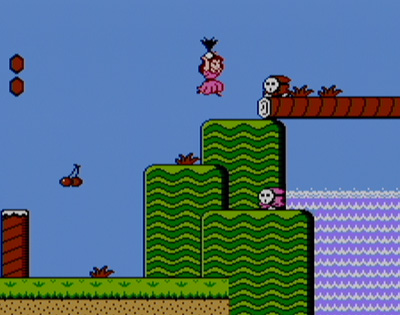
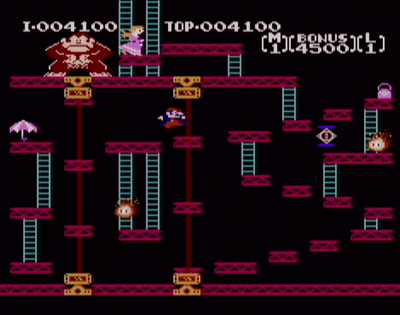
Masterpieces are timed demos of classic games, run with Virtual Console technology: two minutes of Super Mario World, a minute of Super Mario Bros., ninety seconds of Super Mario Bros. 2 and thirty of Donkey Kong, among others. There are twelve in the Western versions and fourteen in Japan, where Fire Emblem and EarthBound were added.
The Stage Builder.A custom stage.The Coin Launcher.The Challenges board.Super Mario Bros. as a Masterpiece.Super Mario World as a Masterpiece.Super Mario Bros. 2 as a Masterpiece.Donkey Kong as a Masterpiece.
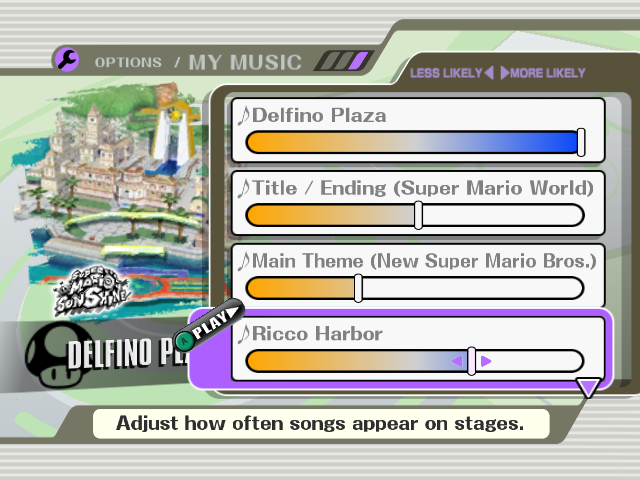
My Music
Every stage has several music tracks, many of them new arrangements by guest composers, and My Music lets you set how often each one plays. More tracks are earned by collecting CDs during matches.
Every stage in Super Smash Bros. Brawl
41 stages: 31 new to Brawl and 10 brought back from Melee. 29 are available from the start and 12 must be unlocked. The Mario family’s stages are Delfino Plaza, Mushroomy Kingdom, Mario Circuit, Rumble Falls, Yoshi’s Island, Rainbow Ride, Yoshi’s Island (Melee), Luigi’s Mansion, 75 m, Mario Bros. and Jungle Japes.
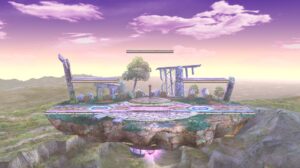
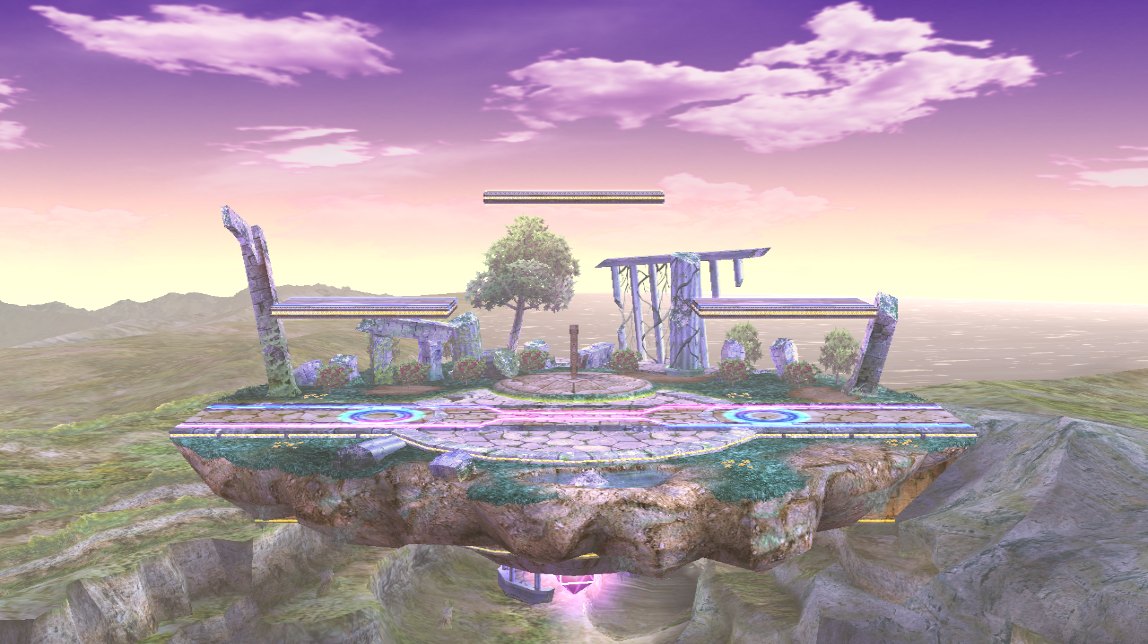
BattlefieldSuper Smash Bros. · starterThree floating platforms over a grassy island whose sky moves from day to dusk to night. No hazards.
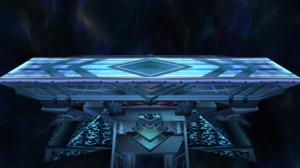
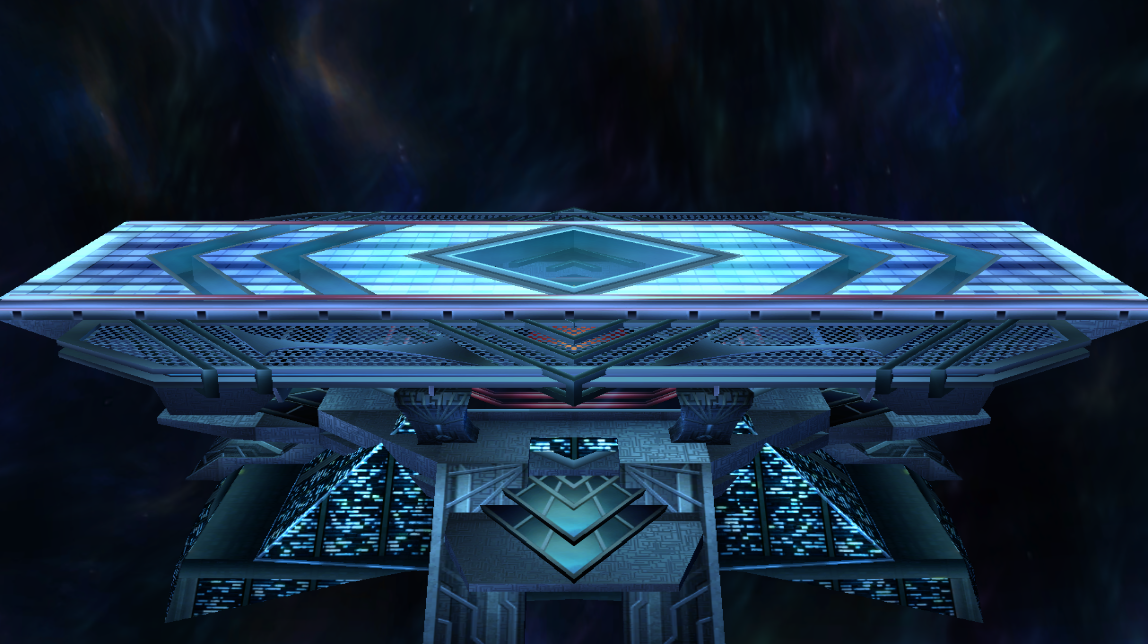
Final DestinationSuper Smash Bros. · starterOne flat platform in space, with a background that keeps changing.
Delfino PlazaSuper Mario Sunshine · starterA platform flies the fighters on a tour of Isle Delfino, stopping in different corners of the town, some of them by the water.
Mushroomy KingdomSuper Mario Bros. · starterWorld 1-1 rebuilt as a stage that scrolls on its own, with pits and pipes; now and then it becomes the underground World 1-2.
Mario CircuitMario Kart · starterThe crossover of Figure-8 Circuit, with Shy Guys racing straight through the middle of the fight.
Rumble FallsDonkey Kong Jungle Beat · starterA slow vertical climb up a waterfall, with ladders, switches and thorns.
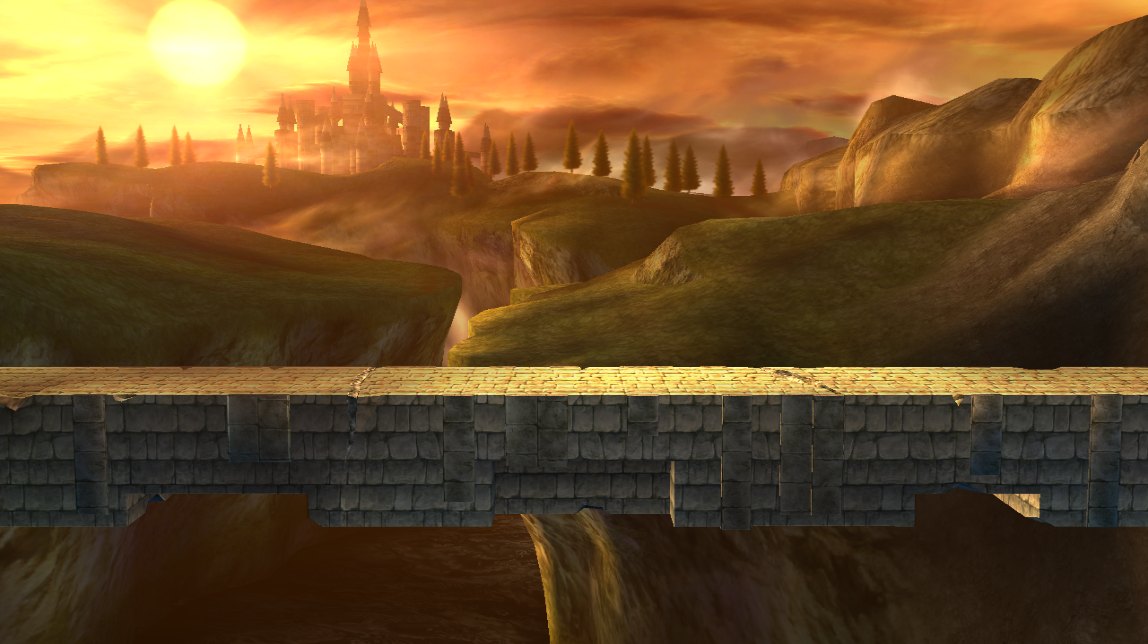
Bridge of EldinThe Legend of Zelda: Twilight Princess · starterA long bridge that enemies can blow apart until a portal mends it.
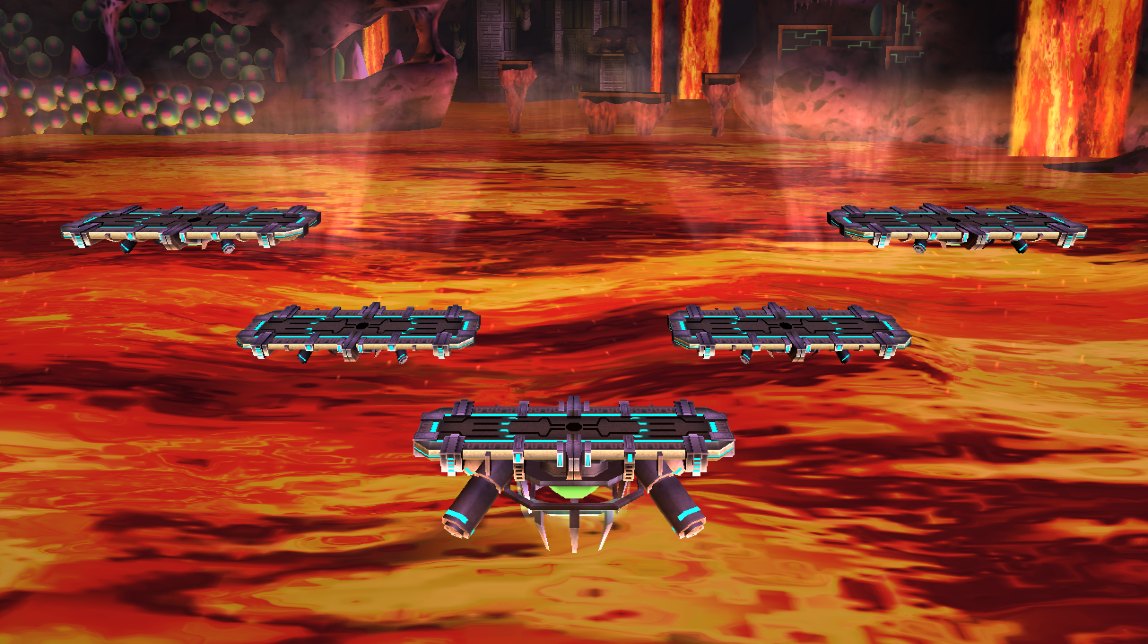
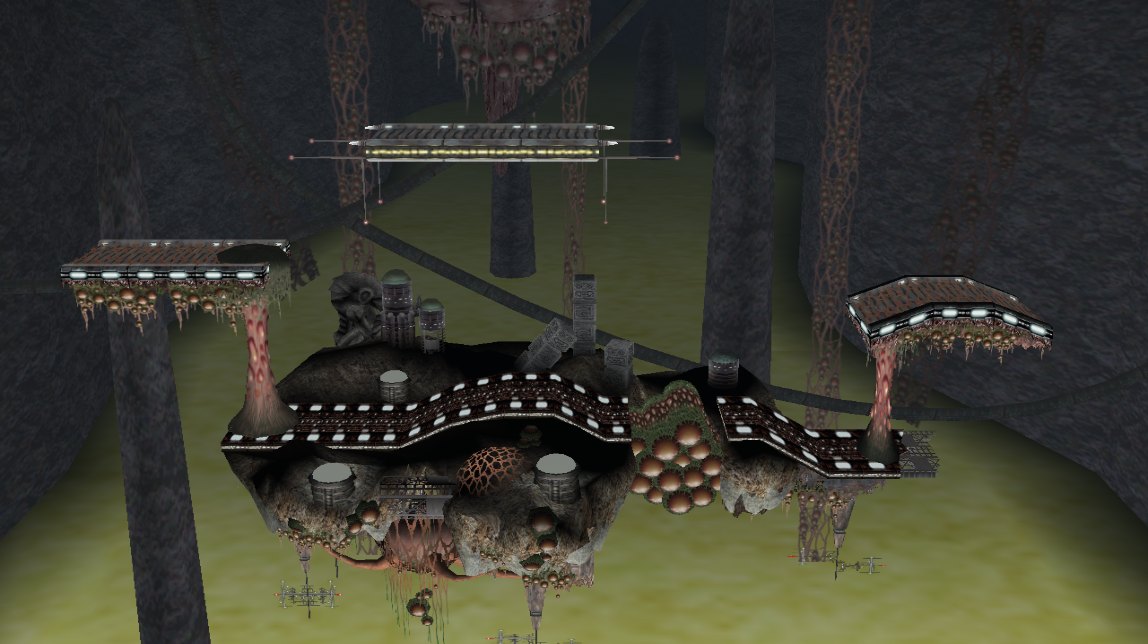
NorfairMetroid · starterLava rises, falls in streams and finally sweeps across in a great wave.
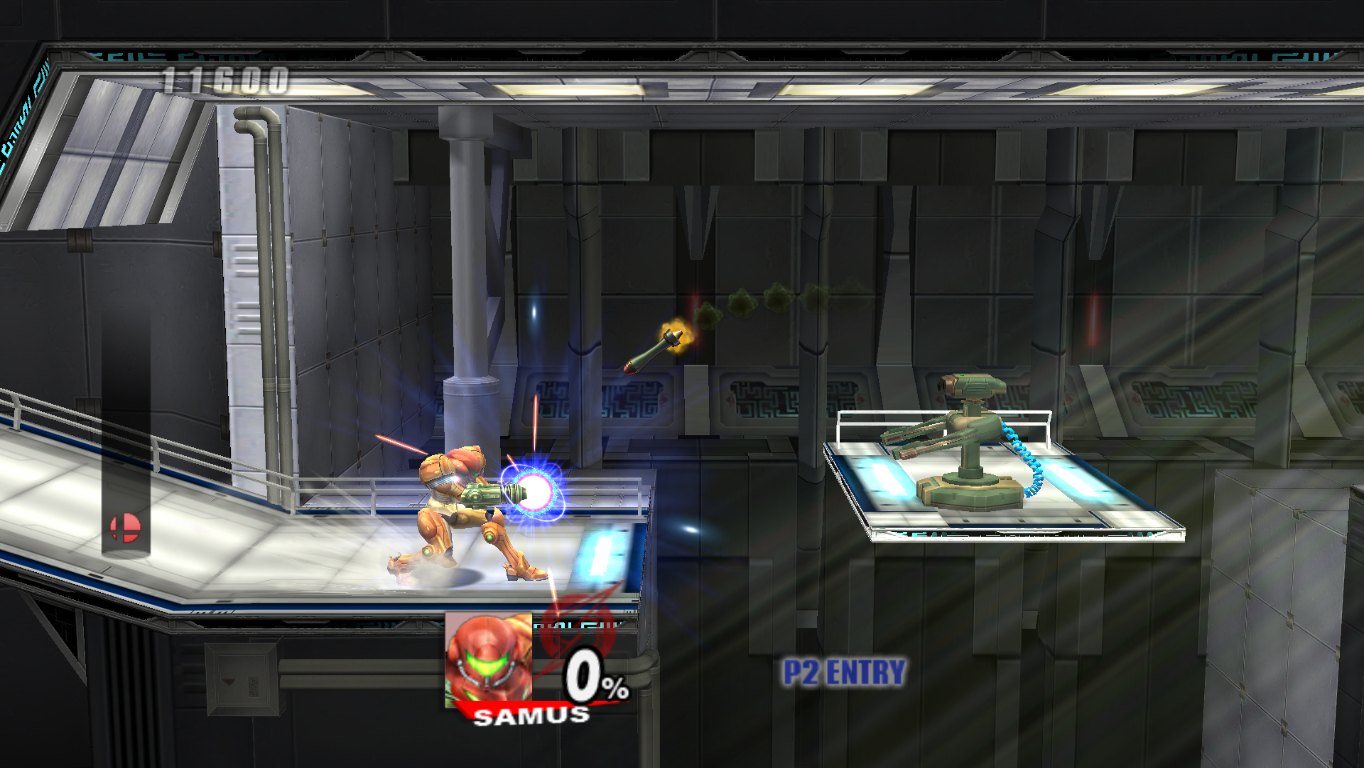
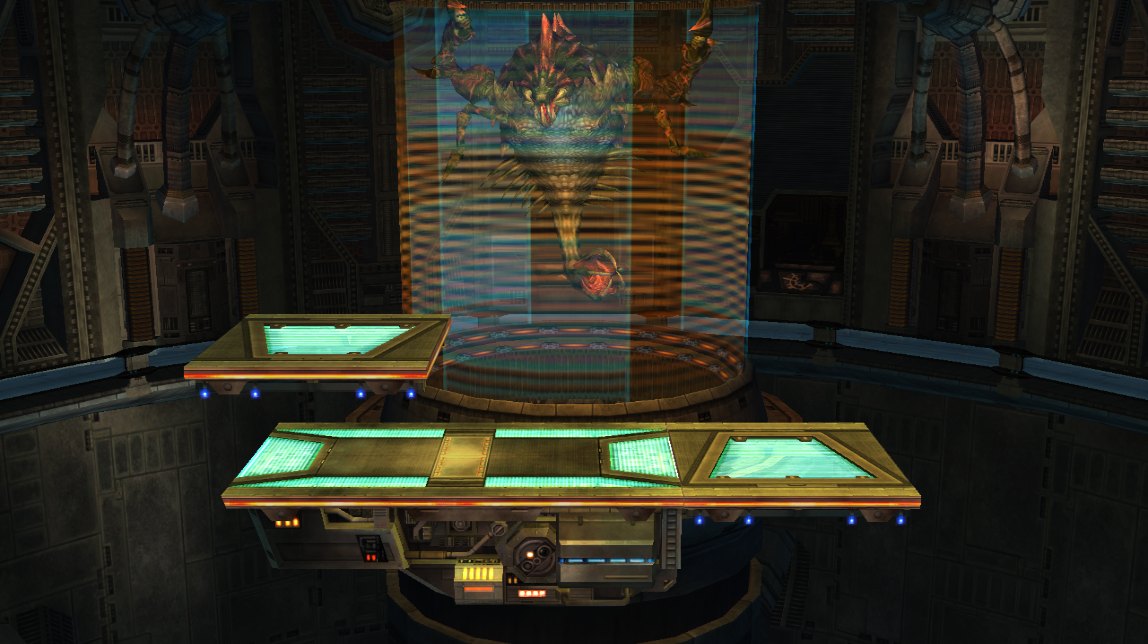
Frigate OrpheonMetroid Prime · starterA space frigate that flips round to a new layout and sometimes loses power.
Yoshi’s IslandSuper Mario World 2: Yoshi’s Island · starterAn island that changes with the seasons while Fly Guys carry items overhead.
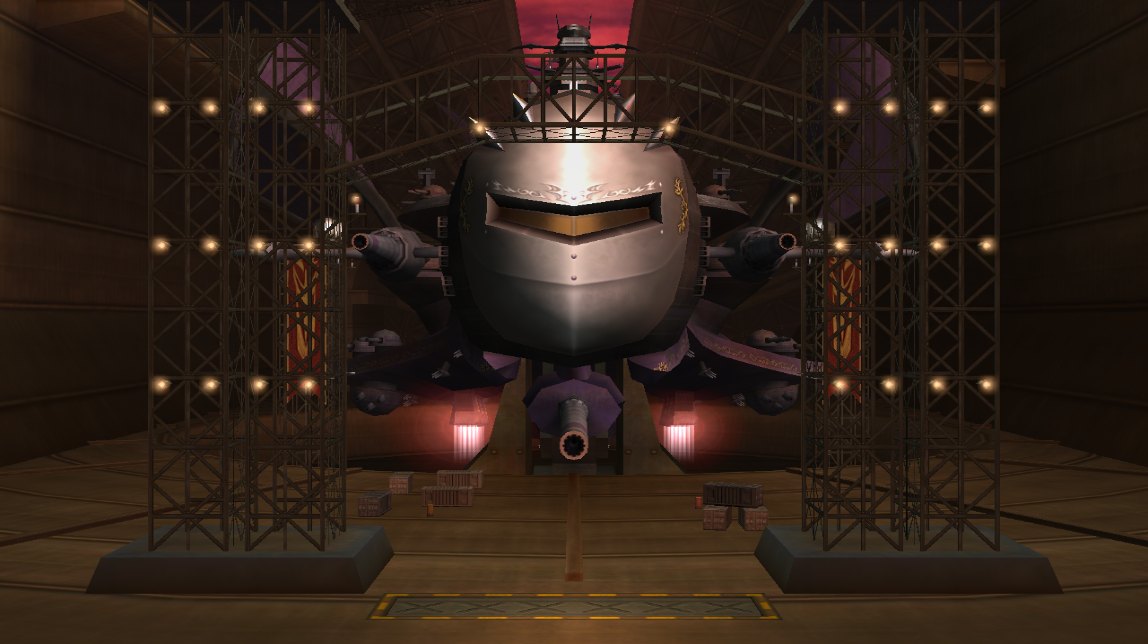
HalberdKirby · starterA ride on Meta Knight’s battleship, with a laser cannon and a grabbing arm to dodge.
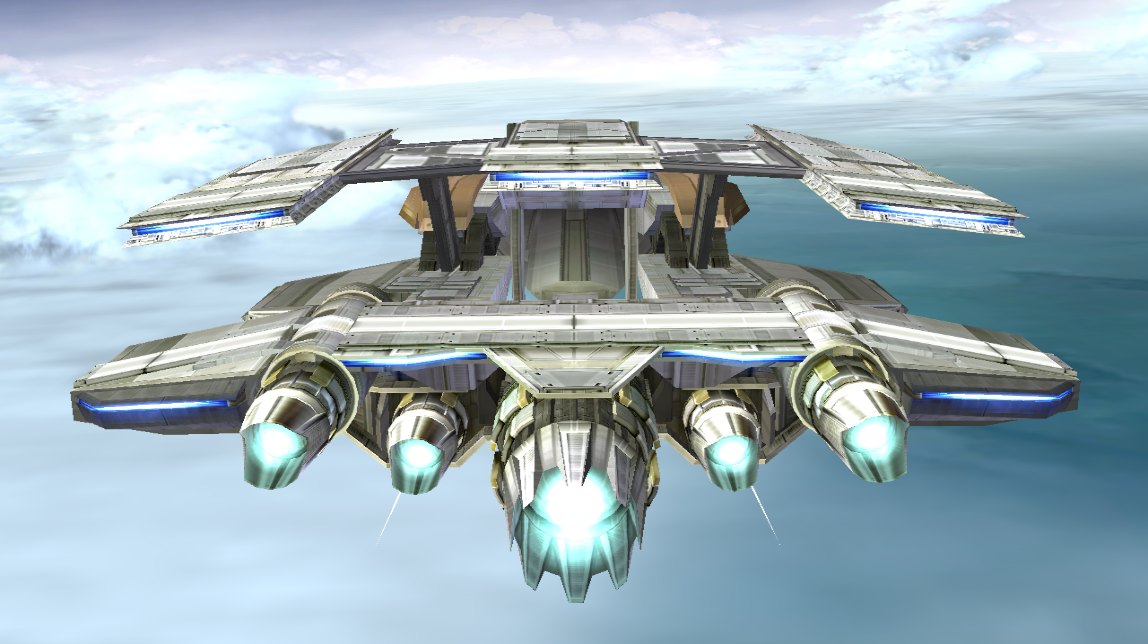
Lylat CruiseStar Fox · starterA Final Destination-like ship flying through the Lylat System.
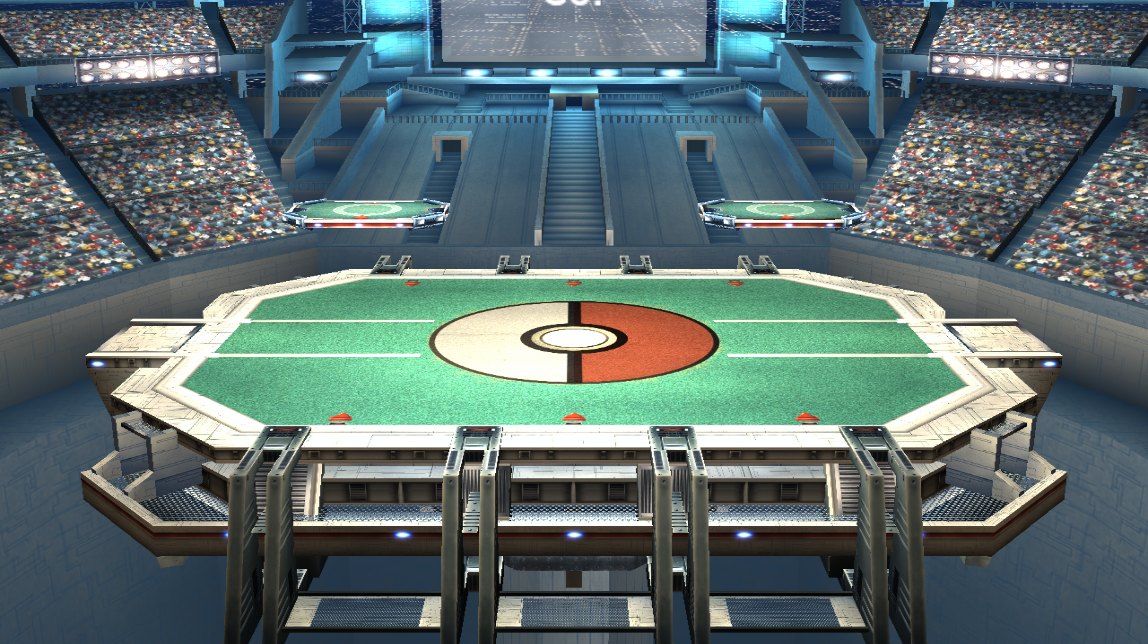
Pokémon Stadium 2Pokémon · starterA stadium that changes between ice, electric, ground and flying layouts.
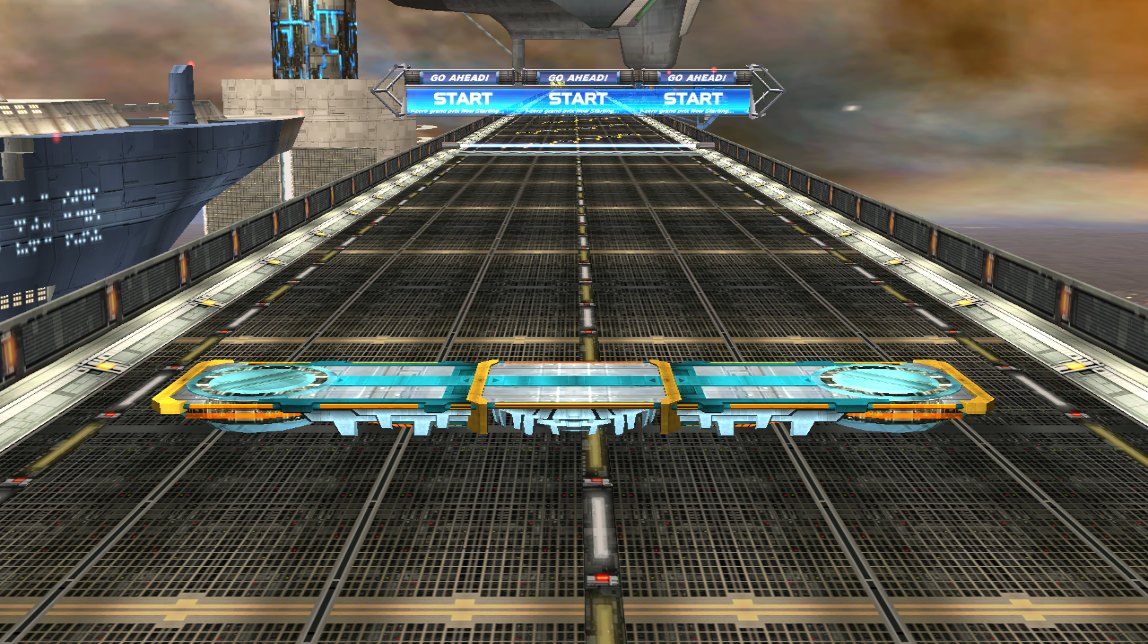
Port Town Aero DiveF-Zero · starterHovering platforms over an F-Zero track, with racing machines tearing through.
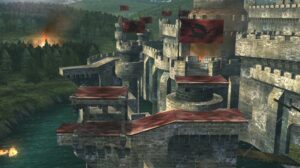
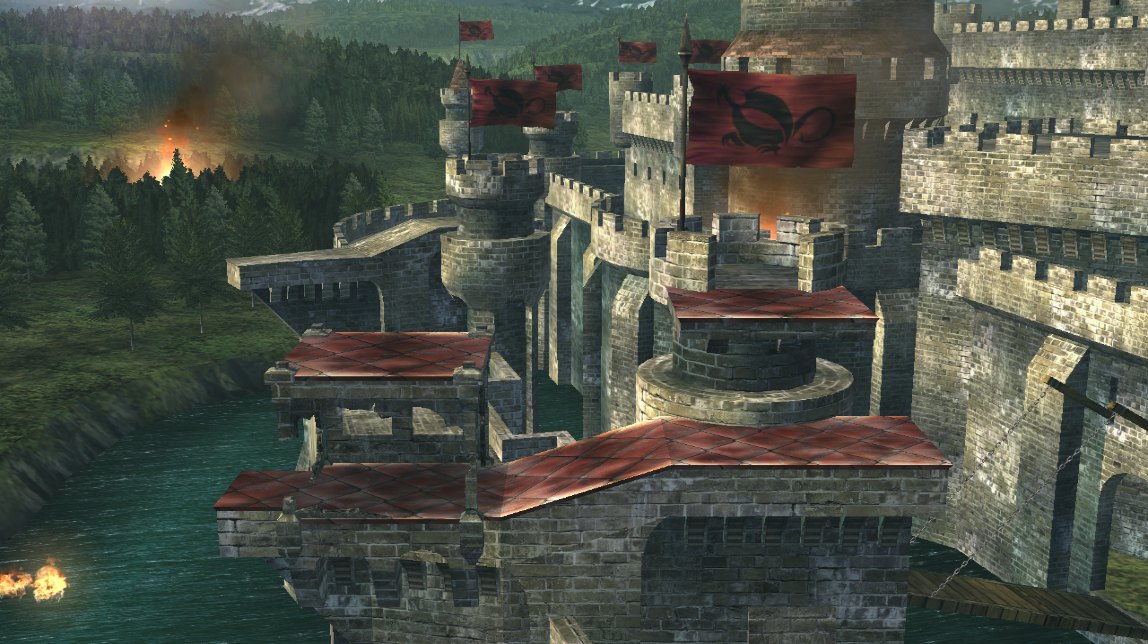
Castle SiegeFire Emblem · starterA castle with three layouts, where breakable statues hold up platforms.
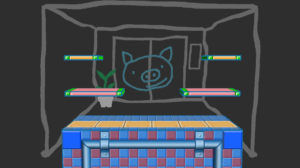
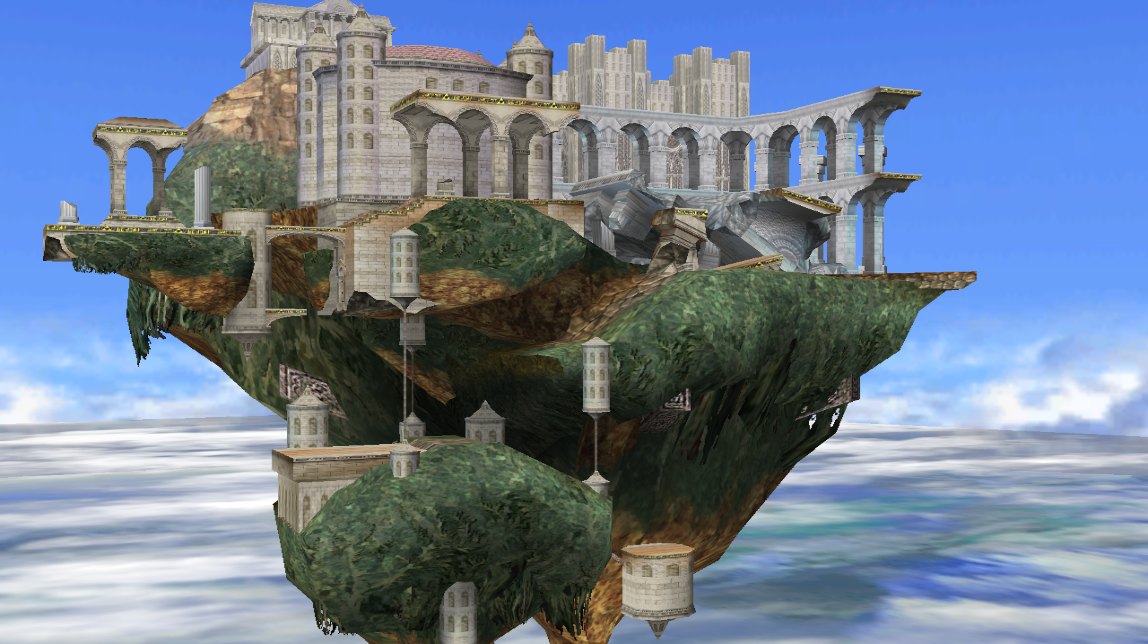
WarioWare, Inc.WarioWare · starterMicrogames pop up in the middle of the fight, and whoever wins one gets a reward.
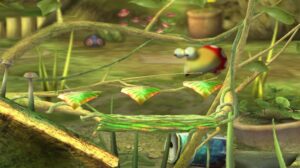
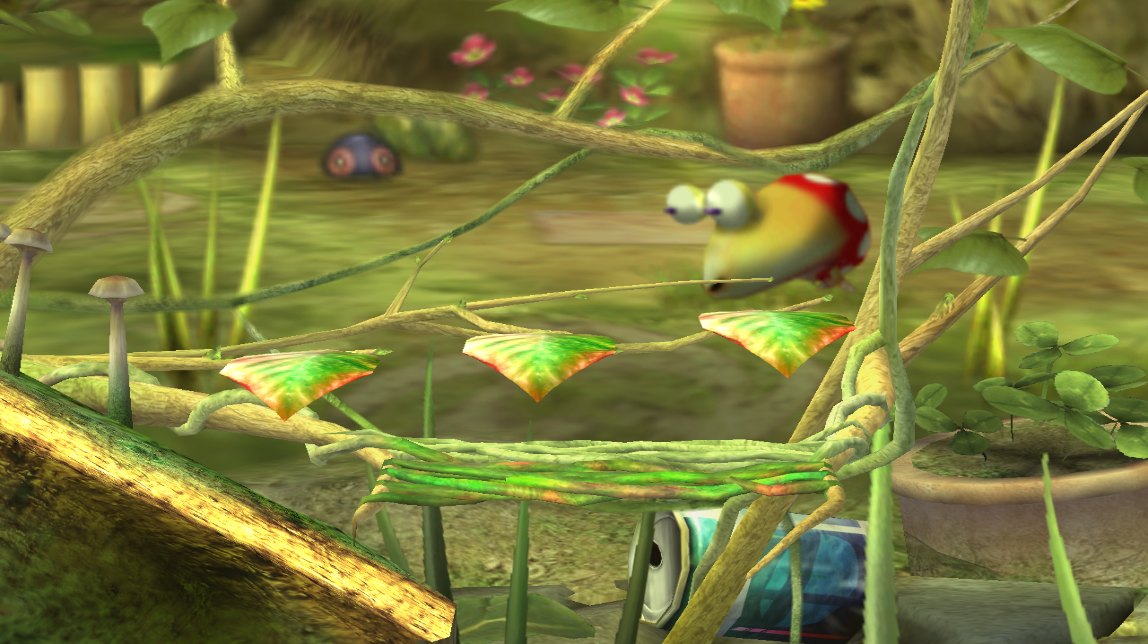
Distant PlanetPikmin · starterA forest floor with a Bulborb, rainstorms and Pellet Posies.
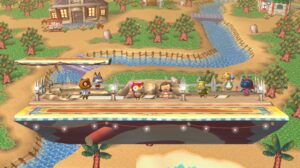
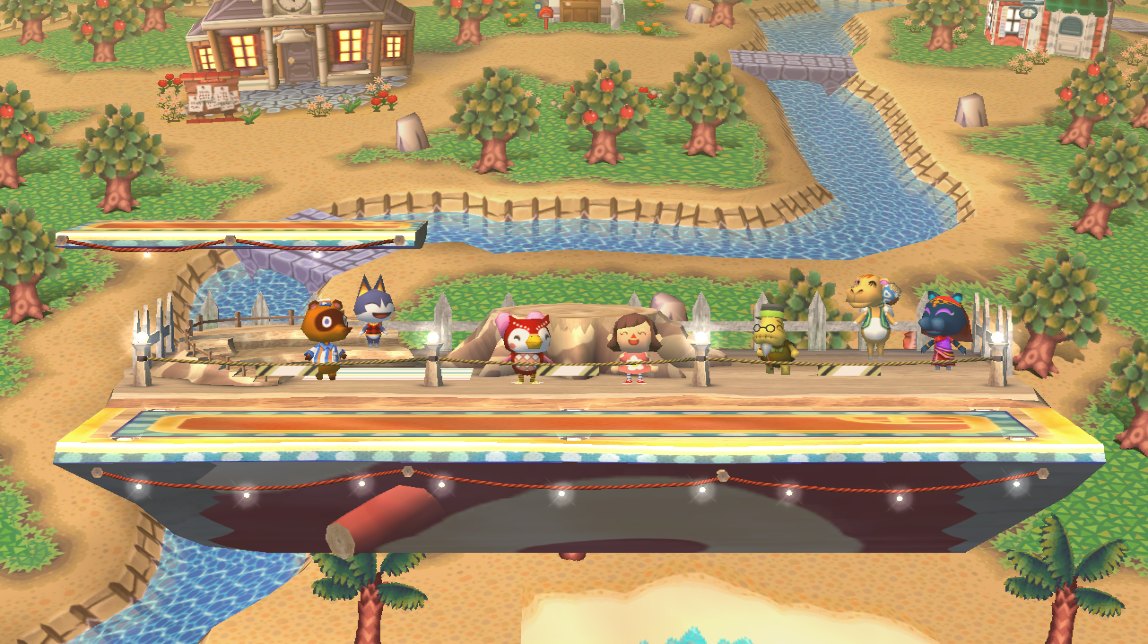
SmashvilleAnimal Crossing: Wild World · starterA hazard-free town square whose events follow the Wii’s clock.
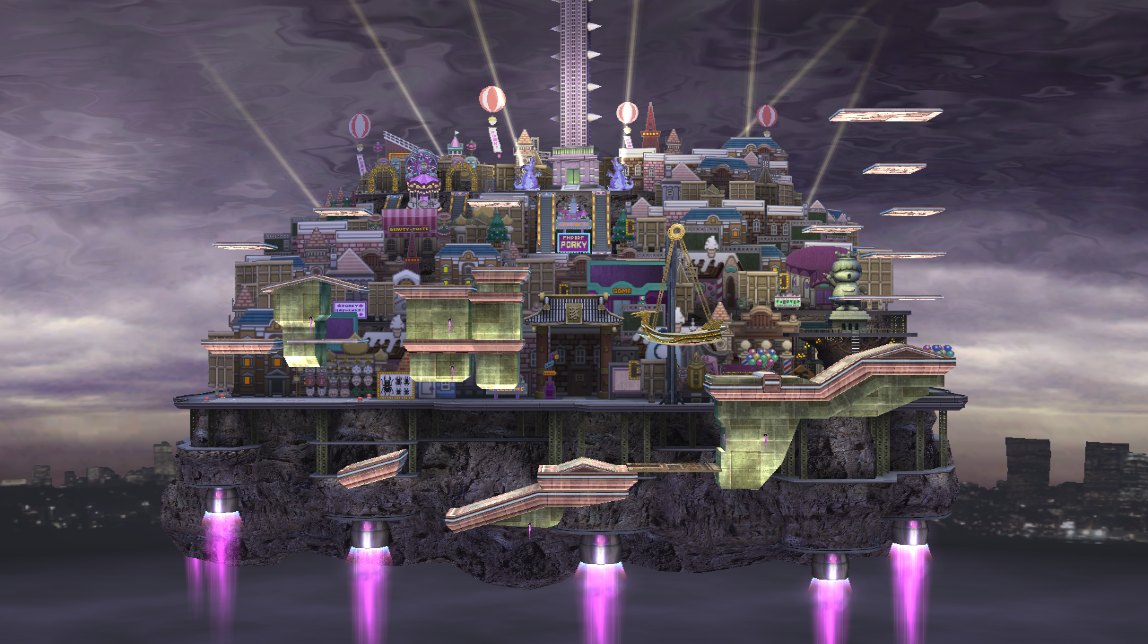
New Pork CityEarthBound · starterA huge, mostly fixed stage where the Ultimate Chimera may prowl.
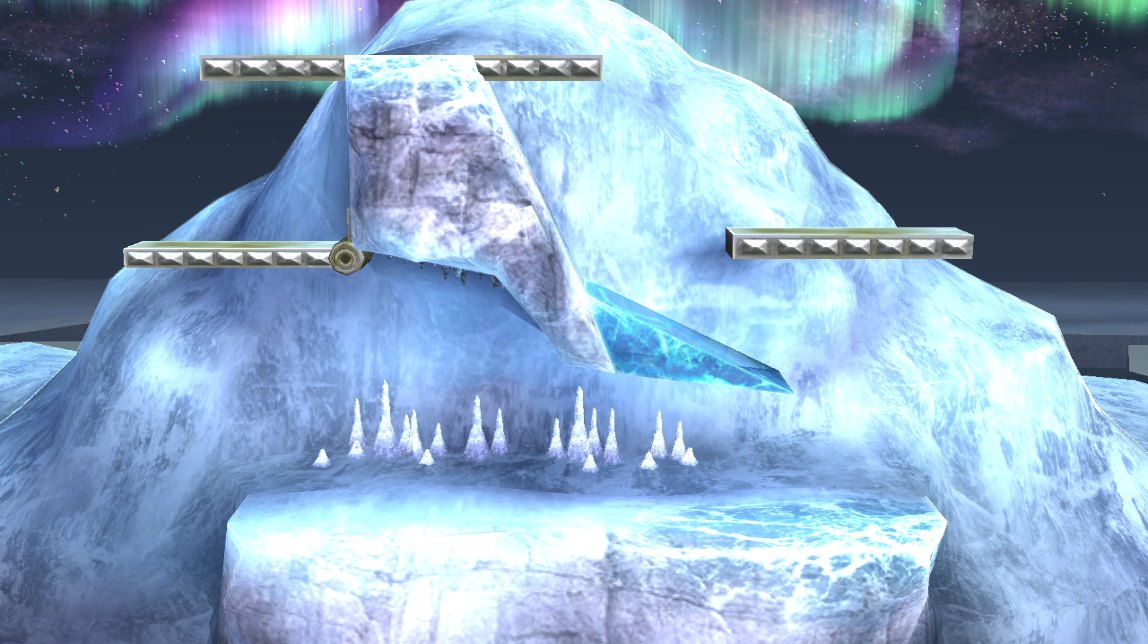
SummitIce Climber · starterA chunk of glacier that breaks off and floats away, and a fish that eats people.
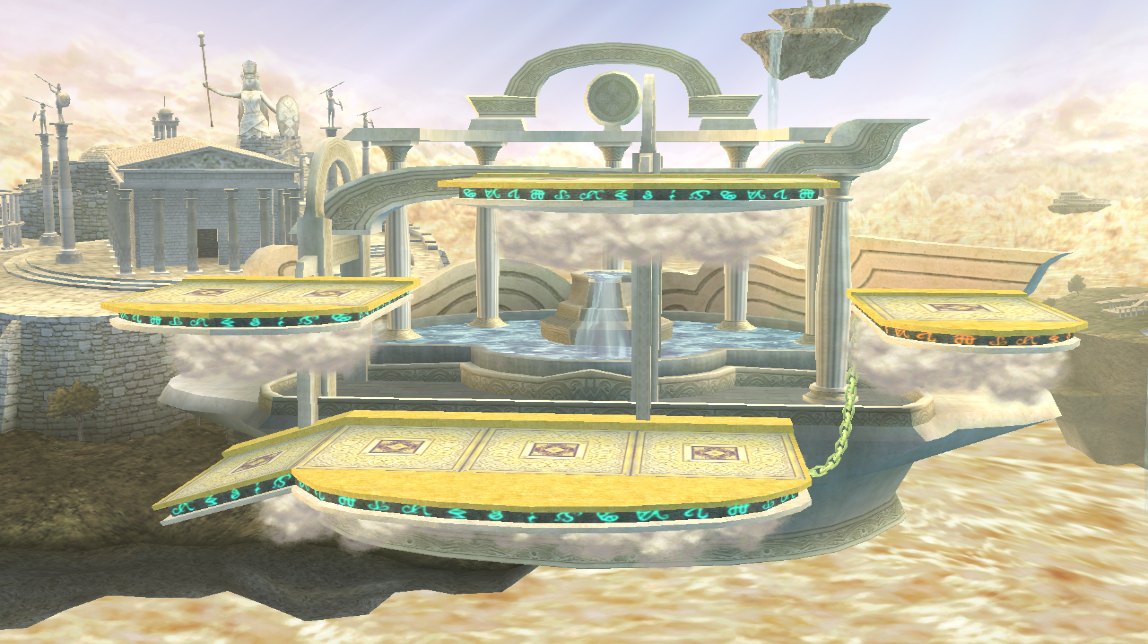
SkyworldKid Icarus · starterCloud platforms that can be smashed to open the way.
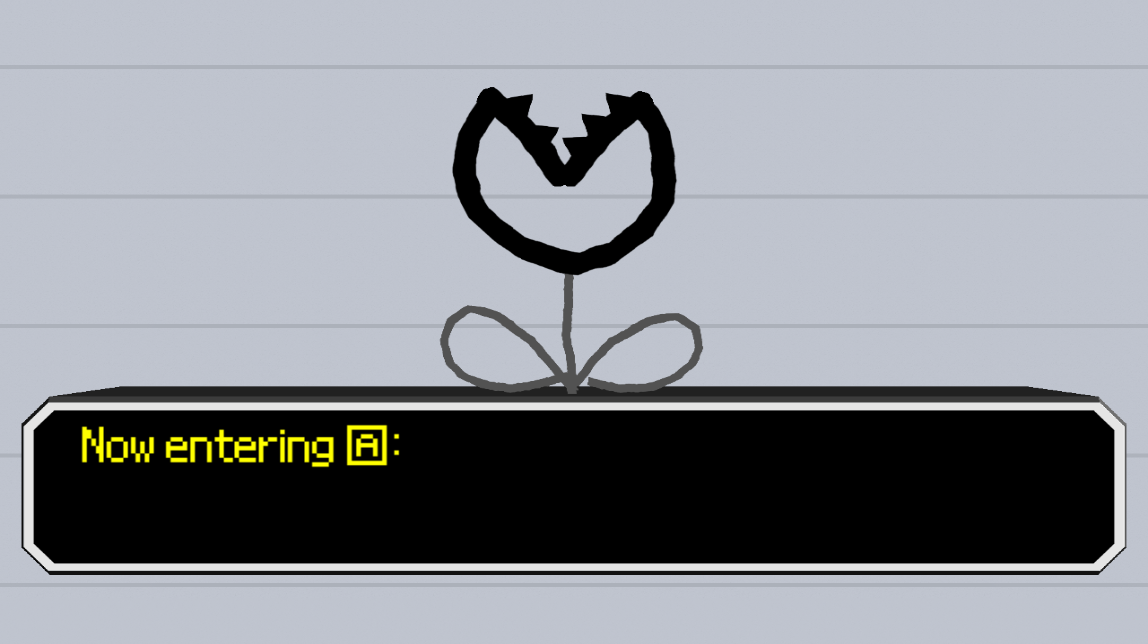
PictoChatNintendo DS · starterPlatforms and hazards that are sketched in and rubbed out again.
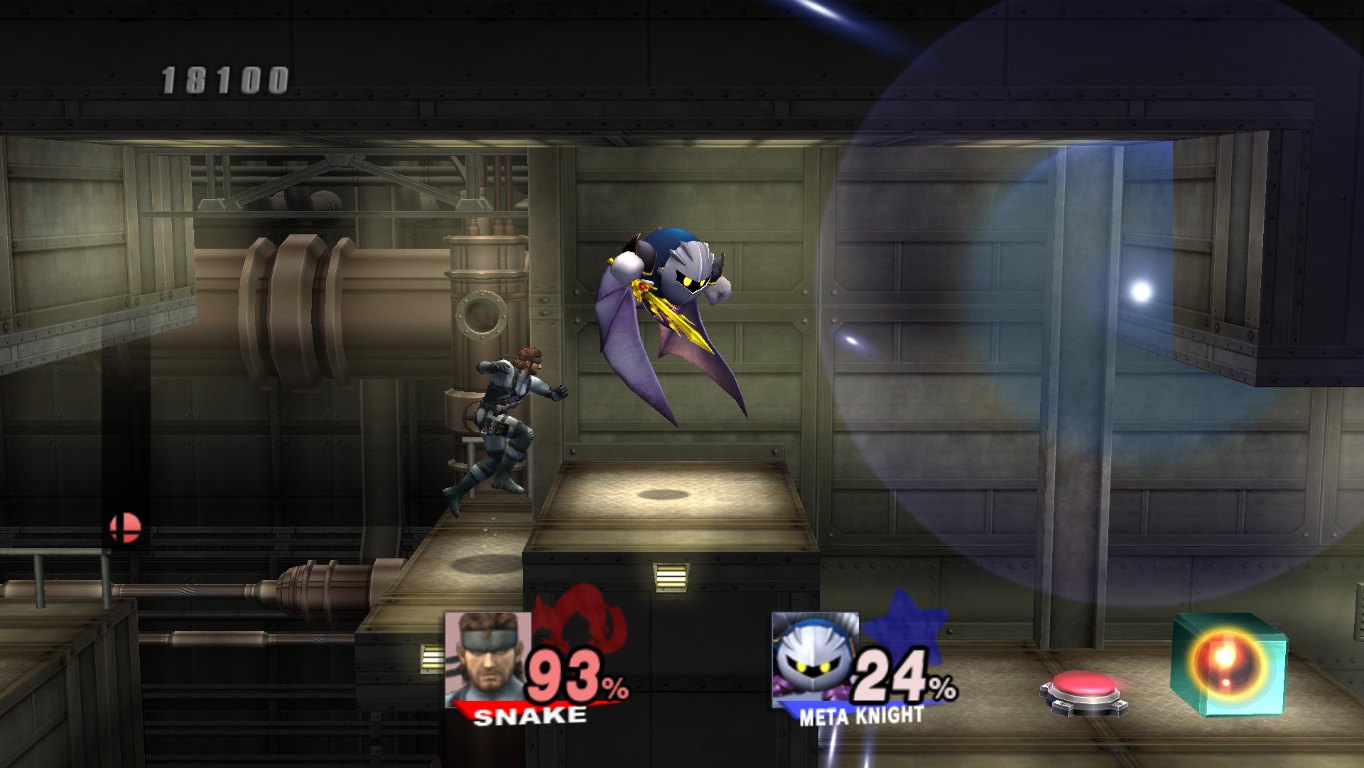
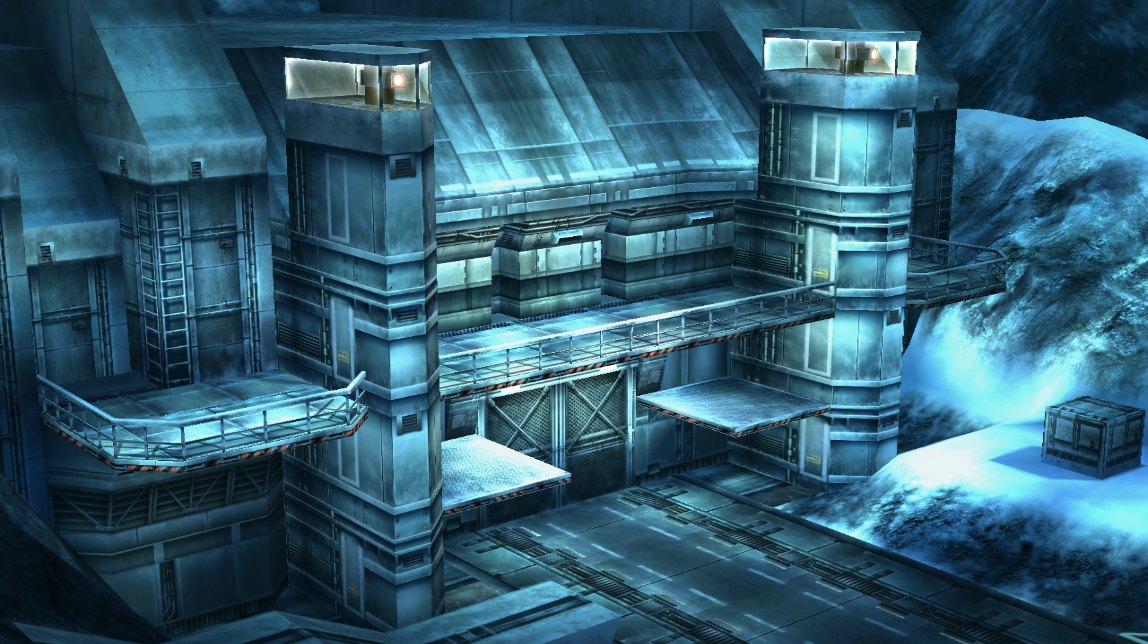
Shadow Moses IslandMetal Gear Solid · starterA heliport with breakable walls that rebuild themselves.
TempleThe Legend of Zelda · starter · returning from MeleeMelee’s vast, wide temple, with new music.
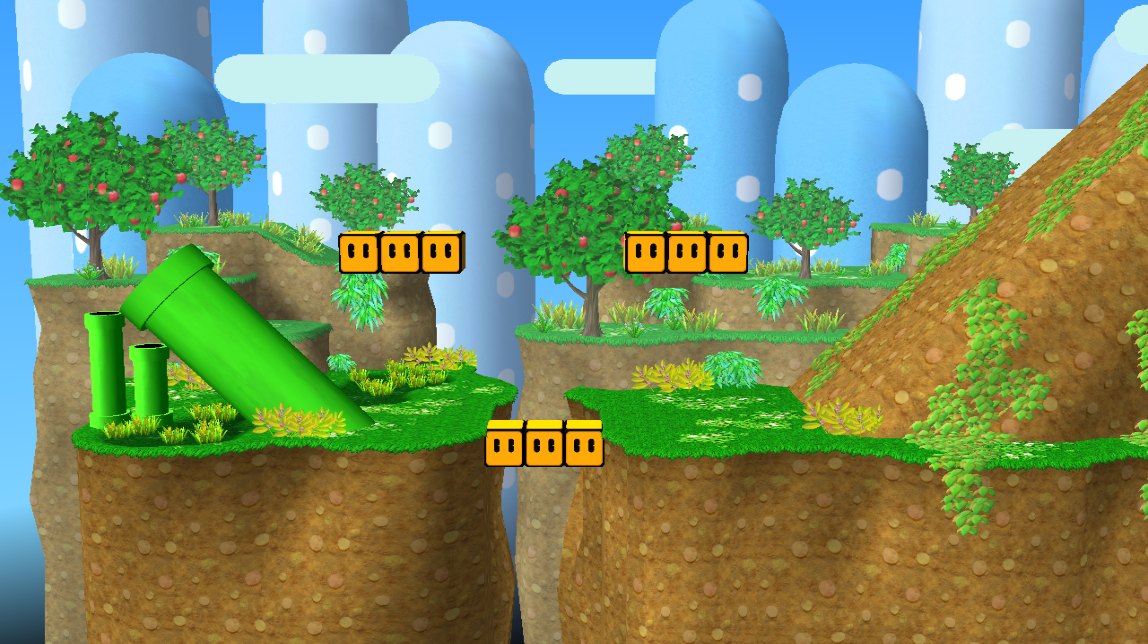
Yoshi’s Island (Melee)Super Mario World · starter · returning from MeleeMelee’s Super Mario World stage, with its Rotating Blocks.
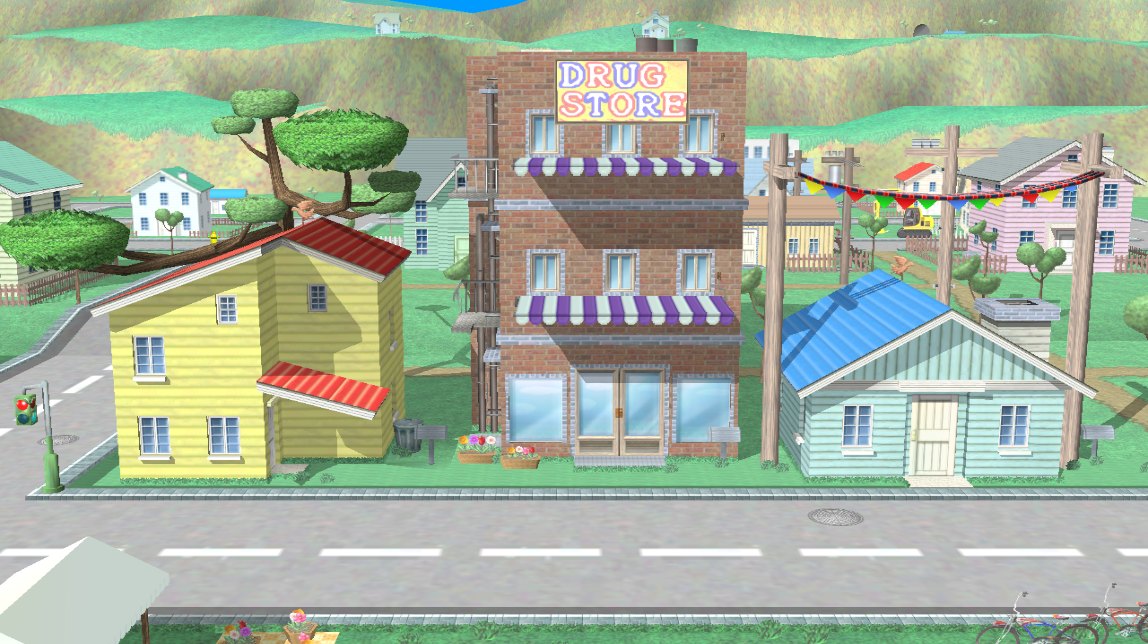
OnettEarthBound · starter · returning from MeleeCars race through the streets, and the awnings give way.
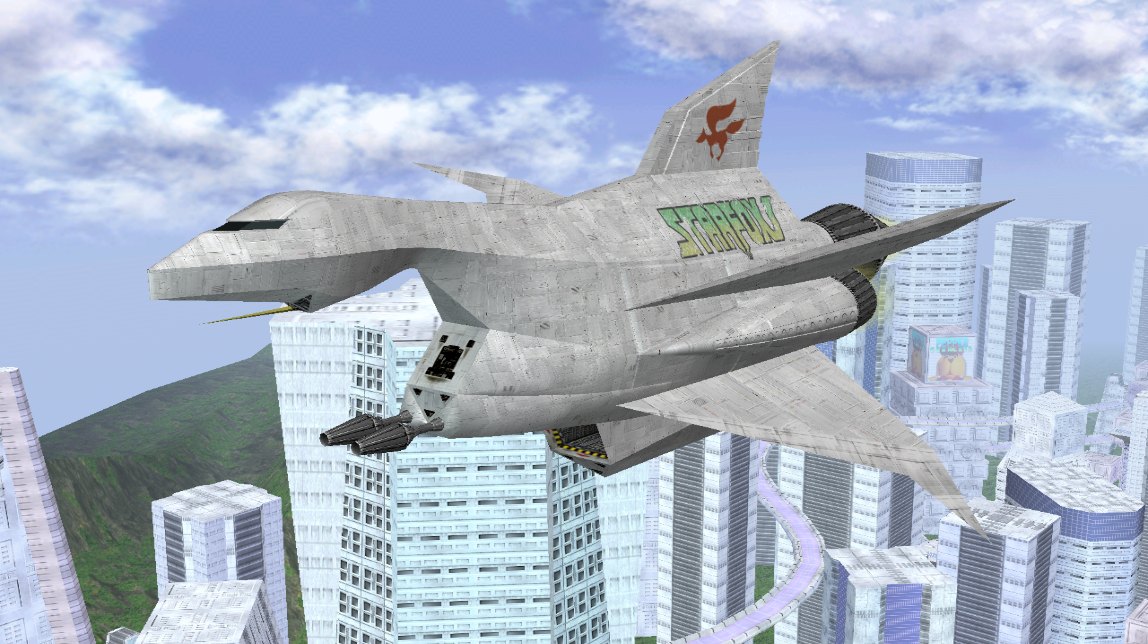
CorneriaStar Fox · starter · returning from MeleeThe Great Fox again, with Arwings and Wolfens about.
Rainbow RideSuper Mario 64 · starter · returning from MeleeMelee’s Super Mario 64 stage, riding the Rainbow Cruiser and magic carpets.
BrinstarMetroid · starter · returning from MeleeAcid rises and falls in a set pattern.
Luigi’s MansionLuigi’s Mansion · unlock: play 3 Brawls as LuigiAttack its four pillars and the mansion collapses on to the fighters.
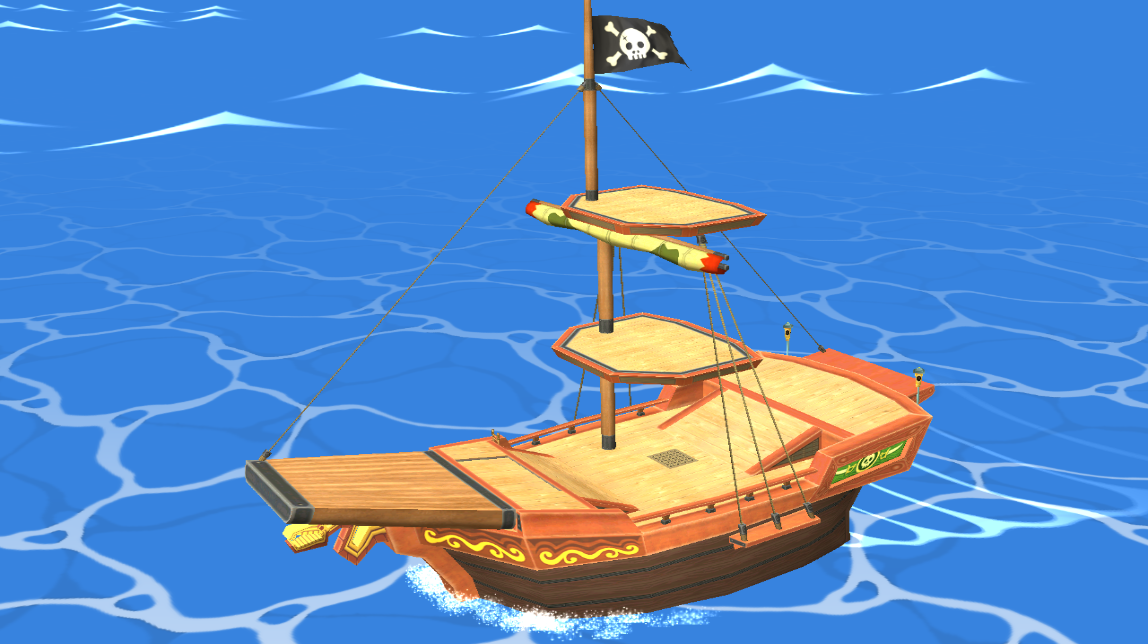
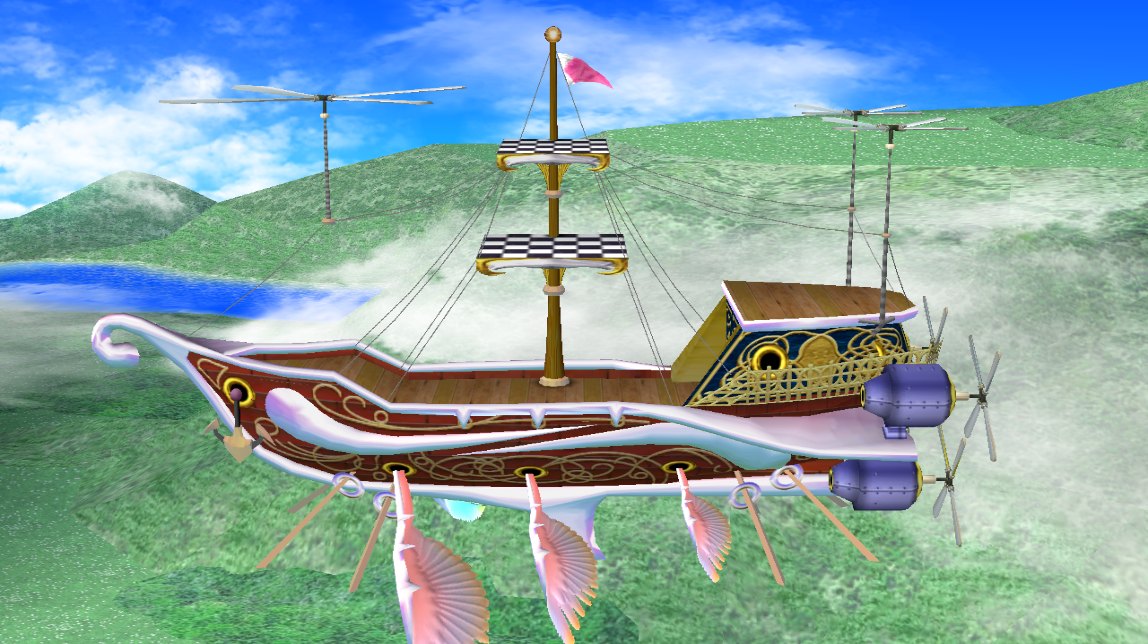
Pirate ShipThe Legend of Zelda: The Wind Waker · unlock: unlock Toon LinkA ship on the Great Sea, with cannons, rocks and a whirlwind.
Spear PillarPokémon · unlock: clear Event 25Dialga, Palkia and other legendary Pokémon act as hazards.
75 mDonkey Kong · unlock: play 20 Brawls as Donkey KongThe arcade game’s girders, with Donkey Kong on top and bouncing springs.
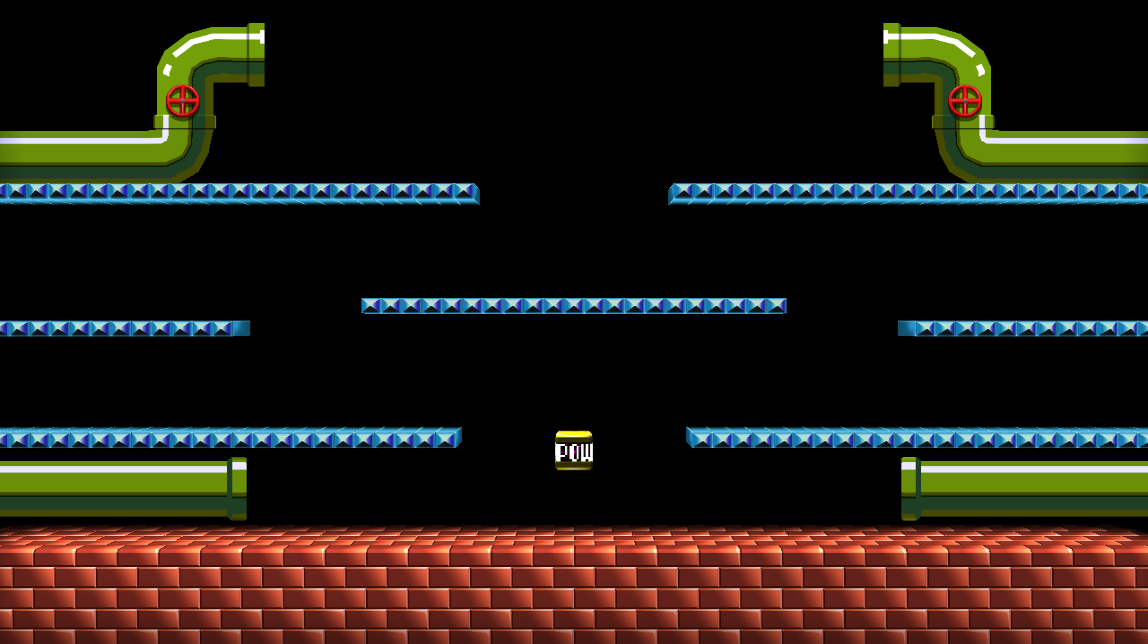
Mario Bros.Mario Bros. · unlock: clear Event 19The arcade sewer, with Shellcreepers and Sidesteppers on the loose.
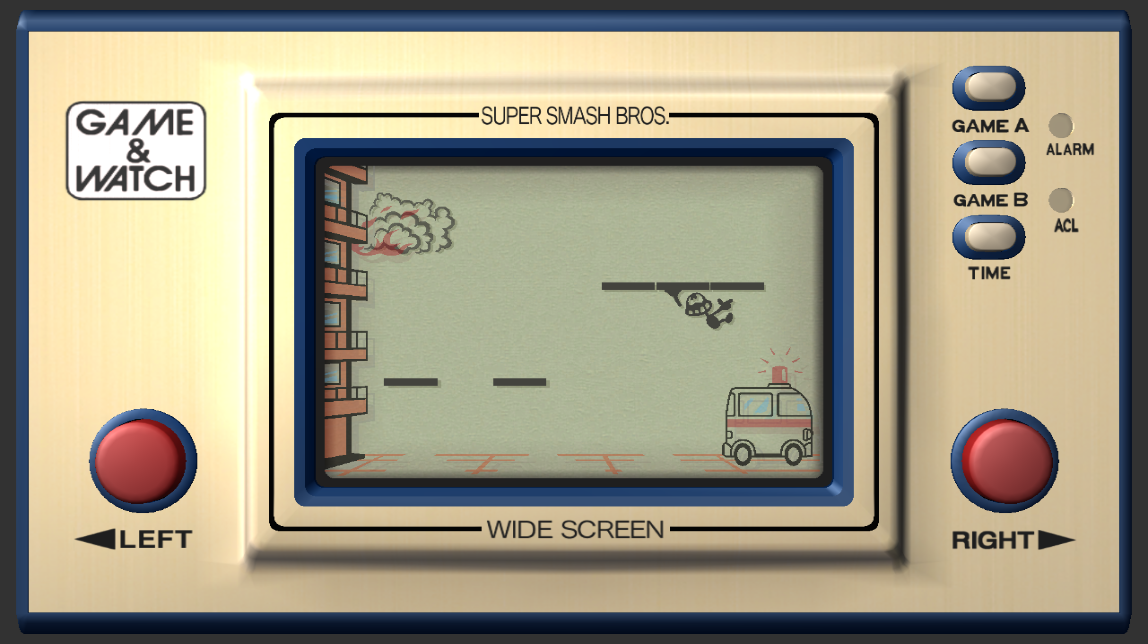
Flat Zone 2Game & Watch · unlock: unlock Mr. Game & WatchScenes from several Game & Watch titles in turn.
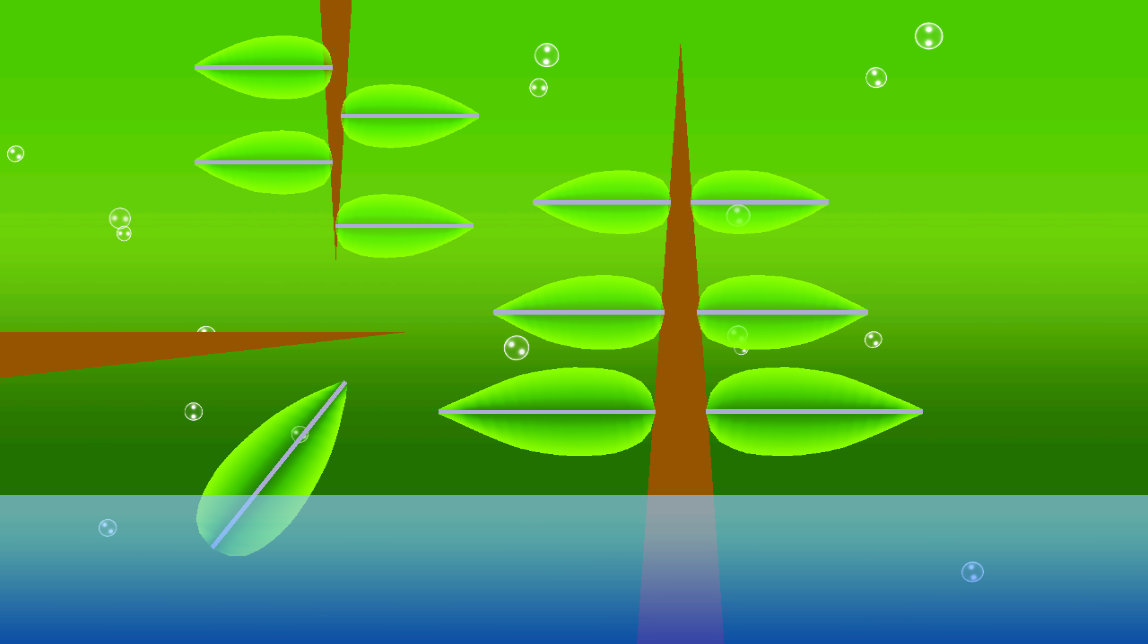
HanenbowElectroplankton · unlock: clear Event 28Leaves to stand on, flying Hanenbows and a pool you can swim in.
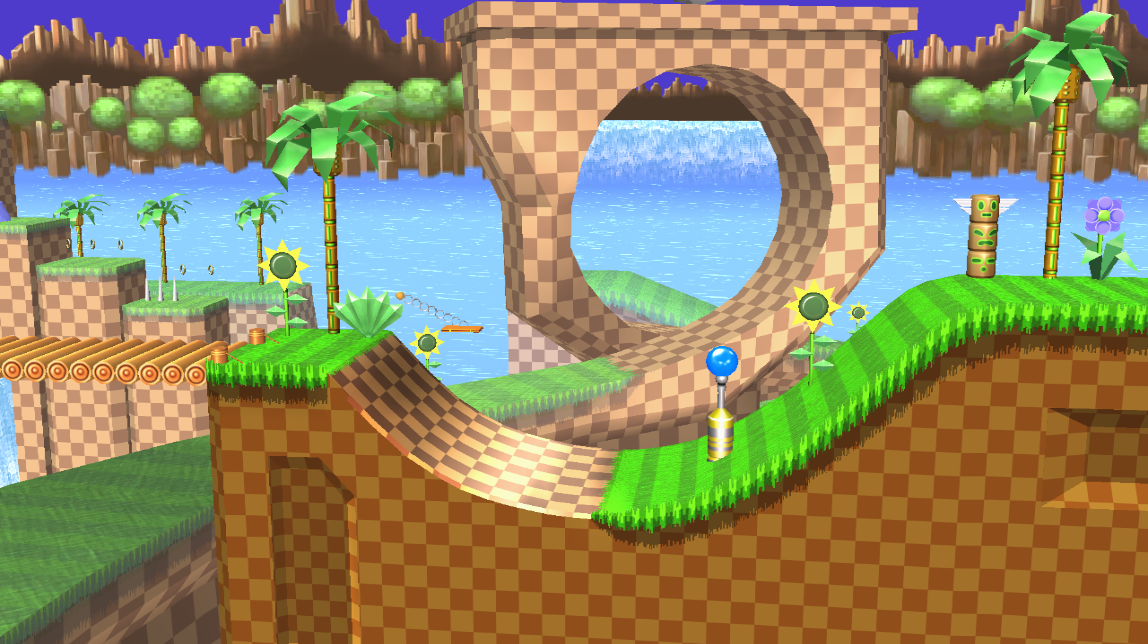
Green Hill ZoneSonic the Hedgehog · unlock: unlock SonicThe first Sonic stage, with a dip in the middle that can crumble.
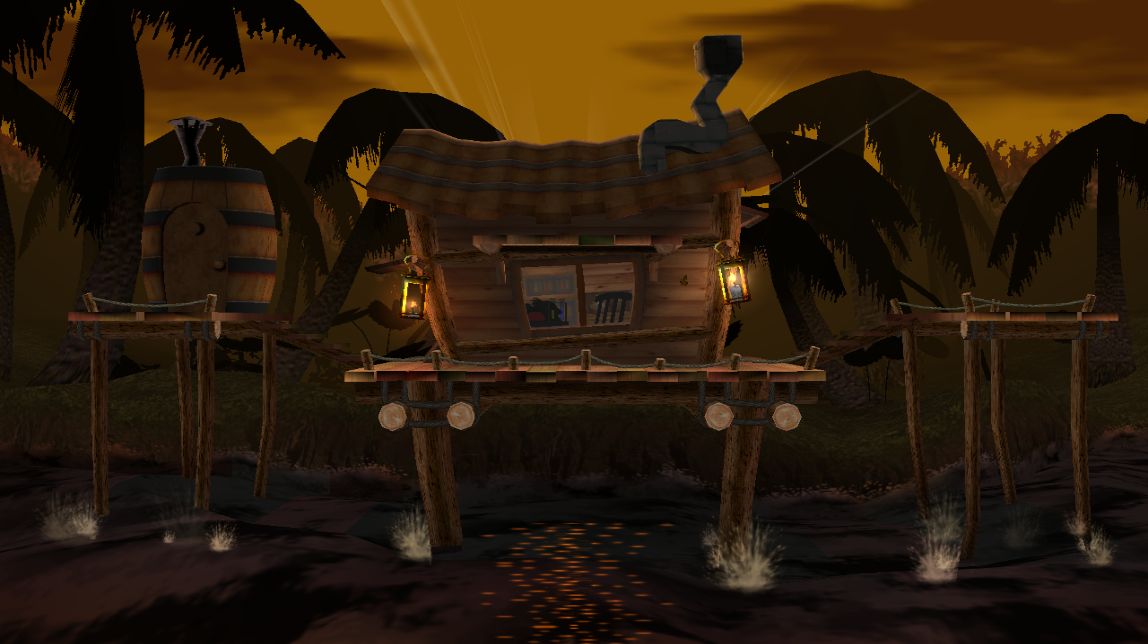
Jungle JapesDonkey Kong · unlock: play Melee stages 10 times · returning from MeleeRushing water and Klaptraps beneath the platforms.
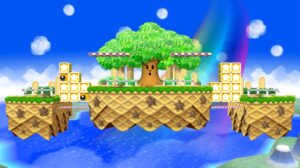
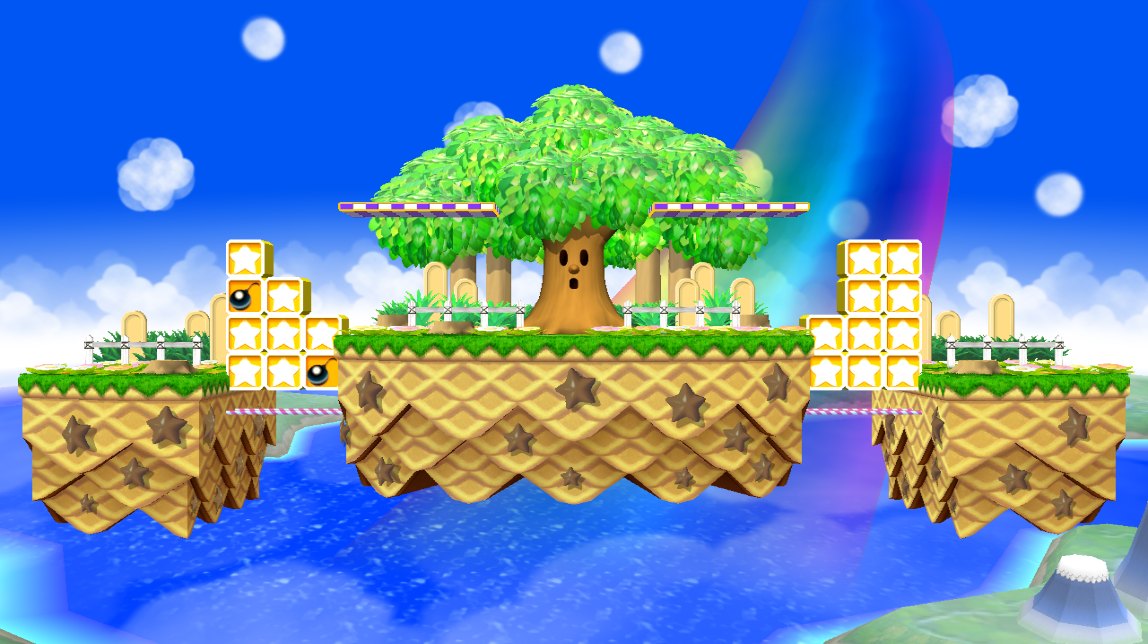
Green GreensKirby’s Dream Land · unlock: play 20 Brawls as Kirby · returning from MeleeWhispy Woods, blocks and Bomb Blocks.
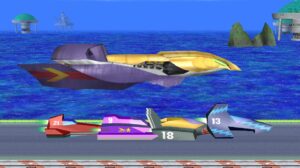
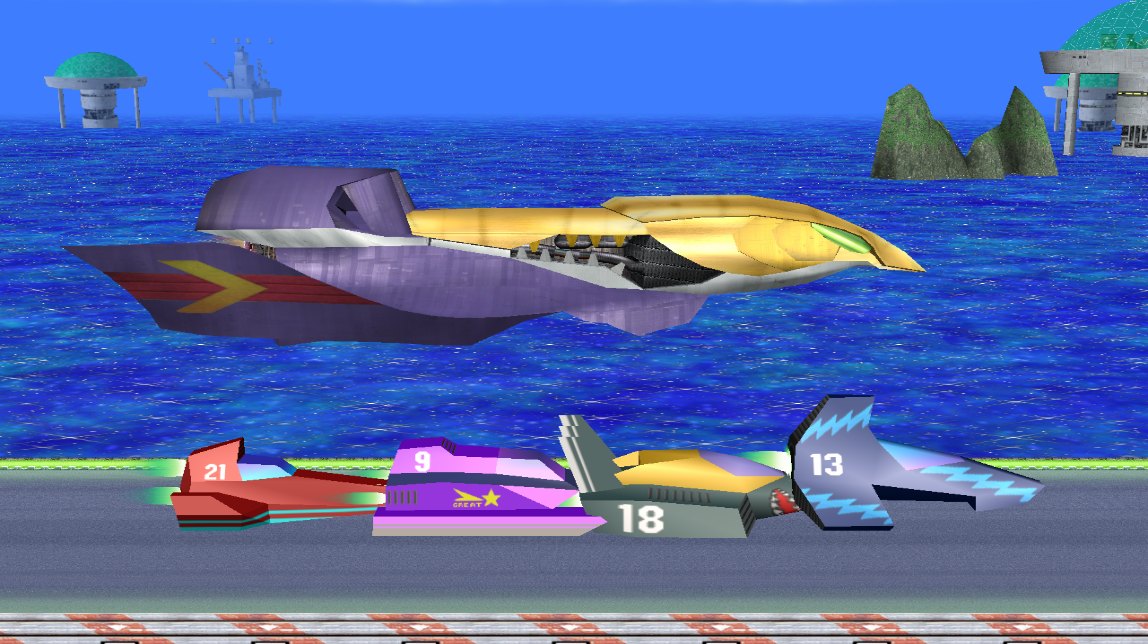
Big BlueF-Zero · unlock: play 10 Brawls as Captain Falcon · returning from MeleeA fight on top of speeding race machines.
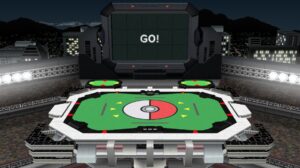
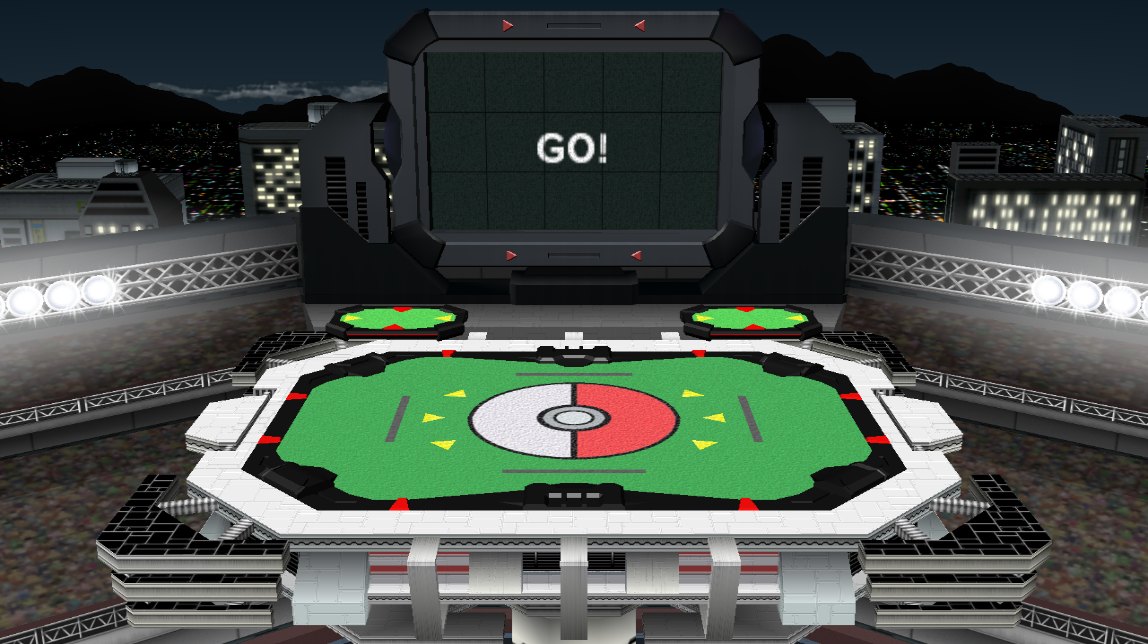
Pokémon StadiumPokémon · unlock: play 10 Brawls on Pokémon Stadium 2 · returning from MeleeMelee’s stadium, with grass, fire, water and rock layouts.
Brawl was also the first Smash Bros. with stages from series that have no playable fighter, as SmashWiki points out: Animal Crossing, PictoChat and Electroplankton among them.
Advertisement
Gameplay & Controls
Brawl plays by the series’ usual rules. Hits raise a percentage, the percentage decides how far the next hit throws you, and you are only out when you cross the edge of the screen. What changed is the feel: Brawl is slower and floatier than Melee, and it added a handful of new moves to every fighter’s repertoire.
The Smash Ball and Final Smashes
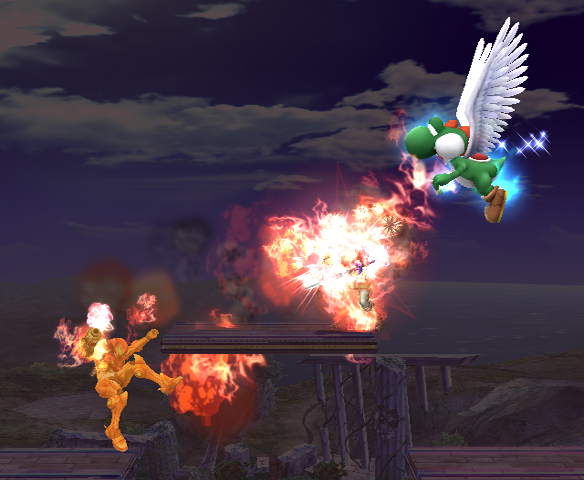
The Final Smash is often called Brawl’s most important addition. A Smash Ball floats around the stage and takes a few hits to break; whoever lands the last blow glows with its power and can unleash a Final Smash with the special-move button. Some are huge attacks, some turn the fighter into something else for a few seconds, and some change the stage itself, and most of them end with somebody flying off the screen.
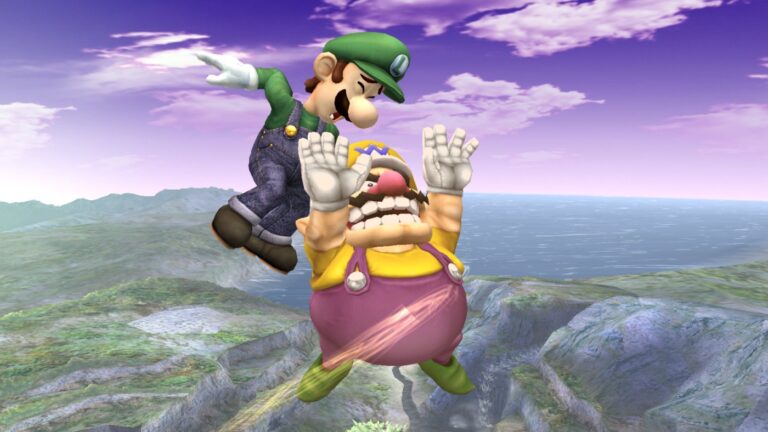
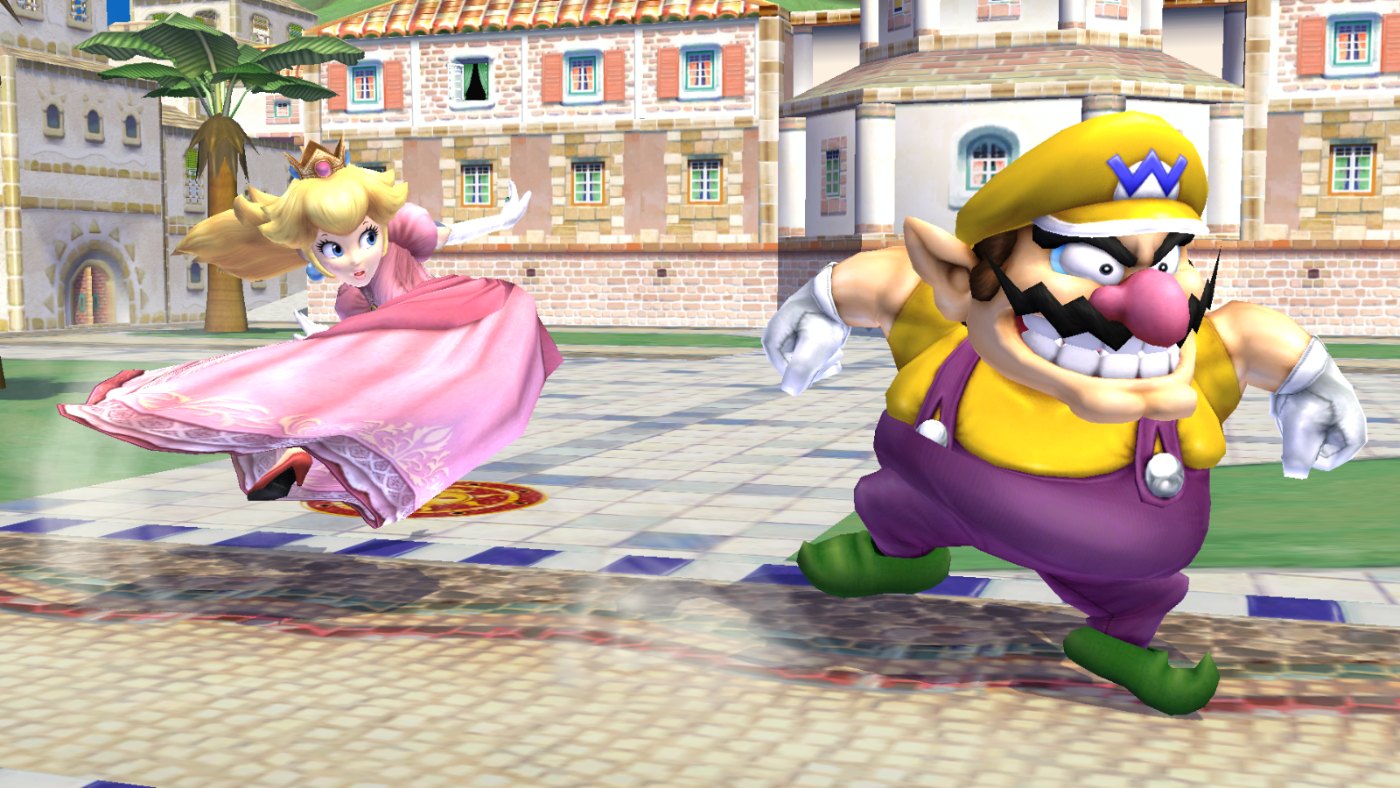
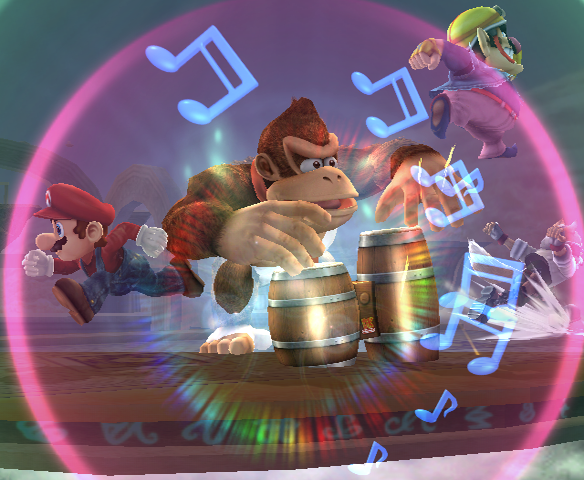
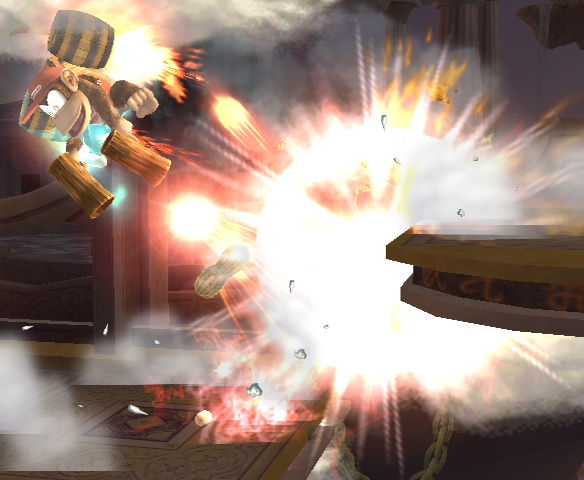
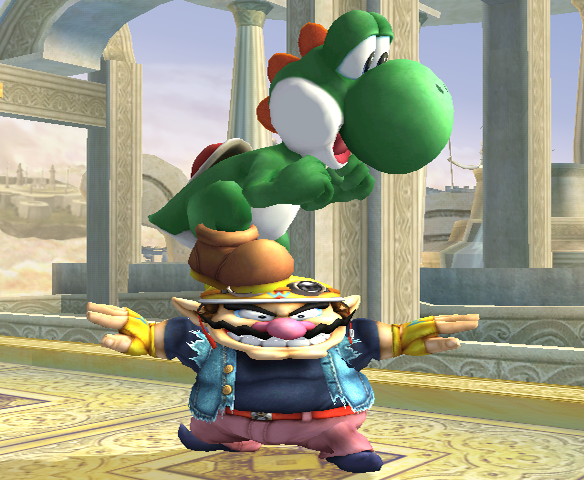
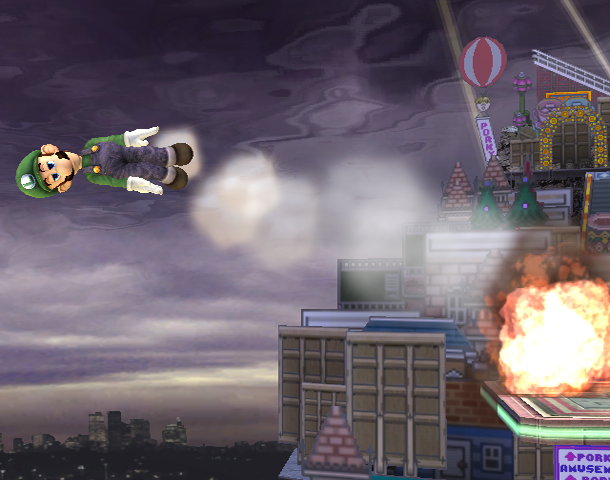
The Mario family’s eight are Mario Finale, Luigi’s Negative Zone, Peach Blossom, Bowser’s transformation into Giga Bowser, Yoshi’s Super Dragon, Wario-Man, Donkey Kong’s Konga Beat and Diddy Kong’s Rocketbarrel Barrage, which combines his Peanut Popgun and rocket barrels from Donkey Kong 64.
Mario Finale.Luigi’s Negative Zone.Peach Blossom.Yoshi’s Super Dragon.Wario-Man.Konga Beat.Rocketbarrel Barrage.
Controls and new moves
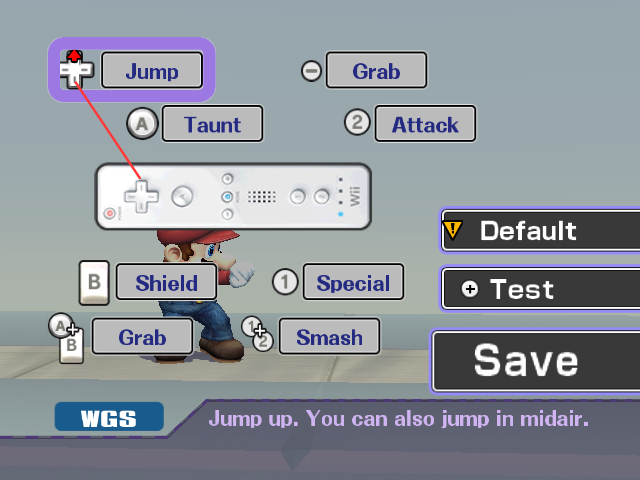
Brawl can be played four ways: with the Wii Remote held sideways, the Wii Remote and Nunchuk, the Classic Controller, or a GameCube controller plugged into the Wii. Each has its own default layout, and players can save their own button settings under their name.
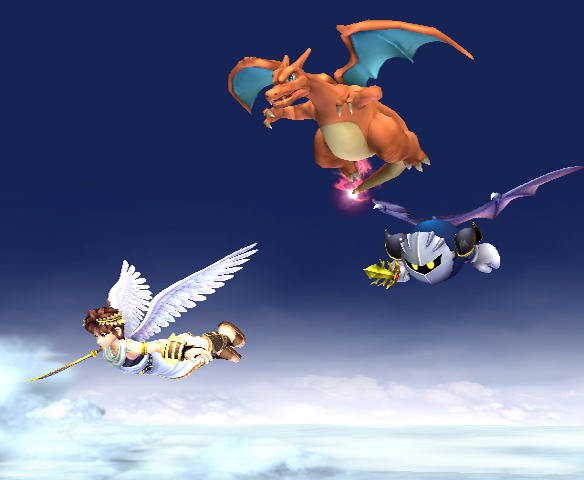
Every fighter learned something new. Winged characters can glide; anyone can perform a footstool jump off an opponent’s head; some fighters can crawl; several can recover by grabbing a ledge with a tether such as Zero Suit Samus’s Plasma Whip or Link’s Clawshot; and each fighter now has three taunts. Combos are easier to start, too: holding the attack button is enough for many of them.
The most notorious change is the one nobody asked for. Every so often a running fighter trips (sometimes called slipping), which can happen on a sudden dash, a turn or a slope as well as on a Banana Peel. It leaves you briefly helpless, and competitive players hated it.
The default Wii Remote layout.Gliding.Yoshi’s footstool jump.
The Mario family’s special moves
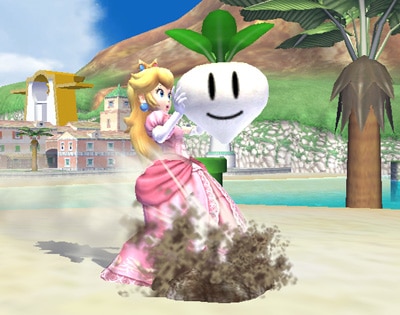
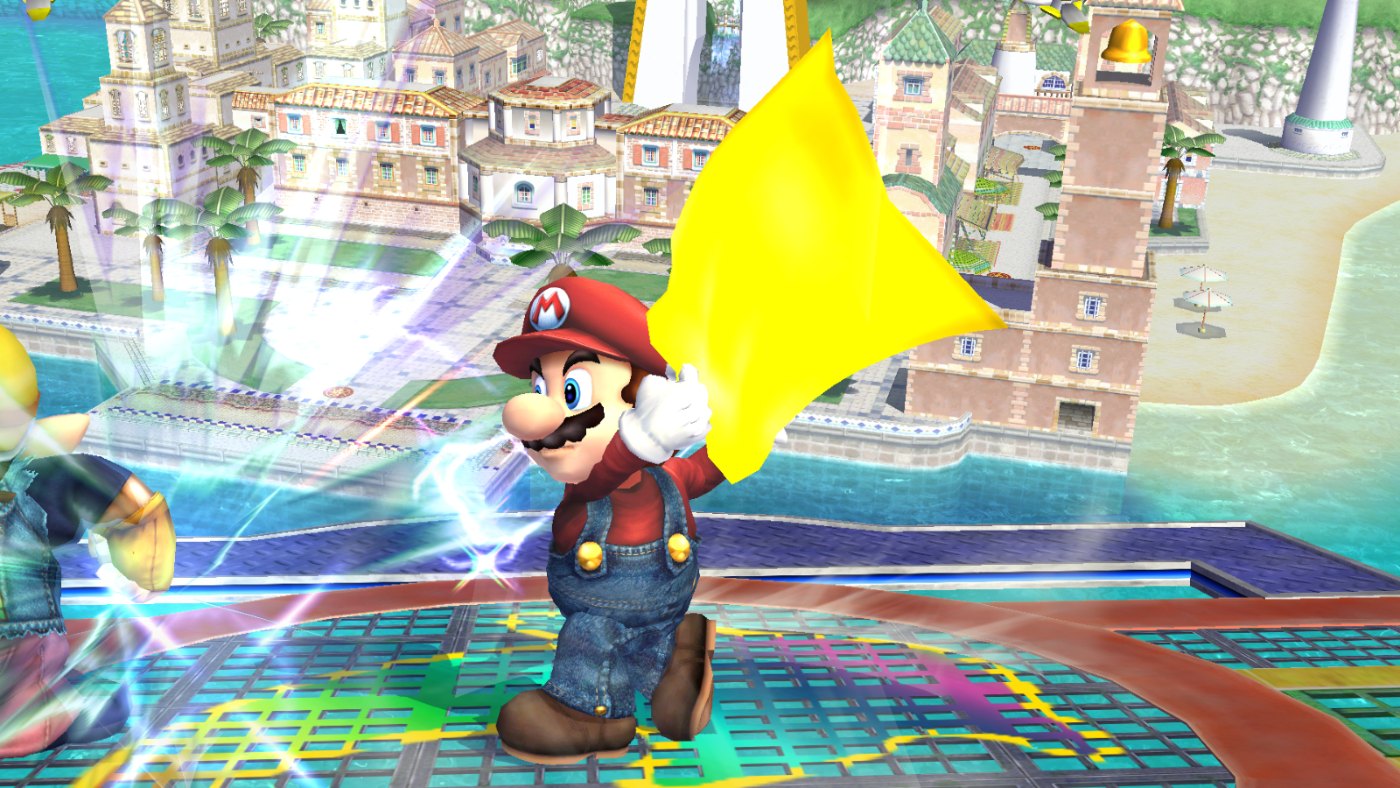
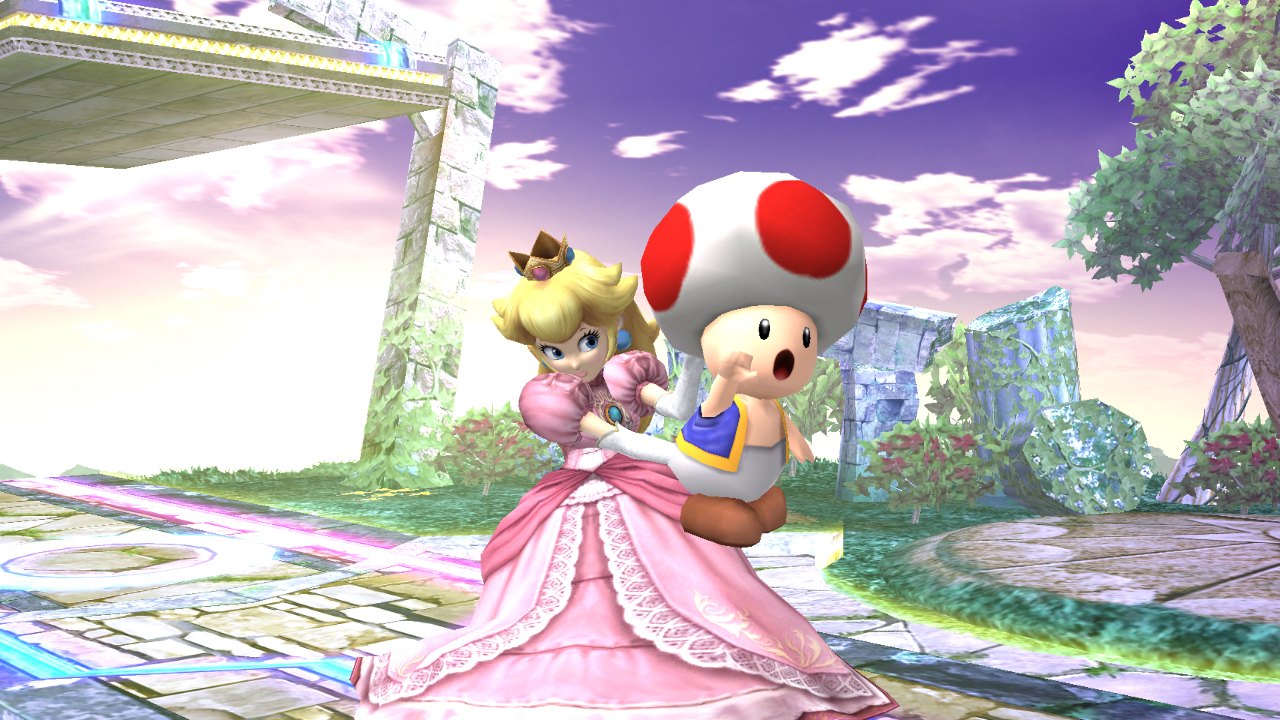
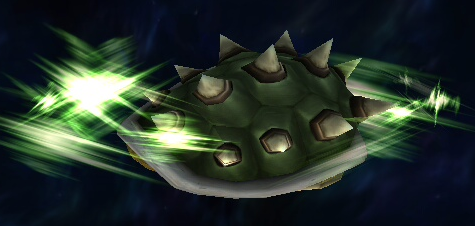
Mario’s new down special is F.L.U.D.D., the water pack from Super Mario Sunshine, alongside his Fireball, Cape and Super Jump Punch. Luigi has the Fireball, the headlong Green Missile, the Super Jump Punch and the Luigi Cyclone. Peach can pluck Vegetables, hurl herself with the Peach Bomber, float down on her Peach Parasol and hold up Toad as a shield. Bowser breathes fire, leaps on opponents with the Flying Slam and spins in his shell as the Whirling Fortress.
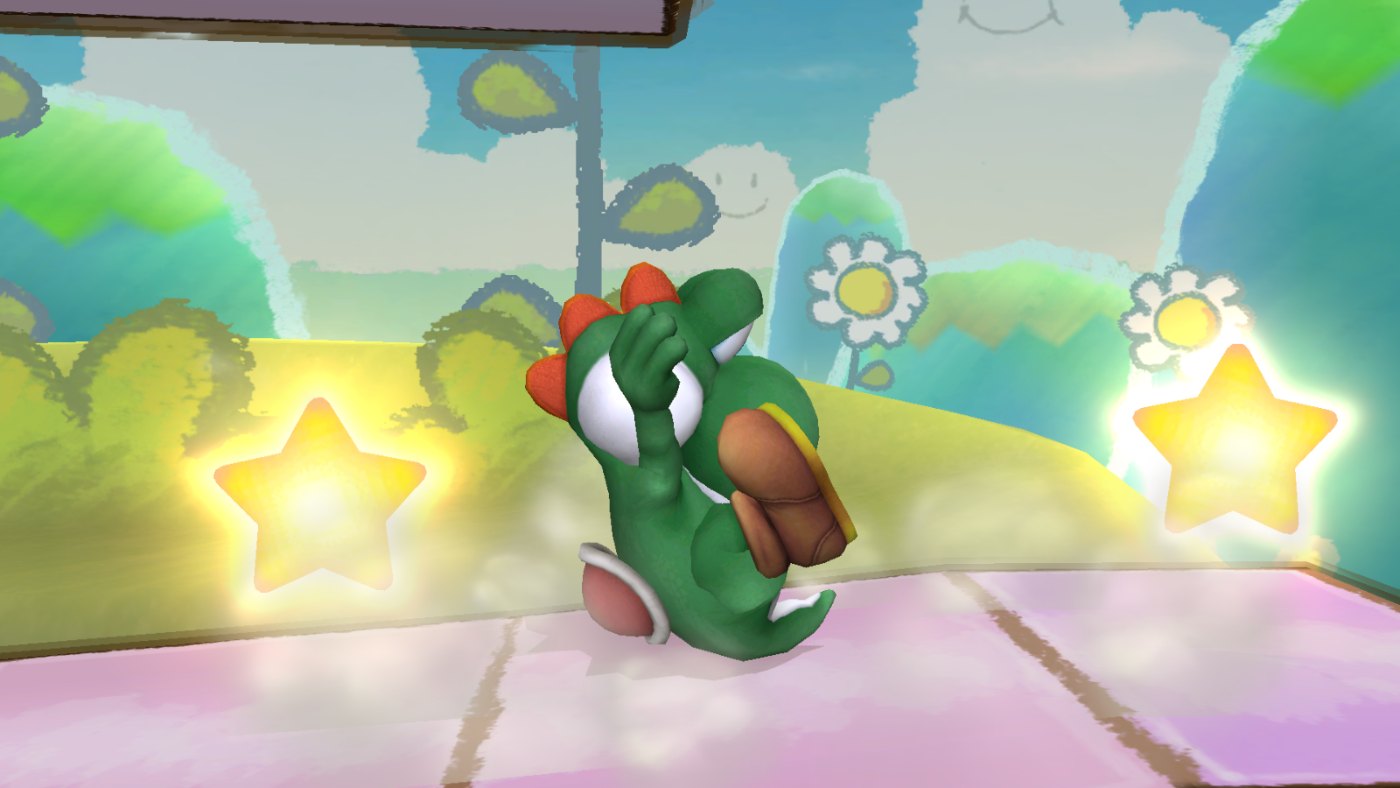
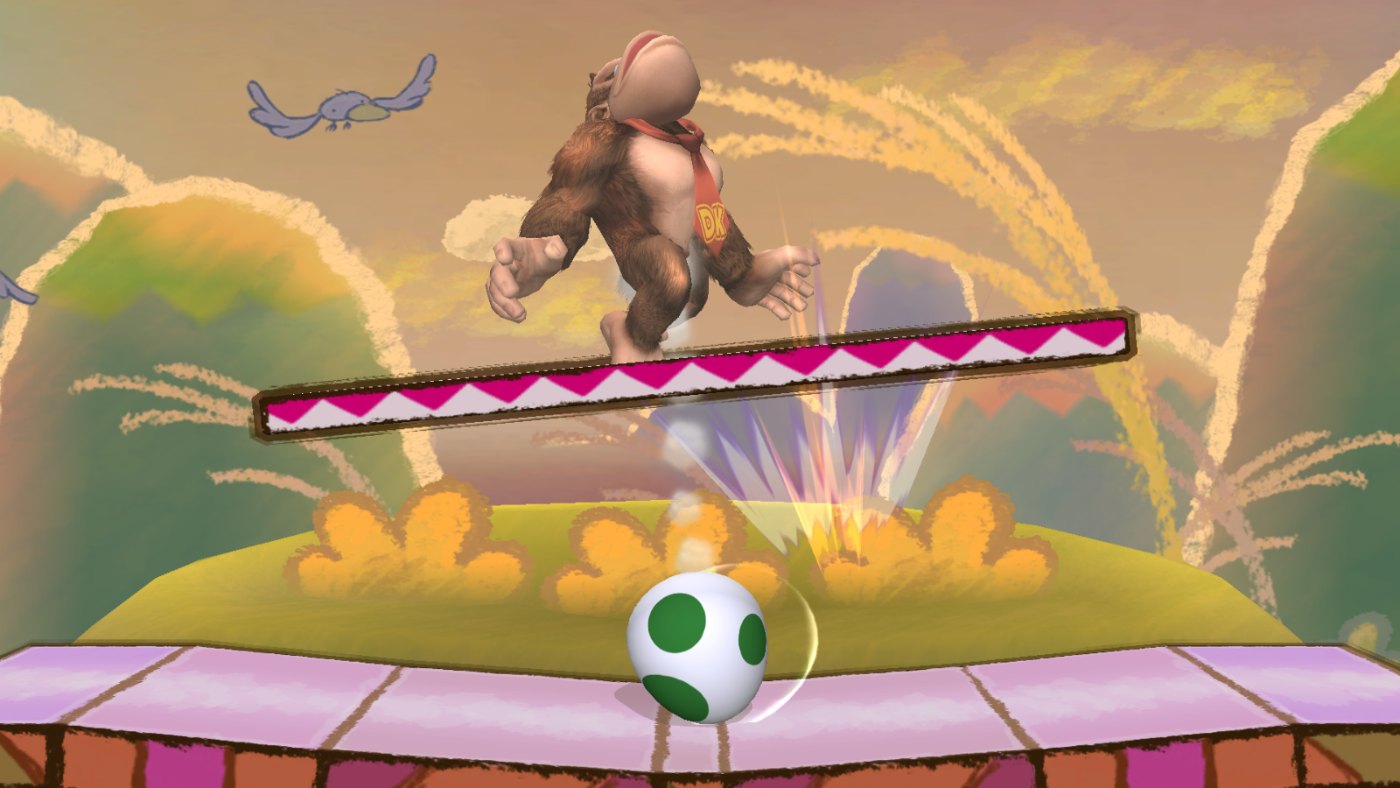
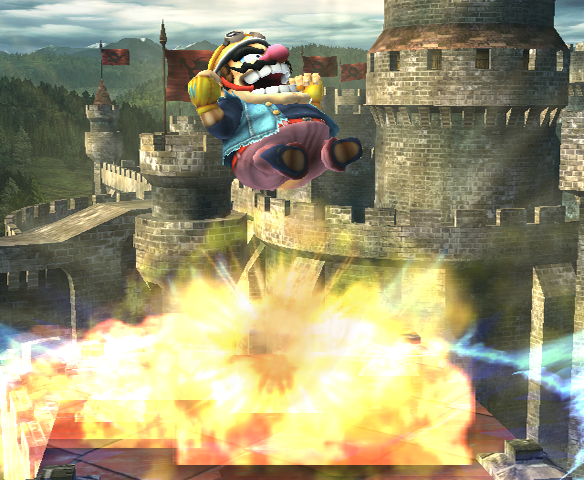
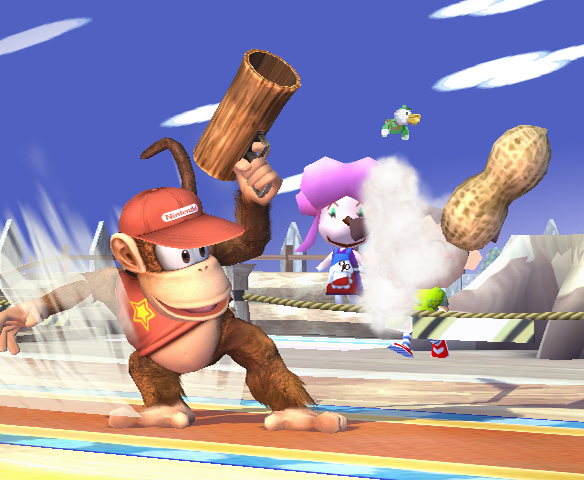
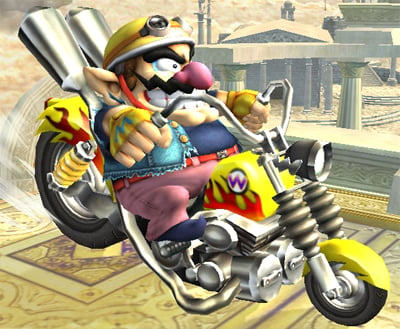
Yoshi’s moves are all eggs: Egg Lay, Egg Roll, Egg Throw and the Yoshi Bomb. Wario bites with Chomp, which can even eat items, rides in on the Wario Bike, spins up with the Corkscrew and lets rip with the Wario Waft. Diddy Kong uses the Peanut Popgun and Rocketbarrel Boost from Donkey Kong 64, the Monkey Flip and his own Banana Peels.
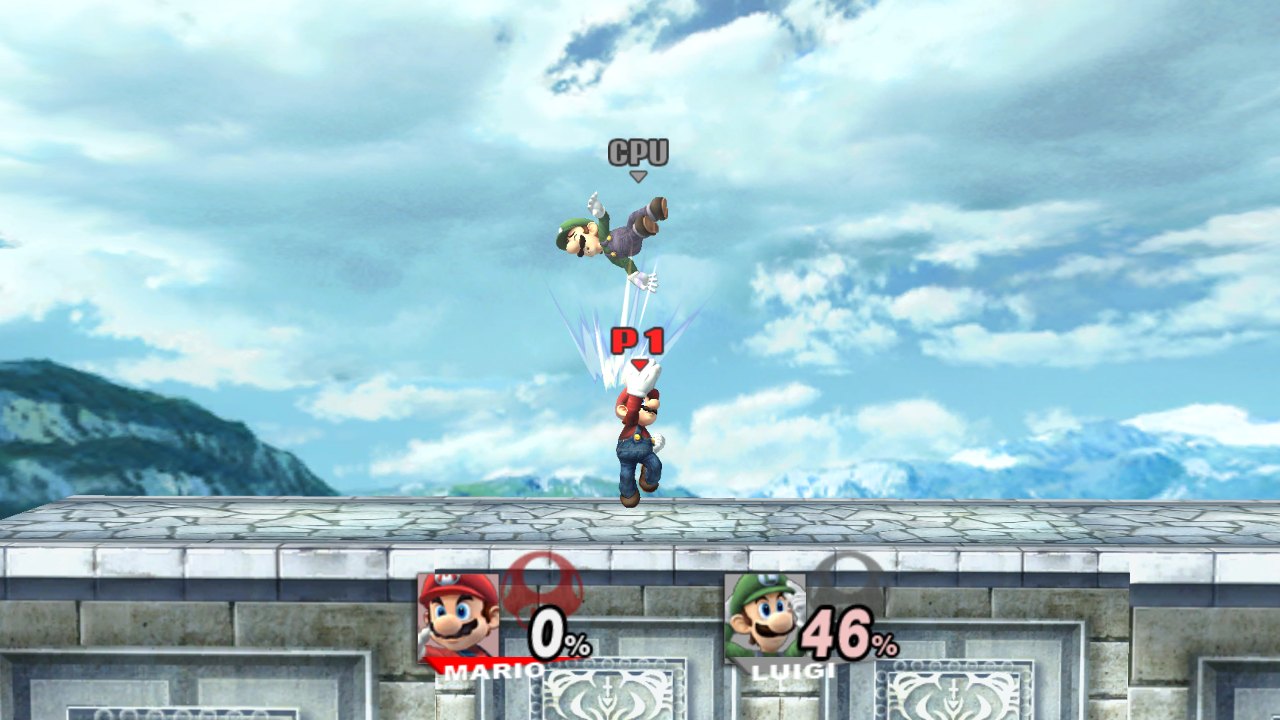
Mario’s F.L.U.D.D.Luigi’s Green Missile.Peach holds up Toad.Bowser’s Whirling Fortress.Yoshi’s Egg Roll.The Wario Waft.Diddy Kong’s Peanut Popgun.
Assist Trophies and Poké Balls
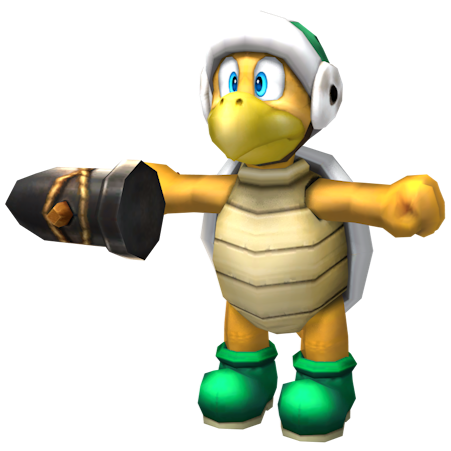
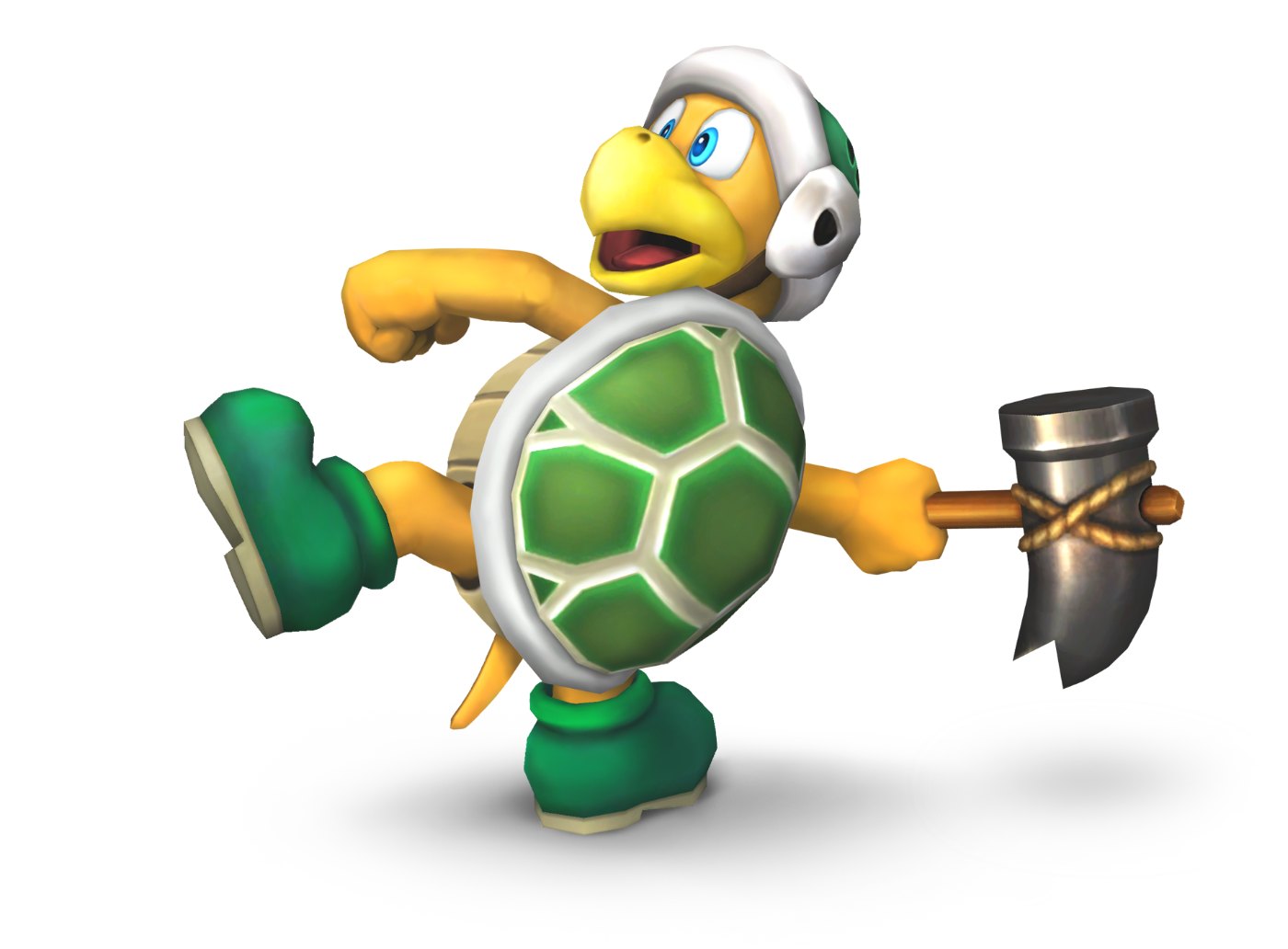
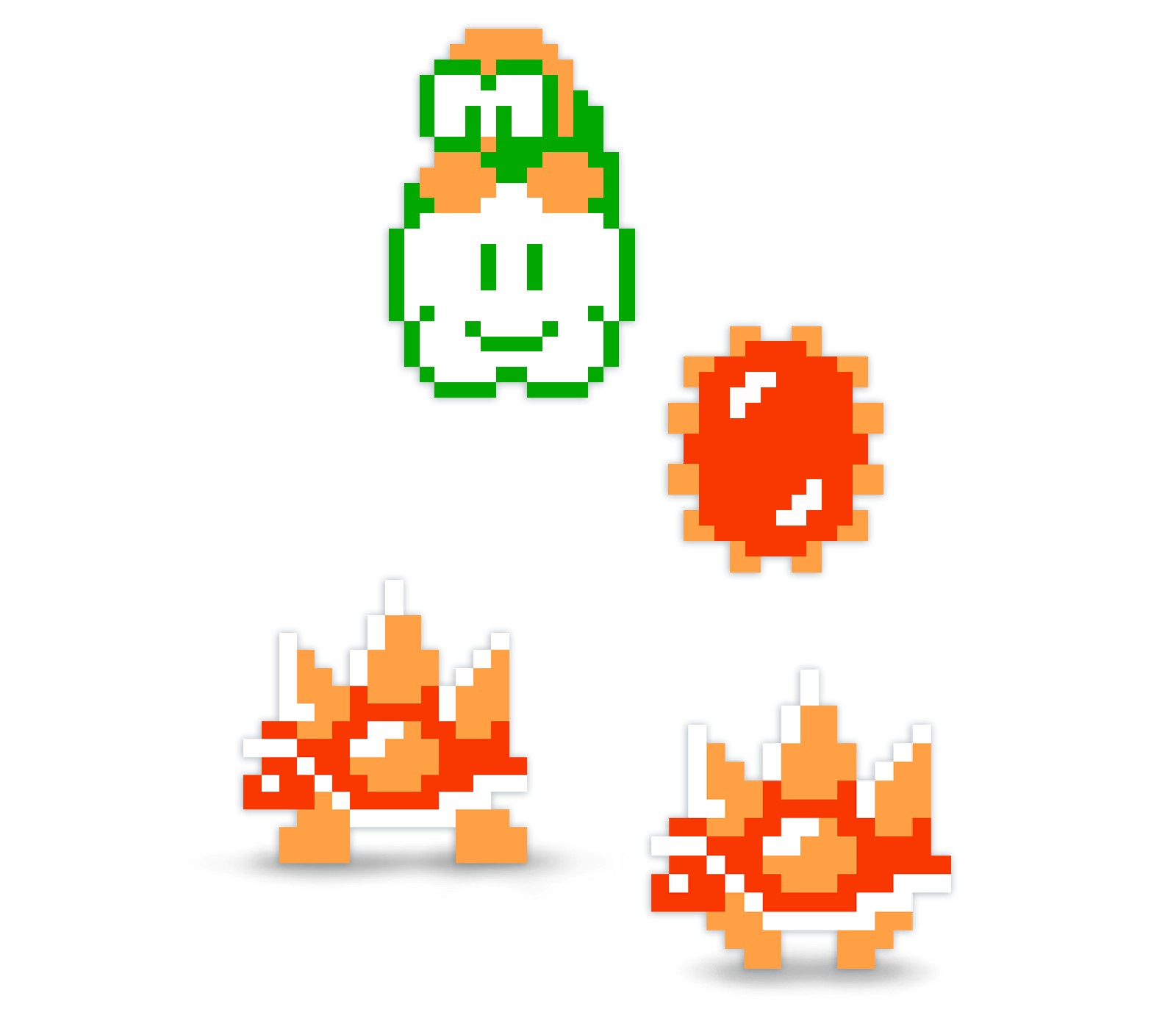
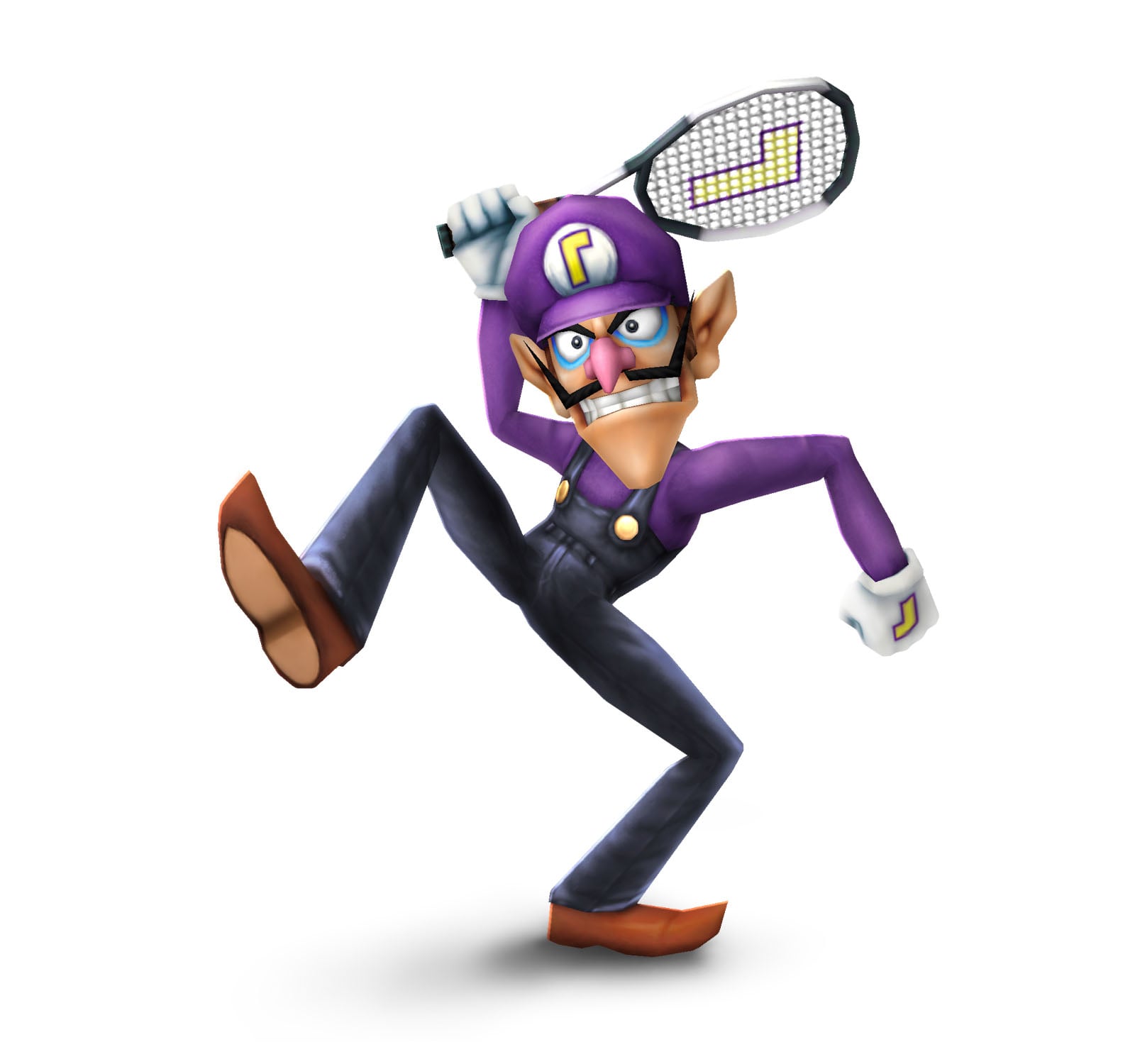
Brawl adds the Assist Trophy, an item that summons a character who cannot be played to help whoever picked it up. There are 27 of them, from Andross and Little Mac to Mr. Resetti, Shadow the Hedgehog and Tingle, and three come from the Mario series: a Hammer Bro, Lakitu and his Spinies, and Waluigi, who still had not been made a fighter.
Poké Balls hold 31 Pokémon this time, from common ones such as Bonsly, Munchlax and Wobbuffet to legendary Pokémon such as Groudon, Kyogre and Lugia and the mythical Mew, Celebi, Jirachi, Manaphy and Deoxys.
The Hammer Bro Assist Trophy.Lakitu and his Spinies.Waluigi, as an Assist Trophy.
Online play and Nintendo Wi-Fi Connection
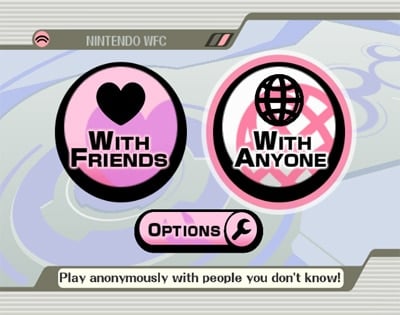
Brawl took Smash Bros. online through Nintendo Wi-Fi Connection. Playing “With Friends” needed both players to swap friend codes but allowed proper rules, short messages and co-operative Home-Run Contest and Multi-Man Brawl. “With Anyone” matched strangers in two-minute free-for-all or team games with no names, no messages and no recorded results, and a Spectator mode let you bet coins on other people’s matches. Lag was the common complaint.
Custom stages could be sent to friends over Wi-Fi or submitted to Nintendo, which shared one player-made stage a day. All of it ended when Nintendo closed Wi-Fi Connection on 20 May 2014.
The Wi-Fi menu.
Every item in Brawl
By most counts Brawl has 57 kinds of item and container, and fifteen of them come from the Mario and Donkey Kong games. The Assist Trophy and the Poké Ball are described above.
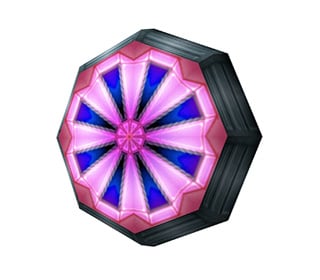
Smash BallSuper Smash Bros. Break it to earn a Final Smash.
Assist TrophySuper Smash Bros. Summons a helper character for a short time.
Poké BallPokémon. Releases a random Pokémon.
Bob-ombSuper Mario. Explodes on impact or wanders off and blows up; rains down in Sudden Death.
Fire FlowerSuper Mario. A short, limited stream of fire.
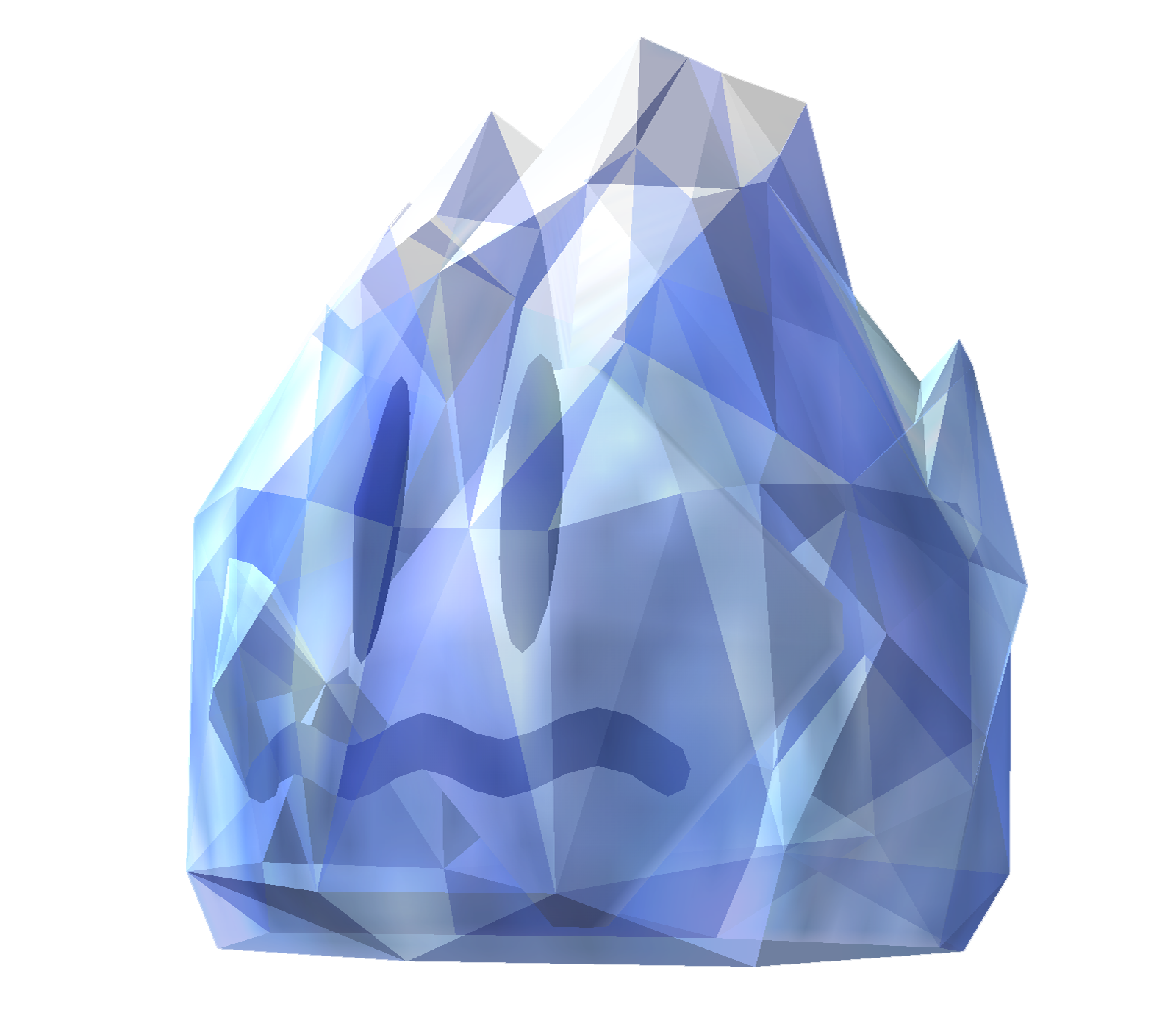
FreezieSuper Mario. Slides along and freezes whoever it hits.
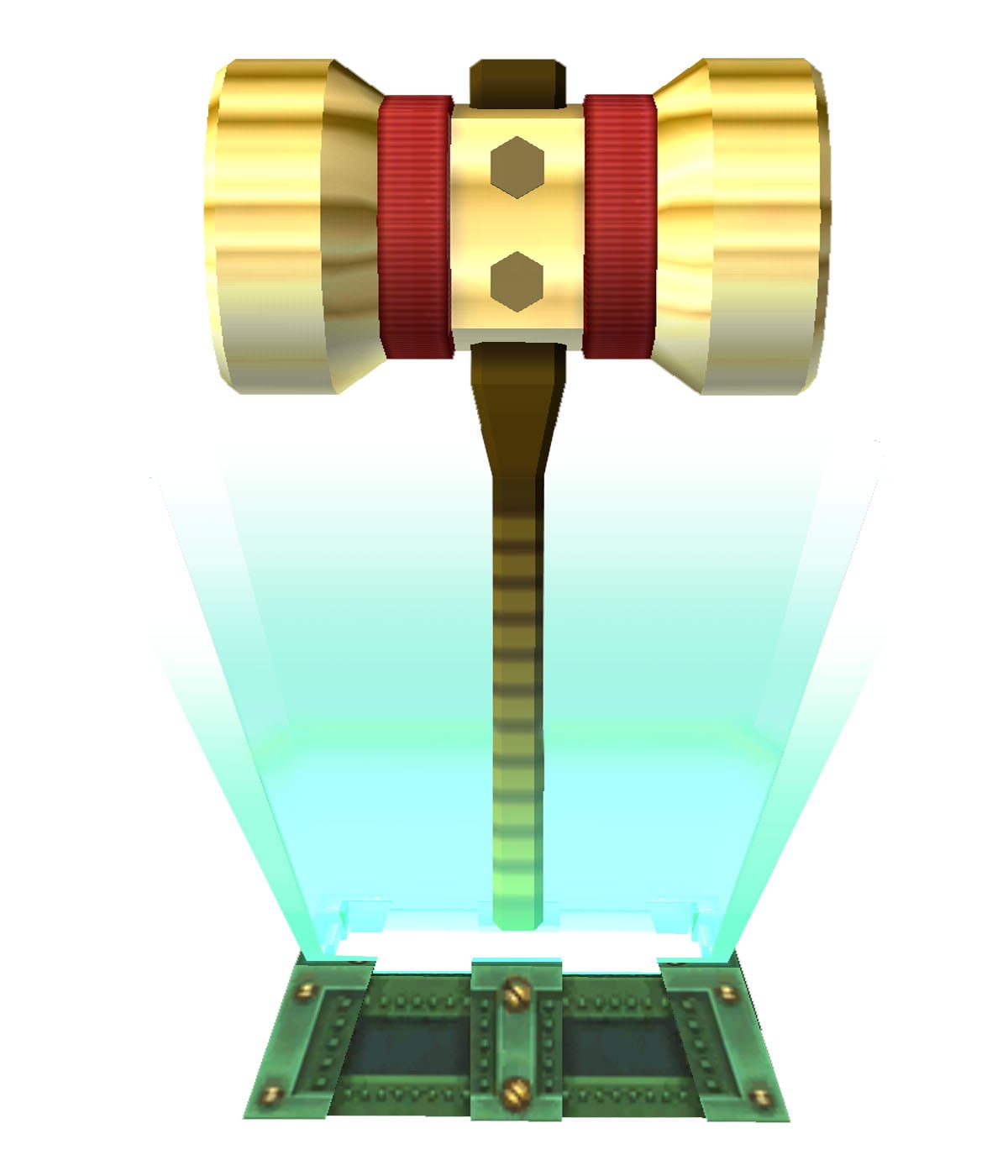
Golden HammerSuper Mario. A stronger Hammer that lets you float; sometimes it is a harmless squeaky one.
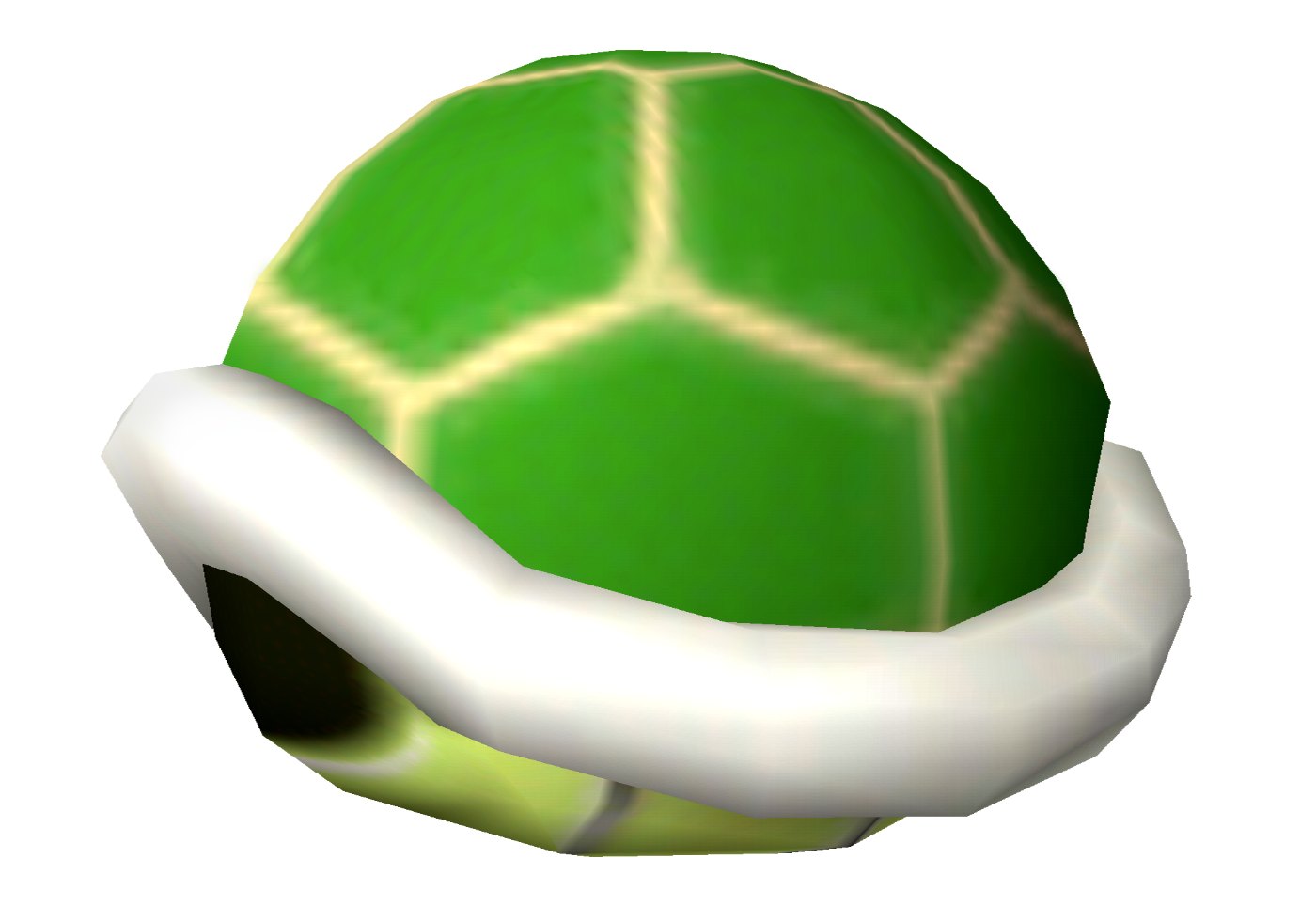
Green ShellSuper Mario. Slides along and turns back when it hits a wall.
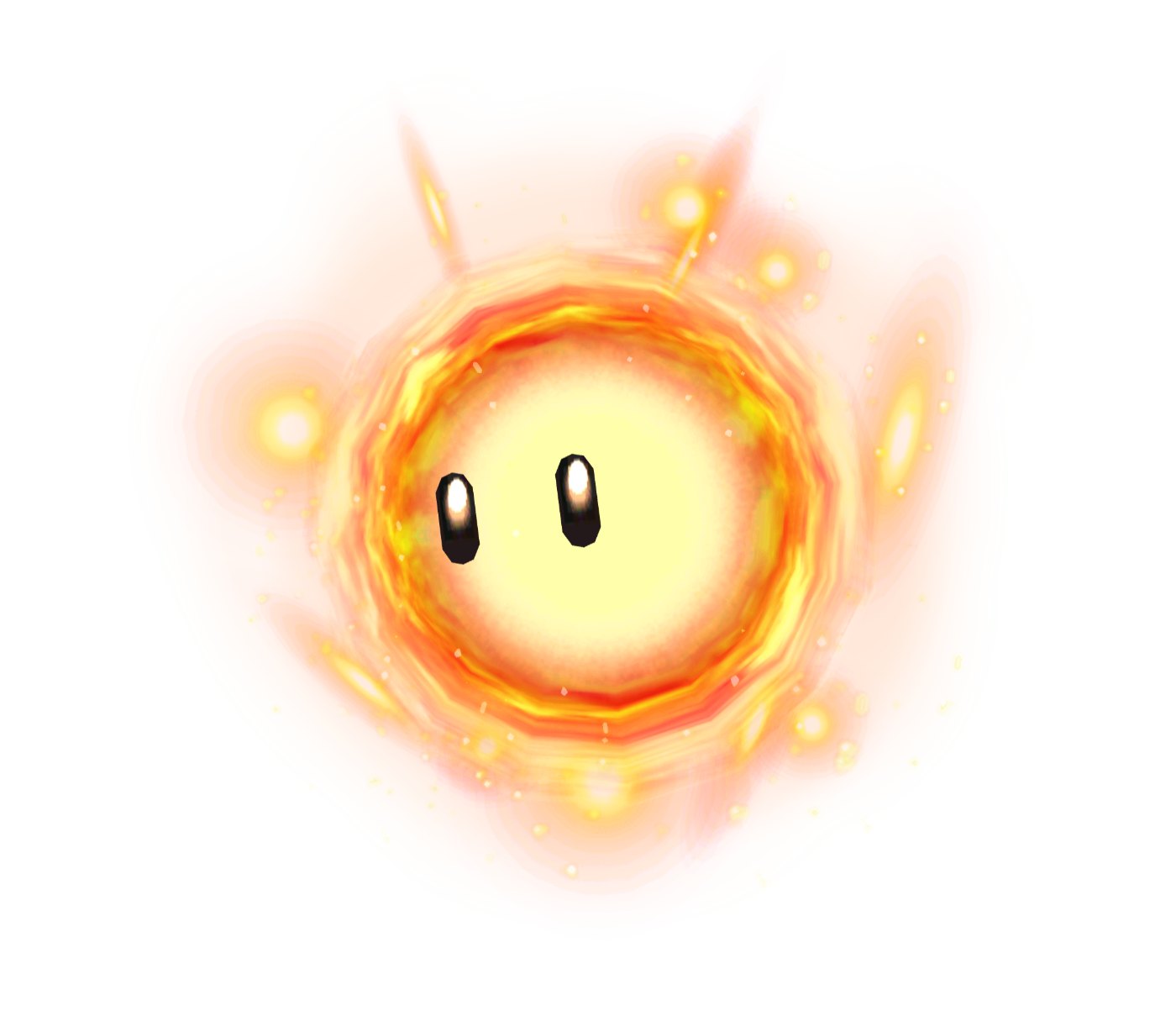
HotheadSuper Mario. Creeps round the stage burning the thrower’s opponents.
LightningSuper Mario. Usually shrinks every opponent; occasionally backfires or makes everyone giant.
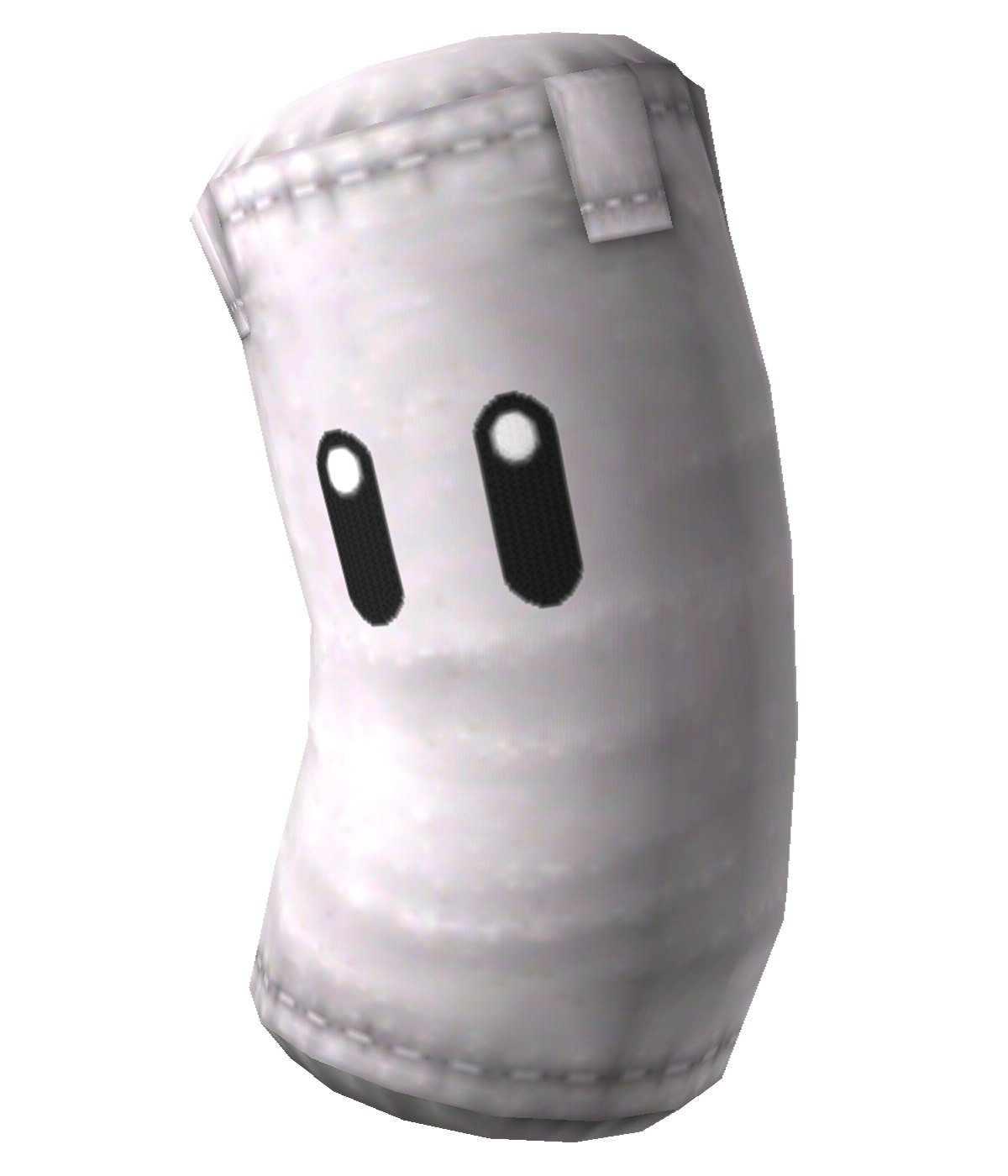
Metal BoxSuper Mario. Turns you to metal: heavy, hard to flinch, quick to fall.
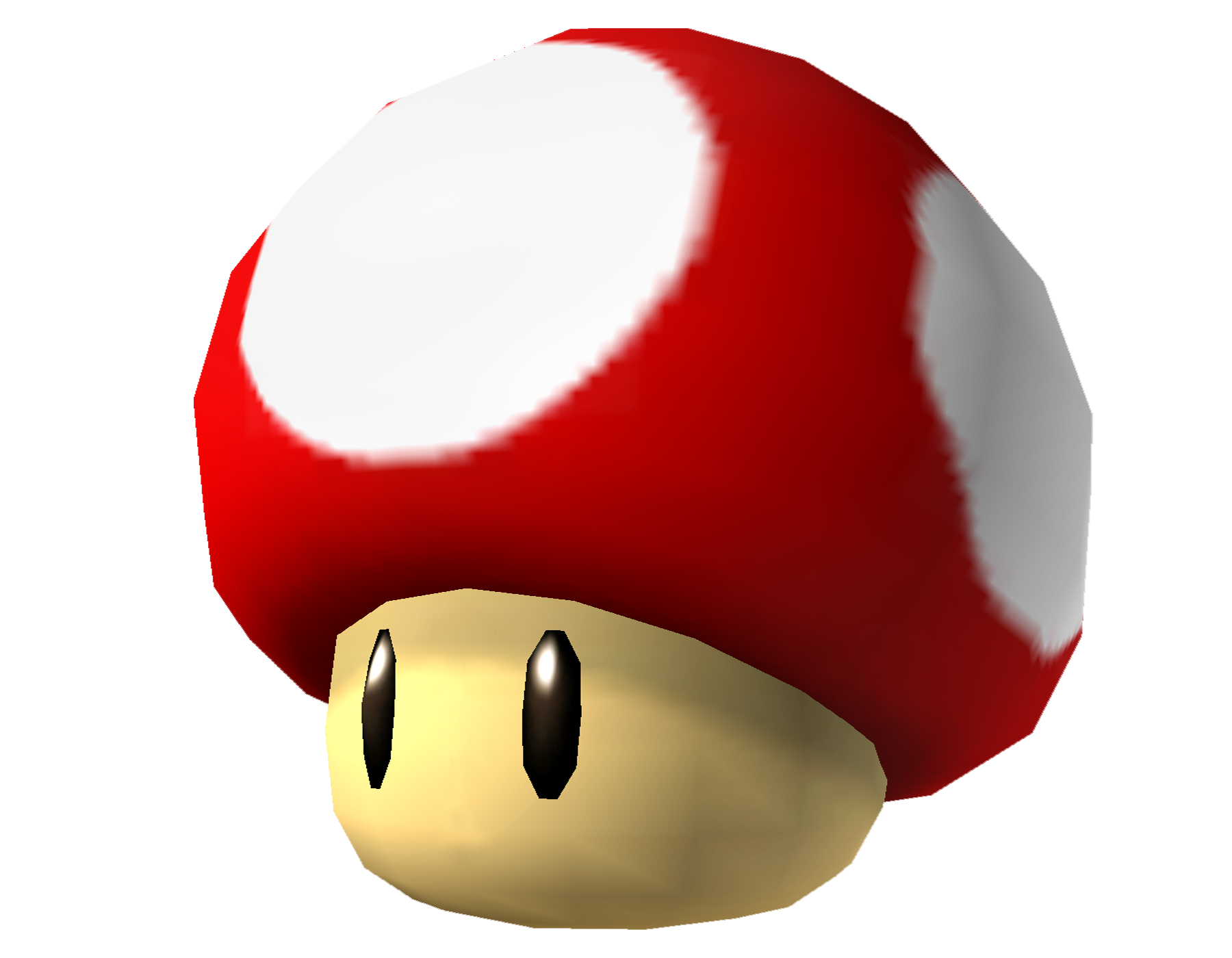
Poison MushroomSuper Mario. Shrinks whoever touches it.
Soccer BallSuper Mario. Kick it hard and it flies off in flames.
Super MushroomSuper Mario. Makes you giant for a while.
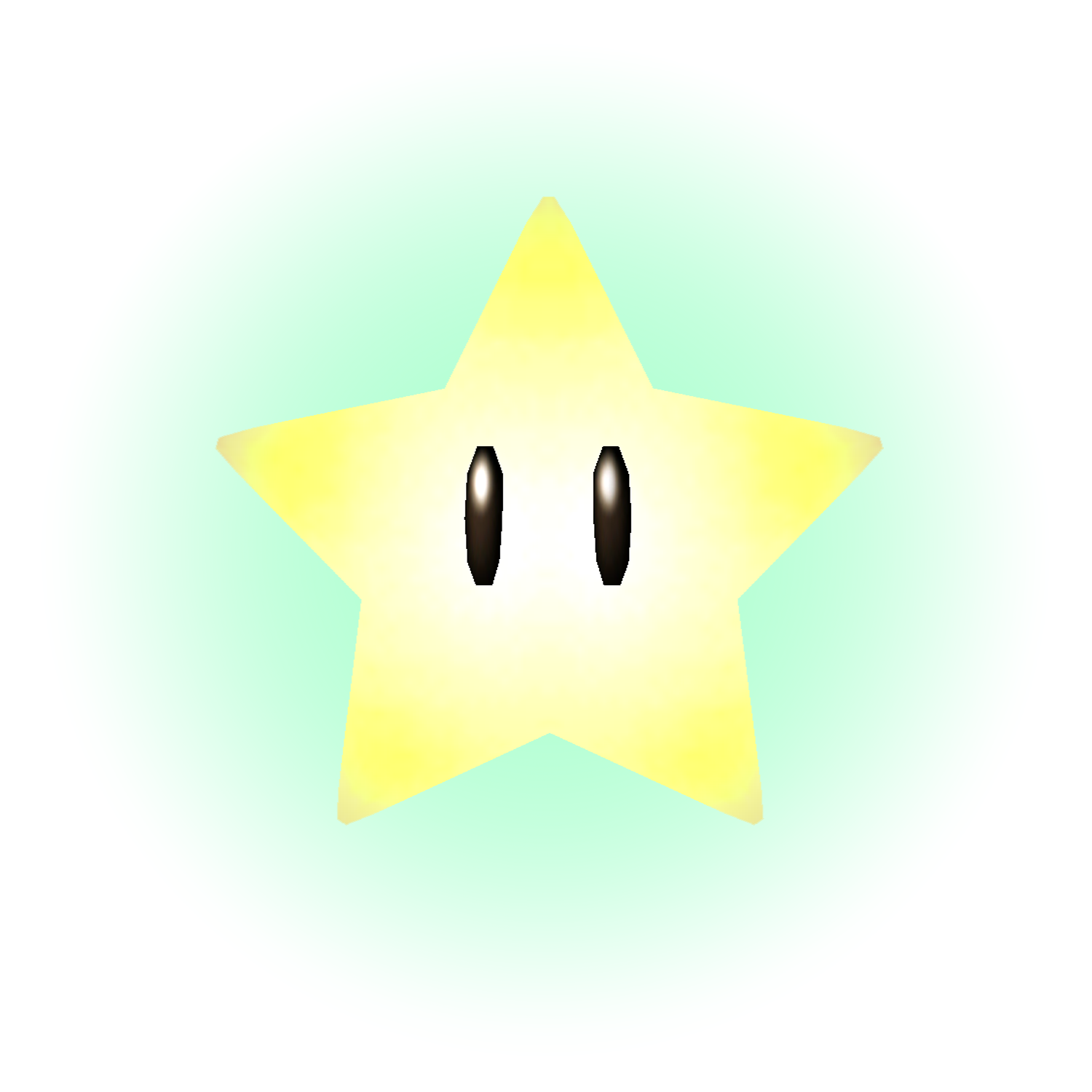
StarmanSuper Mario. About ten seconds of invincibility.
Banana PeelDonkey Kong. Trips anyone who runs over it.
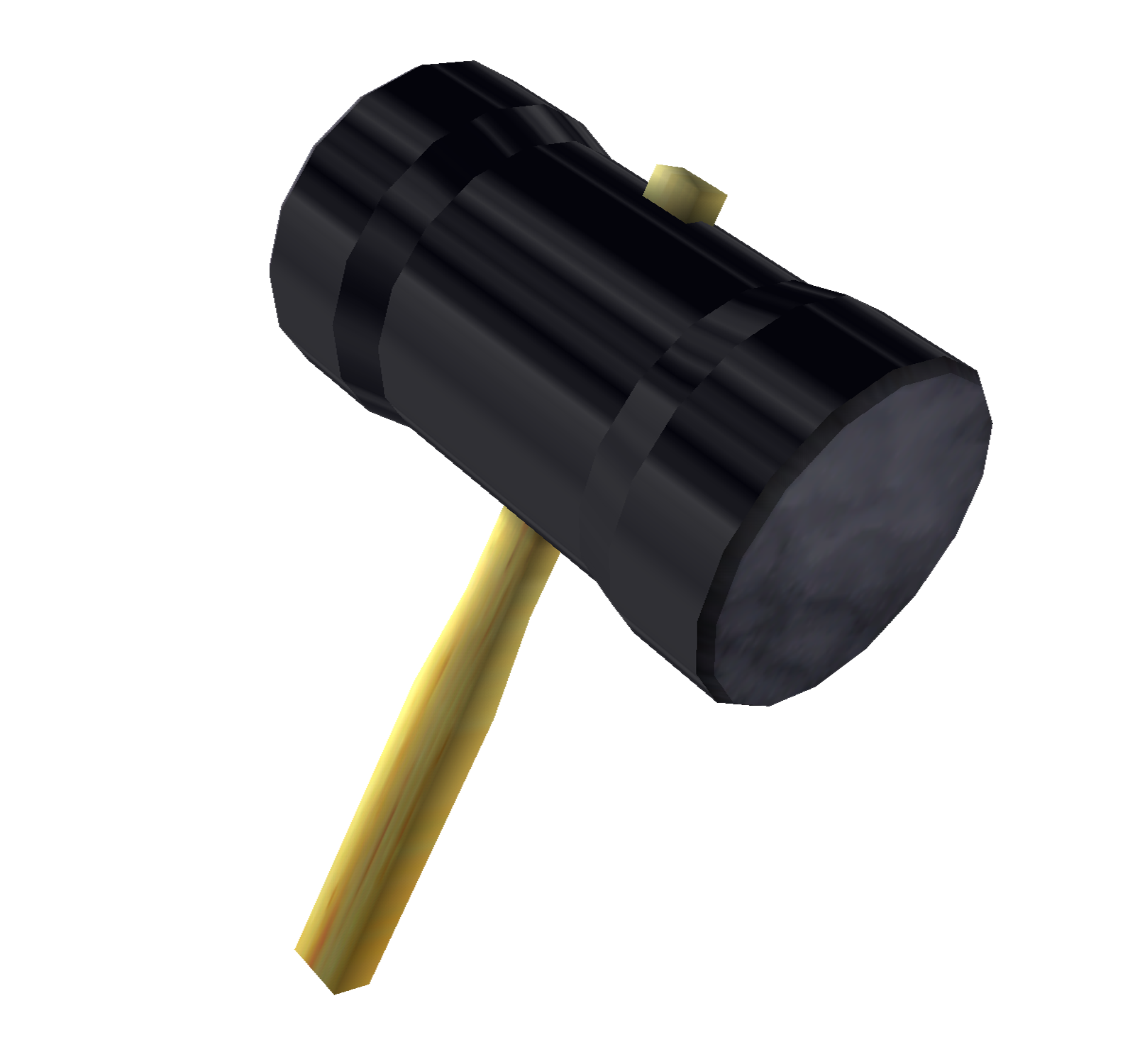
HammerDonkey Kong. Huge damage, but no double jump or specials while you hold it; the head can fly off.
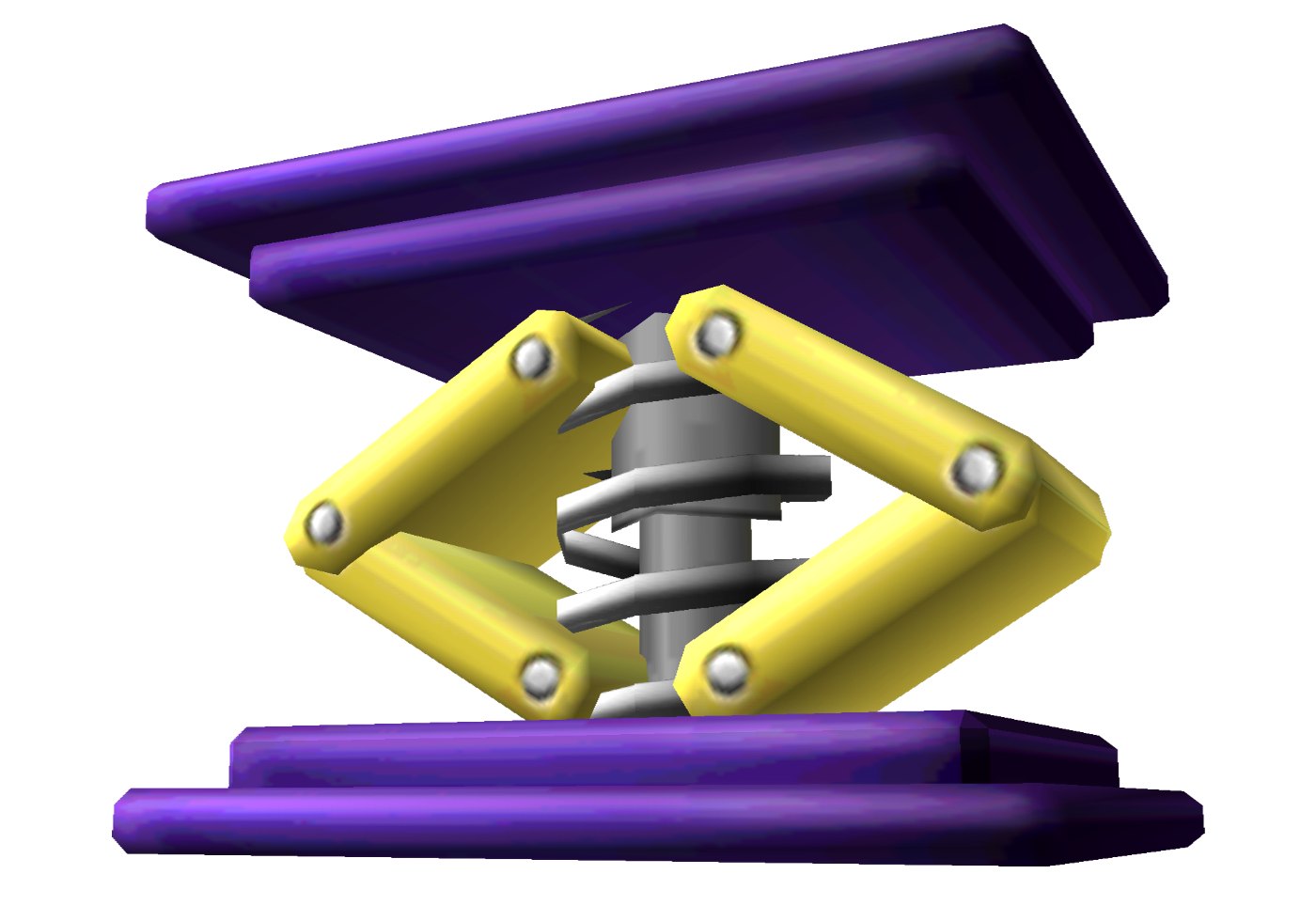
SpringDonkey Kong. Bounces fighters high into the air.
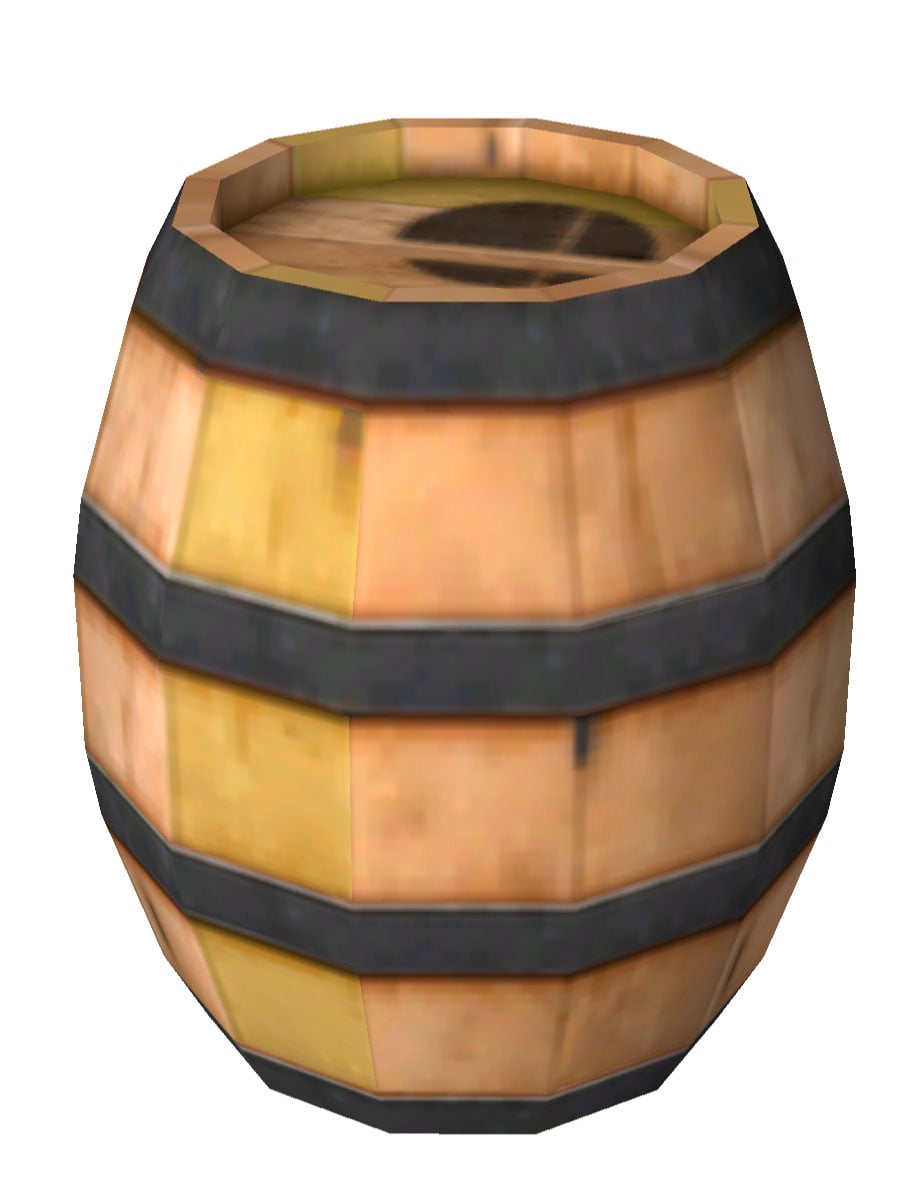
BarrelA container that can tip over and roll into people.
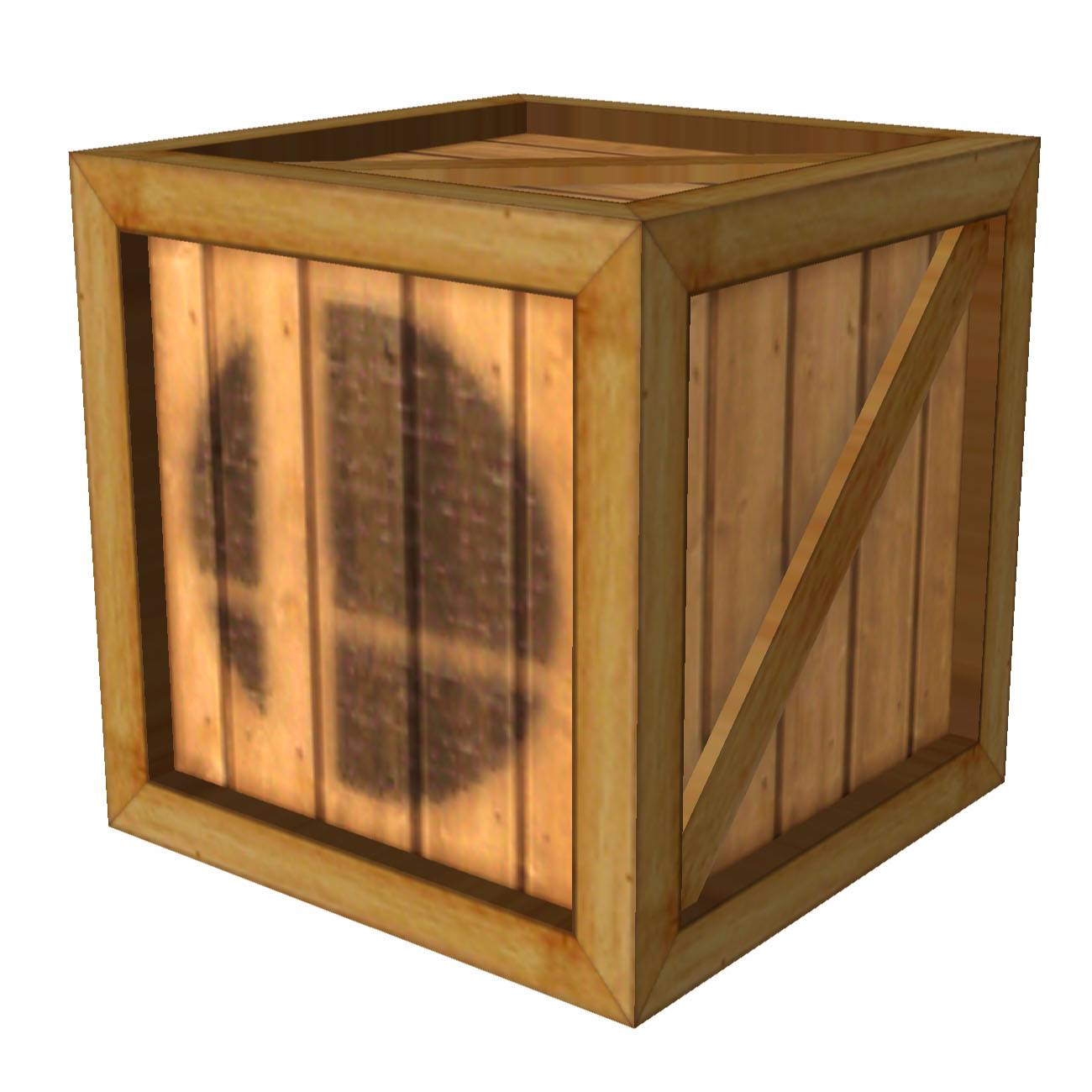
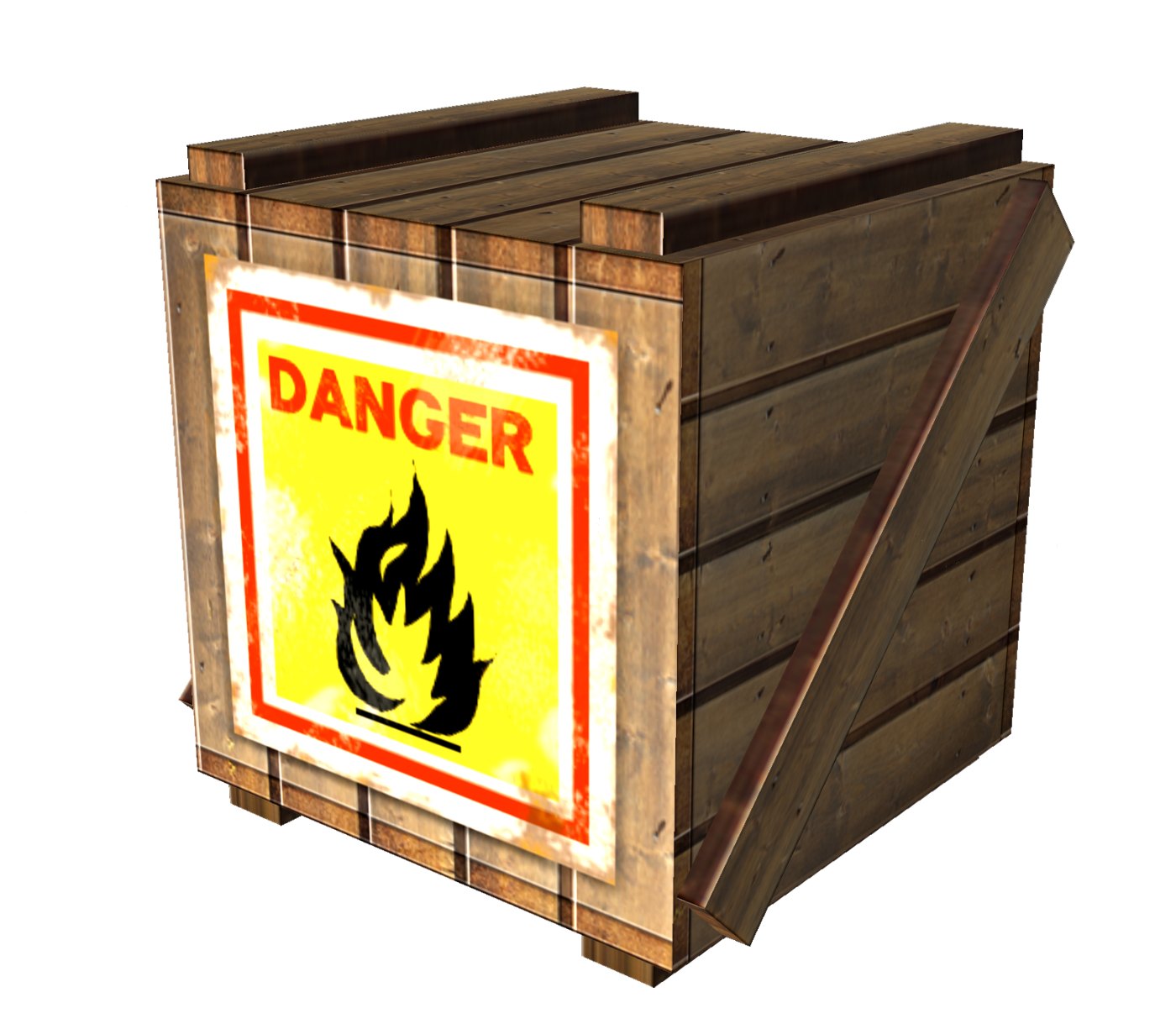
Crate and Rolling CrateBreak them open for items; the rolling kind trundles away when hit.
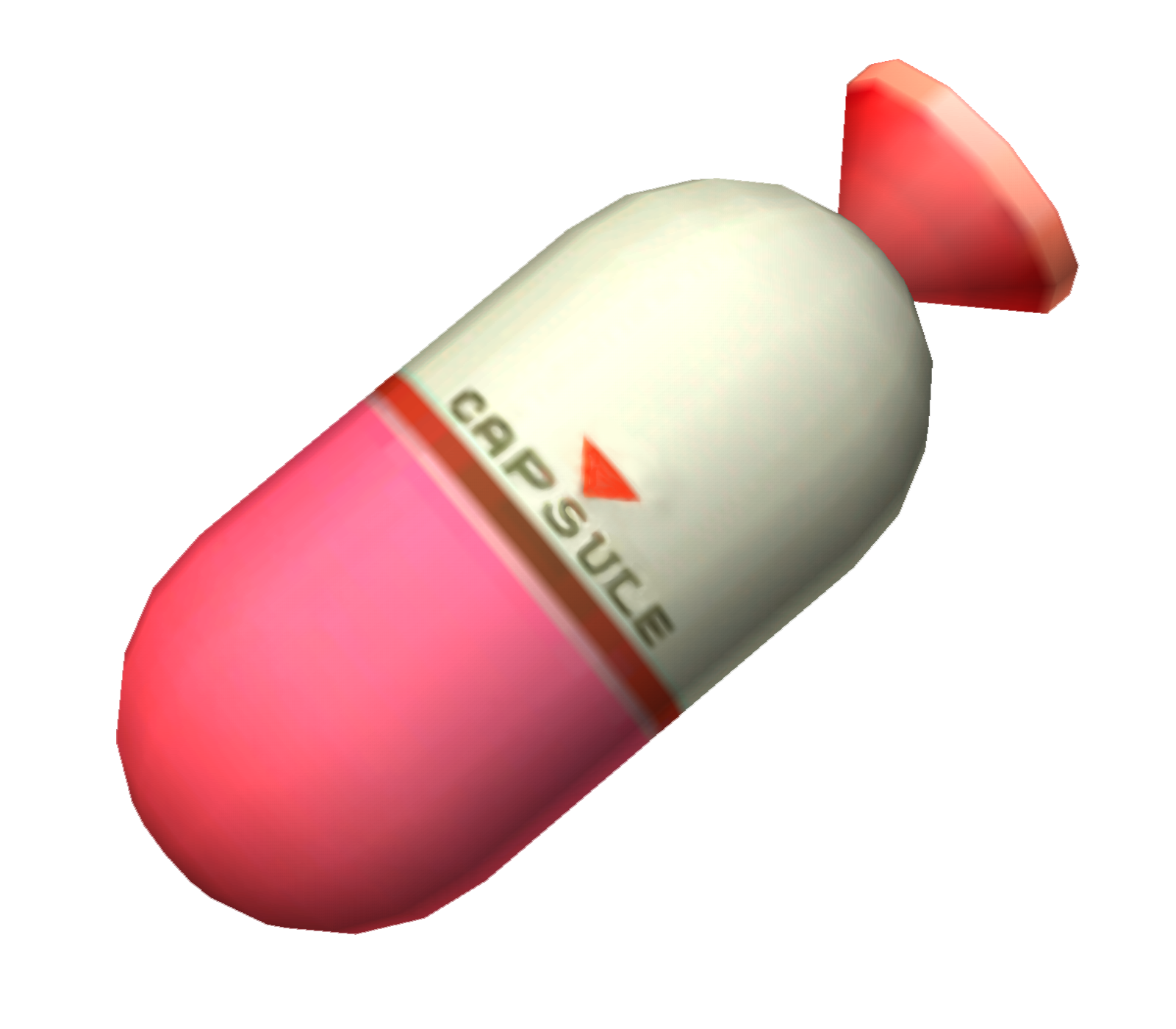
CapsuleHolds an item, or occasionally explodes.
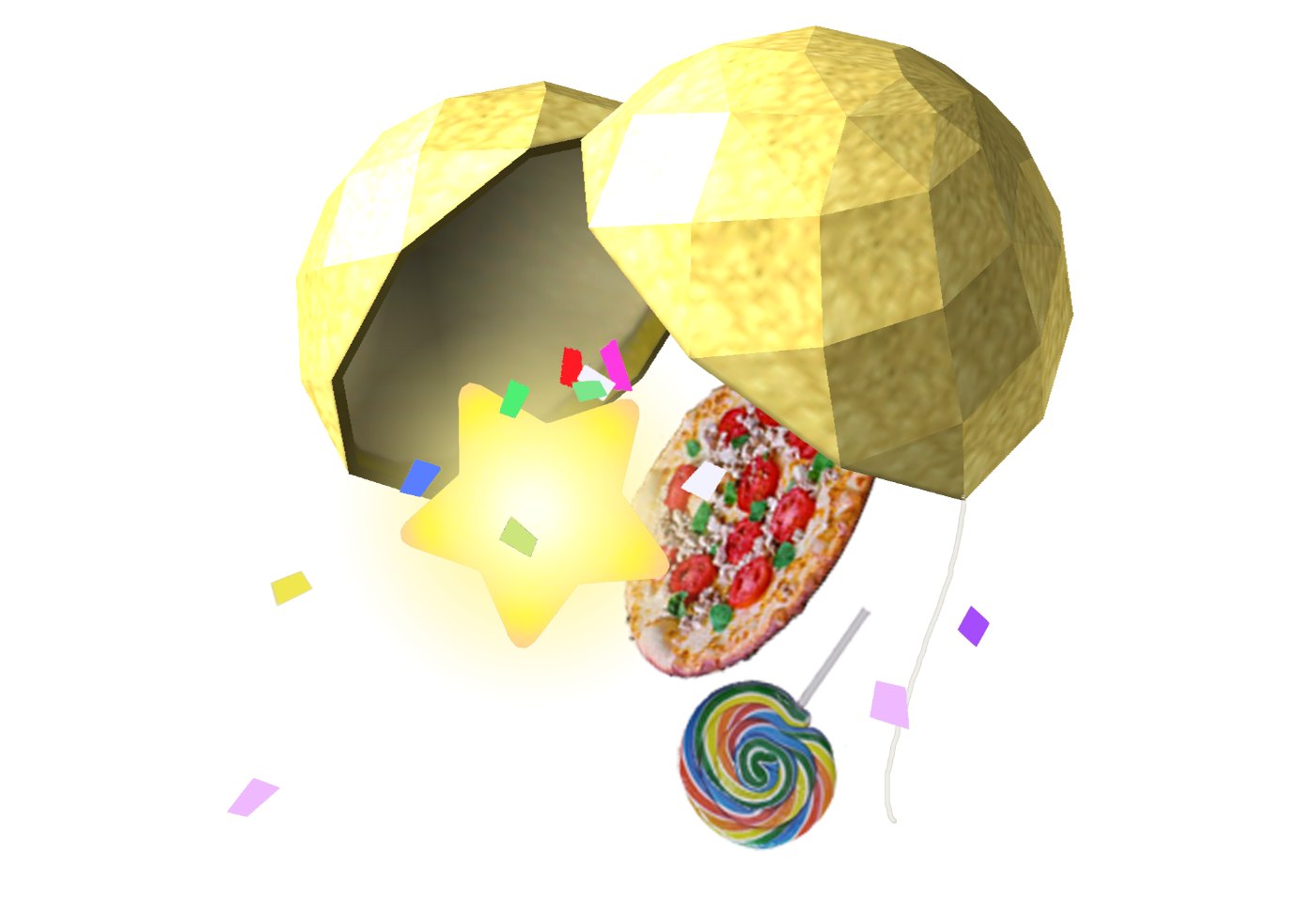
Party BallPops open to drop a shower of items, sometimes all Bob-ombs.
Blast BoxA crate that explodes when hit hard or set alight.
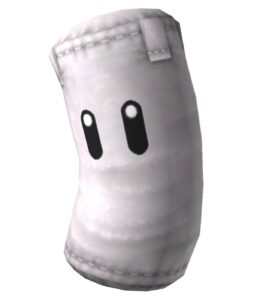
SandbagHit it and items fall out.
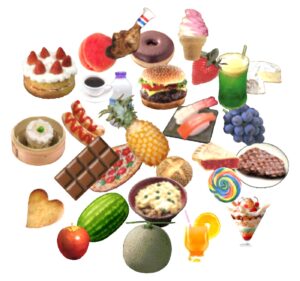
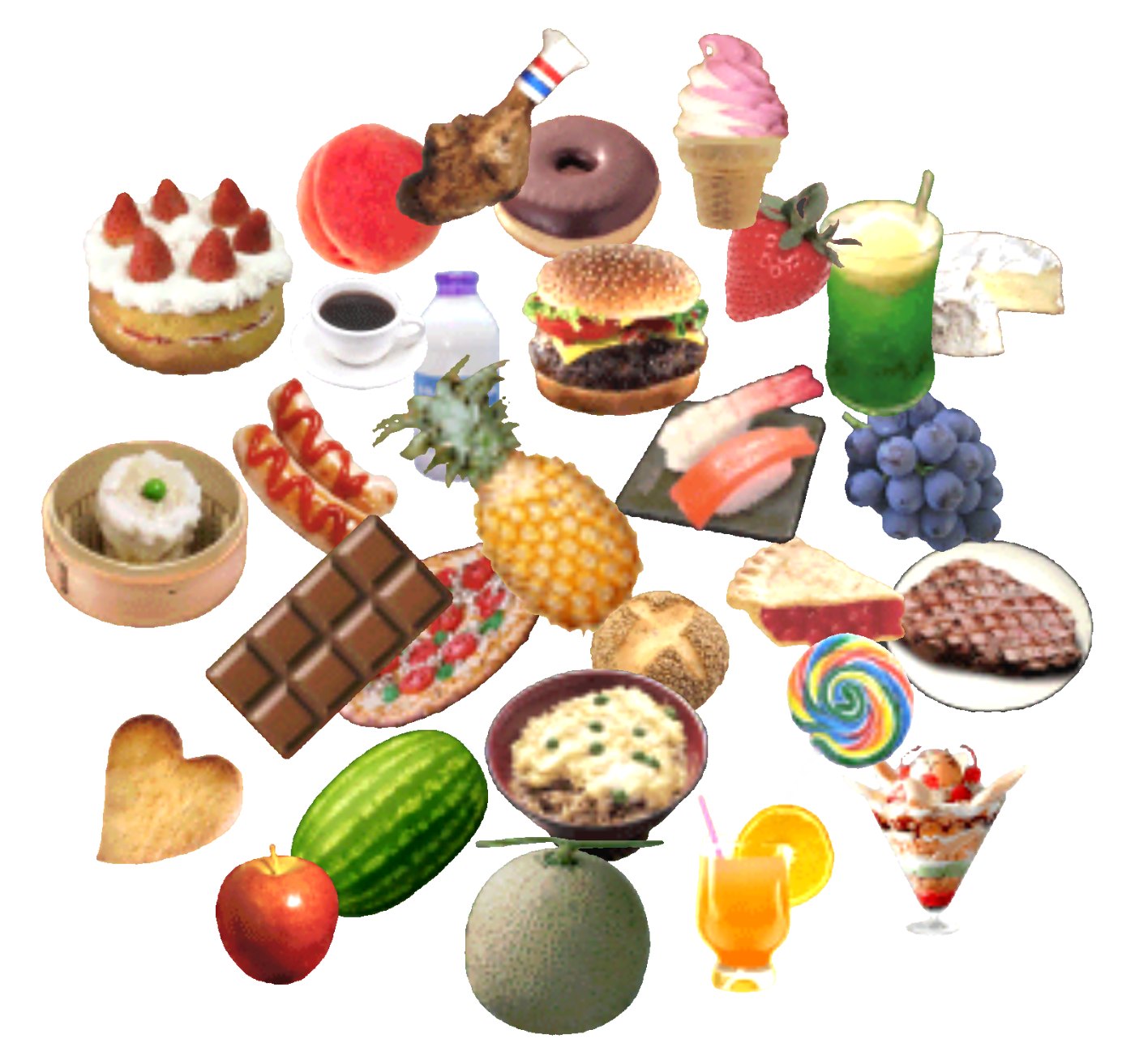
Food28 kinds of snack, each healing a different amount.
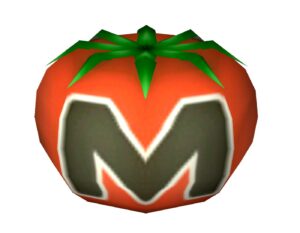
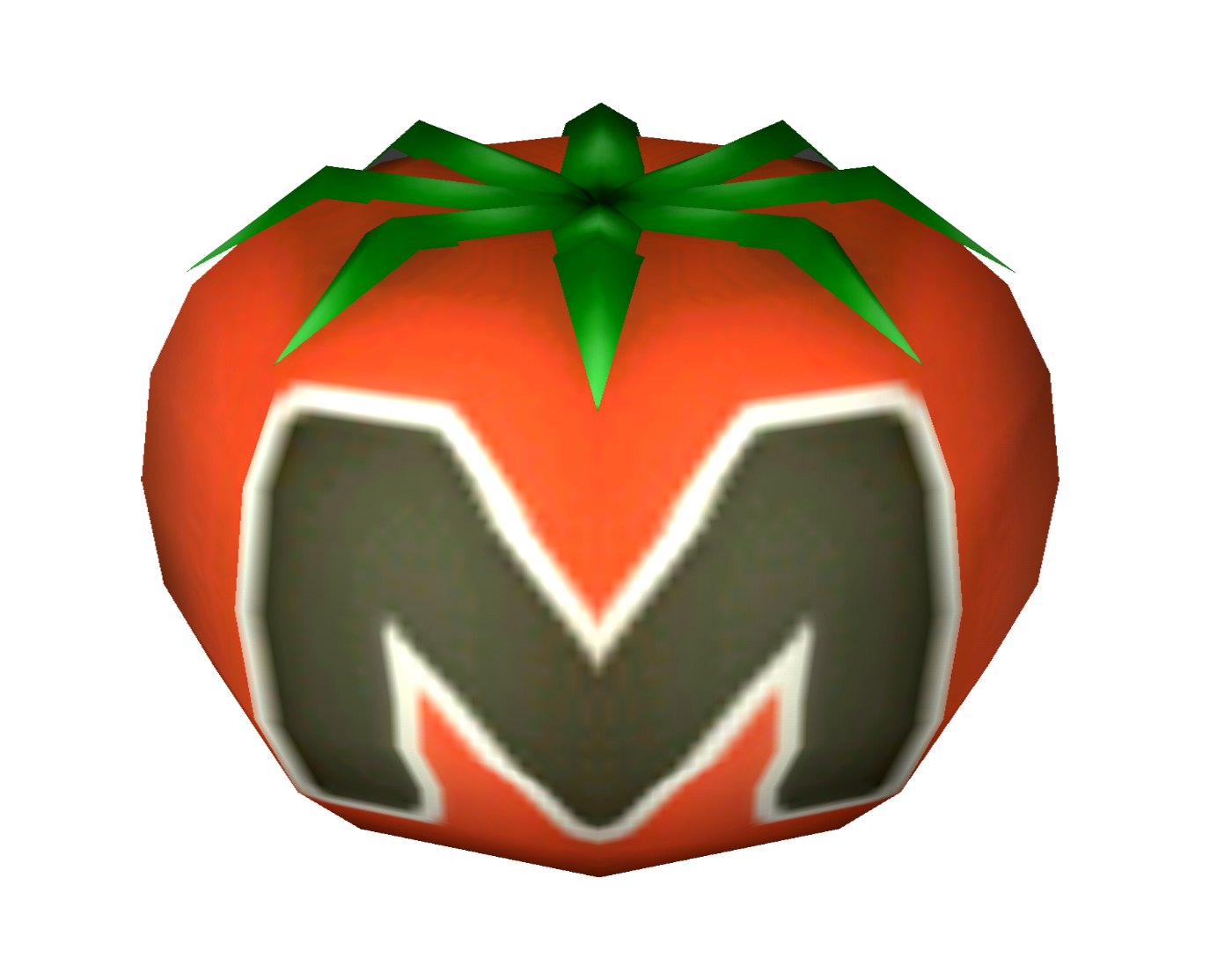
Maxim TomatoKirby. Heals 50%.
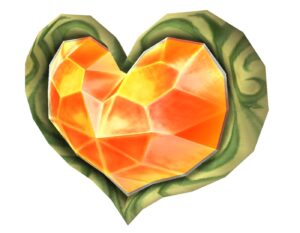
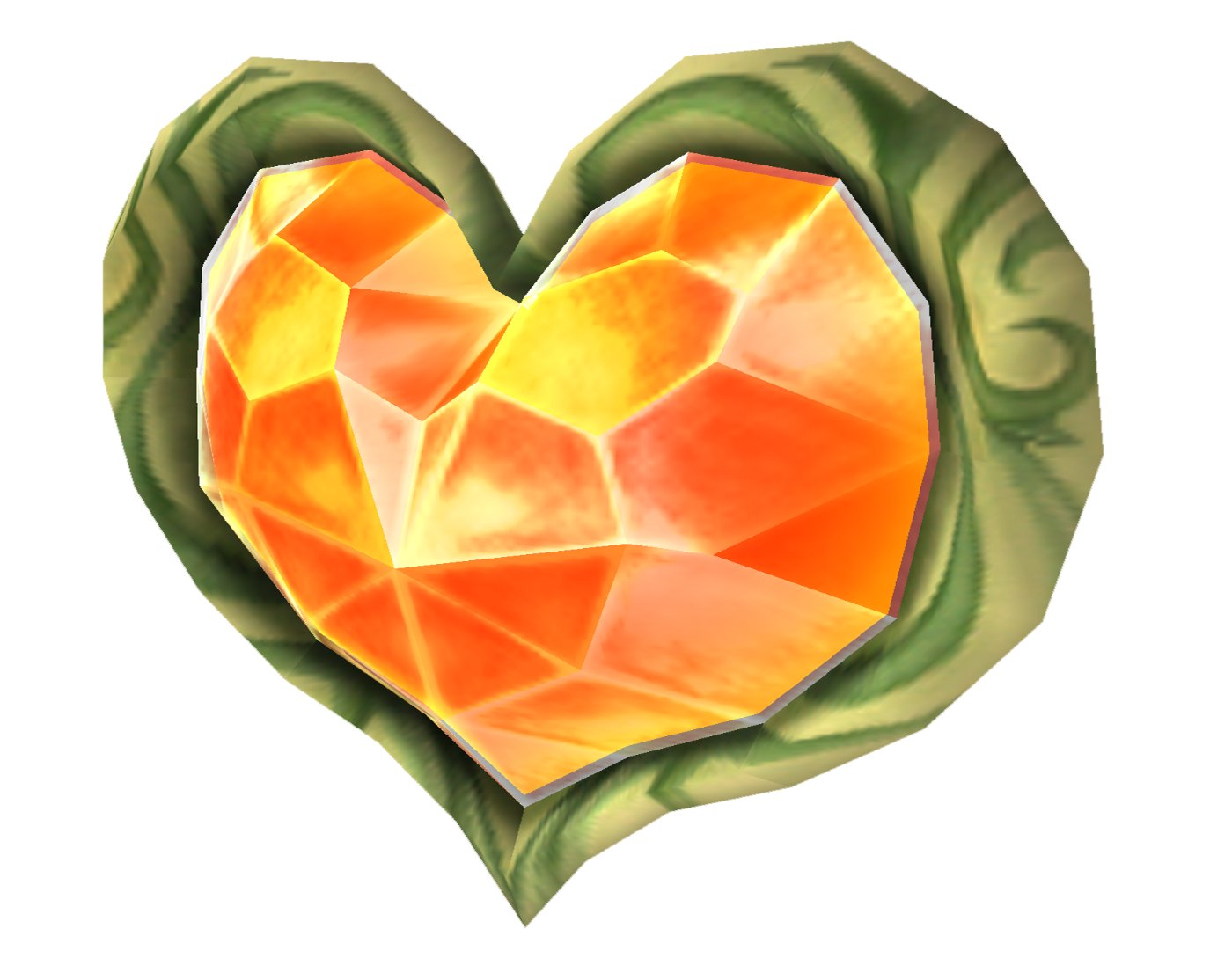
Heart ContainerThe Legend of Zelda. Heals up to 100%.
Superspicy CurryKirby. Makes you breathe fire for a while.
Team HealerTeam battles only. Heals team-mates, if you throw it at the right person.
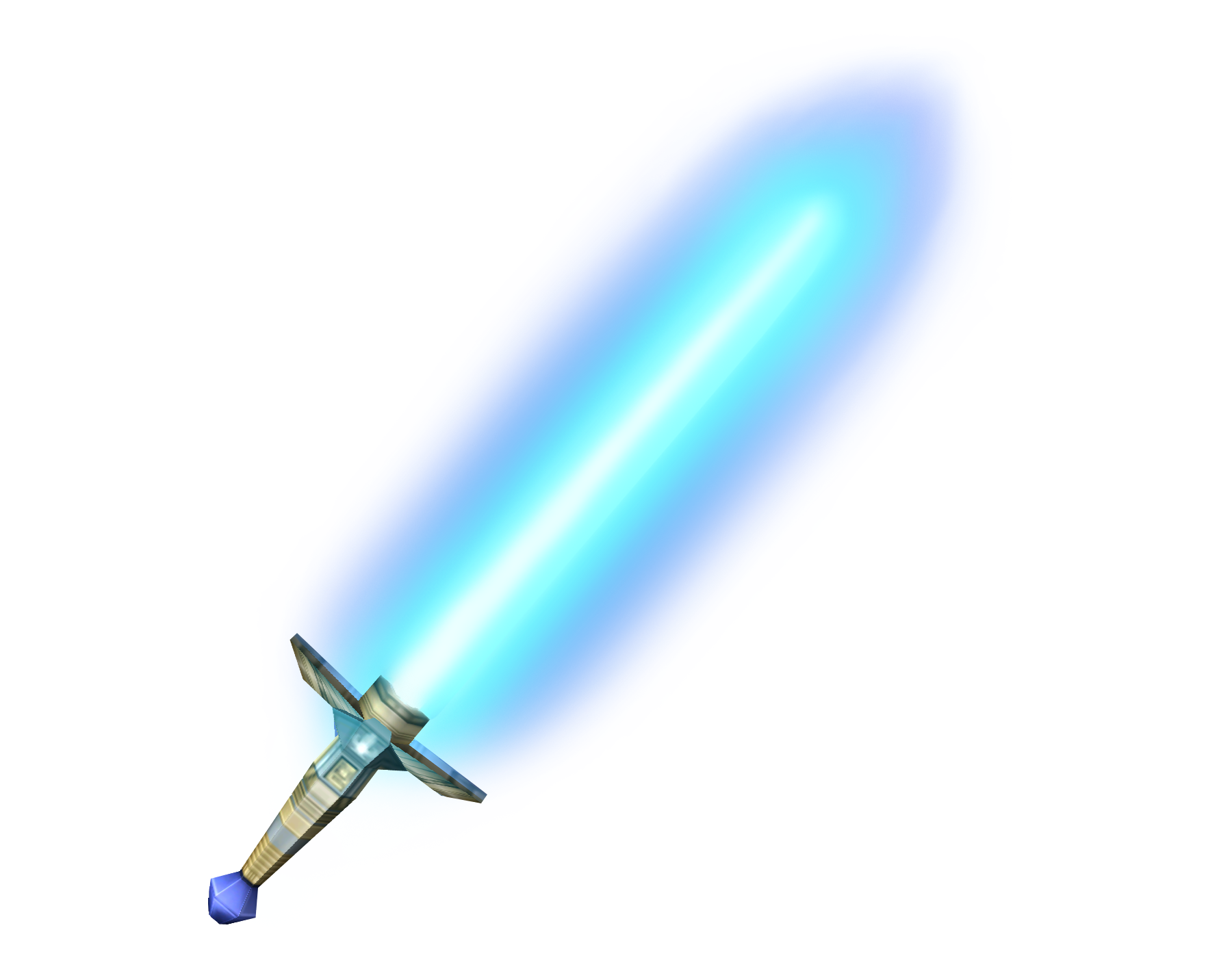
Beam SwordA long sword that hits harder the longer you charge a smash.
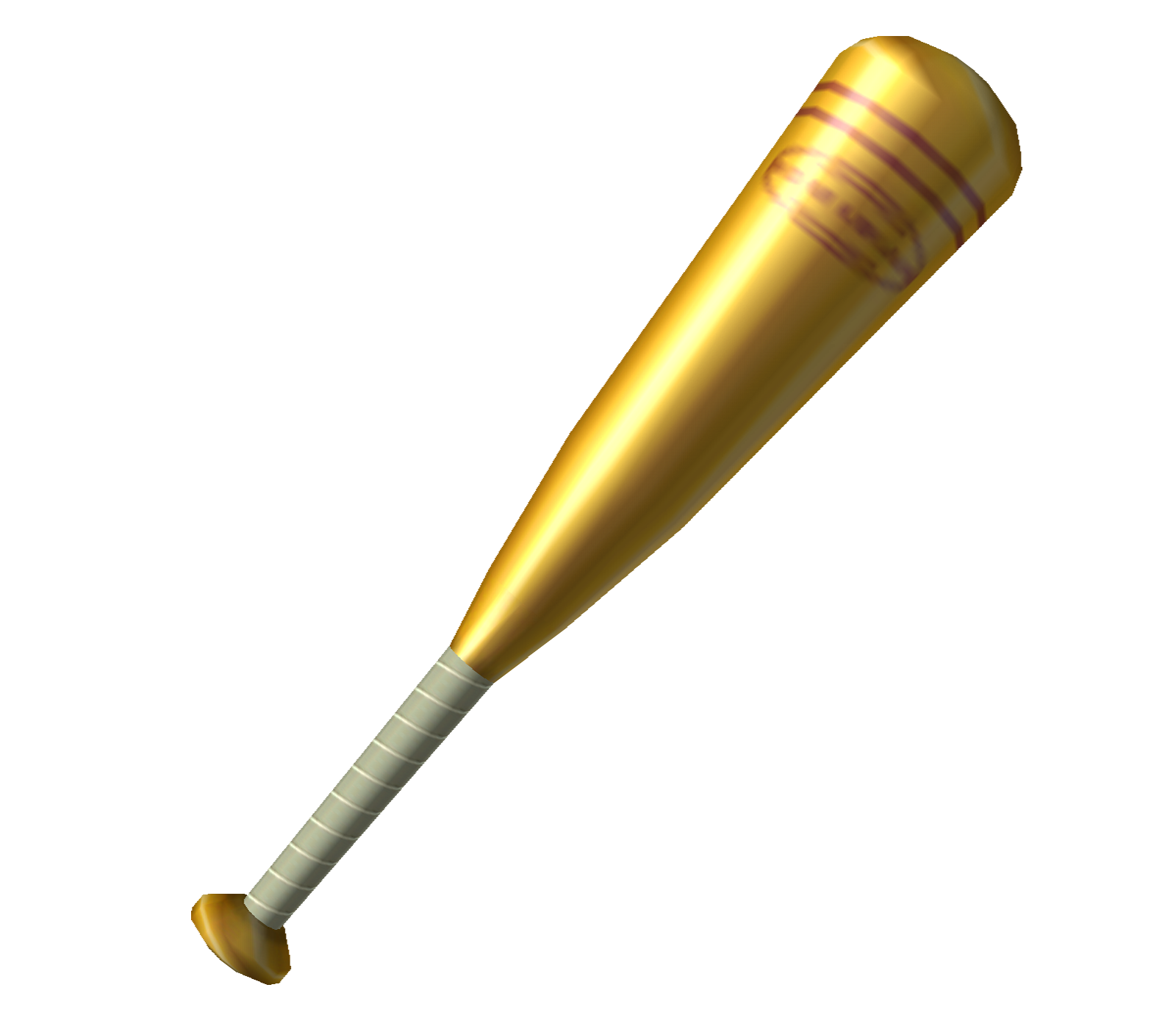
Home-Run BatA charged swing is almost always a knock-out.
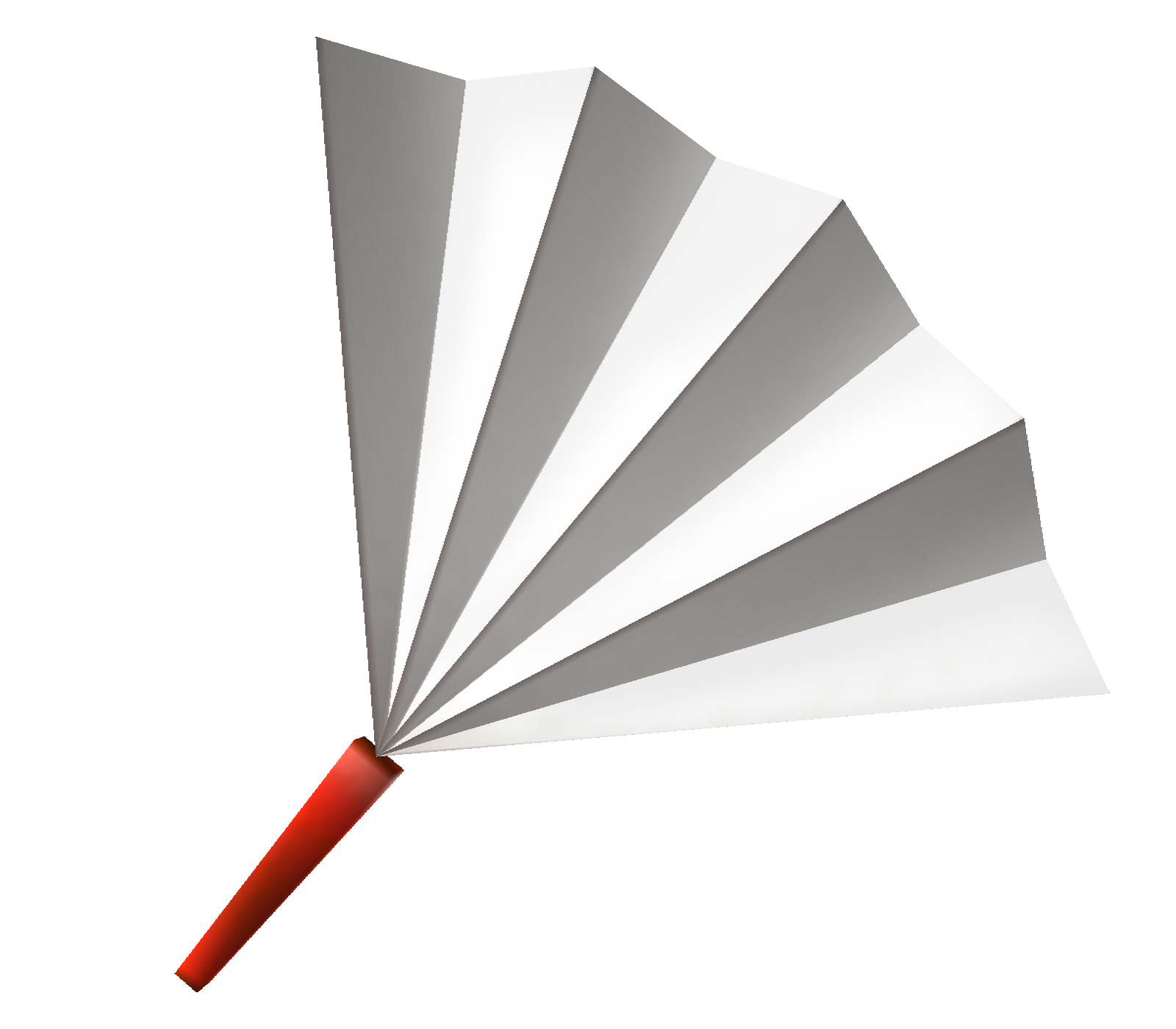
FanRapid weak slaps that can break shields.
Star RodKirby. Swings fire stars.
Lip’s StickPanel de Pon. Plants a flower on a victim’s head that keeps hurting them.
Ray GunUp to sixteen quick blasts.
Super ScopeSuper Scope. Rapid fire or three charged shots.
Cracker LauncherFires fireworks you can aim.
Gooey BombSticks to whatever it touches, then explodes.
Motion-Sensor BombHidden mine that goes off when someone comes near.
Smart BombStar Fox. A huge blast, if it goes off.
Deku NutThe Legend of Zelda. A flash that stuns.
Smoke BallClouds the screen in coloured smoke.
PitfallAnimal Crossing. Buries anyone who steps on it.
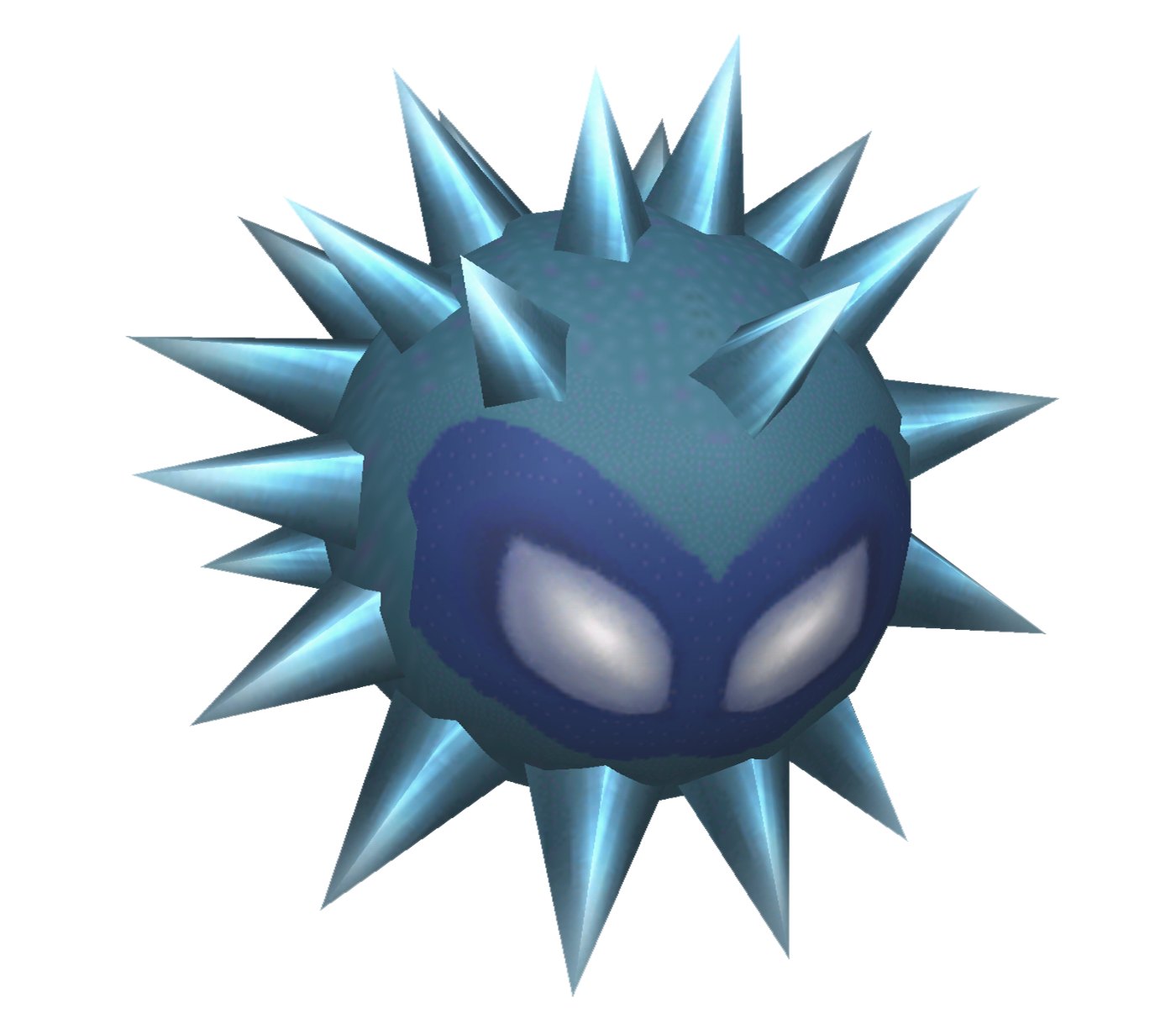
UniraClu Clu Land. A sea urchin whose spikes shoot out when it is hit.
Mr. SaturnEarthBound. A weak throwing item.
BumperBounces away anyone who touches it.
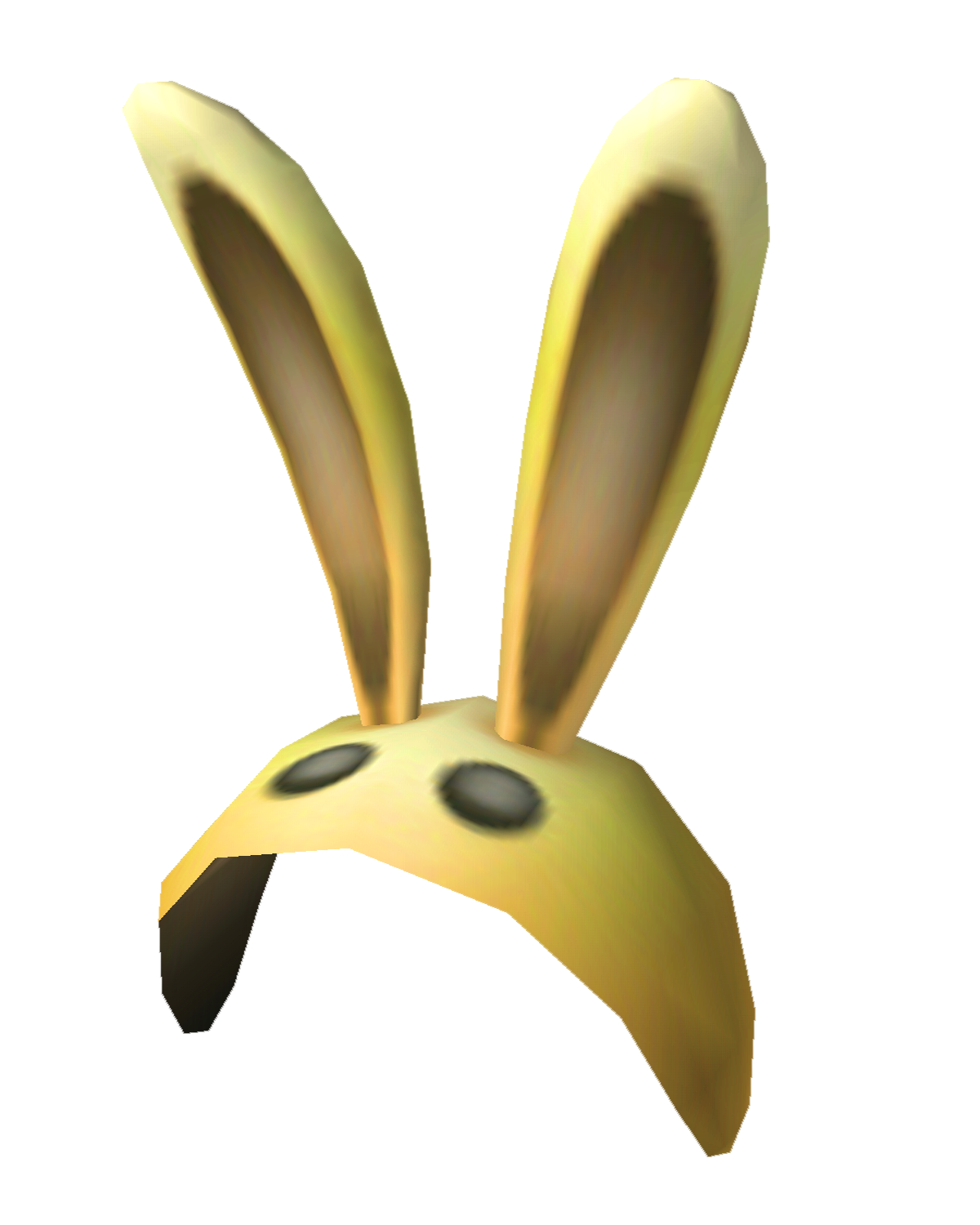
Bunny HoodThe Legend of Zelda. Faster running and higher jumps.
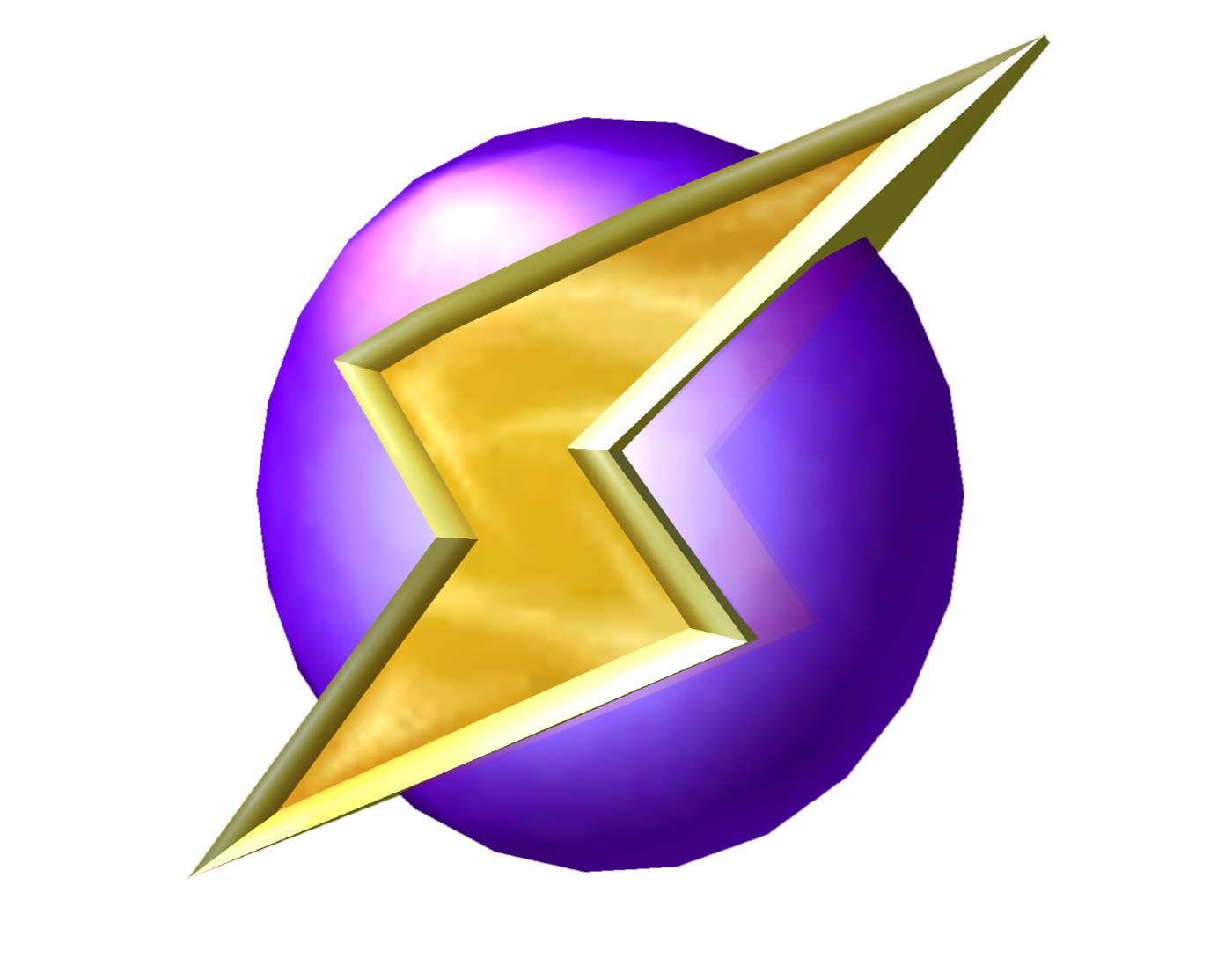
Screw AttackMetroid. Every jump becomes a Screw Attack.
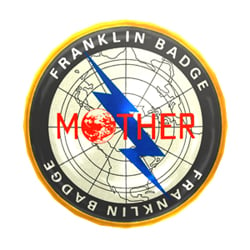
Franklin BadgeEarthBound. Reflects energy projectiles at double damage.
TimerSlows time for some players, or for you.
Warp StarKirby. Rockets you up and slams you back down.
DragoonKirby. Collect three parts, then fire yourself across the screen.
CDUnlocks a new music track.
PelletsPikmin. Distant Planet only: carry them to an Onion for items.
VegetablesIce Climber. Food found only on the Summit.
Wario Bike partsWario. Pieces of a wrecked bike, ready to throw.
Power Suit piecesMetroid. What Samus leaves behind after the Zero Laser.
Cartoons, Comics & Other Media
Brawl is full of the Mario series, well beyond its eight Mario-family fighters. These are the stages, music, moves, items and costumes that trace back to Mario, Donkey Kong, Yoshi and Wario games.
Super Mario SunshineStage and move · GameCube, 2002Delfino Plaza gives Isle Delfino its first Smash stage, with music brought over from the game, and F.L.U.D.D. becomes Mario’s down special move.
Super Mario Bros. and Super Mario LandMushroomy KingdomMushroomy Kingdom is built from World 1-1 and, sometimes, the underground World 1-2. The ground, underground and underwater themes are rearranged, and the World 1-2 track is an arrangement of the Easton Kingdom music from Super Mario Land.
Mario KartMario CircuitThe Mario Circuit stage is the crossroads of Figure-8 Circuit, and Shy Guys drive straight through the fight.
Luigi’s MansionStage and music · GameCube, 2001An unlockable stage that falls apart if you attack its pillars, plus an arrangement of the humming title theme.
Mario Bros. and Donkey KongArcade stages and costumesTwo arcade stages: Mario Bros., complete with POW Block, Shellcreepers and Sidesteppers, and 75 m, with Donkey Kong at the top. Mario has a costume in his Donkey Kong colours, and Wario’s alternative colours borrow from Mario Bros. artwork.
Super Mario World and Super Mario 64Music and posesDelfino Plaza’s playlist includes Super Mario World’s title and ending music and the Super Mario 64 main theme, Rainbow Ride returns from Melee, and one of Peach’s victory poses echoes her stained-glass portrait in Super Mario 64.
Super Mario Bros. 3Music and stickersThe airship theme is rearranged, the fortress boss music appears in a medley, a Ludwig von Koopa sticker uses the game’s artwork, and Petey Piranha’s cages are decorated with Piranha Plants in its style.
Super Mario World 2: Yoshi’s IslandStageThe new Yoshi’s Island stage changes with the seasons, while the Melee stage of the same name, based on Super Mario World, also returns.
Donkey Kong Country, Donkey Kong 64 and Jungle BeatStages and movesRumble Falls comes from Donkey Kong Jungle Beat, Jungle Japes returns from Melee, Diddy Kong’s Peanut Popgun and Rocketbarrel Boost come from Donkey Kong 64, and his dash attack is his Donkey Kong Country cartwheel.
Wario Land, WarioWare and Wario WorldWario’s movesWario’s forward smash and down throw come from Wario Land, his forward throw is the Wild Swing Ding of Wario World, and his bike, his Final Smash and the WarioWare, Inc. stage, with its microgames, come from WarioWare.
Assist Trophies and bossesMario-series cameosWaluigi, a Hammer Bro and Lakitu with his Spinies are Assist Trophies, and Petey Piranha is The Subspace Emissary’s first boss. The Mario items include the Freezie, the Hothead, the Golden Hammer, the Poison Mushroom and Lightning.
Mario & Luigi: Partners in TimeMusicAn arrangement of the Gritzy Desert theme plays on Mushroomy Kingdom.
Prima’s official guideBook · 2008Prima Games’ official guide to Brawl.
The Roster
Thirty-five fighters, or 39 counting the Pokémon Trainer’s three Pokémon, Sheik and Zero Suit Samus separately. Fifteen of the 35 are new (eighteen counting transformations separately), among them two from outside Nintendo. The Mario family comes first here, followed by the newcomers and the other fighters who matter most to the story; every fighter is listed in the full roster below. Unlock details are from SmashWiki.
Character
Who they are
In this game
Abilities & notes
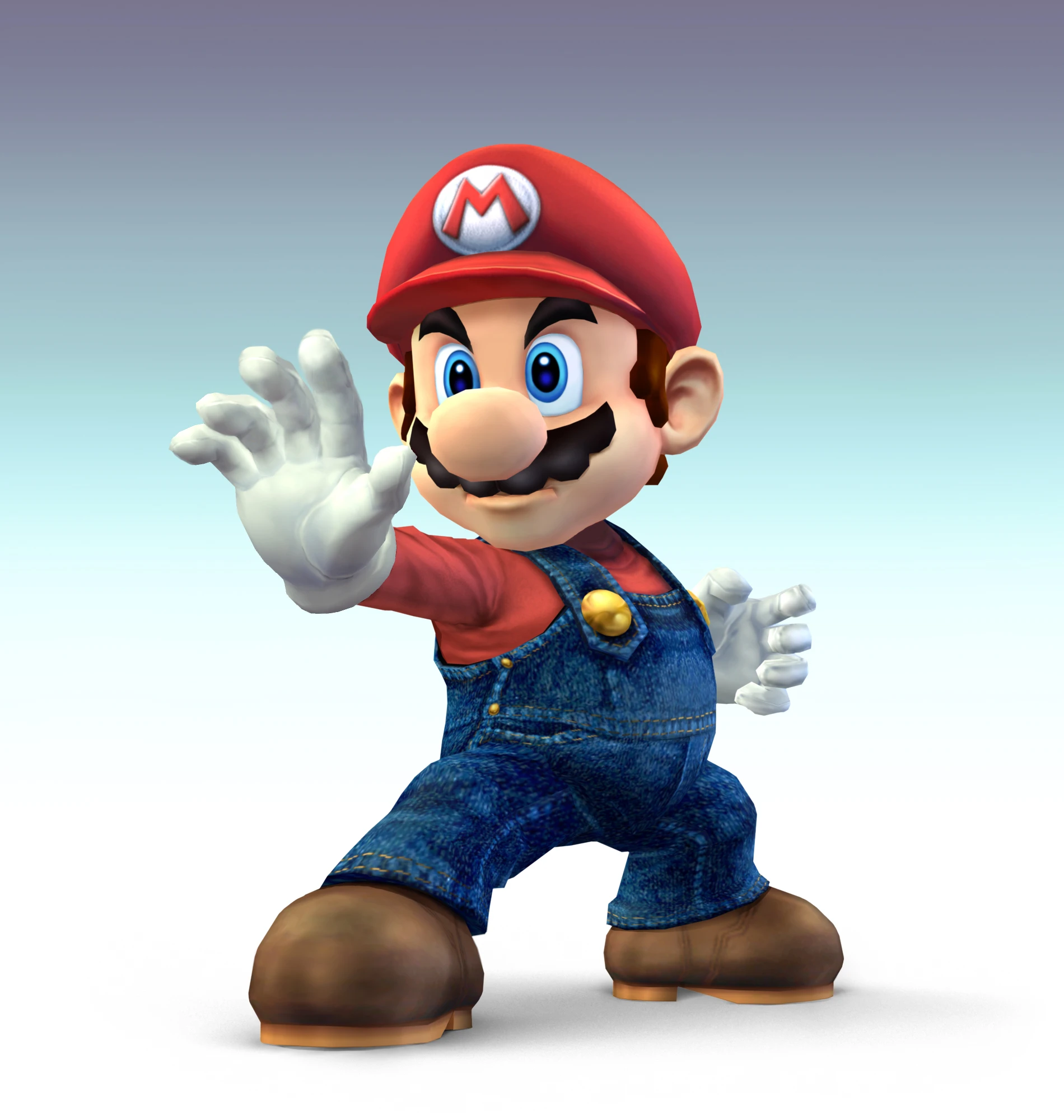
MarioSuper Mario · starter
A balanced all-rounder with fireballs, a Cape that reflects attacks, and F.L.U.D.D. Voiced by Charles Martinet.
Opens The Subspace Emissary fighting Kirby in the Midair Stadium, then teams up with Pit to chase the Ancient Minister.
Fireball · Super Jump Punch · Cape · F.L.U.D.D. · Final Smash: Mario Finale
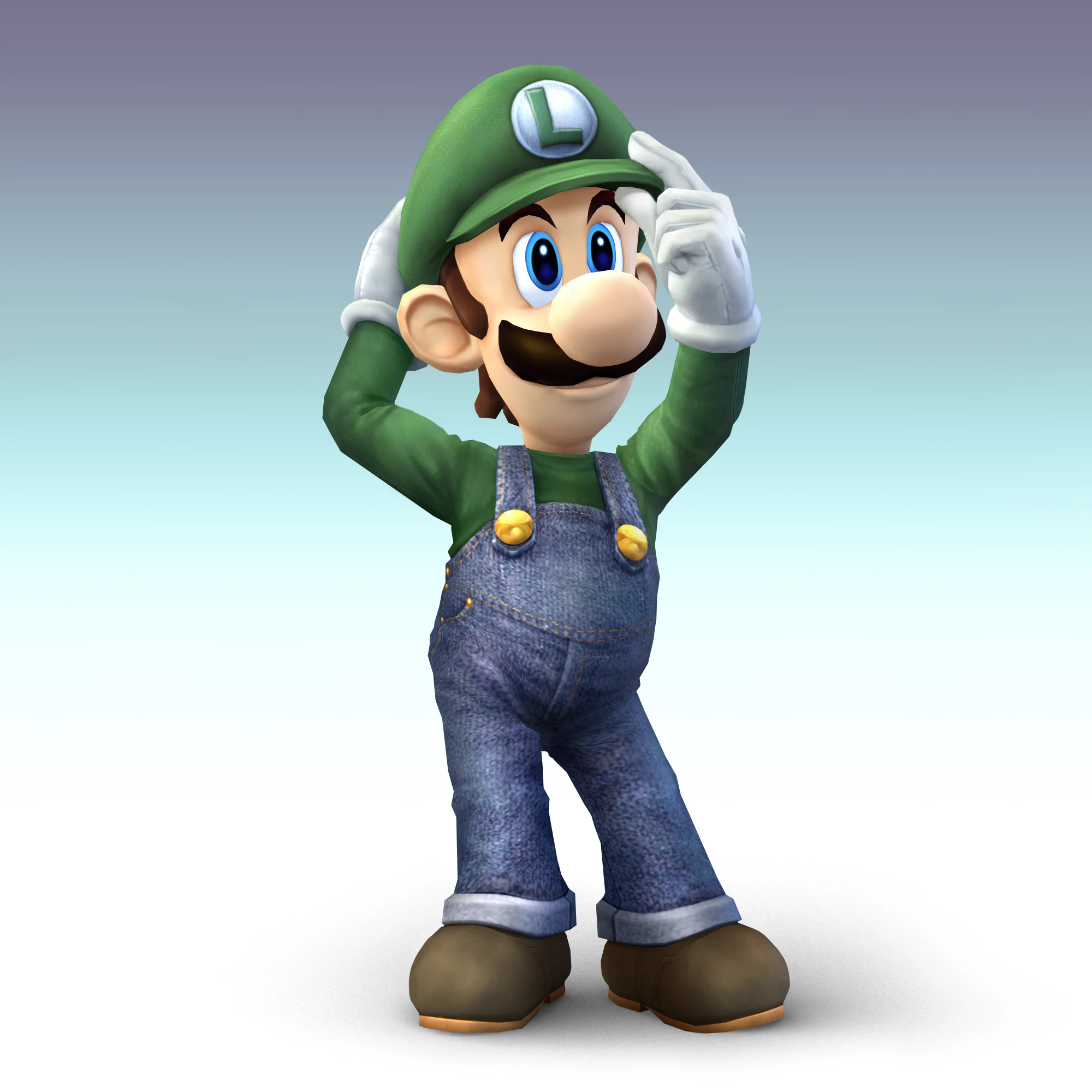
LuigiSuper Mario · unlockable
Mario’s moves with a twist: he jumps higher and moves faster. Also voiced by Charles Martinet.
Trophied by King Dedede early in the adventure, then one of the first to be revived by Dedede’s badges, which makes him a hero of the final act. Unlock him with 22 Brawls, a no-continue Classic clear or the adventure, then beat him on Luigi’s Mansion.
Fireball · Green Missile · Super Jump Punch · Luigi Cyclone · Final Smash: Negative Zone
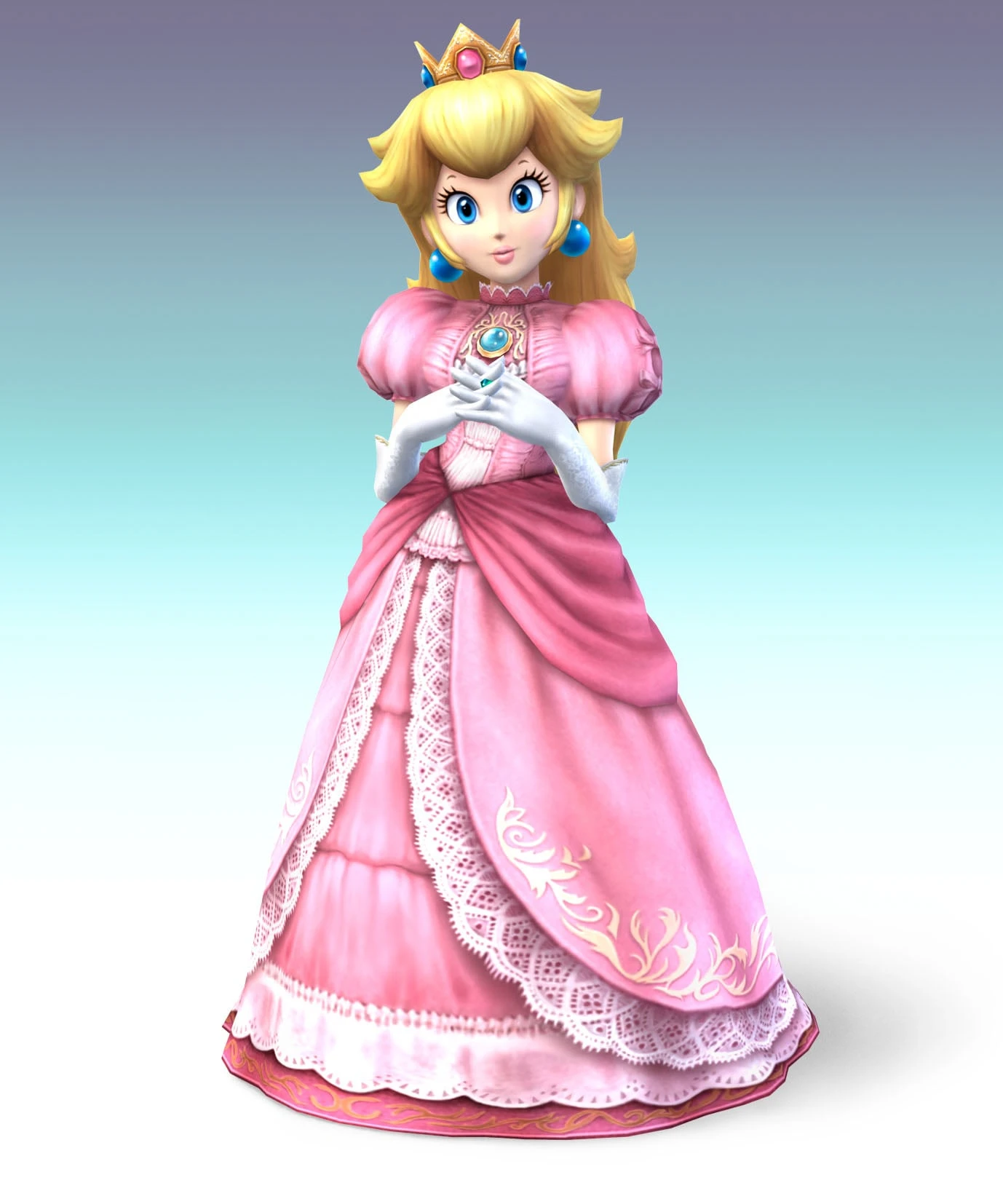
PeachSuper Mario · starter
An aerial specialist with a good recovery and attacks that win clashes, but light and easy to launch. Samantha Kelly is credited for her voice.
Captured at the Midair Stadium, she ends up aboard the Halberd, where she is freed and calms a fight between Fox and Sheik with a cup of tea.
Big, heavy and slow, with hugely powerful attacks.
One of The Subspace Emissary’s villains, trophying Donkey Kong and creating dark doubles for Ganondorf, until Ganondorf betrays him. King Dedede revives him for the final battle.
Fire Breath · Flying Slam · Whirling Fortress · Bowser Bomb · Final Smash: Giga Bowser
YoshiYoshi · starter
Fast and heavy but not very strong; his Egg Throw doubles as an extra jump.
Joins Link in the forest, and the two of them run into Mario and Pit at the lake shore.
Egg Lay · Egg Roll · Egg Throw · Yoshi Bomb · Final Smash: Super Dragon
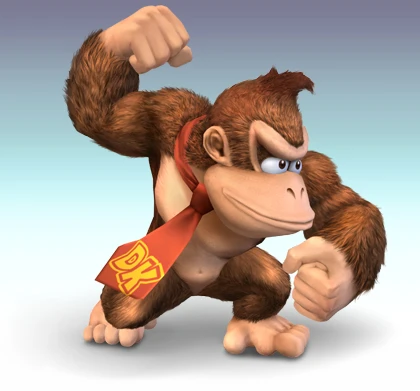
Donkey KongDonkey Kong · starter
One of the heaviest and strongest fighters, still able to carry an opponent.
Loses his bananas to Bowser’s Minions and is trophied by Bowser himself, then rescued by Diddy Kong outside the ancient ruins.
Giant Punch · Headbutt · Spinning Kong · Hand Slap · Final Smash: Konga Beat
Diddy KongDonkey Kong · starter · newcomer
New to Smash: light and agile, with the Peanut Popgun and Rocketbarrel Boost from Donkey Kong 64 and banana peels to trip people up.
Escapes when Donkey Kong is trophied, recruits Fox and later Falco, and finally rescues his friend.
New to Smash: a small heavyweight with strong aerial moves, Chomp and his WarioWare motorbike. Charles Martinet voices him as well.
Works for the Subspace Army, trophying a princess and Ness with his cannon, until his own trophy is lost to Subspace.
Chomp · Wario Bike · Corkscrew · Wario Waft · Final Smash: Wario-Man
PitKid Icarus · starter · newcomer
Brawl is the Kid Icarus series’ first appearance since the 1991 Game Boy game, as SmashWiki notes. Pit’s bow splits into two blades and he can fly for a short time.
Mario’s partner through the first half of the adventure.
Final Smash: Palutena’s Army
Meta KnightKirby · starter · newcomer
Light and fast, able to fly briefly and to spin like a tornado. He was so strong that the Unity Ruleset Committee banned him from tournaments in 2012, for a few months.
Spends the adventure trying to get his stolen battleship, the Halberd, back.
Final Smash: Galaxia Darkness
SnakeMetal Gear · unlockable · newcomer
With Sonic, one of the first two characters in a Smash Bros. game from another publisher. Heavy, armed with explosives, but with a low jump and slow in the air.
Has been hiding in a cardboard box in the Halberd’s hold since the start of the story.
Final Smash: Grenade Launcher
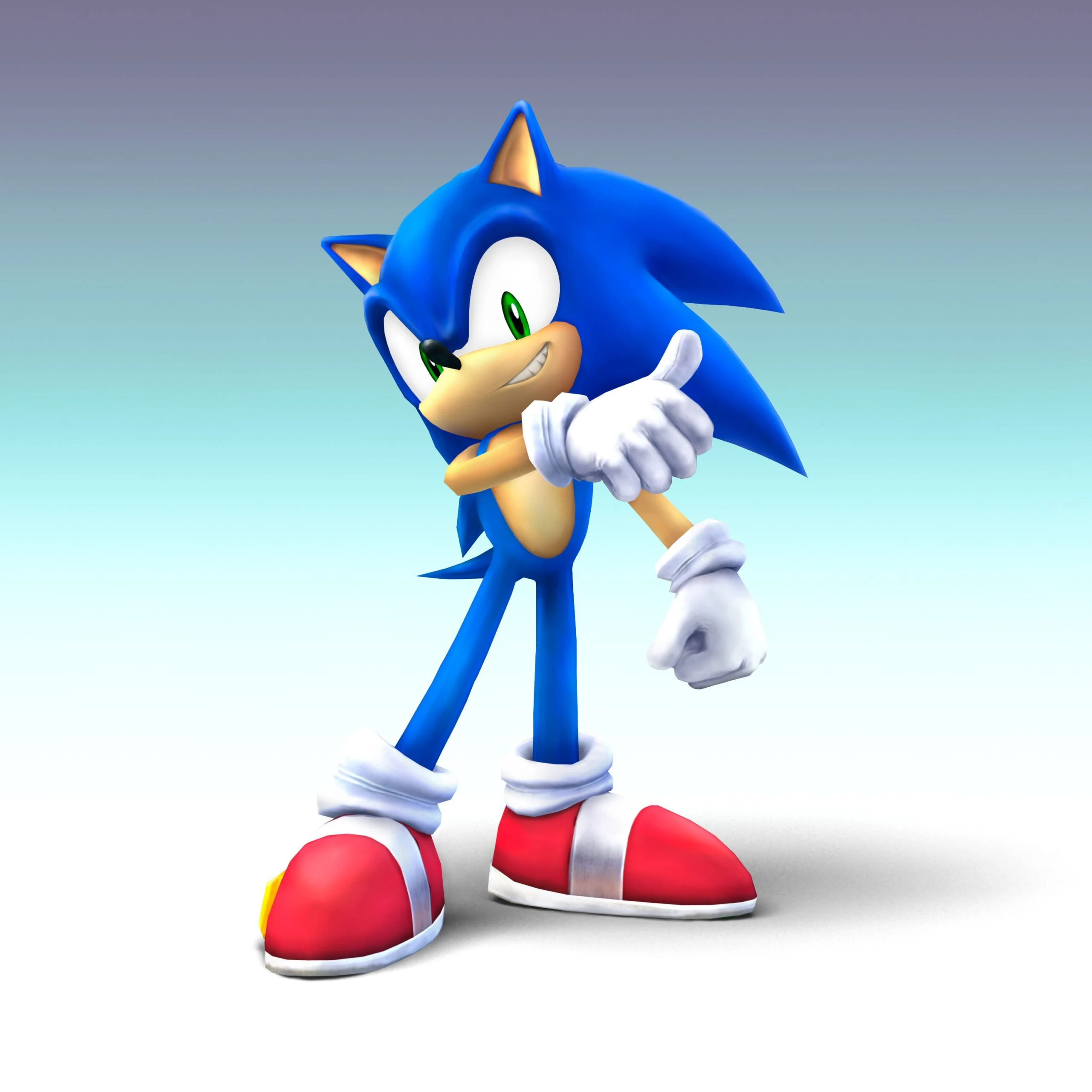
SonicSonic the Hedgehog · unlockable · newcomer
Sega’s mascot, and faster than every other fighter.
Arrives at the very end of The Subspace Emissary and stops Tabuu from wiping out the heroes a second time.
Final Smash: Super Sonic
Pokémon TrainerPokémon · starter · newcomer
Does not fight himself but switches between Squirtle, Ivysaur and Charizard during a match. Clearing Classic mode takes three runs, one per Pokémon.
Teams up with Lucas and catches Ivysaur and Charizard in the ruins.
Final Smash: Triple Finish
Zero Suit SamusMetroid · starter · newcomer
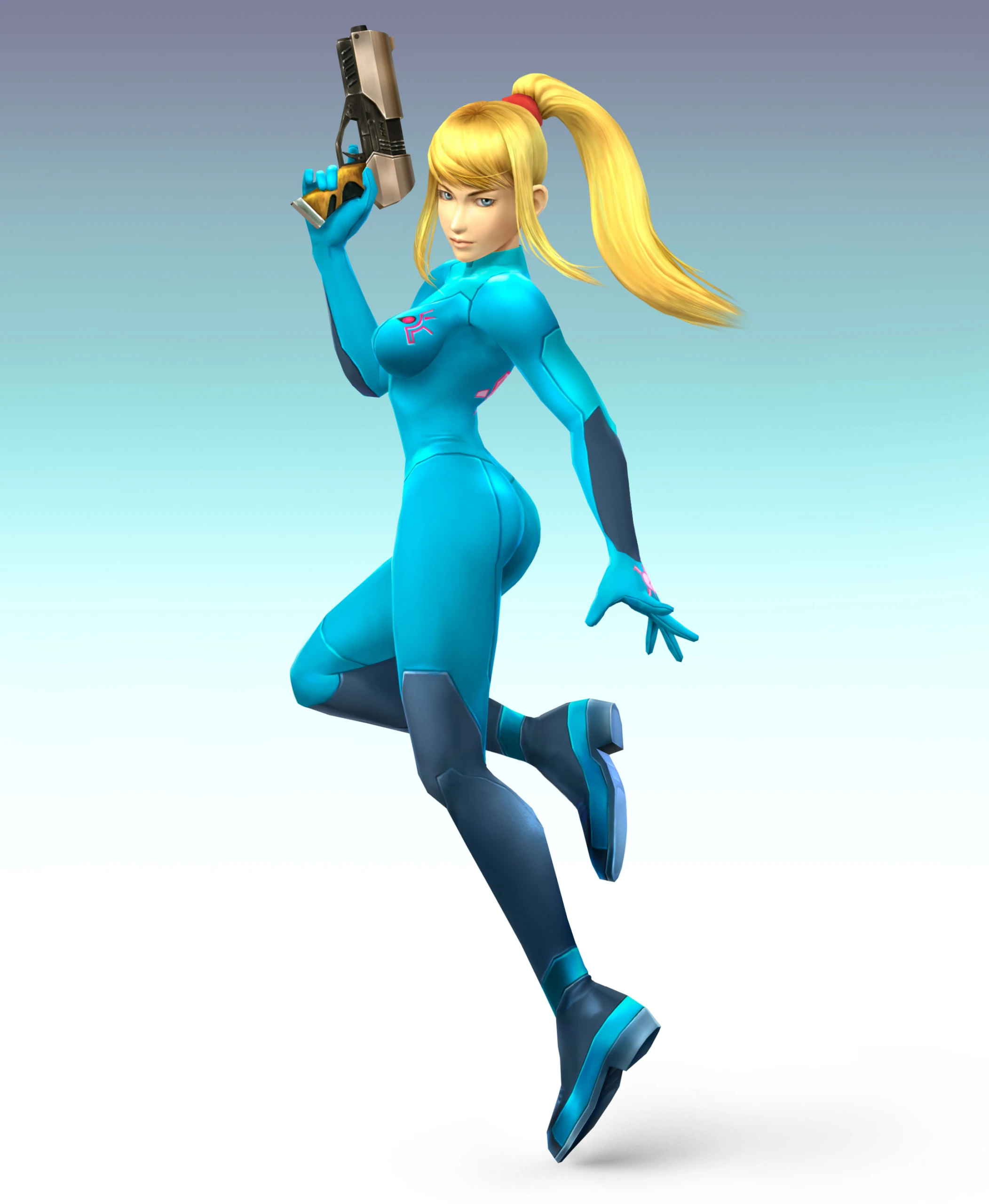
Samus without her armour, lighter and faster but weaker. Samus becomes Zero Suit Samus with her Final Smash, and Zero Suit Samus’s own Final Smash puts the suit back on.
Breaks into a research facility to recover her Power Suit, rescuing Pikachu on the way.
Final Smash: Power Suit Samus
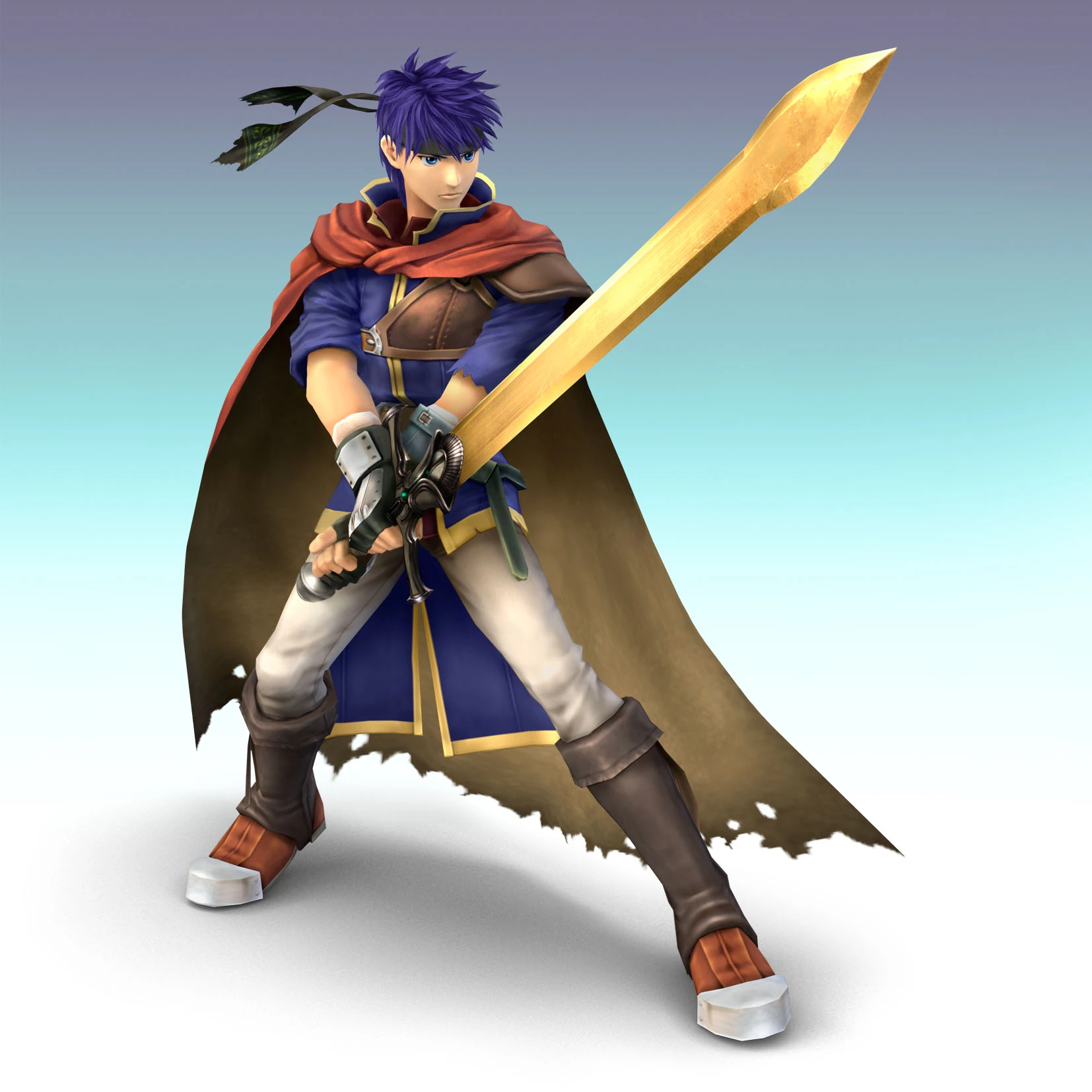
IkeFire Emblem · starter · newcomer
Strong, long-reaching sword swings that are very slow.
Fights alongside Marth and Meta Knight.
Final Smash: Great Aether
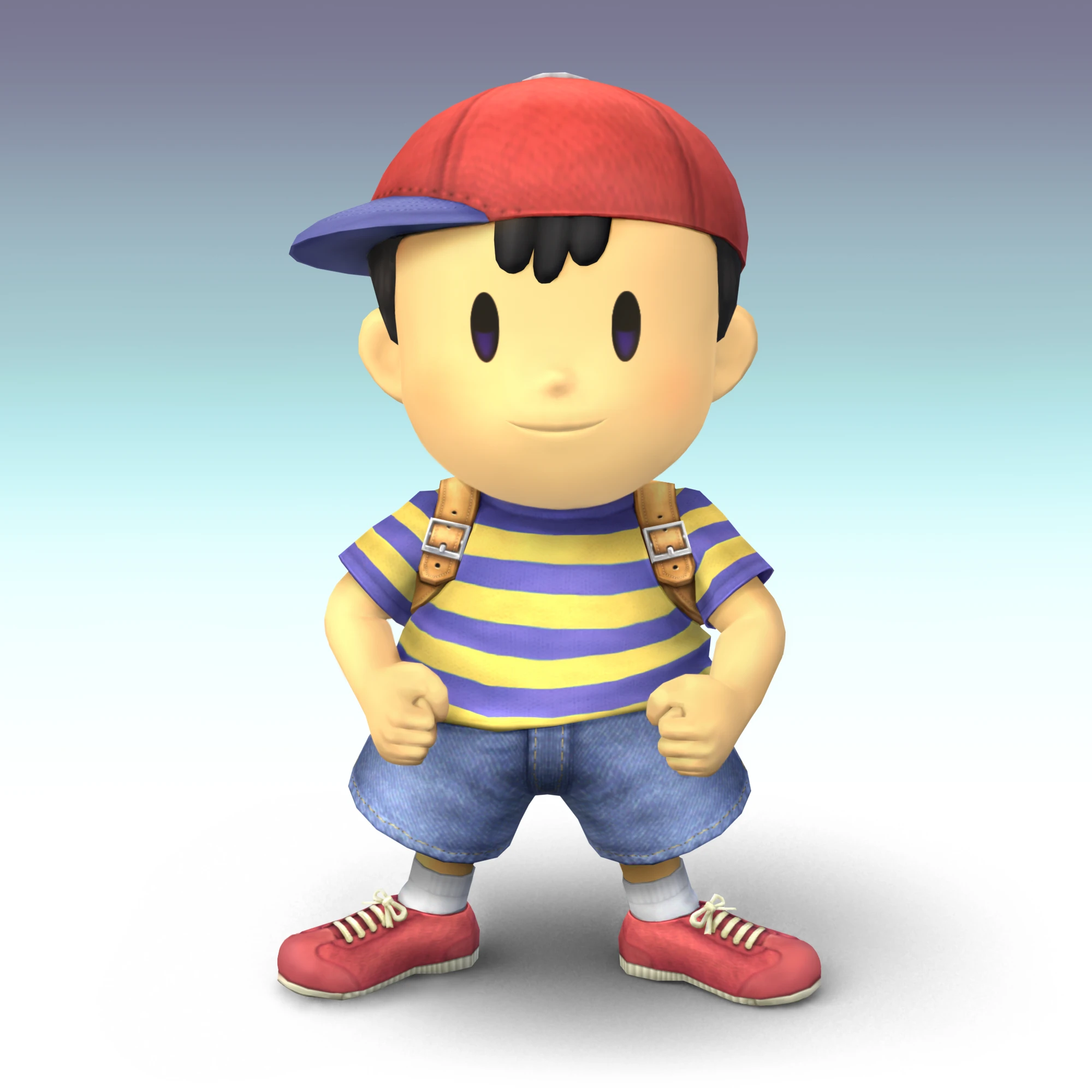
LucasEarthBound · starter · newcomer
A PSI user like Ness, with freezing, fire and electric attacks.
Rescued by Ness from Porky, then partners the Pokémon Trainer for much of the story.
Final Smash: PK Starstorm
King DededeKirby · starter · newcomer
A heavyweight with a huge hammer and a long reach, but very slow.
Looks like a villain, collecting trophies, but turns out to be the story’s secret hero: his badges revive the fighters after Tabuu’s attack.
Final Smash: Waddle Dee Army
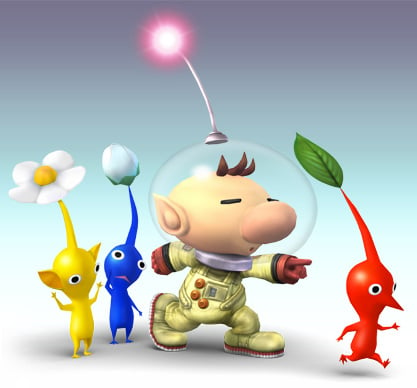
OlimarPikmin · starter · newcomer
Fights with Pikmin, which he has to pluck from the ground first.
Meets Captain Falcon outside the ancient ruins.
Final Smash: End of Day
R.O.B.R.O.B. · unlockable · newcomer
A heavy but fairly weak fighter, quicker than most heavyweights.
The Ancient Minister turns out to be a R.O.B., forced to build the Subspace Bombs.
Final Smash: Diffusion Beam
GanondorfThe Legend of Zelda · unlockable
Very powerful and one of the slowest fighters.
Commands Bowser and the R.O.B.s, betrays Bowser, and discovers too late that Tabuu is really in charge.
Final Smash: Beast Ganon
KirbyKirby · starter
Very light; swallows opponents to copy their moves and can turn to stone.
Fights Mario in the opening scene and saves a princess from Petey Piranha.
Final Smash: Cook Kirby
Toon LinkThe Legend of Zelda · unlockable · newcomer
A cartoon-style Link, quicker and floatier than the older one.
Waits behind a hidden door in The Forest once the story is finished.
Final Smash: Triforce Slash
LucarioPokémon · unlockable · newcomer
Fast, and its attacks grow stronger the more damage it takes.
Challenges Meta Knight on the Glacial Peak, then joins him.
Final Smash: Aura Storm
WolfStar Fox · unlockable · newcomer
Fox’s rival: heavier, with average speed and attacks.
Waits behind a hidden door in The Ruins once the story is finished.
Final Smash: Landmaster
The full roster
Every fighter, with how each is unlocked. Each unlockable fighter must then be beaten in a challenge match. Subspace Emissary unlocks name the chapter where the fighter joins.
MarioSuper Mario · starterThe all-rounder, now with F.L.U.D.D.
LuigiSuper Mario · unlock: 22 Brawls, Classic without continues, or The Subspace EmissaryJumps higher and moves faster than his brother.
PeachSuper Mario · starterFloaty aerial fighter with Toad as a shield.
BowserSuper Mario · starterHuge, heavy and slow; turns into Giga Bowser.
Donkey KongDonkey Kong · starterHeavy and strong, and can carry opponents.
Diddy KongDonkey Kong · starter · newLight and agile, with peanuts and banana peels.
YoshiYoshi · starterFast, heavy, light on power; every special is an egg.
WarioWario · starter · newSmall heavyweight with a bike and a bite.
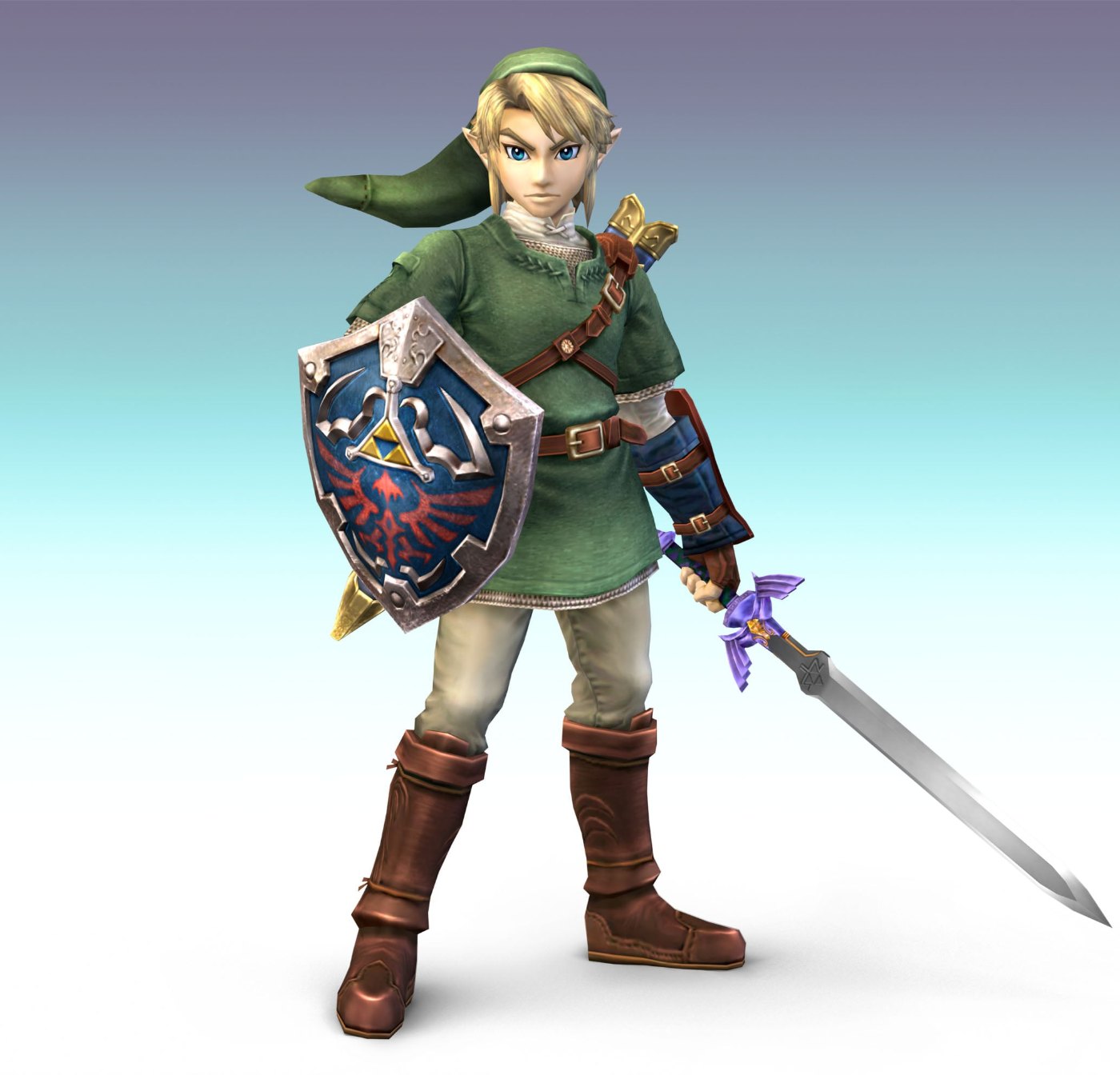
LinkThe Legend of Zelda · starterBombs, boomerang, bow and Clawshot.
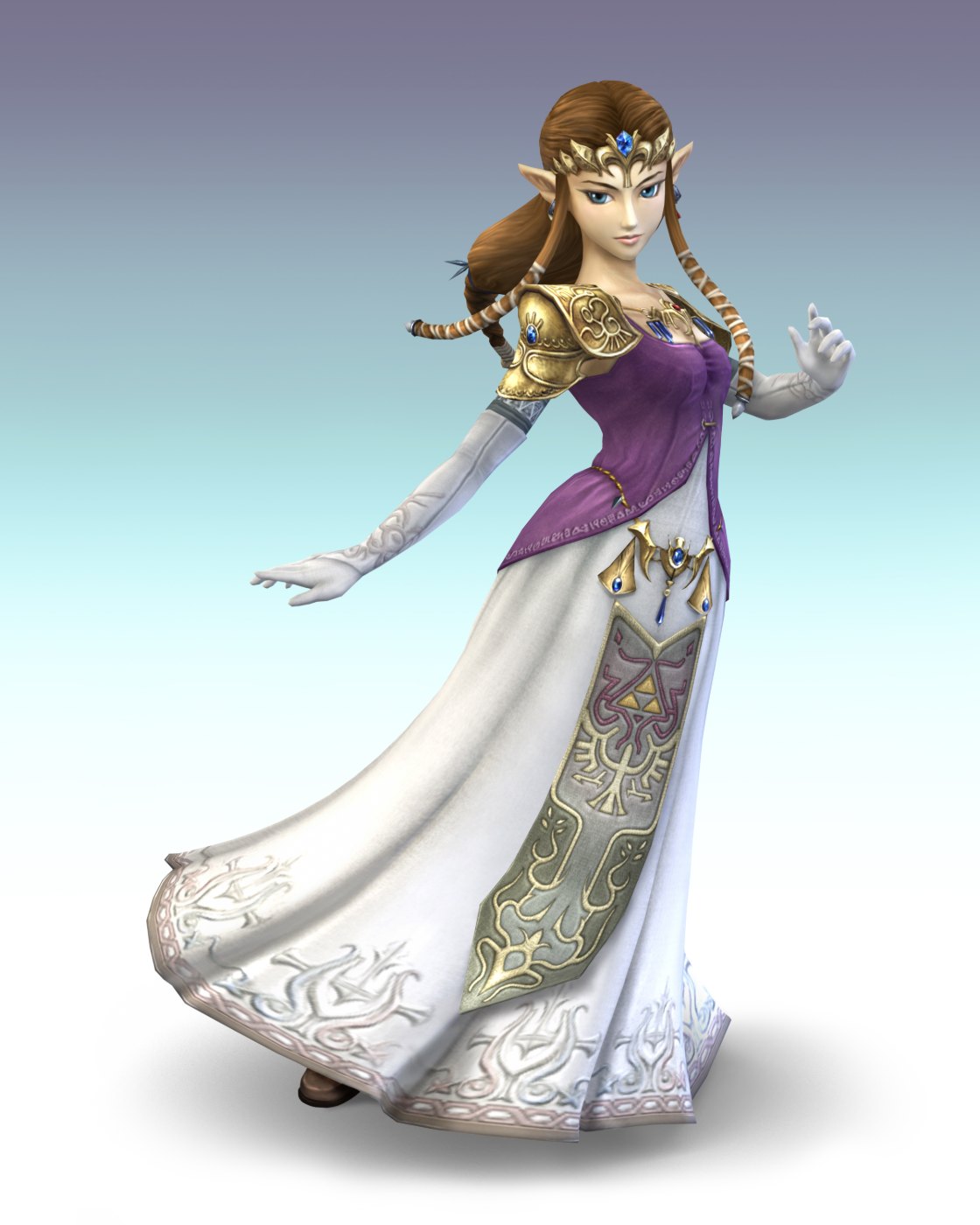
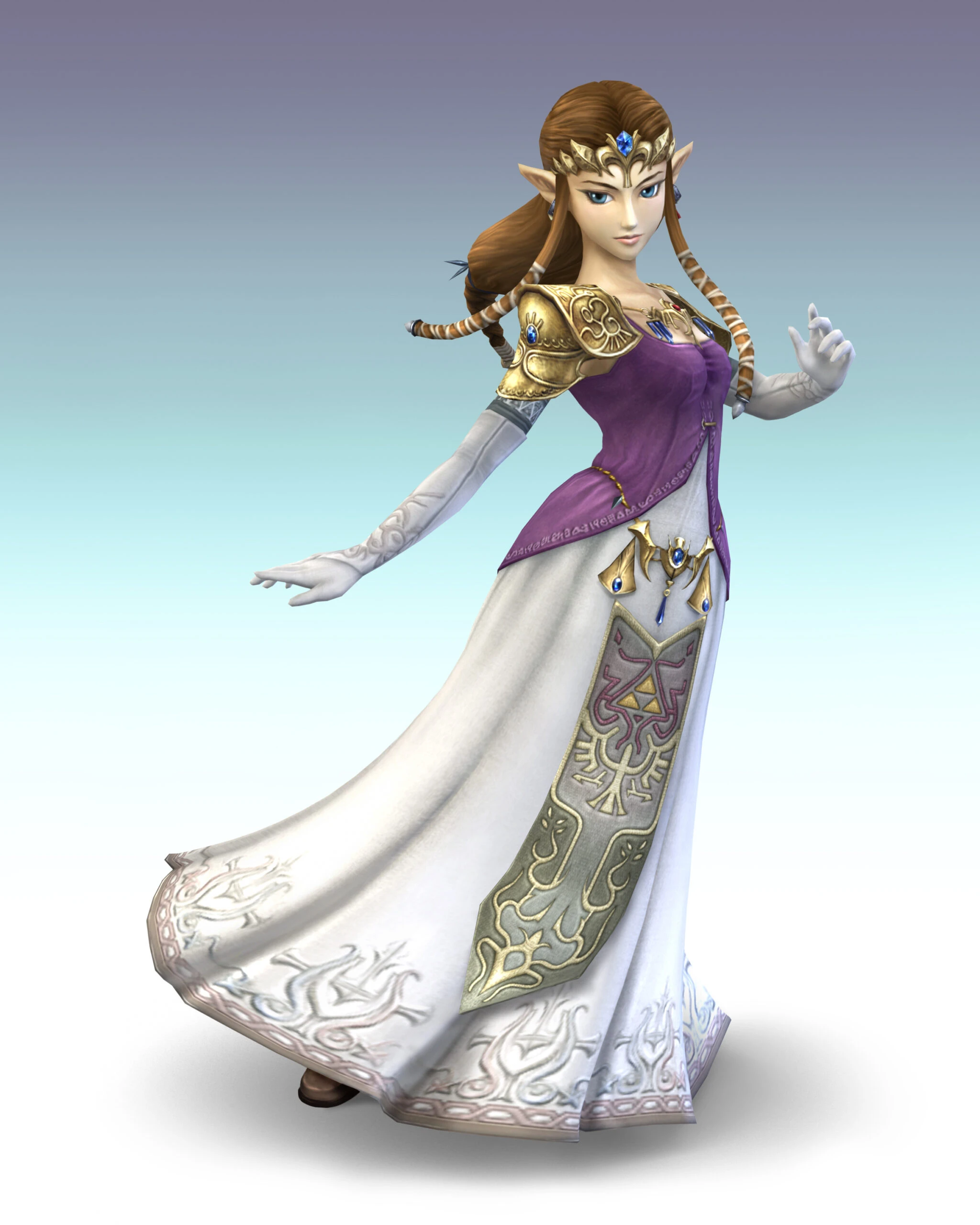
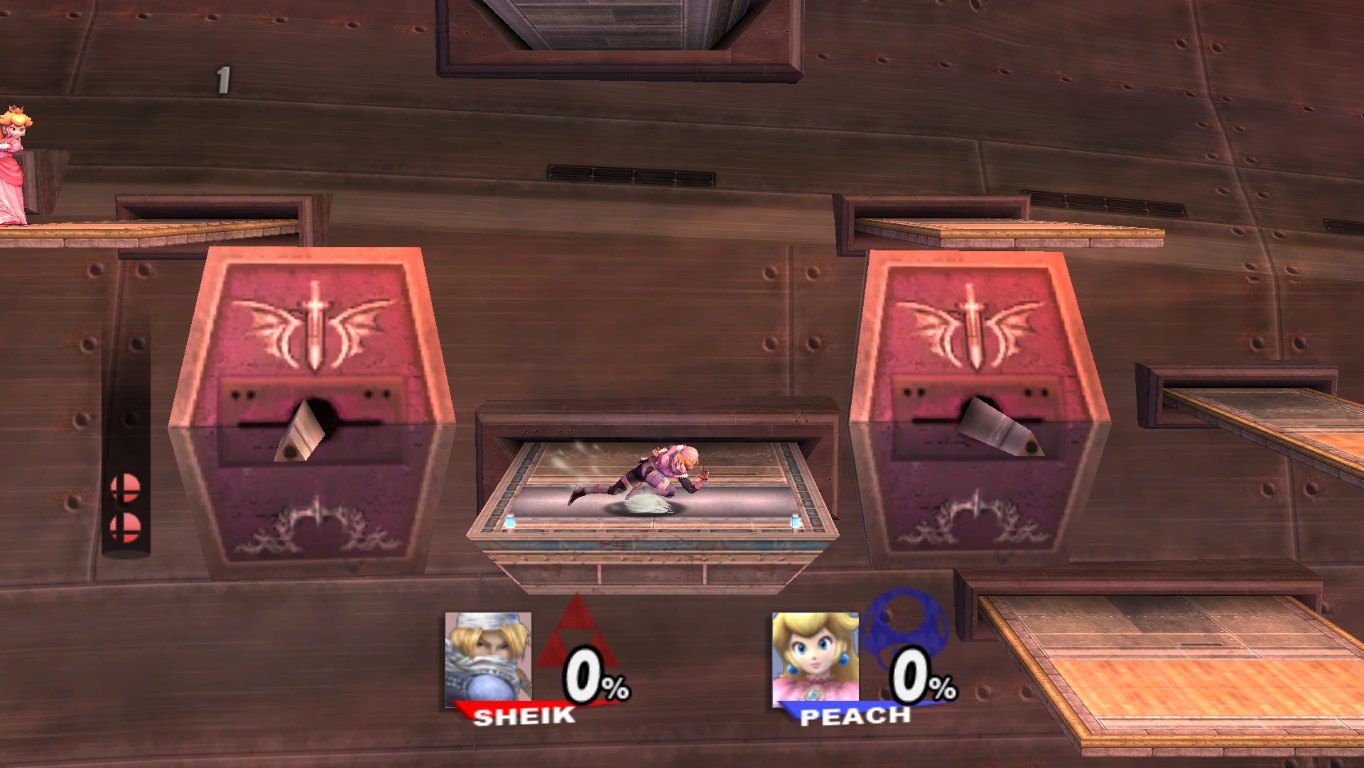
ZeldaThe Legend of Zelda · starterSlow, light magic user who can become Sheik.
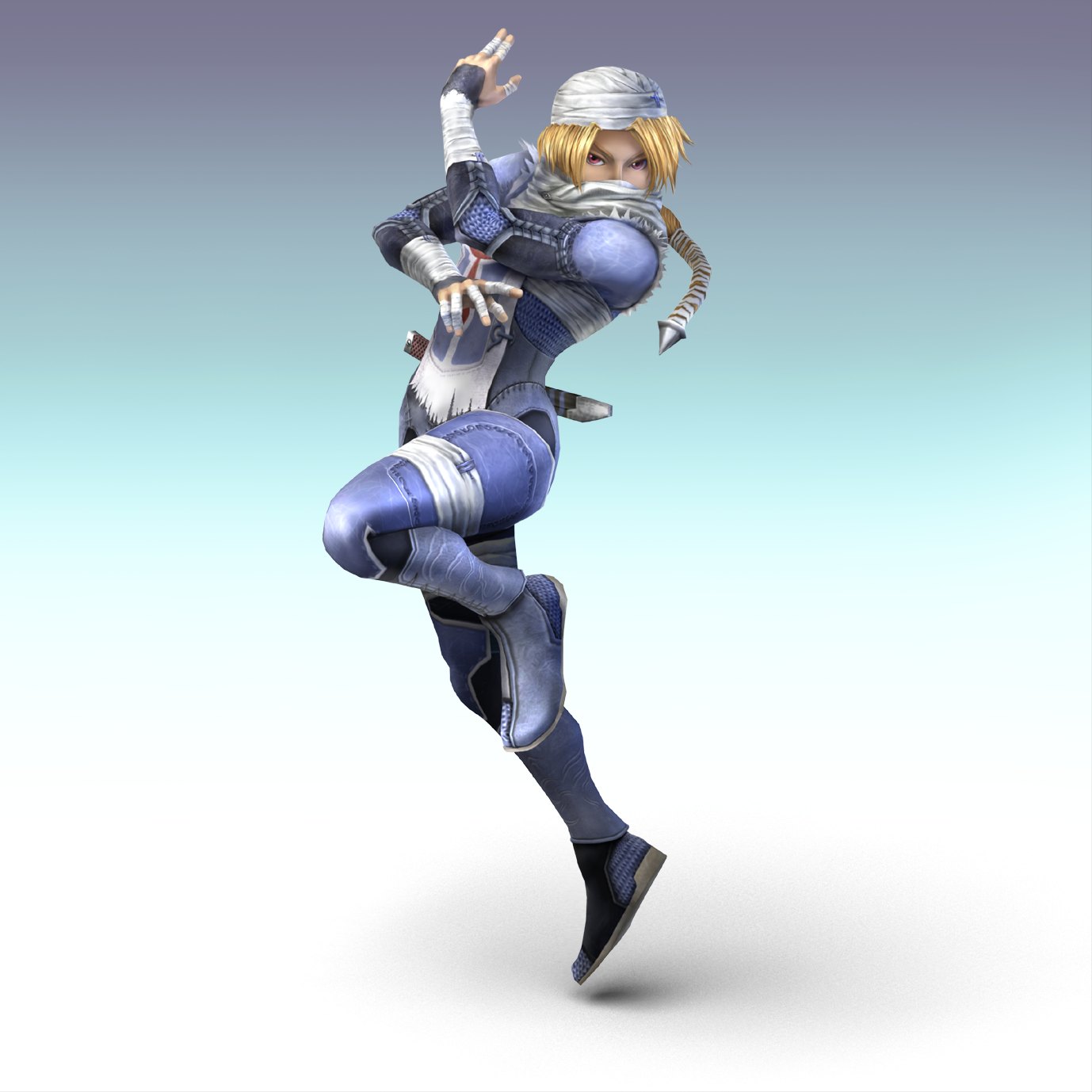
SheikThe Legend of Zelda · starter (Zelda’s other form)Zelda’s faster, weaker alter ego.
GanondorfThe Legend of Zelda · unlock: 200 Brawls, Classic on Hard as Link or Zelda, or The Subspace EmissaryEnormously strong and very slow.
Toon LinkThe Legend of Zelda · unlock: 400 Brawls, Classic after finishing the adventure, or a door in The Forest · newA quicker, floatier Link.
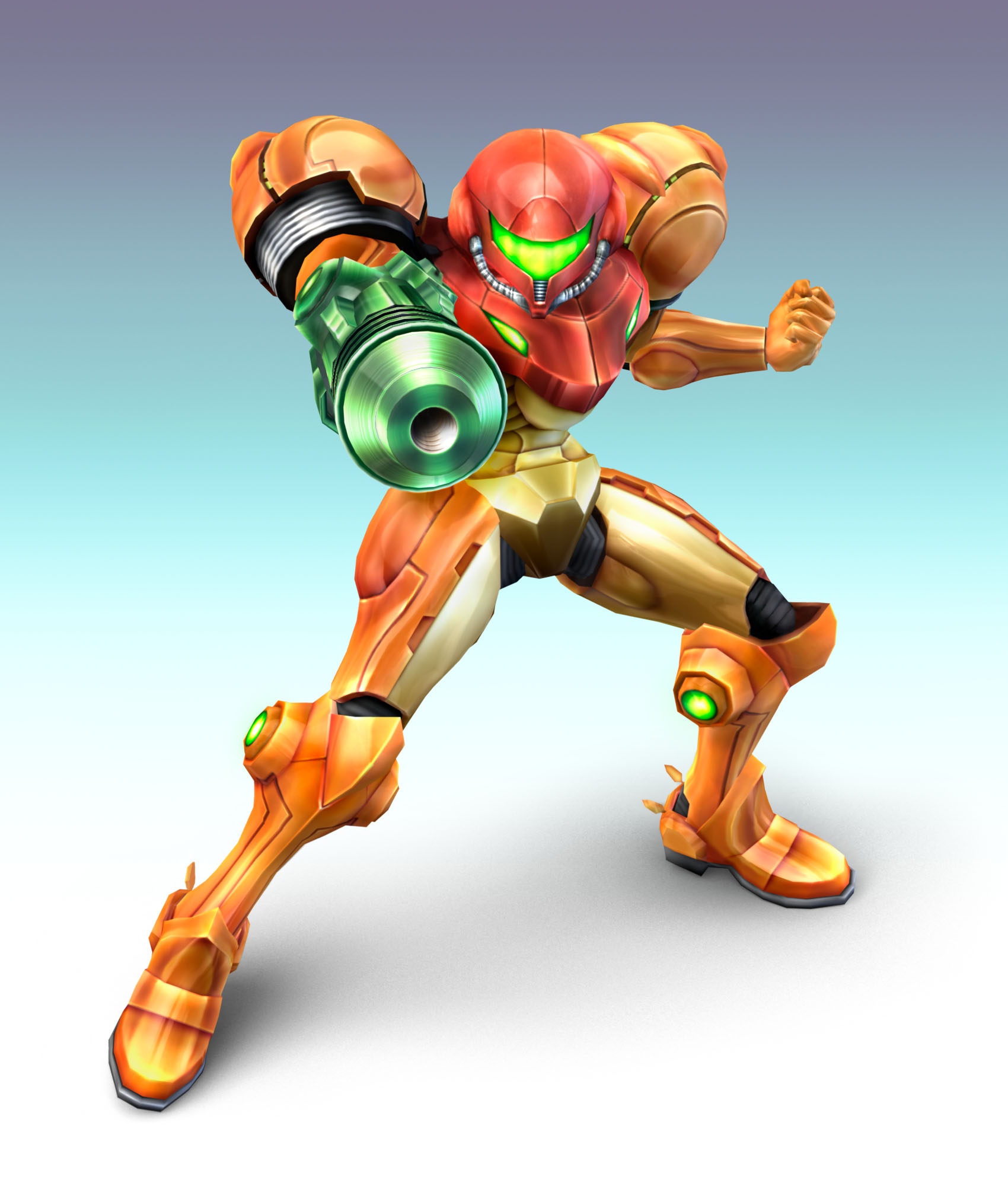
SamusMetroid · starterHeavy, with strong projectiles.
Zero Suit SamusMetroid · starter (Samus’s other form) · newLighter and faster than Samus.
PitKid Icarus · starter · newBow-blades and a short flight.
Ice ClimbersIce Climber · starterTwo climbers, one controlled by the computer.
R.O.B.R.O.B. · unlock: 160 Brawls, 250 trophies, or The Subspace Bomb Factory · newA heavy that moves faster than most.
KirbyKirby · starterVery light; swallows foes and copies them.
Meta KnightKirby · starter · newLight, fast and able to fly briefly.
King DededeKirby · starter · newHuge hammer, long reach, very slow.
OlimarPikmin · starter · newPlucks Pikmin and throws them.
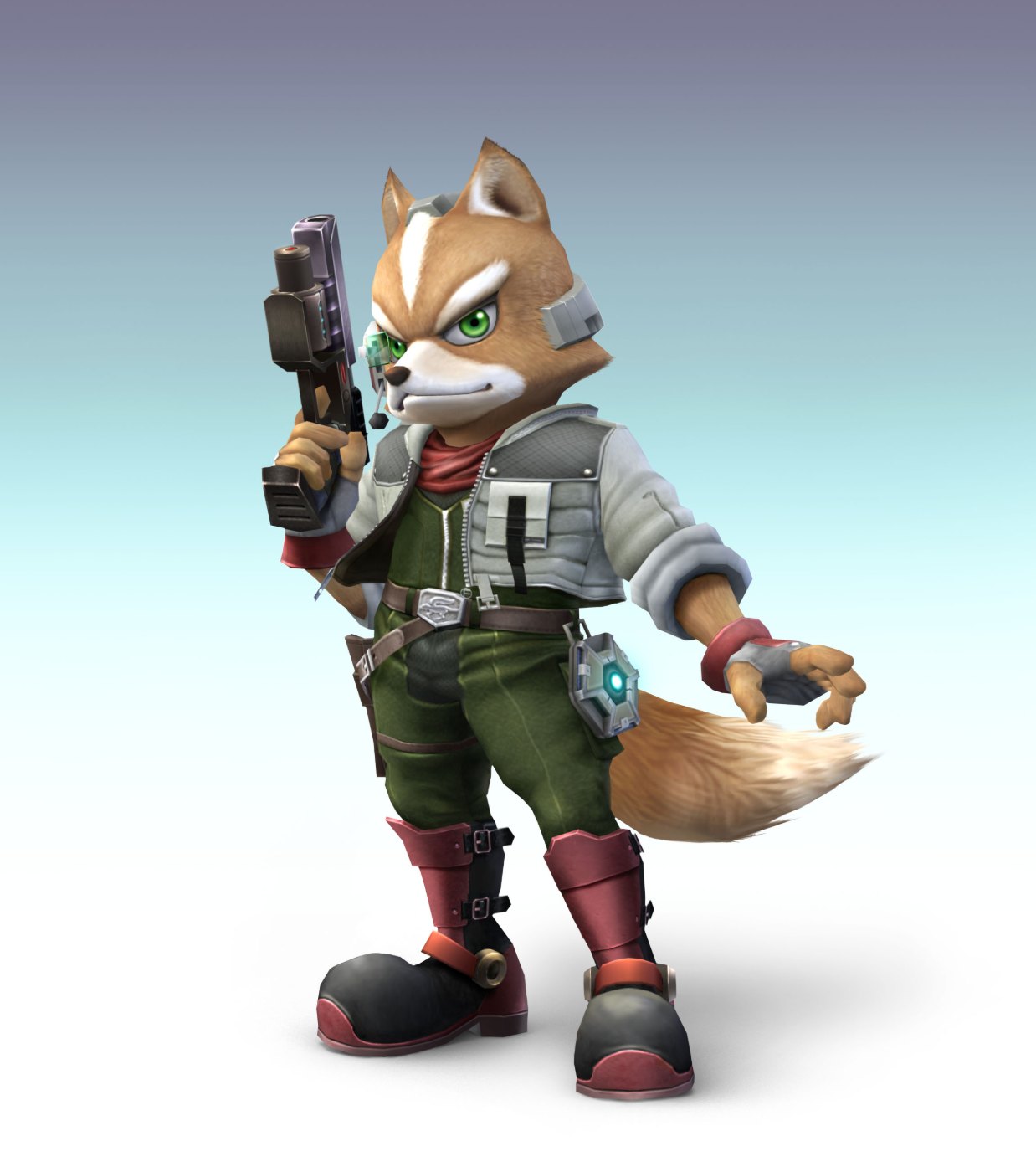
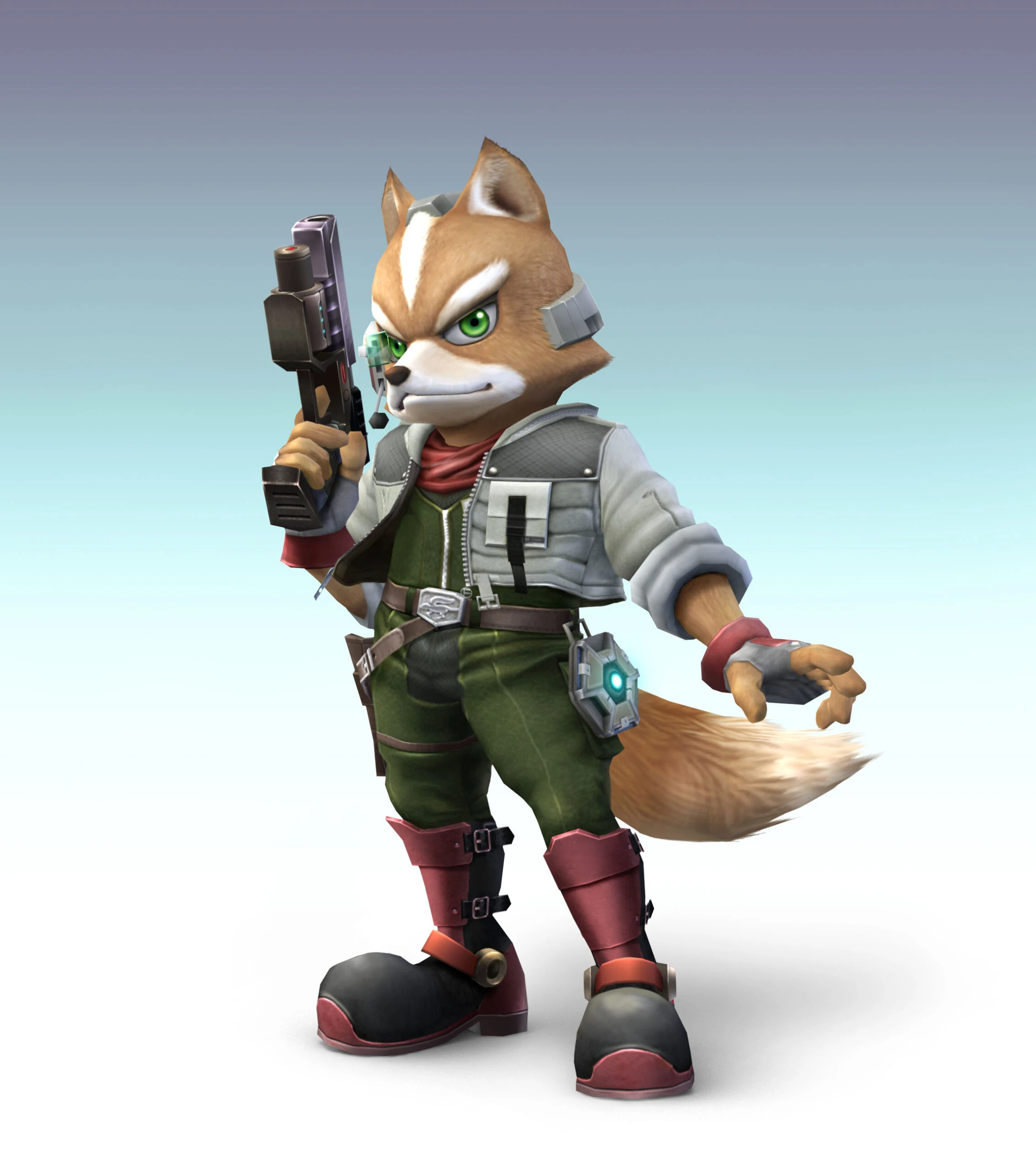
FoxStar Fox · starterVery fast, with blaster and reflector.
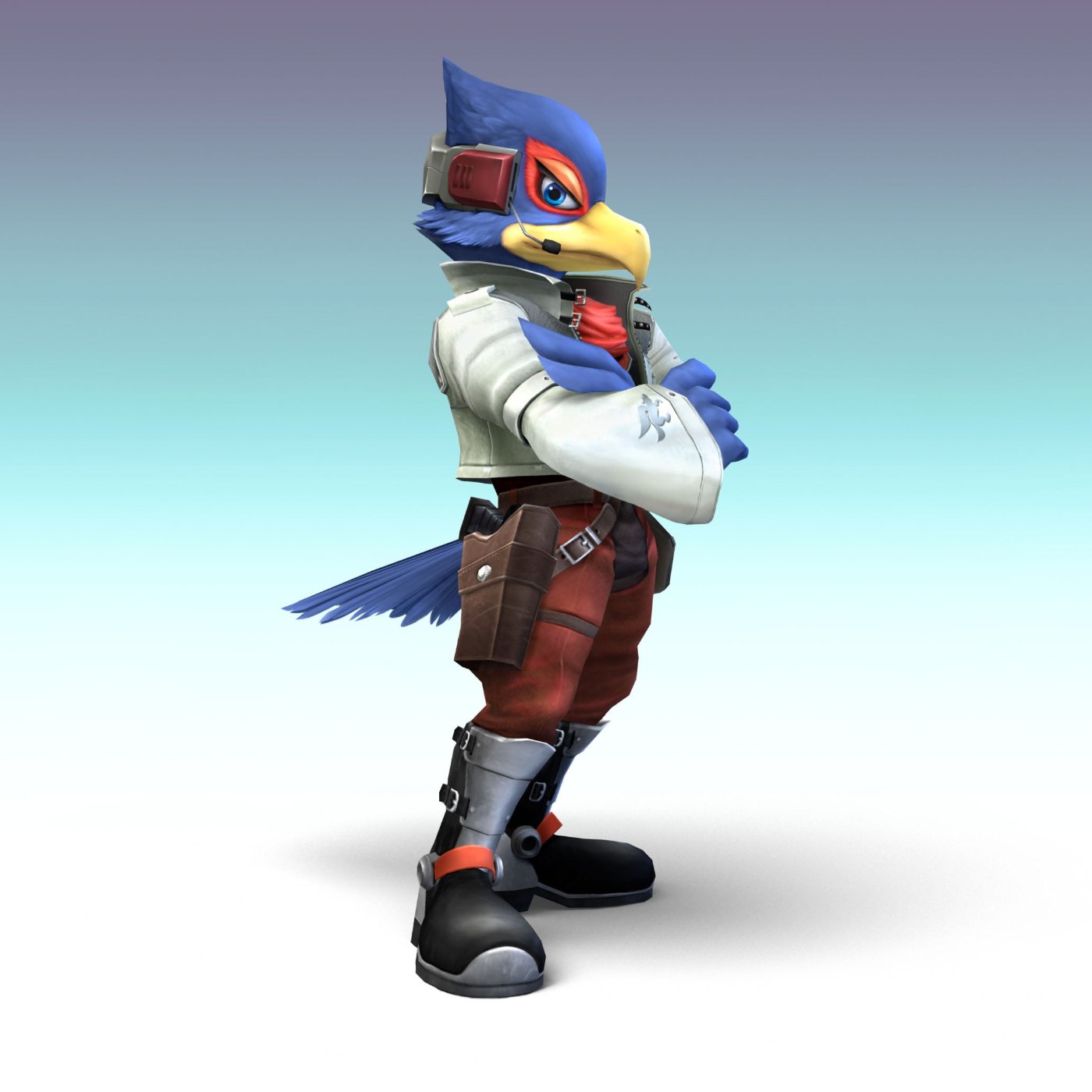
FalcoStar Fox · unlock: 50 Brawls, 100-Man Brawl, or The SwampHighest first jump in the game.
WolfStar Fox · unlock: 450 Brawls, Boss Battles as Fox or Falco, or a door in The Ruins · newA heavier, average-speed Star Fox rival.
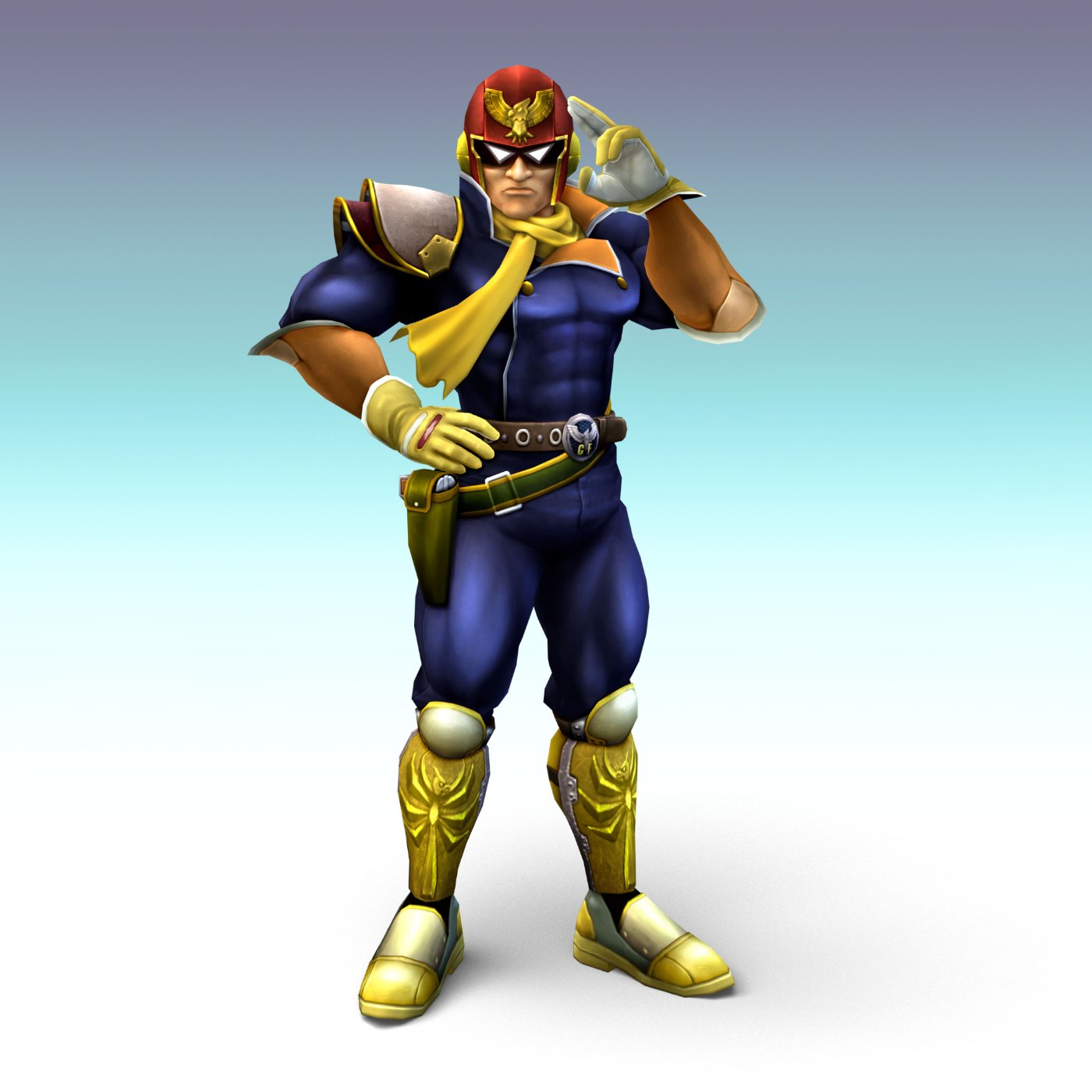
Captain FalconF-Zero · unlock: 70 Brawls, Classic in under 12 minutes on Normal+, or Outside the Ancient RuinsVery fast, with strong short-range blows.
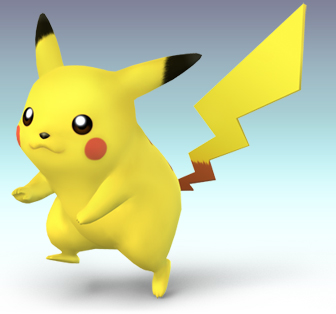
PikachuPokémon · starterFast, weak, electric.
Pokémon TrainerPokémon · starter · newSwitches between Squirtle, Ivysaur and Charizard.
LucarioPokémon · unlock: 100 Brawls, every Target Smash!! level, or The Glacial Peak · newGrows stronger as it takes damage.
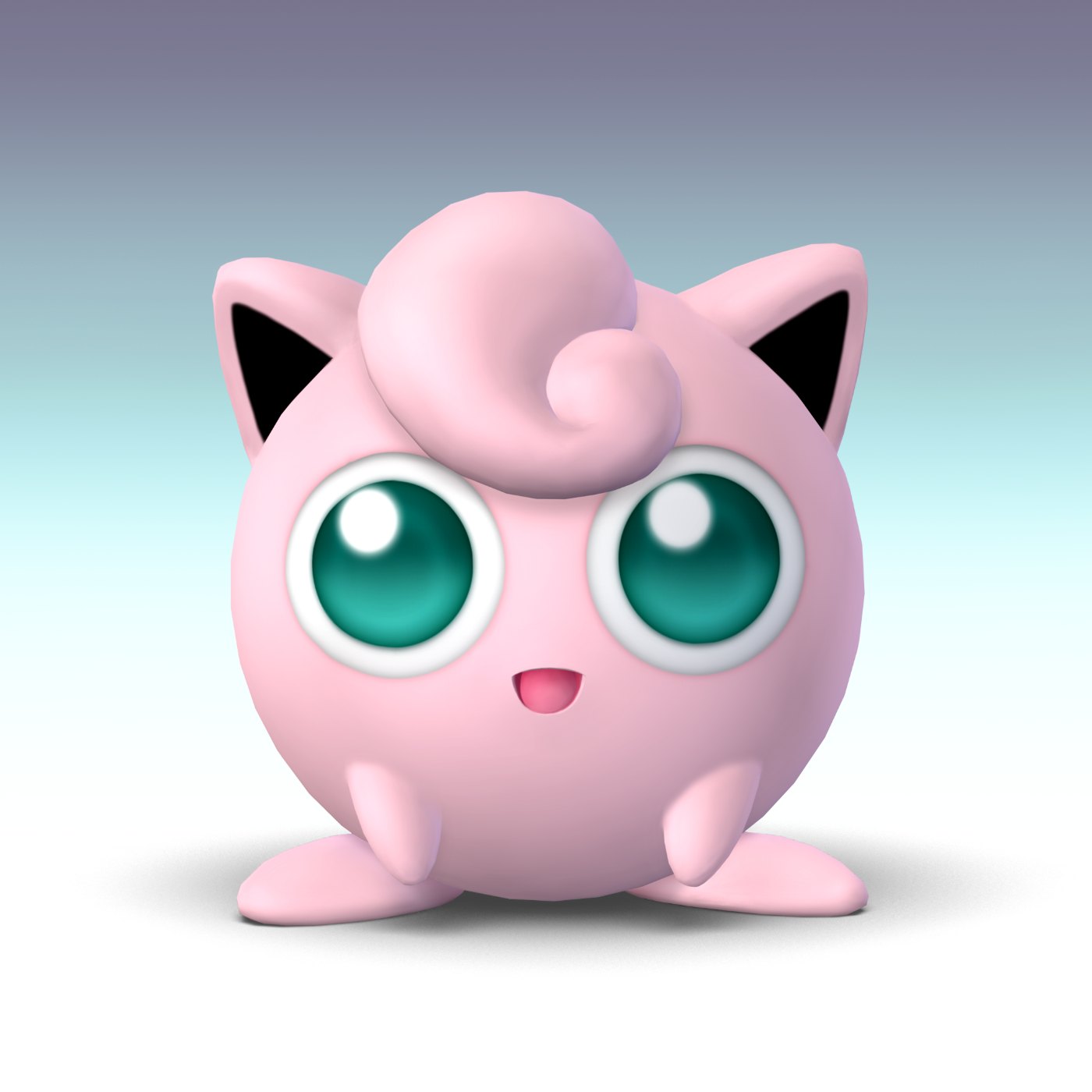
JigglypuffPokémon · unlock: 350 Brawls, 20 events after the adventure, or a door in The SwampThe lightest fighter, with the slowest fall.
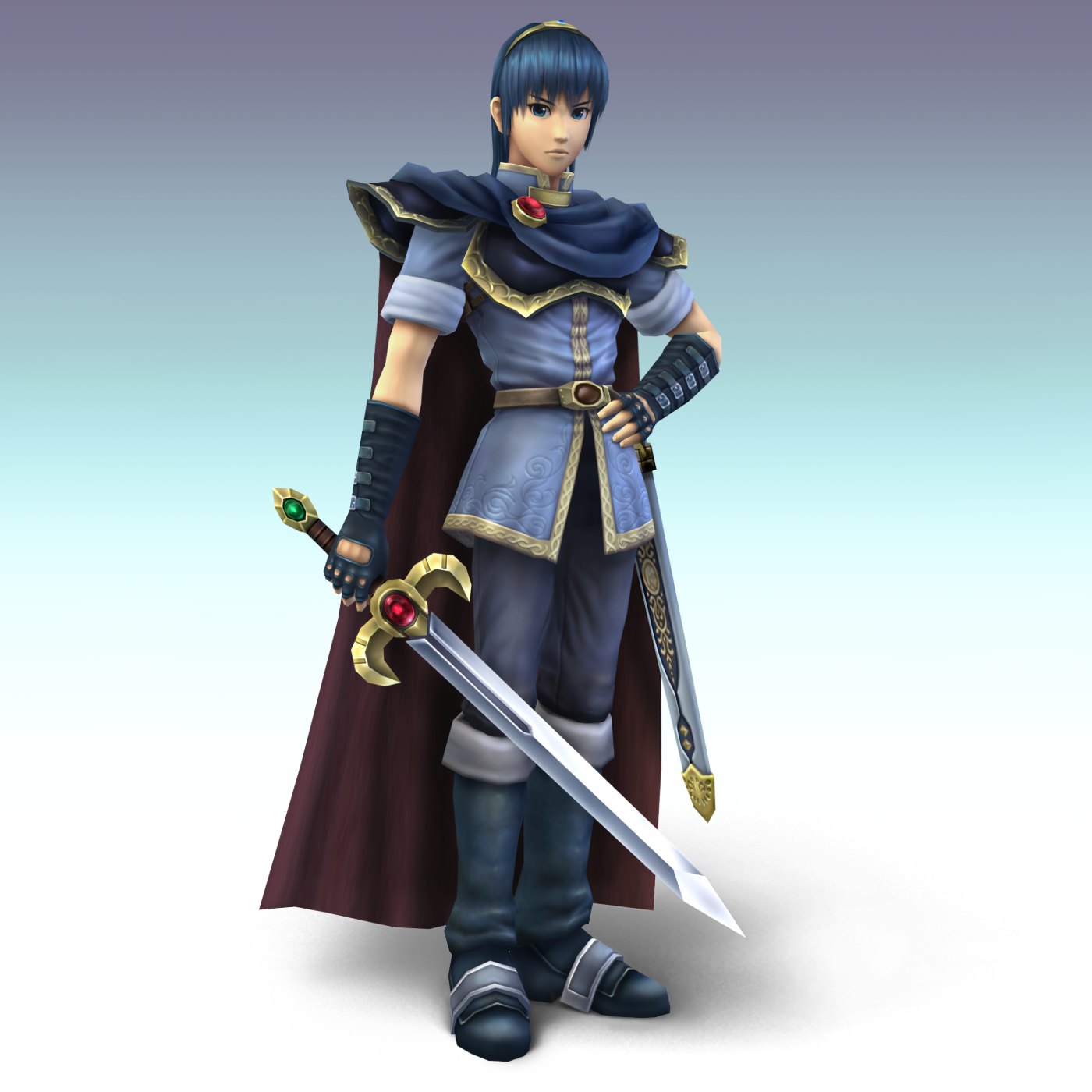
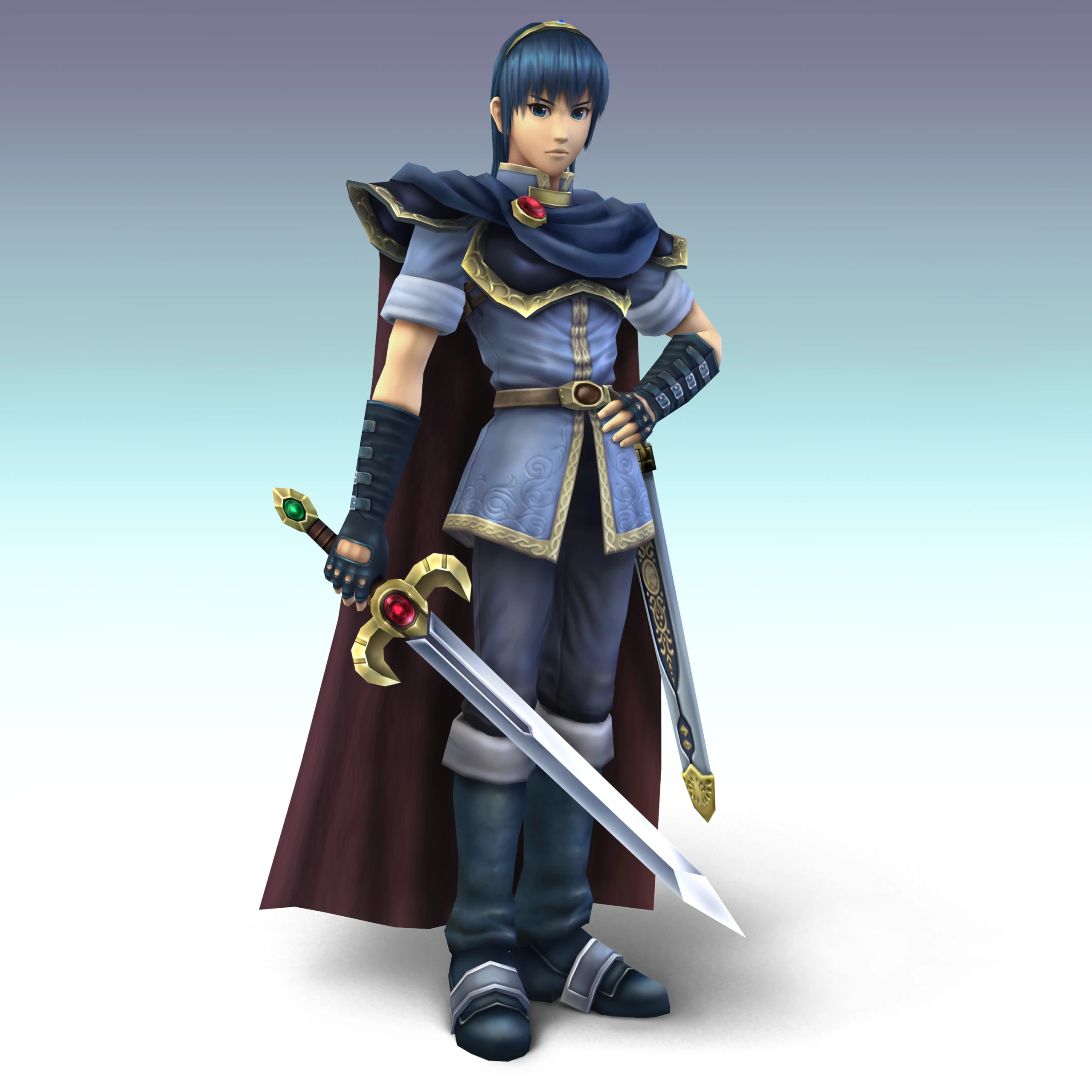
MarthFire Emblem · unlock: 10 Brawls, Classic, or The Battlefield FortressA quick swordsman.
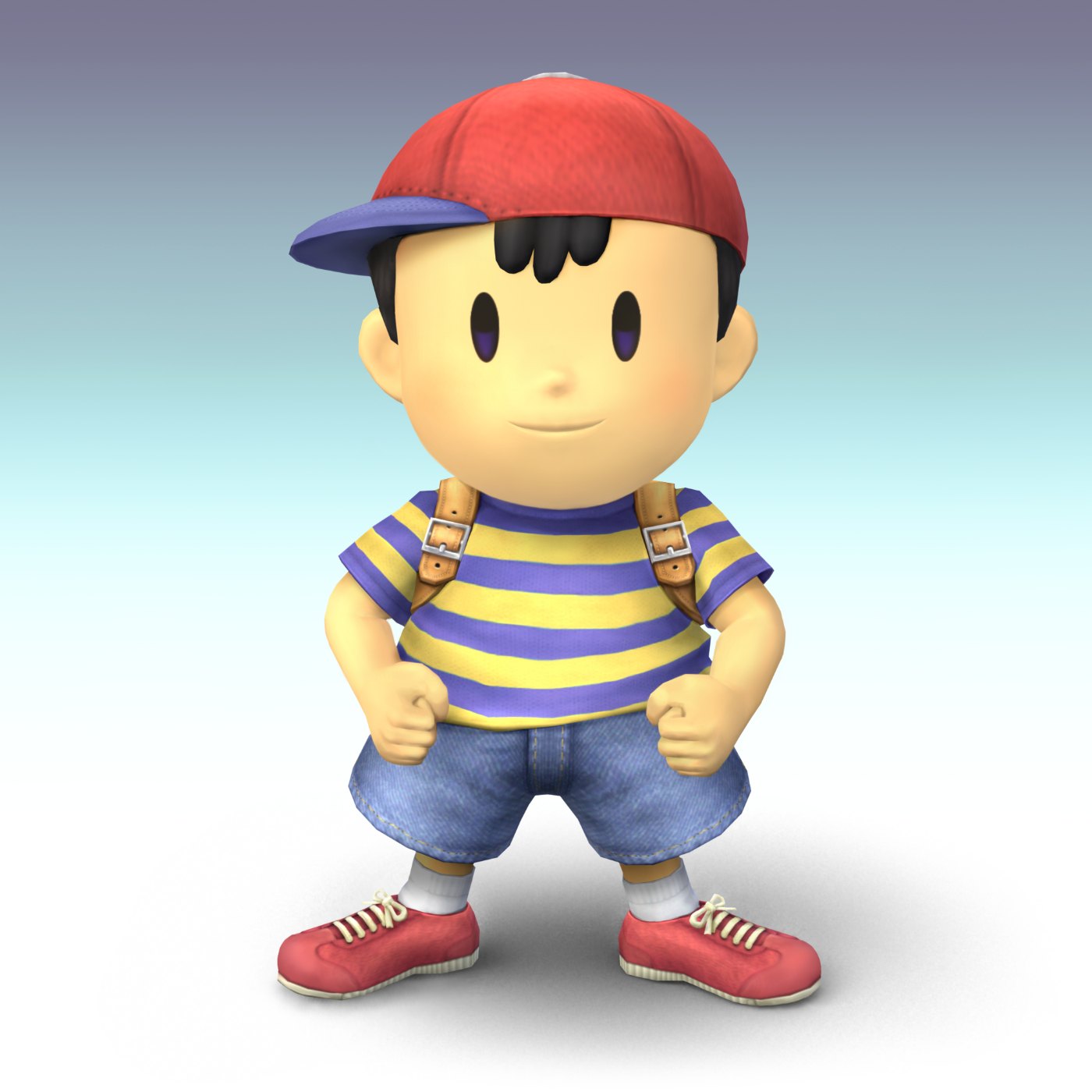
NessEarthBound · unlock: 5 Brawls, or reflect 10 projectilesLight but strong PSI user.
LucasEarthBound · starter · newPSI with freezing, fire and electric attacks.
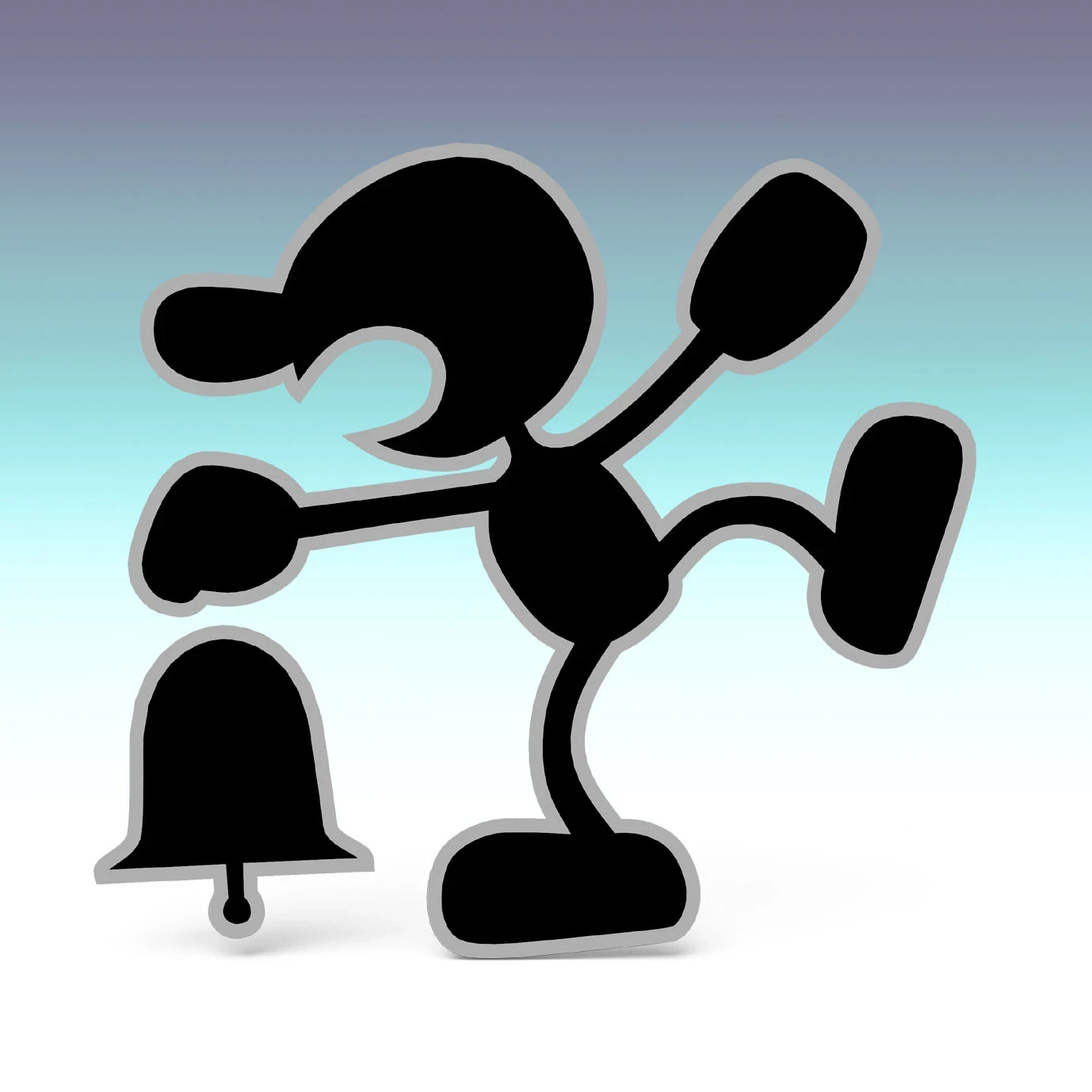
Mr. Game & WatchGame & Watch · unlock: 250 Brawls, Target Smash!! with 30 fighters, or Battleship Halberd BridgeFast, powerful and easy to launch.
SnakeMetal Gear · unlock: 130 Brawls, 15 Brawls on Shadow Moses Island, or Battleship Halberd Interior · newHeavy, slow in the air, armed with explosives.
SonicSonic the Hedgehog · unlock: 300 Brawls, 10 hours of Brawls, Classic with 10 fighters, or The Great Maze · newThe fastest fighter of all.
Key staff
From the credits, and from Wikipedia’s account of the development.
Masahiro SakuraiDirectorDirected the Nintendo 64 original, left HAL Laboratory in 2003, and was asked by Satoru Iwata to come back for Brawl.
Satoru IwataExecutive producerNintendo’s president, who announced the game in May 2005 before asking Sakurai to make it.
Kensuke Tanabe, Keisuke Terasaki, Akiya SakamotoProducersTanabe was also one of the producers credited on the Nintendo 64 original.
Kazushige NojimaAdventure Mode scenarioThe Final Fantasy scenario writer chosen by Sakurai to shape The Subspace Emissary with him.
Nobuo UematsuMain themeThe Final Fantasy composer wrote the main theme, sung in Latin and arranged by Shogo Sakai.
Takahiro Nishi, Shogo Sakai, Masaaki Iwasaki, Yutaka Iraha, Keigo Ozaki, Kentaro IshizakaOriginal musicAlongside dozens of guest arrangers; Wikipedia counts 38 composers in all.
Charles MartinetVoice of Mario, Luigi and WarioHe voices all three.
Samantha KellyVoice of Princess PeachAs credited.
Kazumi TotakaVoice of YoshiUncredited, but widely attributed.
Pat CashmanAnnouncerCredited for the English and Japanese announcer.
Sora Ltd. and Game ArtsDevelopmentSora is credited as developer; Game Arts formed the main team in early development and heads the list of companies that co-operated.
Monolith Soft, Paon, HAL Laboratory and othersDevelopment co-operationSome of the many studios that lent staff, according to Wikipedia and the credits.
Advertisement
How It Was Made
Brawl was made by a team that did not exist when the game was announced. Most of what is known comes from Satoru Iwata’s Iwata Asks interviews, Masahiro Sakurai’s columns and his daily Smash Bros. DOJO!! website, as gathered by Wikipedia.
Announced first, staffed second
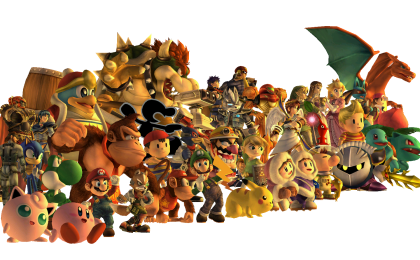
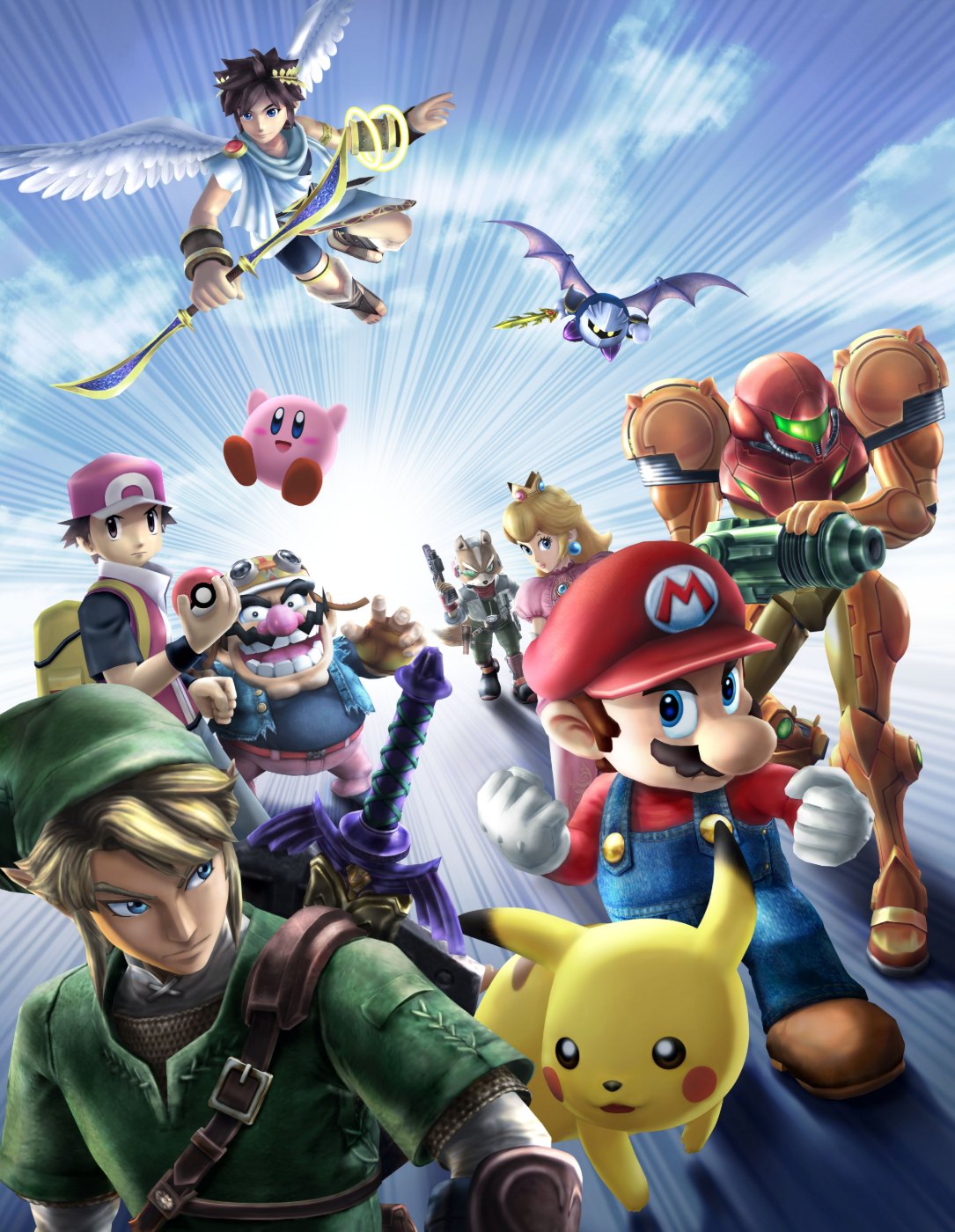
Group artwork for Brawl.
Nintendo’s president Satoru Iwata announced a new Smash Bros. at Nintendo’s press conference before E3 on 17 May 2005, promising a launch title for the Wii’s online service. Masahiro Sakurai, who had left HAL Laboratory in 2003, was not told in advance. The day after the conference Iwata asked to see him in private and asked him to direct it, and Sakurai said yes.
There was no studio waiting. Sakurai had to assemble a team from scratch, borrowing people from many companies: Game Arts made up the core of it in the early stages, HAL Laboratory, Monolith Soft and Paon lent help, and several veterans of the earlier games who lived nearby joined in. By Wikipedia’s count about a hundred people worked on it full-time, in a Tokyo office that Nintendo opened for the project in October 2005, and they started from HAL’s own Melee materials and tools. The credits name Sora Ltd. as developer and list nineteen companies under development co-operation, with Game Arts first.
Writing The Subspace Emissary
Kirby, revived by one of King Dedede’s badges.
Sakurai wanted the single-player adventure to be much more substantial than anything in the earlier games, and he asked Kazushige Nojima, the scenario writer of several Final Fantasy games, to work out the plot with him. The result tells its story through cutscenes, gathering the cast into ever larger parties until everyone stands together against Tabuu.
Music by 38 composers
My Music lets players choose how often each track plays.
Brawl’s soundtrack is famous. Nobuo Uematsu, composer of the Final Fantasy series, wrote the main theme, sung in Latin, which Shogo Sakai arranged; the original music came from a small group including Takahiro Nishi and Sakai; and on 22 May 2007 Sakurai revealed a list of 36 arrangers from across the industry who had reworked Nintendo’s music for the game. Wikipedia counts 38 composers in all. Reviewers singled the soundtrack out, and many of its arrangements have been reused in later Smash games.
The trailer, the DOJO and the delays
Sonic’s introduction in The Subspace Emissary.
The game got its name and first trailer at Nintendo’s E3 press event on 10 May 2006, and the trailer’s last surprise was Solid Snake. A year later Sakurai launched Smash Bros. DOJO!!, a website that revealed something new about the game every weekday from 22 May 2007 until 14 April 2008: fighters, stages, items and music.
The release date moved several times. At E3 2007 Nintendo of America announced 3 December 2007; on 10 October 2007 Iwata said the team needed a little more time, and Japan was given 24 January 2008 and North America 10 February. In January 2008 those became 31 January in Japan and 9 March in the Americas. Europe’s 27 June date was confirmed on 24 April 2008.
The dual-layer disc problem
Brawl came on a double-layer disc, and some consoles could not read it. Nintendo of America explained that the fault lay in a contaminated laser lens in some Wii consoles and offered owners a free repair, with a repair form for US residents on its support site.
Series Firsts
What Brawl brought to Smash Bros. Each item here is stated by SmashWiki or Wikipedia; we have avoided claims about the wider fighting-game genre.
1Final SmashesThe Smash Ball and its super moves, planned for the Nintendo 64 game and dropped, finally arrive. They are often called Brawl’s most important addition.
2Fighters from other companiesSnake and Sonic are the first third-party characters in a Smash Bros. game.
3Wario and Diddy KongBoth make their Smash debut, taking the Mario family to eight fighters.
4Stages from series without a fighterSmashville, PictoChat and Hanenbow are the first stages from series with nobody on the roster.
5Pit’s comebackThe first appearance of the Kid Icarus series since the 1991 Game Boy game.
6New moves for everyoneFootstool jumps, gliding, crawling and three taunts per fighter, none of which Melee had.
7A written story modeThe Subspace Emissary, with a scenario by Kazushige Nojima and cutscenes for every chapter.
8Stage Builder and MasterpiecesPlayers can build and share their own stages, and play timed demos of classic Nintendo games.
Cheats & Secrets
Everything in Brawl is unlocked by playing; there are no codes. Each character can be unlocked in more than one way, and once the condition is met the fighter appears as a challenger and must be beaten in a one-stock match. The conditions below are from SmashWiki. SLB’s older cheats page for the game is linked at the foot of the page.
Unlock Luigi
Play 22 Brawls, or clear Classic mode without continuing, or reach the point in The Subspace Emissary where he is revived. Challenge stage: Luigi’s Mansion.
Unlock Ness, Marth and Falco
Ness: 5 Brawls, or reflect 10 projectiles in one match (challenge on Onett). Marth: 10 Brawls, clear Classic, or finish The Battlefield Fortress (Castle Siege). Falco: 50 Brawls, clear 100-Man Brawl, or finish The Swamp (Lylat Cruise).
Unlock Captain Falcon, Lucario and Snake
Captain Falcon: 70 Brawls, Classic on Normal or above in under 12 minutes, or Outside the Ancient Ruins (Port Town Aero Dive). Lucario: 100 Brawls, clear every Target Smash!! level, or The Glacial Peak (Spear Pillar). Snake: 130 Brawls, 15 Brawls on Shadow Moses Island, or Battleship Halberd Interior (Shadow Moses Island).
Unlock R.O.B., Ganondorf and Mr. Game & Watch
R.O.B.: 160 Brawls, collect 250 trophies, or finish The Subspace Bomb Factory (challenge on Mario Bros.). Ganondorf: 200 Brawls, clear Classic on Hard or above with Link or Zelda, or progress through Subspace (Part II) in The Subspace Emissary (challenge on Final Destination). Mr. Game & Watch: 250 Brawls, clear Target Smash!! with 30 fighters, or Battleship Halberd Bridge (Flat Zone 2).
Unlock Sonic
Play 300 Brawls or ten hours of them, or clear Classic with ten different fighters, or finish The Great Maze. Challenge stage: Green Hill Zone.
Unlock Jigglypuff, Toon Link and Wolf
After the story is finished, hidden doors appear in three earlier chapters: The Swamp (Jigglypuff, fought on Pokémon Stadium 2), The Forest (Toon Link, Pirate Ship) and The Ruins (Wolf, Lylat Cruise). The alternatives are 350, 400 and 450 Brawls respectively; or, for Jigglypuff, clear 20 events after finishing the adventure; for Toon Link, clear Classic after finishing it; for Wolf, clear Boss Battles as Fox or Falco.
Unlock the Mario stages
Luigi’s Mansion: play 3 Brawls as Luigi. 75 m: play 20 Brawls as Donkey Kong. Mario Bros.: clear Event 19. Jungle Japes: play Melee stages 10 times.
Unlock the other stages
Spear Pillar: clear Event 25. Hanenbow: clear Event 28. Green Greens: 20 Brawls as Kirby. Big Blue: 10 Brawls as Captain Falcon. Pokémon Stadium: 10 Brawls on Pokémon Stadium 2. Pirate Ship, Flat Zone 2 and Green Hill Zone open with Toon Link, Mr. Game & Watch and Sonic.
Unlock the Mario Masterpieces
Super Mario Bros. 2: win five Brawls as Peach. Super Mario World: play Yoshi’s Island (Melee) three times. Donkey Kong: play for ten hours in total.
Fight Crazy Hand
Reach Master Hand in Classic mode on Hard or above, without continuing, in under nine minutes, and Crazy Hand joins the fight.
All-Star and Boss Battles
All-Star appears once every fighter has been unlocked. Boss Battles needs both The Subspace Emissary and Classic to be completed.
Glitches & Oddities
Two of the game’s documented glitches.
Giant Jigglypuff
A giant Jigglypuff on Bridge of Eldin.
On Bridge of Eldin, wait for the bomb to blow a hole in the bridge, then use Jigglypuff’s Final Smash, Puff Up, in mid-air over the gap while the portal is putting the bridge back together. Jigglypuff bounces back on to the mended bridge and stays enormous, with the same attacks but far longer reach, and very easy to knock out.
Infinite Lightning
Have someone use the Lightning item to shrink or enlarge Zelda or Sheik, then transform with Down + B. She keeps her new size until another size-changing item hits her.
Videos
Two of Nintendo’s official trailers, both as uploaded by third parties: the E3 2006 reveal that ended with Snake, and the trailer that revealed Sonic.
Nintendo’s E3 2006 trailer, in a third-party upload linked from SmashWiki’s list of Brawl trailers.
The Sonic reveal trailer, uploaded by IGN.
Trivia & Interesting Facts
Five Melee fighters did not return: Dr. Mario, Young Link, Mewtwo, Pichu and Roy. SmashWiki notes that only Mewtwo had a moveset of his own; the rest were clones.
Charles Martinet voices Mario, Luigi and Wario, and Kazumi Totaka still provides Yoshi’s voice, uncredited.
Wario’s Corkscrew.Wario’s forward throw is the Wild Swing Ding from Wario World, and his forward smash comes from Wario Land: Super Mario Land 3.
Mushroomy Kingdom’s underground music is an arrangement of the Easton Kingdom theme from Super Mario Land, not of Super Mario Bros.
One of Peach’s victory poses copies her stained-glass portrait in Super Mario 64.
Giga Bowser’s Fire Breath.Giga Bowser keeps all four of Bowser’s special moves, Fire Breath to Bowser Bomb, on a much bigger scale.
The Pokémon Trainer has to clear Classic mode three times, once with each Pokémon, to collect all three trophies.
Tourney mode holds 32 players, half Melee’s 64, and the handicap setting no longer changes attack strength or knockback resistance as it did in Melee.
Players could upload their Target Smash!! and Home-Run Contest records to Nintendo until 30 June 2009.
The Japanese release has two Masterpieces the others lack: Fire Emblem: Mystery of the Emblem and EarthBound (Mother 2).
The Hammer Bro model.Waluigi had to settle for an Assist Trophy. The data includes a model of him, as it does for the Hammer Bro.
Diddy Kong’s dash attack is the cartwheel from Donkey Kong Country.
South Korea had to wait until 29 April 2010 for the game, more than two years after Japan.
All-Star mode orders its matches by series, in the order in which each series began.
Regional Box Art
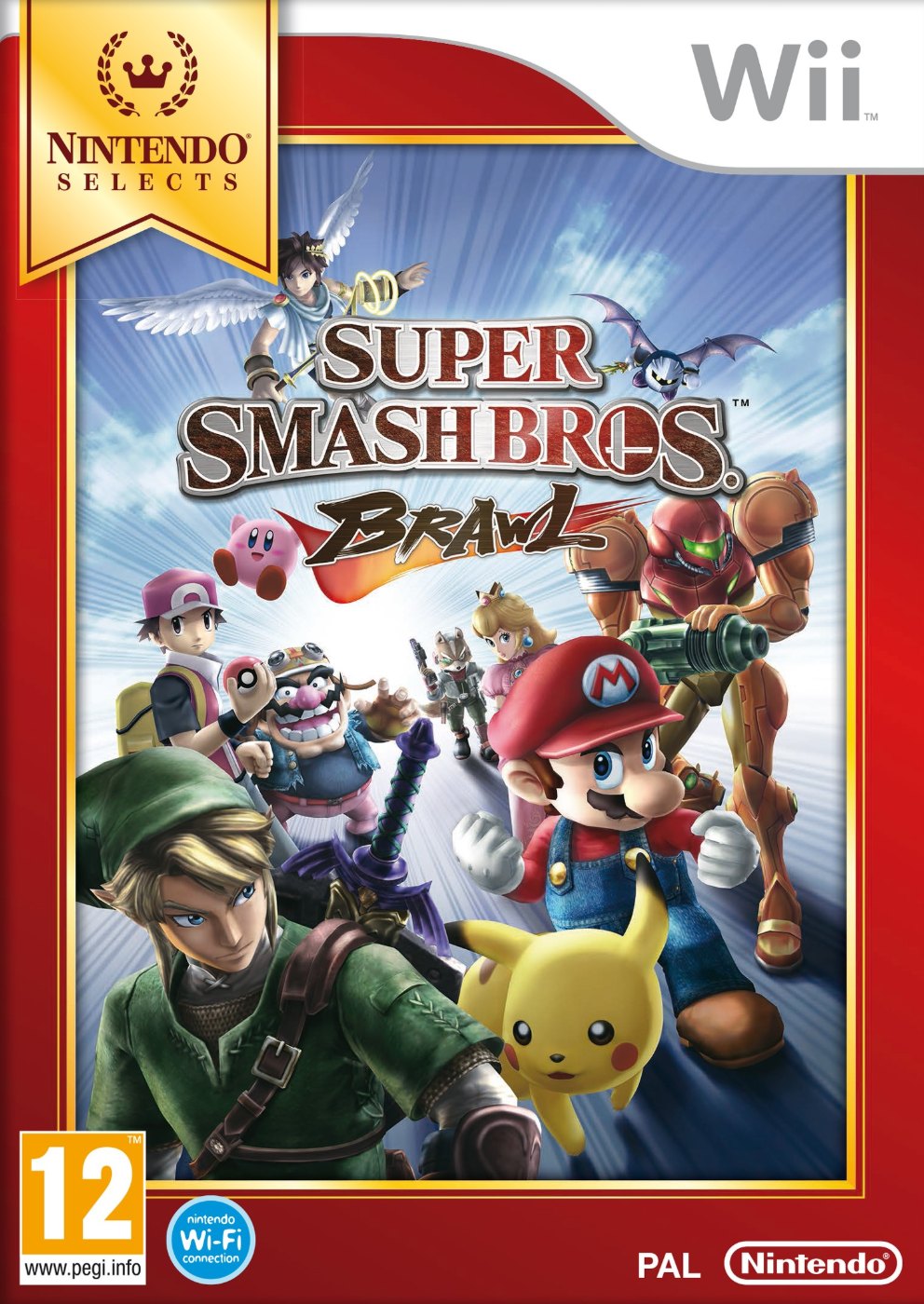
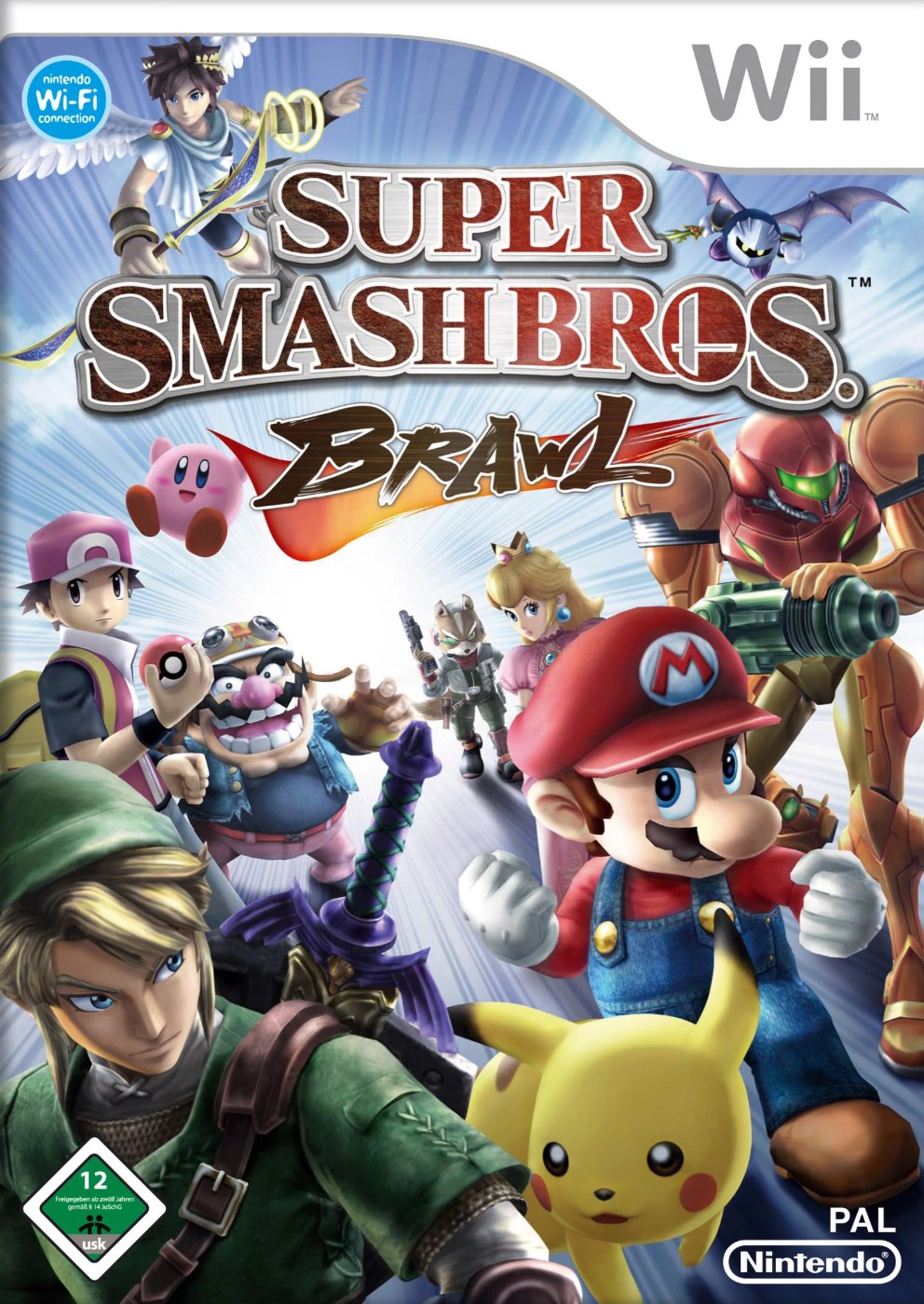
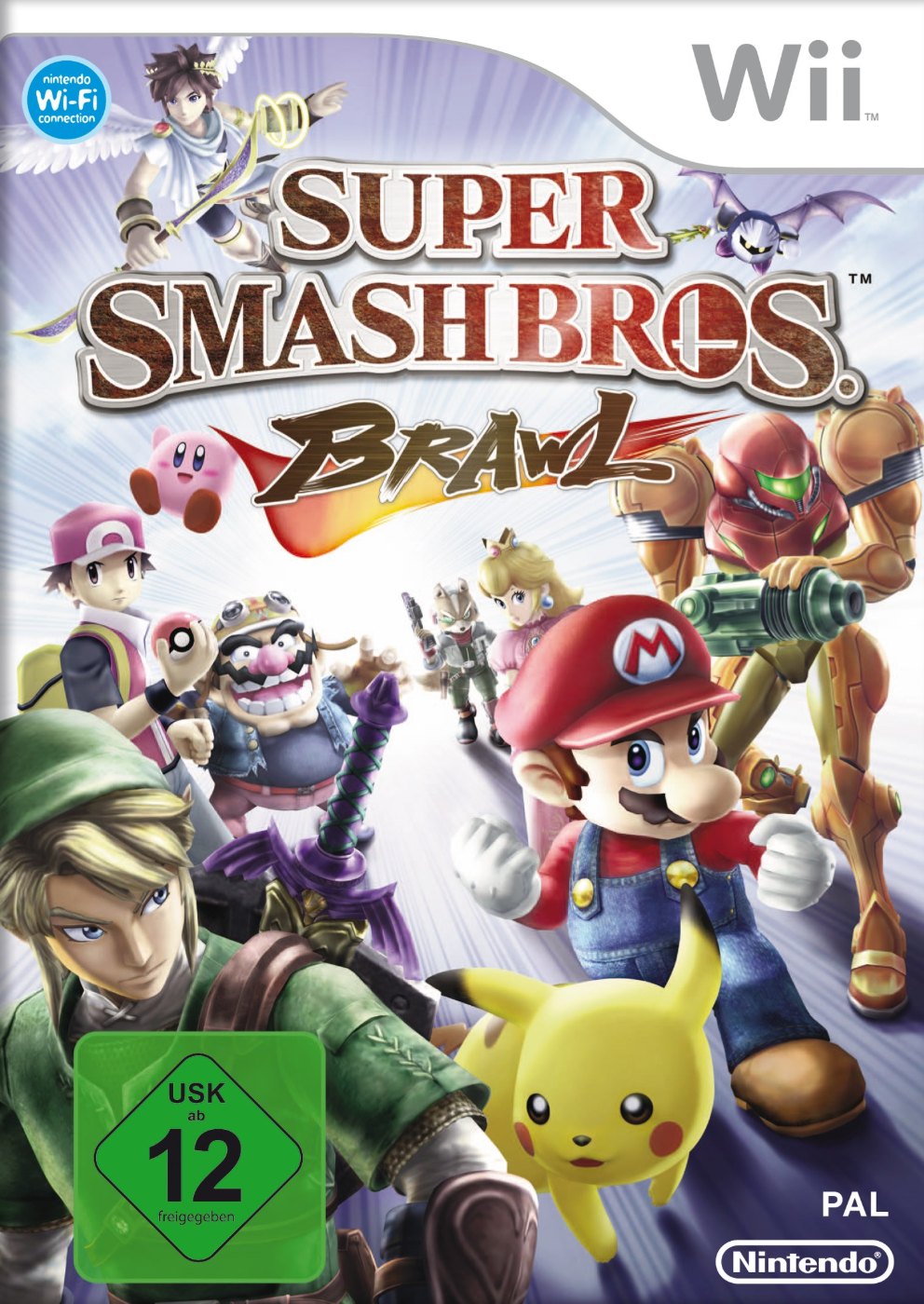
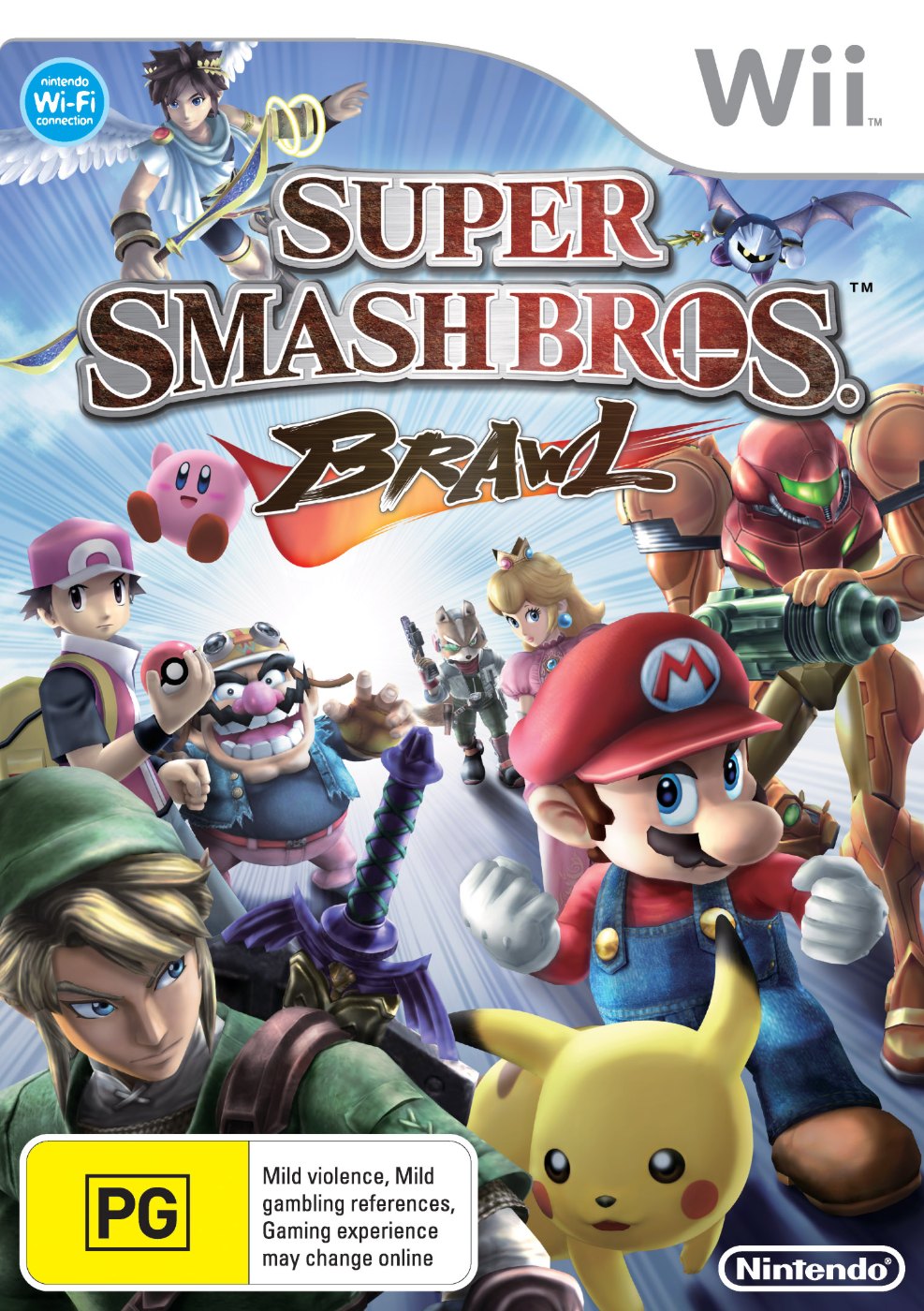
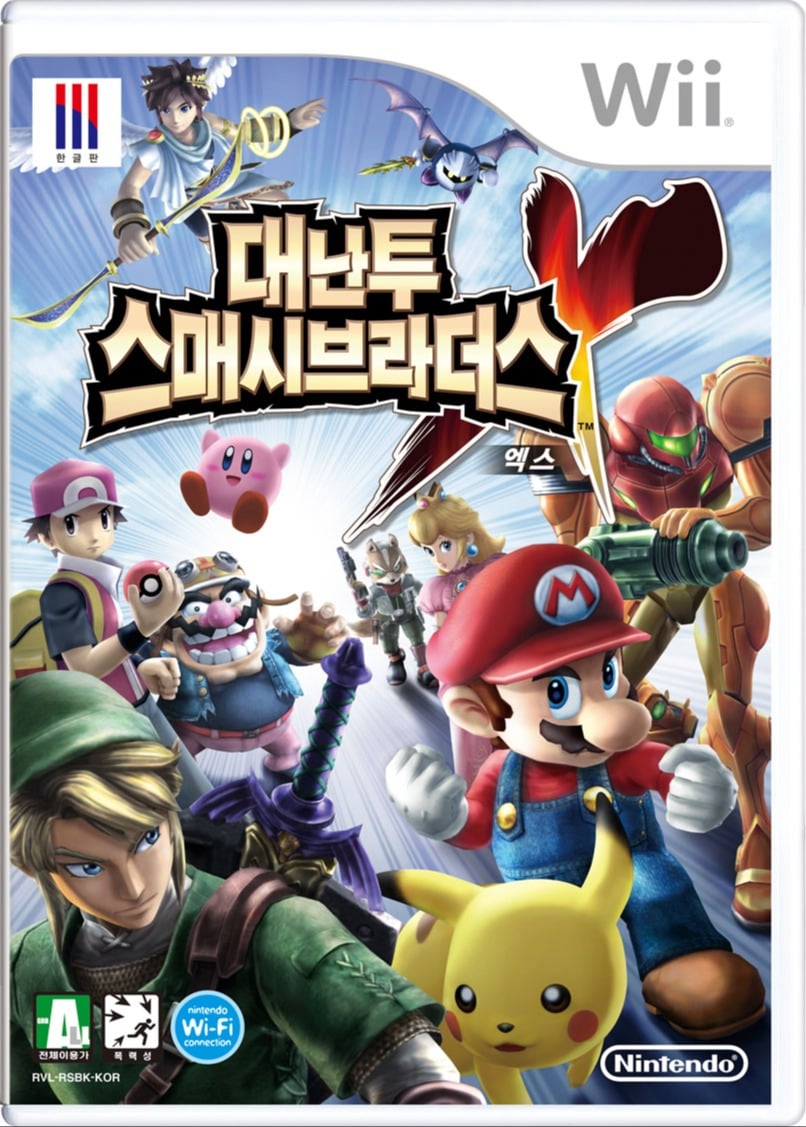
Regional covers, including re-rated European and German printings and the Nintendo Selects reissues.
North AmericaMarch 2008JapanJanuary 2008EuropeJune 2008Europe, later printing2010 PEGI ratingEurope, Nintendo SelectsOctober 2013GermanyGermany, later printing2009 USK ratingAustralia and New ZealandJune 2008South KoreaApril 2010South Korea, Nintendo SelectsNovember 2014
Screenshots
More of the Mario family in action.
Luigi Cyclone.Peach Bomber.Peach plucks a vegetable.Bowser’s Fire Breath.Mario’s Cape.Yoshi Bomb.
Artwork & Media Gallery
Logos, group artwork, boss and Assist Trophy art, data models, more Masterpieces and controller layouts.
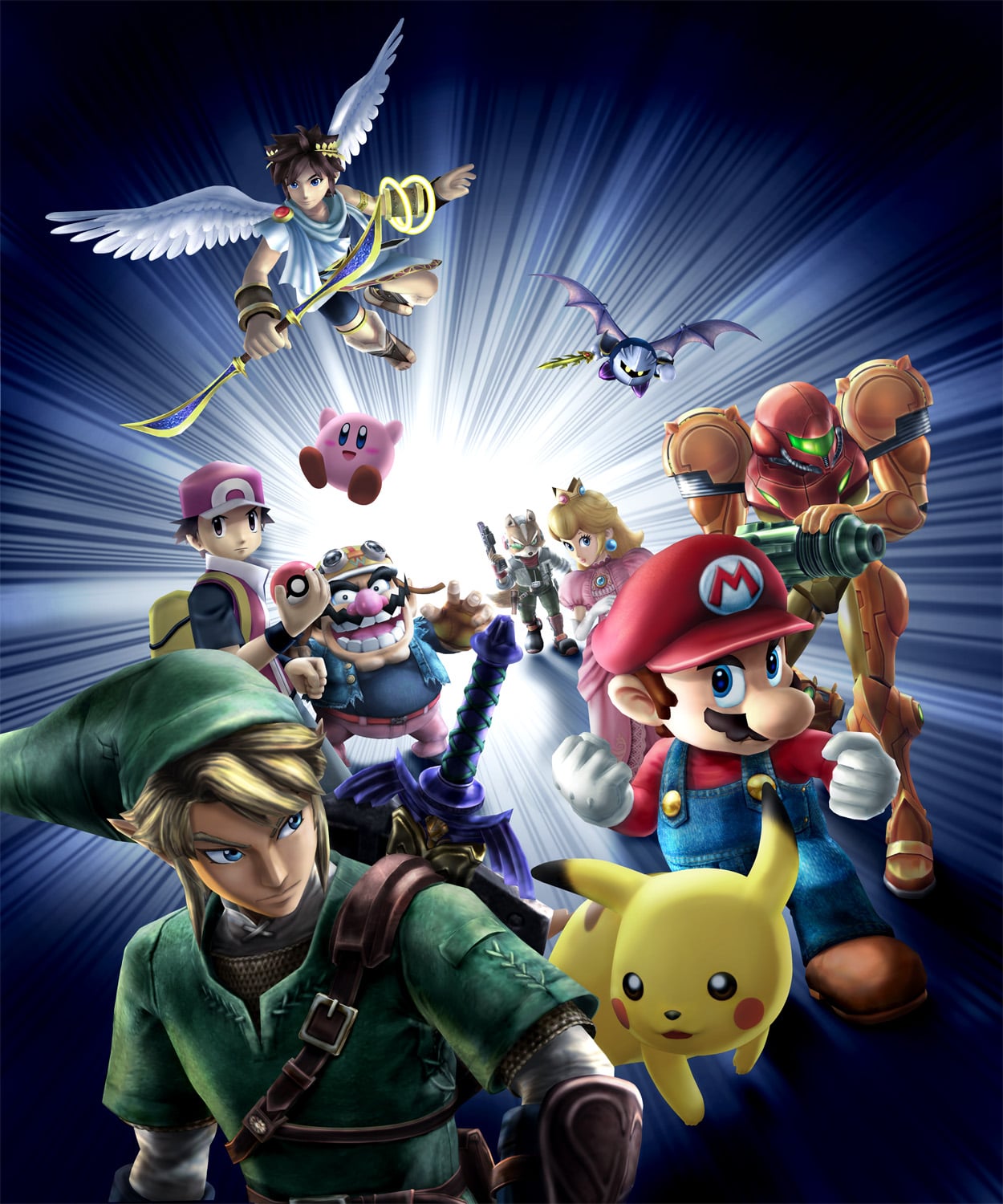
The logo.An alternative logo.The Japanese logo.The Korean logo.Group artwork.Promotional artwork.The full cast.Rayquaza.The Porky Statue.Porky.Galleom.Ridley.Meta Ridley.The Giga Bowser model.A Klaptrap model.The Legend of Zelda as a Masterpiece.Star Fox 64 as a Masterpiece.Ocarina of Time as a Masterpiece.
Legacy & Re-releases
Brawl was never re-released, and its online modes are long gone, but it changed what a Smash Bros. game contains and left a competitive story of its own.
Releases and milestones
Wii (Japan)31 January 2008First release, also in Hong Kong.
Wii (North America)9 March 2008Also Mexico. 1.4 million sold in the first week in the US.
Wii (Australia)26 June 2008A day ahead of Europe.
Wii (Europe)27 June 2008Date confirmed on 24 April 2008.
Wii (Taiwan; South Africa)12 July 2008; 21 August 2008Later territories.
Wii (South Korea)29 April 2010More than two years after Japan.
Nintendo Selects (Europe; Australia)18 October 2013; 7 November 2013Budget reissue; South Korea followed on 6 November 2014.
Nintendo Wi-Fi Connection closes20 May 2014The end of Brawl’s online modes.
Project M stops1 December 2015The fan modification begun in 2011 ends development.
The competitive scene
SmashWiki tells the story. Brawl’s tournament scene grew fast after its release, with hundred-player local events in its first months, but many Melee veterans disliked its slower, floatier play, the loss of wavedashing and the random trips, and most went back to Melee during 2009. Meta Knight and Snake were seen as the strongest characters and Mew2King as the strongest player, until Ally beat him at Apex 2009 and GENESIS.
Major League Gaming put Brawl on its 2010 Pro Circuit, though Nintendo did not allow the matches to be streamed. In September 2011 the Unity Ruleset Committee voted to ban Meta Knight from January 2012; the ban was lifted in April 2012 and left to individual organisers. Apex then became the centre of the scene, with Japan’s Otori winning in 2012 and Salem in 2013, before Melee’s return at EVO 2013 and the arrival of the 3DS and Wii U games emptied the brackets. Brawl had a small revival in 2022 and 2023, when its Super Smash Con event passed 200 entrants.
Project M
Project M was the competitive community’s answer to Brawl: a fan modification, started in 2011 by a group of players calling itself the Project M Back Room, that made the game feel much more like Melee, rebalanced every fighter and put Mewtwo and Roy back on the roster. Its version 3.0 demo alone had been downloaded more than 300,000 times by February 2014. The team called a halt on 1 December 2015; a different group took up the idea in 2019 with Project+, which Wikipedia calls a spiritual successor.
What came next
Sakurai went on to direct Super Smash Bros. for Nintendo 3DS and Wii U, which removed tripping and brought back several Brawl newcomers. Many of Brawl’s music arrangements were used again in later Smash games, and its Final Smashes, Assist Trophies and Stage Builder became fixtures of the series. The Nintendo 64 original page tells the story of where it all began.
Reviews & Sales
Sales
Brawl was an instant hit. In the United States, Nintendo reported 874,000 copies sold on launch day and 1.4 million in the first week, which it called the fastest-selling game in its American history.
Nintendo’s investor-relations data gives lifetime sales of 13.32 million as of 31 March 2024. The older Nintendo IR page still online (data as of 30 September 2016) shows 13.15 million and ranks Brawl eighth among Wii games. Nintendo Life’s 2019 series comparison put it at 13.27 million, behind the 3DS and Wii U games together and Ultimate.
13.32 millionworldwide (Nintendo IR, 31 March 2024)
1.4 millionfirst week in the United States (Nintendo)
874,000US launch-day sales
8thbest-selling Wii game on Nintendo’s IR list (2016)
Reviews
Scores as listed by Wikipedia. Critics loved the amount of content and the soundtrack; the complaints were about the adventure’s loading times and the online lag.
FamitsuFour reviewers
40/40
Nintendo PowerChris Slate
10/10
IGNMatt Casamassina
9.5/10
GameSpotUSA
9.5/10
DestructoidAaron Linde
9.5/10
GameTrailersUSA
9.4/10
MetacriticAggregate
93/100
GameRankingsAggregate
92.84%
EdgeUK
9/10
EurogamerTom Bramwell
9/10
Cubed3James Temperton
9/10
Nintendo Power’s Chris Slate gave it full marks and placed it among the best games Nintendo had made, and all four of Famitsu’s reviewers gave it ten. Destructoid’s Aaron Linde found it one of the most densely packed games on any console. Eurogamer’s Tom Bramwell felt its quirks of control and structure did not outweigh its long-term appeal, and IGN’s Matt Casamassina, otherwise delighted, grumbled about the long loading times in The Subspace Emissary.
Over time the criticism that stuck came from competitive players: the slower pace, the random tripping and the dominance of Meta Knight. That is covered under Legacy.
Honours
Academy of Interactive Arts & SciencesFighting Game of the YearAt the 12th Annual Interactive Achievement Awards.
IGN, 2008Three awardsBest Fighting Game, Best Local Multiplayer Game and Best Original Score (Wii).
GameSpot, 2008Best Fighting GameIn its Game of the Year awards.
Official Nintendo Magazine15thIn its list of the 100 greatest Nintendo games.
Nintendo Power5thAmong the best games of the 2000s on Nintendo systems.
SLB User Reviews
Super Smash Bros. Brawl has yet to receive a community review on Super Luigi Bros.
If you’ve played Super Smash Bros. Brawl and would like to submit a review, please get in touch.
More from the Super Luigi Bros Guide
These picture lists come from the earlier Super Luigi Bros guide to Super Smash Bros. Brawl and are kept here in full.
Full roster
Brawl launched with 39 playable fighters — at the time, the largest roster in the series. Of these, 16 were newcomers, including the historic first appearances of third-party characters Snake and Sonic. Most fighters are unlocked through gameplay rather than available from the start.
Mario
Luigi
Peach
Bowser
Yoshi
Wario NEW
Donkey Kong
Diddy Kong NEW
Link
Zelda
Sheik
Ganondorf
Toon Link NEW
Samus
ZS Samus NEW
Kirby
Meta Knight NEW
King Dedede NEW
Fox
Falco
Wolf NEW
Pikachu
Pokémon Trainer NEW
Lucario NEW
Ness
Lucas NEW
Ice Climbers
Marth
Ike NEW
Pit NEW
Olimar NEW
R.O.B. NEW
Snake NEW
Sonic NEW
Jigglypuff
Mr. G&W
C. Falcon
Of particular note: Meta Knight was widely considered the most overpowered character in competitive history — his aerial mobility, multiple jumps and fast safe attacks made him dominant at tournament level. Snake‘s inclusion came from a personal request by Hideo Kojima to Sakurai years earlier, and his moveset — grenades, C4, missiles — was unlike anything else in Smash. Pokémon Trainer uniquely controlled three separate Pokémon (Squirtle, Ivysaur and Charizard) and could switch between them mid-match.
To provide the best experiences, we use technologies like cookies to store and/or access device information. Consenting to these technologies will allow us to process data such as browsing behavior or unique IDs on this site. Not consenting or withdrawing consent, may adversely affect certain features and functions.
Functional
Always active
The technical storage or access is strictly necessary for the legitimate purpose of enabling the use of a specific service explicitly requested by the subscriber or user, or for the sole purpose of carrying out the transmission of a communication over an electronic communications network.
Preferences
The technical storage or access is necessary for the legitimate purpose of storing preferences that are not requested by the subscriber or user.
Statistics
The technical storage or access that is used exclusively for statistical purposes.The technical storage or access that is used exclusively for anonymous statistical purposes. Without a subpoena, voluntary compliance on the part of your Internet Service Provider, or additional records from a third party, information stored or retrieved for this purpose alone cannot usually be used to identify you.
Marketing
The technical storage or access is required to create user profiles to send advertising, or to track the user on a website or across several websites for similar marketing purposes.

 BattlefieldSuper Smash Bros. · starterThree floating platforms over a grassy island whose sky moves from day to dusk to night. No hazards.
 Final DestinationSuper Smash Bros. · starterOne flat platform in space, with a background that keeps changing.
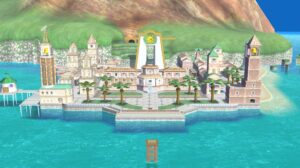 Delfino PlazaSuper Mario Sunshine · starterA platform flies the fighters on a tour of Isle Delfino, stopping in different corners of the town, some of them by the water.
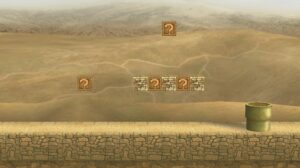 Mushroomy KingdomSuper Mario Bros. · starterWorld 1-1 rebuilt as a stage that scrolls on its own, with pits and pipes; now and then it becomes the underground World 1-2.
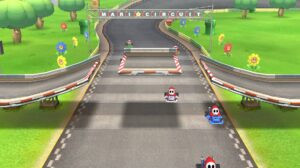 Mario CircuitMario Kart · starterThe crossover of Figure-8 Circuit, with Shy Guys racing straight through the middle of the fight.
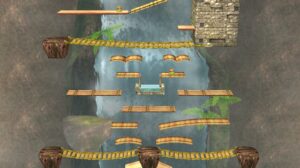 Rumble FallsDonkey Kong Jungle Beat · starterA slow vertical climb up a waterfall, with ladders, switches and thorns.
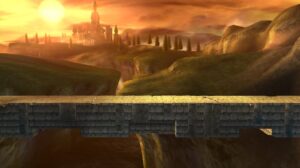 Bridge of EldinThe Legend of Zelda: Twilight Princess · starterA long bridge that enemies can blow apart until a portal mends it.
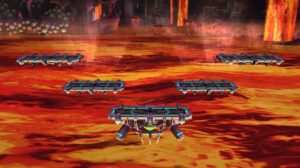 NorfairMetroid · starterLava rises, falls in streams and finally sweeps across in a great wave.
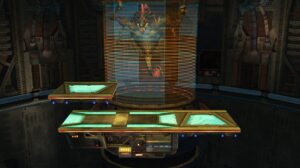 Frigate OrpheonMetroid Prime · starterA space frigate that flips round to a new layout and sometimes loses power.
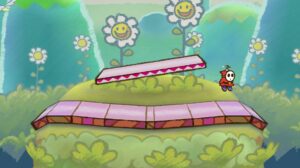 Yoshi’s IslandSuper Mario World 2: Yoshi’s Island · starterAn island that changes with the seasons while Fly Guys carry items overhead.
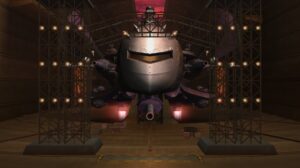 HalberdKirby · starterA ride on Meta Knight’s battleship, with a laser cannon and a grabbing arm to dodge.
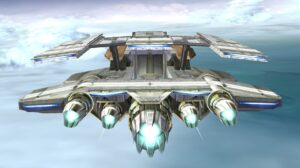 Lylat CruiseStar Fox · starterA Final Destination-like ship flying through the Lylat System.
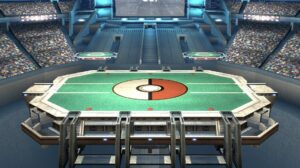 Pokémon Stadium 2Pokémon · starterA stadium that changes between ice, electric, ground and flying layouts.
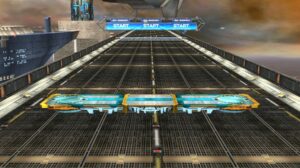 Port Town Aero DiveF-Zero · starterHovering platforms over an F-Zero track, with racing machines tearing through.
 Castle SiegeFire Emblem · starterA castle with three layouts, where breakable statues hold up platforms.
 WarioWare, Inc.WarioWare · starterMicrogames pop up in the middle of the fight, and whoever wins one gets a reward.
 Distant PlanetPikmin · starterA forest floor with a Bulborb, rainstorms and Pellet Posies.
 SmashvilleAnimal Crossing: Wild World · starterA hazard-free town square whose events follow the Wii’s clock.
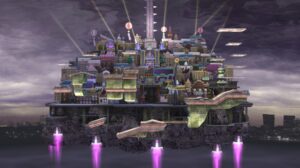 New Pork CityEarthBound · starterA huge, mostly fixed stage where the Ultimate Chimera may prowl.
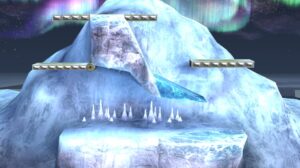 SummitIce Climber · starterA chunk of glacier that breaks off and floats away, and a fish that eats people.
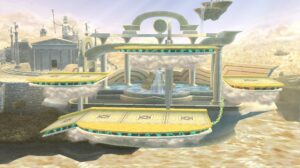 SkyworldKid Icarus · starterCloud platforms that can be smashed to open the way.
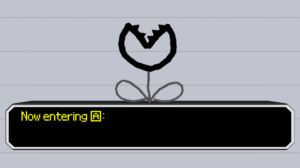 PictoChatNintendo DS · starterPlatforms and hazards that are sketched in and rubbed out again.
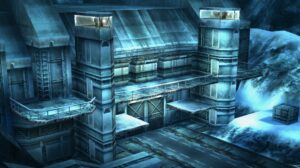 Shadow Moses IslandMetal Gear Solid · starterA heliport with breakable walls that rebuild themselves.
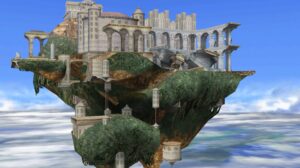 TempleThe Legend of Zelda · starter · returning from MeleeMelee’s vast, wide temple, with new music.
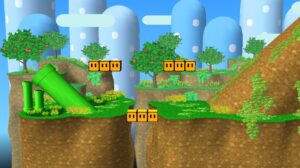 Yoshi’s Island (Melee)Super Mario World · starter · returning from MeleeMelee’s Super Mario World stage, with its Rotating Blocks.
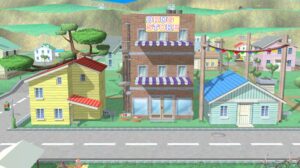 OnettEarthBound · starter · returning from MeleeCars race through the streets, and the awnings give way.
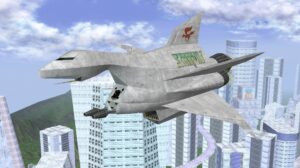 CorneriaStar Fox · starter · returning from MeleeThe Great Fox again, with Arwings and Wolfens about.
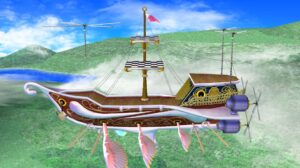 Rainbow RideSuper Mario 64 · starter · returning from MeleeMelee’s Super Mario 64 stage, riding the Rainbow Cruiser and magic carpets.
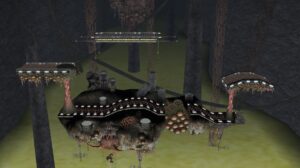 BrinstarMetroid · starter · returning from MeleeAcid rises and falls in a set pattern.
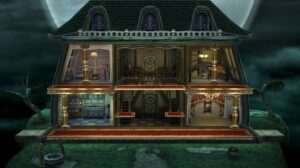 Luigi’s MansionLuigi’s Mansion · unlock: play 3 Brawls as LuigiAttack its four pillars and the mansion collapses on to the fighters.
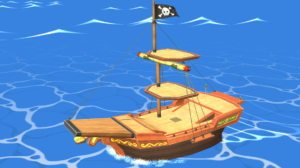 Pirate ShipThe Legend of Zelda: The Wind Waker · unlock: unlock Toon LinkA ship on the Great Sea, with cannons, rocks and a whirlwind.
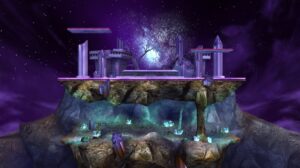 Spear PillarPokémon · unlock: clear Event 25Dialga, Palkia and other legendary Pokémon act as hazards.
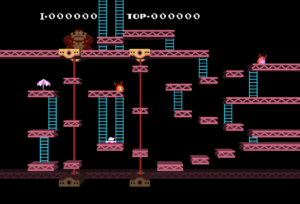 75 mDonkey Kong · unlock: play 20 Brawls as Donkey KongThe arcade game’s girders, with Donkey Kong on top and bouncing springs.
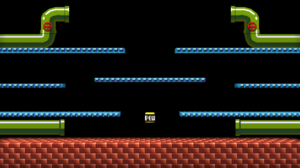 Mario Bros.Mario Bros. · unlock: clear Event 19The arcade sewer, with Shellcreepers and Sidesteppers on the loose.
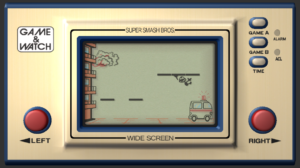 Flat Zone 2Game & Watch · unlock: unlock Mr. Game & WatchScenes from several Game & Watch titles in turn.
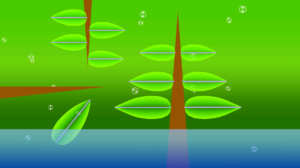 HanenbowElectroplankton · unlock: clear Event 28Leaves to stand on, flying Hanenbows and a pool you can swim in.
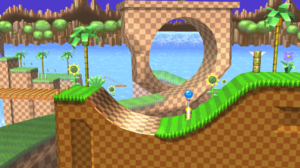 Green Hill ZoneSonic the Hedgehog · unlock: unlock SonicThe first Sonic stage, with a dip in the middle that can crumble.
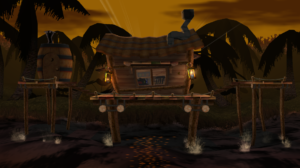 Jungle JapesDonkey Kong · unlock: play Melee stages 10 times · returning from MeleeRushing water and Klaptraps beneath the platforms.
 Green GreensKirby’s Dream Land · unlock: play 20 Brawls as Kirby · returning from MeleeWhispy Woods, blocks and Bomb Blocks.
 Big BlueF-Zero · unlock: play 10 Brawls as Captain Falcon · returning from MeleeA fight on top of speeding race machines.
 Pokémon StadiumPokémon · unlock: play 10 Brawls on Pokémon Stadium 2 · returning from MeleeMelee’s stadium, with grass, fire, water and rock layouts.
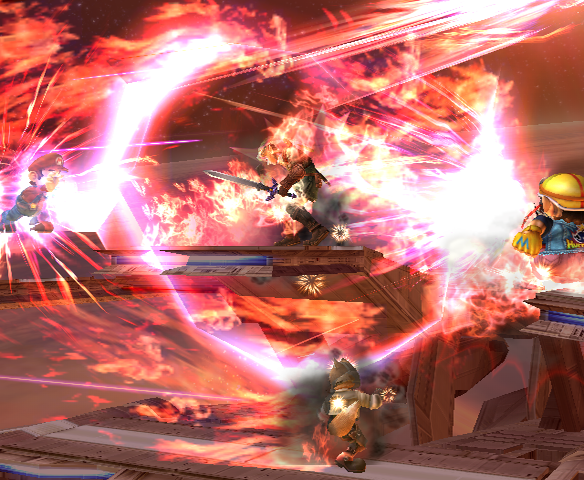
 Smash BallSuper Smash Bros. Break it to earn a Final Smash.
 Assist TrophySuper Smash Bros. Summons a helper character for a short time.
 Poké BallPokémon. Releases a random Pokémon.
 Bob-ombSuper Mario. Explodes on impact or wanders off and blows up; rains down in Sudden Death.
 Fire FlowerSuper Mario. A short, limited stream of fire.
 FreezieSuper Mario. Slides along and freezes whoever it hits.
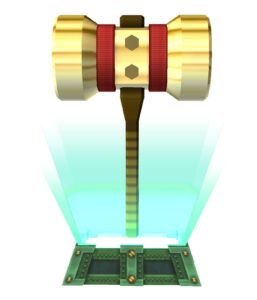 Golden HammerSuper Mario. A stronger Hammer that lets you float; sometimes it is a harmless squeaky one.
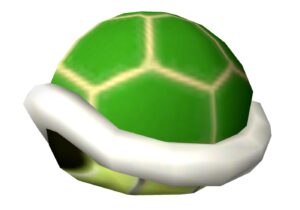 Green ShellSuper Mario. Slides along and turns back when it hits a wall.
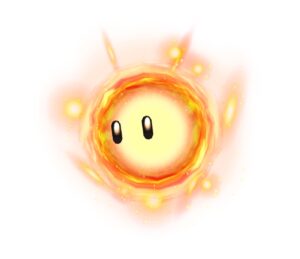 HotheadSuper Mario. Creeps round the stage burning the thrower’s opponents.
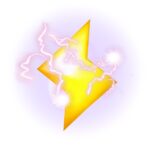 LightningSuper Mario. Usually shrinks every opponent; occasionally backfires or makes everyone giant.
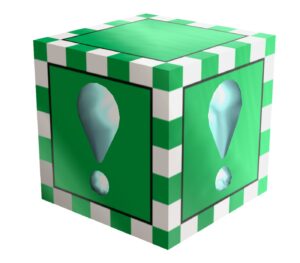 Metal BoxSuper Mario. Turns you to metal: heavy, hard to flinch, quick to fall.
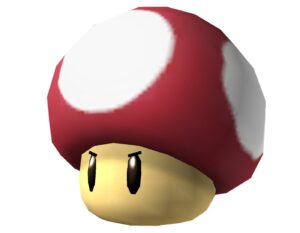 Poison MushroomSuper Mario. Shrinks whoever touches it.
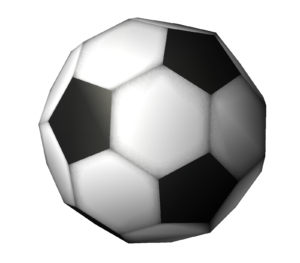 Soccer BallSuper Mario. Kick it hard and it flies off in flames.
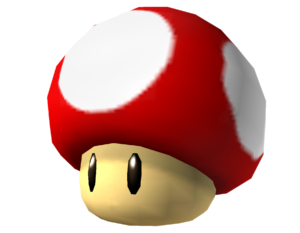 Super MushroomSuper Mario. Makes you giant for a while.
 StarmanSuper Mario. About ten seconds of invincibility.
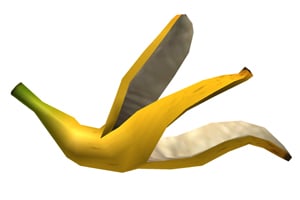 Banana PeelDonkey Kong. Trips anyone who runs over it.
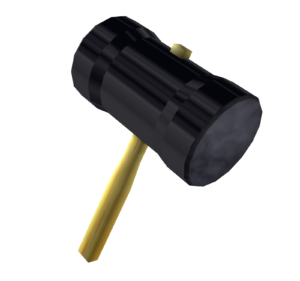 HammerDonkey Kong. Huge damage, but no double jump or specials while you hold it; the head can fly off.
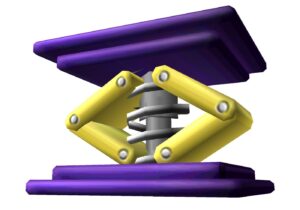 SpringDonkey Kong. Bounces fighters high into the air.
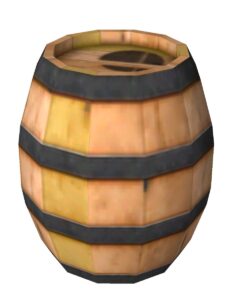 BarrelA container that can tip over and roll into people.
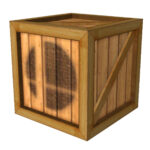 Crate and Rolling CrateBreak them open for items; the rolling kind trundles away when hit.
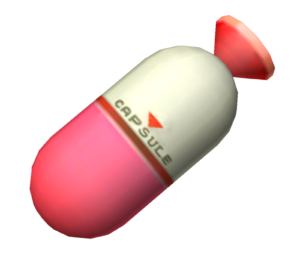 CapsuleHolds an item, or occasionally explodes.
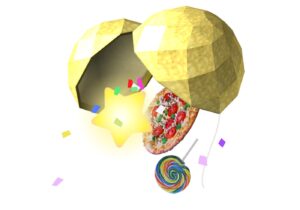 Party BallPops open to drop a shower of items, sometimes all Bob-ombs.
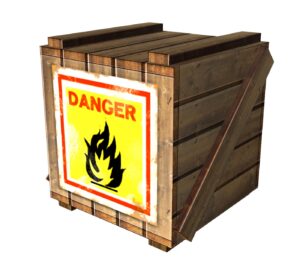 Blast BoxA crate that explodes when hit hard or set alight.
 SandbagHit it and items fall out.
 Food28 kinds of snack, each healing a different amount.
 Maxim TomatoKirby. Heals 50%.
 Heart ContainerThe Legend of Zelda. Heals up to 100%.
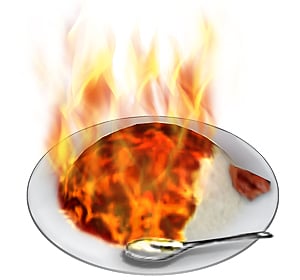 Superspicy CurryKirby. Makes you breathe fire for a while.
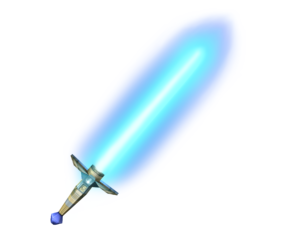 Beam SwordA long sword that hits harder the longer you charge a smash.
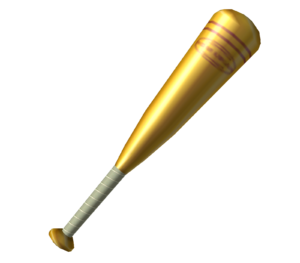 Home-Run BatA charged swing is almost always a knock-out.
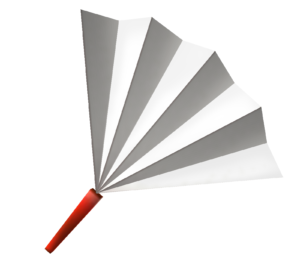 FanRapid weak slaps that can break shields.
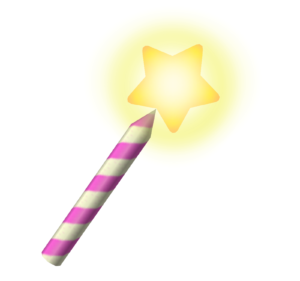 Star RodKirby. Swings fire stars.
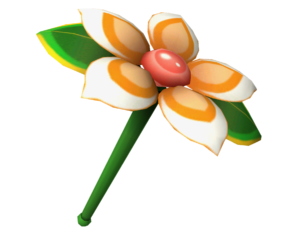 Lip’s StickPanel de Pon. Plants a flower on a victim’s head that keeps hurting them.
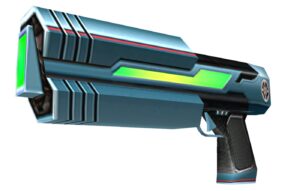 Ray GunUp to sixteen quick blasts.
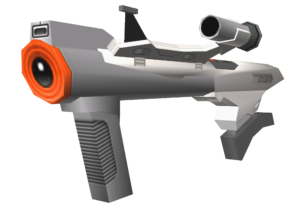 Super ScopeSuper Scope. Rapid fire or three charged shots.
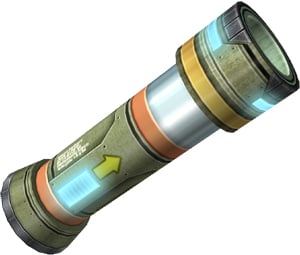 Cracker LauncherFires fireworks you can aim.
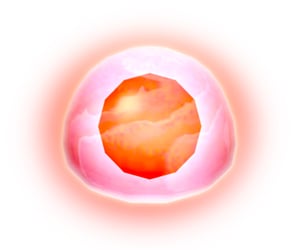 Gooey BombSticks to whatever it touches, then explodes.
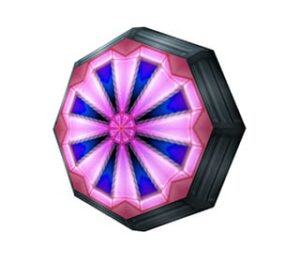 Motion-Sensor BombHidden mine that goes off when someone comes near.
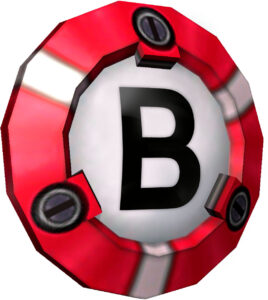 Smart BombStar Fox. A huge blast, if it goes off.
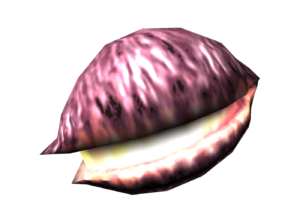 Deku NutThe Legend of Zelda. A flash that stuns.
 PitfallAnimal Crossing. Buries anyone who steps on it.
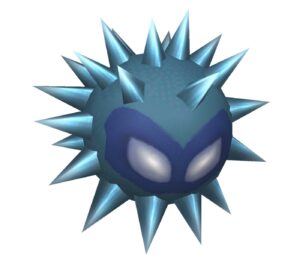 UniraClu Clu Land. A sea urchin whose spikes shoot out when it is hit.
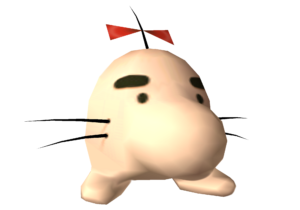 Mr. SaturnEarthBound. A weak throwing item.
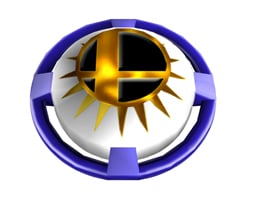 BumperBounces away anyone who touches it.
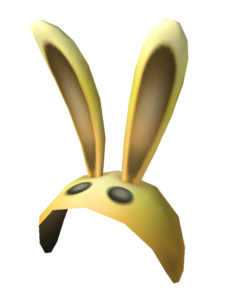 Bunny HoodThe Legend of Zelda. Faster running and higher jumps.
 Screw AttackMetroid. Every jump becomes a Screw Attack.
 Franklin BadgeEarthBound. Reflects energy projectiles at double damage.
 Warp StarKirby. Rockets you up and slams you back down.
 DragoonKirby. Collect three parts, then fire yourself across the screen.
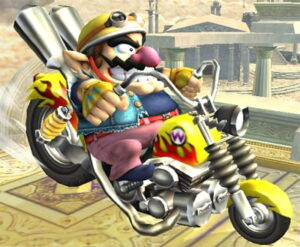 Wario Bike partsWario. Pieces of a wrecked bike, ready to throw.



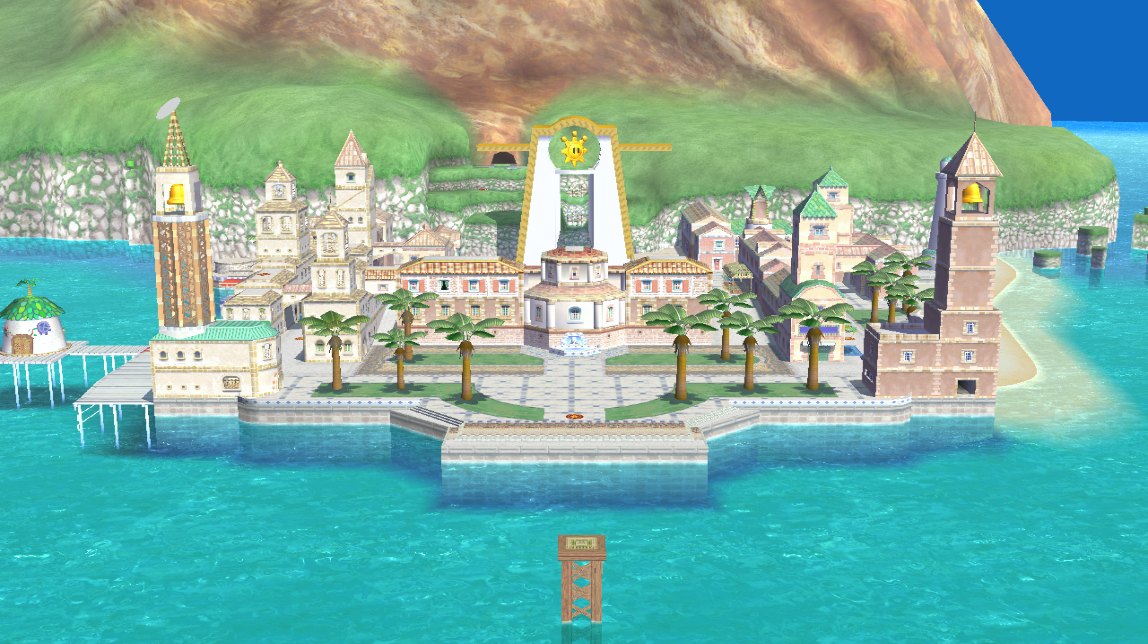 Super Mario SunshineStage and move · GameCube, 2002Delfino Plaza gives Isle Delfino its first Smash stage, with music brought over from the game, and F.L.U.D.D. becomes Mario’s down special move.
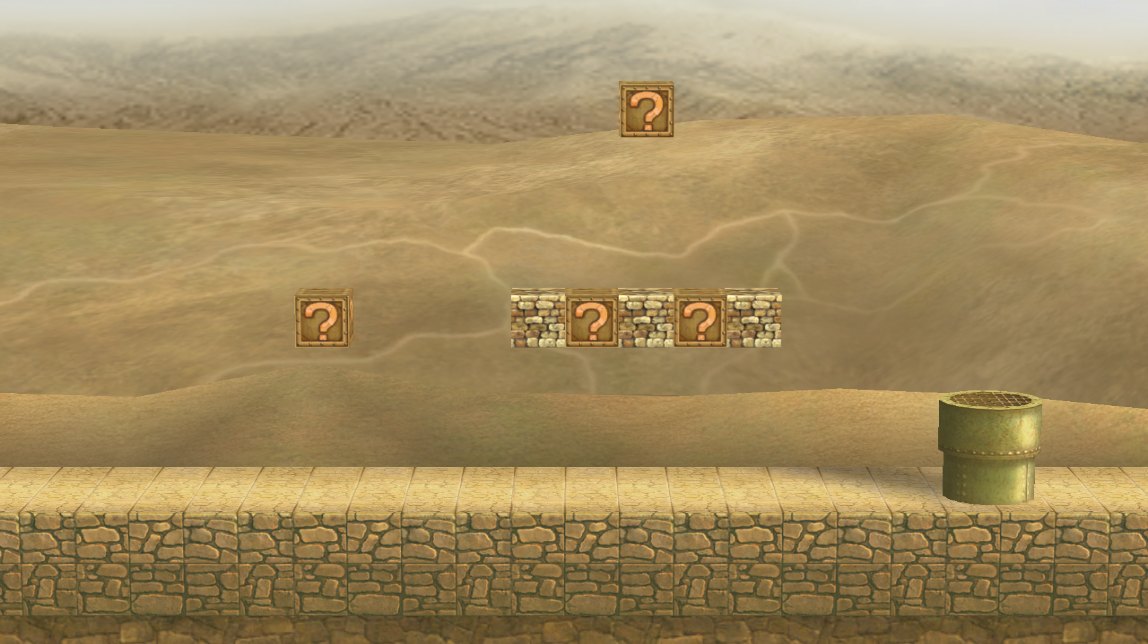 Super Mario Bros. and Super Mario LandMushroomy KingdomMushroomy Kingdom is built from World 1-1 and, sometimes, the underground World 1-2. The ground, underground and underwater themes are rearranged, and the World 1-2 track is an arrangement of the Easton Kingdom music from Super Mario Land.
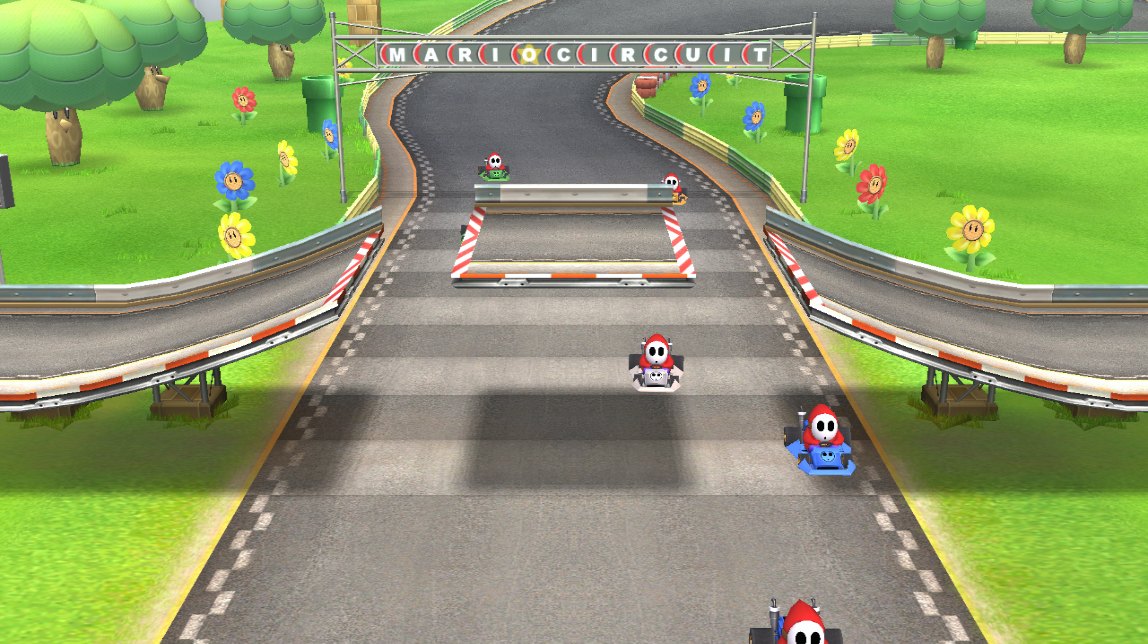 Mario KartMario CircuitThe Mario Circuit stage is the crossroads of Figure-8 Circuit, and Shy Guys drive straight through the fight.
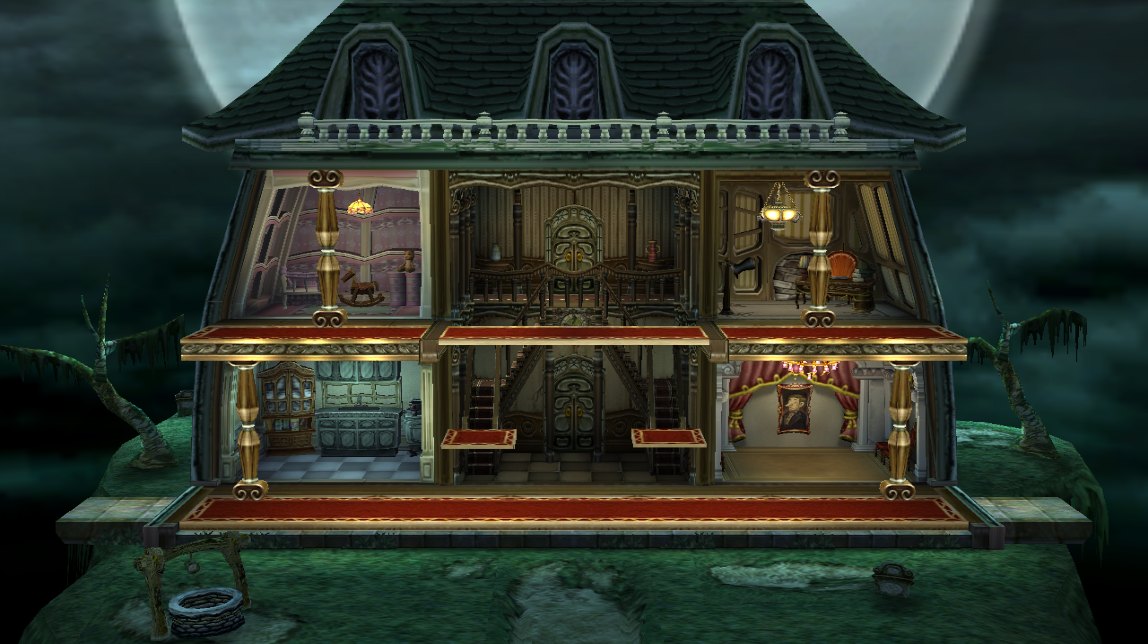 Luigi’s MansionStage and music · GameCube, 2001An unlockable stage that falls apart if you attack its pillars, plus an arrangement of the humming title theme.
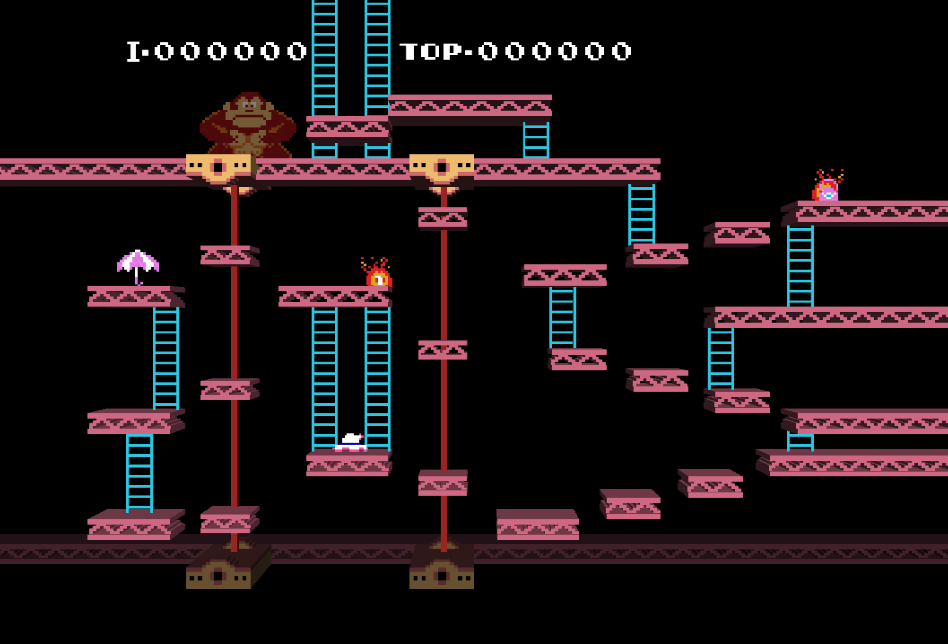 Mario Bros. and Donkey KongArcade stages and costumesTwo arcade stages: Mario Bros., complete with POW Block, Shellcreepers and Sidesteppers, and 75 m, with Donkey Kong at the top. Mario has a costume in his Donkey Kong colours, and Wario’s alternative colours borrow from Mario Bros. artwork.
 Super Mario World and Super Mario 64Music and posesDelfino Plaza’s playlist includes Super Mario World’s title and ending music and the Super Mario 64 main theme, Rainbow Ride returns from Melee, and one of Peach’s victory poses echoes her stained-glass portrait in Super Mario 64.
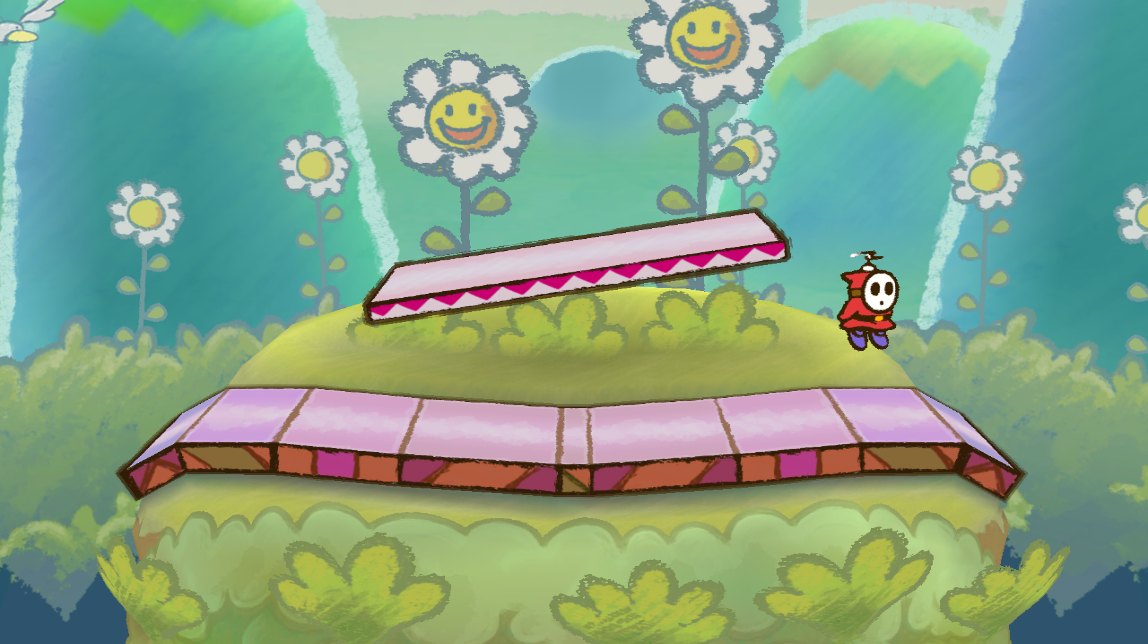 Super Mario World 2: Yoshi’s IslandStageThe new Yoshi’s Island stage changes with the seasons, while the Melee stage of the same name, based on Super Mario World, also returns.
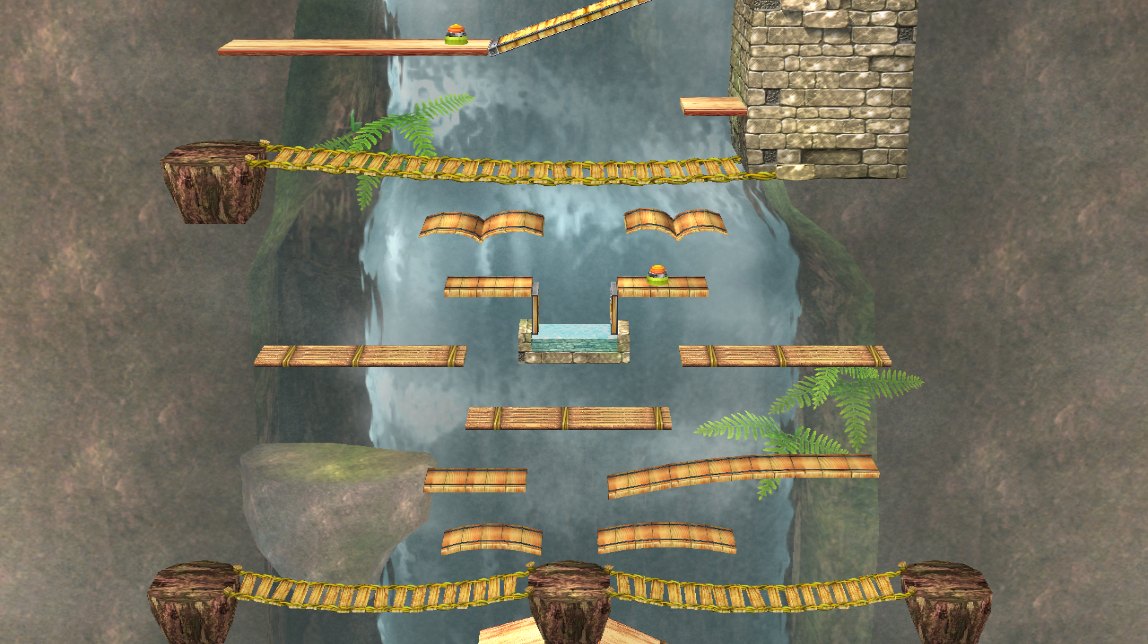 Donkey Kong Country, Donkey Kong 64 and Jungle BeatStages and movesRumble Falls comes from Donkey Kong Jungle Beat, Jungle Japes returns from Melee, Diddy Kong’s Peanut Popgun and Rocketbarrel Boost come from Donkey Kong 64, and his dash attack is his Donkey Kong Country cartwheel.
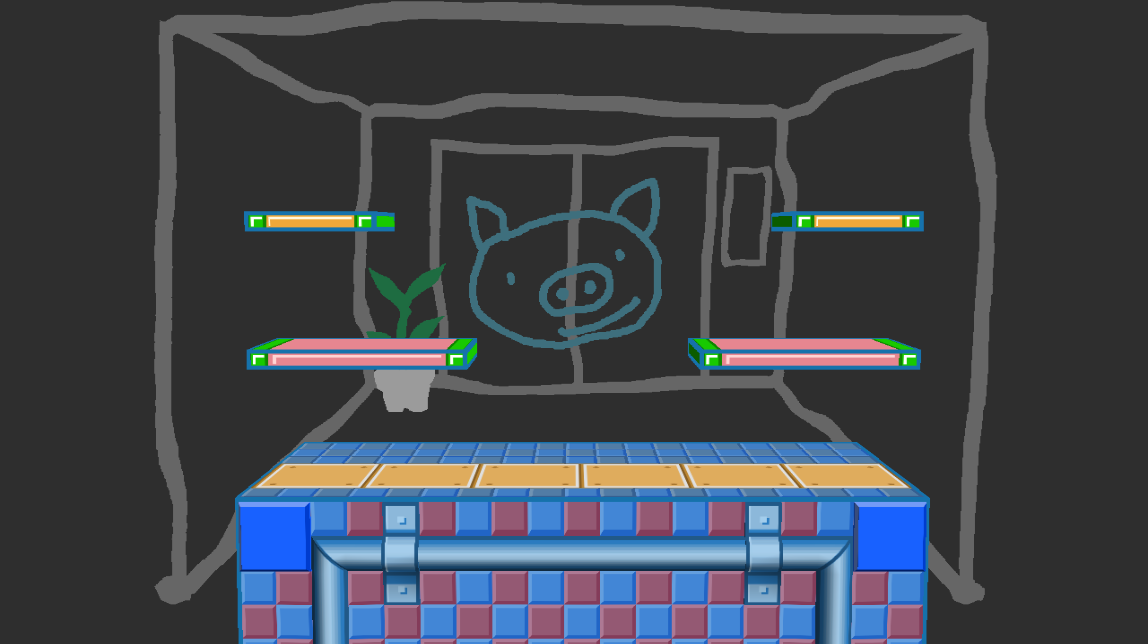 Wario Land, WarioWare and Wario WorldWario’s movesWario’s forward smash and down throw come from Wario Land, his forward throw is the Wild Swing Ding of Wario World, and his bike, his Final Smash and the WarioWare, Inc. stage, with its microgames, come from WarioWare.
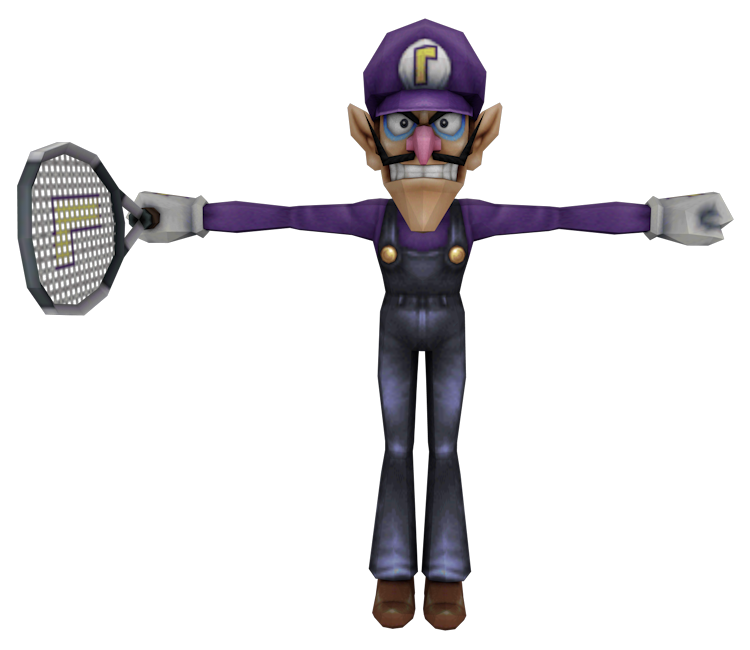 Assist Trophies and bossesMario-series cameosWaluigi, a Hammer Bro and Lakitu with his Spinies are Assist Trophies, and Petey Piranha is The Subspace Emissary’s first boss. The Mario items include the Freezie, the Hothead, the Golden Hammer, the Poison Mushroom and Lightning.
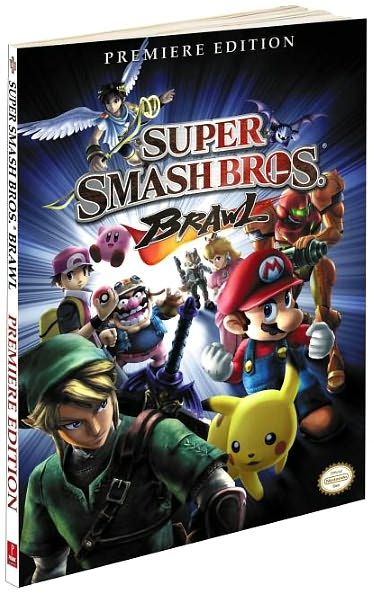 Prima’s official guideBook · 2008Prima Games’ official guide to Brawl.
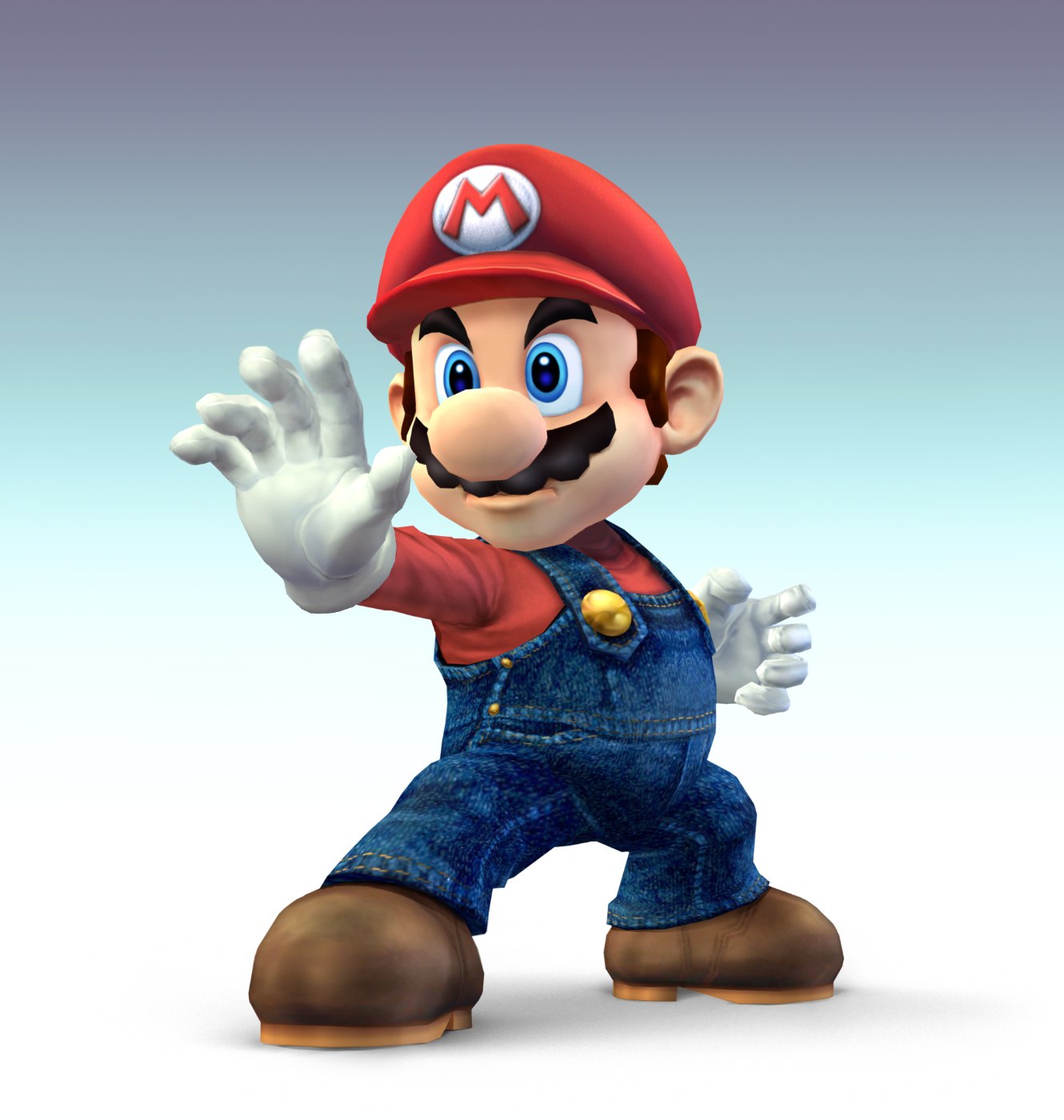 MarioSuper Mario · starter
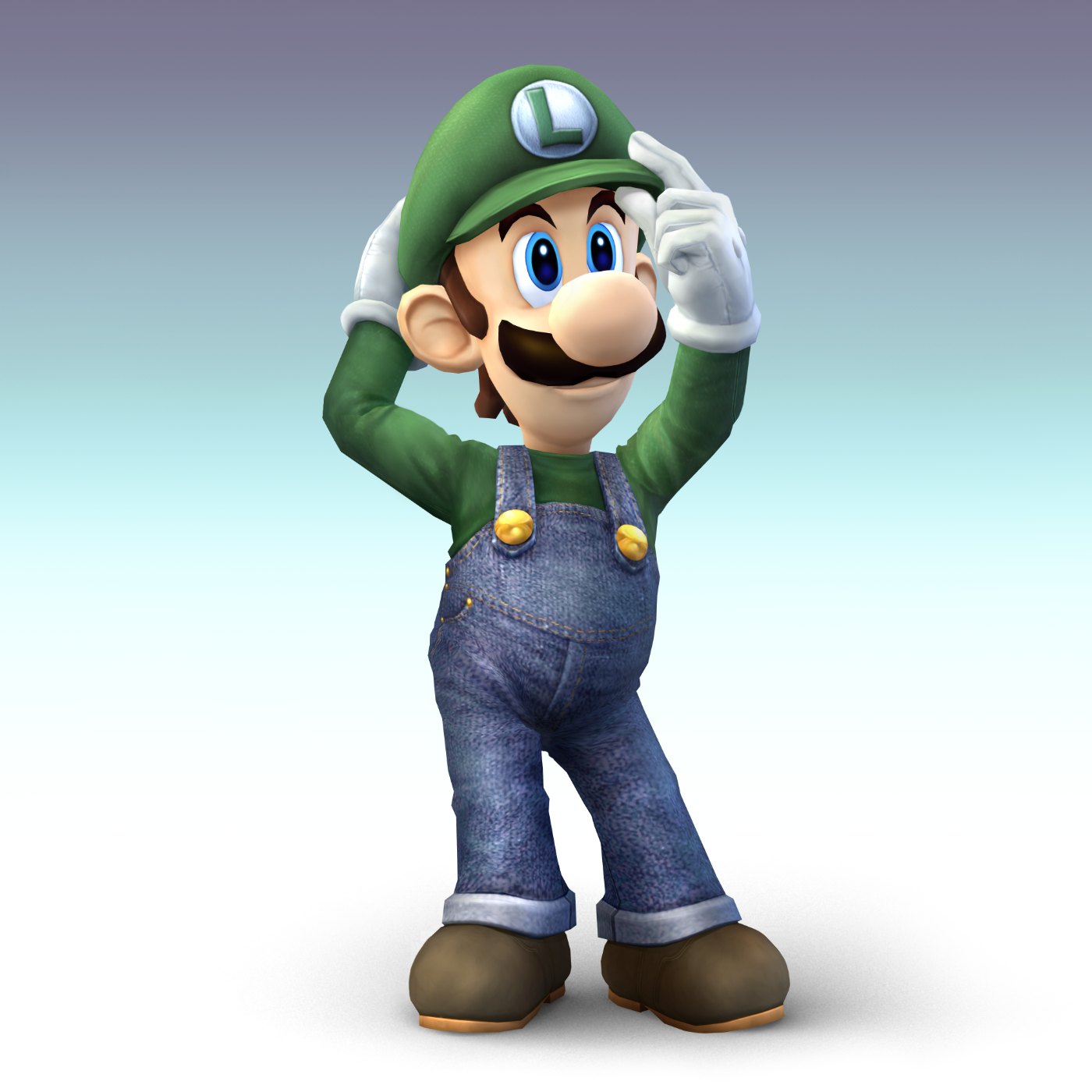 LuigiSuper Mario · unlockable
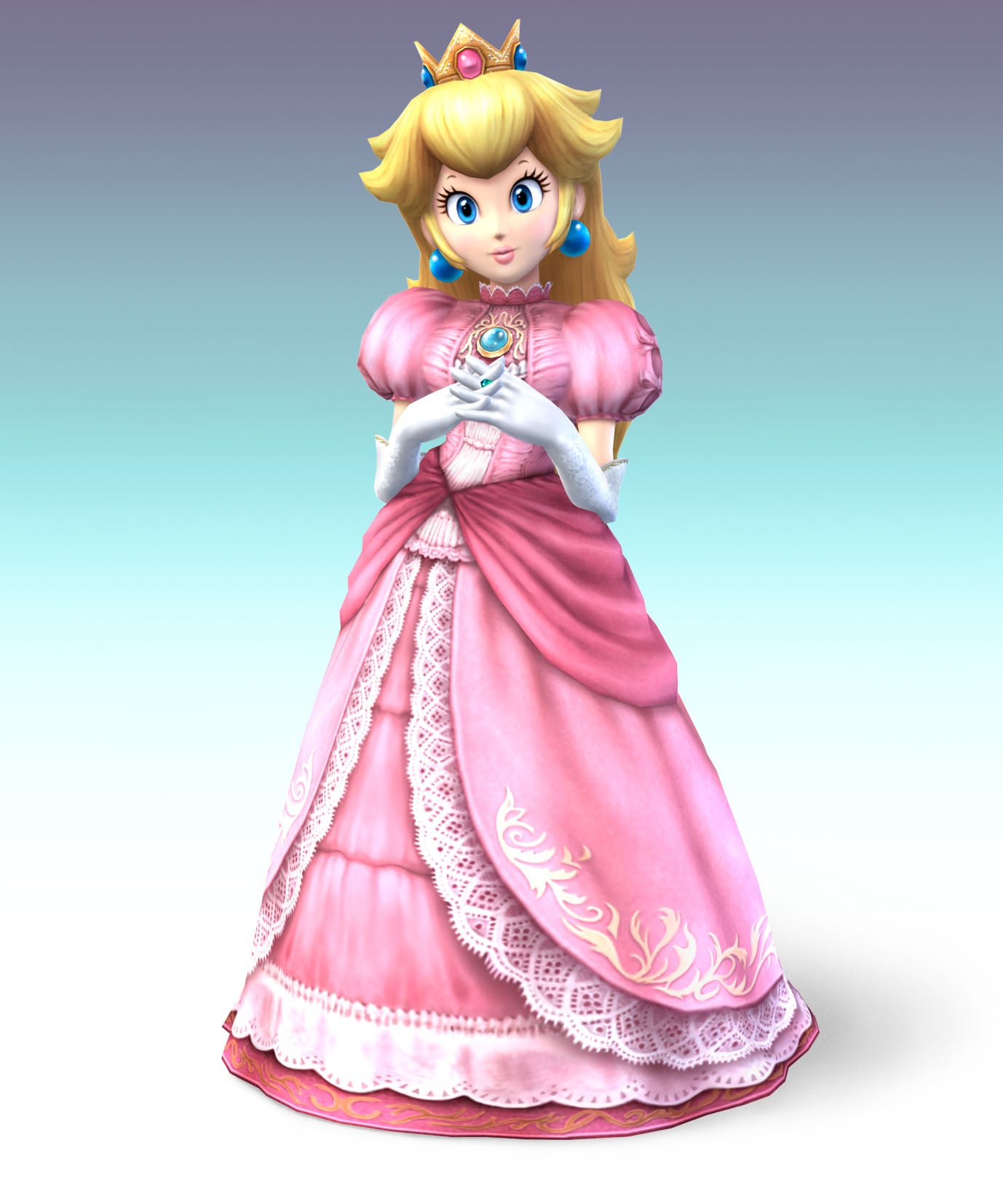 PeachSuper Mario · starter
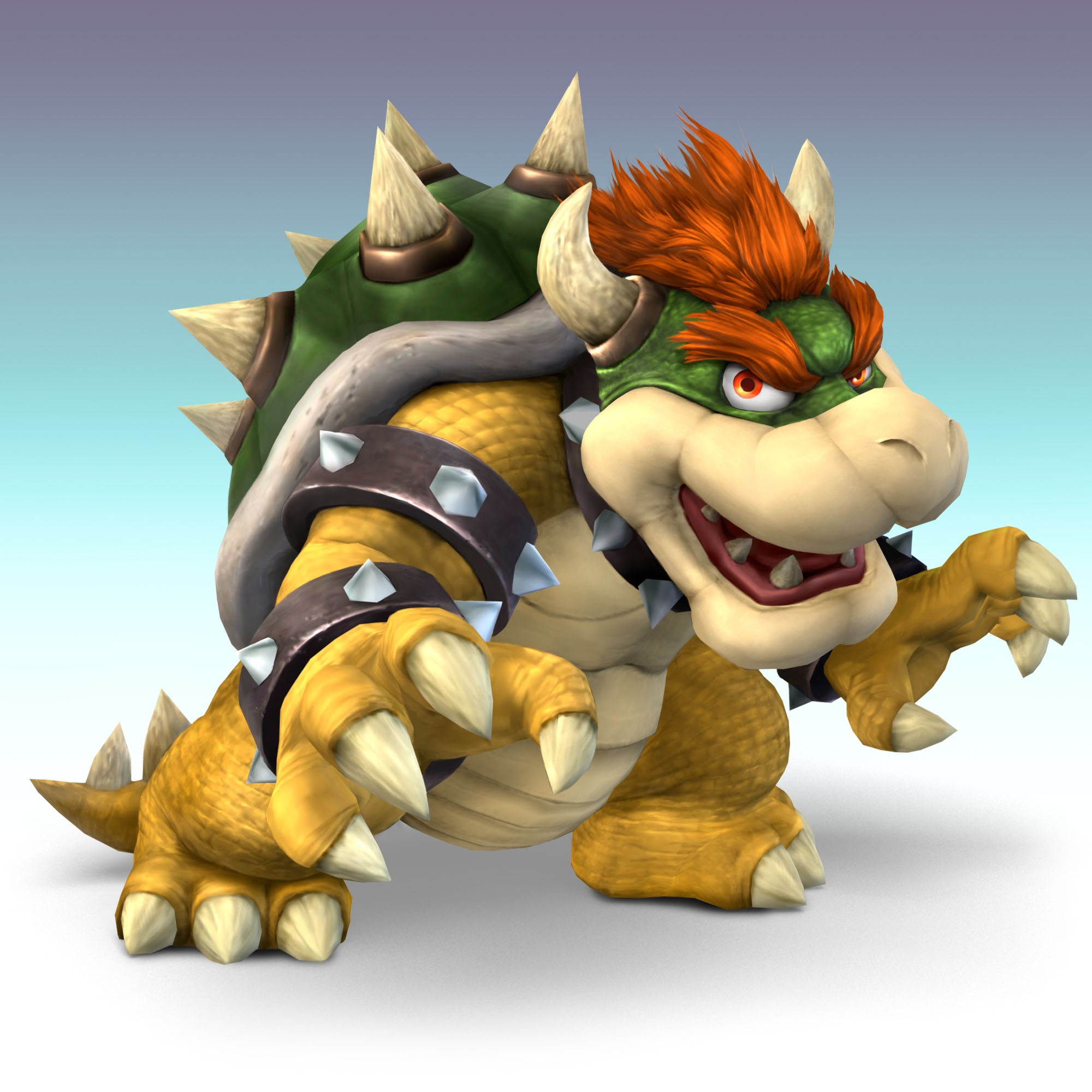 BowserSuper Mario · starter
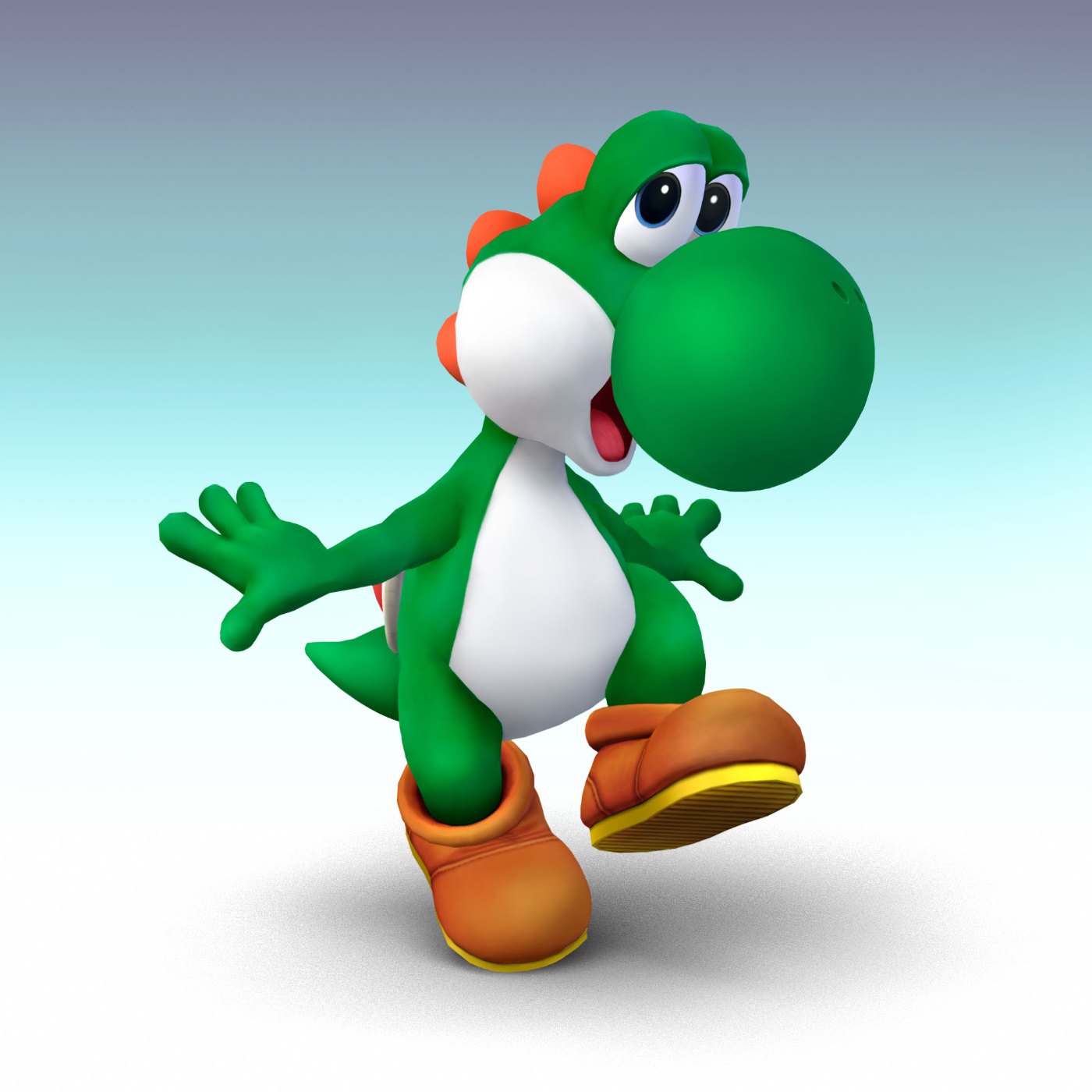 YoshiYoshi · starter
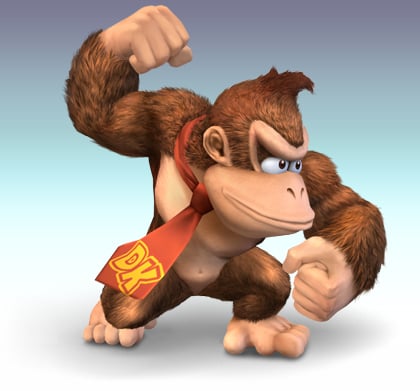 Donkey KongDonkey Kong · starter
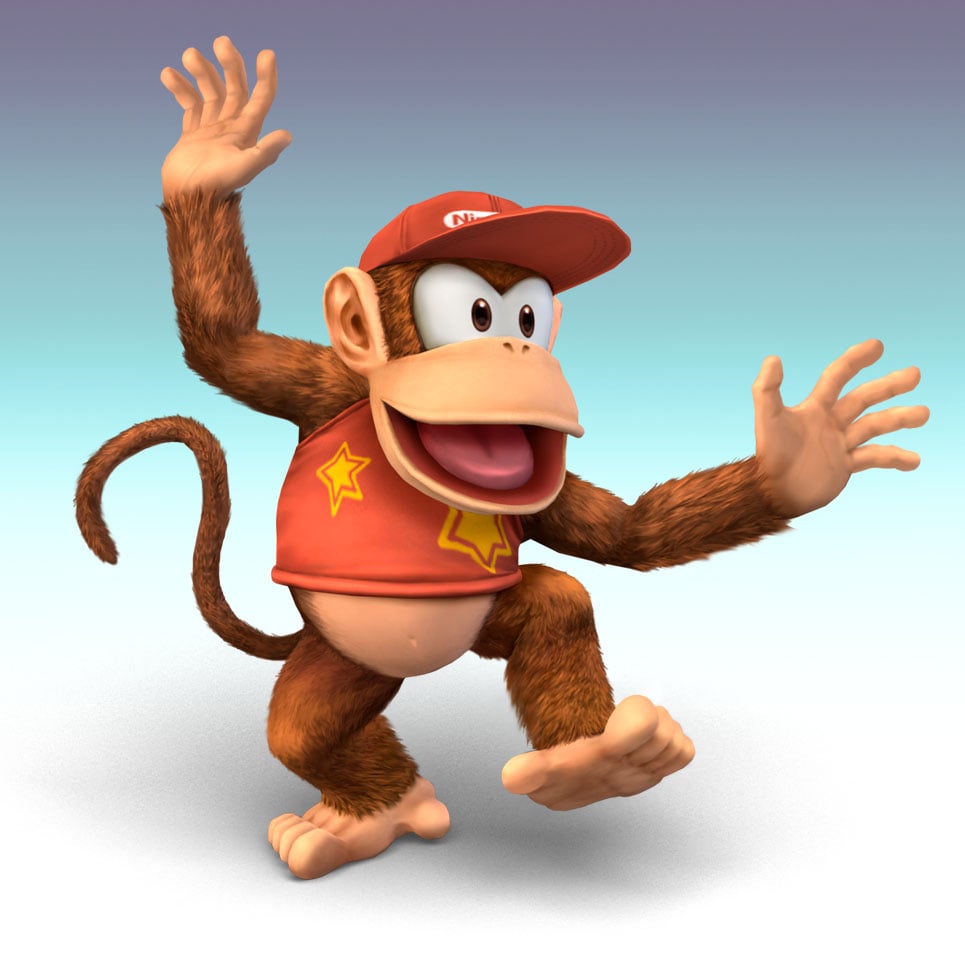 Diddy KongDonkey Kong · starter · newcomer
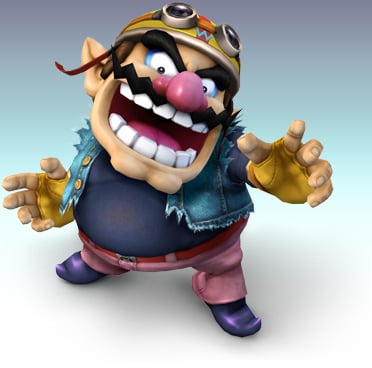 WarioWario · starter · newcomer
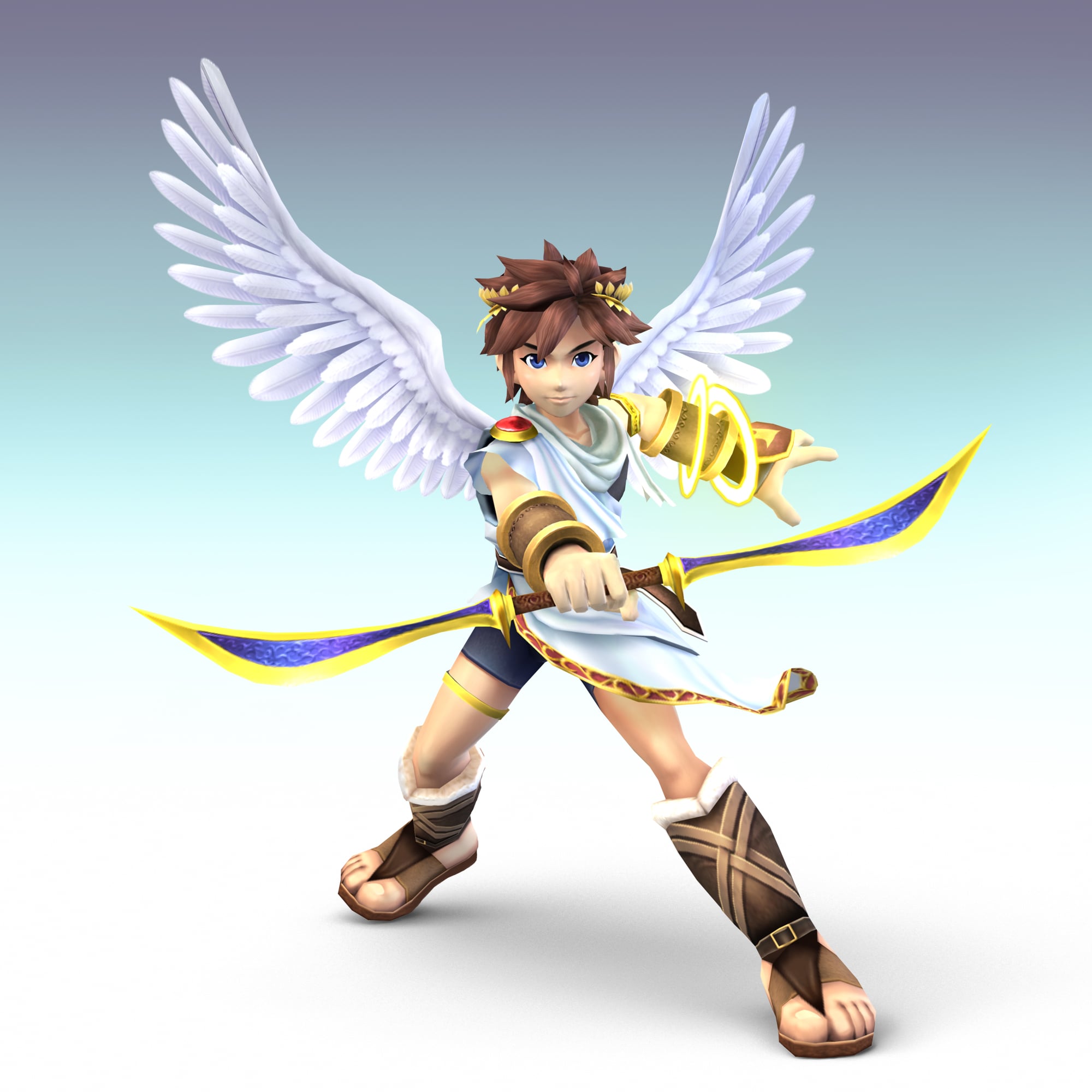 PitKid Icarus · starter · newcomer
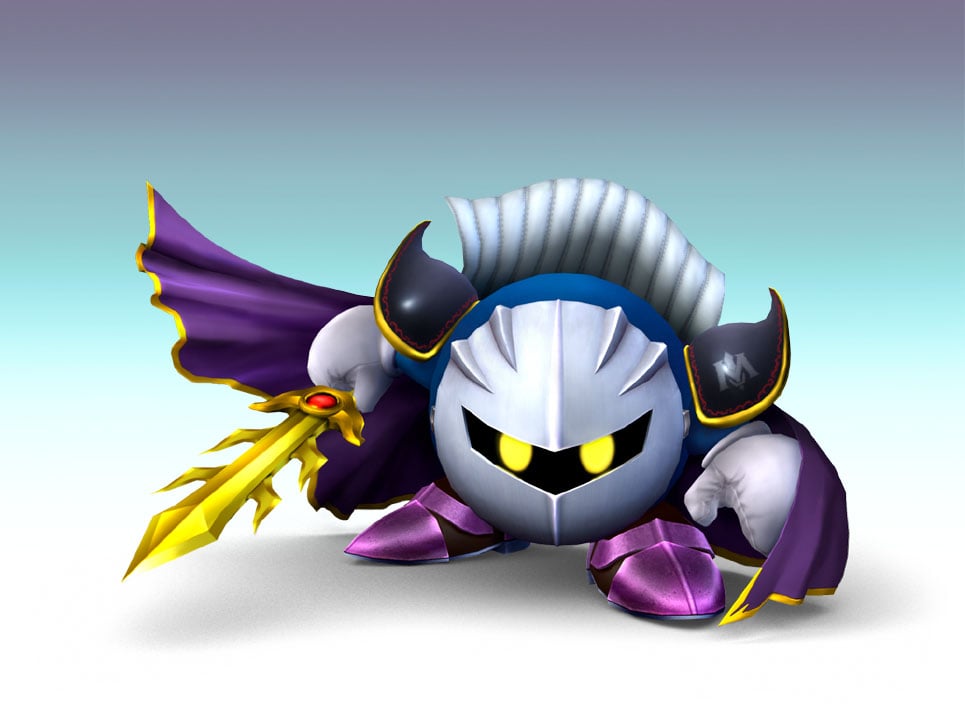 Meta KnightKirby · starter · newcomer
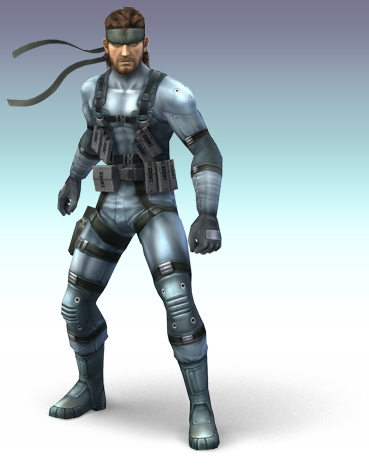 SnakeMetal Gear · unlockable · newcomer
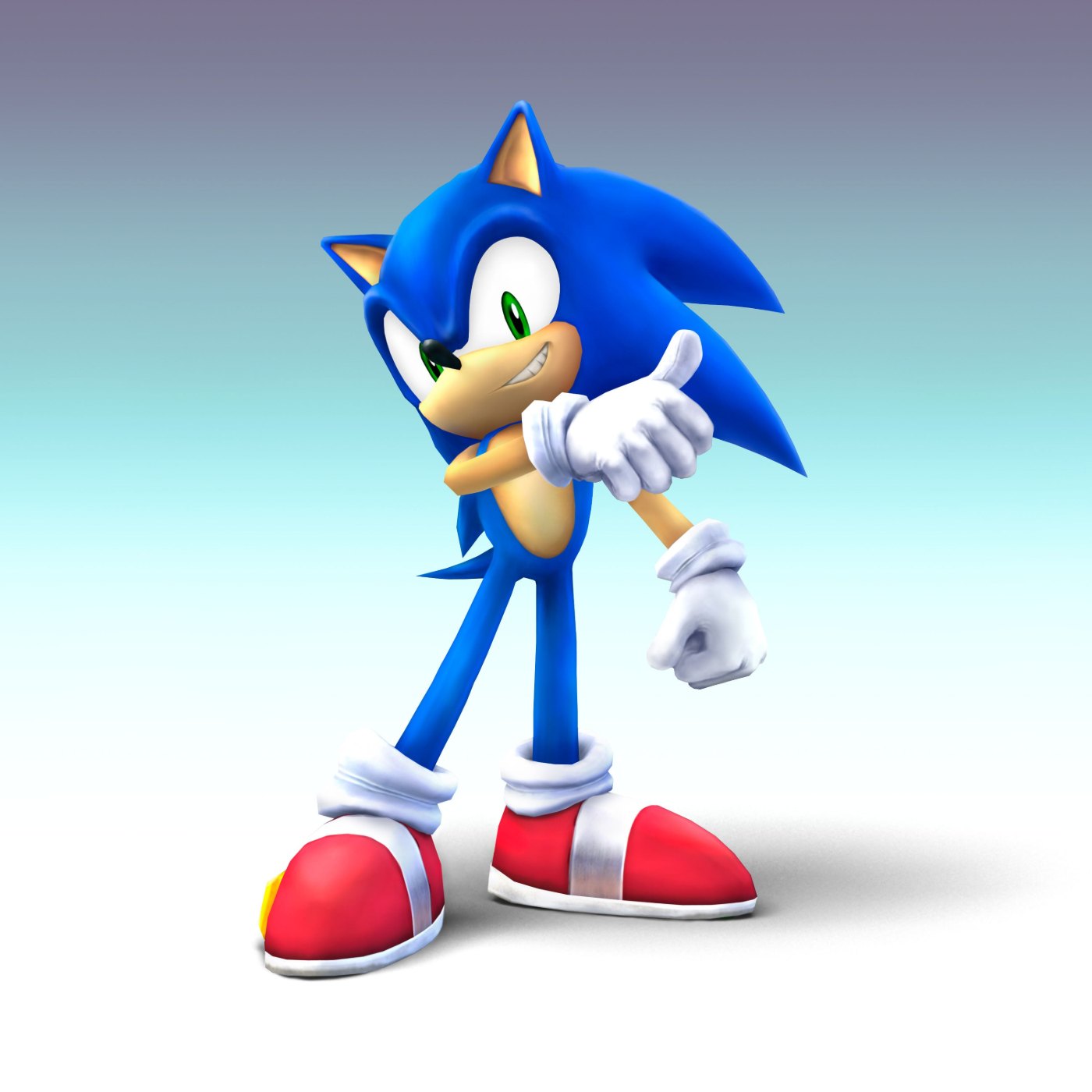 SonicSonic the Hedgehog · unlockable · newcomer
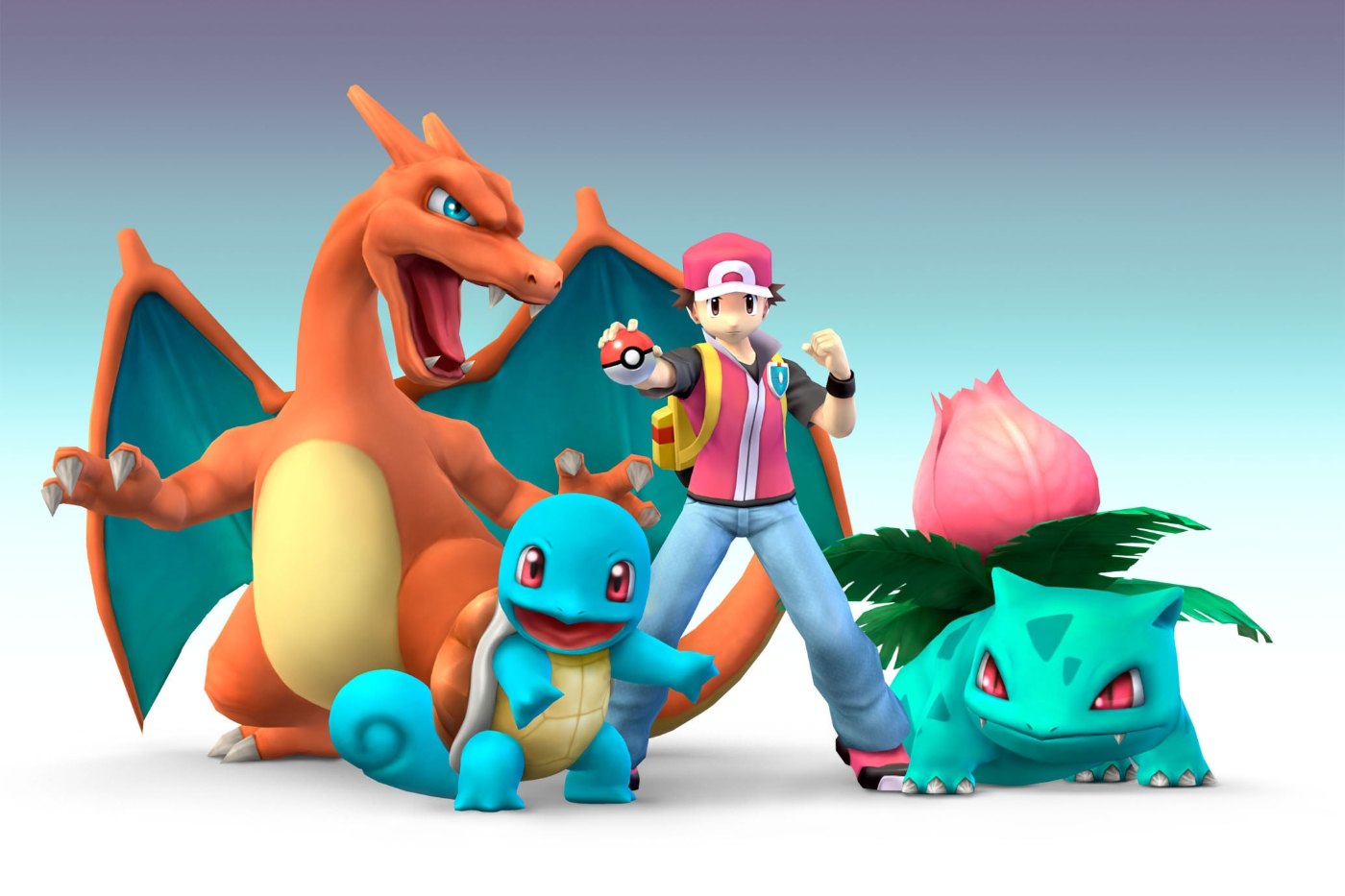 Pokémon TrainerPokémon · starter · newcomer
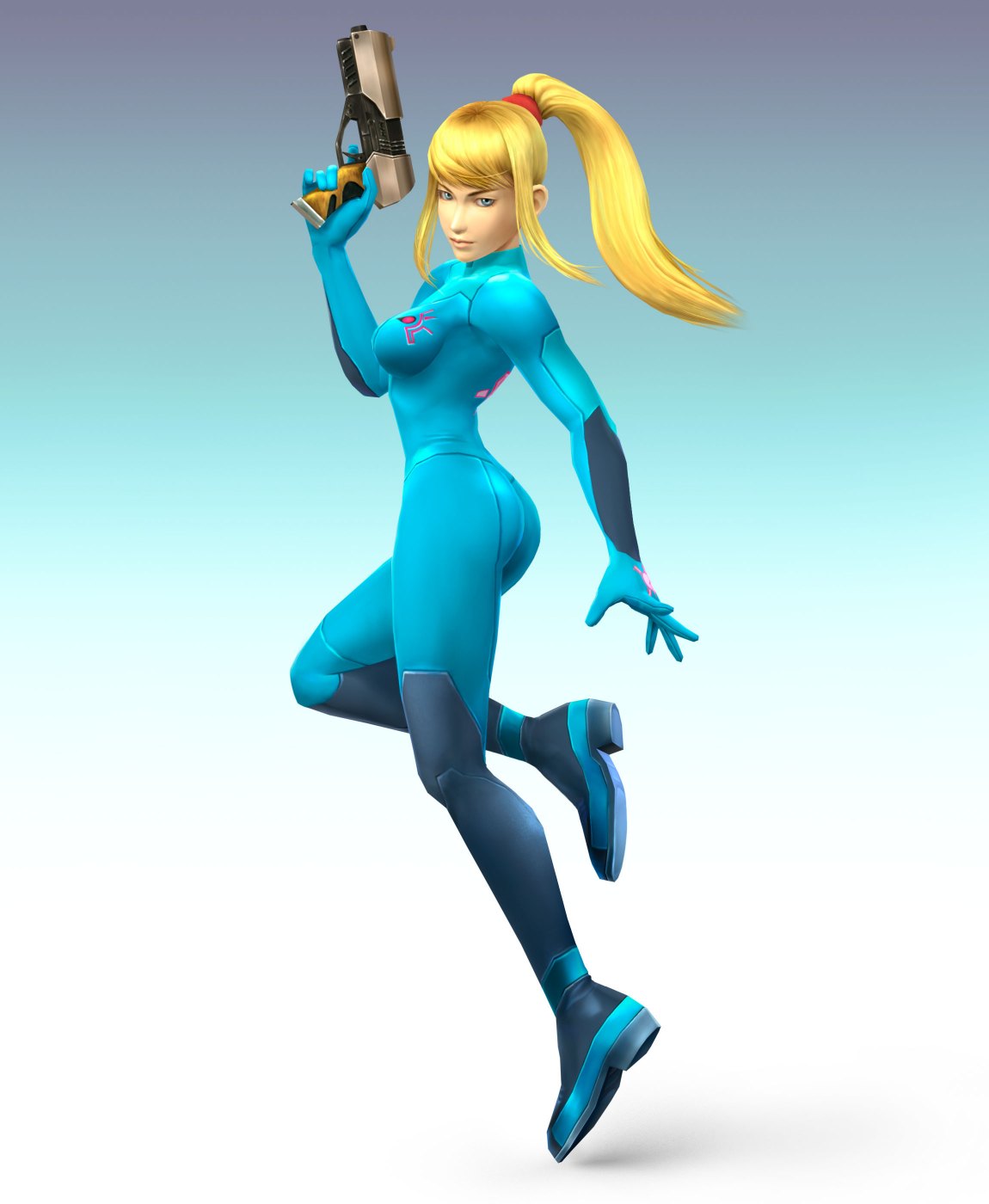 Zero Suit SamusMetroid · starter · newcomer
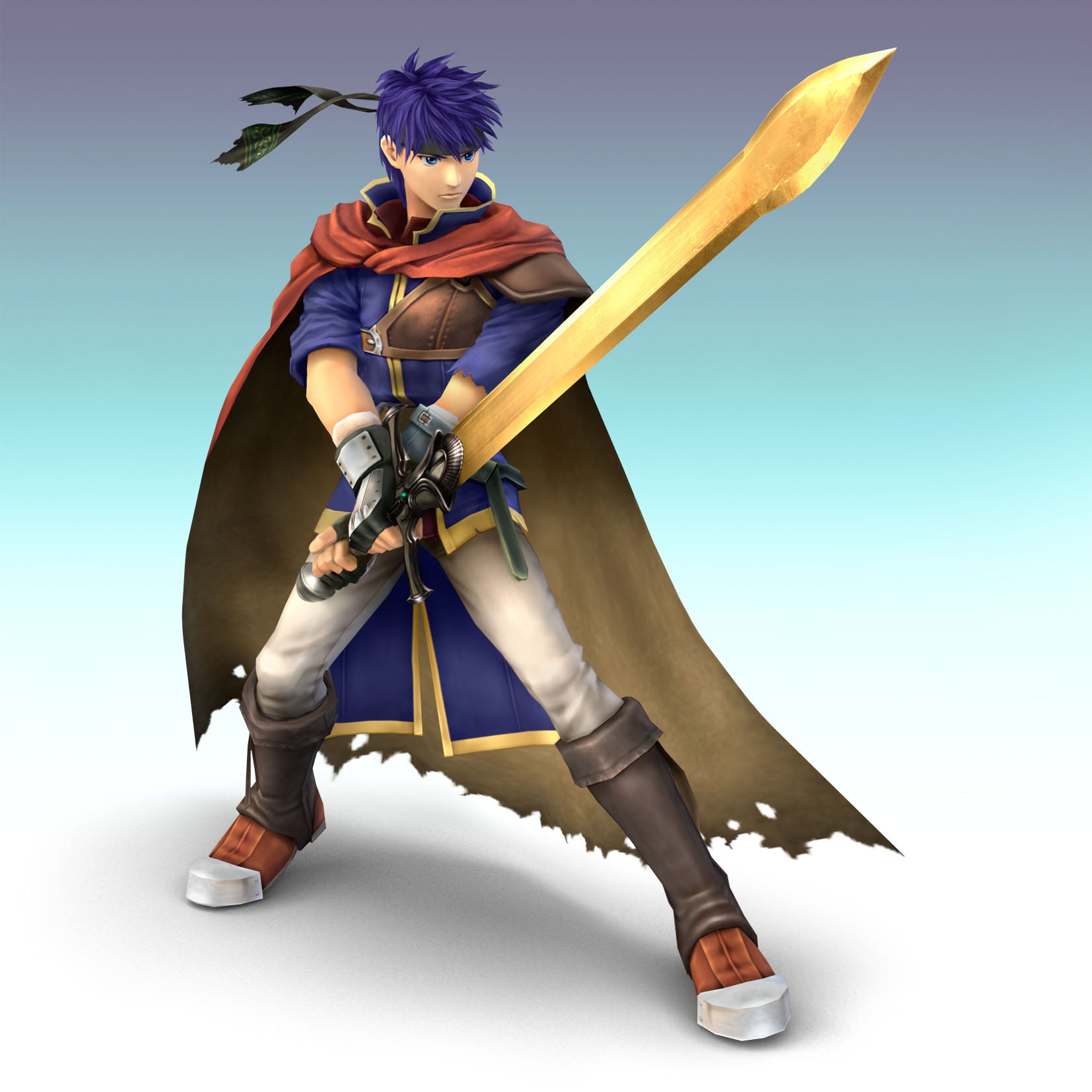 IkeFire Emblem · starter · newcomer
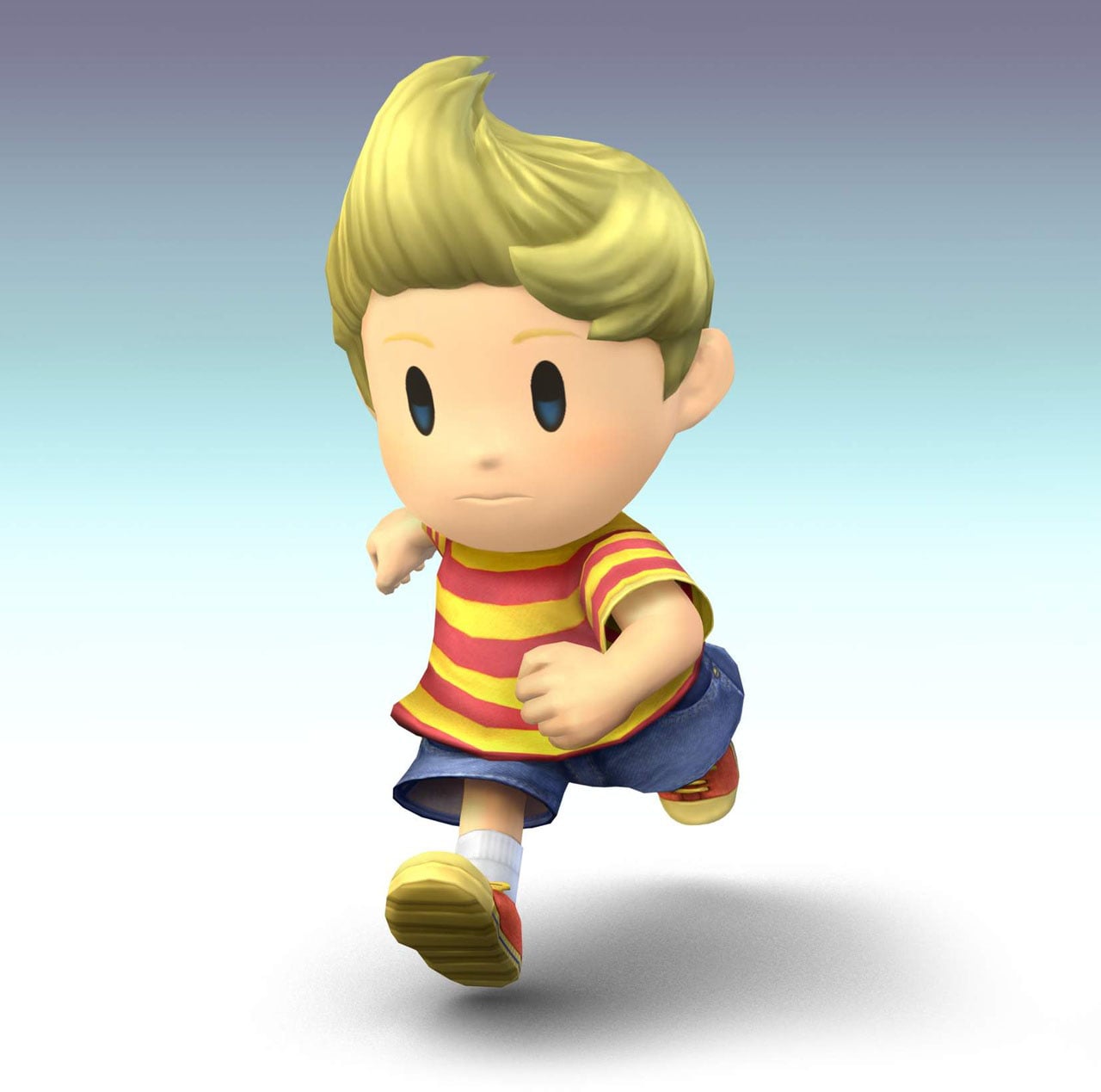 LucasEarthBound · starter · newcomer
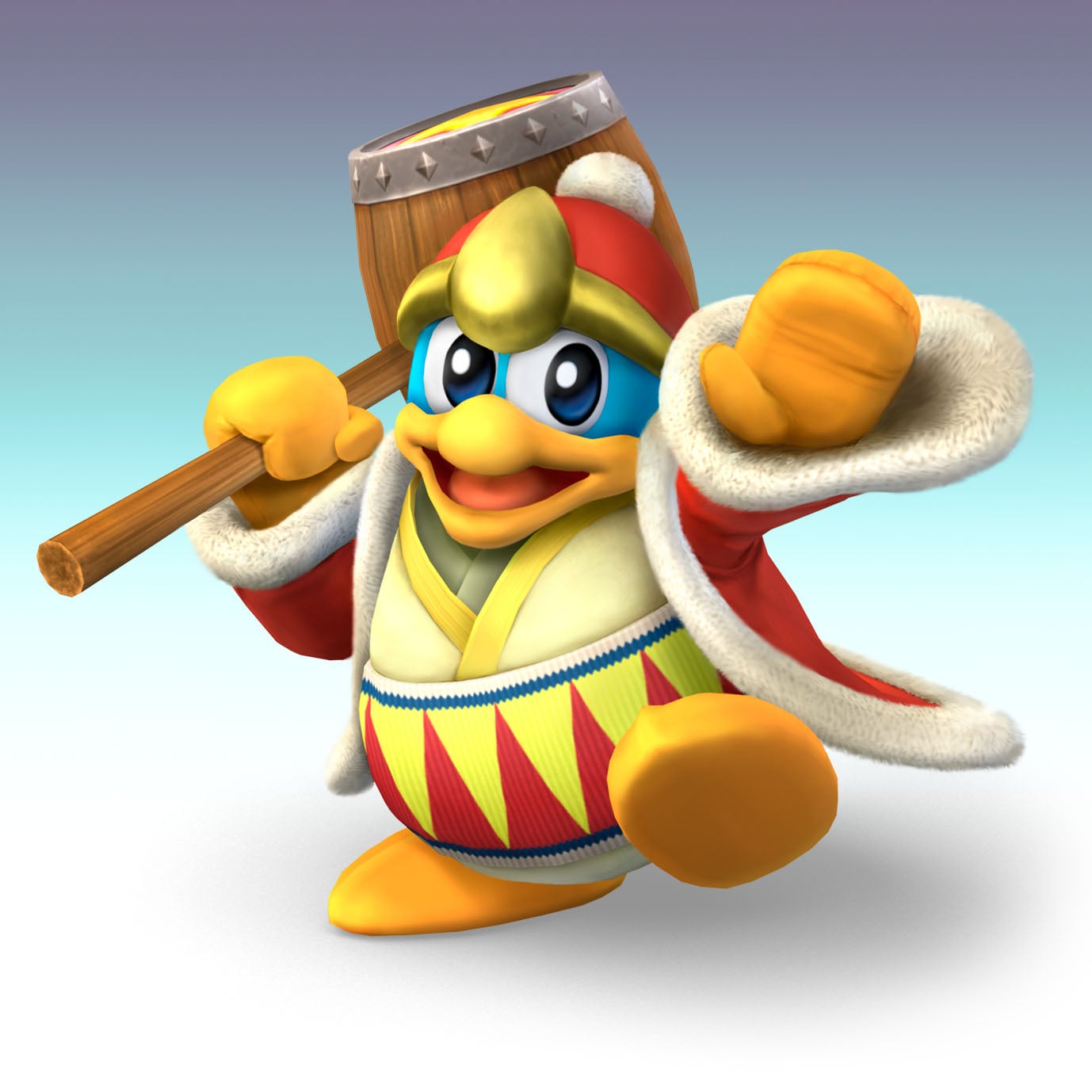 King DededeKirby · starter · newcomer
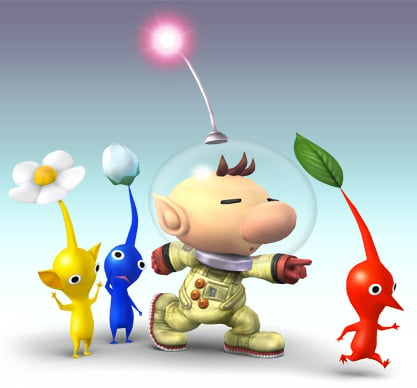 OlimarPikmin · starter · newcomer
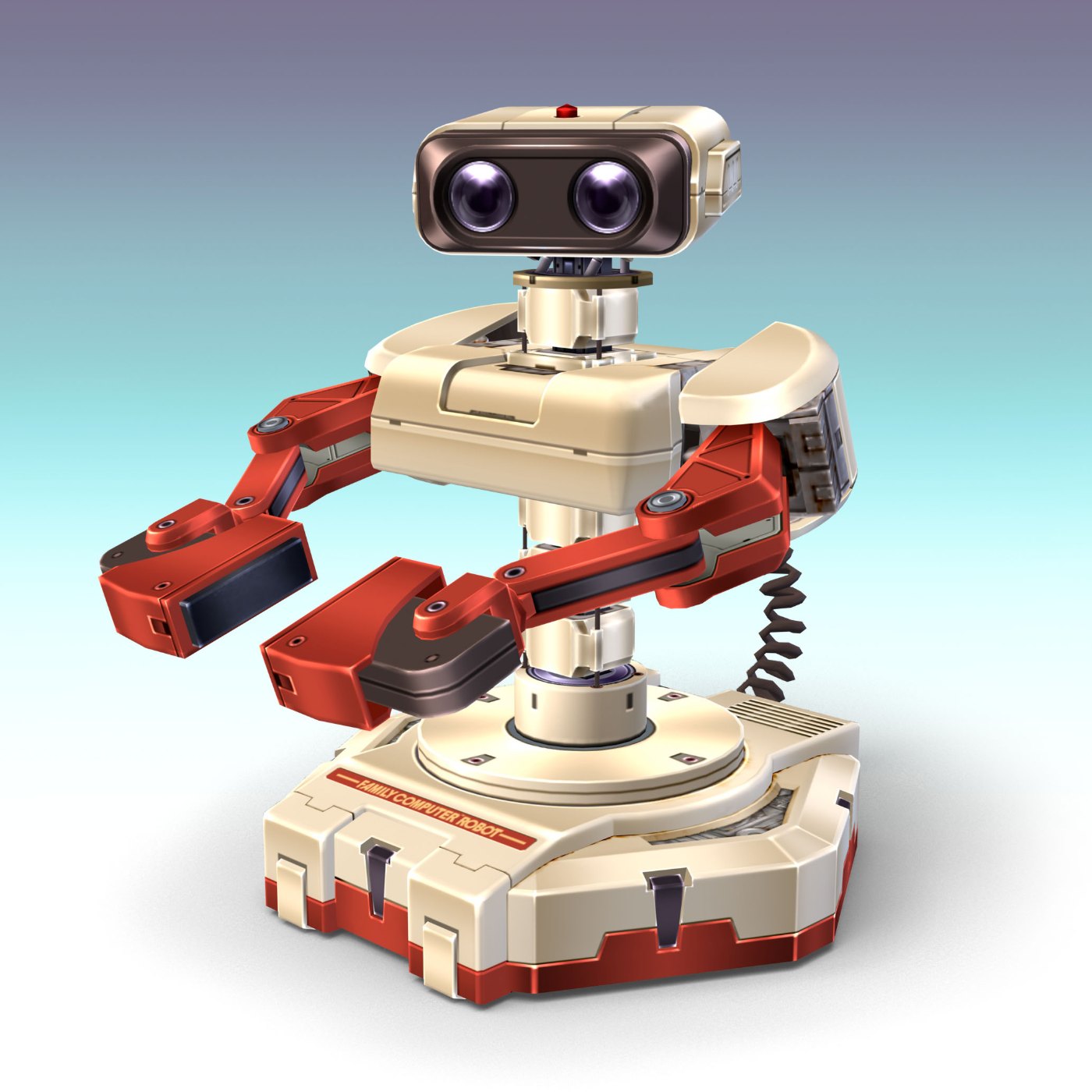 R.O.B.R.O.B. · unlockable · newcomer
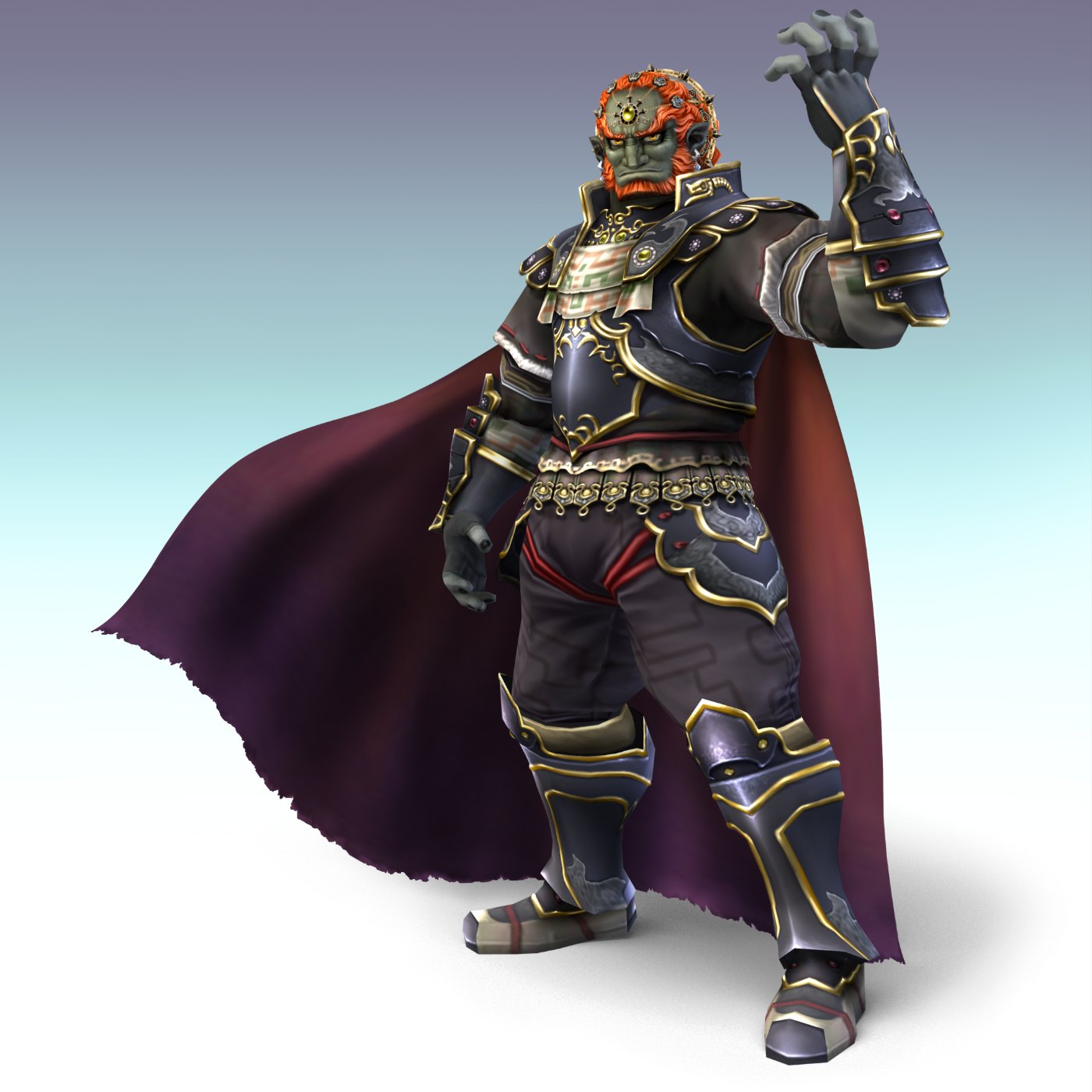 GanondorfThe Legend of Zelda · unlockable
 KirbyKirby · starter
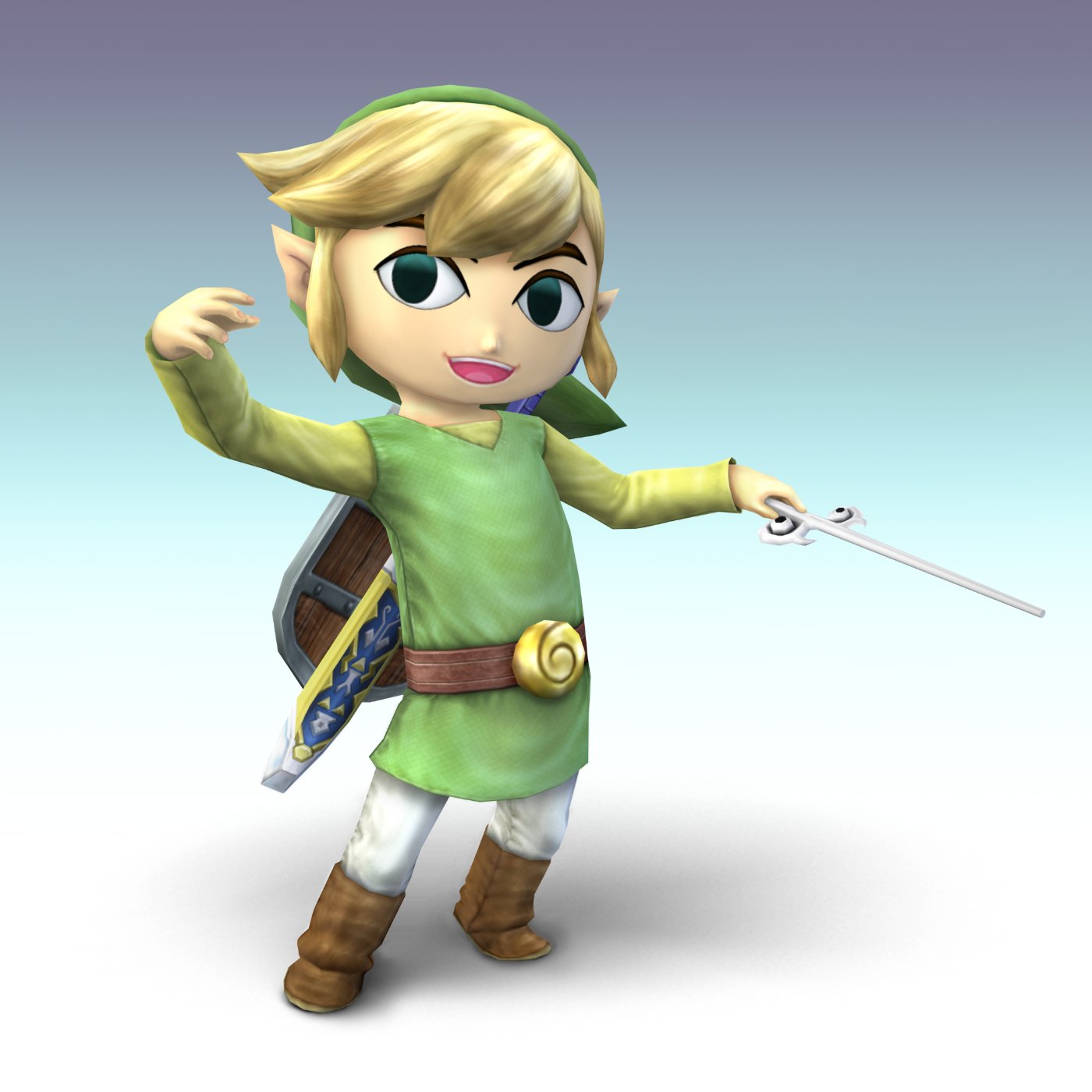 Toon LinkThe Legend of Zelda · unlockable · newcomer
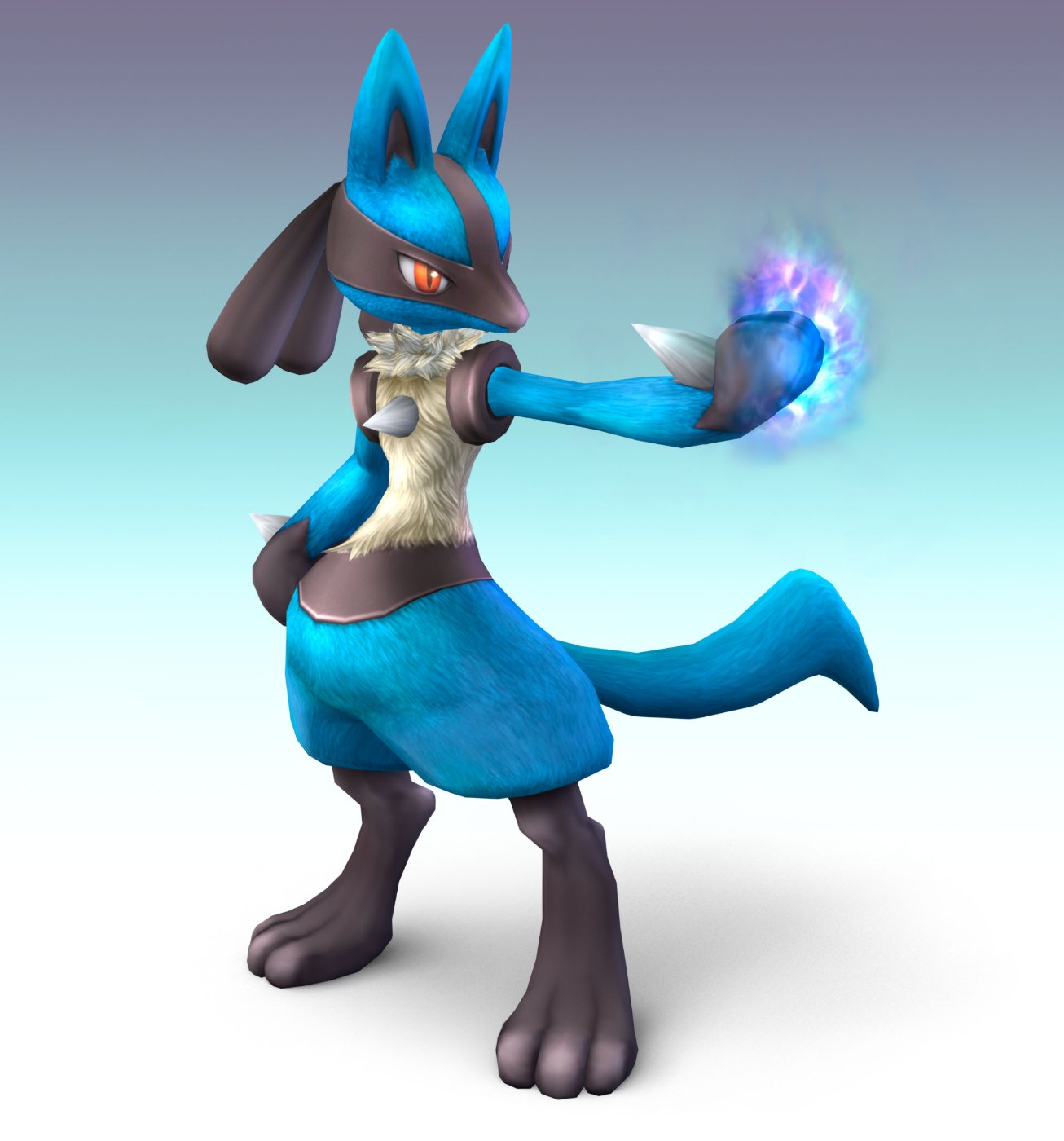 LucarioPokémon · unlockable · newcomer
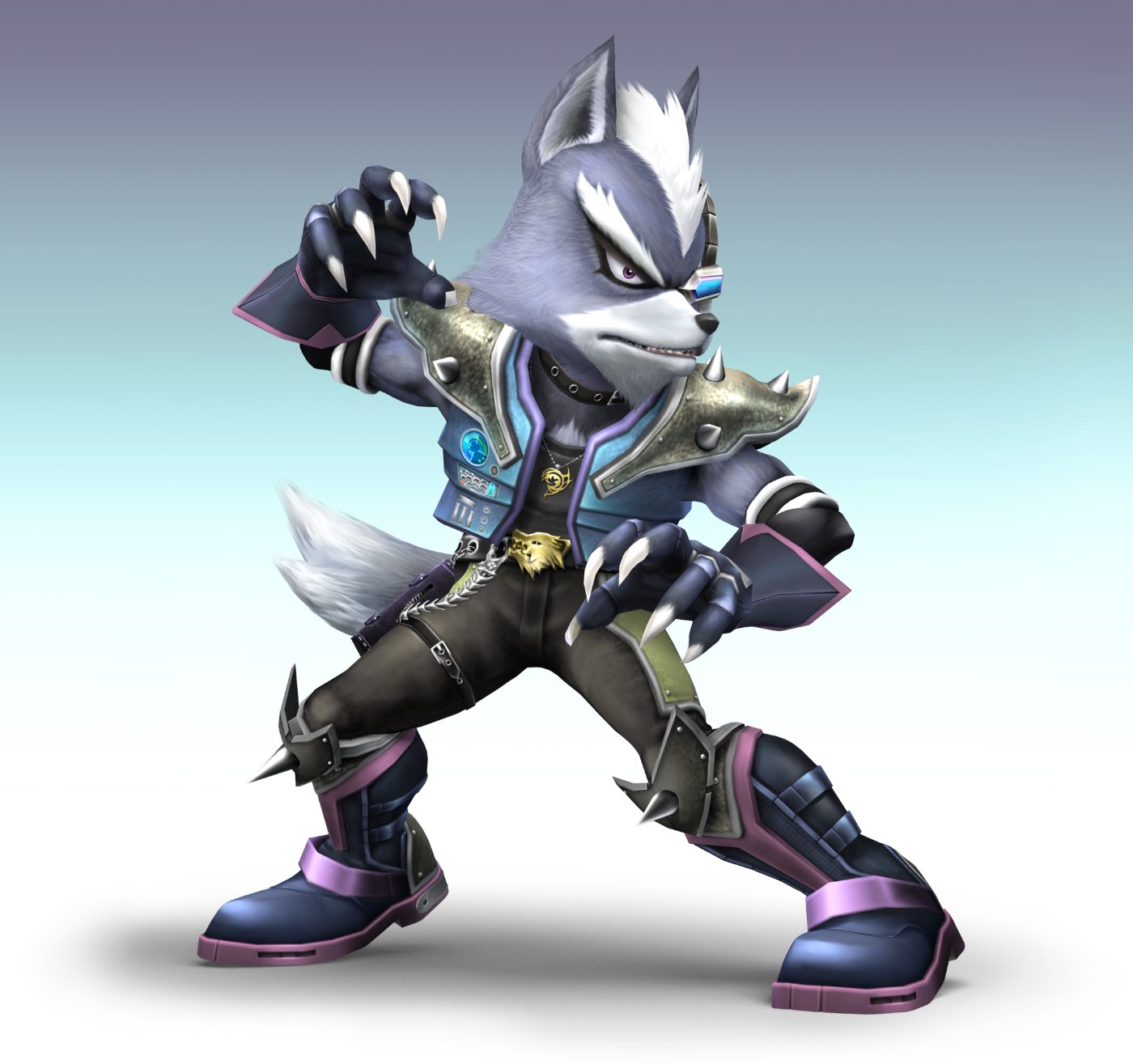 WolfStar Fox · unlockable · newcomer
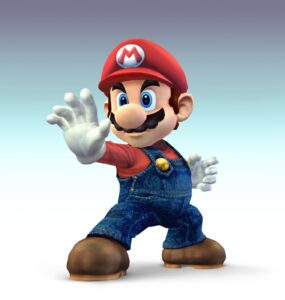 MarioSuper Mario · starterThe all-rounder, now with F.L.U.D.D.
 LuigiSuper Mario · unlock: 22 Brawls, Classic without continues, or The Subspace EmissaryJumps higher and moves faster than his brother.
 PeachSuper Mario · starterFloaty aerial fighter with Toad as a shield.
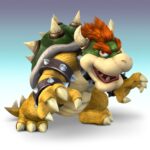 BowserSuper Mario · starterHuge, heavy and slow; turns into Giga Bowser.
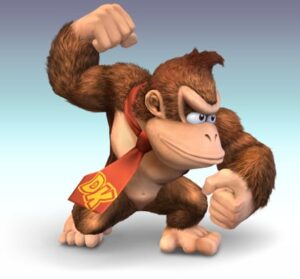 Donkey KongDonkey Kong · starterHeavy and strong, and can carry opponents.
 Diddy KongDonkey Kong · starter · newLight and agile, with peanuts and banana peels.
 YoshiYoshi · starterFast, heavy, light on power; every special is an egg.
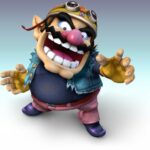 WarioWario · starter · newSmall heavyweight with a bike and a bite.
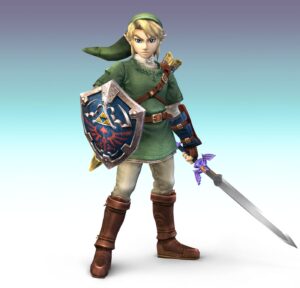 LinkThe Legend of Zelda · starterBombs, boomerang, bow and Clawshot.
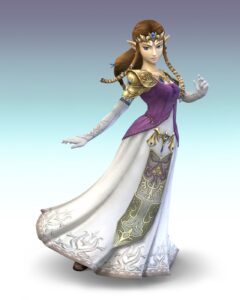 ZeldaThe Legend of Zelda · starterSlow, light magic user who can become Sheik.
 SheikThe Legend of Zelda · starter (Zelda’s other form)Zelda’s faster, weaker alter ego.
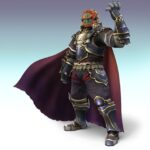 GanondorfThe Legend of Zelda · unlock: 200 Brawls, Classic on Hard as Link or Zelda, or The Subspace EmissaryEnormously strong and very slow.
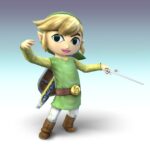 Toon LinkThe Legend of Zelda · unlock: 400 Brawls, Classic after finishing the adventure, or a door in The Forest · newA quicker, floatier Link.
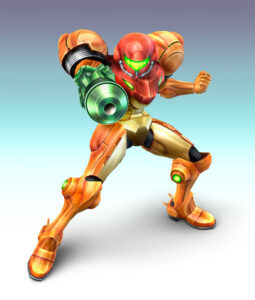 SamusMetroid · starterHeavy, with strong projectiles.
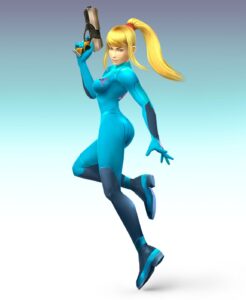 Zero Suit SamusMetroid · starter (Samus’s other form) · newLighter and faster than Samus.
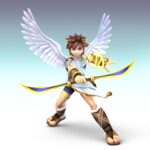 PitKid Icarus · starter · newBow-blades and a short flight.
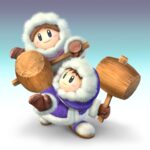 Ice ClimbersIce Climber · starterTwo climbers, one controlled by the computer.
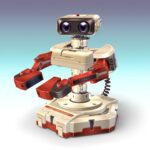 R.O.B.R.O.B. · unlock: 160 Brawls, 250 trophies, or The Subspace Bomb Factory · newA heavy that moves faster than most.
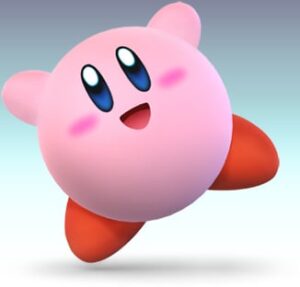 KirbyKirby · starterVery light; swallows foes and copies them.
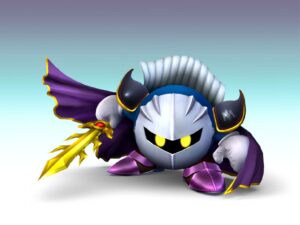 Meta KnightKirby · starter · newLight, fast and able to fly briefly.
 King DededeKirby · starter · newHuge hammer, long reach, very slow.
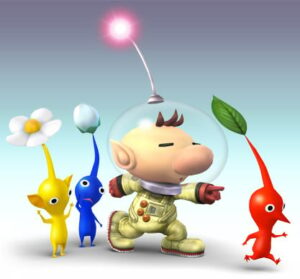 OlimarPikmin · starter · newPlucks Pikmin and throws them.
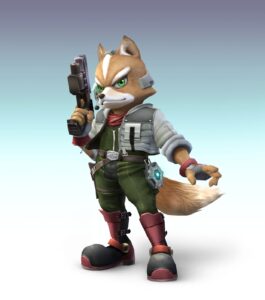 FoxStar Fox · starterVery fast, with blaster and reflector.
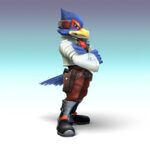 FalcoStar Fox · unlock: 50 Brawls, 100-Man Brawl, or The SwampHighest first jump in the game.
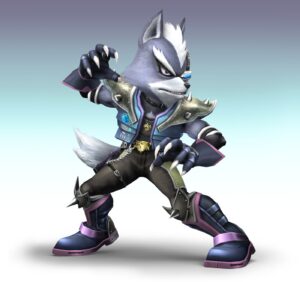 WolfStar Fox · unlock: 450 Brawls, Boss Battles as Fox or Falco, or a door in The Ruins · newA heavier, average-speed Star Fox rival.
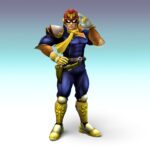 Captain FalconF-Zero · unlock: 70 Brawls, Classic in under 12 minutes on Normal+, or Outside the Ancient RuinsVery fast, with strong short-range blows.
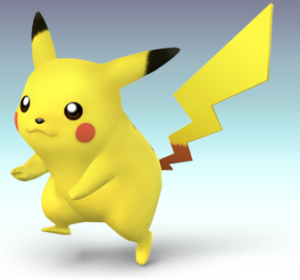 PikachuPokémon · starterFast, weak, electric.
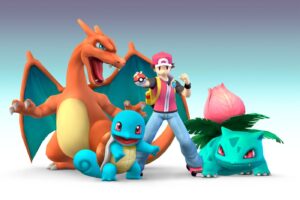 Pokémon TrainerPokémon · starter · newSwitches between Squirtle, Ivysaur and Charizard.
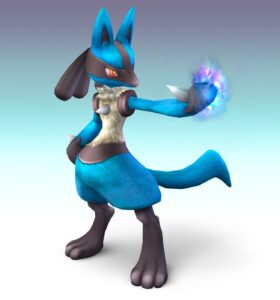 LucarioPokémon · unlock: 100 Brawls, every Target Smash!! level, or The Glacial Peak · newGrows stronger as it takes damage.
 JigglypuffPokémon · unlock: 350 Brawls, 20 events after the adventure, or a door in The SwampThe lightest fighter, with the slowest fall.
 MarthFire Emblem · unlock: 10 Brawls, Classic, or The Battlefield FortressA quick swordsman.
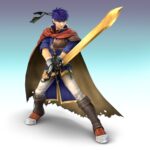 IkeFire Emblem · starter · newHuge, slow sword swings.
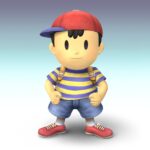 NessEarthBound · unlock: 5 Brawls, or reflect 10 projectilesLight but strong PSI user.
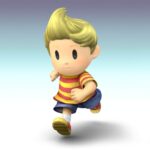 LucasEarthBound · starter · newPSI with freezing, fire and electric attacks.
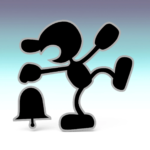 Mr. Game & WatchGame & Watch · unlock: 250 Brawls, Target Smash!! with 30 fighters, or Battleship Halberd BridgeFast, powerful and easy to launch.
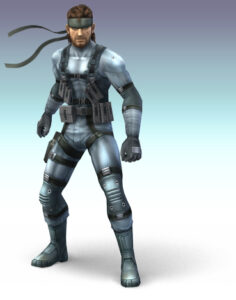 SnakeMetal Gear · unlock: 130 Brawls, 15 Brawls on Shadow Moses Island, or Battleship Halberd Interior · newHeavy, slow in the air, armed with explosives.
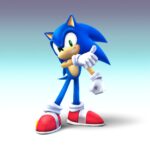 SonicSonic the Hedgehog · unlock: 300 Brawls, 10 hours of Brawls, Classic with 10 fighters, or The Great Maze · newThe fastest fighter of all.