Game Boy1994Nintendo R&D1PlatformerWario’s first starring role5.19 million sold40 courses, 15 treasuresSix endingsFirst Wario Land
Wario Land: Super Mario Land 3
Thrown out of Mario’s castle at the end of Super Mario Land 2, Wario wants one of his own, and he has heard how to pay for it: the Brown Sugar Pirates of Kitchen Island have stolen a giant golden statue of Princess Toadstool. So the third Super Mario Land has no Mario in it at all, until the very last minute. Released in Japan on 21 January 1994, it hands the Game Boy series to its villain, who shoulder-barges through 40 courses in seven food-themed areas, swaps hats for the powers of a bull, a jet and a dragon, and pockets every coin he sees.
Money is the point. Hidden keys open the vaults of 15 treasures, and the size of your hoard decides which of six endings you get, from a birdhouse to an entire planet. Directed by Hiroji Kiyotake and Takehiko Hosokawa under producer Gunpei Yokoi at Nintendo R&D1, it sold 5.19 million copies and began the Wario Land series.
Developer:Nintendo R&D1
Publisher:Nintendo
Platform:Game Boy; Nintendo 3DS Virtual Console; Nintendo Switch Online
Genre:Side-scrolling platformer
Japan:21 January 1994
N. America:February 1994 (Nintendo Power; Wikipedia says 13 March)
Europe:13 May 1994
Players:1 (battery save)
Directors:Hiroji Kiyotake, Takehiko Hosokawa
Producer:Gunpei Yokoi
Composers:Ryoji Yoshitomi, Kozue Ishikawa
Areas / courses:Seven areas of Kitchen Island; 40 courses
Treasures:15, worth 90,000 coins between them
Endings:Six, decided by Wario’s total wealth
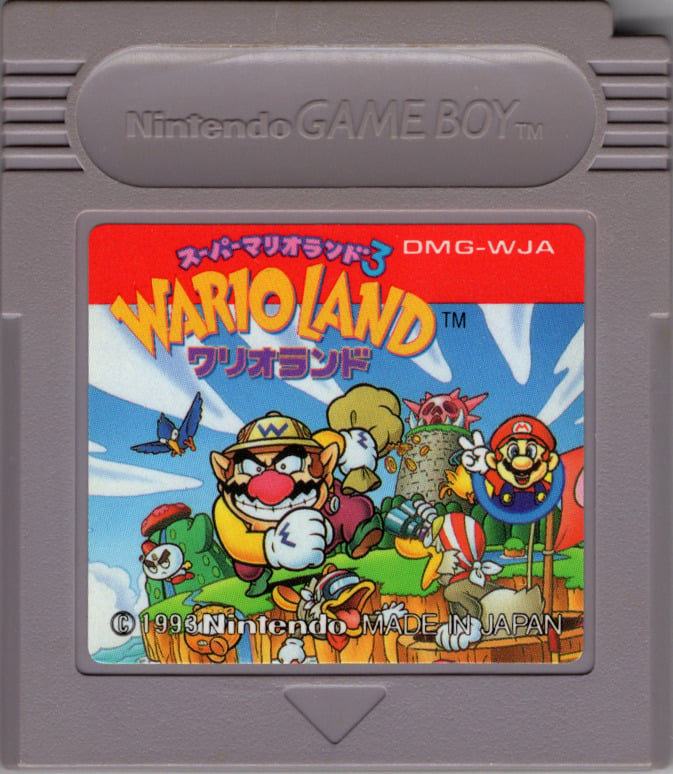
Serial:DMG-WJA
Sales:5.19 million worldwide (CESA Games White Papers 2021, via Wikipedia)
Re-releases:Nintendo 3DS Virtual Console (2011–12; South Korea 2016); Game Boy library on Nintendo Switch Online (July 2026)
Advertisement
Overview
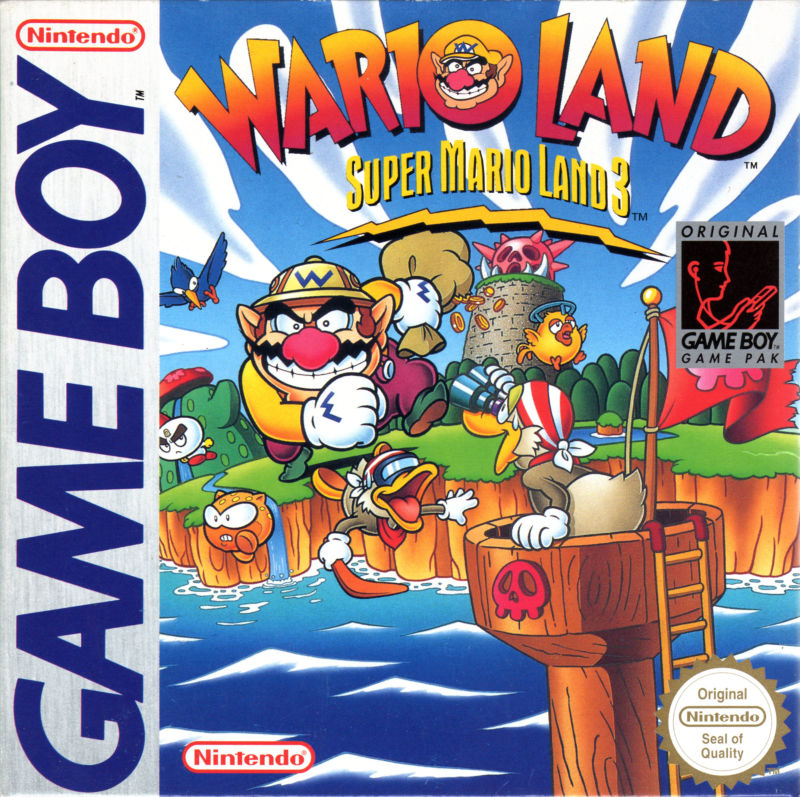
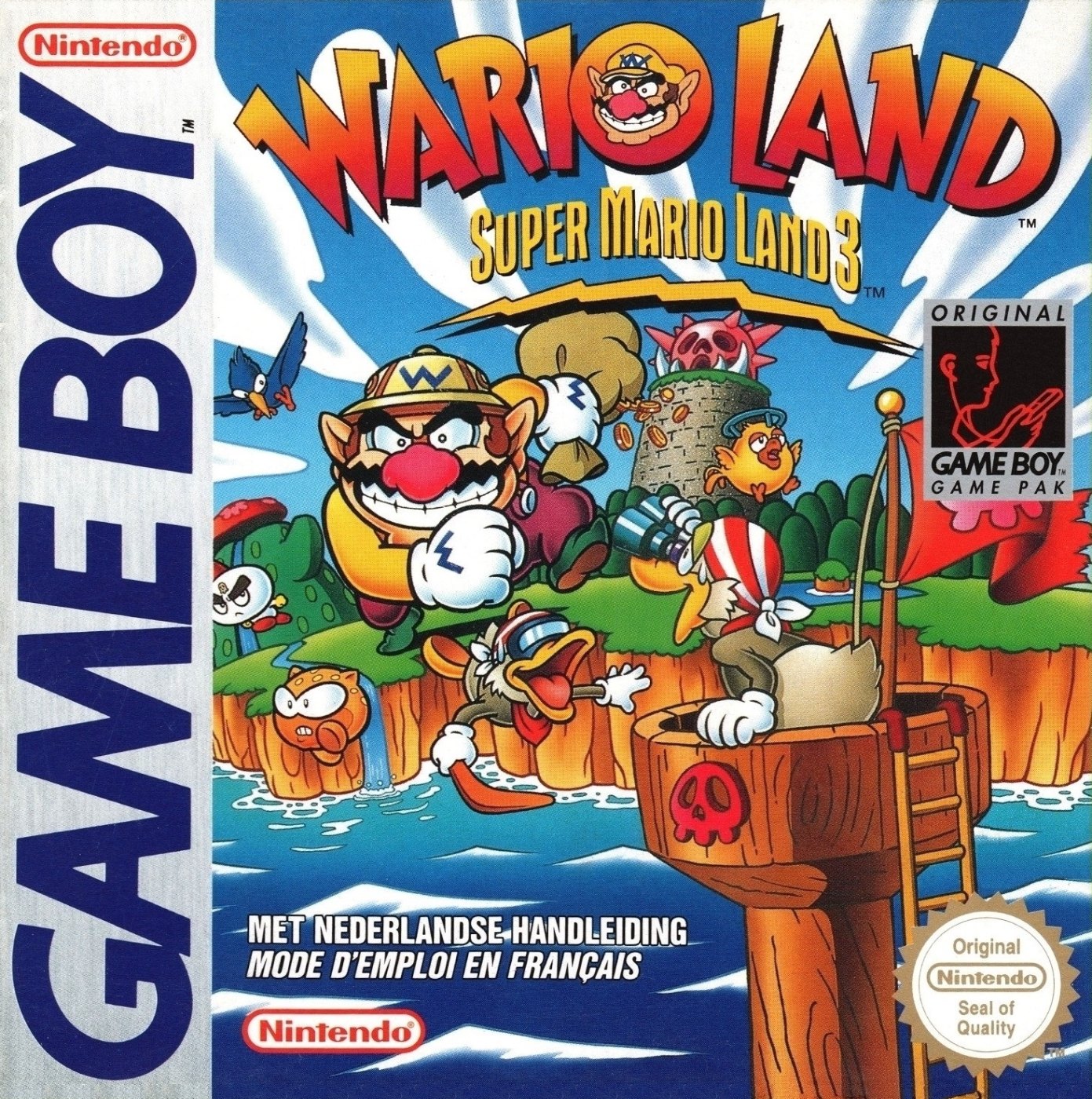
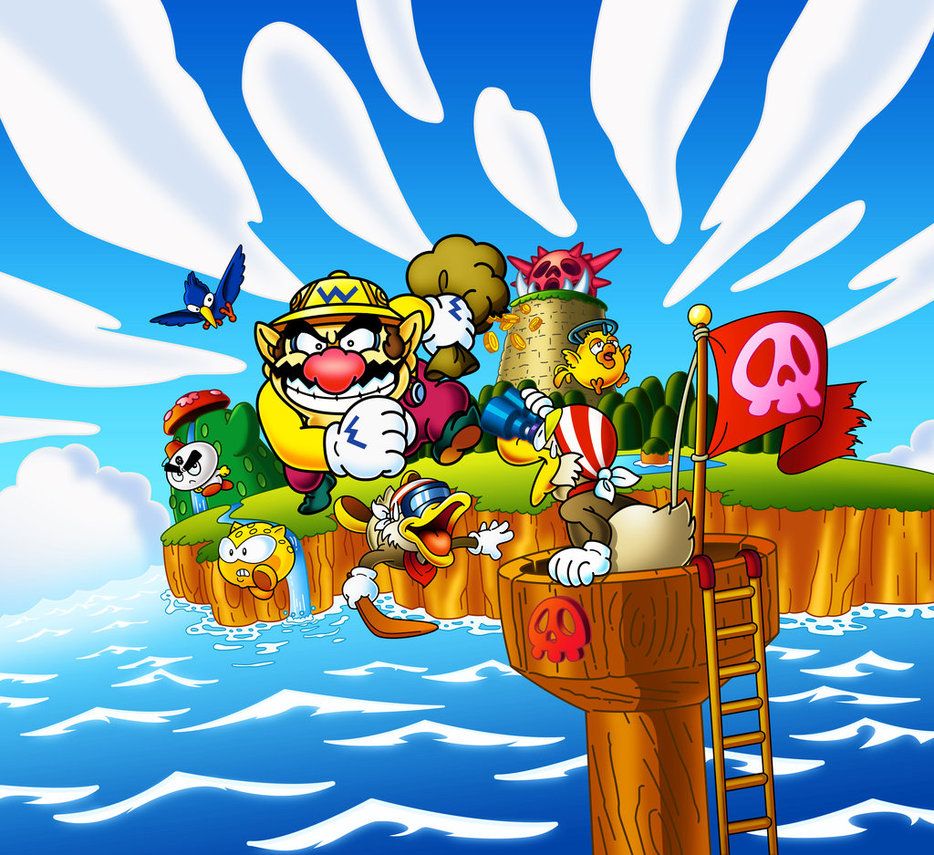
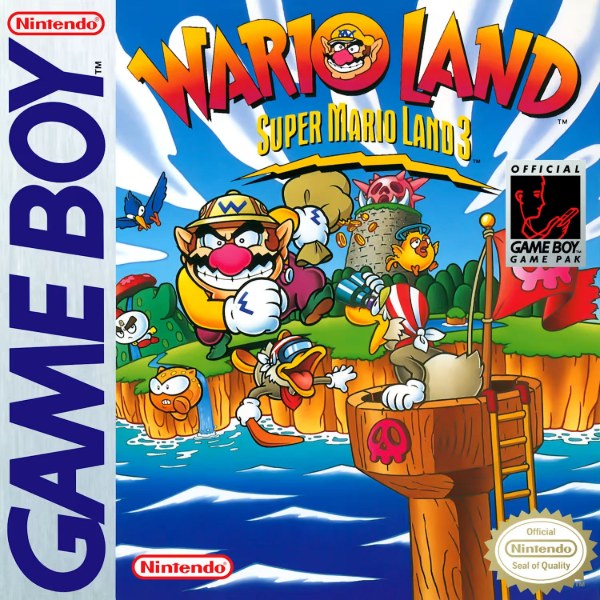
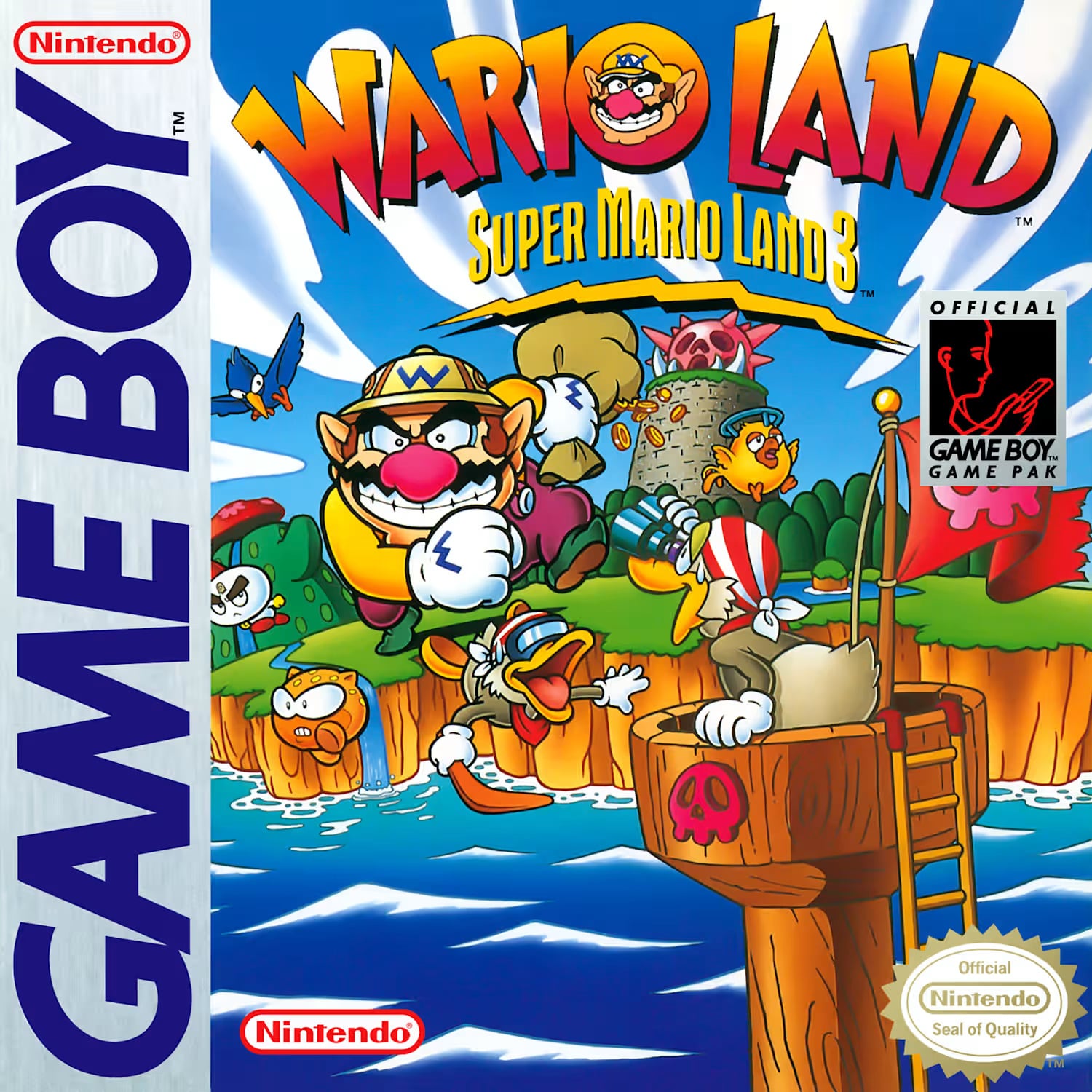
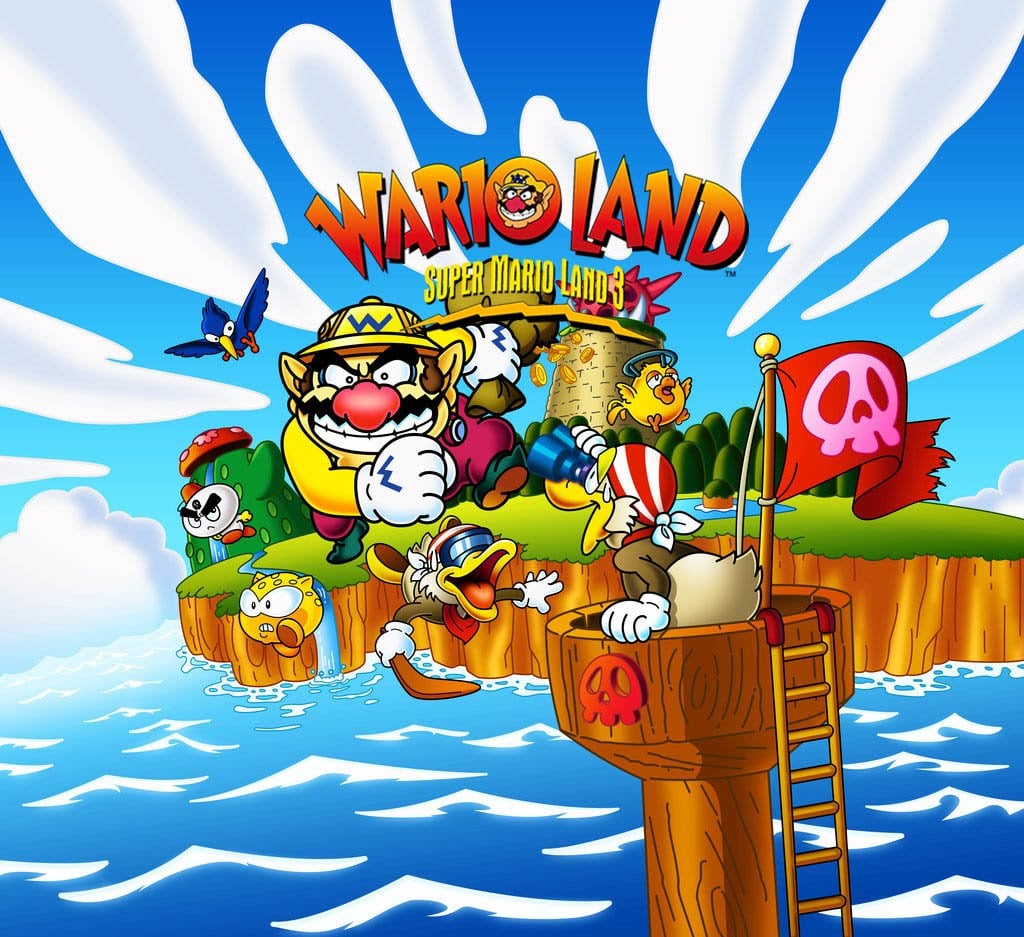
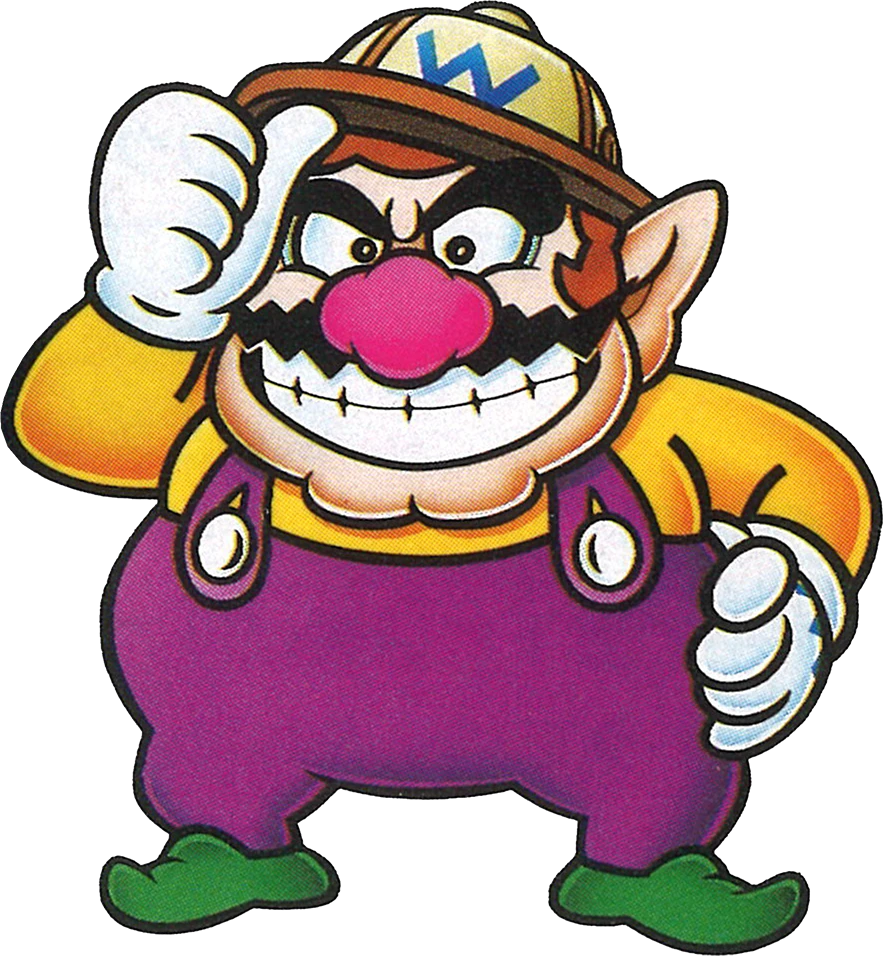
Wario surveys Kitchen Island in the artwork used for the box.
Wario Land: Super Mario Land 3 stands as a Game Boy platformer from Nintendo Research & Development 1, the department that built the Game Boy and made both earlier Super Mario Land games. It came out in Japan on 21 January 1994 and reached Europe on 13 May; the North American release fell in between, in February or March depending on which source you trust. It picks up straight from Super Mario Land 2: 6 Golden Coins, and opened what became the Wario Land series.
The twist is in the casting. Wario, invented as the villain of the previous game, is the player’s character here, and he behaves accordingly. He does not rescue anybody. He has heard that Captain Syrup’s Brown Sugar Pirates are sitting on a solid-gold statue of Princess Toadstool, and he intends to steal it from the thieves and spend the proceeds on a castle bigger than Mario’s.
He plays differently, too. Wario is heavy and strong: his signature move is a shoulder-first Body Slam that flattens enemies and smashes blocks, and most foes cannot hurt him just by touching him. Power-ups come as pots that put a new helmet on his head. Kitchen Island is laid out on a map, as Mario Land was in the previous game, with secret exits, an entire optional area, courses that change when you return to them, and a locked treasure vault tucked away in fifteen of them.
It was well received in 1994, topped the Game Boy charts on both sides of the Atlantic that spring, and went on to sell more than five million copies. It has since been re-released on the Nintendo 3DS Virtual Console and, in July 2026, in the Game Boy library of Nintendo Switch Online.
Witness Wario’s world-famous debut as a playable character, in the first game to bear the Wario Land name.
In Wario Land: Super Mario Land 3, the greedy treasure seeker is on a quest to Kitchen Island where he plans to steal the pirates’ booty, to help him build a castle bigger than Mario’s.
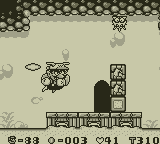
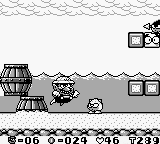
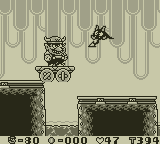
Wario has some tough moves at his disposal, like the body slam, and he can don different magic hats to turn him into Jet Wario, Bull Wario and even Dragon Wario!
— Official description (Nintendo UK, 2012)
Why it matters to Mario fansThis is the game that turned a one-off villain into a leading man. Everything Wario has done since, from five more Wario Land games to WarioWare, Wario World and his place in every Mario Kart, starts with the decision to give him the third Super Mario Land. It also introduced Captain Syrup, his oldest rival, and the idea that a Mario-family game could be about greed, with an ending you had to earn in coins.
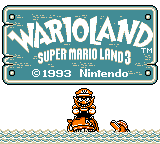
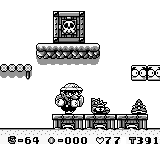
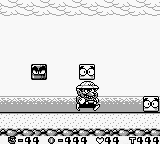
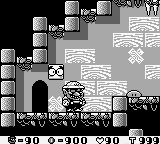
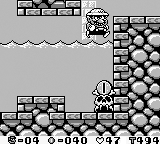
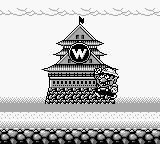
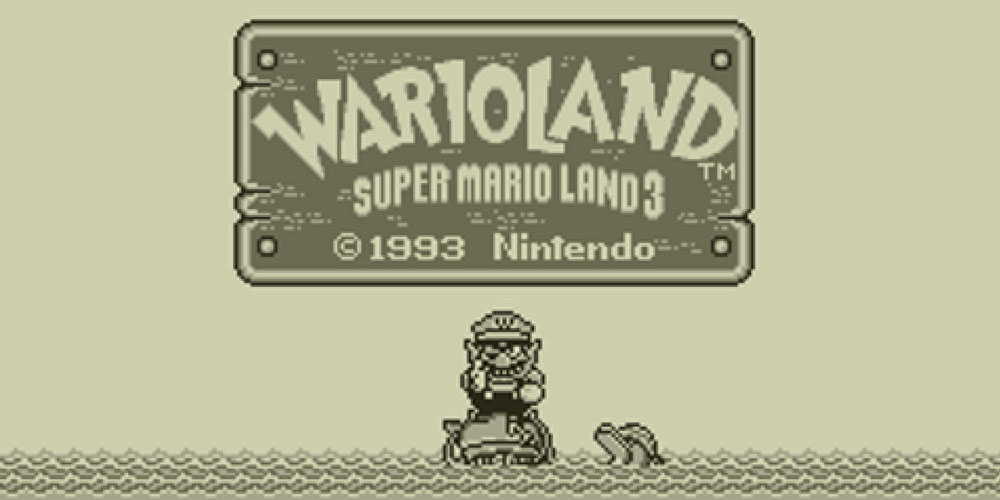
The title screen, as seen on an original Game Boy.Course No.01 on Rice Beach, where it all starts.Jet Wario in mid-glide.Kitchen Island, with Syrup Castle at the top.
Quick Answers
Short answers to the questions people most often ask about Wario Land: Super Mario Land 3, each linked to the fuller section below.
When did Wario Land: Super Mario Land 3 come out?
In Japan on 21 January 1994 and in Europe on 13 May 1994. For North America, Nintendo Power’s 100th issue gives February 1994 (The Cutting Room Floor says 7 February), and Wikipedia gives 13 March 1994 without a citation. More →
How many levels are in Wario Land: Super Mario Land 3?
Forty numbered courses across seven areas: Rice Beach (6), Mt. Teapot (7), Sherbet Land (6), Stove Canyon (6), SS Tea Cup (5), Parsley Woods (6) and Syrup Castle (4). Sherbet Land and four hidden courses (06, 17, 18 and 24, two of them inside Sherbet Land) are optional and reached by secret exits. More →
How do you get the best ending?
Finish with the maximum 99,999 coins, all 15 treasures and all 40 courses cleared, and the Genie gives Wario his own planet. The treasures are worth 90,000 and the Genie adds 300, so you need 9,699 more in coins. More →
Where are the 15 treasures?
In Courses 03, 09, 11, 16, 17, 18, 20, 24, 26, 29, 30, 31, 34, 37 and 39. Each of those courses hides a key and a locked treasure door. More →
What do the Bull, Jet and Dragon pots do?
The Bull Pot makes Wario stronger, lets him shake the ground and cling to ceilings. The Jet Pot lets him glide and makes him faster. The Dragon Pot gives him a helmet that breathes fire, which also works underwater. More →
How do you get to Sherbet Land?
Through the secret exit in Course No.08, the second course of Mt. Teapot. It is the only way in, and the whole area is optional. More →
Is Mario in Wario Land?
Briefly. After Wario beats the Genie, Mario flies in by helicopter and carries off the golden statue of Princess Toadstool, leaving Wario with nothing but the lamp. More →
Who is the final boss?
Captain Syrup, leader of the Brown Sugar Pirates, who summons a Genie from a magic lamp in Course No.40. You fight the Genie, not Syrup herself. More →
Can you play it on Nintendo Switch or 3DS?
Yes to both. It was sold on the Nintendo 3DS Virtual Console from December 2011 in Japan and 2012 in the West, and joined the Game Boy library on Nintendo Switch Online on 7 July 2026 in North America (8 July elsewhere). More →
Story
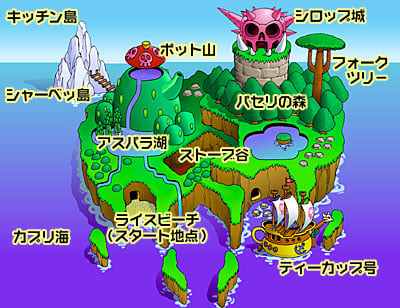
Kitchen Island as drawn for the manual: seven areas, every one named after something from the larder.
The story is told in a few lines of the instruction booklet and a few seconds of ending, with forty courses of burglary in between. Here it is in order, area by area.
A castle of his own
The booklet opens by asking the player a question: “Remember Super Mario Land 2: Six Golden Coins?” In that game Wario seized Mario’s castle while its owner was away and was thrown out again. He has been brooding ever since. What he needs, he has decided, is a castle of his own, and a bigger one.
Then comes a rumour. Captain Syrup’s Brown Sugar Pirates, who live on Kitchen Island, have stolen a giant golden statue of Princess Toadstool. Wario sees no reason why thieves should keep what he could steal from them. He sets sail for the island, planning to take the statue, cash it in and build on the proceeds.
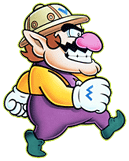
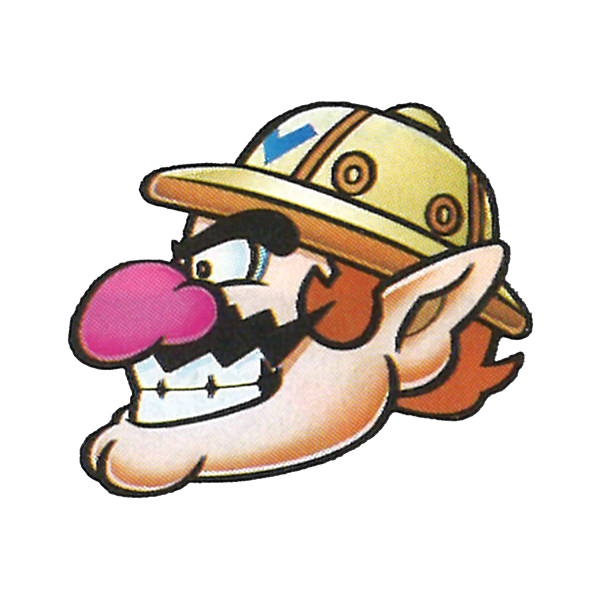
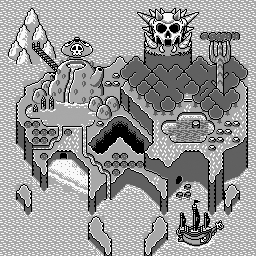
Wario, dressed for an expedition.The island map. Wario lands on the beach at the bottom left.
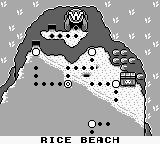
Rice Beach
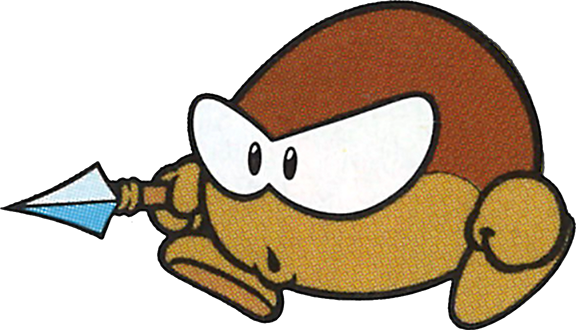
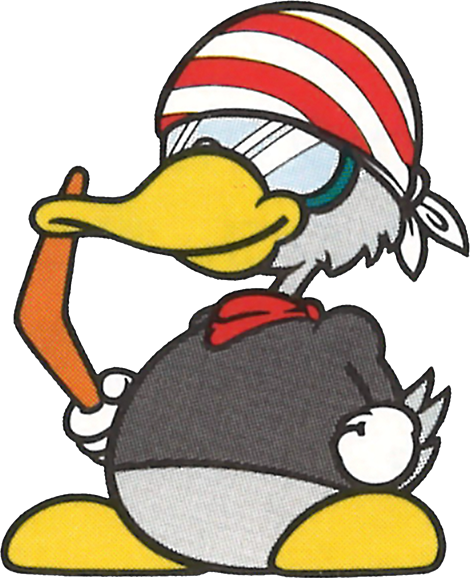
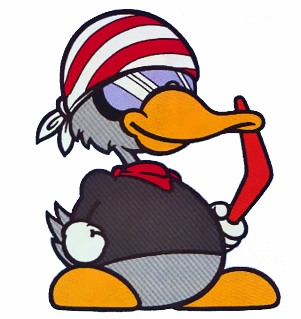
Wario comes ashore on the island’s western beach, among barrels and crates stamped with the skull and crossbones. Rice Beach is six courses of sand, quicksand and sea caves, patrolled by the pirates’ rank and file: spear-carrying Pirate Gooms, knife-throwing Gaugau and boomerang-throwing ducks called D.D.
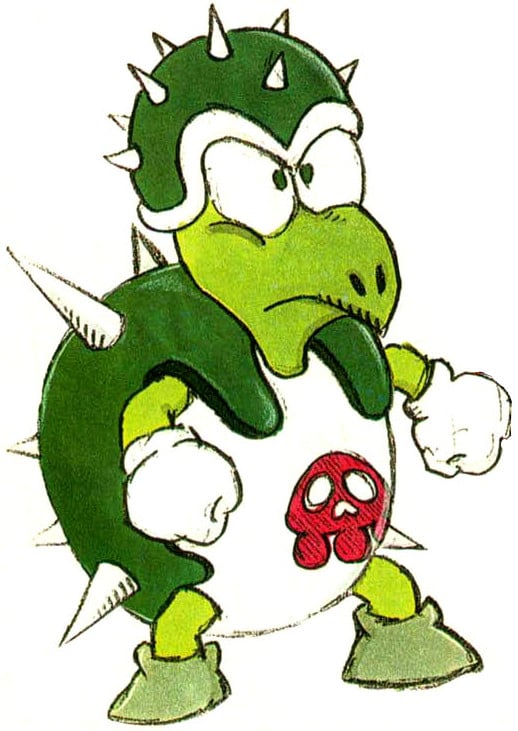
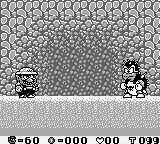
In the caves lives the Spiked Koopa, who attacks along the ground, from the air and from under the floor. Ramming it flips it onto its back, and three blows to the belly finish it. When Wario returns to the beach later the tide has come in, and the first and third courses are half underwater, with new corners to explore.
Rice Beach on the map.The Spiked Koopa.Course No.01 at high tide.
Mt. Teapot
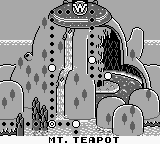
Inland stands a mountain shaped like a teapot, ringed by Lake Asparagus, with its lid bobbing in the air above the summit. Seven courses wind round it and through it: underwater at its foot, up through waterfall chambers, and into a cavern of lava and bridges at its heart.
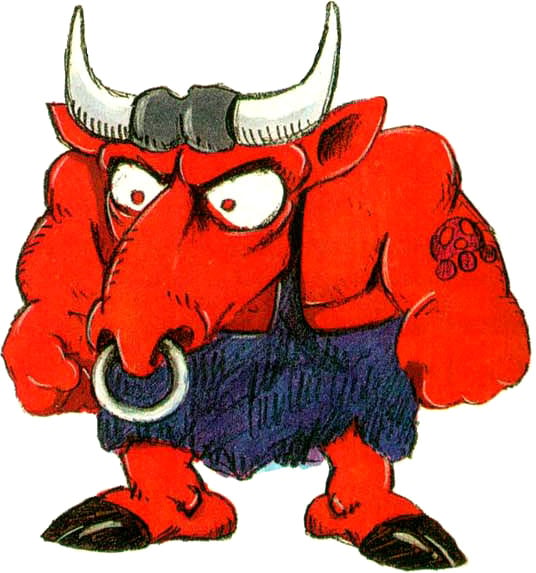
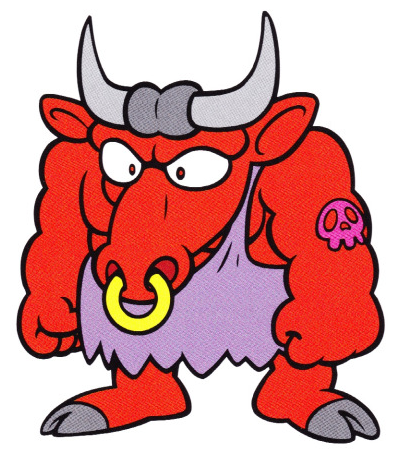
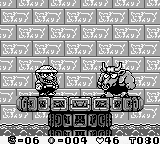
At the end of the lava course Wario throws a switch and the lid comes down with a crash, sealing the top. On the rebuilt summit he meets the Minotaur, a bull-headed bruiser who shrugs off stomps and ground pounds alike. The only way to win is to pick him up and throw him into the lava beneath the arena. A side passage in the mountain’s second course, meanwhile, leads somewhere much colder.
Mt. Teapot, lid still hovering.Course No.07: Wario, a Watch and a Pinwheel.The Minotaur, on the summit.
Sherbet Land
Sherbet Land is an iceberg floating off the coast, and Wario never has to go there. The only way in is the secret exit of Course 08. Those who find it get six courses of ice and freezing water, with pirates frozen solid inside blocks of ice, snowmen called Bucket Heads spitting ice, and two further hidden courses of their own.
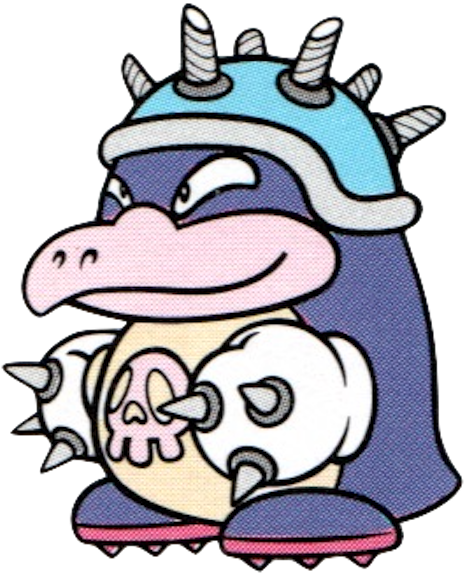
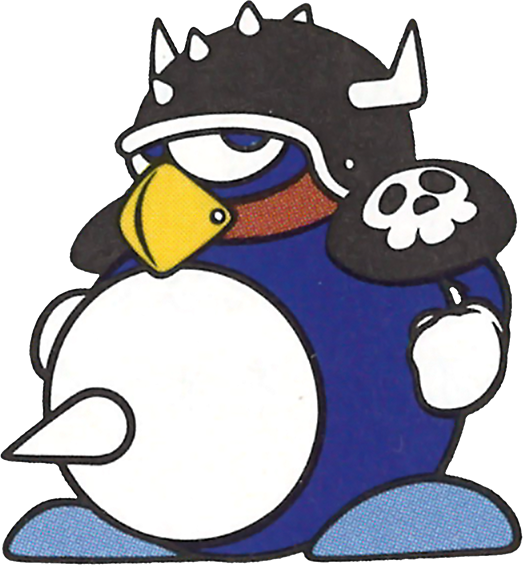
The boss is a Penguin in a spiked helmet and spiked boxing gloves. Slam it to knock the helmet off, then go for the head. The area holds three treasures, more than a fifth of the total value, which is reason enough for Wario to make the detour.
Sherbet Land, the optional iceberg.Course No.18, one of the two secret ice caves.Course No.19, home of the Penguin.
Stove Canyon
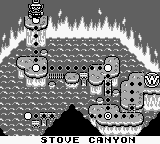
The middle of the island is a canyon full of lava, and every one of its six courses will take a life if Wario lands in it. There are walls of molten rock that chase him upwards, carts that rattle down forked rails, bridges that fall away and fireballs called Bō leaping from the pits.
Its guardian is the Devil’s Head, a huge floating face that smashes the floor from under Wario and spits rocks. Fire, coins and stomps do nothing. The trick is to pick up the rubble it leaves behind and throw it back.
Stove Canyon.Course No.20: climb, and do not look down.Course No.23 and its runaway carts.
The SS Tea Cup
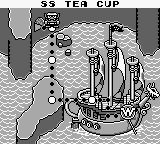
With the canyon behind him Wario reaches the pirates’ ship, the SS Tea Cup. Getting aboard takes three courses of forest, cave, open sea and beach, where the shy Bee Flies of Super Mario Land 2 make a return appearance. The last two courses are the ship itself, cabin by cabin.
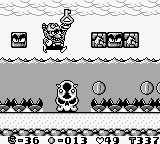
On the main deck waits Bobo, a giant bird who sends a pair of Watches swooping at Wario. Jump on one, grab it and hurl it back; three hits bring Bobo down. Dragon Wario’s fire works too.
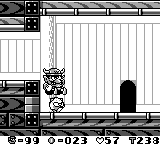
The SS Tea Cup at anchor.Course No.29, below decks.Course No.30, the way up to Bobo.
Parsley Woods
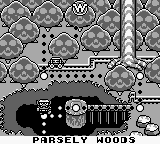
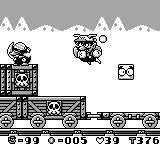
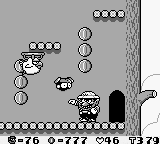
The sixth area is a forest with trees like those of Super Mario World’s Forest of Illusion, and like that forest it does not let visitors go. Wario is stuck there until the lake is drained. Two of its courses are rides on a speeding train, one is a climb up the giant Fork Tree, and the trees themselves drop spiked balls on anyone passing below.
The boss is a Ghost, who freezes Wario on contact and cannot be hurt by stomps, coins or fire. It fades from view and drops coins that turn into the ghosts of Pirate Gooms. Those can be picked up, and thrown.
Parsley Woods, with Fork Tree at its centre.Course No.33: the train.Course No.34: up Fork Tree.
Syrup Castle
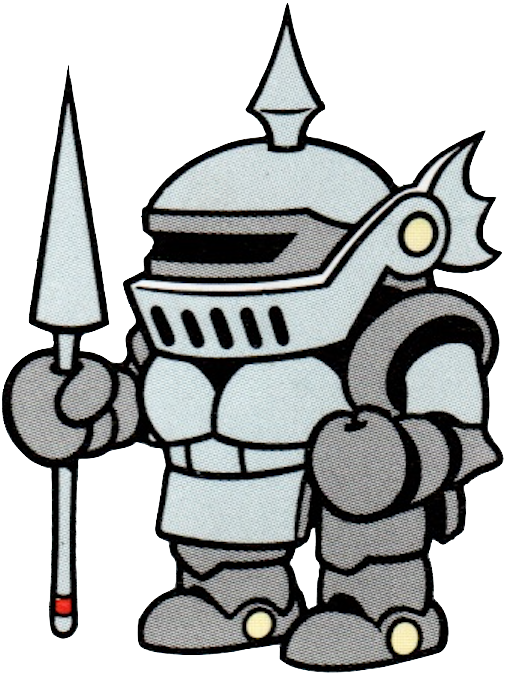
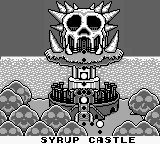
Captain Syrup’s castle is the shortest area, four courses, and it comes apart as Wario goes. He fights through the woods to the front door, through the dark rooms inside, and then across the ruins after the outer walls collapse. A Knight guards the last door.
Behind it is Captain Syrup, who does not fight. She rubs a magic lamp and a Genie does it for her, filling the room with fireballs that home in on Wario. The lamp is the key: throw it and it puffs out a cloud, ride the cloud up and land on the Genie’s head, deal with the miniature Genie that pops out, and repeat until he gives up.
Syrup Castle.Course No.38, inside the castle.Course No.40, the last of the forty.
The statue, the helicopter and the wish
Beaten, Syrup blows up her own castle, and there in the rubble is the golden statue, which had been hidden underneath all along. Wario has about a second to enjoy it. A helicopter clatters in, Mario at the controls, hooks the statue and flies off with it.
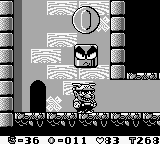
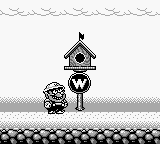
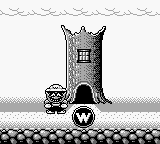
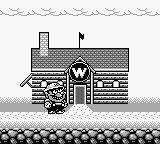
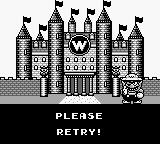
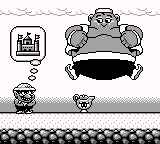
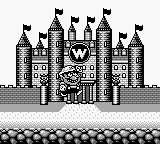
All Wario has left is the lamp. He rubs it, and the Genie, friendly now, offers one wish. Wario asks for a castle. The Genie agrees, but points out that wishes of that sort cost money, and asks to see what Wario has. Every coin and every treasure from the whole adventure is counted into moneybags, and Wario gets the home he can afford: a birdhouse, a hollow tree trunk, a log cabin, a pagoda, a proper castle or, for a perfect hoard, a planet of his own. Anything less than the best is followed by a pointed “Please retry!”
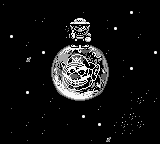
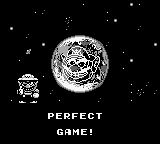
One wish, payable in advance.Five moneybags buy a castle.Six buy a planet.The perfect ending.
Every course in Wario Land: Super Mario Land 3
All 40 courses in numerical order, with the area each belongs to, any treasure, secret exit or boss, and what to expect. Rice Beach has six courses, Mt. Teapot seven, Sherbet Land six, Stove Canyon six, the SS Tea Cup five, Parsley Woods six and Syrup Castle four.
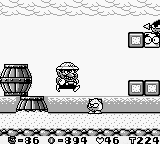
Course No.01Rice BeachThe first course: a beach of barrels to hop across. Floods at high tide once the area’s boss is beaten.
Course No.02Rice BeachPlatforms that blink in and out of existence.
Course No.03Rice Beach · treasure A · secret exit to Course 06Quicksand pits, which become pools after the tide rises.
Course No.04Rice BeachA cave where a Pouncer chases Wario through the passages.
Course No.05Rice Beach · boss: Spiked KoopaThe boss course. Beating the Spiked Koopa opens Mt. Teapot.
Course No.06Rice Beach · secret courseA bonus course with no dangerous enemies and a great many coins.
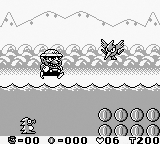
Course No.07Mt. TeapotMostly underwater at the foot of the mountain: Watches above the surface, Pinwheels and mines below.
Course No.08Mt. Teapot · secret exit to Sherbet LandStrong currents, and the hidden way to the iceberg.
Course No.09Mt. Teapot · treasure BA short vertical run of rooms full of waterfalls. The only place Konotako bombs appear.
Course No.10Mt. TeapotThe summit. Disappears from the map once Course 12 is cleared, replaced by Course 13.
Course No.11Mt. Teapot · treasure CA cave inside the mountain, thick with Pirate Gooms.
Course No.12Mt. TeapotA lava pit. The switch at the end brings the teapot’s lid crashing down.
Course No.13Mt. Teapot · boss: MinotaurThe summit again, rougher after the lid falls, with the Minotaur waiting.
Course No.14Sherbet LandThe bridge out to the iceberg, whose spans collapse underfoot.
Course No.15Sherbet Land · two exitsIce blocks that a switch turns off near the end.
Course No.16Sherbet Land · treasure D · two exitsMore of the same switch-and-ice-block trickery.
Course No.17Sherbet Land · treasure E · secret courseA long ice cave with Pikkarikun thunderclouds in pursuit.
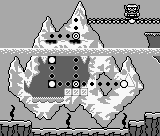
Course No.18Sherbet Land · treasure F · secret courseAnother ice cave, this one with spikes and water.
Course No.19Sherbet Land · boss: PenguinMostly underwater, ending at the Penguin. A door in the boss room lets you skip the fight.
Course No.20Stove Canyon · treasure GSmash blocks and climb ladders with a wall of lava rising behind.
Course No.21Stove CanyonBridges and moving platforms, with Pirate Gooms and Demon Bats.
Course No.22Stove CanyonA long crossing of lava on small platforms and ladders, harried by D.D.s.
Course No.23Stove Canyon · secret exit to Course 24Carts running down forked tracks; jump between them and dodge the bats.
Course No.24Stove Canyon · treasure H · secret courseA maze in which ! Blocks raise and lower the water.
Course No.25Stove Canyon · boss: Devil’s HeadCollapsing bridges and sinking platforms over lava, then the Devil’s Head.
Course No.26SS Tea Cup · treasure IForest and cave on the way to the ship, with Bee Flies and rolling boulders.
Course No.27SS Tea CupA long swim across open water to a beach.
Course No.28SS Tea CupLand and sea by turns, with Pirate Gooms and Watches.
Course No.29SS Tea Cup · treasure JAboard at last: the rooms of the pirate ship.
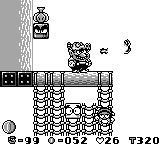
Course No.30SS Tea Cup · treasure K · boss: BoboThrough the ship and up to the main deck to face Bobo.
Course No.31Parsley Woods · treasure LA lake under trees that drop spiked balls. The layout changes once the lake is drained.
Course No.32Parsley WoodsMore carts on divided tracks.
Course No.33Parsley WoodsAn auto-scrolling ride along a moving train.
Course No.34Parsley Woods · treasure MThe climb up Fork Tree, the giant fork-shaped tree that marks the area.
Course No.35Parsley WoodsA second train, this time scrolling the other way.
Course No.36Parsley Woods · boss: GhostForest like Course 31, with the Ghost at the end.
Course No.37Syrup Castle · treasure NWoodland on the edge of Parsley Woods, ending in the castle’s foyer.
Course No.38Syrup CastleInside the castle: dark, cramped rooms.
Course No.39Syrup Castle · treasure OLargely outdoors now that the outer walls have come down. The last treasure is here.
Course No.40Syrup Castle · final boss: Captain Syrup’s GenieThe last course. A Knight guards the final door; beyond it are Captain Syrup and her lamp.
Courses 06, 17, 18 and 24, and the whole of Sherbet Land (Courses 14 to 19), can be missed entirely. All 40 must be cleared for the best ending.
Advertisement
Gameplay & Controls
On paper this is still a Super Mario Land: side-scrolling courses, blocks to hit from below, power-ups that change your hat. In the hand it is something else, because Wario is not built like Mario. He is slower and heavier, he attacks with his whole body, and most enemies cannot hurt him just by being in the way.
What he wants is also different. Coins are not a route to extra lives but the score itself, carried from course to course, gambled in bonus games and totted up by a Genie at the end.
Moves and controls
A jumps and B performs the Body Slam, a shoulder charge that knocks enemies flying and breaks blocks. Most enemies can be touched without harm unless they are carrying something sharp; a Body Slam, a jump on a soft spot or a ground pound stuns or defeats them, and a stunned enemy can be picked up and thrown at its friends.
Take a hit and Wario shrinks to Small Wario, who cannot Body Slam at all; a second hit costs a life. A garlic bottle restores him to full size, as does finishing the course.
The Body Slam, Wario’s answer to most problems.Small Wario: no hat, no charge, one hit from losing a life.
Three pots, three hats
Power-ups are pots hidden in blocks. Each one swaps Wario’s safari helmet for something more useful, and a pot can be collected in any form, small included.
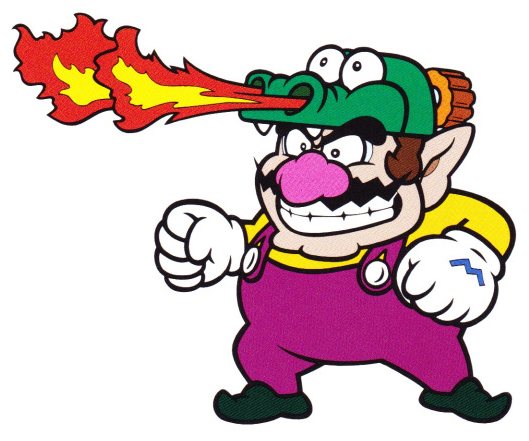
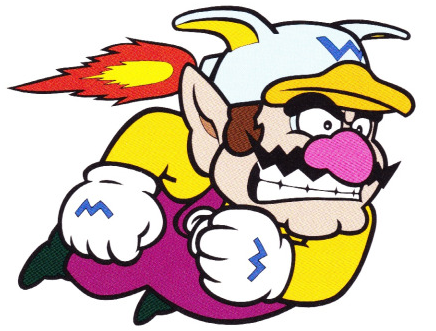
Bull Wario wears a horned helmet. He destroys enemies and blocks more easily, crashing down onto the ground sends out a shockwave, and he can cling to ceilings. You can also become Bull Wario by picking up a garlic bottle when already full-sized. Jet Wario gets a winged helmet: he walks faster, jumps higher and can fly level for a stretch before sinking gently to the ground. Dragon Wario has a dragon’s head for a hat that spits a short jet of flame, which becomes arrow-like shots underwater; the price is that he cannot Body Slam.
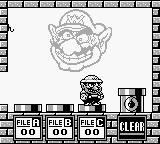
There is a sixth costume that never appears in a course. On the file-select screen, walk Wario into the CLEAR pipe and he comes out as Bomb Wario, ready to blow up a save file.
Wario.Small Wario.Bull Wario.Jet Wario.Dragon Wario.Bomb Wario, seen only on the file-select screen.
Coins, hearts and the exit door
Every coin Wario collects goes into a running total that he keeps, up to 999 in a single course and 99,999 overall. In most courses the exit will not open for free: Wario has to turn ten coins into one big 10 Gold Coin and pay it at the door. Courses are timed, and checkpoints are marked along the way.
Lives come from hearts. Each enemy defeated is worth one Heart Point and each heart from a block is worth ten, and the points build towards extra lives; while a Star is active every enemy is worth ten. Losing every life has a price worthy of the game’s theme: Wario forfeits one treasure he has already found and must go back for it, or half his coins if he has no treasure to lose.
The door at the end of a course.Ten coins become one 10 Gold Coin.A checkpoint, activated.
Double or nothing: the bonus games
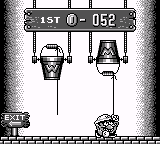
After each course Wario may play one of two bonus games, never both. In the Coin Game he pulls a rope to tip one of two buckets. A moneybag doubles the coins he has just earned; a ten-ton weight halves them. He can chance it three times running, so a course’s takings can leave multiplied by eight or cut to an eighth.
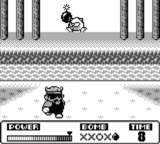
The Heart Game costs coins to enter (20, 40 or 100 for the C, B and A courses on its billboard). Wario stands on a river bank with five bombs and a swinging power meter and lobs them at enemies crossing on the far side; a bomb held for nine seconds goes off in his hands. The more hits, and the dearer the course, the more hearts and extra lives he wins.
The Coin Game: moneybag or ten-ton weight?The Heart Game: bombs across the river.
Kitchen Island: secrets and second visits
The island is a map of seven areas, and finished courses can be replayed at any time, which matters because the island does not stay the same. Beating the boss of Rice Beach brings the tide in, flooding Courses 01 and 03 and opening parts of them that were out of reach. Throwing a switch at the end of Course 12 drops the lid onto Mt. Teapot and turns the summit, Course 10, into the boss course, No.13. In Parsley Woods a lake has to be drained before Wario can leave, and Course 31 is a different place afterwards.
Five courses have a second exit. Course 03’s leads to a coin-filled bonus course, No.06; Course 08’s is the only road to Sherbet Land; and Courses 15, 16 and 23 open the hidden Courses 17, 18 and 24. Fifteen courses also hide a key and a locked skull door with a treasure behind it. The game saves to battery, and files are chosen by walking Wario into a pipe.
A key. Somewhere in the same course is the door it fits.The file-select screen, where save files are pipes.
Pots, pick-ups and all 15 treasures
The power-ups first, then the fifteen lettered treasures with the course each is hidden in and what the Genie pays for it.
Bull PotTurns Wario into Bull Wario: stronger against enemies and blocks, with a ground-shaking stomp and the knack of clinging to ceilings.
Jet PotJet Wario glides through the air, walks faster and jumps higher.
Dragon PotDragon Wario’s helmet breathes fire, even underwater, but he cannot Body Slam.
Garlic bottleRestores Small Wario to full size. Taken at full size, it makes him Bull Wario.
StarTemporary invincibility, and ten Heart Points for every enemy flattened while it lasts.
HeartFound in ? Blocks. Worth ten Heart Points towards an extra life.
3-Up HeartThe big prize: three extra lives in one.
1 Gold CoinThe thing Wario is here for.
10 Gold CoinMade from ten of Wario’s own coins. Pays for the exit door of most courses.
Wario’s first solo outing was adapted three times over in Japanese manga, and later games have kept quoting its music, its hats and its endings.
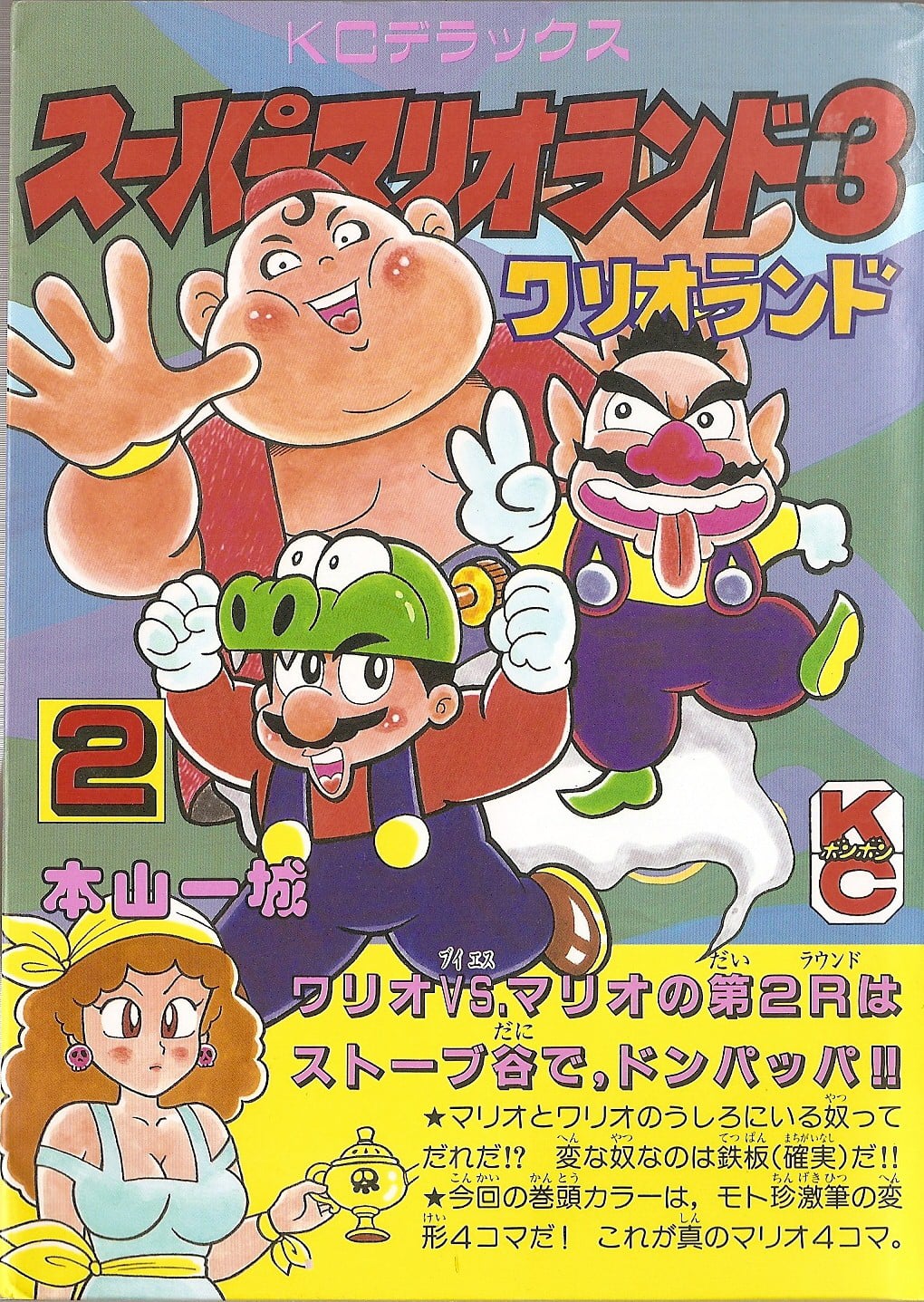
Super Mario Land 3: Wario Land (Kodansha manga)Three volumes · KodanshaThe game is the subject of three volumes of Kodansha’s Super Mario manga, and was the last Mario storyline to run in Deluxe BomBom. In this version the pirates steal the statue from Mario and Luigi, a reforming Wario joins the search with Peach, Daisy supplies the Power Up Pots, and the Genie turns Yoshi into a fire-breathing helmet.
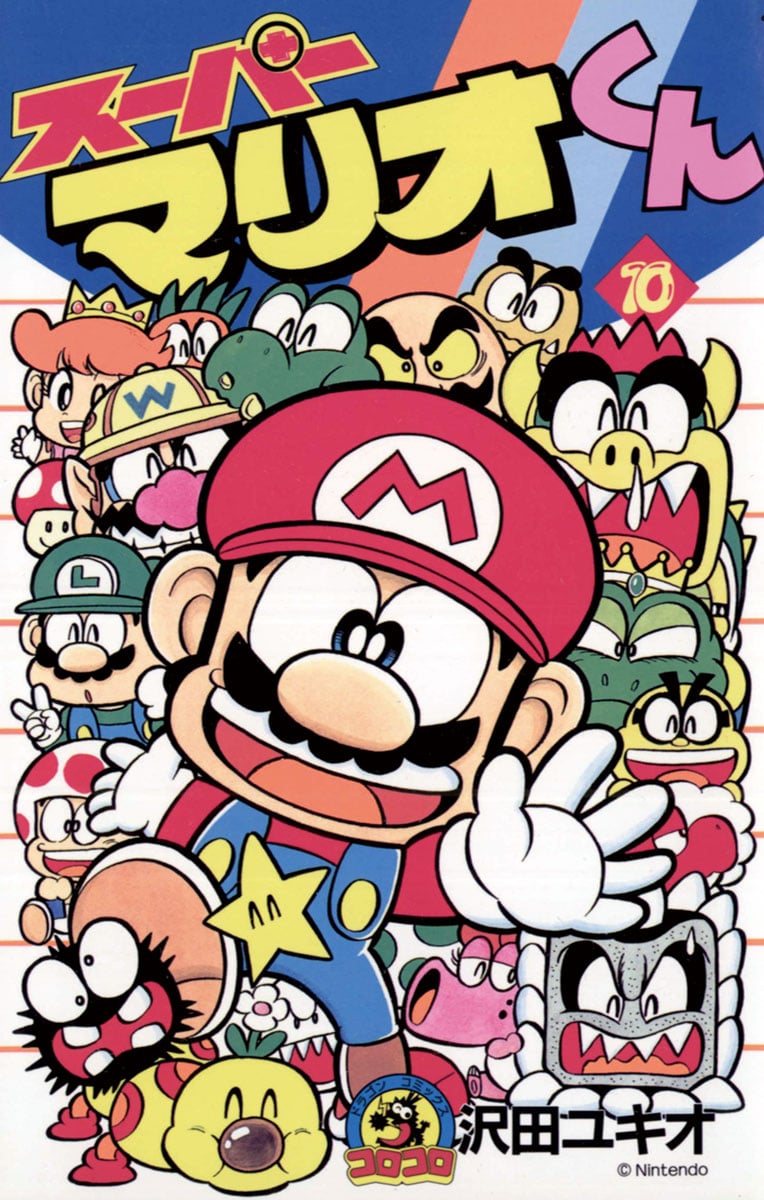
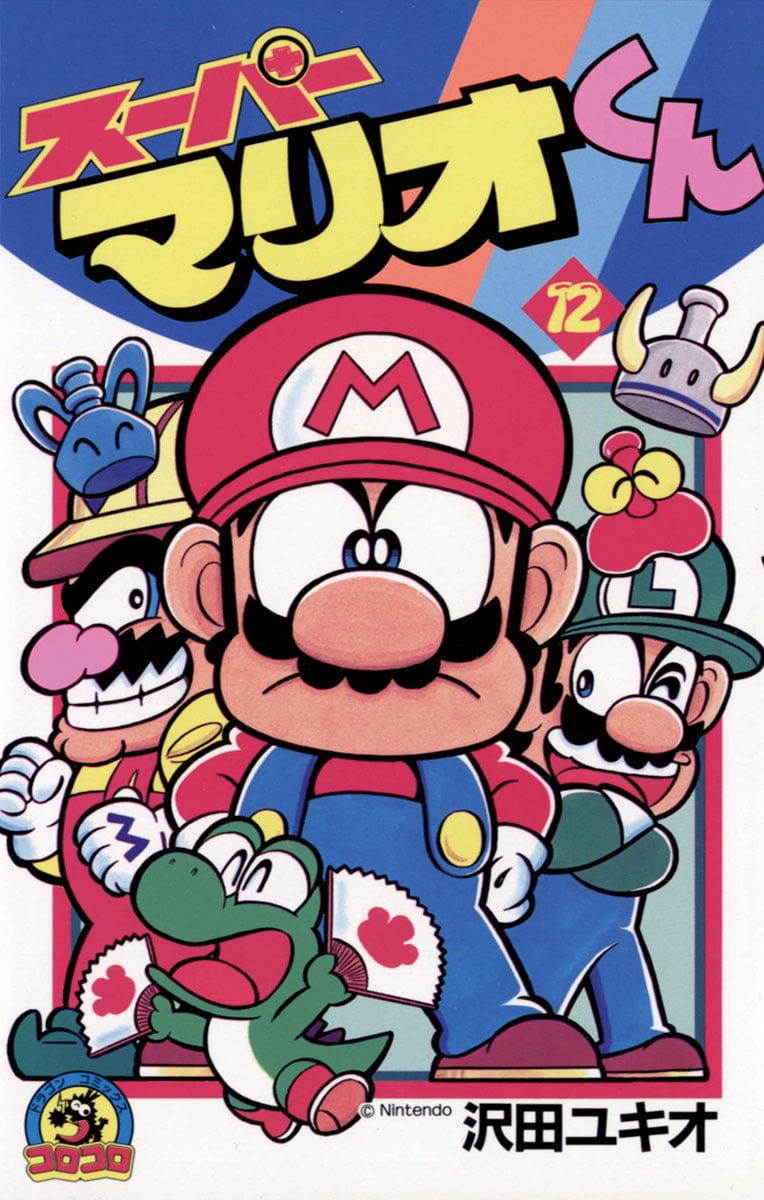
Super Mario-kun vols. 10–13Manga · Yukio Sawada, ShogakukanA two-chapter prologue in volume 10 sets Mario, Yoshi and Wario against the Brown Sugar Pirates; volumes 11 to 13 adapt the game, ending with Syrup’s Genie and a castle that comes to life. Volume 13 also has a puzzle chapter based on Syrup Castle.
Mario no Bōken LandManga chapter “Wario and the thief”Mario and Wario hunt a thief in the Mushroom Kingdom and are led to Kitchen Island by Captain Syrup. Pouncers, Bucket Heads and Pecans all put in an appearance.
Wario Land IIThe Game Boy sequelCaptain Syrup, the SS Tea Cup and Syrup Castle all return in the sequel, where her crew is called the Black Sugar Gang.
Super Smash Bros. BrawlWiiOne of Wario’s alternate outfits draws on his sprite from this game, and Masahiro Sakurai placed the WarioWare fighters in All-Star mode according to the date Wario first took the lead here.
Mario Kart 7 and Mario Kart WorldWario Shipyard and Free RoamThe music of Wario Shipyard quotes “Ripple Course” from this game, and a billboard there shows Bull Wario. Mario Kart World has its own arrangement of the tune.
WarioWareMega Microgame$!, Smooth Moves, D.I.Y.Grow Wario Grow in WarioWare, Inc.: Mega Microgame$! uses the Small and regular Wario sprites; Smooth Moves has a microgame called Wario Land among 9-Volt and 18-Volt’s collection; and D.I.Y. includes “Ripple Course” as one of 9-Volt’s records.
Endings you have to earnLuigi’s Mansion, Wario WorldBoth Luigi’s Mansion and Wario World end by showing a home whose size depends on how the player did, as this game does.
Hats and jinglesMario Party 2, Mario Party 10, Super Mario MakerWario’s pith helmet is his Mystery Land costume in Mario Party 2 and sits in the background of his amiibo Party board in Mario Party 10. In Super Mario Maker, the Wario costume plays this game’s power-up, lost-life and bonus-game sounds.
Characters
A small cast for a big adventure: one anti-hero in several hats, a pirate captain who lets a Genie do her fighting, and a plumber who turns up at exactly the wrong moment.
Character
Who they are
In this game
Abilities & notes
WarioThe star
Mario’s greedy opposite number, created by Hiroji Kiyotake as the villain of Super Mario Land 2. His name comes from warui, Japanese for bad.
Lands on Kitchen Island to steal a stolen statue and buy himself a castle. Playable for the first time.
Body Slam (B)
Can touch most enemies without being hurt
Picks up and throws stunned enemies
Shrinks to Small Wario when hit
Bull WarioBull Pot form
Wario in a horned helmet.
The strongest form, and the one a garlic bottle gives a full-sized Wario.
Breaks enemies and blocks more easily
Ground-shaking stomp
Clings to ceilings
Jet WarioJet Pot form
Wario in a helmet with wings and a jet.
The form for long gaps and out-of-the-way ledges.
Glides, then sinks slowly
Walks faster, jumps higher
Dragon WarioDragon Pot form
Wario with a dragon’s head for a hat.
The only form with a ranged attack, and one of the two ways to hurt Bobo.
Breathes a short flame
Fires arrow-like shots underwater
Cannot Body Slam
Small WarioDamaged form
What is left after a hit: hatless and half the size.
One more hit costs a life. A garlic bottle, any pot or the end of the course restores him.
No Body Slam, no ground pound
Captain SyrupLeader of the Brown Sugar Pirates
The pirate captain of Kitchen Island, making her first appearance. She is usually described as the first female villain in the wider Mario family of games to be a game’s main antagonist.
Stole the golden statue and hid it under her castle. Meets Wario in Course No.40, summons the Genie and, when he loses, blows the castle up.
Does not fight in person
Returns in Wario Land II and Wario Land: Shake It!
GenieFinal boss, then wish-granter
The spirit of Captain Syrup’s magic lamp.
Fights Wario on Syrup’s orders. Once the lamp changes hands he grants Wario one wish, at a price, and adds 300 coins of his own to the count.
Homing fireballs
Vulnerable on top of the head
Prices a castle in moneybags
MarioCameo
The hero of the first two Super Mario Land games.
Appears only in the ending, lifting the statue of Princess Toadstool away by helicopter before Wario can claim it.
Not playable
The Brown Sugar PiratesCaptain Syrup’s crew
The gang that holds Kitchen Island: Pirate Gooms with spears, boomerang-throwing D.D.s, boulder-rolling Penkoons and pelican Pecans among them.
Guard every course between the beach and the castle. In Wario Land II the crew is known as the Black Sugar Gang.
Based on the SS Tea Cup and Syrup Castle
Bosses and enemies
The seven bosses in order, then all 38 kinds of enemy and hazard by the usual count, in order of first appearance, with the courses between which each is found.
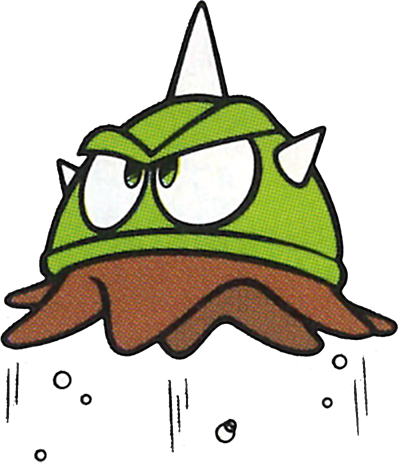
Spiked Koopa (boss)Rice Beach · Course No.05Attacks from the ground, the air and under the floor. Immune to ground pounds and fire: ram it to flip it, then hit the belly three times.
Minotaur (boss)Mt. Teapot · Course No.13Cannot be stomped or pounded. Pick him up and throw him into the lava under the arena.
Penguin (boss)Sherbet Land · Course No.19Punches with spiked gloves. Slam it to knock off the spiked helmet, then strike the head.
Devil’s Head (boss)Stove Canyon · Course No.25A floating head that breaks the floor and spits rocks. Throw its own rubble back at it.
Bobo (boss)SS Tea Cup · Course No.30A giant bird who sends two Watches at Wario. Throw a Watch at him three times, or use Dragon Wario’s fire.
Ghost (boss)Parsley Woods · Course No.36Paralyses on contact and ignores stomps, coins and fire. Throw the Yarikuri Obake that its coins turn into.
Genie (final boss)Syrup Castle · Course No.40Summoned by Captain Syrup. Throw the lamp to make a cloud, ride it and land on his head; beat the mini-Genie and repeat.
Wanderin’ GoomCourses 01–38Tiny, harmless and everywhere. Mostly there to be thrown.
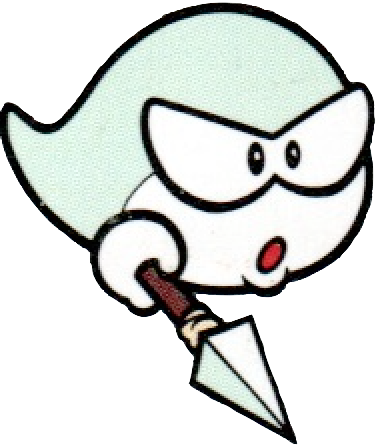
Pirate GoomCourses 01–40The pirates’ foot soldier. Mind the spear.
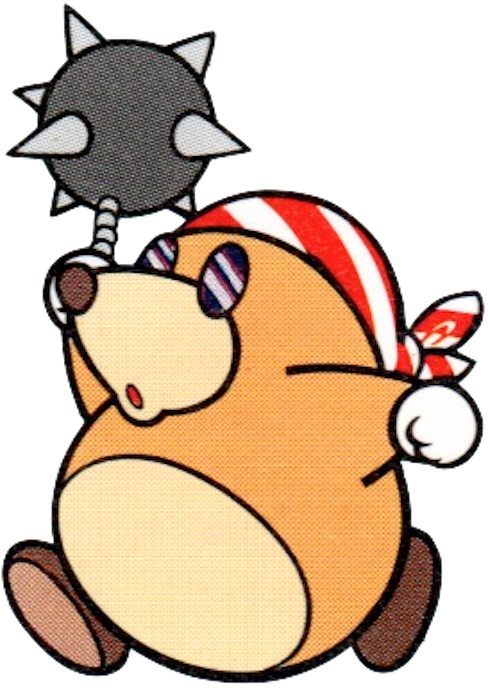
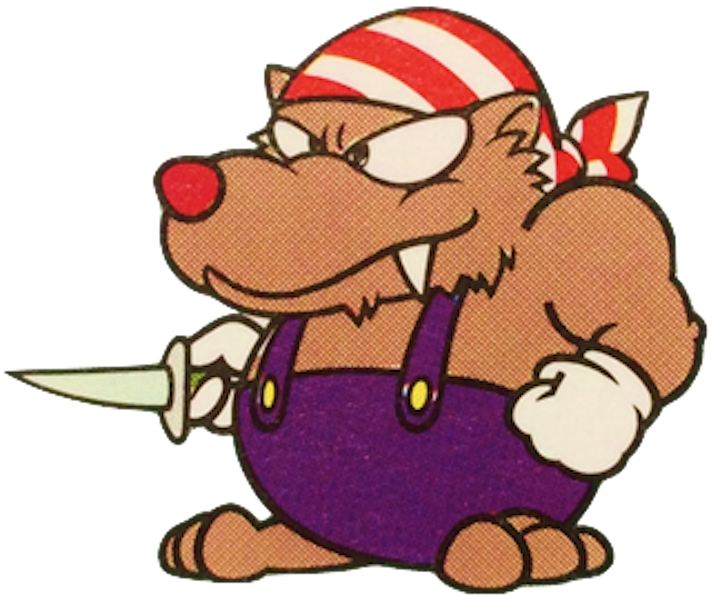
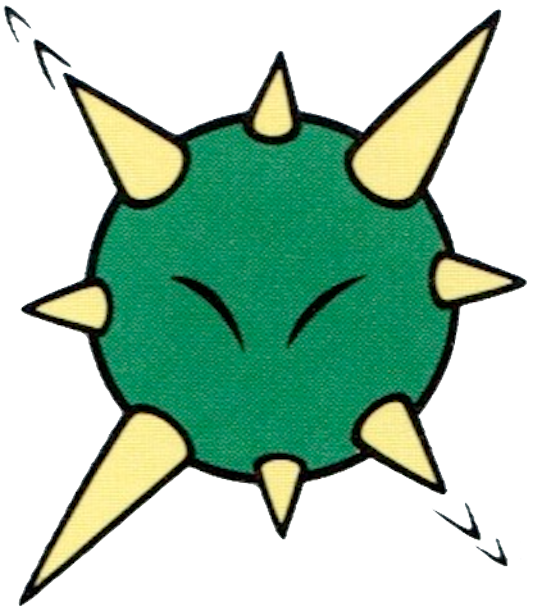
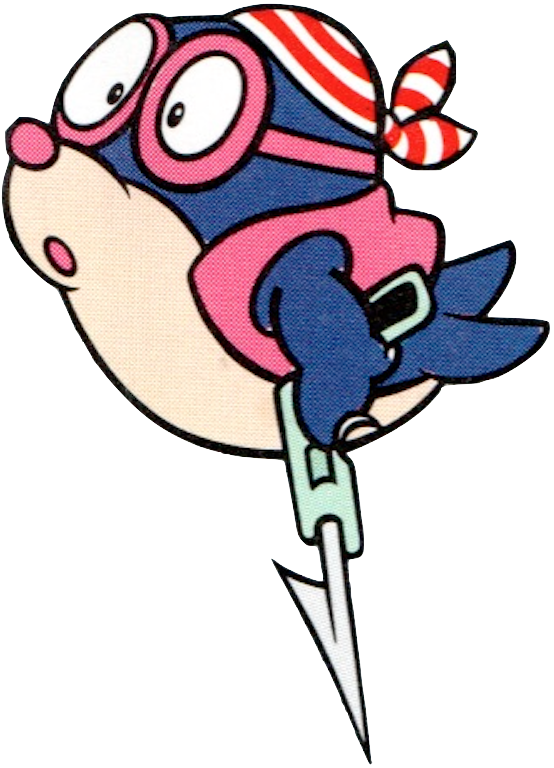
GuraguraCourses 01–40A mole swinging a spinning flail.
Fujiko Nomura and Yusuke NakanoPackage designersCredited for the packaging.
Kazumi TotakaTesting playerThe composer of Super Mario Land 2 is listed among the testers this time.
Advertisement
How It Was Made
Nintendo has said little on the record about how this game was made, and no developer interview about it could be found for this page. What follows comes from the credits, from the 1992 interview about its predecessor, and from what was printed and left on the cartridge.
The Super Mario Land 2 team, with their own star
The Super Mario Land games were never made by Shigeru Miyamoto’s department. They belonged to Research & Development 1, Gunpei Yokoi’s hardware-and-software group, and the third one reunited the core of the team behind the second: Hiroji Kiyotake and Takehiko Hosokawa as directors and artists, with Yokoi producing. Takahiro Harada, main programmer of Super Mario Land 2, is thanked in the credits, and its composer Kazumi Totaka is listed as a tester.
Kiyotake had created Wario for that earlier game as a rival in the mould of Bluto to Mario’s Popeye: the same sort of man, only bigger, stronger and less scrupulous. In the 1992 interview he said the team had wanted Mario to fight for something that was his, not to rescue somebody. Two years on they turned the idea inside out and made a game about the man who wanted to take it.
Super Mario Land 3: Kairiki Wario
The Japanese logo.
A Japanese promotional flyer from 1993 shows the game under a working title, Super Mario Land 3: Kairiki Wario; kairiki means super-strong. Its logo looks nothing like the one finally used. The Kodansha manga adaptation is titled Super Mario Land 3: Wario Land, with the series name first; the English-language release puts Wario first.
It was shown at the 1994 Consumer Electronics Show in the United States, where GamePro picked it as the best Game Boy game of the show, pointing to its new power-ups and multiple endings.
Borrowed screams
The music was written by Ryoji Yoshitomi and Kozue Ishikawa. R&D1 had also made Metroid II: Return of Samus, and some of that game’s sound went into this one: the noises the Genie and other bosses make when hit in the final battle are the cries of stunned and wounded Metroids, and the pause sound is taken from it too.
Left on the cartridge
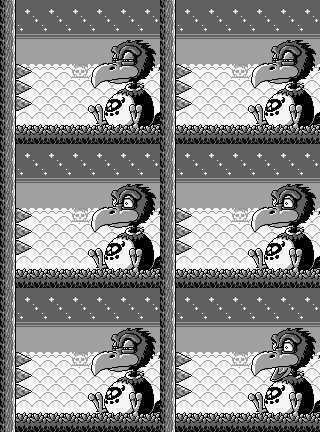
The unused Bobo scene, with Syrup Castle in the distance.
Unused graphics hint at ideas that were dropped. The harmless Wanderin’ Goom has frames of animation for spitting a projectile. The Stove Canyon boss has unused tongue graphics and a death animation for Wario that suggest it was once meant to eat him. The Ghost of Parsley Woods has frames for throwing its coins, where in the finished game they simply appear. There is a small boat that was probably meant for the map.
Most intriguing is a complete set of tiles for a Bobo arena with Syrup Castle in the background, in which the giant bird has a different emblem on his chest. The Cutting Room Floor suggests his fight may once have been planned for Parsley Woods, not the deck of the SS Tea Cup.
Series Firsts
What began here. Each item is stated by a source read for this page.
1The first Wario LandIt is usually counted as the first instalment of the Wario Land series, which ran to Virtual Boy Wario Land, Wario Land II, 3, 4 and Wario Land: Shake It!.
2Wario in the leadNintendo’s Italian description for the Switch re-release calls it Wario’s debut as a protagonist (the English description does not say so). In Super Mario Land 2 he had been the final boss.
3Captain SyrupHer first appearance, and by most counts the first time a female villain was the main antagonist of a game in the extended Mario family, ahead of Cackletta and the Shadow Queen.
4An ending priced in coinsThe home Wario ends up with depends on what he collected. Luigi’s Mansion and Wario World later used the same idea.
5The SS Tea Cup and Syrup CastleBoth were created for this game and both return in Wario Land II.
Cheats & Secrets
Getting to the credits is the easy part. Getting a planet named after you takes every secret on the island, and the game keeps score: if you miss the best ending, the courses with treasures still unclaimed are flagged on the map.
The six endings
The Genie counts Wario’s total and builds accordingly. One moneybag (300 to 10,071 coins): a birdhouse. Two (10,072 to 40,007): a hollow tree trunk. Three (40,008 to 70,007): a log cabin. Four (70,008 to 90,007): a pagoda. Five (90,008 or more, but with at least one treasure missing): a castle. Six (the full 99,999 coins, all 15 treasures and all 40 courses cleared): a planet.
The sums for a perfect game
The fifteen treasures are worth exactly 90,000 coins and the Genie throws in 300 for being beaten, so a perfect file needs another 9,699 coins in cash. The Coin Game can help, since three lucky pulls multiply a course’s takings by eight, up to the cap of 999.
Where the treasures are
One each in Courses 03 (A), 09 (B), 11 (C), 16 (D), 17 (E), 18 (F), 20 (G), 24 (H), 26 (I), 29 (J), 30 (K), 31 (L), 34 (M), 37 (N) and 39 (O). In each of those courses, find the key, carry it to the locked skull door and open the chest inside. Three of them (D, E and F) are in optional Sherbet Land, and E, F and H are in courses reached only by secret exits.
Secret exits
Course 03 has a second exit leading to the coin-stuffed Course 06. Course 08 hides the way to Sherbet Land. In Sherbet Land, the second exits of Courses 15 and 16 lead to the hidden Courses 17 and 18. In Stove Canyon, a secret exit near the end of Course 23 opens Course 24.
Go back after the tide comes in
Once the Spiked Koopa is beaten, Courses 01 and 03 are flooded and parts of them that could not be reached before can be swum to. Treasure A is in Course 03.
A free Bull helmet
A garlic bottle picked up by a full-sized Wario does not go to waste: it turns him into Bull Wario.
Skip the Penguin
The boss of Sherbet Land does not have to be fought. There is a door in its room that lets Wario walk past.
The built-in debug menu
Pause the game and press Select sixteen times. A blinking cursor appears on the status bar: hold B and press Left or Right to move it, and Up or Down to change the number of lives, coins, hearts or seconds on the clock. With the cursor at the far left, hold A and B to highlight Wario’s head, and his form will change each time the game is unpaused. This works on the original cartridge without any cheat device.
Hidden level select
A second debug mode exists but needs a cheat device (The Cutting Room Floor gives the Game Genie code 018-C75-E6A). It adds a level select to the course-intro screen, lets Wario float freely through a paused course, and can warp straight to the ending.
Game Over is not free: Wario loses one treasure he has collected, or half his coins if he has none.
Glitches & Oddities
One famous map trick and a handful of curiosities, as documented by The Cutting Room Floor.
Skipping courses on the map
On the island map, stand Wario on a course that has an open path in one direction and a blocked path to the right, then press Right and the open direction together. He walks right anyway. From Course 01, pressing Down and Right at once reaches Course 02 without clearing Course 01, and the same trick can jump whole areas. It happens because the game checks the buttons in one order when deciding whether Wario may move and in a different order when deciding where he goes. Nintendo fixed it for the Nintendo 3DS Virtual Console; it works on the original cartridge and, reportedly, again in the Nintendo Switch Online version.
The hearts you can never have
After the lake in Course 31 is drained, a few heart blocks are left where Wario cannot get at them. The developers added four invisible blocks to stop him hitting them by accident, and those cannot be hit either.
Upside-down Wario
The routine that draws Wario checks a flag that would flip him upside down. Nothing in the finished game ever sets it, and forcing it produces a garbled sprite.
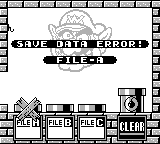
The save-data error screen
The screen you hope never to see.
Each save is stored twice and checked when the game starts. If both copies fail the check, a corruption message appears and the affected file’s pipe is emptied; on real hardware this almost never happens.
Videos
Nintendo’s trailer for the Nintendo 3DS Virtual Console release, as posted by IGN, and a documentary on the whole Super Mario Land trilogy.
Nintendo’s Nintendo 3DS eShop trailer for the Virtual Console release, uploaded by IGN (a third-party channel, not Nintendo’s own).
A third-party documentary by Gaming Historian covering all three Super Mario Land games, this one included.
Trivia & Interesting Facts
The working title on a 1993 Japanese flyer was Super Mario Land 3: Kairiki Wario, “Super-Strong Wario”.
Kitchen Island lives up to its name: Rice Beach, Mt. Teapot, Sherbet Land, Stove Canyon, the SS Tea Cup, Parsley Woods and Syrup Castle, plus Lake Asparagus and Fork Tree, all run by the Brown Sugar Pirates.
In Japanese, Sherbet Land is Shābettō, a pun that runs “sherbet” into tō, island; Mt. Teapot is Potto yama, Mt. Pot; and the ship is the Tīkappu-gō.
A Bee Fly, making its second and shyest appearance.The Bee Flies on the way to the SS Tea Cup are from Super Mario Land 2’s Tree Zone, one of very few things carried over from the earlier Mario Land games. Kiyotake had a soft spot for them: in 1992 he said he had laughed out loud the first time he saw one working.
The sounds of the Genie and other bosses being hit in the final battle, and the pause jingle, are reused from Metroid II: Return of Samus.
Once the lake is drained the map label for Parsley Woods changes to “Parsely Woods”.
The blocks and hat power-ups are inherited from Super Mario. The Wario Land series kept them for one more game, Virtual Boy Wario Land, and then dropped them.
The Wanderin’ Goom that fought back, unused.A harmless Wanderin’ Goom has unused frames in which it spits something at Wario.
Small Wario loses his hat, a detail Super Mario 3D Land later borrowed for Small Mario and Small Luigi.
A Famitsu reviewer in 1994 picked out one small pleasure in particular: deleting a save file by blowing it up with Bomb Wario.
LodgeNet is sometimes listed among the game’s platforms, alongside the Game Boy.
Kazumi Totaka, composer of Super Mario Land 2, appears in the credits only as a tester, and that game’s main programmer, Takahiro Harada, is in the Special Thanks.
The Italian description on Nintendo Switch Online introduces it as the first Wario Land and Wario’s debut as a protagonist; the Spanish box called his forms Wario Dragón, Wario Toro and Wario Reactor.
The Genie pays Wario 300 coins for beating him, which is why the lowest possible ending starts at 300.
An unused “W” flag exists for marking Syrup Castle as cleared on the map. It is never shown because the game does not save after the final course.
Regional Box Art
Wario and Kitchen Island on boxes from around the world, with the budget re-issues that followed.
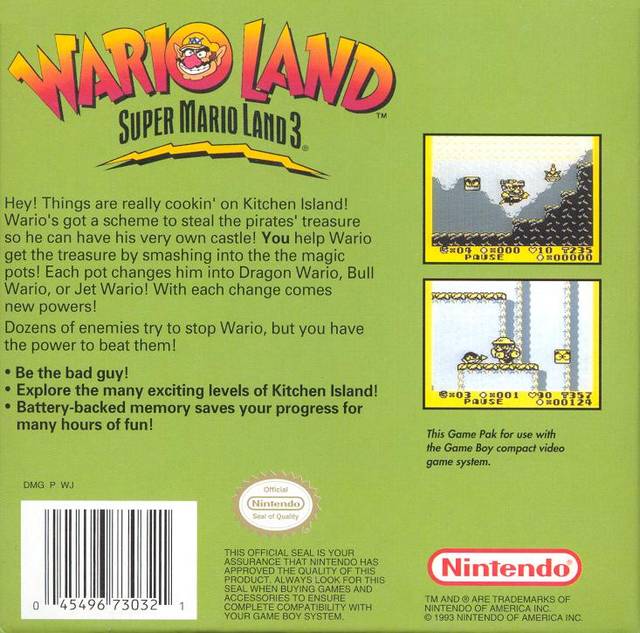
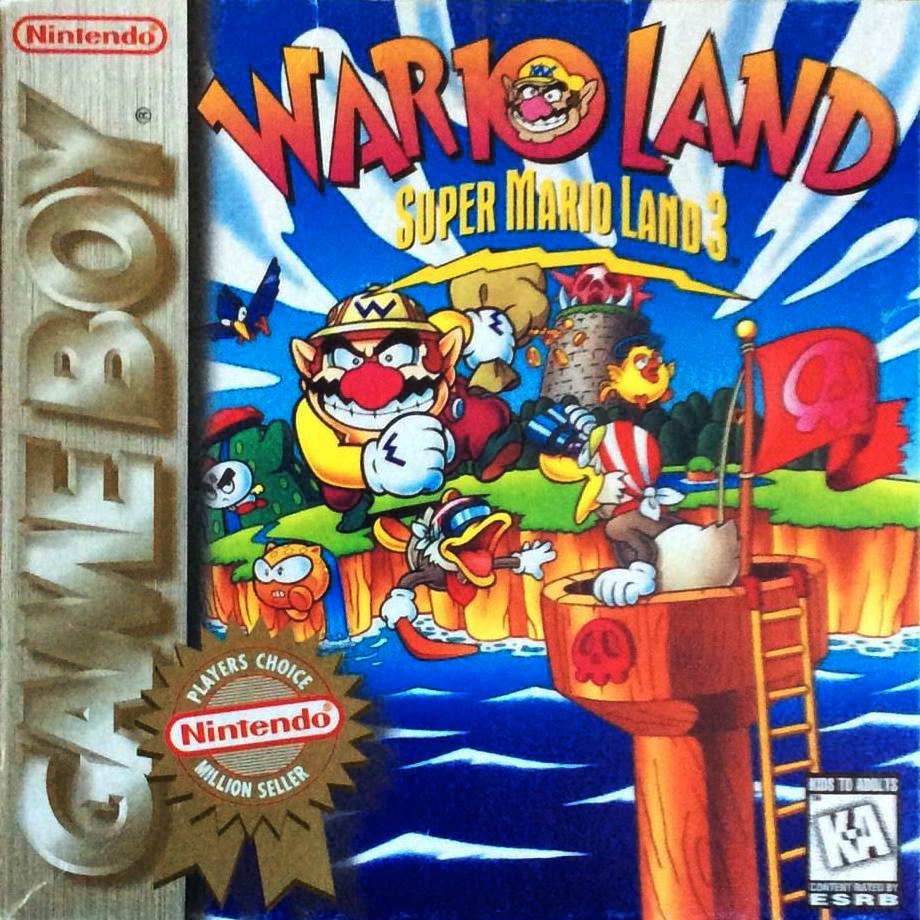
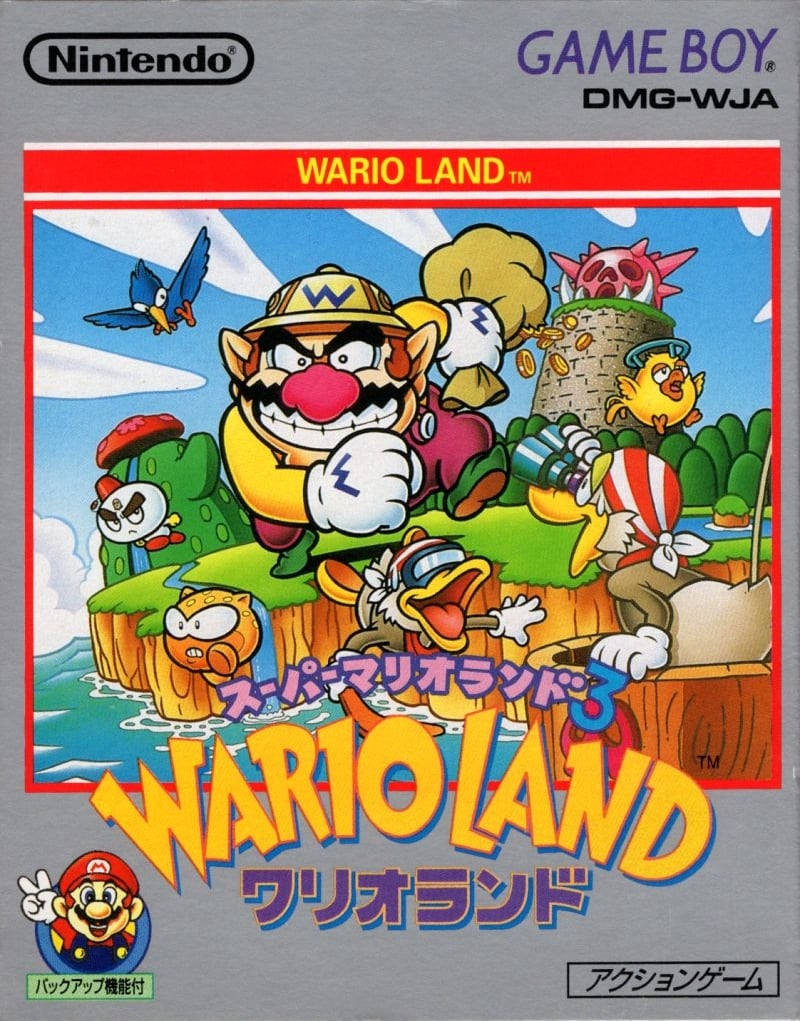
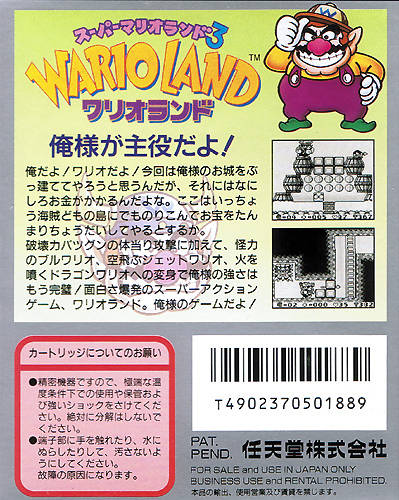
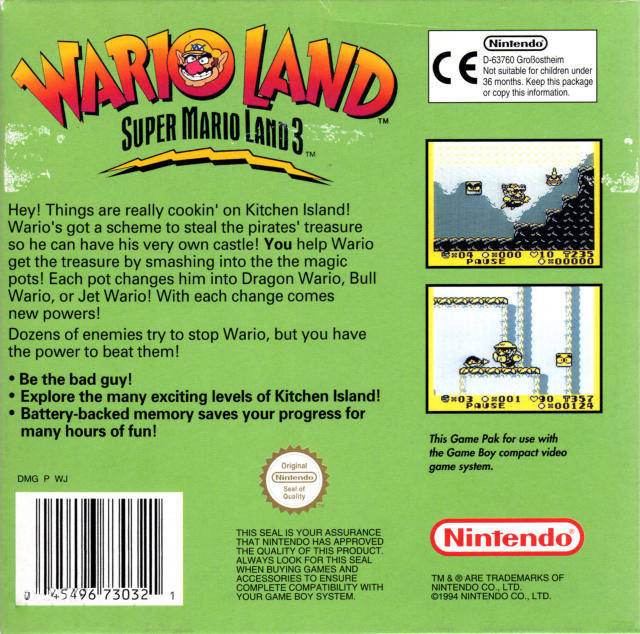
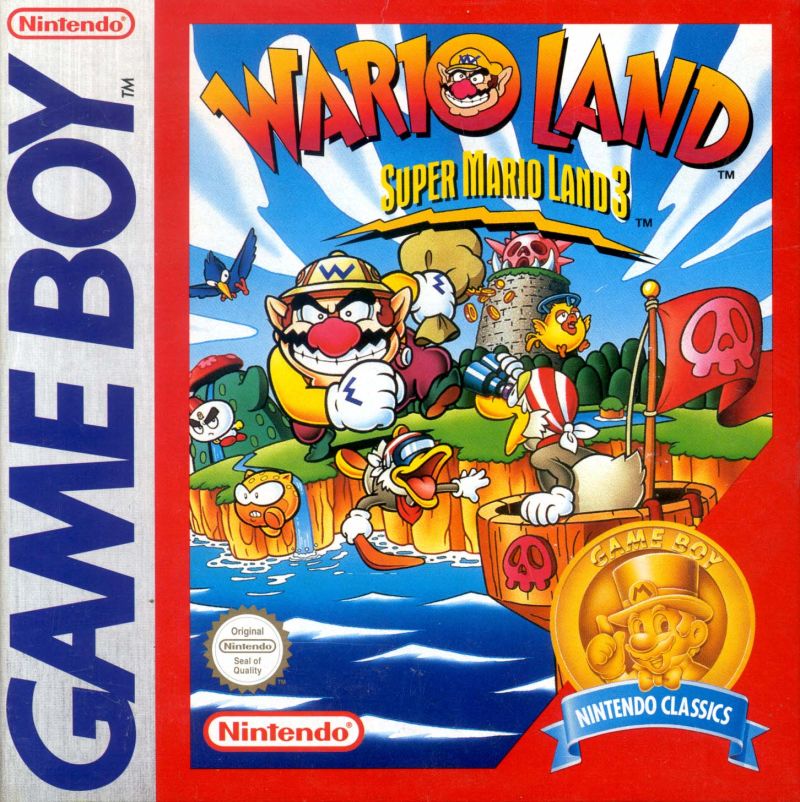
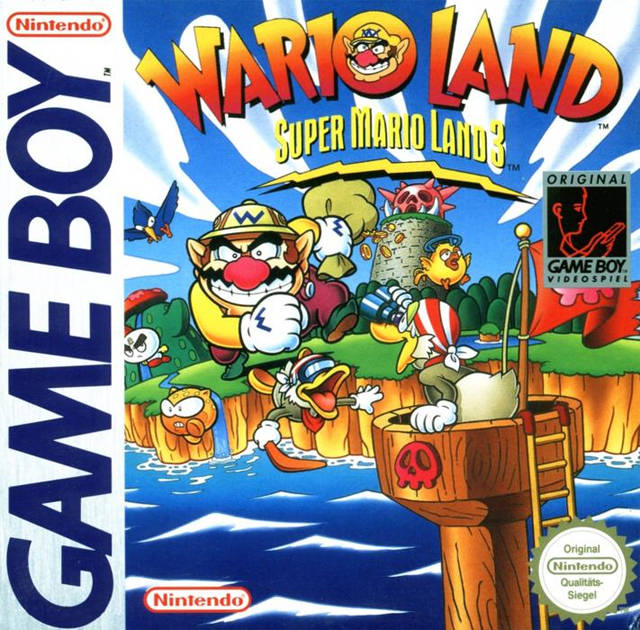
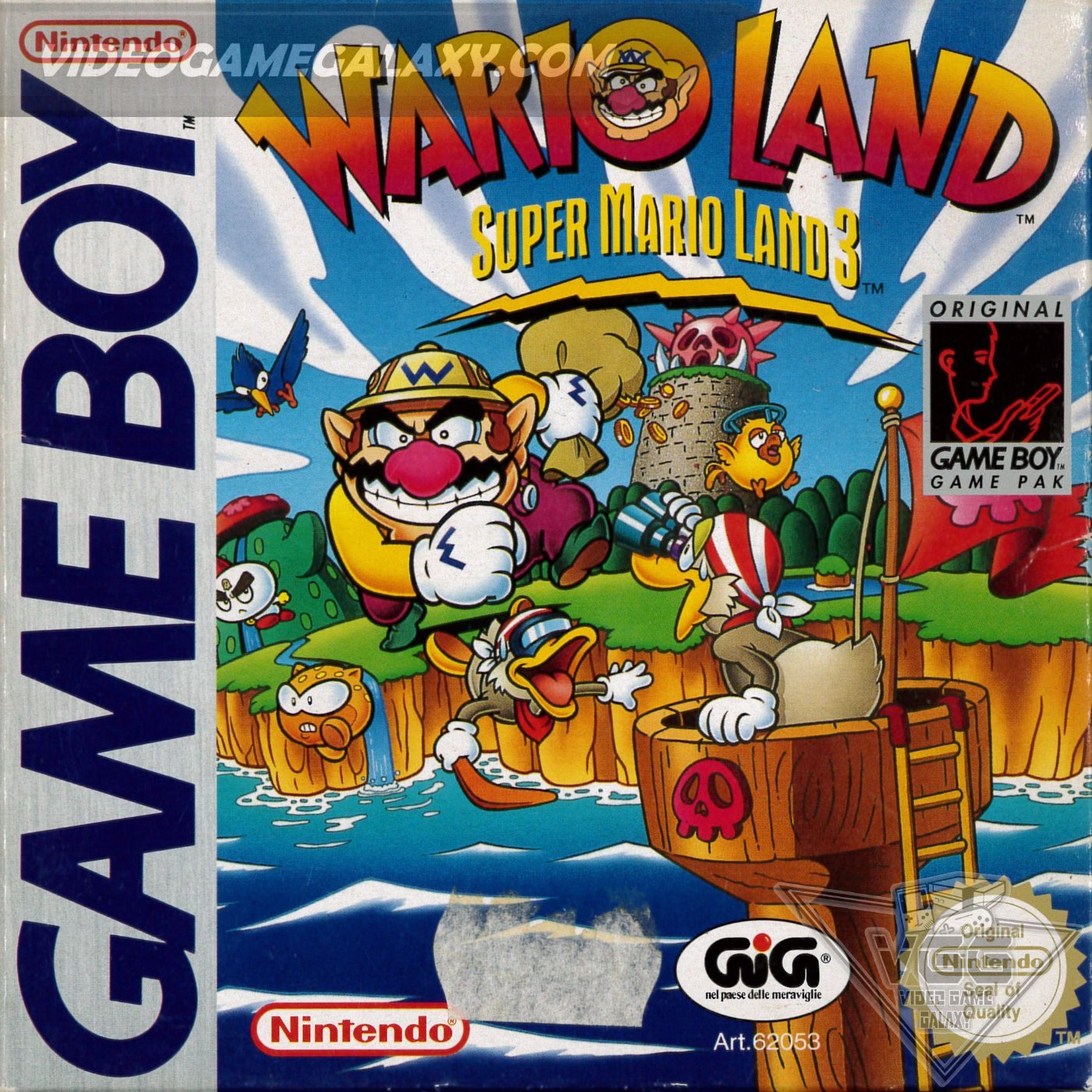
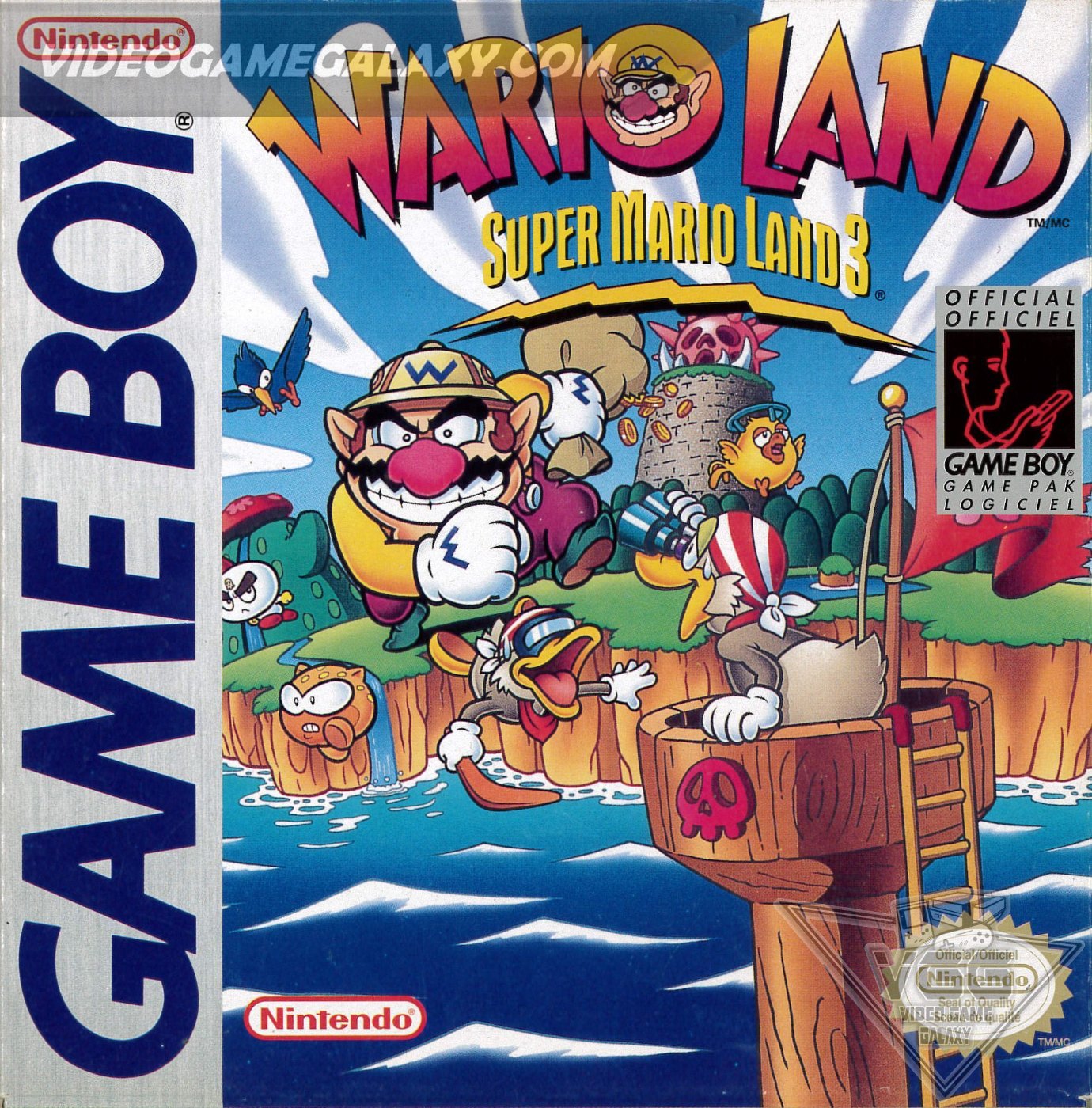
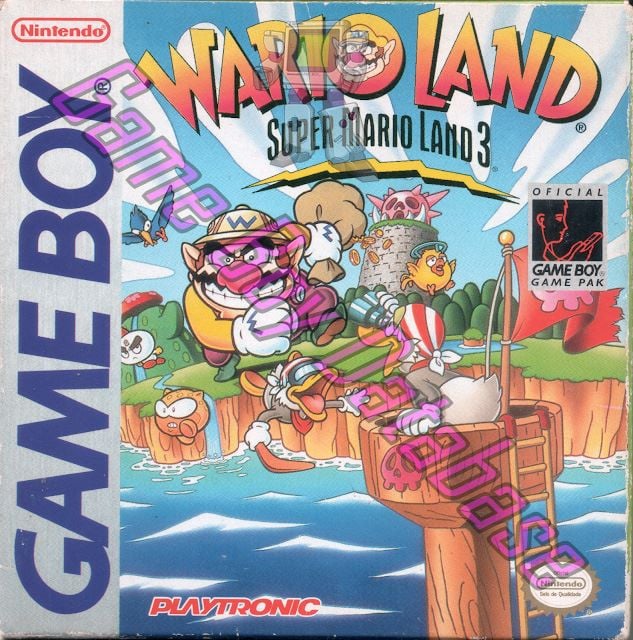
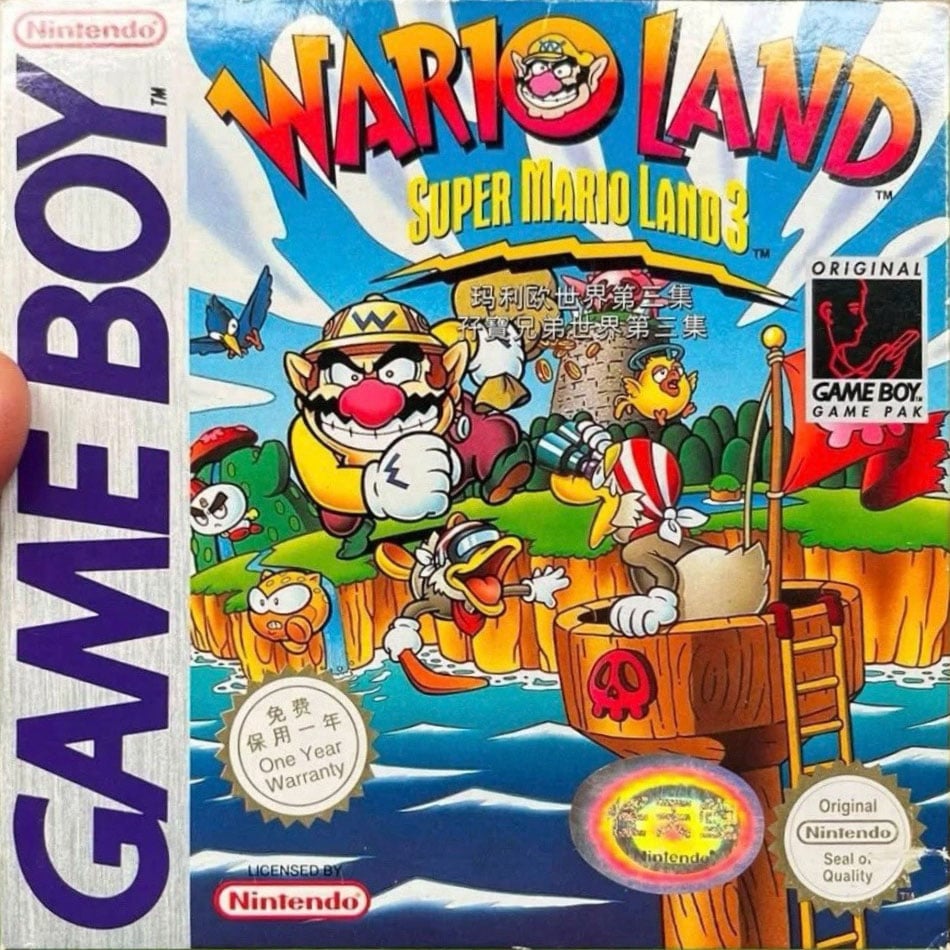
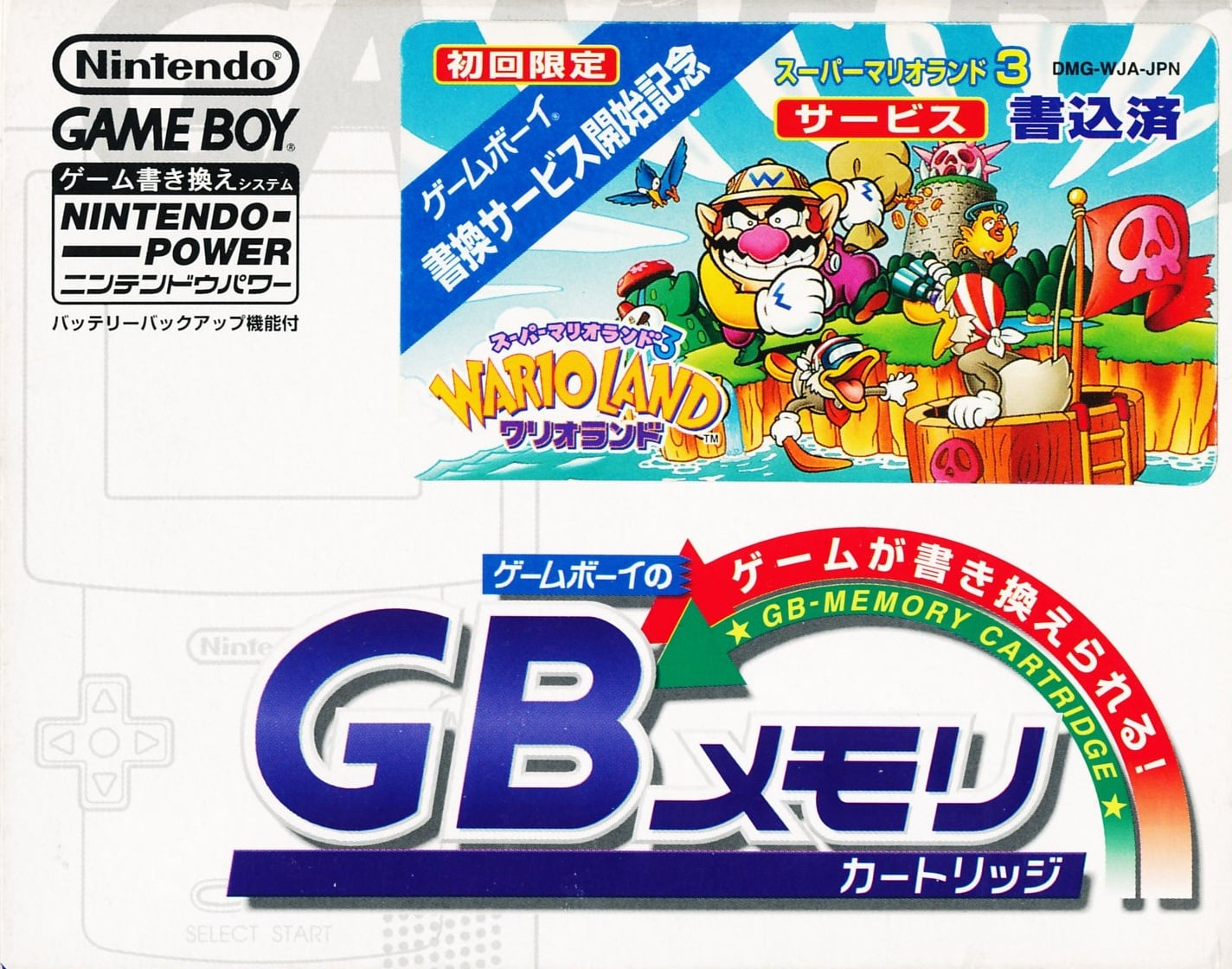
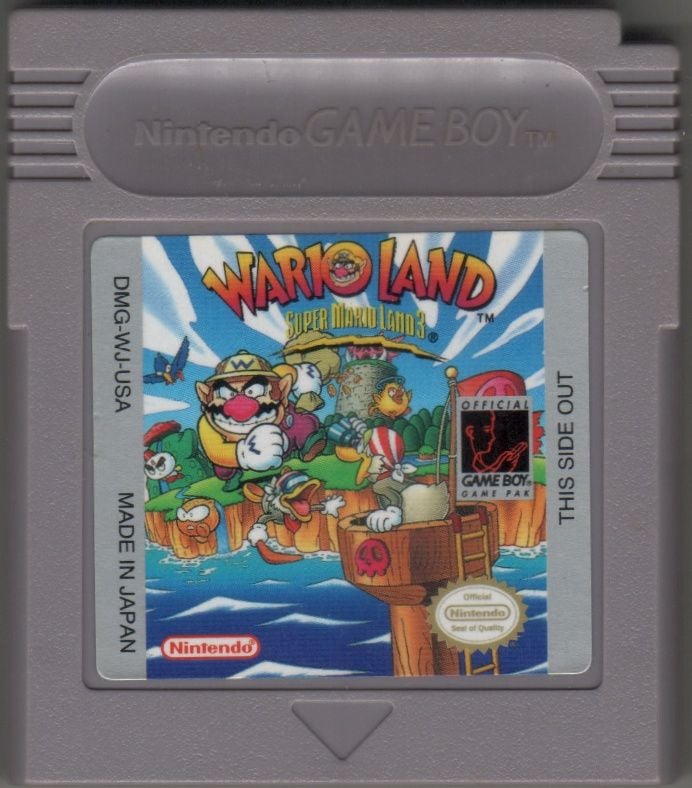
North America (Game Boy, 1994)North America, back of boxNorth America, Player’s ChoiceJapan (Game Boy, 1994)Japan, back of boxEurope and AustraliaEurope, back of boxEurope, Nintendo Classics re-issueGermanyFrance and the NetherlandsItalyCanadaBrazilChinaJapan, GB Memory Cartridge with the game pre-written
Screenshots
More of Kitchen Island, on the original green-and-grey screen and beyond.
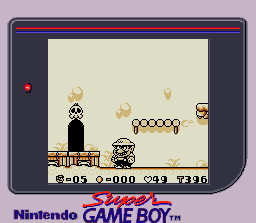
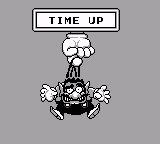
The title screen as a Game Boy Color or Game Boy Advance colours it.On the Super Game Boy.Wario at work.Course No.01.Underground in Course No.02.Course No.03 after the tide comes in.A coin worth a hundred.Ending one: a birdhouse.Ending two: a tree trunk.Ending three: a log cabin.Ending four: a pagoda.Time up.
Artwork & Media Gallery
Official artwork, manual illustrations, sprites, manga covers and packaging.
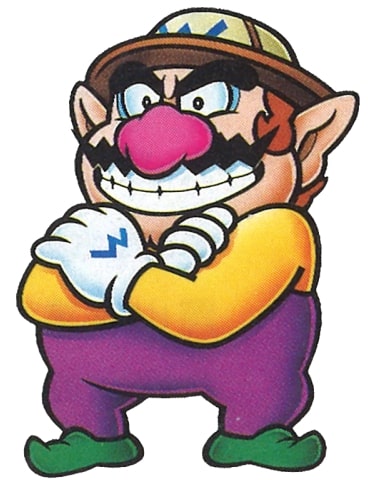
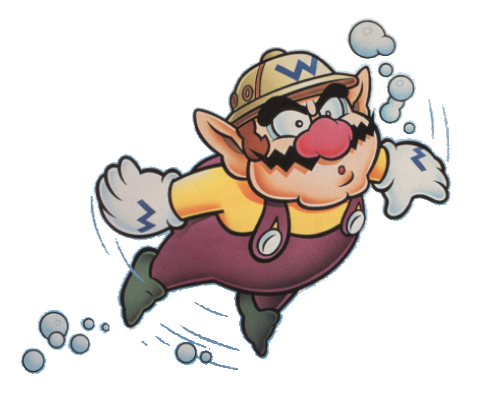
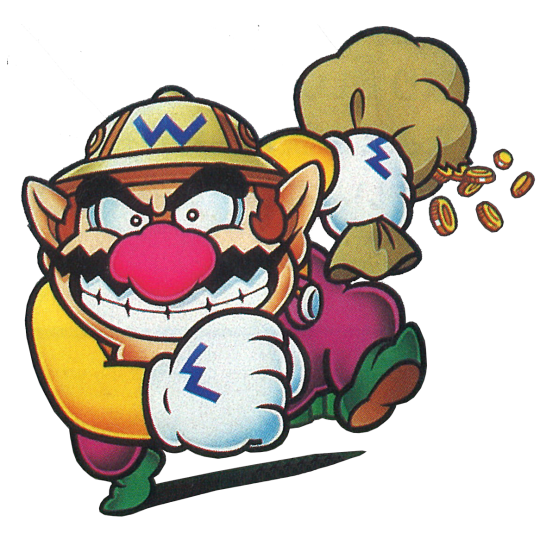
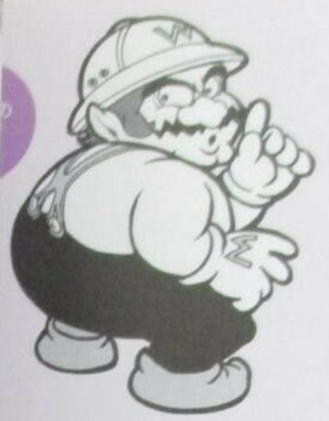
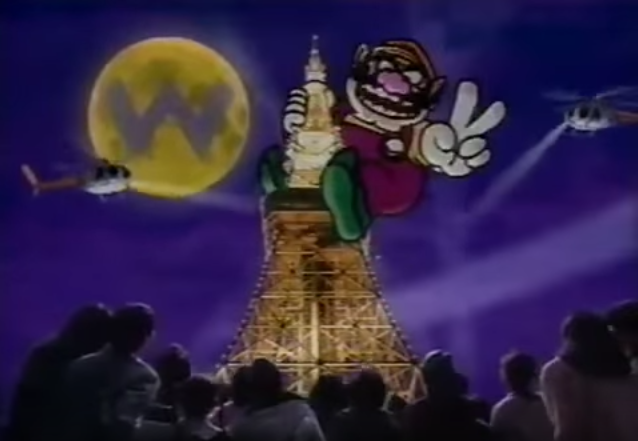
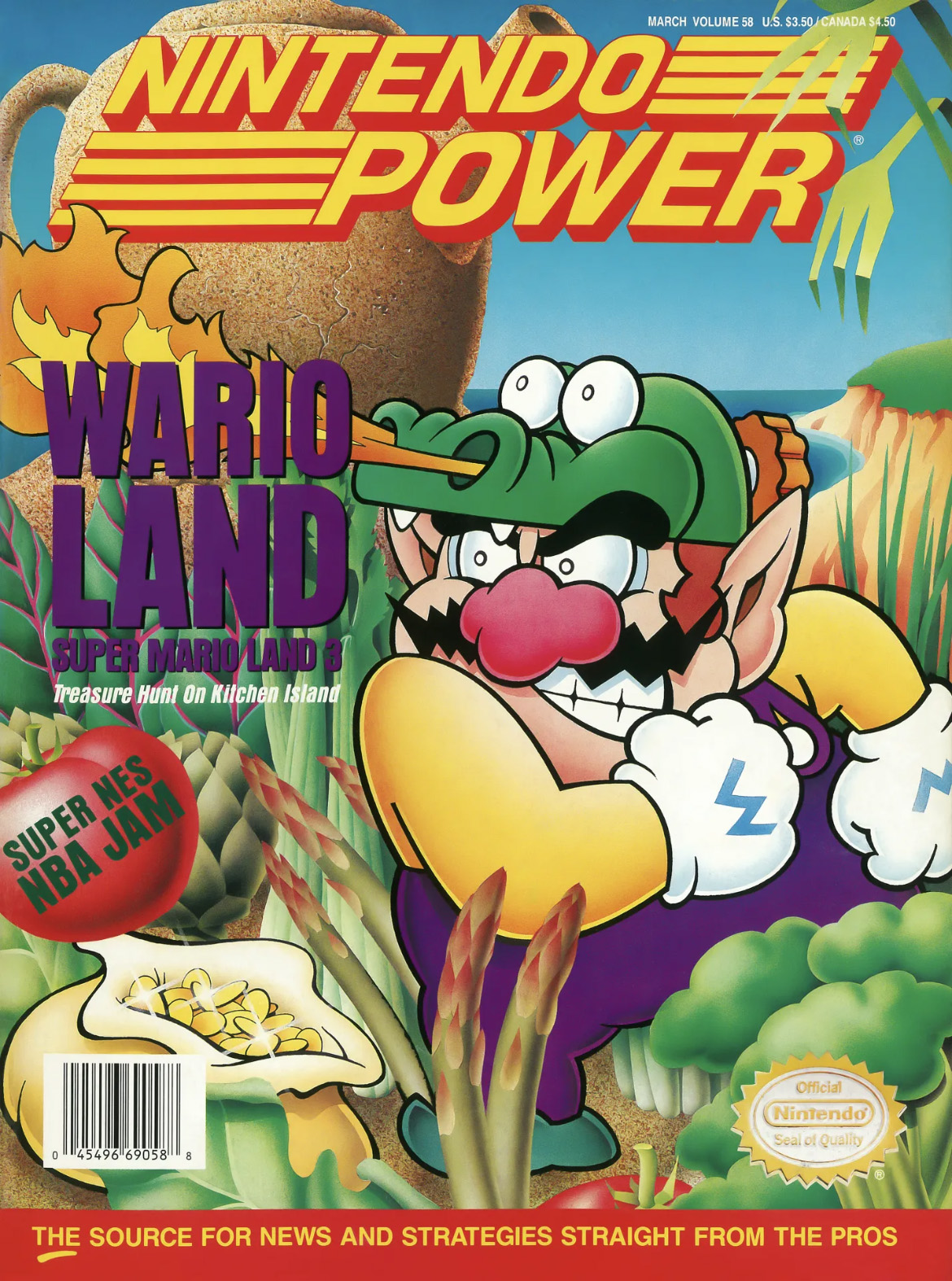
The main visual.The illustrated map of Kitchen Island.Wario.The Body Slam.The international logo.The box illustration without its logo.Wario on the march.Arms folded.Wario swimming.Wario with what he came for.The face of the series.Keep it quiet.Dragon Wario, from the manual.Jet Wario, from the manual.The Minotaur, from the manual.D.D., boomerang at the ready.Captain Syrup as she appears in the game.Syrup Castle on the map.Journey’s end.Character designs from the Kodansha manga.The second Kodansha volume.Super Mario-kun volume 10.Super Mario-kun volume 12.The North American cartridge.The Japanese cartridge.From the Japanese television commercial.A widescreen title card from the 3DS Virtual Console trailer.Wario on the cover of Nintendo Power.
Legacy & Re-releases
One Game Boy cartridge that launched a series, re-released on two later systems.
Releases and re-releases
Game Boy1994Japan 21 January. North America in February (some sources; 7 February according to The Cutting Room Floor) or on 13 March (Wikipedia). Europe 13 May.
Budget re-issuesUndatedRe-boxed as a Player’s Choice title in North America and in the Nintendo Classics range in Europe, and offered pre-written on GB Memory Cartridges in Japan. Dates for these were not found.
Nintendo 3DS Virtual Console2011–2016Japan 14 December 2011; Europe and Australia 16 February 2012; North America 26 July 2012; South Korea 18 May 2016. This version fixes the map-screen course skip.
Nintendo Switch Online (Game Boy)July 2026Added to the Game Boy library on 7 July 2026 in North America and 8 July in Japan, Europe and Australia.
From Super Mario Land to Wario Land
The subtitle was the last time the words Super Mario Land appeared on a new game. The series carried on under Wario’s name: Virtual Boy Wario Land, Wario Land II, Wario Land 3, Wario Land 4 and, on Wii, Wario Land: Shake It!, with Wario World and Wario: Master of Disguise as close relations. Kiyotake and Hosokawa worked on the handheld sequels up to Wario Land 4.
Captain Syrup came back as the villain of Wario Land II, along with her ship and her castle, and again years later in Shake It!
The road to WarioWare
The line from Kitchen Island to Diamond City is a short one. Composer Ryoji Yoshitomi wrote the music for this game, for Wario Land 4 and then for WarioWare, Inc.: Mega Microgame$!, and Goro Abe and Ko Takeuchi, who became central to WarioWare, worked on Wario Land 4 early in their careers. WarioWare returned the compliment: this game is a microgame in Smooth Moves, and its sprites and music turn up in two more.
For the complete list of Mario and Wario games covered on Super Luigi Bros, see the games hub.
Reviews & Sales
Sales figures
The best-sourced total is 5.19 million copies worldwide, a figure Wikipedia takes from the 2021 edition of the CESA Games White Papers, the Japanese industry body’s yearbook. An earlier marker comes from The New York Times, which reported on 8 December 1997 that four million had been sold. Nintendo itself does not list the game on its investor-relations sales pages.
At the time it led the handheld charts: Electronic Gaming Monthly had it as the best-selling Game Boy game in the United States in March and April 1994, and Computer and Video Games’ HMV chart had it top in Britain from May to July. It nonetheless sold less than either Super Mario Land before it.
5.19mWorldwide (CESA 2021, via Wikipedia)
4mBy December 1997 (New York Times)
No. 1US Game Boy chart, Mar–Apr 1994 (EGM)
No. 1UK Game Boy chart, May–Jul 1994 (CVG)
Reception and review scores
Scores from 1994 and from the Virtual Console re-release, with outlet and date. The magazine scores are as tabulated by Wikipedia from the original issues.
GameProUS · issue 59, June 1994
18.5/20
Nintendo LifeCorbie Dillard · 17 February 2012 (3DS Virtual Console)
The warmest of the 1994 reviews was GamePro’s, which thought it faster, harder and more fun than the earlier handheld Marios, with cleaner backgrounds and better-drawn sprites. Electronic Gaming Monthly’s four reviewers each gave it seven, praising the power-ups and the graphics but finding it too easy. The Dutch magazine Power Unlimited called it long, varied and addictive.
Famitsu’s panel was cooler. Two of the four felt Wario moved too slowly, two missed the freshness of a Mario game, and one said he preferred the original Super Mario Land. The fourth found it unexpectedly good fun and singled out touches such as erasing a save file with a bomb.
It has aged well. Reviewing the Virtual Console release for Nintendo Life in 2012, Corbie Dillard wrote that “Nintendo completely reinvented its portable platformer” and gave it nine out of ten, warning only that the control “might take a little getting used to”. Game Informer ranked it the 13th best Game Boy game in 2011.
Honours
GamePro · issue 57, April 1994Best Game Boy game of the showFrom the magazine’s round-up of the 1994 Consumer Electronics Show.
Game Informer · 24 June 201113th best Game Boy gameIn “The 25 Best Game Boy Games of All Time”.
Nintendo Power · issue 100, 199771st best Nintendo gameIn the 100th-issue countdown.
To provide the best experiences, we use technologies like cookies to store and/or access device information. Consenting to these technologies will allow us to process data such as browsing behavior or unique IDs on this site. Not consenting or withdrawing consent, may adversely affect certain features and functions.
Functional
Always active
The technical storage or access is strictly necessary for the legitimate purpose of enabling the use of a specific service explicitly requested by the subscriber or user, or for the sole purpose of carrying out the transmission of a communication over an electronic communications network.
Preferences
The technical storage or access is necessary for the legitimate purpose of storing preferences that are not requested by the subscriber or user.
Statistics
The technical storage or access that is used exclusively for statistical purposes.The technical storage or access that is used exclusively for anonymous statistical purposes. Without a subpoena, voluntary compliance on the part of your Internet Service Provider, or additional records from a third party, information stored or retrieved for this purpose alone cannot usually be used to identify you.
Marketing
The technical storage or access is required to create user profiles to send advertising, or to track the user on a website or across several websites for similar marketing purposes.

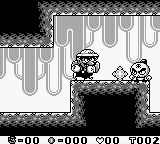
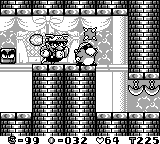
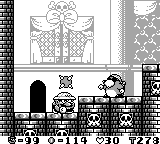
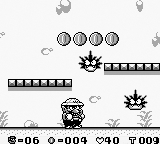 Course No.02Rice BeachPlatforms that blink in and out of existence.
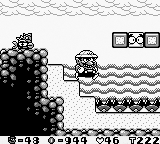 Course No.03Rice Beach · treasure A · secret exit to Course 06Quicksand pits, which become pools after the tide rises.
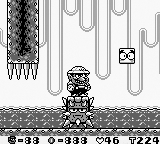 Course No.04Rice BeachA cave where a Pouncer chases Wario through the passages.
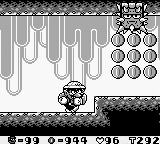 Course No.05Rice Beach · boss: Spiked KoopaThe boss course. Beating the Spiked Koopa opens Mt. Teapot.
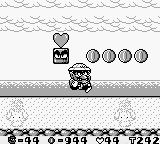 Course No.06Rice Beach · secret courseA bonus course with no dangerous enemies and a great many coins.
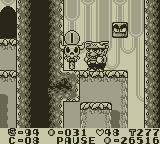 Course No.08Mt. Teapot · secret exit to Sherbet LandStrong currents, and the hidden way to the iceberg.
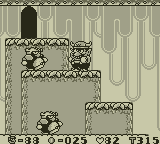 Course No.09Mt. Teapot · treasure BA short vertical run of rooms full of waterfalls. The only place Konotako bombs appear.
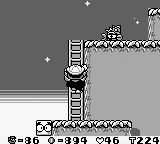 Course No.10Mt. TeapotThe summit. Disappears from the map once Course 12 is cleared, replaced by Course 13.
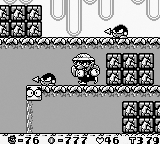 Course No.11Mt. Teapot · treasure CA cave inside the mountain, thick with Pirate Gooms.
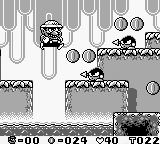 Course No.12Mt. TeapotA lava pit. The switch at the end brings the teapot’s lid crashing down.
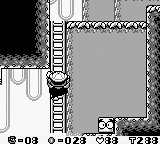 Course No.13Mt. Teapot · boss: MinotaurThe summit again, rougher after the lid falls, with the Minotaur waiting.
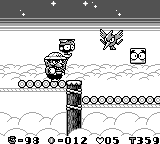 Course No.14Sherbet LandThe bridge out to the iceberg, whose spans collapse underfoot.
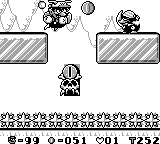 Course No.15Sherbet Land · two exitsIce blocks that a switch turns off near the end.
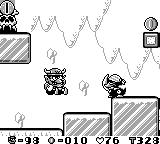 Course No.16Sherbet Land · treasure D · two exitsMore of the same switch-and-ice-block trickery.
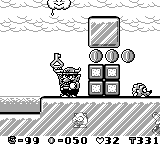 Course No.17Sherbet Land · treasure E · secret courseA long ice cave with Pikkarikun thunderclouds in pursuit.
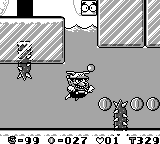
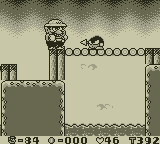 Course No.21Stove CanyonBridges and moving platforms, with Pirate Gooms and Demon Bats.
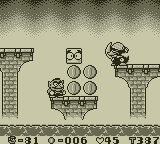 Course No.22Stove CanyonA long crossing of lava on small platforms and ladders, harried by D.D.s.
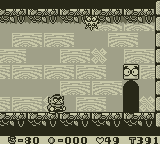 Course No.24Stove Canyon · treasure H · secret courseA maze in which ! Blocks raise and lower the water.
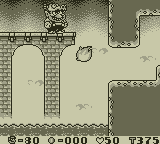 Course No.25Stove Canyon · boss: Devil’s HeadCollapsing bridges and sinking platforms over lava, then the Devil’s Head.
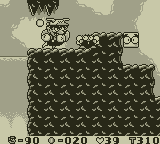 Course No.26SS Tea Cup · treasure IForest and cave on the way to the ship, with Bee Flies and rolling boulders.
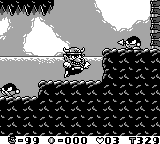 Course No.27SS Tea CupA long swim across open water to a beach.
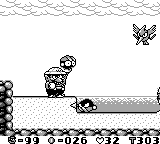 Course No.28SS Tea CupLand and sea by turns, with Pirate Gooms and Watches.
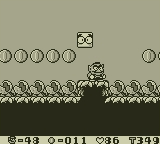 Course No.31Parsley Woods · treasure LA lake under trees that drop spiked balls. The layout changes once the lake is drained.
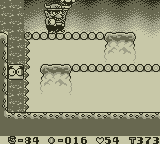
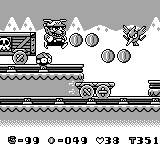 Course No.32Parsley WoodsMore carts on divided tracks.
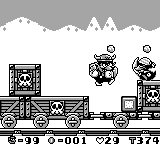 Course No.35Parsley WoodsA second train, this time scrolling the other way.
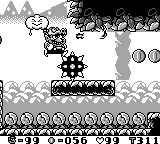 Course No.36Parsley Woods · boss: GhostForest like Course 31, with the Ghost at the end.
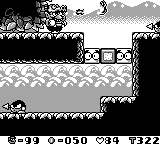 Course No.37Syrup Castle · treasure NWoodland on the edge of Parsley Woods, ending in the castle’s foyer.
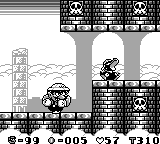 Course No.39Syrup Castle · treasure OLargely outdoors now that the outer walls have come down. The last treasure is here.
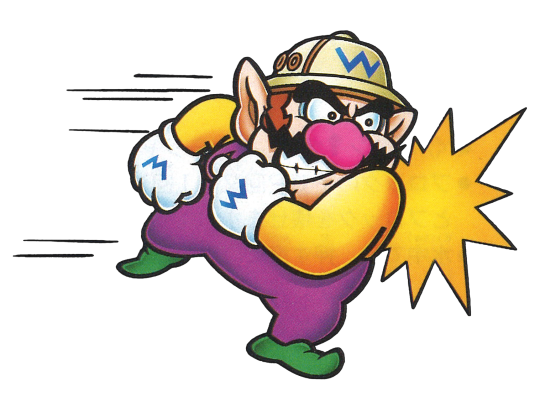
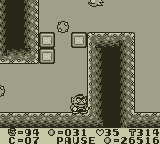


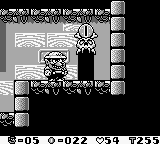
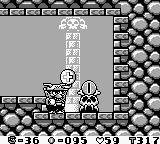
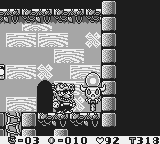
 Bull PotTurns Wario into Bull Wario: stronger against enemies and blocks, with a ground-shaking stomp and the knack of clinging to ceilings.
 Jet PotJet Wario glides through the air, walks faster and jumps higher.
 Dragon PotDragon Wario’s helmet breathes fire, even underwater, but he cannot Body Slam.
 Garlic bottleRestores Small Wario to full size. Taken at full size, it makes him Bull Wario.
 StarTemporary invincibility, and ten Heart Points for every enemy flattened while it lasts.
 HeartFound in ? Blocks. Worth ten Heart Points towards an extra life.
 3-Up HeartThe big prize: three extra lives in one.
 1 Gold CoinThe thing Wario is here for.
 10 Gold CoinMade from ten of Wario’s own coins. Pays for the exit door of most courses.
 Treasure ACourse No.03, Rice Beach. Worth 9,000 coins.
 Treasure BCourse No.09, Mt. Teapot. Worth 6,000 coins.
 Treasure CCourse No.11, Mt. Teapot. Worth 2,000 coins.
 Treasure DCourse No.16, Sherbet Land. Worth 7,000 coins.
 Treasure ECourse No.17, Sherbet Land. Worth 5,000 coins.
 Treasure FCourse No.18, Sherbet Land. Worth 9,000 coins.
 Treasure GCourse No.20, Stove Canyon. Worth 5,000 coins.
 Treasure HCourse No.24, Stove Canyon. Worth 8,000 coins.
 Treasure ICourse No.26, SS Tea Cup. Worth 7,000 coins.
 Treasure JCourse No.29, SS Tea Cup. Worth 3,000 coins.
 Treasure KCourse No.30, SS Tea Cup. Worth 4,000 coins.
 Treasure LCourse No.31, Parsley Woods. Worth 8,000 coins.
 Treasure MCourse No.34, Parsley Woods. Worth 4,000 coins.
 Treasure NCourse No.37, Syrup Castle. Worth 7,000 coins.
 Treasure OCourse No.39, Syrup Castle. Worth 6,000 coins.
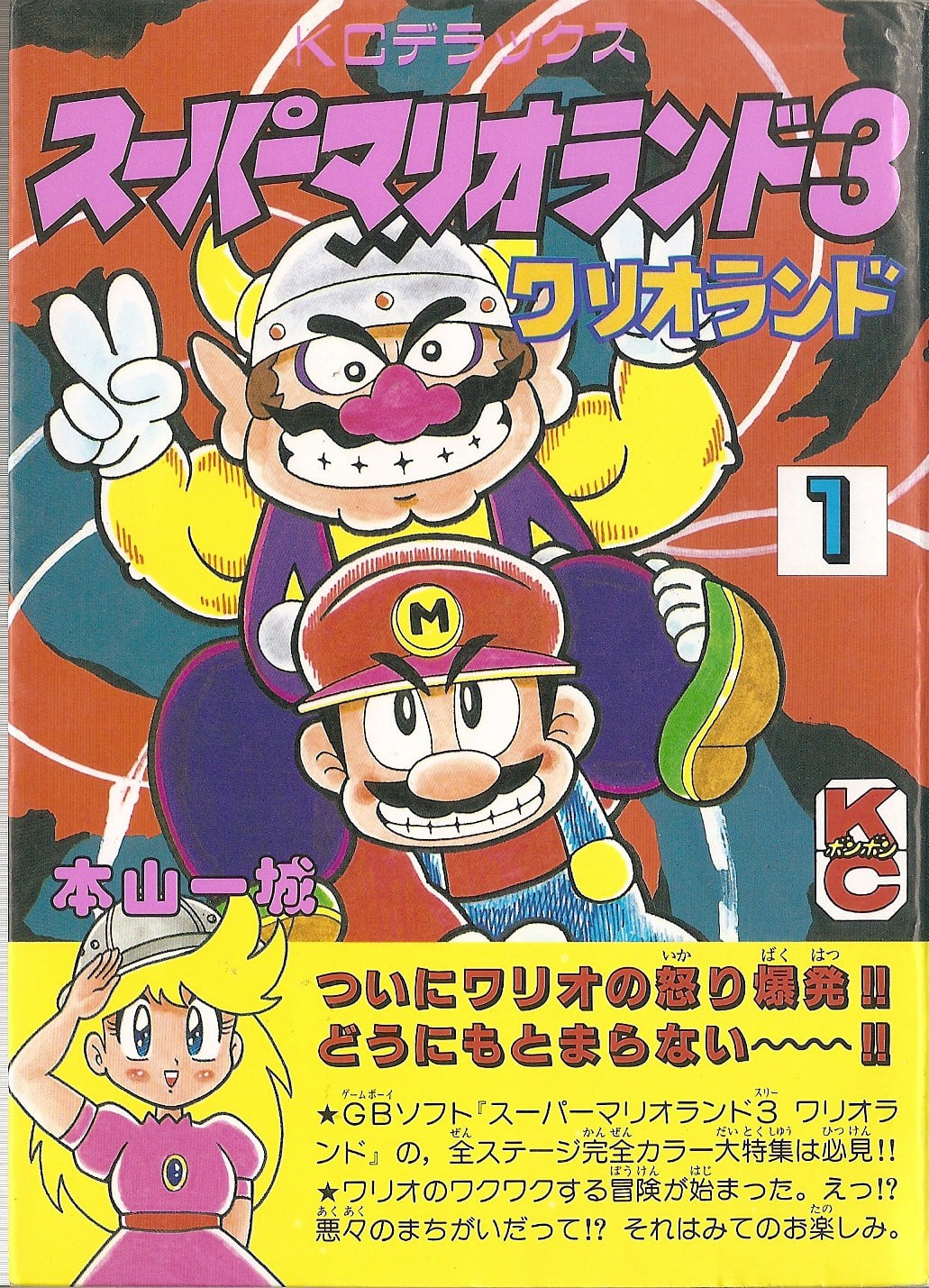 Super Mario Land 3: Wario Land (Kodansha manga)Three volumes · KodanshaThe game is the subject of three volumes of Kodansha’s Super Mario manga, and was the last Mario storyline to run in Deluxe BomBom. In this version the pirates steal the statue from Mario and Luigi, a reforming Wario joins the search with Peach, Daisy supplies the Power Up Pots, and the Genie turns Yoshi into a fire-breathing helmet.
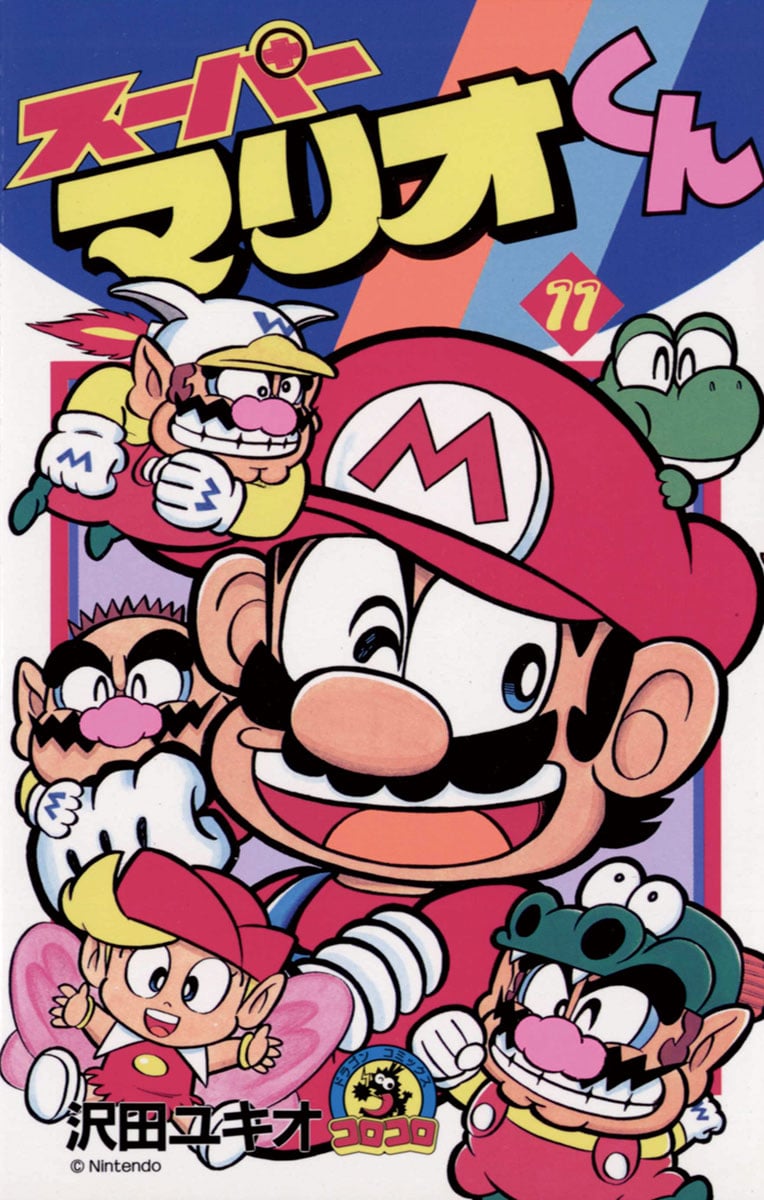 Super Mario-kun vols. 10–13Manga · Yukio Sawada, ShogakukanA two-chapter prologue in volume 10 sets Mario, Yoshi and Wario against the Brown Sugar Pirates; volumes 11 to 13 adapt the game, ending with Syrup’s Genie and a castle that comes to life. Volume 13 also has a puzzle chapter based on Syrup Castle.
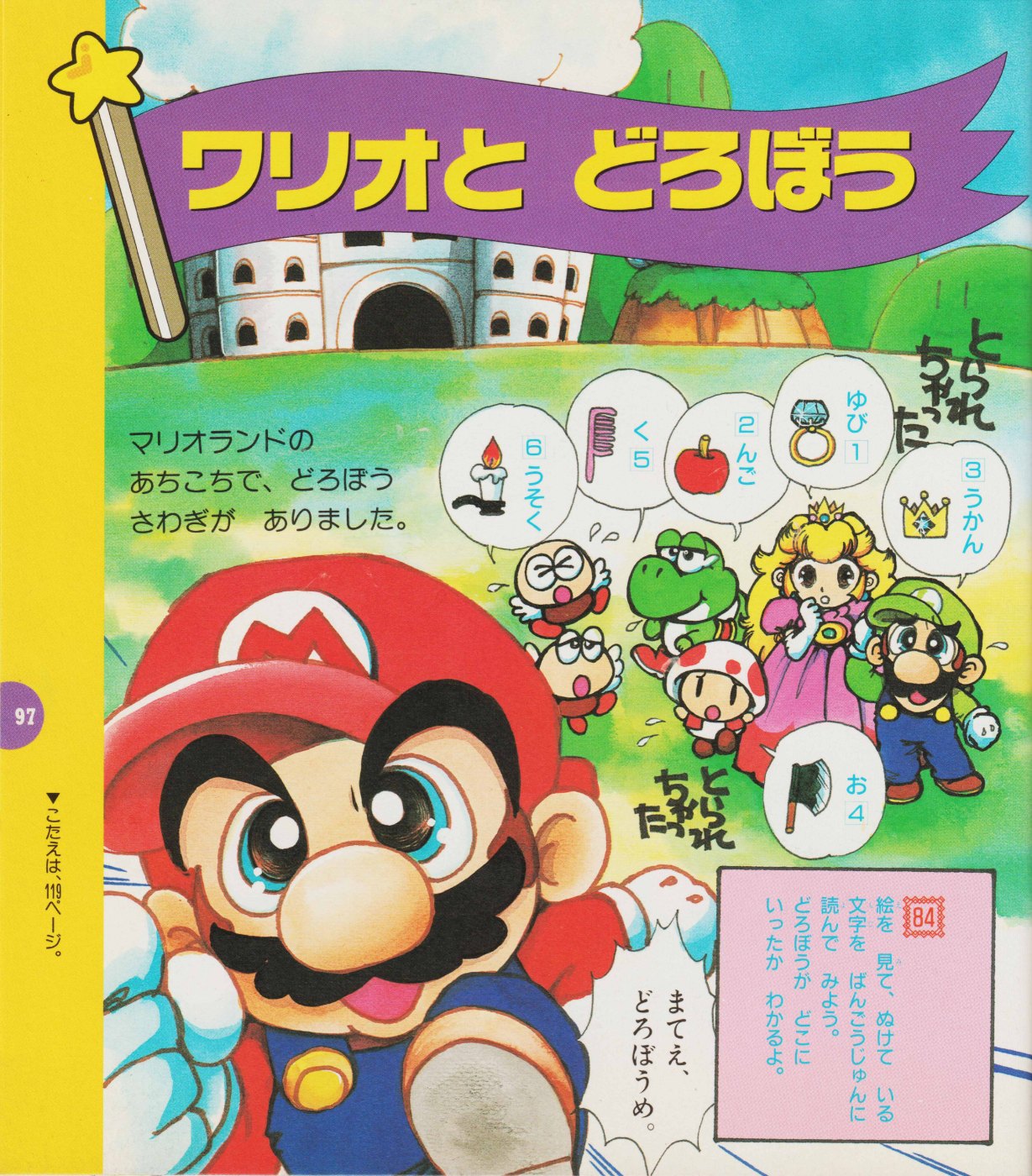 Mario no Bōken LandManga chapter “Wario and the thief”Mario and Wario hunt a thief in the Mushroom Kingdom and are led to Kitchen Island by Captain Syrup. Pouncers, Bucket Heads and Pecans all put in an appearance.
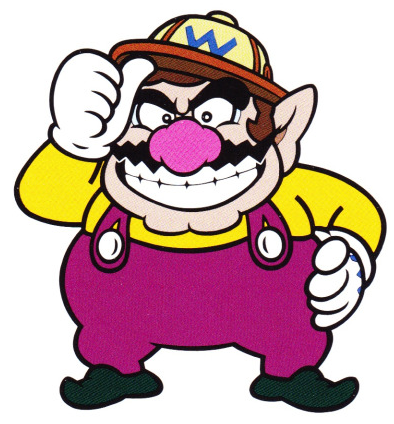 WarioThe star
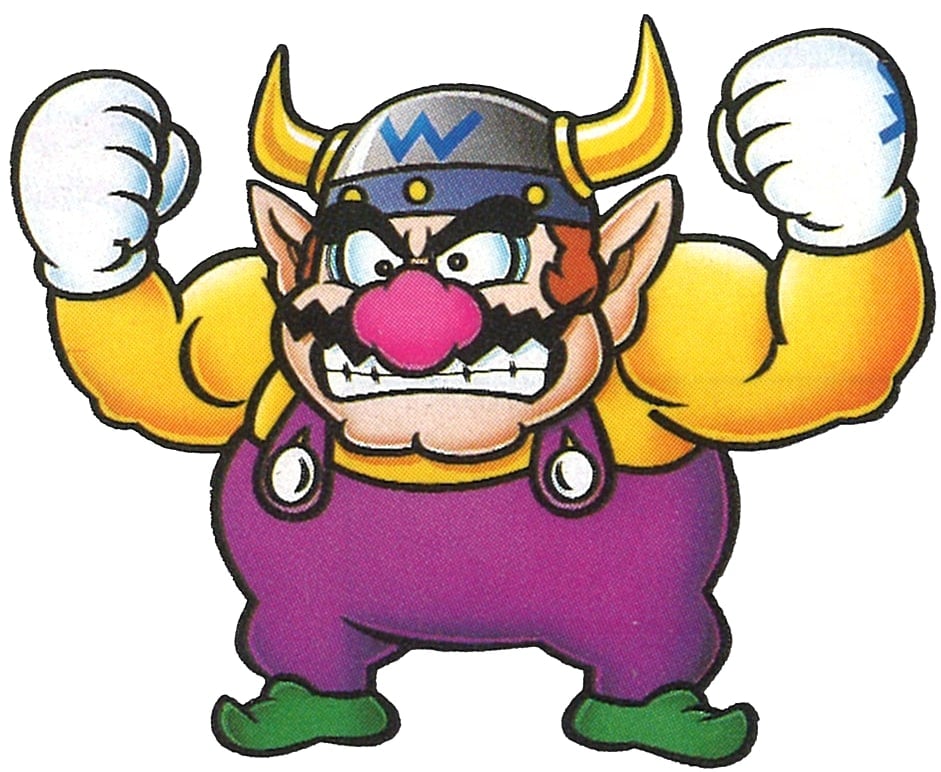 Bull WarioBull Pot form
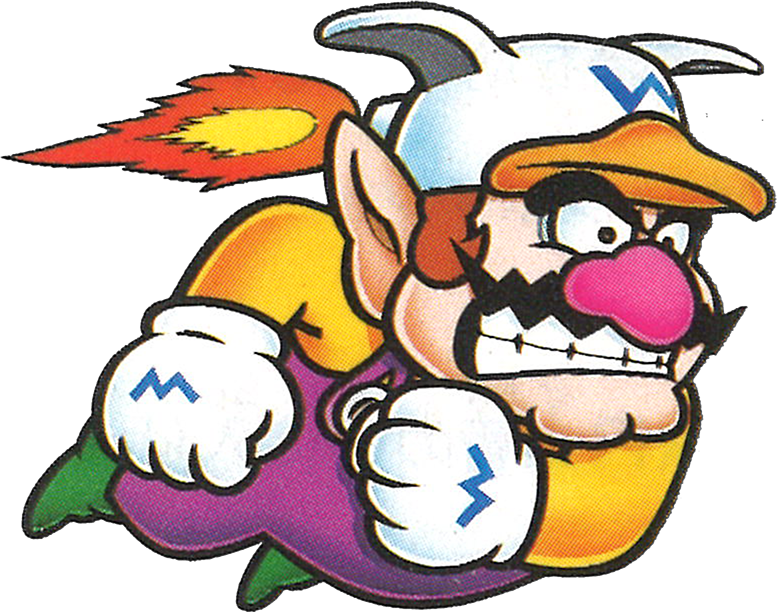 Jet WarioJet Pot form
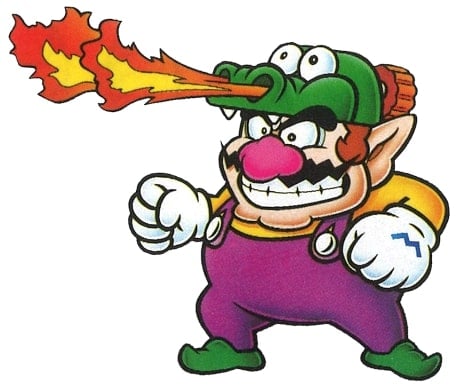 Dragon WarioDragon Pot form
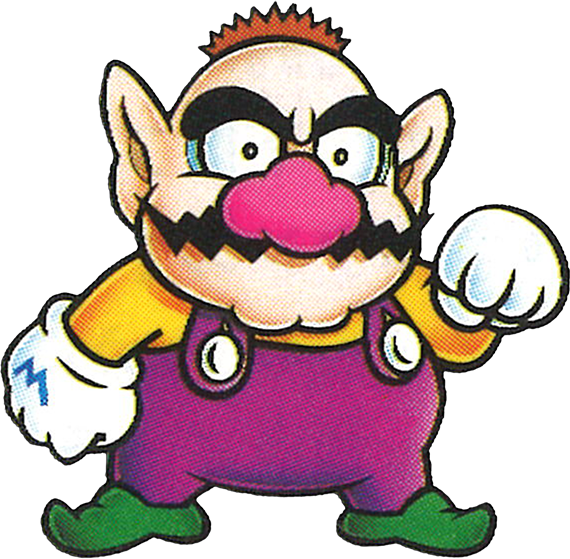 Small WarioDamaged form
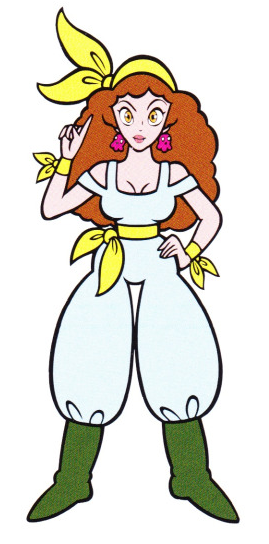 Captain SyrupLeader of the Brown Sugar Pirates
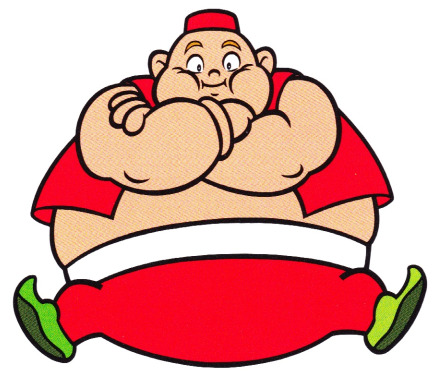 GenieFinal boss, then wish-granter
 MarioCameo
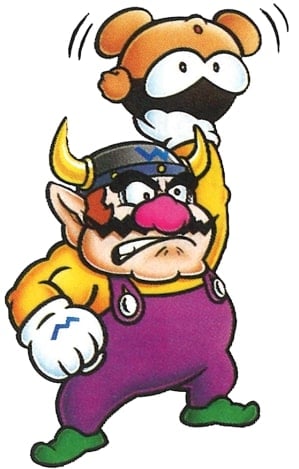 The Brown Sugar PiratesCaptain Syrup’s crew
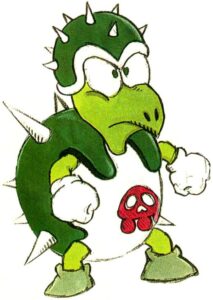 Spiked Koopa (boss)Rice Beach · Course No.05Attacks from the ground, the air and under the floor. Immune to ground pounds and fire: ram it to flip it, then hit the belly three times.
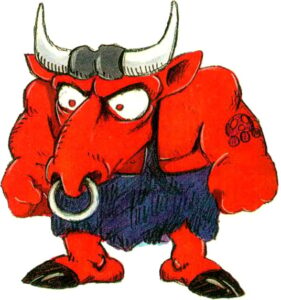 Minotaur (boss)Mt. Teapot · Course No.13Cannot be stomped or pounded. Pick him up and throw him into the lava under the arena.
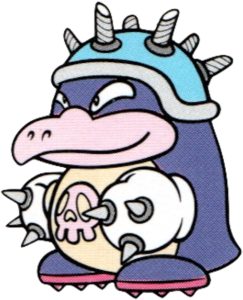 Penguin (boss)Sherbet Land · Course No.19Punches with spiked gloves. Slam it to knock off the spiked helmet, then strike the head.
 Devil’s Head (boss)Stove Canyon · Course No.25A floating head that breaks the floor and spits rocks. Throw its own rubble back at it.
 Bobo (boss)SS Tea Cup · Course No.30A giant bird who sends two Watches at Wario. Throw a Watch at him three times, or use Dragon Wario’s fire.
 Ghost (boss)Parsley Woods · Course No.36Paralyses on contact and ignores stomps, coins and fire. Throw the Yarikuri Obake that its coins turn into.
 Genie (final boss)Syrup Castle · Course No.40Summoned by Captain Syrup. Throw the lamp to make a cloud, ride it and land on his head; beat the mini-Genie and repeat.
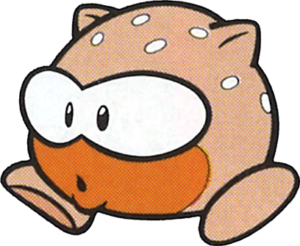 Wanderin’ GoomCourses 01–38Tiny, harmless and everywhere. Mostly there to be thrown.
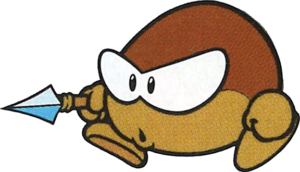 Pirate GoomCourses 01–40The pirates’ foot soldier. Mind the spear.
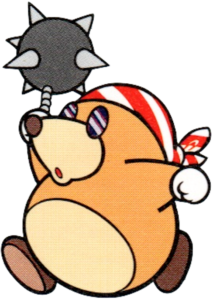 GuraguraCourses 01–40A mole swinging a spinning flail.
 MuncherCourse 01 onlyA rooted, invulnerable plant.
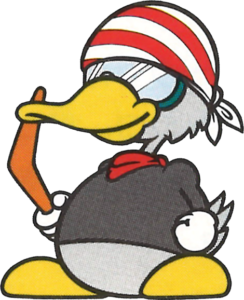 D.D.Courses 02–39A duck in a sailor suit who throws boomerangs.
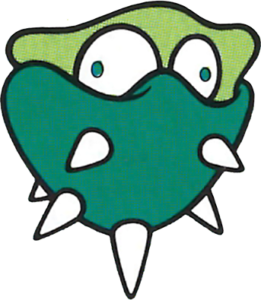 DropperCourses 02–38Hangs from the ceiling and falls when Wario walks under it. Only dangerous on the way down.
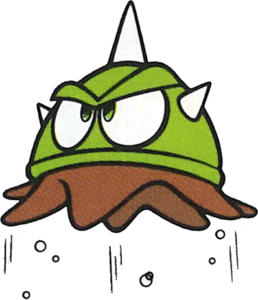 HelmutCourses 02–27A jellyfish with a spiny head. Hit it from below.
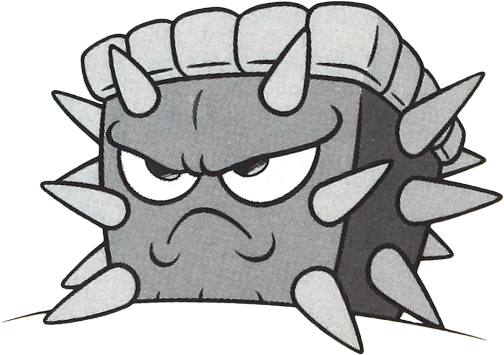
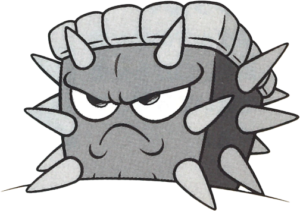 PouncerCourses 02–18A Thwomp-like stone that drops on Wario or patrols a set path. One chases him through Course 04.
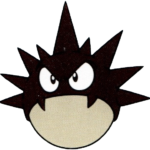 TogemaruCourse 02 onlyA bouncing ball of spikes with a soft underside.
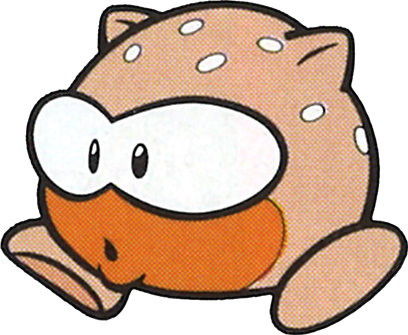
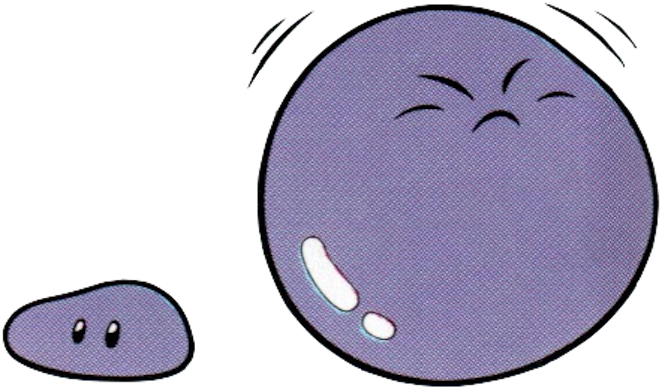
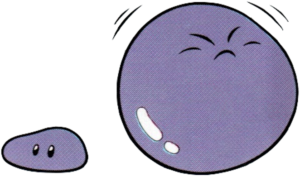 White puffCourse 02 onlyInflates when Wario touches it.
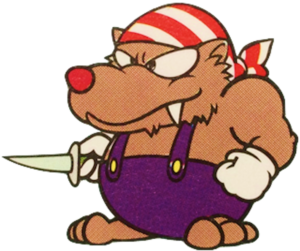 GaugauCourses 03–29A thuggish animal that throws knives.
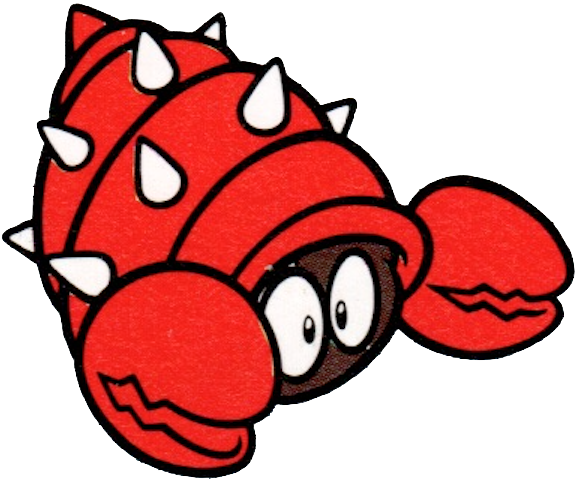
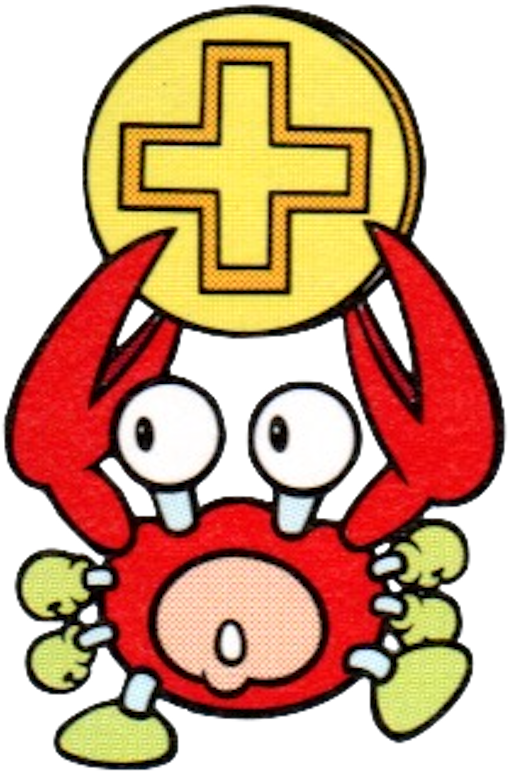
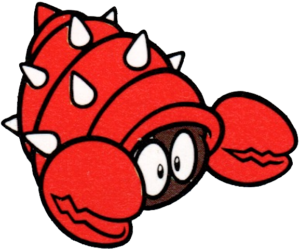 YadorāCourses 03–19A hermit crab with a prickly shell; its claw points the way it is walking.
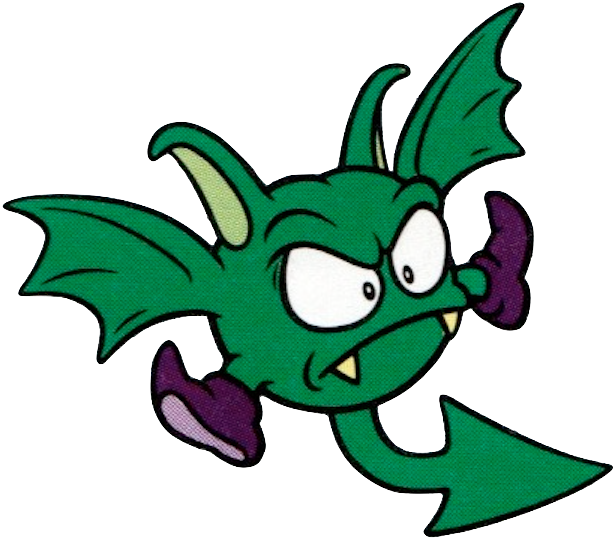
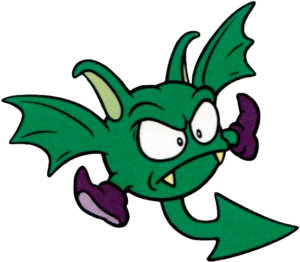 Demon BatCourses 04–23Swoops at Wario tail-first.
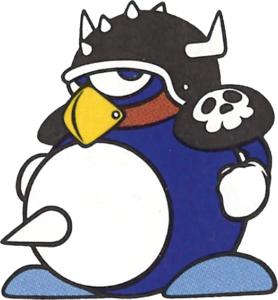 PenkoonCourses 05–39A sturdy penguin-raccoon pirate who rolls boulders.
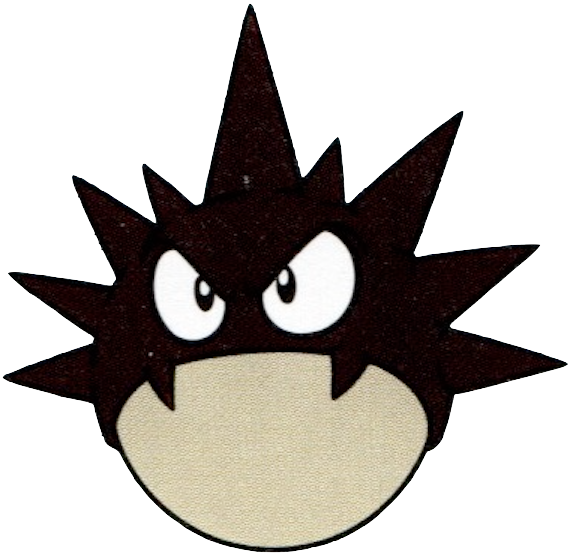
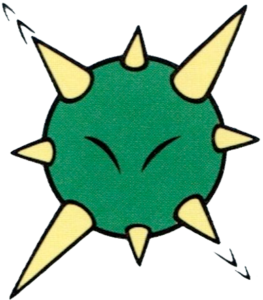 SparkyCourse 05 onlyA spiked ball that runs along the walls.
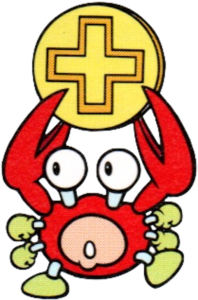 MaizōCourse 06 onlyA money-loving crab that runs for it when forced out of the sand.
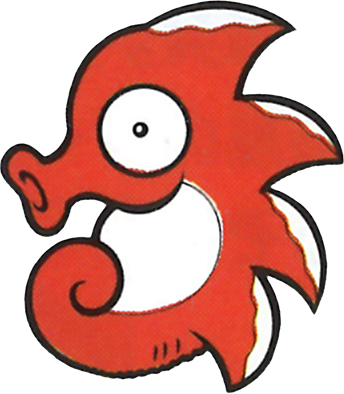
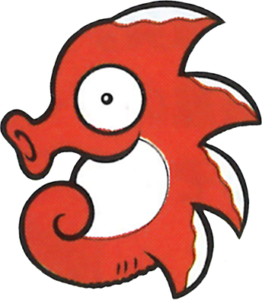 PinwheelCourses 07–34A seahorse with blades on its back that curls up and spins.
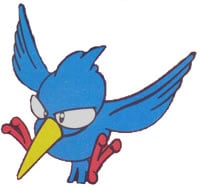 WatchCourses 07–39A bird that dives at Wario. Bobo keeps a pair.
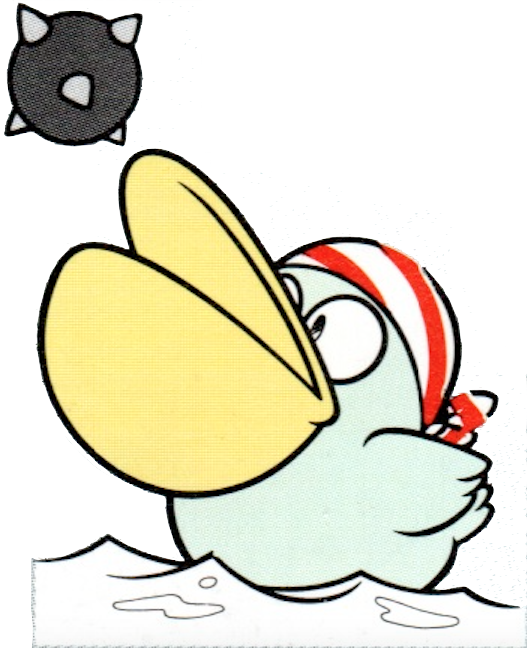
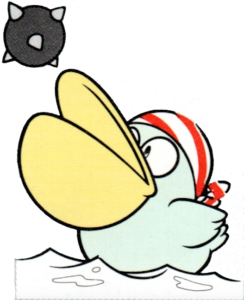 PecanCourses 08–19A swimming pirate pelican that spits mines.
 KonotakoCourse 09 onlyA flying bomb that clings to Wario and explodes a moment later.
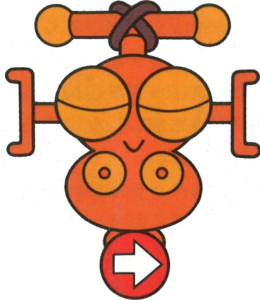 FloaterCourses 11–17Not really an enemy: it carries Wario over wide gaps.
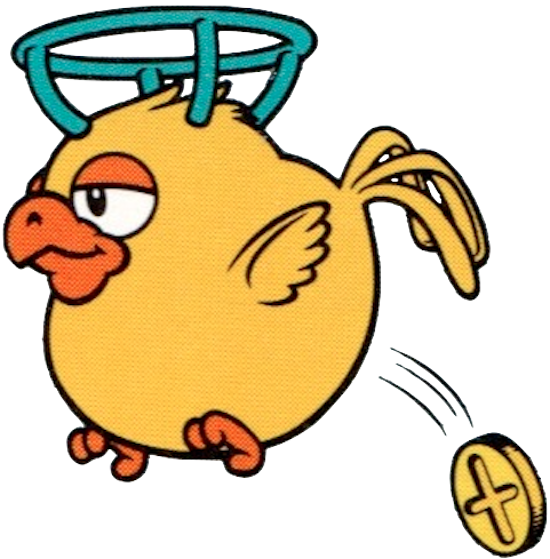
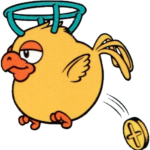 Chicken DuckCourses 12–38Harmless. Hit it with a thrown enemy and it flies off, dropping big coins.
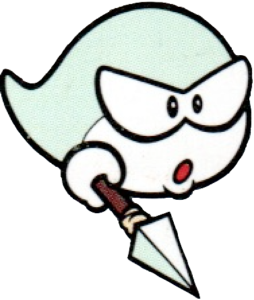 Yarikuri ObakeCourses 12–36The ghost of a Pirate Goom.
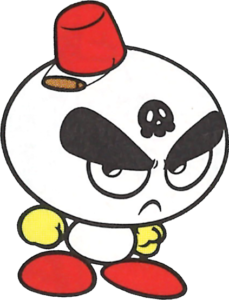 Bucket HeadCourses 14–19A bad-tempered snowman that spits icy flakes.
 HarisuCourses 15–19A hedgehog with retractable quills.
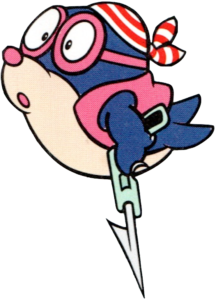 GobotenCourses 17–28A swimming seal with a harpoon.
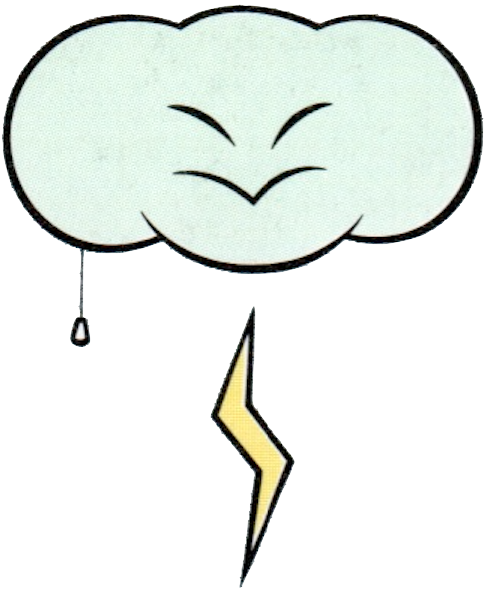
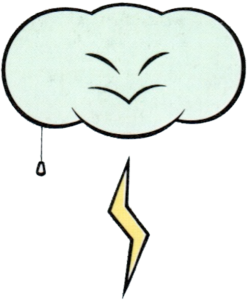 PikkarikunCourses 17–36A thundercloud that drops bolts of lightning.
 SkewerCourse 19 onlyUnderwater pistons: spiked vertical ones and smooth horizontal ones.
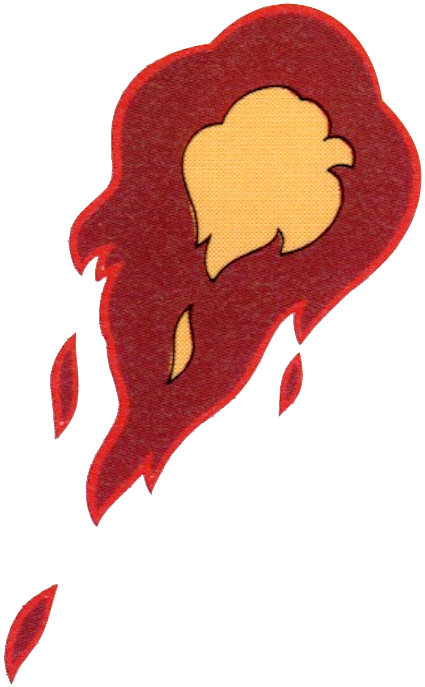
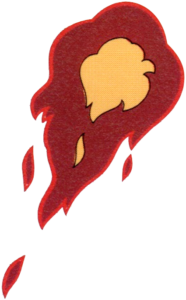 BōCourses 21–25Fireballs that leap from the lava, like Podoboos.
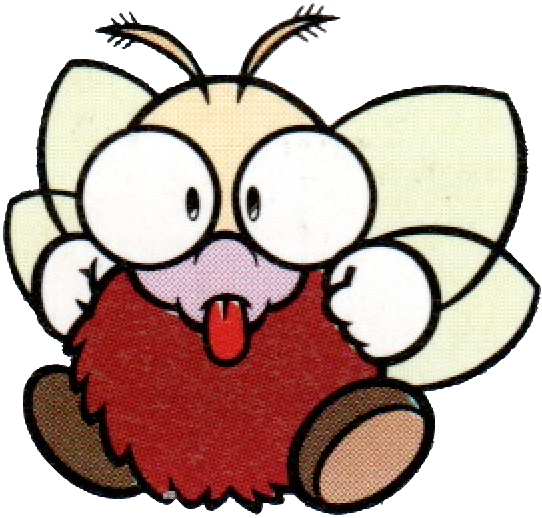
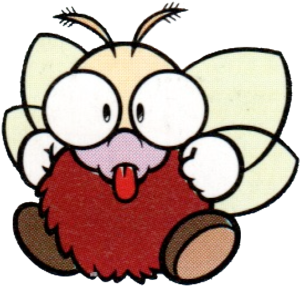 Bee FlyCourses 26–27The shy insect from Super Mario Land 2’s Tree Zone. Flees when Wario comes close.
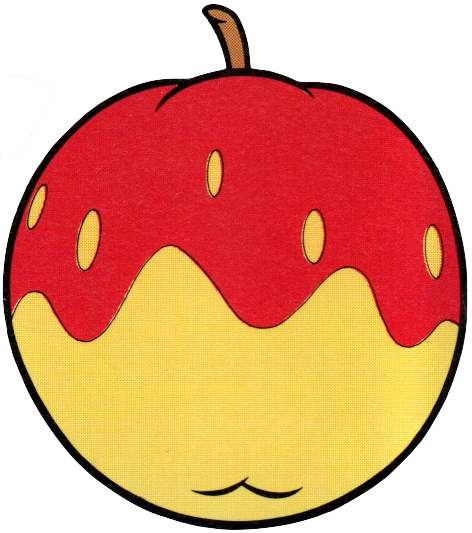
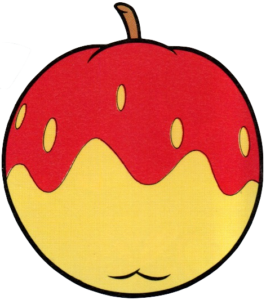 BigCourse 26 onlyA large round fruit that drops and rolls at Wario.
 Piranha PlantCourses 26–37Rooted to the spot and snapping at the air. Touch it and Wario loses a life outright.
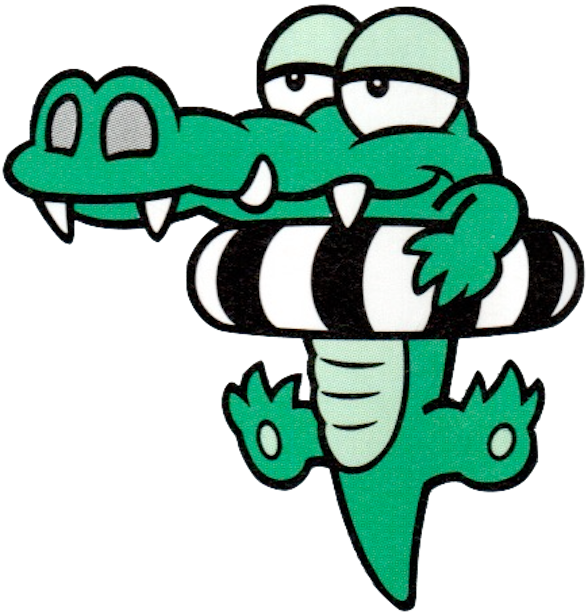
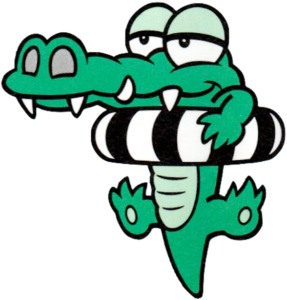 UkiwaniCourse 29 onlyA crocodile that floats on the surface and leaps to bite from below.
 PaidanCourse 30 onlyA spider that climbs ropes and ladders.
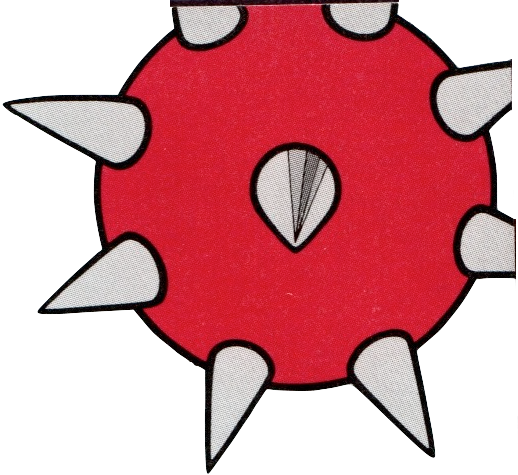
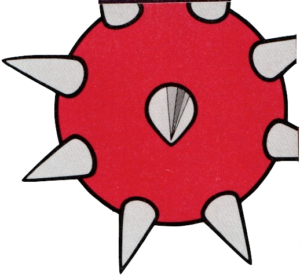 Spiked ballCourses 31–37Falls out of the trees of Parsley Woods.
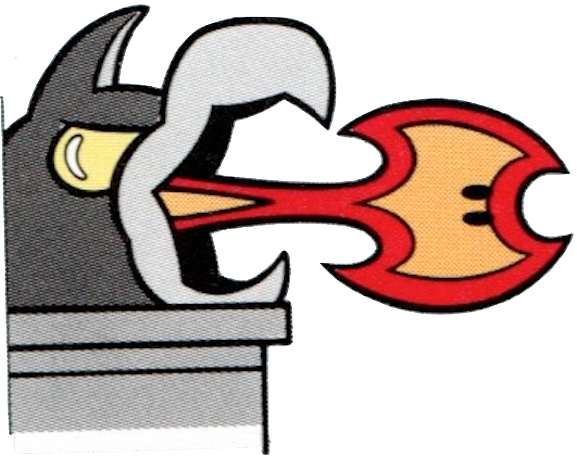
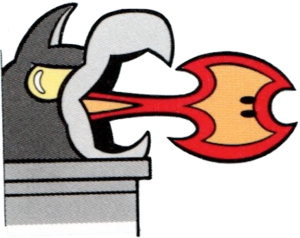 Batto ShurukenCourses 37–40A hawk-like statue that fires glowing Kōmori Missiles.
 Kōmori MissileCourses 37–40The Batto Shuruken’s projectile.
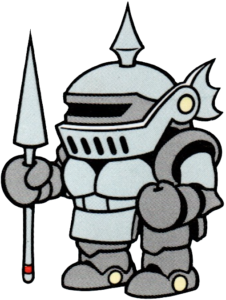 KnightCourse 40 onlyA duck in armour standing guard at the door of the final room.