Game Boy1992PlatformerNintendo R&D1Wario’s debut11.18 million sold6 zones, 32 coursesBunny MarioBattery save
Super Mario Land 2: 6 Golden Coins
Mario comes home from his holiday war in Sarasaland to find the locks changed. While he was away, a greedy lookalike called Wario has moved into his castle, bewitched the neighbours and sealed the front door with six Golden Coins, each now in the pocket of a boss somewhere on the island of Mario Land. Super Mario Land 2: 6 Golden Coins reached the Game Boy in Japan on 21 October 1992 and the West that winter, and it was a leap: big, expressive sprites, a world map you can tackle in any order, 32 courses across a tree, a toy Mario, a haunted pumpkin, a giant’s house, a turtle and the Moon, and a battery to save it all. A magic carrot gives Mario rabbit ears to glide with. Directed by Hiroji Kiyotake and Takehiko Hosokawa at Gunpei Yokoi’s R&D1, with music by Kazumi Totaka, it sold 11.18 million copies and introduced the anti-hero who would take over the series with Wario Land little more than a year later.
Developer:Nintendo R&D1
Publisher:Nintendo
Platform:Game Boy
Genre:2D platformer
Japan:21 October 1992
N. America:2 November 1992
Europe:28 January 1993 (UK date disputed; 28 November 1992 according to Wikipedia)
Zones / courses:6 zones, Mario Land and Wario’s castle; 32 courses including 6 secret ones
Bosses:Big Bird, Tatanga, a sewer rat, a Witch, the Three Little Pigheads, an octopus and Wario
Save:Battery back-up, three files, Normal and Easy modes
Sales:11.18 million worldwide
Re-releases:Player’s Choice and Nintendo Classics reissues, Nintendo 3DS Virtual Console (2011), Nintendo Switch Online (2023)
Advertisement
Overview
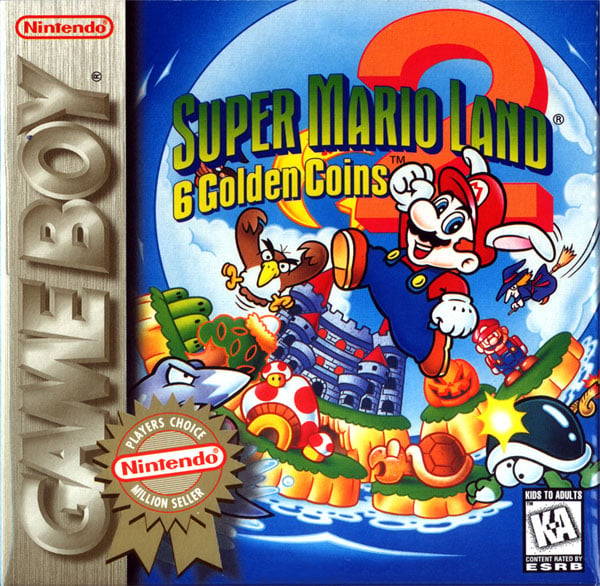
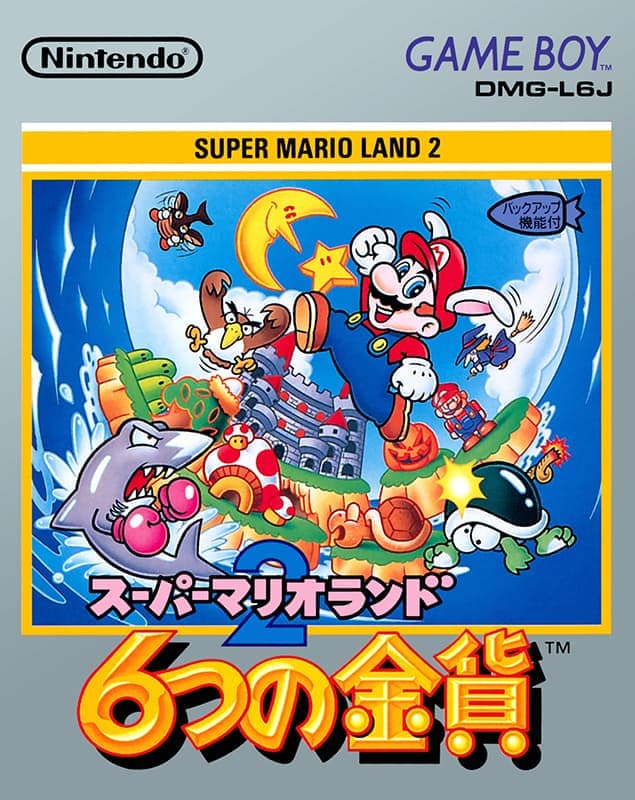
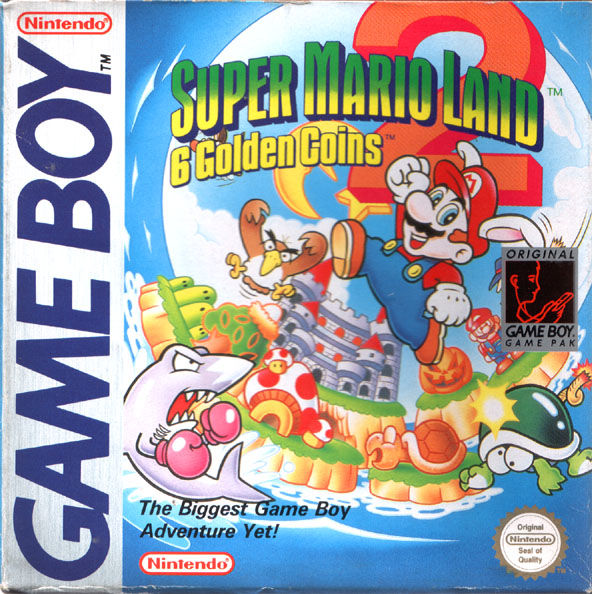
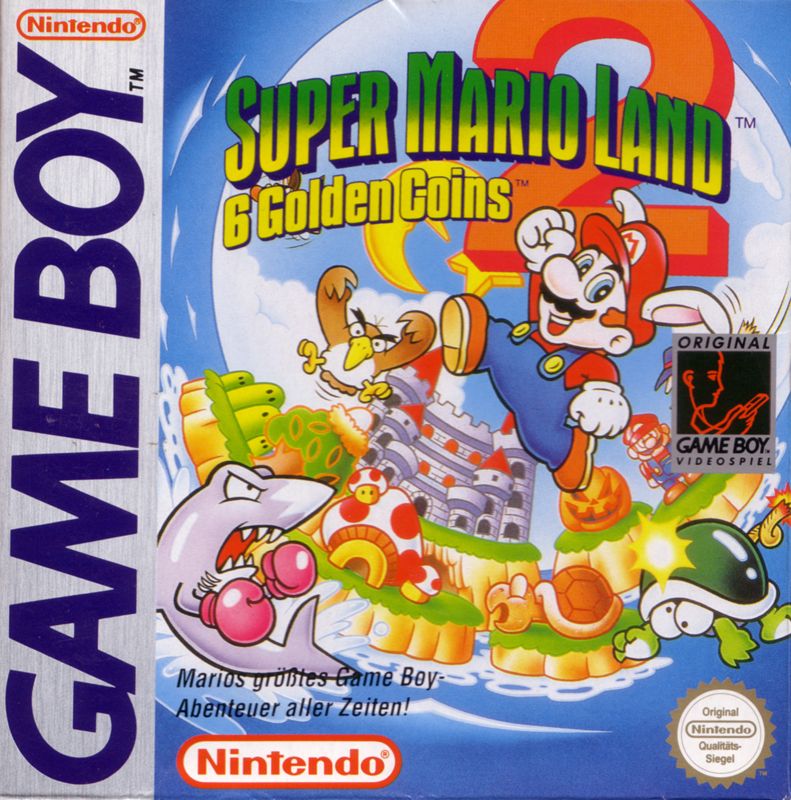
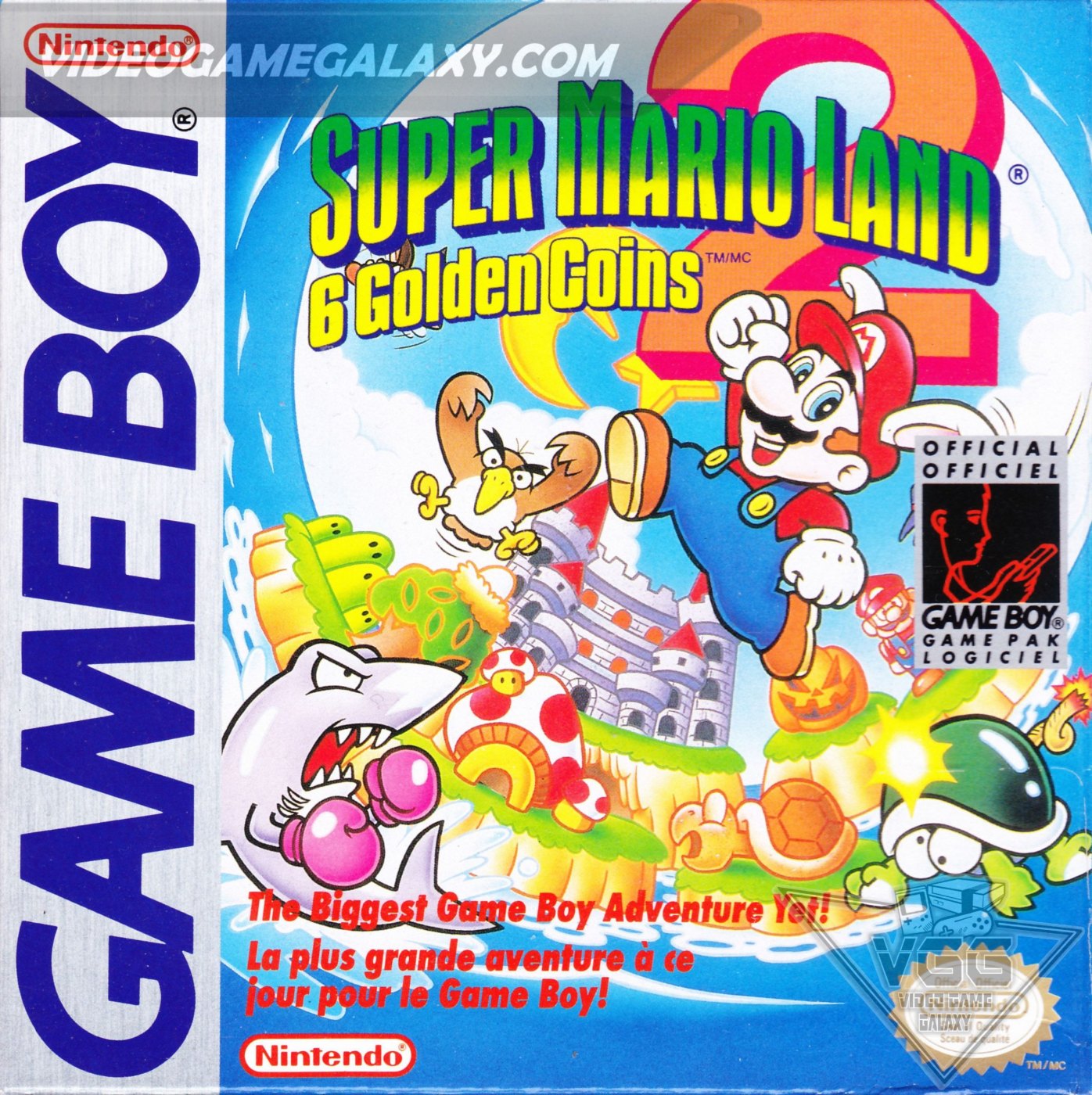
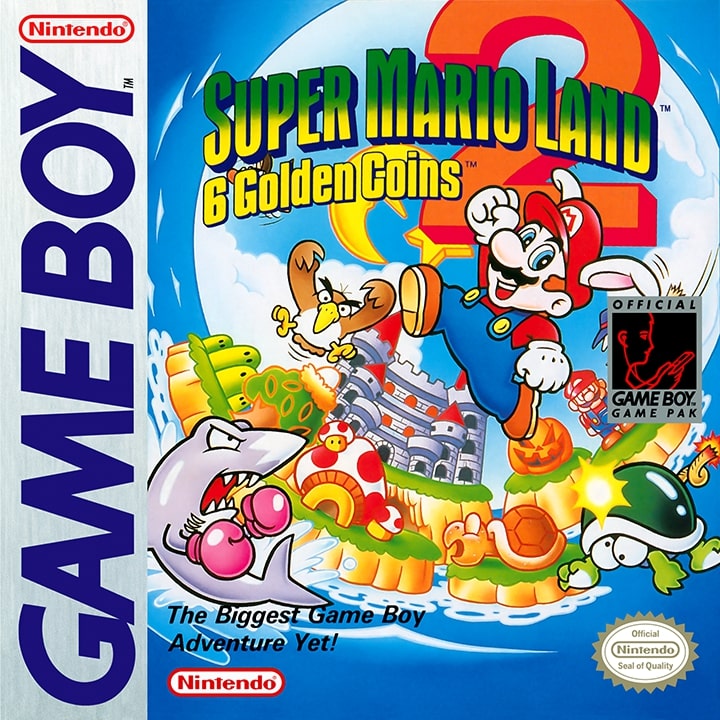
The box artwork, with Mario in his rabbit ears and Wario looming behind.
The first Super Mario Land was a launch-window marvel, but it was a small one: twelve short courses, a tiny Mario and no way to save. Three years later the same department came back with something that looked and played like a different generation of hardware. Mario is now a big, rounded figure plainly modelled on his Super Mario World self, the screen scrolls in every direction, and the adventure is spread over an island with seven destinations and a secret or two in most of them.
It is also the Mario game with the strangest premise. There is no princess to rescue and no Bowser. The villain is a new character, Wario, a jealous childhood acquaintance who has finally managed to steal Mario’s own castle. To get back in, Mario needs the six Golden Coins that open its gate, and Wario has handed them to six guardians: a giant crow in a tree, a sewer rat in an attic, a witch in a pumpkin, three little pigs inside a mechanical Mario, an octopus in the belly of a whale and, out in space, Tatanga, the alien from the first game. You can go after them in almost any order.
Along the way the game quietly rewrites the rules. Coins no longer buy extra lives; they are money, hoarded up to 999 and gambled in a casino. Lives are hearts. A counter tracks how many enemies you have beaten, and every hundredth one drops a Star. Lose all your lives and the Golden Coins fly back to their keepers. And the new power-up, a carrot, gives Mario long rabbit ears that let him hover across gaps like a furry helicopter.
The Game Boy audience loved it. It topped Famitsu’s sales chart in Japan in November 1992, led the American Game Boy chart for two months and went on to sell 11.18 million copies, making it one of the five best-selling games on the system. Its lasting gift to Nintendo, though, was the man in the yellow cap. Wario had his own game by January 1994 and has not stopped scheming since.
In his greatest Game Boy adventure, Mario faces off against his evil rival Wario, who has captured Mario Land and turned it into his private playground.
To force Wario off his ill-gotten throne, Mario must search all-new worlds for the six golden coins that unlock the gate to Mario’s castle. A mob of monsters, old and new, seek to stop him. Along the way, through 6 zones, Mario can nab Power Mushrooms, Super Stars and Fire Flowers for extra power. And if he eats the Magic Carrot, he’ll turn into a high-flying bunny.
— Official description (Nintendo UK, 2011)
Why Super Mario Land 2 matters to Mario fans
This is Wario’s first appearance, and with him the whole Wario Land and WarioWare family tree. It is also the game that proved a handheld Mario could be as generous as a console one, with a world map, secret exits, a save battery and bosses with personality. Tatanga returns from Super Mario Land, Bunny Mario makes his only starring appearance, and composer Kazumi Totaka hides his signature tune in the soundtrack.
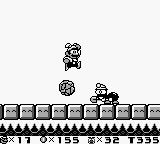
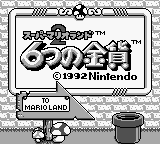
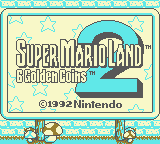
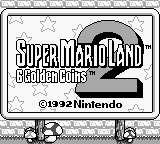
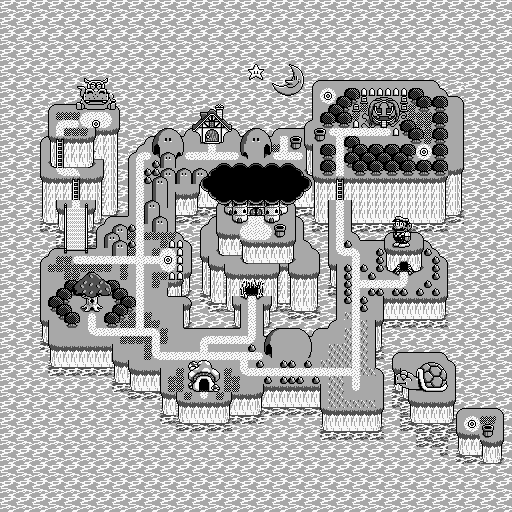
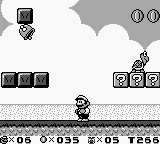
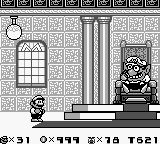
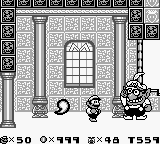
The title screen on an original Game Boy.Mario Land. The castle sits in the middle; the six zones ring it.The opening course, with sprites far bigger than the first game’s.The first meeting of Mario and Wario, at the top of the stolen castle.
Quick Answers
The questions people ask most about Super Mario Land 2, answered briefly here and in depth further down the page.
When did Super Mario Land 2 come out?
Japan: 21 October 1992. North America: 2 November 1992. Europe: 28 January 1993 (the UK date is disputed: Wikipedia gives 28 November 1992, and British reviews ran that November and December), with Australia following later in 1993. It returned on the Nintendo 3DS Virtual Console in 2011 and on Nintendo Switch Online in February 2023. More →
Is this the first game with Wario in it?
Yes. Wario was created for this game by its director, Hiroji Kiyotake, as a bigger, greedier rival for Mario. His name blends Mario with the Japanese word warui, meaning bad, and the W on his cap is Mario’s M turned upside down. More →
What are the six zones?
Tree Zone, Space Zone, Macro Zone, Pumpkin Zone, Mario Zone and Turtle Zone. Each ends in a boss who holds one Golden Coin, and they can be played in almost any order. More →
How many levels are there?
Thirty-two: 22 ordinary courses and six secret ones in the zones, three on the island itself (the opening course, the Hippo’s bubble course and the optional Scenic Course) and Wario’s castle. The save file counts up to 31 because the game does not save after the final course. More →
What does the carrot do?
It turns Mario into Bunny Mario. Tap A in mid-air and his ears flap, letting him drift slowly downwards and cross long gaps. The trade-off is that Bunny Mario cannot Spin Jump. More →
What happens when you get a Game Over?
Every Golden Coin you have won goes back to its guardian, and the bosses must be beaten again. The courses themselves stay cleared. More →
How do you turn on Easy mode?
On the file-select screen, press Select before entering a pipe. Mario shrinks to show that Easy mode is on, and you can do this with any save file. More →
Who made it?
Nintendo R&D1, the Game Boy’s own hardware and software group, with Gunpei Yokoi producing. Hiroji Kiyotake and Takehiko Hosokawa directed, Takahiro Harada led the programming and Kazumi Totaka wrote the music. Shigeru Miyamoto’s team was not involved. More →
How many copies did it sell?
About 11.18 million worldwide, 2.6 million of them in Japan. That is some 7 million fewer than the first Super Mario Land, but still among the best-selling Game Boy games of all. More →
Where can I play it today?
It is one of the Game Boy games included with a Nintendo Switch Online membership, where it has been since the Game Boy library launched on 8 February 2023. More →
Story
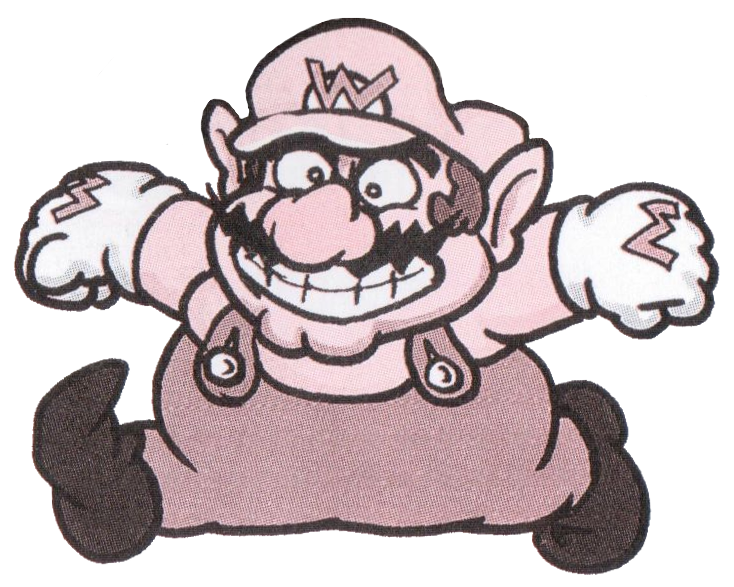
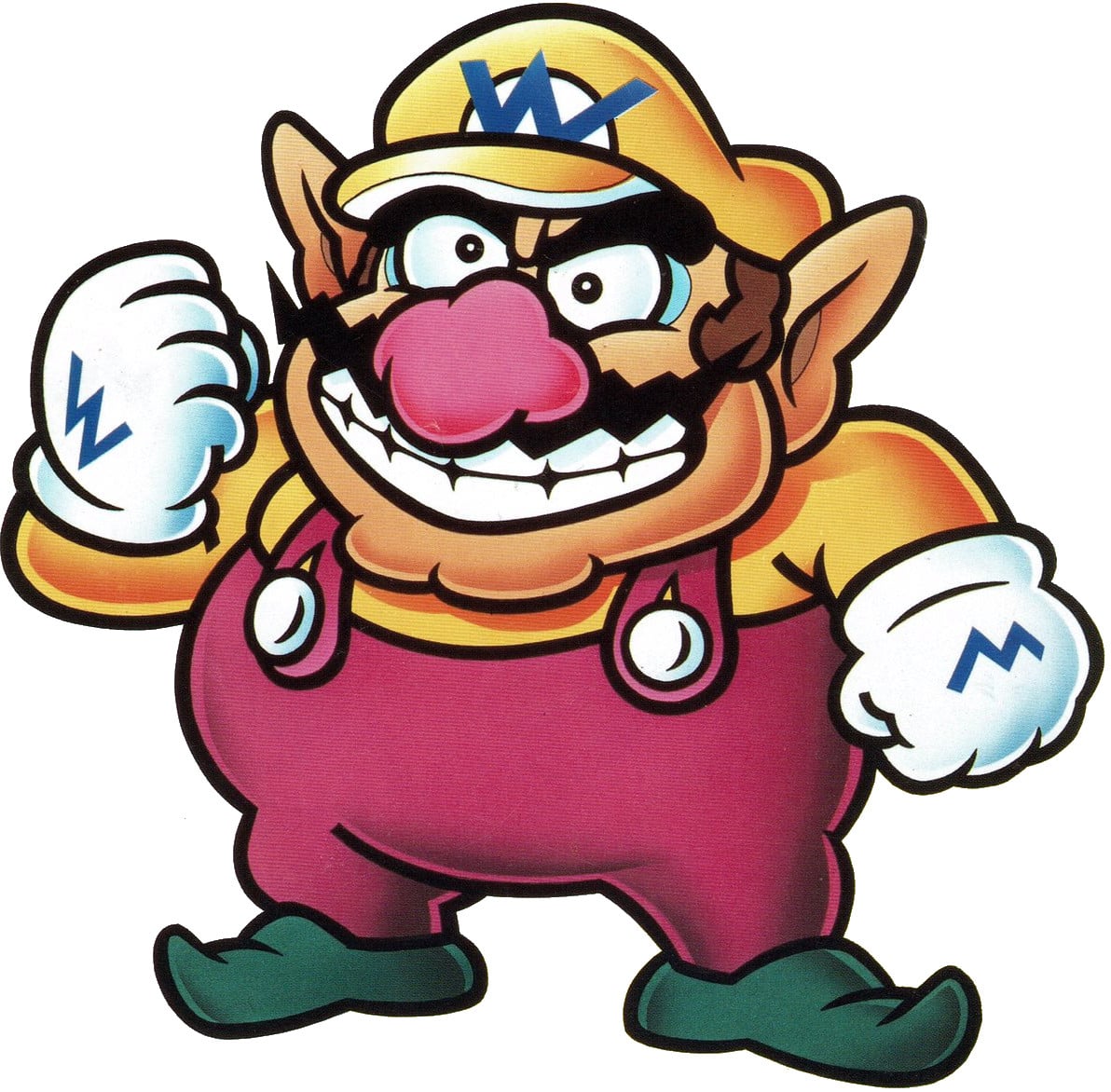
Wario as he first appeared in 1992.
The story is told by Mario himself on the first page of the manual, and the island tells the rest. What follows is the journey zone by zone, in the order most players take it, although the game is happy for you to choose your own.
An evil creep took my castle
While Mario was in Sarasaland rescuing Princess Daisy from the alien Tatanga (the plot of Super Mario Land), somebody was watching his house. Wario has envied Mario’s fame since the two were boys, the manual says, and has tried to take his castle many times. This time he has done it. He has cast a spell over everyone on Mario Land so that they attack their old friend on sight, and he has taken the six Golden Coins that work the castle gate and given one to each of his strongest followers.
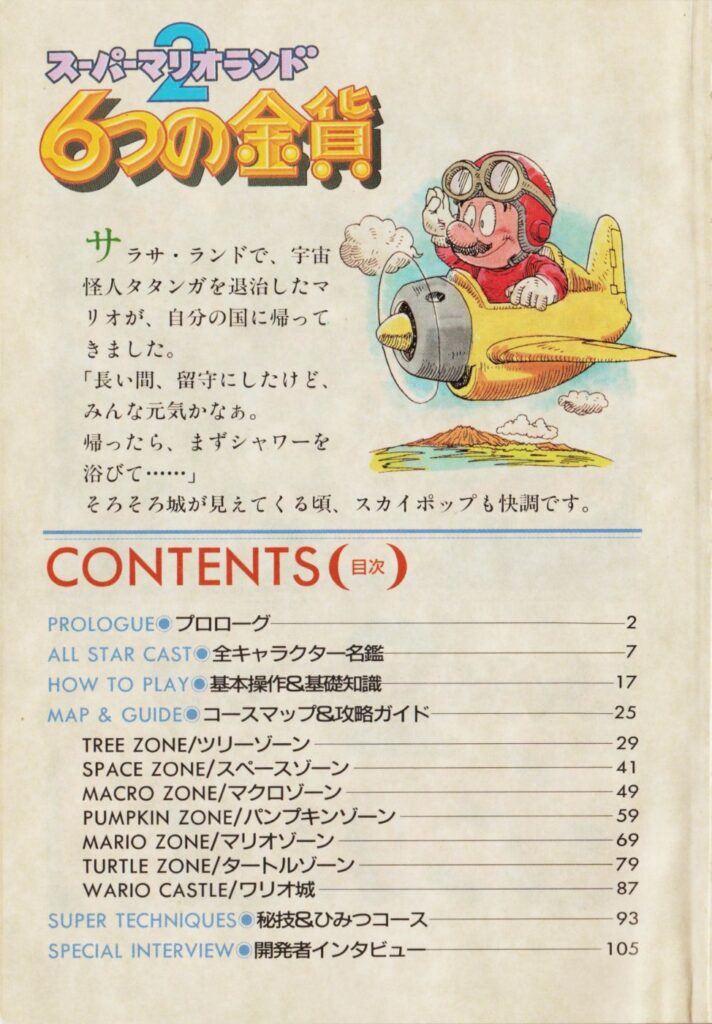
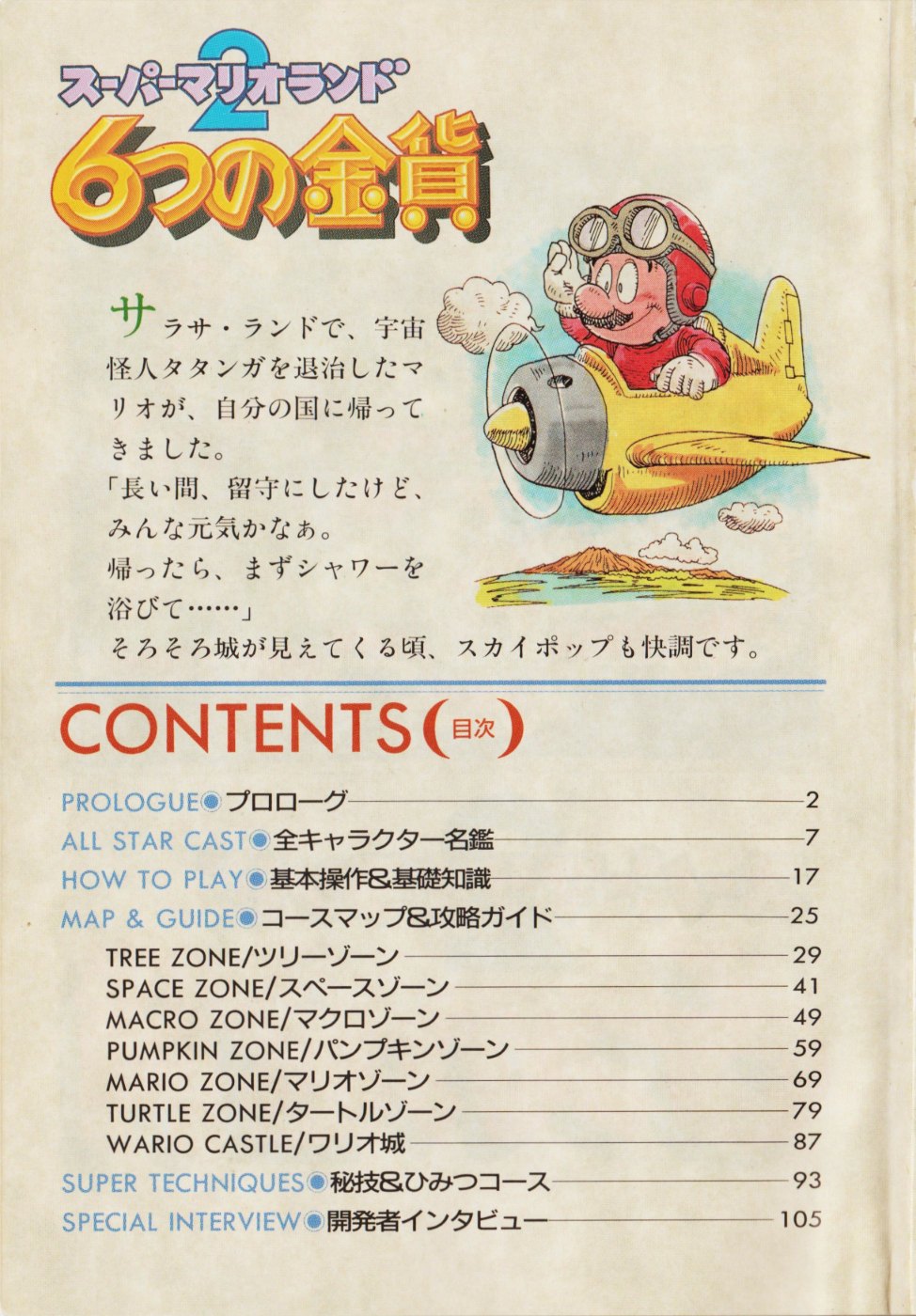
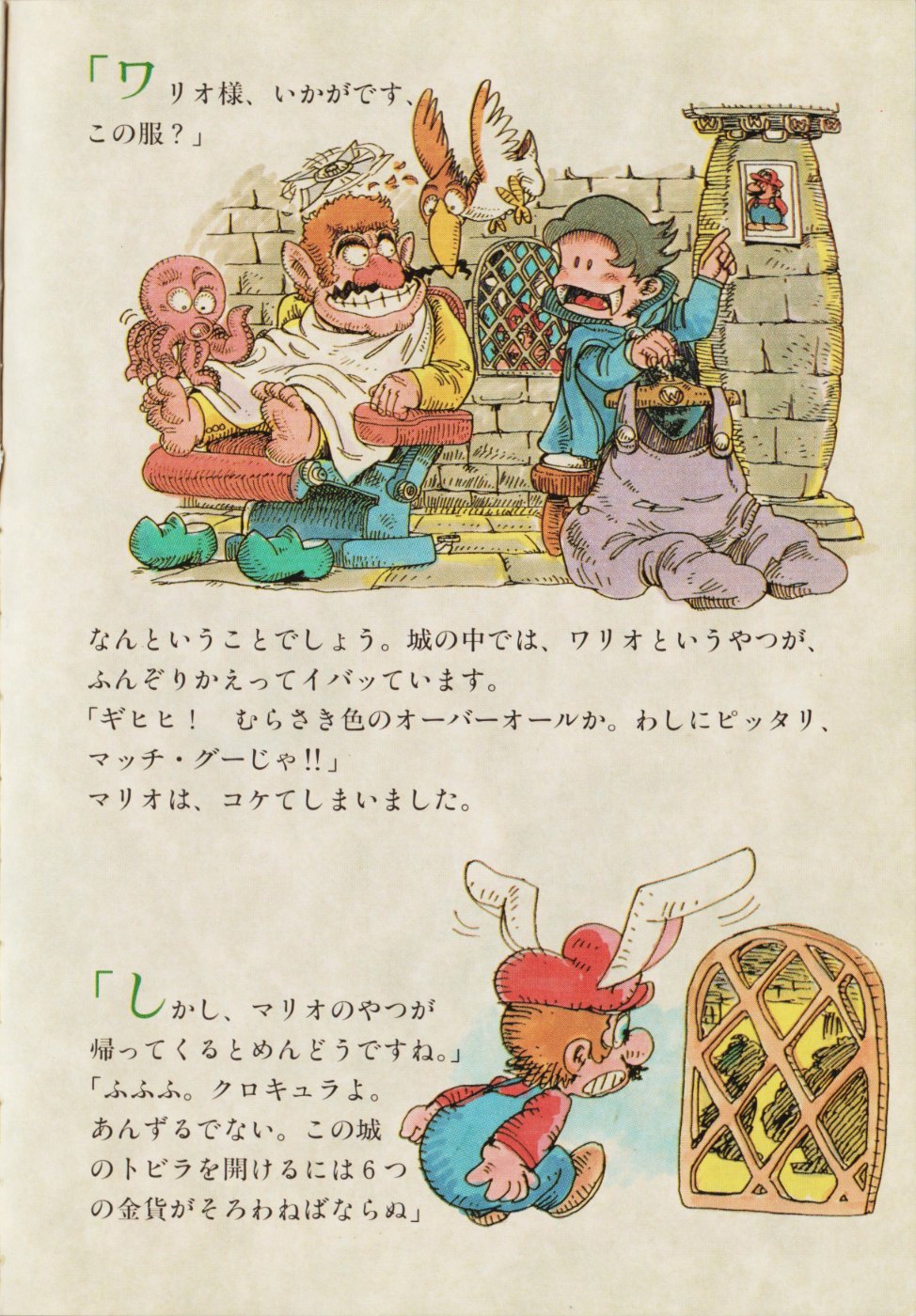
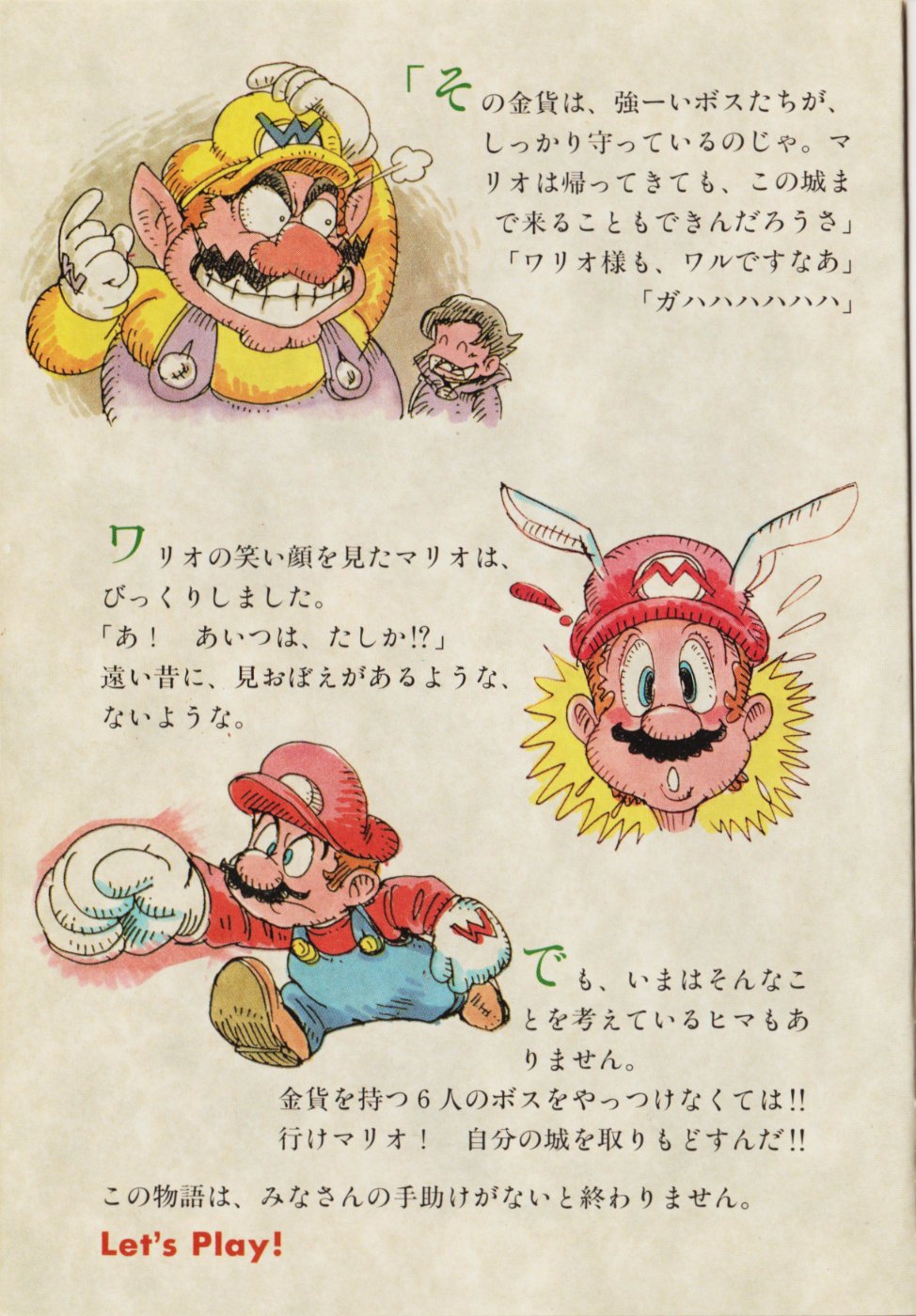
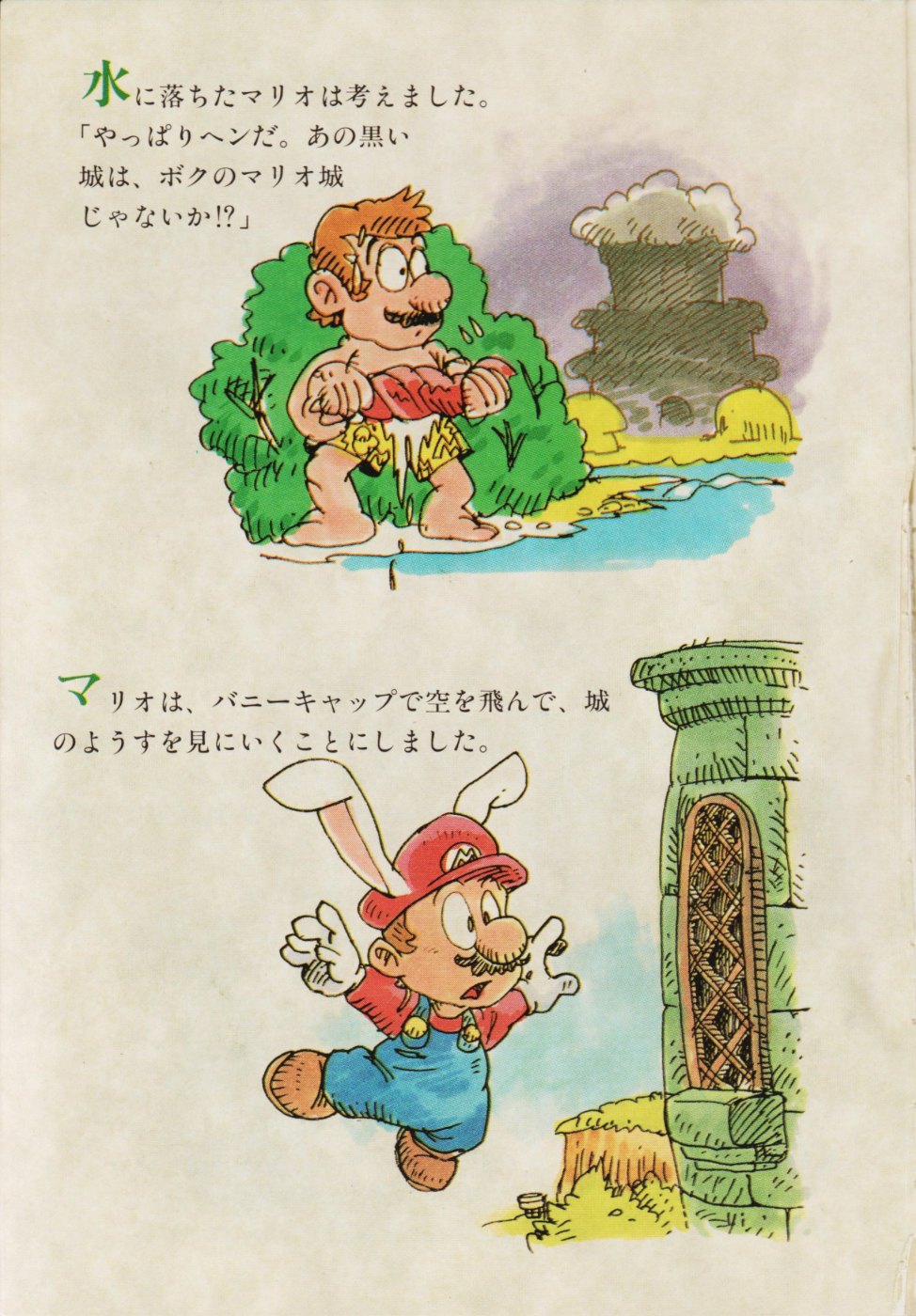
Japan’s official guidebook adds an illustrated prologue: Mario flying home in the Sky Pop, being knocked out of the air by a bird, sneaking up to the castle window as Bunny Mario and overhearing Wario boast to his bat-like henchman that nobody can get in without all six coins. The game begins at the foot of the hill, with one easy course between Mario and the open island.
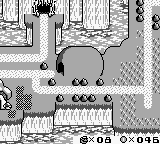
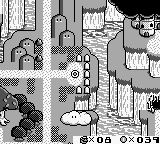
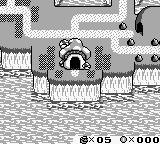
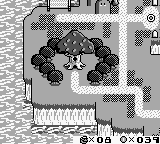
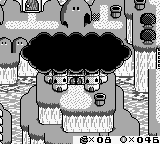
The road to the castle gate at the start of the game.The island of Mario Land.From the Japanese guidebook: Bunny Mario spies on his own castle.
Tree Zone: up the trunk to the crow’s nest
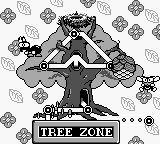
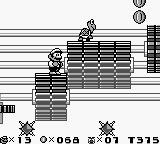
On one side of the island stands a tree the size of a tower block. Mario starts among its roots, where moles burst out of the soil and armadillo-like Spikeys roll at him, then swims up through the trunk, which is flooded with sticky sap that slows every movement. Out on the branches, ants and beetles patrol the leaves, and inside a beehive the size of a cathedral, bees pour out of the honeycomb and their skeletons get back up after being stomped.
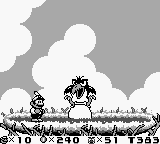
The top course belongs to the birds. Heavy Zed, a sleeping owl, is not an enemy at all: hop on his back and he carries Mario across the gaps. At the crown of the tree waits Big Bird, a huge crow who dives from the sky. Beat him and the first Golden Coin drops out of his egg.
The Tree Zone on the island map.Inside the zone: roots, trunk, leaves, hive and nest.Wading through sap in the Tree Trunk Course.Big Bird swoops in the Owl Course.
The Hippo and the Space Zone: Tatanga again
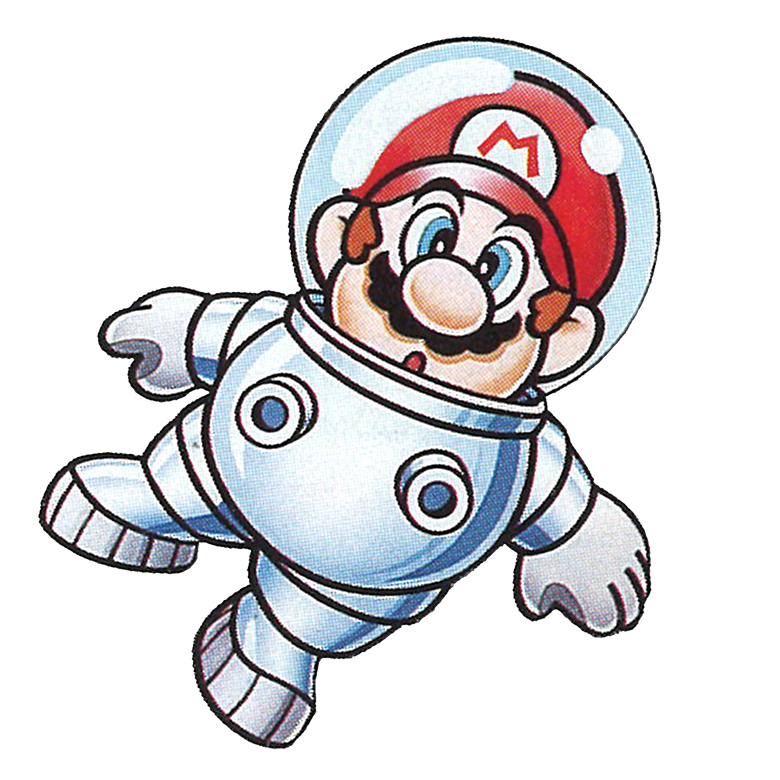
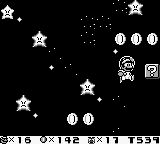
On the shore a stone hippo sits blowing soap bubbles. Step into one and Mario floats up and away, over a course of spikes and flying enemies, to a door in the sky. Beyond it is the Moon. Here Mario wears a spacesuit and gravity is a suggestion: every jump is a long, slow arc, pig-faced cannons trundle about and little aliens lob exploding stars.
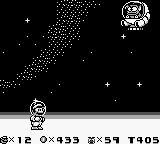
The second course goes further out, into open space, where Mario swims through the void by holding A while living stars drift past, untouchable. At the end, in his little warship, is Tatanga, the villain of the first Super Mario Land, now reduced to guarding a coin for Wario. Stomp the ship enough times and he gives it up.
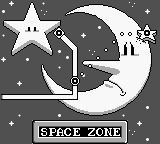
The Hippo’s course, the launch pad for the Space Zone.The Space Zone map, with the Moon in the foreground.Space Mario at large.Tatanga, back for a second beating.
Macro Zone: honey, I shrunk the plumber
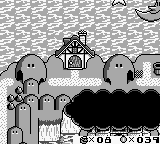
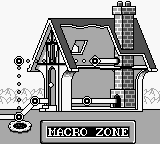
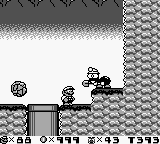
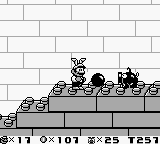
North of the castle is an ordinary house, and Mario enters it through a pipe that shrinks him to the size of an insect. The first course is the drain outside, defended by an army of ants: some bristle with spikes, some wear cannons on their heads and some dig up boulders and roll them down the tunnel. Then come the flowerbed, the fireplace and finally the attic.
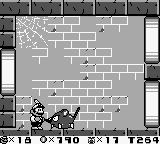
Somewhere in the attic a creature called a Collector scuttles away clutching a 1-Up Heart, and at the far end a sewer rat with a drill for a nose darts in and out of the pipes on the walls. He is fast, but he has to come out to attack.
The house that hides the Macro Zone.The zone map: drain, garden, fireplace, attic.An ant the size of Mario in the Macro Zone.The sewer rat in the attic.
Pumpkin Zone: things that go bump
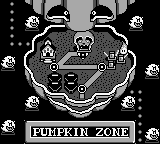
A giant jack-o’-lantern is the island’s haunted quarter, and Nintendo’s artists filled it with monsters from Japanese folklore and Western horror films alike. Masked Goomba lookalikes wander the Bat Course; umbrella spirits hop around the graveyard while a long-tongued creature lies in wait to lick Mario off his feet; Boos hide their faces in the ghost house, where even the Goombas are ghosts and cannot be stomped.
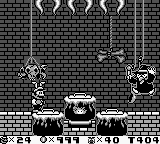
The last course is the witch’s mansion. She hurls flames at Mario and lights the fires under her cauldrons, and has to be stomped between attacks. This is also the zone with the most secrets: two hidden exits lead to two bonus courses built from mushroom platforms.
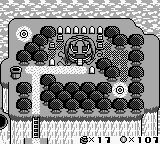
The Pumpkin Zone from the island map.Inside the pumpkin: graveyard, ghost house and mansion.The Witch and her cauldrons.
Mario Zone: inside the tin toy
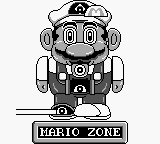
The most memorable landmark on the island is a giant clockwork Mario, and the zone is a climb through his insides. The Gear Course is all cogs and sawblades. The Gumball Course has bears balancing on beach balls, which Mario can borrow to roll across beds of spikes. The Crane Course carries him over spikes on cranes while Kiddokatto charge in packs and jack-in-the-boxes spring out of ? Blocks.
The final course is built from toy blocks, and its bosses are straight out of a nursery book: the Three Little Pigheads, Buro, Bucho and Bupon, each in his own little house hanging from the ceiling and each with a different way of bouncing around the room. All three must be beaten, one after another, before the coin appears.
The mechanical Mario that houses the Mario Zone.The route up through the toy.Toy-box platforming in the Mario Zone.A Bomubomu cannon at work.
Turtle Zone: into the whale
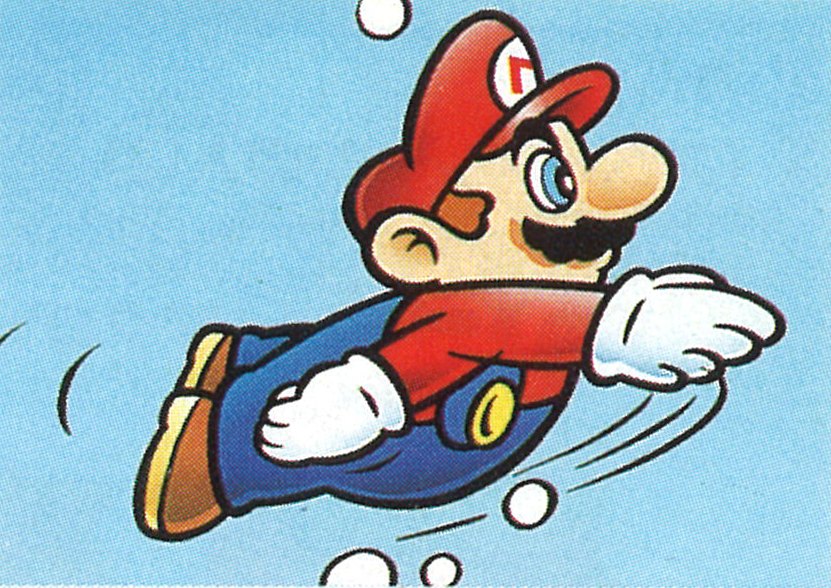
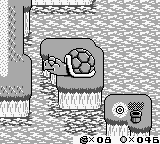
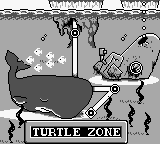
Off the coast a turtle the size of an island opens its mouth, and Mario swims in. This is the underwater zone: a reef of Cheep-Cheeps and puffed-up spiny fish, patrolled by sharks that amble along until they notice him and then charge; then the rusting hull of a sunken submarine, still firing Bullet Bills; then, improbably, the inside of a sleeping whale, with ribs for scenery.
In the whale’s belly lives an octopus and her brood. She spits her babies across the screen as ammunition, and because the whole fight takes place underwater, getting above her to land a hit takes patience.
The giant turtle that swallows Mario whole.The Turtle Zone map: reef, wreck and whale.The octopus and her children.
Wario’s castle
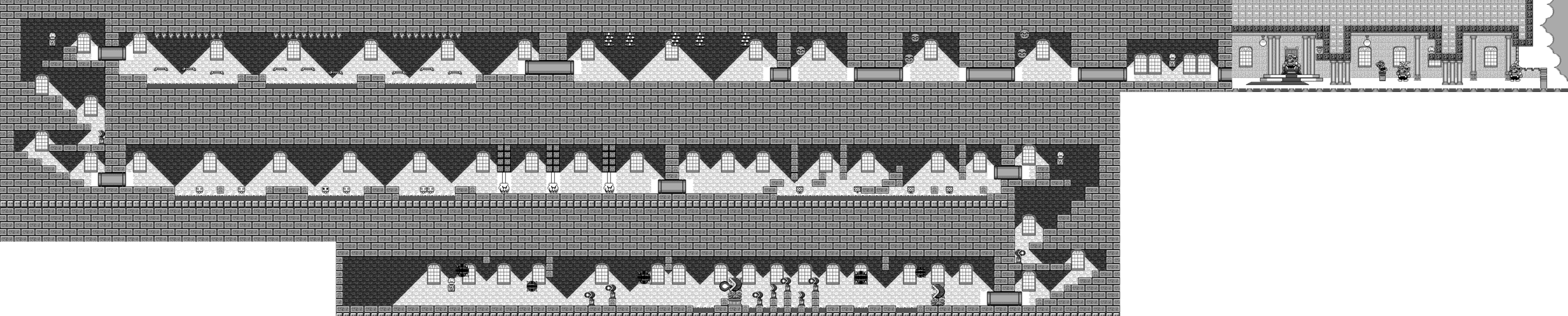
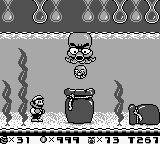
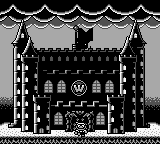
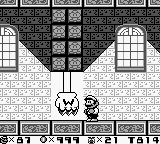
With the sixth coin in place the gate swings open. There is one course here, and it is by some distance the hardest in the game: a single long corridor of lava, swinging spiked balls, pillars that drop from the ceiling, statues that spit fire and giant gloved fists that punch down from above. Run out of lives and all six coins fly back to their guardians.
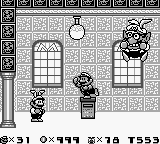
At the top, in the throne room, Wario is waiting, and he fights dirty. In the first round he fights as himself. In the second he grabs a carrot of his own and takes to the air as Bunny Wario. In the third he eats a Fire Flower and hurls fireballs. Each form goes down to well-placed stomps. Beaten at last, Wario shrinks to a tiny version of himself and runs for it, and the castle is Mario’s again. The closing message borrows a line from 1985: thank you, Mario, your quest is over.
The castle under new management.One of the castle’s giant fists comes down.Round two: Bunny Wario.Round three: Fiery Wario.
The zones and courses of Mario Land
Thirty-two courses in all. Course names are taken from Nintendo’s Japanese materials; the game itself shows no names. Secret Courses are reached through star-marked hidden exits.
Mario Land3 courses · no bossThe island hub: the opening course by the castle road, the Hippo’s Bubble Course (the only way to the Space Zone) and the optional auto-scrolling Scenic Course, plus the casino in the hillside.
Tree Zone5 courses + 1 secret · Boss: Big BirdRoots Course, Tree Trunk Course, Leaf Course, Bee Hive Course and Owl Course, with Secret Course 1 on the far side of the trunk. Sap to swim through, a hive full of bees and a lift from Heavy Zed the owl.
Space Zone2 courses + 1 secret · Boss: TatangaMoon Course and Star Course, plus Secret Course 2. Low gravity on the Moon, free flight among the stars and the villain of the first game at the end.
Macro Zone4 courses + 1 secret · Boss: sewer ratManhole Course, Flower Course, Fireplace Course and Attic Course, plus Secret Course 3. A shrunken Mario against ants, beetles and household furniture.
Pumpkin Zone4 courses + 2 secret · Boss: the WitchBat Course, Graveyard Course, Ghost House Course and Witch’s Mansion Course, plus Secret Courses 4 and 5. Ghosts, masked ghouls and folklore monsters.
Mario Zone4 courses · Boss: Three Little PigheadsGear Course, Gumball Course, Crane Course and Block Course, all inside a giant mechanical toy Mario. The only zone without a secret exit.
Turtle Zone3 courses + 1 secret · Boss: octopusCheep Cheep Course, Sunken Ship Course and Whale Course, plus Secret Course 6. Almost entirely underwater.
Wario’s Castle1 course · Final boss: WarioMario’s own castle, captured. One long gauntlet and a three-round fight at the top.
SLB’s guide and walkthrough covers every course in order, and the Reference links below lead to it.
Advertisement
Gameplay & Controls
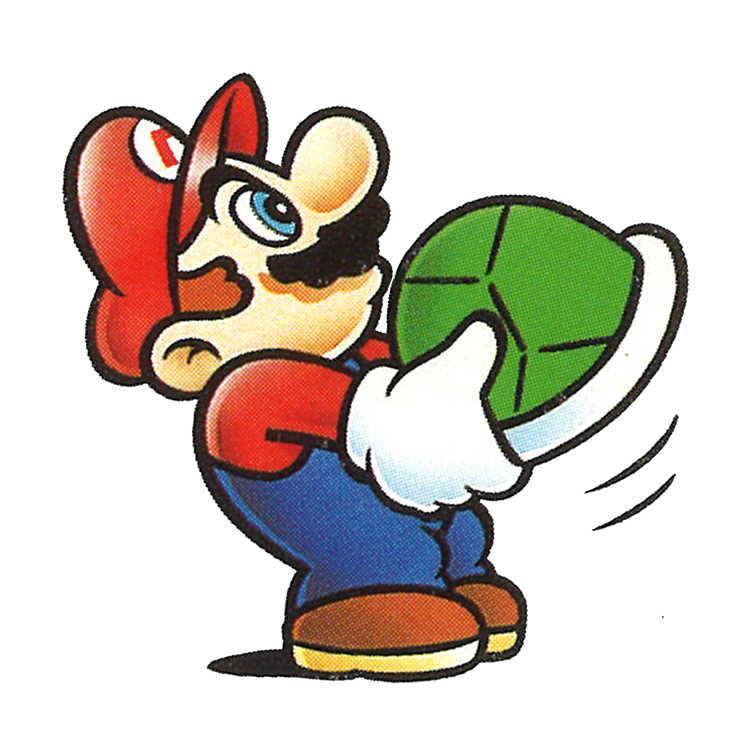
Anyone who has played Super Mario World will be at home in seconds. Mario runs with B, jumps with A, carries Koopa shells, and as Super Mario can press Down in mid-air to Spin Jump through breakable blocks beneath him. The Superball and the shoot-’em-up stages of the first game are gone; the Fire Flower is back, and the screen now scrolls left as well as right so that you can go back for what you missed.
What makes it its own game is the structure wrapped around those courses: an open island, a purse instead of a score, and a set of rules about lives and coins found nowhere else in the series.
Controls
The Control Pad walks, and holding B runs. A jumps; hold Up as you press it and Mario jumps a little higher. In water (and in the tree sap of Tree Zone) A is a swimming stroke. B throws fireballs for Fire Mario and, held down, picks up a Koopa shell to carry and throw. Down ducks, enters pipes and, in the air, turns Super or Fire Mario’s jump into a drilling Spin Jump.
Start pauses. In a course you have already cleared, pausing and then pressing Select drops you back on the map at once, which is handy when you only went in for a power-up.
Mario Land, the map
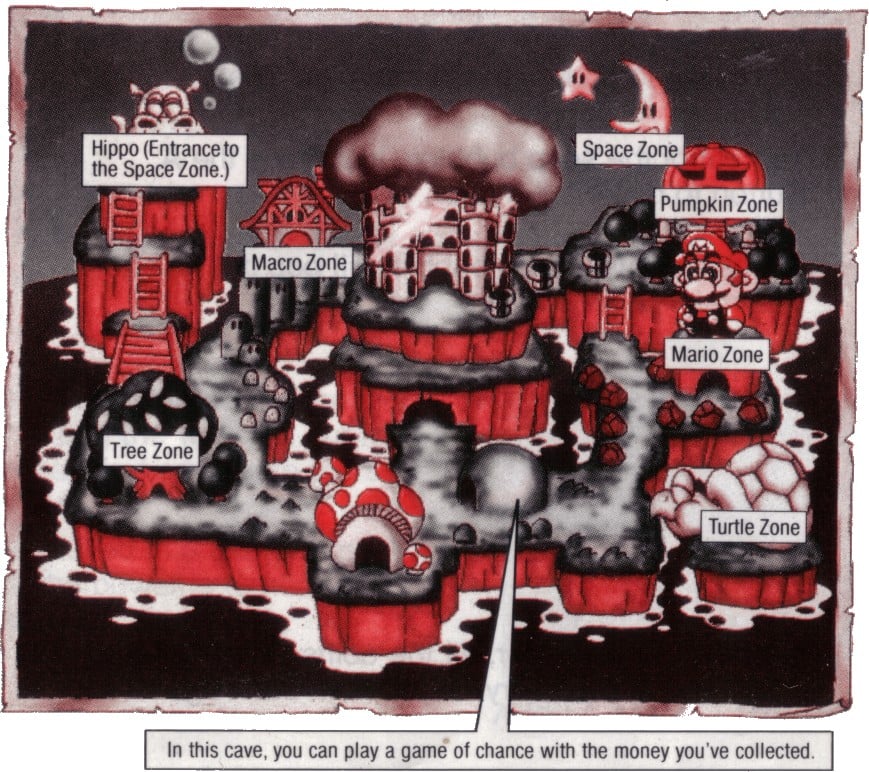
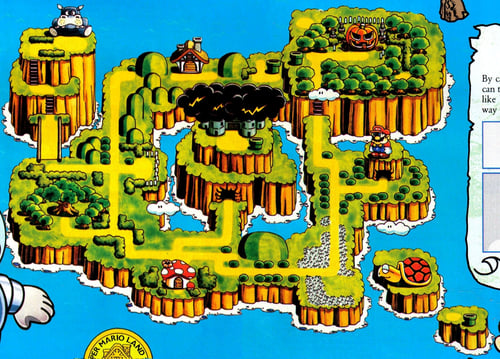
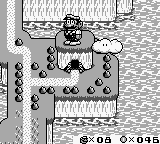
After a short opening course the whole island is yours. Six zones surround the castle and each has its own little map of between two and five courses, ending in a boss. Clear a course and the path beyond it opens; find a star-marked hidden exit and a secret course appears. The Space Zone cannot be walked to at all: you must first ride one of the stone Hippo’s soap bubbles right across his course to a door high above the ordinary exit.
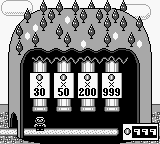
Dotted about the island are a casino built into a hillside, where coins are fed into slot machines for lives and power-ups, and an optional auto-scrolling Scenic Course. The castle gate in the middle stays shut until all six Golden Coins are slotted into it.
The casino. The dearest machine swallows 999 coins at a pull.The Hippo, whose bubbles are the only way into space.
Mario’s forms
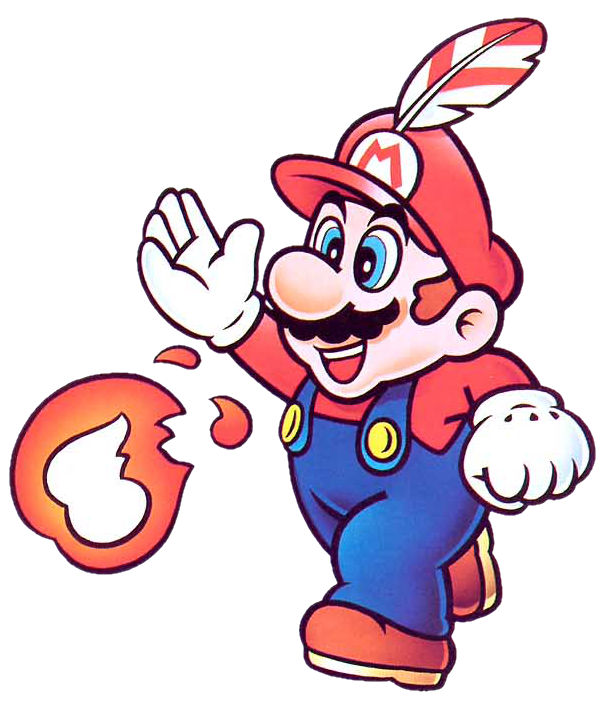
Small Mario dies at a touch. A Mushroom makes him Super Mario, who can break blocks and survive a hit. A Fire Flower makes him Fire Mario, and since a Game Boy cannot show his white-and-red outfit he wears a feather in his cap instead; his fireballs also destroy special fiery blocks. A Carrot makes him Bunny Mario, who hovers when you tap A and can cross gaps the others cannot, but loses the Spin Jump. A Star makes any of them invincible for about fifteen seconds.
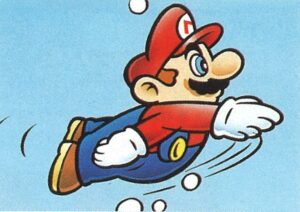
Two more forms depend on where he is. In the Space Zone Mario wears a spacesuit, jumping in slow, moon-walking arcs in one course and floating freely in the next. Underwater the manual calls him Aqua Mario. And on the file-select screen, jumping under the CLEAR sign turns him into Bomb Mario, who erases whichever save file he walks into.
Hearts, coins and the enemy counter
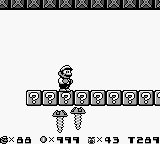
Because green and red mushrooms look the same on a monochrome screen, extra lives here are hearts. There are 1-Up Hearts in blocks and bonus games and rare 3-Up Hearts tucked into awkward corners. Coins do not turn into lives at 100. Instead Mario banks up to 999 of them (money bags are worth 50 at a time) and spends them at the casino, where slot machines at rising stakes pay out power-ups and hearts.
There is no score. In its place the status bar counts defeated enemies, and when the count reaches 100 a Star floats down from the top of the screen. Under a Star, the fifth enemy you run through and every one after it is worth an extra life, so a well-timed hundredth stomp in a crowded course can pay for itself several times over.
Bells and bonus games
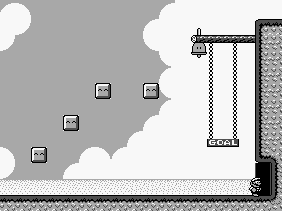
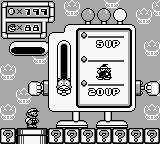
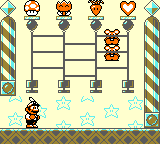
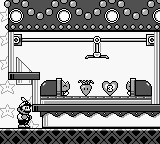
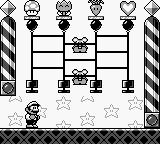
Each course has a bell hanging at its midpoint; ring it and you restart from there if you lose a life. A second bell hangs high above the goal door. Walk through the door and the course simply ends, but jump up and ring the bell first and you play one of two bonus games: a crane machine that snatches hearts and power-ups from a moving belt, or a ladder lottery in which Mario picks a path and follows the lines to a prize.
The crane game. Time the drop and a 3-Up Heart is yours.The other bonus game: choose a line and see where it leads.
Saving, Easy mode and Game Over
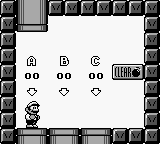
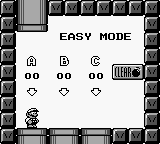
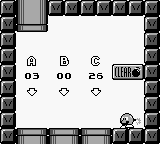
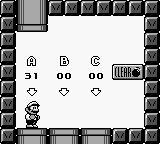
The cartridge saves automatically each time a course is cleared, into one of three files shown as pipes on the select screen. Above each file is a tally of courses completed, up to 31. Pressing Select on that screen shrinks Mario and switches the file to Easy mode, which thins out the enemies.
Losing a life sends Mario back to the map. Losing the last one is more serious than in most Mario games: all the Golden Coins he has collected return to their guardians, and the bosses have to be fought again, though the courses leading to them stay open. The same happens if he runs out of lives inside Wario’s castle.
Power-ups and items
Everything Mario can pick up on the island, plus the forms the manual gives names to.
MushroomSmall Mario becomes Super Mario: one extra hit, block-breaking and the Spin Jump.
Fire FlowerFire Mario throws bouncing fireballs with B and can burn away fiery blocks. Look for the feather in his cap.
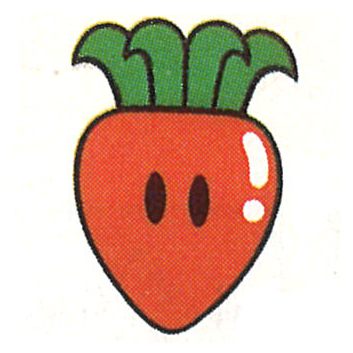
CarrotBunny Mario: tap A in the air to flap his ears and hover. No Spin Jump.
StarInvincibility. Appears from blocks and every time the enemy counter reaches 100.
1-Up HeartOne extra life. Found in ? Blocks and won in bonus games.
3-Up HeartThree lives at once, hidden in out-of-the-way places and on offer in the crane game.
CoinCurrency rather than points. Mario can carry 999.
MoneybagFifty coins in one go, from certain ? Blocks.
Golden CoinOne from each zone boss. Each of the six has its own design, and all six open the castle gate.
BellsThe Midway Bell is a checkpoint; the bell above the goal starts a bonus game.
Soap bubbleBlown by the Hippo. Jump in and hold A to float up through the air.
Space MarioA spacesuit and low gravity in the Space Zone; in the Star Course, holding A makes him rise.
Aqua MarioThe manual’s name for Mario underwater. Tap A to swim.
Bomb MarioOnly on the file-select screen. Walk him into a pipe to erase that save.
Cartoons, Comics & Other Media
Wario was too good a villain to stay inside a Game Boy. Within months he was in comics on both sides of the Pacific, and the game has been quoted by Nintendo ever since.
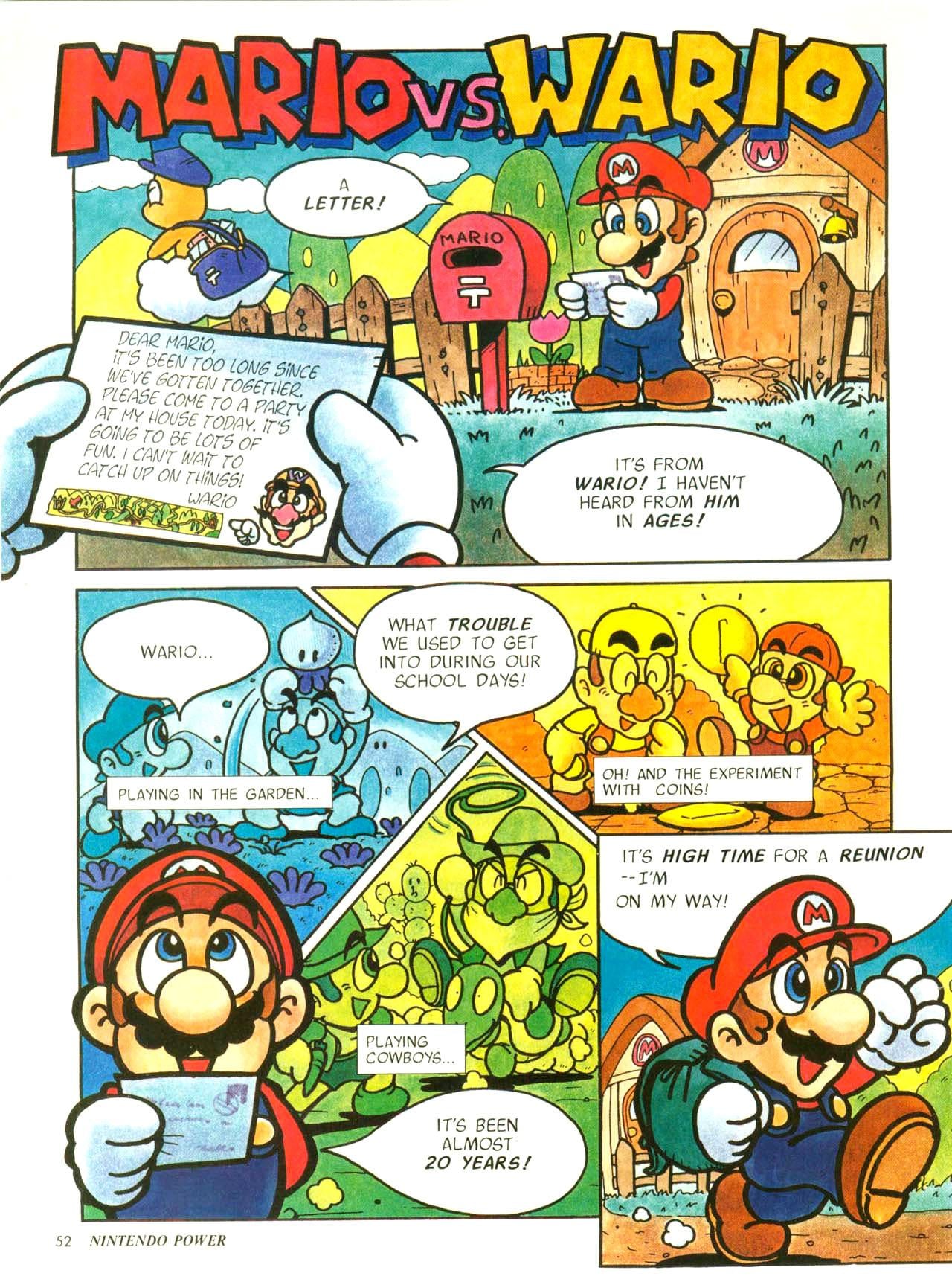
Mario vs. WarioComic · Nintendo Power · January 1993A ten-page strip by the team behind Super Mario Adventures. Wario invites Mario to his castle to talk over old times, having lined the route with the game’s bosses in revenge for childhood games in which he always came off worst. A second chapter, The Birthday Bash, followed. The first was reprinted in the 2016 edition of Super Mario Adventures.
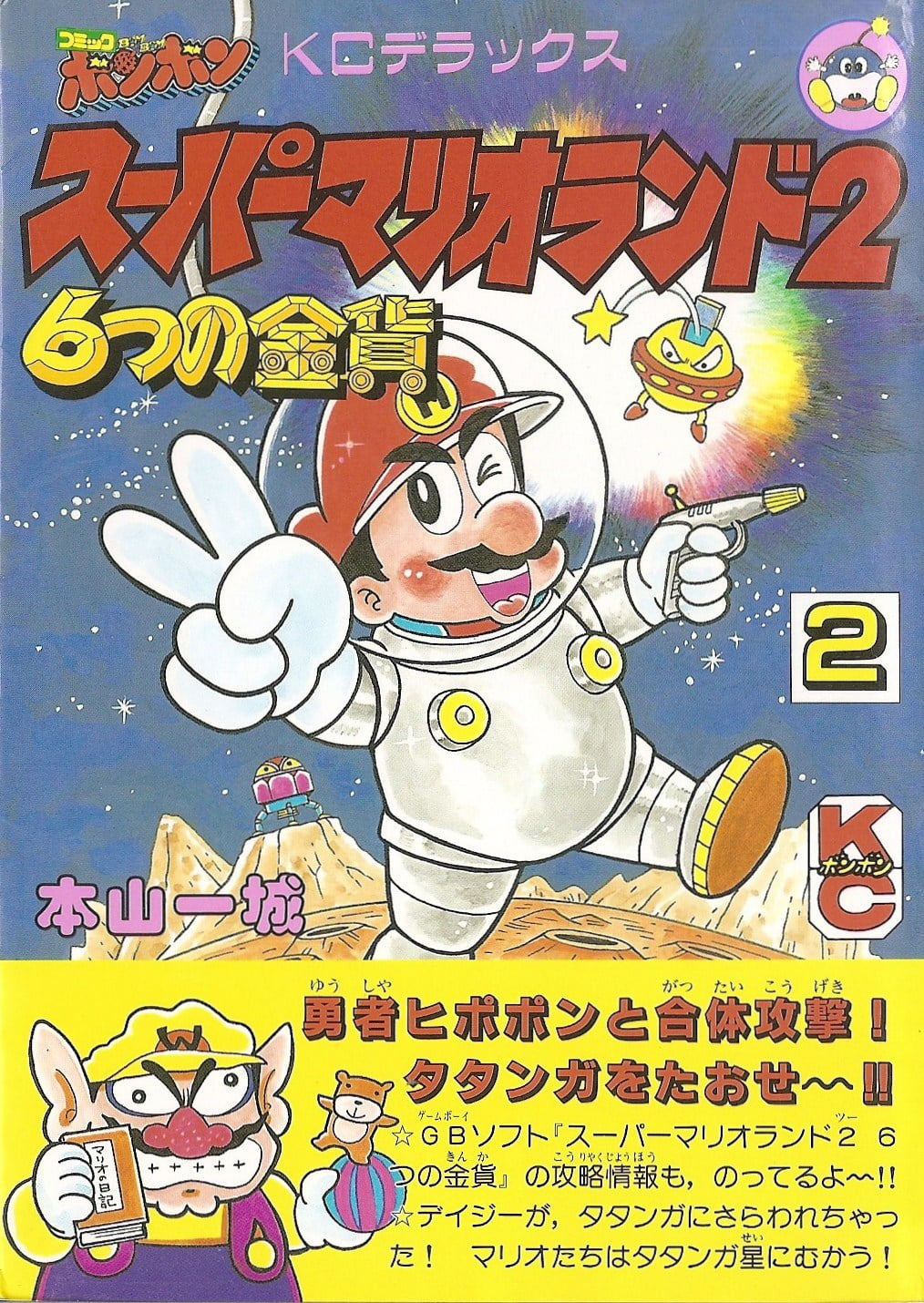
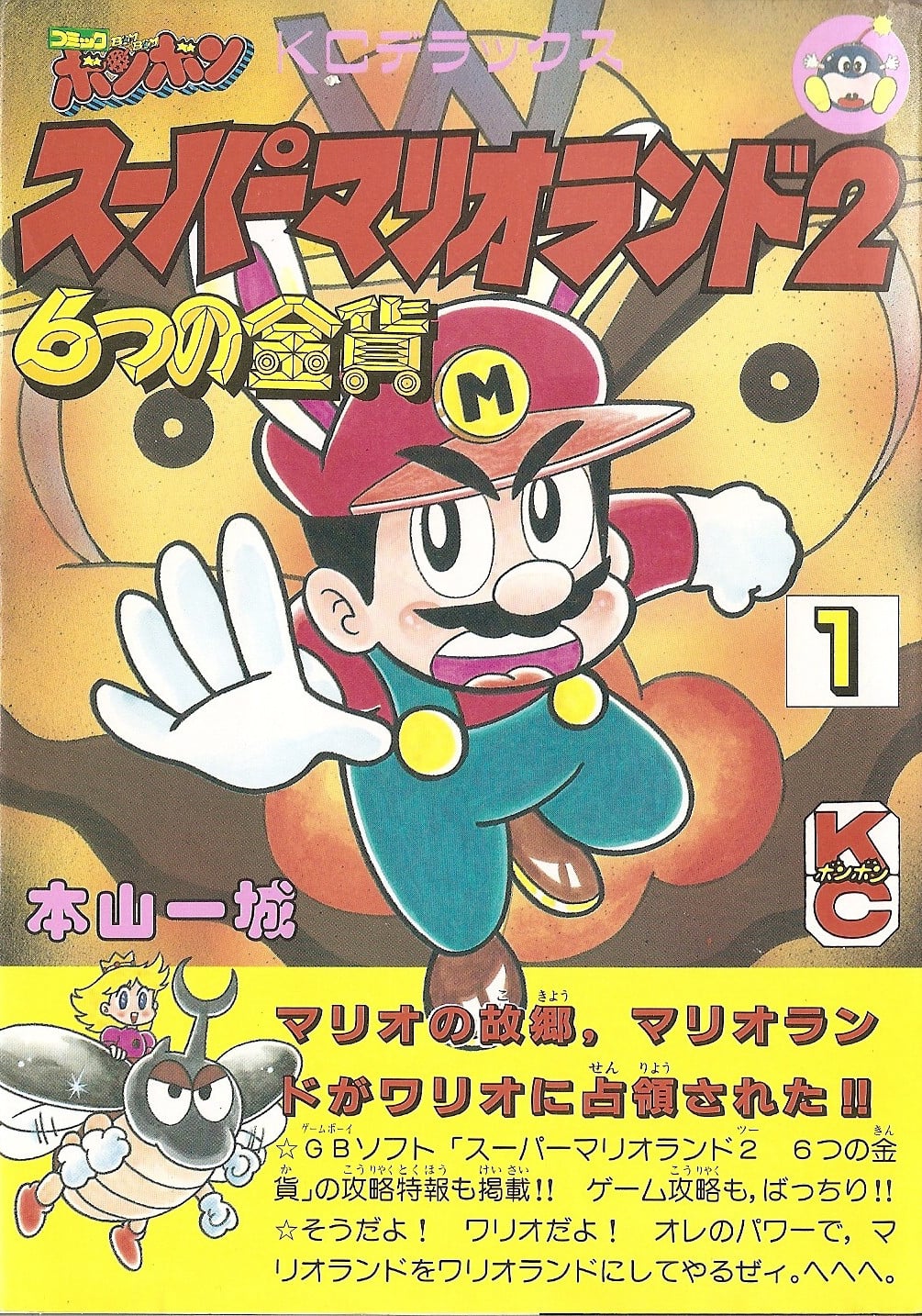
Super Mario (Kodansha manga)Manga · Kazuki MotoyamaMotoyama’s long-running series devoted three volumes to the game and took great liberties with it. Mario Land becomes the brothers’ home country, Peach and Luigi join the quest, Daisy volunteers to be the damsel in distress, and Wario is possessed by a spirit of evil that hands him dark magic.
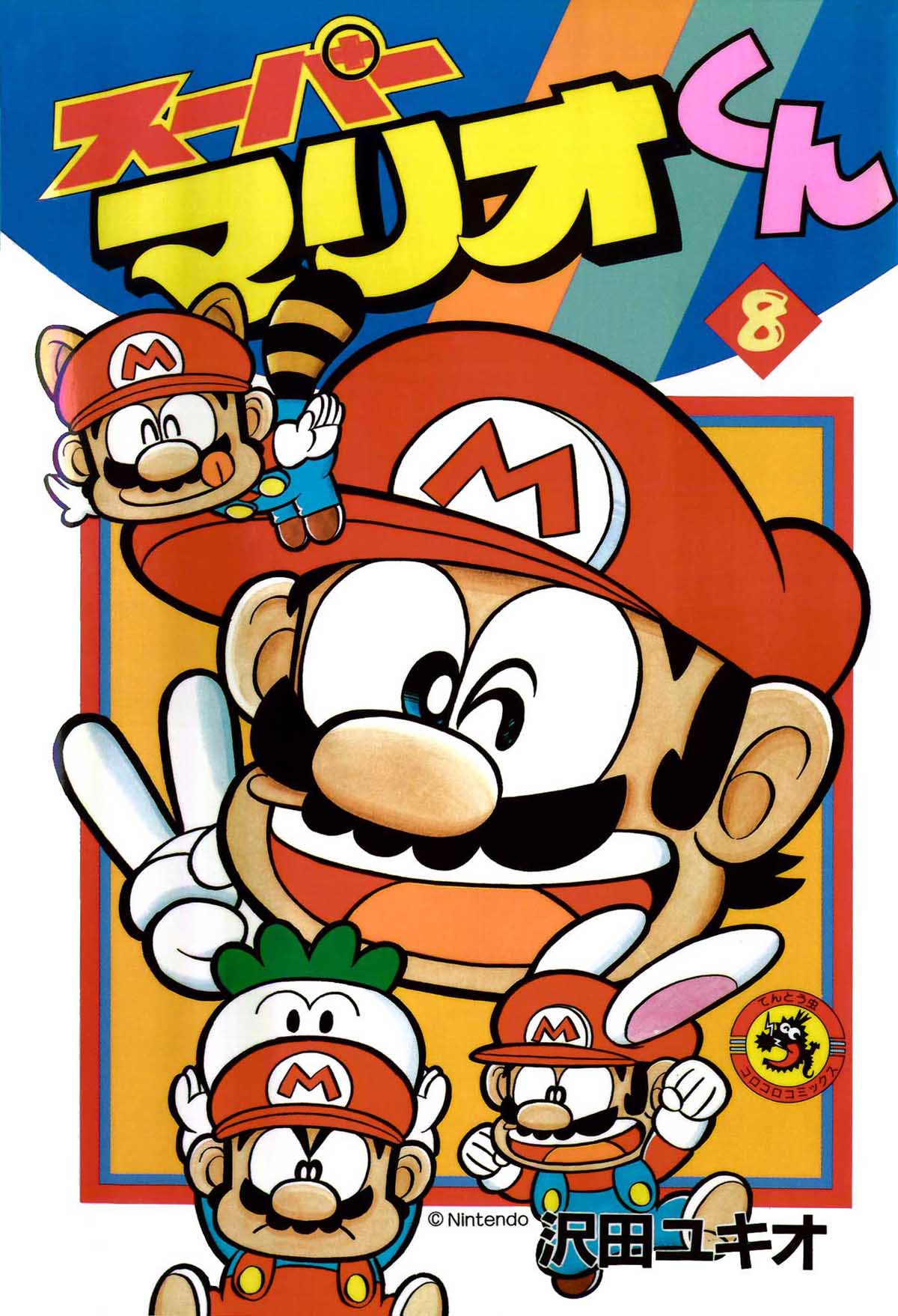
Super Mario-kunManga · Yukio Sawada · volumes 6 to 10Sawada’s gag manga moves from Super Mario World straight into this game at the end of volume 6 and stays for four more. Mario’s chief ally is a talking carrot that eventually sprouts arms and legs, and the arc ends with the castle in ruins and Mario carving himself a new one out of the Hippo statue.
Super Mario 4koma Manga TheaterManga anthology · books 5 to 8The four-panel gag anthology ran strips based on the game across four of its books.
The official guidebookShogakukan · 1992Shogakukan’s Japanese guide is the source of the game’s illustrated prologue and of the 1992 staff interview quoted throughout this page, which was translated into English by shmuplations in 2022.
Mario Kirby Meisaku VideoEducational video · Japan · 1995A Japan-only video made to teach children kanji, with one segment starring Kirby and one based on this game. In its version Wario steals the treasures of a school, Princess Peach raises the alarm and Mario sets off to stop him.
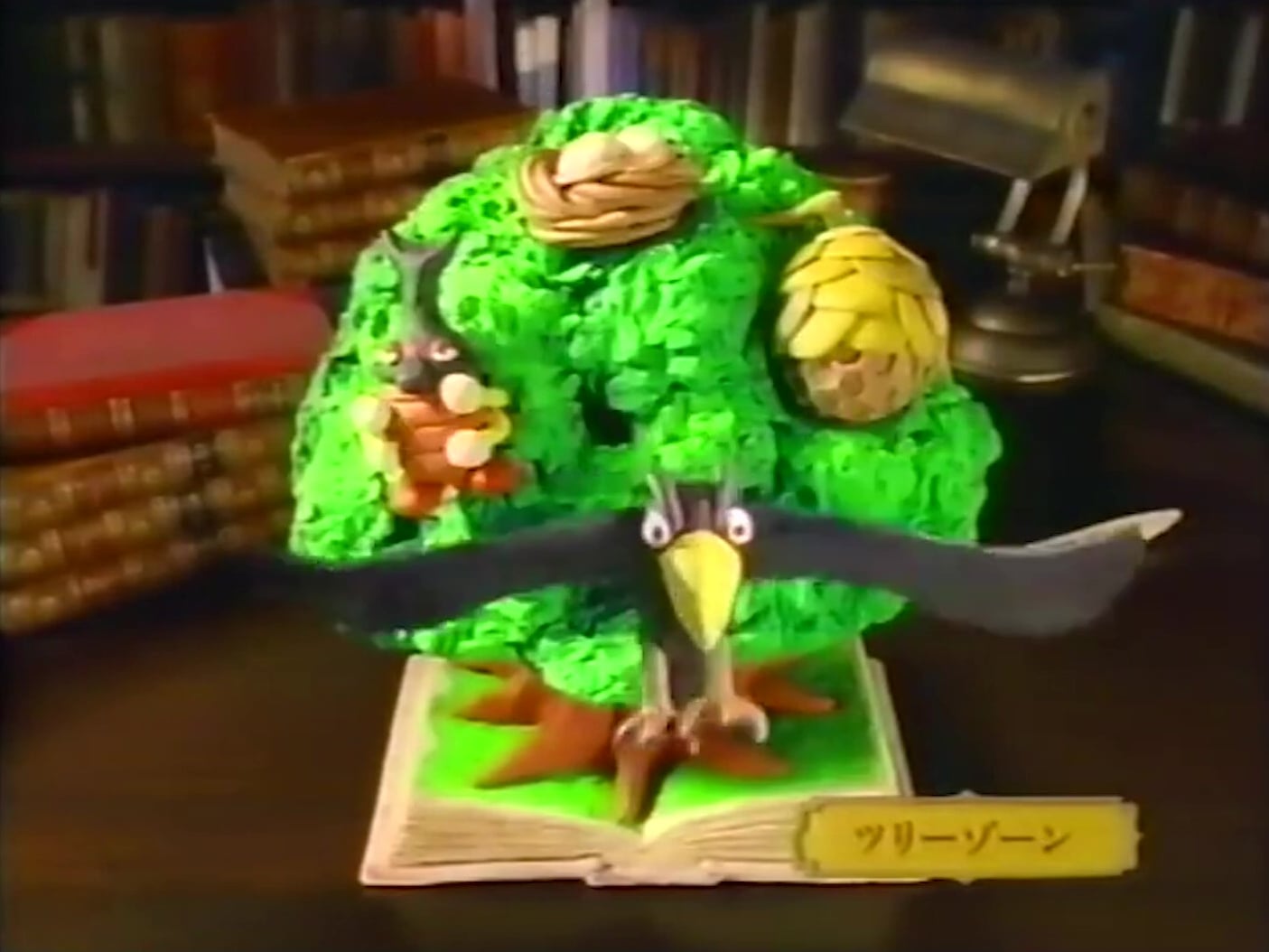
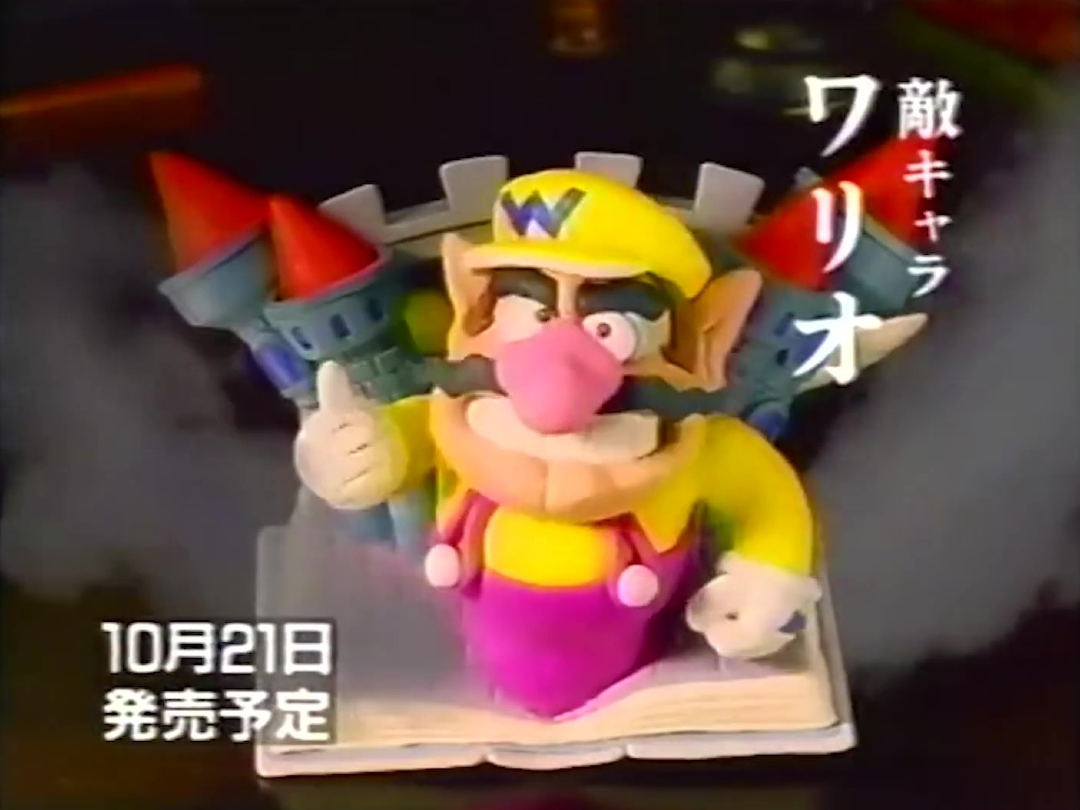
Television advertsCommercials · 1992The Japanese commercial opens a storybook on the zones. The Western one is better remembered: Wario, played as a hypnotist, fills the screen and orders the audience to obey him.
In later gamesCameos and call-backsMario’s sprite on the character-select screen of the Virtual Boy’s Mario’s Tennis is drawn from this game. Wario’s original outfit is an alternate costume in Mario Golf and Super Smash Bros. Brawl, and his Melee trophy mentions his failed attempt on Mario’s castle. Wario World’s title art shows a castle much like it. The Space Zone theme is rearranged in Paper Mario: Sticker Star, the level-start jingle slips into the credits of WarioWare: Get It Together!, and Mario Kart World has both an arrangement of the main theme and a Wario costume modelled on his fiery form.
On the big screenFilm · 2026A slot machine in The Super Mario Galaxy Movie shows this game’s Mushroom, Fire Flower and Carrot sprites on its reels, a nod to the casino on Mario Land.
Characters
A small cast by Mario standards, and almost all of it new. No Luigi, no Peach, no Bowser: just Mario, his worst neighbour and six bosses who would rather be somewhere else.
Character
Who they are
In this game
Abilities & notes
MarioHomeowner
The hero, and for once the injured party. The directors wanted him to fight for something of his own this time and not for a princess.
Tours the six zones of his own island to win back the Golden Coins, then storms his castle.
Forms: small, Super, Fire, Bunny, plus Space and Aqua Mario
Spin Jump as Super or Fire Mario
Carries up to 999 coins
WarioThe new villain
A broad, moustachioed bully in a yellow cap, created by Hiroji Kiyotake, who described the pair as Popeye and Bluto. The manual says he has been jealous of Mario since boyhood. His favourite food, the staff added, is crêpes.
Seizes the castle, hypnotises the island and hands the Golden Coins to six guardians. Waits in the throne room.
Three rounds: Wario, Bunny Wario, Fiery Wario
Uses his own dark versions of the Carrot and Fire Flower
Shrinks and flees when beaten
TatangaSpace Zone boss
The alien invader who kidnapped Princess Daisy in Super Mario Land.
Now working for Wario, he guards the Space Zone’s coin at the end of the Star Course.
Flies a small craft that fires energy bolts. Stomp the ship.
Big BirdTree Zone boss
An enormous crow that nests at the very top of the tree.
Keeps the Tree Zone’s Golden Coin inside its egg.
Swoops down across the screen. Jump on its back as it passes.
The sewer ratMacro Zone boss
A rat with a drill-shaped snout who lives in the attic of the giant house.
Guards the Macro Zone’s coin.
Runs up the walls and through pipes to drop on Mario from above.
The WitchPumpkin Zone boss
An ally of Wario who keeps a mansion at the heart of the pumpkin.
Guards the Pumpkin Zone’s coin.
Throws flames at Mario and lights the fires under her cauldrons.
The Three Little PigheadsMario Zone bosses
Buro, Bucho and Bupon: three round pigs, each in a little house hanging from the ceiling.
Guard the Mario Zone’s coin, fighting one at a time.
Each bounces in a different pattern. All three must be beaten.
The octopusTurtle Zone boss
A mother octopus who has made her home inside a whale.
Guards the Turtle Zone’s coin.
Spits her children at Mario. Only hits on the mother count, and the fight is underwater.
Heavy ZedA friendly owl
A drowsy owl found in the Tree Zone’s top course. The manual is clear that he is not an enemy.
Ferries Mario across gaps on his back.
Harmless. Just stay on.
The HippoGateway to the stars
A statue-like hippopotamus on the shore of Mario Land.
Blows the soap bubbles that carry Mario to the Space Zone.
His course hides a 1-Up at the top of the starting screen for anyone who floats straight up.
The people of Mario LandUnder the spell
Goombas, Koopa Troopas, Piranha Plants and dozens of creatures seen nowhere else, all turned against Mario by Wario’s magic.
Fill the 32 courses. Most were designed by Takehiko Hosokawa.
Every hundredth one you defeat earns a Star.
Enemies and bosses
More than sixty kinds of enemy, most of them unique to this game. Many were never given official English names in 1992 and keep their Japanese ones.
GoombaThroughoutOne stomp. Para-Goombas hop or fly and lose their wings first.
Koopa TroopaThroughoutStomp it into its shell, then kick or carry it.
Piranha PlantThroughoutRises from pipes. The Venus Fire Trap variety spits fireballs.
Bullet BillMario and Turtle ZonesFired from Turtle Cannons.
RagumoTree Zone, Roots CourseBurrows underground and bursts up under Mario.
Bopping ToadyTree Zone, Roots CourseA hopping toad with a short, quick tongue.
SpikeyTree Zone, Roots CourseCurls into a spiked ball and charges.
KyotonboTree Zone, Roots CourseA dragonfly that darts about and homes in.
MoofishTree Zone, Tree Trunk CourseSwims in the sap and lunges sideways.
Noko BombetteTree Zone, Tree Trunk CourseA walking bomb that explodes after being stomped.
AntTree and Macro ZonesPaces back and forth. Painful to touch.
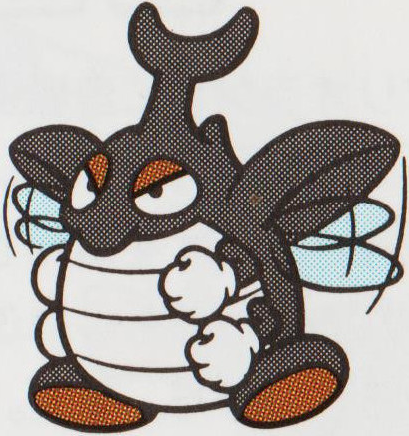
Battle BeetleTree and Macro ZonesLeaps up and dives at an angle.
Bee FlyTree and Macro ZonesFlits away whenever Mario gets close. The director’s favourite useless enemy.
BeebeeTree Zone, Bee Hive CourseBursts out of the honeycomb and gives chase.
Skeleton BeeTree Zone, Bee Hive CourseA Beebee that revives after a stomp.
Unera and GrubbyTree Zone, Bee Hive CourseCrawling larvae. The spiky Grubby cannot be jumped on.
BigbeeTree Zone, Bee Hive CourseDrops to crush Mario, then floats back up.
DondonHippo course to Owl CourseA bird that flies in a straight line.
BlurpHippo course, Turtle ZoneThe goggle-wearing fish from Super Mario World.
BomubomuSpace and Mario ZonesA pig-faced cannon that fires straight or diagonally.
PoroSpace ZoneA tiny ship that orbits blocks.
No.48Space Zone, Moon CourseA hopping alien that throws exploding stars.
TosenboSpace Zone, Star CoursePuffs itself up to block the way.
ChikuntoMacro Zone, Manhole CourseAn ant that raises spikes when you try to stomp it.
DokantoMacro Zone, Manhole CourseAn ant with cannons on its head.
GorontoMacro Zone, Manhole CourseDigs up rocks and rolls them at Mario.
HonebonMacro and Turtle ZonesA fish skeleton that swims in a V.
CollectorMacro Zone, Attic CourseRuns off with a 1-Up Heart. Catch it.
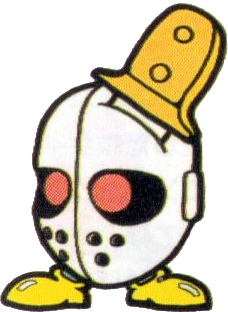
Masked GhoulPumpkin ZoneWalks like a Goomba in a mask. Stomping it bounces Mario high.
Boo BuddyPumpkin ZoneFollows until you look at it.
Ghost GoombaPumpkin Zone, Ghost House CourseWalks like a Goomba but cannot be stomped.
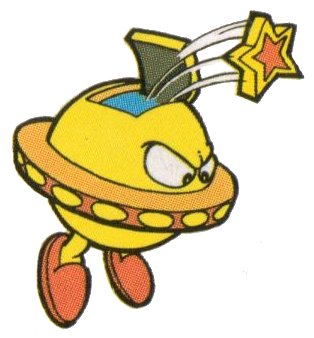
KurokyuraPumpkin Zone, Bat CourseStays put and sends out little bats called Minikyura.
BeroPumpkin Zone, Graveyard CourseSits still and lashes out with its tongue. Makes a decent platform.
KarakaraPumpkin Zone, Graveyard CourseHops up, opens like an umbrella and drifts down, swaying.
KyororoPumpkin Zone, Graveyard CourseWaits for Mario, then charges.
RererePumpkin Zone, Witch’s MansionBounces from side to side sweeping the floor.
Yashichi and TatenokoMario Zone, Gear CourseSpinning blades and saws that ride along tracks.
ScrewMario Zone, Gear CoursePops out of the floor and bounces at Mario.
BearMario Zone, Gumball CourseBalances on a Beach Ball that Mario can ride over spikes.
KiddokattoMario Zone, Crane CourseRushes Mario at speed, often in packs.
Jack-in-the-BoxMario Zone, Crane CourseSprings out of a ? Block and jumps unpredictably.
Cheep-CheepMacro and Turtle ZonesSwims from side to side. The spiny kind puffs up and floats.
SharkTurtle ZoneCruises slowly, then charges when Mario comes near.
Aqua GoombaTurtle Zone, Whale CourseAn underwater Goomba; a stomp sends Mario soaring.
Mechanical fistWario’s CastleA copy of Wario’s fist that smashes down from the ceiling.
Floating FaceWario’s CastleA Wario-shaped face that bounces diagonally around the room.
Big BirdBoss, Tree ZoneOwl Course. Dives from above.
TatangaBoss, Space ZoneStar Course. Fires from his ship.
Sewer ratBoss, Macro ZoneAttic Course. Uses the pipes.
WitchBoss, Pumpkin ZoneWitch’s Mansion Course. Fire and cauldrons.
Three Little PigheadsBosses, Mario ZoneBlock Course. Buro, Bucho and Bupon in turn.
OctopusBoss, Turtle ZoneWhale Course. Throws her young.
WarioFinal bossWario, Bunny Wario and Fiery Wario in three rounds.
The people who made it
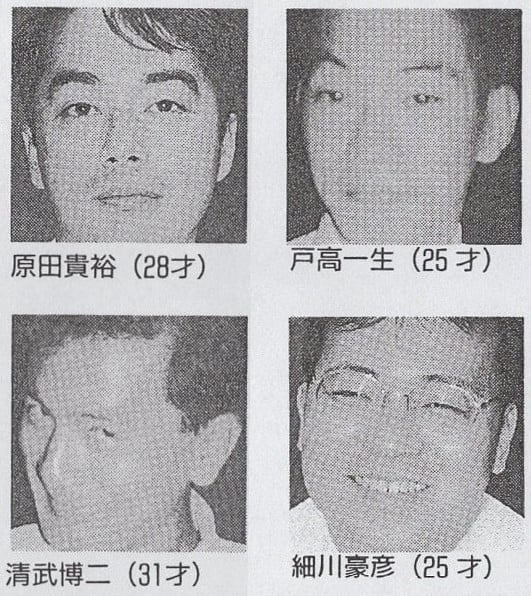
The four leads were interviewed together for the Japanese guidebook in 1992; their ages are those printed with the photograph.
Gunpei YokoiProducerHead of R&D1 and father of the Game Boy, who had also produced the first Super Mario Land.
Hiroji KiyotakeDirector, game designer (31)Came to the project from Metroid II and Dr. Mario. Invented Wario and argued for a world built around what Mario himself would want.
Takehiko HosokawaDirector, character designer (25)Joined Nintendo about eighteen months earlier as an assistant character designer, drew most of the enemies and ended up, in his own words, half a director.
Takahiro HaradaMain programmer (28)Also from Metroid II and Dr. Mario. Worked with Masaru Yamanaka and Yuzuru Ogawa, and tuned the high jumps of Bunny and Space Mario with the Game Boy’s awkward diagonals in mind.
Kazumi TotakaComposer (25)His other early credits include Kaeru no Tame ni Kane wa Naru and Mario Paint. Complained that the game stole his Obon holiday.
Makoto KanoArtistA veteran R&D1 designer, credited alongside Kiyotake and Hosokawa in Wikipedia’s staff list.
Advertisement
How It Was Made
Almost everything known about the making of the game comes from one source: a round-table interview with four of its staff printed in Shogakukan’s official Japanese guidebook in 1992 and translated into English by shmuplations in January 2022.
The other Mario team
Harada, Totaka, Hosokawa and Kiyotake, photographed for the 1992 guidebook.
Like the first Super Mario Land, this was not a Shigeru Miyamoto game. It was made by Nintendo Research & Development 1, Gunpei Yokoi’s department, which had designed the Game Boy itself and whose staff had most recently made Metroid II and Dr. Mario. Work began in November 1991 and finished in September 1992, about ten months later.
The four people interviewed were young: director Hiroji Kiyotake was 31, main programmer Takahiro Harada 28, and co-director Takehiko Hosokawa and composer Kazumi Totaka both 25. Hosokawa had been at Nintendo for barely a year and a half.
Is this Mario?
The team set out to ignore the series’ conventions altogether, and its first draft did. The reaction from colleagues, as Kiyotake remembered it, was a doubtful “I don’t know… is this Mario?” The design was pulled back towards the established Mario world, which is why the finished game borrows so openly from Super Mario World: the look of Mario, the Spin Jump, the island map with its hidden exits.
One piece of the original thinking survived. Instead of sending Mario to rescue somebody, the staff wanted him to fight for something that was his. Kiyotake put it memorably: they wanted “a world that would appeal to Mario’s manly heart!” Hence a castle of his own, an island named after him and a zone inside a giant toy of his own body.
Inventing Wario
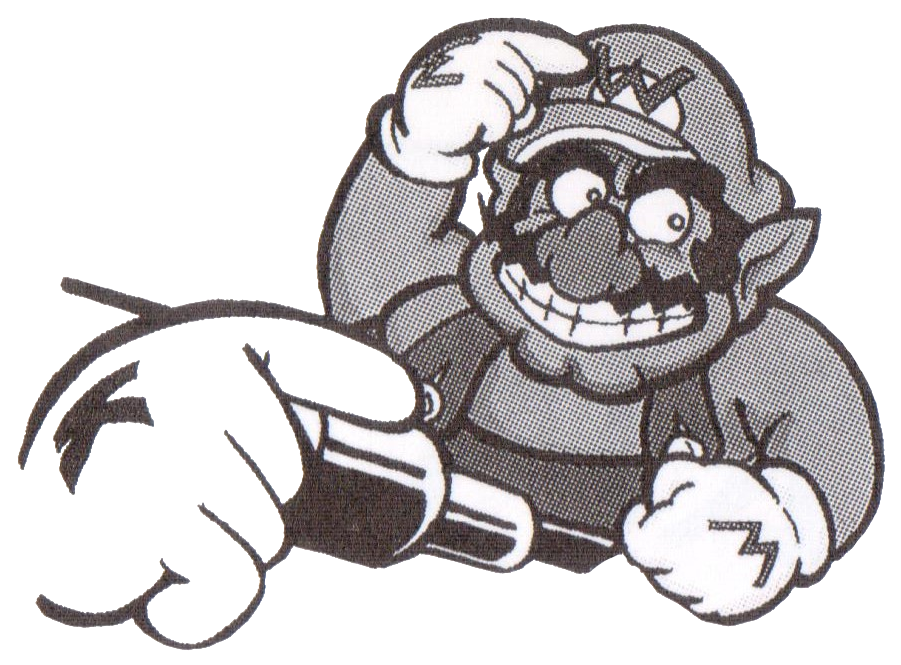
Wario under construction: a gloved hand marked K draws the new villain.
A hero defending his property needs somebody to take it. Kiyotake’s model was the cartoon rivalry of Popeye and Bluto: the same kind of man as the hero, only bigger, stronger and more underhanded. The name came before the face. Warui is Japanese for bad, and Wario was simply a bad Mario; turning the M on the cap upside down to make a W followed at once, and the rest of the team loved it.
Kiyotake worked the character out with Hosokawa and then with Harada, who had to make him move. In the interview he is cheerfully vague about the backstory. Asked whether Wario really was Mario’s childhood friend, as rumour had it, he said he did not know. It has often been suggested since, by writers quoted on Wikipedia, that Wario also expressed something of R&D1’s own feelings about making sequels to another department’s star.
Flies that do nothing, and a game that was too hard
Hosokawa designed most of the enemies, and the interview lingers on the least useful of them: the Bee Flies of the Tree and Macro Zones, which cannot be stomped and simply buzz off when Mario approaches. Kiyotake adored them, laughed out loud the first time he saw one working and said that with more time he would have added a way to squash them. Totaka gave them an especially careful sound effect.
The hardest part came at the end. The staff, who had been playing the game for months, thought it far too easy. Then outside testers tried it and, in Harada’s words, “they couldn’t get anywhere!” Two to three months went into small adjustments to the courses before it was signed off.
Totaka’s sound
Kazumi Totaka faced an odd problem. The game looked so much like Super Mario World that using the same sounds would only remind players that they were holding a small grey screen and not a Super Famicom. Until about halfway through development the power-up sound was the SNES one; he replaced it, and drew his effects from across the older Mario games instead.
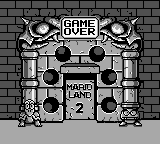
He also left his calling card. Wait on the Game Over screen for two and a half minutes and the music gives way to a short, jaunty melody known as Totaka’s Song, a tune he has hidden in many of the games he has worked on.
Series Firsts
What began here, checked against the earlier Mario platformers.
1WarioThe first appearance of Mario’s rival, in any medium. Bunny Wario and Fiery Wario also appear only here.
2Bunny MarioThe Carrot and the hovering rabbit-eared form are new, and this remains their one starring role.
3A handheld Mario that savesSuper Mario Land had to be finished in a sitting. This is the first Mario platformer on a portable with a save battery.
4A portable world mapThe first handheld Mario with an overworld, hidden exits and secret courses.
5Mario fights for himselfThe first Super Mario platformer whose goal is to recover Mario’s own property, not to rescue anybody.
6Two difficulty settingsAmong the first Super Mario games to offer a choice of Normal and Easy modes.
7Hearts for livesThe 1-Up Heart, introduced in the first Super Mario Land, is joined here by the 3-Up Heart.
8The Spin Jump goes portableThe drilling jump introduced in Super Mario World appears on a handheld for the first time.
Cheats & Secrets
Super Mario Land 2 keeps its secrets on the map and in its menus. These are the ones worth knowing; SLB’s cheats page and walkthrough have more.
Easy mode
On the screen with the three save pipes, press Select. Mario shrinks, and whichever file you enter is played in Easy mode. It works with existing saves as well as new ones.
Leave a course without dying
In any course you have already cleared, press Start to pause and then Select. Mario is returned to the map with whatever he was carrying.
The six secret courses
Five zones hide star-marked second exits: one each in the Tree, Space, Macro and Turtle Zones and two in the Pumpkin Zone. Each opens a Secret Course on the zone map and counts towards the 31 on your save file. In the Space Zone, ring the midway bell of the first course, then jump for an invisible block in front of the ringed planet; more hidden blocks form a staircase to the secret exit above the ordinary goal.
The Hippo’s hidden heart
At the start of the Hippo’s course, get into a bubble, drift back to the very beginning and float straight up. A ? Block at the top of the screen holds an extra life.
Filling your purse
SLB’s long-standing coin trick uses the same course. Once the Space Zone is open, go back in, drop into the water and head left for a 50-coin Moneybag. Leave with Start and Select, repeat until you have 999 coins, and spend them on the casino’s most expensive machine.
Three lives from the crane
In the crane bonus game the best prize is the 3-Up Heart. SLB’s tip is to release the claw as the heart drops into the left-hand opening of the belt, so that the claw catches it on the way back.
Stars on demand
Watch the enemy counter. The hundredth enemy you defeat makes a Star fall from the top of the screen, and under a Star the fifth enemy and every one after it is an extra life. Arrange to hit 100 somewhere crowded.
Hear Totaka’s Song
Lose all your lives and leave the Game Over screen alone for two minutes and thirty seconds. The composer’s hidden signature tune plays.
Erase a file
On the file-select screen, jump up under the word CLEAR. Mario turns into Bomb Mario; walk him into a pipe and press Down or Start, and that save is wiped.
Demo codes
SLB’s cheats page records button combinations for the title screen that call up the four demonstration plays: Up and Select for the first, with A, with B, or with A and B together for the others. It adds that they do not work on later printings of the cartridge.
Compiled from the instruction booklet and SLB’s own cheats page.
Glitches & Oddities
The pause-and-Select exit is a little too trusting, and most of the game’s famous bugs flow from it.
Cheating death
In a course you have already cleared, press Start and then Select during Mario’s death animation. The game sends you back to the map as if you had left voluntarily, and no life is lost.
The pipe glitch
Out of bounds: the game’s memory rendered as a level.
Use the same Start-and-Select exit at the moment Mario is entering or leaving a pipe, and he can afterwards walk straight down through the floor. Below the level is whatever happens to be in memory, drawn as scenery: the game’s own program, and even the Game Boy’s, laid out as blocks to run across. It works only on the first two revisions of the cartridge (v1.0 and v1.1).
The Bee Hive escape
A Skeleton Bee, the unlikely key to leaving the map.
In the Tree Zone’s Bee Hive Course, a Skeleton Bee lured to the right place can be used as a stepping stone to bounce Mario out of the level’s boundaries. The glitched tiles beyond can crash the game, reset it or, with luck, mark a course as cleared.
Game Boy Color palette
Not a bug, but a quirk: the game was never revised for colour, yet a Game Boy Color recognises the cartridge and applies a palette of its own that is stored in the console, not the game.
Videos
Nintendo’s announcement of the Game Boy library for Switch, in which this game was one of the nine launch titles, and a documentary on the whole Mario Land trilogy.
Nintendo’s official trailer of 8 February 2023, the day the game returned on Nintendo Switch Online.
Norman Caruso’s history of the three Super Mario Land games (January 2019), from Gunpei Yokoi’s first Game Boy Mario to the birth of Wario.
Trivia & Interesting Facts
An early portrait of the bad Mario.Wario’s name is a pun: warui means bad in Japanese, so Wario is the bad Mario, and his W is Mario’s M upside down. Director Hiroji Kiyotake thought of the name first and the face second.
According to the staff interview in the 1992 guidebook, Wario’s favourite food is crêpes.
Kiyotake compared Mario and Wario to Popeye and Bluto.
Fire Mario wears a feather in his cap because the Game Boy had no way of showing his change of colours.
Extra lives are hearts for the same reason: a 1-Up Mushroom and a Super Mushroom would look identical in monochrome.
The save file counts courses cleared and stops at 31, one short of the total, because the game does not save after Wario’s castle.
Tatanga, the final boss of Super Mario Land, returns as an ordinary zone boss in Wario’s employ.
Mario and the Sky Pop in the guidebook prologue.Japan’s official guidebook opens with an illustrated prologue in which Mario flies home from Sarasaland in the Sky Pop, the aeroplane from the first game, and is shot down by a Dondon.
The three pig bosses are called Buro, Bucho and Bupon.
Heavy Zed the owl is listed in the manual under “Other Characters”, not with the enemies, as a sleeper who gives Mario rides.
The music of the Mario Zone (and the third Tree Zone course) reworks the Water Land map theme from Super Mario Bros. 3.
The ending message, “Thank you, Mario. Your quest is over.”, echoes the princess’s words at the end of Super Mario Bros.
Wait two and a half minutes on the Game Over screen and you will hear Totaka’s Song, the signature tune composer Kazumi Totaka has hidden in many of his games.
Until midway through development, Mario’s power-up sound was identical to the one in Super Mario World. Totaka changed it so that players would not be reminded how much smaller the Game Boy was.
The developers thought the finished game was too easy. Their testers could barely get through it, and up to three months were spent toning it down.
Unused graphics in the cartridge include a trampoline much like Super Mario World’s, a working cloud for the island map whose code was switched off, and swimming poses for Space Mario.
A pre-release title screen, glimpsed in a Game Boy commercial, had a signpost like the one in the first Super Mario Land.
The hypnotist himself, from the Western commercial.In the West the game was sold with a television advert in which Wario tries to hypnotise the viewer into obeying him.
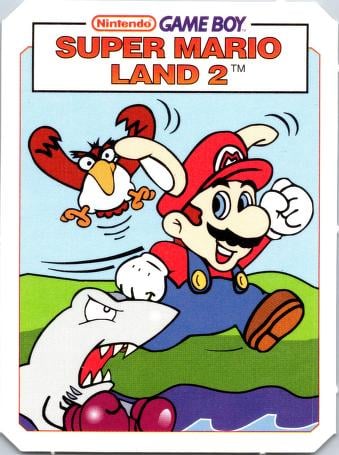
Kellogg’s issued collector cards and stickers featuring the game, and the game was also offered on the LodgeNet hotel-room service.
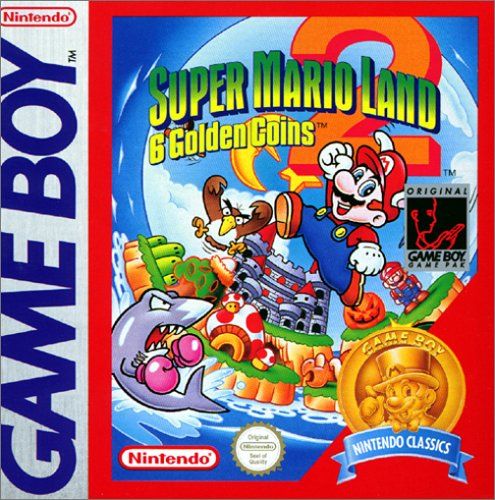
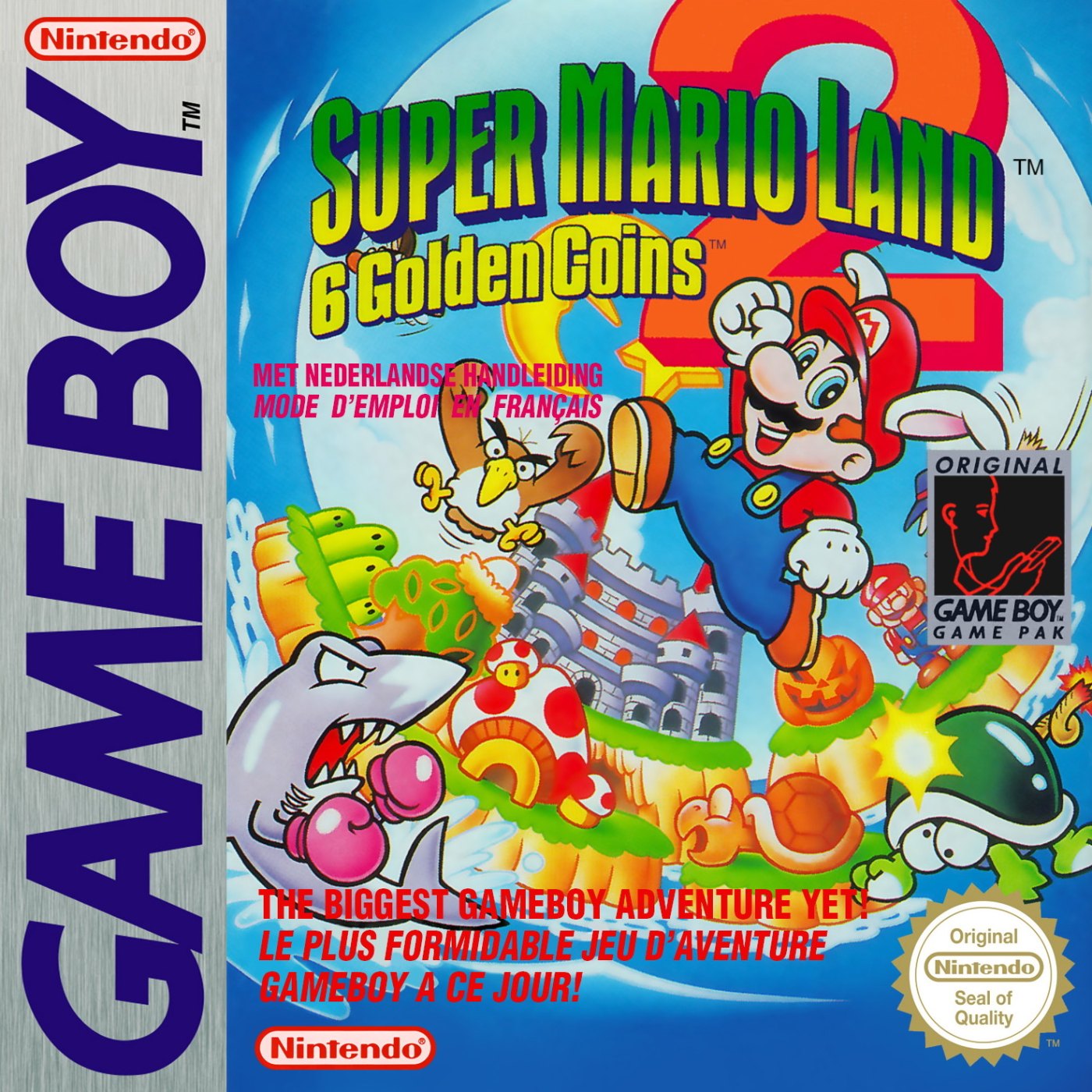
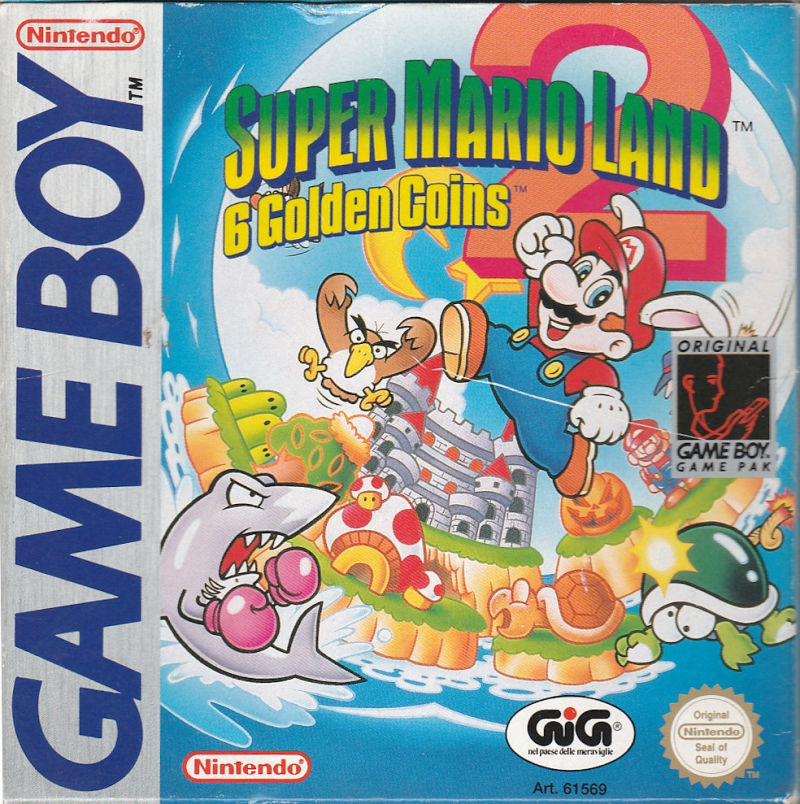
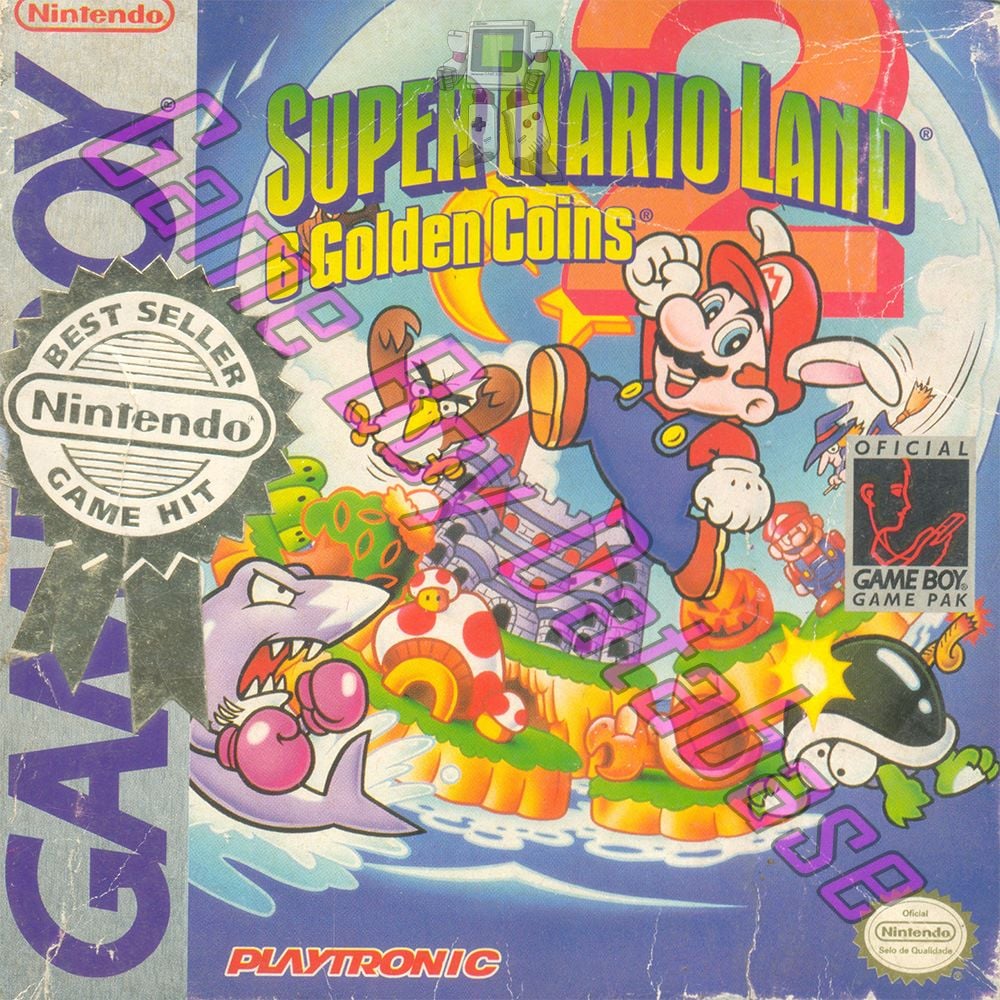
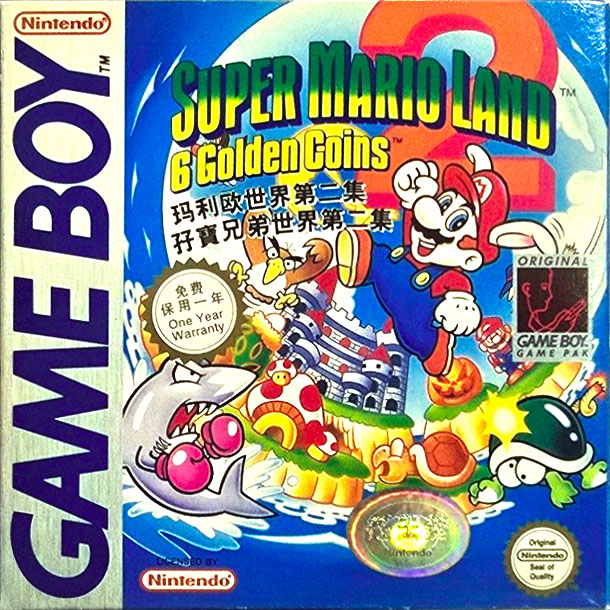
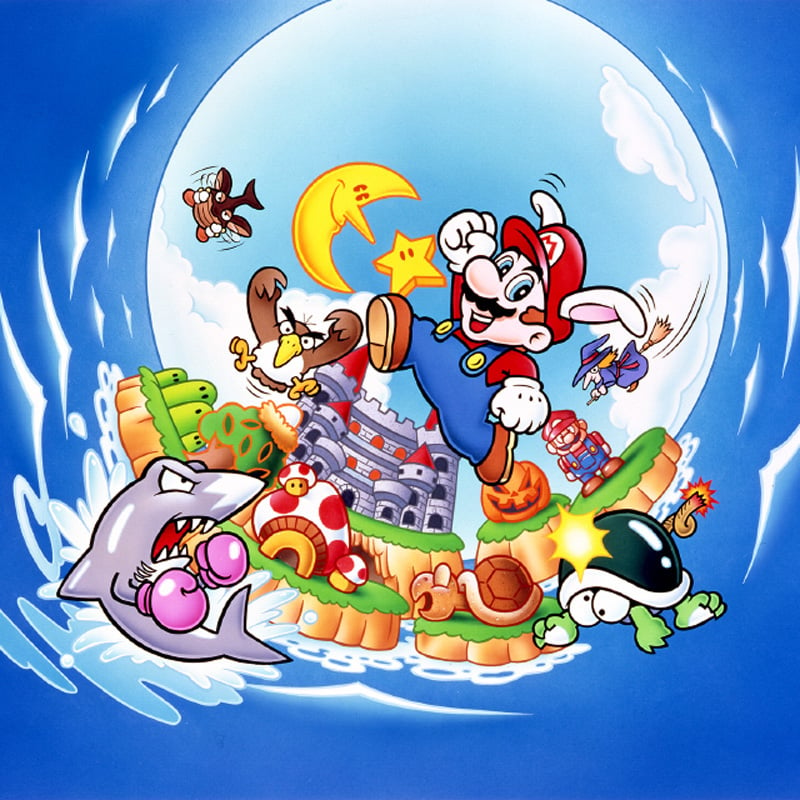
One painting, used everywhere: Bunny Mario in mid-leap with Wario looming behind him. Regions changed the logo and the frame around it.
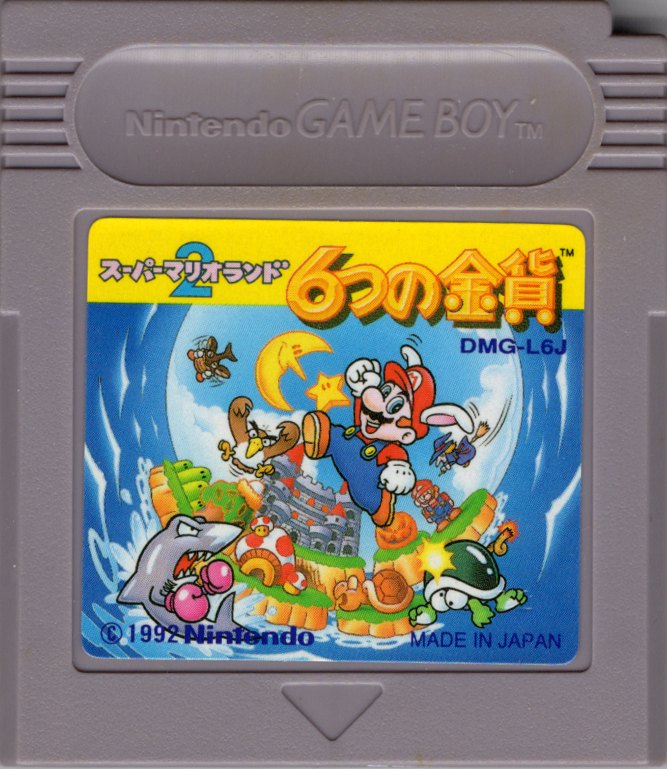
North America (1992)The original release.North America (Player’s Choice)The budget reissue for million-sellers.Japan (1992)With the Japanese logo, 6-tsu no Kinka.Europe and Asia (1993)The standard PAL box.Europe (Nintendo Classics)The later budget-range reissue.France and the NetherlandsFrench and Dutch text.GermanyGerman-language box.SpainSpanish-language box.ItalyItalian-language box.AustralasiaThe Australian and New Zealand release.CanadaThe Canadian release.BrazilThe Brazilian release.ChinaThe Chinese release.
Screenshots
More from the cartridge: menus, bonus rooms and a few corners of the island.
The file-select screen: three pipes, three saves.Press Select and Mario shrinks: Easy mode is on.Bomb Mario, about to erase a save.The goal door, with the bonus bell hanging above it.One of the casino’s slot machines.The casino entrance on the island map.The way into the optional Scenic Course.A Goronto ant digs up a boulder in the Macro Zone.A Screw springs out of the floor in the Mario Zone.A completed save file.Game Over. Wait here long enough and Totaka’s Song plays.A bonus game with the Game Boy Color’s built-in palette.
Artwork & Media Gallery
Official artwork, guidebook illustrations, adverts and oddities from Super Mario Land 2. Select any image to see it full size; SLB’s artwork, box art, sprite and screenshot galleries have more.
Nintendo’s illustrated map of Mario Land.Mario Land as painted for Nintendo Power.Bunny Mario.Fire Mario, feather and all.Space Mario.Aqua Mario.Mario with a Koopa shell.Mario and a Mushroom.The Carrot.The Tree Zone’s Golden Coin.The Space Zone’s Golden Coin.The Macro Zone’s Golden Coin.The Pumpkin Zone’s Golden Coin.The Mario Zone’s Golden Coin.The Turtle Zone’s Golden Coin.A Masked Ghoul.A Battle Beetle.No.48, the alien of the Moon.Guidebook prologue: Wario holds court in the stolen castle.Guidebook prologue: Mario sets off.The Japanese logo.The international logo.The Japanese title screen.The title screen as a Game Boy Color displays it.The Japanese cartridge.A frame from the Japanese television commercial.Wario in the Japanese commercial.A Kellogg’s collector card.Super Mario-kun volume 8, from the game’s arc.Volume 2 of Kodansha’s manga adaptation.Wario’s castle course mapped from end to end.
Legacy & Re-releases
For a game this popular, Super Mario Land 2 has been re-released surprisingly rarely, and never remade. Its real legacy walked out of the castle in the final scene.
Every release
Game Boy (Japan)21 October 1992Released as Super Mario Land 2: 6-tsu no Kinka.
Game Boy (North America)2 November 1992Later reissued in the Player’s Choice range.
Game Boy (Europe)28 January 1993The date usually given for Europe; Wikipedia dates the UK release to 28 November 1992, and British reviews ran that November and December. Australia followed during 1993. Later reissued in Europe’s Nintendo Classics range.
LodgeNetDate unknownAlso offered on the LodgeNet hotel-room games service.
Nintendo 3DS Virtual Console2011North America, Europe and Australia on 29 September 2011, Japan on 12 October 2011, South Korea on 1 June 2016.
Nintendo Switch Online8 February 2023One of the nine games in the Game Boy library at launch (9 February in Japan and Europe).
The Wario years
The next Super Mario Land did not star Mario. Wario Land: Super Mario Land 3 arrived in 1994 with much of the same team and the villain in the lead, off to find himself a castle of his own, and it turned into a series that outlasted the one it came from. From there Wario went on to WarioWare, to a permanent seat in Mario Kart, Mario Party and the sports games, and to a lanky partner in crime, Waluigi, who was invented for Mario Tennis to be his Luigi.
Kiyotake and Hosokawa stayed with him. So, in spirit, did this game’s sense of humour: the pig-faced cannons, the masked Goombas and the hero who is mostly cross about his house.
Its place in the series
Super Mario Land 2 sits at an odd junction. It is the last of the traditional side-scrolling Super Mario games of the 8- and 16-bit era: after it came Yoshi’s Island, which belongs as much to Yoshi, and then Super Mario 64 and a decade of 3D. Not until New Super Mario Bros. in 2006 did Nintendo make another all-new 2D Mario of this kind, and that too was for a handheld.
Nintendo has never returned to Mario Land itself, but it has not forgotten it. The game is part of the official series timeline shown on Nintendo’s anniversary sites, its music and sprites surface in games as recent as Mario Kart World, and since February 2023 the original cartridge has been a button-press away on Nintendo Switch Online.
Reviews & Sales
Sales
Wikipedia and other references give a lifetime total of 11.18 million copies, about 7 million fewer than the pack-in-era Super Mario Land but enough to rank it among the five best-selling Game Boy games. Wikipedia’s sources add that it topped Famitsu’s Japanese chart in November 1992, led the American retailer Babbage’s Game Boy chart through November and December, had passed 5 million cartridges worldwide by March 1993 and sold 2.6 million in Japan.
It was reissued in North America under the Player’s Choice banner and in Europe in the Nintendo Classics range, both reserved for proven best-sellers.
11.18mcopies sold worldwide
2.6min Japan
5mworldwide by March 1993
No. 1in Japan, November 1992
Reviews and rankings
Western magazines were generous and Japan’s Famitsu noticeably cooler. Scores are those listed with their sources by Wikipedia.
GameProUS · February 1993 · Scary Larry · Fun factor
5/5
Bad Influence!UK television · 26 November 1992
8/10
N-ForceUK · Rob Millichamp
87%
Total!UK · James Beaven
70%
GB ActionUK · May 1994
90%
IGNLucas M. Thomas · 3DS VC · 30 September 2011
9/10
Nintendo LifeCorbie Dillard · 3DS VC · 30 September 2011
9/10
Cubed3Shane Jury · 3DS VC
8/10
GameRankingsGame Boy and 3DS average
79.56%
Electronic Gaming Monthly’s four reviewers gave it three nines and an eight and a Gold Award, praising the variety and noting that the large sprites cut down on the blur that plagued fast Game Boy games. GamePro scored it 4.5 for graphics and control, 4 for sound and a full 5 for fun. Nintendo Power’s November 1992 issue singled out the graphics, the themed zones and the new power-ups.
The dissenters mostly made the same point: it is easy, and it is over quickly. N-Force said so while still awarding 87%, and Total!, which had given the first game 94%, marked the sequel down to 70%. When it reappeared on the 3DS in 2011, IGN and Nintendo Life both gave it nine out of ten.
Honours
Nintendo Power Awards ’92 · issue 48, May 1993Best Overall Game (Game Boy)In the magazine’s annual awards.
Electronic Gaming Monthly · February 1993Gold AwardFor its Review Crew scores of 9, 9, 9 and 8.
Nintendo Power · issue 231, August 2008No. 7 Game Boy / Game Boy Color gameIn the magazine’s 20th-anniversary lists.
Official Nintendo Magazine · 2009No. 44, 100 Greatest Nintendo GamesIn the UK magazine’s all-time ranking.
SLB User Reviews
Super Mario Land 2 has earned several community reviews from Super Luigi Bros. visitors over the years:
Want to add your own? Get in touch to submit a review.
More from the Super Luigi Bros Guide
These picture lists come from the earlier Super Luigi Bros guide to Super Mario Land 2: 6 Golden Coins and are kept here in full.
The Six Zones
Mario Land is split into six themed zones, each accessible from the overworld map and each holding one of the 6 Golden Coins behind a boss. Unusually, the zones can be tackled in almost any order — only the Wario Castle finale is locked until all six coins are collected. Each zone below shows a screenshot plus the Golden Coin awarded for clearing it.
Zone 1
Tree Zone
A giant tree teeming with woodland creatures — Spikeys, Bopping Toadies and sleepy Heavy Zeds. Mario climbs from the sap-filled trunk up into the canopy, choosing between the branches or a Beebee hive. The secret course is dotted with Mushroom Platforms.
Boss: Big Bird
Zone 2
Space Zone
A zone amongst the stars with weaker gravity, making every jump higher and floatier. Mario wears an astronaut suit (Space Mario) and faces alien-like enemies. Old foe Tatanga returns from the first game as the boss.
Boss: Tatanga
Zone 3
Macro Zone
Everything is giant — Mario explores an enormous house where ordinary household objects tower over him. The drill-nosed Sewer Rat lurks in the attic, travelling up walls and through pipes to drop on Mario.
Boss: Sewer Rat
Zone 4
Pumpkin Zone
A spooky Halloween-themed zone full of ghosts, masked ghouls and haunted scenery. The Witch lives here in her mansion, conjuring flames and lighting the fires beneath her cauldrons to attack Mario.
Boss: Witch
Zone 5
Mario Zone
A zone built inside a giant statue of Mario himself, run like a factory/funhouse with conveyor belts and mechanical hazards. The boss battle is against the Three Little Pigs — Buro, Bucho and Bupon — each in their own suspended house.
Boss: Three Little Pigs
Zone 6
Turtle Zone
An aquatic zone set in and around a giant turtle and the belly of a whale. Mario swims through underwater passages as Aqua Mario. A mother Octopus guards the final coin, spitting out her children to attack.
Boss: Octopus
The 6 Golden Coins
The 6 Golden Coins are the heart of the game — one is awarded for defeating each zone’s boss. All six are required to open the gate to Mario’s castle and confront Wario. Lose all your lives and the bosses reclaim their coins, forcing you to collect them again (unless you load a save).
Tree Zone CoinSpace Zone CoinMacro Zone CoinPumpkin Zone CoinMario Zone CoinTurtle Zone Coin
High StakesOnce all 6 Golden Coins are collected, Mario can finally unlock the gate to his castle and storm in to reclaim it from Wario. But beware: if you run out of lives before finishing, the bosses take their coins back, and you must re-clear those zones to recover them — a real incentive to use those three precious save slots.
Wario & the Castle
Wario is the reason Super Mario Land 2 matters historically. Mario’s self-proclaimed arch-rival makes his very first appearance here — a greedy, hulking, mustachioed anti-Mario who has coveted Mario’s castle since the two were boys. With Mario away in Sarasaland, Wario seizes the castle, bewitches the populace, and turns Mario Land into his private playground.
Wario’s Castle — The Finale
After collecting all 6 Golden Coins, Mario unlocks Wario’s Castle, the game’s climactic final stage. This treacherous fortress is the toughest level in the game, packed with hazards and tricky platforming, culminating in the showdown with Wario himself.
The Wario Boss Fight
Wario is a multi-phase final boss who mimics Mario’s own power-ups. He fights in escalating forms: a base form, then a Bunny Wario form (wearing the carrot ears), then a Fire Wario form. Mario must jump on him repeatedly, dodging his charges and projectiles through each phase. Defeating Wario reclaims the castle and ends the game.
A Star Is BornPlayers responded so strongly to Wario that Nintendo gave him his own game almost immediately — Wario Land: Super Mario Land 3 (1994) cast him as the protagonist. From there he spawned the entire Wario Land platformer series and the WarioWare microgame franchise. Not bad for a final-boss debut. To this day, Wario’s greedy, garlic-loving persona makes him one of Nintendo’s most beloved characters — all traceable to this single Game Boy cartridge.
Wario Castle entrance (overworld)The final Wario boss fightWario character artwork
Box Art, Logos & Map
As a major Game Boy hit, Super Mario Land 2 shipped with numerous regional box art variants.
North AmericaReleased Nov 1992Player’s ChoiceBudget re-issueCanadaBrazilUK / Europe / AsiaReleased 28 Jan 1993France & NetherlandsSpainItalyGermanyAustraliaJapanReleased 21 Oct 1992China
Logos, Title Screens & Map
International logoJapanese logoTitle screen (Game Boy)Title screen (Game Boy Color)Mario Land overworld mapTree Zone entrance
Reference / Information
Sub-pages, guides and resources for Super Mario Land 2.
To provide the best experiences, we use technologies like cookies to store and/or access device information. Consenting to these technologies will allow us to process data such as browsing behavior or unique IDs on this site. Not consenting or withdrawing consent, may adversely affect certain features and functions.
Functional
Always active
The technical storage or access is strictly necessary for the legitimate purpose of enabling the use of a specific service explicitly requested by the subscriber or user, or for the sole purpose of carrying out the transmission of a communication over an electronic communications network.
Preferences
The technical storage or access is necessary for the legitimate purpose of storing preferences that are not requested by the subscriber or user.
Statistics
The technical storage or access that is used exclusively for statistical purposes.The technical storage or access that is used exclusively for anonymous statistical purposes. Without a subpoena, voluntary compliance on the part of your Internet Service Provider, or additional records from a third party, information stored or retrieved for this purpose alone cannot usually be used to identify you.
Marketing
The technical storage or access is required to create user profiles to send advertising, or to track the user on a website or across several websites for similar marketing purposes.


 Wario’s Castle1 course · Final boss: WarioMario’s own castle, captured. One long gauntlet and a three-round fight at the top.
 MushroomSmall Mario becomes Super Mario: one extra hit, block-breaking and the Spin Jump.
 Fire FlowerFire Mario throws bouncing fireballs with B and can burn away fiery blocks. Look for the feather in his cap.
 CarrotBunny Mario: tap A in the air to flap his ears and hover. No Spin Jump.
 StarInvincibility. Appears from blocks and every time the enemy counter reaches 100.
 1-Up HeartOne extra life. Found in ? Blocks and won in bonus games.
 3-Up HeartThree lives at once, hidden in out-of-the-way places and on offer in the crane game.
 CoinCurrency rather than points. Mario can carry 999.
 MoneybagFifty coins in one go, from certain ? Blocks.
 Golden CoinOne from each zone boss. Each of the six has its own design, and all six open the castle gate.
 BellsThe Midway Bell is a checkpoint; the bell above the goal starts a bonus game.
 Soap bubbleBlown by the Hippo. Jump in and hold A to float up through the air.
 Space MarioA spacesuit and low gravity in the Space Zone; in the Star Course, holding A makes him rise.
 Aqua MarioThe manual’s name for Mario underwater. Tap A to swim.
 Bomb MarioOnly on the file-select screen. Walk him into a pipe to erase that save.
 Mario vs. WarioComic · Nintendo Power · January 1993A ten-page strip by the team behind Super Mario Adventures. Wario invites Mario to his castle to talk over old times, having lined the route with the game’s bosses in revenge for childhood games in which he always came off worst. A second chapter, The Birthday Bash, followed. The first was reprinted in the 2016 edition of Super Mario Adventures.
 Super Mario (Kodansha manga)Manga · Kazuki MotoyamaMotoyama’s long-running series devoted three volumes to the game and took great liberties with it. Mario Land becomes the brothers’ home country, Peach and Luigi join the quest, Daisy volunteers to be the damsel in distress, and Wario is possessed by a spirit of evil that hands him dark magic.
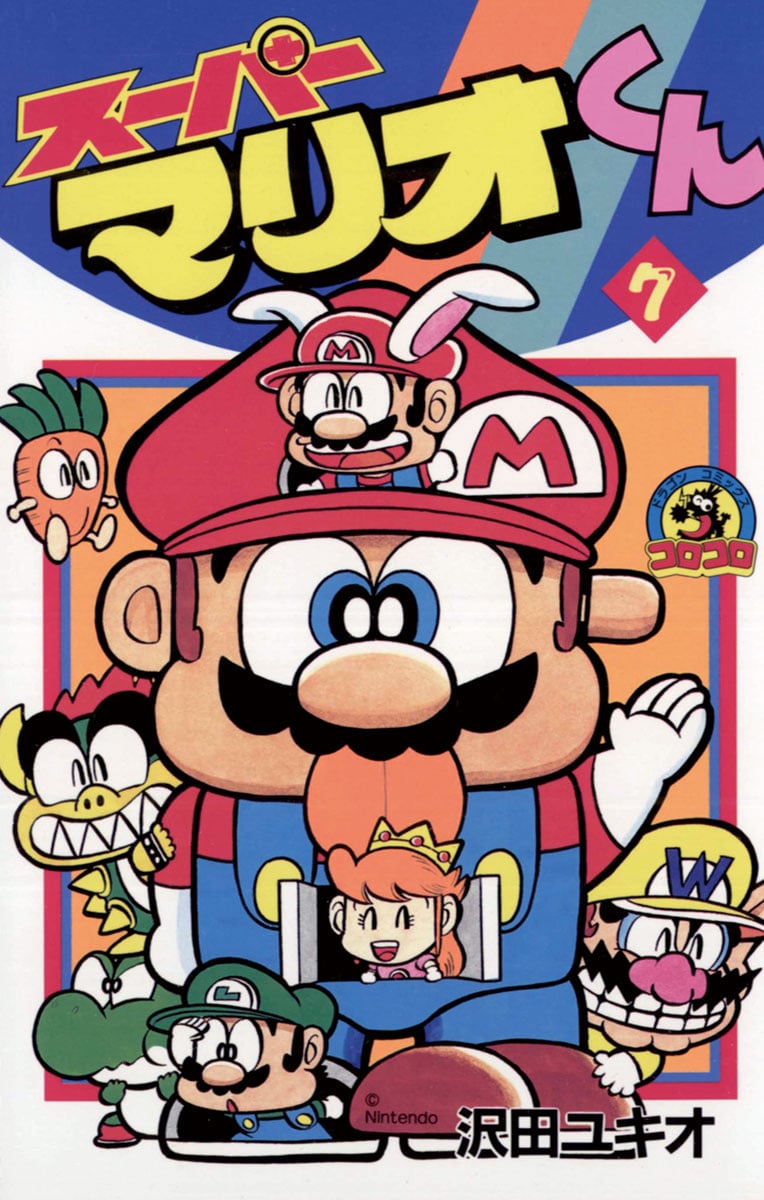 Super Mario-kunManga · Yukio Sawada · volumes 6 to 10Sawada’s gag manga moves from Super Mario World straight into this game at the end of volume 6 and stays for four more. Mario’s chief ally is a talking carrot that eventually sprouts arms and legs, and the arc ends with the castle in ruins and Mario carving himself a new one out of the Hippo statue.
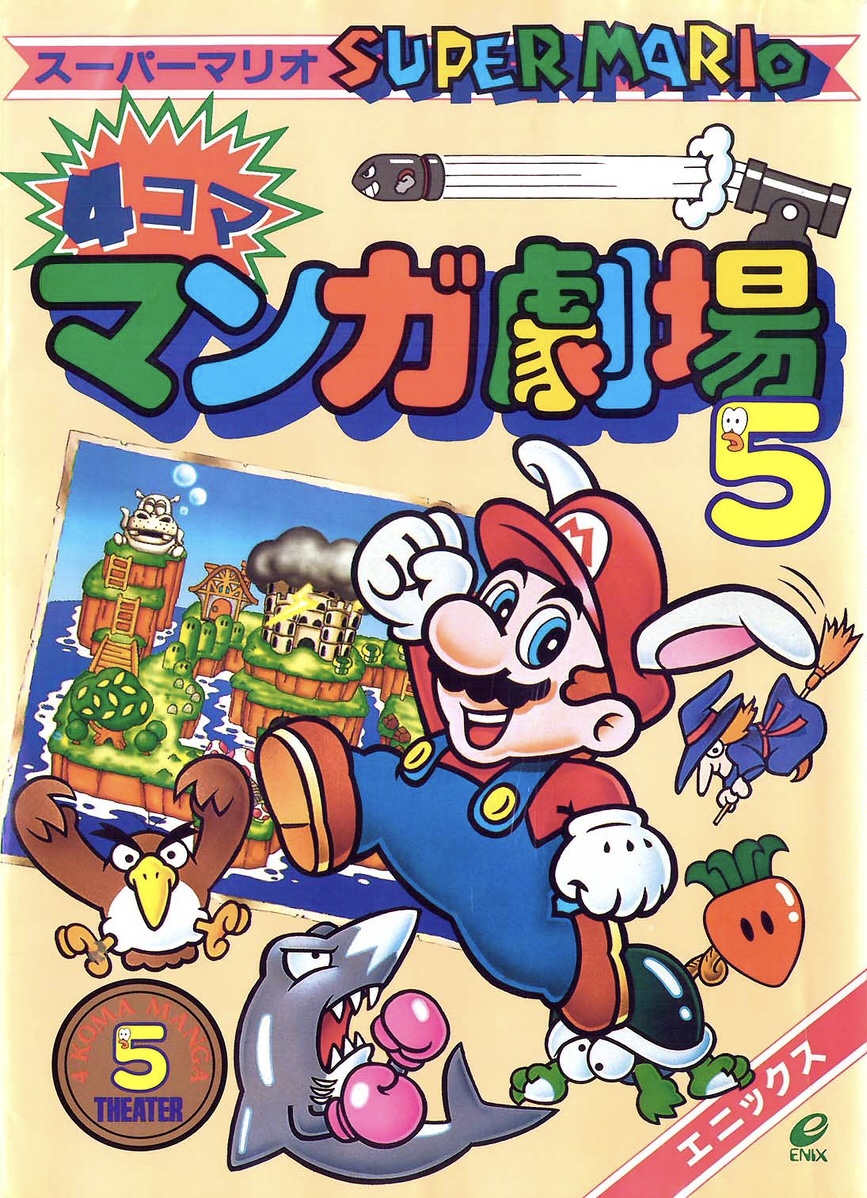 Super Mario 4koma Manga TheaterManga anthology · books 5 to 8The four-panel gag anthology ran strips based on the game across four of its books.
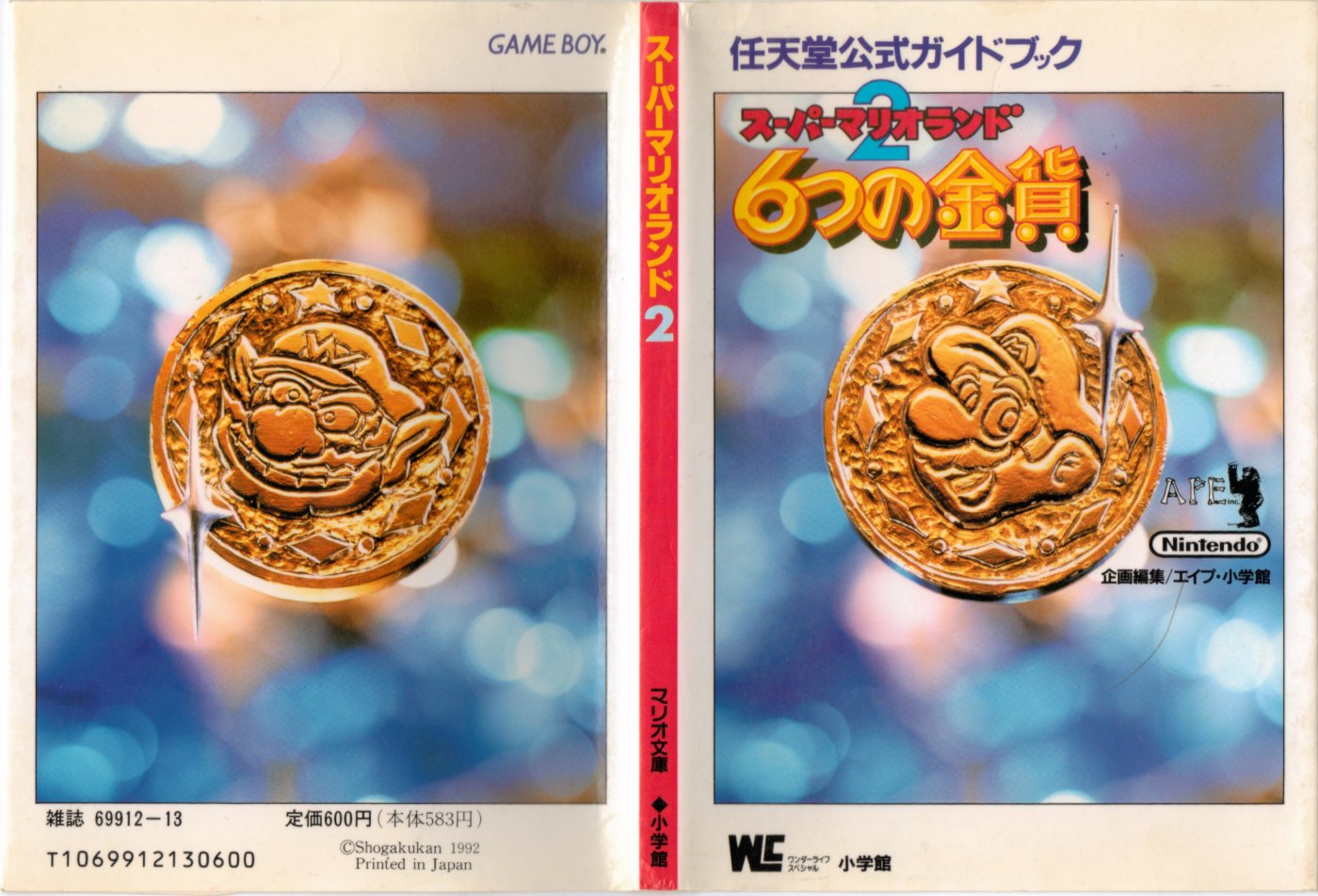 The official guidebookShogakukan · 1992Shogakukan’s Japanese guide is the source of the game’s illustrated prologue and of the 1992 staff interview quoted throughout this page, which was translated into English by shmuplations in 2022.
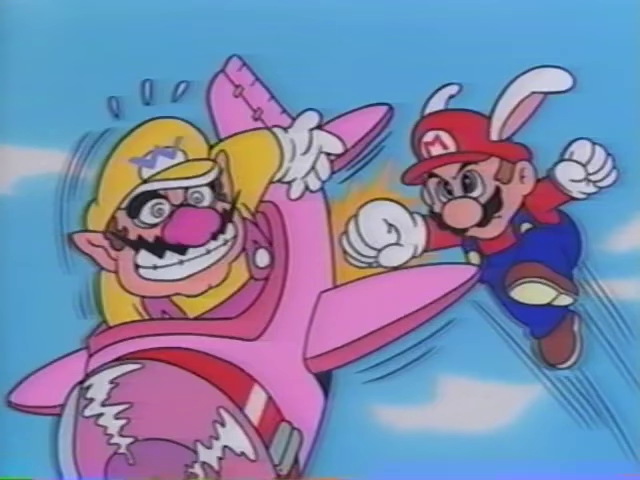 Mario Kirby Meisaku VideoEducational video · Japan · 1995A Japan-only video made to teach children kanji, with one segment starring Kirby and one based on this game. In its version Wario steals the treasures of a school, Princess Peach raises the alarm and Mario sets off to stop him.
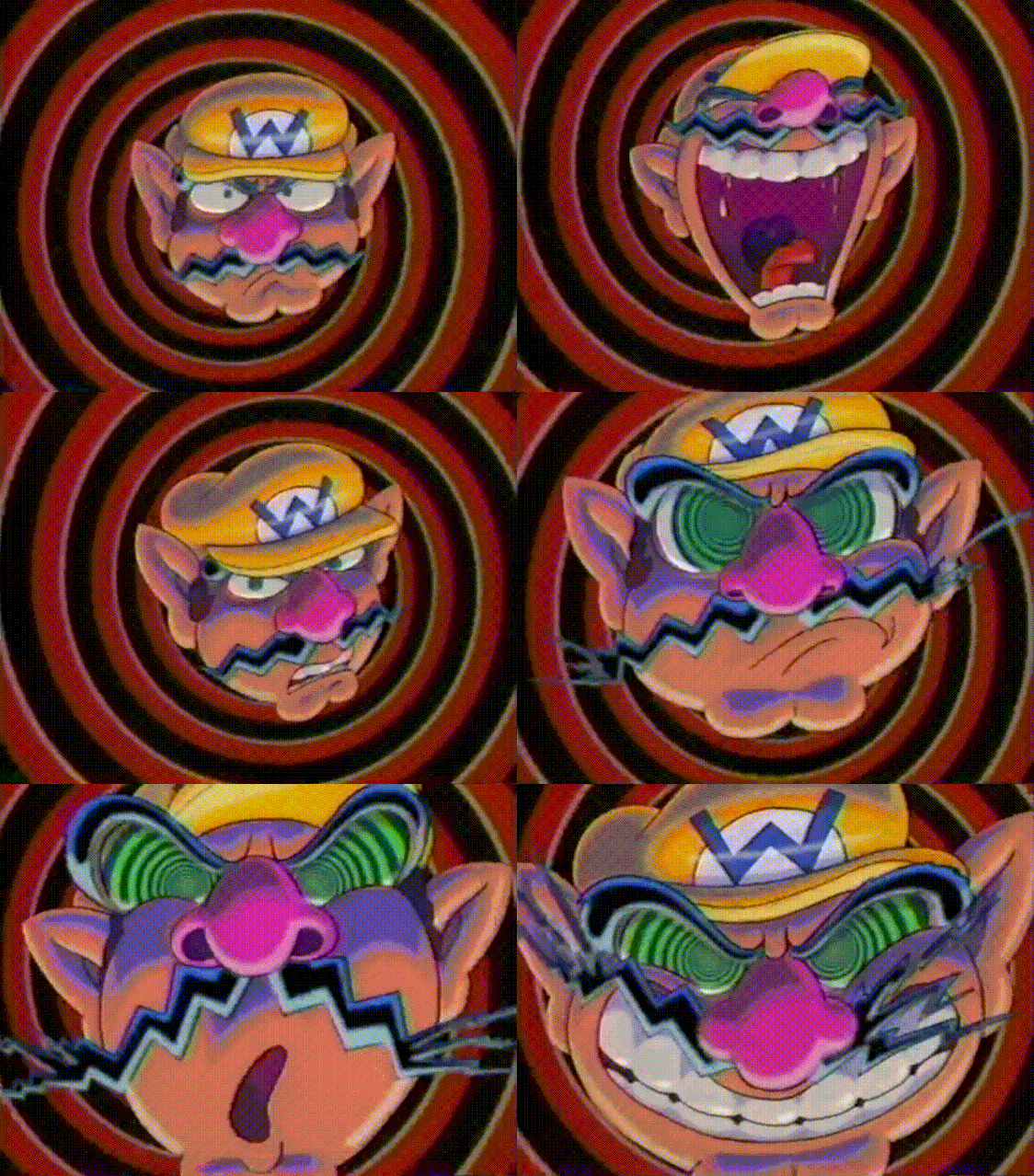 Television advertsCommercials · 1992The Japanese commercial opens a storybook on the zones. The Western one is better remembered: Wario, played as a hypnotist, fills the screen and orders the audience to obey him.
 MarioHomeowner
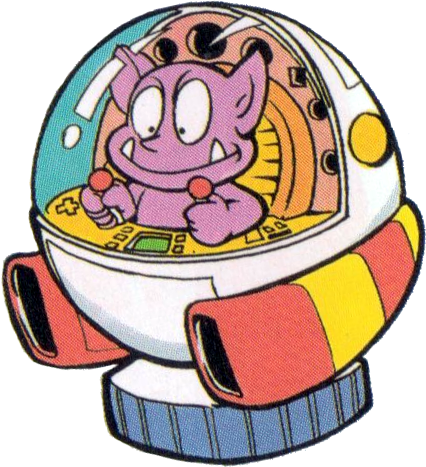 TatangaSpace Zone boss
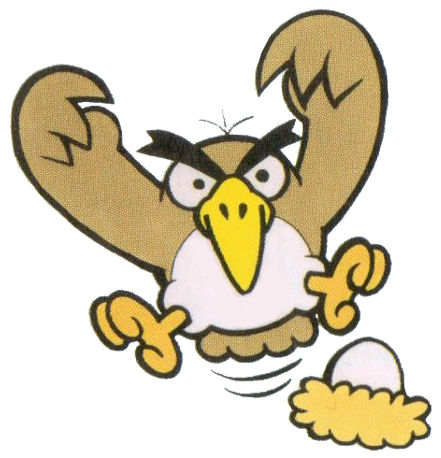 Big BirdTree Zone boss
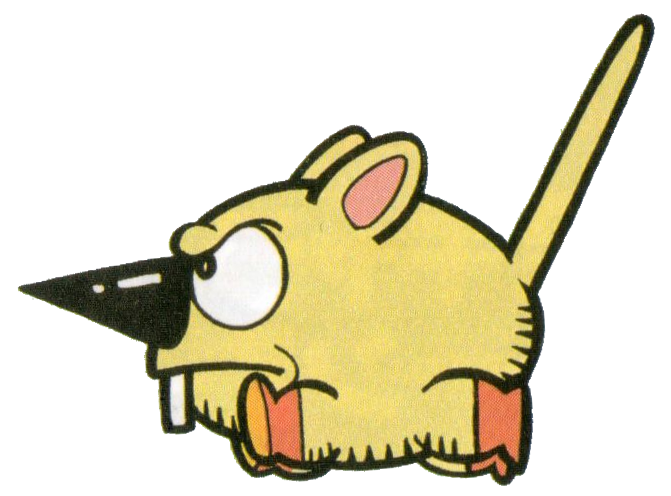 The sewer ratMacro Zone boss
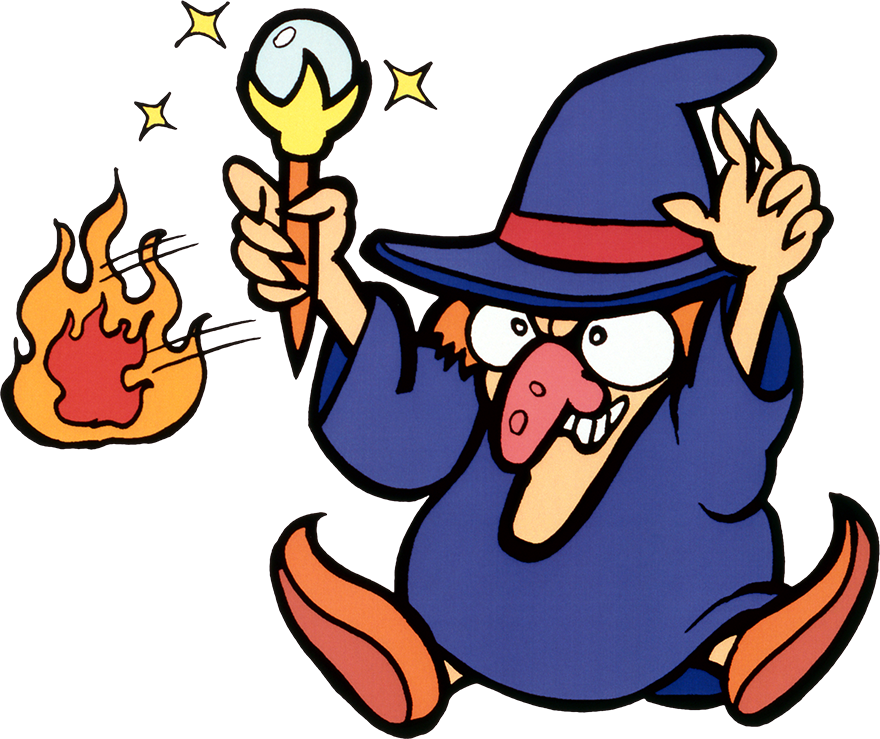 The WitchPumpkin Zone boss
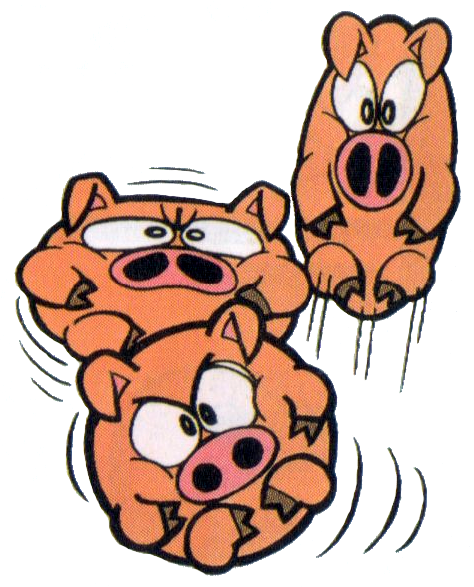 The Three Little PigheadsMario Zone bosses
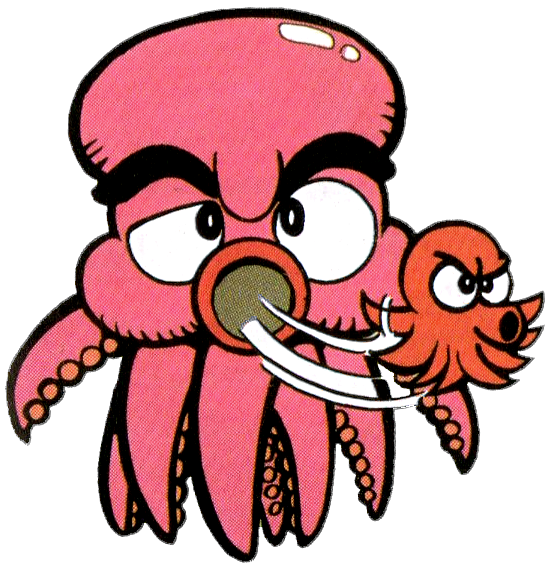 The octopusTurtle Zone boss
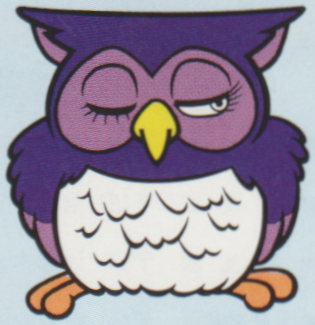 Heavy ZedA friendly owl
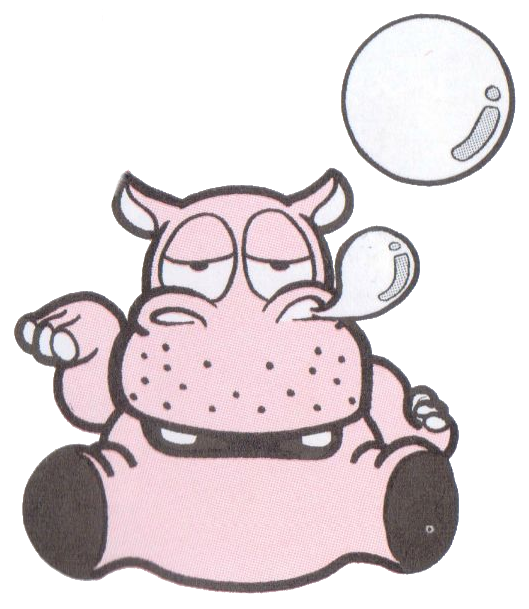 The HippoGateway to the stars
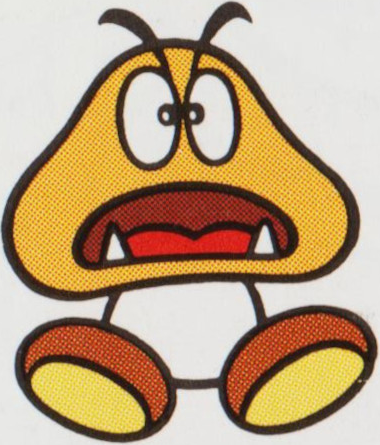 The people of Mario LandUnder the spell
 GoombaThroughoutOne stomp. Para-Goombas hop or fly and lose their wings first.
 Koopa TroopaThroughoutStomp it into its shell, then kick or carry it.
 Piranha PlantThroughoutRises from pipes. The Venus Fire Trap variety spits fireballs.
 Bullet BillMario and Turtle ZonesFired from Turtle Cannons.
 RagumoTree Zone, Roots CourseBurrows underground and bursts up under Mario.
 Bopping ToadyTree Zone, Roots CourseA hopping toad with a short, quick tongue.
 SpikeyTree Zone, Roots CourseCurls into a spiked ball and charges.
 KyotonboTree Zone, Roots CourseA dragonfly that darts about and homes in.
 MoofishTree Zone, Tree Trunk CourseSwims in the sap and lunges sideways.
 Noko BombetteTree Zone, Tree Trunk CourseA walking bomb that explodes after being stomped.
 AntTree and Macro ZonesPaces back and forth. Painful to touch.
 Battle BeetleTree and Macro ZonesLeaps up and dives at an angle.
 Bee FlyTree and Macro ZonesFlits away whenever Mario gets close. The director’s favourite useless enemy.
 BeebeeTree Zone, Bee Hive CourseBursts out of the honeycomb and gives chase.
 Skeleton BeeTree Zone, Bee Hive CourseA Beebee that revives after a stomp.
 Unera and GrubbyTree Zone, Bee Hive CourseCrawling larvae. The spiky Grubby cannot be jumped on.
 BigbeeTree Zone, Bee Hive CourseDrops to crush Mario, then floats back up.
 DondonHippo course to Owl CourseA bird that flies in a straight line.
 BlurpHippo course, Turtle ZoneThe goggle-wearing fish from Super Mario World.
 BomubomuSpace and Mario ZonesA pig-faced cannon that fires straight or diagonally.
 PoroSpace ZoneA tiny ship that orbits blocks.
 No.48Space Zone, Moon CourseA hopping alien that throws exploding stars.
 TosenboSpace Zone, Star CoursePuffs itself up to block the way.
 ChikuntoMacro Zone, Manhole CourseAn ant that raises spikes when you try to stomp it.
 DokantoMacro Zone, Manhole CourseAn ant with cannons on its head.
 GorontoMacro Zone, Manhole CourseDigs up rocks and rolls them at Mario.
 HonebonMacro and Turtle ZonesA fish skeleton that swims in a V.
 CollectorMacro Zone, Attic CourseRuns off with a 1-Up Heart. Catch it.
 Masked GhoulPumpkin ZoneWalks like a Goomba in a mask. Stomping it bounces Mario high.
 Boo BuddyPumpkin ZoneFollows until you look at it.
 Ghost GoombaPumpkin Zone, Ghost House CourseWalks like a Goomba but cannot be stomped.
 KurokyuraPumpkin Zone, Bat CourseStays put and sends out little bats called Minikyura.
 BeroPumpkin Zone, Graveyard CourseSits still and lashes out with its tongue. Makes a decent platform.
 KarakaraPumpkin Zone, Graveyard CourseHops up, opens like an umbrella and drifts down, swaying.
 KyororoPumpkin Zone, Graveyard CourseWaits for Mario, then charges.
 RererePumpkin Zone, Witch’s MansionBounces from side to side sweeping the floor.
 Yashichi and TatenokoMario Zone, Gear CourseSpinning blades and saws that ride along tracks.
 ScrewMario Zone, Gear CoursePops out of the floor and bounces at Mario.
 BearMario Zone, Gumball CourseBalances on a Beach Ball that Mario can ride over spikes.
 KiddokattoMario Zone, Crane CourseRushes Mario at speed, often in packs.
 Jack-in-the-BoxMario Zone, Crane CourseSprings out of a ? Block and jumps unpredictably.
 Cheep-CheepMacro and Turtle ZonesSwims from side to side. The spiny kind puffs up and floats.
 SharkTurtle ZoneCruises slowly, then charges when Mario comes near.
 Aqua GoombaTurtle Zone, Whale CourseAn underwater Goomba; a stomp sends Mario soaring.
 Mechanical fistWario’s CastleA copy of Wario’s fist that smashes down from the ceiling.
 Floating FaceWario’s CastleA Wario-shaped face that bounces diagonally around the room.
 Big BirdBoss, Tree ZoneOwl Course. Dives from above.
 TatangaBoss, Space ZoneStar Course. Fires from his ship.
 Sewer ratBoss, Macro ZoneAttic Course. Uses the pipes.
 WitchBoss, Pumpkin ZoneWitch’s Mansion Course. Fire and cauldrons.
 Three Little PigheadsBosses, Mario ZoneBlock Course. Buro, Bucho and Bupon in turn.
 OctopusBoss, Turtle ZoneWhale Course. Throws her young.
 WarioFinal bossWario, Bunny Wario and Fiery Wario in three rounds.