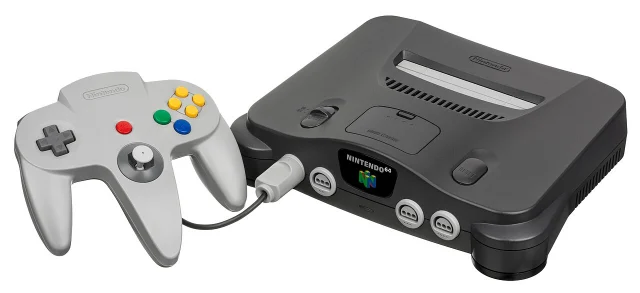
Home console1996Fifth generation32.93 million sold16 Mario gamesSuper Mario 64 at launch64DD: Japan only
Super Mario Games on the Nintendo 64
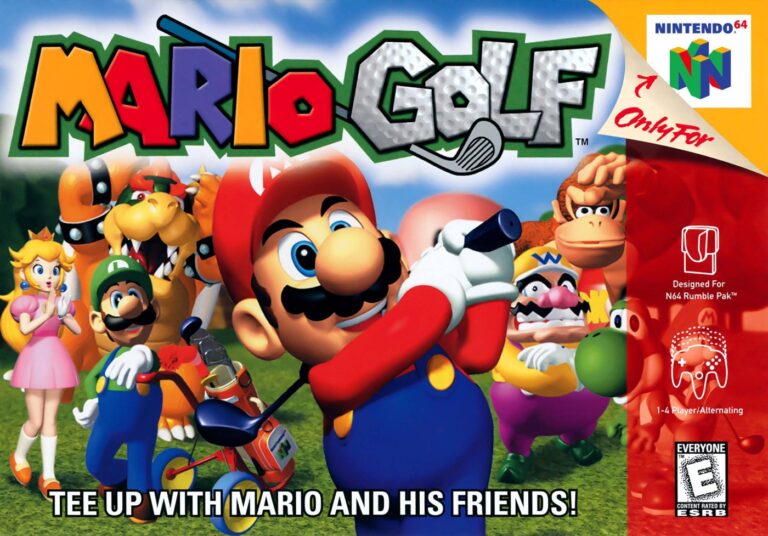
The Nintendo 64 is where Mario stepped into three dimensions. Super Mario 64 was one of only three games on sale when the console reached Japan on 23 June 1996, and its analogue running, jumping and camera control became the blueprint for 3D platformers. The four controller ports did the rest: Mario Kart 64, three Mario Party games, Super Smash Bros. and Camelot’s Mario Golf and Mario Tennis made the N64 the place to play Mario with friends.
Add Paper Mario, Yoshi’s Story, Dr. Mario 64 and five Japan-only creative titles, four of them on the 64DD disk drive, and the machine holds 16 Mario games on Super Luigi Bros.
Manufacturer:Nintendo
Type:Home video game console, fifth generation
Japan:23 June 1996, with three launch games
N. America:29 September 1996 (on sale from 26 September)
Europe:1 March 1997 (France 1 September 1997)
Australia:1 March 1997
Launch price:¥25,000 · US$199.99 · £249.99
Units sold:32.93 million consoles and 224.97 million games (Nintendo IR, as of 30 September 2026)
Hardware:NEC VR4300 CPU at 93.75 MHz; SGI Reality Coprocessor at 62.5 MHz; 4 MB RDRAM, 8 MB with the Expansion Pak
Media:Game Pak cartridges of 4–64 MB; 64DD magnetic disks (Japan only)
Controller:Three-handled pad with an analogue Control Stick, Z trigger and accessory slot; four ports on the console
Models:NUS-001 in charcoal grey, plus coloured and clear editions; iQue Player (China, 2003)
Best-selling Mario game:Super Mario 64. Nintendo’s investor-relations site gives no lifetime figure; the 11.91 million usually quoted comes from a 2015 Gizmodo chart
Discontinued:Japan 30 April 2002; Europe 16 May 2003; North America 30 November 2003
Advertisement
Overview
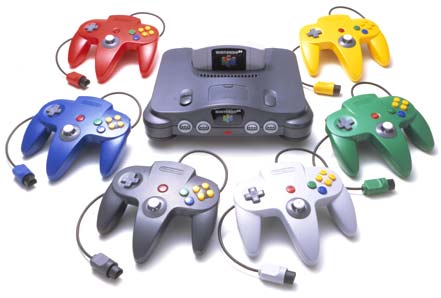
The original Nintendo 64 with controllers in six colours
For Mario, the Nintendo 64 was a new beginning. Super Mario 64 launched with the console in Japan, North America and Europe, and it was so central to the machine that the controller’s analogue stick and C buttons were added largely with it in mind. Its castle of paintings, its Power Stars and its moves (the triple jump, wall kick, long jump and ground pound) still shape every 3D Mario, and Wikipedia ranks it as the best-selling game of its whole console generation.
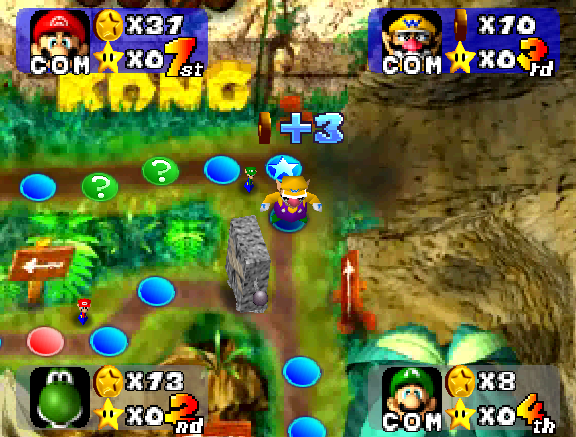
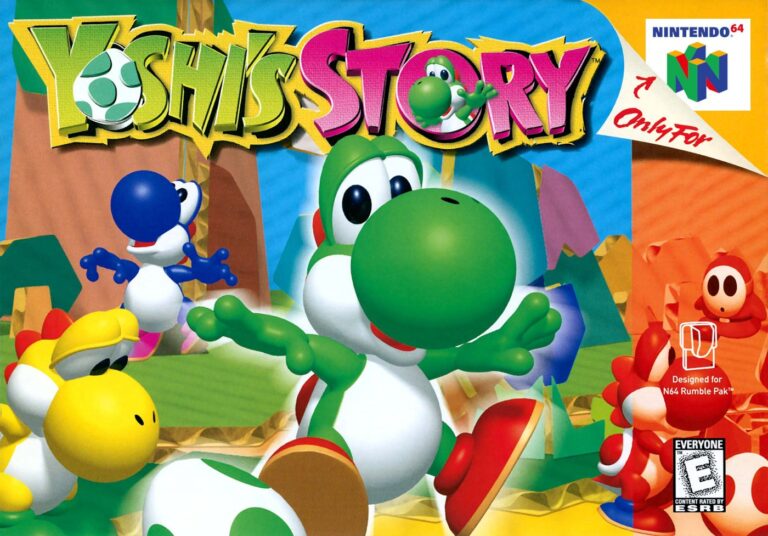
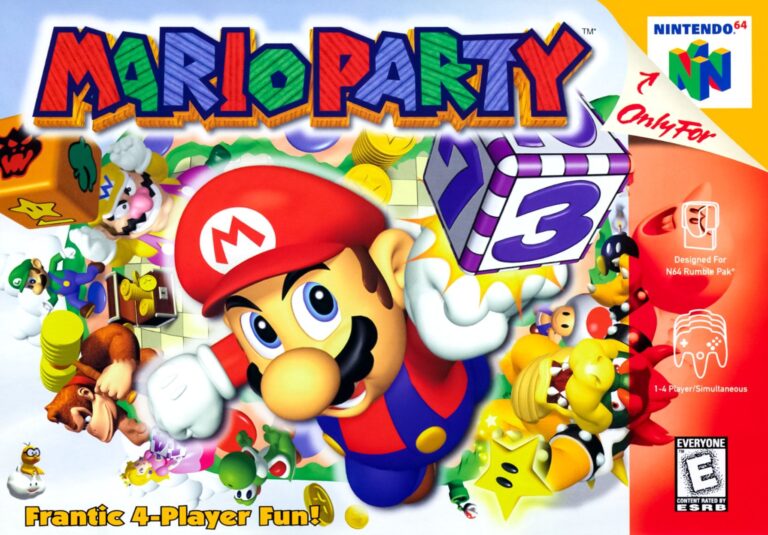
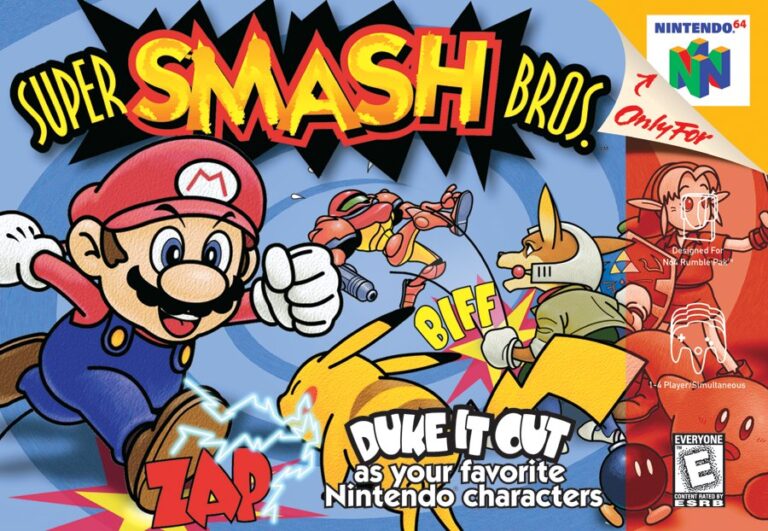
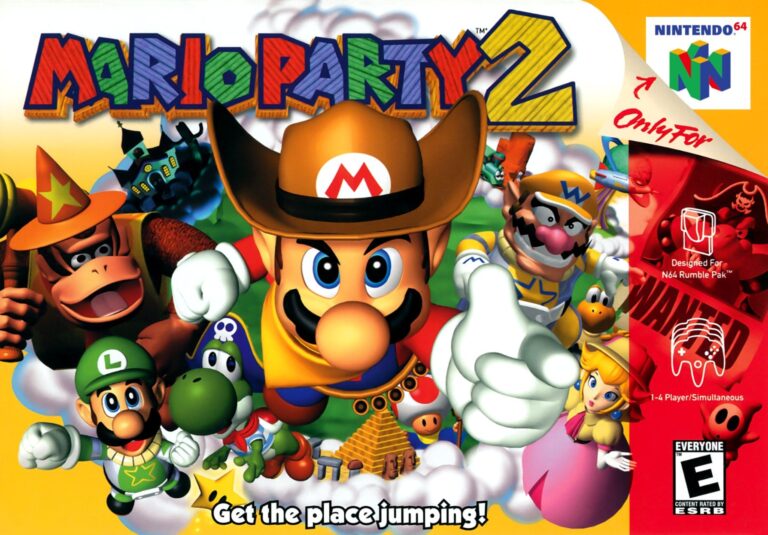
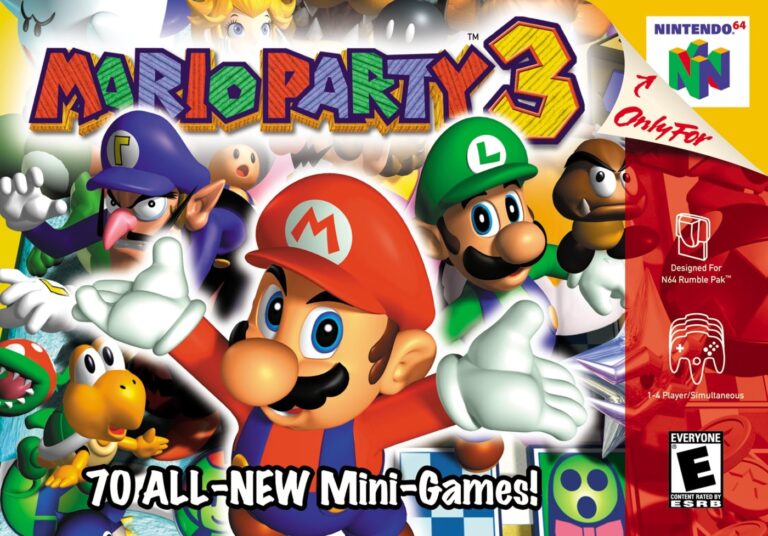
Mario then set about filling the four controller ports. Mario Kart 64 arrived in December 1996 as the first Mario game for four players at once, and from 1998 the N64 became a party machine: Hudson Soft’s Mario Party, Mario Party 2 and Mario Party 3, HAL Laboratory’s Super Smash Bros., and Camelot’s Mario Golf and Mario Tennis, the game that introduced Waluigi. Nintendo EAD’s Yoshi’s Story gave Yoshi a pop-up storybook of his own in 1997.
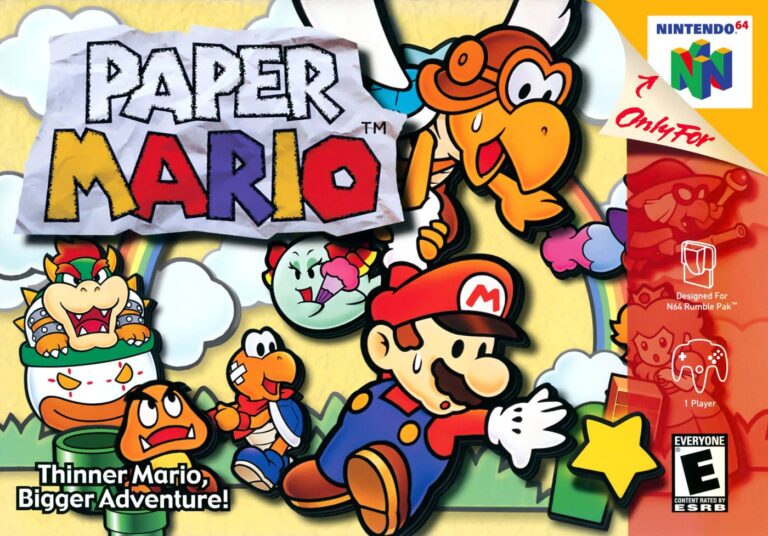
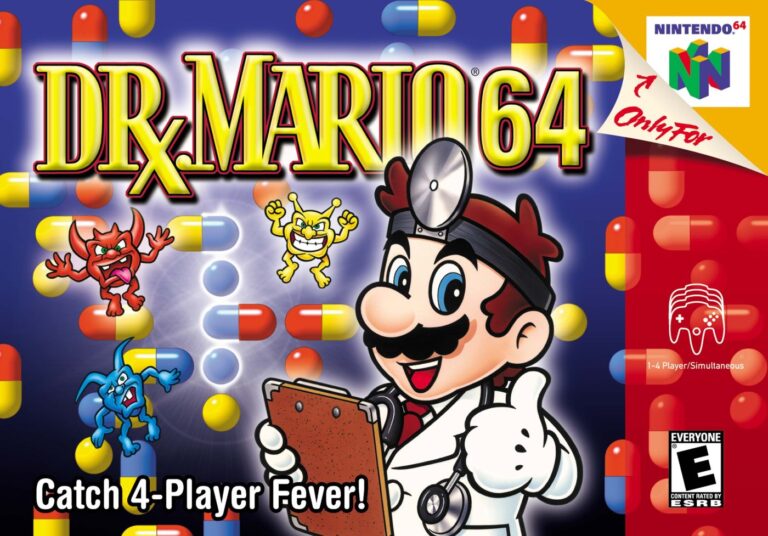
The role-playing thread ran through Intelligent Systems: Paper Mario, released in Japan as Mario Story in August 2000, began as a sequel to Super Mario RPG and ended up starting a series of its own. The last Mario game to debut on the N64 was Dr. Mario 64, which Nintendo released only in North America, in April 2001.
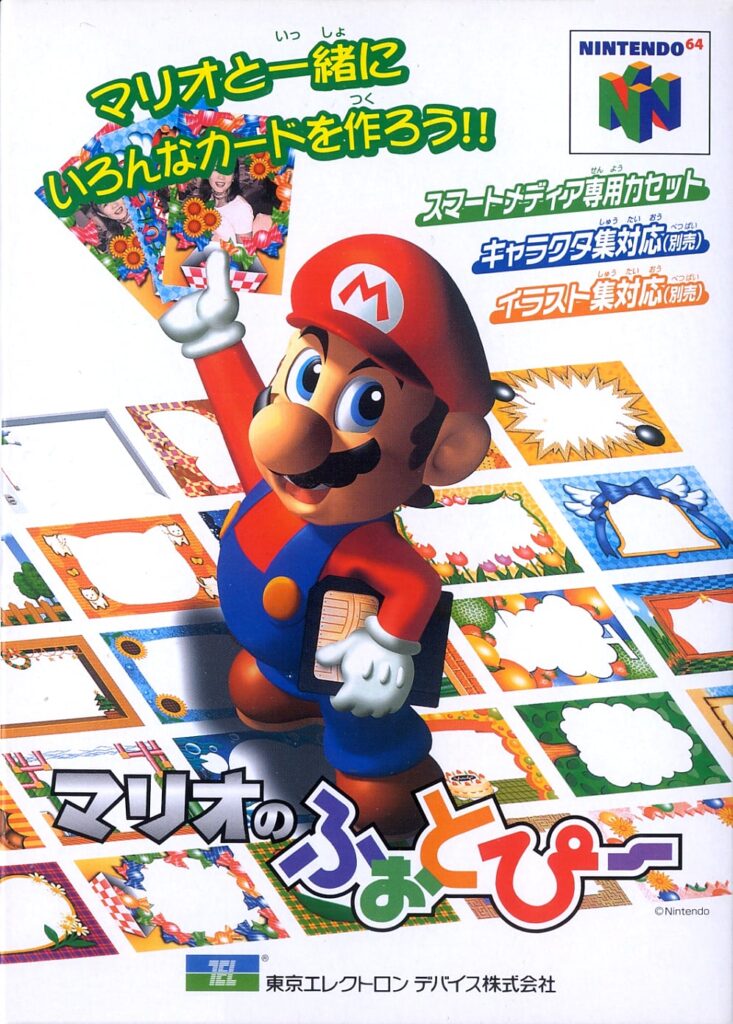
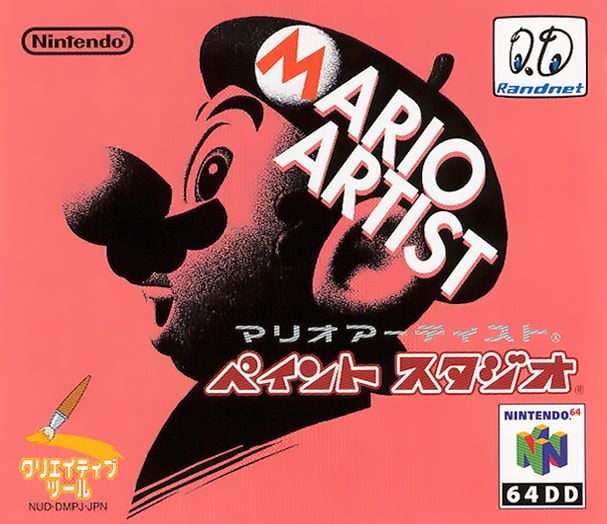
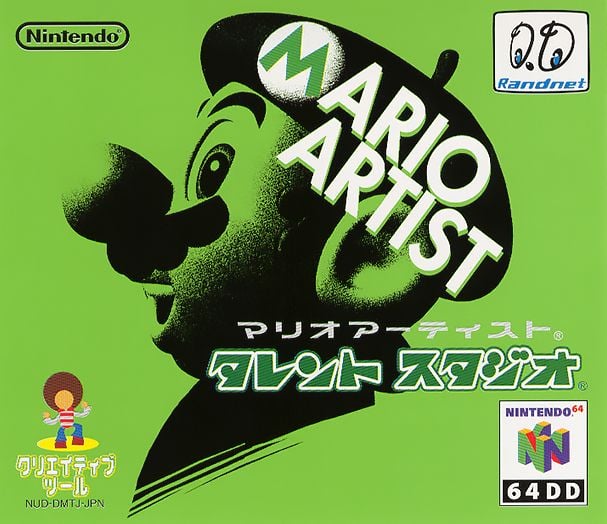
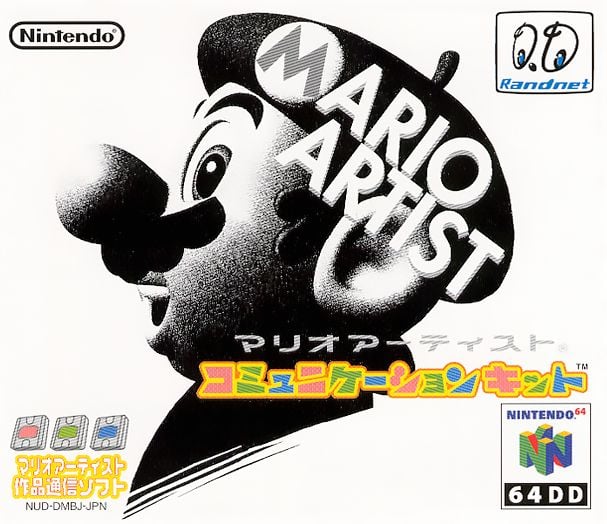
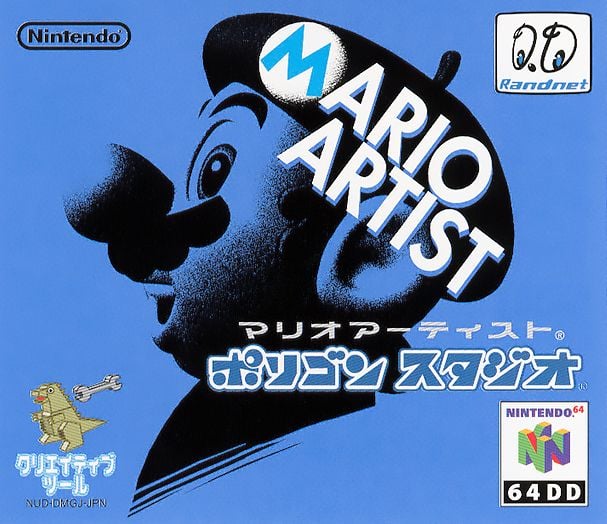
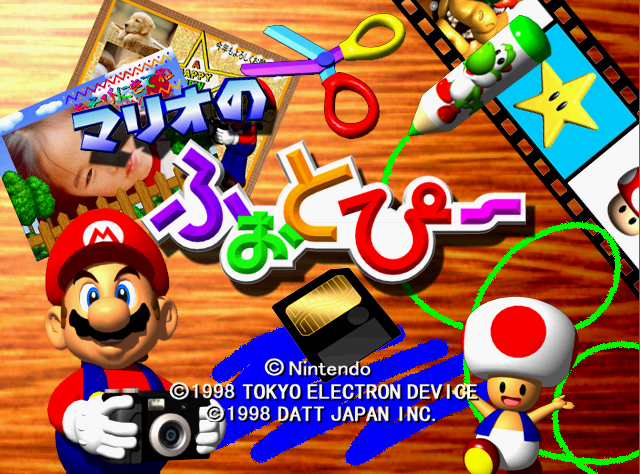
Japan had a quieter, stranger Mario line. Mario no Photopi (1998) was a photo editor on a cartridge with two SmartMedia card slots, and the 64DD disk drive was built around four Mario Artist creative disks: Paint Studio, Talent Studio, Communication Kit and Polygon Studio. None of the five ever left Japan, but their ideas fed straight into WarioWare and the Mii.
Where to start
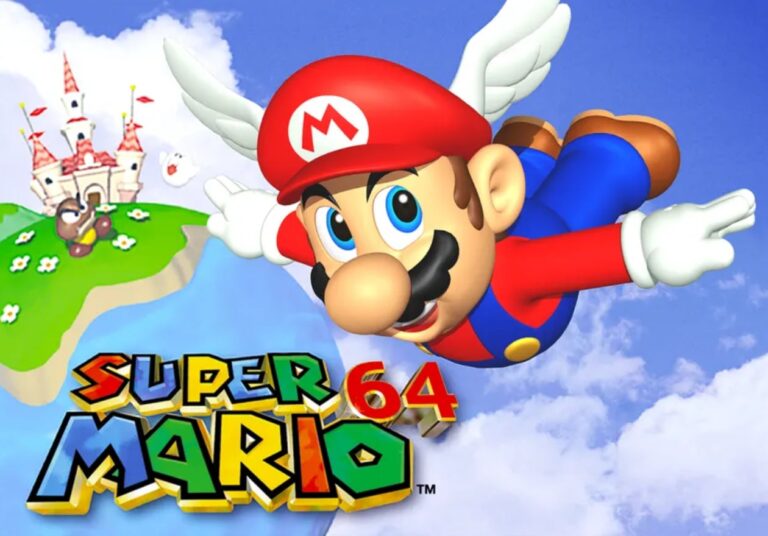
Super Mario 64: the game that taught Mario, and everyone else, how to move in 3D.
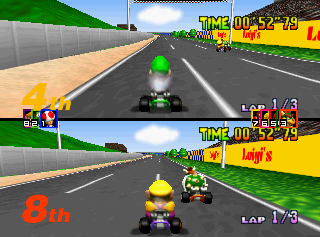
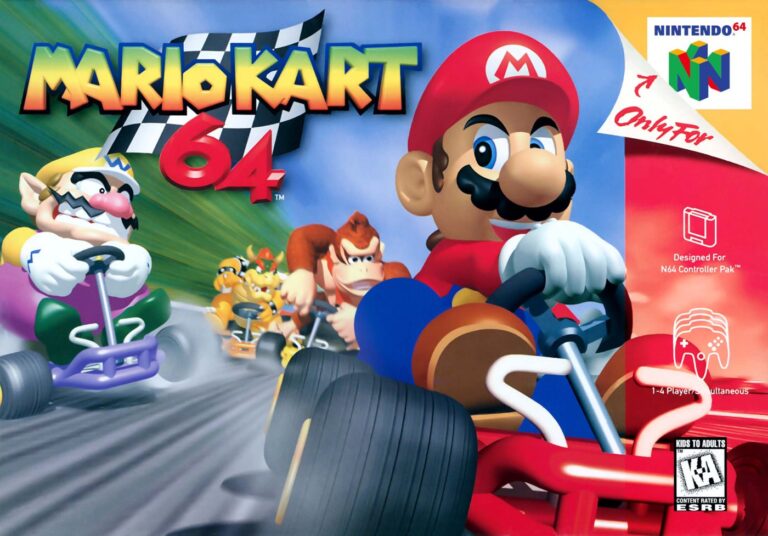
Mario Kart 64: four-player split-screen racing, the Spiny Shell and the modern Mini-Turbo all start here.
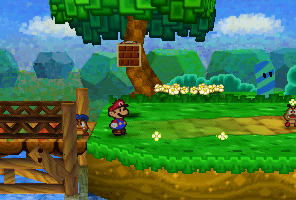
Paper Mario: a storybook RPG with partners, badges and a wicked sense of humour.
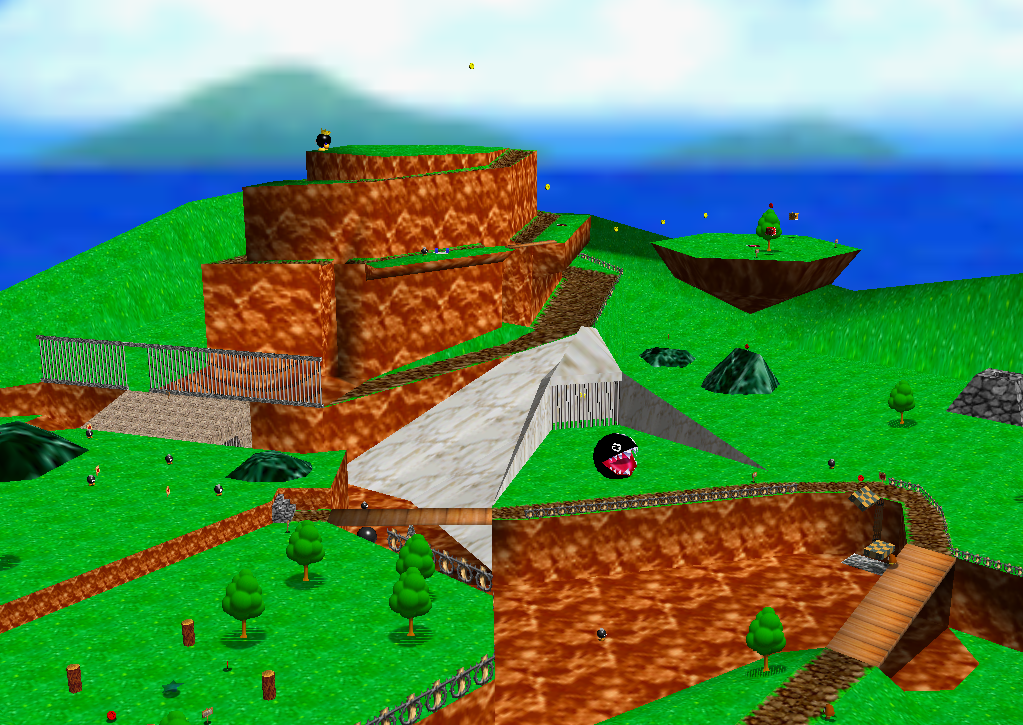
Super Mario 64: Bob-omb Battlefield, the first course behind a paintingMario Kart 64: Luigi and Wario in a two-player Grand PrixPaper Mario: Mario and Goombario on Pleasant PathMario Party: Wario and Luigi on DK’s Jungle Adventure
Quick Answers
Short answers to the questions readers ask most about Mario on the Nintendo 64.
How many Mario games are there on the Nintendo 64?
Super Luigi Bros covers 16: eleven cartridges that were also sold in the West, the Japan-only Mario no Photopi, and the four Mario Artist disks for the Japan-only 64DD. Cameos, such as the arcade Donkey Kong hidden in Donkey Kong 64, are listed separately at the foot of the page. More →
What was the first Mario game on the Nintendo 64?
Super Mario 64. It launched with the console in Japan on 23 June 1996, in North America that September and in Europe on 1 March 1997. More →
What was the last Mario game on the Nintendo 64?
Dr. Mario 64, released in North America on 9 April 2001. Japan only got it in February 2003, inside the GameCube’s Nintendo Puzzle Collection. More →
Which is the best-selling Mario game on the N64?
Super Mario 64, with Mario Kart 64 second. Nintendo has never put a lifetime figure for either on its investor-relations site; the totals usually quoted, 11.91 million and 9.87 million, come from press charts. More →
Which N64 Mario games were Japan-only?
Mario no Photopi and all four Mario Artist disks: Paint Studio, Talent Studio, Communication Kit and Polygon Studio. Going the other way, Dr. Mario 64 never came out on the N64 in Japan or Europe. More →
What was the 64DD?
A magnetic disk drive that sat under the console, sold in Japan from December 1999 with the Randnet online service. Randnet had about 15,000 subscribers in October 2000 and closed on 28 February 2001; four of the ten 64DD disks were Mario Artist titles. More →
How much did the Nintendo 64 cost at launch?
¥25,000 in Japan, US$199.99 in North America and £249.99 in the UK. Japan’s price fell to ¥16,800 in March 1997. More →
Where did Waluigi come from?
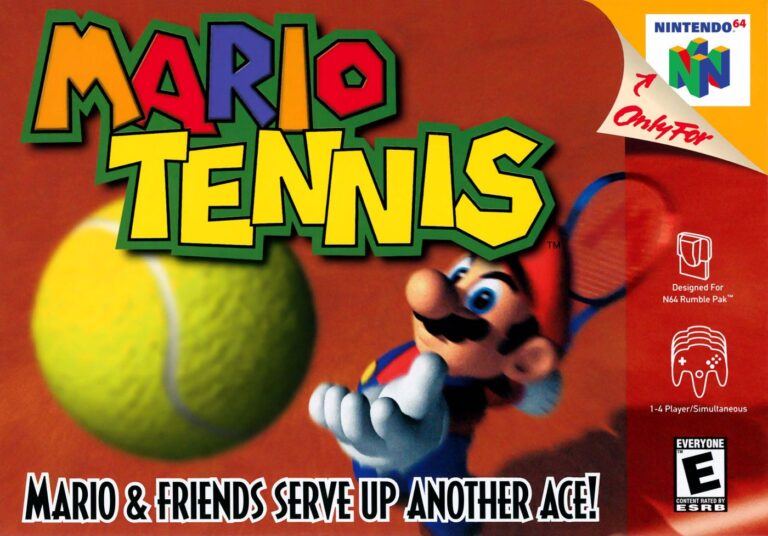
He made his debut in Mario Tennis on the N64 in July 2000, as Wario’s doubles partner and a playable character from the start, and joined the Mario Party cast in Mario Party 3 that December. More →
Can you still play N64 Mario games today?
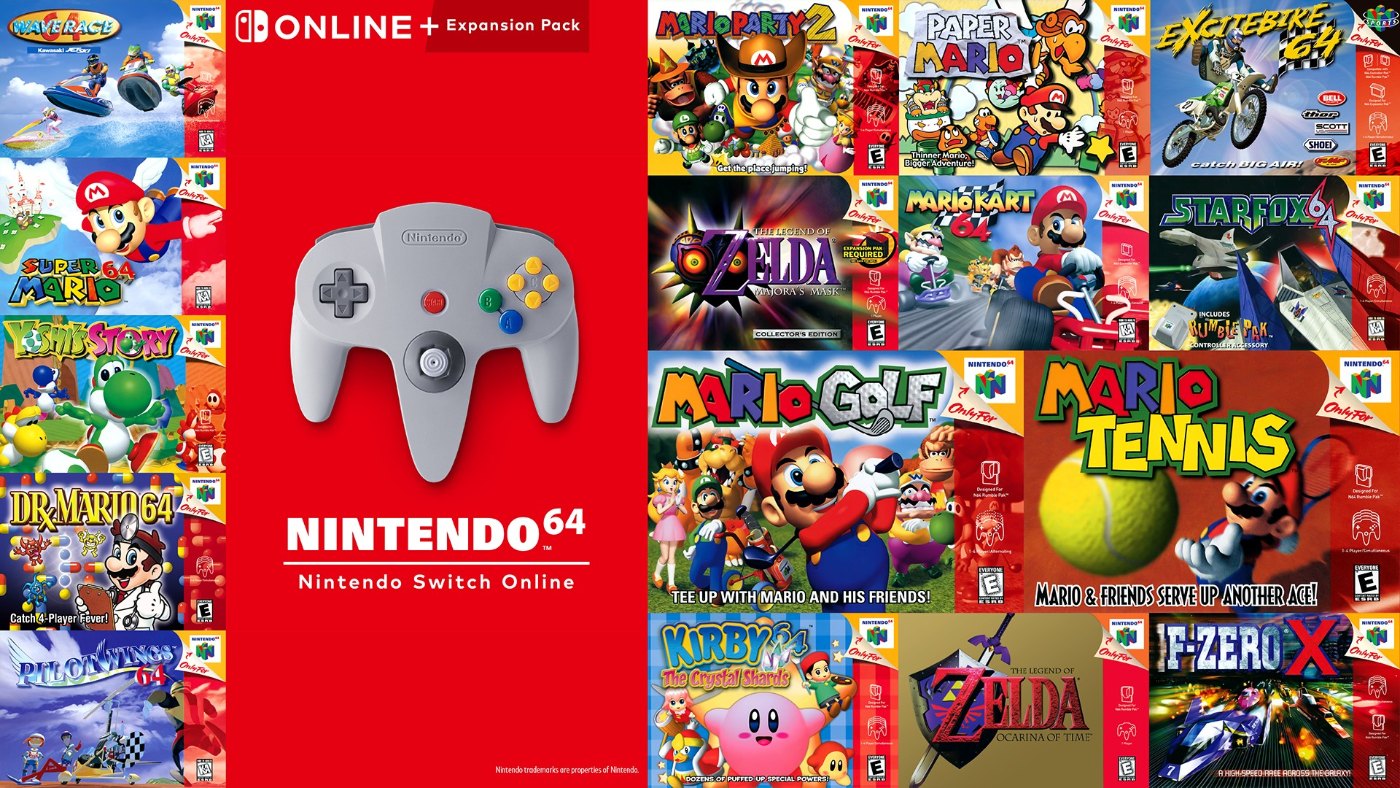
Mostly, yes. The Nintendo 64 – Nintendo Classics library for Nintendo Switch Online + Expansion Pack members includes Super Mario 64, Mario Kart 64, Yoshi’s Story, Mario Tennis, Dr. Mario 64, Paper Mario, Mario Golf and all three Mario Party games. Super Smash Bros., Photopi and the Mario Artist disks are not there. More →
Was there ever a Super Mario 64 2?
It was planned for the 64DD and cancelled. Super Mario RPG 2, also once meant for the disk drive, came out on cartridge as Paper Mario. More →
All Nintendo 64 Mario Games
Every Mario game released for the Nintendo 64 and its Japanese 64DD add-on that has its own page on Super Luigi Bros, sixteen in all, in order of first release on the system (usually Japan). Click a tile for the full guide. Each tile shows the kind of Mario appearance: Main role for the adventures built around Mario and Yoshi, Spin-off for kart, party, sports, fighting and puzzle games, and Edutainment for the creative Photopi and Mario Artist titles. Games where Mario only makes a cameo are listed under More Mario further down.
Main role – the classic platform-style Mario adventures, such as Super Mario Bros. and Super Mario Land, plus the RPGs and other games built around Mario himself.
Spin-off – a game that features Mario throughout but is not a mainstream adventure – karting, party, sports and puzzle games.
Edutainment – games designed to teach as well as entertain, starring characters from the Mario universe.
Nintendo’s fifth home console was a joint effort with Silicon Graphics, built to put 3D worlds in the living room while sticking with cartridges. Here is how it was put together, sold and expanded, with the Mario angle at every step.
From Project Reality to Nintendo 64
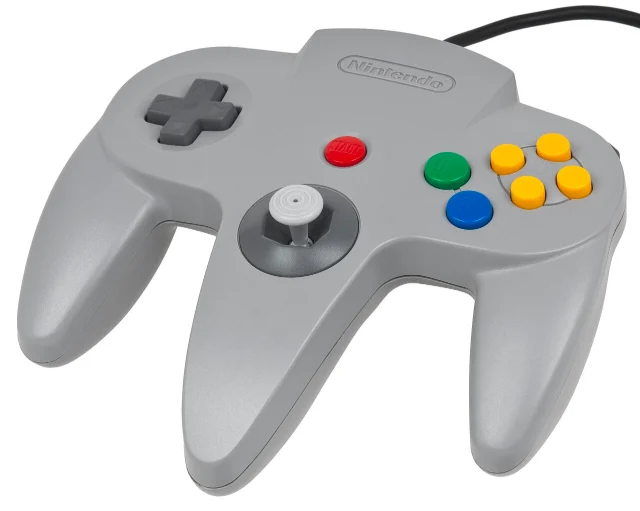
The Nintendo 64 controller (NUS-005), 1996
The console started life as Project Reality, a partnership between Nintendo and Silicon Graphics announced on 23 August 1993. SGI’s graphics expertise went into the Reality Coprocessor, a 62.5 MHz chip that handles graphics and sound, which works alongside an NEC VR4300 processor at 93.75 MHz and 4 MB of Rambus memory. At the Consumer Electronics Show in June 1994 the project became the Ultra 64, and the name Nintendo 64 came later, suggested, according to Wikipedia, by Shigesato Itoi.
Nintendo kept cartridges. A Game Pak held between 4 and 64 MB, far less than a CD, but loaded almost instantly. The controller was the bigger leap: three handles, an analogue Control Stick in the middle one, a Z trigger underneath and a slot for accessories. The stick and the yellow C buttons were added largely because of Super Mario 64, and the four controller ports on the front, built in for multiplayer, were soon filled by games like Mario Kart 64 and Mario Party.
Launch: three games and a plumber
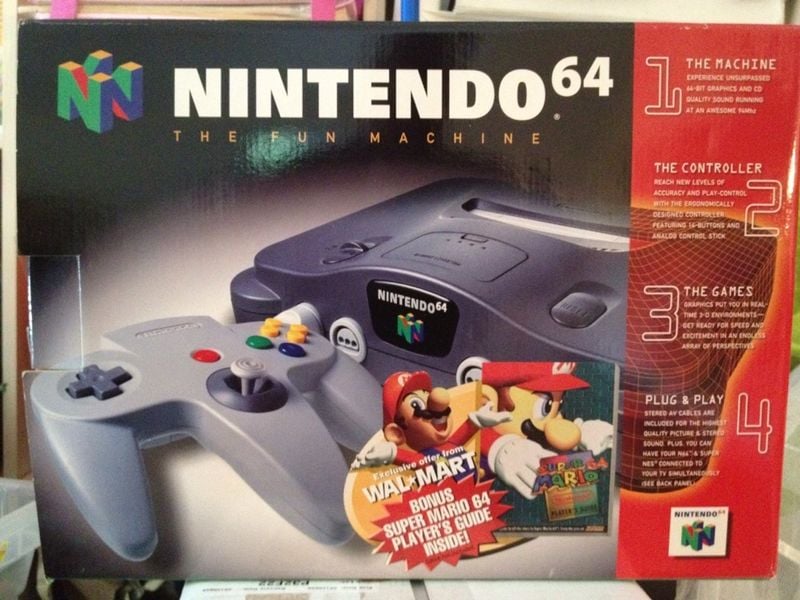
A Nintendo 64 bundle packed with Super Mario 64 and a Player’s Guide
A Japanese release planned for April 1996 slipped to 23 June, when the N64 went on sale at ¥25,000 with just three games: Super Mario 64, Pilotwings 64 and a shogi title. The first 300,000 consoles sold out on the day. North America’s official date was 29 September 1996, although shops started selling three days early, at US$199.99 with Super Mario 64 and Pilotwings 64; Europe and Australia waited until 1 March 1997, at £249.99 in the UK, and France until 1 September.
Japan’s price fell to ¥16,800 on 14 March 1997 and to ¥14,000 on 1 July 1998. In the United States, Time magazine named the N64 its Machine of the Year for 1996, and Wikipedia describes Super Mario 64 as the launch line-up’s killer app.
Up against the PlayStation
Nintendo’s figures put lifetime sales at 32.93 million consoles and 224.97 million games. The Americas were the stronghold, with 20.63 million machines against 5.54 million in Japan and 6.75 million in the rest of the world, so the N64 sold far better abroad than at home. Its library was small, about 388 games of which 85 never left Japan, and it leaned on Nintendo’s own hits. Wikipedia counts Super Mario 64 as the best-selling game of the whole generation, ahead of the PlayStation’s Gran Turismo and Final Fantasy VII.
Mario was spread across a wider set of studios than ever before. Nintendo EAD made Super Mario 64, Mario Kart 64 and Yoshi’s Story; Hudson Soft made the three Mario Party games, HAL Laboratory made Super Smash Bros., Camelot made Mario Golf and Mario Tennis, and Intelligent Systems made Paper Mario. The Japan-only titles came from Datt Japan (Photopi), Manchester’s Software Creations (Paint Studio) and Nintendo’s R&D1 and EAD teams.
Paks, rumble and the Game Boy link
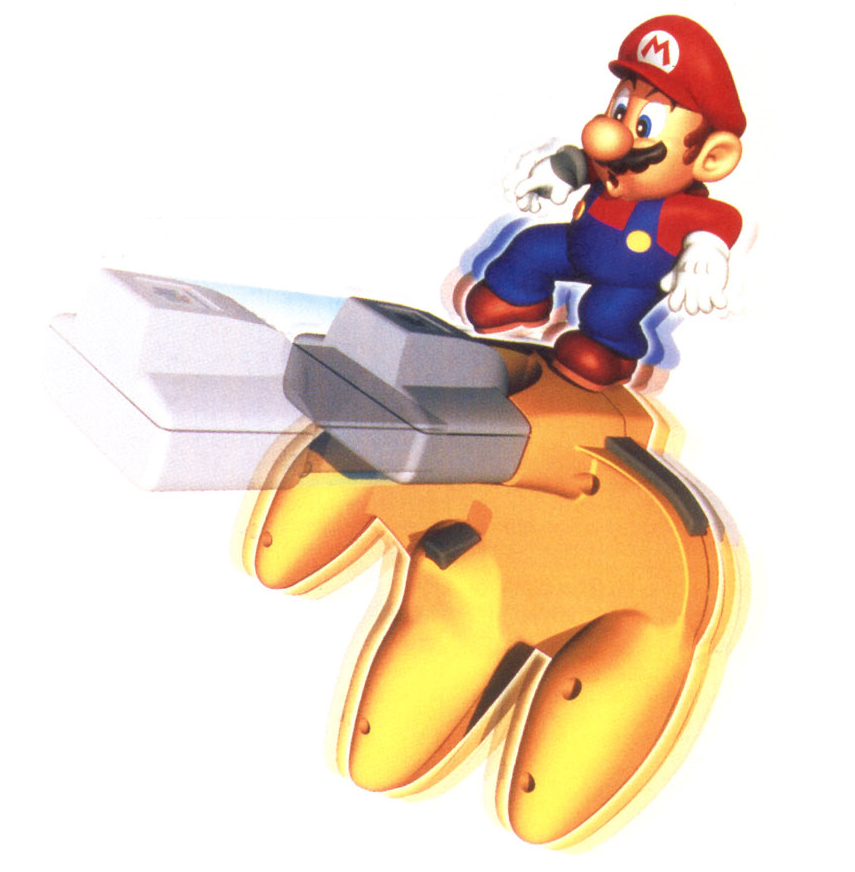
Promotional art of Mario showing how the Rumble Pak slots into the controller
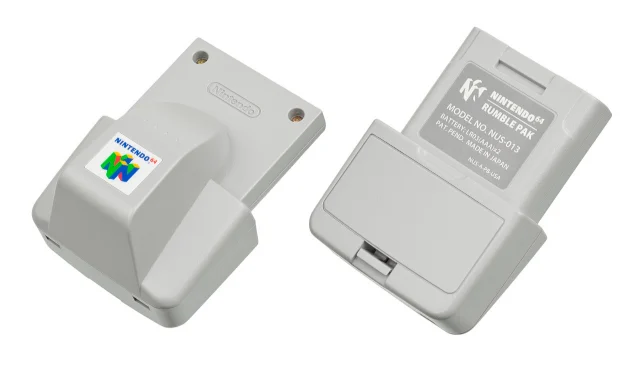
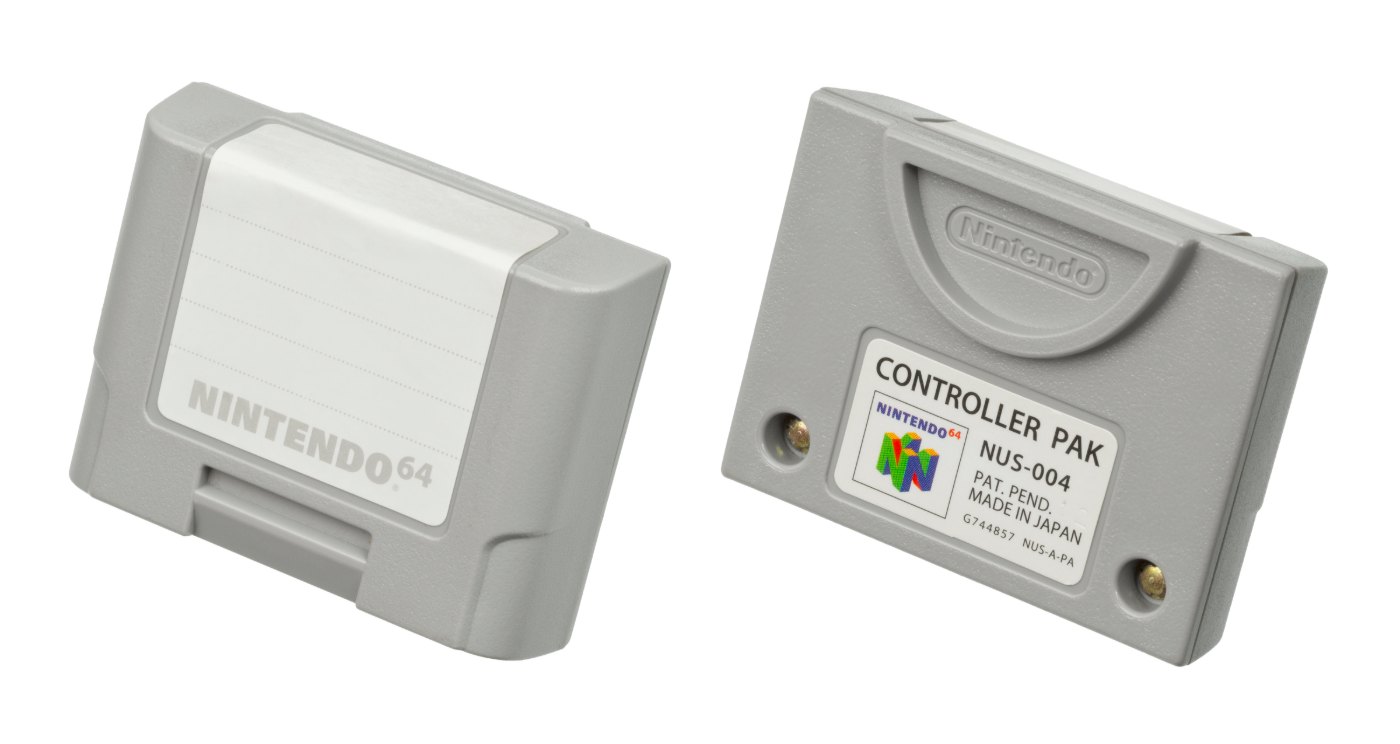
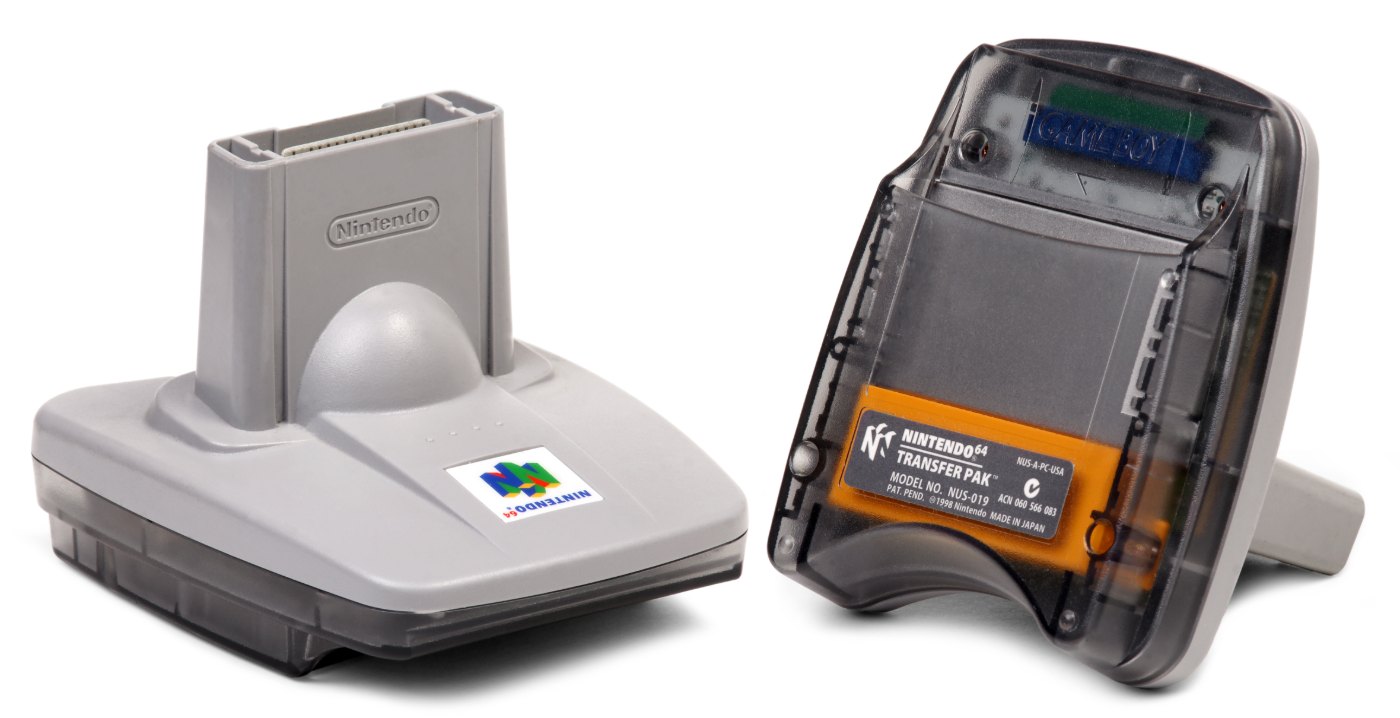
Much of the N64’s growth went through the slot in the controller. The Controller Pak stored save data, and Mario Kart 64 used it to keep Time Trial ghosts. The Rumble Pak arrived in 1997, packed with Star Fox 64, and on 18 July 1997 Japan got a revised Super Mario 64, the Shindō Pak Taiō Version, with rumble support and the English release’s voice clips. The Transfer Pak, bundled with Pokémon Stadium, read a Game Boy cartridge through the pad, which let Mario Golf and Mario Tennis share characters and data with their Game Boy Color namesakes.
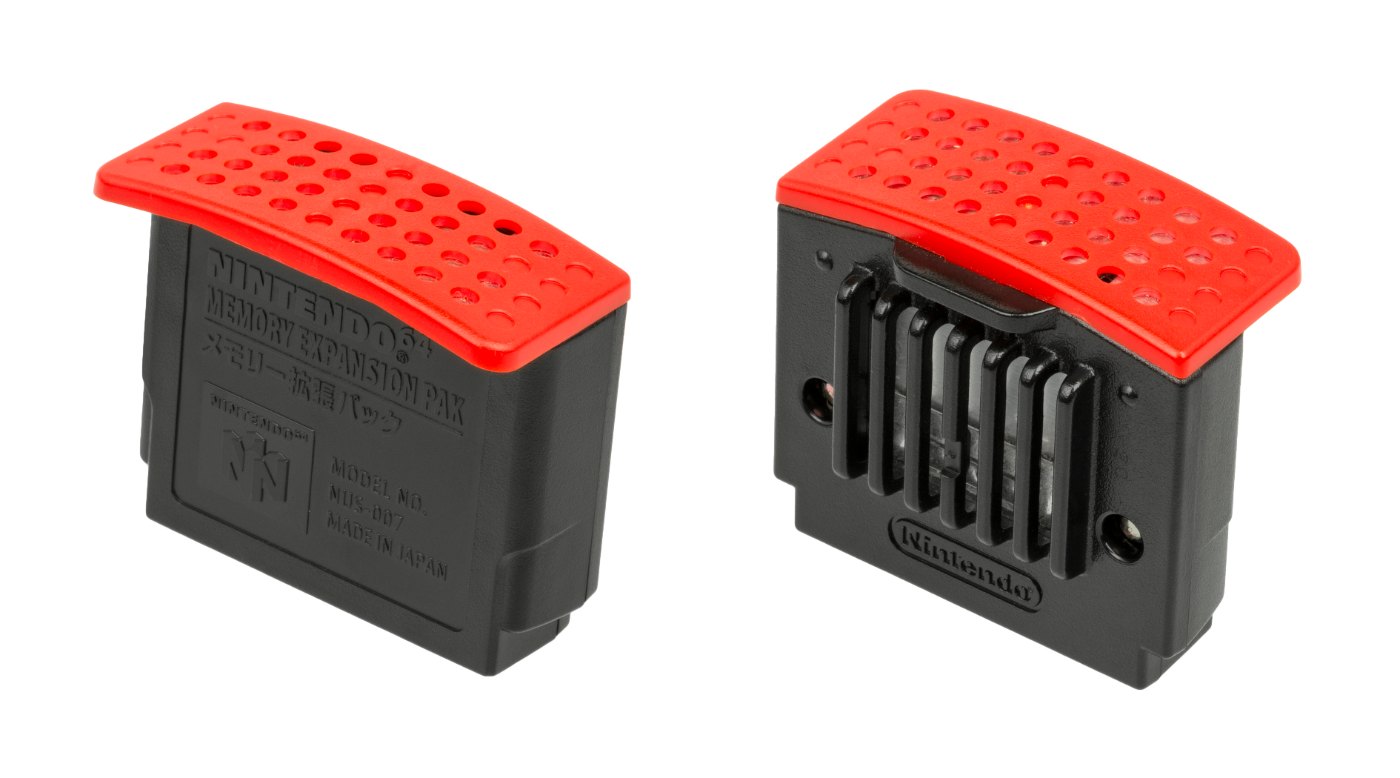
The Expansion Pak took the place of the console’s Jumper Pak and doubled the memory to 8 MB. Donkey Kong 64 needed one, and early copies included it; every 64DD package came with one too, so the Mario Artist disks could count on the extra memory.
Rumble Pak, 1997Controller Pak for save dataTransfer Pak for Game Boy cartridgesExpansion Pak (8 MB of memory in all)
The 64DD and Randnet
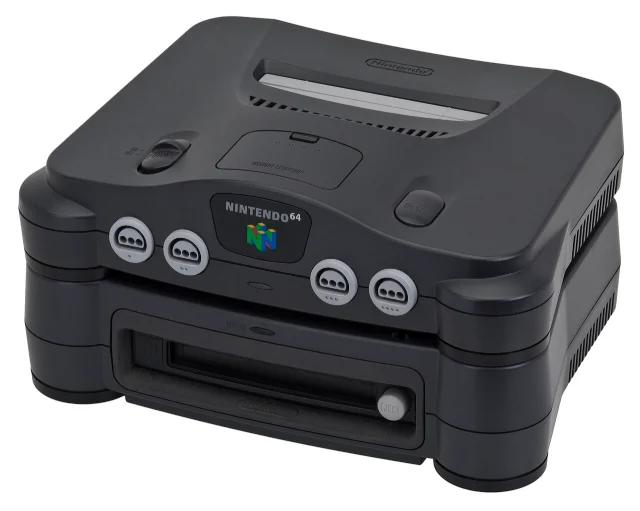
The 64DD disk drive under a Nintendo 64, Japan, 1999
Hiroshi Yamauchi announced a disk drive for the N64 at Shoshinkai 1995, and at the 1996 show Nintendo ran Super Mario 64 from a makeshift disk. Then the delays piled up, to March 1998, June 1998 and June 1999. The 64DD finally arrived in Japan in December 1999, sold mainly by mail-order subscription as part of the Randnet Starter Kit with an Expansion Pak, a modem cartridge and access to Randnet, Nintendo’s dial-up service run with Recruit.
Mario was the drive’s main attraction. Mario Artist: Paint Studio came with the Nintendo 64 Mouse, Talent Studio with the Capture Cassette and a microphone, Communication Kit carried creations online, and Polygon Studio added 3D modelling and the Sound Bomber microgames. Randnet had about 15,000 subscribers when Nintendo announced its closure in October 2000, and it shut down on 28 February 2001.
Colours, iQue and the final years
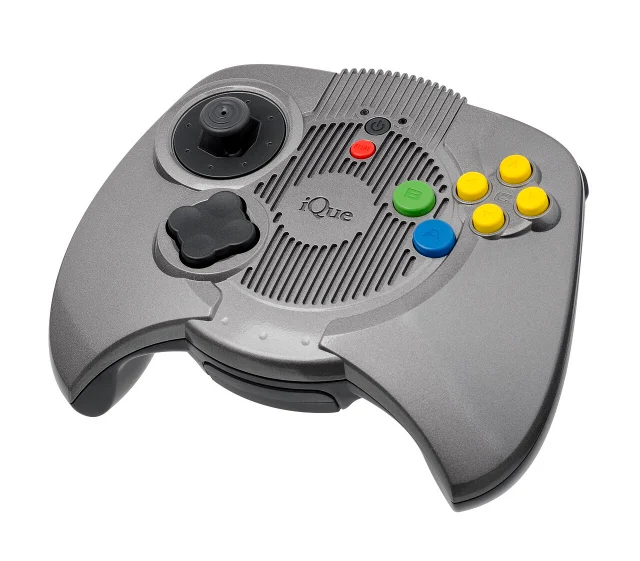
The iQue Player, China’s plug-in Nintendo 64, 2003
The charcoal-grey console was never redesigned, so Nintendo changed the colours instead. Japan had a run of shop exclusives and clear shells, among them a gold console for Toys “R” Us in November 1998, Clear Blue and Clear Red from 1 December 1999 and a Clear Black model sold only with the 64DD, while North America’s coloured Funtastic range was promoted with a $10 million campaign in spring 2000.
Japanese production ended on 30 April 2002, after the GameCube had arrived; 16 May 2003 is usually given for Europe and 30 November 2003 for North America. China got a late encore: the iQue Player, a plug-in version of the hardware, launched on 17 November 2003, and Super Mario 64, Mario Kart 64, Dr. Mario 64, Yoshi’s Story, Paper Mario and Super Smash Bros. were all translated into Chinese for it.
Advertisement
How the Nintendo 64 Sold
Consoles, games and Mario’s share
Nintendo’s investor-relations site lists 32.93 million Nintendo 64 consoles and 224.97 million games sold worldwide (as of 30 September 2026). That is about two-thirds of the 49.10 million Super NES consoles that came before it, but owners still bought almost seven games per machine.
Nintendo publishes no per-title totals for the N64 on its IR site, so we do not show a best-seller chart here. Super Mario 64 is generally accepted as the console’s best-seller and Mario Kart 64 as its runner-up; the 11.91 million and 9.87 million often quoted for them trace back to a 2015 Gizmodo chart rather than to Nintendo.
32.93mNintendo 64 consoles sold (Nintendo IR, 30 Sep 2026)
224.97mNintendo 64 games sold (Nintendo IR, 30 Sep 2026)
20.63mconsoles sold in the Americas, the N64’s biggest market (Nintendo data via Wikipedia)
16Mario games on the N64 and 64DD covered on SLB
Mario Firsts on the Nintendo 64
Ten things Mario did for the first time on the Nintendo 64, each checked against the games that came before.
1Mario in 3DSuper Mario 64 (1996) was the first fully three-dimensional Super Mario game, built around the analogue stick.
2Power Stars and the modern move setThe Power Star, the triple jump, wall kick, long jump and backflip all made their debut in Super Mario 64, which also gave Mario the ground pound that Yoshi had first used in Yoshi’s Island.
3Charles Martinet’s MarioSuper Mario 64 was his first major game as the voice of Mario, a role he kept until 2023.
4Four players at onceMario Kart 64 was the first game in the Mario franchise to let more than two people play together, with four-way split screen.
5The first Mario PartyMario Party (December 1998) set the formula of dice, boards, minigames and Stars that every sequel has followed.
6The first Super Smash Bros.Super Smash Bros. (January 1999) put Mario, Luigi and Yoshi in a fighting game where damage percentages replace health bars.
7Camelot’s Mario sportsMario Golf (1999) was the first Mario Golf made by Camelot, and it is often treated as the start of the modern Mario Sports line.
8Console meets Game BoyThrough the Transfer Pak, Mario Golf and then Mario Tennis traded characters and data with their Game Boy Color versions.
9WaluigiMario Tennis (2000) introduced him, playable from the start, as Wario’s partner and Luigi’s rival; months later he joined the board in Mario Party 3.
10Paper MarioPaper Mario (2000) was the first Mario role-playing game made by Intelligent Systems, and the first of the paper-thin series.
Mario on the Nintendo 64 in Pictures
One picture from each of the other N64 and 64DD Mario games.
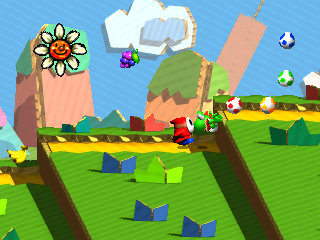
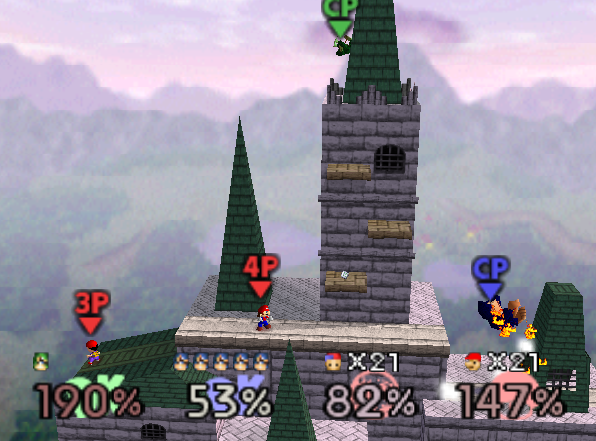
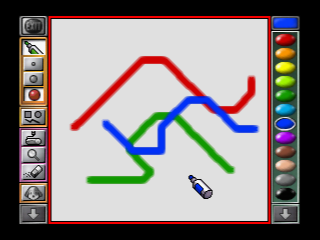
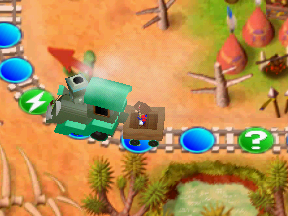
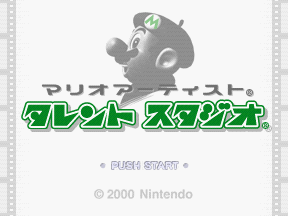
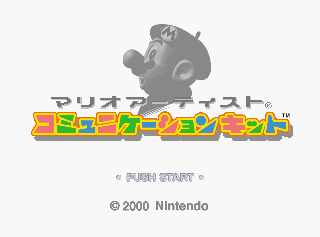
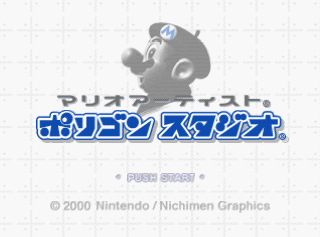
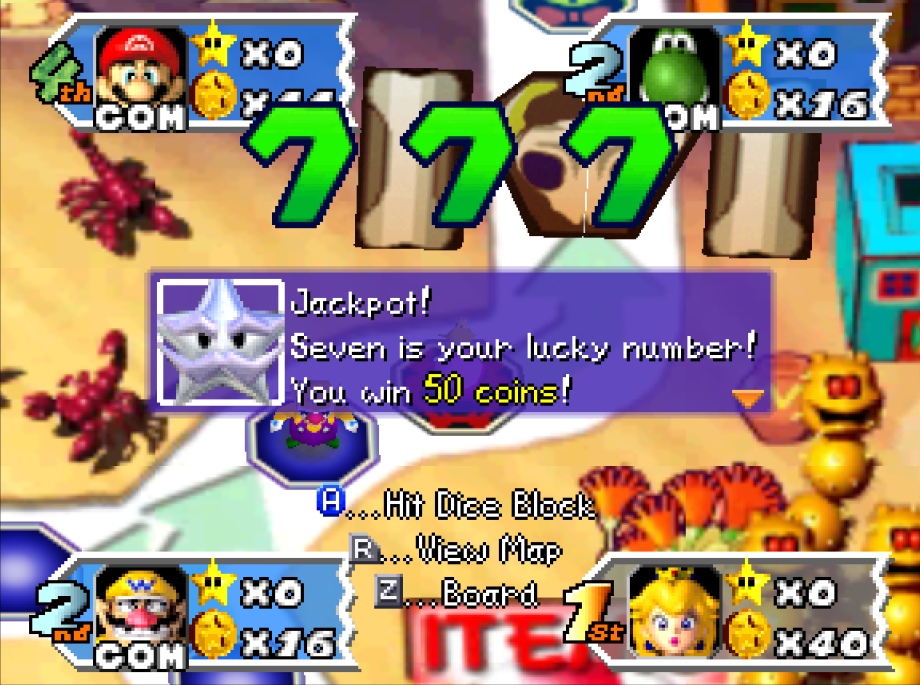
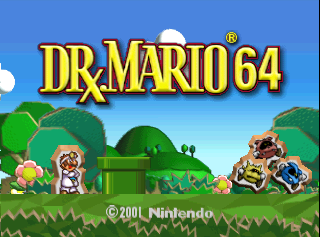
Yoshi’s Story: a Yoshi followed by eggs of different coloursMario no Photopi: the title screenSuper Smash Bros.: a stock match on Hyrule CastleMario Artist: Paint Studio: the 2D Paint modeMario Party 2: Mario rides the train in Western LandMario Artist: Talent Studio: the title screenMario Artist: Communication Kit: the title screenMario Artist: Polygon Studio: the title screenMario Party 3: triple sevens after a Golden MushroomDr. Mario 64: the title screen
Videos
Two official Nintendo of America trailers for the N64 games on Nintendo Switch Online.
Nintendo Switch Online + Expansion Pack overview trailer, with the Nintendo 64 library (official upload, Nintendo of America).
Mario Party and Mario Party 2 join the Nintendo 64 library on Switch Online (official upload, Nintendo of America).
Trivia & Interesting Facts
Super Mario 64 reportedly began development under the working title Ultra 64 Mario Brothers.
In Japan the first 300,000 consoles sold out on launch day; the other 200,000 of the first batch went out on 26 and 30 June 1996.
A Super Mario 64 2 was planned for the 64DD and cancelled. Super Mario RPG 2, also once linked with the drive, was released on cartridge as Paper Mario.
Four of the ten disks ever released for the 64DD carried Mario’s name, all of them in the Mario Artist series.
The Game Boy Camera is reportedly the only Game Boy accessory that works with a 64DD game, through the Transfer Pak in Paint Studio and Talent Studio.
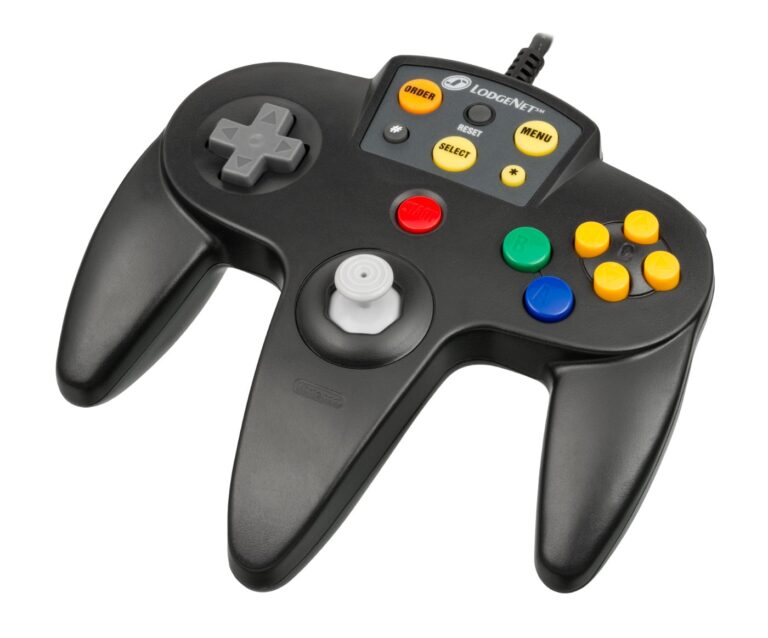
Dr. Mario 64 had a hotel release: a one-player LodgeNet version for American hotel rooms went live on 16 April 2001.
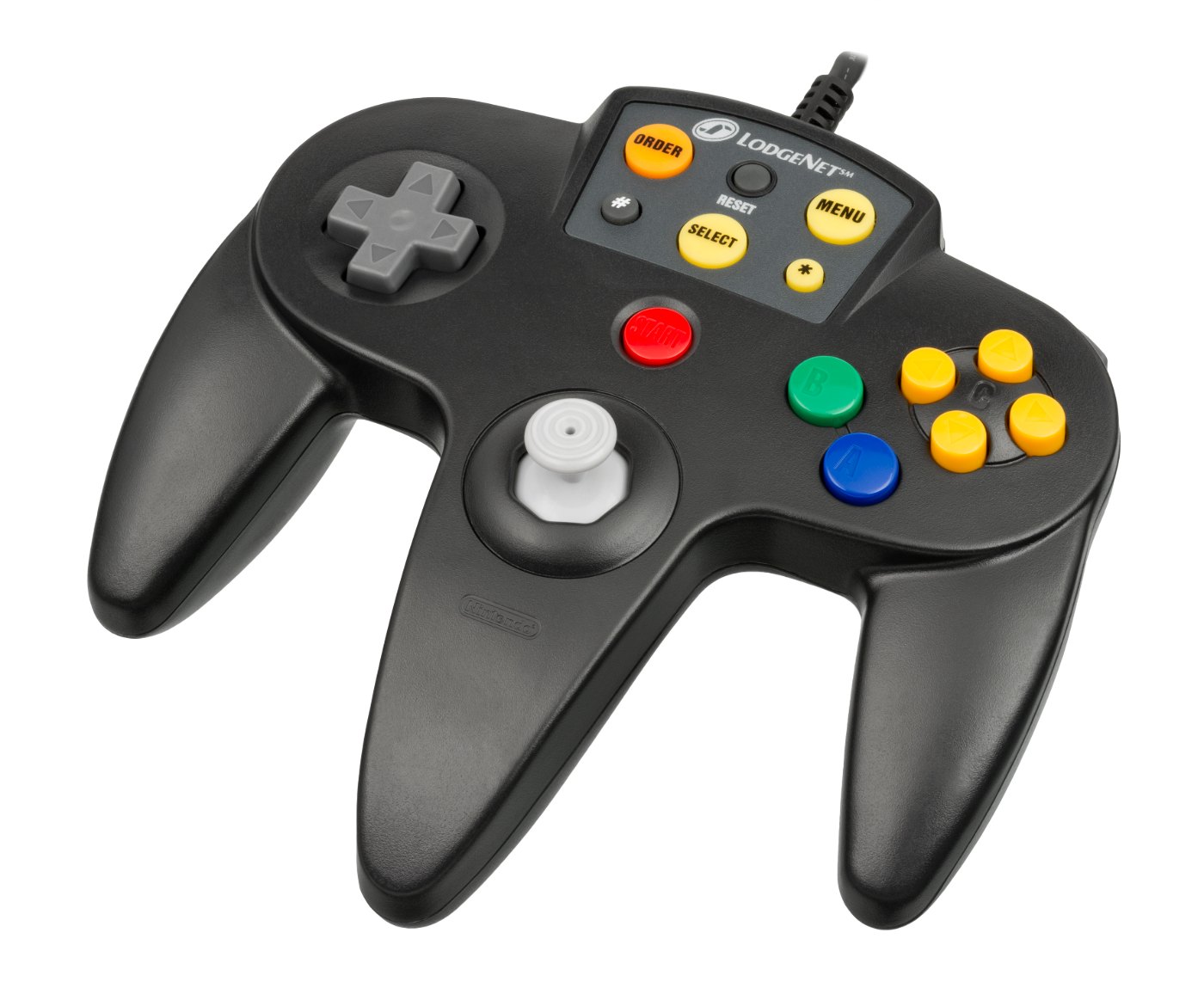
The LodgeNet Nintendo 64 controllerLodgeNet’s hotel-room game service used its own version of the N64 controller.
Dr. Mario 64 is still missing from the Japanese version of the Nintendo 64 – Nintendo Classics app, so Japanese players know it only from the GameCube’s Nintendo Puzzle Collection.
Mario Party 2 was the first Mario Party re-released on the Wii Virtual Console, in 2010, while the first and third games had to wait for Switch Online.
The N64 slogan “Get N or get out!” later gave its name to an event in Super Smash Bros. Ultimate.
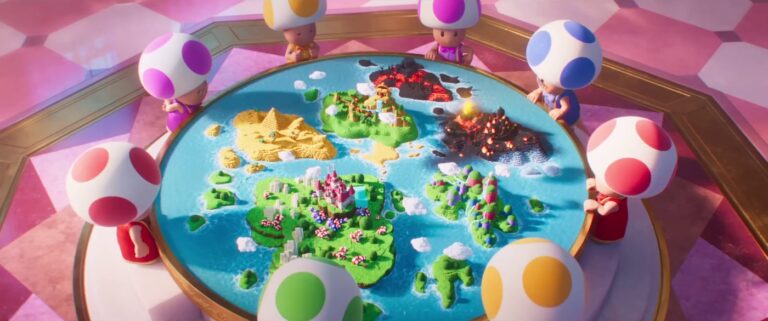
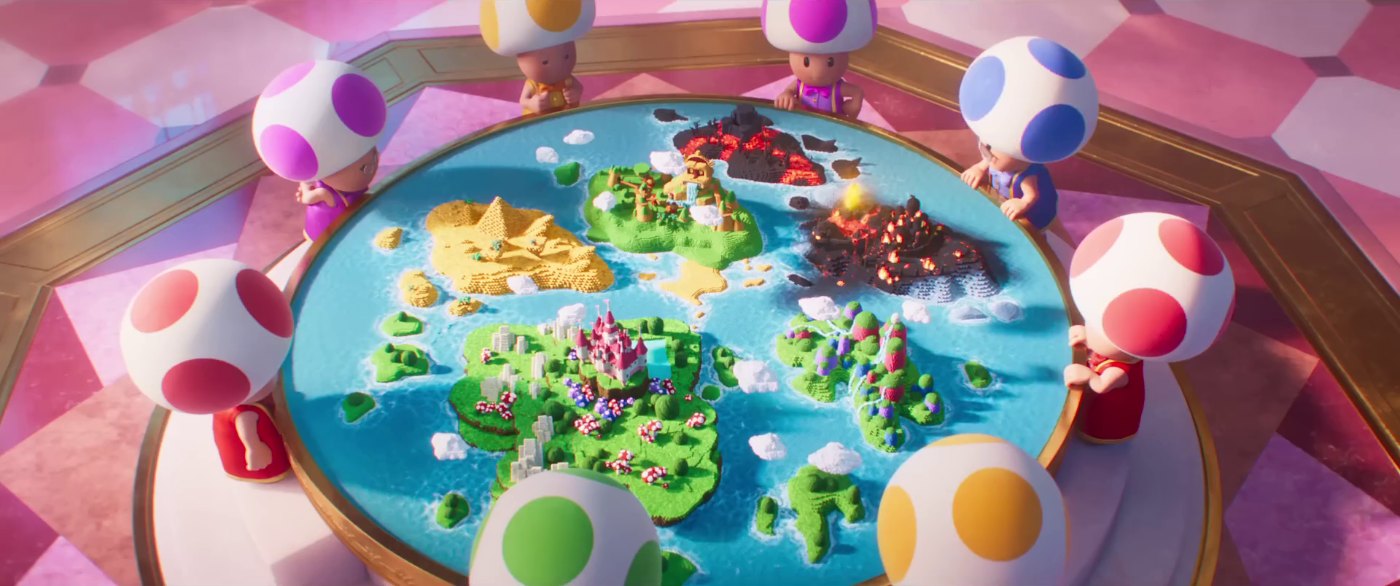
The Super Mario Bros. Movie map with its N64-controller islandThe Super Mario Bros. Movie (2023) has an island shaped like an N64 controller with its left grip broken off, and The Super Mario Galaxy Movie shows a hologram of the N64 logo.
A rumour about Donkey Kong 64 needing the Expansion Pak to hide a memory bug was denied by its developer Mark Stevenson.
Mario Party Superstars (2021) built all five of its boards from the three N64 Mario Party games.
Hardware & Merchandise Gallery
Logos, accessories and the odd collectible from Mario’s N64 years.
The horizontal Nintendo 64 logoThe 64DD boot screenLogo of the Nintendo 64 library on Nintendo Switch OnlineMy Nintendo wallpaper celebrating the N64 games on Switch Online
Timeline & Legacy
The N64 had a short life by Nintendo standards, but its Mario games have hardly been out of reach since, and the series it started are still running.
Mario on the Nintendo 64: key dates
Project Reality23 August 1993Nintendo and Silicon Graphics announce the partnership that became the N64.
Japanese launch23 June 1996The N64 goes on sale with Super Mario 64, Pilotwings 64 and a shogi game.
North American launch29 September 1996US$199.99, with Super Mario 64; some shops sell it from 26 September.
Mario Kart 6414 December 1996Four-player kart racing arrives in Japan.
European launch1 March 1997Europe and Australia get the console, again with Super Mario 64.
Super Mario 64 Shindō Pak Taiō Version18 July 1997Japan’s revised version adds Rumble Pak support.
Mario Party18 December 1998Hudson Soft’s first board game goes on sale in Japan.
Super Smash Bros.21 January 1999HAL Laboratory’s crossover fighter launches in Japan.
64DD and Paint StudioDecember 1999The disk drive and Randnet start in Japan, led by Mario Artist.
Mario Tennis21 July 2000Waluigi makes his debut.
Paper Mario11 August 2000Released in Japan as Mario Story.
Randnet closes28 February 2001The 64DD’s online service shuts down.
Dr. Mario 649 April 2001The last Mario game to debut on the N64, released in North America only.
Production ends in Japan30 April 2002Europe and North America follow in 2003.
iQue Player17 November 2003China’s plug-in N64 arrives; Super Mario 64 follows a day later.
Nintendo 64 – Nintendo Classics25 October 2021Super Mario 64 and Mario Kart 64 lead the N64 library on Switch Online.
Playing them today
Most of Mario’s N64 games are part of the Nintendo 64 – Nintendo Classics library, which needs a Nintendo Switch Online + Expansion Pack membership. It opened on 25 October 2021 in North America (26 October elsewhere) with Super Mario 64, Mario Kart 64, Yoshi’s Story, Mario Tennis and Dr. Mario 64. Paper Mario followed on 10 December 2021, Mario Golf in April 2022, Mario Party and Mario Party 2 on 2 November 2022 and Mario Party 3 on 27 October 2023. On Nintendo Switch 2 the app adds rewind, GameChat and a CRT filter.
There are gaps. Super Smash Bros. is not among the 38 games on Nintendo’s list (checked 13 November 2026), Dr. Mario 64 is absent from the Japanese app, and Mario no Photopi and the four Mario Artist disks have never been re-released. Super Mario 64 has had other lives too: remade as Super Mario 64 DS in 2004, and included in Super Mario 3D All-Stars on Switch, sold for a limited time between 18 September 2020 and 31 March 2021.
Even the Japan-only experiments left a mark. Polygon Studio’s Sound Bomber microgames grew into WarioWare, Inc., Nintendo later named Talent Studio among the ancestors of the Mii, and Waluigi, created for Mario Tennis, has been a regular in Mario sports and party games ever since.
More Mario on the Nintendo 64
Other notable Mario-related releases on the Nintendo 64 that don’t have their own page here yet:
Jun 1996Pilotwings 64CameoLaunch title; Mario’s face is carved into Mount Rushmore
To provide the best experiences, we use technologies like cookies to store and/or access device information. Consenting to these technologies will allow us to process data such as browsing behavior or unique IDs on this site. Not consenting or withdrawing consent, may adversely affect certain features and functions.
Functional
Always active
The technical storage or access is strictly necessary for the legitimate purpose of enabling the use of a specific service explicitly requested by the subscriber or user, or for the sole purpose of carrying out the transmission of a communication over an electronic communications network.
Preferences
The technical storage or access is necessary for the legitimate purpose of storing preferences that are not requested by the subscriber or user.
Statistics
The technical storage or access that is used exclusively for statistical purposes.The technical storage or access that is used exclusively for anonymous statistical purposes. Without a subpoena, voluntary compliance on the part of your Internet Service Provider, or additional records from a third party, information stored or retrieved for this purpose alone cannot usually be used to identify you.
Marketing
The technical storage or access is required to create user profiles to send advertising, or to track the user on a website or across several websites for similar marketing purposes.