Nintendo 3DS2012Nintendo EAD2D platformer1,000,000 coins13.42 million soldFirst Nintendo game sold as a day-one downloadRaccoon Mario returns10 Coin Rush DLC packs
New Super Mario Bros. 2
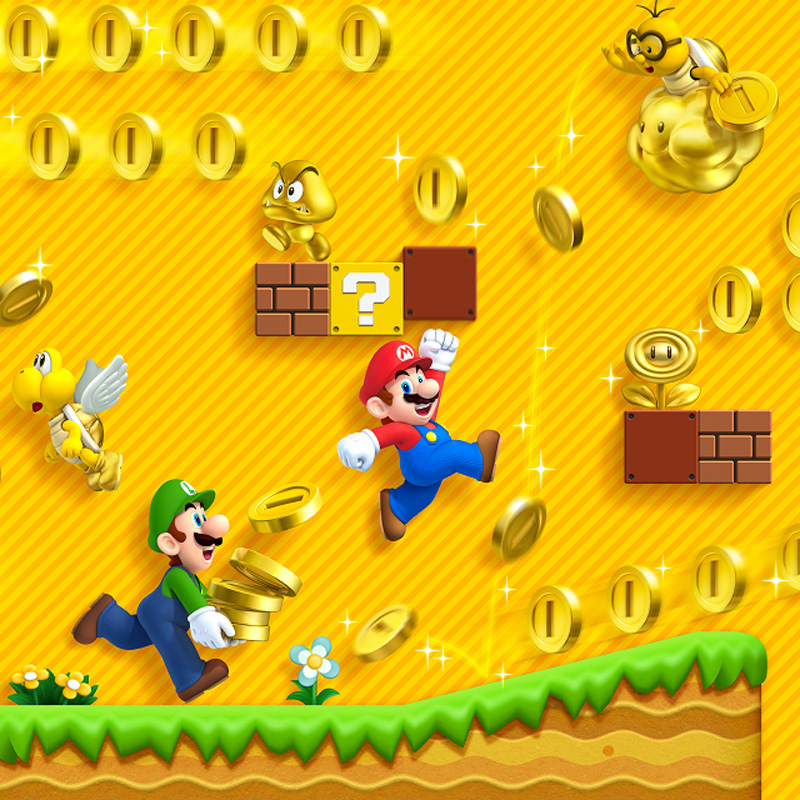
Mario’s first side-scroller on Nintendo 3DS is the greediest game he has ever starred in. New Super Mario Bros. 2 takes the familiar template of the DS and Wii games and showers it in gold: Gold Flowers turn Mario into a coin-making machine, Gold Rings turn every enemy on screen into treasure, and a Gold Block jammed on his head spits coins as he runs. The target is one million coins, counted across every level, every Coin Rush run and every StreetPass duel. Released in Japan on 28 July 2012 and in Europe on 17 August 2012, it was the first Nintendo-published game you could buy as a download on launch day, and the first Super Mario game with paid add-on content: ten Coin Rush course packs. Raccoon Mario flies again in a brand-new 2D Mario for the first time since Super Mario Bros. 3, the Reznors come back from Super Mario World, and all seven Koopalings guard the castles. Critics called it safe; players bought 13.42 million copies.
Developer:Nintendo EAD (Software Development Department), with staff from Nintendo SPD and other teams
Publisher:Nintendo
Platform:Nintendo 3DS (Game Card and Nintendo eShop download, 349 MB)
Genre:2D platformer
Japan:28 July 2012
Europe:17 August 2012
Australia:18 August 2012
N. America:19 August 2012
Players:1–2 (Local Play: two systems, two copies)
Director:Yusuke Amano
Producers:Takashi Tezuka (producer), Hiroyuki Kimura (co-producer); general producer Shigeru Miyamoto
Sound:Kenta Nagata (sound director); Koji Kondo and Yoji Inagaki, sound advisers
Worlds:6 numbered worlds plus World Mushroom, World Flower and World Star
Courses:More than 80, plus nine one-shot Rainbow courses and four Warp Cannon runs
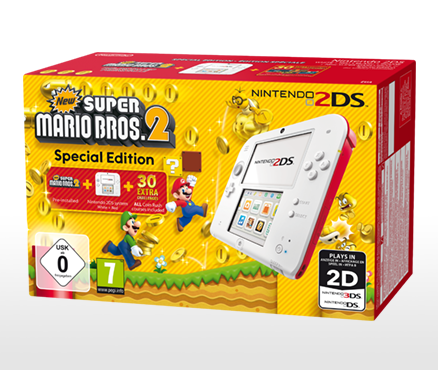
Re-release:Gold Edition (Special Edition in Europe), 2014: a free download for 3DS LL owners in Japan, otherwise pre-installed on 2DS (Europe) and 3DS XL (North America) bundles only
Sales:13.42 million worldwide (Nintendo, 31 March 2026): the fifth best-selling 3DS game
Advertisement
Overview
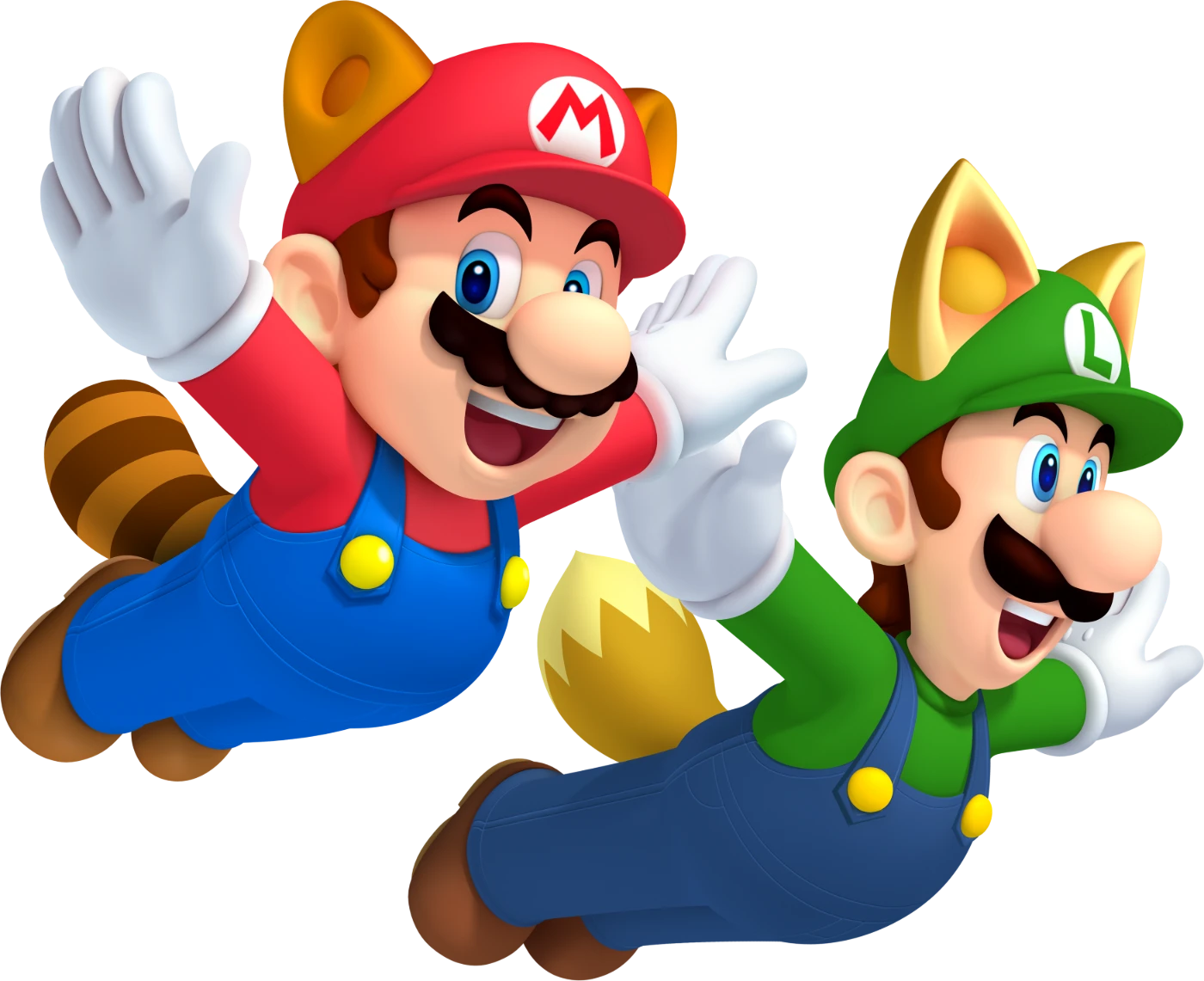
Raccoon Mario and Fox Luigi, the stars of the opening coin hunt.
By 2012 Nintendo had a problem of its own making. The Nintendo 3DS had stumbled at launch, Super Mario 3D Land and Mario Kart 7 had rescued its first Christmas, and the Wii U was due at the end of the year. Satoru Iwata told investors in January that a brand-new 2D Mario was coming to the handheld, and on 21 April a Nintendo Direct gave it a name. New Super Mario Bros. 2 arrived in Japan on 28 July, the same day as the bigger 3DS LL, and reached Europe, Australia and North America within three weeks. Iwata was candid about why: Nintendo had let the 3DS drift between summer and autumn in 2011, and this time Mario would fill the gap.
The game itself is the third New Super Mario Bros. and a direct follow-up to the 2006 DS original. You will recognise almost everything: the world map, the Star Coins, the Mini and Mega Mushrooms, the Koopalings and the bubble-based two-player play lifted from New Super Mario Bros. Wii. What you will not recognise is the sheer quantity of money. Every level is stuffed with coins, enemies turn to gold, pipes spray coins when you fire into them, and a running total on the title screen counts towards a frankly ridiculous goal of one million. With SpotPass switched on, your haul joined a worldwide tally: players had passed 100 billion coins by October 2012 and 300 billion by the end of November.
It was made in an unusual way. The regular 2D Mario team was busy with the Wii U launch game, so producer Takashi Tezuka and SRD’s Toshihiko Nakago ran a “Mario Cram School” to teach staff from across Nintendo how Mario courses are built, then handed the finished courses to a new director, Yusuke Amano. Artists from the Tokyo studio that made 3D Land gave the flat backgrounds a camera-style blur tied to the 3D slider. It was, Iwata noted, the first time Nintendo had built two New Super Mario Bros. games at once.
Reviewers liked it and shrugged: Metacritic settled at 78, the lowest of any mainline Mario platformer on Nintendo hardware, with the words “safe” and “familiar” everywhere. Players disagreed with their wallets. Over a million copies sold in Japan within five weeks, and by March 2026 the total stood at 13.42 million, behind only Mario Kart 7 and three Pokémon pairs on the 3DS. Its Coin Rush packs also quietly set the template for Nintendo’s approach to downloadable content, a story that continues with New Super Mario Bros. U and New Super Luigi U.
New Super Mario Bros. 2 is the first traditional side-scrolling Mario game to be made especially for the Nintendo 3DS system. With over 80 brand new courses full of hidden areas and secrets to discover, it’s a classic Mario game with some major golden differences. For the first time in the series you are tasked with collecting a staggering one million coins. Thankfully, there are three new gold-themed elements to help you along the way.
— Official description (Nintendo UK, 2012)
Why New Super Mario Bros. 2 Matters to Mario FansIt is the game that taught Nintendo how to sell Mario digitally. Iwata used it to launch same-day download sales of retail games, and its ten Coin Rush packs were the first paid add-ons in a Super Mario game, trialled here before New Super Luigi U and everything since. It also brought back two long-lost favourites, Raccoon Mario and the Reznors, introduced Gold Mario, who went on to Mario Kart 8 Deluxe, Super Mario Odyssey and Super Smash Bros., and gave the world a Mario game you can finish in an evening but never quite complete.
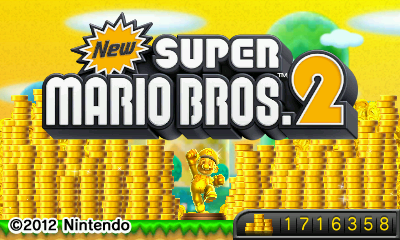
The title screen keeps a running coin total in the corner.Gold Mario turns bricks and enemies into coins.Pass through a Gold Ring and every enemy turns to gold.Two players, two systems, twice the coins.
Quick Answers
The things people ask most about New Super Mario Bros. 2, answered briefly here and in depth further down the page.
When did New Super Mario Bros. 2 come out?
Japan on 28 July 2012, Europe on 17 August, Australia on 18 August and North America on 19 August 2012, on Game Card and as a Nintendo eShop download on the same day in each region. More →
How do you unlock Luigi?
Finish World 6-Bowser’s Castle, then hold L and R while choosing your save file. The game never tells you this. Luigi plays like Mario and becomes Fox Luigi and Silver Luigi with the Super Leaf and Gold Flower. More →
What happens when you reach a million coins?
The title screen changes to show a golden Mario statue on a mountain of coins. Fill the counter completely at 9,999,999 and the reward is a gold Raccoon Mario statue on the title screen, plus a congratulatory message. Nothing else is unlocked; the journey is the reward. More →
How do you reach World Mushroom, World Flower and World Star?
World Mushroom is behind the Warp Cannon in World 1; World Flower is reached from the cannons in World Mushroom or World 3; World Star opens after you beat Bowser and have 90 Star Coins to pay the sign on its first path. More →
What is Coin Rush?
A single-life time attack unlocked after World 1’s castle: three random courses, a 100-second clock in most of them and one goal, the biggest coin total you can manage. Records are traded over StreetPass and beating one earns a 1,000-coin Crown Coin. More →
Can you still buy the Coin Rush DLC?
No. Purchases on the Nintendo 3DS eShop ended in March 2023. Anyone who bought packs can still redownload them, and the Gold Edition and Special Edition bundles came with all ten pre-installed. More →
How many levels and Star Coins are there?
More than 80 regular courses across nine worlds, plus nine one-shot Rainbow courses and four Warp Cannon runs. There are 219 Star Coins, plus 24 Moon Coins in World Star. More →
What are the Rainbow courses?
One-shot bonus stages in each world. Finish any course with the last two digits of the timer matching the world number (11, 22 and so on; 77 for Mushroom, 88 for Flower, 99 for Star), fireworks go off, and a rainbow path appears on the map for a single run through a sky full of coins. More →
Is the Gold Edition a different game?
It is the same game with the ten Coin Rush packs built in, a different title logo and one kindness: dying in a Coin Rush course moves you to the next course instead of ending the run. It was only ever bundled with hardware, so it is now a collector’s item. More →
Can I play it on Switch?
Not at the time of writing (November 2026). New Super Mario Bros. 2 has never been re-released on another system; it remains a 3DS exclusive. More →
Story
The Koopalings make off with Princess Peach.
Nobody plays a New Super Mario Bros. game for its plot, and this one knows it: the story is told in a handful of wordless scenes. But those scenes are charming, they explain why Peach keeps vanishing, and the ending has one of the best sight gags in the series. Here is the whole thing, beat by beat.
A coin hunt in the clouds
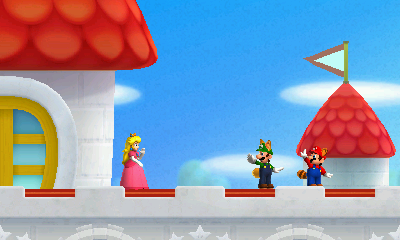
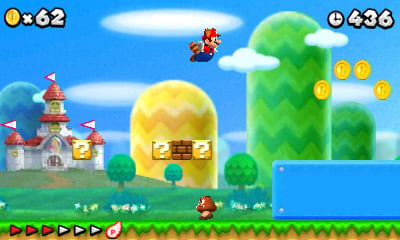
The game opens on a perfect Mushroom Kingdom afternoon. Mario and Luigi, already wearing Super Leaves as Raccoon Mario and Fox Luigi, are out hunting coins, soaring over Princess Peach’s castle and scooping up glittering trails while the Princess waves from her balcony. A little bird flutters past. It is the most carefree Mario has ever looked at the start of an adventure, and the message is clear: in this game coins are the point, not the pocket money.
Raccoon Mario and Fox Luigi fly past the castle at the start.The brothers in their tailed forms, from Nintendo’s artwork.
Enter the Koopalings
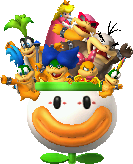
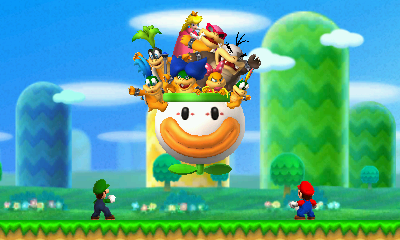
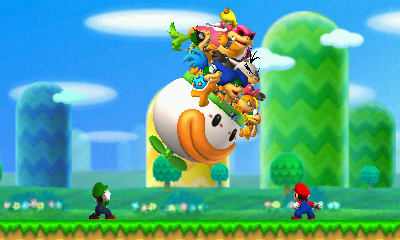
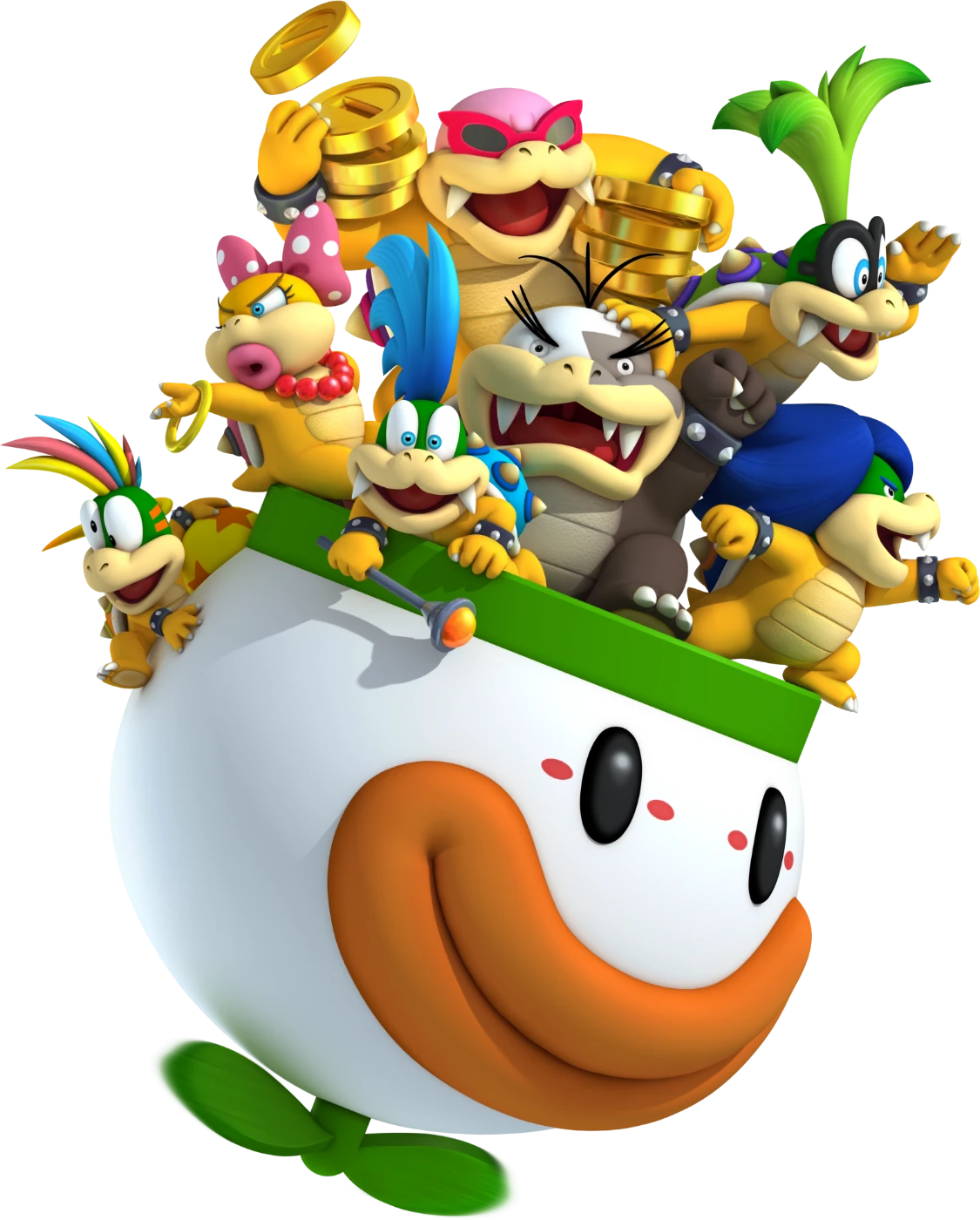
The brothers land to find the Koopalings, all seven of them, piling out of the Koopa Clown Car. A knock sends Mario and Luigi tumbling back to their ordinary Super forms, and when the dust settles Peach has gone. Roy, the biggest, has her slung over his shoulder. The Clown Car lifts off with the Princess aboard and Mario sets off after it across World 1’s grassy plains, which is where you take control.
It is a cheeky echo of the opening of Super Mario Advance 2, where the brothers were also distracted by a flying power-up while the Koopalings struck, and it sets up the structure: each Koopaling will hold a castle, and the Clown Car will keep Peach one world ahead of you.
The Koopalings arrive in the Koopa Clown Car.Peach is carried off; Mario gives chase.
Six worlds and a river of gold
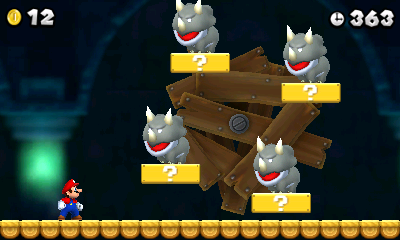
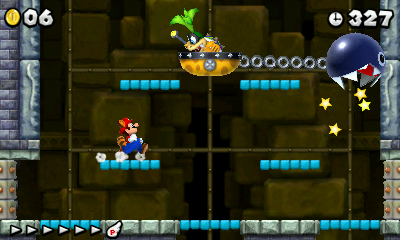
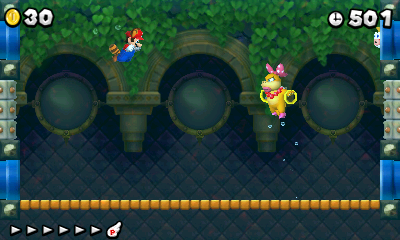
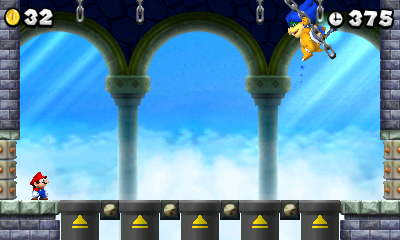
From here the game settles into the familiar rhythm of grassland, desert, tropical islands, snow, sky and lava. Halfway through each world a Tower rises, and inside it the Reznors are waiting: rhinoceros-like beasts on rotating platforms, last seen in Super Mario World, who fling fireballs while the bridge beneath Mario crumbles. Knock the blocks out from under them and the Tower falls. At the end of each world stands a Castle, and in it a Koopaling with a magic wand and a gimmick: Roy charges into the closing walls of his shrinking room, Iggy rides a carriage pulled by a Big Chain Chomp, Wendy fights in a flooding chamber full of Cheep Cheeps, Morton conjures spiked balls, and Ludwig has to be knocked down with Pipe Cannons. Three stomps each and the Koopaling flees.
After every castle the same scene plays: Mario looks up to see Peach, caged in the Clown Car, carried off towards the next world, while the beaten Koopaling makes a dash for it. Meanwhile the coin counter keeps climbing, and by the time World 6’s volcanoes come into view most players have long since stopped worrying about the Princess and started worrying about the next hundred thousand.
World 1: grassy plains and the first Gold Ring.The Reznors guard every Tower.Roy Koopa in World 1-Castle, where the walls close in.
Side roads: World Mushroom and World Flower
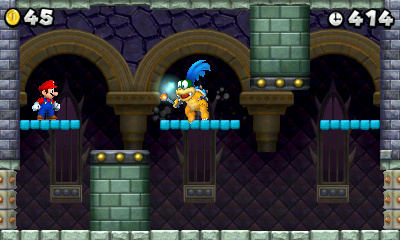
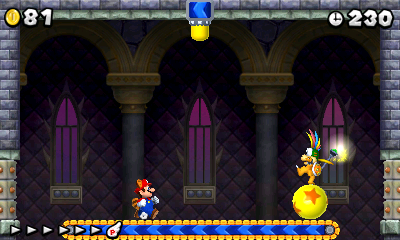
Two of the Koopalings are not on the main road at all. Fire yourself out of World 1’s Warp Cannon and you land in World Mushroom, a grab-bag of courses themed loosely after the Super Mushroom, where Larry Koopa bounces magic balls diagonally around a castle with shifting walls. Its cannon, or World 3’s, leads to World Flower, where Lemmy Koopa rides his circus ball along a conveyor belt and sends smaller balls rolling at you. World Flower’s own cannon drops you straight into World 6, which makes the Warp Cannon route the quickest way to Bowser, if not the richest.
World Mushroom, reached only by Warp Cannon.Larry Koopa holds World Mushroom’s castle.Lemmy Koopa and his circus ball in World Flower.
Bowser’s Castle
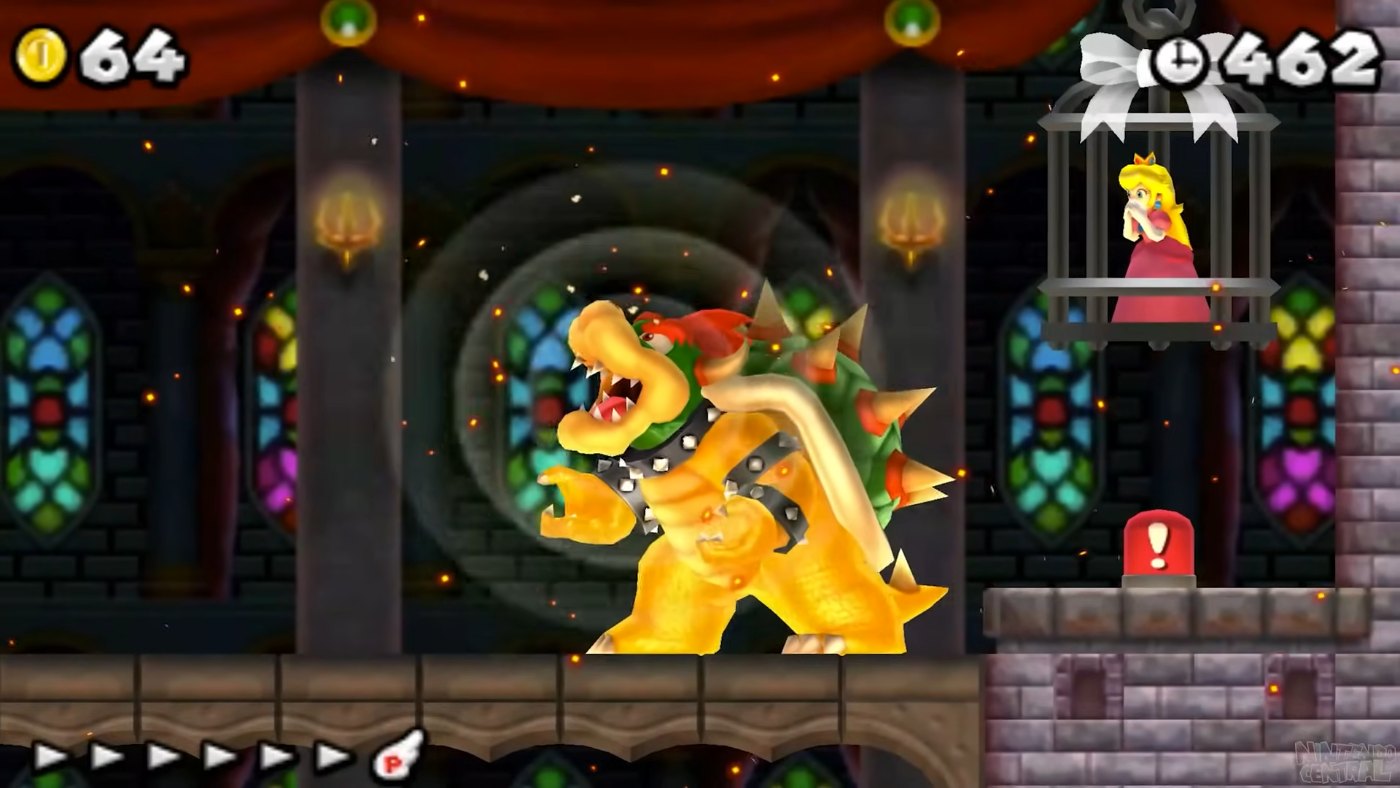
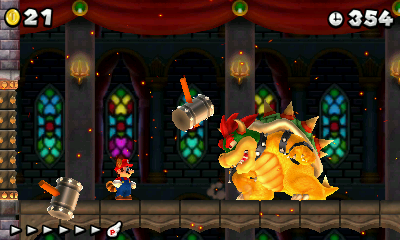
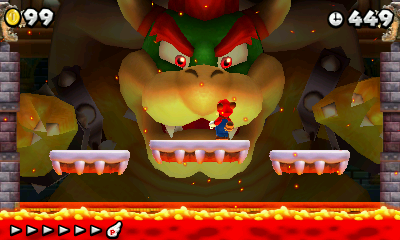
World 6 ends at Bowser’s Castle, and the first round is pure Super Mario Bros.: Bowser stomps about on a bridge breathing fire while Mario waits for a gap, slips underneath and hits the ! Switch. Down goes the bridge, down goes Bowser, and for a moment it is over. Then the Koopalings swoop in. In New Super Mario Bros. Wii it was Kamek who revived the fallen king; here all seven Koopalings pool their magic, and Bowser bursts back out of the pit as a towering giant who fills the screen, knocking his children aside as he stands up.
The finale is a vertical scramble up the castle tower with Giant Bowser smashing through the platforms behind you and roaring fire across the screen. At the very top sits an enormous ! Switch. One ground pound and the floor gives way beneath Bowser, who plunges into the depths for good. Peach’s cage opens.
Bowser waits on his bridge.Round one: a hop over the king and a dash for the switch.Round two: the Koopalings have supersized their father.
Happily ever after, with a coin count
Mario carries Peach home in his arms (on foot this time; in 3D Land he flew), while Luigi, true to the spirit of the game, trails behind picking up every coin he can find. The credits roll over the Koopalings carrying their shrunken, dazed father back to the Clown Car, which is now so overloaded that it sputters, drops and scatters the whole family across the sky. After the credits, your file earns a star and the Gold Flower is added to your Coin Rush item box, which tells you what Nintendo thinks you should do next.
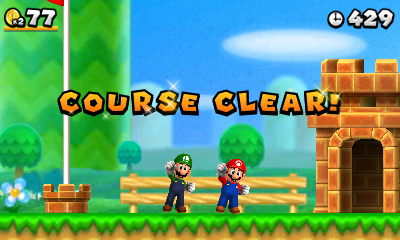
Mario and Luigi celebrate a cleared course.The title screen after a million coins: a golden Mario on a golden hill.
World Star and Dry Bowser
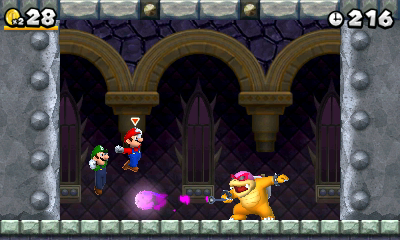
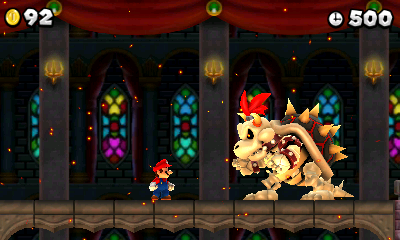
The true ending is in World Star, which only appears once Bowser is beaten and you have 90 Star Coins to spend on its opening sign. Its courses swap Star Coins for Moon Coins and ramp up the difficulty, and its castle holds Dry Bowser, the skeletal king from the DS game, who is faster than his living self, hurls bones, breathes blue flame and is immune to fireballs. Beat him and the game is truly done, although the coin counter, of course, is not.
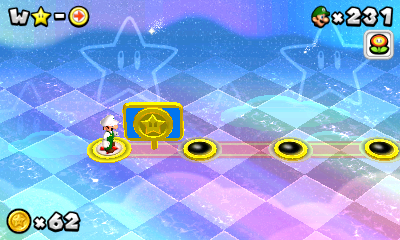
Luigi in World Star, the post-game world.Dry Bowser, the last boss standing.
The worlds of New Super Mario Bros. 2
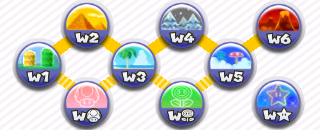
Six worlds on the main road, two reached only by Warp Cannon and one unlocked after the credits. Every numbered world has a Reznor Tower in the middle and a Koopaling Castle at the end; Rainbow courses and Warp Cannon runs are listed in the course counts.
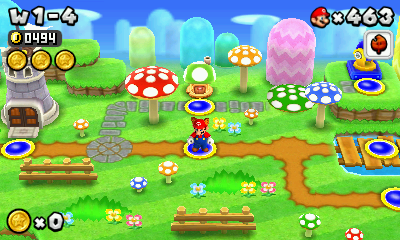
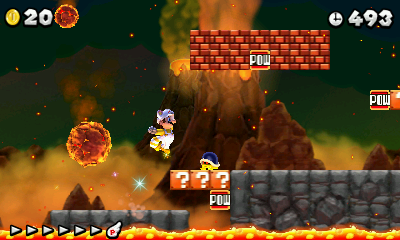
World 1Grassland · 10 courses · 24 Star Coins · Tower: Reznor · Castle: Roy KoopaRolling green plains that teach the Gold Ring and the Super Leaf. The Warp Cannon leads to World Mushroom.
World 2Desert · 11 courses · 30 Star Coins · Castle: Iggy KoopaSand, cacti, Pokeys and the first Ghost House, where the enormous Boohemoth makes its debut. A coin-spewing volcano hides in 2-B.
World MushroomSpecial · 9 courses · 21 Star Coins · Castle: Larry KoopaReached from World 1’s cannon. Mixed themes rather than a single setting, in the manner of 3D Land’s special worlds. Its cannon leads to World Flower.
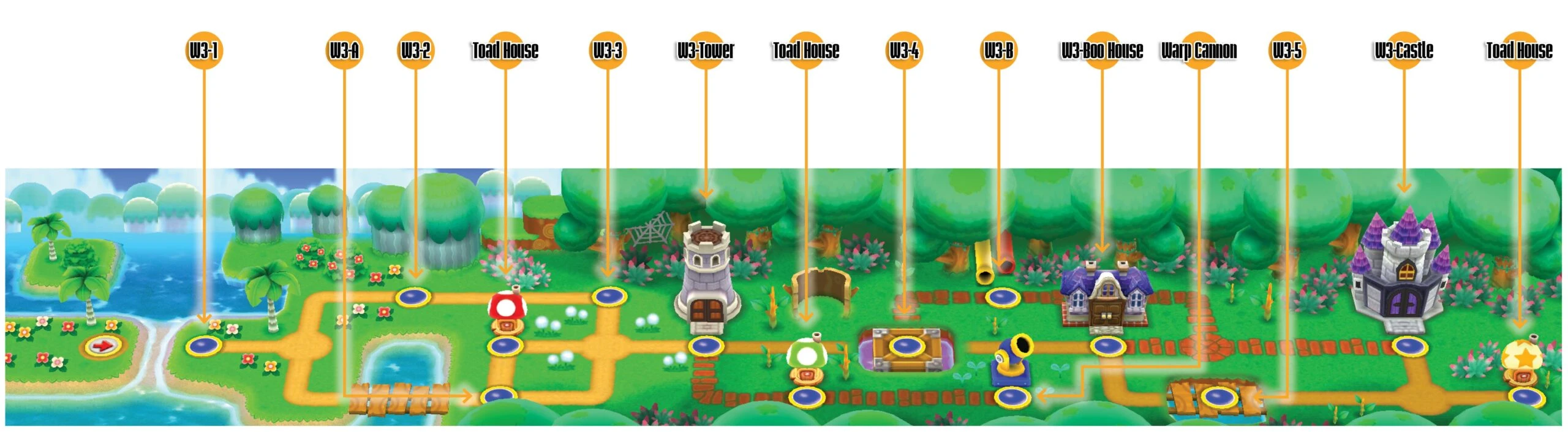
World 3Islands and jungle · 12 courses · 30 Star Coins · Castle: Wendy O. KoopaA tropical archipelago of Cheep Cheeps and Urchins that turns to poison-swamp jungle with cobwebs to climb. The cannon leads to World Flower.
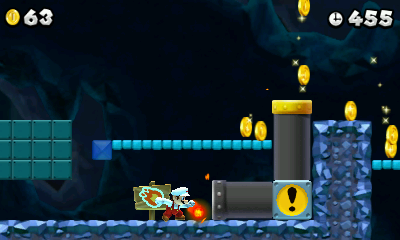
World 4Snow · 12 courses · 33 Star Coins · Castle: Morton Koopa Jr.Icy hills to slide down, frozen forests, Fuzzies on rails and a Tower full of Bone Piranha Plants. The biggest Star Coin haul in the game.
World FlowerSpecial · 9 courses · 21 Star Coins · Castle: Lemmy KoopaThemed after the Fire Flower and reached from World Mushroom or World 3. Its Warp Cannon is a shortcut straight to World 6.
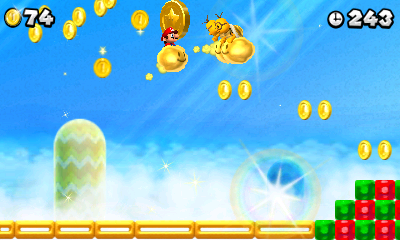
World 5Sky · 11 courses · 30 Star Coins · Castle: Ludwig von KoopaMushroom platforms, cliffs, golden Lakitu clouds to ride and Bullet Bill barrages. Ludwig must be knocked out of the air with Pipe Cannons.
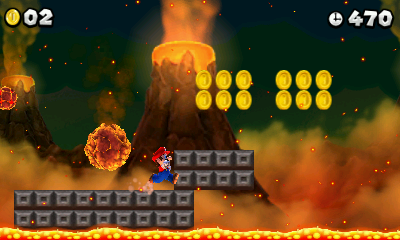
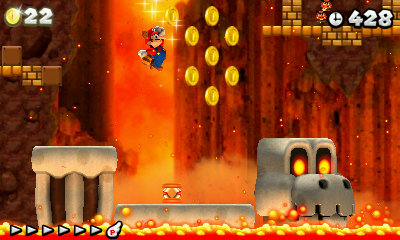
World 6Lava · 11 courses · 30 Star Coins · Castle: BowserVolcanoes raining debris, withered trees, Fire Bros and segmented bone coasters over lava, ending at Bowser’s Castle and the two-stage finale.
World StarPost-game · 9 courses · 24 Moon Coins · Castle: Dry BowserOpens after the credits with 90 Star Coins. The toughest courses in the game, Moon Coins in place of Star Coins and Dry Bowser at the end.
The ten Coin Rush packs sold in late 2012 add 30 more courses that never appear in the main adventure, from the beginner-friendly Gold Rush Pack to the aptly named Impossible Pack. They are covered under Legacy.
Advertisement
Gameplay & Controls
If you have played any New Super Mario Bros., your thumbs already know this one. Mario runs, jumps, wall-kicks, ground-pounds and triple-jumps through side-scrolling courses that end at a flagpole, with Star Coins hidden off the beaten track and a world map linking everything together. What changes is the economy. Where earlier Marios doled out coins carefully, this one empties the vault over your head, and every system in the game, from the power-ups to the two-player mode to the StreetPass features, is bent towards making the number go up.
Controls and moves
The touch screen tracks Star Coins, lives, your stored item and the coin count.
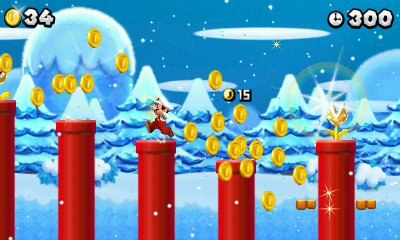
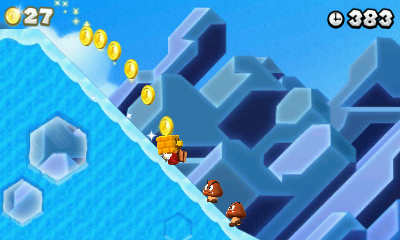
The Circle Pad or the Control Pad moves Mario; B or A jumps, and holding Y or X makes him dash and lets him pick up shells. Press down in mid-air for a ground pound, slide down a wall and jump to kick off it, and chain three jumps on the run for the triple jump. Your spare power-up sits in an item box on the touch screen: tap it to drop the item into play. Hold up and Mario looks skyward, a small Super Mario World touch. The Circle Pad also lets you crouch-slide down slopes, taking out whole rows of Goombas for a cascade of coins.
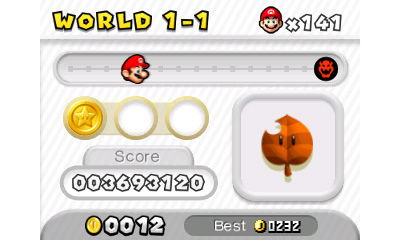
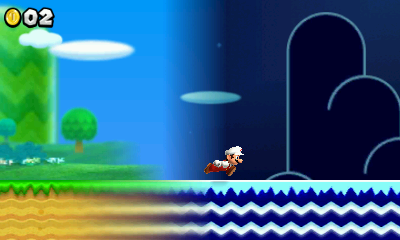
The 3D slider does more than add depth. Push it up and the flat painted backgrounds soften into a photographic blur so that the foreground action stands out, an effect the Tokyo artists borrowed from digital cameras. The lower screen carries the world map or a level progress bar, your score, lives, Star Coins and the all-important coin counter with its personal best.
A kingdom paved with gold
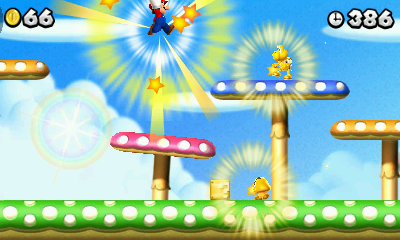
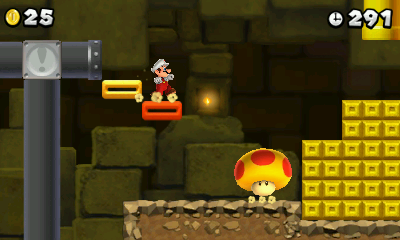
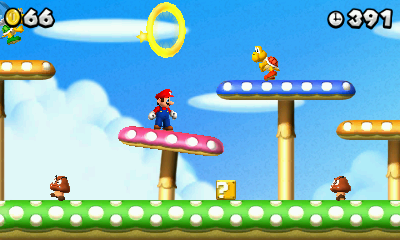
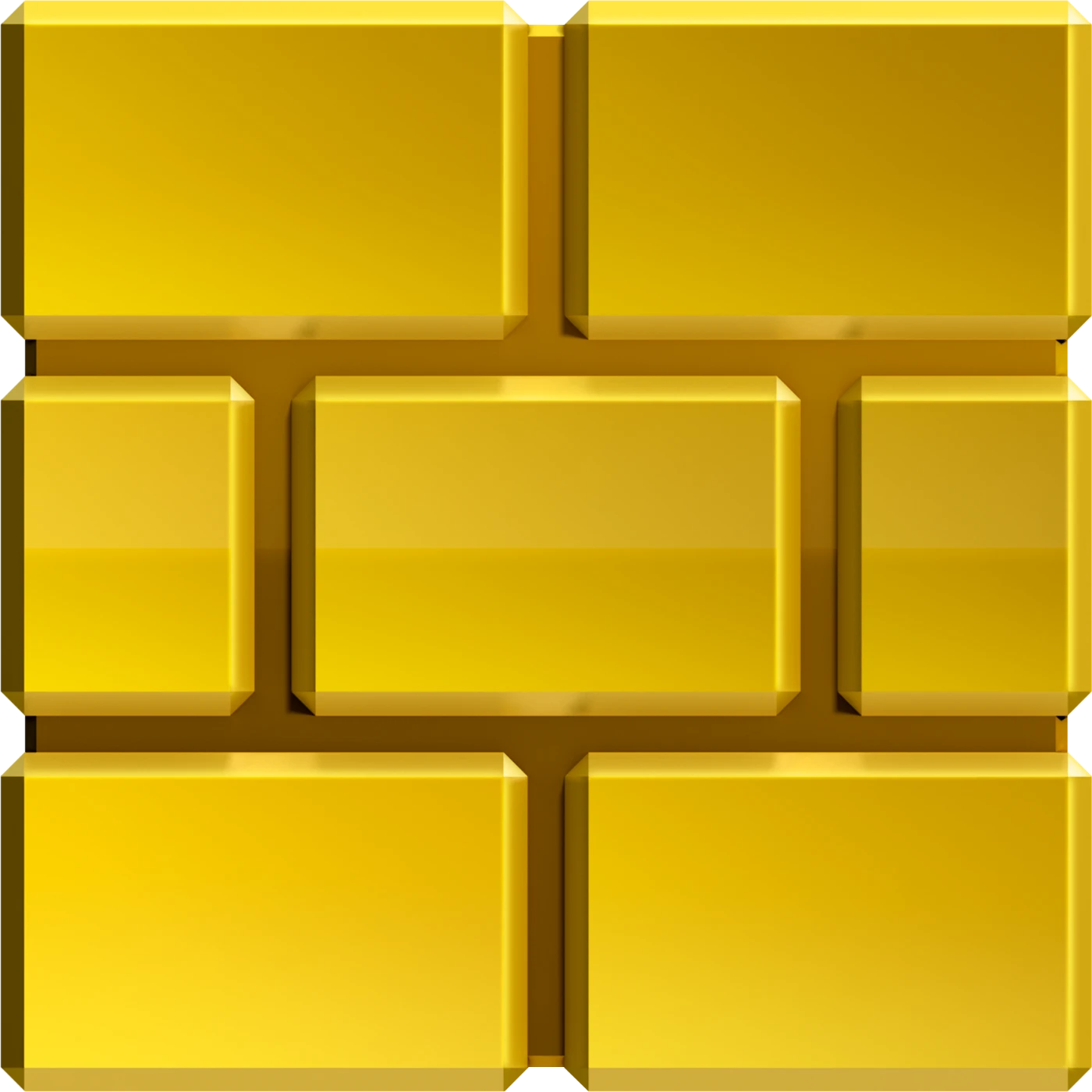
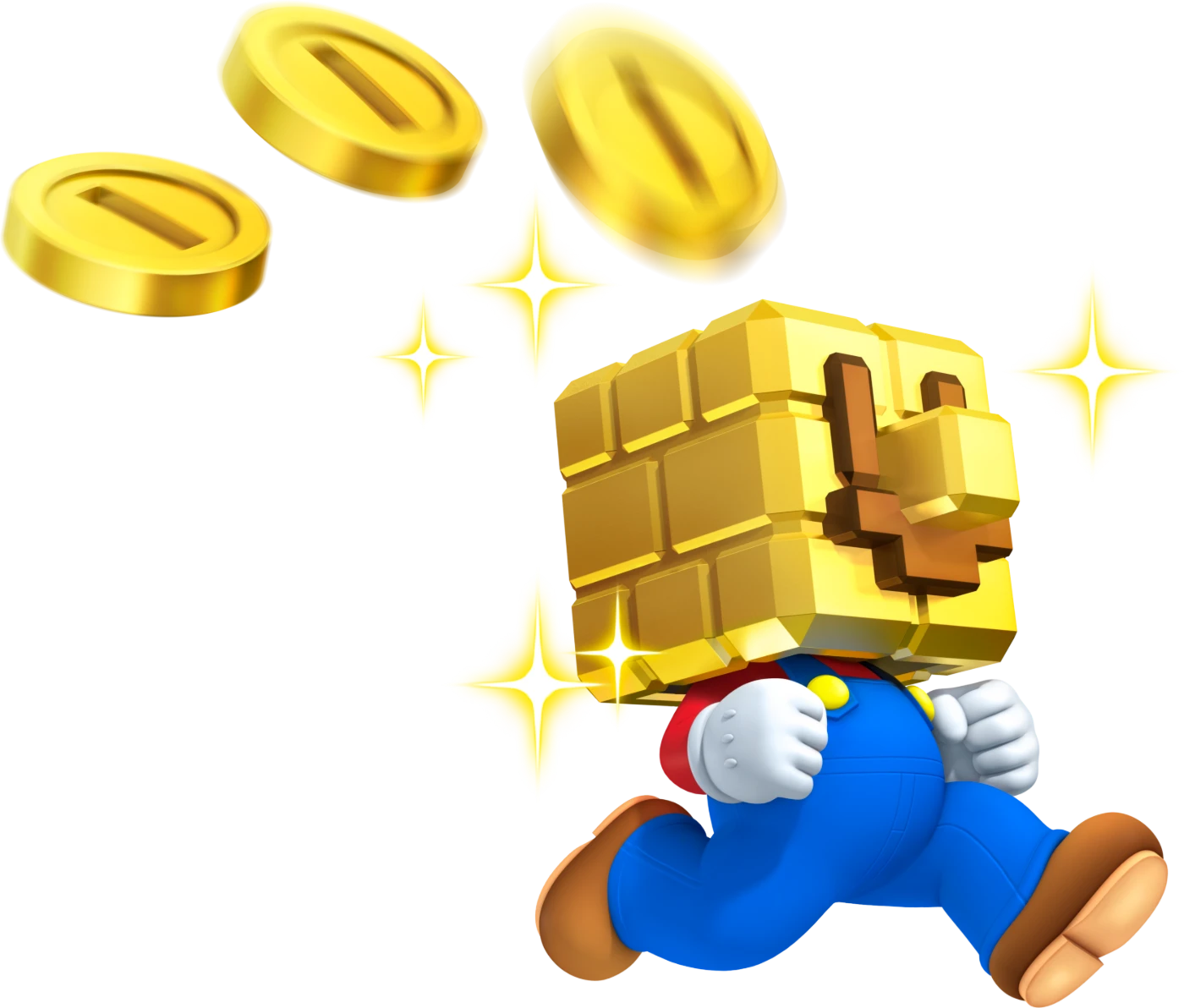
Coins are everywhere, and everything makes more of them. Jump through a Gold Ring and every enemy on screen turns gold for a short while: golden Koopa shells spray coins as they slide, golden Goombas pay extra when squashed, golden Lakitus rain coins instead of Spinies and even Bullet Bills leave glittering trails. Beat golden enemies in a row and the payouts rise through 5, 10, 15 and 20 coins to 50 for every enemy after the fourth. Knock ten or more coins out of a multi-coin Brick Block and it usually turns into a Gold Block that clamps over Mario’s head and showers coins as long as he keeps running. Fire a fireball into a ! Pipe and coins fountain out, with a prize after the twelfth shot.
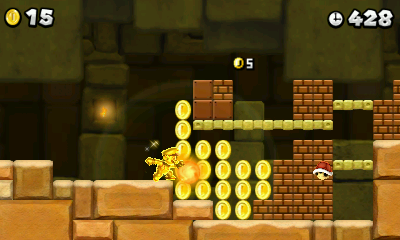
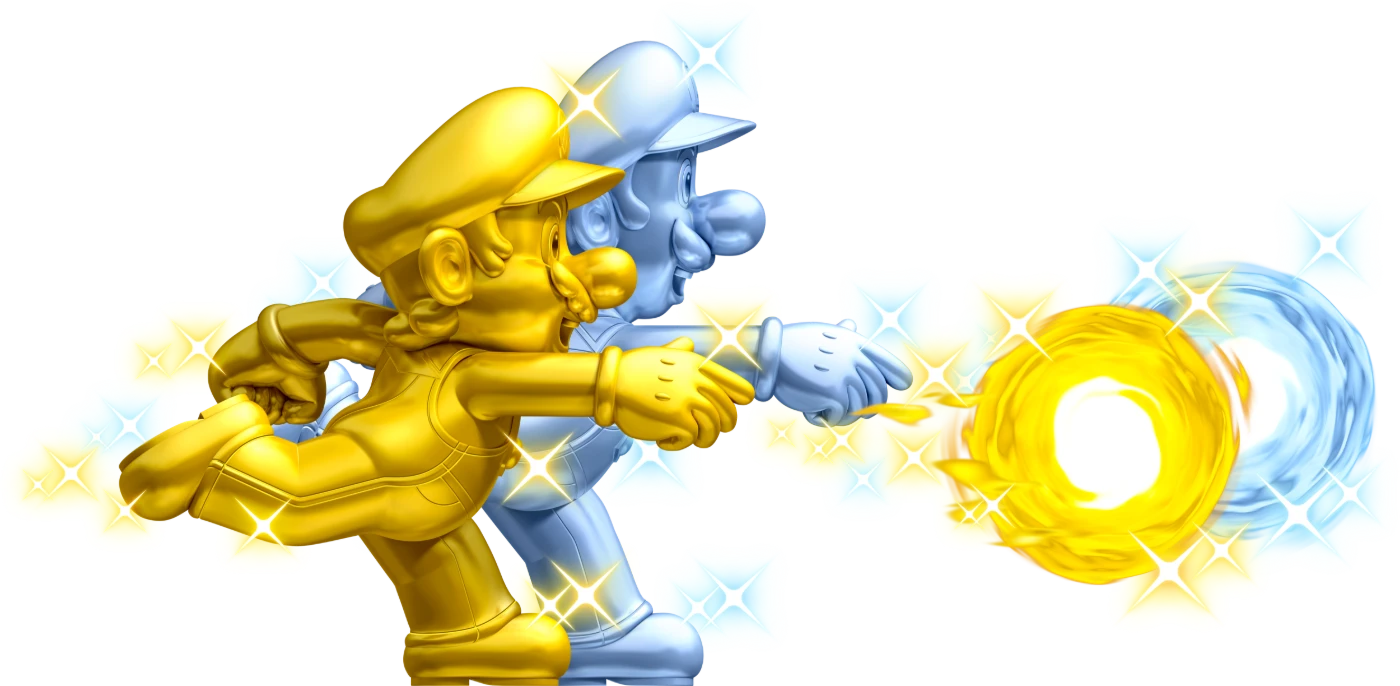
Then there is the Gold Flower. Gold Mario’s fireballs explode on impact, turning bricks into coins and enemies into 5-coin bonuses, emptying item blocks in the blast and even felling most bosses in a hit (the Koopalings still need three). The form only lasts until the end of the course, where it drops back to Fire Mario, which is why Gold Flowers are rare and a stored one is precious. Roulette Coin Blocks pay out up to 50 or even 100 coins, giant 100-Coins hide in bonus skies, and because your collected coins survive a lost life, the total only ever goes one way.
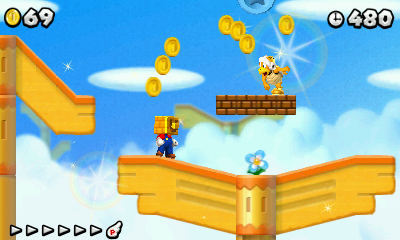
A Gold Block on the head pays out for as long as you keep moving.Fireballs into a ! Pipe bring coins back out.A Gold Ring waits on a mushroom platform…
Coin Rush
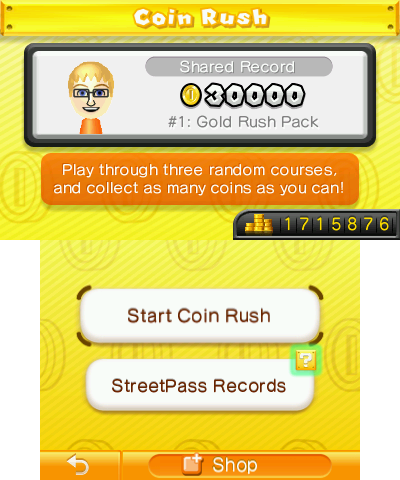
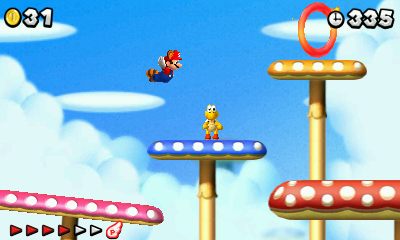
Unlocked by clearing World 1’s castle (or its Warp Cannon), Coin Rush is a single-player time attack. Pick the Mushroom, Flower or Star pack, which draw from easy, medium and hard worlds respectively, and the game deals you three courses in a row. You have one life and usually 100 seconds per course (1-1 gets 50), with +Clocks and checkpoint flags adding time. 1-Up Mushrooms become Gold Mushrooms worth 50 coins, five unused seconds convert to a coin, and grabbing the very top of the flagpole doubles your total for that course. The third course is always a tower or castle, and the counter stops at 30,000.
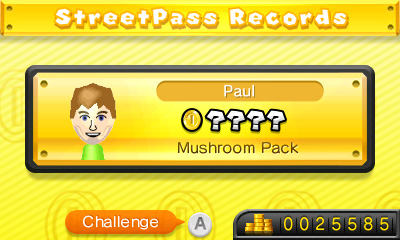
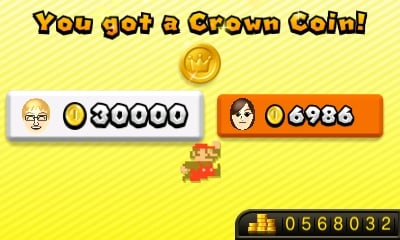
Beat the main game and a Gold Flower waits in your Coin Rush item box, usable in one of the three courses; alternatively you can start as White Raccoon Mario, invincible but with an empty box. Your best run becomes a record that travels over StreetPass. Take on another player’s record, which means playing their exact three courses in order with the target hidden until you finish, and beating it earns a Crown Coin worth 1,000. Up to 15 records can be stored, and between October and December 2012 Nintendo sold ten extra three-course packs through an in-game shop (see Legacy).
Coin Rush: three courses, one life, one big number.Challenging a record received over StreetPass.Beat a rival’s record and a 1,000-coin Crown Coin is yours.
Two players, one small screen
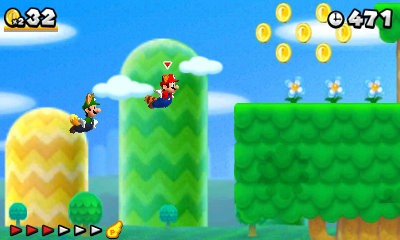
Raccoon Mario and Fox Luigi share the skies in Co-op Play.
Co-op Play lets a second player join as Luigi for the entire adventure, but each of you needs a 3DS and a copy of the game, connected over Local Play. The Wii game kept everyone on one wide television; the 3DS screen is too small for that, so the camera follows whichever brother is in the lead, marked by a red or green arrow, and the straggler pops into a bubble if they fall too far behind. Entering a pipe first or ground-pounding your partner steals the lead, so the mode works as a race as much as a team-up. Coins and lives are pooled, every coin counts double, and power-up blocks pay out two items so nobody goes short.
Difficulty, help and hoarding lives
White Raccoon Mario: invincible, flying, and only offered after five lost lives.
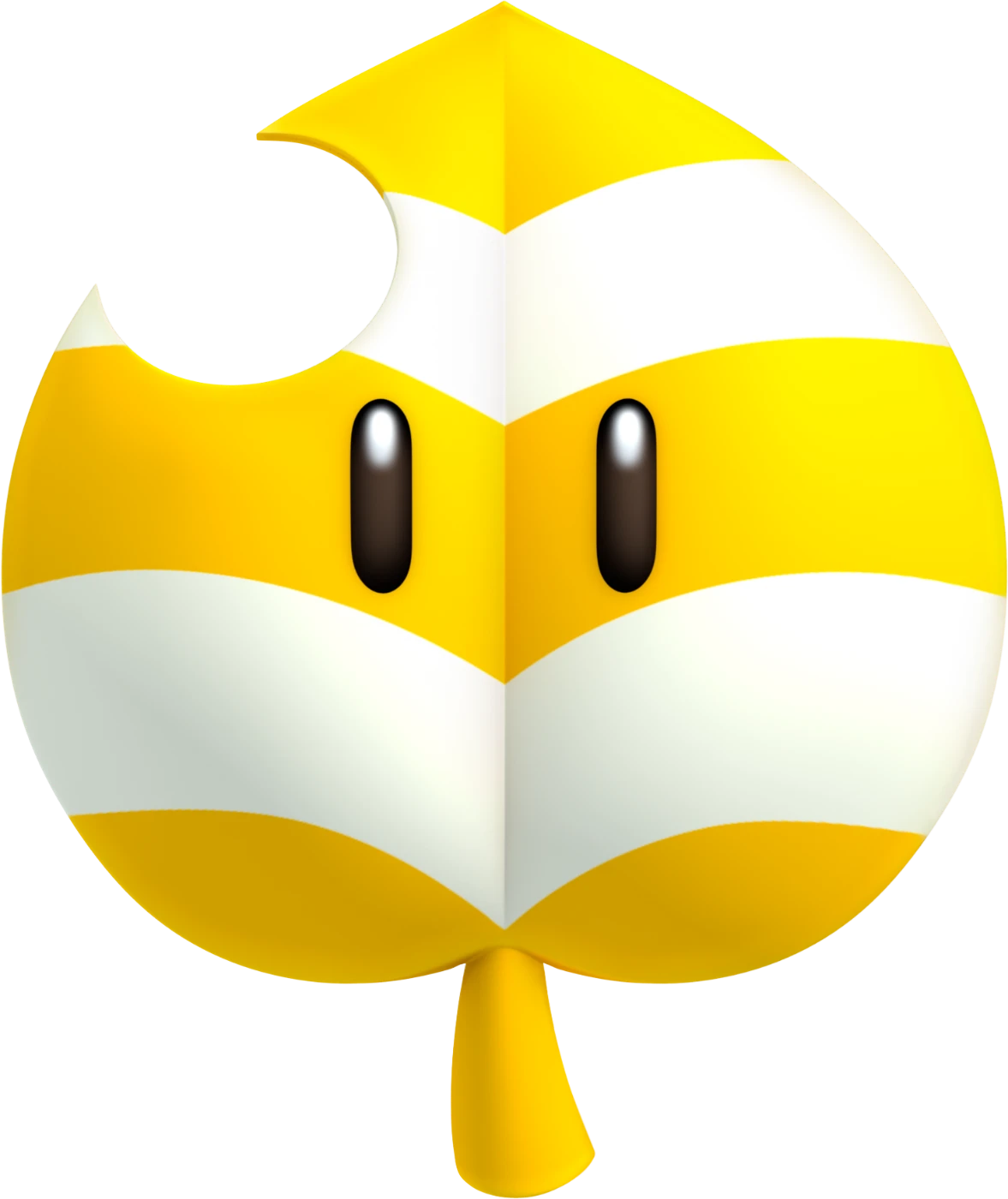
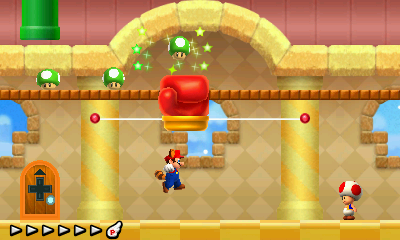
This is a gentle Mario. Lose five lives in a course and an Assist Block appears holding an Invincibility Leaf, which turns Mario into White Raccoon Mario: he can fly, he cannot be hurt, and the effect lasts until the course is cleared. Reserve power-ups come from Red Toad Houses, Green Toad Houses play a punching-glove game for extra lives, Yellow Toad Houses hand over a Gold Flower, and one last Yellow Toad House in World Star, holding a Super Star for the reserve box, appears once every Star Coin has been found. Lives stack up fast: the counter runs to 1,110, shown as three crowns, and at that point Mario and Luigi start courses without their caps.
The map, the secrets and the Dash Mario runs
A Dash Mario course: no brakes, just jumps.
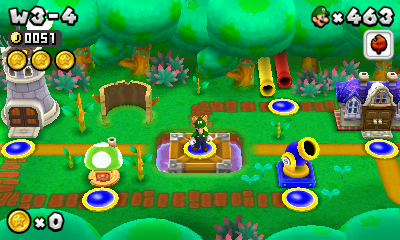
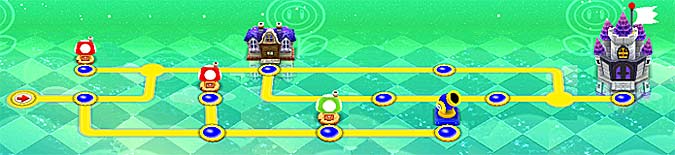
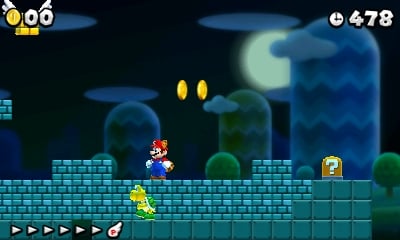
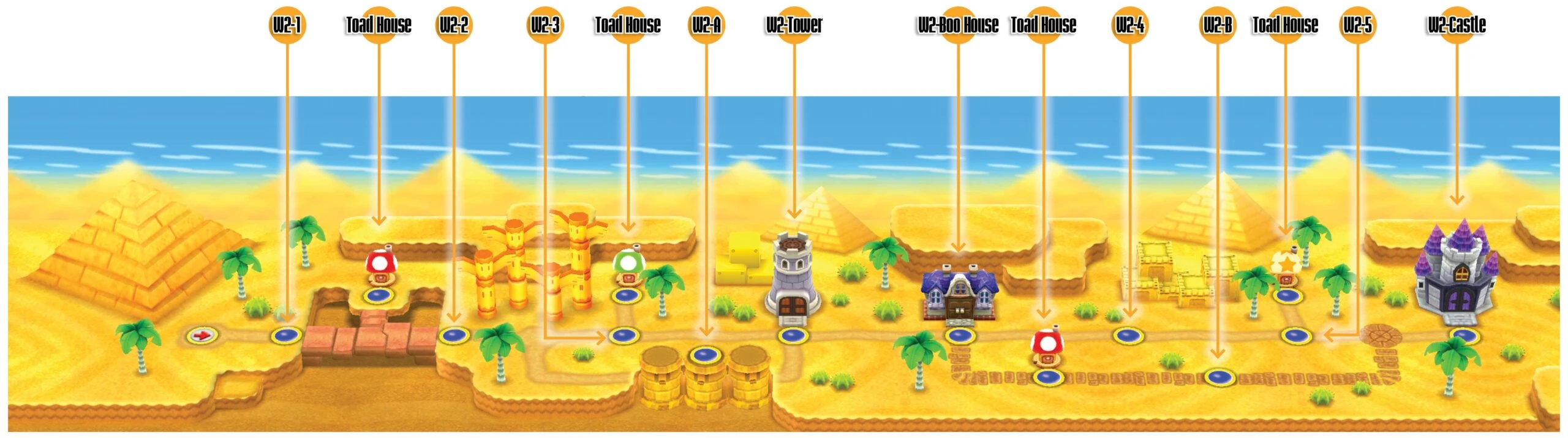
Each numbered world has a Tower guarded by Reznors in the middle and a Koopaling’s Castle at the end, with Ghost Houses, lettered side-courses and Toad Houses branching off. Star Coin Signs block some paths until you pay in Star Coins, and many courses hide a second exit behind a red flagpole. Warp Cannons fire Mario into Dash Mario courses: long, cannon-launched sprints where he never stops running and all you do is time the jumps, a nod to the mine carts of Donkey Kong Country, with a new world waiting at the end. Flying Gold Blocks hover over the map and, if you enter the course they are parked on, wait near the start to be worn.
Power-ups and golden goodies
Everything Mario can grab in New Super Mario Bros. 2, from old favourites to the new coin-makers.
Super MushroomGrows Small Mario into Super Mario, who can break bricks and survive a hit.
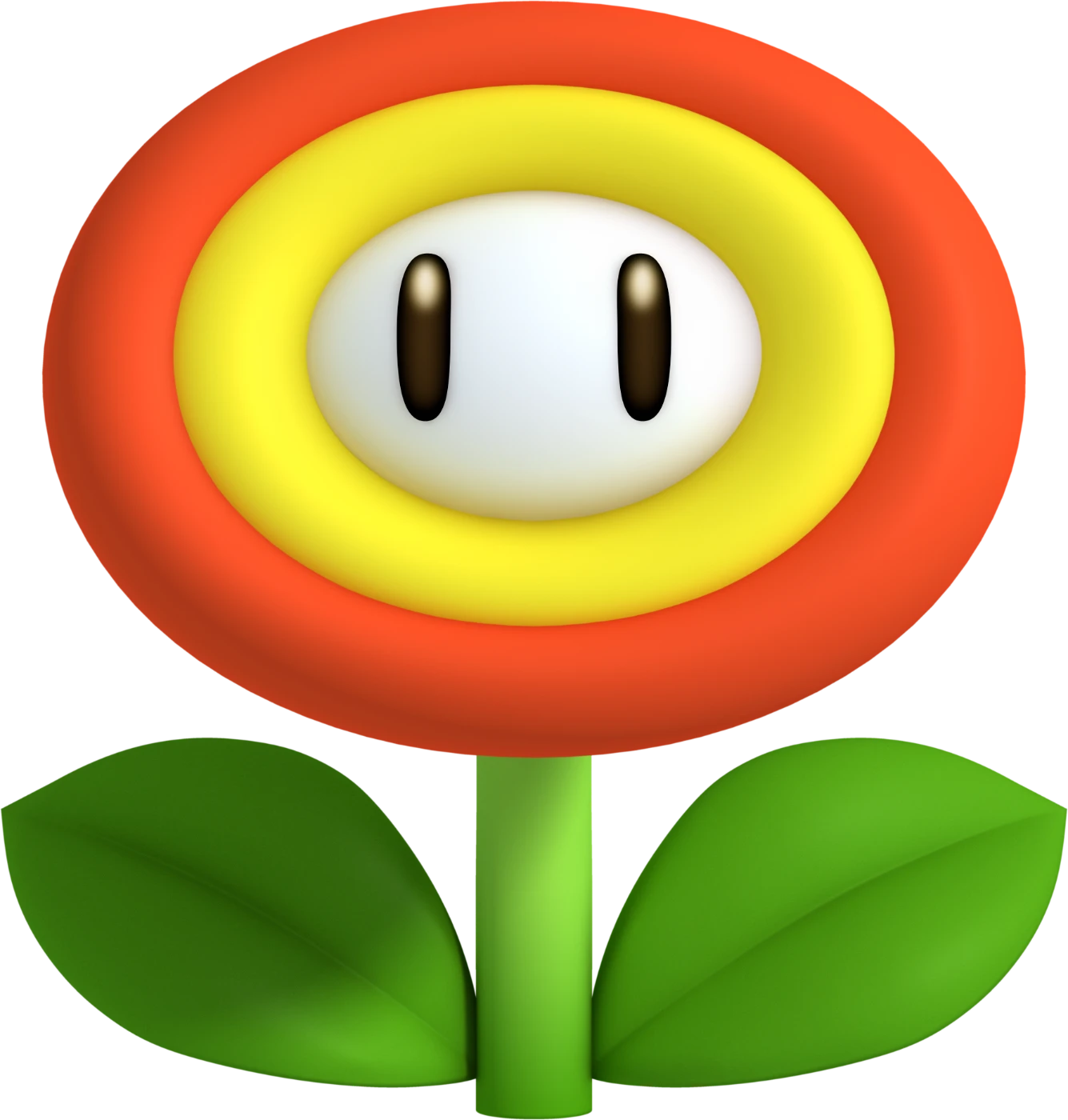
Fire FlowerBouncing fireballs for Fire Mario. Fire a dozen into a ! Pipe for a prize.
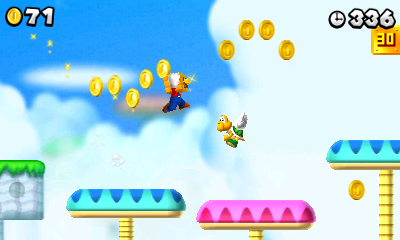
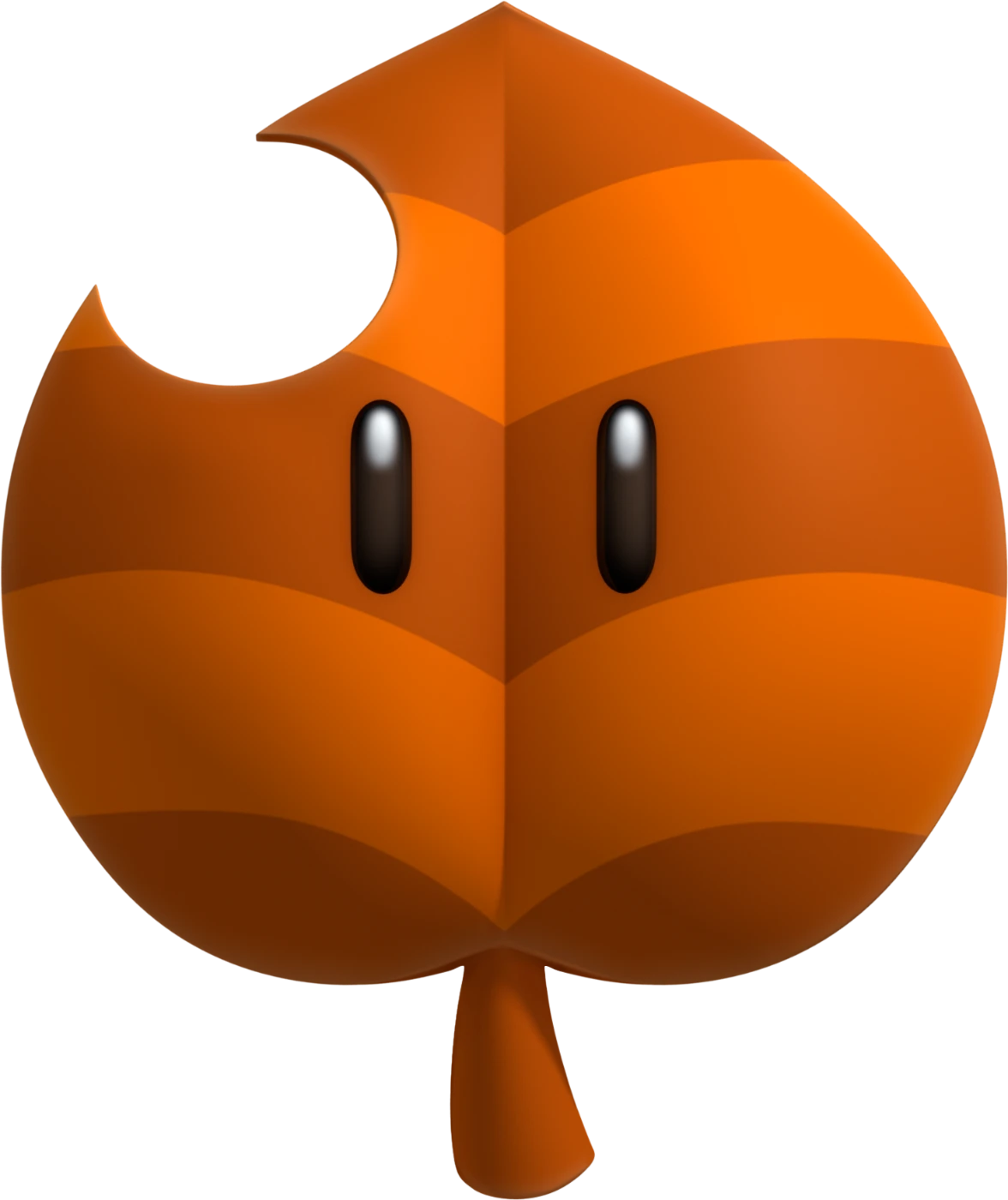
Super LeafRaccoon Mario (Fox Luigi): tail whip, slow descent and flight once the P-Meter is full. Back in a new 2D Mario for the first time since 1988.
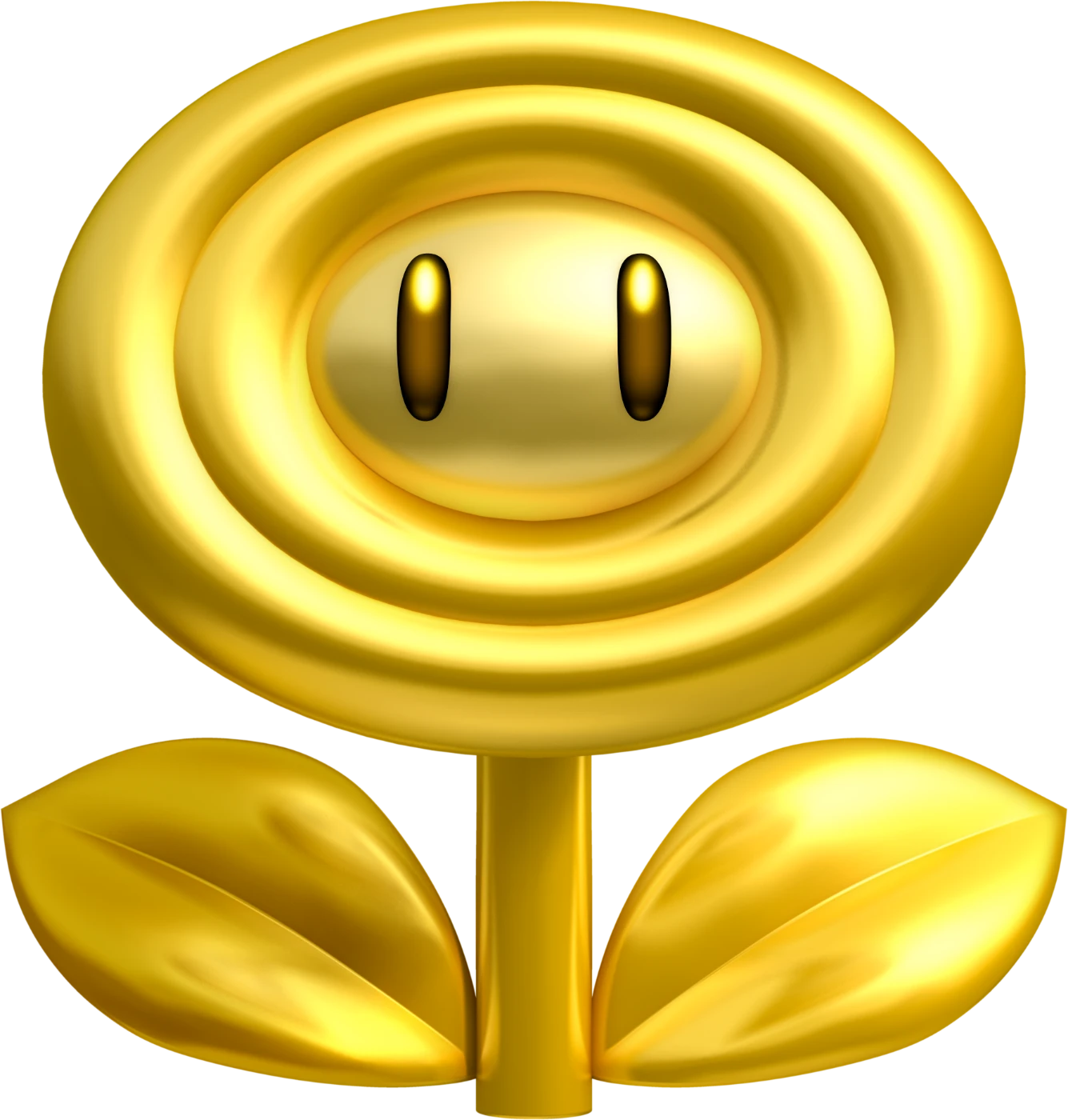
Gold FlowerGold Mario and Silver Luigi. Exploding fireballs turn bricks and enemies into coins; lost at the end of the course.
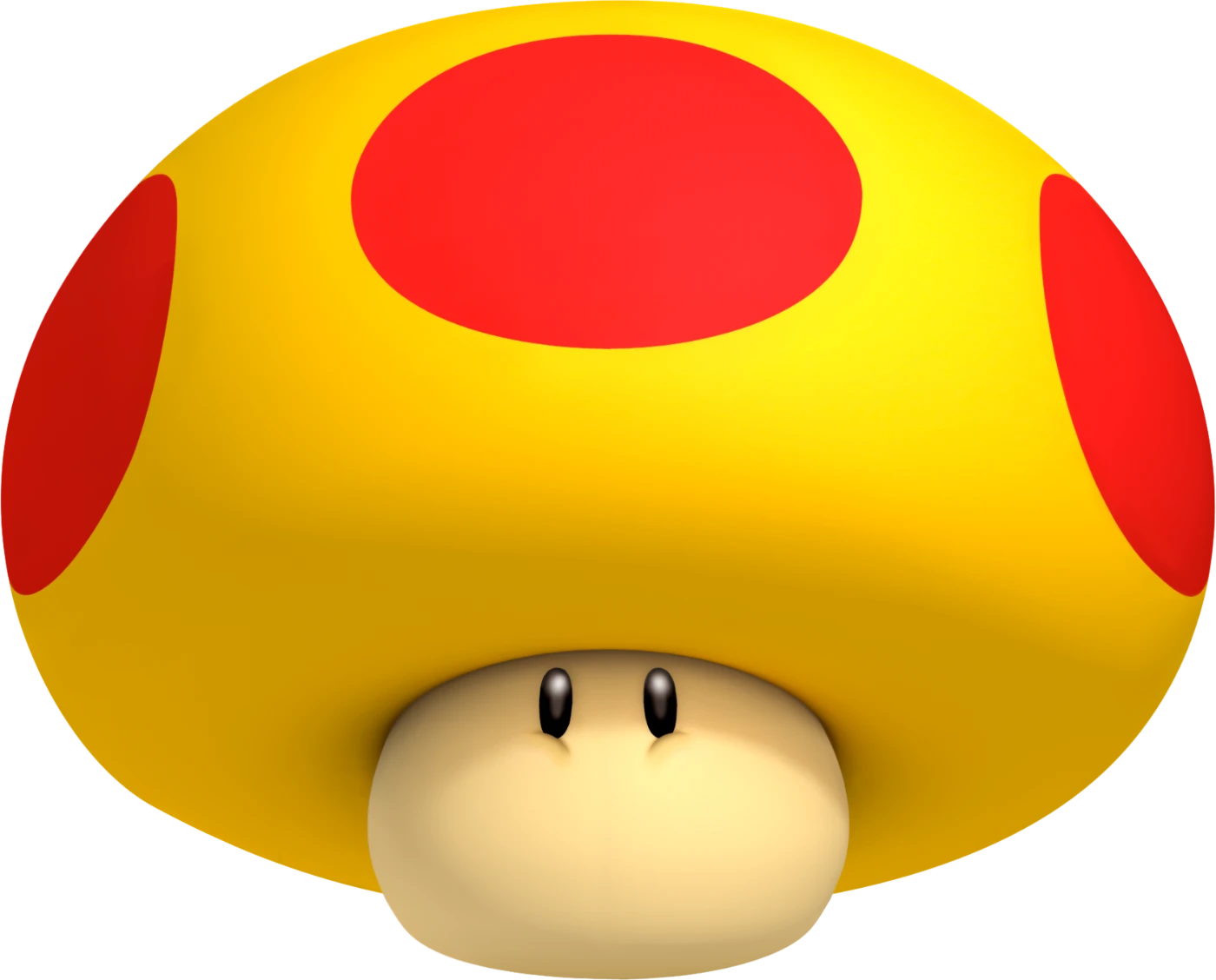
Mega MushroomGiant Mario crushes pipes, bricks and enemies, and smashing the flagpole earns a hatful of 1-Ups.
Mini MushroomTiny, floaty Mario fits through small pipes and runs on water, but one hit ends it.
Super StarInvincibility, and every enemy you bump into drops coins.
Invincibility LeafFrom the Assist Block after five lost lives: White Raccoon Mario, invincible until the flagpole.
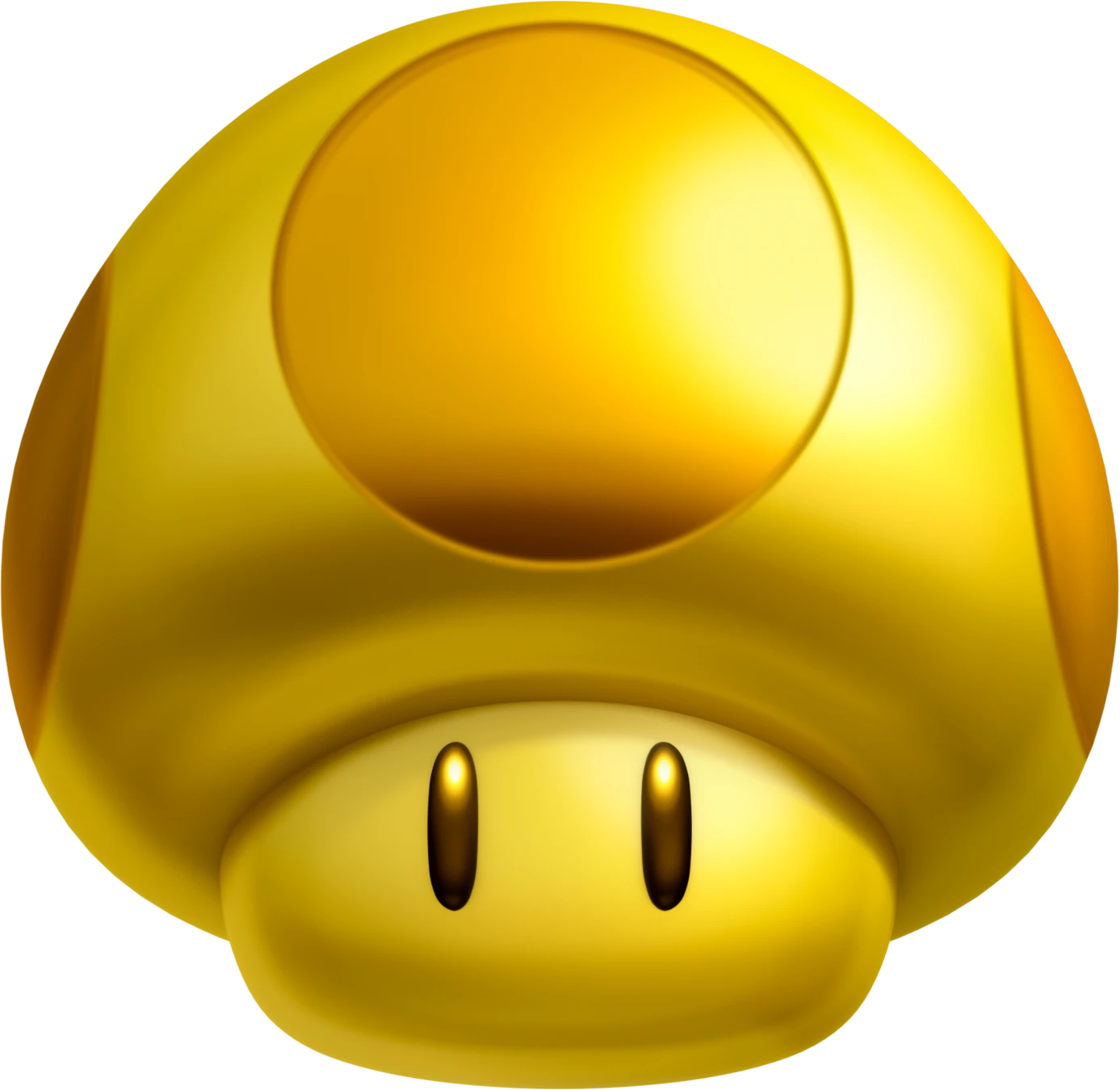
Gold MushroomCoin Rush only, replacing 1-Ups: 50 coins, or 100 for Gold Mario.
1-Up MushroomAn extra life. Hoard 1,110 of them for triple-crown status.
Gold RingTurns every enemy on screen gold for a few seconds, with bonus coins for each one beaten.
Gold BlockA coin block that sticks to Mario’s head and pays out while he runs; faster running means more coins.
Star CoinThree per course, 219 in all, spent on Star Coin Signs to open paths and Toad Houses.
Moon CoinWorld Star’s version of the Star Coin, 24 of them, stamped with a 3-Up Moon.
Crown CoinWorth 1,000 coins, awarded for beating a StreetPass Coin Rush record.
Cartoons, Comics & Other Media
New Super Mario Bros. 2 arrived too late for the Mario cartoons and too early for the films, but it left golden fingerprints all over Nintendo’s later games, and it got the manga treatment in Japan.
Super Mario-kun, volume 46Yukio Sawada · Shogakukan · June 2013The long-running CoroCoro Comic manga gave the game a bonus chapter in which Mario and Luigi grab the Gold Flower and brawl with golden enemies, sandwiched between its Super Mario 3D Land and New Super Mario Bros. U arcs.
Nintendo Direct Mini: New Super Mario Bros. 2Nintendo · October 2012A short video presentation devoted to the game’s Coin Rush packs, showing the first three alongside their prices and dates. English-language versions followed the Japanese original.
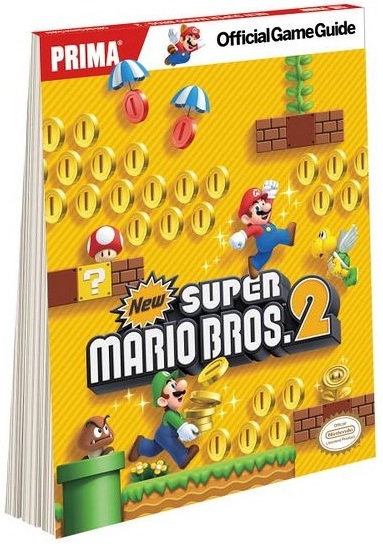
Prima Official Game GuidePrima Games · 2012The licensed strategy guide, whose rendered enemy art is the source of most of the character pictures on fan wikis, and the origin of the name “Rainbow Course” for the bonus stages.
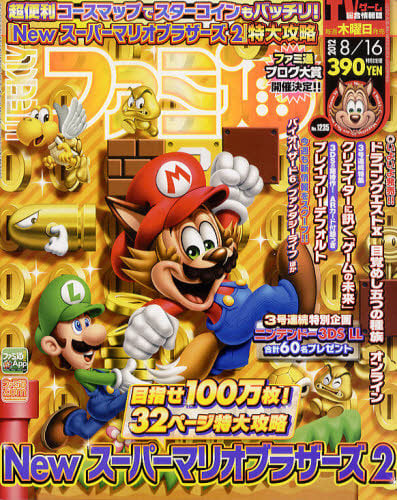
Weekly Famitsu, issue 1235Enterbrain · summer 2012Japan’s biggest games magazine, which had just given the game 9/9/9/9, put its fox mascot Necky on a coin-strewn cover in the game’s honour.
Swapnote and StreetPass Mii PlazaNintendo 3DS · 2012Nintendo distributed New Super Mario Bros. 2 stationery for the Swapnote messaging app and a Puzzle Swap panel of the game’s artwork for StreetPass Mii Plaza.
Super Smash Bros. for Nintendo 3DS and UltimateNintendo · 2014 and 2018The Golden Plains stage is World 1 of this game in Smash form: collect 100 coins and your fighter turns gold, hitting harder and refusing to flinch. The game’s Ground Theme joined the Smash jukebox too.
Gold Mario rides againMario Kart 8 Deluxe · Mario Kart Tour · Super Mario OdysseyGold Mario is Mario Kart 8 Deluxe’s only unlockable racer (win every 200cc cup), a coin-hoovering driver in Mario Kart Tour, and a Crazy Cap costume in Odyssey that makes Bowser visibly nervous, a nod to the one-hit knockouts here.
Super Mario 3D WorldWii U · 2013Borrowed the names of this game’s bonus worlds, Mushroom, Flower and Star, for three of its own post-game worlds.
Gold Mario amiiboNintendo · 2015A gold-painted Mario figure in the Super Mario amiibo line, sold as a retailer exclusive in the United States, which unlocks Gold Mario costumes in Super Mario Maker and Odyssey.
Super Mario Bros. WonderNintendo Switch · 2023King Boo’s slow, screen-filling pursuit through a haunted house plays like a tribute to Boohemoth, the giant bashful Boo that debuted in this game.
Characters
A familiar cast with a golden tint: two plumbers in new fur, a princess with frequent-flyer miles, seven Koopalings back on castle duty and a king who gets bigger when he loses.
Character
Who they are
In this game
Abilities & notes
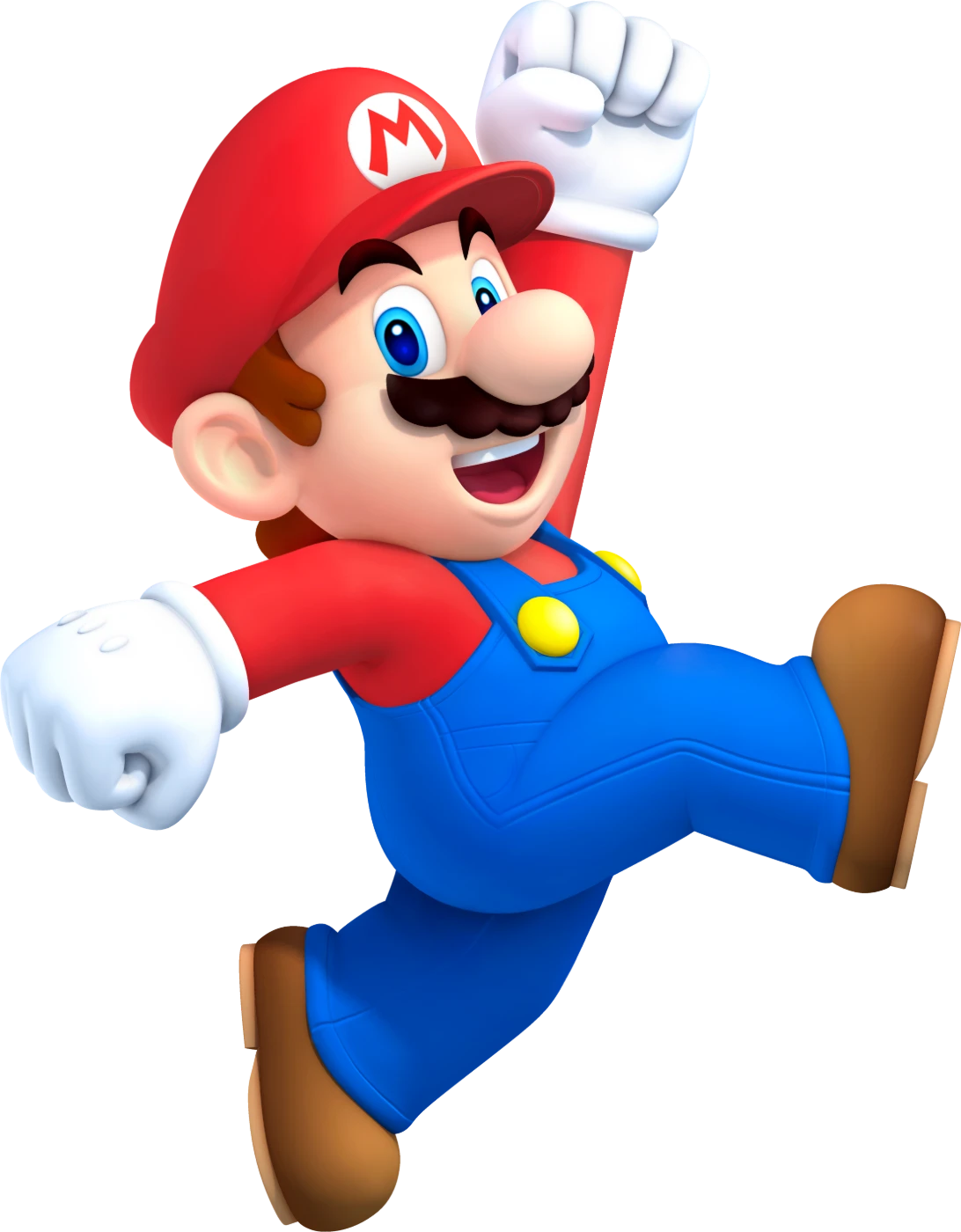
MarioThe hero
Nintendo’s plumber, here in his 3DS side-scrolling debut and at his most mercenary.
Chases the Koopa Clown Car across nine worlds, hoards coins by the hundred thousand and knocks Bowser into a pit twice. In the ending he carries Peach home while his brother picks up the change.
Forms: Small, Super, Fire, Raccoon, Gold, Mega, Mini, Invincible and White Raccoon
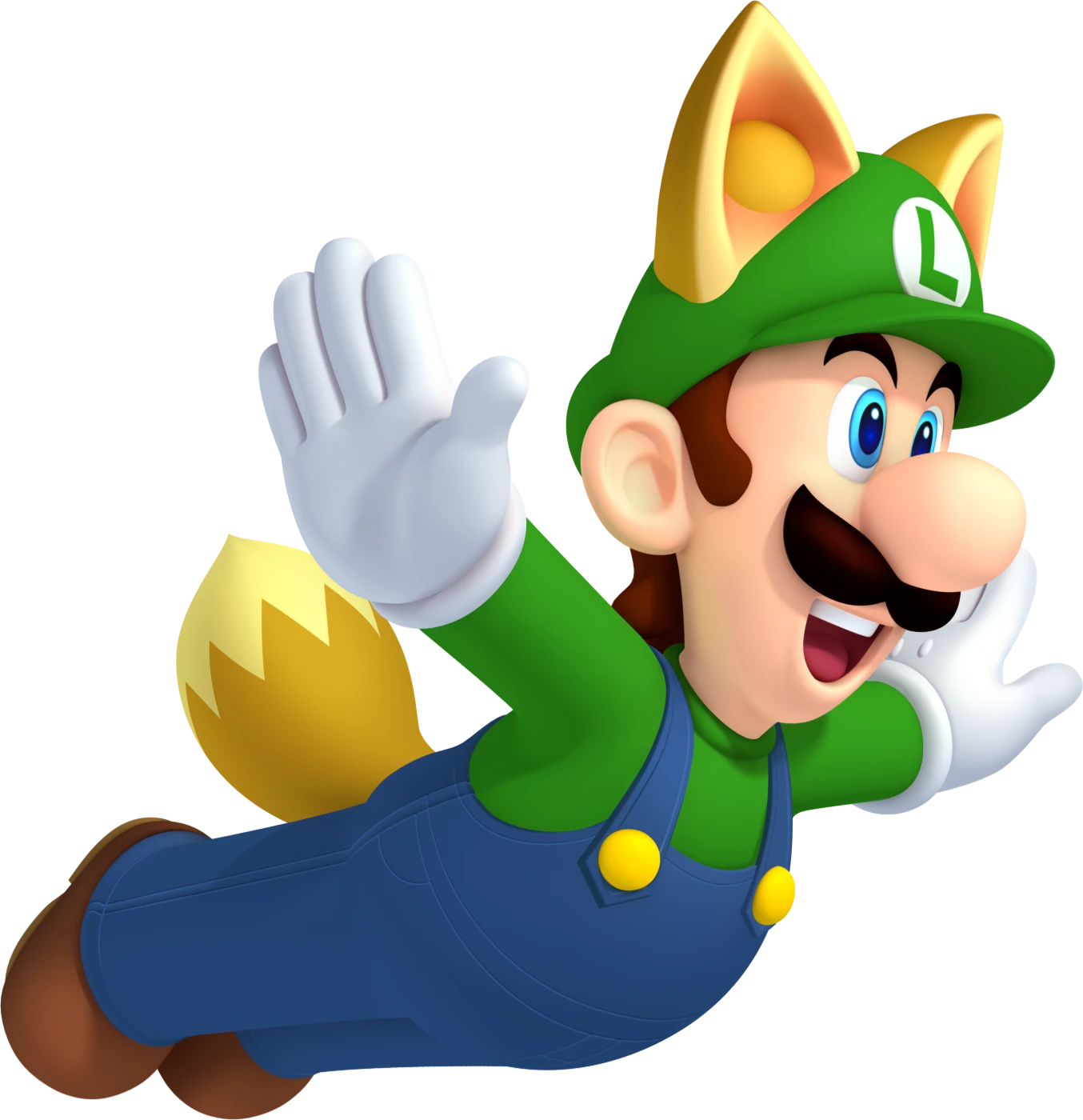
Mario’s taller brother. His Super Leaf form is Fox Luigi, with a bushier tail, and his Gold Flower form is Silver Luigi.
Player two in Co-op Play, racing Mario for the lead and the coins. Finish the game, hold L and R on the file select and he becomes the solo hero as well; the game never mentions it.
Identical moves and forms to Mario, with different colours
Camera marker: green arrow
Princess PeachThe kidnapped
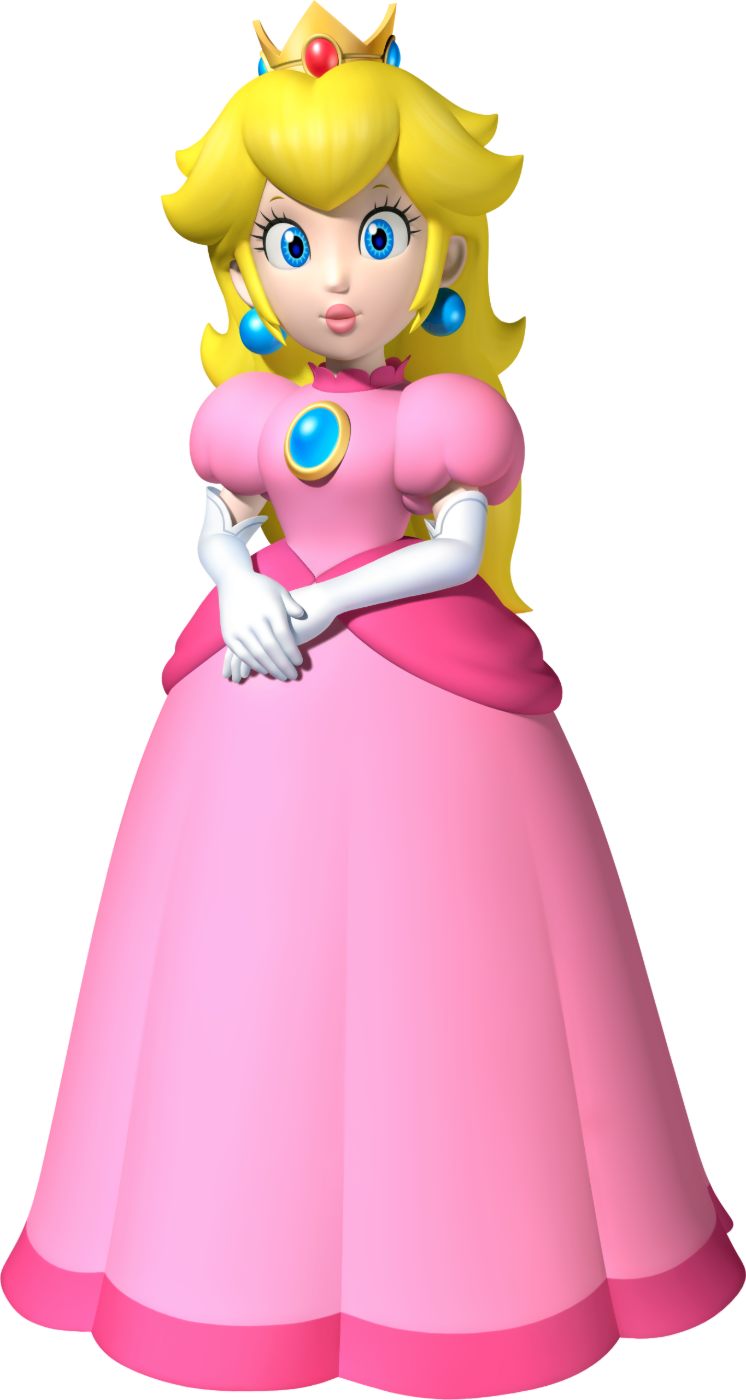
Ruler of the Mushroom Kingdom, waving from her balcony as the game begins.
Snatched by the Koopalings in the opening scene and carried a world ahead of Mario in a cage on the Clown Car. Freed when Bowser falls through the roof of his own castle.
Not playable. Appears in the opening, after every castle and in the ending.
ToadKeeper of the Toad Houses
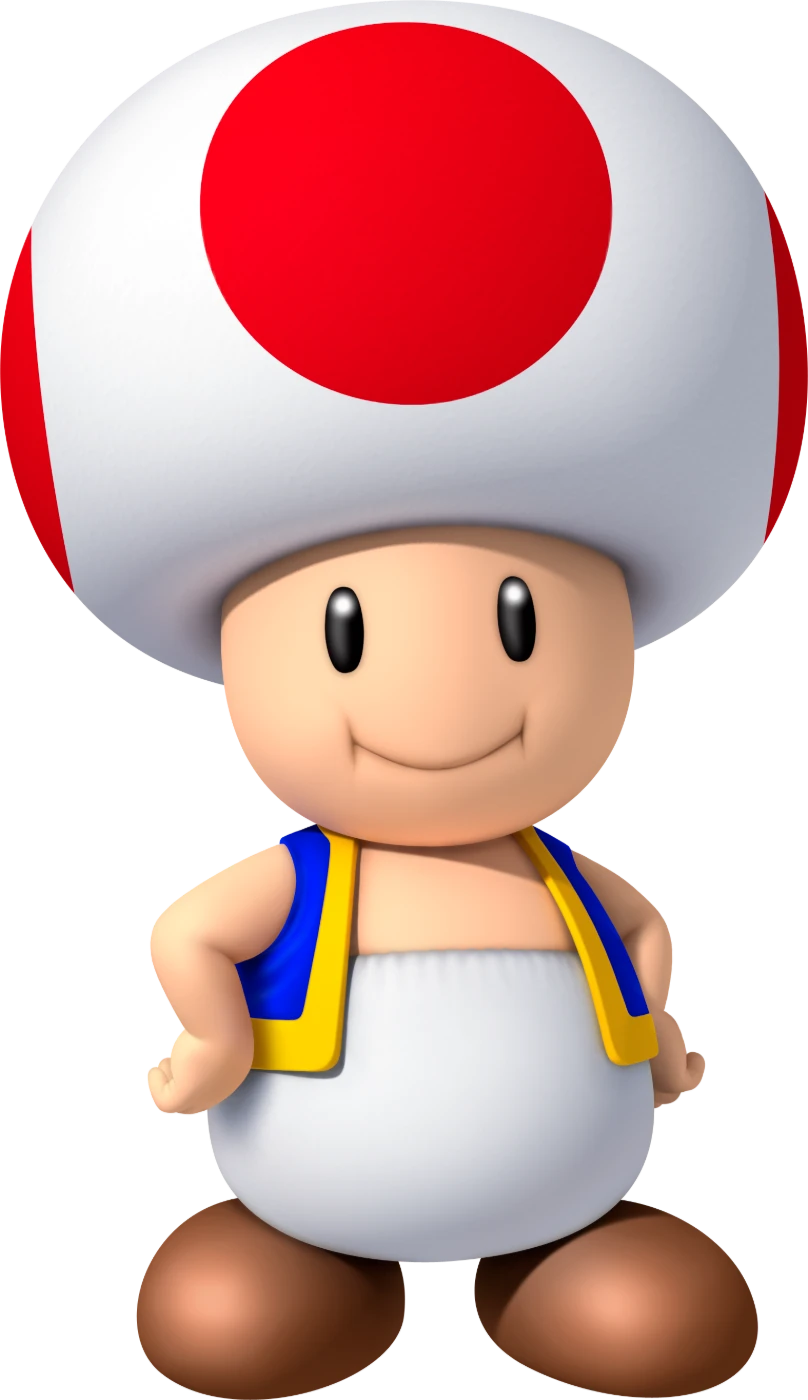
The kingdom’s mushroom-capped retainers.
Run the Red Toad Houses (a choice of power-ups), the Green Toad Houses (a punching-glove game for 1-Ups) and the Yellow Toad Houses, which give a Gold Flower (the one that appears in World Star once every Star Coin is found gives a Super Star instead).
Bop one with a tail whip and he spins happily, a reaction borrowed from Super Mario Galaxy.
BowserKing of the Koopas
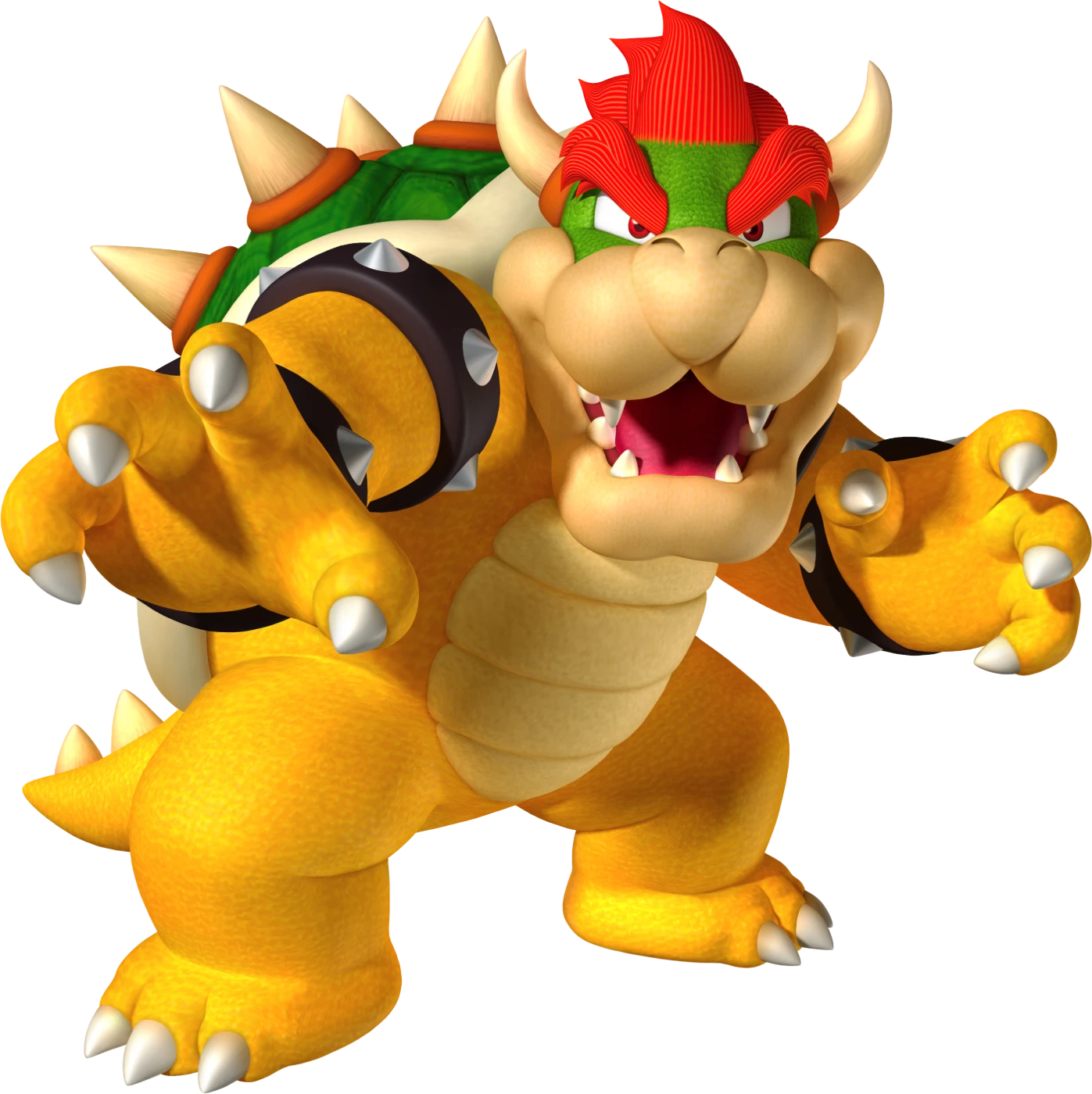
The big one. Oddly for a Mario villain, he does none of the kidnapping himself this time.
Waits in his World 6 castle for a Super Mario Bros.-style bridge fight, then returns as a giant after the Koopalings revive him. A giant ! Switch on the roof finishes him.
Fire breath in round one
Fills the screen in round two
Falls to a single Gold Mario fireball in the first phase
Dry BowserWorld Star’s boss
Bowser’s skeletal self, first seen in the DS New Super Mario Bros.
Guards World Star-Castle in a faster, nastier rerun of the Bowser fight.
Throws bones, breathes blue fire
Immune to fireballs
Roy KoopaWorld 1-Castle
The pink-shelled, sunglasses-wearing muscle of the Koopalings.
The one who actually carries Peach off in the intro, and the first boss. He charges into the walls of a room that keeps shrinking, dazing himself, then spins in his shell.
Three stomps.
Iggy KoopaWorld 2-Castle
The lanky, wild-haired Koopaling.
Rides a carriage hauled by a Big Chain Chomp around his arena, firing magic as he passes.
Three stomps; avoid the Chomp.
Larry KoopaWorld Mushroom-Castle
The youngest-looking Koopaling with the blue quiff.
Hides in the first secret world. Jumps about firing magic balls that ricochet diagonally while the walls of the room shift.
Three stomps.
Wendy O. KoopaWorld 3-Castle
The only female Koopaling, in her bow and bangles.
Fights in a chamber that floods with water and Cheep Cheeps; she fires magic rings and must be stomped when the level drops.
Three stomps.
Morton Koopa Jr.World 4-Castle
The heavyset Koopaling with the star on his face.
Conjures spiked balls with his wand and tucks into his shell to barrel across the snow castle floor.
Three stomps.
Lemmy KoopaWorld Flower-Castle
The little circus-loving Koopaling.
Balances on his big rubber ball on a conveyor belt and rolls smaller balls down the line at Mario.
Three stomps.
Ludwig von KoopaWorld 5-Castle
The eldest Koopaling, all blue hair and self-regard.
Floats above the arena firing magic. Mario has to launch himself out of the floor’s Pipe Cannons to knock him down before he can be stomped.
Three stomps.
ReznorGuardians of the Towers
Fire-spitting rhino beasts who had not appeared in a new game since Super Mario World in 1990.
Fought in every numbered world’s Tower, on rotating or lined-up platforms above a bridge that collapses beneath Mario. Hit the block under each one to send it packing.
Two or four at a time; the Super Mario World boss music plays.
BoohemothThe new face
A Boo the size of a house, invented for this game. Its Japanese name comes from tereru, to be bashful.
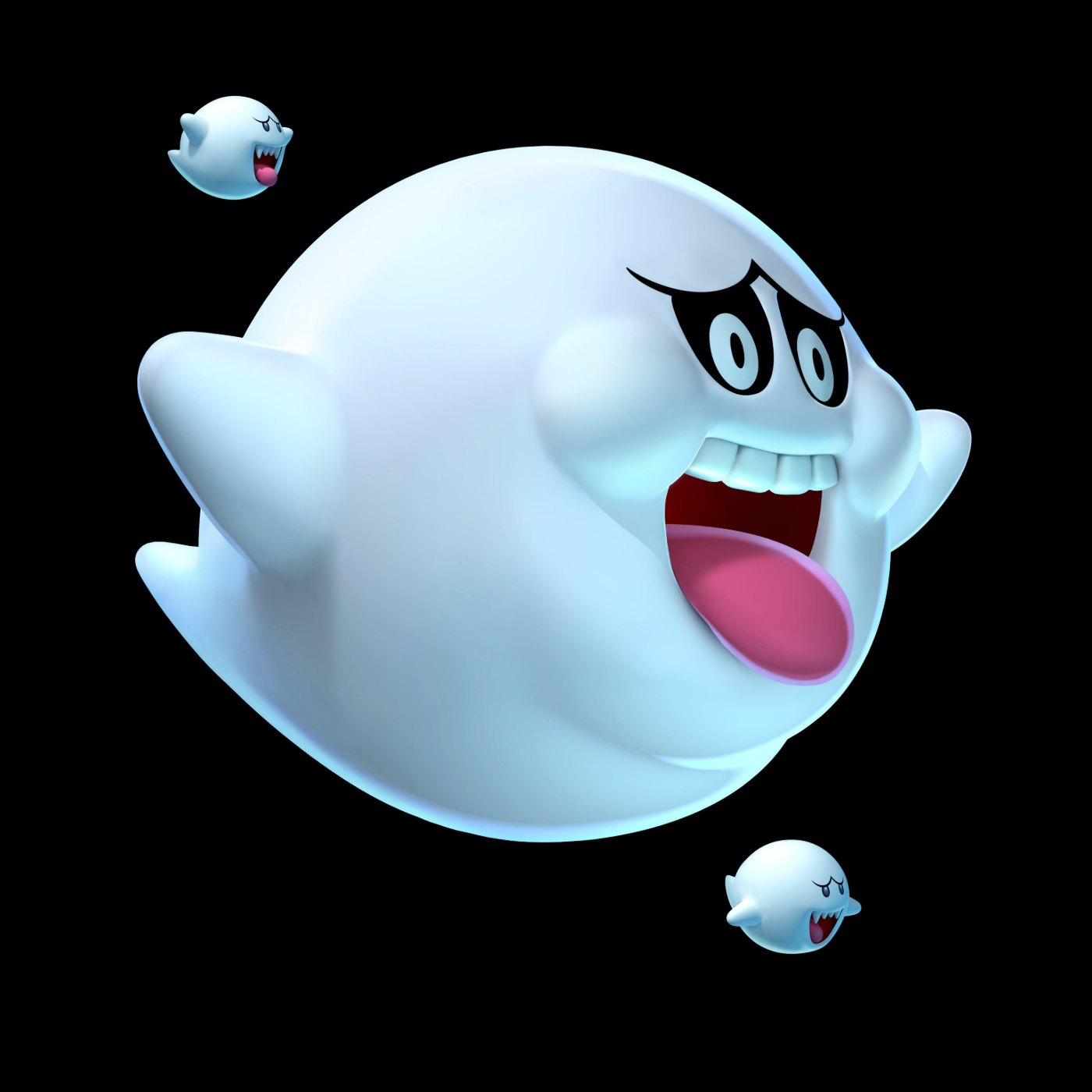
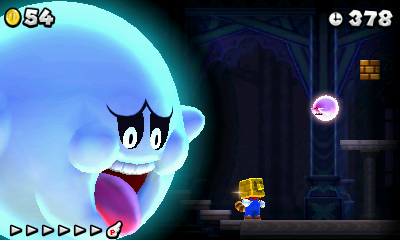
Haunts Ghost Houses, covering its face when Mario looks at it, then peeking out and creeping after him across the whole level. Fireballs and Gold Mario cannot touch it.
Cannot be defeated; outrun it.
Gold MarioThe new form
What a Gold Flower makes of Mario: a gleaming metallic plumber who looks a lot like Metal Mario.
Turns bricks into coins and enemies into bonuses with exploding fireballs; fells most bosses in one hit. Reverts to Fire Mario at the end of a course.
Went on to Mario Kart 8 Deluxe, Mario Kart Tour, Super Mario Odyssey and an amiibo of his own.
Enemies and bosses
Almost every foe from the DS and Wii games returns, many in a golden variant that appears after a Gold Ring, plus a few new Bone and Big versions. Here is the full roster.
GoombaEverywherePlus Paragoombas, Mini Goombas that cling to Mario, and Goomba Towers stacked in wobbling columns.
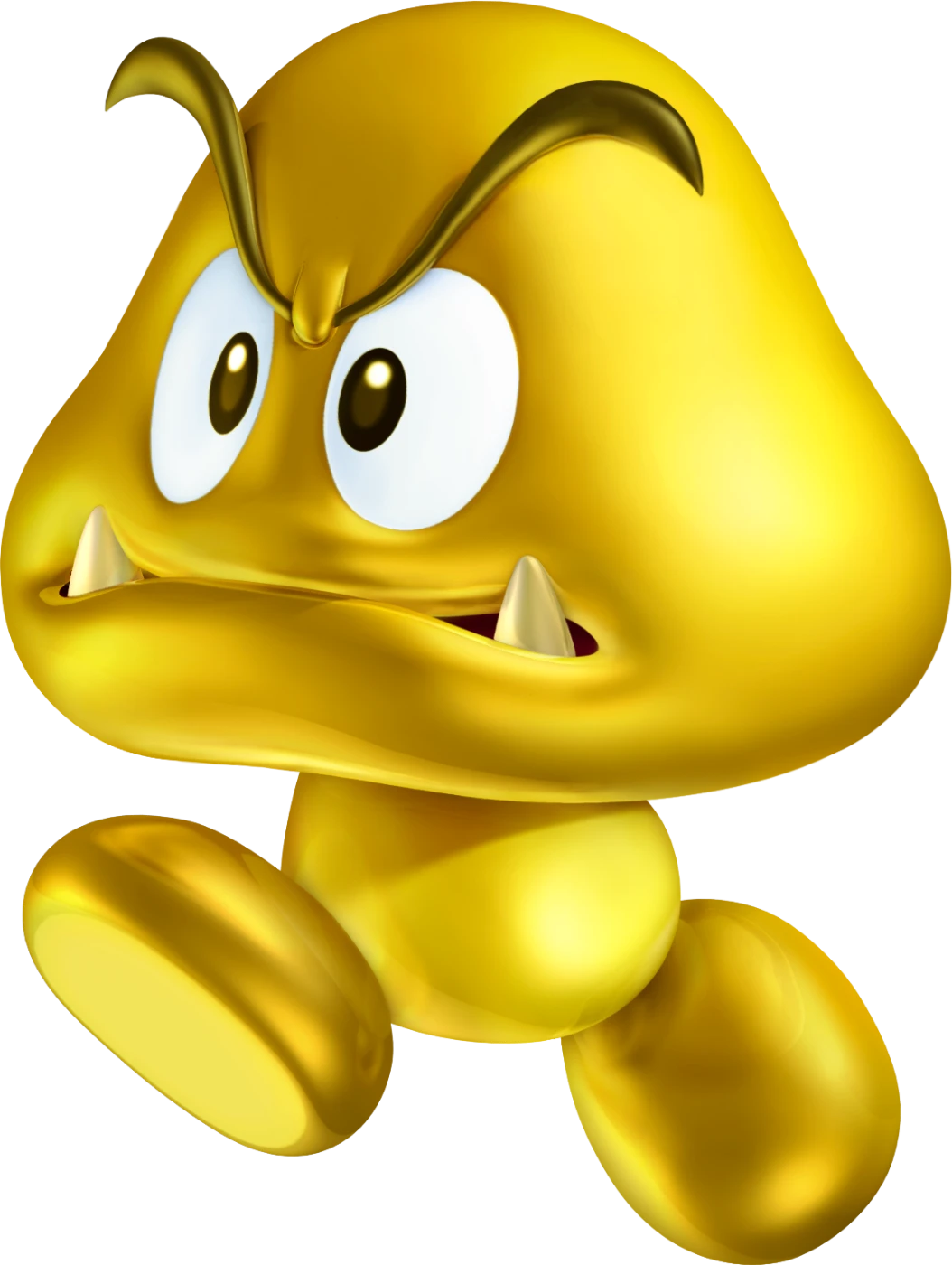
Gold GoombaAfter a Gold RingPays bonus coins when stomped; gold Towers and Paragoombas too.
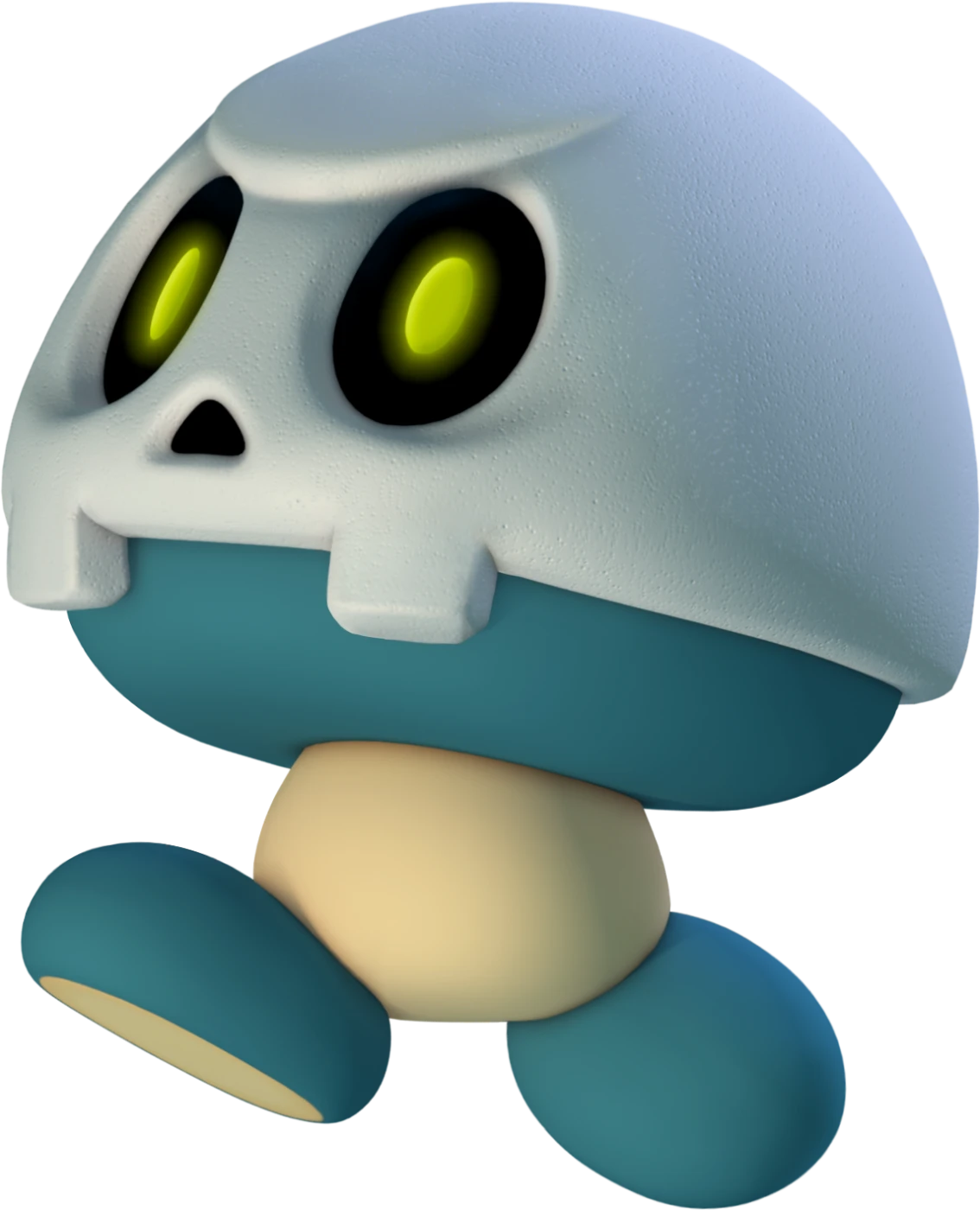
Bone GoombaCastles and TowersA Goomba in a skull helmet, new to this game.
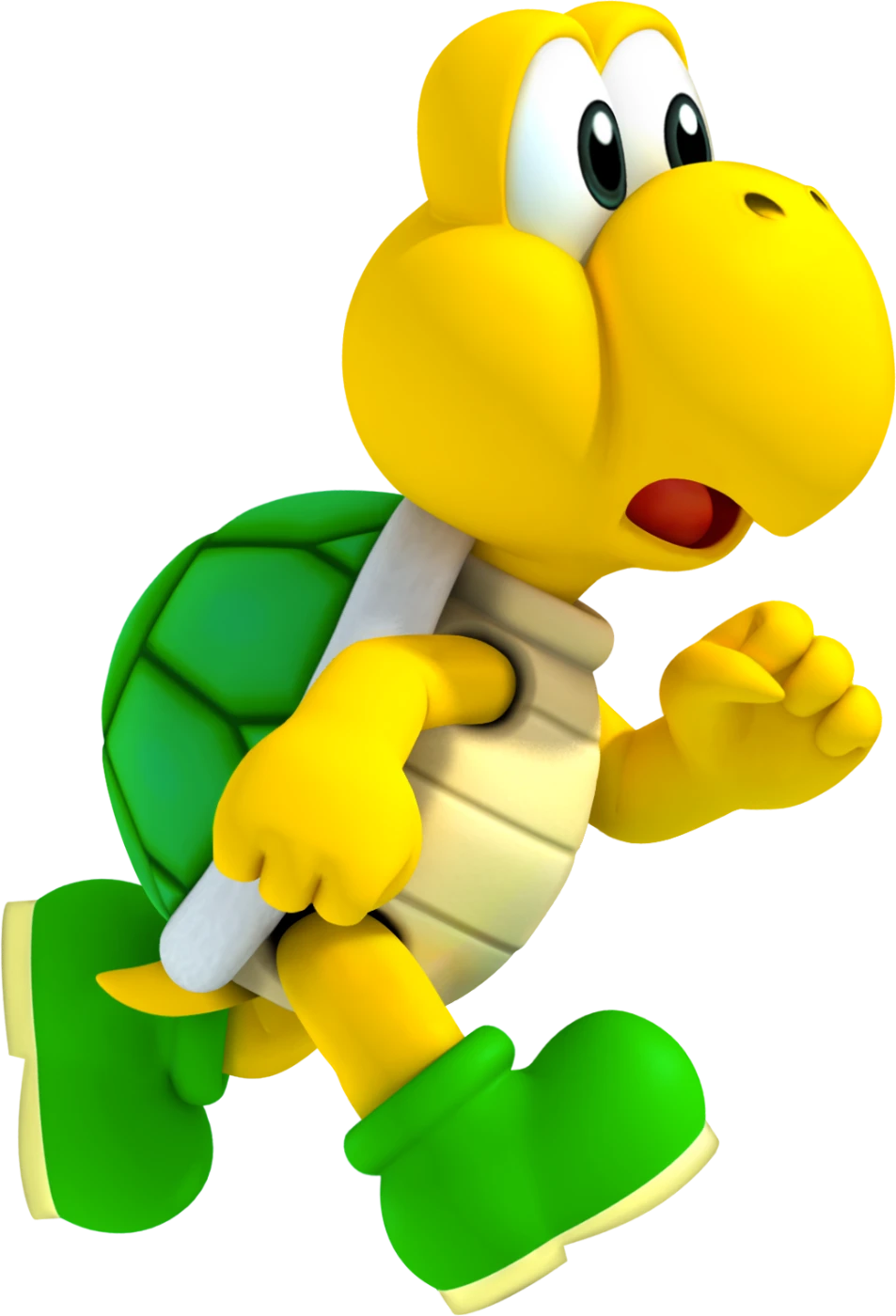
Koopa TroopaEverywhereGreen ones walk off ledges, red ones turn back. Paratroopas hop or fly; Climbing Koopas patrol fences.
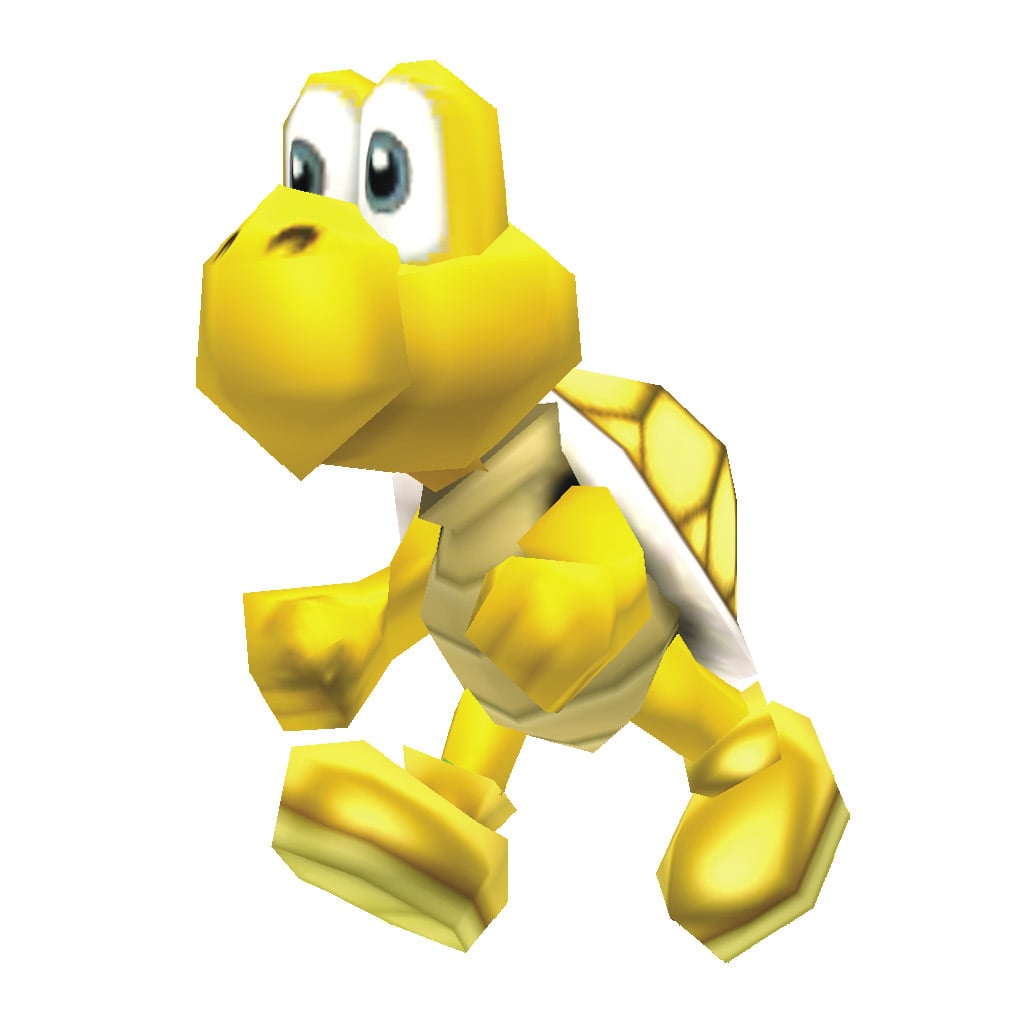
Gold KoopaAfter a Gold RingIts kicked shell leaves a trail of coins.
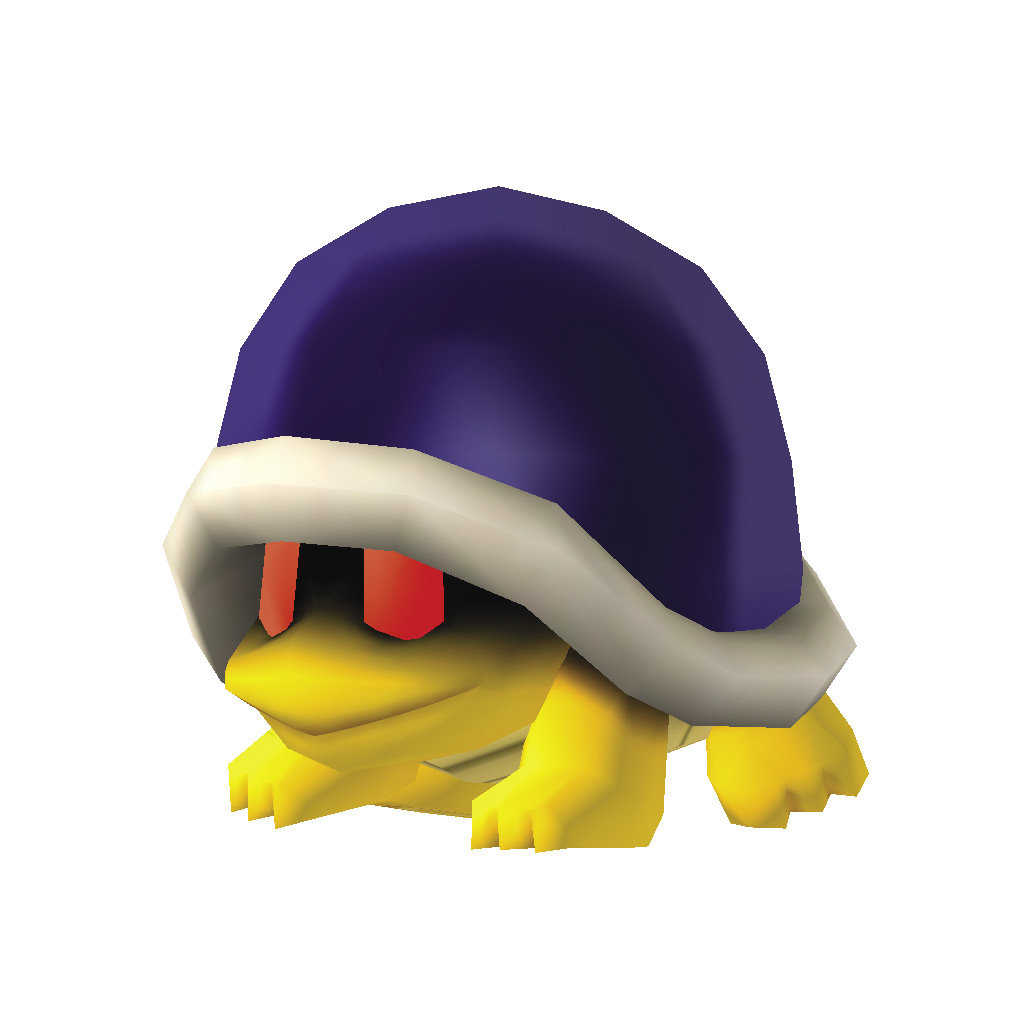
Buzzy BeetleUndergroundFireproof shell; some walk on ceilings. Spike Tops cannot be stomped.
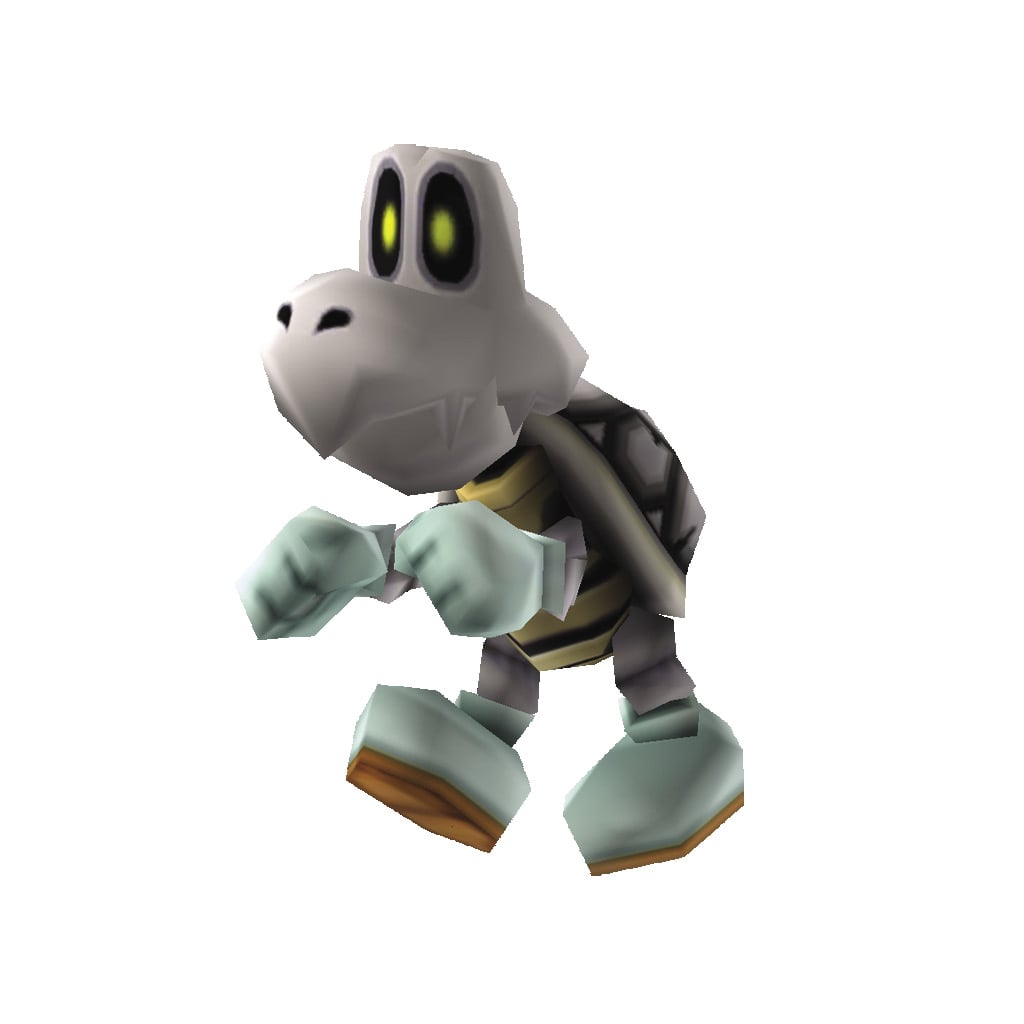
Dry BonesTowers and castlesFalls apart when stomped and rebuilds itself. Big Dry Bones need a ground pound.
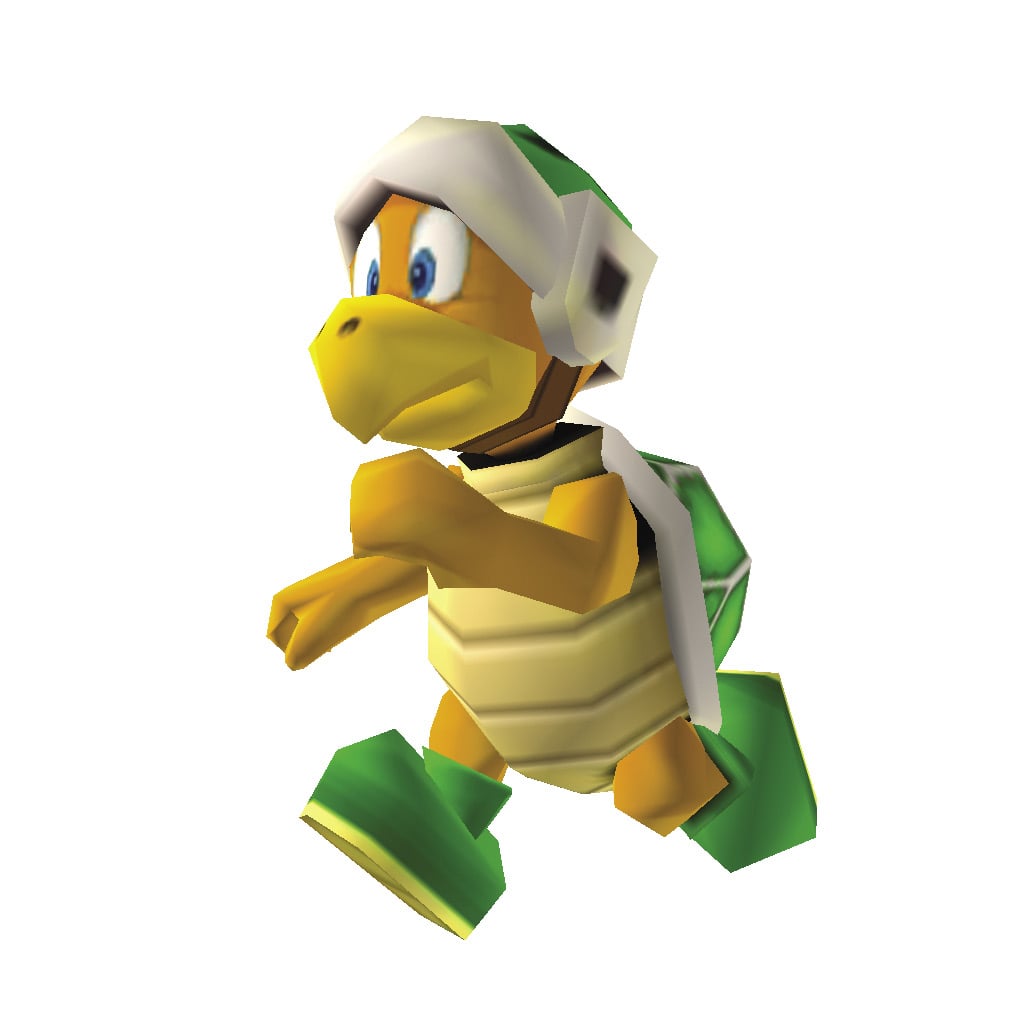
Hammer BroVariousWith Boomerang, Fire and Sledge cousins.
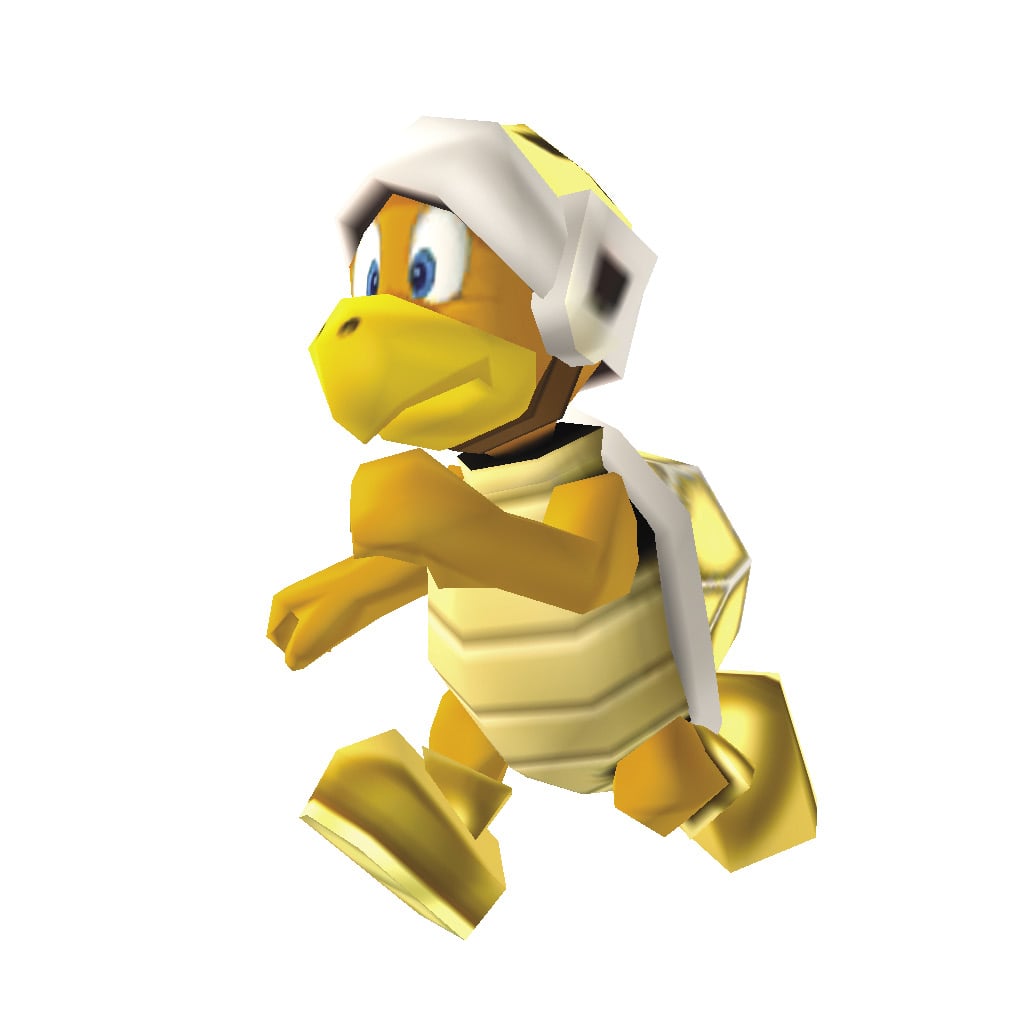
Gold BroAfter a Gold RingThrows coins instead of hammers. Yes, really.
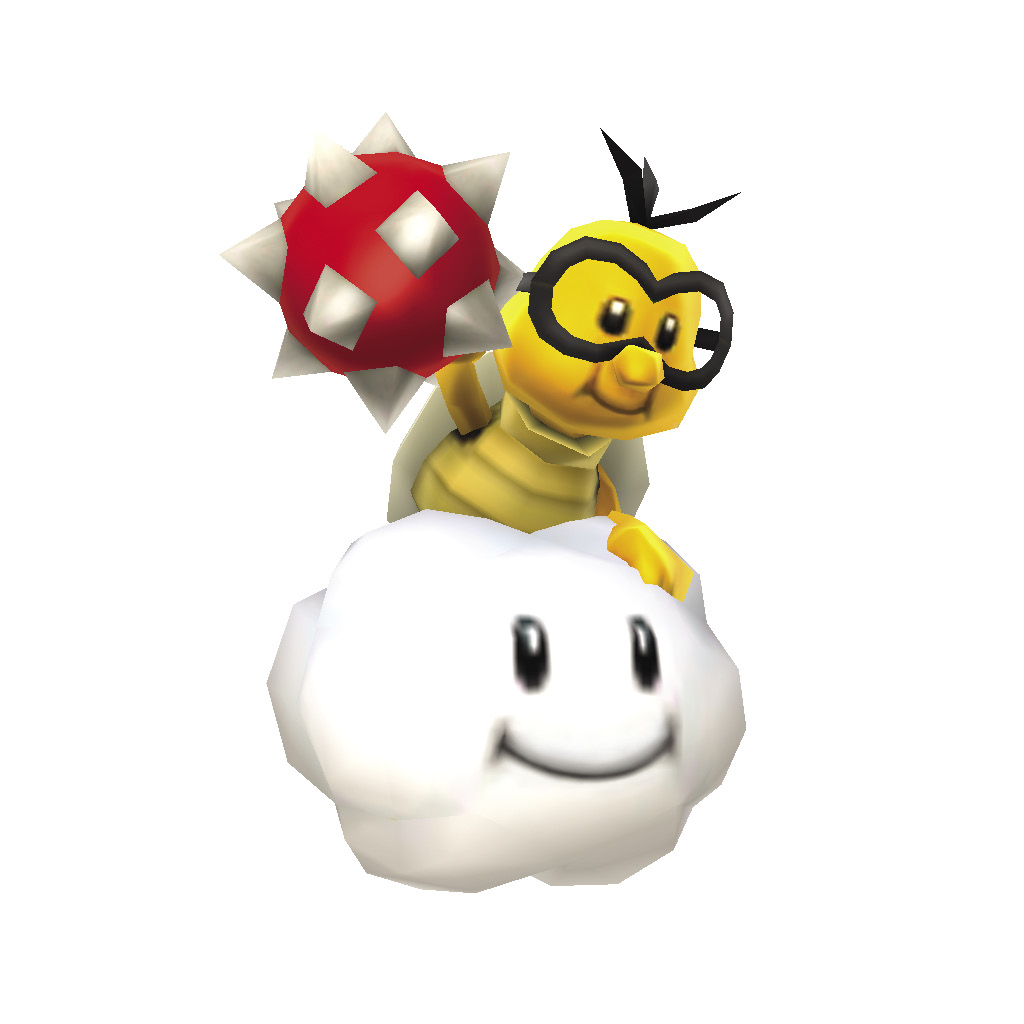
LakituWorld 5 and World StarDrops Spiny Eggs; steal his cloud for a ride. Gold Lakitu rains coins.
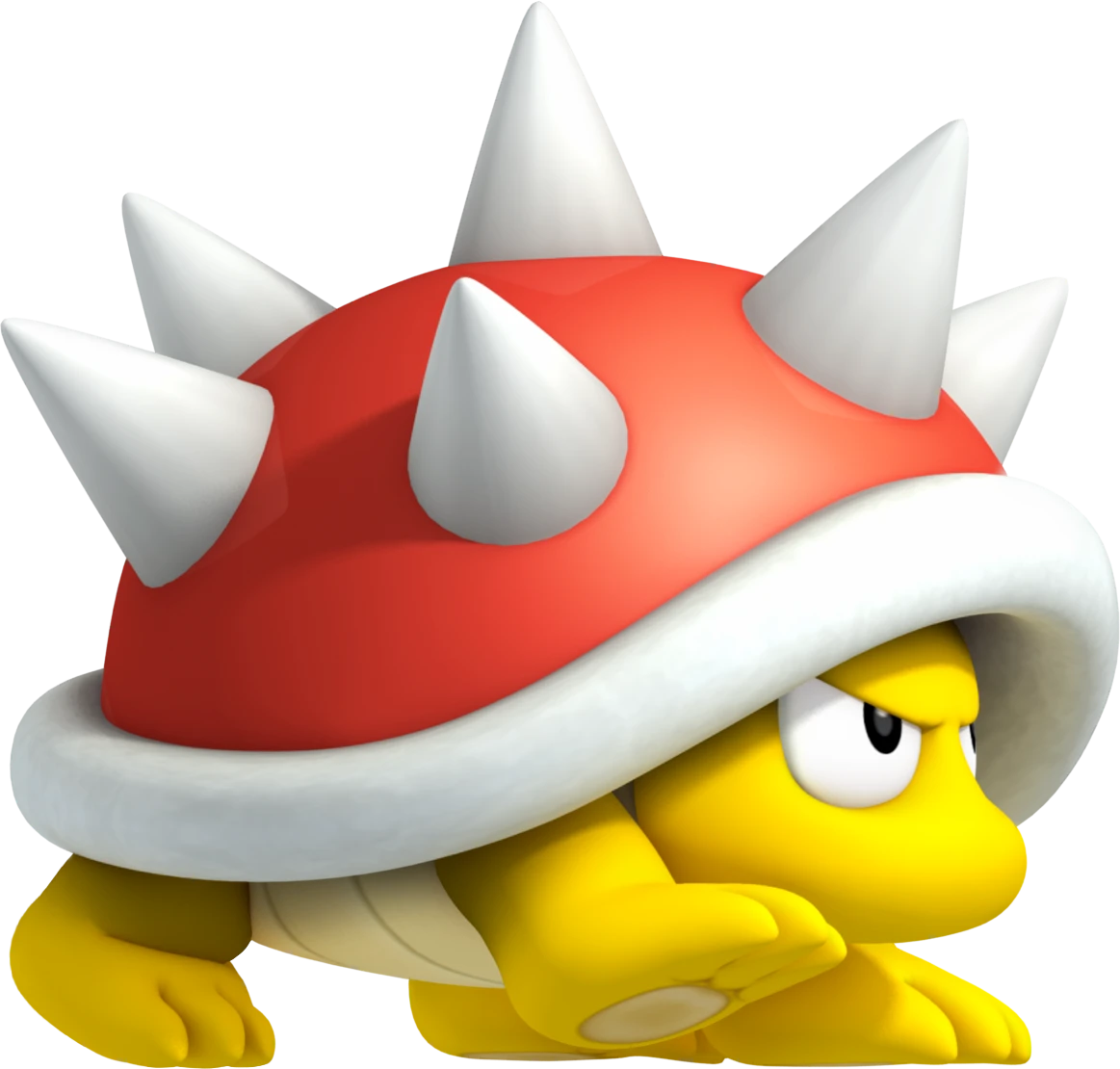
SpinyUnder LakituCannot be stomped. Under a Gold Ring, Spinies simply become coins.
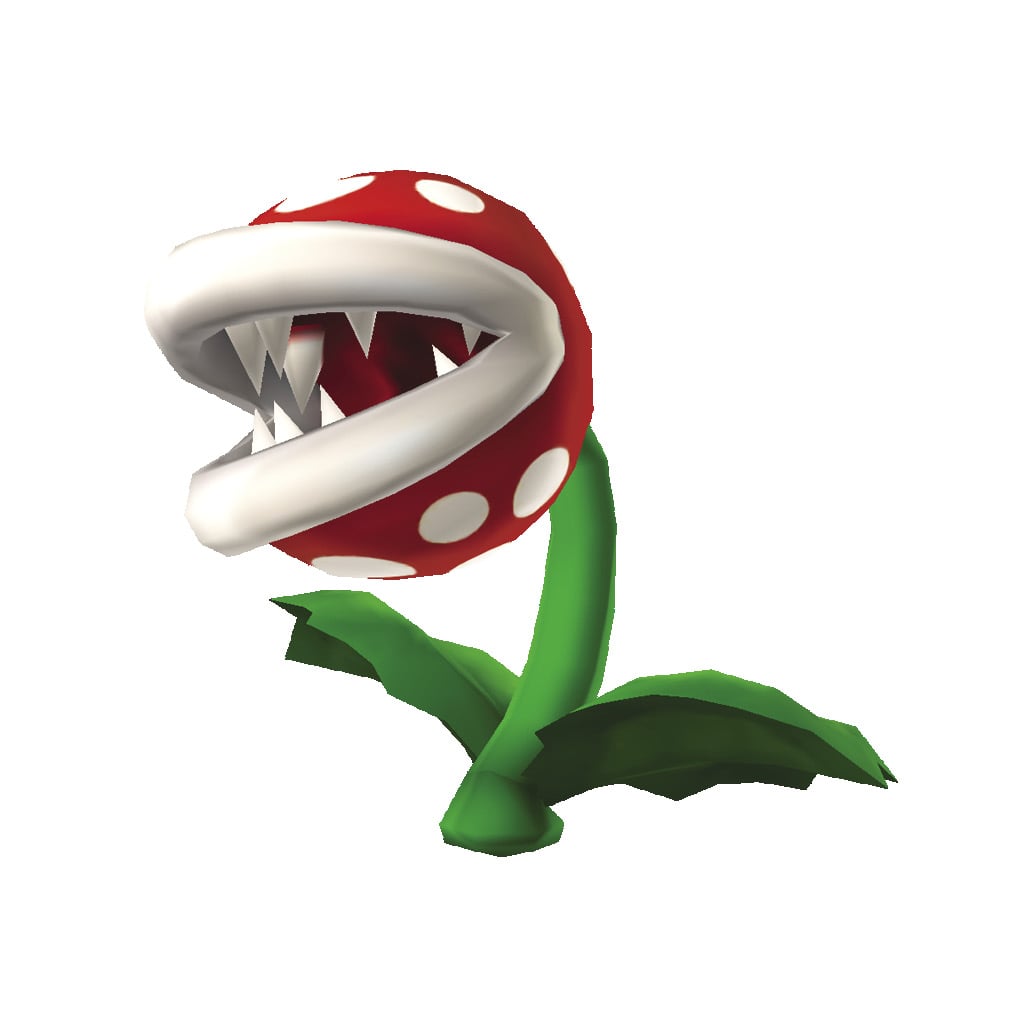
Piranha PlantPipesBig, Fire and Big Fire varieties; a golden one makes its pipe spit coins when beaten.
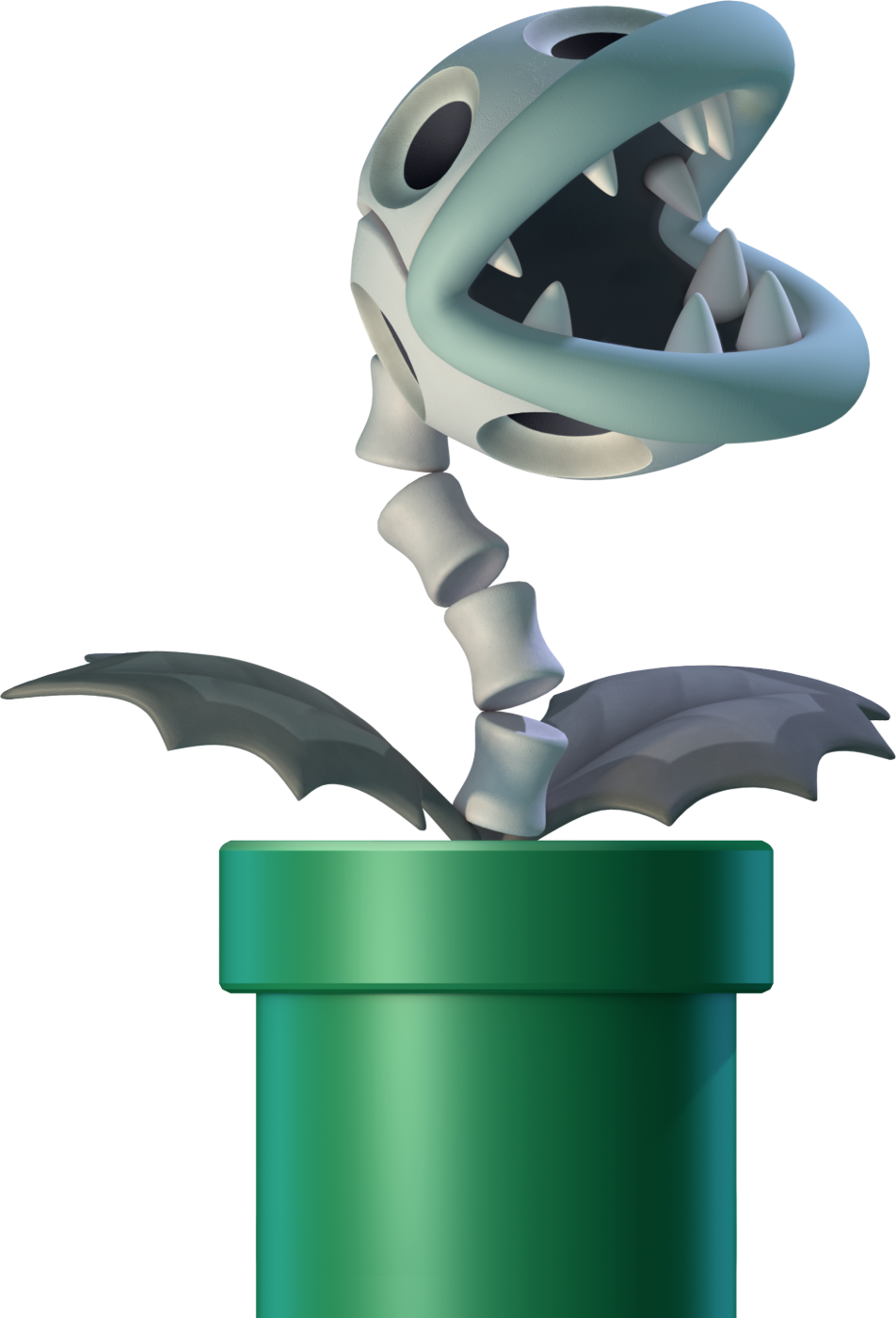
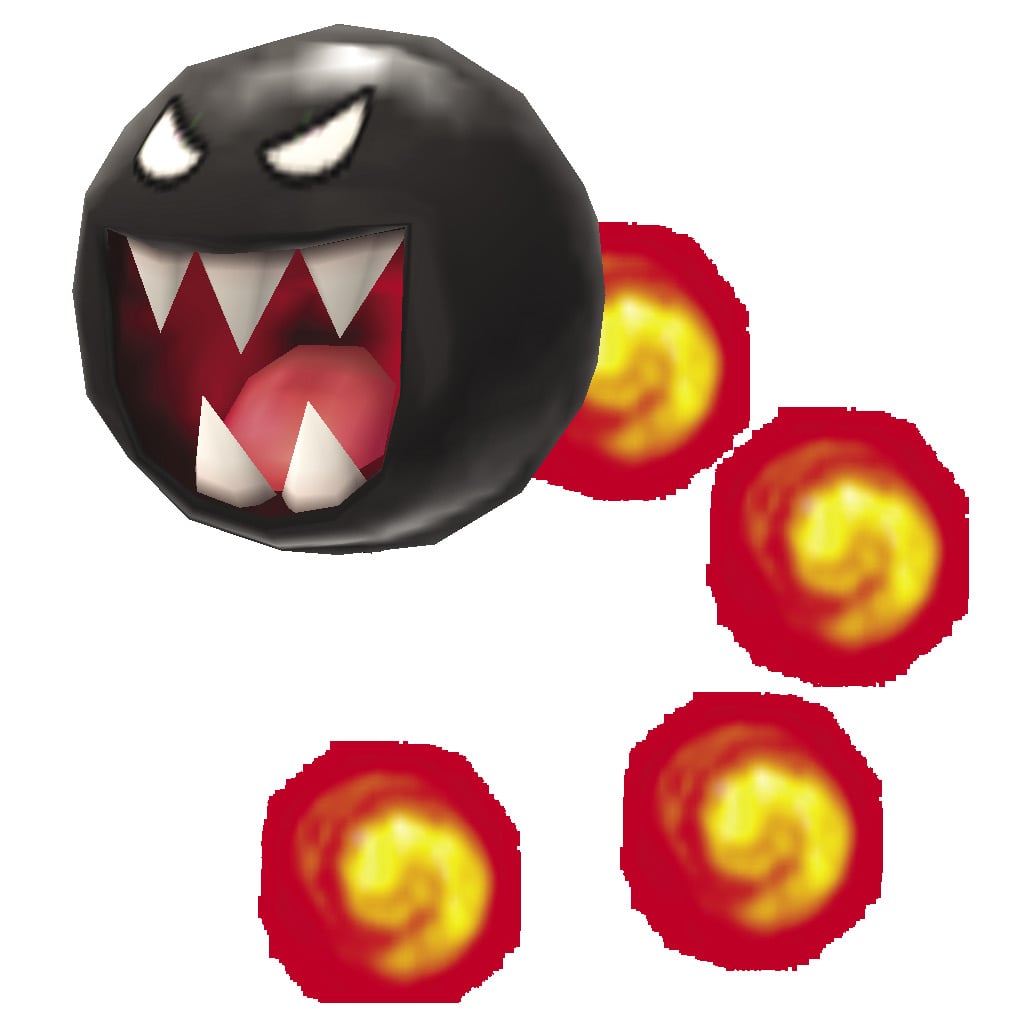
Bone Piranha PlantTowers and castlesNew: skeletal, fireproof and only vulnerable to a tail whip. There is a Big one too.
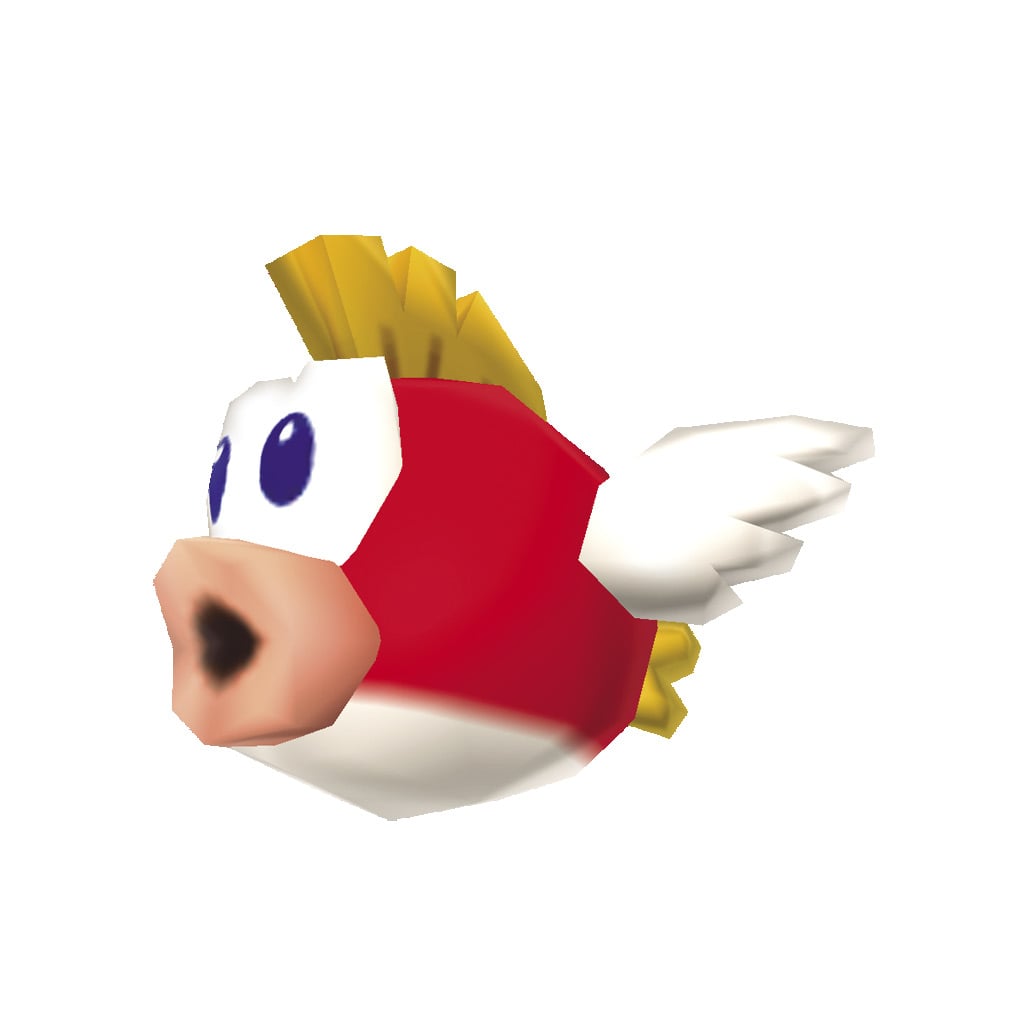
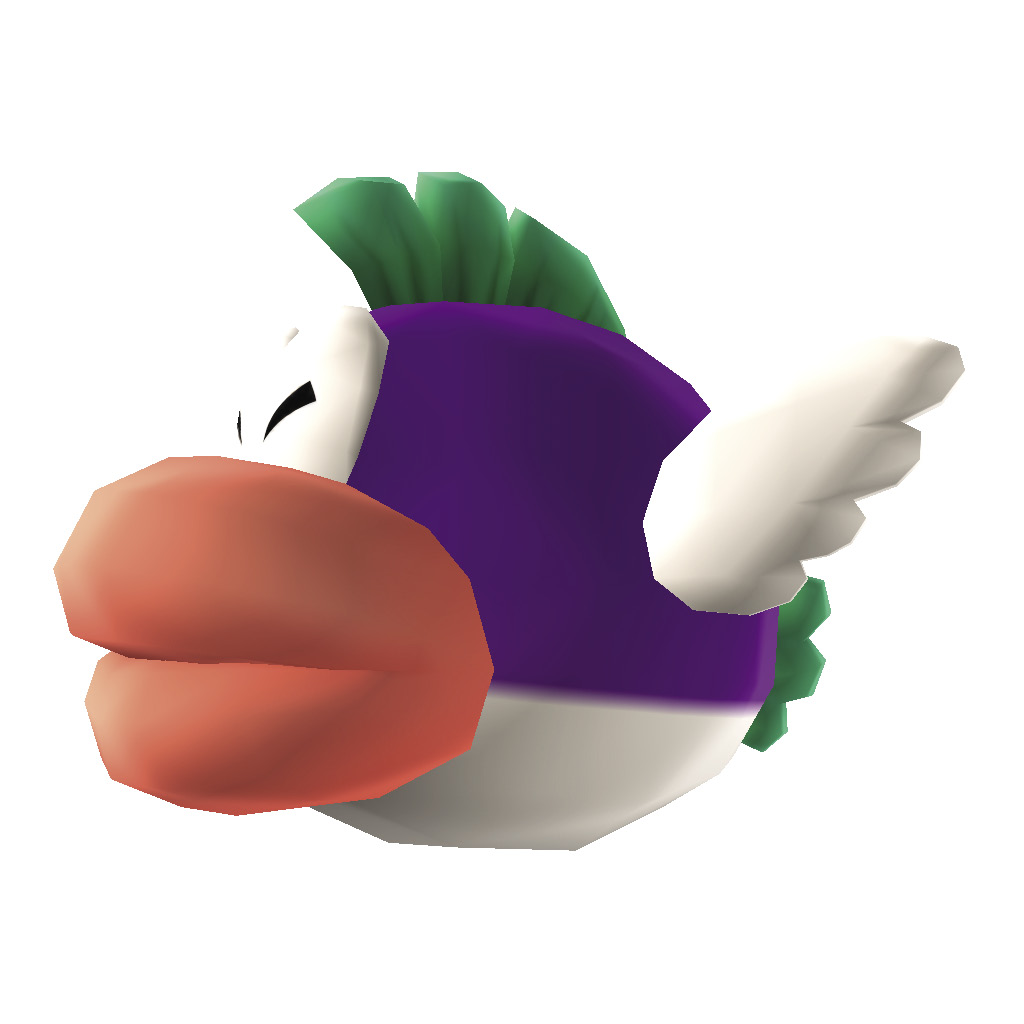
Cheep CheepWaterWith Big, Deep, Spiny and gold variants that leap from the water trailing coins.
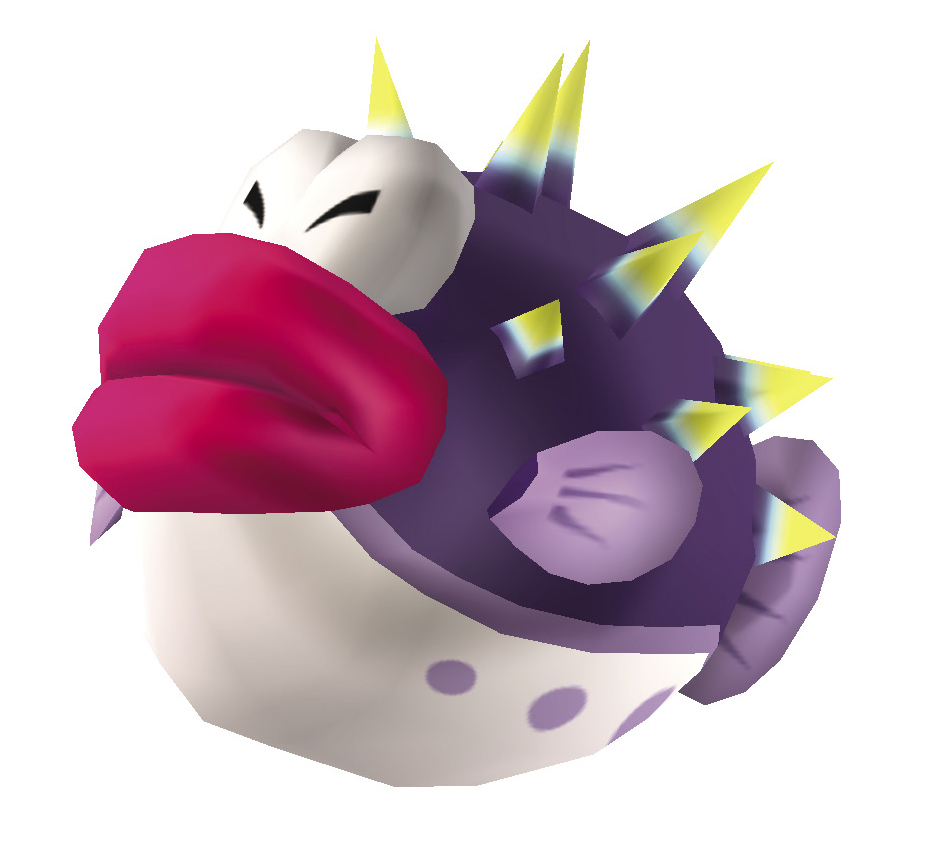
Cheep ChompWaterA huge purple fish that swallows Mario whole.
PorcupufferSurface waterSpiked fish that follows you along the surface and leaps.
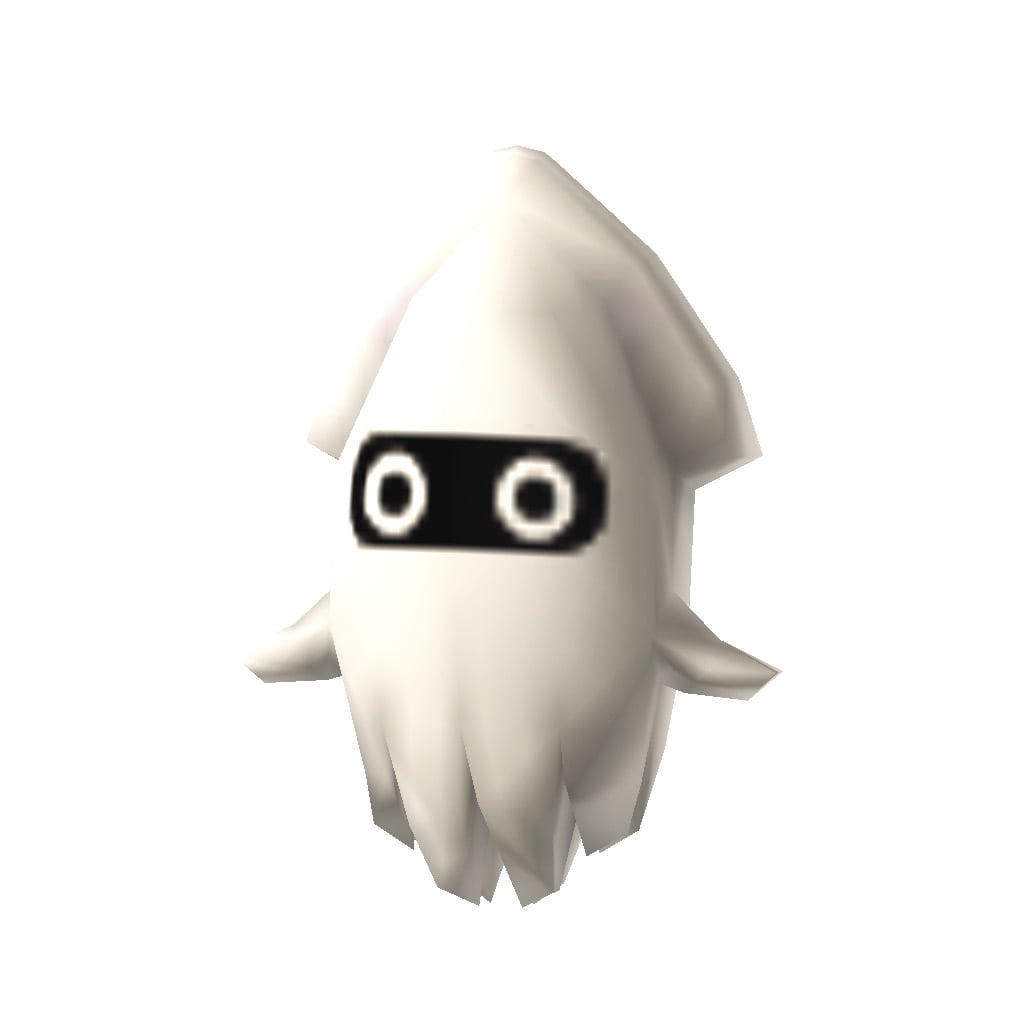
BlooperWaterErratic squid; Blooper Nannies trail a line of babies.
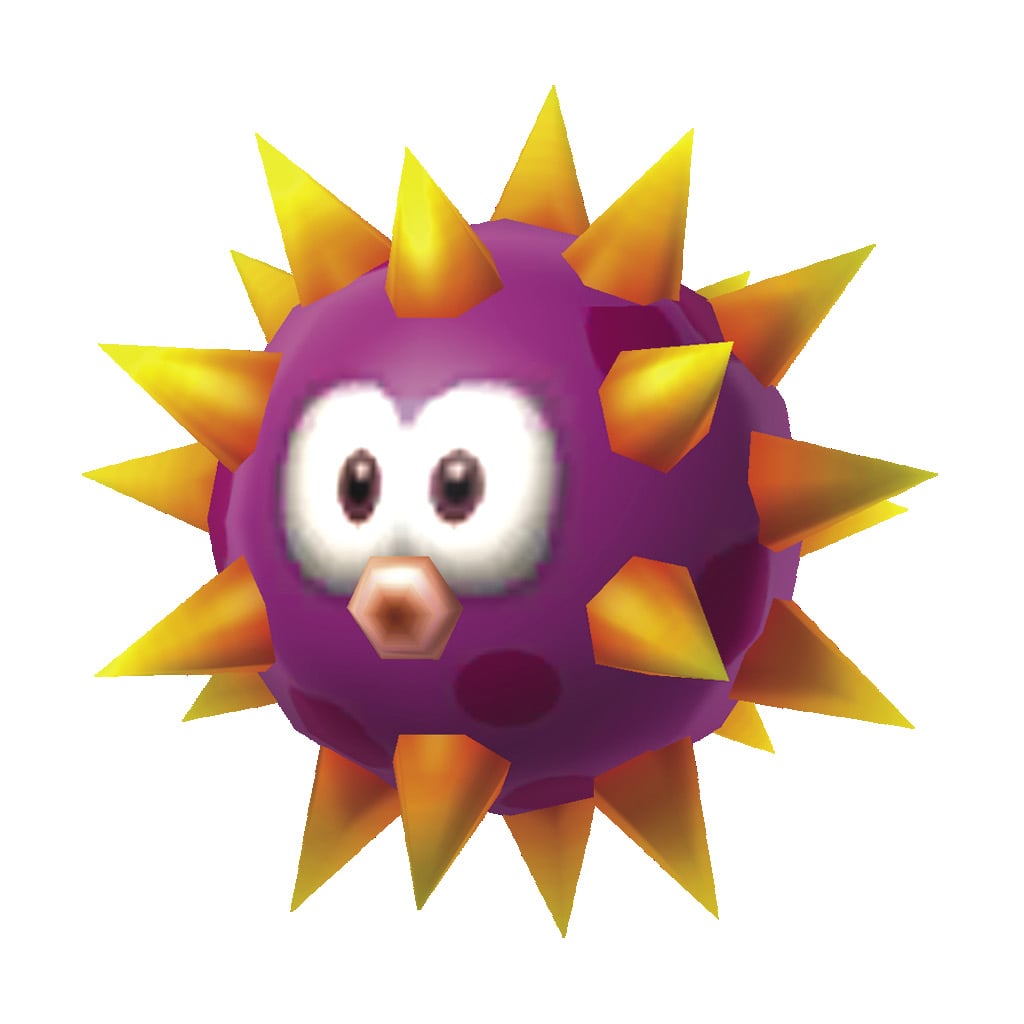
UrchinWaterFloating spiky balls, large and small.
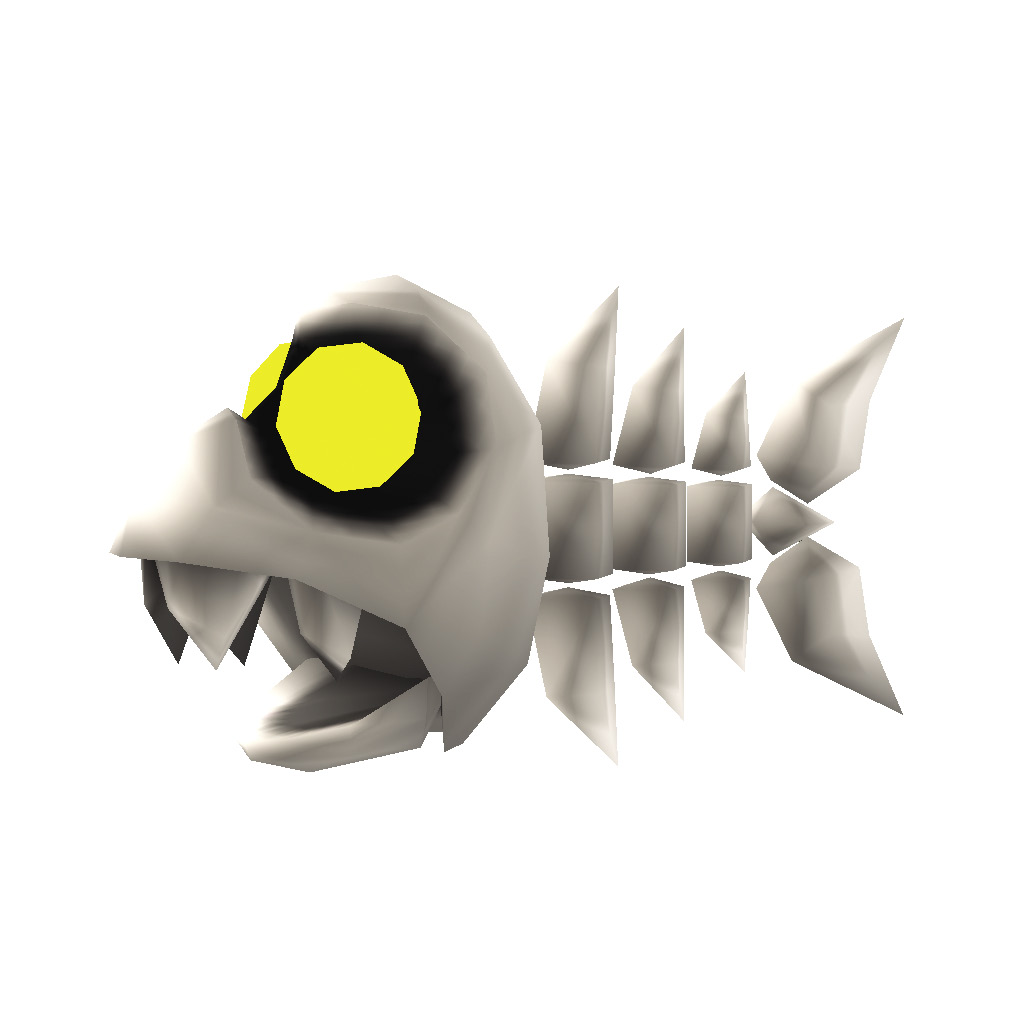
Fish BoneCastle waterSkeletal fish that charge and crumble.
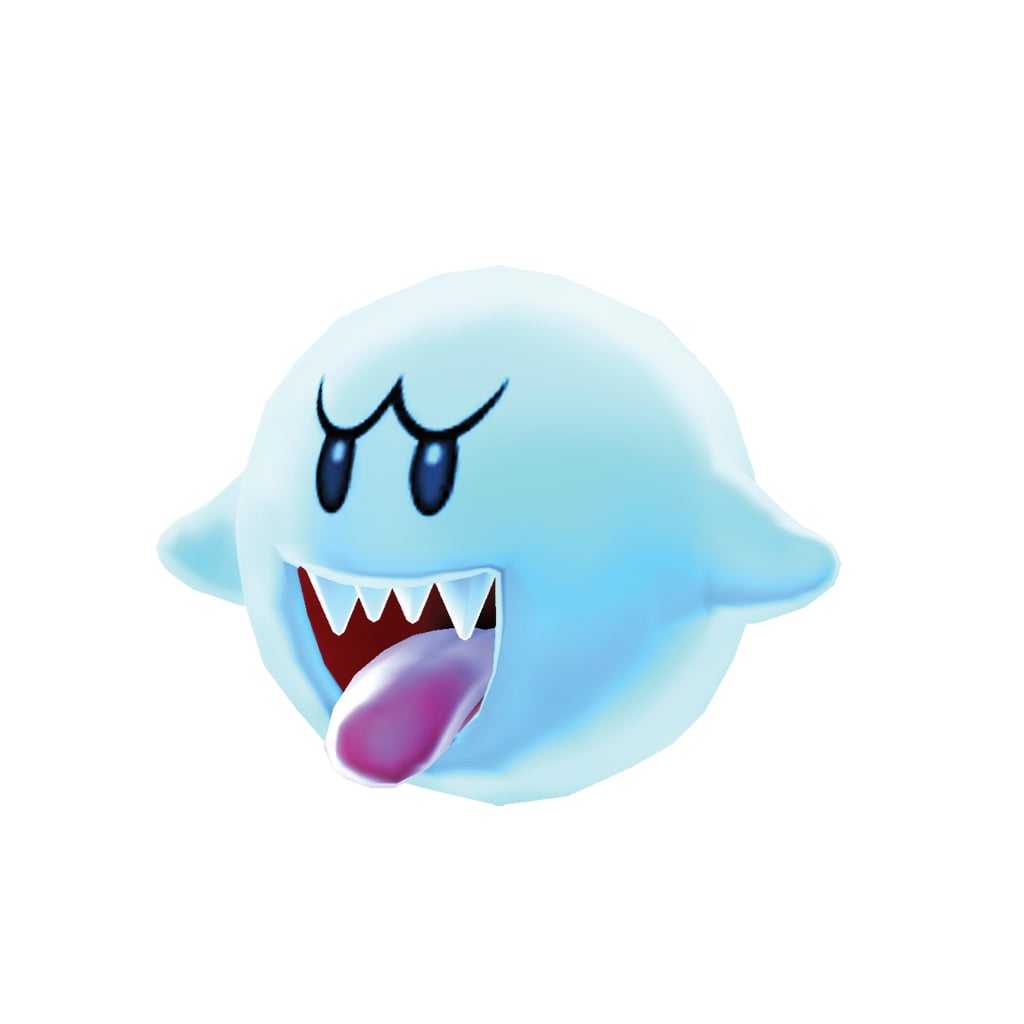
BooGhost HousesShy when watched; Big Boos and gold Boos that drop coins join in.
BoohemothGhost HousesThe giant bashful Boo that stalks you through whole levels.
PeepaGhost HousesLittle ghosts from 3D Land that circle in rings or carry platforms.
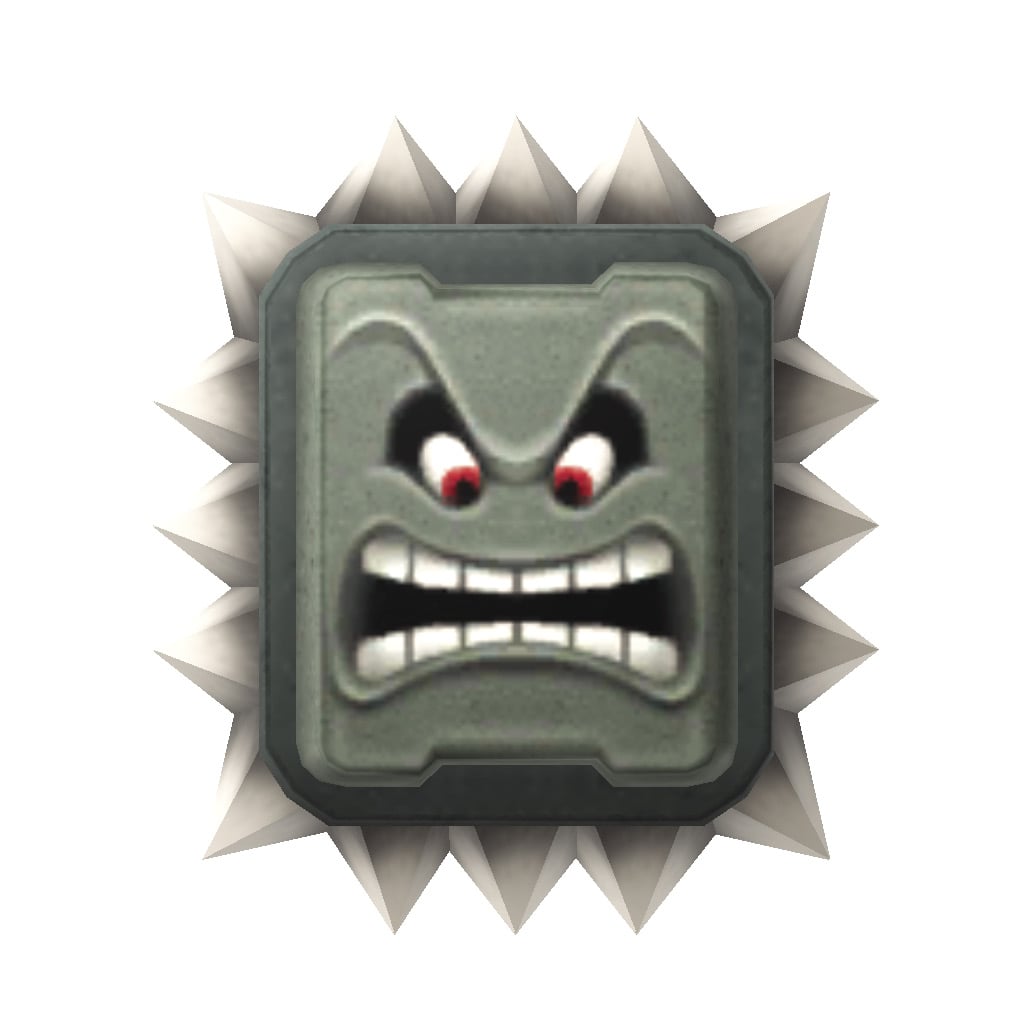
ThwompTowers and castlesDrops when you approach; Big Thwomps smash stone. Whomps fall flat on their faces.
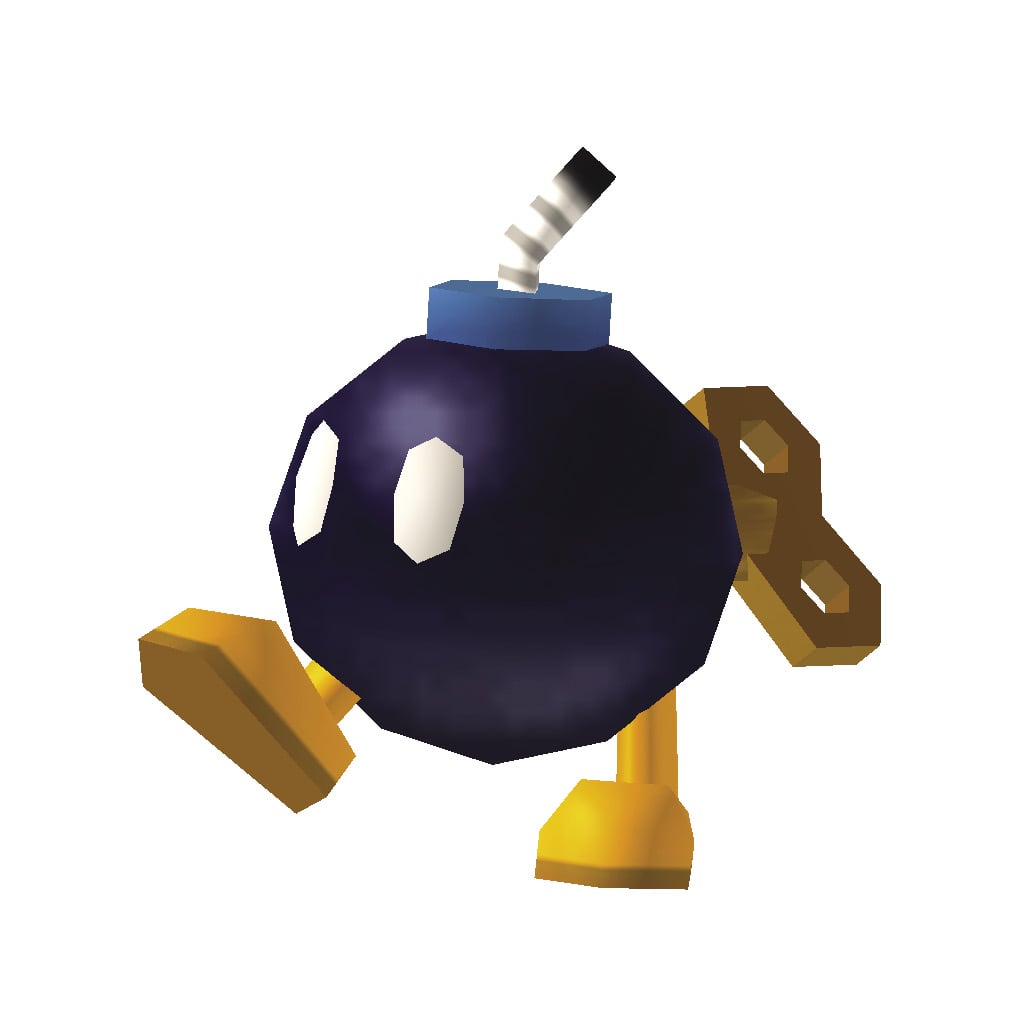
Bob-ombVariousLights its fuse when stomped; Para-bombs float down on parachutes.
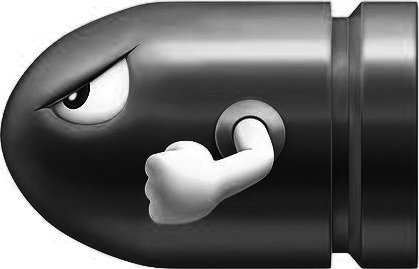
Bullet BillSky and castlesStraight-line missiles, with Banzai Bills and gold versions trailing coins.
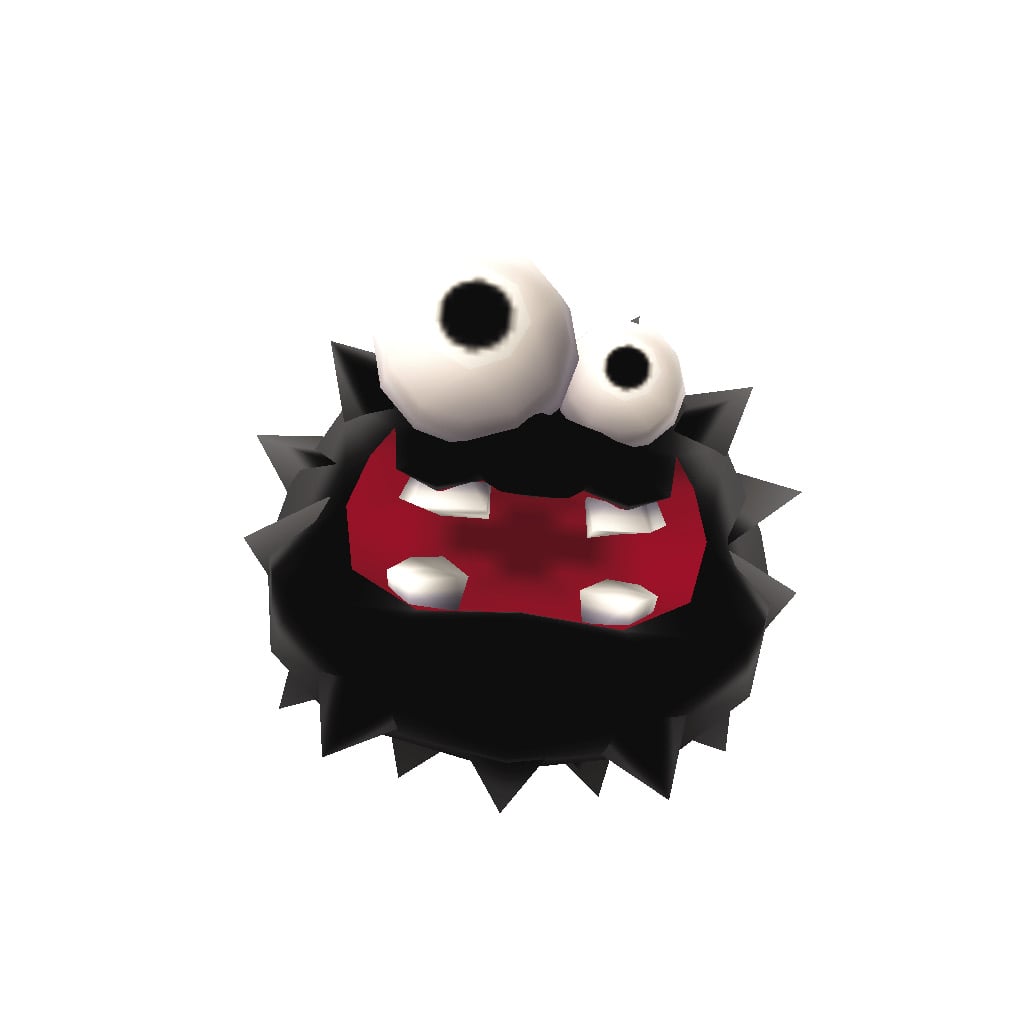
FuzzyWorld 4 and othersRides rails; touching one hurts.
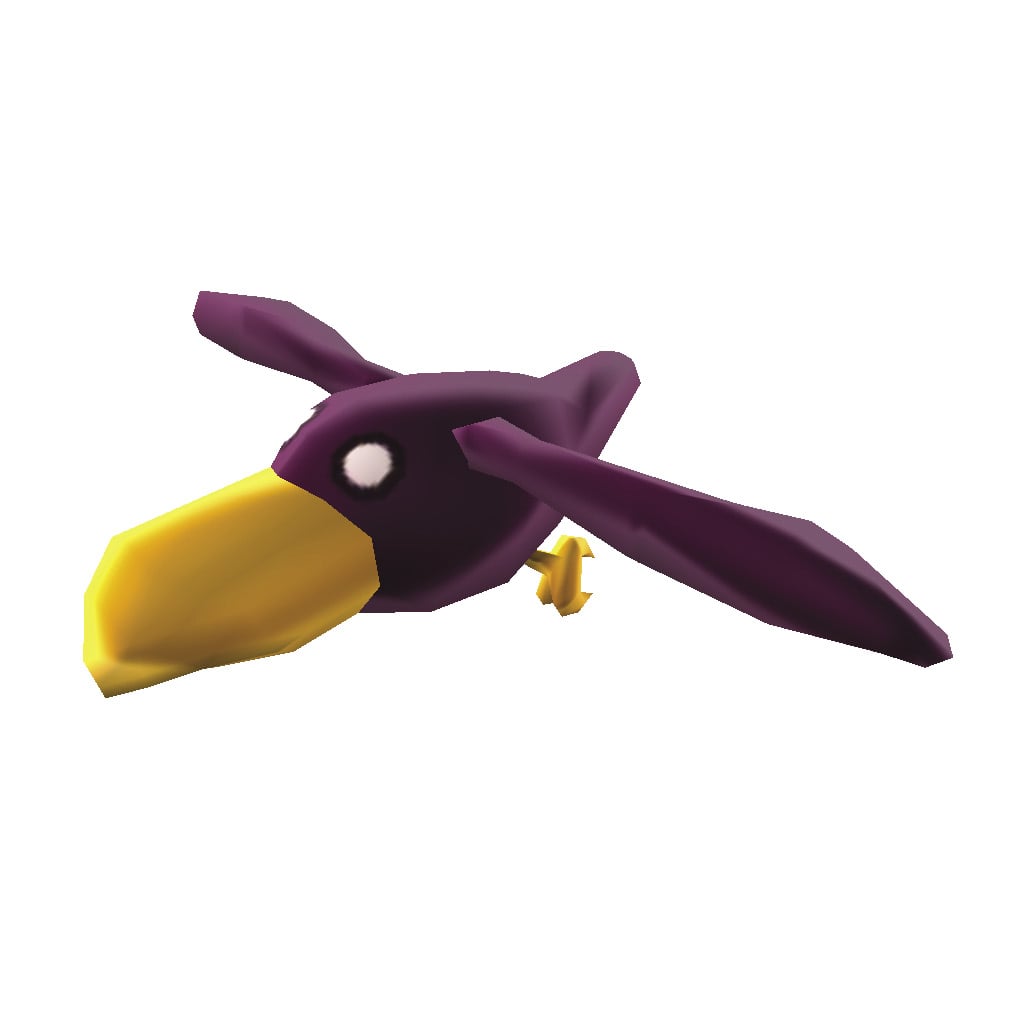
CrowberDesert and skyCircles, then swoops.
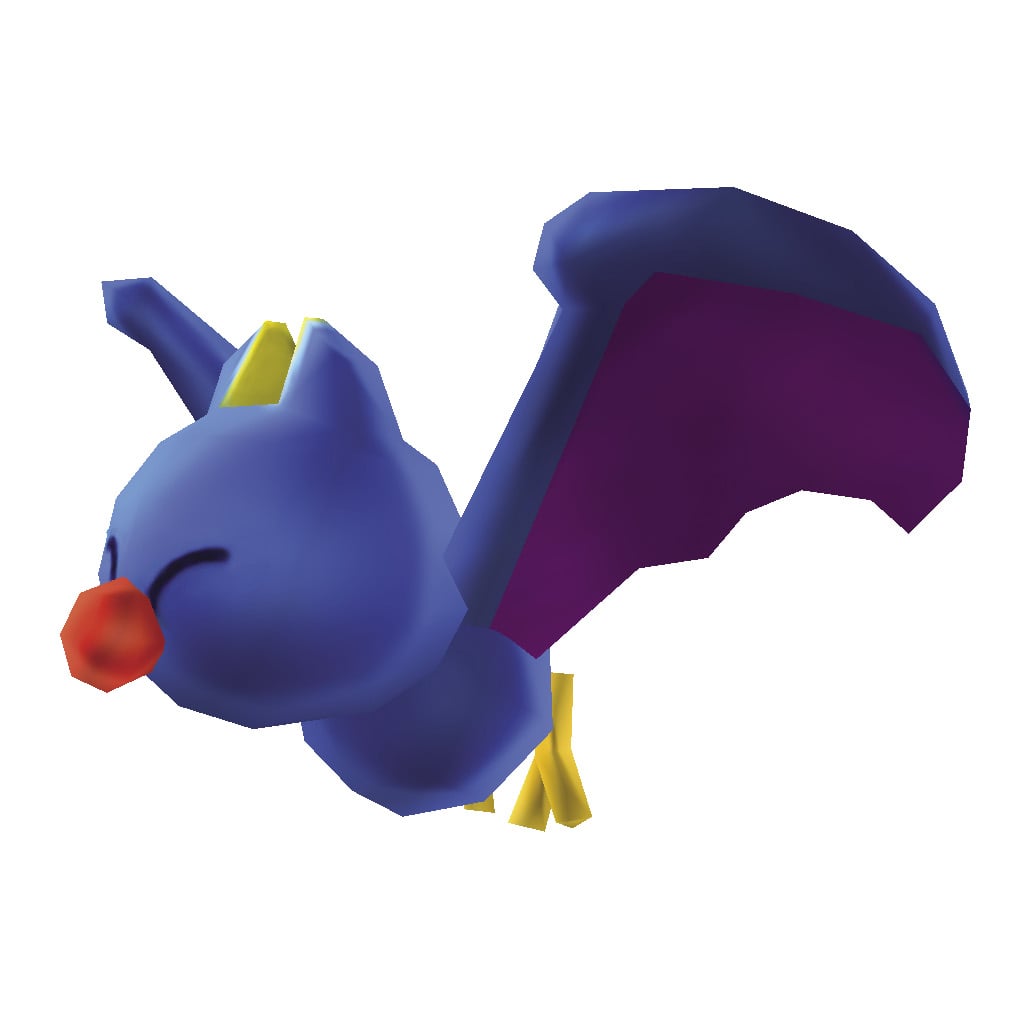
SwoopWorld 5-Ghost HouseCeiling bats that dive at you.
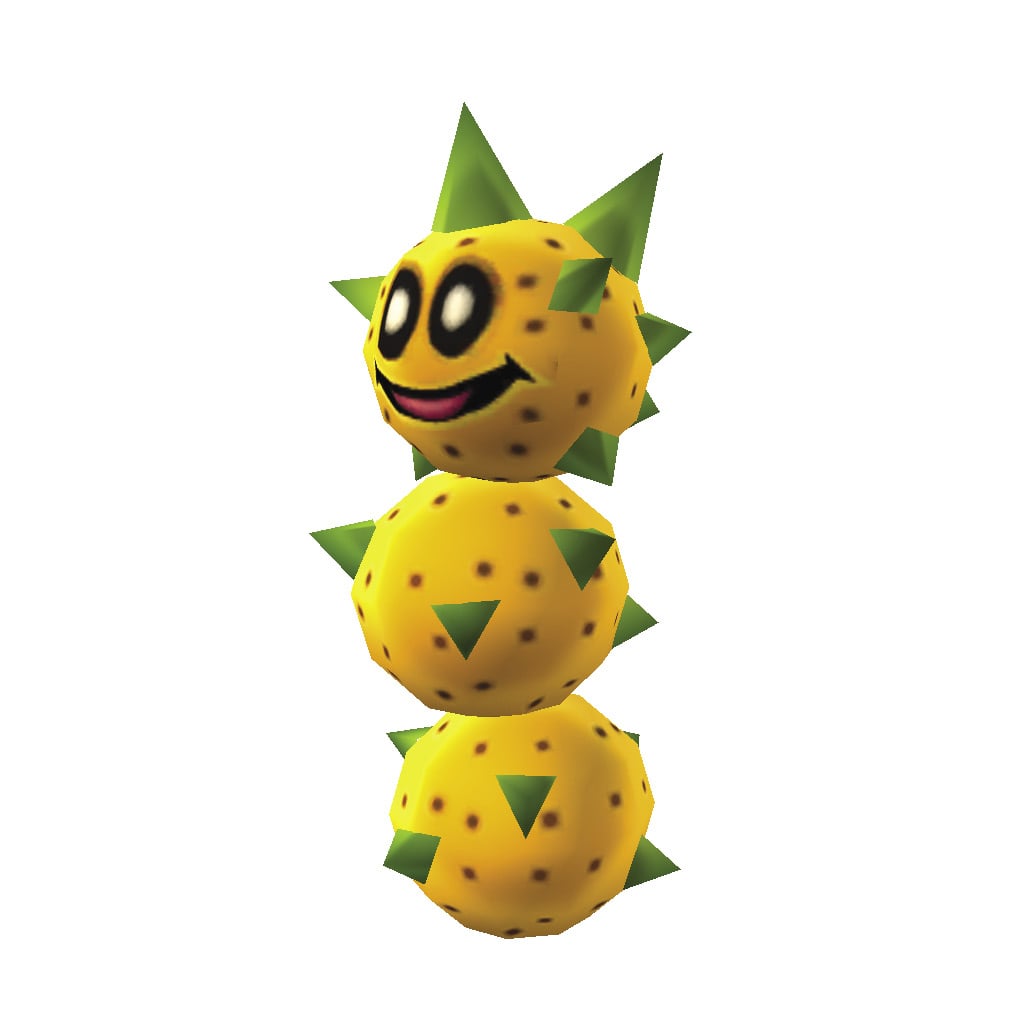
PokeyDesertSegmented cactus; knock out its body with fire or a ground pound.
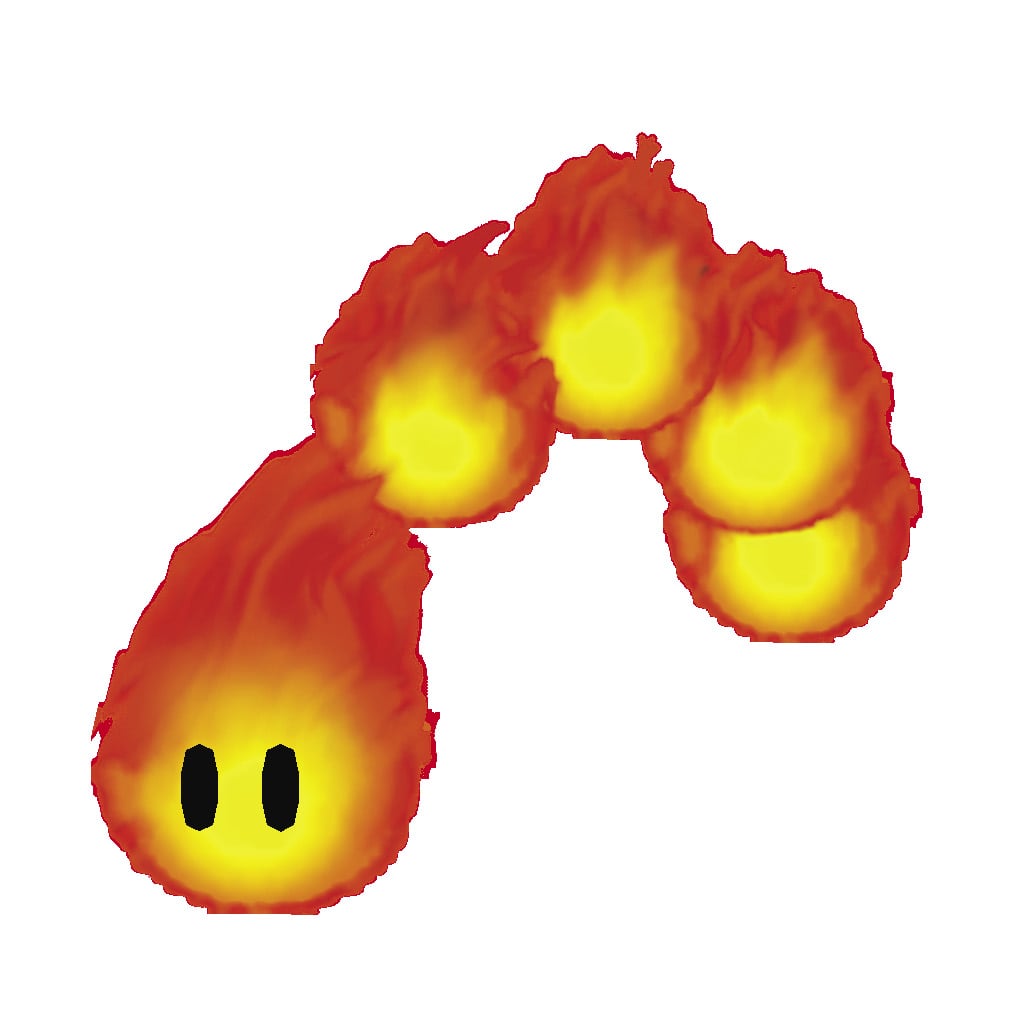
Fire SnakeDesertA hopping chain of flame that grows.
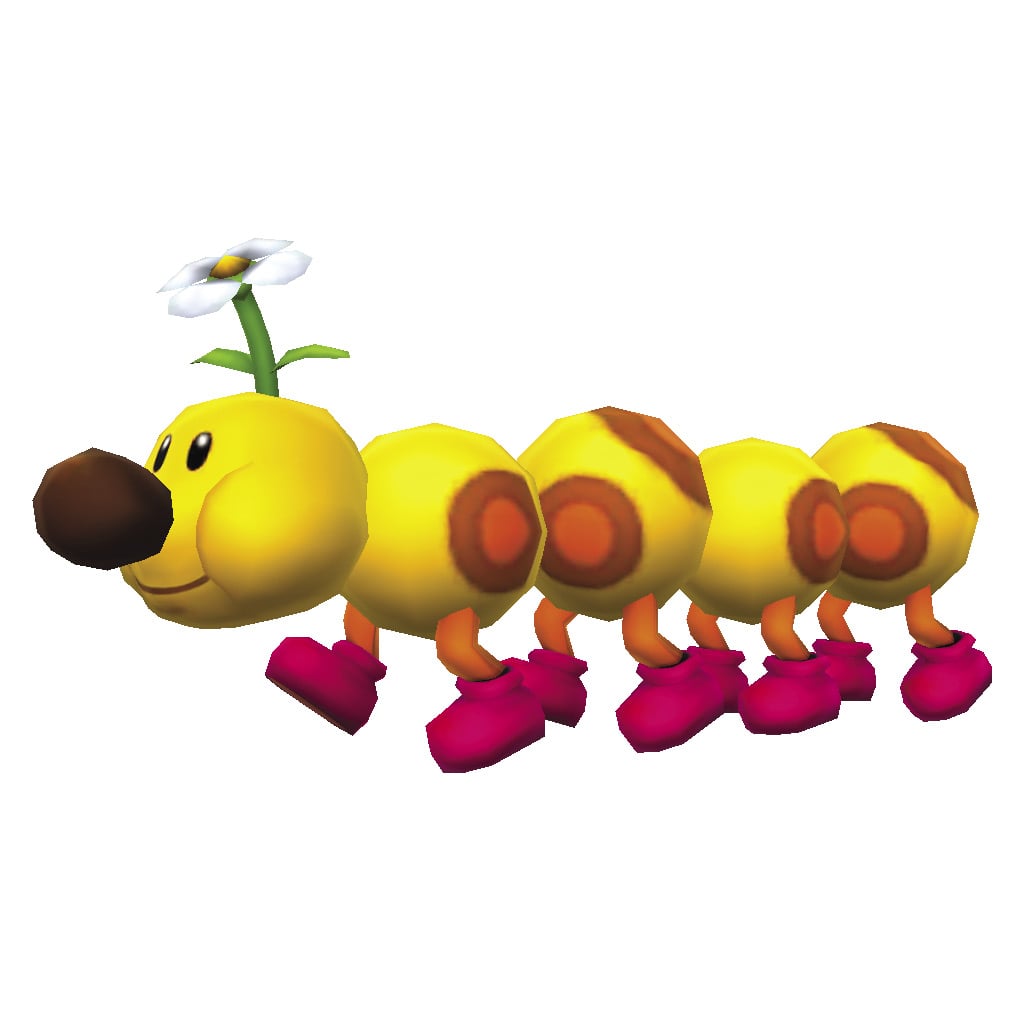
WigglerJunglePlacid until stomped, then furious and fast.
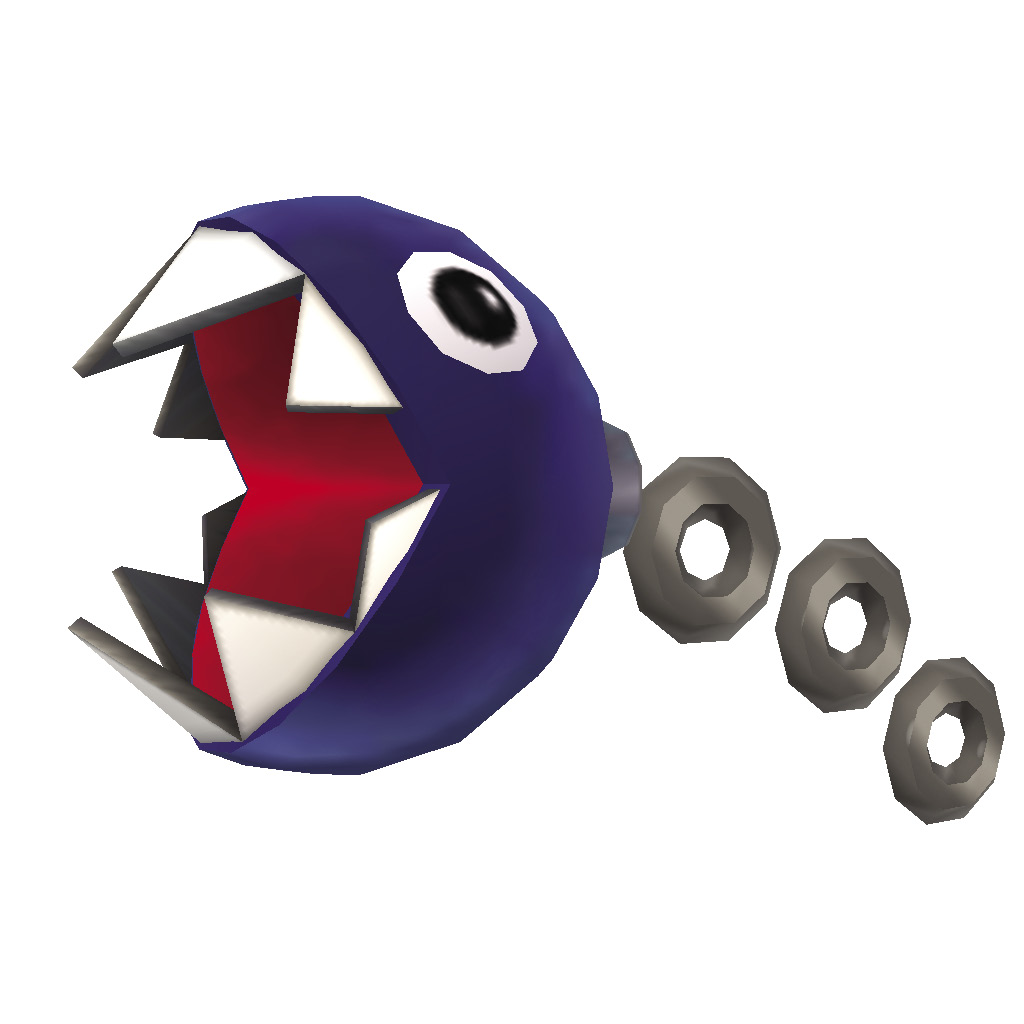
Chain ChompWorld 2 and World MushroomTethered to a post; ground-pound the post to set it loose. A Big one pulls Iggy’s carriage.
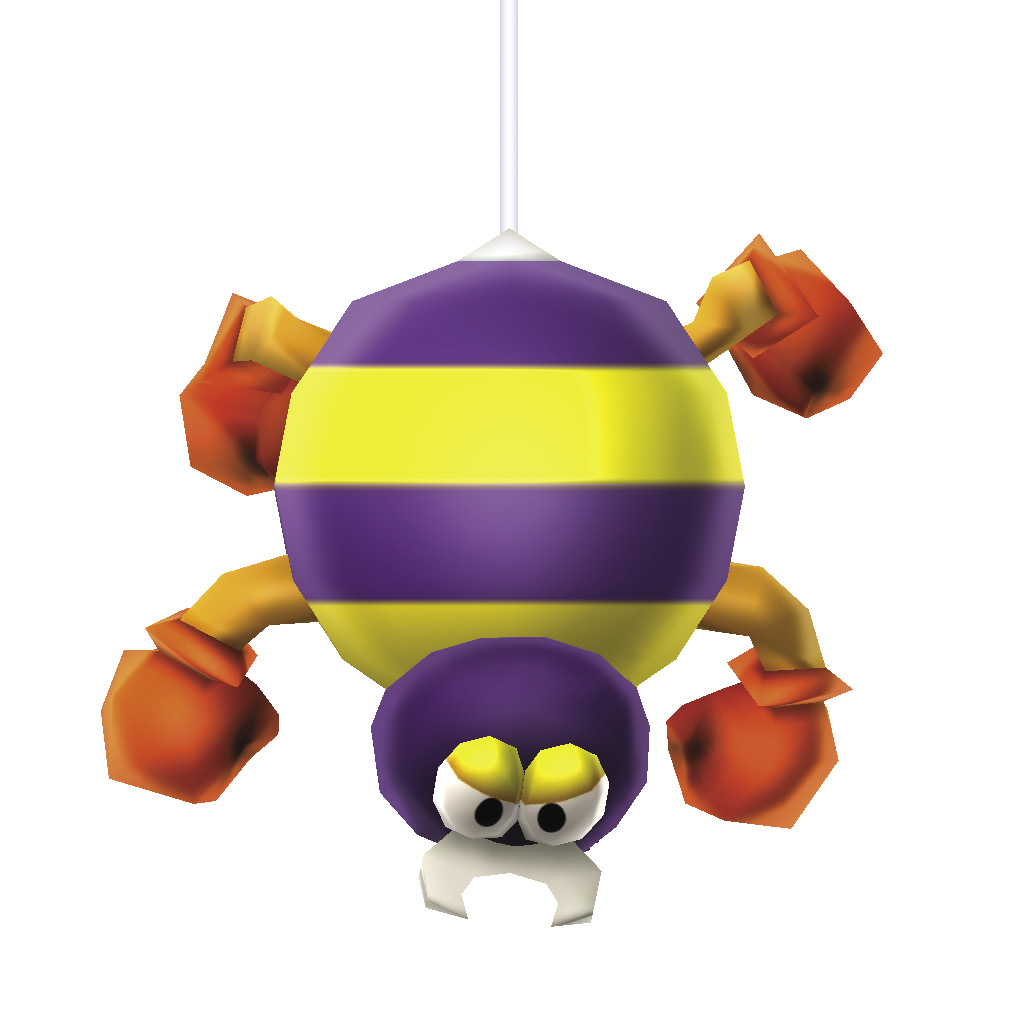
ScuttlebugJungleDangles from webs and drops in.
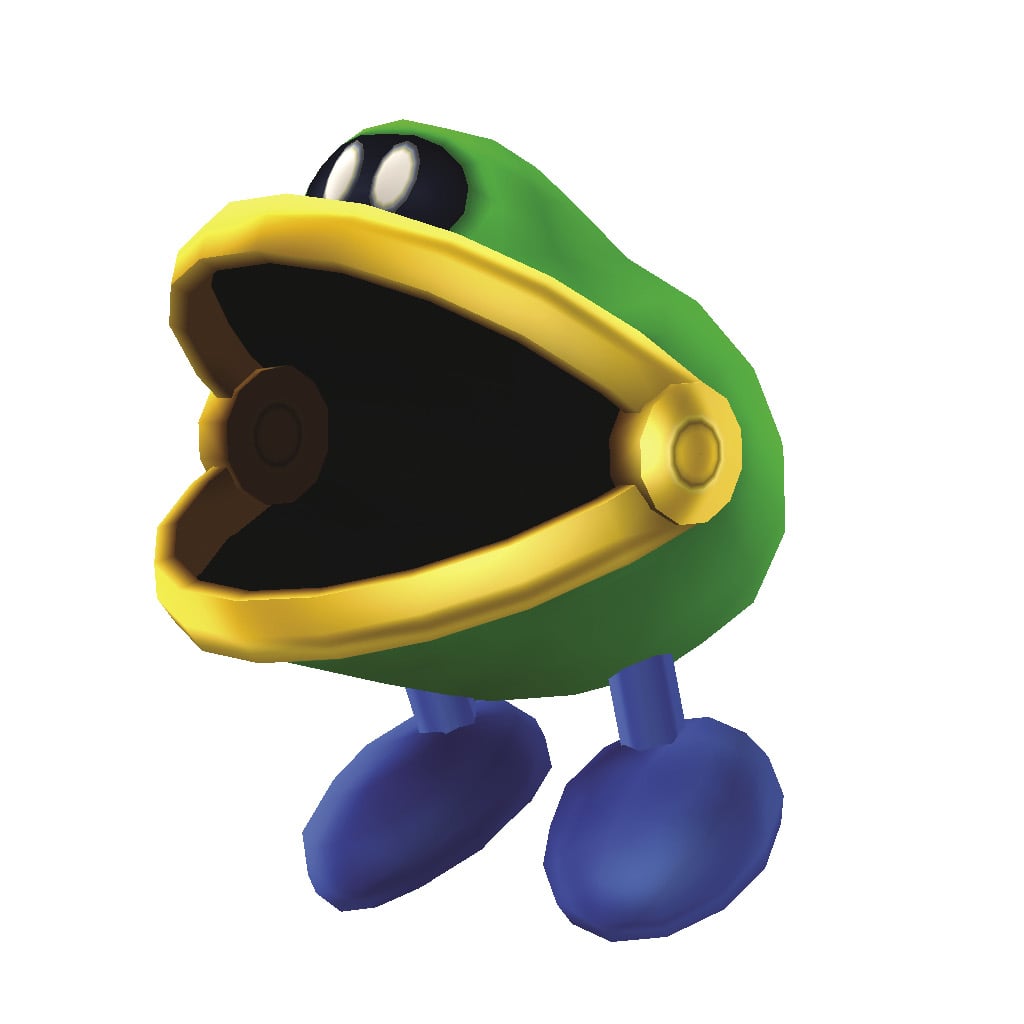
Coin CofferWorld StarA hopping purse from 3D Land that spills coins when hit.
Flame ChompWorld 6-BSpits its fireballs one by one, then explodes.
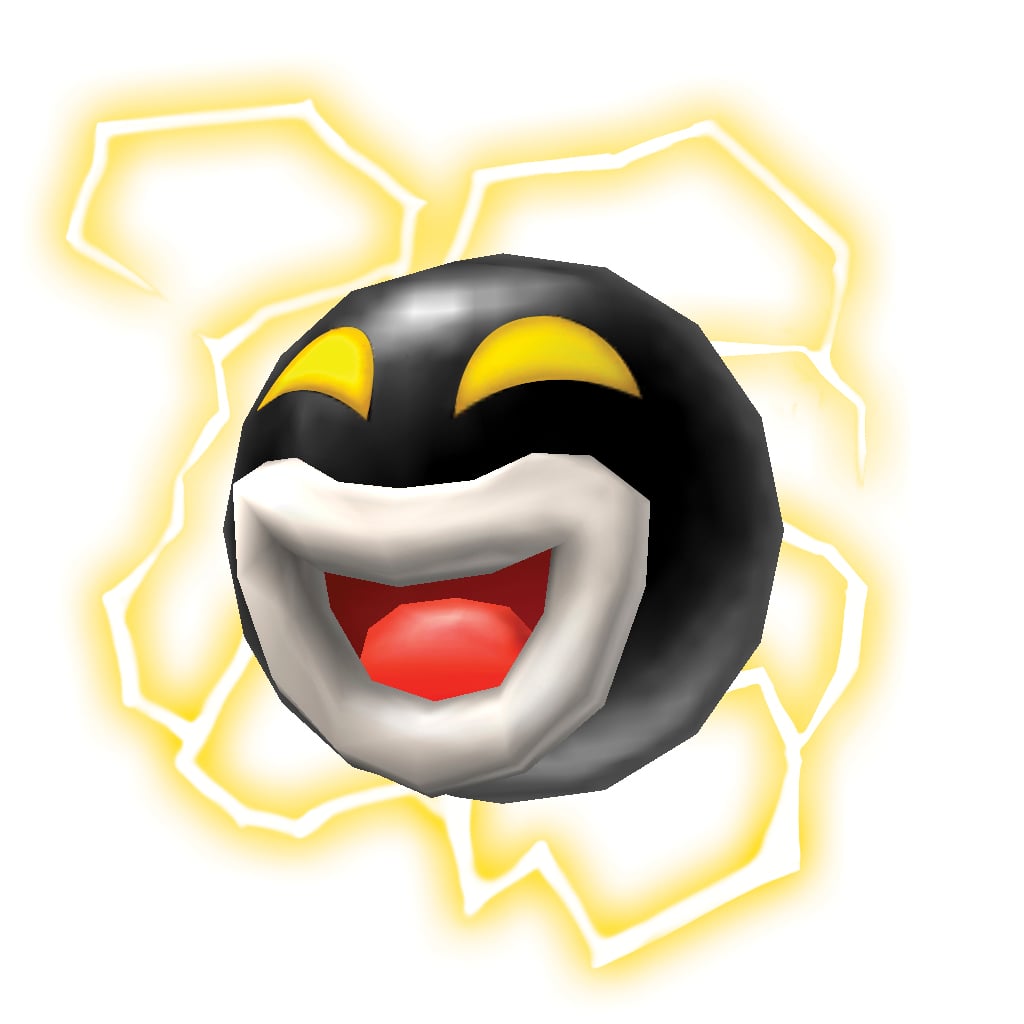
AmpWorld 4 and World FlowerElectric orbs that shock on contact.
Lava BubbleCastlesLeaps out of the lava on a timer.
GrinderCastlesBuzzsaws running on rails.
Reznor (boss)Every TowerFire-spitting rhinos on moving platforms; hit the blocks beneath them.
The Koopalings (bosses)Every CastleRoy, Iggy, Larry, Wendy, Morton, Lemmy and Ludwig, three stomps apiece.
Bowser and Dry Bowser (bosses)World 6 and World StarBridge fight, giant chase, and a skeletal rematch.
The people who made it
Key staff, as credited in the game and interviewed in Iwata Asks.
Yusuke AmanoDirectorCame from Star Fox 64 3D and New Super Mario Bros. Wii; was handed the job after test-playing the Cram School’s courses. Earlier he worked on Super Mario Advance 4, whose e-Reader levels shaped his thinking about DLC.
Takashi TezukaProducerGeneral manager of EAD’s Software Development Department, founder of the Mario Cram School, and the man who said “one million coins” after lunch one day.
Toshihiko NakagoLevel design adviserPresident of SRD and programmer of the original Super Mario Bros.; co-ran the Cram School with Tezuka and kept talking about coins.
Hiroyuki KimuraCo-producerVeteran producer of the New Super Mario Bros. games.
Masaaki IshikawaArt directorJoined straight from Mario Kart 7; oversaw the look of the game, the camera-style background blur and Raccoon Mario’s 3D animation.
Kenji HigashiyamaProgramming directorLed the programmers, whose ideas included Gold Mario.
Kenta NagataSound directorA Mario Kart composer; much of the score reworks New Super Mario Bros. Wii, adding vocal riffs to the overworld and athletic themes.
Koji Kondo and Yoji InagakiSound advisersMario’s original composer kept an ear on proceedings.
Shigeru MiyamotoGeneral producerVetoed the first Gold Block with four words: “I don’t like it.”
Satoru IwataExecutive producerNintendo’s president, who announced the game to investors and made it the test case for day-one digital sales.
Advertisement
How It Was Made
Nintendo talked about this game more openly than most. A seven-part Iwata Asks interview with director Yusuke Amano, art director Masaaki Ishikawa and producer Takashi Tezuka, plus Iwata’s own investor briefings, tell the story.
From a hint to a Direct
Shigeru Miyamoto first floated the idea of both 2D and 3D Mario games for the 3DS at an earnings briefing in November 2010, when the console had not yet launched. Super Mario 3D Land took care of the 3D half in November 2011; two months later, on 27 January 2012, Iwata told investors that a “totally new side-scrolling action Super Mario in 2D” would be a key title for the coming financial year. The name came on 21 April 2012 in a Japanese Nintendo Direct, along with a worldwide August window; firm dates followed in June.
Iwata explained the timing bluntly at the April 2012 results briefing: in 2011 Nintendo had failed to carry the 3DS’s momentum from summer into autumn, which dented the Christmas season and the year’s forecasts. With the Wii U due at the end of 2012, a Mario game in August would keep the handheld alive in the meantime.
The Mario Cram School
An early World 1-Castle, with a purple Thwomp effect that turned yellow in the final game. Screenshot: Nintendo, via Super Mario Wiki
The team that had made both earlier New Super Mario Bros. games, under Shigeyuki Asuke, was committed to the Wii U launch title. Rather than wait, Tezuka opened what the staff nicknamed the Mario Cram School: a course-design class that gathered people from EAD, the Software Planning & Development department and elsewhere to learn, from Tezuka and Nakago, how a 2D Mario stage is put together. Tezuka’s belief was that course design is the fundamentals of 2D Mario, and about twice the usual number of staff ended up working on the game’s courses.
Amano attended as a part-time student while finishing Star Fox 64 3D, then was asked to play the courses the class had produced. Shortly afterwards Tezuka asked him to direct the next 3DS Mario, which came as a surprise; he realised later why he had been given the courses to try. When he started there were no designers on the project at all, so the game was built back to front: the stages existed before the mechanics and the theme. Two designers from the Tokyo studio arrived first, followed by artists freed up by Mario Kart 7 and planners from SPD. Amano and Ishikawa were the only core members who had worked on a 2D Mario before.
Help from the 3D Land team
Boohemoth, the new giant Boo, chasing Mario through a Ghost House.
In the first prototype only the characters were 3D models; the scenery was flat and, in Ishikawa’s words, just slapped on. Staff from Nintendo’s Tokyo Software Development Department, fresh from Super Mario 3D Land, knew the stereoscopic hardware inside out and reworked the backgrounds so that they stayed as paintings but blurred progressively as the 3D slider rose, like a camera opening its aperture. Tezuka had asked for exactly that digital-camera look, and the team found it made the game easier to play because the eye settles on the foreground.
Other departures came from the same conversations. Previous entries in the series had always played under blue skies, so the designers added evening and night scenes. Boohemoth, the giant Boo that hides its face and then creeps after you, was built to surprise players who thought they knew how Boos behave. And the cannon-launched Dash Mario courses, in which Mario sprints without stopping while you only time the jumps, were designed so that players who struggle with running sections could still feel the rush; Iwata compared them to Donkey Kong Country’s mine carts.
“Shouldn’t this one be about coins?”
The Gold Ring in action: what began as one golden Koopa became a whole golden menagerie.
While the stage structure was being worked out, Tezuka and Nakago kept steering lunch-time conversations towards coins. 3D Land, then being finished, had a block Mario wears on his head that pops out coins as he moves; Amano was asked to adopt it, found a trickle of coins unsatisfying and changed it to a torrent that only flows while Mario dashes. Tezuka liked it. Then one day Tezuka came back from lunch and proposed a target of a million coins. He later admitted he could not remember the lunch, only the logic: if players were going to collect something, an astounding number would feel better than ten or a hundred thousand.
The Gold Ring began with a single enemy. A Koopa Troopa hopping through a ring and turning gold for a limited time tested well, so the designers asked for golden Goombas and Lakitus, and Bullet Bills followed. Ishikawa worried the effect would look gaudy; in the end he thought it looked luxurious. Gold Mario came from the programmers, who reasoned that the P-Switch had always turned blocks into coins and that a power-up could do the same job on the move. Amano singled out how many ideas flowed from the programming team on this project, which Iwata put down to everyone sharing one simple objective.
“I don’t like it”: Miyamoto and the Gold Block
The Gold Block: Miyamoto only approved it once hammering a coin block became the way to earn it.
Coin Rush predates the coin theme. Amano wanted a Mario you could replay in short bursts, and tried a format of three stages in a row where one mistake ends the run; early versions did not motivate anyone. Once the main game had become a coin hunt, the team found that ordinary play yielded tens of thousands of coins, not a million, so Coin Rush became the place to earn big, with the top of the flagpole doubling your haul. Iwata’s verdict on grinding a million coins the slow way: then it isn’t play, it’s work.
The Gold Block nearly died in a meeting. When Tezuka showed Miyamoto the head-worn coin block, Miyamoto objected that the mechanism made no sense, the same industrial-design instinct Iwata said had once been aimed at the Propeller Blocks of New Super Mario Bros. Wii. The fix was to make the block the result of greed: hit a coin block over and over and it eventually falls onto Mario’s head, so the player’s own desire for coins puts it there. Miyamoto accepted that.
Two players on a small screen
Co-op was Tezuka’s demand, and Amano and Ishikawa resisted it. Doubling every transformation for Luigi and squeezing two players onto a 3DS screen looked impossible in the time left. Tezuka asked for a prototype anyway, pronounced it fun, and told the team to go all out or drop it. The Wii game had kept everyone on one wide screen; that could not work here, so the camera follows a leader, players can fight for the lead by diving into pipes first or ground-pounding each other, and a lagging partner is bubbled. Because so many coins appear, two players also collect things one could never reach, and they both bank the lot.
Gold, or 2?
For a while the game was going to be called New Super Mario Bros. Gold. The team decided a number fitted better: with more than 80 stages, Raccoon Mario reinstated and a stack of new elements, Amano felt it stood up as an orthodox Super Mario rather than a gimmick, and the rebuilt stages, which were reworked again after the coin elements arrived, bore that out. Raccoon Mario’s return had its own cost, since the form had to be remade and animated for stereoscopic 3D. White Raccoon Mario, the invincible helper that appears after five misses, was Tezuka’s answer to beginners. The team felt the pressure of following 3D Land and of a Wii U Mario coming the same year.
Going digital, going live
The April 2012 Nintendo Direct reveal, with an early coin counter that still showed a multiplication sign. Screenshot: Nintendo, via Super Mario Wiki
At the April 2012 briefing Iwata announced that, starting with this game, Nintendo would in principle sell its own titles both in boxes and as downloads, with shops able to sell 16-digit codes to redeem on the eShop. In North America Club Nintendo members who downloaded the game by 20 September earned double coins; Europe’s got 250 Stars and Australia’s 400. The American eShop even turned gold for a week.
The add-on courses came out of a philosophy as much as a plan. Amano had worked on Super Mario Advance 4, whose extra levels needed a separately sold e-Reader and reached far fewer people than he had hoped. Iwata and Miyamoto, meanwhile, insisted that any paid content for a packaged game must feel live, released in response to how people were playing. The main story did not suit extra chapters, so Coin Rush became the vehicle: the packs were announced before launch, before a single course had been built, and designed afterwards with player feedback in mind. Both Mario teams had raised the idea of DLC; this game shipped first, so it went first.
The sound of money
Kenta Nagata, better known for Mario Kart, directed the sound. Most of the score is the New Super Mario Bros. Wii soundtrack by Shiho Fujii, Ryo Nagamatsu and Nagata himself, lightly rearranged: the overworld and athletic themes gain vocals, the tower, castle and ghost-house tunes get a “paah” riff, and World Star’s map music quotes Wii’s World 9. New tracks are reserved for the special-world maps and Coin Rush menus. The Reznor fight uses a Super Mario World arrangement, Toad Houses play the 3D Land version of the P-Switch music, and Raccoon Mario adds a drumbeat to whatever is playing. Koji Kondo and Yoji Inagaki are credited as sound advisers.
Series Firsts
What New Super Mario Bros. 2 did first. Only firsts we could confirm against the rest of the series are listed.
1Day-one downloadThe first Nintendo-published retail game sold as a download on launch day, and the first 3DS Game Card title on the eShop. Iwata made it the start of a company-wide policy.
2Paid add-on contentThe first Super Mario game with purchasable DLC: ten Coin Rush packs between October and December 2012.
3Gold MarioThe Gold Flower, Gold Mario and Silver Luigi debut here, as do the Gold Ring, the Gold Block and the whole family of golden enemies.
4Coin Rush and Crown CoinsThe first single-player score-attack mode in a New Super Mario Bros. game, with records traded over StreetPass.
5Boohemoth, Bone Goombas and Bone Piranha PlantsThree new enemies, with the giant bashful Boo the stand-out.
6Moon CoinsWorld Star’s stand-in for Star Coins, stamped with a 3-Up Moon.
7Japan firstThe only original New Super Mario Bros. game to launch in Japan before anywhere else.
8Night falls on New Super Mario Bros.Art director Masaaki Ishikawa said earlier 2D Marios had always played under a blue sky; this one deliberately added evening and night scenes.
9Two at onceThe first time Nintendo developed two New Super Mario Bros. games simultaneously, this and New Super Mario Bros. U.
Cheats & Secrets
There are no cheat codes, but there are plenty of things the game never tells you. Our dedicated New Super Mario Bros. 2 cheats page has the full list of secret exits and Star Coin locations.
Play as Luigi alone
Clear World 6-Bowser’s Castle, then on the file select screen hold L and R and press A on your save. Luigi takes over the single-player adventure, complete with Fox and Silver forms. The DS game told you about this trick; this one keeps quiet.
Rainbow courses
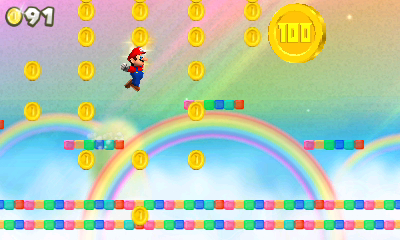
Finish any course with the timer ending in a double digit that matches the world: 11 in World 1, 22 in World 2, up to 66 in World 6, with 77 for World Mushroom, 88 for World Flower and 99 for World Star. The Super Mario Bros. course-clear jingle plays, fireworks burst and a rainbow path appears on the map. The bonus course is a Pipe Cannon into a Coin Heaven full of coins, Roulette Coin Blocks (one tops out at 100) and a giant 100-Coin, sometimes with a Red Ring whose eight Red Coins put a Gold Flower in your item box. You get one go; the path vanishes afterwards until you earn it again. A SpotPass notification from the game also opens every Rainbow course at once.
World Star
Beat Bowser and the ninth world appears, but its first course sits behind a Star Coin Sign demanding 90 Star Coins. Inside, Moon Coins replace Star Coins and Dry Bowser waits at the end.
Collect every Star Coin
Find all 219 and a new Star Coin Sign opens a Yellow Toad House in World Star, where Toad hands over a Super Star for your reserve box. Finishing every course also makes the Toad Houses permanently reusable.
Title screens and statues
At 1,000,000 coins the title screen gains a golden Mario statue on a mountain of coins. Max the counter at 9,999,999 and the reward is a golden Raccoon Mario statue, along with a message of congratulation.
Triple crown
The lives counter runs to 1,110, displayed as three crowns. From then on Mario and Luigi begin every course without their caps.
Infinite lives in World Mushroom-1
Near the first Star Coin a Koopa Troopa walks down a staircase. Stand a step or two below it and stomp the shell as it bounces between the wall and the step; keep landing on it and the 1-Ups never stop. It does not work as Gold Mario, whose fireballs would simply turn the shell into coins.
Coin Rush bonuses
Beating the game puts a Gold Flower in your Coin Rush reserve. Grab the very tip of each flagpole to double that course’s coins, and remember that five spare seconds equal one coin. The third course of every run is a Tower or Castle, so practise those.
Warp route
World 1-Warp Cannon to World Mushroom, World Mushroom-Warp Cannon to World Flower, World Flower-Warp Cannon to World 6: three Dash Mario runs and you are at Bowser’s door.
Delete everything
Hold A, B, X and Y as the Nintendo 3DS logo fades at start-up to wipe all save data. Handle with care.
Compiled from the Super Mario Wiki, Nintendo’s manual and our own cheats page, and cross-checked against contemporary guides.
Glitches & Oddities
A tidy game with a modest glitch list. These are the documented oddities, none of which was ever patched (the game received no updates).
Koopas in the brickwork
A Koopa Troopa bricked up in World Star-1.
In World Star-1, as Super Mario, ground-pound the bricks near a Brick Block with nothing underneath, hit it for a P Switch, press it and wait on the second platform past the ? Switch for the effect to end. A Koopa Troopa gets sealed inside the bricks, still bobbing to the music. Goombas can be trapped the same way.
The generous Red Ring
In World 4-A, activate the Red Ring but ignore the Red Coins, run on past the checkpoint to the mushroom trampoline between the two blue pipes, and the reward coins spout out before you have collected anything. Go back and the Red Coins are still there and still pay out a power-up.
Conveyor that will not turn
After beating Lemmy in World Flower-Castle, fly up with a Super Leaf and hit the conveyor switch: the switch changes colour and direction, the belt does not.
Faster flight
While airborne as Raccoon Mario, tapping jump and dash together repeatedly keeps your running speed in the air, a trick speedrunners use.
The level that stays red
Clear World 5-2 for the first time with its third Star Coin in hand and the level stays marked red on the map even though 5-3 has opened.
Walled in
In World 6-1, stand still as the stone blocks fill in around you while crouching and Mario is stuck until some volcanic debris frees him; standing up and jumping also works.
Floating spikes and ghost switches
Look closely at Giant Bowser’s wrist bands in the second phase and a spike floats free of each. In the third course of Coin Challenge Pack B, hit a brick holding a ? Switch at the exact moment falling debris smashes the brick and the switch hangs in mid-air.
Through the tilting block
In World 2-1 the tilting block platform can be passed through at the right angle, most easily in Co-op or as Mini Mario.
Videos
Nintendo UK’s first launch trailer, which pitched the game to Europe as the successor to Super Mario Bros. 3, and GameSpot’s video review, which summed up the critical mood of August 2012.
Nintendo UK’s official launch trailer, 14 August 2012.
GameSpot’s video review, to accompany Mark Walton’s 7/10 write-up.
Trivia & Interesting Facts
The working title was New Super Mario Bros. Gold. The internal project name, found in the game’s code, was “BigRed”.
It is the only original New Super Mario Bros. game released in Japan before the rest of the world; it also launched the same day as the 3DS LL in Japan and the 3DS XL in North America.
Nintendo of America’s eShop was redecorated in gold for a week to mark the launch.
The logo: Yoshi’s Island’s font, Mario’s coins.The “2” in the logo uses the Pump typeface, the same font as the international Yoshi’s Island logo.
The loading chime that plays at start-up (and while searching for a co-op partner) quotes the first bars of the Super Mario Bros. overworld theme.
Spinies have unused golden models in the game data even though, in the finished game, a Gold Ring simply turns them into coins.
An early Gold Koopa model had a darker shell and boots; the E3 2012 trailer awarded a flat five coins per enemy under a Gold Ring, where the finished game escalates to 50.
Solo Play and Co-op Play were called One Player and Two Player until late in development.
The first course of the Gold Classics Pack recreates World 1-1 and 1-2 of Super Mario Bros., the second recreates 1-1 and 1-5 of Super Mario Bros. 3, and the third spells out “Thank You!!” in coins, as The Lost Levels did in coral.
The Platform Panic Pack was originally numbered as the seventh pack. The free Gold Classics Pack appears to have been a late addition that bumped it to eighth.
The Gold Classics Pack, free until 31 January 2013.Nintendo announced the Gold Classics Pack on 27 November 2012 to celebrate players collecting more than 300 billion coins. Scott Moffitt of Nintendo of America said the figure showed fans had “once again demonstrated their passion” for the series.
Moon Coins carry the imprint of a 3-Up Moon from Super Mario World, and Mario can look up, another World habit.
The maximum of 1,110 lives, shown as three crowns, is shared with Super Mario 3D Land. Reach it and the brothers go capless.
Fans in Japan who owned a 3DS LL could download the Gold Edition free between 1 July and 31 August 2014 as part of a monthly software campaign.
The European text calls it “New SUPER MARIO BROS. 2” and tells you that at 200,000 coins “you’ll be dreaming of coins tonight”; the American text just says “Way to go!”
The game contains a complete but switched-off replay recording system; it was never used.
Boohemoth and the slow auto-scrolling chase it stars in were echoed by King Boo in Super Mario Bros. Wonder eleven years later.
Bowser appears as a giant in the background during the fight, in the manner of Yoshi’s Island DS, and his bridge fight follows the Super Mario Bros. pattern of waiting for a jump, running under and grabbing the switch.
Weekly Famitsu’s four reviewers each gave it 9/10, and the magazine put its mascot Necky on a golden cover in its honour.
The download version weighs 349 MB (2,727 blocks). Club Nintendo rewarded downloaders in America with double coins, Europeans with 250 Stars and Australians with 400.
Super Smash Bros. players can visit World 1 as the Golden Plains stage, where 100 coins turn any fighter gold.
Regional Box Art
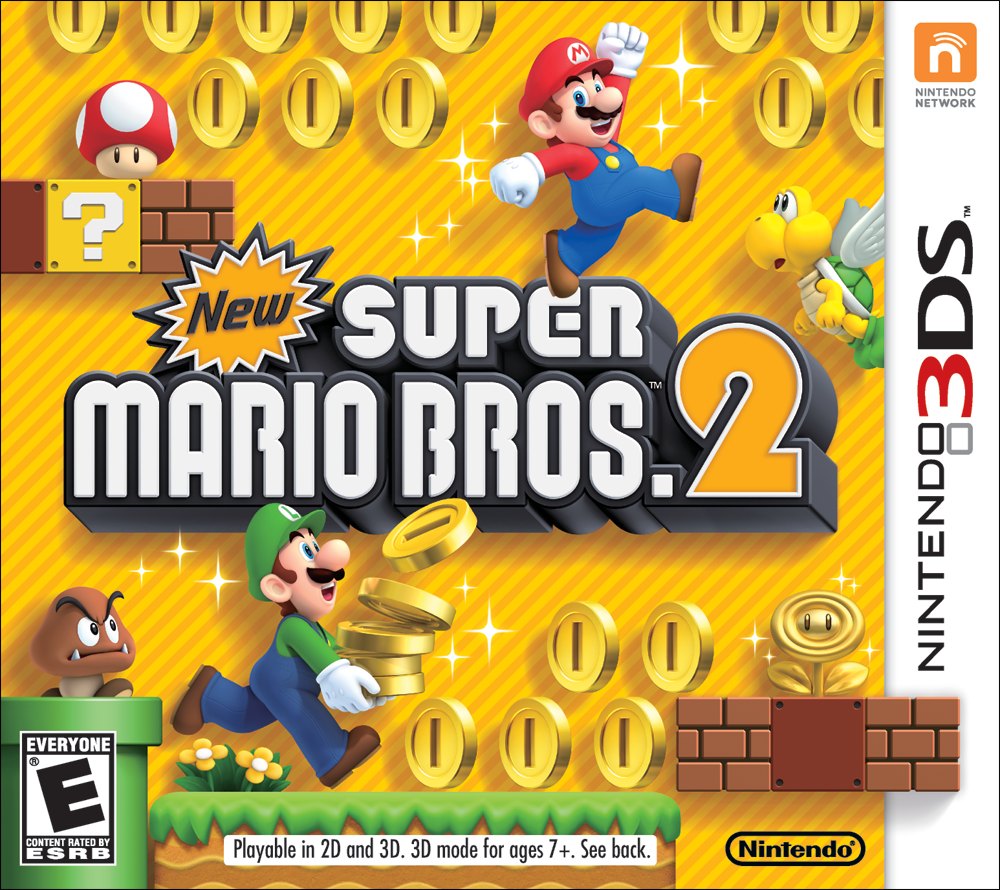
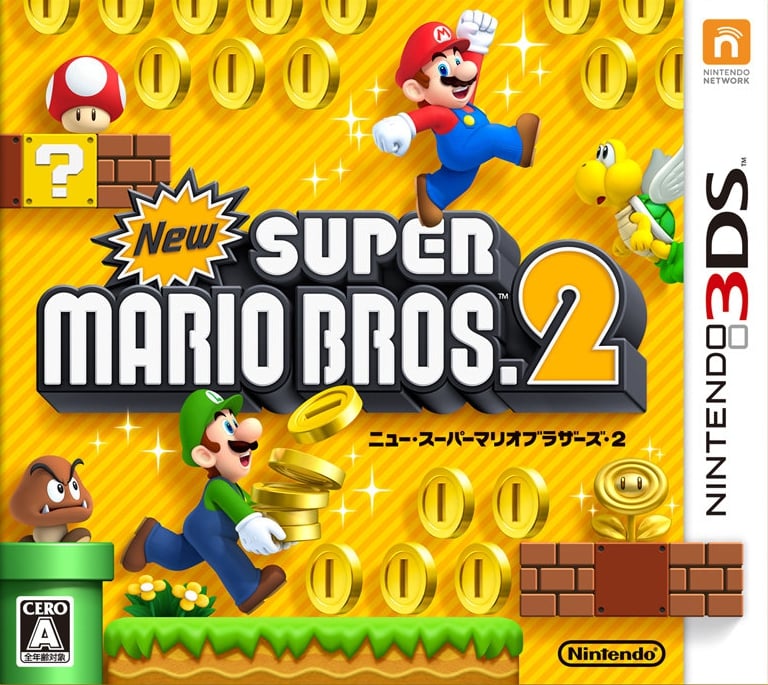
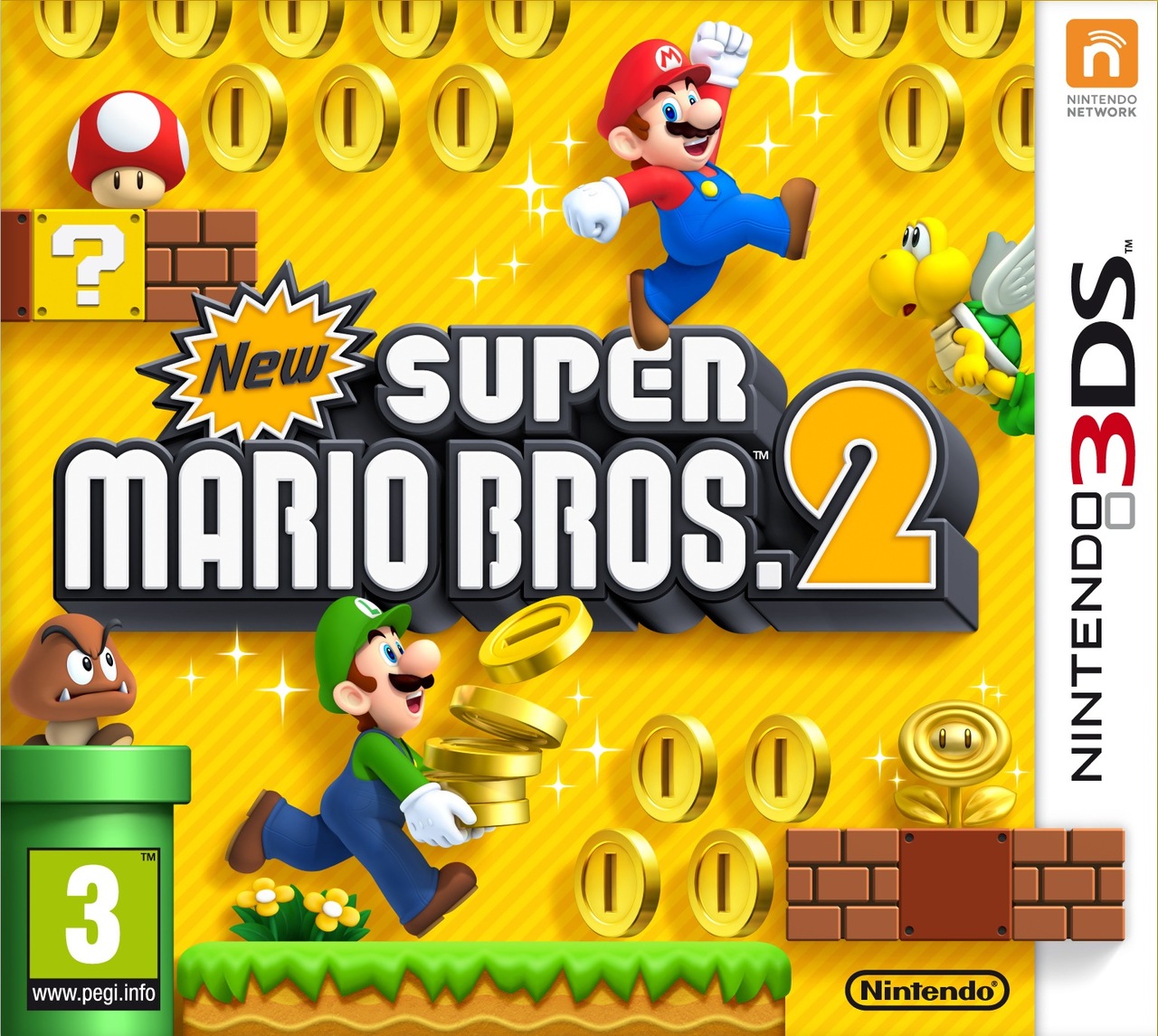
Every region got the same golden Mario on the same yellow background; only the badges and the languages change. The 2014 Gold and Special Editions were never boxed on their own.
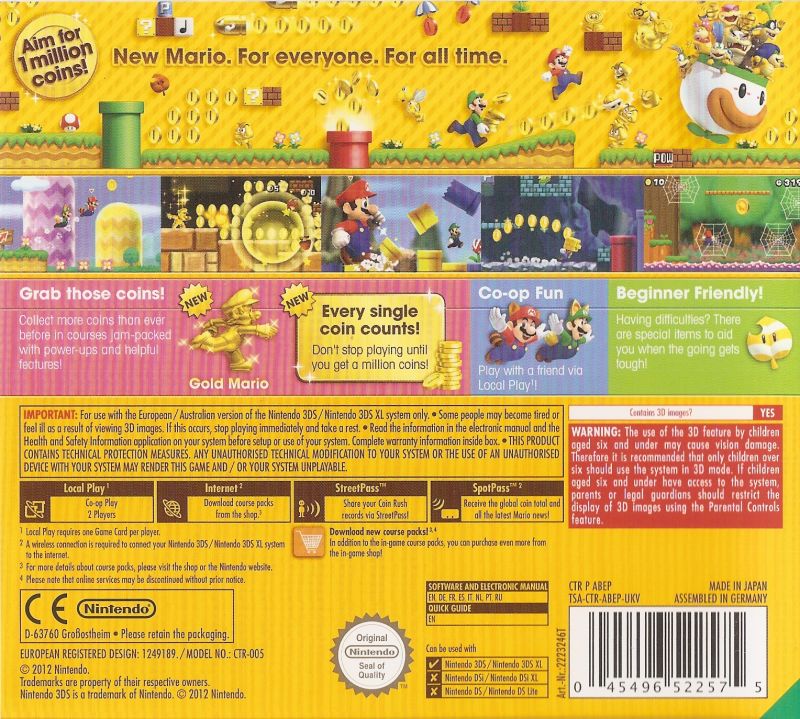
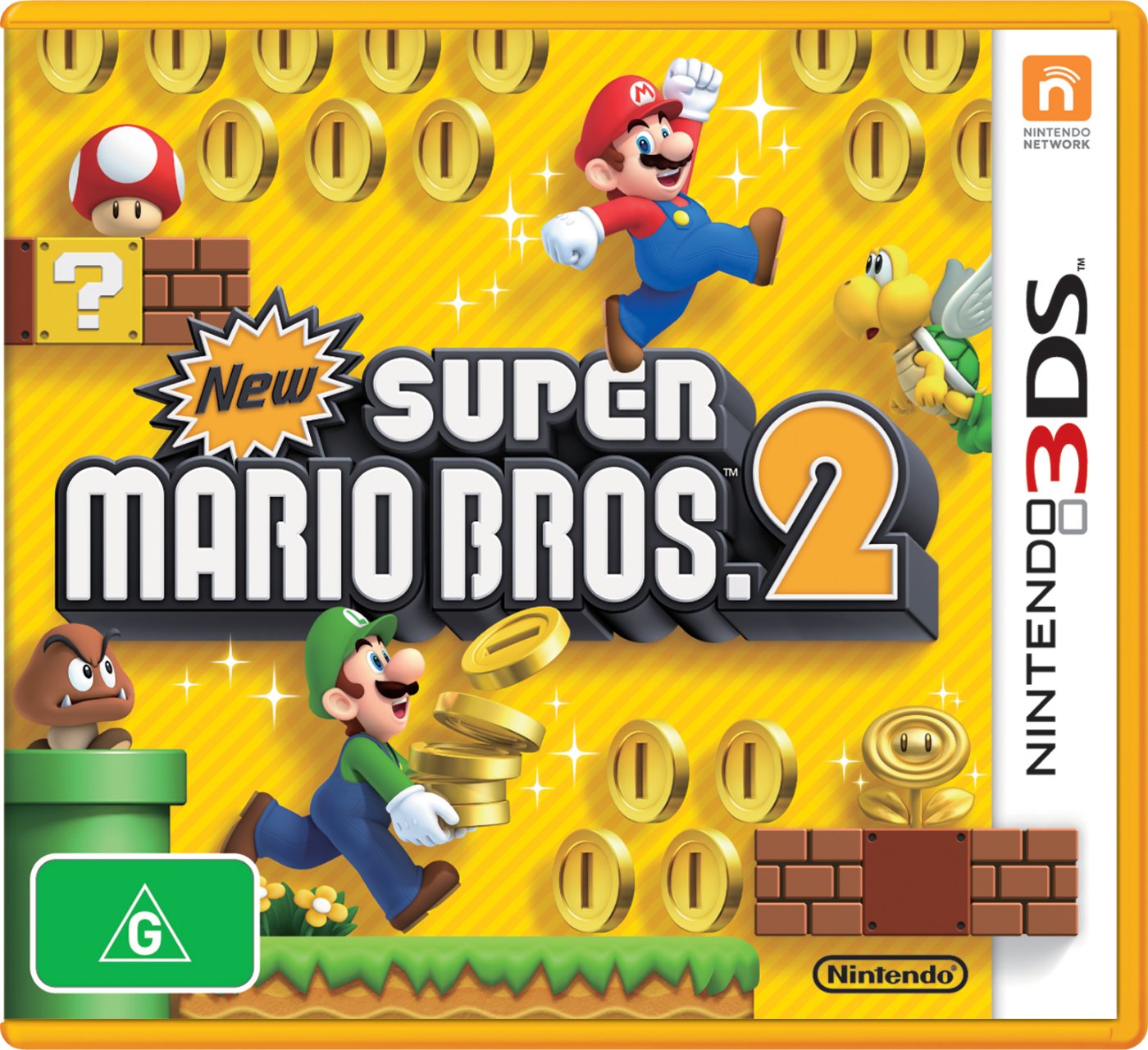
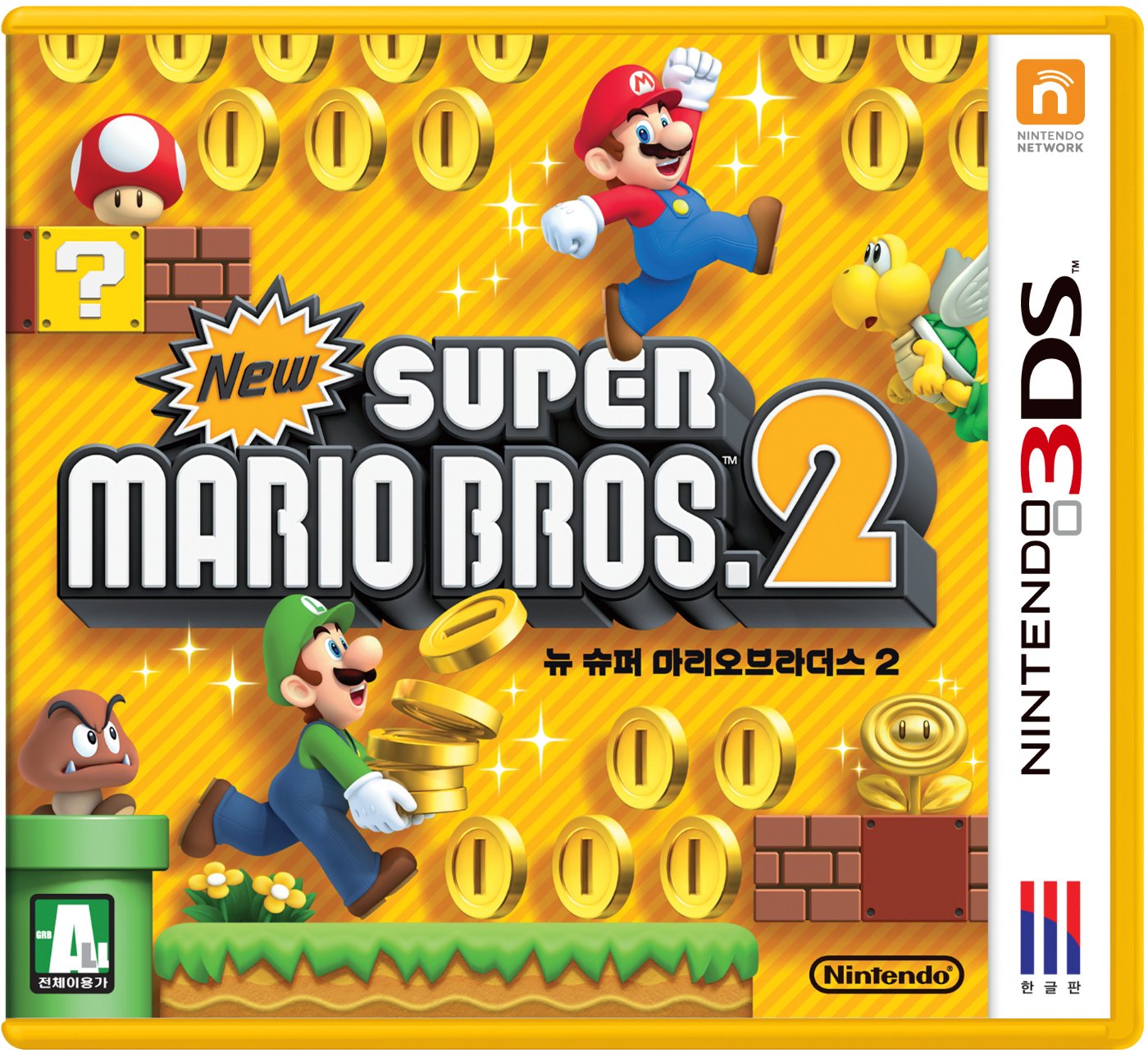
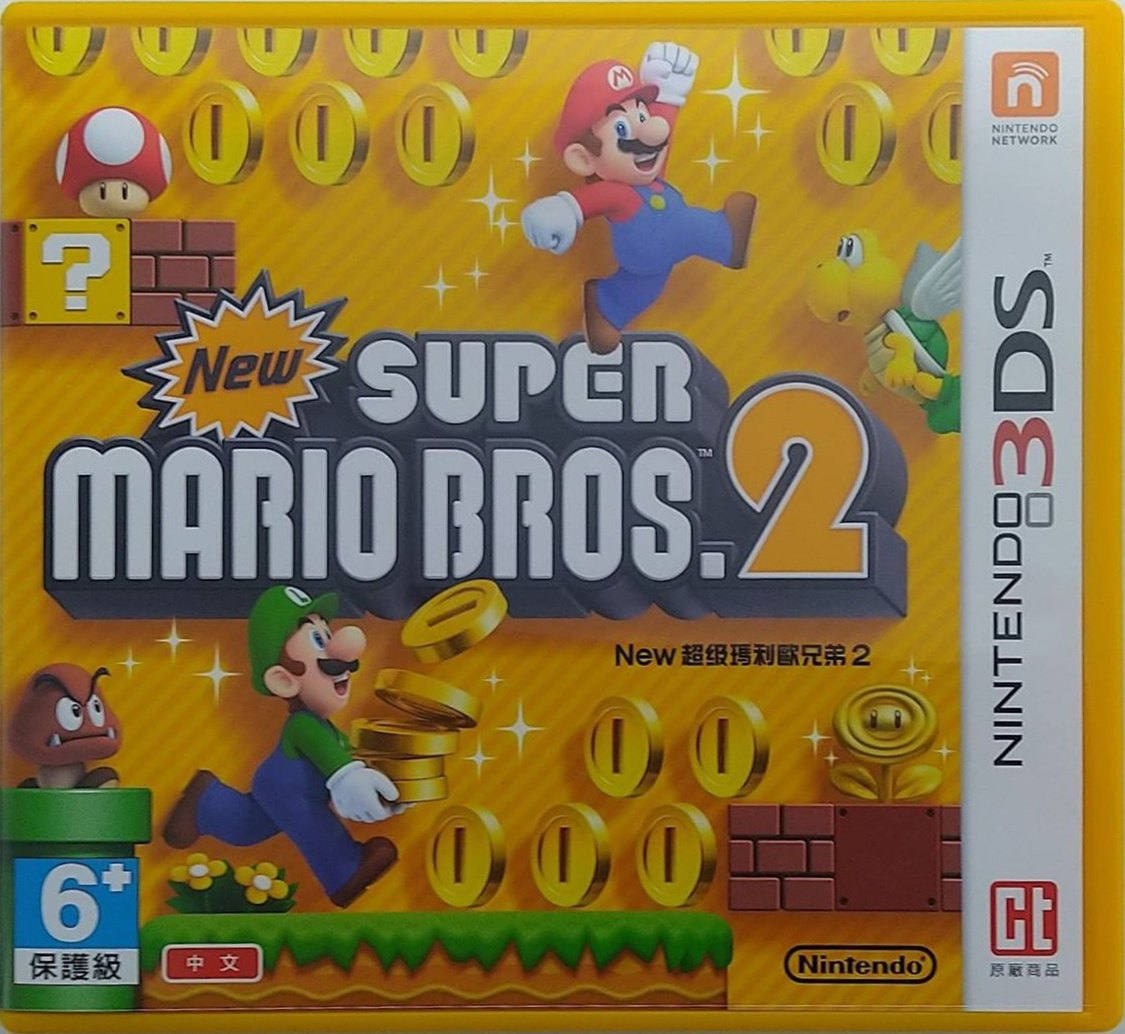
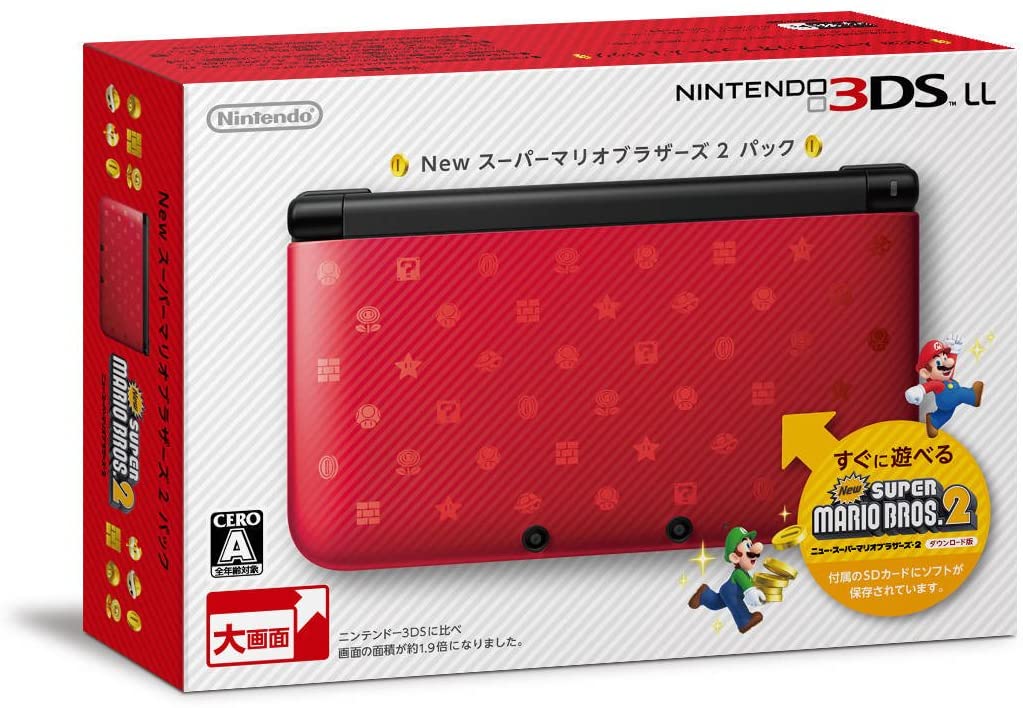
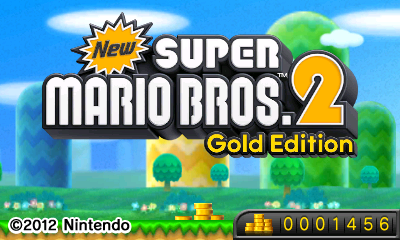
North AmericaNintendo 3DS red-band packaging.JapanReleased 28 July 2012, alongside the 3DS LL.EuropeShared artwork with a PEGI 3 badge; shown here with the French rating panel.Europe (back)The UK back cover.AustraliaReleased 18 August 2012.South KoreaReleased later in 2012.Hong Kong and TaiwanTraditional Chinese release, 21 June 2013.Europe: Special Edition 2DS bundleWhite-and-red 2DS with the game and all ten Coin Rush packs pre-installed, 4 July 2014.Japan: 3DS LL bundleA Japanese 3DS LL pack with the game pre-installed.Gold Edition title screenThe subtitle appears in the logo on the 2014 re-release.
Screenshots
More scenes from the hunt for a million.
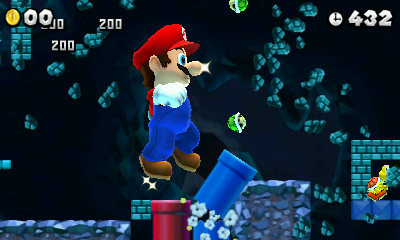
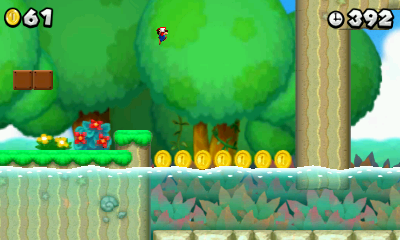
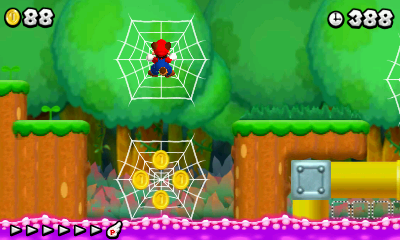
Raccoon Mario glides over a Koopa Troopa in World 1-4.Mega Mario flattens World 1-2.Mini Mario in the forest.A golden Lakitu rains coins instead of Spinies.Hanging from a cobweb in World 3-3.Sliding down an icy hill with a Gold Block on, straight into a line of Goombas.A Rainbow course: a Coin Heaven with a giant 100-Coin.The Green Toad House’s punching-glove game.Iggy Koopa’s Chain Chomp carriage.Wendy O. Koopa in her flooding castle.Ludwig von Koopa above the Pipe Cannons.Riding a segmented bone platform over World 6 lava.
Artwork & Media Gallery
Official artwork, key art and promotional material from New Super Mario Bros. 2. Select any image to view it larger.
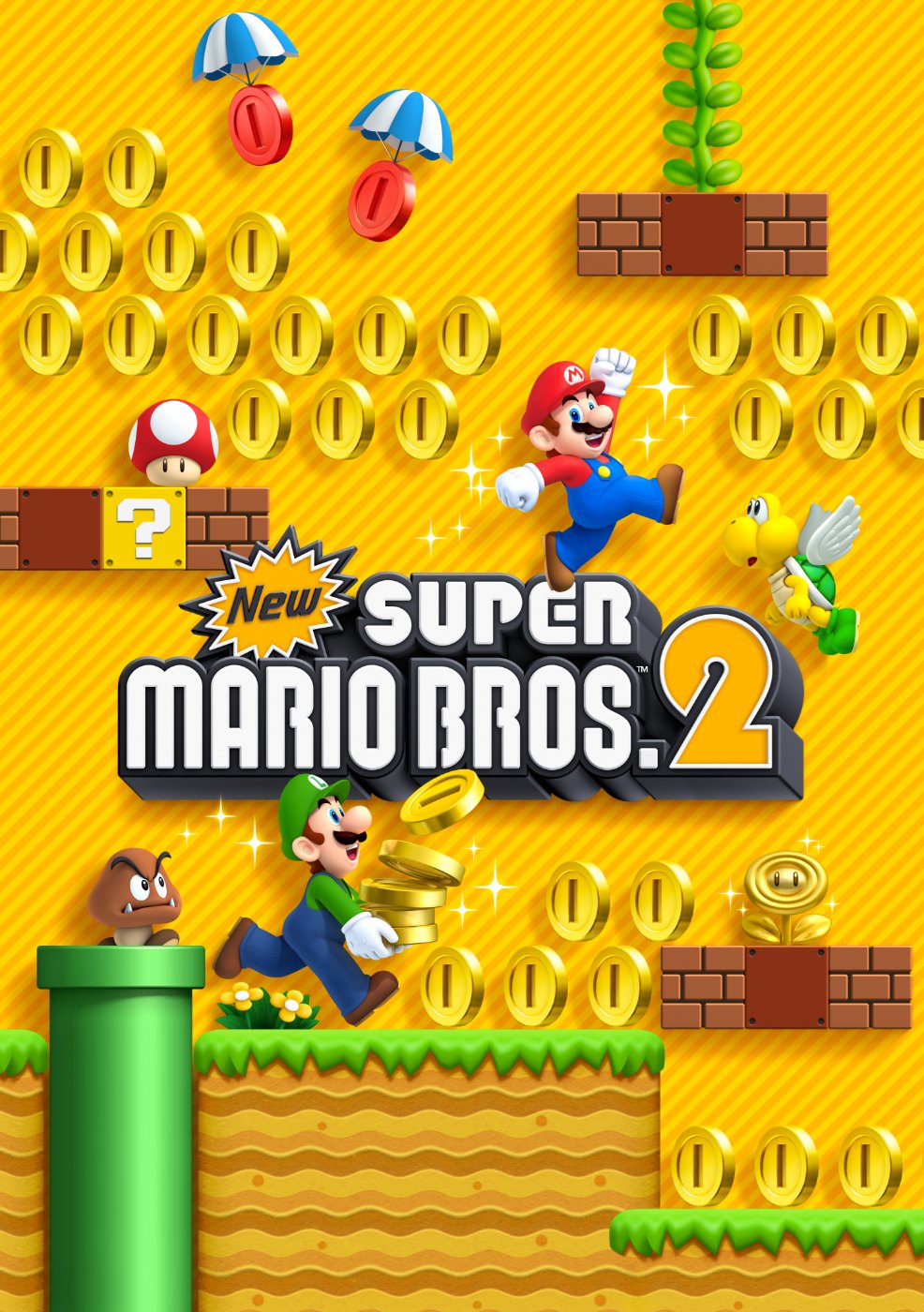
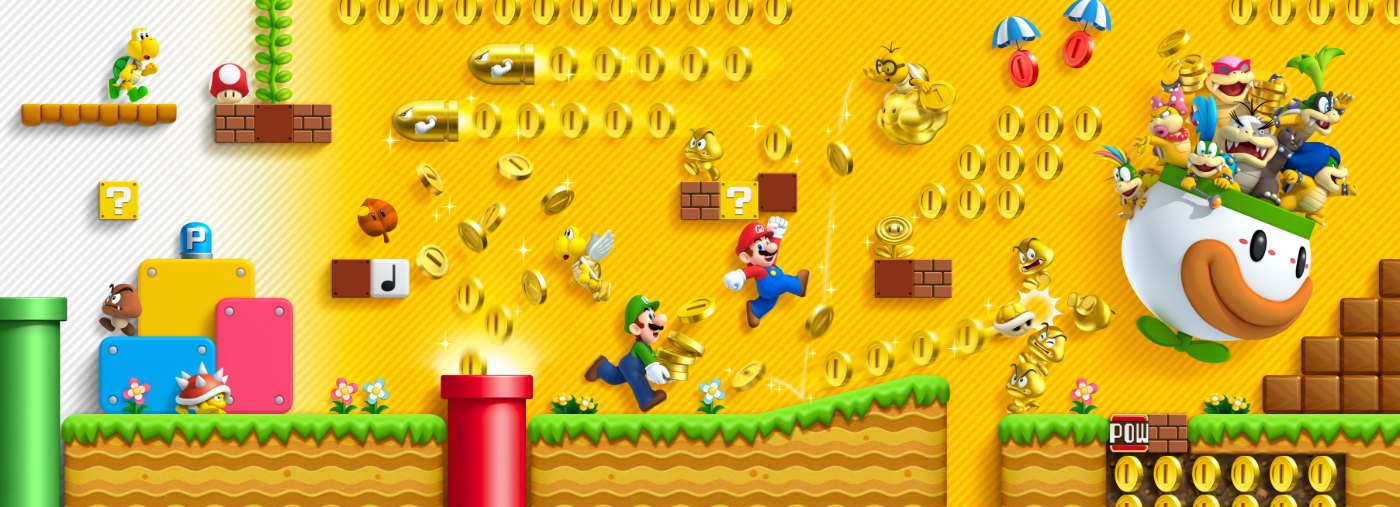
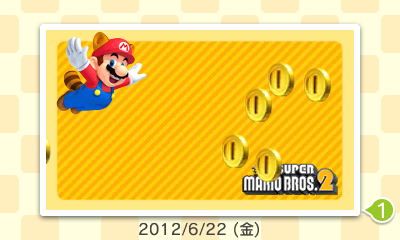
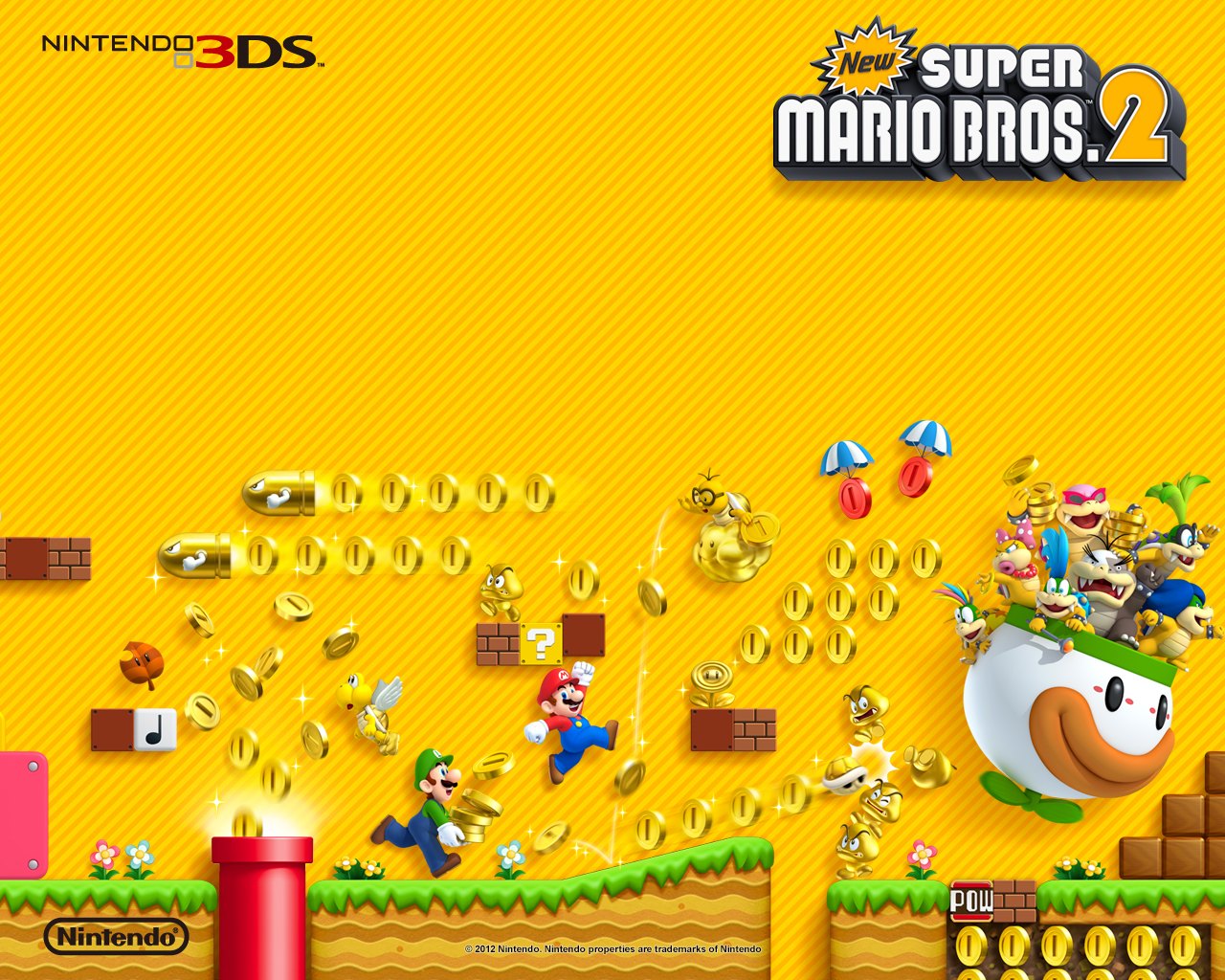
Key artwork: the brothers, the Koopalings and a great deal of gold.The vertical cover artwork used on the box.The full key art, with the whole golden cast.Gold Mario and Silver Luigi.Mario wearing a Gold Block.The Japanese logo.The in-game world map.Artwork from Nintendo’s promotional email.The Prima Official Game Guide.Swapnote stationery (American version).The StreetPass Mii Plaza Puzzle Swap panel.An official desktop wallpaper.Weekly Famitsu issue 1235: Necky goes for gold.
Legacy & Re-releases
New Super Mario Bros. 2 never left the 3DS, but its ten add-on packs, its Gold Edition re-release and its golden hero have had a long afterlife.
Releases and add-ons
Nintendo 3DSJuly–August 2012Japan 28 July, Europe 17 August, Australia 18 August, North America 19 August; on Game Card and as a same-day eShop download in every region. Italy followed on 24 August and Hong Kong and Taiwan in June 2013.
Coin Rush packs 1–32 and 4 October 2012Gold Rush Pack (very easy), Coin Challenge Pack A (normal) and Nerve-Wrack Pack (very hard), 200 yen, €2.50, £2.00 or $2.50 each, in Japan and Europe on the 2nd and North America on the 4th. Announced in a dedicated Nintendo Direct Mini, with 100 billion coins already collected worldwide.
Coin Rush packs 4–525 October 2012Gold Mushroom Pack (easy) and Coin Challenge Pack B (normal).
Gold Classics Pack27 November 2012Three courses remixing Super Mario Bros. and Super Mario Bros. 3, released to celebrate 300 billion coins and free until 31 January 2013, then $2.50.
Coin Rush packs 7–85 December 2012Coin Challenge Pack C (normal) and Platform Panic Pack (hard).
Coin Rush packs 9–1020–21 December 2012Mystery Adventures Pack (normal) and the Impossible Pack, rated “DANGER!” with a coin target of just 100. North America and Europe on the 20th, Japan and Australia on the 21st.
Gold Edition (Japan)1 July 2014All ten packs built in. Offered free to 3DS LL owners until 31 August 2014 as part of a monthly recommended-software campaign.
Special Edition (Europe)4 July 2014Pre-installed on a 2DS bundle in white and red (or blue and black) with every Coin Rush pack.
Gold Edition (North America)Holiday 2014Pre-installed on a red, Mario-themed 3DS XL sold during the 2014 holiday season.
3DS eShop closesMarch 2023Purchases end; the Coin Rush packs can no longer be bought, though owners can redownload them.
The Gold Edition
The 2014 re-release, called Special Edition in Europe and Gold Edition elsewhere, is the complete game: all ten course packs are installed, so the in-game Shop disappears, and the title logo gains its subtitle. It also softens Coin Rush, where dying in a course now moves you on to the next with your coins intact instead of ending the run, and it redesigns the pack menus with blue speech bubbles, green icons and star ratings (the Impossible Pack gets five Bowser heads). Because it was only ever preloaded on hardware or handed out in Japan’s 3DS LL campaign, and never sold on a card or in the eShop, it has become one of the scarcer Mario games to own legitimately.
The template for Nintendo DLC
Thirty extra courses for a few pounds each does not sound revolutionary now, but in 2012 paid add-ons for a Super Mario game were a genuine novelty, and the team treated the packs as an experiment in “live” content: announced before they were built, released in waves, tuned to how people were playing, and capped with a free gift when the community hit a milestone. Only the Coin Challenge packs had online leaderboards on Nintendo’s website until the final wave. The approach fed straight into New Super Luigi U, whose Iwata Asks is titled “Overtaken by New Super Mario Bros. 2”, and into the content strategy of the Switch era.
Golden afterglow
Gold Mario proved the game’s most durable export, racing in Mario Kart 8 Deluxe and Mario Kart Tour, dressing up in Super Mario Odyssey and getting his own amiibo. Super Smash Bros. turned World 1 into the Golden Plains stage, Super Mario 3D World borrowed the names Mushroom, Flower and Star for its bonus worlds, and New Super Mario Bros. U reused several of its sound effects. For a game so often described as unambitious, it left a surprising amount behind.
Reviews & Sales
Sales
Japan bought it by the shovelful. Media Create counted 407,503 copies in its first two days on sale, enough to top the chart in a week when the new 3DS LL sold 187,480 units, and the game passed a million physical copies after five weeks, on 5 September 2012. Nintendo’s own figures put lifetime sales at 13.42 million worldwide as of 31 March 2026, which makes it the fifth best-selling Nintendo 3DS game of all time, behind Mario Kart 7, Pokémon X and Y, Pokémon Sun and Moon and Pokémon Omega Ruby and Alpha Sapphire, and ahead of Animal Crossing: New Leaf and Super Mario 3D Land. Worldwide, players had collected more than 100 billion coins by 2 October 2012 and more than 300 billion by 27 November.
13.42mworldwide, 31 Mar 2026
5thbest-selling 3DS game
407,503Japan, first two days
300bncoins collected by Nov 2012
Reception and review scores
Critics agreed it was polished, agreed it was fun and agreed it was not new. Scores below are from the original reviews or from Wikipedia’s reception table where the outlet is named.
Nintendo Life’s Damien McFerran was the game’s most enthusiastic champion, calling it “immense fun” with “brilliant level design” and arguing that familiarity was no sin when the craft was this good. Electronic Gaming Monthly praised its secrets and branching paths. IGN’s Keza MacDonald rated it the best 2D platformer on the system while admitting it offered little that was new, and Official Nintendo Magazine called it bitter-sweet: the best side-scroller on 3DS, but a series standing still.
The sceptics were sharper. GameSpot’s Mark Walton found it a retread with occasional sparkle. Destructoid’s Jim Sterling thought it good but “vacuous”, likening the coin gimmick to a Mushroom Kingdom coin: shiny and of no practical use. Eurogamer’s Oli Welsh confessed to being bored for long stretches of a game he recognised as high quality, and Game Informer’s Bryan Vore felt it played like an expansion pack. The Metascore of 78 remains the lowest of any mainline Super Mario platformer on Nintendo hardware (the mobile Super Mario Run scored 76), which says as much about the series’ standards as the game. Famitsu, as ever, was untroubled: four nines.
Honours
Spike Video Game Awards · December 2012Best Handheld Game (nominee)Nominated at the 10th annual VGAs.
Nintendo 3DS all-time chartFifth best-selling 3DS gameBy Nintendo’s own count, as of March 2026.
SLB User Reviews
Super Luigi Bros readers have reviewed New Super Mario Bros. 2 over the years. Their write-ups are kept exactly as they were sent in:
Played it? If you’d like to add your own review, please get in touch.
More from the Super Luigi Bros Guide
These picture lists come from the earlier Super Luigi Bros guide to New Super Mario Bros. 2 and are kept here in full.
Worlds
Six numbered worlds plus three secret worlds (Mushroom, Flower, Star). Each numbered world has a Tower guarded by Reznors and a Castle at the end. Shortcut warp route: W1 → Mushroom → Flower → W6.
🌿 World 1
Theme: Grasslands · Boss: Roy KoopaRolling plains introduce all core mechanics — Gold Rings, Super Leaf, basic enemies. Its Warp Cannon leads to World Mushroom.
🏜️ World 2
Theme: Desert · Boss: Iggy KoopaA vast desert of sand, palm trees and cacti, with a Ghost House along the way.
🌊 World 3
Theme: Beach / Forest · Boss: Wendy O. KoopaAn archipelago of islands that turns into forest later on. Its Warp Cannon leads to World Flower.
👻 World 4
Theme: Snow · Boss: Morton Koopa Jr.A snowy field of trees and ice, complete with a Ghost House.
🏔️ World 5
Theme: Sky · Boss: Ludwig von KoopaA sky world of Mushroom Platforms and high cliffs.
🔥 World 6
Theme: Lava / Castle · Boss: BowserLava-filled castle corridors lead to Bowser’s Castle, where the Koopalings enlarge Bowser for the final battle.
🍄 World Mushroom
Theme: Special · Boss: Larry KoopaSecret world reached via the World 1 Warp Cannon, themed after the Super Mushroom. Its Warp Cannon leads to World Flower.
🌸 World Flower
Theme: Special · Boss: Lemmy KoopaSecret world reached via the World Mushroom or World 3 Warp Cannon, themed after the Fire Flower. Its Warp Cannon leads straight to World 6.
⭐ World Star
Theme: Post-gameOnly available after beating the game.
Coin Rush
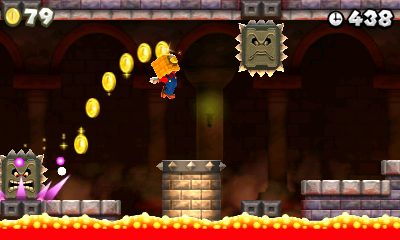
Coin Rush — three stages back-to-back with one life. High scores save and share via StreetPass
Coin Rush plays three stages consecutively with a single life — maximise your coin haul. Scores save automatically and share via StreetPass with nearby players. DLC packs added extra stage sets exclusively for Coin Rush.
To provide the best experiences, we use technologies like cookies to store and/or access device information. Consenting to these technologies will allow us to process data such as browsing behavior or unique IDs on this site. Not consenting or withdrawing consent, may adversely affect certain features and functions.
Functional
Always active
The technical storage or access is strictly necessary for the legitimate purpose of enabling the use of a specific service explicitly requested by the subscriber or user, or for the sole purpose of carrying out the transmission of a communication over an electronic communications network.
Preferences
The technical storage or access is necessary for the legitimate purpose of storing preferences that are not requested by the subscriber or user.
Statistics
The technical storage or access that is used exclusively for statistical purposes.The technical storage or access that is used exclusively for anonymous statistical purposes. Without a subpoena, voluntary compliance on the part of your Internet Service Provider, or additional records from a third party, information stored or retrieved for this purpose alone cannot usually be used to identify you.
Marketing
The technical storage or access is required to create user profiles to send advertising, or to track the user on a website or across several websites for similar marketing purposes.

 World 1Grassland · 10 courses · 24 Star Coins · Tower: Reznor · Castle: Roy KoopaRolling green plains that teach the Gold Ring and the Super Leaf. The Warp Cannon leads to World Mushroom.
 World 2Desert · 11 courses · 30 Star Coins · Castle: Iggy KoopaSand, cacti, Pokeys and the first Ghost House, where the enormous Boohemoth makes its debut. A coin-spewing volcano hides in 2-B.
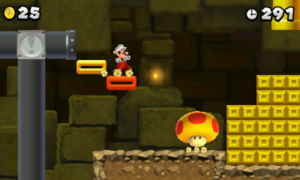 World MushroomSpecial · 9 courses · 21 Star Coins · Castle: Larry KoopaReached from World 1’s cannon. Mixed themes rather than a single setting, in the manner of 3D Land’s special worlds. Its cannon leads to World Flower.
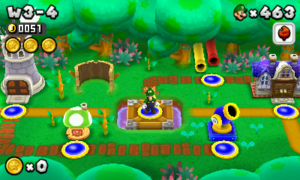 World 3Islands and jungle · 12 courses · 30 Star Coins · Castle: Wendy O. KoopaA tropical archipelago of Cheep Cheeps and Urchins that turns to poison-swamp jungle with cobwebs to climb. The cannon leads to World Flower.
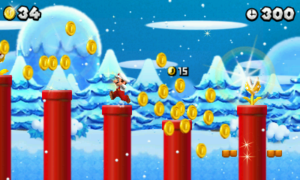 World 4Snow · 12 courses · 33 Star Coins · Castle: Morton Koopa Jr.Icy hills to slide down, frozen forests, Fuzzies on rails and a Tower full of Bone Piranha Plants. The biggest Star Coin haul in the game.
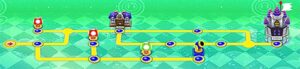 World FlowerSpecial · 9 courses · 21 Star Coins · Castle: Lemmy KoopaThemed after the Fire Flower and reached from World Mushroom or World 3. Its Warp Cannon is a shortcut straight to World 6.
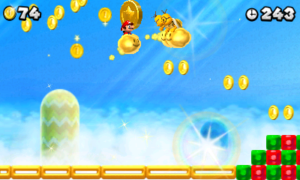 World 5Sky · 11 courses · 30 Star Coins · Castle: Ludwig von KoopaMushroom platforms, cliffs, golden Lakitu clouds to ride and Bullet Bill barrages. Ludwig must be knocked out of the air with Pipe Cannons.
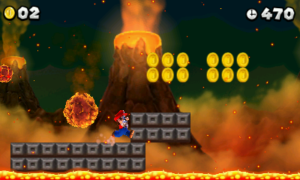 World 6Lava · 11 courses · 30 Star Coins · Castle: BowserVolcanoes raining debris, withered trees, Fire Bros and segmented bone coasters over lava, ending at Bowser’s Castle and the two-stage finale.
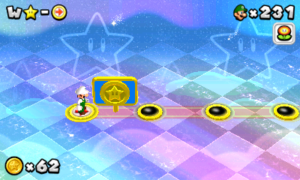 World StarPost-game · 9 courses · 24 Moon Coins · Castle: Dry BowserOpens after the credits with 90 Star Coins. The toughest courses in the game, Moon Coins in place of Star Coins and Dry Bowser at the end.

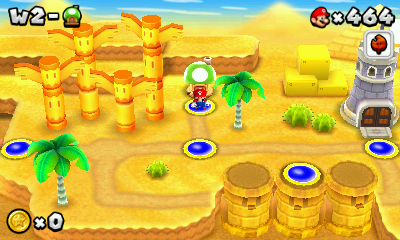
 Super MushroomGrows Small Mario into Super Mario, who can break bricks and survive a hit.
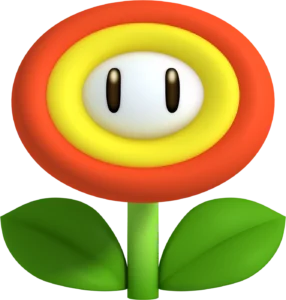 Fire FlowerBouncing fireballs for Fire Mario. Fire a dozen into a ! Pipe for a prize.
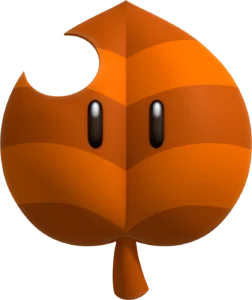 Super LeafRaccoon Mario (Fox Luigi): tail whip, slow descent and flight once the P-Meter is full. Back in a new 2D Mario for the first time since 1988.
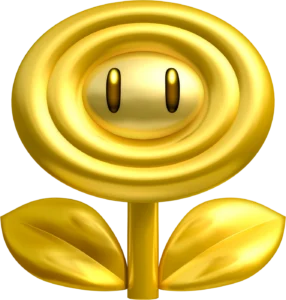 Gold FlowerGold Mario and Silver Luigi. Exploding fireballs turn bricks and enemies into coins; lost at the end of the course.
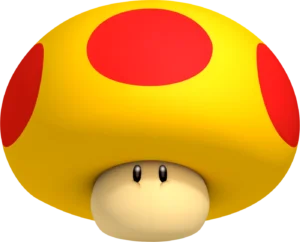 Mega MushroomGiant Mario crushes pipes, bricks and enemies, and smashing the flagpole earns a hatful of 1-Ups.
 Mini MushroomTiny, floaty Mario fits through small pipes and runs on water, but one hit ends it.
 Super StarInvincibility, and every enemy you bump into drops coins.
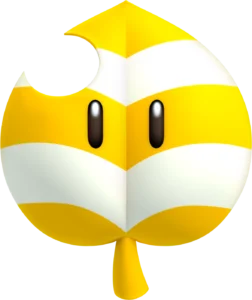 Invincibility LeafFrom the Assist Block after five lost lives: White Raccoon Mario, invincible until the flagpole.
 Gold MushroomCoin Rush only, replacing 1-Ups: 50 coins, or 100 for Gold Mario.
 1-Up MushroomAn extra life. Hoard 1,110 of them for triple-crown status.
 Gold RingTurns every enemy on screen gold for a few seconds, with bonus coins for each one beaten.
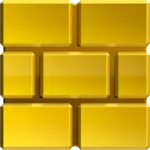 Gold BlockA coin block that sticks to Mario’s head and pays out while he runs; faster running means more coins.
 Star CoinThree per course, 219 in all, spent on Star Coin Signs to open paths and Toad Houses.
 Moon CoinWorld Star’s version of the Star Coin, 24 of them, stamped with a 3-Up Moon.
 Crown CoinWorth 1,000 coins, awarded for beating a StreetPass Coin Rush record.







 MarioThe hero
 LuigiThe second player, and a secret first one
 Princess PeachThe kidnapped
 ToadKeeper of the Toad Houses
 BowserKing of the Koopas
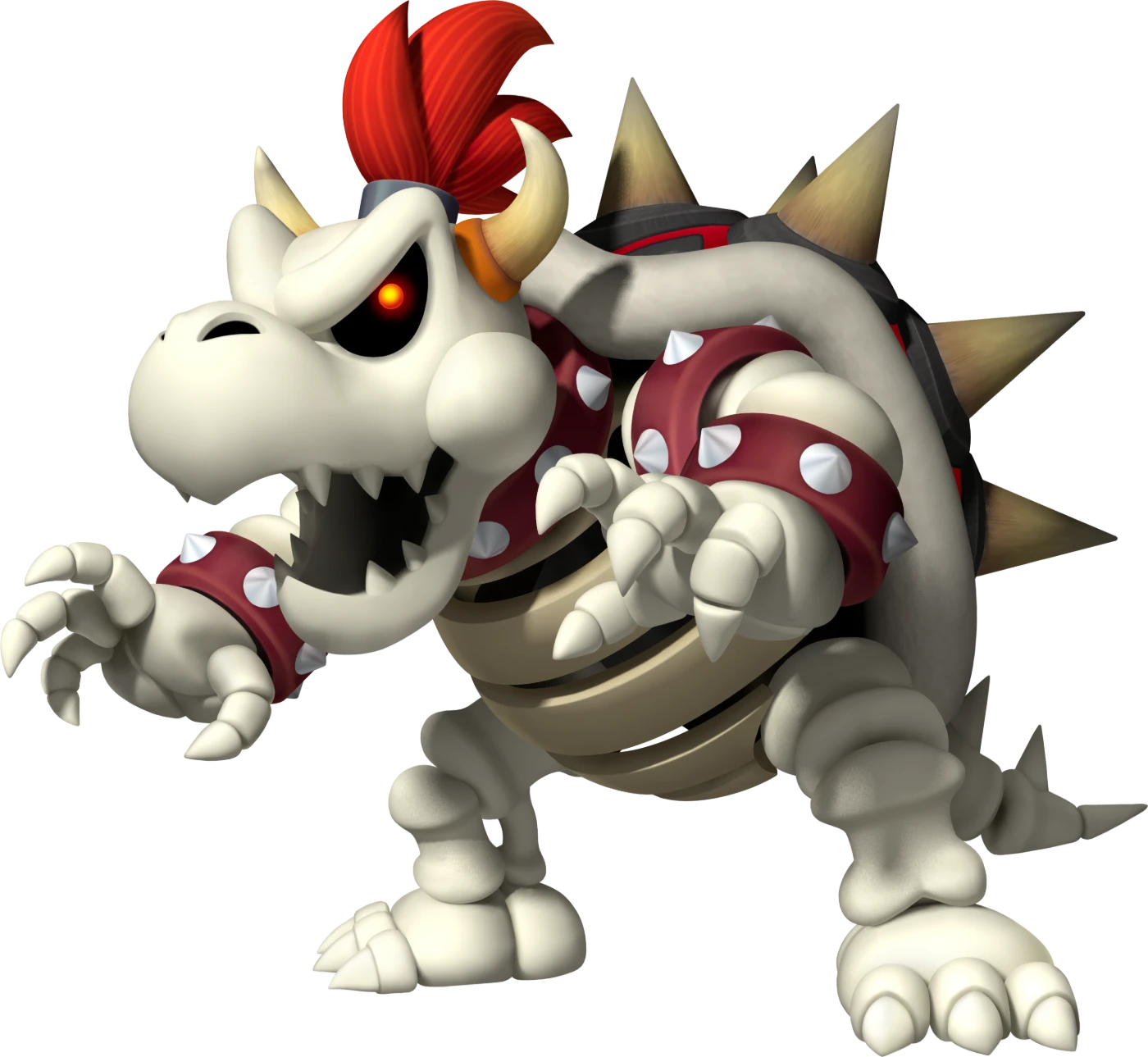 Dry BowserWorld Star’s boss
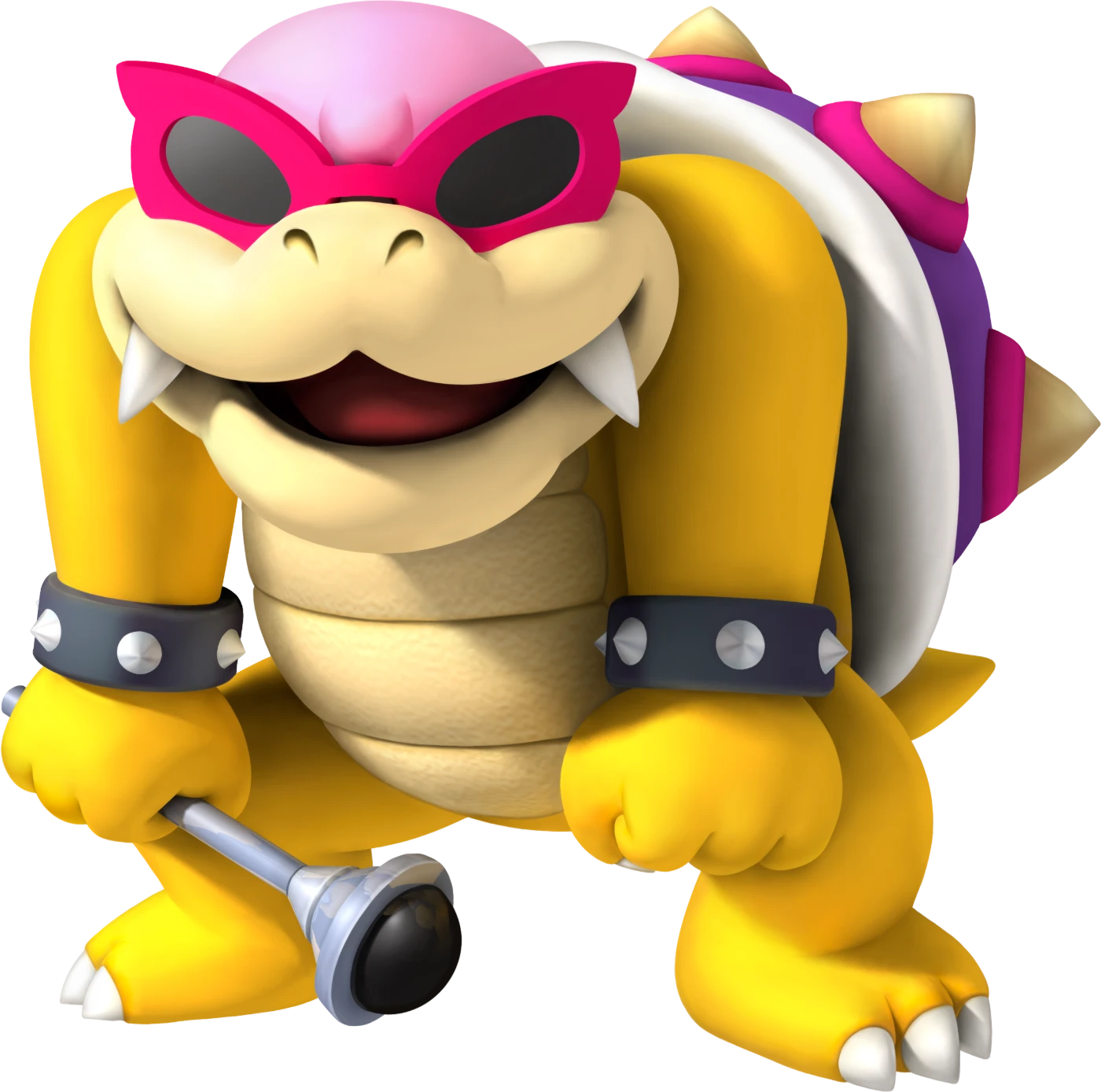 Roy KoopaWorld 1-Castle
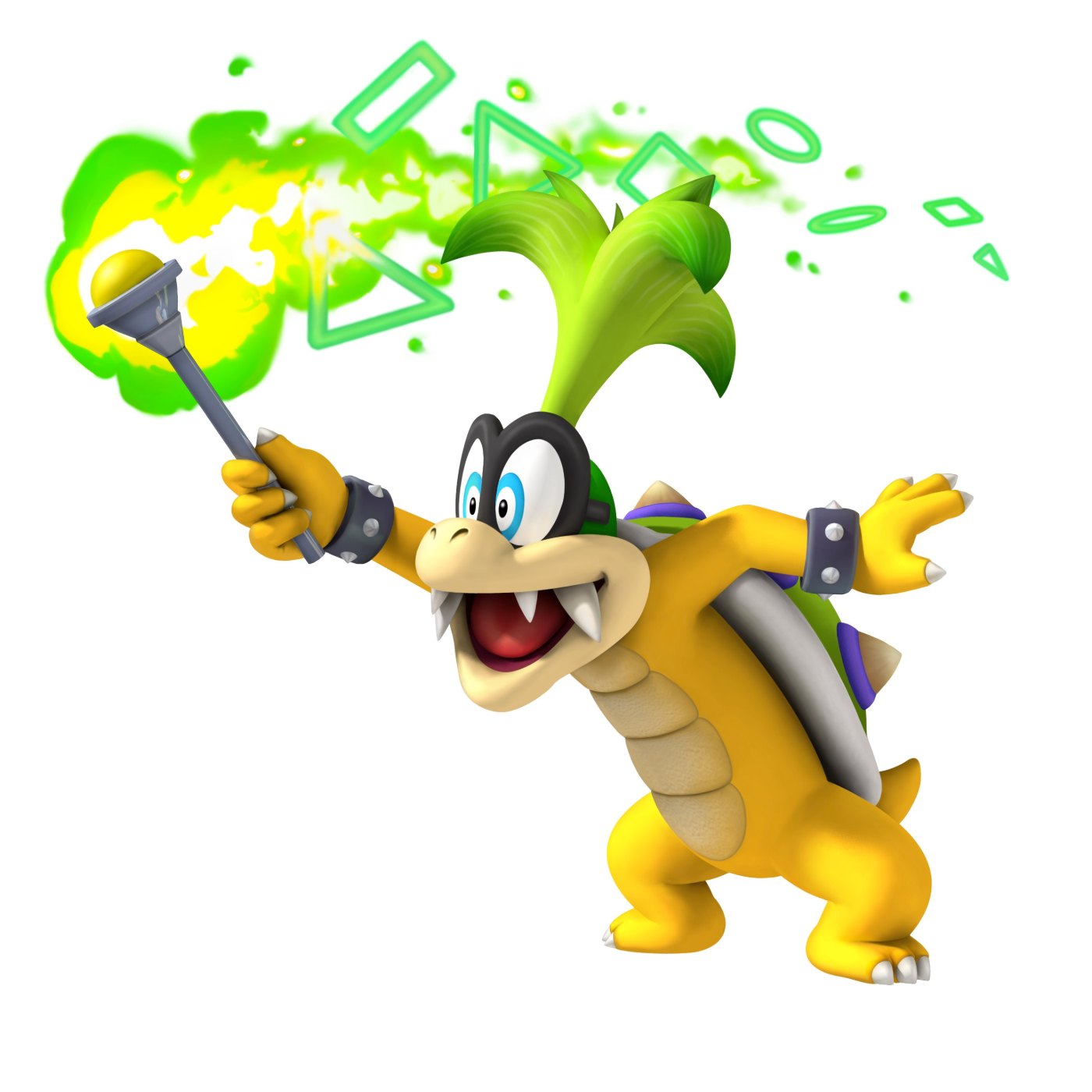 Iggy KoopaWorld 2-Castle
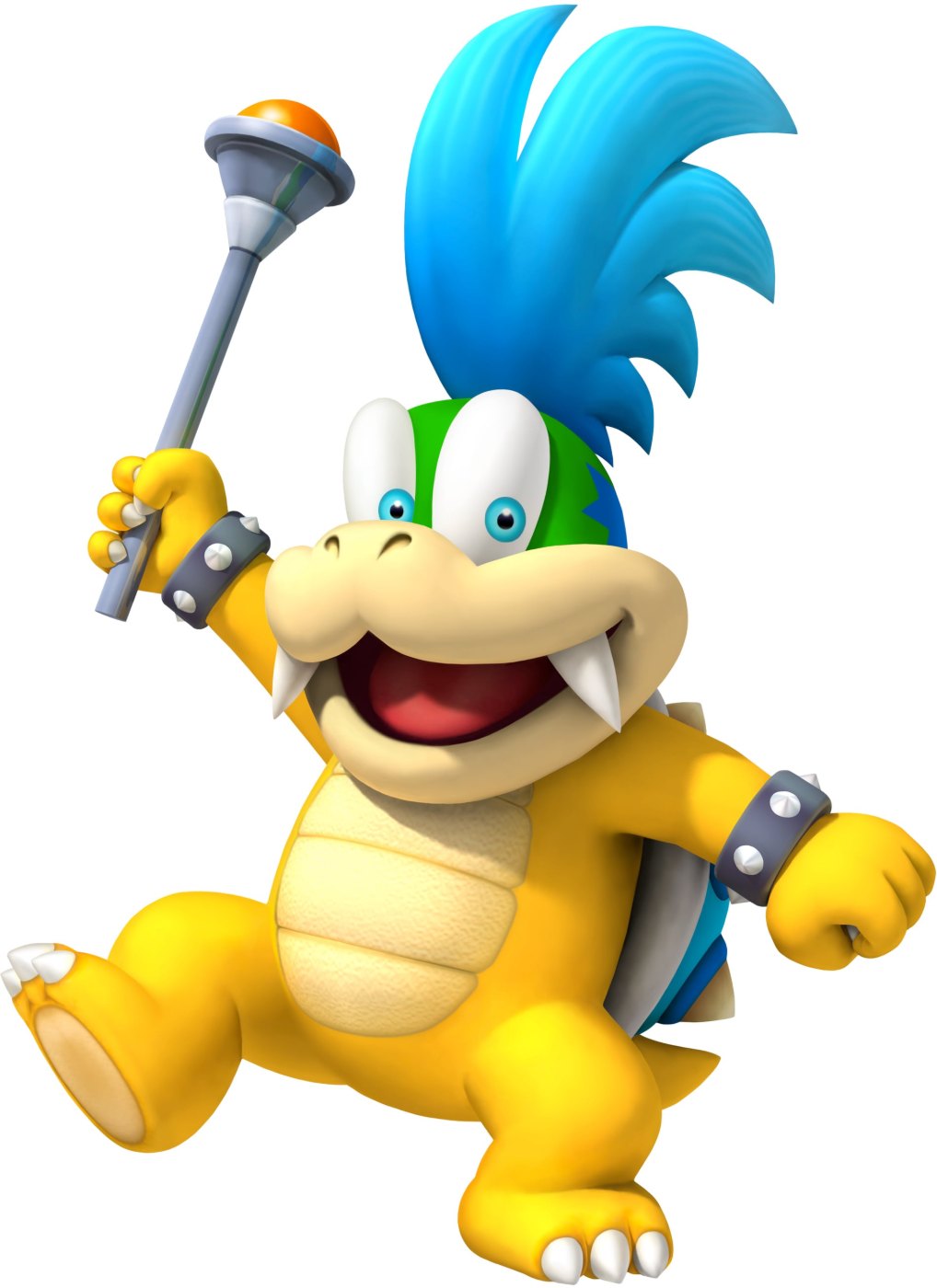 Larry KoopaWorld Mushroom-Castle
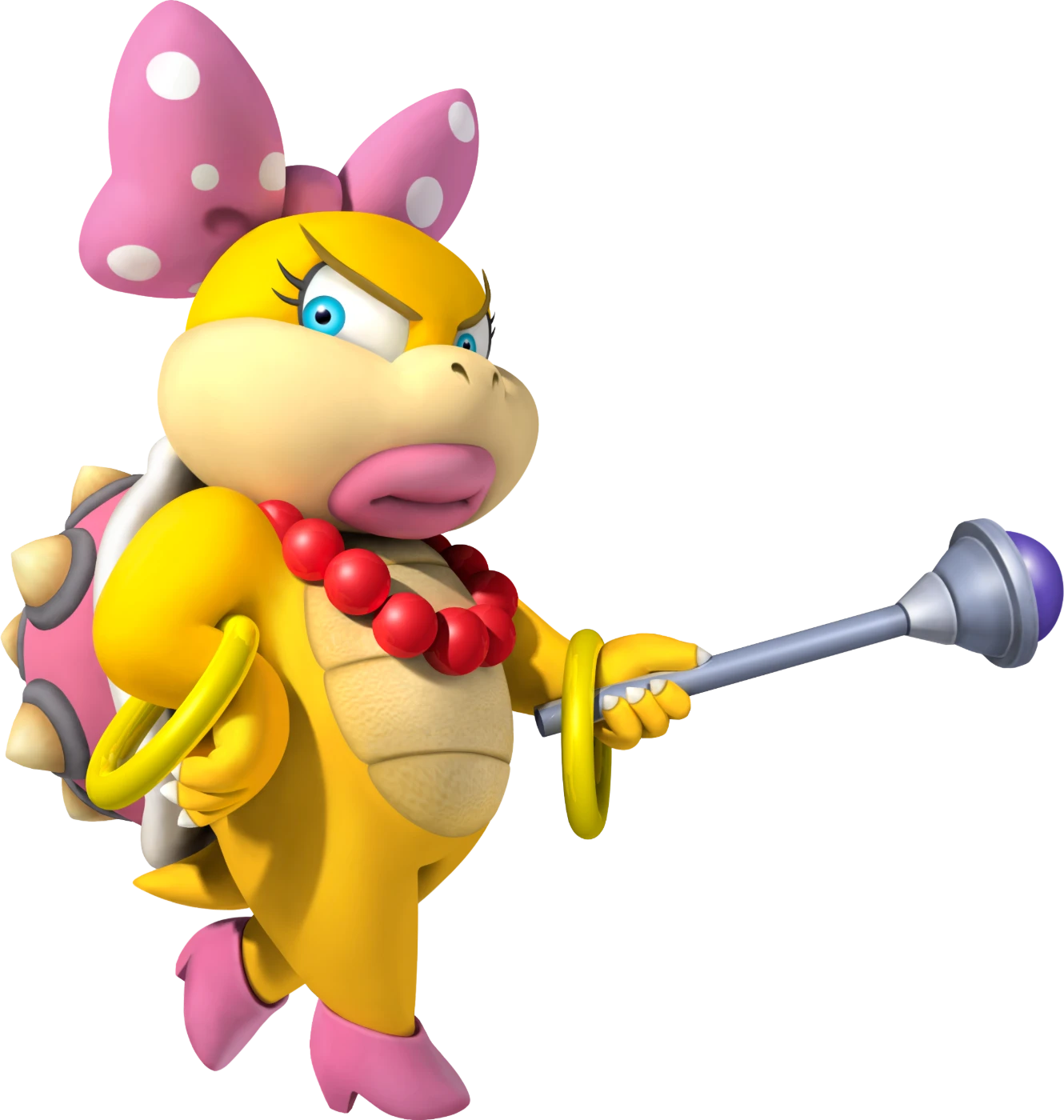 Wendy O. KoopaWorld 3-Castle
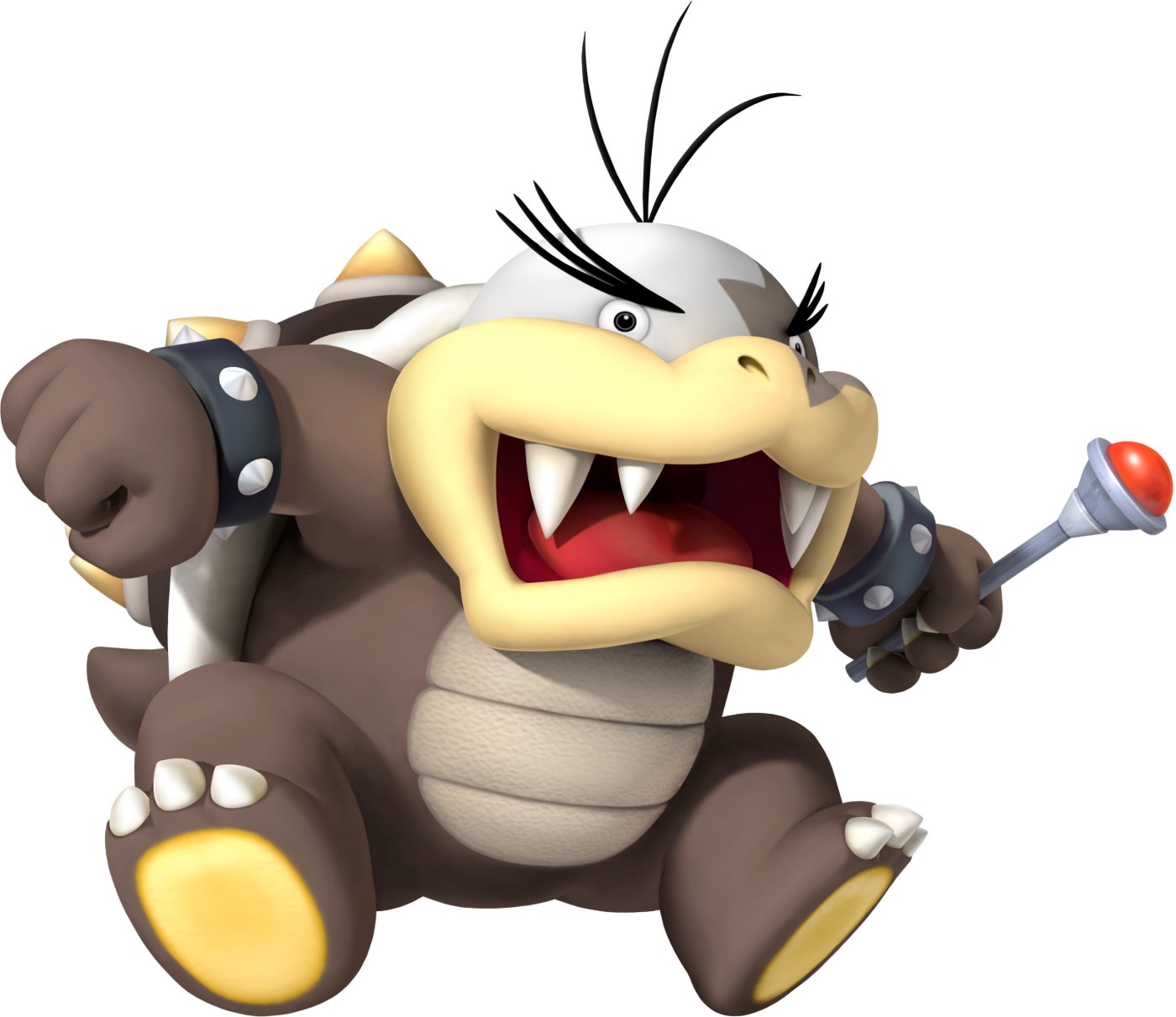 Morton Koopa Jr.World 4-Castle
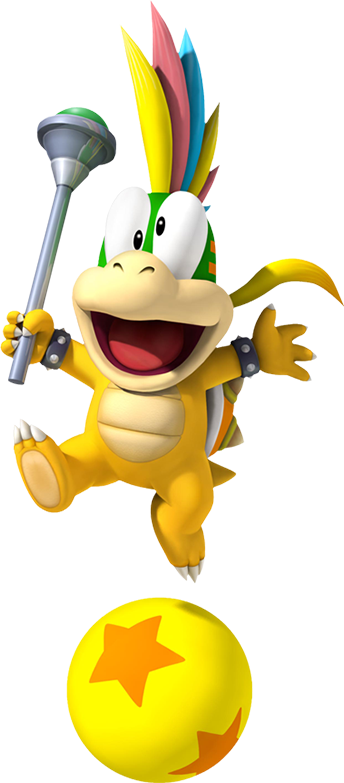 Lemmy KoopaWorld Flower-Castle
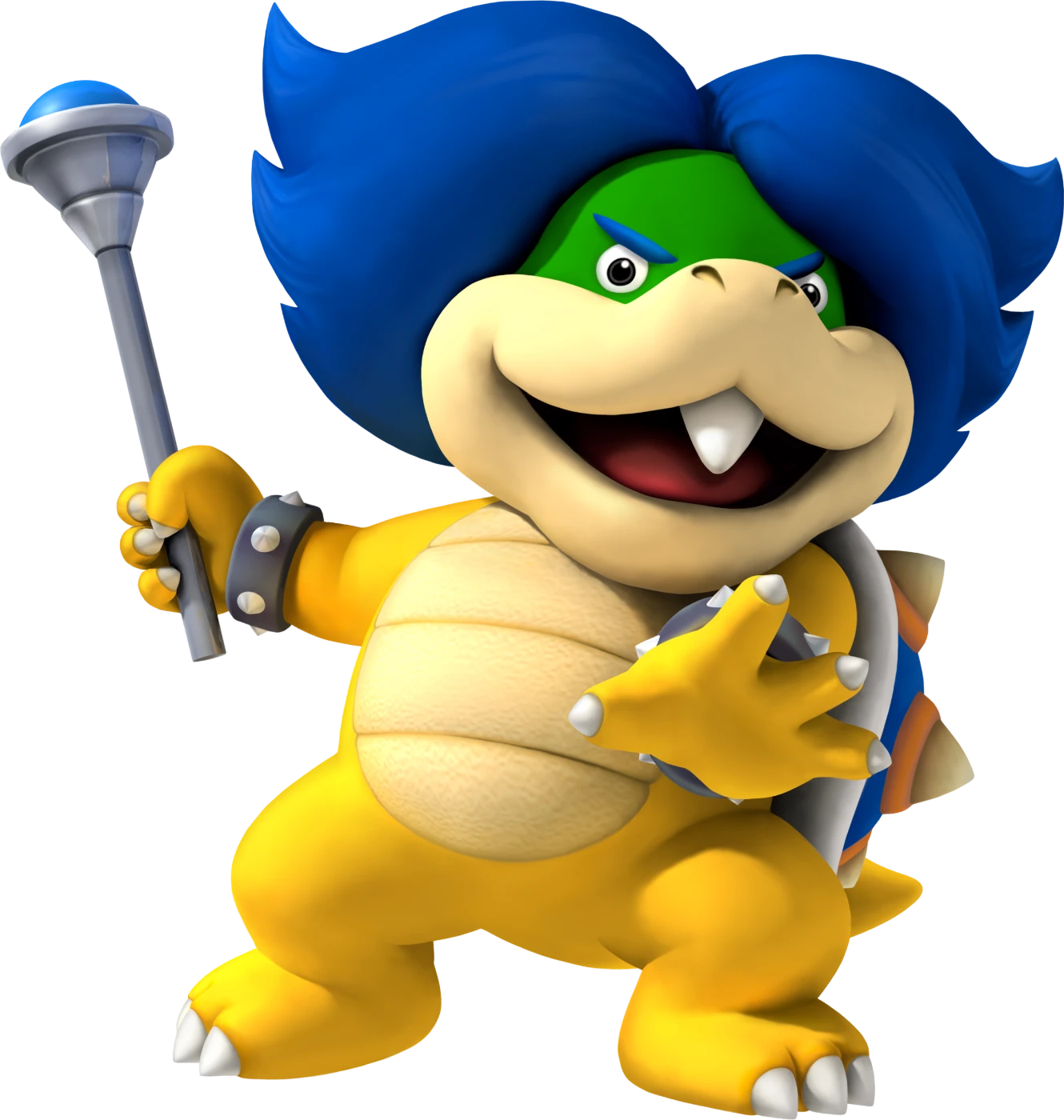 Ludwig von KoopaWorld 5-Castle
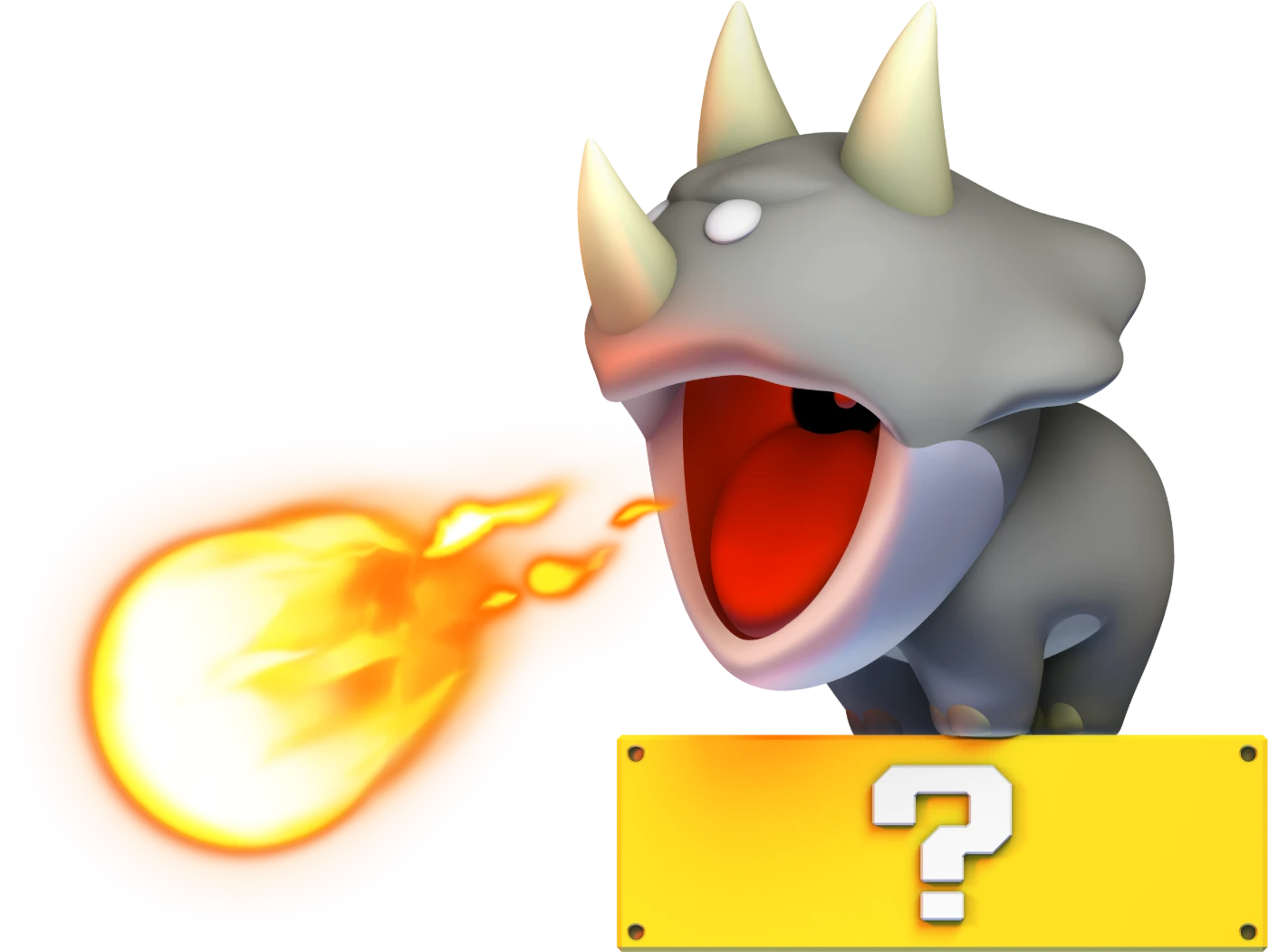 ReznorGuardians of the Towers
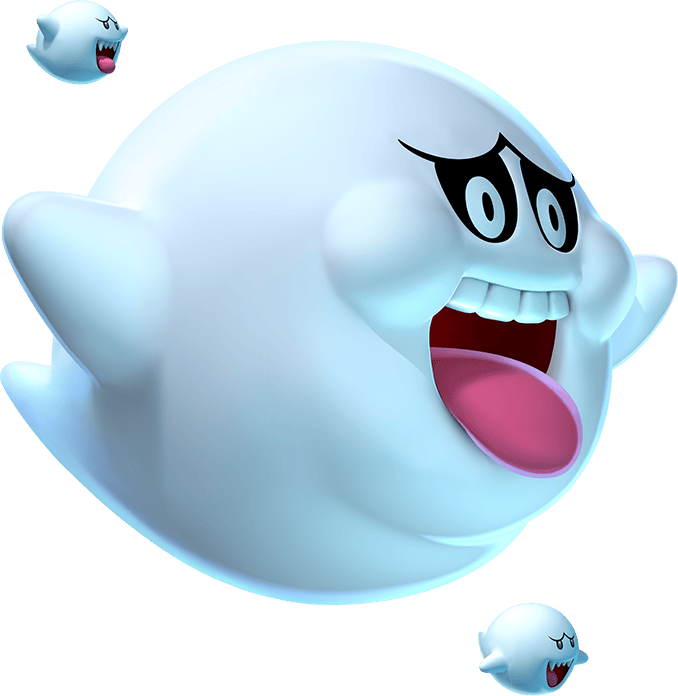 BoohemothThe new face
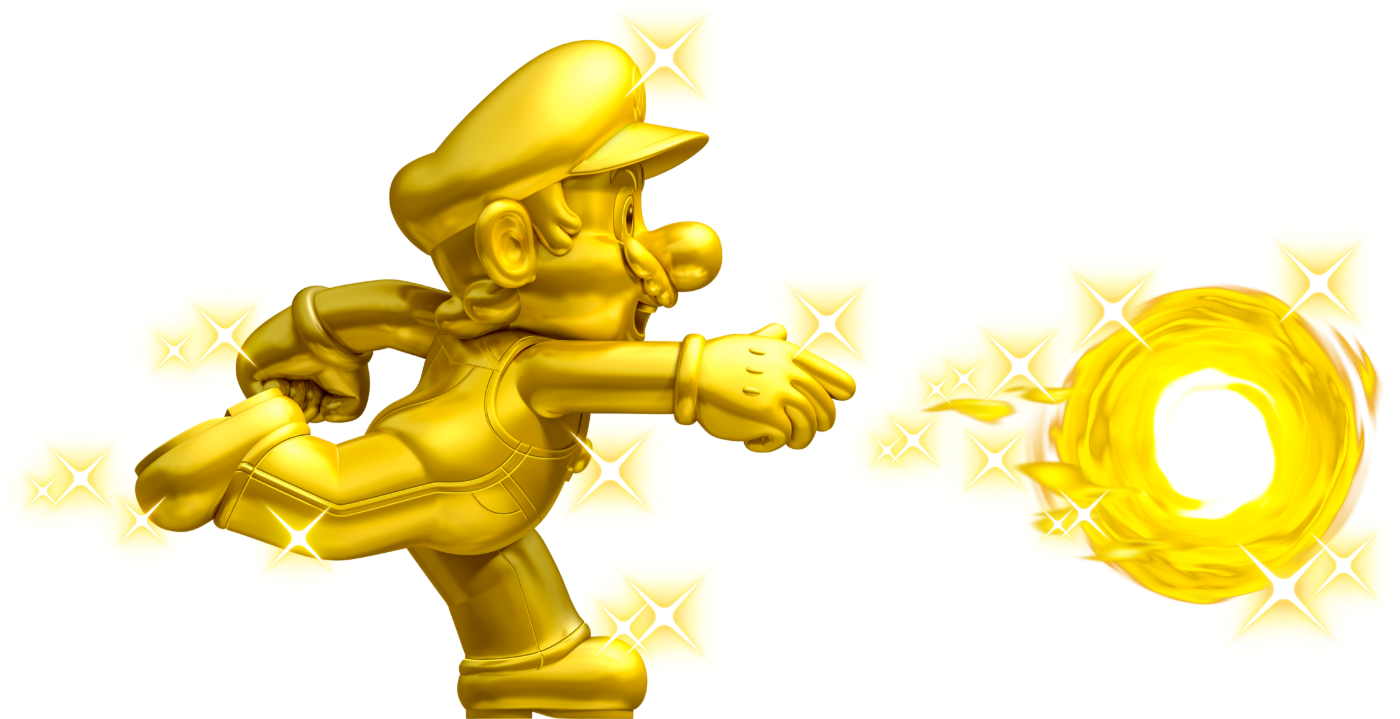 Gold MarioThe new form
 GoombaEverywherePlus Paragoombas, Mini Goombas that cling to Mario, and Goomba Towers stacked in wobbling columns.
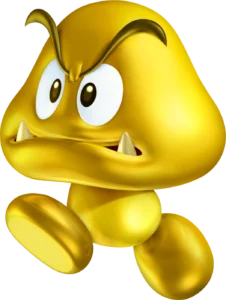 Gold GoombaAfter a Gold RingPays bonus coins when stomped; gold Towers and Paragoombas too.
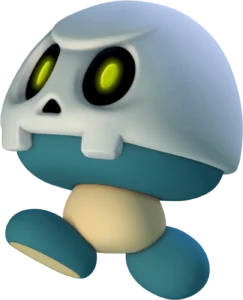 Bone GoombaCastles and TowersA Goomba in a skull helmet, new to this game.
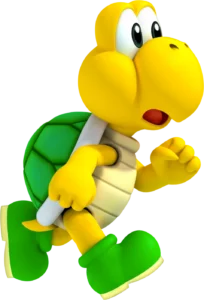 Koopa TroopaEverywhereGreen ones walk off ledges, red ones turn back. Paratroopas hop or fly; Climbing Koopas patrol fences.
 Gold KoopaAfter a Gold RingIts kicked shell leaves a trail of coins.
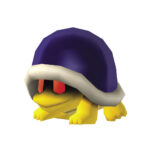 Buzzy BeetleUndergroundFireproof shell; some walk on ceilings. Spike Tops cannot be stomped.
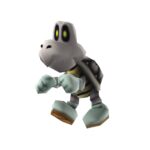 Dry BonesTowers and castlesFalls apart when stomped and rebuilds itself. Big Dry Bones need a ground pound.
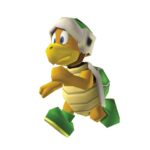 Hammer BroVariousWith Boomerang, Fire and Sledge cousins.
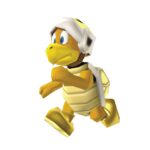 Gold BroAfter a Gold RingThrows coins instead of hammers. Yes, really.
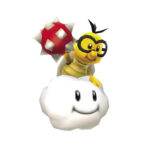 LakituWorld 5 and World StarDrops Spiny Eggs; steal his cloud for a ride. Gold Lakitu rains coins.
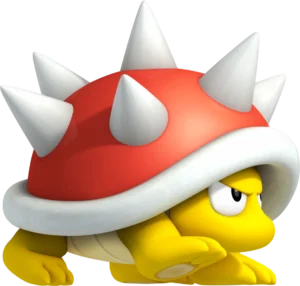 SpinyUnder LakituCannot be stomped. Under a Gold Ring, Spinies simply become coins.
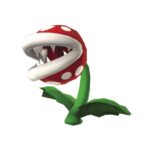 Piranha PlantPipesBig, Fire and Big Fire varieties; a golden one makes its pipe spit coins when beaten.
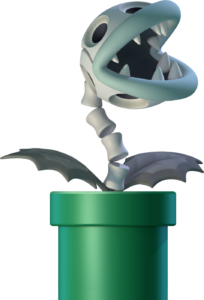 Bone Piranha PlantTowers and castlesNew: skeletal, fireproof and only vulnerable to a tail whip. There is a Big one too.
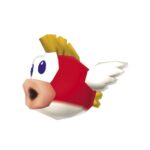 Cheep CheepWaterWith Big, Deep, Spiny and gold variants that leap from the water trailing coins.
 Cheep ChompWaterA huge purple fish that swallows Mario whole.
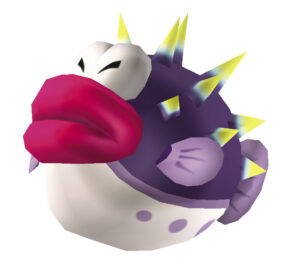 PorcupufferSurface waterSpiked fish that follows you along the surface and leaps.
 BlooperWaterErratic squid; Blooper Nannies trail a line of babies.
 UrchinWaterFloating spiky balls, large and small.
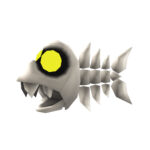 Fish BoneCastle waterSkeletal fish that charge and crumble.
 BooGhost HousesShy when watched; Big Boos and gold Boos that drop coins join in.
 BoohemothGhost HousesThe giant bashful Boo that stalks you through whole levels.
 PeepaGhost HousesLittle ghosts from 3D Land that circle in rings or carry platforms.
 ThwompTowers and castlesDrops when you approach; Big Thwomps smash stone. Whomps fall flat on their faces.
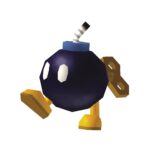 Bob-ombVariousLights its fuse when stomped; Para-bombs float down on parachutes.
 Bullet BillSky and castlesStraight-line missiles, with Banzai Bills and gold versions trailing coins.
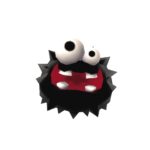 FuzzyWorld 4 and othersRides rails; touching one hurts.
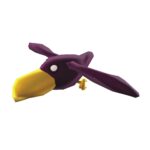 CrowberDesert and skyCircles, then swoops.
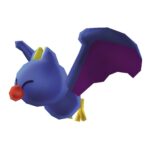 SwoopWorld 5-Ghost HouseCeiling bats that dive at you.
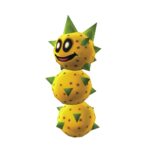 PokeyDesertSegmented cactus; knock out its body with fire or a ground pound.
 Fire SnakeDesertA hopping chain of flame that grows.
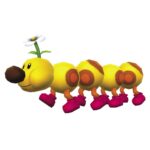 WigglerJunglePlacid until stomped, then furious and fast.
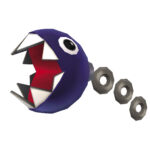 Chain ChompWorld 2 and World MushroomTethered to a post; ground-pound the post to set it loose. A Big one pulls Iggy’s carriage.
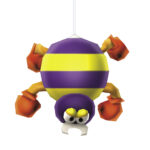 ScuttlebugJungleDangles from webs and drops in.
 Coin CofferWorld StarA hopping purse from 3D Land that spills coins when hit.
 Flame ChompWorld 6-BSpits its fireballs one by one, then explodes.
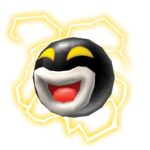 AmpWorld 4 and World FlowerElectric orbs that shock on contact.
 Lava BubbleCastlesLeaps out of the lava on a timer.
 GrinderCastlesBuzzsaws running on rails.
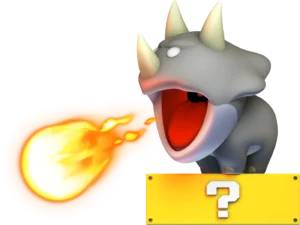 Reznor (boss)Every TowerFire-spitting rhinos on moving platforms; hit the blocks beneath them.
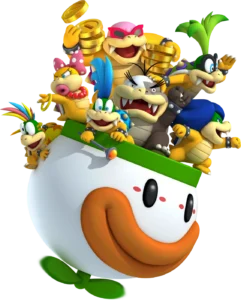 The Koopalings (bosses)Every CastleRoy, Iggy, Larry, Wendy, Morton, Lemmy and Ludwig, three stomps apiece.
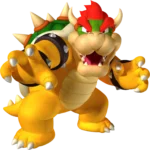 Bowser and Dry Bowser (bosses)World 6 and World StarBridge fight, giant chase, and a skeletal rematch.
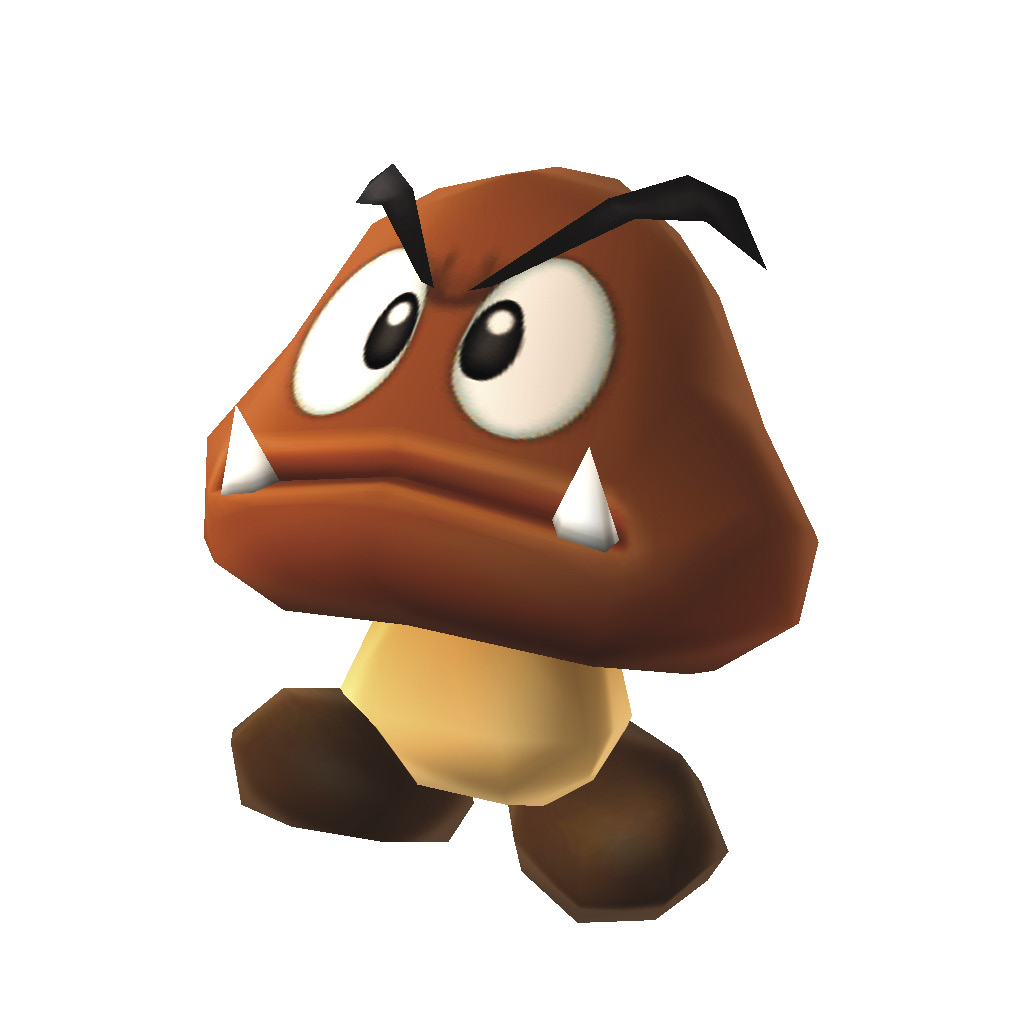


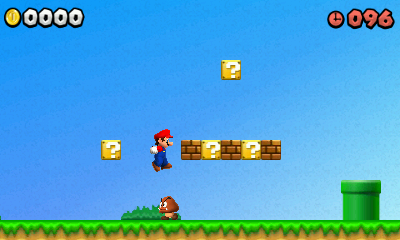




 Coin Rush — three stages back-to-back with one life. High scores save and share via StreetPass