
Super Mario Games on the Game Boy
Nintendo’s chunky grey handheld put Mario in millions of pockets from launch day. Super Mario Land sent him to Sarasaland, Super Mario Land 2: 6 Golden Coins introduced Wario, the 1994 Donkey Kong turned the arcade classic into 101 stages of puzzles, and Mario’s Picross handed him a chisel. Here is every Game Boy game where Mario plays a part.
All Game Boy Mario Games Covered
Click any tile to jump to that game’s full page on Super Luigi Bros. Games are ordered by their first release on the Game Boy, and each tile shows the kind of Mario appearance it is:
- Main role – the classic platform-style Mario adventures, such as Super Mario Bros. and Super Mario Land, plus the RPGs and other games built around Mario himself.
- Spin-off – a game that features Mario throughout but is not a mainstream adventure – karting, party, sports and puzzle games.
- Cameo – a non-Mario game with a reference to, or an appearance by, Mario or one of his friends.

Alleyway

Super Mario Land

Tetris
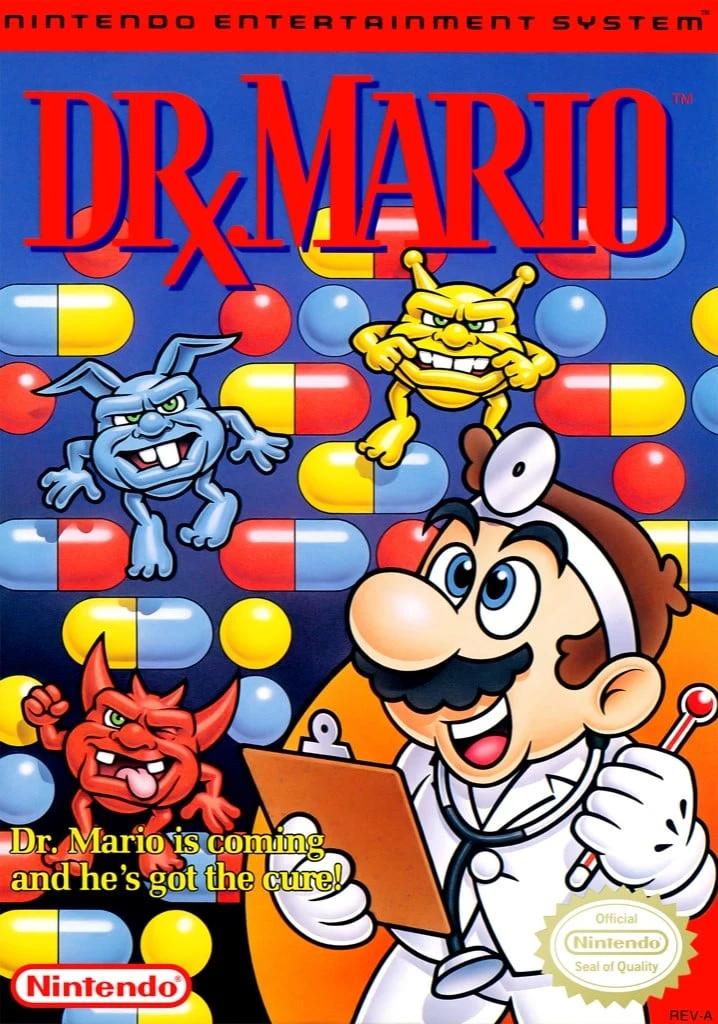
Dr. Mario

Yoshi

Super Mario Land 2: 6 Golden Coins

Yoshi’s Cookie
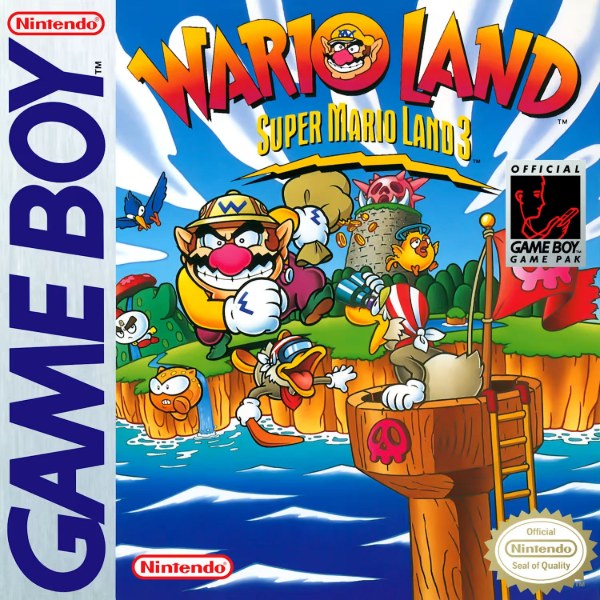
Wario Land: Super Mario Land 3

Donkey Kong

Mario’s Picross
About the Game Boy
| Manufacturer | Nintendo (R&D1: Gunpei Yokoi, Satoru Okada) |
|---|---|
| Generation | Fourth generation (handheld) |
| Released | 21 April 1989 (Japan) · 31 July 1989 (North America) · 28 September 1990 (Europe) |
| Launch price | ¥12,500 · US$89.95 (with Tetris) |
| Hardware | Sharp LR35902 (SM83) at 4.19 MHz · 160 × 144 four-shade LCD · 4 × AA |
| Units sold | 118.69 million (combined with Game Boy Color, Nintendo IR) |
| Media | Game Pak cartridge |
| Best-selling Mario game | Super Mario Land – 18.14 million |
| Predecessor | Game & Watch |
| Successor | Game Boy Color |
| Discontinued | March 2003 |
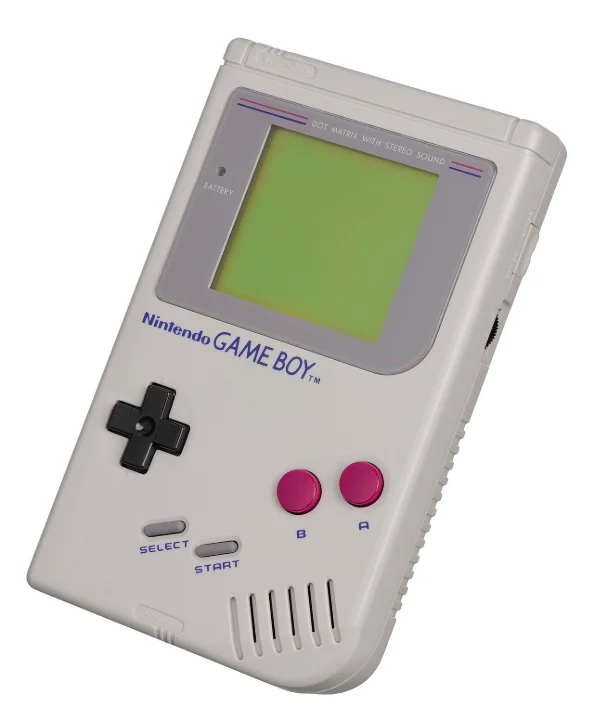
The Game Boy came out of Nintendo’s R&D1 division, the team run by Gunpei Yokoi, with Satoru Okada doing much of the engineering (Okada also built the Game Link Cable that made two-player Tetris possible). The thinking was the same that had served Game & Watch so well: use cheap, proven parts and make the batteries last. Inside sits a Sharp LR35902 system-on-chip built around an SM83 core running at about 4.19 MHz, driving a reflective 160 × 144 LCD that shows four shades of greenish grey. Four AA batteries gave around 30 hours of play, games came on small Game Pak cartridges, and the controls (a cross-shaped pad, A and B, Start and Select) mirrored the NES pad, so the move from television to pocket felt natural.
It launched in Japan on 21 April 1989 at ¥12,500, and the first production run of 300,000 sold out within a fortnight. North America followed on 31 July 1989 at US$89.95, with Tetris packed in rather than Super Mario Land; around 40,000 units went on day one and the million mark arrived within weeks. Europe had to wait until 28 September 1990, almost eighteen months after Japan.
On paper the rivals looked stronger. Atari’s Lynx, Sega’s Game Gear and NEC’s TurboExpress all offered backlit colour screens, but they were dearer and drained batteries in hours rather than days. The Game Boy simply outlasted them, and with the Game Boy Color the family reached 118.69 million units by Nintendo’s own figures, making it the best-selling system of its day when production ended in March 2003. Tetris alone passed 35 million copies. Atari’s machine soon faded from view and Sega’s finished a distant second.
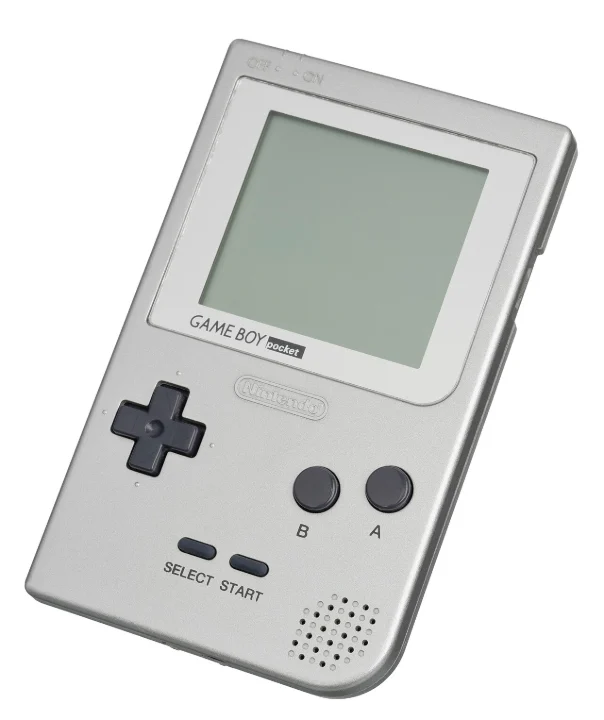
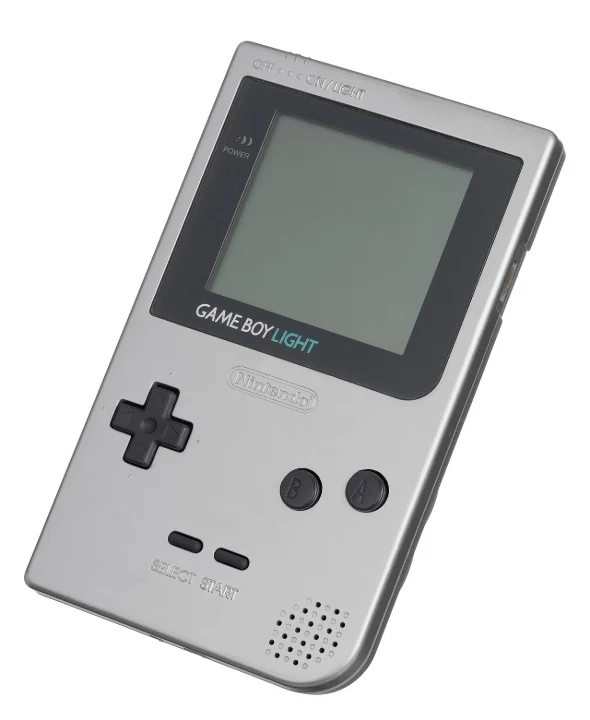
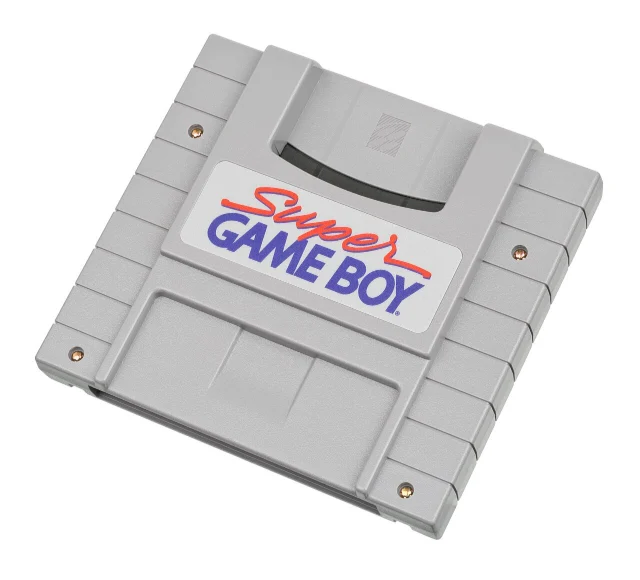
The hardware kept evolving. The Play It Loud! range of coloured cases arrived in 1995, the slimmer Game Boy Pocket in 1996 with a sharper screen and two AAA batteries, and the backlit Game Boy Light in April 1998, a Japan-only model. The Super Game Boy (1994) let Super NES owners play the cartridges on a television with added colour and borders; the 1994 Donkey Kong was the first game designed around it. The Game Boy Color took over in 1998, though monochrome cartridges kept coming for years.
Mario was there from the first day. Super Mario Land, directed by Okada and produced by Yokoi, swapped the Mushroom Kingdom for Sarasaland and Princess Peach for Princess Daisy, and went on to sell about 18.14 million copies. Super Mario Land 2: 6 Golden Coins (1992) gave him bigger sprites, a map screen and a new rival in Wario, and sold roughly 11.18 million; its follow-up, Wario Land: Super Mario Land 3, handed the series to the villain. Launch-day Alleyway put Mario at the controls of the paddle, and Tetris cast him and Luigi as opponents in its linked two-player mode. Even the sports games joined in: launch title Baseball made Mario and Luigi rival pitchers, and Mario umpired Tennis.
Puzzle games filled the gaps between platformers. Dr. Mario reached the Game Boy on the same July 1990 day as the Famicom original and sold about 5.34 million, while Yoshi and Yoshi’s Cookie also arrived alongside their Famicom versions. The 1994 Donkey Kong began with the four arcade stages and then revealed 97 more, a blend of platforming and puzzle-solving that sold 3.07 million and later inspired Mario vs. Donkey Kong. Mario’s Picross (1995) was a hit in Japan but a flop in the West, so its sequels, including Mario no Super Picross, stayed in Japan.
Original cartridges still work in a Game Boy Color, a Game Boy Advance or an Advance SP, though not the Game Boy Micro. The Nintendo 3DS Virtual Console brought many of these games back from June 2011, and since February 2023 the Game Boy library on Nintendo Switch Online (now Game Boy – Nintendo Classics) has added Super Mario Land 2, Dr. Mario, Super Mario Land, Alleyway, Donkey Kong, Mario’s Picross and Yoshi. The GameCube’s Game Boy Player runs the cartridges on a television too. The console itself was inducted into the US National Toy Hall of Fame in 2009. For what came next, see our Game Boy Advance hub.
More Mario on the Game Boy
Other notable Mario-related releases on the Game Boy that don’t have their own page here yet:
- Apr 1989BaseballCameoLaunch title; Mario and Luigi pitch in USA Mode
- May 1989TennisCameoMario umpires every match
- Nov 1989GolfCameoThe golfer is Mario, or a close lookalike
- Dec 1994Wario Blast: Featuring Bomberman!Spin-offWestern reworking of Bomberman GB starring Wario
- Jun 1995Donkey Kong LandSpin-offRare’s handheld follow-up to Donkey Kong Country
- Aug 1996Tetris AttackSpin-offYoshi-themed panel puzzler; Yoshi no Panepon in Japan
- Oct 1996Picross 2Spin-offJapan-only sequel with Mario and Wario puzzle sets
- Feb 1997Game & Watch GallerySpin-offClassic LCD games plus Modern remakes with the Mario cast
- Mar 1998Wario Land IISpin-offMonochrome original, reissued for Game Boy Color later in 1998