Super Famicom1993PuzzleGame FreakSuper Famicom Mouse requiredDirected by Satoshi Tajiri110 levelsJapan only for 32 years
Mario & Wario
Mario cannot see a thing. In Mario & Wario, Wario swoops over in his plane and drops a bucket (or an eggshell, a barrel, a jellyfish…) onto the hero’s head, and the blinded Mario, Princess Peach or Yoshi simply keeps on walking. You are Wanda, a forest fairy steered with the Super Famicom Mouse, and with taps of her wand you conjure blocks, smash walls, swat enemies and spin the walker round until he bumps into Luigi, who lifts the bucket off. It was made by Game Freak, directed by Satoshi Tajiri and scored by Junichi Masuda in the years before Pokémon, and it came out in Japan on 27 August 1993 with every word on screen in English. Nintendo Power previewed it for North America; then it never left Japan. There are 110 levels: ten worlds of ten plus a ten-level EXTRA world. The rest of the world finally got to play it in October 2025, in the Super NES library of Nintendo Switch Online, with a USB mouse on Switch or the mouse-style Joy-Con 2 on Switch 2.
Developer:Game Freak
Publisher:Nintendo
Platforms:Super Famicom (Super Famicom Mouse required); Nintendo Switch Online
Genre:Puzzle-platformer
Japan:27 August 1993
N. America:Planned for 1994 but never released on cartridge; Nintendo Switch Online, October 2025
Europe / Australia:Nintendo Switch Online, 9 October 2025
Players:1
Director and designer:Satoshi Tajiri
Producers:Makoto Kano, Tsunekazu Ishihara
Programmers:Michiharu Nishihashi, Junichi Masuda
Music:Junichi Masuda
Artists:Ken Sugimori, Motofumi Fujiwara
Controls:Super Famicom Mouse only; USB mouse (Switch) or Joy-Con 2 (Switch 2) on Switch Online
Levels:110: ten worlds of ten levels, plus the ten-level EXTRA world
Characters:Wanda (the player), guiding Mario, Princess Peach or Yoshi to Luigi
Japanese title:Mario to Wario (マリオとワリオ)
Serial:SHVC-WE
Advertisement
Overview
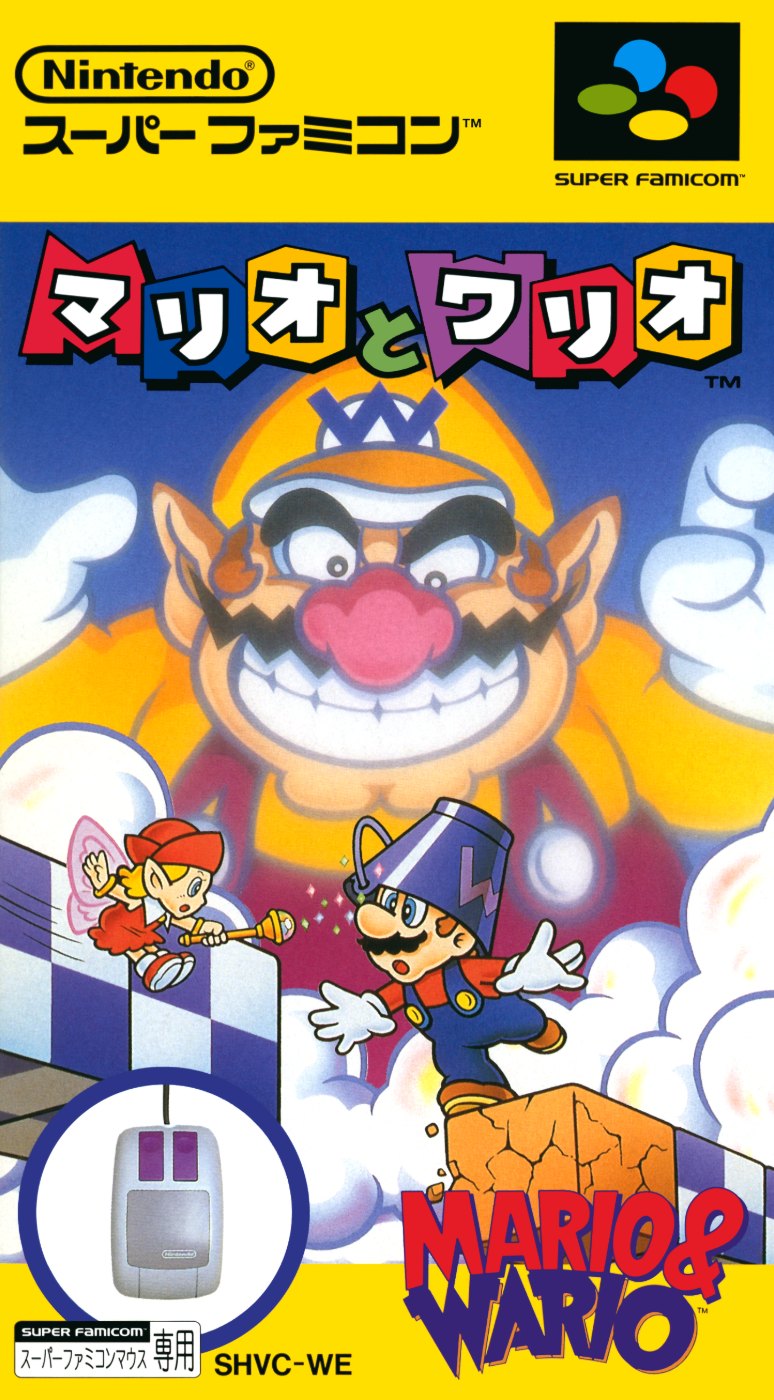
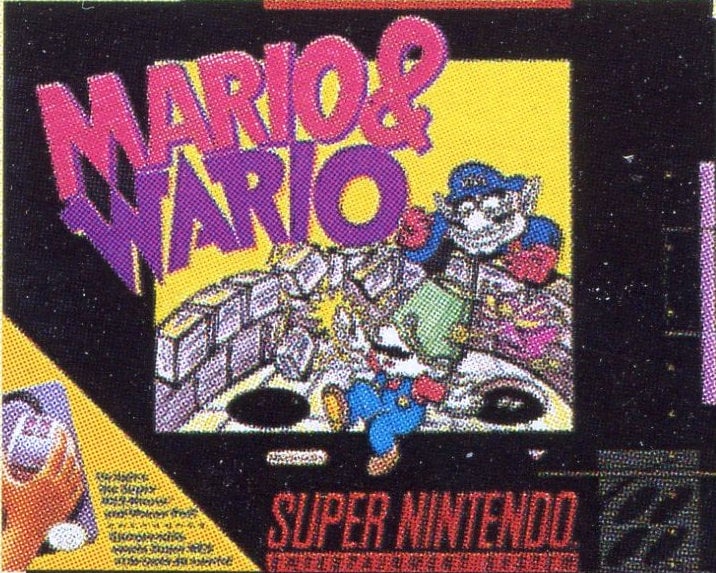
The game’s cover artwork.
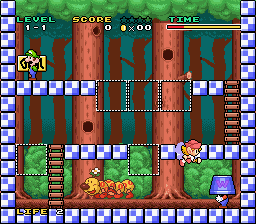
Most Mario games hand you the plumber. This one hands you the bucket problem. Wario has dropped something over Mario’s eyes, and Mario, being Mario, refuses to stop walking. He trots left and right through each level, turning at walls and tumbling into whatever is in his way, while you, as the fairy Wanda, rearrange the level around him. A click on a dotted outline makes a solid block; another click makes it vanish again. Cracked rocks shatter, enemies pop, and a tap on Mario himself turns him round. Get him to Luigi at the far end before the timer runs out and the bucket comes off.
Mario is not the only walker. Princess Peach ambles along slowly and Yoshi races ahead, so the same puzzle becomes a calm one or a frantic one depending on who you pick. The Japanese reviewers at Famitsu all reached for the same comparison, Lemmings, and the idea also recalls the later Mario vs. Donkey Kong games, where you also nurse wandering characters to safety.
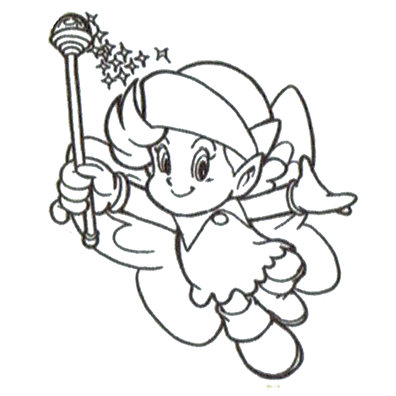
It was Game Freak’s second game in the Mario world, after the falling-block puzzler Yoshi, and it began life as something quite different: a monster hunt for the Super Scope light gun. When the gun proved awkward and sold poorly, the project moved to the newer Super Famicom Mouse, and Nintendo suggested borrowing its own characters. Satoshi Tajiri designed and directed it, Junichi Masuda wrote the music and helped program it, and Ken Sugimori drew the fairy at its heart, the same trio that would soon give the world Pokémon.
Oddly for a Japan-only game, it is entirely in English. That is because a Western release was planned: Nintendo Power previewed it in 1993 and a Canadian Kellogg’s contest promised it for 1994, complete with a mocked-up North American box. It never came. For 32 years the only way to play it was on a Japanese cartridge with a mouse plugged in, until Nintendo added it to the Super NES library of Nintendo Switch Online in October 2025.
Action puzzles abound in this title released only in Japan for the Super Famicom™ system in 1993. Wario has dropped a bucket on poor Mario’s head, and now he can’t see! It’s up to you to lead Mario safely to Luigi. Use the forest fairy’s magic wand to create platforms, change the direction Mario walks, and defeat enemies. You can clear a total of 100 screens full of unique challenges using simple controls—just move the mouse to move the fairy and click the left button once to perform actions.
— Official description (Nintendo of America, 2025)
Why Mario & Wario matters to Mario fans
It is a Mario game from Game Freak, the studio that went on to make Pokémon, made by much of the same team, and the sole starring role for Wanda, a fairy drawn by Pokémon artist Ken Sugimori. It is also where Mario’s bucket comes from: the gag turned up again in Pokémon Red and Blue, Kirby Super Star and Super Smash Bros. Melee. And for decades it was the best-known Mario game that the West had never been sold, until Switch Online finally put it right in 2025.
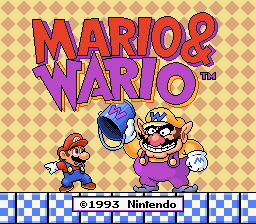
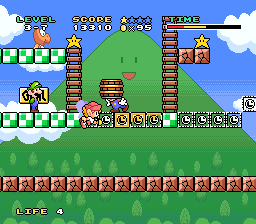
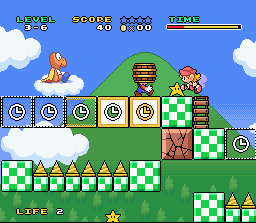
The title screen, in English even on the Japanese cartridge.Level 3-7: Wanda guides a blinded Mario towards the goal.Timer Blocks in action as Wanda leads Mario through a level.Wario’s plane, the Bulldog, overhead.
“Originally the idea was to use the Super Nintendo Super Scope.”
Junichi Masuda, programmer and composer, to Kyle Hilliard of Game Informer (9 August 2017)
Masuda explained that the team could not get the light gun to tell the top of the television screen from the bottom, which is how the game ended up on the mouse instead.
Quick Answers
The questions people ask most about Mario & Wario, answered briefly here and in depth below.
When did Mario & Wario come out?
It was released in Japan for the Super Famicom on 27 August 1993. It arrived everywhere else on 9 October 2025 (the evening of 8 October in the Americas) as part of the Super NES library on Nintendo Switch Online. More →
Was it ever released in the West?
Not in 1993. A North American release was previewed in Nintendo Power and promised for 1994 in a Canadian Kellogg’s contest, but it was dropped. Its first release outside Japan was on Nintendo Switch Online in October 2025. More →
Do you need a mouse to play it?
Yes. The original requires the Super Famicom Mouse. On Nintendo Switch Online you can use a USB mouse on Switch, or a Joy-Con 2 in its mouse mode on Switch 2. More →
Who do you play as?
Wanda, a fairy. You do not control Mario directly: Mario, Princess Peach or Yoshi walks on his or her own, blinded, and Wanda changes the level around them so they reach Luigi. More →
How many levels are there?
110. There are ten worlds of ten levels each, eight available from the start and two unlocked afterwards, plus a ten-level EXTRA world that opens once the tenth world is beaten. More →
Who made Mario & Wario?
Game Freak, for Nintendo. Satoshi Tajiri designed and directed it, Junichi Masuda composed the music and programmed, and Ken Sugimori designed Wanda, all before Pokémon. More →
What does Wario drop on Mario’s head?
A bucket in the first world, and something different in each world after it: a Yoshi eggshell, a barrel, a pipe, a vase, a jellyfish, a cloud, a pith helmet, a Piranha Plant and an oil drum. More →
Is the game in Japanese?
No. All the text on screen is in English, apparently because the game was prepared for a Western release. An unused Japanese title screen is still on the cartridge. More →
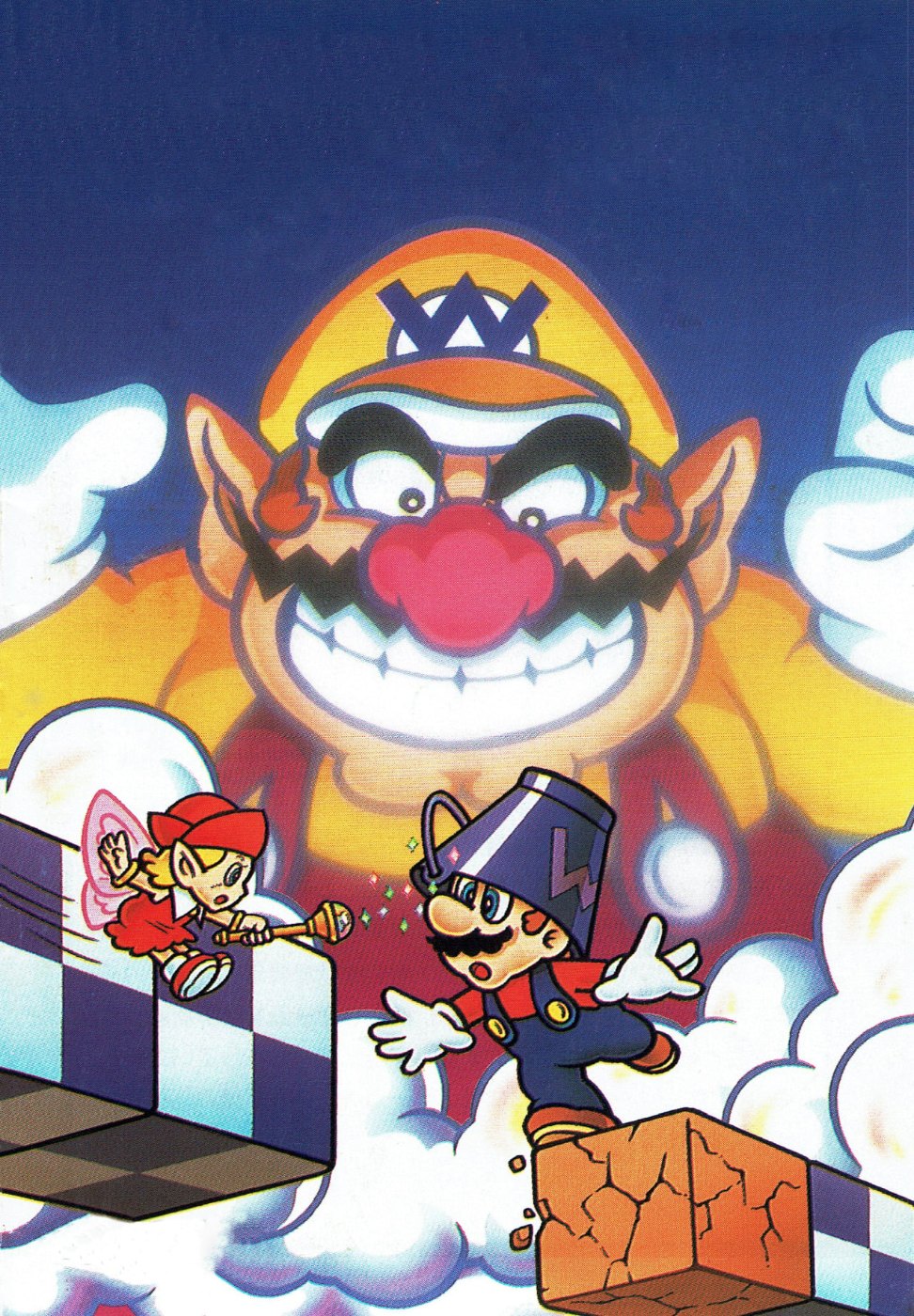
Artwork from the story pages of the instruction booklet.
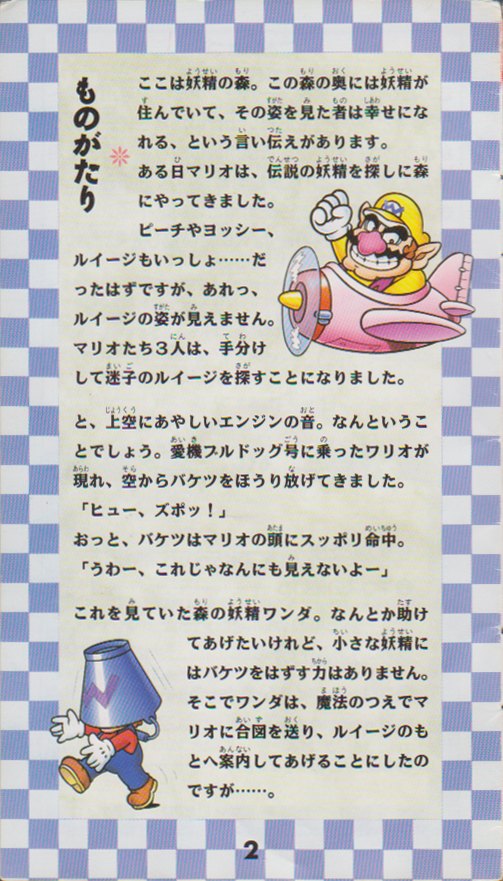
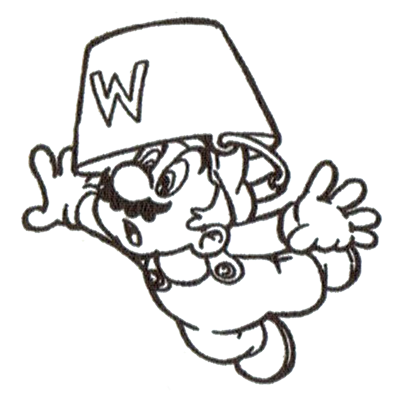
The instruction booklet tells it in a few lines. Mario, Princess Peach and Yoshi have come to the fairy forest looking for Luigi, who has gone missing. Overhead comes Wario in his plane, the Bulldog, and with a cheery “Here you go!” he drops a bucket squarely on Mario’s head. Mario cannot see. Wanda, the fairy of the forest, cannot pull the bucket off either, so she does the next best thing and uses her magic wand to guide him, one signal at a time, towards his brother.
From there the game is a journey through ten worlds, each with its own scenery, music, gimmick and headgear, with Wario waiting in the sky after every one. Here they are in order.
Worlds 1 and 2: the fairy forest and Yoshi’s lake
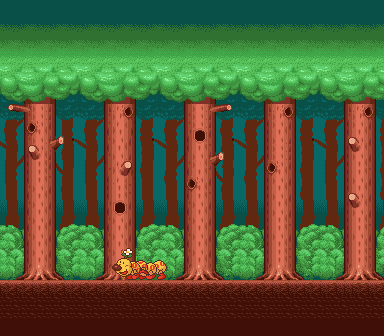
Yōsei no Mori, the Fairy Forest, serves as the tutorial. Every level fits on a single screen, there are no Stars to collect, and you learn Flip-Flop Blocks and lifts in 1-1, then spikes, Coin Blocks, Timer Blocks and Rock Blocks one level at a time, until a Guriguri fireball finally shows up in 1-10. A Wiggler wanders about in the background.
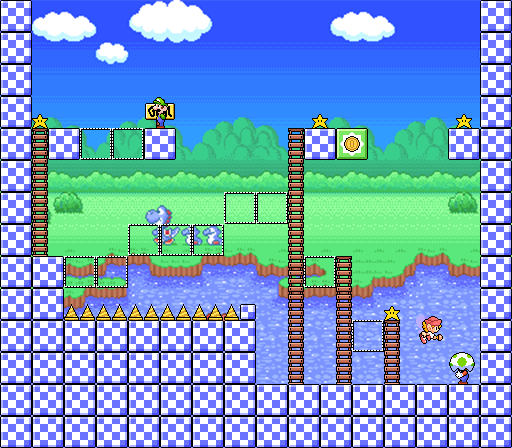
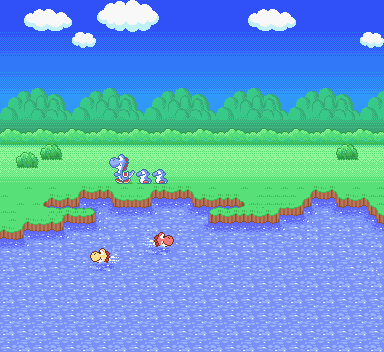
Yosu Ko (“Yos Lake”, a contraction of Yoshi) is a lake where Yoshis relax with their young, possibly on Yoshi’s Island. Wario swaps the bucket for half a cracked Yoshi egg. Level 2-2 introduces hidden Flip-Flop Blocks, five of them tucked in a corner guarding a Star, and 2-3 brings the first Dodorigesu Jr., small black birds that Wanda can click away.
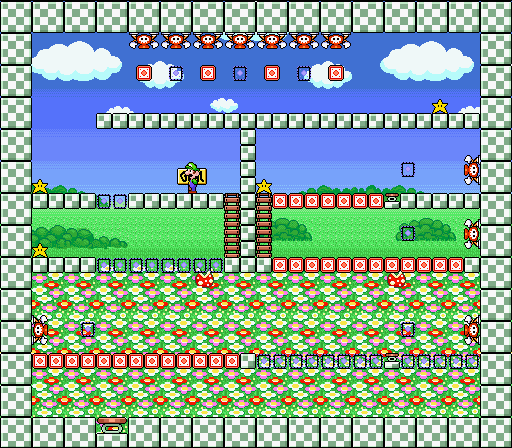
Level 2-2, where hidden Flip-Flop Blocks first appear.The Fairy Forest backdrop.Yosu Ko, with Yoshis on holiday.
Worlds 3 to 5: up the mountain and into the caves
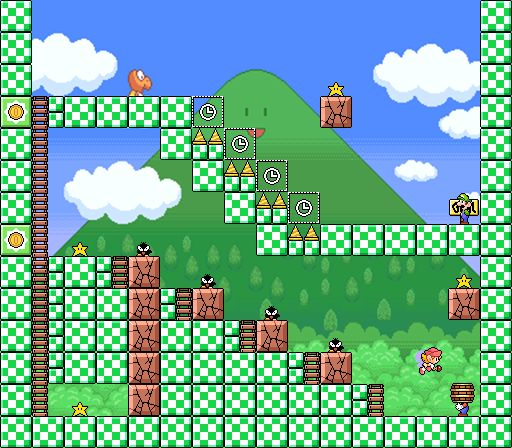
Kumotori Yama is named after a real Japanese mountain, roughly “cloud-catching mountain”. Here Wario drops a barrel and Timer Blocks are everywhere, flopping back to nothing shortly after you click them, so there is no time to sit and think. Level 3-2 shows that things have weight: a Star resting on a Rock Block can drop straight through a lapsed Timer Block.
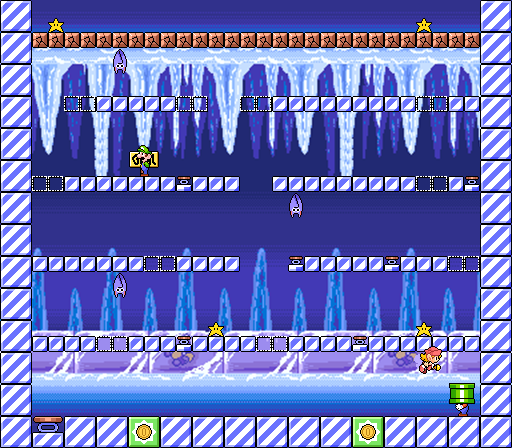
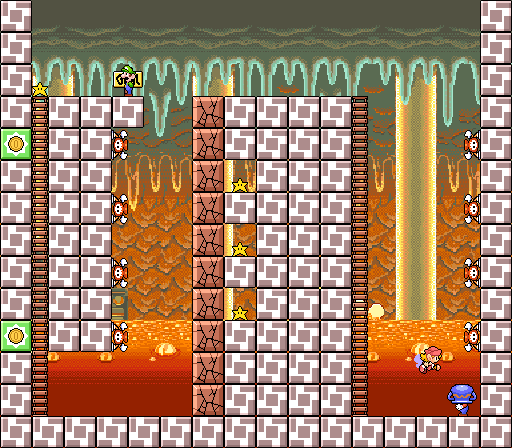
Kōri no Dōkutsu, the Ice Cavern, has Rexes frozen in the background and Komorin bats flapping about from 4-1; Wario’s gift is a pipe. In 4-8 the Nebaneba Block arrives to gum up the walker’s feet. Next door, Honō no Dōkutsu, the Flame Cavern, glows with magma and a Blargg in the background. The walker wears a vase, and the pot-shaped Tsubōn cling to walls breathing fire; in 5-8 they start spitting diagonally in a cramped space, and Wanda can hit them to change the direction of their fire.
Level 3-3 on Kumotori Yama.Level 4-4 in the Ice Cavern.Level 5-5 in the Flame Cavern.
Worlds 6 to 8: sea, sky and sand
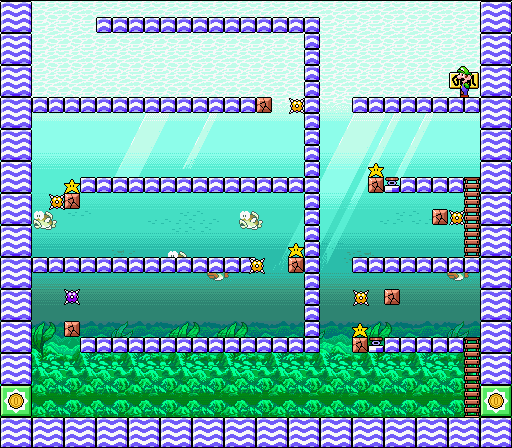
Pukupuku Kai, the Cheep Cheep Sea, is built around Switch Blocks; 6-1 is a gentle lesson in timing them. The walker wears a jellyfish, spiky Unibo patrol the water, and Cheep Cheeps (with a Blurp among them) swim past in the background.
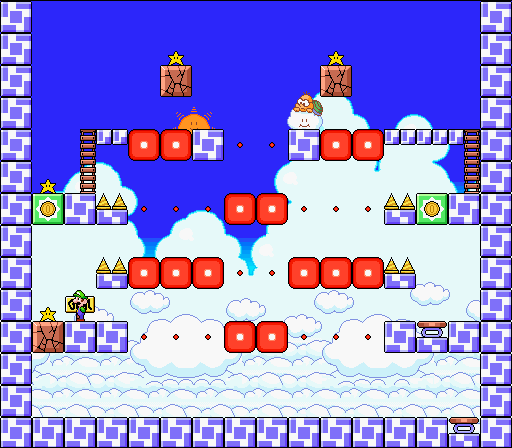
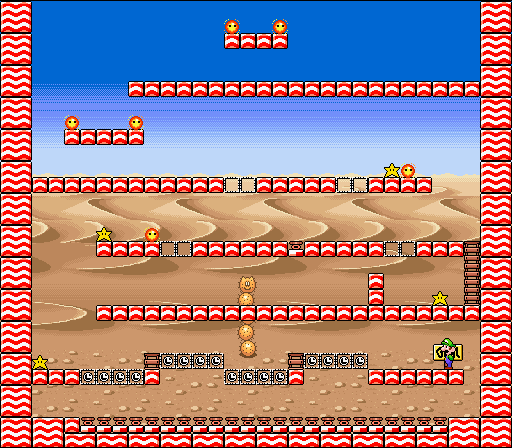
Balloon Bridge keeps an English name even in Japanese. Up in the clouds, under a grinning sun and a watching Lakitu, Wario plonks a cloud on the walker’s head, and Fūsen Blocks swell and shrink of their own accord. The last level, 7-10, is all about choosing which rocks to break and which blocks to make. Karakara Sabaku, the dry desert, swaps the cloud for an explorer’s pith helmet, brings the Guriguri back in numbers and has a Pokey watching from the dunes; 8-4 lays beds of spikes beneath Flip-Flop Blocks.
Level 6-6 in the Cheep Cheep Sea.Level 7-7 on Balloon Bridge.Level 8-8 in the desert.
Worlds 9 and 10: Wario’s garden and manor
Beat the first eight worlds and Wario’s own property opens up. Wario no Niwa, his garden, mixes Unibo, Tsubōn and Guriguri with nearly every block in the game, and Wario drops a Piranha Plant on the walker. In 9-8 a Star sits beyond what looks like an impassable gap, reached by invisible Flip-Flop Blocks.
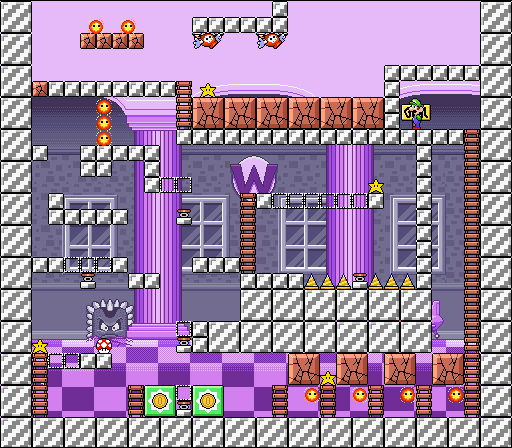
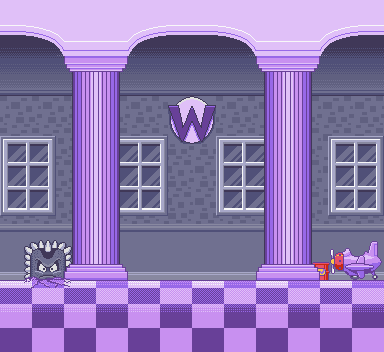
Wario Tei, his big and untidy manor, is the last of the normal worlds. A stone guardian looks on as Wanda arrives, the headgear is an oil drum with a W on it, and 10-7 is a maze of large Switch Blocks that begins at the top right. 10-10 ends the main game with a bed of spikes. Lose all your lives in here and you are sent back to 9-1.
Level 9-9 in Wario’s garden.Level 10-10, the last normal level.The backdrop of Wario’s manor.
The ending
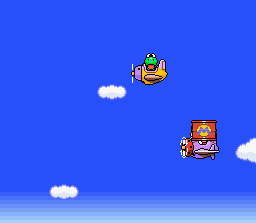
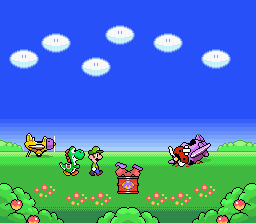
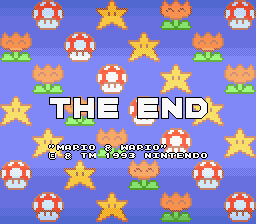
Clear the manor and the tables turn. Wario’s plane crashes, and he ends up upside down in a bucket of his own. Wanda signs off with a “THANK YOU” as the heroes celebrate, and the credits roll to a closing “The End”.
From the ending sequence.The heroes celebrate.The End.
The EXTRA world
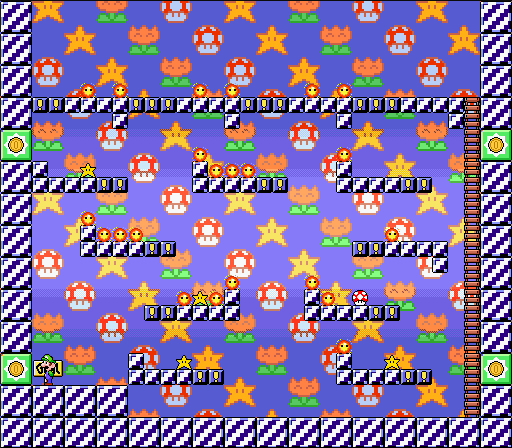
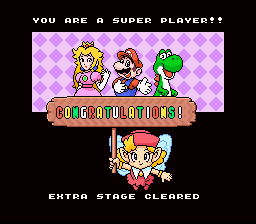
Finishing world ten reveals one more: EXTRA, ten very difficult levels numbered EX-1 to EX-10. It is the only world in which Wario does not drop anything on the walker’s head.
Level EX-1.The EXTRA clear screen.
Every world in Mario & Wario
Ten worlds of ten levels each, plus EXTRA. Names are the Japanese ones used in the game’s documentation, with translations.
1. Yōsei no MoriFairy Forest · 10 levels · drops a bucketSingle-screen tutorial levels introducing every basic block; one Guriguri in 1-10.
2. Yosu KoYos Lake · 10 levels · drops a Yoshi eggshellA holiday lake for Yoshis, with hidden Flip-Flop Blocks and the first Dodorigesu Jr.
3. Kumotori YamaCloud-catching mountain · 10 levels · drops a barrelTimer Blocks everywhere: no time to stand still.
4. Kōri no DōkutsuIce Cavern · 10 levels · drops a pipeFrozen Rexes, Komorin bats and the first sticky Nebaneba Blocks.
5. Honō no DōkutsuFlame Cavern · 10 levels · drops a vaseMagma, a Blargg in the background and fire-breathing Tsubōn.
6. Pukupuku KaiCheep Cheep Sea · 10 levels · drops a jellyfishUnderwater Switch Block puzzles with Unibo on patrol.
7. Balloon BridgeSky · 10 levels · drops a cloudBalloon blocks that inflate and deflate by themselves, high above the clouds.
8. Karakara SabakuDry desert · 10 levels · drops a pith helmetGuriguri in numbers, spike beds and a Pokey in the dunes.
9. Wario no NiwaWario’s Garden · 10 levels · drops a Piranha PlantOpens after world 8. Every enemy and nearly every block, plus invisible blocks in 9-8.
10. Wario TeiWario’s Manor · 10 levels · drops an oil drumOpens after world 9. Big Switch Block mazes and a spiky finale in 10-10; the ending follows.
EXTRABonus world · 10 levels · nothing droppedUnlocked by finishing world 10: the hardest levels in the game.
Between worlds, the Hit Wario bonus game (see Gameplay) lets Wanda hammer coins out of the Bulldog.
Advertisement
Gameplay & Controls
Every level is a little side-on obstacle course with a start, a goal and Luigi waiting at the goal. When it begins, Wario flies over and drops something on the walker’s head, and from then on the walker moves by itself, left or right, reversing at walls, riding lifts, falling down gaps. You never press a direction. Instead the mouse pointer is Wanda, and everything you do is a click.
The levels in the first world fit on one screen and take seconds; later ones scroll, mix several kinds of block and add enemies, so that you are flitting back and forth ahead of the walker setting things up. Run out of time or let the walker come to grief and a life is lost.
Wanda’s wand
Clicking does different things depending on what is under the pointer. A dotted outline becomes a solid block that can serve as a wall, a step or a bridge, and clicking a solid one dissolves it again. Cracked Rock Blocks break apart, Coin Blocks pay out, and enemies are knocked out of the way. Click the walker and Wanda bonks them with her wand, which turns them round: the most important trick in the game.
Famitsu’s reviewers found it a lot of clicking, and two of the four complained that the game asked for too many double-clicks. On Nintendo Switch Online the Switch 2 version is played with a Joy-Con 2 used as a mouse; on the original Switch you plug in a USB mouse.
Wanda, wand at the ready.Level 1-1, a single screen of Flip-Flop Blocks and a lift.
Mario, Peach or Yoshi
You choose who to guide, and the choice is really a difficulty setting. Princess Peach is slow, which gives you time to think. Mario walks at a middling pace. Yoshi is quick, so every block has to be in place a beat earlier. Whoever you pick, Luigi waits at the end of every level to take the bucket off.
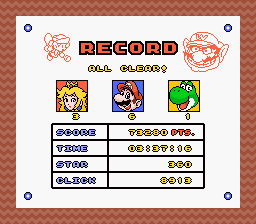
Each level runs against a time gauge, and whatever time is left at the goal turns into bonus points. Most levels hide Stars: collect four in one level for an extra life. Coins, from Coin Blocks or lying about, are worth an extra life for every hundred, and a green 1-Up Mushroom gives one outright. The rare Time Kinoko, an ordinary-looking mushroom, tops up the gauge.
The first eight worlds can be tackled from the start; world nine opens once world eight is beaten, world ten after nine, and the EXTRA world after ten. A Game Over in the tenth world sends you back to the start of the ninth.
The scoreboard screen.
Hit Wario!
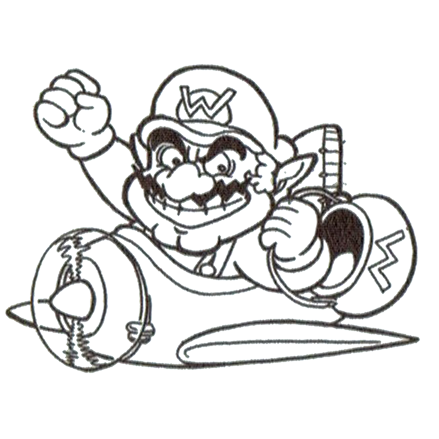
Between worlds comes a breather. Wario flies across the screen in his plane, the Bulldog, and Wanda swaps her wand for a hammer. Every hit on the plane knocks a coin loose; land forty and the plane breaks down in his face. Dawdle and he simply flies off.
Wario in the Bulldog.Wario’s sprite.
Wario’s hat collection
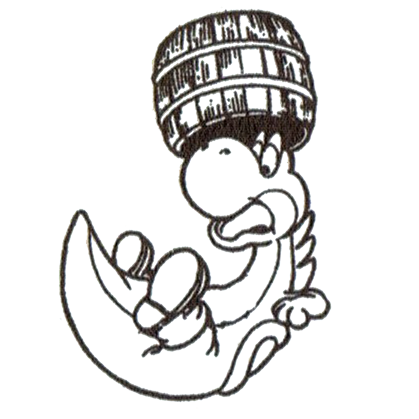
The thing Wario drops changes with the scenery. There are ten: a bucket in world one (its purple M turns into a W once it is upside down on someone’s head), half of a cracked Yoshi eggshell in world two, then a barrel, a pipe, a vase, a jellyfish, a Lakitu-style cloud, a pith helmet, a Piranha Plant and finally an oil drum stamped with a W. In the EXTRA world he drops nothing at all.
The bucket, from world one.A Yoshi eggshell, from world two.A jellyfish, from world six.A Piranha Plant, from world nine.
Blocks and items
Ten kinds of block and obstacle, and four pick-ups. Wanda can change most of the blocks; the walker collects the items.
Flip-Flop BlockWanda’s basic tool: click the outline to make it solid, click again to make it passable. Hidden ones appear from world two.
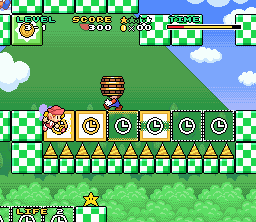
Timer BlockGoes solid when clicked, but only for a short time.
Rock BlockA cracked wall that breaks when Wanda hits it.
Coin BlockHit it for coins; a hundred coins make an extra life.
ElevatorA lift. Once the walker has ridden it, it needs a moment before it can move again.
Jump BlockA springboard, usually set into the floor.
Nebaneba BlockSticky: it slows down friend and foe alike. Appears from the ice cave onwards.
Switch BlockSwaps between solid red and see-through blue. The undersea world is full of them.
Fūsen BlockA balloon block that swells and shrinks by itself. The speciality of Balloon Bridge.
Toge BlockA spike trap filling one block space, pointing in any of four directions.
StarThe most common pick-up. Four in one level earn an extra life.
CoinAdds to the score; a hundred make an extra life.
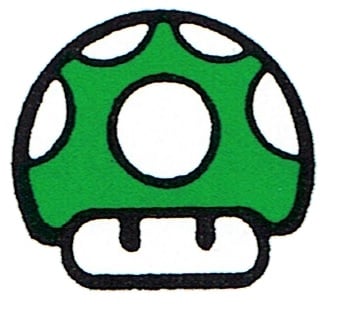
1-Up MushroomThe green mushroom: an extra life.
Time KinokoA rare mushroom, plain to look at, that refills the time gauge.
Cartoons, Comics & Other Media
Wanda only ever had the one game, but her bucket and her fairy forest have had a surprisingly long afterlife in manga, picture books and other people’s games.
Super Mario: Mario & WarioKodansha manga · one volumeThe Kodansha Super Mario series gave the game a volume of its own, carrying on from its Super Mario Land 2 story. Wario, freed from an evil spirit, is possessed again during a picnic, tries to snatch Mario and traps Luigi under a bucket instead; Wanda and Yoshi join the chase, which ends with a rampaging Blargg almost ending the world.
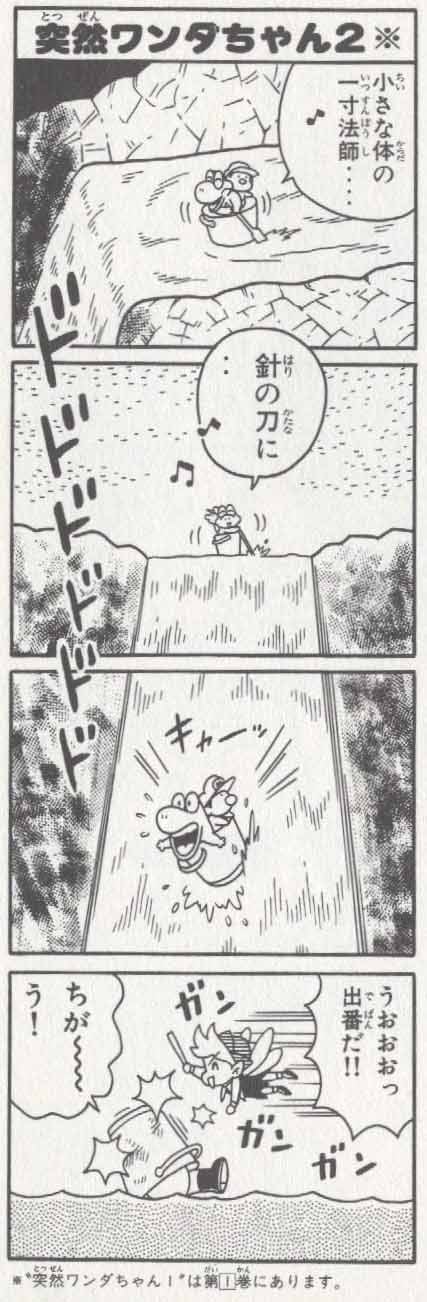
Super Mario 4-koma DaikōshinFour-panel gag mangaKazuki Motoyama and Uribō each give the game a short chapter, both with a rather impatient Wanda; Motoyama’s wields a giant mallet. In the second collection he followed it up with a callback gag.
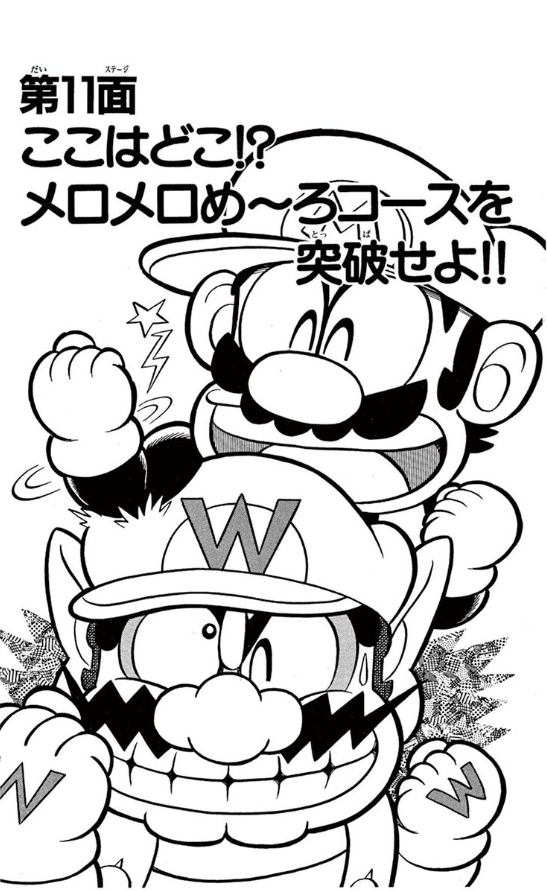
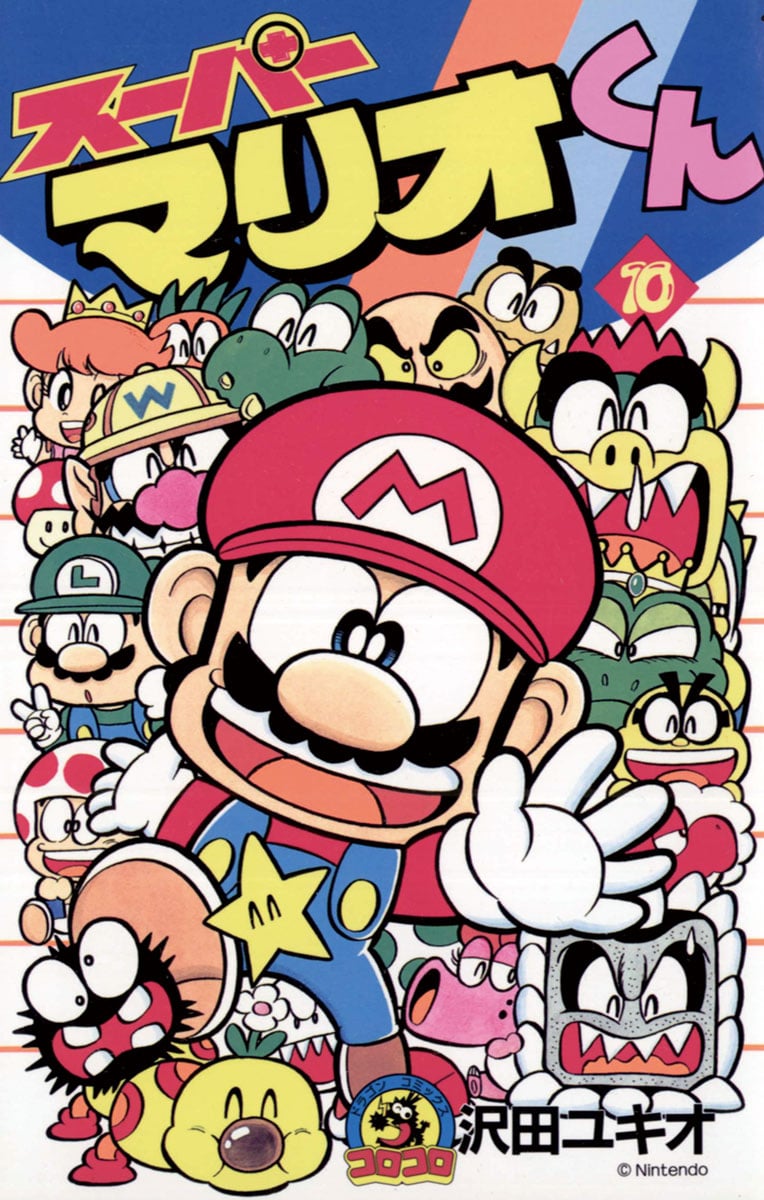
Super Mario-kunCoroCoro manga · volumes 8–10A choose-your-path chapter in volume 8 leads into a two-volume arc in which Bowser trips over Wanda and fuses with her, and Wario turns out to have been testing Mario all along. Wanda returns in the manga’s Wario’s Woods arc.
Pokémon Red and BlueGame Boy · Game FreakIn Copycat’s house the hero can check a Super Nintendo hooked up to the TV, and the game on it is one where Mario wears a bucket on his head: Game Freak quietly referencing its own earlier work.
Kirby Super StarSuper NESOne of the treasures in The Great Cave Offensive is a bucket almost identical to Mario’s, though its M is orange rather than purple.
Super Smash Bros. MeleeGameCube · trophyThe bucket is one of the collectable trophies, and its description recalls how it was put on Mario’s head to leave him unable to see.
Super Smash Bros. UltimateNintendo Switch · spiritWanda is a Novice-class support spirit that powers up magic-based attacks. Her spirit battle pits you against a tiny Palutena with Mario, Peach and Yoshi for company.
Mario & Luigi: Bowser’s Inside StoryNintendo DSOne of Junker’s attacks drops a bucket on Mario or Luigi, who then totter back and forth beneath it just like in this game.
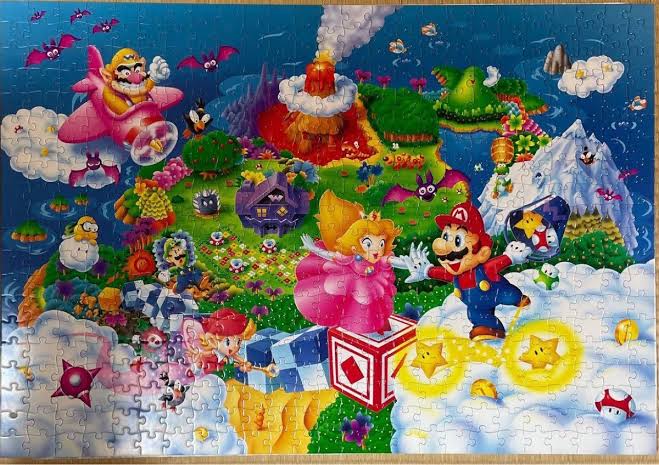
Picture books and puzzlesBooks and merchandiseWanda appears in several picture books, among them a maze picture book pitting Mario against Wario and a sticker book called Wanda’s Birthday, and in jigsaw puzzle artwork.
TV commercialTelevision advertThe game’s television commercial, a still of which survives, showed Mario, Luigi and Wanda together.
Nintendo PowerVol. 52 (September 1993) and Vol. 54 (November 1993)Nintendo’s magazine previewed the game for North American readers and mentioned it again in Pak Watch two months later. Super Luigi Bros has an archive page for issue 52.
Characters
A tiny cast: one fairy, three walkers, one brother waiting at the finish and one villain in a plane, plus a handful of enemies who appear nowhere else in the Mario series.
Character
Who they are
In this game
Abilities & notes
WandaThe heroine (you)
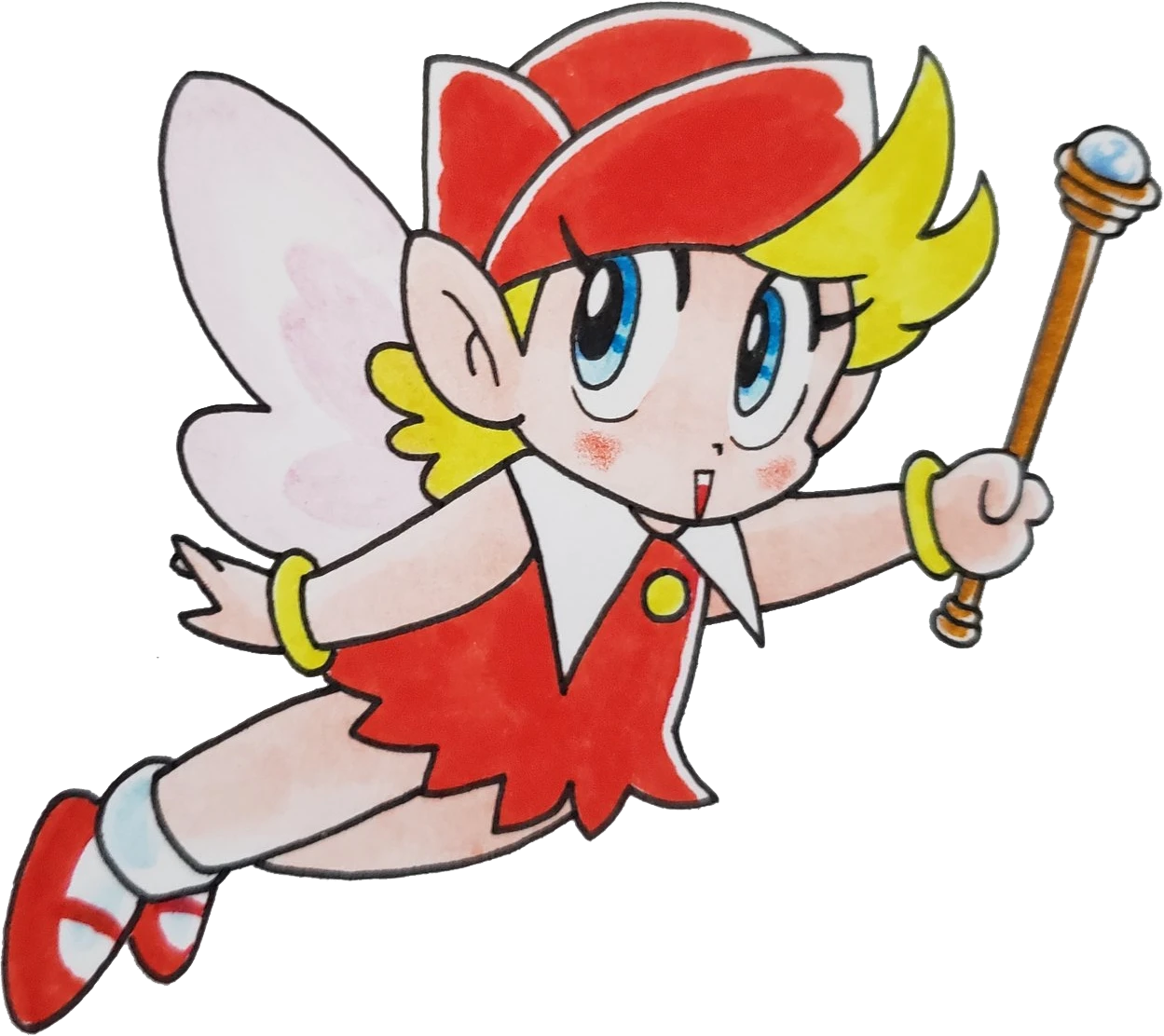
A fairy of the Yōsei no Mori. Her name comes from her wand rather than from “wonder”, and a Japanese character encyclopedia describes her as caring. She was designed by Game Freak’s Ken Sugimori for the game’s earlier, monster-themed version.
The player character, steered with the mouse. She makes and removes blocks, breaks rocks, swats enemies and taps the walker to turn him round, and in the bonus game swaps her wand for a hammer.
Her only game appearance as a character; a spirit in Super Smash Bros. Ultimate.
MarioWalker · medium speed
The hero of the Mushroom Kingdom, here unusually helpless.
Blinded by the bucket at the start of the story and the default walker. He strolls along at a medium pace, turning at walls.
Medium speed.
Princess PeachWalker · slow
The princess, who has come to the forest with Mario and Yoshi.
A selectable walker. She is the slowest of the three, the easy option for tricky levels.
Slow speed.
YoshiWalker · fast
Mario’s dinosaur friend, who had already lent his name to Game Freak’s Yoshi.
The quickest walker, which leaves Wanda the least time to set things up.
Fast speed.
LuigiAt the goal
Mario’s brother, the one everyone came looking for.
Stands at the goal of every level and removes whatever is on the walker’s head. Not playable.
Flies his plane, the Bulldog, over each world and drops something on the walker’s head. Between worlds he is the target of the Hit Wario bonus game, and in the ending he gets a bucket of his own.
Forty hammer blows wreck his plane in the bonus game.
Enemies
The game has only five kinds of enemy, all dealt with by a click of Wanda’s wand.
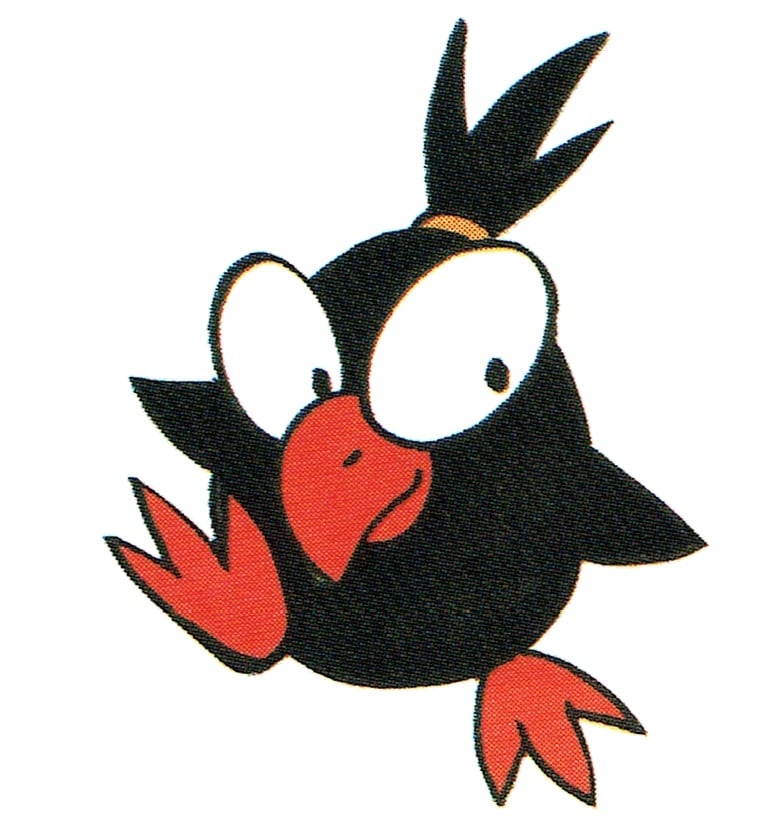
Dodorigesu Jr.From world 2Small black birds of the Pidgit type that stay put; click to clear them out of the path.
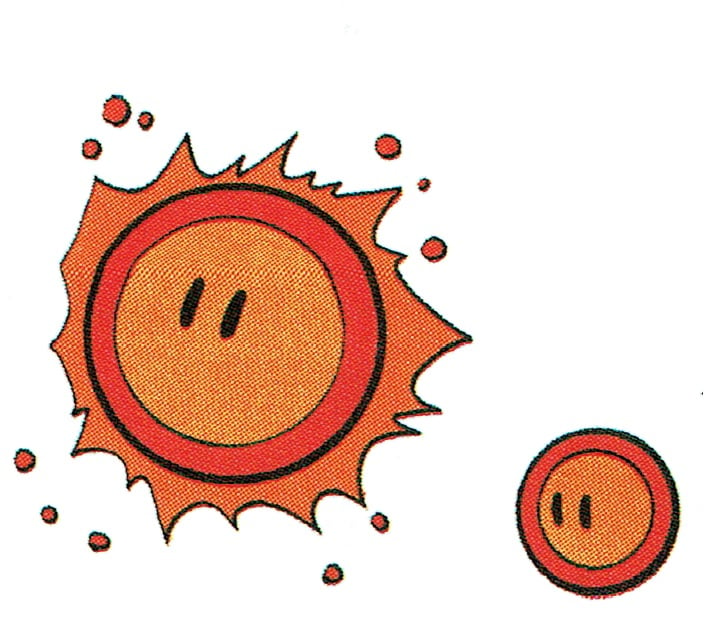
GuriguriFrom level 1-10A fireball that crawls along walls and floors. Common in the desert.
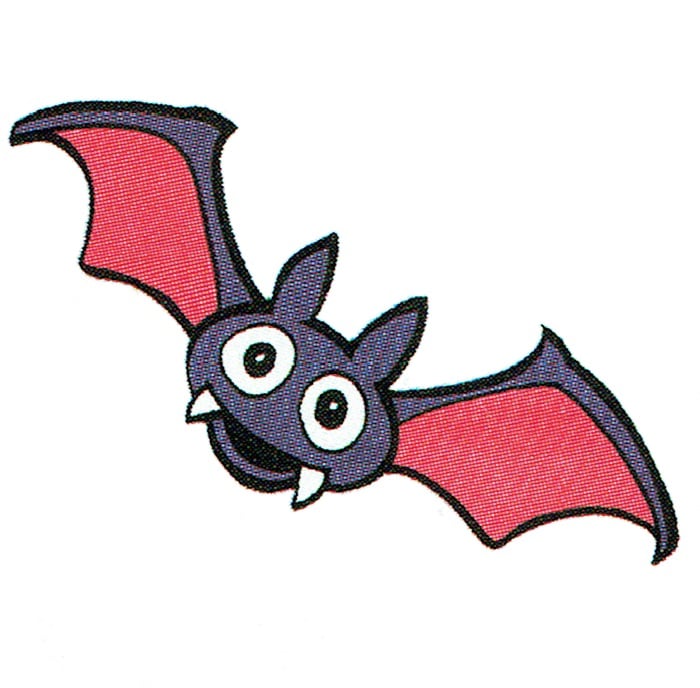
KomorinFrom level 4-1Awkward bats that tend to come in groups of four.
TsubōnFrom the Flame CavernA skull-marked pot that clings to walls and breathes fire.
Unibo (blue)Later worldsA spiky sea urchin that moves up and down. Touching one costs a life.
Unibo (yellow)Later worldsThe same urchin, moving left and right.
The people who made it
Game Freak’s small team, a few years before Pokémon:
Satoshi TajiriDesigner and directorGame Freak’s president, who had also worked on Yoshi and would go on to create Pokémon.
Junichi MasudaMusic and programmingComposed the soundtrack and was one of the programmers; he recalled the Super Scope origins in a 2017 interview.
Michiharu NishihashiProgrammingThe other credited programmer.
Ken SugimoriArt and character designDesigned Wanda for the earlier monster-hunting version of the game.
Motofumi FujiwaraArtCredited artist alongside Sugimori.
Makoto Kano, Tsunekazu IshiharaProducersCredited as producers.
Akihito TomisawaGame FreakBrainstormed the original horror concept with Tajiri, and in 2023 told the story of the game’s origins.
Yoichi KotabeSpecial thanksThanked in the credits.
Advertisement
How It Was Made
The making of Mario & Wario has been pieced together from a 2017 Game Informer interview with Junichi Masuda and from posts by Game Freak’s Akihito Tomisawa in 2023.
From a light-gun monster hunt to a mouse
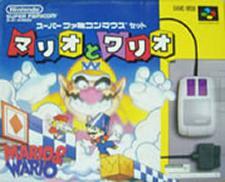
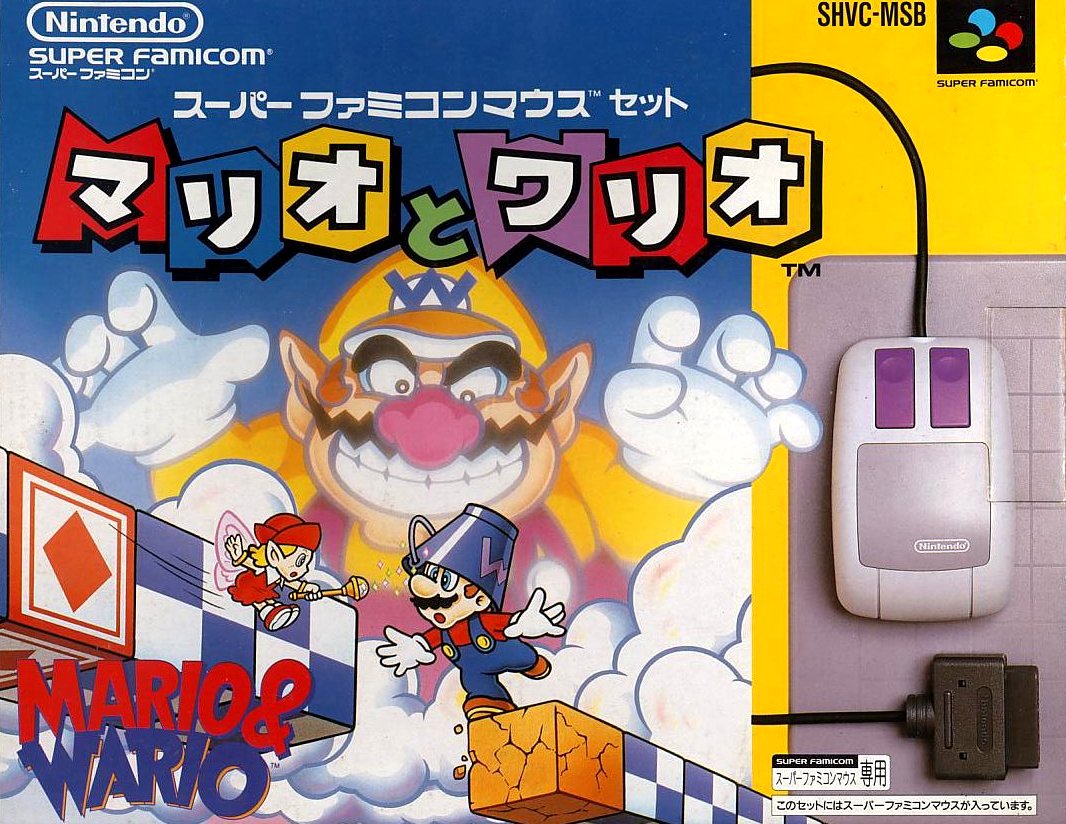
The edition boxed with the Super Famicom Mouse.
Game Freak’s first job for Nintendo was the 1991 puzzler Yoshi. It sold well, but its characters belonged to Nintendo, and Game Freak’s staff were keen to make something around their own ideas. When Nintendo president Hiroshi Yamauchi asked for a game that used the Super Scope, the Super Nintendo’s light gun, Satoshi Tajiri and Akihito Tomisawa came up with a horror game in the spirit of Gremlins: you would fire a net at a monster loose in a Western-style house and haul it in with the trigger.
A prototype was made and went well, but the hardware did not. Masuda told Game Informer that the team could not get the Super Scope to work out the top and bottom of the screen; the gun was reportedly selling poorly anyway. The game moved to the new Super Famicom Mouse and turned into a maze in which a character is guided with the pointer.
Enter Mario, but Wanda stays
Wario in the Bulldog and Wanda figures, held by Shigeki Morimoto and Junichi Masuda.
Nintendo then suggested putting its own characters in, and Game Freak agreed, reckoning they would help it sell. So in came Mario, Peach, Yoshi, Luigi and Wario, but at the last minute Game Freak asked to keep one character from the earlier versions: Ken Sugimori’s fairy, Wanda.
The result was one of very few Super Famicom games built around the mouse besides Mario Paint. The credits read like an early Pokémon team sheet: Tajiri designing and directing, Masuda on music and code, Sugimori on art, with Nintendo’s Mario artist Yoichi Kotabe thanked.
The Western release that never was
The tentative North American box from the 1993 Kellogg’s giveaway.
Everything about the cartridge points west. All its text is in English, the in-game logo is the Western design rather than the Japanese one (an unused Japanese title screen is still in the data), and the anti-piracy message shown on a copier device cites the United States Code. The Cutting Room Floor suggests the Western-ready build may simply have been the one shipped in Japan.
Nintendo of America clearly intended to sell it. Nintendo Power previewed it in Vol. 52 (September 1993) and mentioned it in Pak Watch in Vol. 54 (November 1993), and a Canadian Kellogg’s cereal contest offered it as a prize with a mocked-up North American box, marked as available in 1994. It never appeared. Nobody at Nintendo has explained why; the usual guess is poor sales of mouse games, which The Cutting Room Floor puts down to mouse games other than Mario Paint selling badly and Nintendo Life to the modest sales of Mario Paint itself.
Series Firsts
A handful of distinctions, each checked against a source.
1Wanda’s debutThe fairy was created for this game and has not been playable since; her later appearances are in manga, picture books and as a Smash Bros. spirit.
2Mario’s bucketThe first appearance of the bucket that later became a Melee trophy, a Kirby Super Star treasure and a Pokémon in-joke.
3A Mario game for the mouseIn Game Informer’s words, one of the few Super Nintendo games besides Mario Paint to use the mouse.
4First released outside Japan in 2025Its October 2025 arrival on Nintendo Switch Online was its first official release anywhere outside Japan, 32 years after launch.
Cheats & Secrets
There are no official cheat codes, but there is a debug mode, and plenty of small print worth knowing.
Debug mode (Pro Action Replay)
The Cutting Room Floor documents the code 7E1C0305. With it active, pressing buttons on controller 2 during play opens hidden options: X starts the Hit Wario bonus game, Select plays the ending and credits, and Start opens a level select and sound test (from the title screen only the sound test works properly).
Click the walker
A tap on Mario, Peach or Yoshi turns them round. It is often quicker than building a wall.
Four Stars, one life
Collect four Stars in a single level for an extra life; a hundred coins earn another.
Choose Peach for hard levels
She walks slowest, so she buys the most thinking time. Yoshi is the opposite.
The hidden blocks in 2-2
Five hidden Flip-Flop Blocks in the top-right corner of level 2-2 must be activated to reach its third Star. Level 9-8 has another invisible bridge to a Star.
Watch the weight
Objects fall: in 3-2 a Star resting on a Rock Block will drop through a Timer Block that has switched off, so plan the order of your clicks.
Forty hits on the Bulldog
In the Hit Wario game each strike on the plane is worth a coin, and forty hits wreck it. Be quick, as Wario leaves when his time is up.
Mind the manor
A Game Over in Wario Tei sends you back to the start of world 9.
Compiled from The Cutting Room Floor and Retro XP.
Videos
Nintendo’s trailer for the game’s long-delayed Western debut, and a DidYouKnowGaming? look at the Japan-only original.
Official upload: Nintendo’s trailer for the October 2025 Switch Online additions, with Mario & Wario alongside Bubsy and Fatal Fury Special.
Third-party video from the Region Locked series, made in 2016 when the game was still Japan-only.
Trivia & Interesting Facts
Every word on screen is in English, even on the Japanese cartridge. The game’s only Japanese text is on an unused title screen hidden in the data.
The bucket sprite.The bucket carries Mario’s purple M, which reads as a W once it is upside down on his head. The Melee trophy text makes the same joke.
On packaging and in adverts the Japanese title is sometimes given as Mausu-sen’yō Mario to Wario, “Mouse-exclusive Mario & Wario”.
Wanda’s name comes from her wand, not from the English word “wonder”.
Kumotori Yama, the third world, shares its name with a real mountain in Japan.
The backgrounds are full of Mario cameos: a Wiggler in the forest, Rexes frozen in the ice, a Blargg in the lava, Cheep Cheeps and a Blurp in the sea, a Lakitu and a smiling sun in the sky, and a Pokey in the desert.
The anti-piracy screen, which appears if the game detects a copier, refers to United States law, another sign the shipped game was the one prepared for the West.
A Canadian Kellogg’s contest of 1993 offered the game as a prize and listed it as “available in 1994”. SNES Central put the odds of winning at about one in 950.
An unused graphic in the data looks very like Wanda, and The Cutting Room Floor counts it among the game’s leftovers.
Game Freak slipped the game into Pokémon Red and Blue: Copycat’s Super Nintendo is playing a game in which Mario wears a bucket.
Because it needed a mouse, the game never appeared on the Virtual Console for Wii, Wii U or Nintendo 3DS. Switch Online was its first re-release of any kind.
Wanda later replaced the bomb-dropping sprite in the Kodansha and Super Mario-kun manga versions of Wario’s Woods.
In Super Mario-kun Bowser trips over Wanda and the two end up fused together for a volume and a half.
Wanda appears on a Game Freak postcard from 2001, eight years after her only game.
Regional Box Art
Only Japan ever had a box, in two forms: the game on its own and a set with the Super Famicom Mouse. The North American cover exists only as the mock-up shown in a 1993 Kellogg’s giveaway.
Super Famicom · Japan (1993)Super Famicom · Japan, Mouse setTentative North American boxFrom the Canadian Kellogg’s contest; never released.Cover artwork
Screenshots
More from the Super Famicom original.
Wanda at work.Mario on the move.Level 1-1 in full.Yoshi’s walking animation.
Artwork & Media Gallery
Official artwork, sprites, logos and promotional material for Mario & Wario. Select any image to enlarge it.
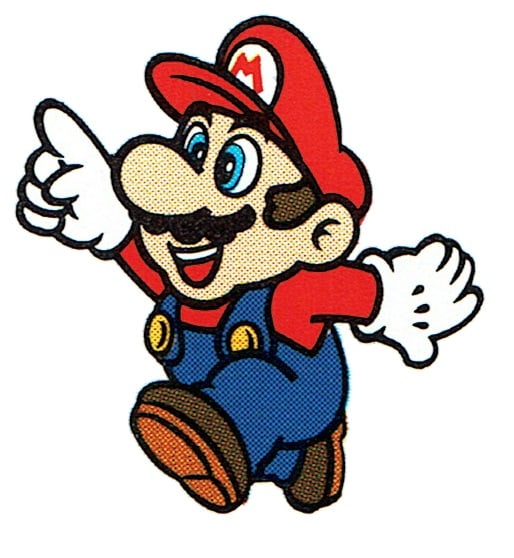
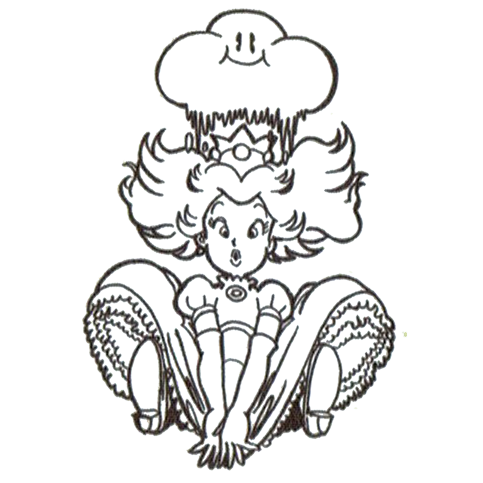
Mario.Mario, from the guide artwork.Wario, from the guide artwork.Princess Peach, from the guide artwork.Yoshi, from the guide artwork.Dodorigesu Jr. artwork.Guriguri artwork.Tsubōn artwork.Komorin artwork.Unibo artwork.1-Up Mushroom artwork.Star artwork.Time Kinoko artwork.The Japanese logo.The English in-game logo.The unused Japanese in-game logo.Wanda’s sprite.Princess Peach’s sprite.Mario’s sprite.Yoshi’s sprite.The barrel (world 3).The pipe (world 4).The vase (world 5).The cloud (world 7).The pith helmet (world 8).The oil drum (world 10).Wanda in the Kodansha manga.Wanda’s return in Super Mario 4-koma Daikōshin 2.Super Mario-kun volume 8, stage 11.Super Mario-kun volume 10.Artwork for a Mario & Wario jigsaw puzzle.Game Freak’s 2001 postcard.
Legacy & Re-releases
For three decades Mario & Wario was a famous gap in the Western library: never sold, never on the Virtual Console, kept alive by import buyers, manga and Game Freak’s own in-jokes.
From Super Famicom to Switch
Super Famicom27 August 1993Released in Japan; it was also sold in a set with the Super Famicom Mouse.
Nintendo PowerSeptember and November 1993Previewed in Vol. 52 and listed in Pak Watch in Vol. 54.
Kellogg’s (Canada)1993A cereal contest offers the game with a mock-up North American box, “available in 1994”. The release never happens.
Nintendo Switch Online8–9 October 2025Added to the Super NES library: the evening of 8 October in the Americas, 9 October in Japan, Europe, Australia and Hong Kong. USB mouse on Switch, Joy-Con 2 mouse controls on Switch 2.
The 2025 debut
Nintendo added Mario & Wario to the Switch Online Super NES library on 9 October 2025, in the same batch as Bubsy in Claws Encounters of the Furred Kind and Fatal Fury Special. VGC reported that the additions took the Western Super NES list to 77 games. Because the game needs a mouse, it had never been possible on the Wii, Wii U or 3DS Virtual Console; on Switch 2 a Joy-Con 2 can be used as one, while original Switch owners can plug in a USB mouse.
Game Freak after Mario
Mario & Wario followed Yoshi as Game Freak’s second visit to the Mario world. Game Informer notes that much of the team behind Pokémon Red and Green is credited on it, and they remembered the bucket: Copycat’s Super Nintendo plays a Mario-with-a-bucket game. The idea of steering a helpless walker by changing the level around them lived on elsewhere at Nintendo, and it invites comparison with the Mario vs. Donkey Kong Minis. For more of Nintendo’s early-1990s Mario puzzlers see Yoshi’s Cookie, Wario’s Woods and the full games list.
Reviews & Sales
Reviews and scores
Japanese and European magazines reviewed the import in 1993 and 1994, and it was generally liked rather than loved. Nintendo has published no sales figure, so none is given here.
Joypad1994
81%
Official Nintendo Magazine1993 (as listed by Wikipedia)
Famitsu’s four reviewers scored it 29 out of 40 and all of them compared it to Lemmings. One called it essential for fans of action puzzles; two grumbled about the controls and the amount of double-clicking; another felt it lacked the satisfying brain-ache of its rivals. AllGame’s Jon Thompson later praised the colourful graphics and the busy, fast-moving play.
Western interest never quite went away. Nintendo Life’s 2016 write-up thought it looked rather neat but agreed Nintendo was probably right that it would have struggled in the West, and Retro XP’s Marc Normandin in 2022 called the lack of a Western release weird, given that only the manual would have needed translating. When it finally arrived on Switch Online in 2025, Game Informer, VGC and others reported it as the first time the game had ever been officially released outside Japan.
SLB User Reviews
Mario & Wario has yet to receive a community review on Super Luigi Bros.
If you’ve played Mario & Wario and would like to submit a review, please get in touch.
More from the Super Luigi Bros Guide
These picture lists come from the earlier Super Luigi Bros guide to Mario & Wario and are kept here in full.
Blocks and obstacles
A big part of the game is learning how each block type works. Wanda must flip, destroy, activate or time each one to keep the blinded character safe:
To provide the best experiences, we use technologies like cookies to store and/or access device information. Consenting to these technologies will allow us to process data such as browsing behavior or unique IDs on this site. Not consenting or withdrawing consent, may adversely affect certain features and functions.
Functional
Always active
The technical storage or access is strictly necessary for the legitimate purpose of enabling the use of a specific service explicitly requested by the subscriber or user, or for the sole purpose of carrying out the transmission of a communication over an electronic communications network.
Preferences
The technical storage or access is necessary for the legitimate purpose of storing preferences that are not requested by the subscriber or user.
Statistics
The technical storage or access that is used exclusively for statistical purposes.The technical storage or access that is used exclusively for anonymous statistical purposes. Without a subpoena, voluntary compliance on the part of your Internet Service Provider, or additional records from a third party, information stored or retrieved for this purpose alone cannot usually be used to identify you.
Marketing
The technical storage or access is required to create user profiles to send advertising, or to track the user on a website or across several websites for similar marketing purposes.


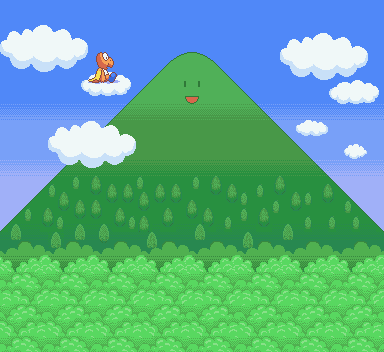 3. Kumotori YamaCloud-catching mountain · 10 levels · drops a barrelTimer Blocks everywhere: no time to stand still.
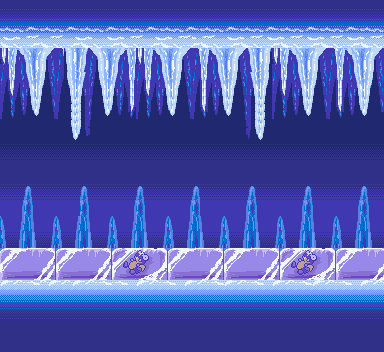 4. Kōri no DōkutsuIce Cavern · 10 levels · drops a pipeFrozen Rexes, Komorin bats and the first sticky Nebaneba Blocks.
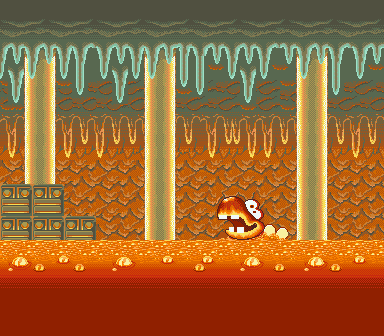 5. Honō no DōkutsuFlame Cavern · 10 levels · drops a vaseMagma, a Blargg in the background and fire-breathing Tsubōn.
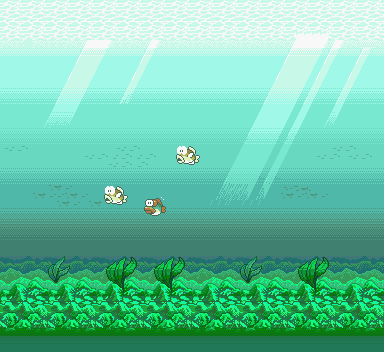 6. Pukupuku KaiCheep Cheep Sea · 10 levels · drops a jellyfishUnderwater Switch Block puzzles with Unibo on patrol.
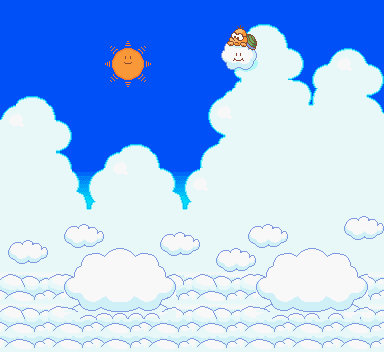 7. Balloon BridgeSky · 10 levels · drops a cloudBalloon blocks that inflate and deflate by themselves, high above the clouds.
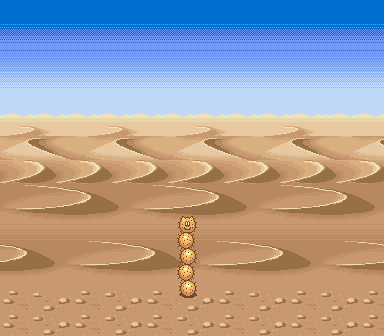 8. Karakara SabakuDry desert · 10 levels · drops a pith helmetGuriguri in numbers, spike beds and a Pokey in the dunes.
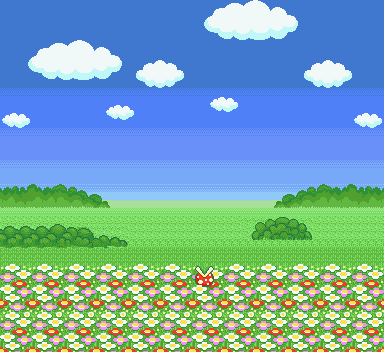 9. Wario no NiwaWario’s Garden · 10 levels · drops a Piranha PlantOpens after world 8. Every enemy and nearly every block, plus invisible blocks in 9-8.
 EXTRABonus world · 10 levels · nothing droppedUnlocked by finishing world 10: the hardest levels in the game.




 Flip-Flop BlockWanda’s basic tool: click the outline to make it solid, click again to make it passable. Hidden ones appear from world two.
 Timer BlockGoes solid when clicked, but only for a short time.
 Rock BlockA cracked wall that breaks when Wanda hits it.
 Coin BlockHit it for coins; a hundred coins make an extra life.
 ElevatorA lift. Once the walker has ridden it, it needs a moment before it can move again.
 Jump BlockA springboard, usually set into the floor.
 Nebaneba BlockSticky: it slows down friend and foe alike. Appears from the ice cave onwards.
 Switch BlockSwaps between solid red and see-through blue. The undersea world is full of them.
 Fūsen BlockA balloon block that swells and shrinks by itself. The speciality of Balloon Bridge.
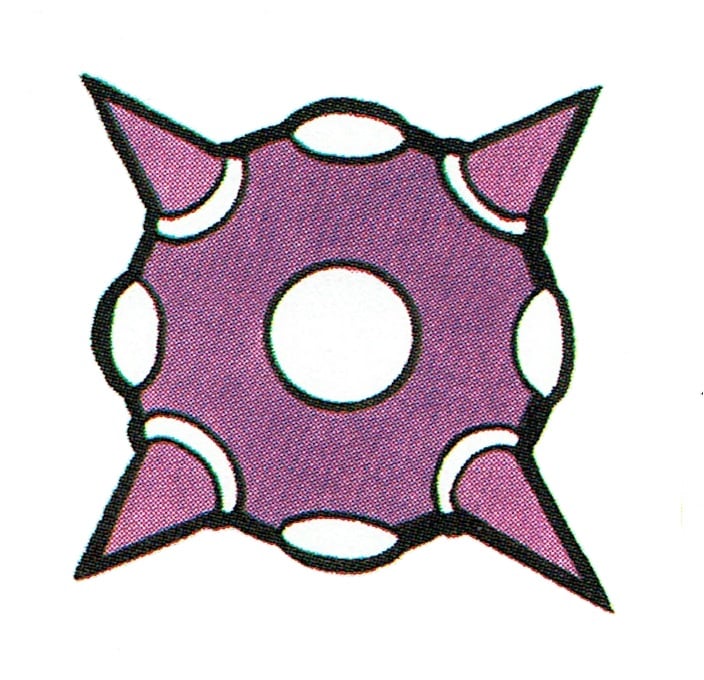
 Toge BlockA spike trap filling one block space, pointing in any of four directions.
 StarThe most common pick-up. Four in one level earn an extra life.
 CoinAdds to the score; a hundred make an extra life.
 1-Up MushroomThe green mushroom: an extra life.
 Time KinokoA rare mushroom, plain to look at, that refills the time gauge.
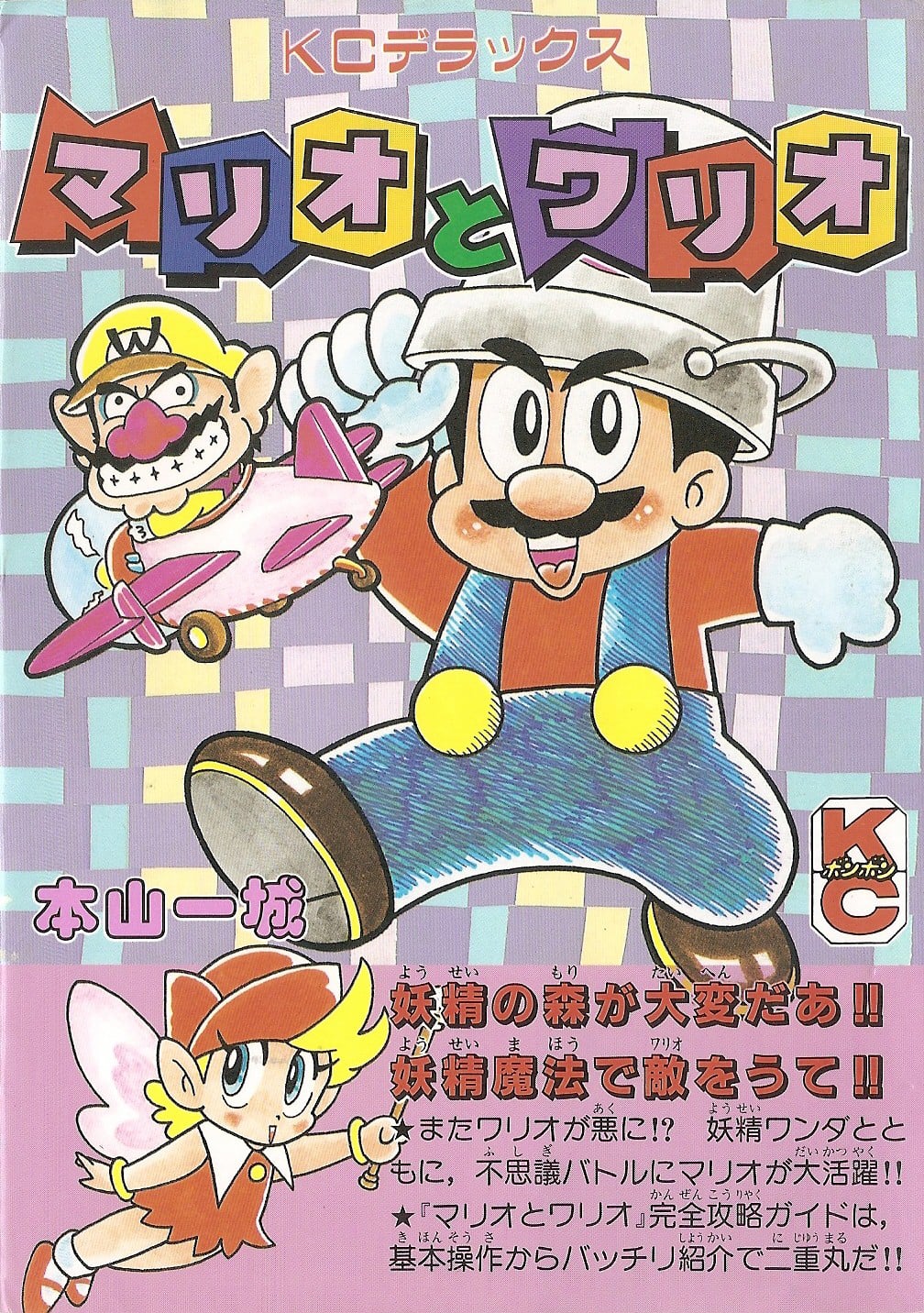 Super Mario: Mario & WarioKodansha manga · one volumeThe Kodansha Super Mario series gave the game a volume of its own, carrying on from its Super Mario Land 2 story. Wario, freed from an evil spirit, is possessed again during a picnic, tries to snatch Mario and traps Luigi under a bucket instead; Wanda and Yoshi join the chase, which ends with a rampaging Blargg almost ending the world.
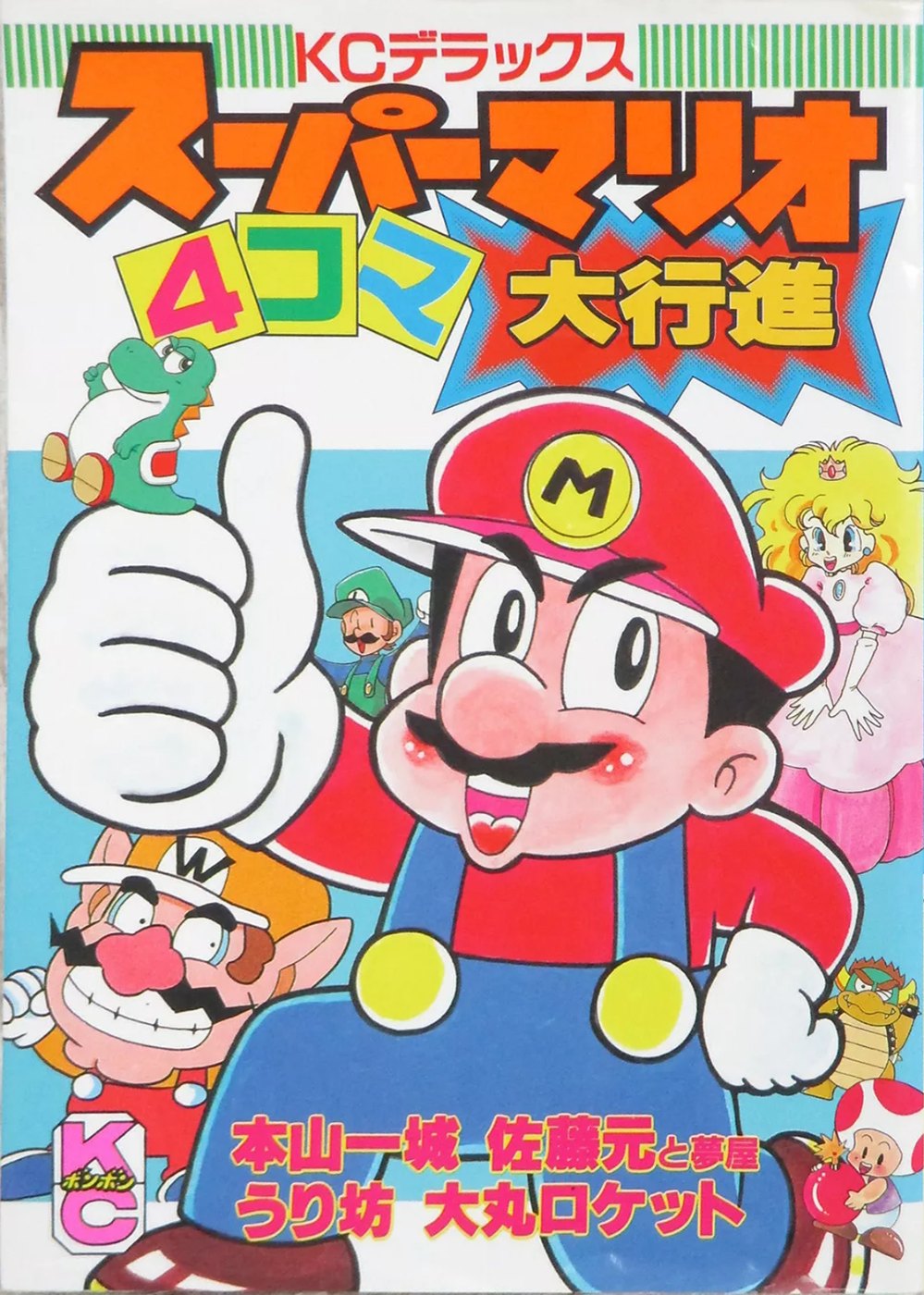 Super Mario 4-koma DaikōshinFour-panel gag mangaKazuki Motoyama and Uribō each give the game a short chapter, both with a rather impatient Wanda; Motoyama’s wields a giant mallet. In the second collection he followed it up with a callback gag.
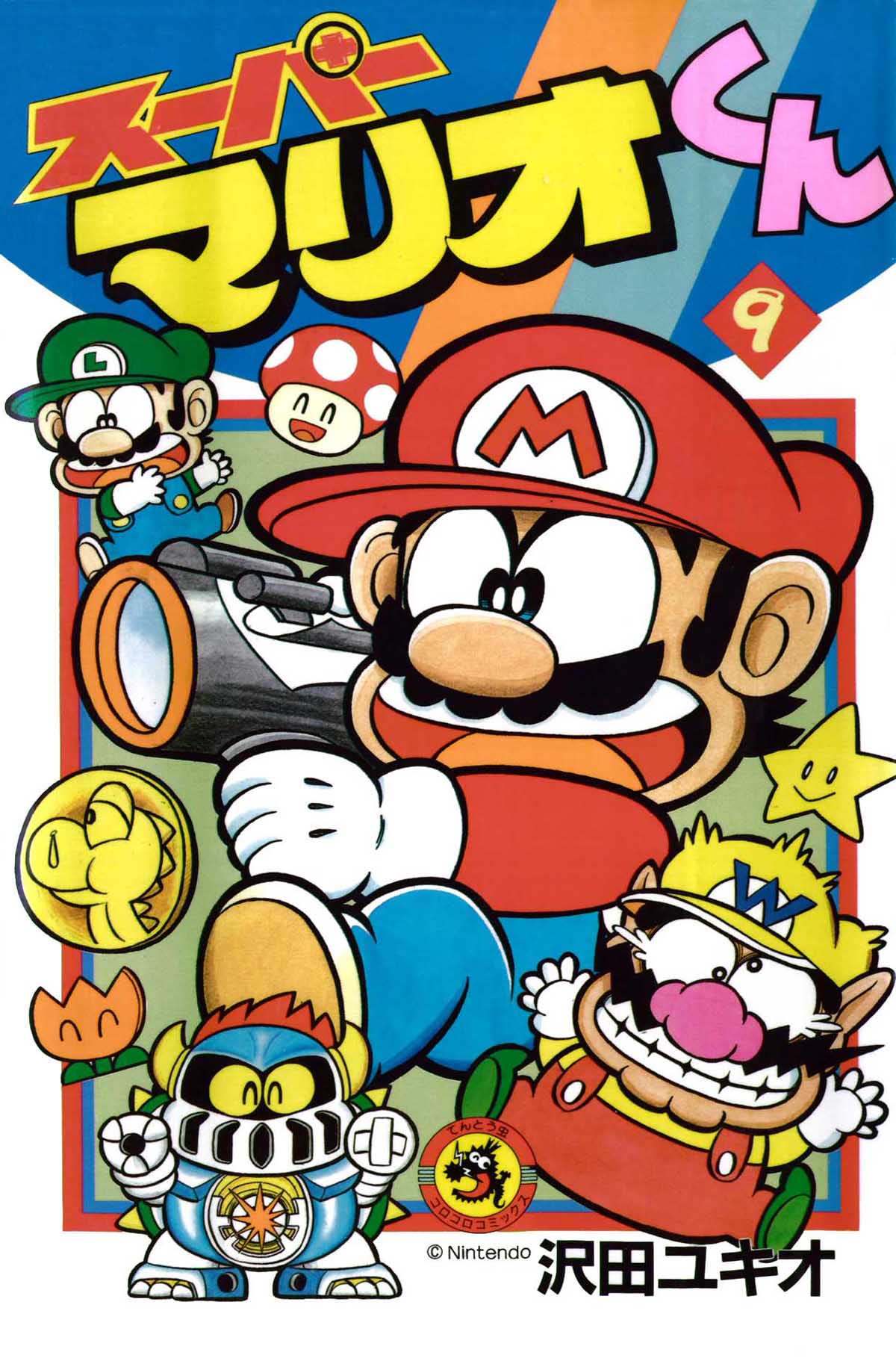 Super Mario-kunCoroCoro manga · volumes 8–10A choose-your-path chapter in volume 8 leads into a two-volume arc in which Bowser trips over Wanda and fuses with her, and Wario turns out to have been testing Mario all along. Wanda returns in the manga’s Wario’s Woods arc.
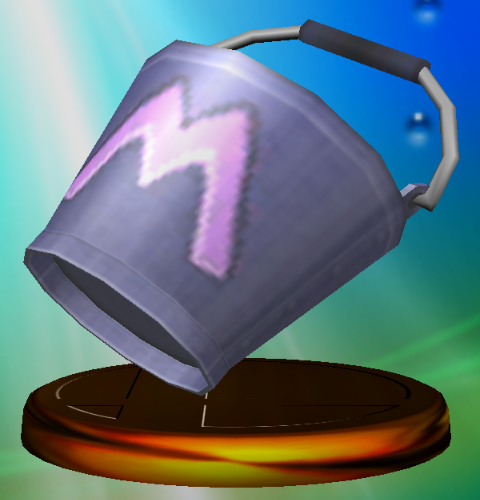 Super Smash Bros. MeleeGameCube · trophyThe bucket is one of the collectable trophies, and its description recalls how it was put on Mario’s head to leave him unable to see.
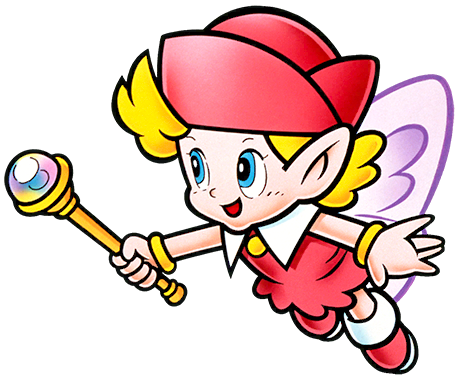 Super Smash Bros. UltimateNintendo Switch · spiritWanda is a Novice-class support spirit that powers up magic-based attacks. Her spirit battle pits you against a tiny Palutena with Mario, Peach and Yoshi for company.
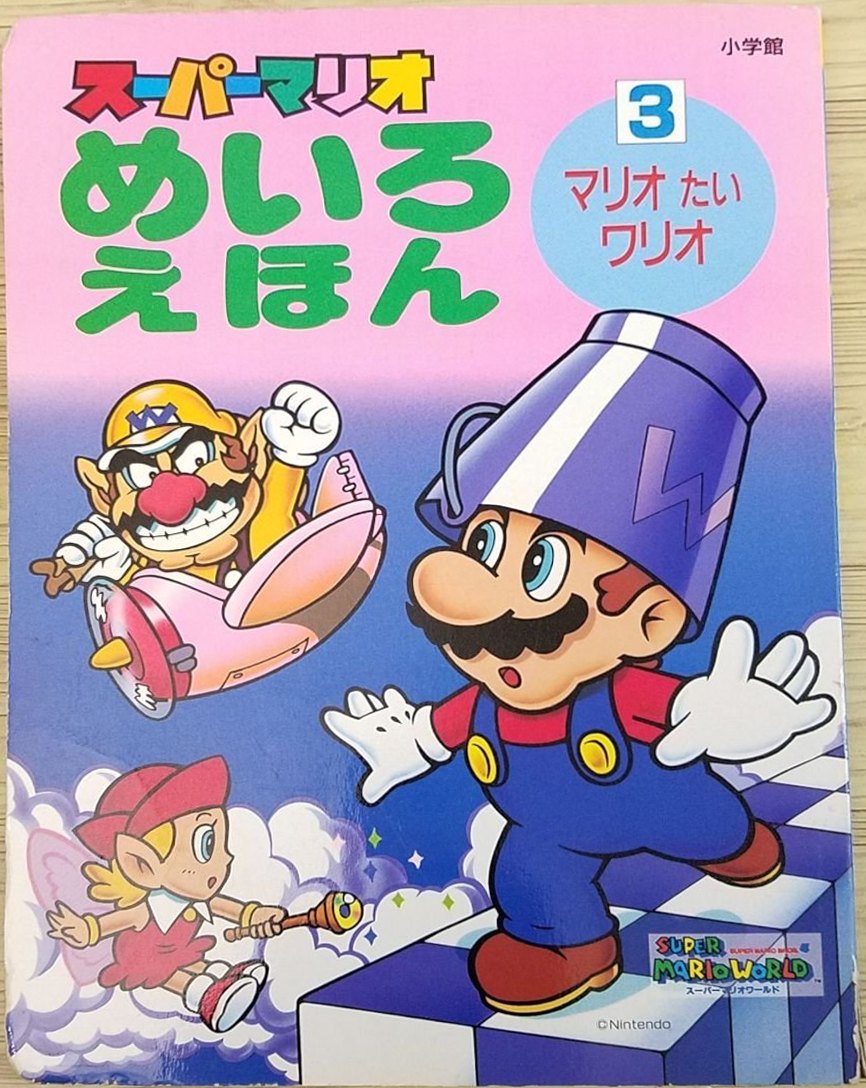 Picture books and puzzlesBooks and merchandiseWanda appears in several picture books, among them a maze picture book pitting Mario against Wario and a sticker book called Wanda’s Birthday, and in jigsaw puzzle artwork.
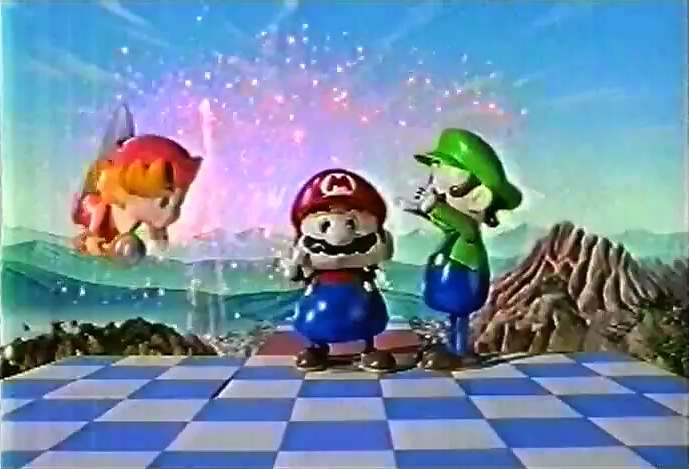 TV commercialTelevision advertThe game’s television commercial, a still of which survives, showed Mario, Luigi and Wanda together.
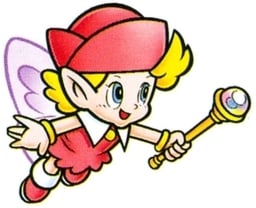 WandaThe heroine (you)
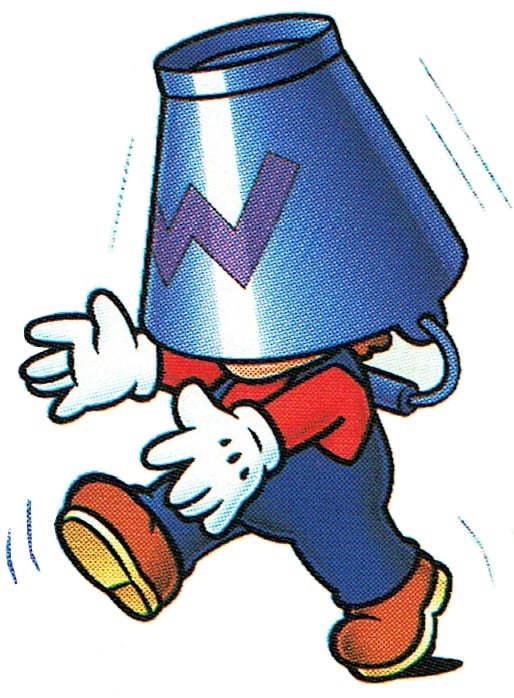 MarioWalker · medium speed
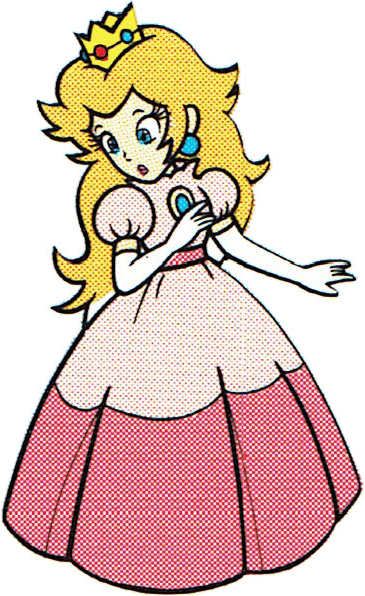 Princess PeachWalker · slow
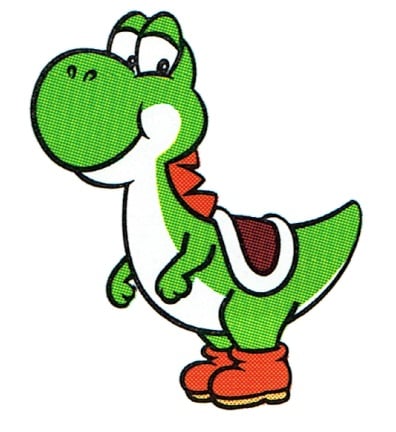 YoshiWalker · fast
 LuigiAt the goal
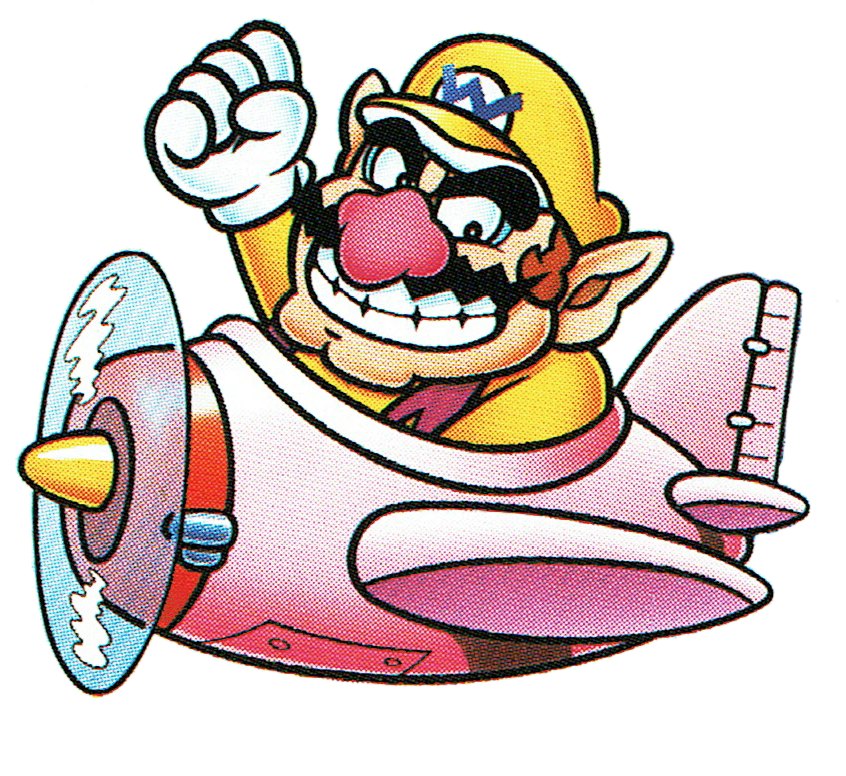 WarioThe villain
 Dodorigesu Jr.From world 2Small black birds of the Pidgit type that stay put; click to clear them out of the path.
 GuriguriFrom level 1-10A fireball that crawls along walls and floors. Common in the desert.
 KomorinFrom level 4-1Awkward bats that tend to come in groups of four.
 TsubōnFrom the Flame CavernA skull-marked pot that clings to walls and breathes fire.
 Unibo (blue)Later worldsA spiky sea urchin that moves up and down. Touching one costs a life.
 Unibo (yellow)Later worldsThe same urchin, moving left and right.
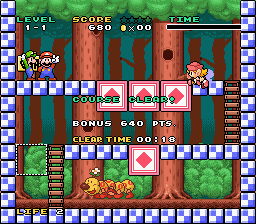








 Flip-Flop BlockToggle solid/passable
 ElevatorLifts the character
 Balloon BlockExpands and contracts
 Rock BlockHit to destroy
 Jump BlockBounces character
 Sticky BlockTraps all characters
 Switch BlockRed=solid, Blue=passable
 Timer BlockSolid for a short time only
 Spike BlockInstant hazard