The Mushroom Kingdom who’s who. Here are 55 profiles of heroes, rivals, Koopas, villains and everyday species, each card marked with the year and the game in which that character first turned up, from Jumpman in 1981 to Olivia in 2020. Under the archive you will find the story of how a nameless carpenter’s supporting cast grew into a whole kingdom, and a timeline of every debut.
Profiles:55 characters, each with a biography page of its own
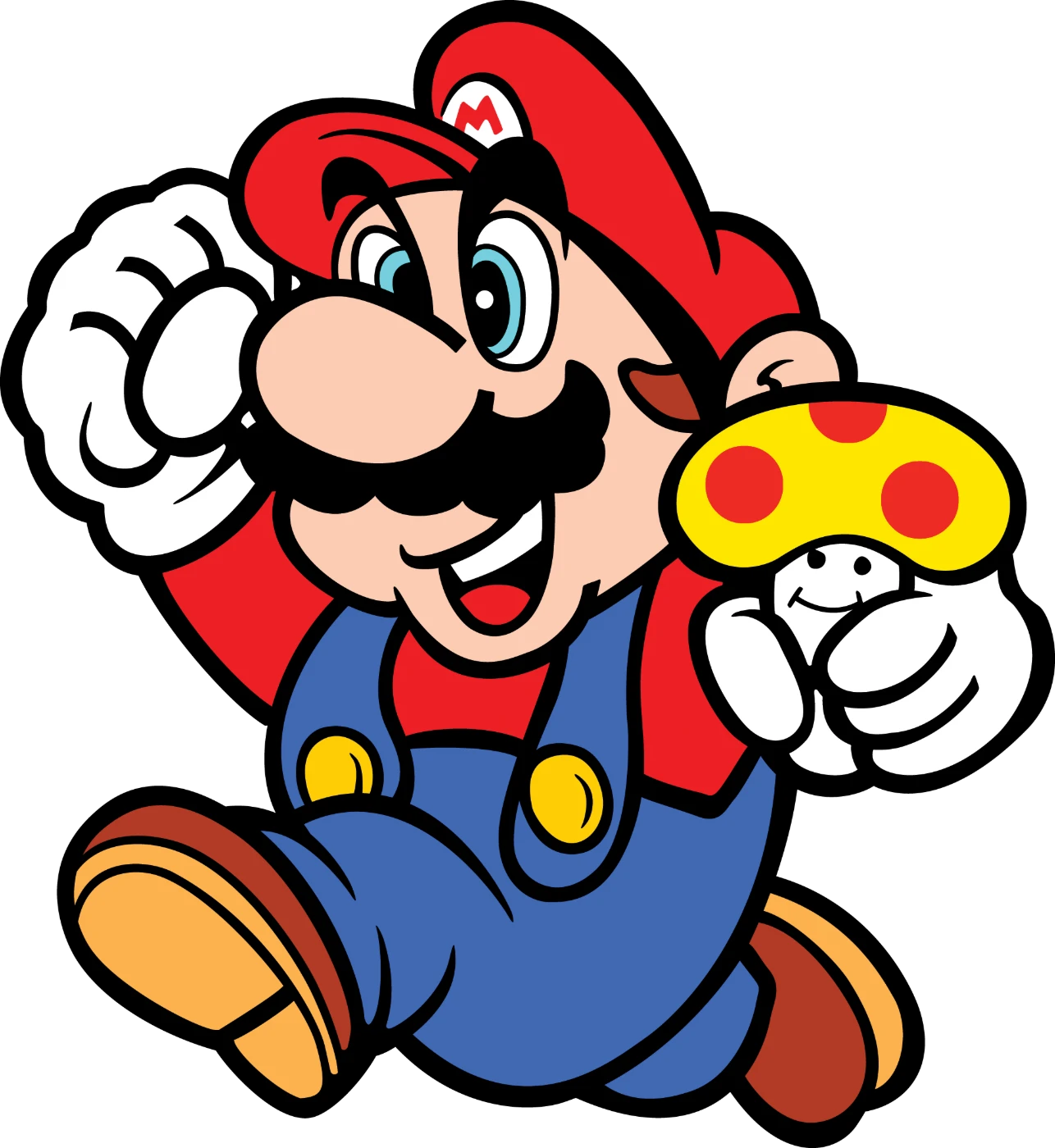
Where it all starts: Mario, in a modern take on his classic Super Mario Bros. jump.
Welcome to the Character Biographies section. Find out everything you could ever want to know about your favourite Super Mario characters here including background information, who their friends are, who their enemies are and where the character has featured. Each card shows the year the character debuted and the game they first appeared in.
Mario’s cast was never planned as a cast. It piled up one game at a time. A 1981 arcade machine needed a hero, a captive and an ape; a 1983 sequel needed someone for player two; a 1985 adventure needed a princess, her retainers and a villain to besiege them. After that, almost every era left a few new faces behind, from the dream-world creatures of the American Super Mario Bros. 2 to the role-playing companions of the Square and Intelligent Systems games, and Nintendo kept a surprising number of them. The archive below sorts them into five groups: Mario’s family and allies, the rivals who race him as often as they fight him, Bowser and his Koopa Troop, the villains and bosses of the spin-offs, and the everyday species of the Mushroom Kingdom.
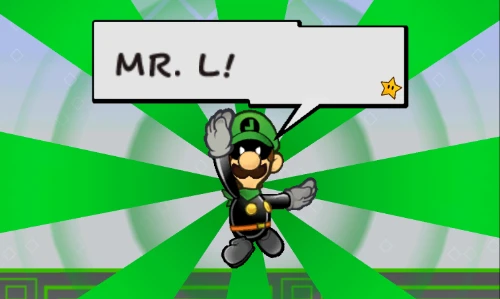
If you are new here, start at the top with Mario and Luigi, then jump to Bowser. After that, the fun is in the odd ones: Birdo, who arrived from a completely different game; Geno, a star living inside a wooden doll; and Mr. L, who is not quite a new character at all. The history section further down tells the story in order, and the timeline lists every debut in the archive year by year.
Highlights
Mario: carpenter, plumber, doctor, kart racer, and once nothing more than Jumpman.
Luigi: a green copy of his brother in 1983, the star of his own haunted house in 2001.
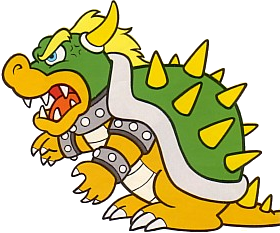
Bowser: the King of the Koopas, who started life on paper as an ox.
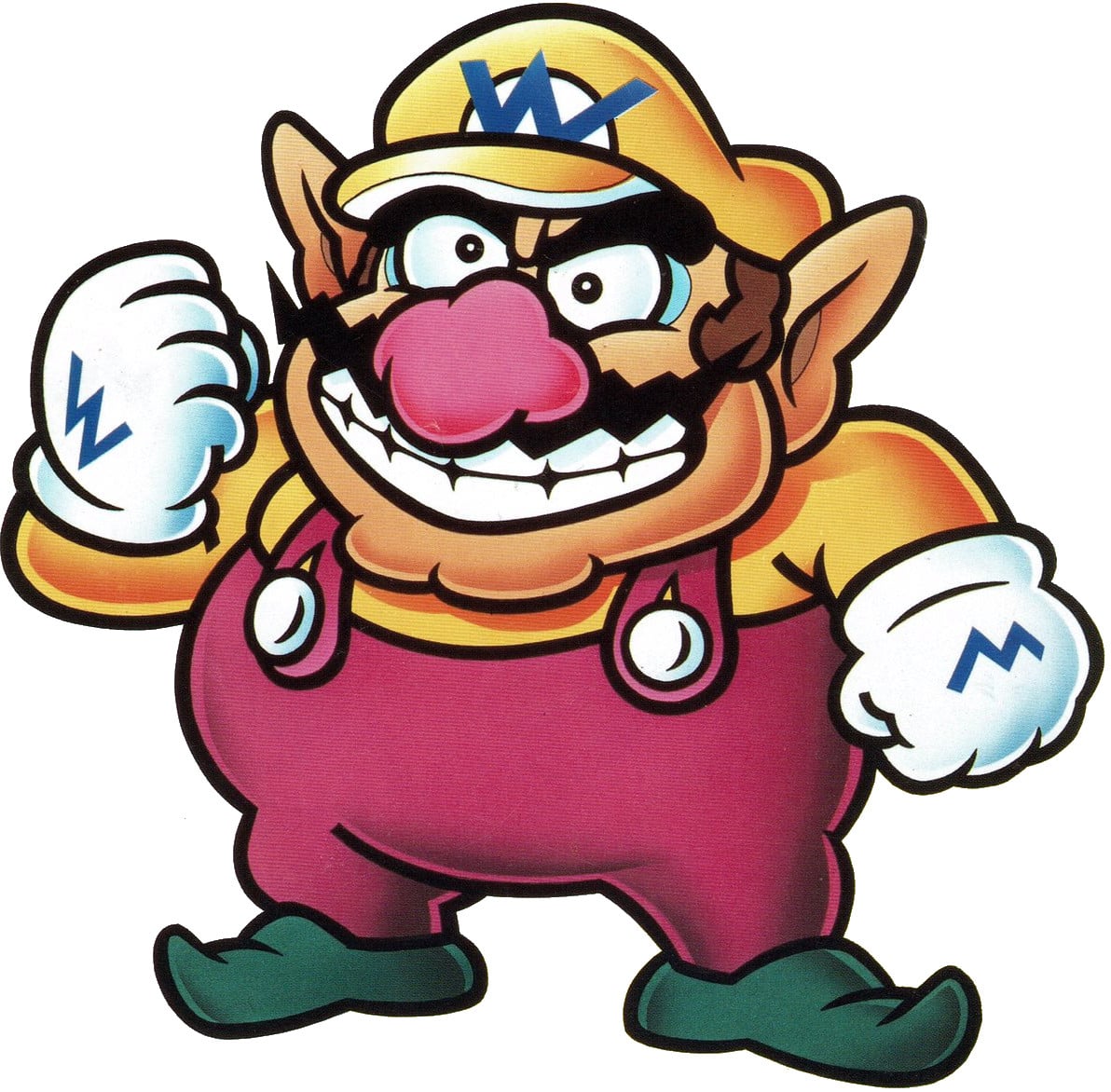
Wario: the Game Boy team’s own “bad Mario”, and later a star in his own right.
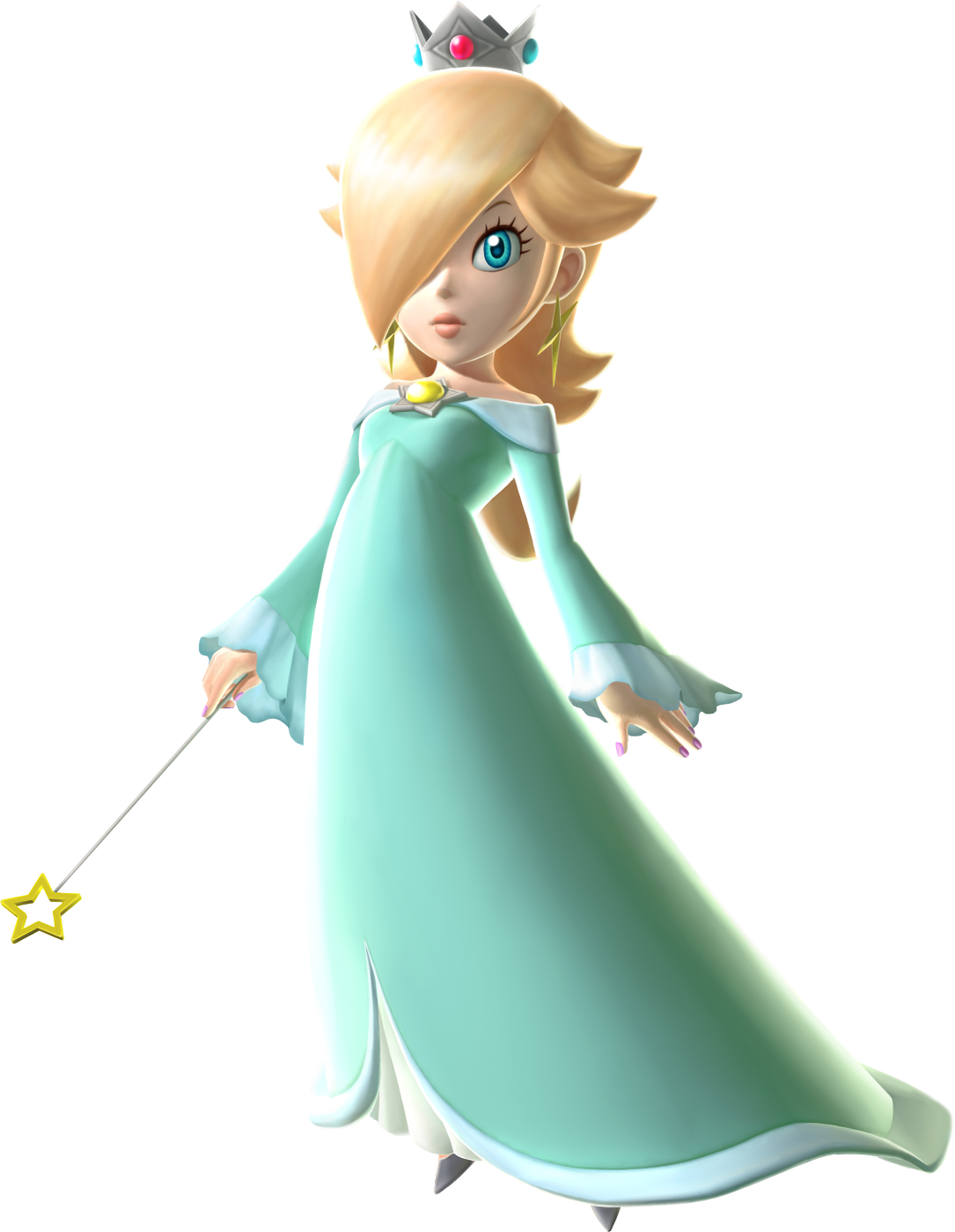
Rosalina: the quiet guardian of the stars from Super Mario Galaxy.
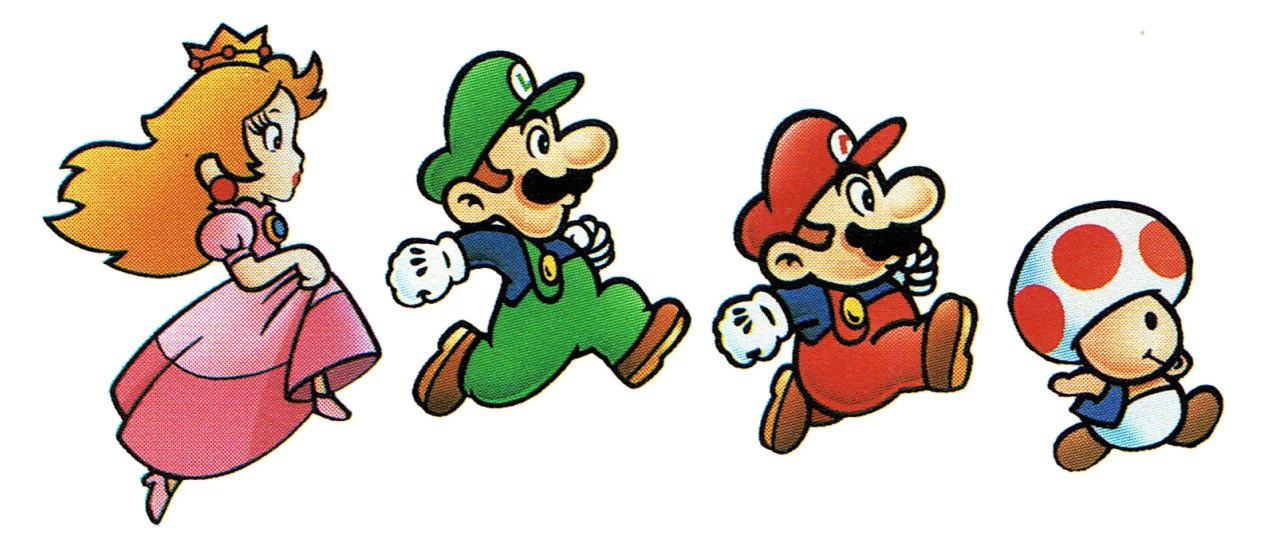
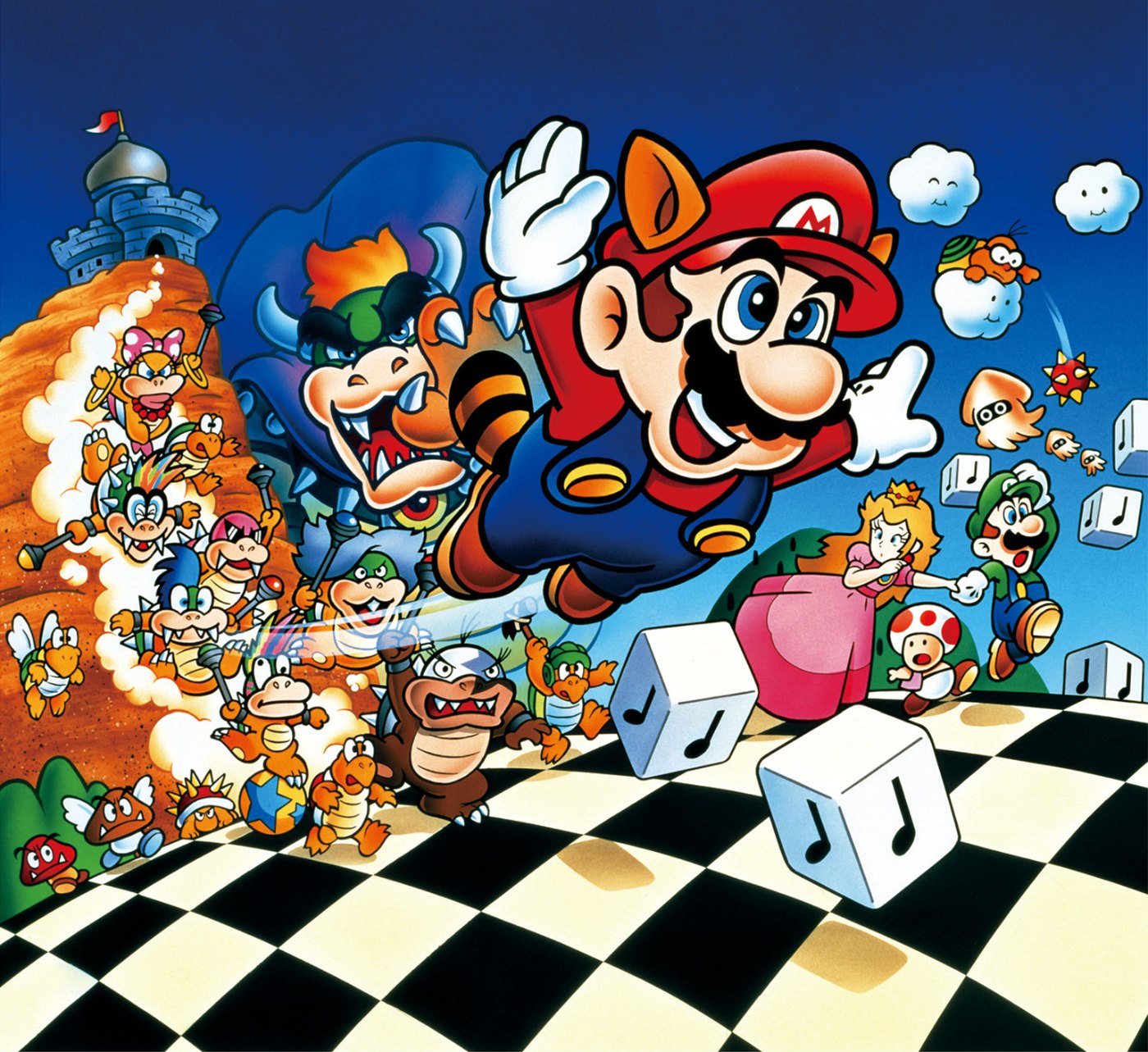
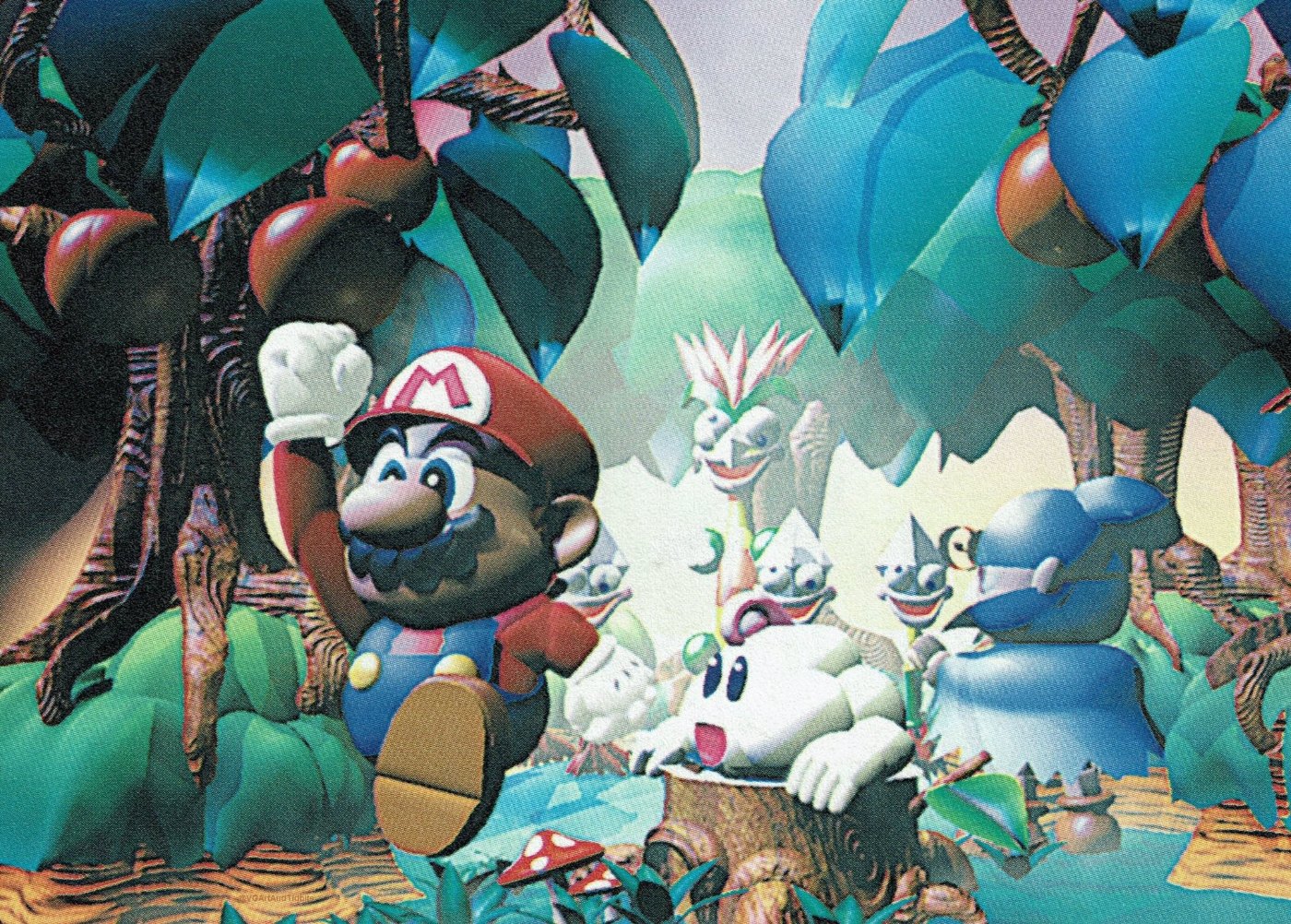
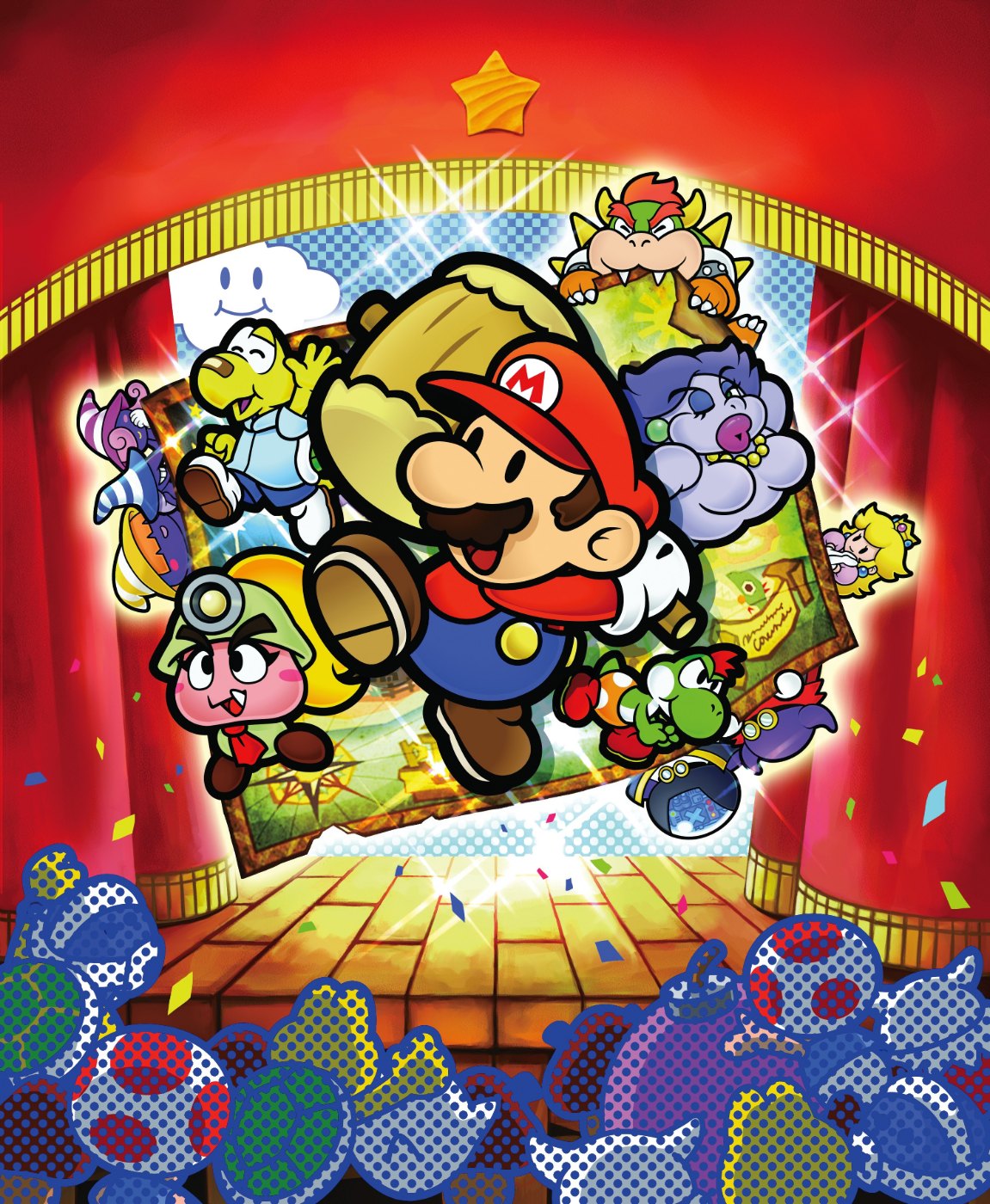
The cast of Super Mario Bros. 3, the game that gave the archive ten of its profiles.Super Mario RPG’s party in the Forest Maze, with newcomers Mallow and Geno.Mario and his partners from Paper Mario: The Thousand-Year Door.
Advertisement
Quick Answers
Short answers to the questions people ask most about Mario’s friends and foes.
Who was the first Super Mario character?
Mario himself, along with the woman he rescues and the ape who kidnaps her. All three come from Nintendo’s arcade game Donkey Kong (1981). Mario had no fixed name yet: the developers called him Ossan, Miyamoto wanted Mr. Video, and the English instructions called him Jumpman. The captive was simply the Lady until she became Pauline in America. More →
Why is Mario called Mario?
Nintendo of America chose the name while preparing Donkey Kong for the US, and it belonged to Mario Segale, the landlord of its warehouse. The popular version has Segale storming in about late rent. Don James, the warehouse manager at the time, has told it differently: he and Minoru Arakawa picked the name as a joke because the landlord was so rarely seen that nobody there had met him. More →
When did Luigi first appear?
In 1983. He was conceived for the arcade Mario Bros. as Nintendo’s answer to the second player in Joust, but he first showed up in the Game & Watch handheld of the same name as an exact copy of Mario. In the arcade game he was a recoloured Mario in green. The American Super Mario Bros. 2 (1988) was the first game to make him taller than his brother. More →
Is Princess Peach the same as Princess Toadstool?
Yes. She has been Princess Peach in Japan since Super Mario Bros. in 1985, but the English manual called her Princess Toadstool. The name Peach first appeared in the West in Yoshi’s Safari (1993), she signed her letter in Super Mario 64 “Peach”, and from Mario Kart 64 onwards it stuck. More →
Are the Koopalings Bowser’s children?
They were. Super Mario Bros. 3 presented the seven as Bowser’s kids, but around New Super Mario Bros. Wii Nintendo started calling them his minions, and in 2012 Shigeru Miyamoto said the current story is that they are not his children. That leaves Bowser Jr., introduced in 2002, as his only child. More →
Who created Wario and Waluigi?
Wario was designed by Hiroji Kiyotake for Super Mario Land 2 (1992); his name joins Mario to the Japanese warui, “bad”. Waluigi came from Camelot, where Fumihide Aoki designed him as Wario’s doubles partner for Mario Tennis on the Nintendo 64 (2000). More →
Why did Yoshi not appear until Super Mario World?
Miyamoto wanted Mario to ride a dinosaur from the first Super Mario Bros., but the NES could not manage it. The Super Famicom could, and Yoshi arrived in Super Mario World in 1990, drawn by Shigefumi Hino and made cuter at Takashi Tezuka’s request. More →
Why do the newer Paper Mario games have so few new Mario characters?
Producer Kensuke Tanabe explained in 2020 that since Sticker Star his team cannot alter Mario characters or invent new ones that belong to the Mario universe. New faces such as Huey, a paint can, and Olivia, a folded-paper princess, have to come from outside it. More →
Browse the Character Bios
Start with the hero
Mario
Nintendo’s plumber has been saving the Mushroom Kingdom ever since he jumped barrels as Jumpman in 1981’s Donkey Kong. Start with his profile, then meet the rest of the cast.
Nobody sat down and designed the Mario cast. It grew game by game, shaped by hardware limits, by translators on the other side of the Pacific and by teams who wanted characters of their own. Here is how it happened, in order.
Jumpman, the Lady and a brother (1981–1983)
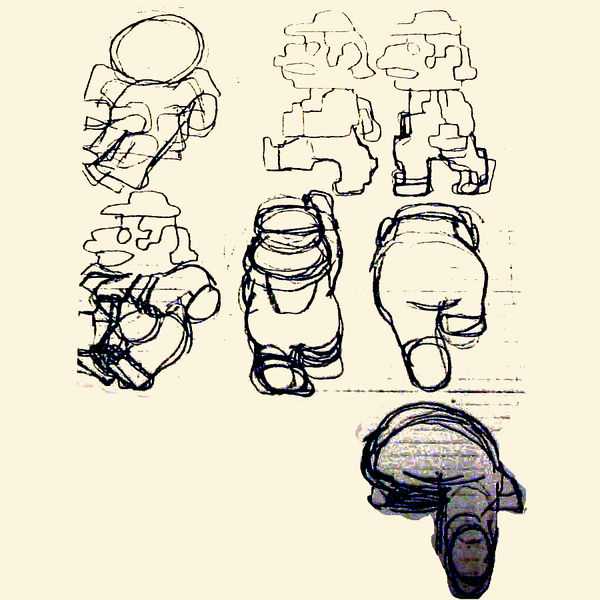
An early drawing of the hero who would become Mario.
The first Mario character did not have a name. In Donkey Kong, released in Japanese arcades in July 1981, he is a small carpenter climbing a building site to save a woman from a giant ape. The team called him Ossan, roughly “old man”; Shigeru Miyamoto fancied Mr. Video, an Alfred Hitchcock-style figure who would pop up in game after game; the English instructions settled on Jumpman. His look came from the arcade hardware rather than from fashion. A red cap meant nobody had to draw or animate hair, a big nose and a moustache did the work of a mouth the pixels could not show, and overalls in a contrasting colour made his arms easy to follow as he moved.
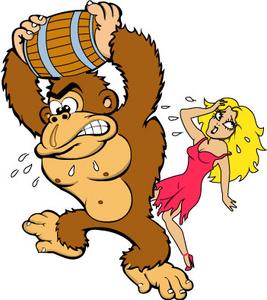
The woman at the top of the girders was known only as the Lady in Japan. In America she became Pauline, named after the girlfriend of Don James, who ran Nintendo of America’s warehouse at the time. The same office named the hero after its landlord, Mario Segale. The ape, Donkey Kong, needed no new name at all.
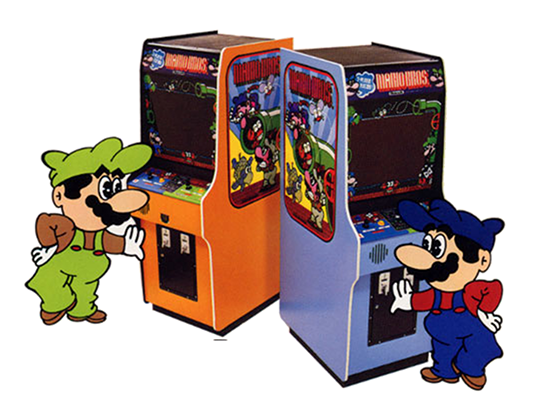
Two years later Gunpei Yokoi’s team made Mario Bros., and a two-player game needed a second hero. Taking a cue from Joust, which let a second player fly in on a stork, they came up with Luigi. He first appeared in the 1983 Game & Watch version, identical to his brother; the arcade game coloured him green. Nintendo of America named him too, and the name happens to echo the Japanese word ruiji, “similar”. Mario, meanwhile, changed jobs. A colleague told Miyamoto that he looked more like a plumber than a carpenter, and a game set in the sewers of New York made the switch easy.
Donkey Kong and the Lady, later named Pauline, in 1981 artwork.Mario and Luigi together on a Mario Bros. flyer, 1983.
The Mushroom Kingdom moves in (1985)
Early key art for Super Mario Bros., with first drafts of the princess and Bowser.
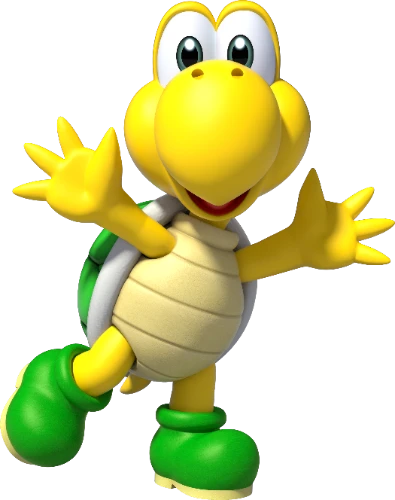
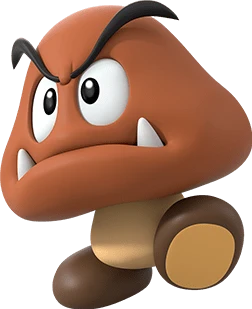
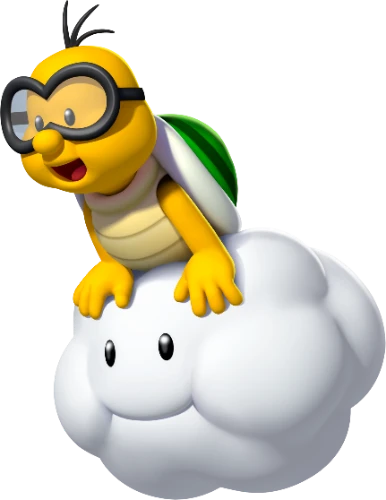
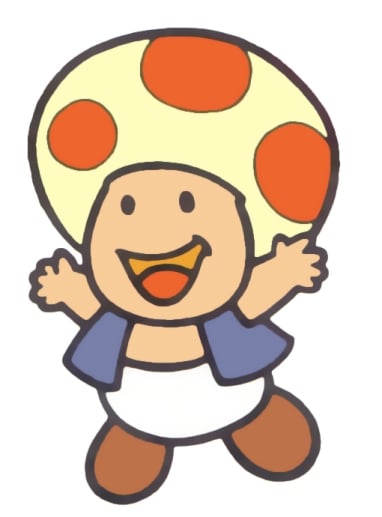
Super Mario Bros. turned a two-man act into a world. In one cartridge it introduced the princess, the Mushroom Retainers who apologise at the end of each castle, Bowser, Goombas, Koopa Troopas and Lakitu on his cloud, and most of them are still around four decades later.
Bowser began as something else entirely. Miyamoto’s first villain was an ox, modelled on King Gruesome from the Toei film Alakazam the Great, until Takashi Tezuka looked at the sketch and saw a turtle instead; the two of them reworked him into the ruler of the Koopa Troopas. When Yoichi Kotabe drew the final version he had a particular animal in mind, the Chinese softshell turtle, whose ferocious reputation suited a short-tempered king. Even the name came off a menu: Kuppa is what Japanese diners call the Korean dish gukbap, and Miyamoto had also weighed up Yukke and Bibinba (yukhoe and bibimbap). Where the English name Bowser came from is still anybody’s guess.
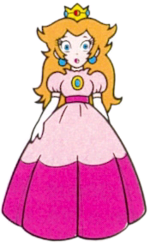
The princess was Miyamoto’s own drawing at first, before he asked Kotabe to redraw her so that she looked “stubborn, but a little cute”. In Japan she was Princess Peach from day one; the English manual made her Princess Toadstool, and the West did not settle on Peach until the mid-1990s. The humble Goomba was the very last enemy added, once it was clear that the Koopa Troopa was too tough to be the first enemy you meet, and it is a single picture flipped from side to side to make it walk.
Princess Toadstool, as Western fans first knew her.Bowser in his original Super Mario Bros. artwork.A Mushroom Retainer, the first Toad.
Dream worlds, Koopa kids and a second princess (1987–1989)
Mario, Luigi, Toad and the princess: the four playable heroes of the American Super Mario Bros. 2.
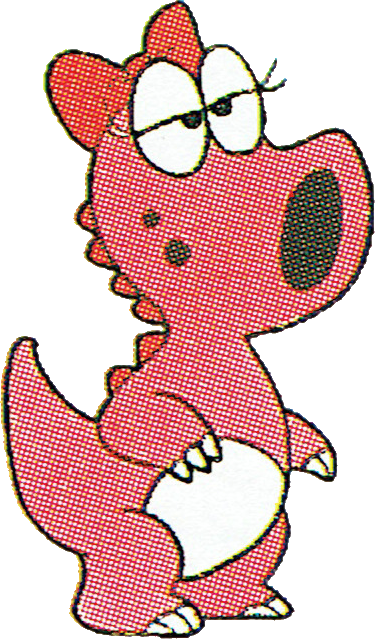
The game the West knows as Super Mario Bros. 2 began life in Japan as Yume Kōjō: Doki Doki Panic (1987), and Nintendo swapped the Mario cast in for the American release in 1988. Several of the original game’s creatures came along for the ride and never left: the egg-spitting Birdo, the masked Shy Guy and the frog king Wart, who had been called Mamu. The conversion gave Toad his first role as an individual, made the princess playable, and showed Luigi as the taller brother for the first time.
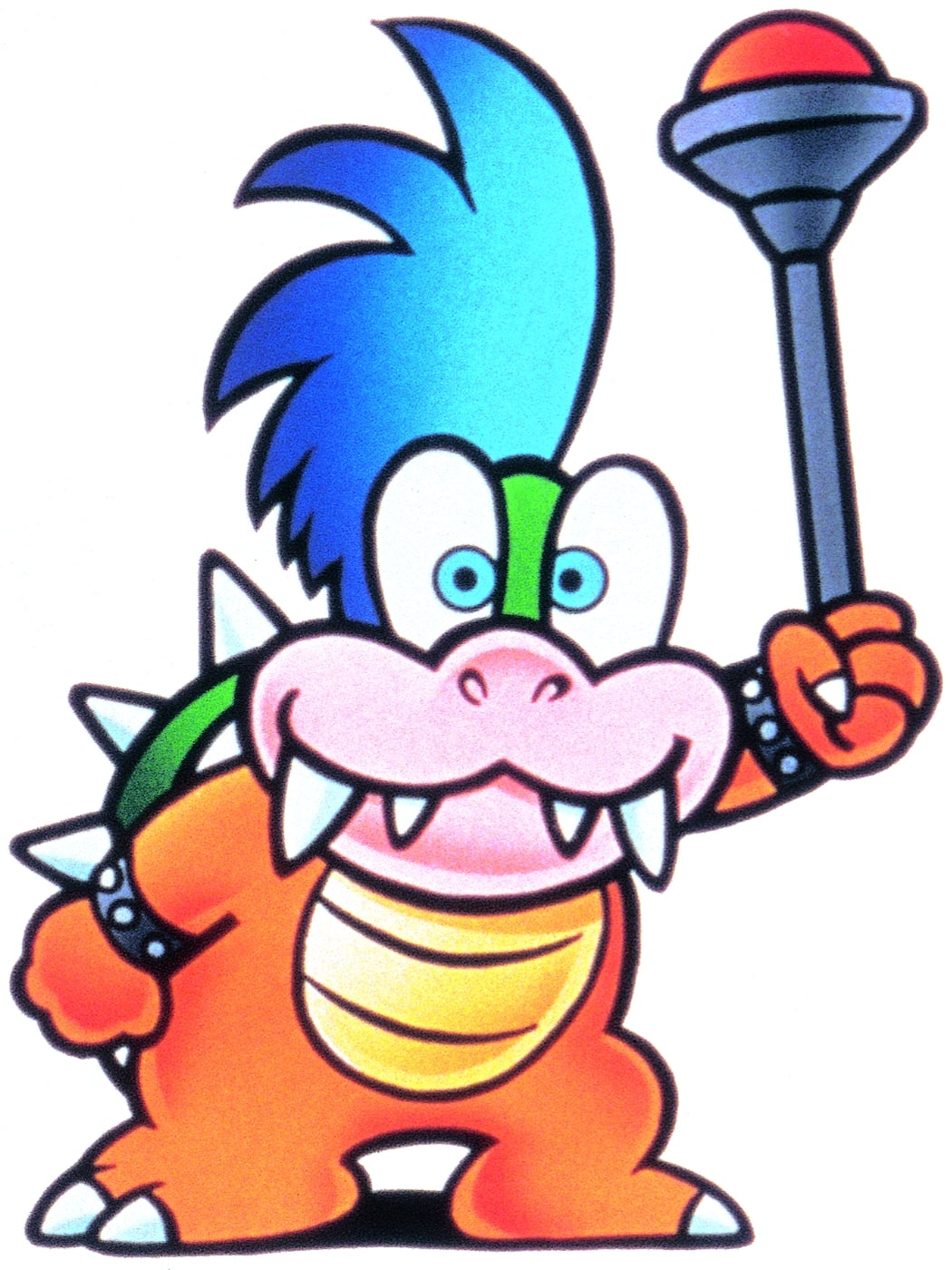
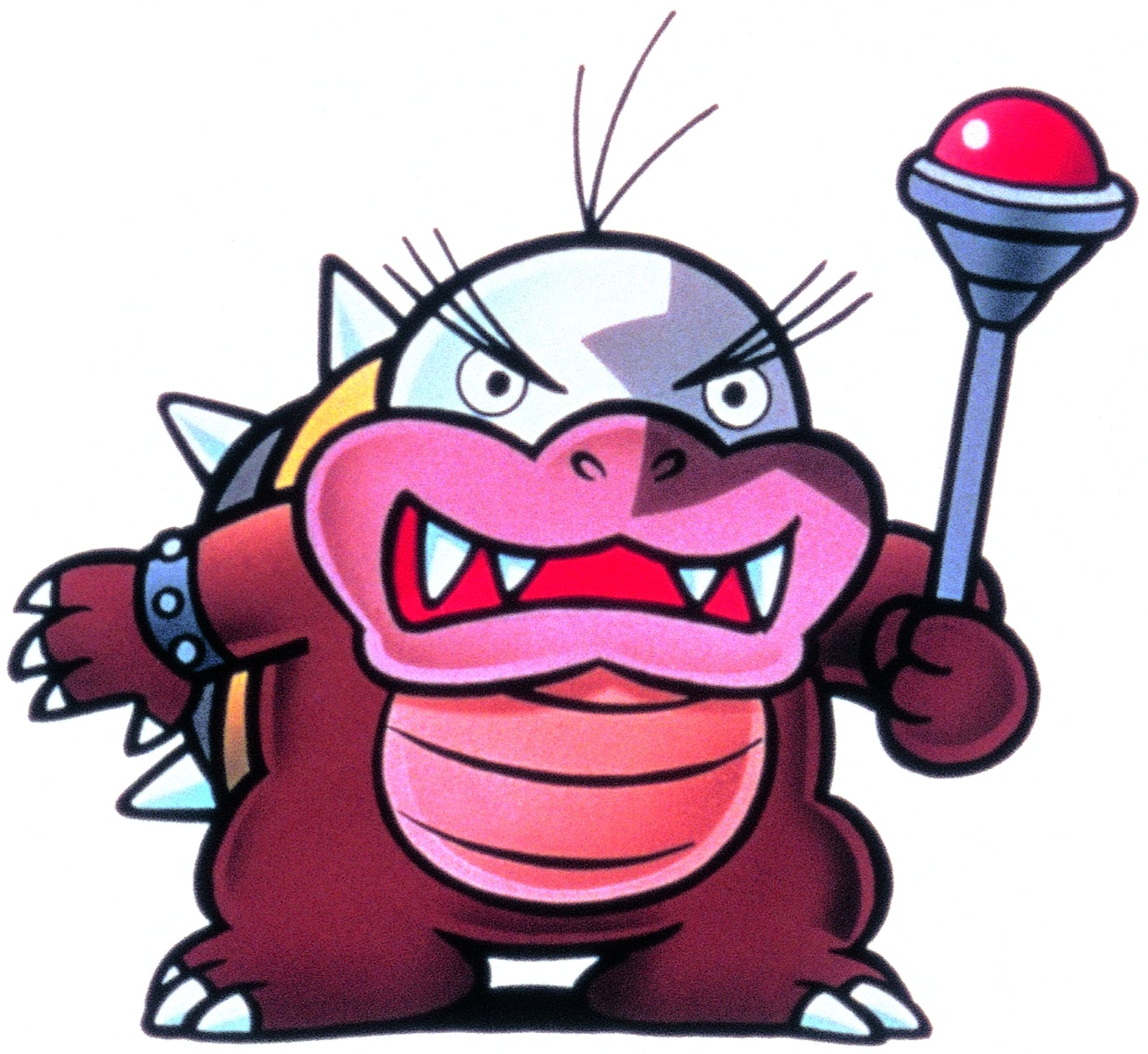
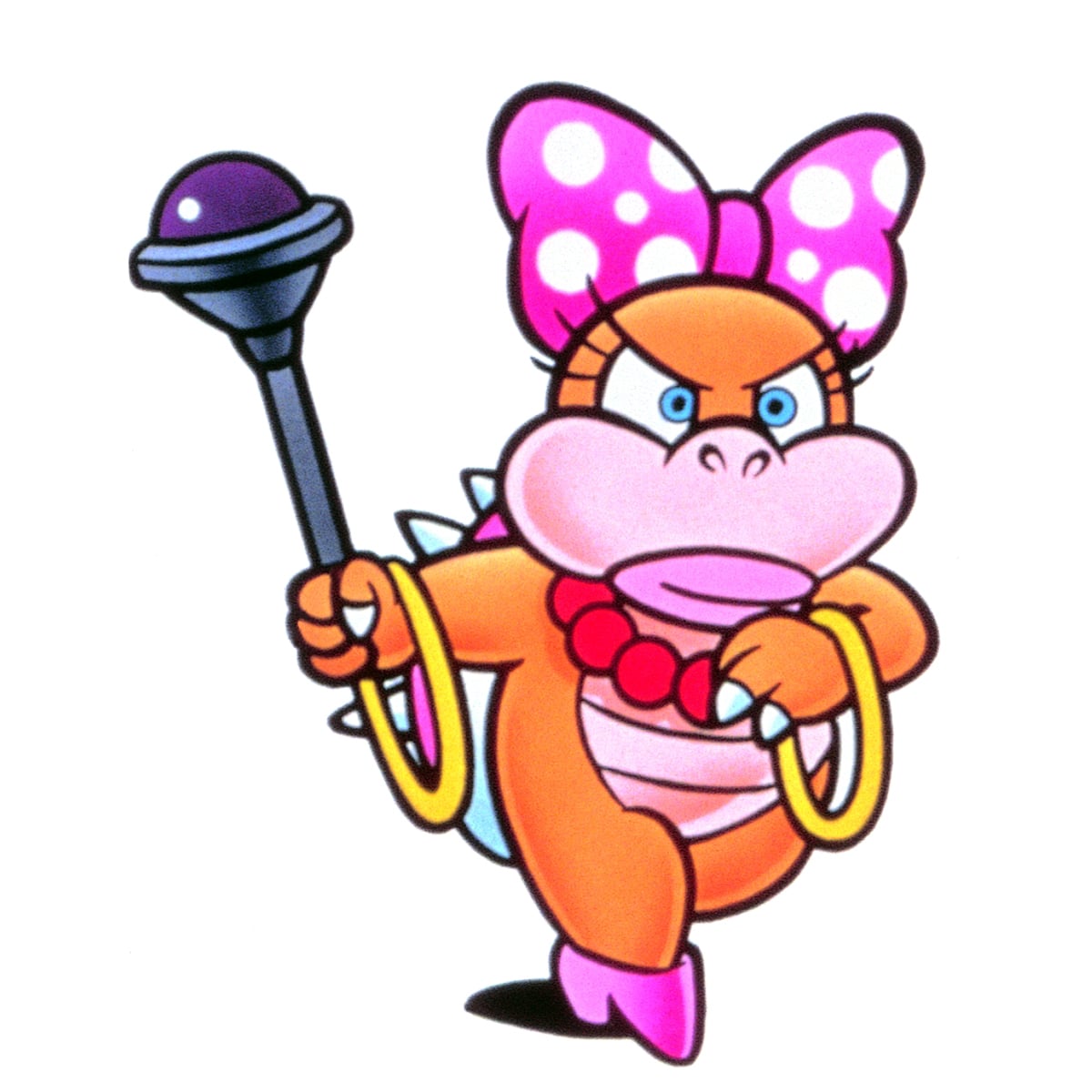
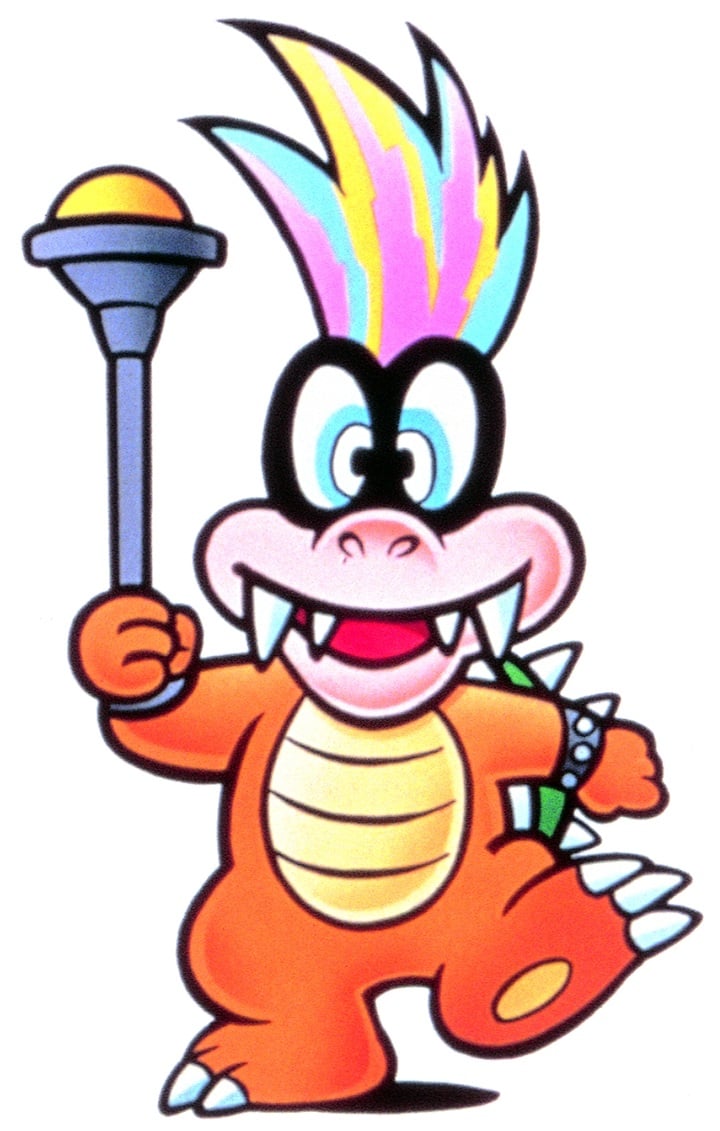
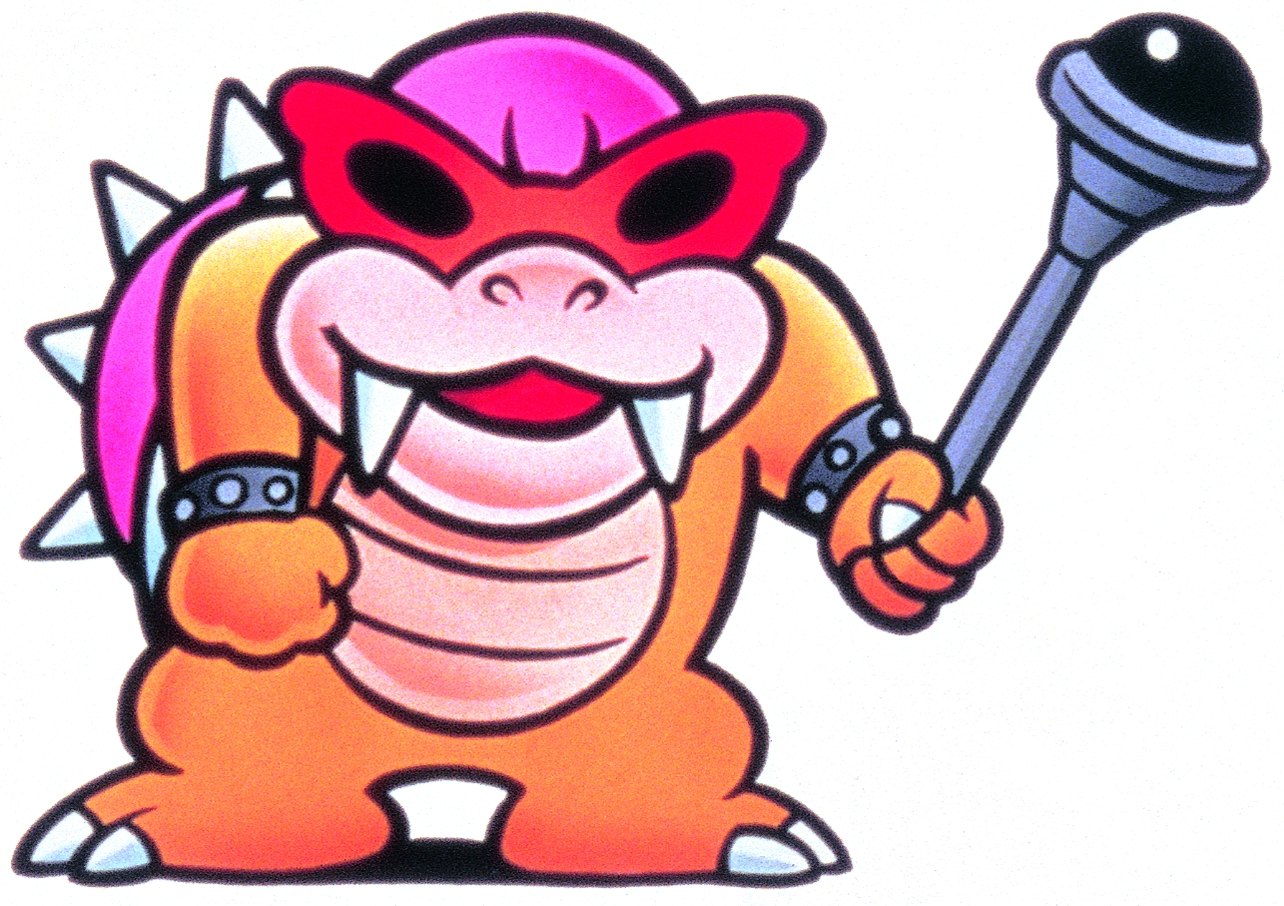
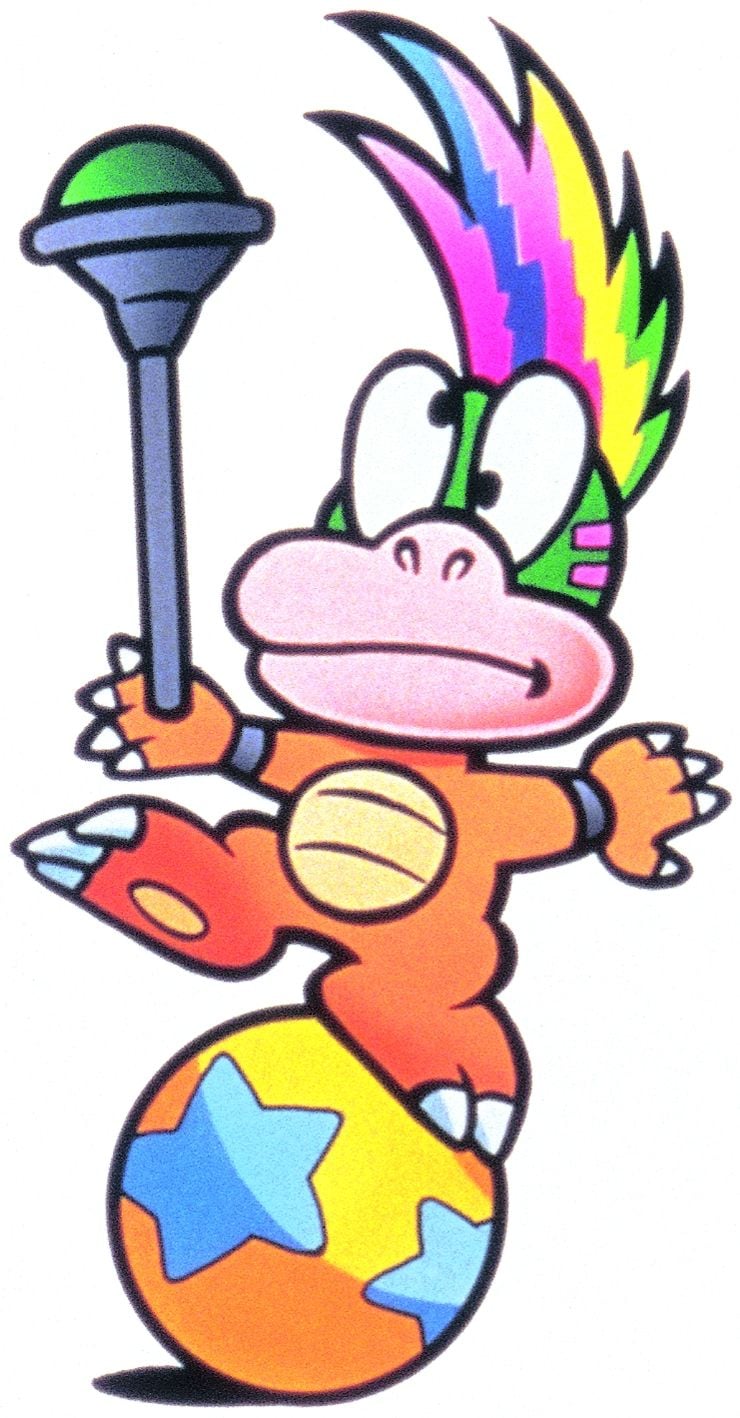
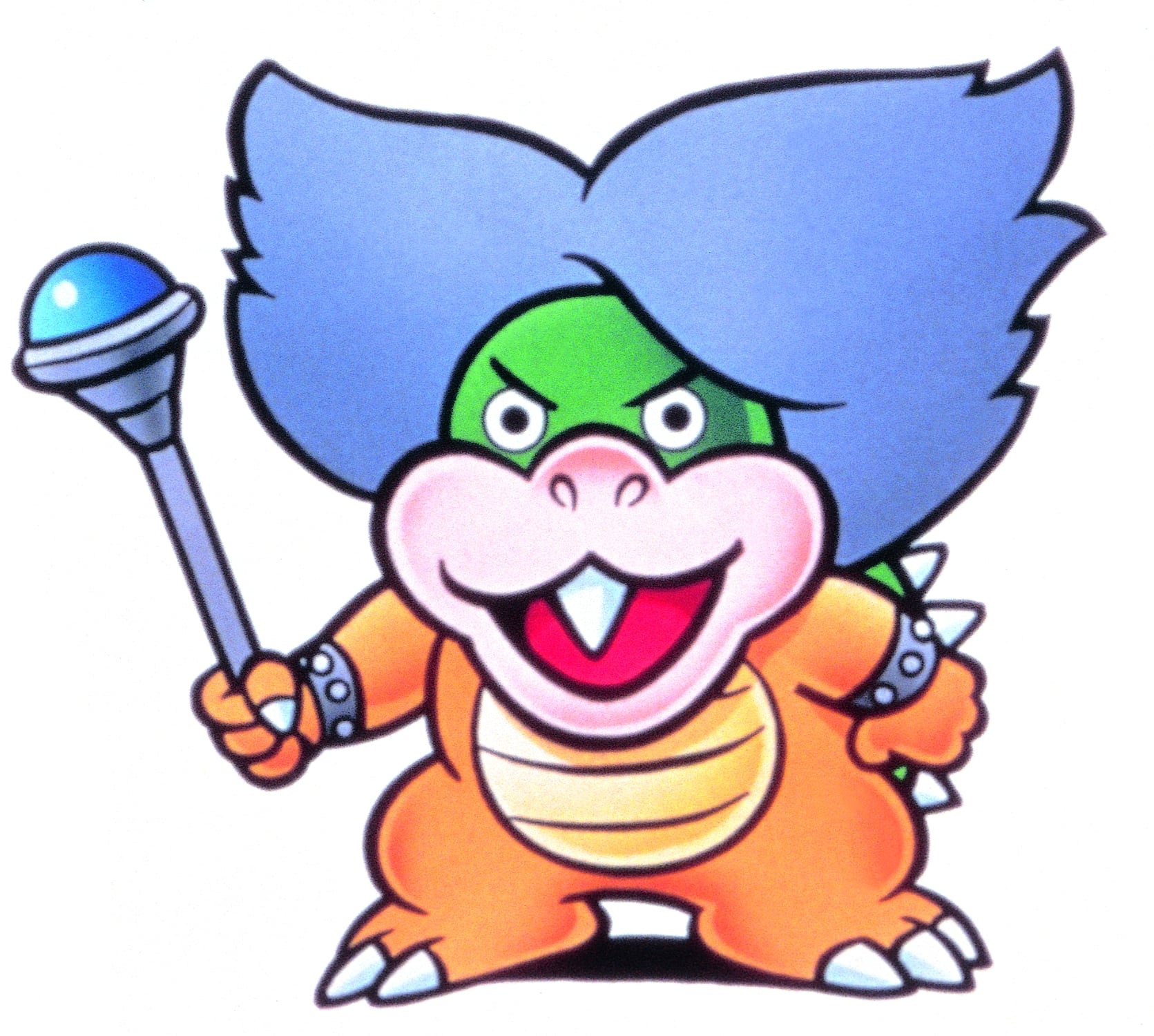
Super Mario Bros. 3 arrived in Japan in October 1988 with a family for Bowser: seven Koopalings, one for each of the first seven worlds. In Japan they had no separate names, just a collective title meaning “the 7 little Bowser siblings”, so Nintendo of America’s localisers named them after musicians: Ludwig after Beethoven, Roy after Roy Orbison, Iggy after Iggy Pop, Lemmy after Lemmy Kilmister, Wendy after Wendy O. Williams and Morton after the talk-show host Morton Downey Jr. Nobody is quite sure about Larry. The same game introduced Boom Boom, Boo and the Chain Chomp.
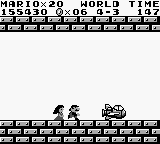
Over on the Game Boy, Gunpei Yokoi’s team gave Mario a different princess to rescue. Super Mario Land (1989) sent him to Sarasaland to save Princess Daisy from the alien Tatanga. Daisy then waited more than a decade for a proper comeback: after a cameo as Luigi’s caddy in NES Open Tournament Golf, she returned in earnest in Mario Tennis in 2000.
Birdo, one of the creatures adopted from Doki Doki Panic.Boom Boom, keeper of the Super Mario Bros. 3 fortresses.Mario finally reaches Princess Daisy at the end of Super Mario Land.
A dinosaur and two bad brothers (1990–2000)
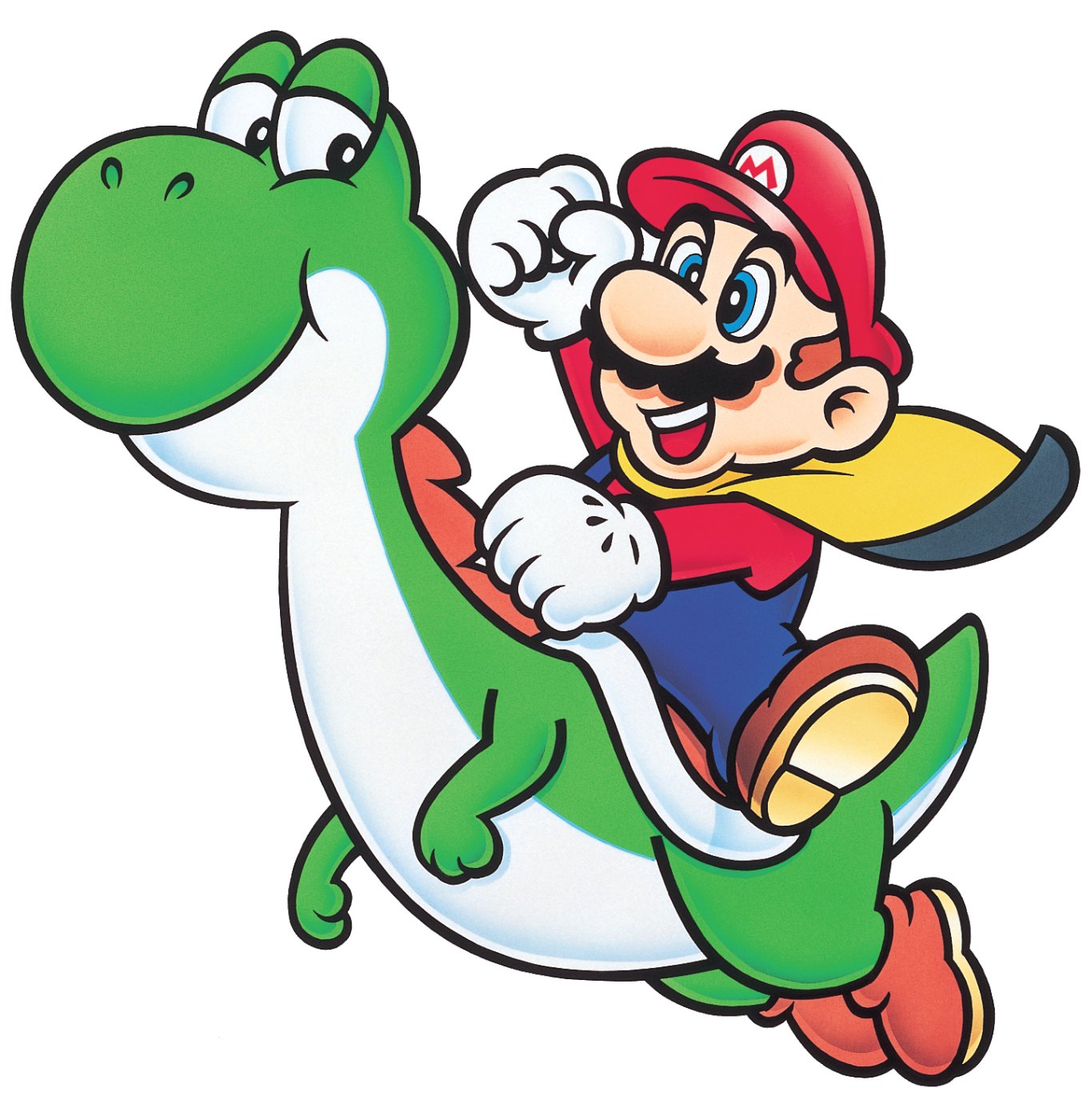
Caped Mario riding Yoshi in Super Mario World artwork.
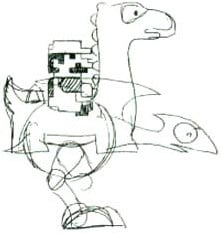
Yoshi was an idea that had to wait for better hardware. Miyamoto wanted Mario to ride a dinosaur as early as Super Mario Bros., but the NES was not up to it. The Super Famicom finally gave the idea room. Super Mario World was set in Dinosaur Land, and Miyamoto’s rough sketches were handed to Shigefumi Hino to work up; Tezuka thought Hino’s first version looked too much like a real lizard for a Mario game and pushed for something cuter, and the friendlier result arrived in November 1990. Players took to him at once, and the follow-up, Yoshi’s Island (1995), made him the star, with Baby Mario on his back and the Magikoopa Kamek in pursuit.
Wario came from a team that wanted a hero of its own. The Game Boy staff behind Super Mario Land 2: 6 Golden Coins (1992) were not keen on building game after game around somebody else’s character, so designer Hiroji Kiyotake drew them a villain: a greedy caricature of Mario, named by joining Mario to warui, the Japanese for “bad”. The W on his cap is an upside-down M. The name was meant to be temporary, but it stuck, and within two years Wario was starring in Wario Land; in 2003 he got WarioWare as well.
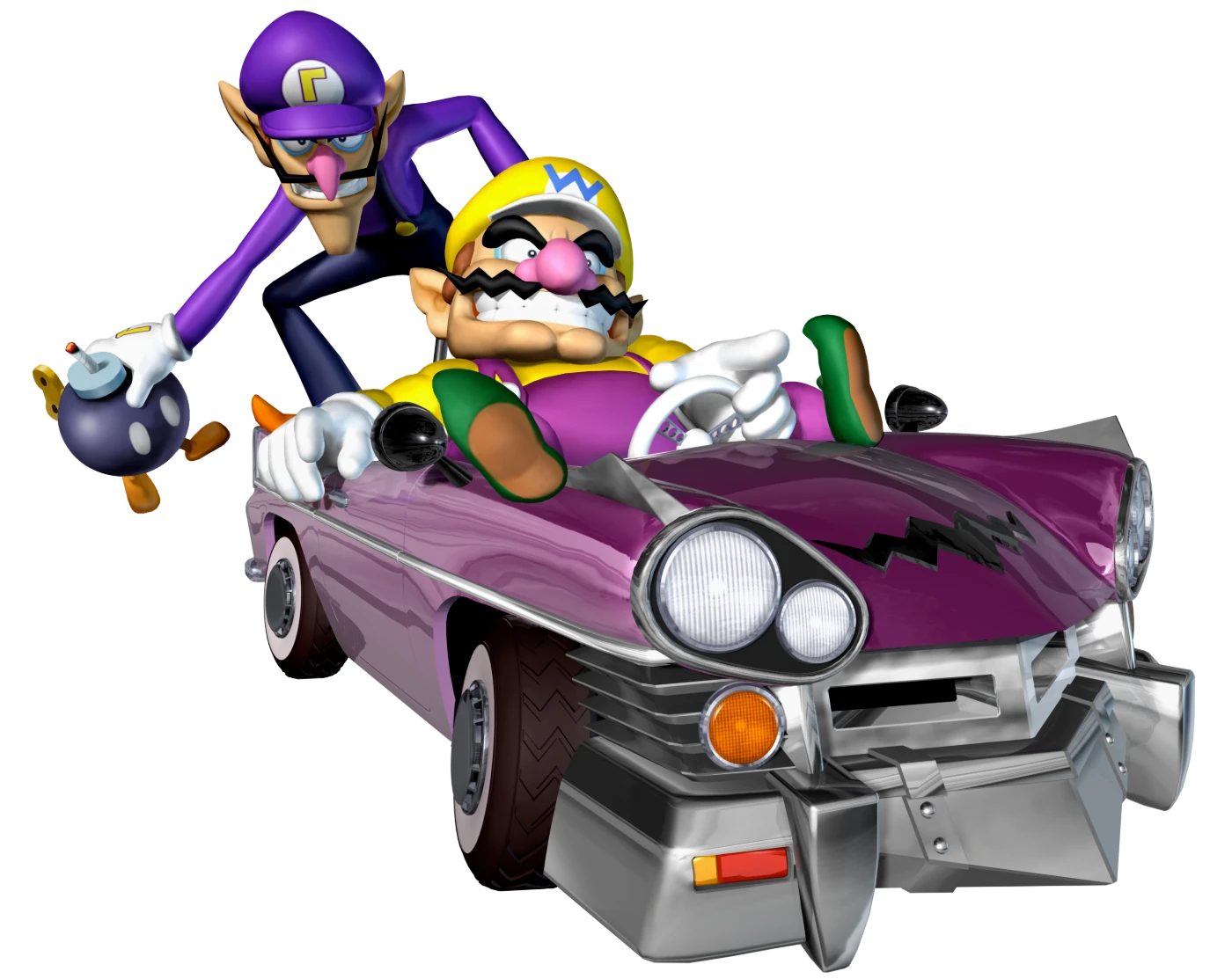
Luigi’s bad twin took longer. For Mario Tennis on the Nintendo 64 (2000), Camelot asked Nintendo for a new character and was told to make one itself, so Fumihide Aoki designed Waluigi as Wario’s doubles partner and Luigi’s sour rival: warui plus Luigi. Yoichi Kotabe chose the upside-down L on his cap. Waluigi has been a regular in the sports and party games ever since, but he has never had a game of his own.
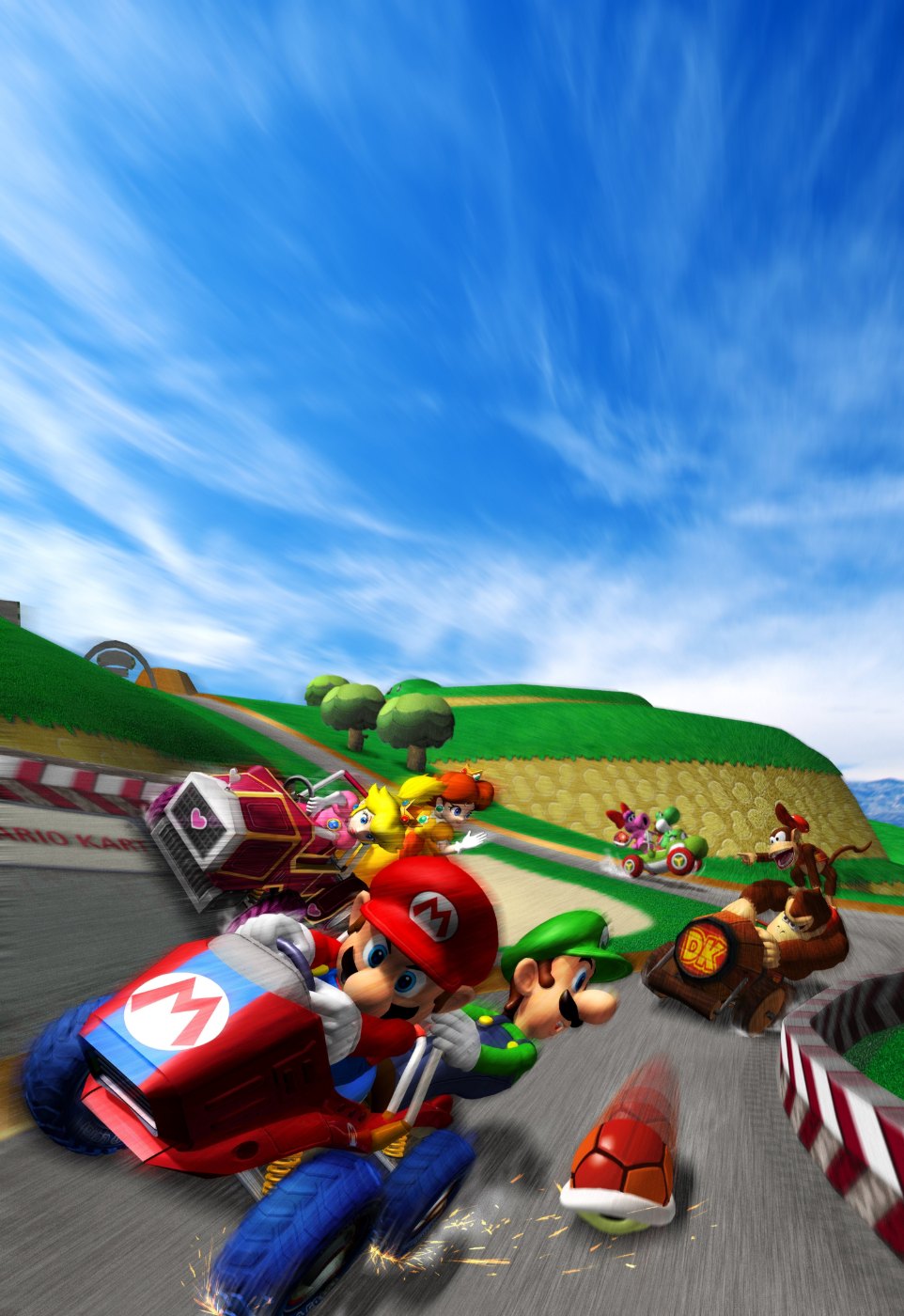
An early sketch of Mario riding a dinosaur.Wario in his 1992 Super Mario Land 2 artwork.Wario and Waluigi as a team in Mario Kart: Double Dash!!
The role-playing casts (1996–2020)
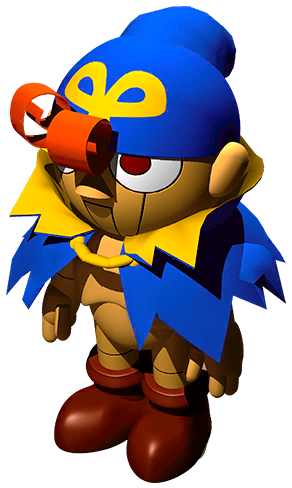
Geno, the star warrior in a borrowed wooden body.
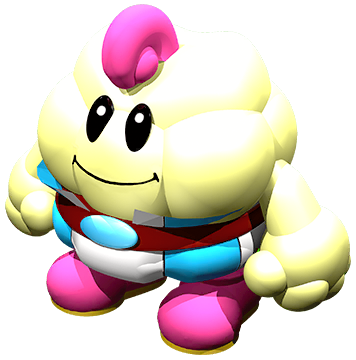
When Mario went into role-playing games he picked up companions that no platformer would have room for. Super Mario RPG, made by Square and released in 1996, gave him Mallow, a cloud prince raised as a tadpole by a frog sage, and Geno, a spirit from the Star Road living in a wooden doll he borrowed in Rose Town, against the mechanical blacksmith-king Smithy.
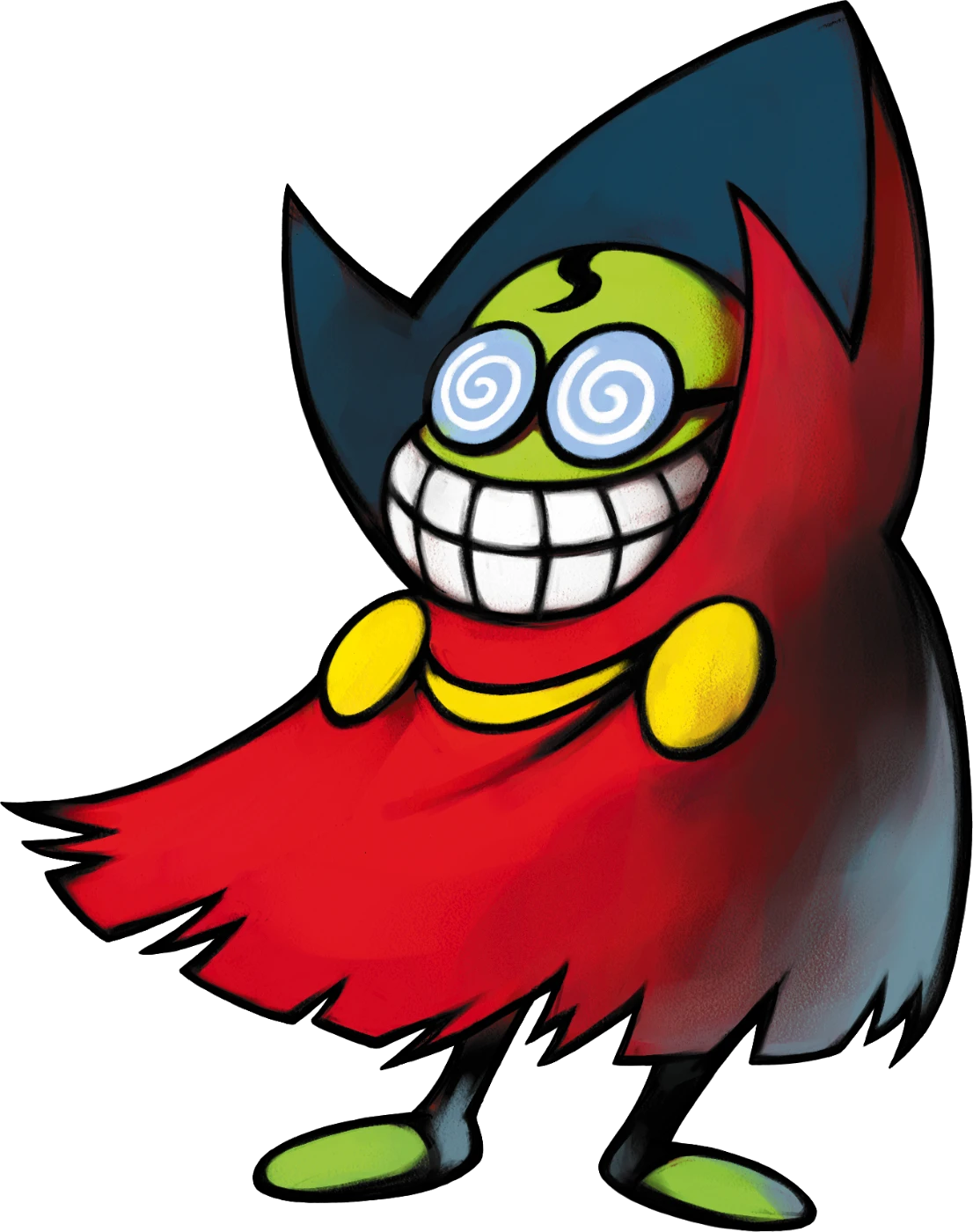
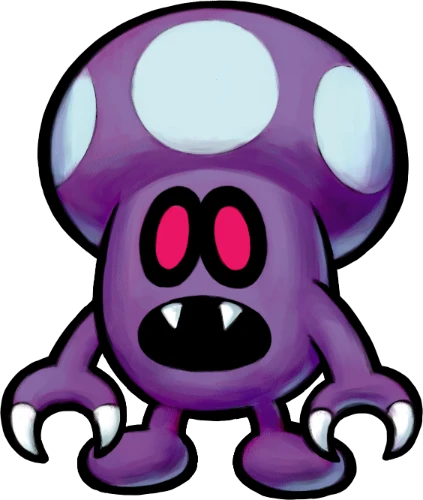
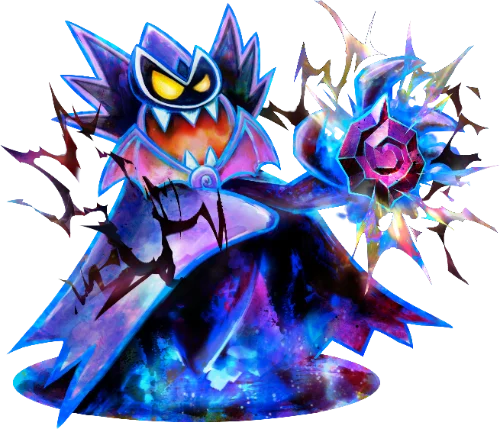
Square left before a sequel was made, and Intelligent Systems rebuilt the idea as Paper Mario (2000), deliberately leaving Geno and Mallow behind and recruiting partners from Mario’s traditional enemies instead. That gave the series its gift for turning Goombas and Koopas into personalities, from the student Goombella and the ancient Shadow Queen of The Thousand-Year Door (2004) to Count Bleck, the magician Dimentio and the mysterious Mr. L of Super Paper Mario (2007). Meanwhile AlphaDream, a studio founded by former Square staff, launched the Mario & Luigi series with Superstar Saga (2003): the witch Cackletta, her devoted and gloriously ungrammatical henchman Fawful, and Bowletta, which is what happens when Cackletta’s spirit moves into Bowser, followed by the alien Shroobs in Partners in Time (2005) and the Bat King Antasma in Dream Team (2013).
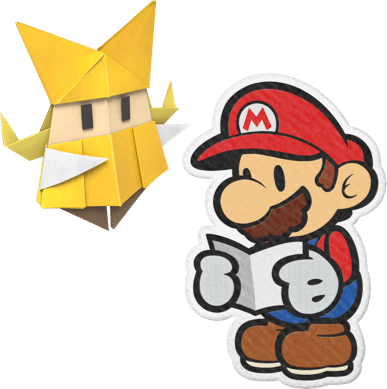
Paper Mario’s later casts look different for a reason. Producer Kensuke Tanabe said in 2020 that since Sticker Star (2012) the team has not been able to modify existing Mario characters or invent new ones that touch the Mario universe. So the new companions are made of the games’ own materials: Huey, a talking paint can from Color Splash (2016), and Olivia, an origami princess from The Origami King (2020).
Mallow, the cloud who believed he was a frog.Fawful, Cackletta’s inventor and right-hand bean.Goombella, Mario’s first partner in The Thousand-Year Door.Mario and Olivia in The Origami King.
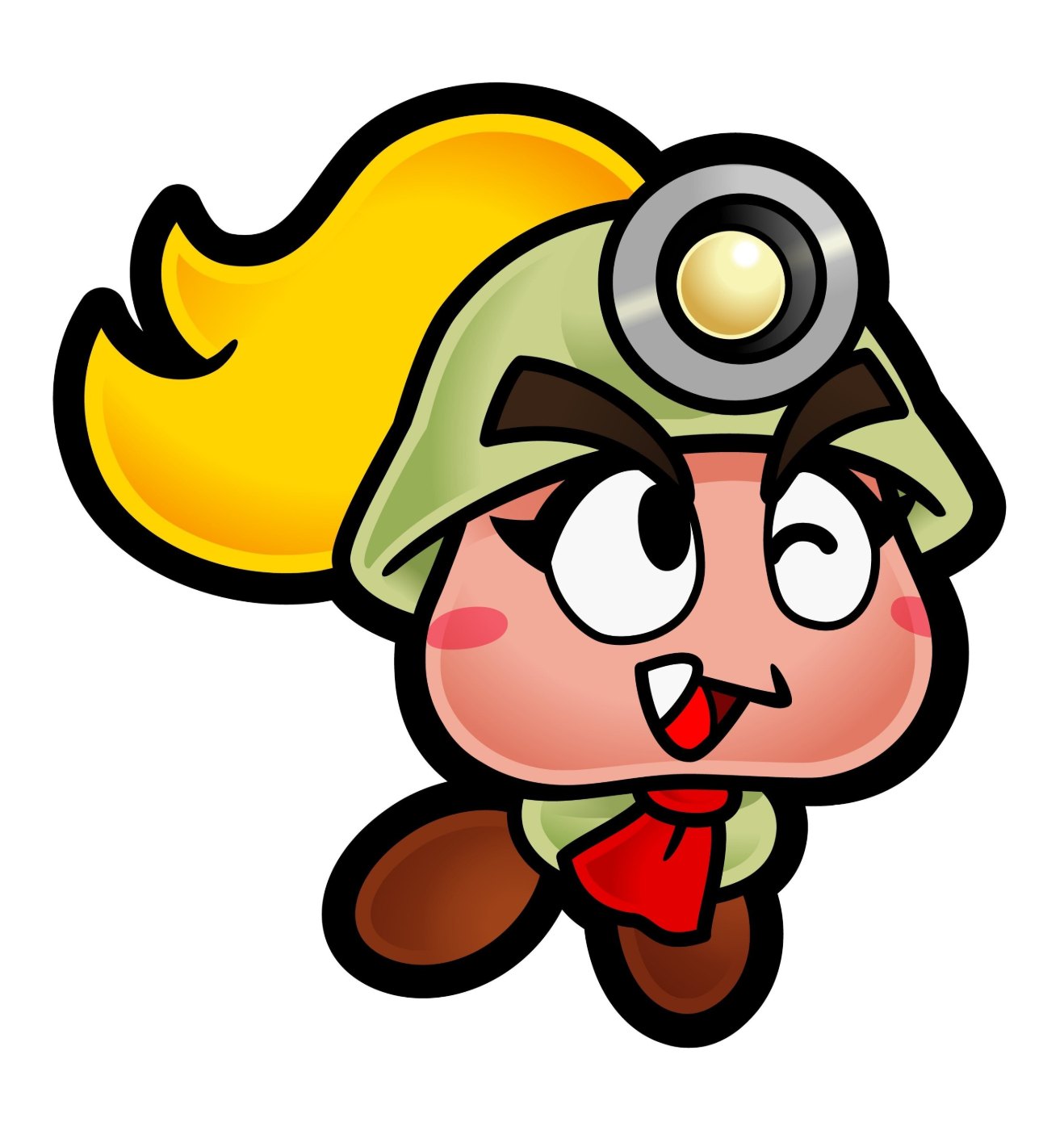
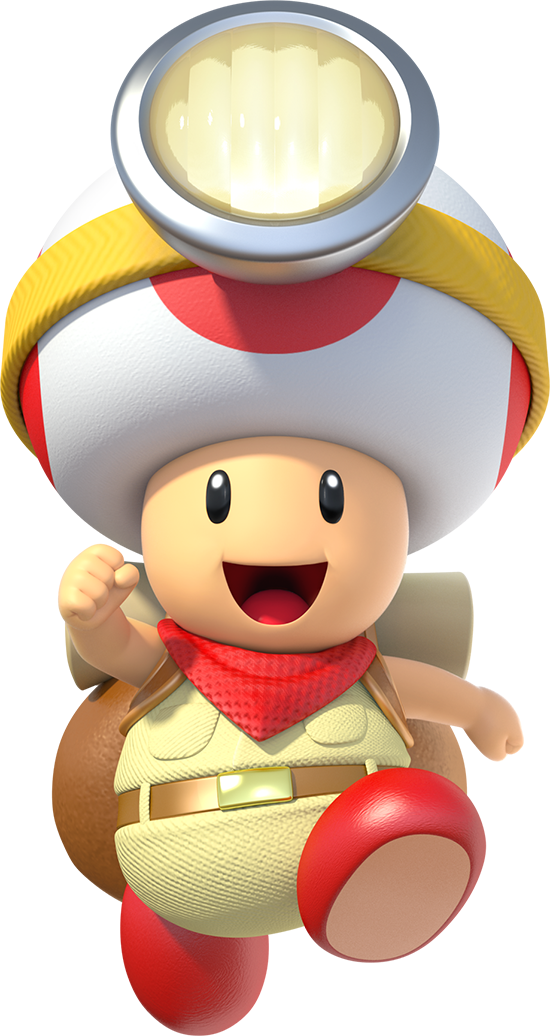
Rosalina came from Yoshiaki Koizumi, who felt that the star-shaped Lumas of Super Mario Galaxy (2007) and their guardian deserved a backstory for why they were drifting about the cosmos at all. The result was a quiet, slightly sad figure whose past is told chapter by chapter in a picture book, and an early plan to make her related to Peach explains the family resemblance. She went on to race, to join the playable cast of Super Mario 3D World (2013) and to fight in Smash Bros. The same game introduced the headlamp-wearing leader of the Toad Brigade, who became Captain Toad and in 2014 starred in Captain Toad: Treasure Tracker, the first game named after a Toad.
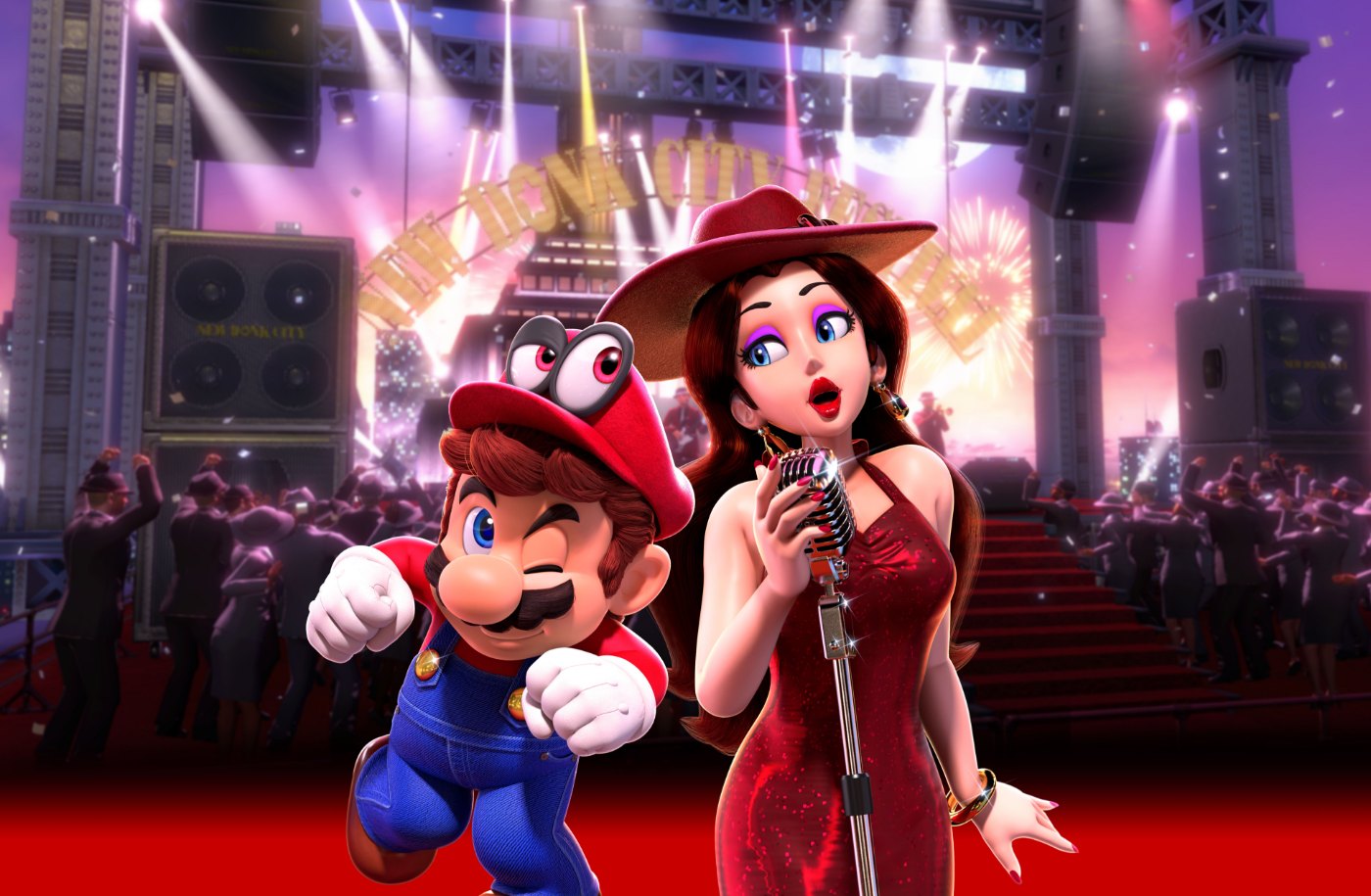
More recent arrivals include the ghost dog Polterpup from Luigi’s Mansion: Dark Moon (2013) and Cappy, the living hat of Super Mario Odyssey (2017). Odyssey also gave one of the archive’s three oldest characters a new job: Pauline came back as the mayor of New Donk City, a part first planned as the city’s princess until the team decided New Donk City was not the sort of place that has princesses, and she sings the game’s theme, “Jump Up, Super Star!”.
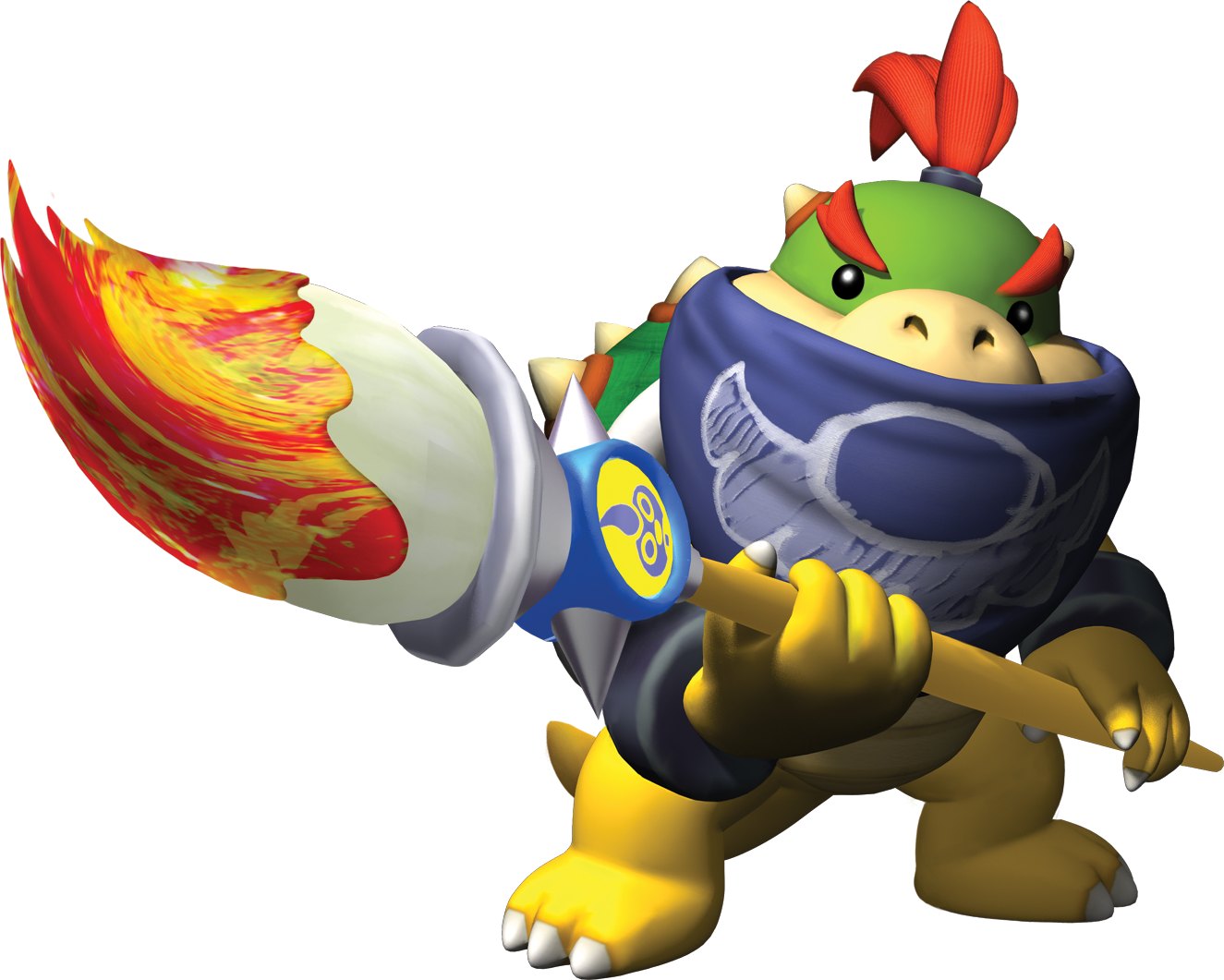
Professor E. Gadd, first seen in Luigi’s Mansion.Bowser Jr. in his Super Mario Sunshine artwork.Captain Toad, promoted from Galaxy’s Toad Brigade to a game of his own.Mario, Pauline and Cappy at the New Donk City festival.
Advertisement
Timeline of Debuts
Every character in the archive, in order of first appearance. The years are the ones printed on the cards above.
Debuts, year by year
Mario, Pauline, Donkey Kong1981Donkey Kong (arcade): the carpenter called Jumpman, the Lady and the ape.
Luigi1983Mario Bros. on Game & Watch, then the arcade game, as player two.
Peach, Toad, Bowser, Goomba, Koopa Troopa, Lakitu1985Super Mario Bros. sets up the Mushroom Kingdom.
Birdo, Shy Guy, Wart1987Yume Kōjō: Doki Doki Panic, reworked in 1988 as the Western Super Mario Bros. 2.
The Koopalings, Boom Boom, Boo, Chain Chomp1988Super Mario Bros. 3: ten of the archive’s profiles from one game.
Plenty of the cast go by different names in Japan, and a few were renamed outright by Nintendo of America. Bowser is Kuppa, Toad is Kinopio and Toadette Kinopiko; the princess was always Peach in Japan but Toadstool in English for her first decade or so. Birdo is Catherine, Wart was Mamu in Doki Doki Panic, and the Koopalings had only a group name until the American localisers named most of them after musicians.
The role-playing casts are full of them too. Mallow is Maro, Smithy is Kajio, Goombella is Christine, Fawful is Gerakobits, Count Bleck is Count Noir and the Shroobs are the Gedonko. Rosalina, meanwhile, is Rosetta.
Trivia & Interesting Facts
Miyamoto has said that if he had kept the name Mr. Video for his hero, the character would probably have vanished without trace.
A Donkey Kong sales brochure was already calling the hero “little Mario”, even while the English instructions knew him as Jumpman.
Pauline made her playable debut in 2019, as downloadable content for Mario Tennis Aces in March, and raced for the first time in Mario Kart Tour that September.
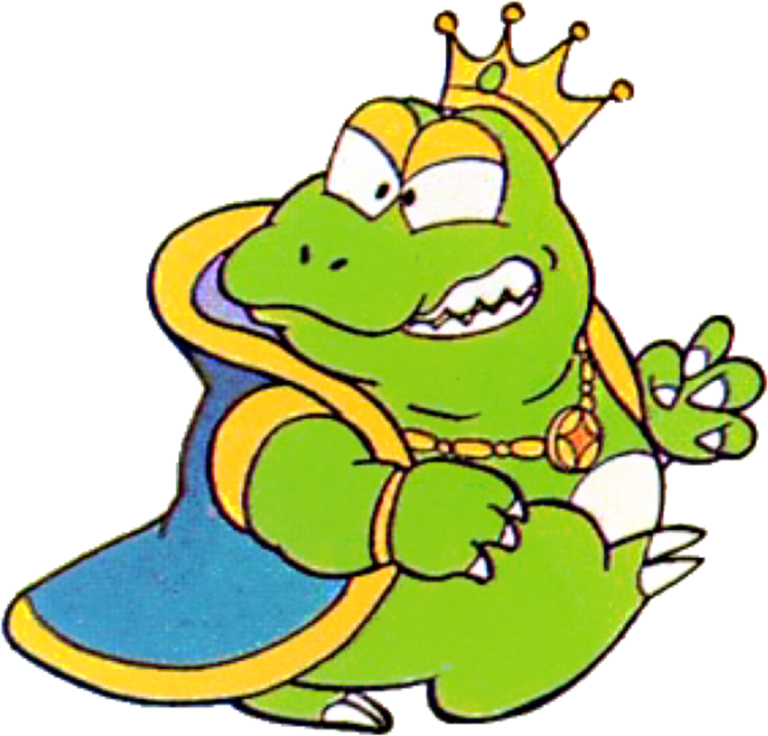
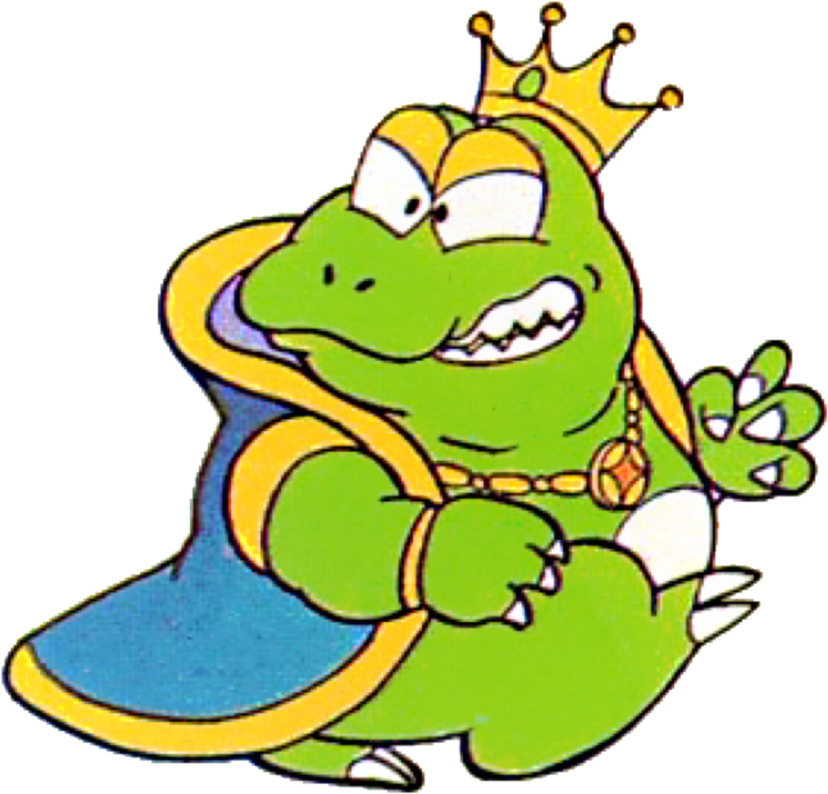
Wart, king of Subcon.Wart kept his Doki Doki Panic name, Mamu, when he made a cameo in The Legend of Zelda: Link’s Awakening.
The 1988 Super Mario Bros. 2 manual described Birdo as a boy who thinks he is a girl and would rather be called Birdetta, and the credits mixed up Birdo’s name with Ostro’s.
Larry is the only Koopaling with no settled namesake. Dayvv Brooks of Nintendo of America has linked him to U2 drummer Larry Mullen Jr., but more recently said he simply looked like a Larry.
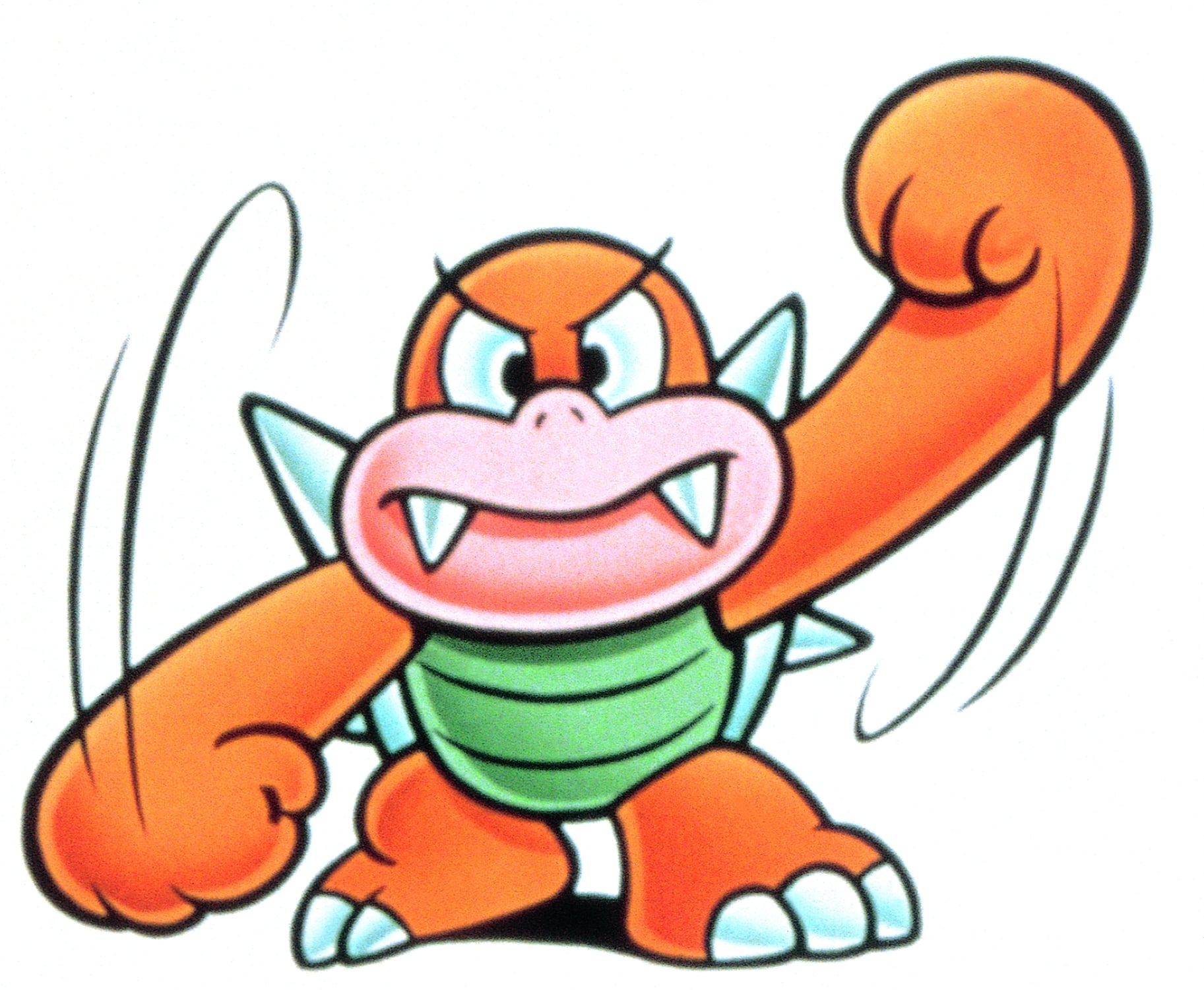
After Mario & Luigi: Superstar Saga in 2003 the Koopalings had no major role for six years. New Super Mario Bros. Wii brought them back in 2009, redesigned with shells in their own colours and a range of heights and builds.
Geno’s real name is written ♡♪!?, which is why he borrows the name of the doll he lives in.
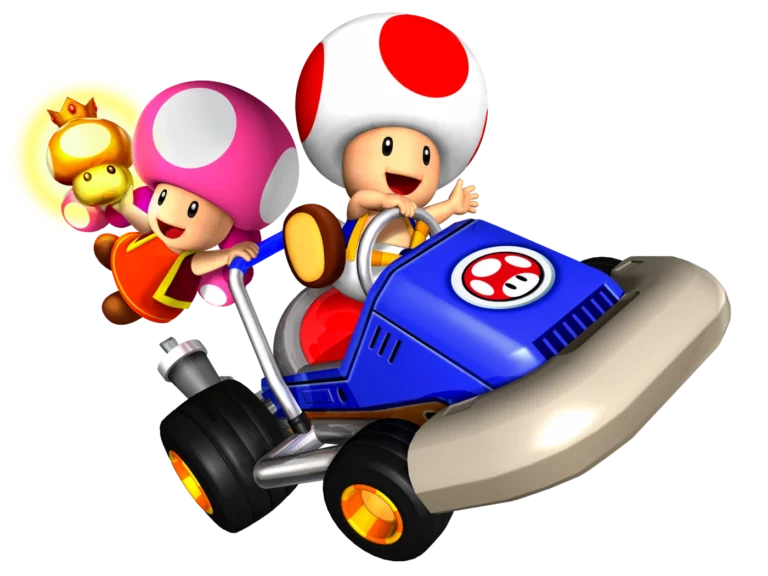
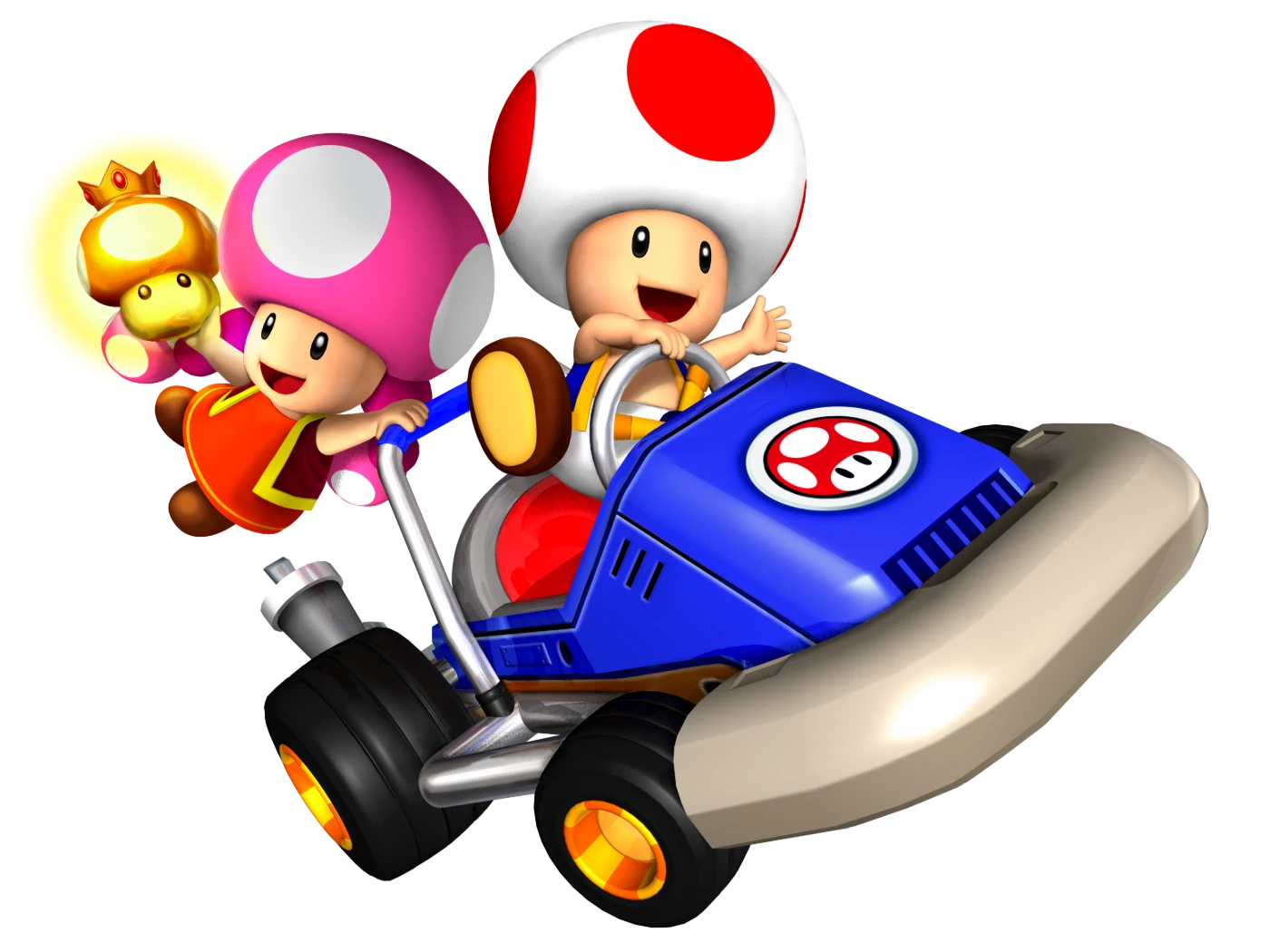
Toad and Toadette, partners in Double Dash!!Toadette was invented during the making of Mario Kart: Double Dash!!, when the team wanted Toad in the game but could not think of anyone to share his kart.
Thirty years after his debut, Nintendo ran a Year of Luigi from 19 March 2013 to 19 March 2014.
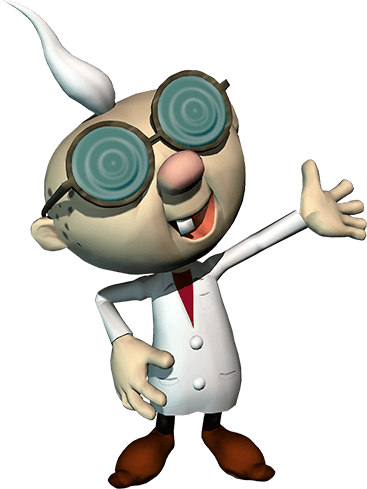
Professor E. Gadd’s voice in Luigi’s Mansion is the work of composer Kazumi Totaka, who went uncredited for it.
Gallery: The Koopalings
Seven of the archive’s profiles come from a single family. Here are the Koopalings as Nintendo drew them for Super Mario Bros. 3 in 1988.
Larry KoopaMorton Koopa Jr.Wendy O. KoopaIggy KoopaRoy KoopaLemmy KoopaLudwig von Koopa
Sources
Every fact on this page was checked against the 31 sources listed here.
To provide the best experiences, we use technologies like cookies to store and/or access device information. Consenting to these technologies will allow us to process data such as browsing behavior or unique IDs on this site. Not consenting or withdrawing consent, may adversely affect certain features and functions.
Functional
Always active
The technical storage or access is strictly necessary for the legitimate purpose of enabling the use of a specific service explicitly requested by the subscriber or user, or for the sole purpose of carrying out the transmission of a communication over an electronic communications network.
Preferences
The technical storage or access is necessary for the legitimate purpose of storing preferences that are not requested by the subscriber or user.
Statistics
The technical storage or access that is used exclusively for statistical purposes.The technical storage or access that is used exclusively for anonymous statistical purposes. Without a subpoena, voluntary compliance on the part of your Internet Service Provider, or additional records from a third party, information stored or retrieved for this purpose alone cannot usually be used to identify you.
Marketing
The technical storage or access is required to create user profiles to send advertising, or to track the user on a website or across several websites for similar marketing purposes.


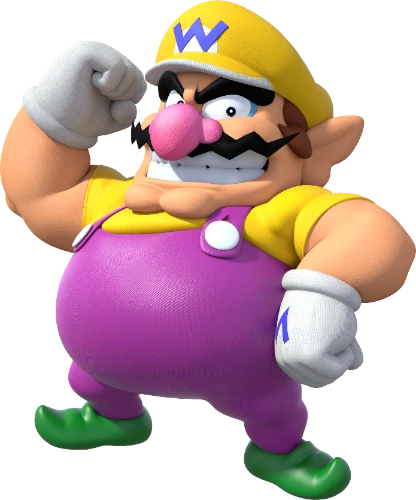 Wario
 Donkey Kong
 PaulineDonkey Kong (Arcade)1983
 LuigiMario Bros. (Game & Watch)1985
 Princess PeachSuper Mario Bros.1985
 ToadSuper Mario Bros.1987
 BirdoDoki Doki Panic / SMB21989
 Princess DaisySuper Mario Land1990
 YoshiSuper Mario World1994
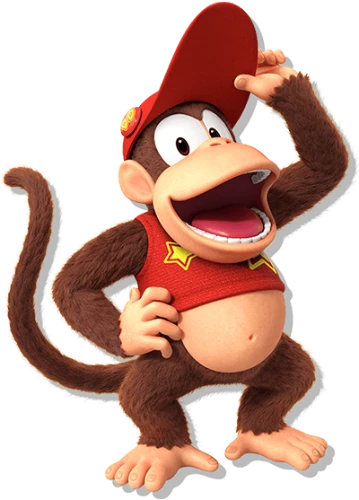 Diddy KongDonkey Kong Country1996
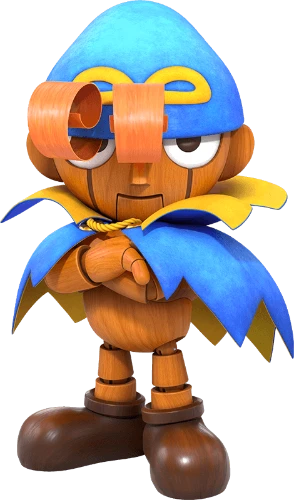 GenoSuper Mario RPG1996
 MallowSuper Mario RPG2001
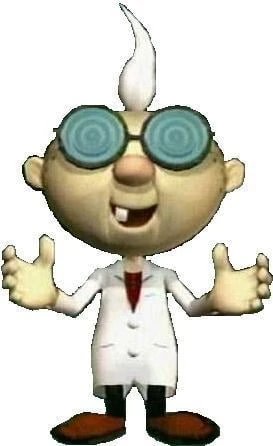 Professor E. GaddLuigi’s Mansion2002
 ToadsworthSuper Mario Sunshine2003
 ToadetteMario Kart: Double Dash!!2004
 GoombellaPaper Mario: TTYD2007
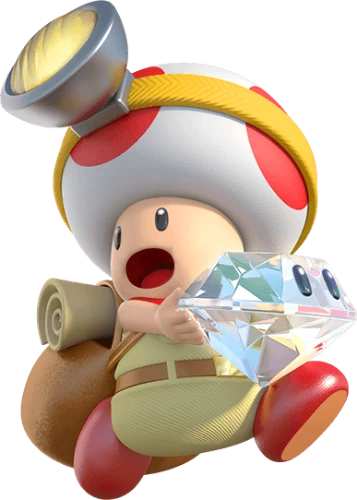 Captain ToadSuper Mario Galaxy2007
 RosalinaSuper Mario Galaxy2013
 PolterpupLuigi’s Mansion: Dark Moon2016
 HueyPaper Mario: Color Splash2017
 CappySuper Mario Odyssey2020
 Olivia & King OllyPaper Mario: The Origami King
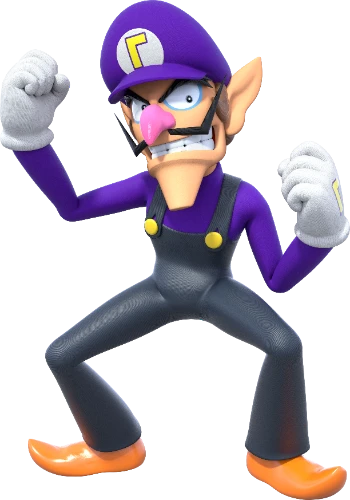
 BowserSuper Mario Bros.1988
 Boom BoomSuper Mario Bros. 31988
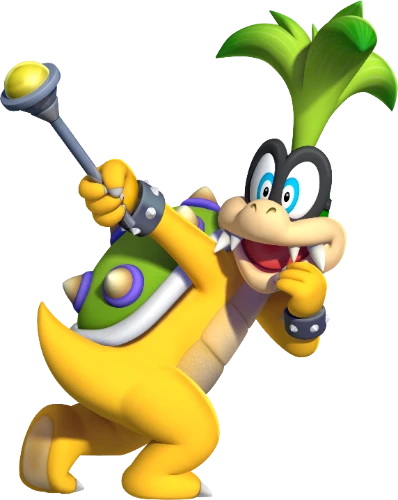 Iggy KoopaSuper Mario Bros. 31988
 Larry KoopaSuper Mario Bros. 31988
 Lemmy KoopaSuper Mario Bros. 31988
 Ludwig von KoopaSuper Mario Bros. 31988
 Morton Koopa Jr.Super Mario Bros. 31988
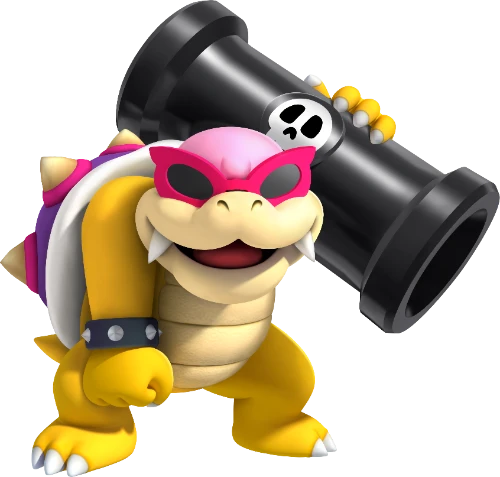 Roy KoopaSuper Mario Bros. 31988
 Wendy O. KoopaSuper Mario Bros. 31995
 KamekYoshi’s Island2002
 Bowser Jr.Super Mario Sunshine2002
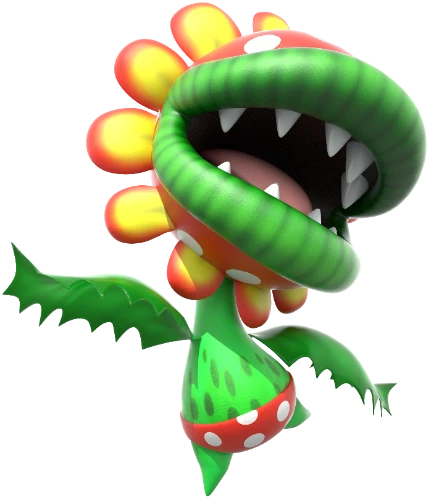 Petey PiranhaSuper Mario Sunshine
 WartDoki Doki Panic / SMB21989
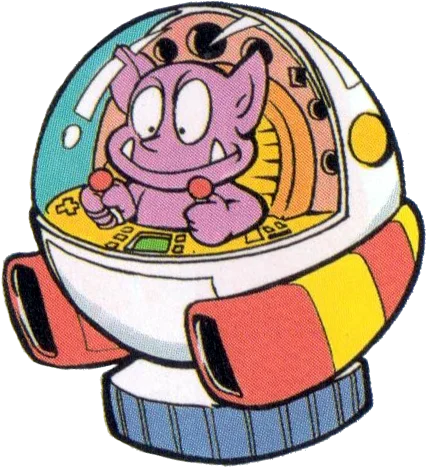 TatangaSuper Mario Land1996
 SmithySuper Mario RPG2001
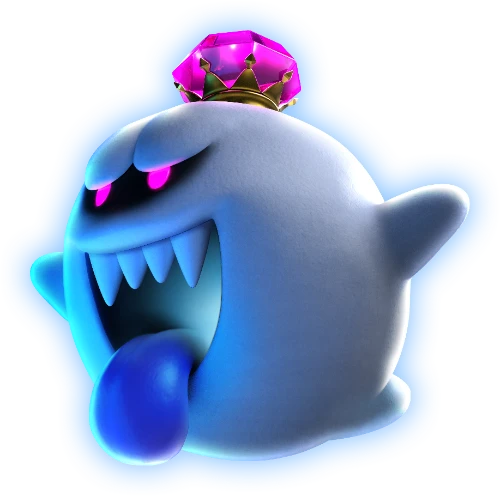 King BooLuigi’s Mansion2003
 BowlettaM&L: Superstar Saga2003
 CacklettaM&L: Superstar Saga2003
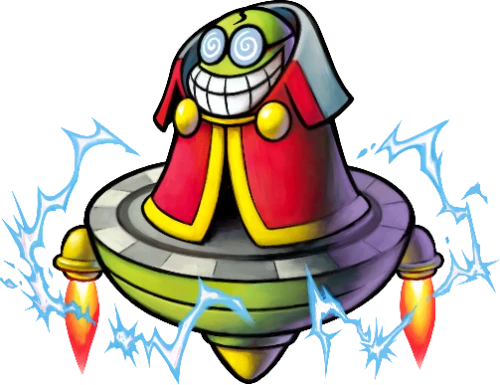 FawfulM&L: Superstar Saga2004
 Shadow QueenPaper Mario: TTYD2005
 The ShroobsM&L: Partners in Time2007
 Count BleckSuper Paper Mario2007
 DimentioSuper Paper Mario2007
 Mr. LSuper Paper Mario2013
 AntasmaM&L: Dream Team